Über uns
Gecai Culture steht an vorderster Front, wenn es darum geht, die Vergangenheit durch unsere hochmodernen animatronischen Dinosaurier, bezaubernde animatronische Kreaturen, lebendige chinesische Festivallaternen und maßgeschneiderte Produkte zum Leben zu erwecken. Als professioneller Hersteller im Herzen Chinas hegen wir eine tief verwurzelte Leidenschaft dafür, unsere lebensechten Dinosaurier und Tiere in Museen, Ausstellungen, Zoos, Parks und darüber hinaus zu präsentieren, um Menschen jeden Alters eine Flamme der Neugier und des Lernens zu entfachen.
Holen Sie sich ein kostenloses Angebot
Dinosaurier-Wissen
Könnten Dinosaurier wie in Jurassic Park geklont werden? Die Wissenschaft hinter dem Mythos
 Ever since Jurassic Park hit theaters, people have wondered whether dinosaurs could really be cloned and brought back to life. The idea of resurrecting massive predators and towering herbivores through genetic engineering is both thrilling and terrifying. But how much of the movie is rooted in scientific reality? Is cloning a dinosaur actually possible?
Today's research in genetics, cloning, and ancient DNA gives us clearer answers than ever before. And the truth is far more complex—and fascinating—than Hollywood shows.
The One Big Obstacle: Dinosaur DNA No Longer Exists
 Cloning requires one essential ingredient: intact DNA.
But here's the problem—dinosaur DNA is long gone.
Scientists have proven that DNA has a limited lifespan. Under the best possible preservation conditions, DNA has a half-life of about 521 years, meaning it degrades steadily over time. After roughly 6.8 million years, even the most durable DNA becomes unreadable dust.
Dinosaurs, however, disappeared 66 million years ago.
That's ten times longer than the maximum theoretical survival of DNA.
Even the most beautifully preserved dinosaur fossils contain no recoverable DNA. Without DNA, cloning is scientifically impossible.
The Amber Myth: Why Mosquitoes Can't Save Us
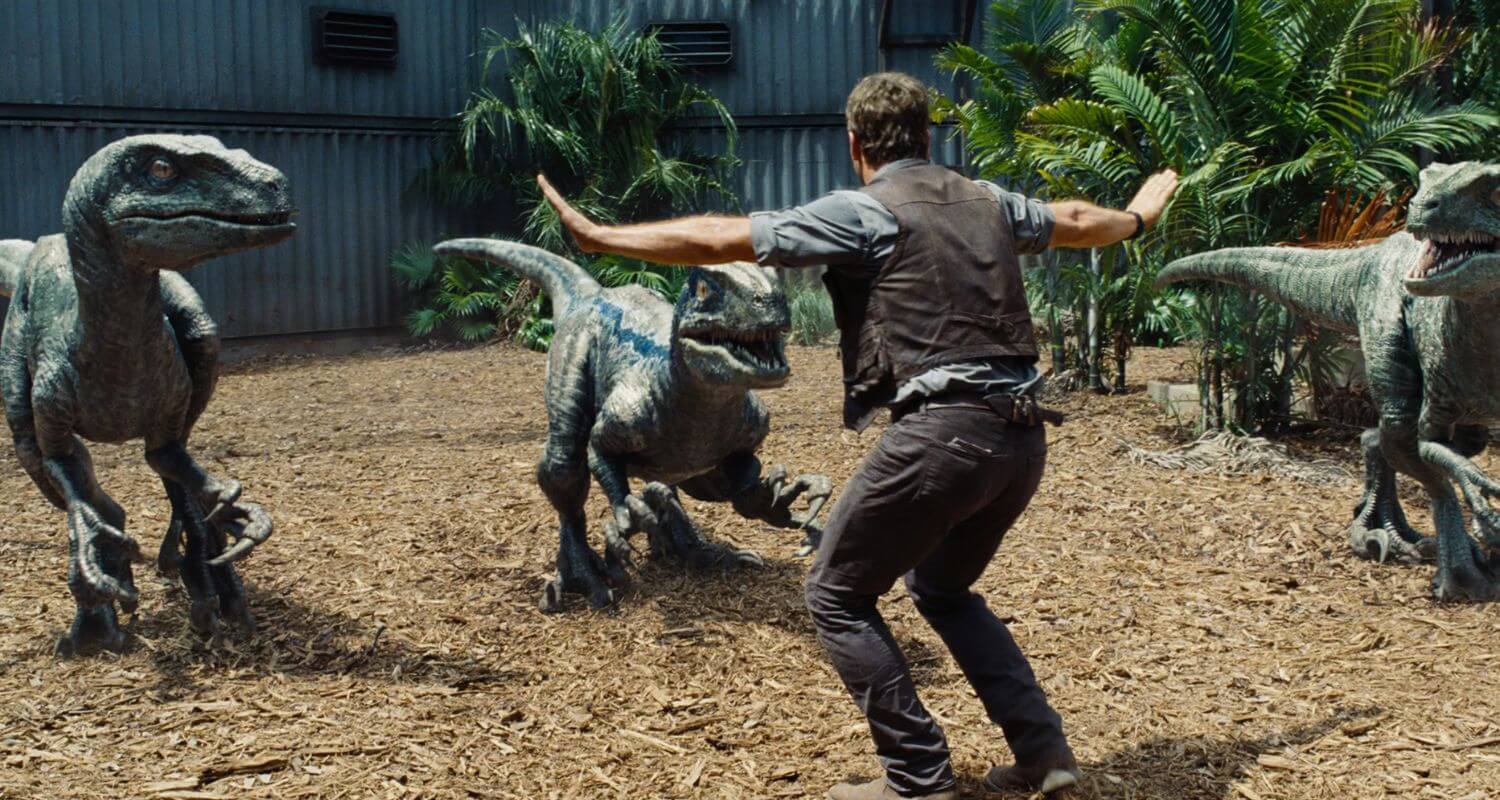 In Jurassic Park, scientists extract dinosaur DNA from the stomachs of blood-filled mosquitoes trapped in amber. It's a brilliant story device—but scientifically inaccurate.
Studies on amber fossils show that:
Most insects fossilized in amber contain no blood remains.
DNA in amber still breaks down and cannot last for tens of millions of years.
Attempts to extract ancient DNA from amber have all failed.
This means amber cannot act as a time capsule for dinosaur DNA.
No amber, no blood, no dinosaur genome.
Even with DNA, Cloning Dinosaurs Would Be Extremely Difficult
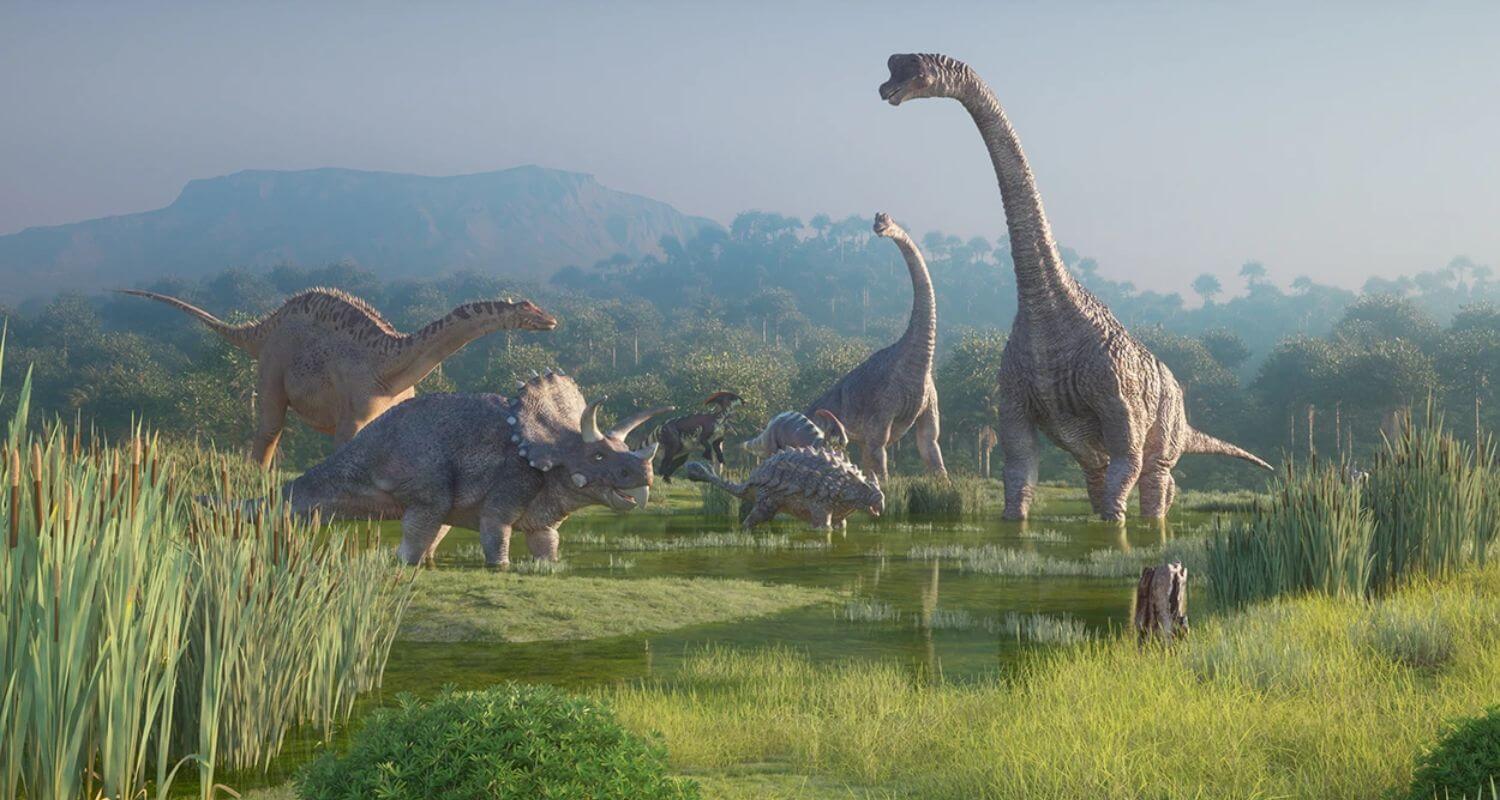 Let's assume, hypothetically, that scientists somehow discovered a perfectly preserved dinosaur genome. The cloning process still requires:
A complete DNA sequence
A living egg cell from a closely related species
A surrogate mother capable of carrying a dinosaur embryo
The closest living relatives of dinosaurs are birds, not reptiles. But birds differ greatly from their prehistoric ancestors in size, physiology, reproductive system, and genetic structure. No living species is similar enough to serve as a surrogate for a dinosaur embryo.
The biological machinery simply doesn't match.
Reverse Engineering: Could We Build a Dinosaur from a Chicken?
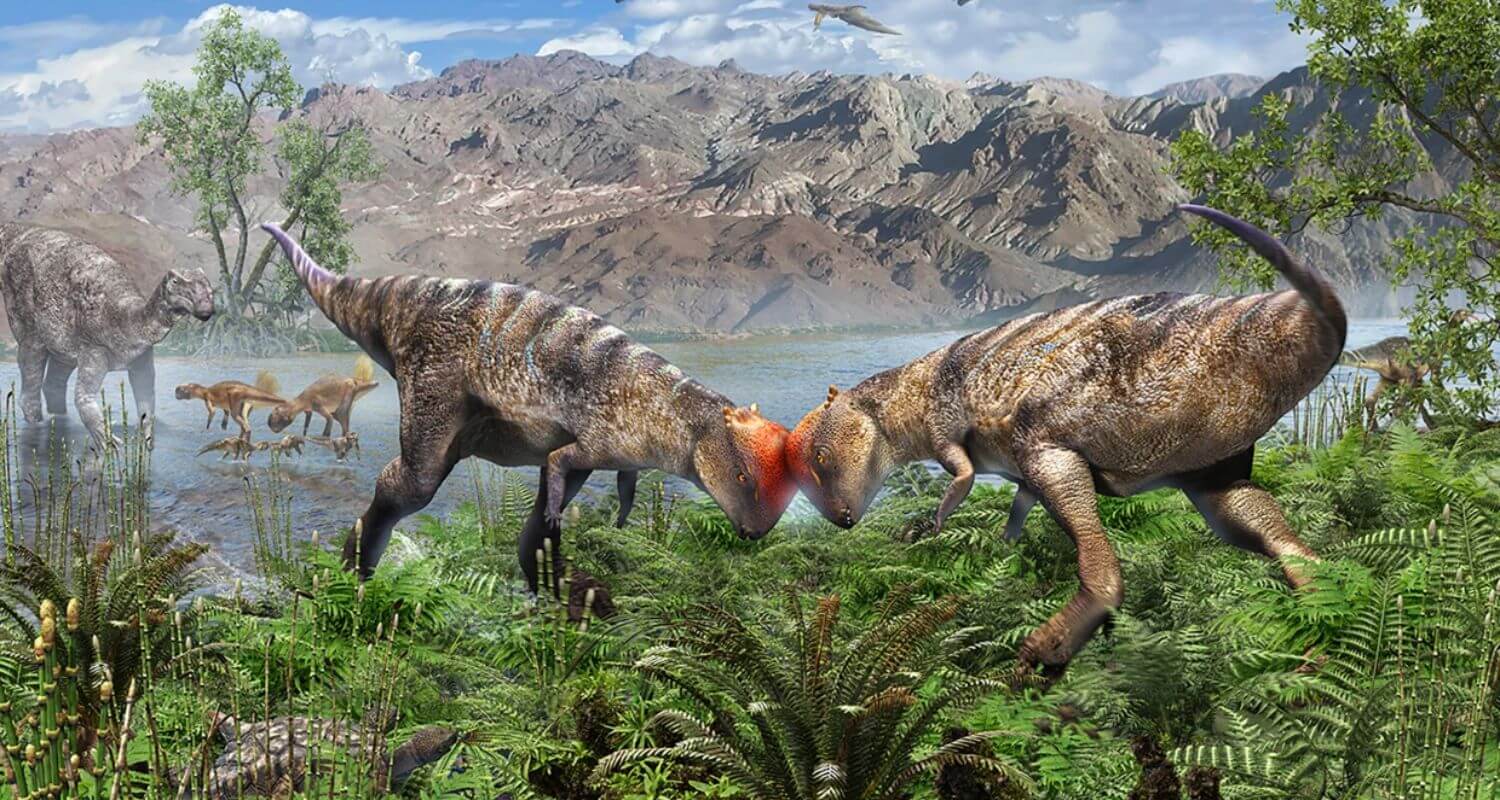 Some scientists are exploring an alternative path: modifying a chicken's genes to activate ancient traits inherited from dinosaur ancestors. This concept is often called the "chickenosaurus" project.
Researchers have already succeeded in:
Creating chicken embryos with dinosaur-like snouts
Recreating primitive leg bones
Reversing feather development in early stages
However, even if taken further, the result would not be a real dinosaur. It would be a modern bird engineered to express certain dinosaur-like features.
This approach may help us understand dinosaur evolution, but it won't resurrect a Triceratops or Velociraptor.
Missing More Than DNA: Physiology, Behavior, and Development Are Unknown
 Even if genetic material were available, cloning dinosaurs would require knowledge far beyond DNA sequence data.
Scientists still don't fully understand:
Dinosaur metabolism (warm-blooded vs. cold-blooded debates continue)
How embryos developed inside eggs
Hormonal systems and immune responses
Growth rate and lifespan
Brain function and social behavior
Recreating a dinosaur's genome would not automatically recreate its biology. Entire systems—cellular, hormonal, developmental—are missing from the fossil record.
Fossils Tell Stories, But Not Secrets of Life
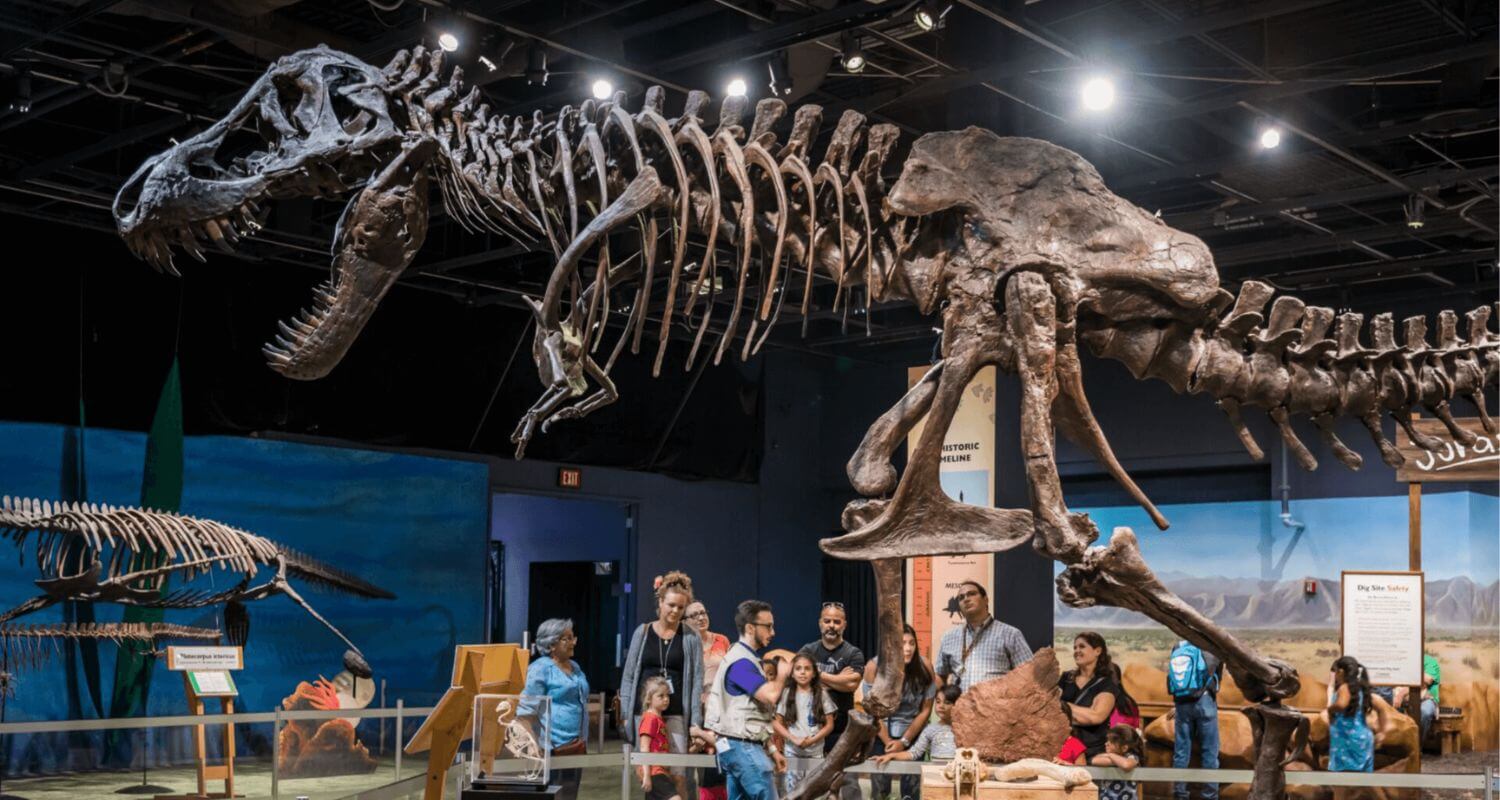 Fossils are incredibly valuable, but they preserve structure, not genetic information. Bones, footprints, and skin impressions help us reconstruct appearance, size, and behavior, but they cannot offer the molecular details needed to engineer a living creature.
Without soft tissue, DNA, or intact cells, cloning remains scientifically out of reach.
Bringing Dinosaurs Back—Through Technology, Not Genetics
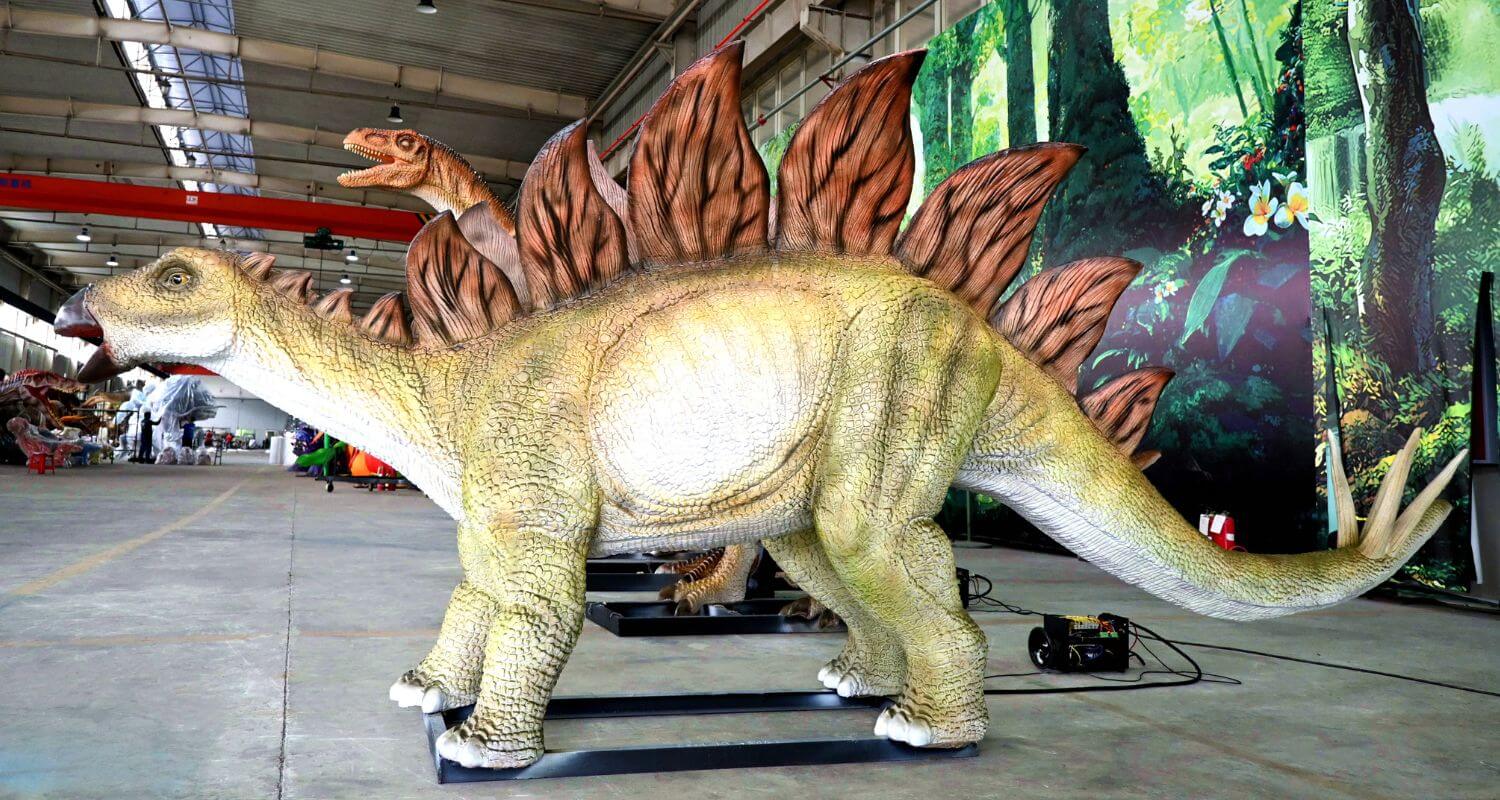 While the real animals cannot return, technology allows us to experience dinosaurs in astonishingly realistic ways.
Animatronic dinosaurs—like those created by our factory—bring prehistoric creatures to life with:
Lifelike skin textures
Realistic movements (head turning, roaring, tail swaying, blinking)
Custom colors, sizes, and species
Weather-resistant materials suitable for parks, museums, malls, and exhibitions
Our models recreate the awe of seeing a Stegosaurus defend itself or a Velociraptor lurking in the jungle—without the dangers of cloning an actual dinosaur.
These immersive displays allow parks, zoos, museums, and exhibitions to educate and entertain audiences with scientifically accurate reconstructions.
Conclusion: Jurassic Park Is Imagination—Science Has Its Limits
 Could dinosaurs be cloned today?
No. Not with current technology, and not with any foreseeable advances.
DNA degrades too quickly
No amber-trapped blood survives
No living surrogate species exists
And too many biological unknowns remain
Still, the dream of seeing dinosaurs walk again lives on—through science, art, engineering, and lifelike animatronic creations that bring their world back to us in safe, fascinating, and educational ways.
Tags: