Sobre nosotros
La cultura Gecai está a la vanguardia de dar vida al pasado a través de nuestros dinosaurios animatrónicos de última generación, encantadoras criaturas animatrónicas, vibrantes linternas del festival chino y productos personalizados personalizados personalizados. Como fabricante profesional ubicado en el corazón de China, albergamos una pasión profundamente arraigada por mostrar nuestros dinosaurios y animales realistas en museos, exposiciones, zoológicos, parques y más, con el objetivo de encender una llama de curiosidad y aprendizaje en personas de todas las edades.
Obtenga una cotización gratuita
Conocimiento De Dinosaurios
Crestas, cuernos y volantes de dinosaurios: ¿Para qué eran?
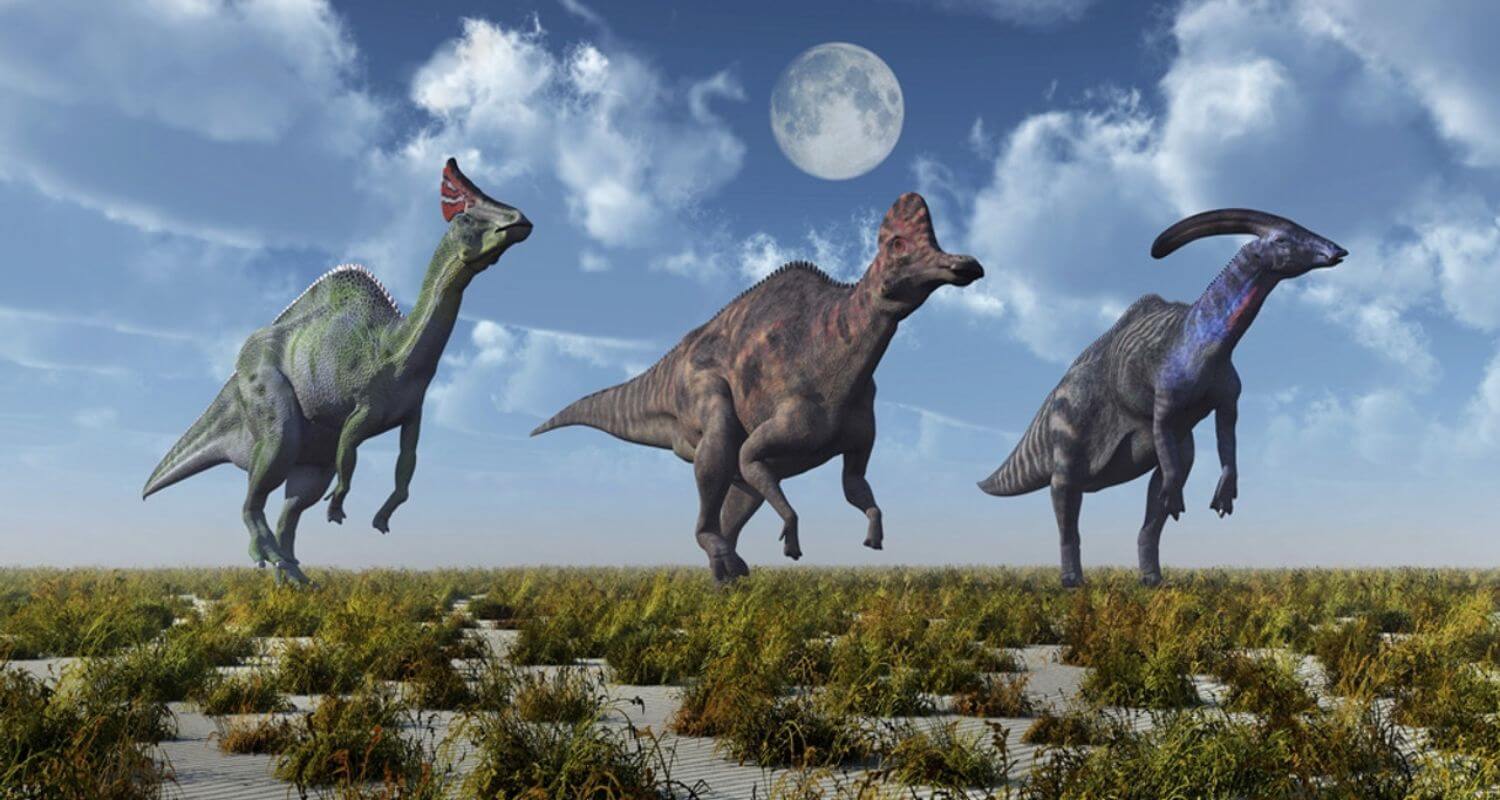
Dinosaurs came in all shapes and sizes, but some species stood out with remarkable features such as crests, horns, and frills. These unique dinosaur ornaments were not only eye-catching but also served important functions for survival. From the large frill of Triceratops to the long head crest of Parasaurolophus, scientists continue to uncover why certain dinosaurs evolved such extraordinary traits.
In this article, we explore the purpose of dinosaur crests, horns, and frills, supported by scientific theories and famous dinosaur examples.
What Are Dinosaur Crests, Horns, and Frills
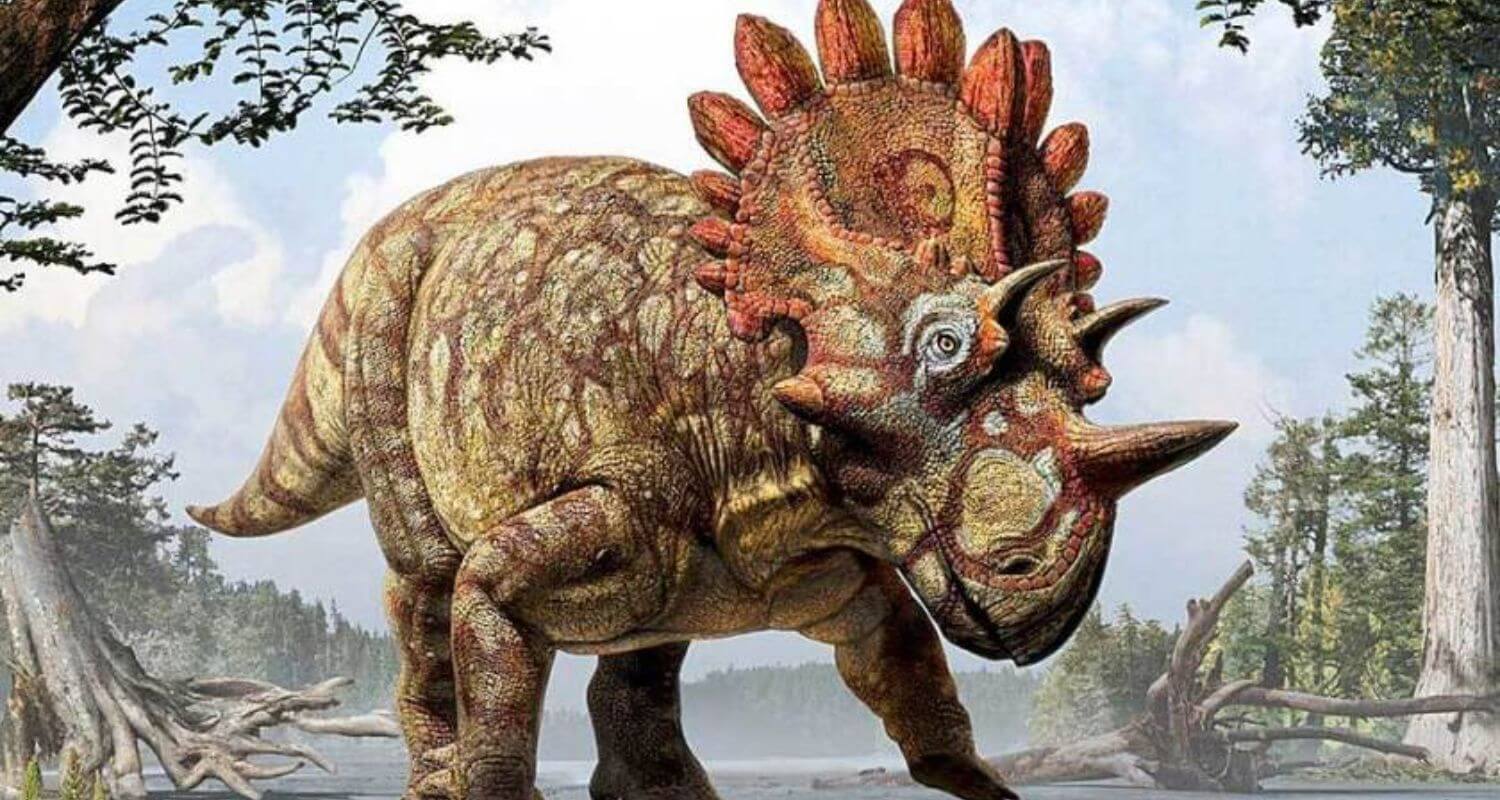 Dinosaur Horns
Found mainly in ceratopsian dinosaurs.
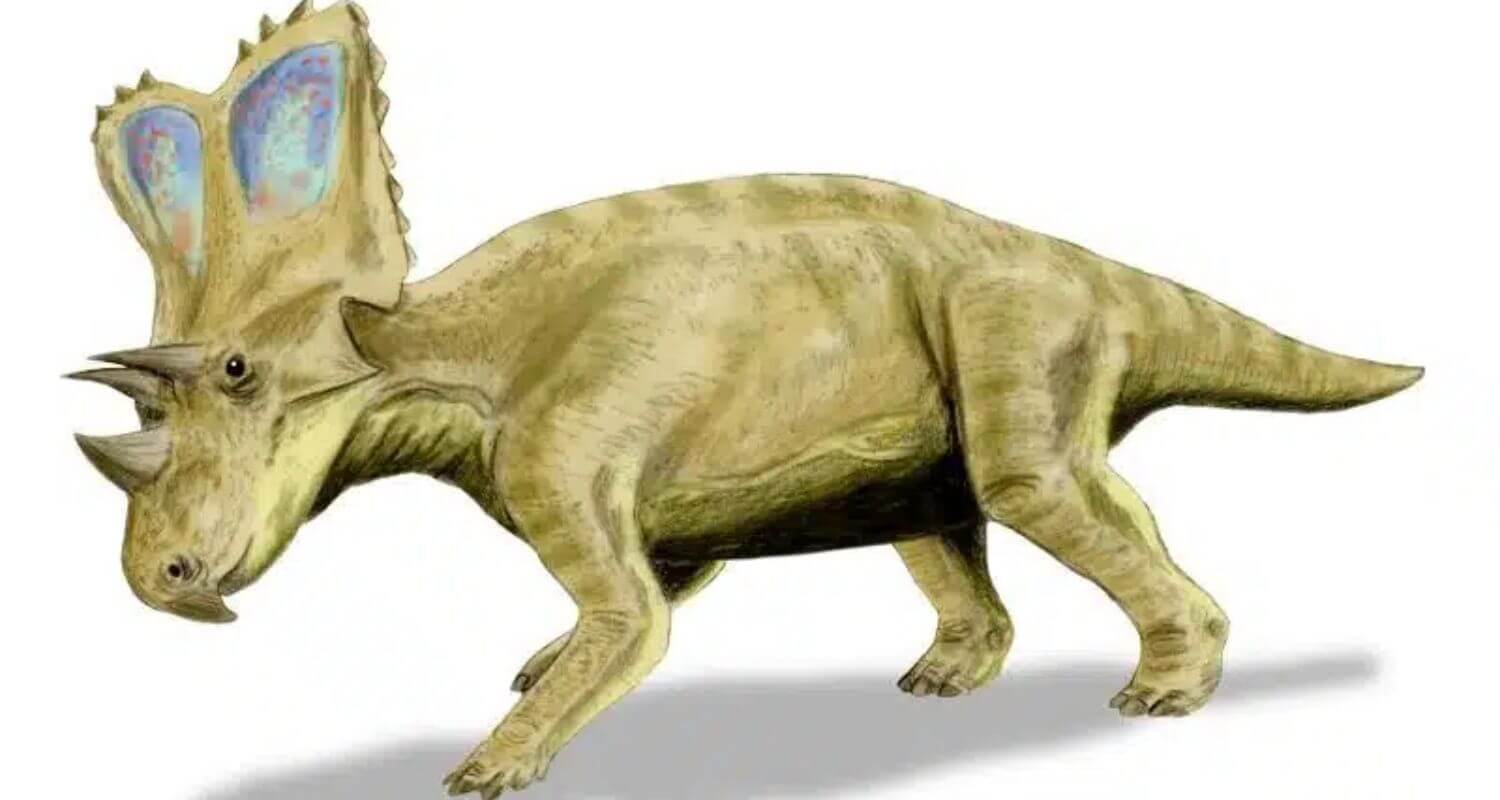
Examples: Triceratops, Styracosaurus, Centrosaurus.
Horns varied in number, length, and location (nose, eyebrows, or above frill).
Dinosaur Frills
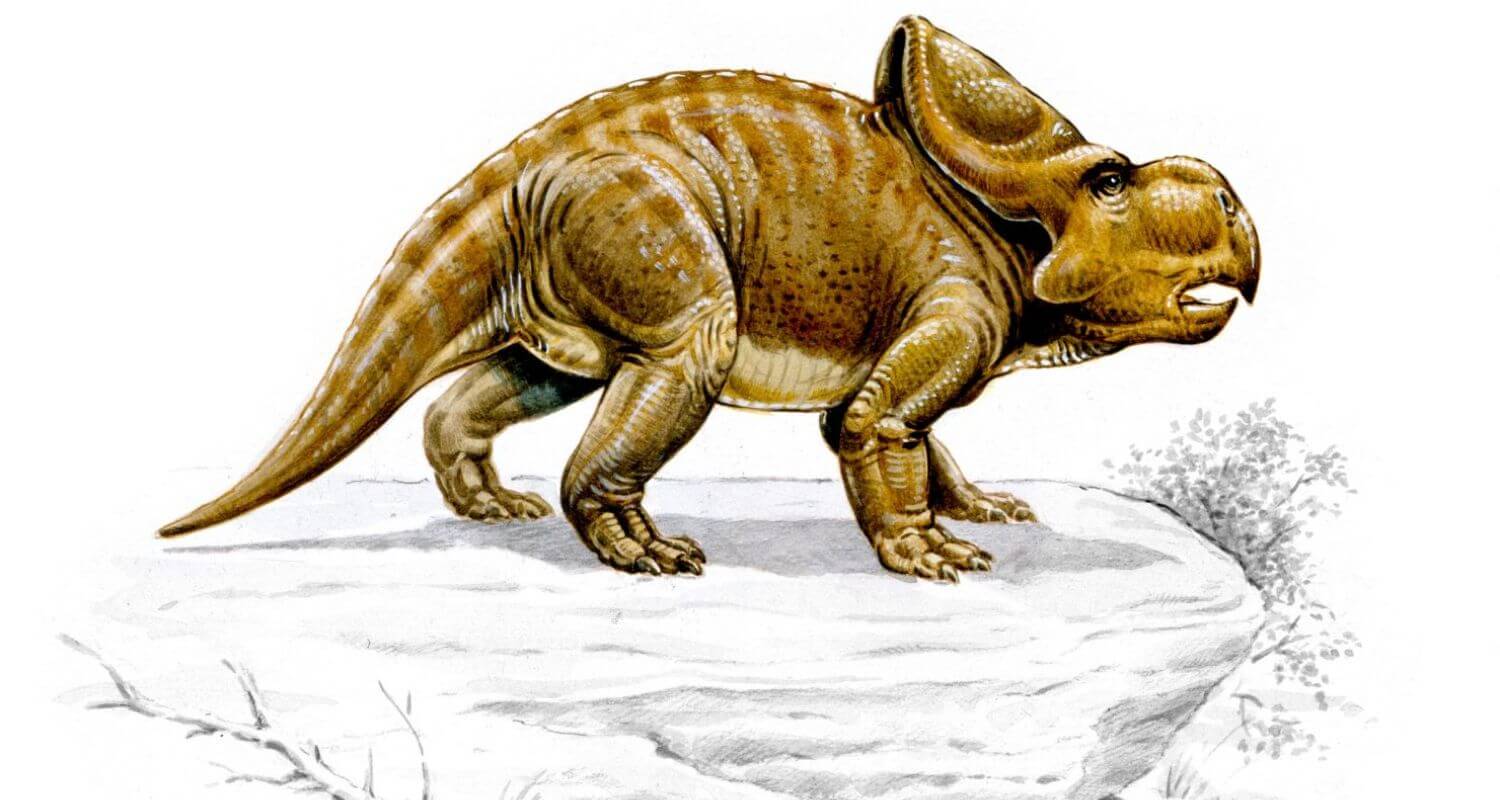
Bony, shield-like structures extending behind the skull.
Likely covered with skin and possibly had bright colors for display.
Seen in species like Triceratops, Pentaceratops, Protoceratops.
Dinosaur Crests
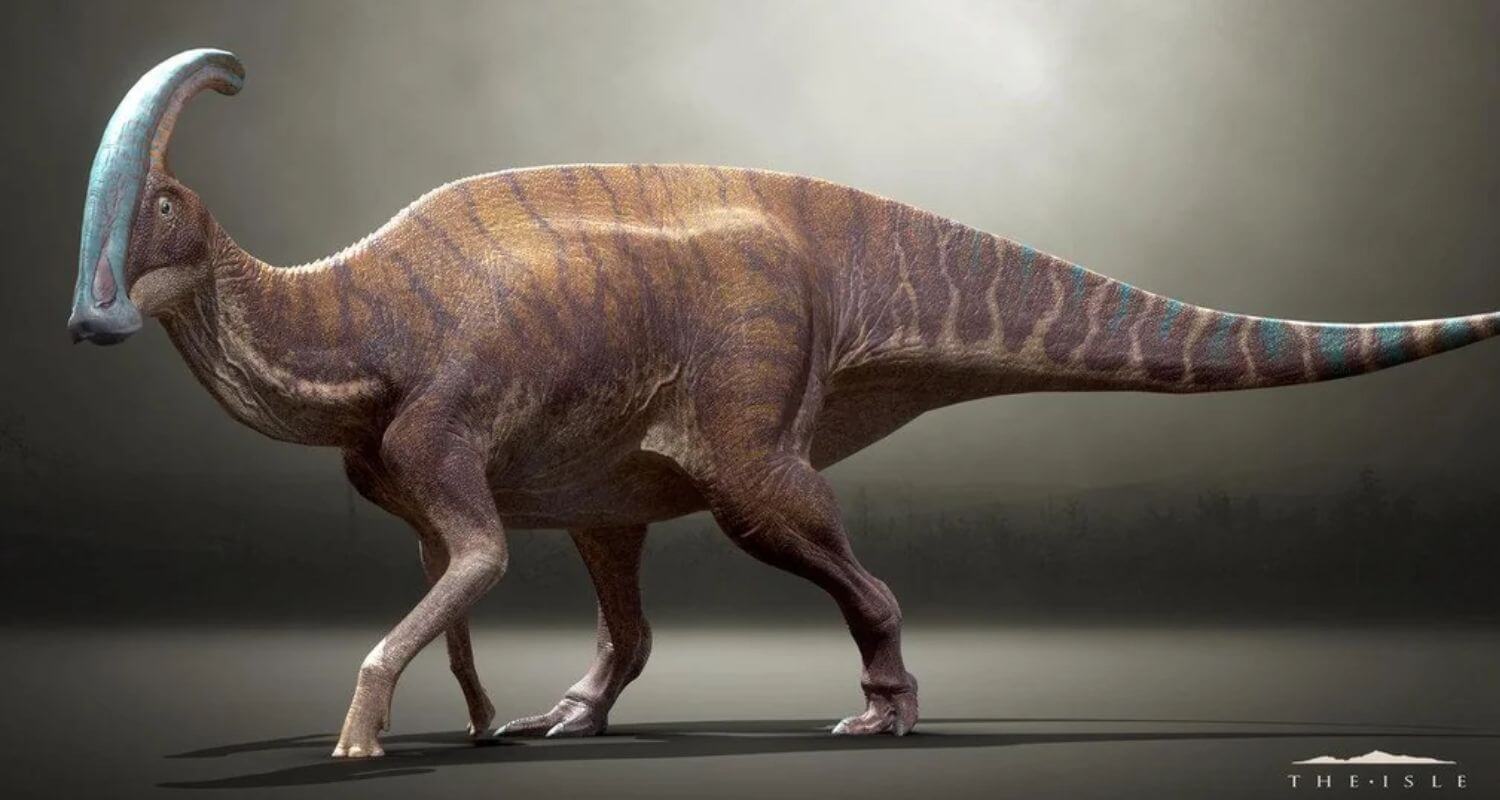
Most common in hadrosaurs (duck-billed dinosaurs).
Crests could be solid or hollow, depending on the species.
Famous examples: Parasaurolophus, Corythosaurus, Lambeosaurus.
Why Did Some Dinosaurs Have Crests, Horns, and Frills
 Scientists have proposed several functions for these features, and many species likely used them for more than one purpose.
Defense Against Predators
Many paleontologists believe horns and frills helped protect dinosaurs from meat-eating predators like Tyrannosaurus rex.
Horns could be used to fight or threaten attackers.
Frills may have offered neck protection.
Attraction, Display & Communication
One of the strongest modern theories links these features to visual display and social behavior.
Used to attract mates, similar to peacock feathers or deer antlers.
Helped show dominance and strength within the group.
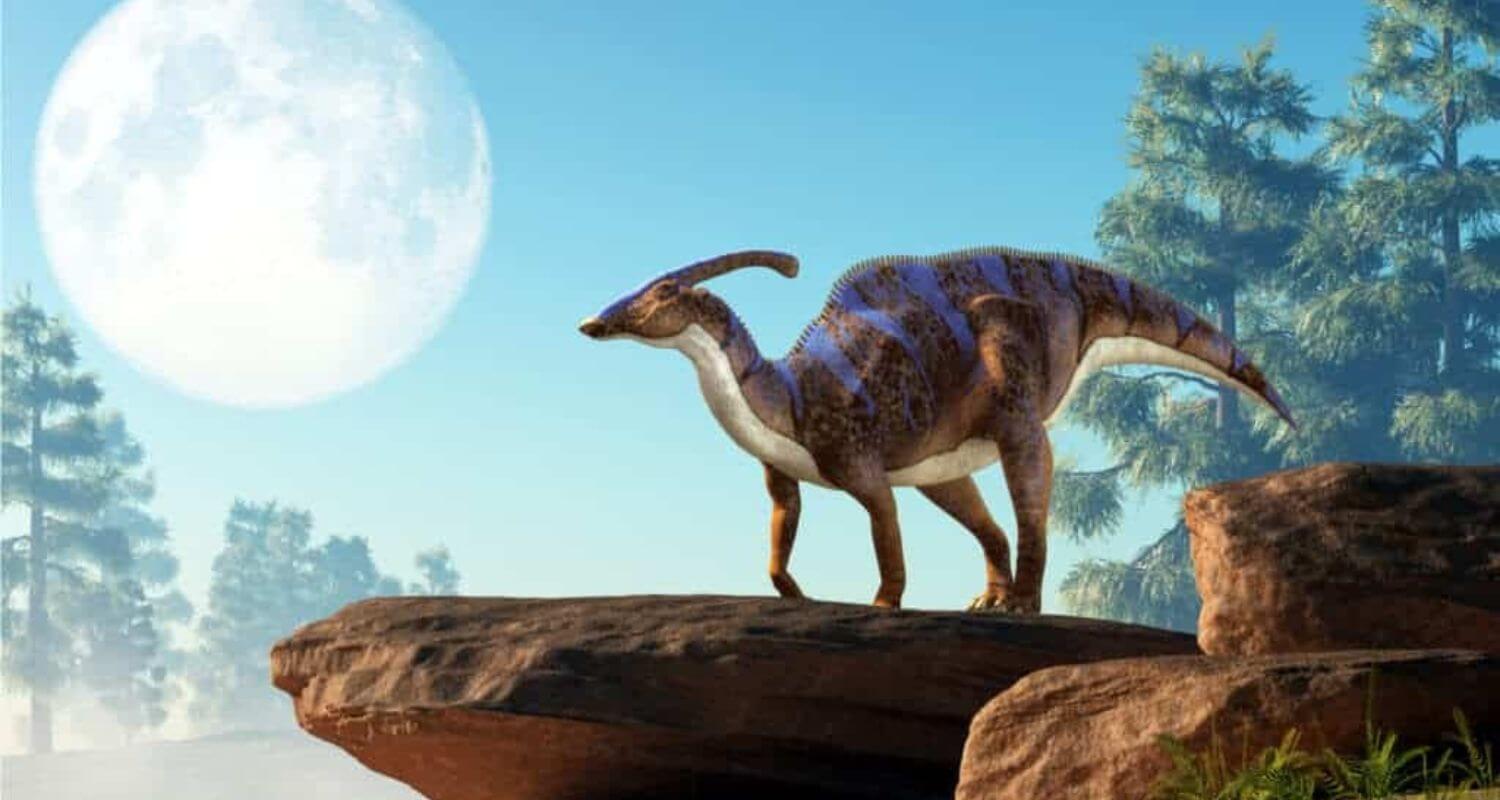
Parasaurolophus likely used its hollow crest to produce loud sounds for communication.
Species Recognition
With many similar-looking dinosaurs living together, these features may have helped dinosaurs identify their own species.
A useful advantage for herd animals and mating selection.
Different crest and frill shapes acted like visual name tags.
Thermoregulation (Body Temperature Control)
Some scientists suggest frills and crests helped release heat, especially in hot climates.
Bony structures may have contained blood vessels to dissipate heat.
Still a debated but intriguing theory.
Examples of Dinosaurs with Crests, Horns & Frills
| Dinosaur | Feature Type | Key Function(s) |
|---|---|---|
| Triceratops | Three horns + large frill | Defense & display |
| Styracosaurus | Spiked frill + nose horn | Display & species recognition |
| Parasaurolophus | Long hollow crest | Sound communication |
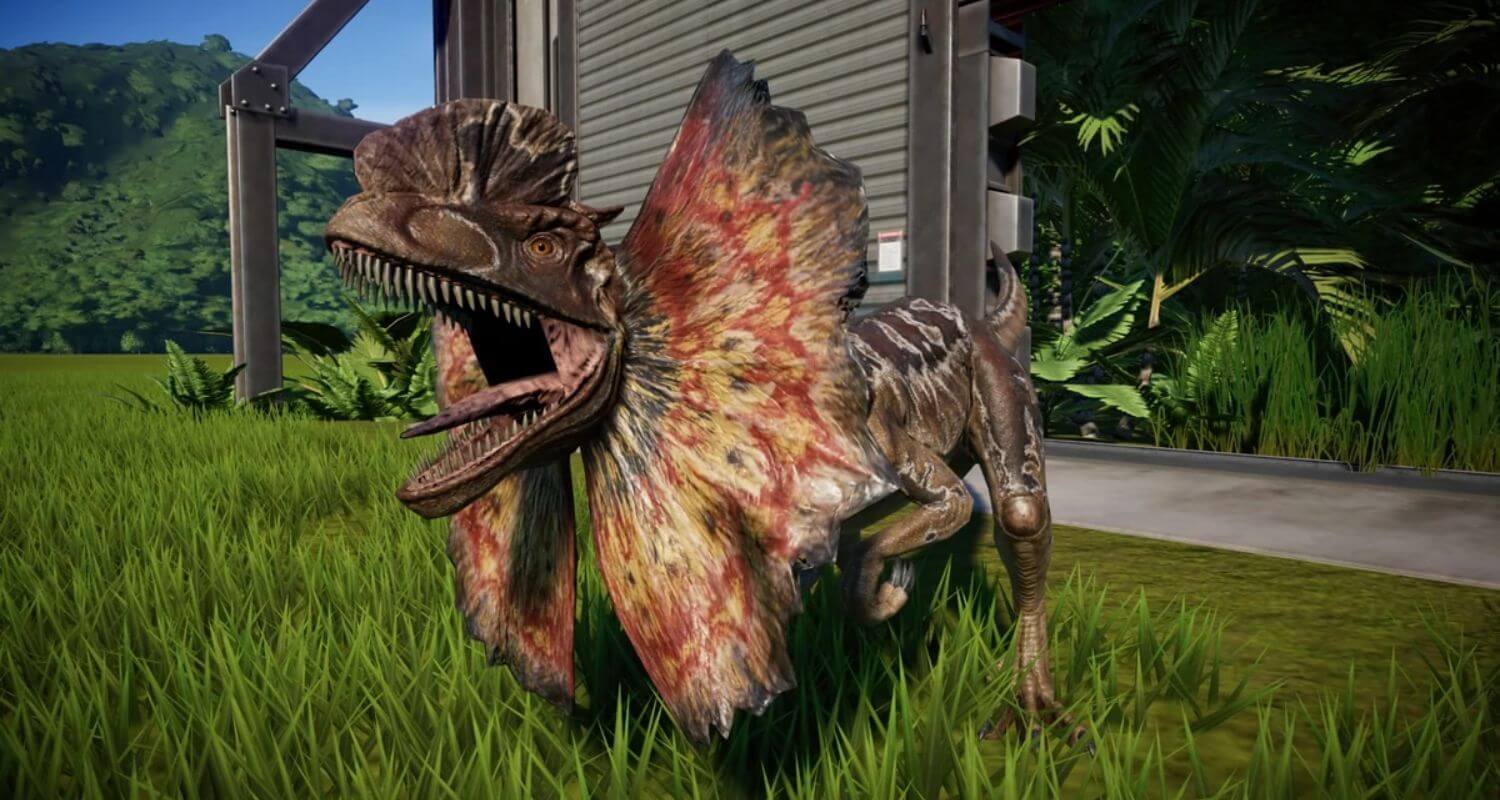
| Dilophosaurus | Twin bony crests | Display & species recognition |
| Corythosaurus | Helmet-shaped crest | Social communication |
| Pachyrhinosaurus | Bony “boss” instead of horns | Display & combat |
How These Features Evolved
 Evolution favored dinosaurs that could survive, attract mates, and communicate effectively.
Natural selection improved defensive and survival functions.
Sexual selection led to more elaborate ornamentation for attracting mates.
Fossils show crest and frill size increased over millions of years, especially in ceratopsians.
These adaptations show that dinosaur social behavior was likely much more complex than once believed.
FAQs: Dinosaur Crests, Horns, and Frills
 Q1: Why did Triceratops have a large frill?
To defend its neck and to attract mates or display dominance.
Q2: Did dinosaurs use their horns for fighting?
Yes. Fossil evidence suggests some species used horns for combat and defense.
Q3: What was the Parasaurolophus crest used for?
Likely for sound communication, visual display, and possibly species recognition.
Q4: Were frills and crests made of bone?
Yes, they were mostly bone but likely covered with skin and may have had bright colors.
Conclusion
 Dinosaur crests, horns, and frills served many important purposes—from defense and communication to mating displays and species identification. These remarkable features show how intelligent and socially complex dinosaurs may have been. Today, both fossil research and animatronic recreations help us better understand these fascinating prehistoric animals.
Etiquetas: