À propos de nous
Gecai Culture est à l'avant-garde pour donner vie au passé grâce à nos dinosaures animatroniques ultramodernes, à nos créatures animatroniques enchanteresses, à nos lanternes de festival chinois vibrantes et à nos produits personnalisés sur mesure. En tant que fabricant professionnel niché au cœur de la Chine, nous entretenons une passion profonde pour présenter nos dinos et animaux réalistes dans les musées, les expositions, les zoos, les parcs et au-delà, dans le but d'allumer une flamme de curiosité et d'apprentissage chez les personnes de tous âges.
Obtenez un devis gratuit
Connaissance des dinosaures
Brachiosaure contre Brontosaure : décoder les différences de ces légendes de sauropodes
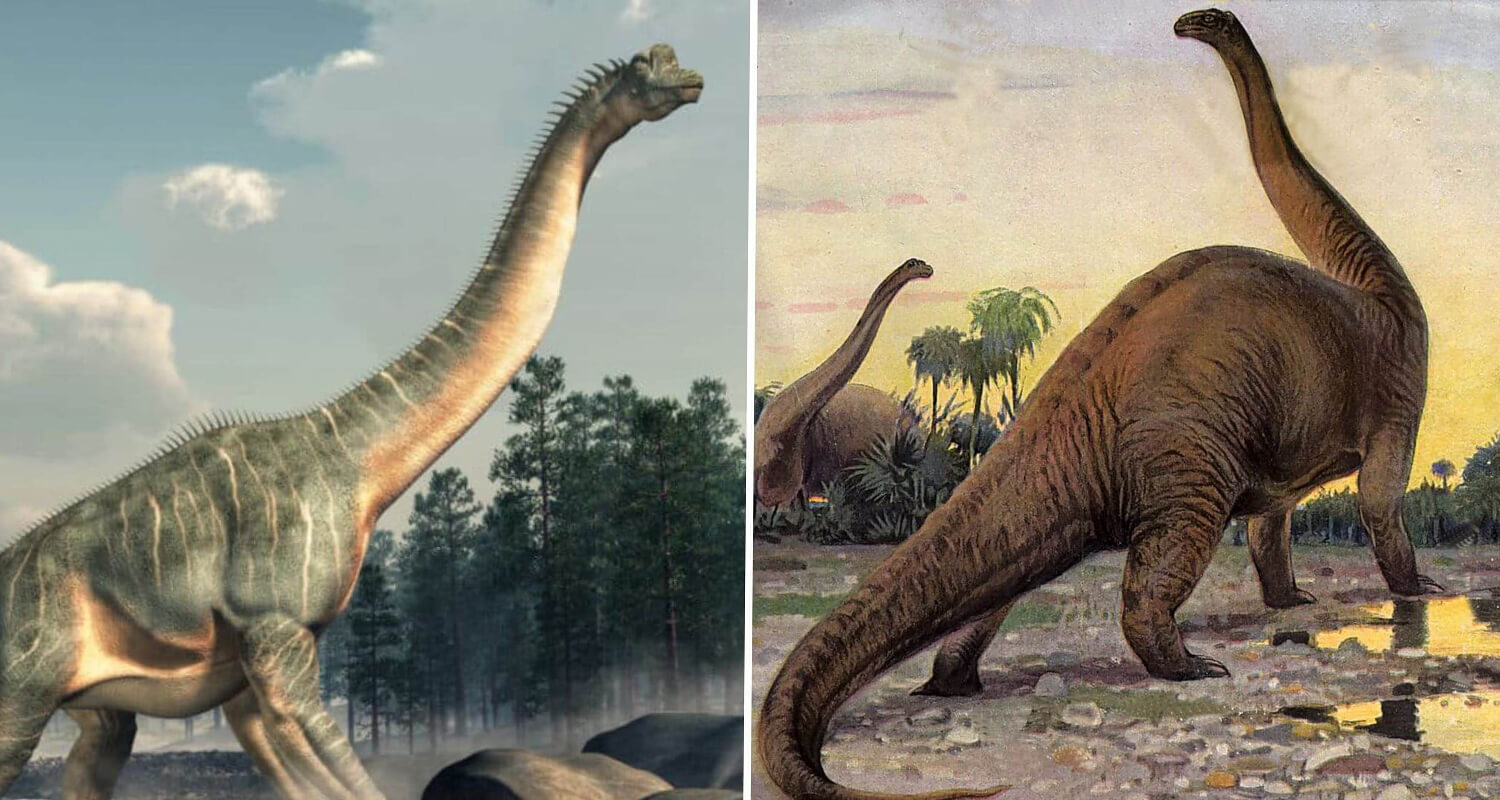 In the realm of prehistoric giants, Brachiosaurus and Brontosaurus stand out as two of the most iconic sauropod dinosaurs. Known for their immense sizes and distinctive features, these dinosaurs have captivated the imagination of paleontologists and enthusiasts alike. While often confused or conflated, Brachiosaurus and Brontosaurus each hold a unique place in the Mesozoic era. In this article, we'll compare these two colossal creatures, highlighting their key differences and similarities, and showcase how our animatronic dinosaur products can bring their grandeur to life.
Brachiosaurus: The Long-Necked Colossus
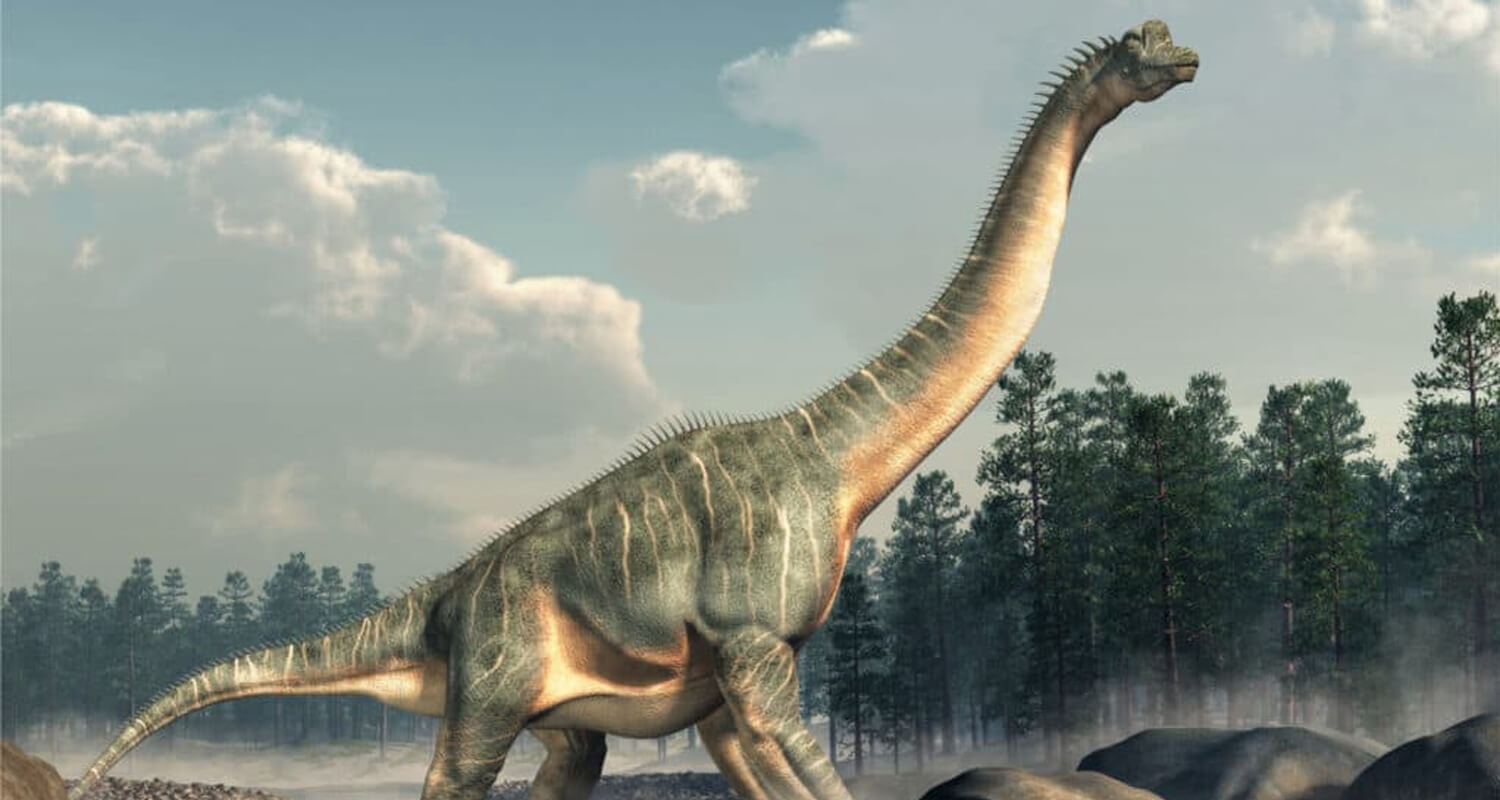
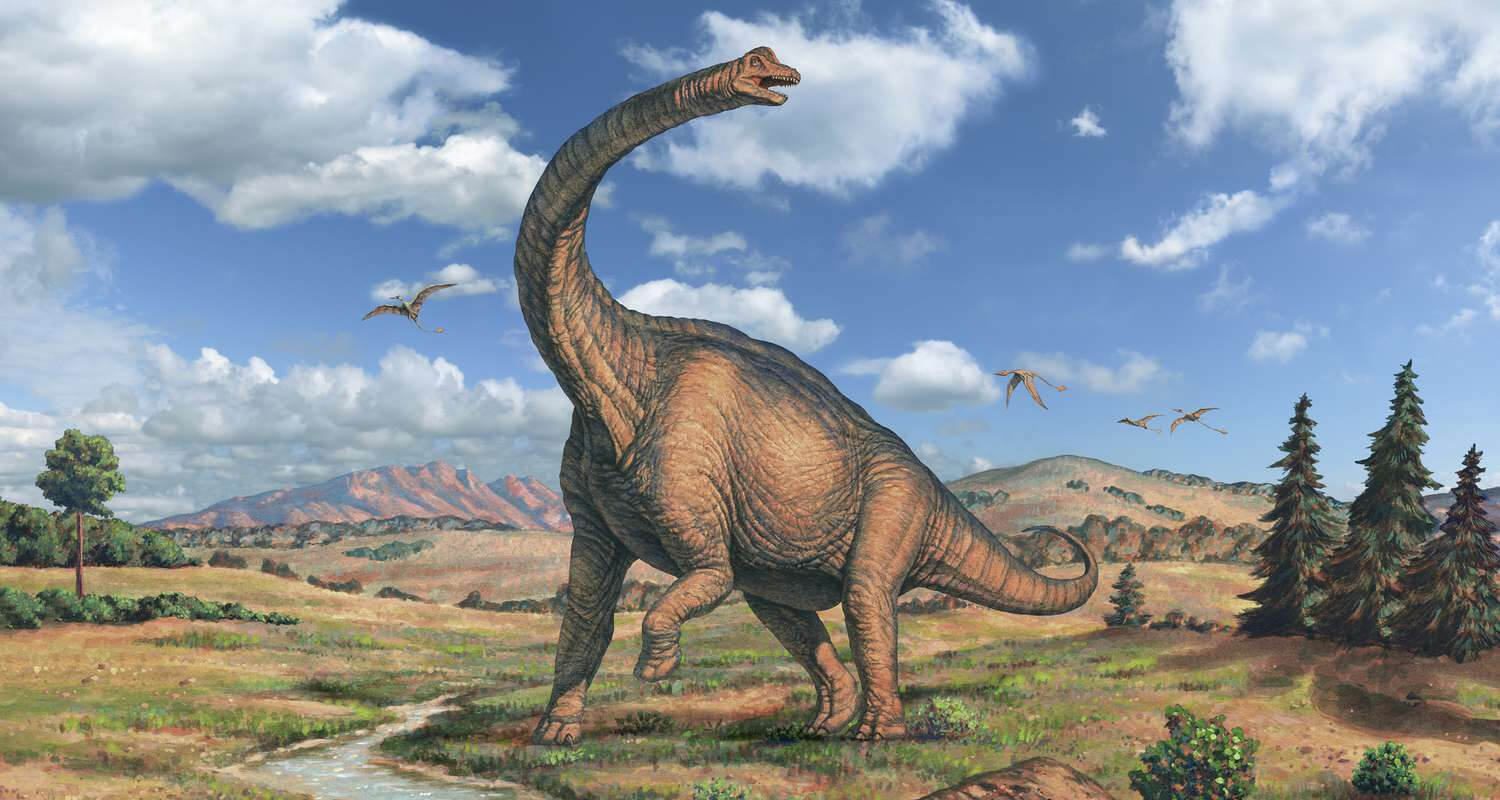 Brachiosaurus, meaning "arm lizard," was one of the most impressive sauropods of the Jurassic period. Characterized by its:
Unique Body Structure: Unlike many sauropods, Brachiosaurus had long forelimbs that gave it an unusual, upright stance. Its front legs were longer than its hind legs, allowing it to reach higher vegetation than many of its contemporaries.
Enormous Size: Brachiosaurus could reach lengths of up to 80-85 feet and weigh around 50 tons. Its long neck and massive body made it one of the tallest dinosaurs.
Herbivorous Diet: Its diet consisted mainly of conifers and other high-growing plants, which it could access thanks to its long neck.
Brontosaurus: The Thunder Lizard
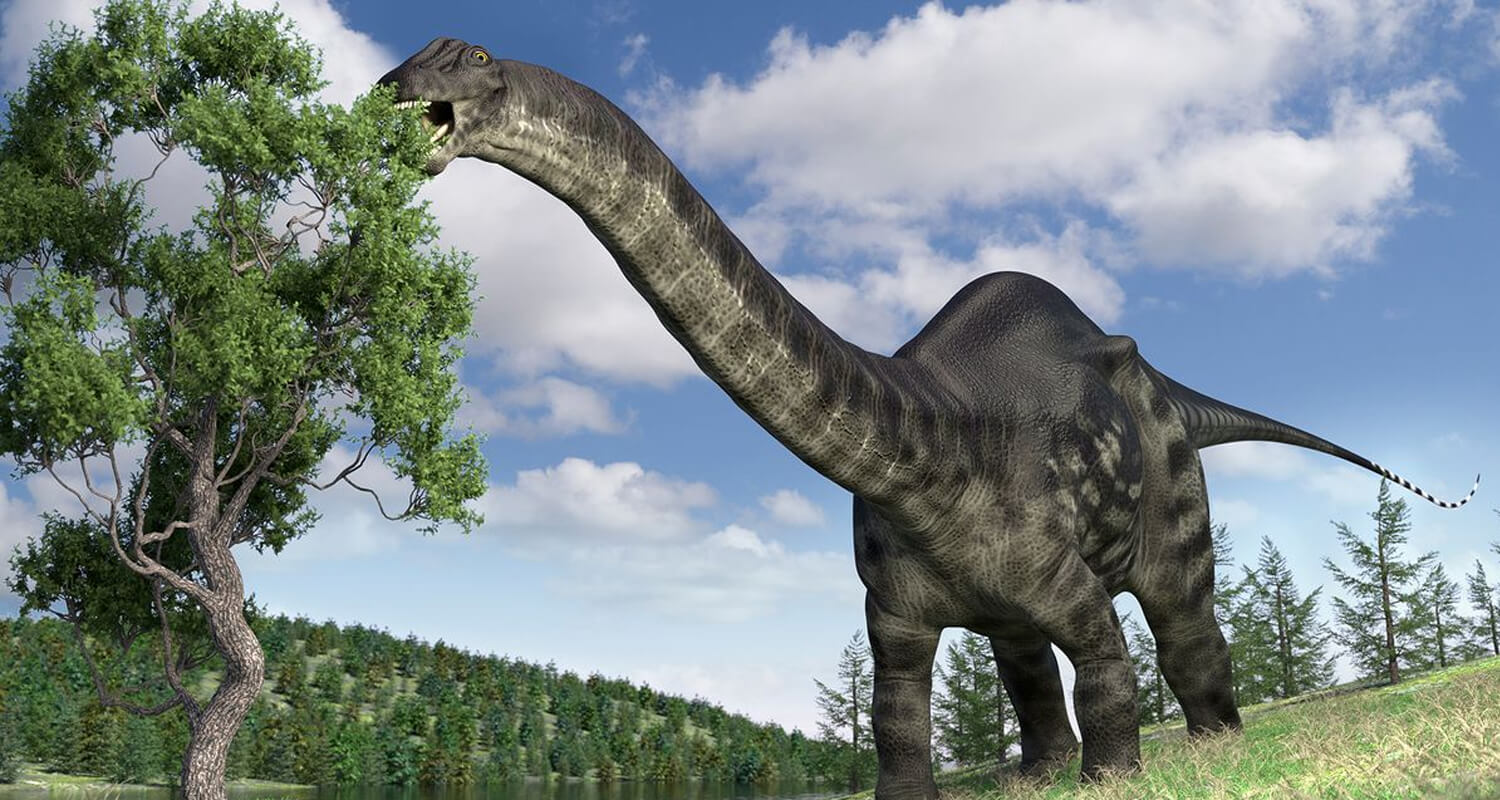 Brontosaurus, often confused with its close relative Apatosaurus, is another famed sauropod with its own distinctive features:
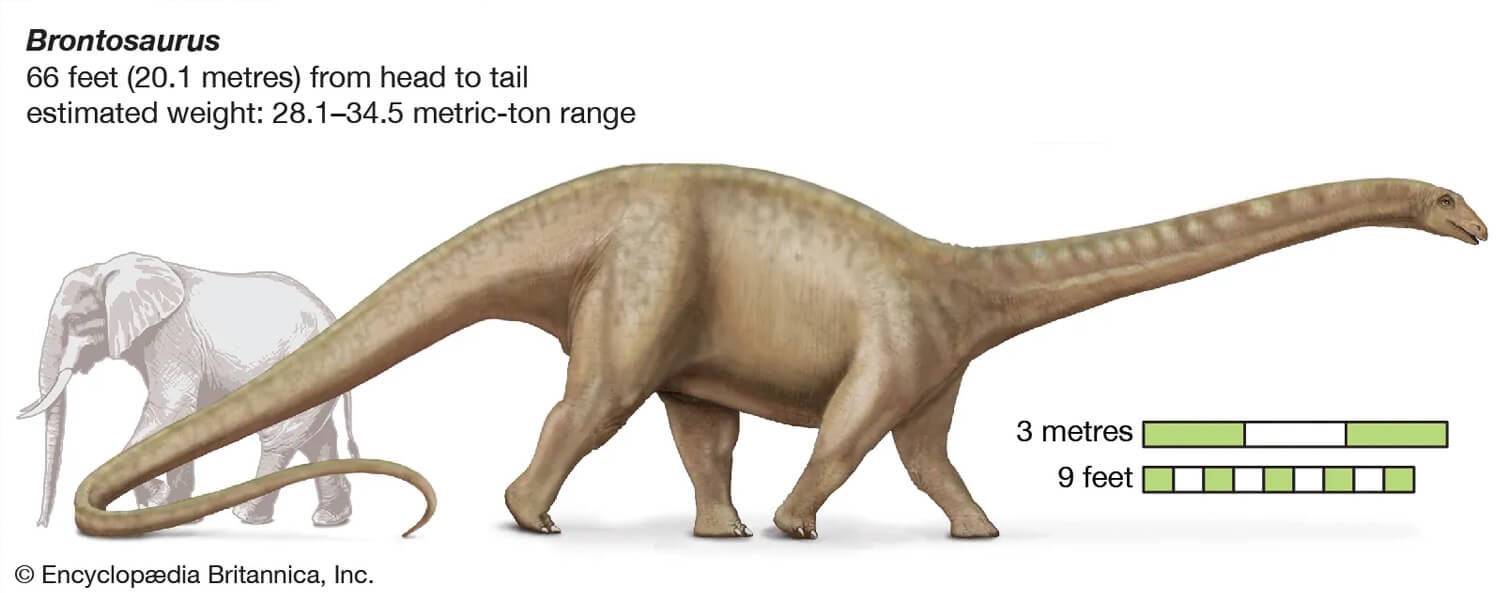
Distinctive Body Shape: Brontosaurus had a long neck and tail, but its body was more horizontally aligned compared to Brachiosaurus. Its forelimbs and hind limbs were more evenly proportioned.
Size and Build: Brontosaurus could reach lengths of up to 70-80 feet and weigh around 25 tons. It was slightly smaller than Brachiosaurus but still a massive presence in its time.
Diet: Like Brachiosaurus, Brontosaurus was a herbivore, feeding on low-lying plants and ferns due to its more horizontally aligned posture.
Brachiosaurus vs. Brontosaurus: Key Differences
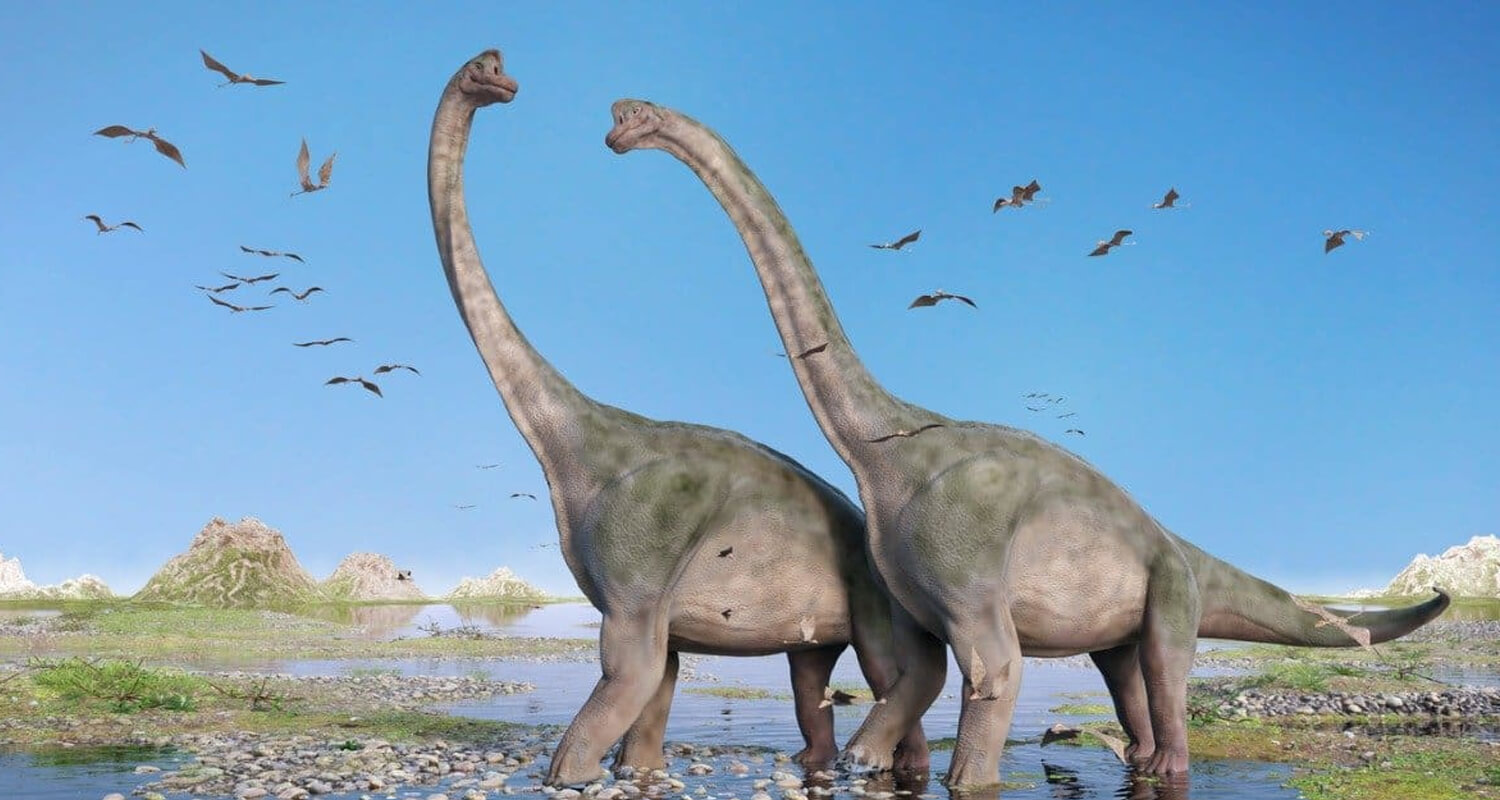
Neck Length and Posture: Brachiosaurus had a longer neck relative to its body size and stood upright, allowing it to reach higher vegetation. Brontosaurus, with its more horizontally aligned body and neck, was better suited for feeding on lower vegetation.
Limb Proportions: Brachiosaurus had longer forelimbs compared to its hind limbs, giving it an upright stance. Brontosaurus had more evenly proportioned limbs, contributing to its more horizontal posture.
Size and Weight: Brachiosaurus was generally larger and heavier than Brontosaurus, making it one of the largest dinosaurs in terms of height.
Bringing the Giants to Life with Animatronics
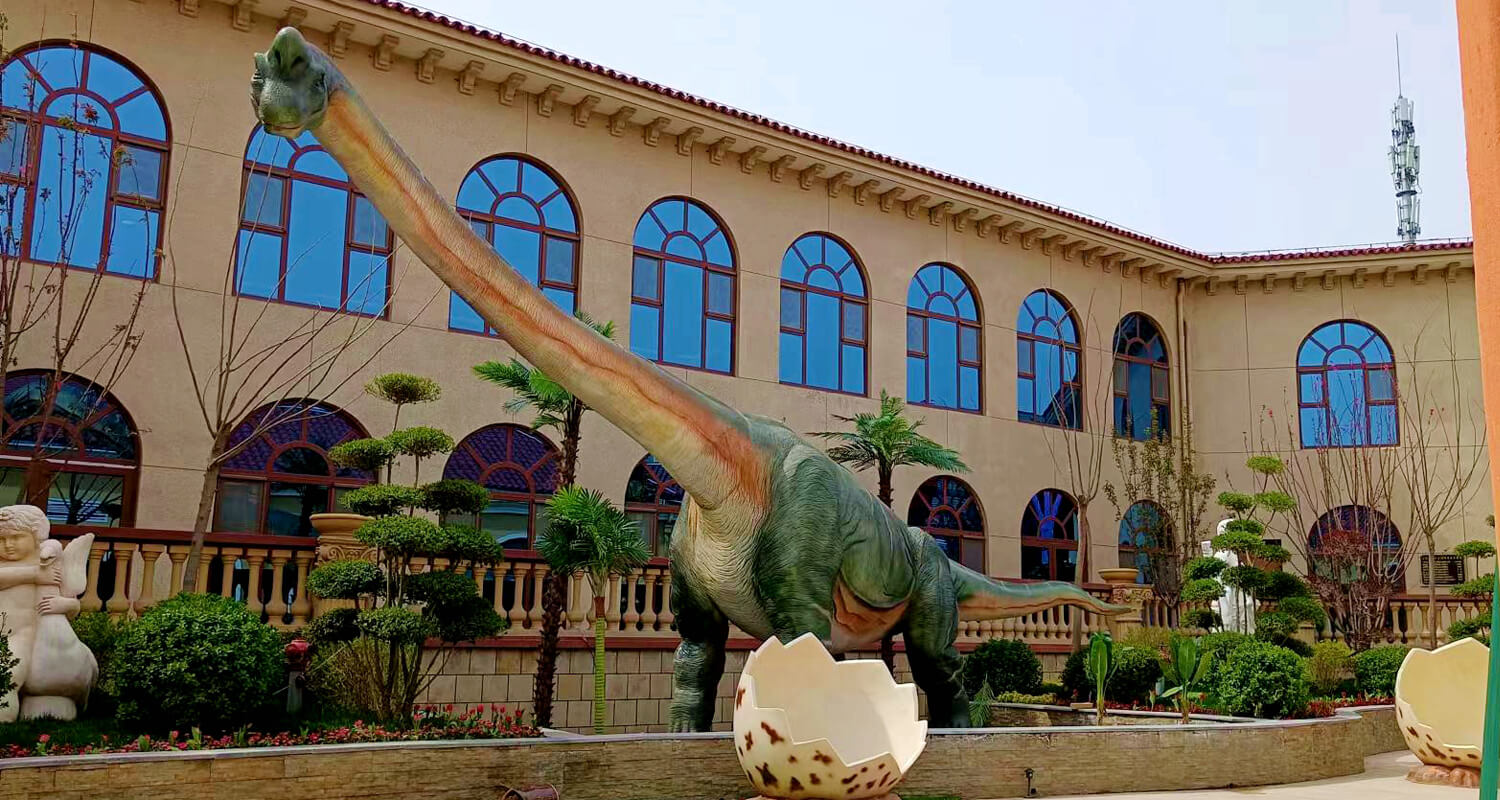 To truly experience the grandeur of these ancient giants, consider incorporating our animatronic dinosaur products into your exhibits or events. Our Brachiosaurus and Brontosaurus animatronics are meticulously crafted to replicate the size and movements of these colossal dinosaurs. Featuring lifelike motions, realistic textures, and customizable designs, our animatronic dinosaurs offer an immersive and educational experience for audiences of all ages. Whether you're creating a museum exhibit, a theme park attraction, or an educational event, our animatronic dinosaurs provide a captivating way to explore these prehistoric giants.
FAQs about Brachiosaurus and Brontosaurus
 What is the primary difference between Brachiosaurus and Brontosaurus?
The primary difference lies in their body structure and posture. Brachiosaurus had longer forelimbs, which allowed it to reach higher vegetation, while Brontosaurus had more evenly proportioned limbs and a more horizontal posture suited for feeding on lower plants.
Which dinosaur was larger, Brachiosaurus or Brontosaurus?
Brachiosaurus was generally larger and heavier than Brontosaurus, reaching lengths of up to 85 feet compared to Brontosaurus's 70-80 feet.
Was Brontosaurus ever renamed or reclassified?
Yes, Brontosaurus was once considered synonymous with Apatosaurus and was reclassified under that name. However, recent research has supported its distinction as a separate genus from Apatosaurus.
How did these dinosaurs adapt to their environment?
Both Brachiosaurus and Brontosaurus were herbivores with adaptations suited to their feeding strategies. Brachiosaurus's long neck allowed it to access high vegetation, while Brontosaurus's body was adapted for browsing lower plants.
Conclusion
 Brachiosaurus and Brontosaurus, with their colossal sizes and distinctive features, are among the most iconic dinosaurs of the Mesozoic era. Understanding their differences and similarities provides valuable insights into their roles in prehistoric ecosystems. By incorporating our animatronic Brachiosaurus and Brontosaurus into your exhibits, you can offer an engaging and educational experience that brings these ancient giants to life. Whether you're a museum curator, theme park operator, or dinosaur enthusiast, our animatronic dinosaurs provide a thrilling way to explore the magnificent world of these prehistoric behemoths.
Tags: