About us
Gecai Culture stands at the forefront of bringing the past to life through our state-of-the-art Animatronic Dinosaurs, enchanting Animatronic Creatures, vibrant Chinese Festival Lanterns, and tailored Custom Products. As a professional manufacturer nestled in the heart of China, we harbor a deep-seated passion for showcasing our lifelike dinos and animals in museums, exhibitions, zoos, parks, and beyond, aiming to kindle a flame of curiosity and learning in people of all ages.
Get a free quote
Dinosaur Knowledge
How Smart Were Dinosaurs? Inside the Science of Dinosaur Brains
 For decades, dinosaurs were portrayed as lumbering, dim-witted giants, ruled by instinct rather than intelligence. Popular culture painted them as creatures with tiny brains and even tinier thoughts. But modern science tells a very different story.
Thanks to advances in paleontology, imaging technology, and comparisons with modern animals, researchers now believe many dinosaurs were far smarter and behaviorally complex than once imagined. So how smart were dinosaurs really, and what did their brains allow them to do?
Rethinking Dinosaur Intelligence
 When we talk about intelligence, we often default to human standards: abstract reasoning, language, or tool use. But intelligence in animals, especially extinct ones, must be understood differently.
For dinosaurs, intelligence meant survival. It involved sensory awareness, problem-solving, social behavior, hunting strategies, and adaptability to changing environments. Seen through this lens, dinosaurs begin to look less like mindless monsters and more like sophisticated prehistoric animals shaped by evolution.
How Scientists Study Dinosaur Brains
 Dinosaurs did not leave behind preserved brains, but they did leave clues.
Fossilized Skulls and Endocasts
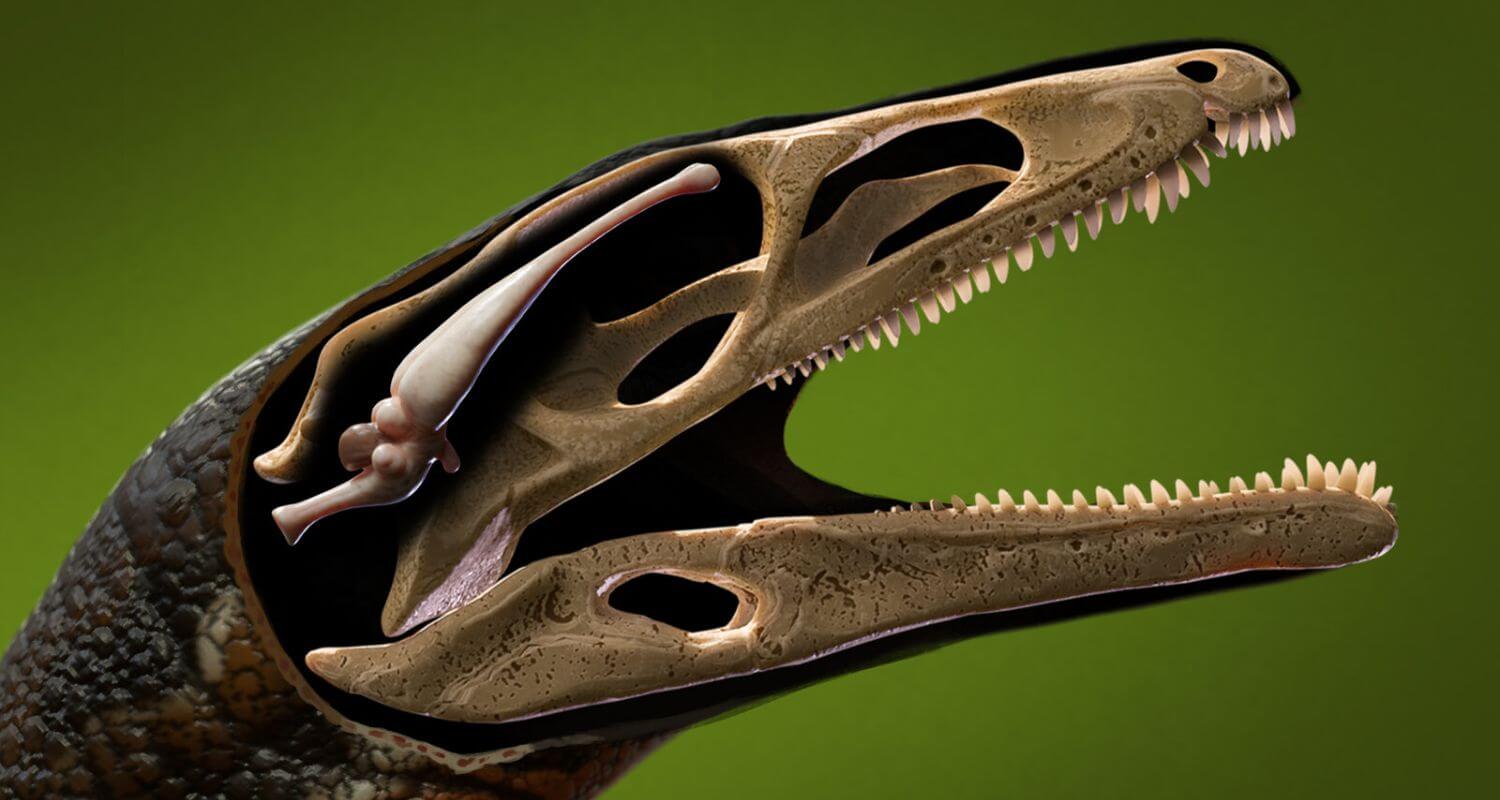
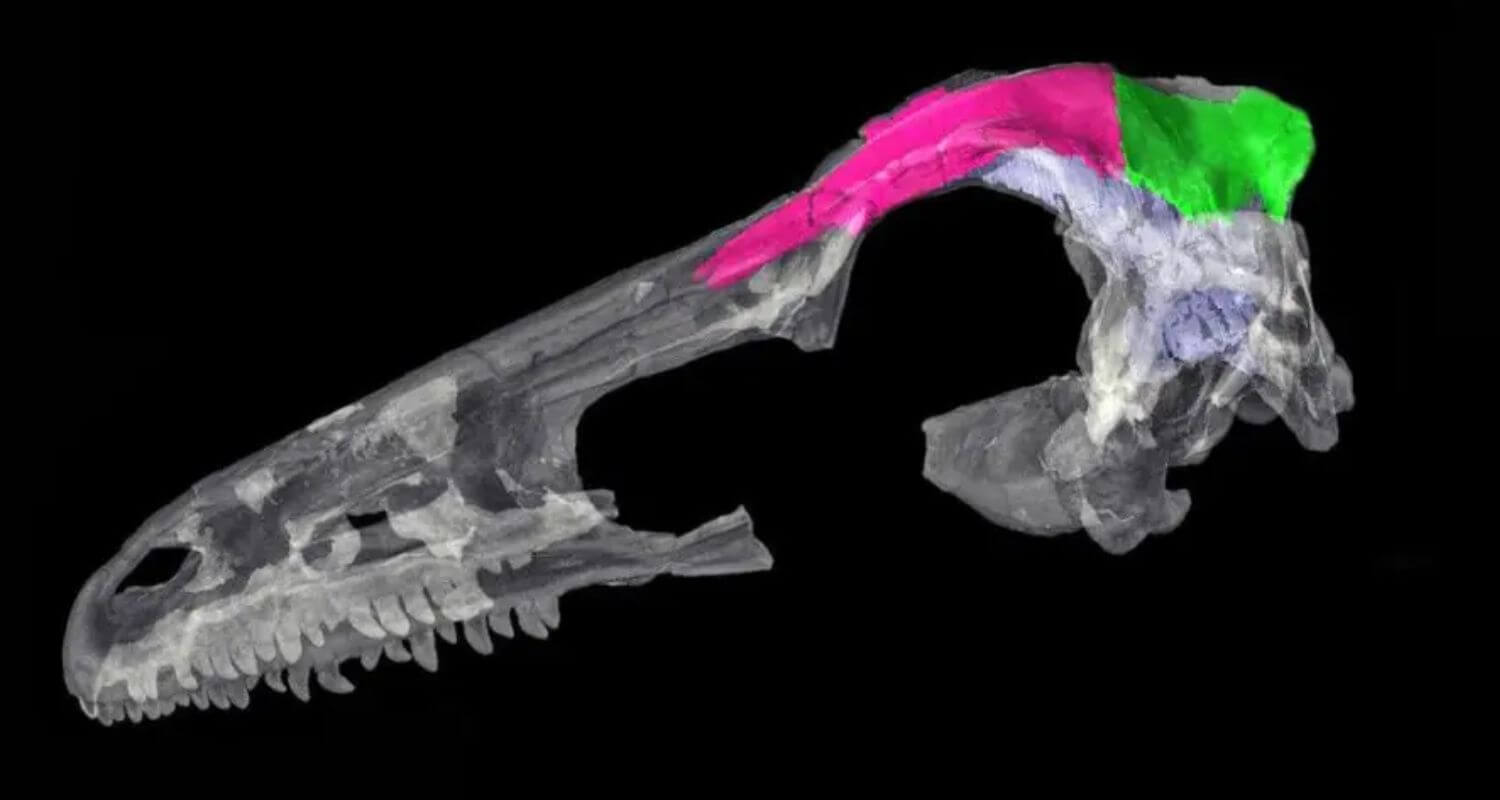
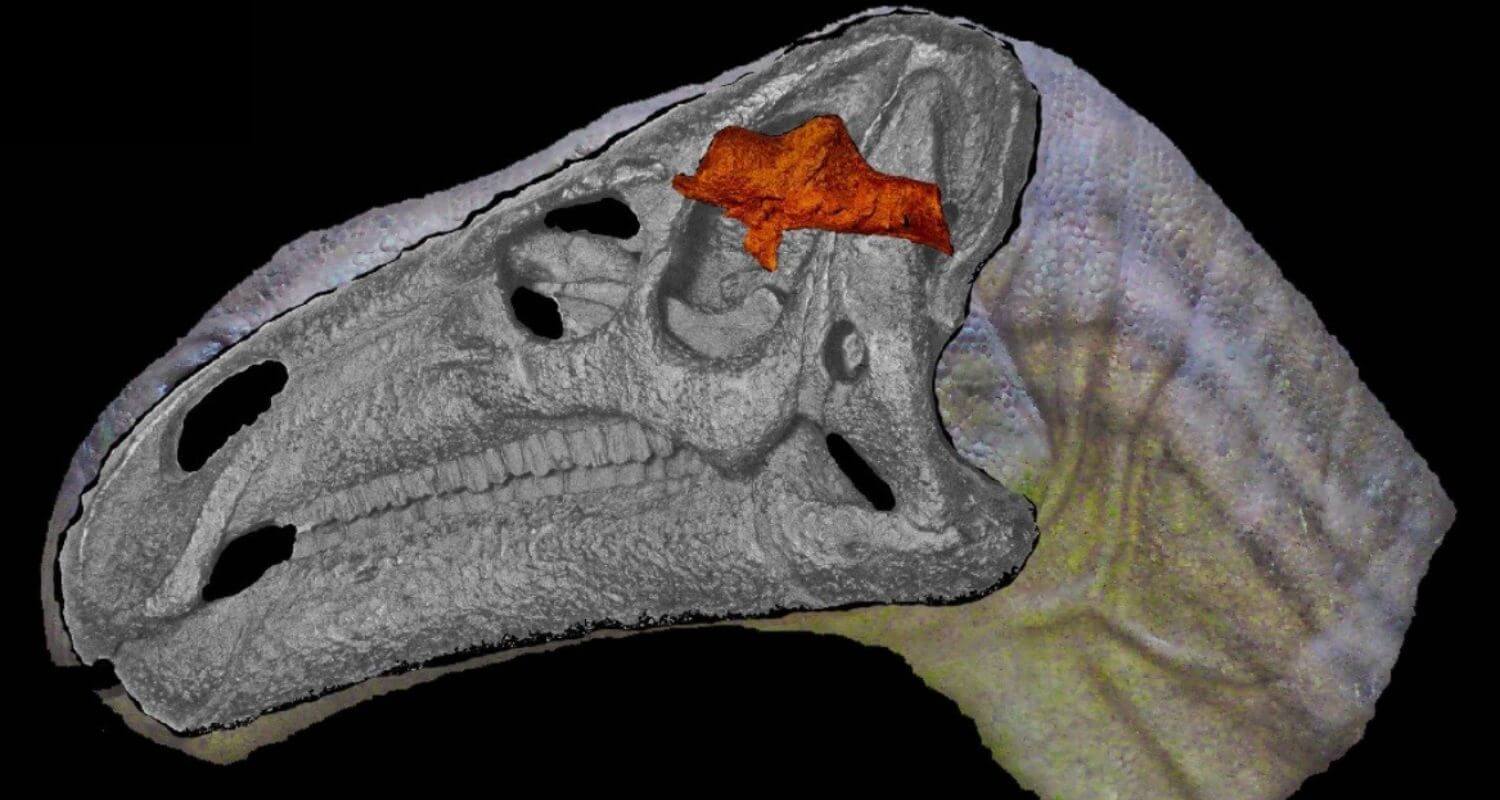
When sediment fills the skull cavity and hardens, it creates a natural mold known as an endocast. These fossilized shapes reveal the size and structure of the brain and major sensory regions.
CT Scanning and Digital Reconstruction
Modern CT scanning allows scientists to create detailed 3D models of dinosaur brains without damaging fossils. This technology reveals regions associated with vision, balance, smell, and coordination.
Limits of the Evidence
Soft tissue rarely fossilizes, and dinosaur brains did not always fill the entire skull cavity. This means reconstructions are estimates rather than exact replicas. Still, when combined with behavioral evidence, they provide valuable insights.
Brain Size vs. Body Size: Does Bigger Mean Smarter?
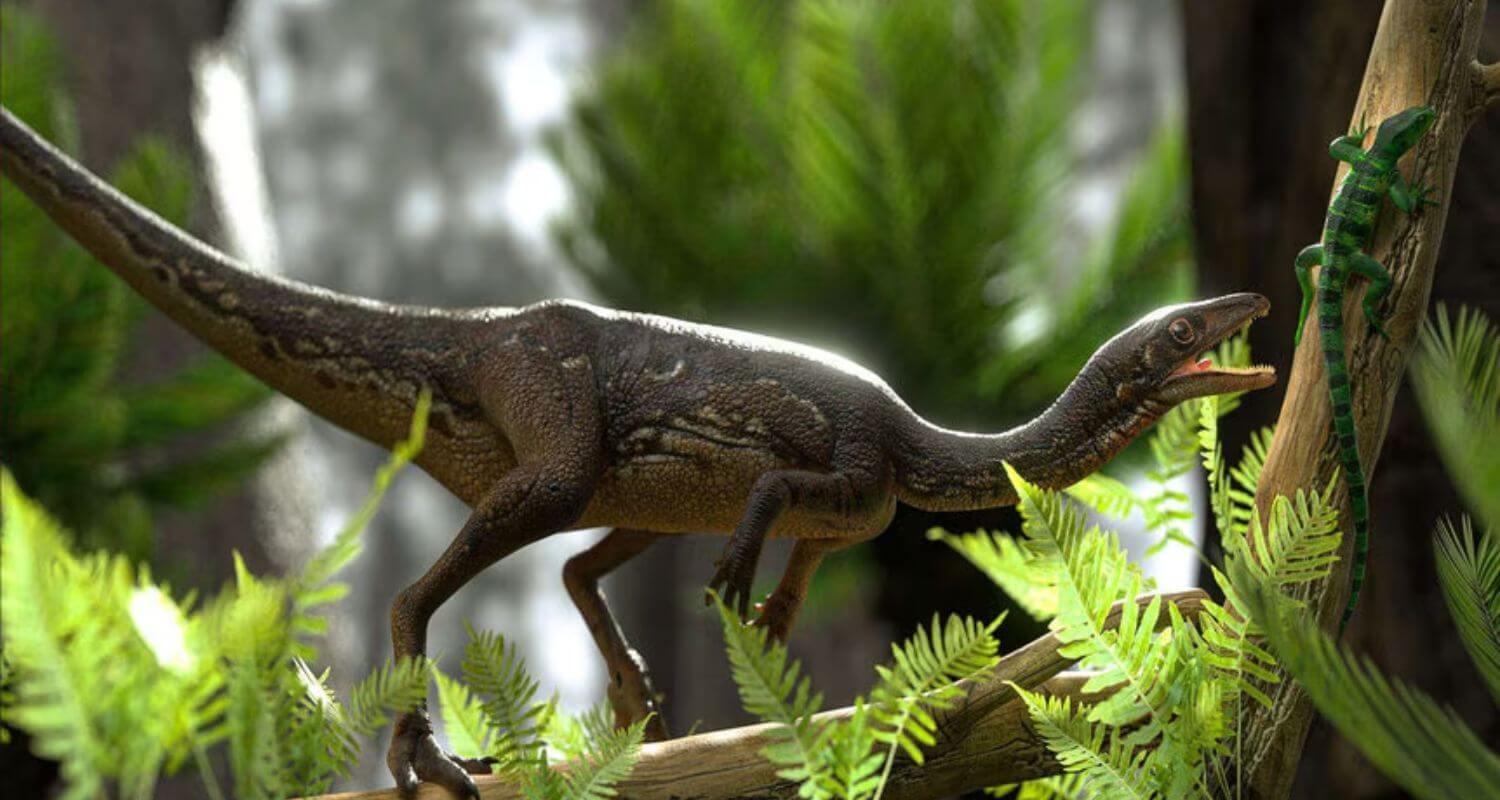 One of the most common misconceptions is that intelligence depends on absolute brain size. Dinosaurs often had small brains compared to their enormous bodies, but this comparison is misleading.
Scientists use the Encephalization Quotient to compare brain size relative to body size. A higher EQ suggests greater cognitive potential.
Sauropods like Brachiosaurus had very low EQs, likely reflecting simple behavioral needs.
Theropods such as Troodon and Velociraptor had much higher EQs, comparable to modern birds.
EQ does not measure intelligence directly, but it provides a useful framework for comparison.
Evidence That Dinosaurs Were Smarter Than We Thought
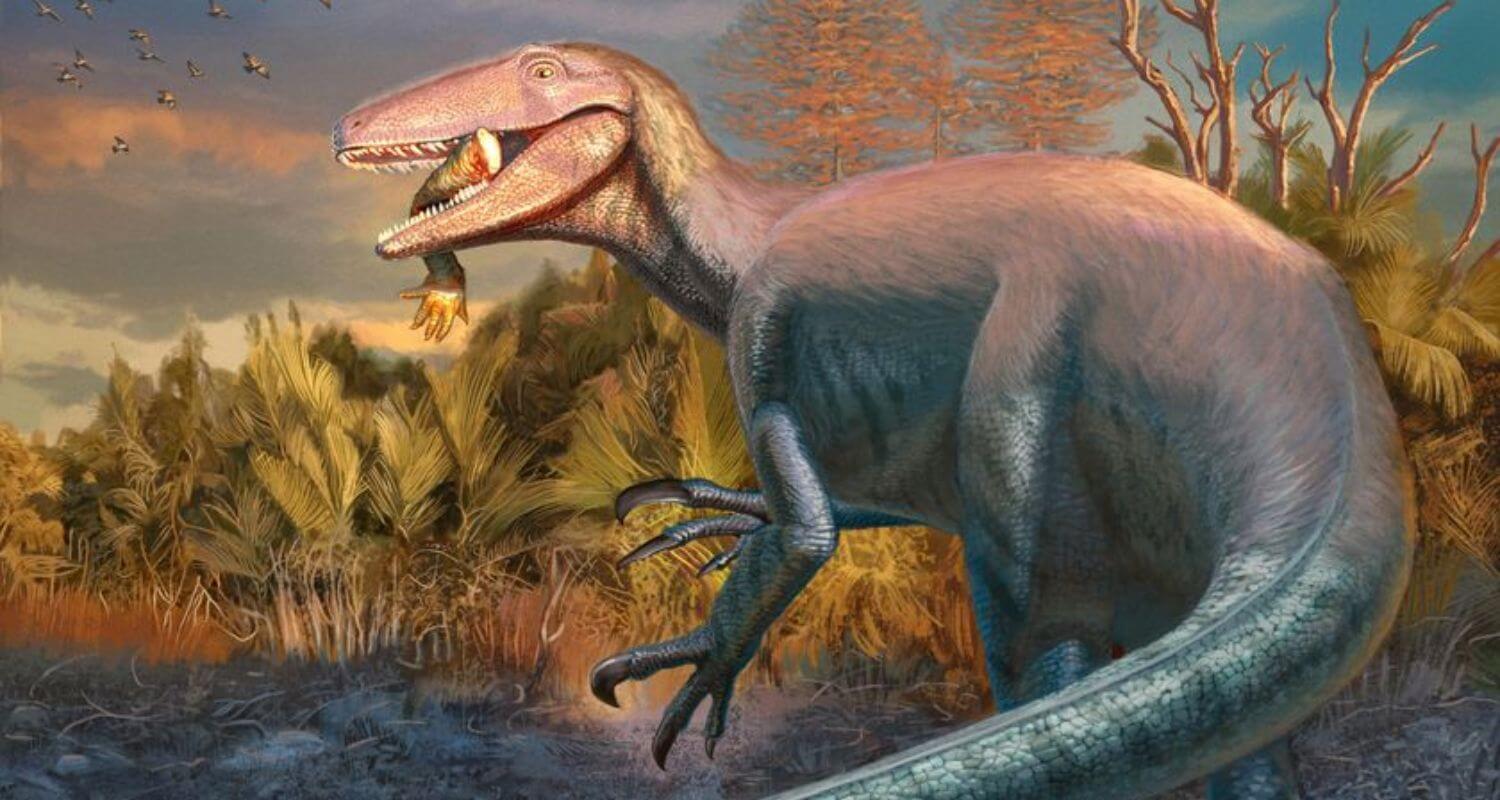 Fossils reveal more than bones. They tell stories of behavior.
Complex Hunting Strategies
Some theropods likely hunted using ambush tactics, speed, and coordination rather than brute force. Trackways suggest pack movement in certain species, hinting at cooperation.
Social Behavior and Herding
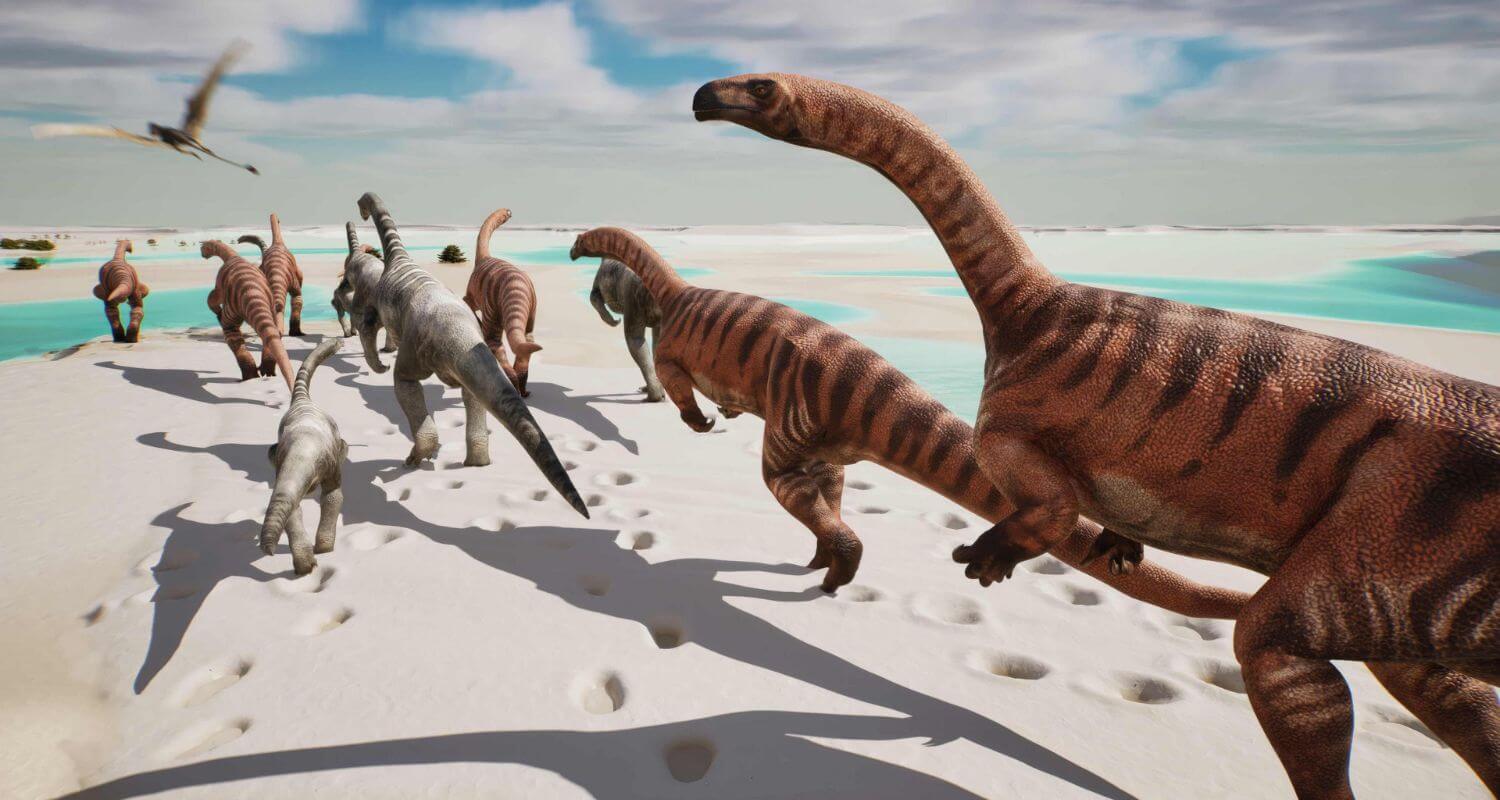
Large herbivores like hadrosaurs appear to have lived in herds, which requires communication, awareness, and coordinated movement.
Nesting and Parental Care
Fossilized nests and juvenile remains indicate some dinosaurs protected eggs and cared for young, a behavior strongly associated with higher cognitive ability.
Which Dinosaurs Were the Smartest?
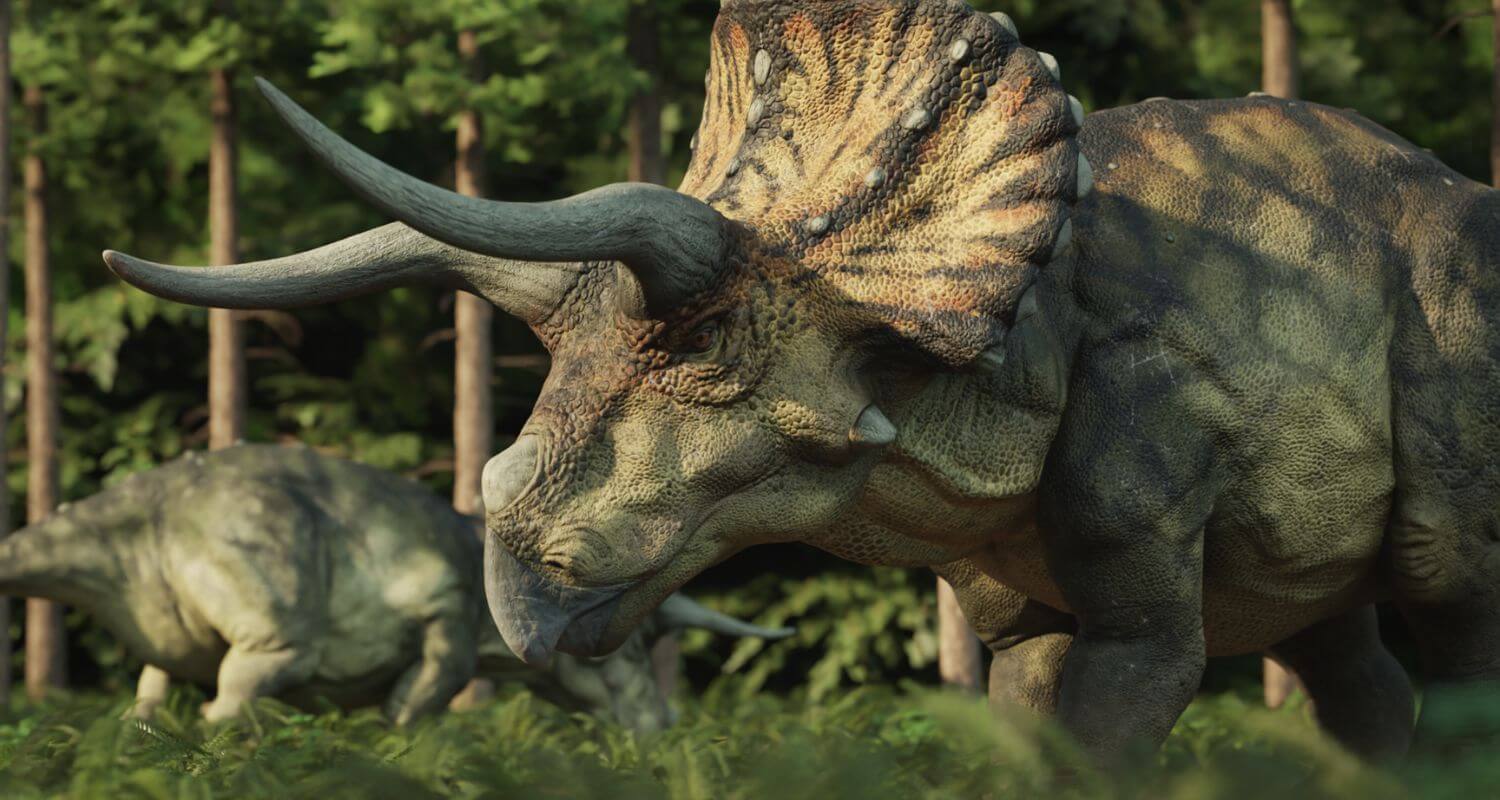 Not all dinosaurs were created equal when it came to brainpower.
Troodon
Often cited as the smartest dinosaur, Troodon had one of the highest brain-to-body ratios of any known dinosaur. Its large eyes suggest excellent night vision and advanced sensory processing.
Velociraptor
Smaller and lighter than Hollywood depictions, Velociraptors were agile predators with relatively large brains. Their intelligence likely supported quick decision-making and precise movement.
Tyrannosaurus rex
Despite its fearsome reputation, T. rex had a well-developed brain for its size, particularly in regions associated with smell and vision. This suggests advanced sensory intelligence rather than raw reasoning power.
Herbivores vs. Carnivores: Different Types of Intelligence
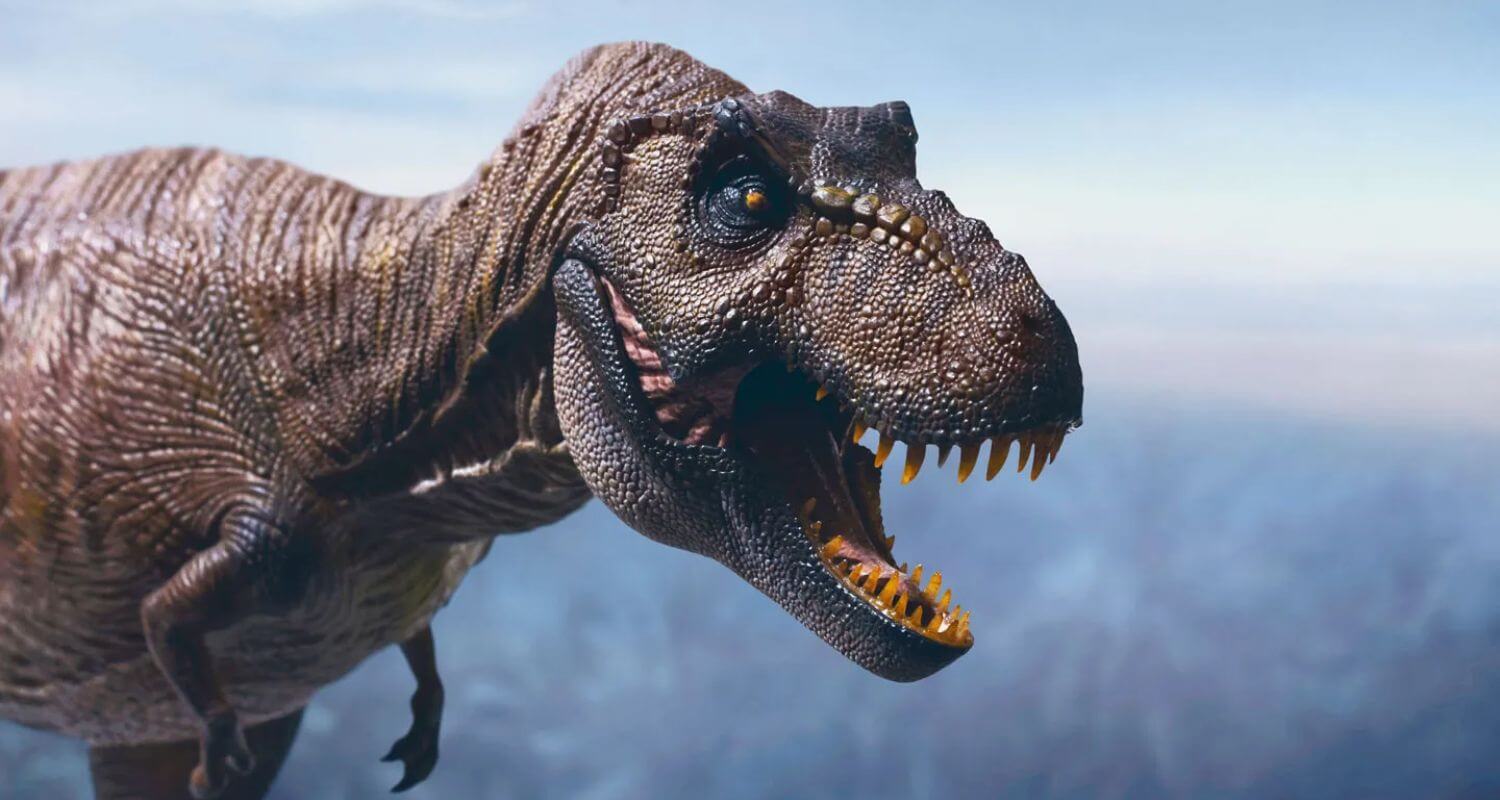 Carnivorous dinosaurs often show signs of sensory and motor intelligence, while herbivores demonstrate social and defensive intelligence.
Carnivores needed quick reactions, spatial awareness, and hunting strategies.
Herbivores relied on group behavior, migration patterns, and threat detection.
Intelligence, in this sense, was shaped by ecological roles rather than hierarchy.
Dinosaurs, Birds, and the Evolution of Intelligence
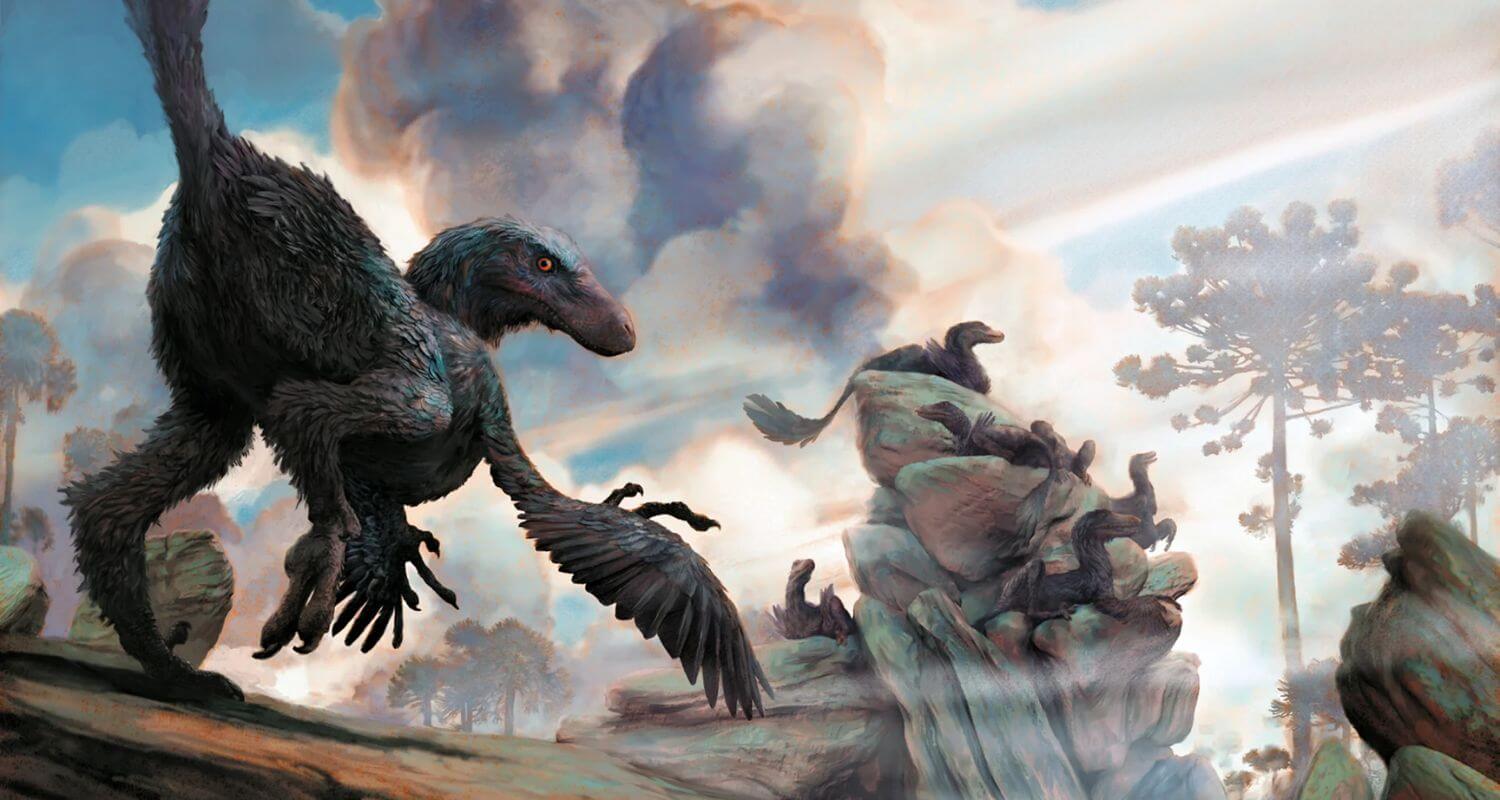 Modern birds are living dinosaurs. This connection reshapes how we view prehistoric cognition.
Brain Structure Similarities
Theropod dinosaurs share brain features with birds, including enlarged regions for balance and coordination.
What Bird Intelligence Tells Us
Crows, parrots, and ravens demonstrate problem-solving skills, memory, and even tool use. These abilities suggest that similar cognitive foundations existed in their dinosaur ancestors.
A Behavioral Continuum
Rather than disappearing, dinosaur intelligence evolved and diversified, reaching the skies in feathered form.
Common Myths About Dinosaur Brains
 "Dinosaurs Had Walnut-Sized Brains"
While some large dinosaurs had small brains relative to body size, many species had brains perfectly adapted to their needs.
The "Second Brain" Myth
The idea that dinosaurs had a second brain near the hips is outdated. This structure was actually a nerve bundle controlling the legs and tail.
Intelligence vs. Human Thinking
Dinosaurs were not trying to invent tools or art. Their intelligence was practical, ecological, and survival-driven.
Conclusion: Redefining Dinosaur Intelligence
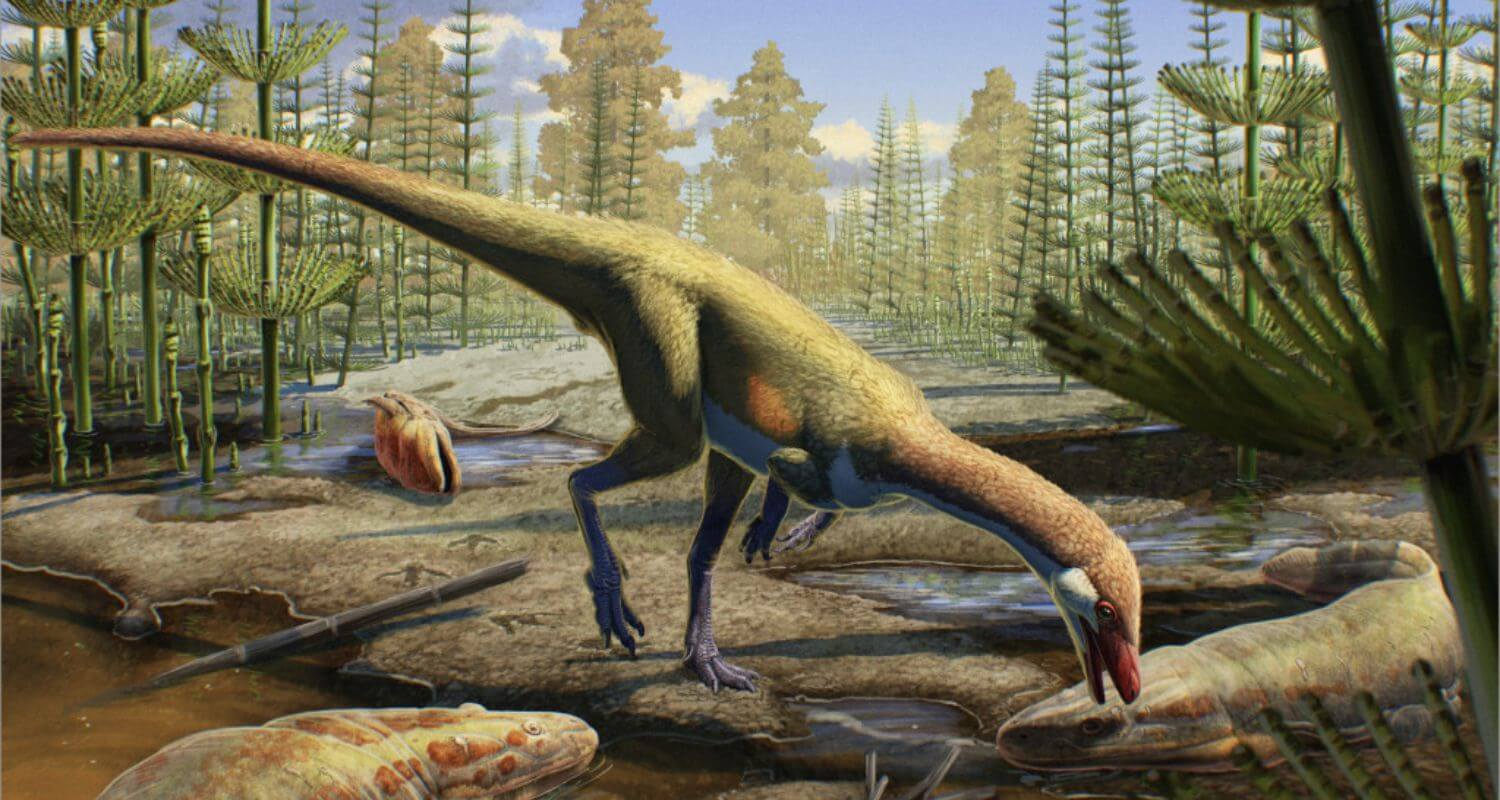 Dinosaurs were not evolutionary failures with tiny brains. They were adaptive, responsive, and behaviorally diverse animals that dominated Earth for over 160 million years.
By studying dinosaur brains, we gain insight into how intelligence evolves, how behavior shapes survival, and how life adapts across deep time. Far from being dull brutes, dinosaurs were thinking creatures in their own prehistoric way, and their legacy lives on every time a bird takes flight.
Tags: