О нас
Gecai Culture стоит на переднем крае воплощения прошлого в жизнь с помощью наших ультрасовременных аниматронных динозавров, очаровательных аниматронных существ, ярких китайских фестивальных фонарей и специализированных товаров. Как профессиональный производитель, расположенный в самом сердце Китая, мы питаем глубокую страсть к демонстрации наших реалистичных динозавров и животных в музеях, выставках, зоопарках, парках и за их пределами, стремясь разжечь пламя любопытства и обучения у людей всех возрастов.
Получить бесплатную цитату
Знание динозавров
Высвобождение грозных хищников: самые свирепые плотоядные динозавры, о которых вам нужно знать
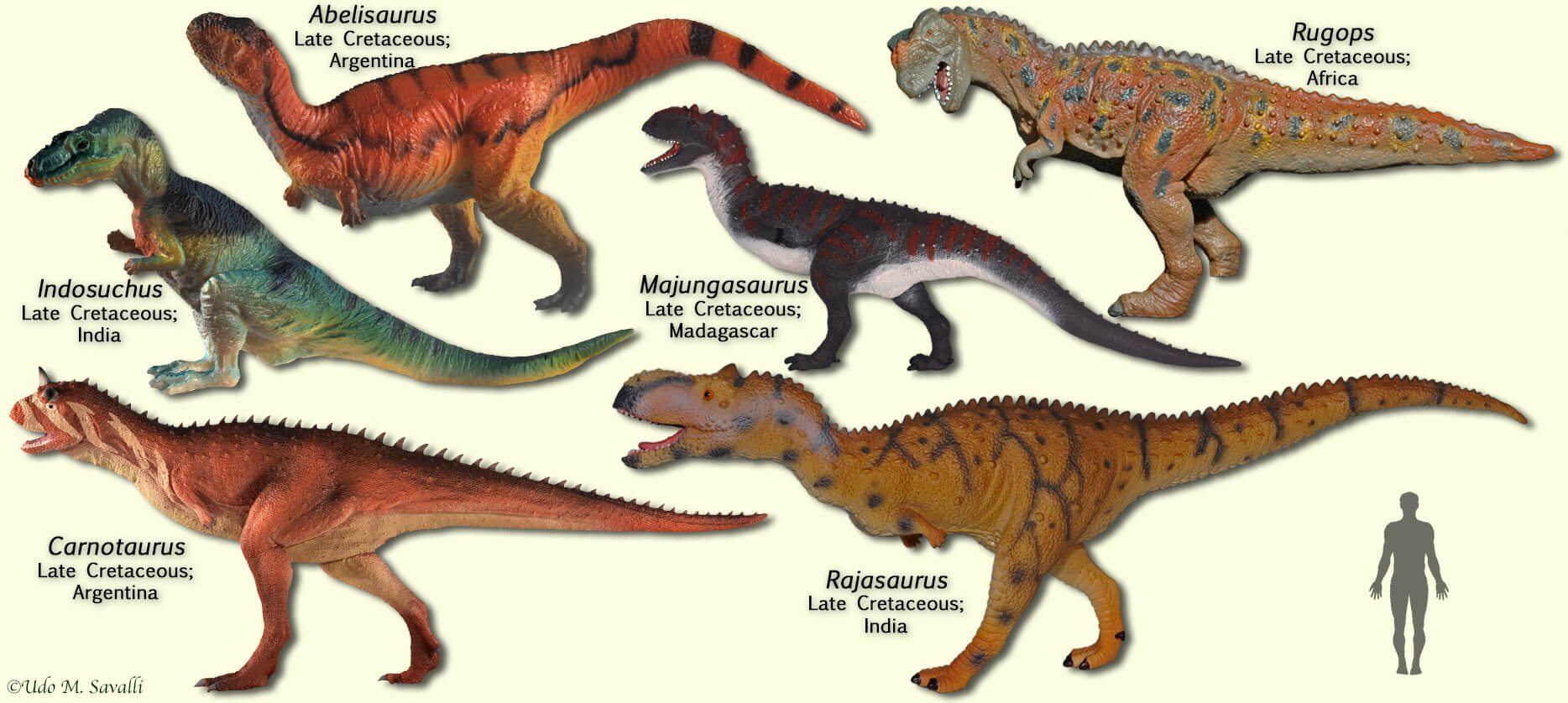
When we think of dinosaurs, images of towering giants often come to mind. Among these prehistoric creatures, carnivorous dinosaurs stand out as some of the most fascinating and fearsome. From the iconic Tyrannosaurus rex to the agile Velociraptor, these predators dominated their ecosystems millions of years ago. In this article, we'll explore the world of carnivorous dinosaurs, their unique characteristics, and the roles they played in their habitats. Join us as we delve into the lives of these magnificent creatures and discover what made them the apex predators of their time.
What Defines Carnivorous Dinosaurs
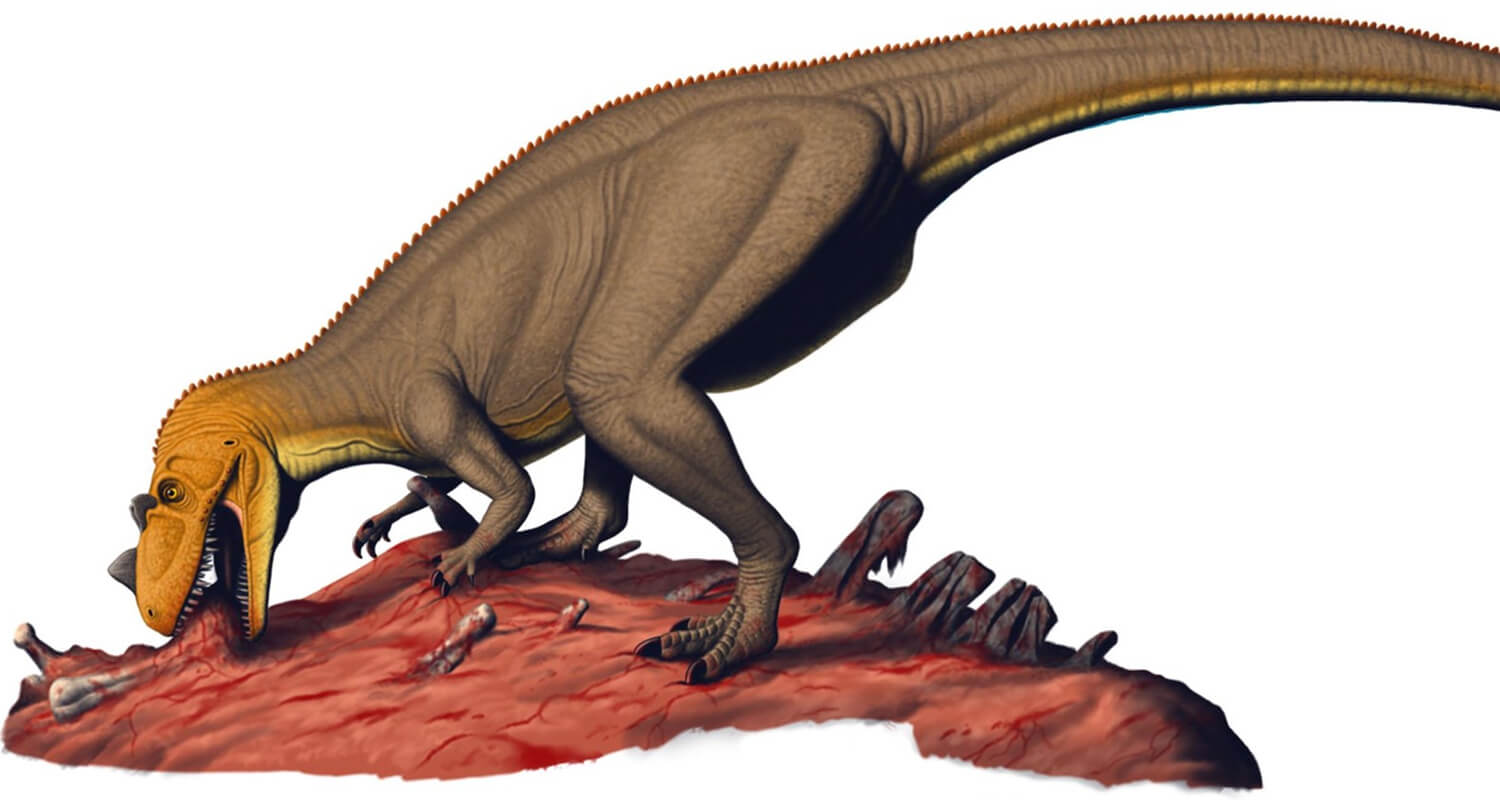
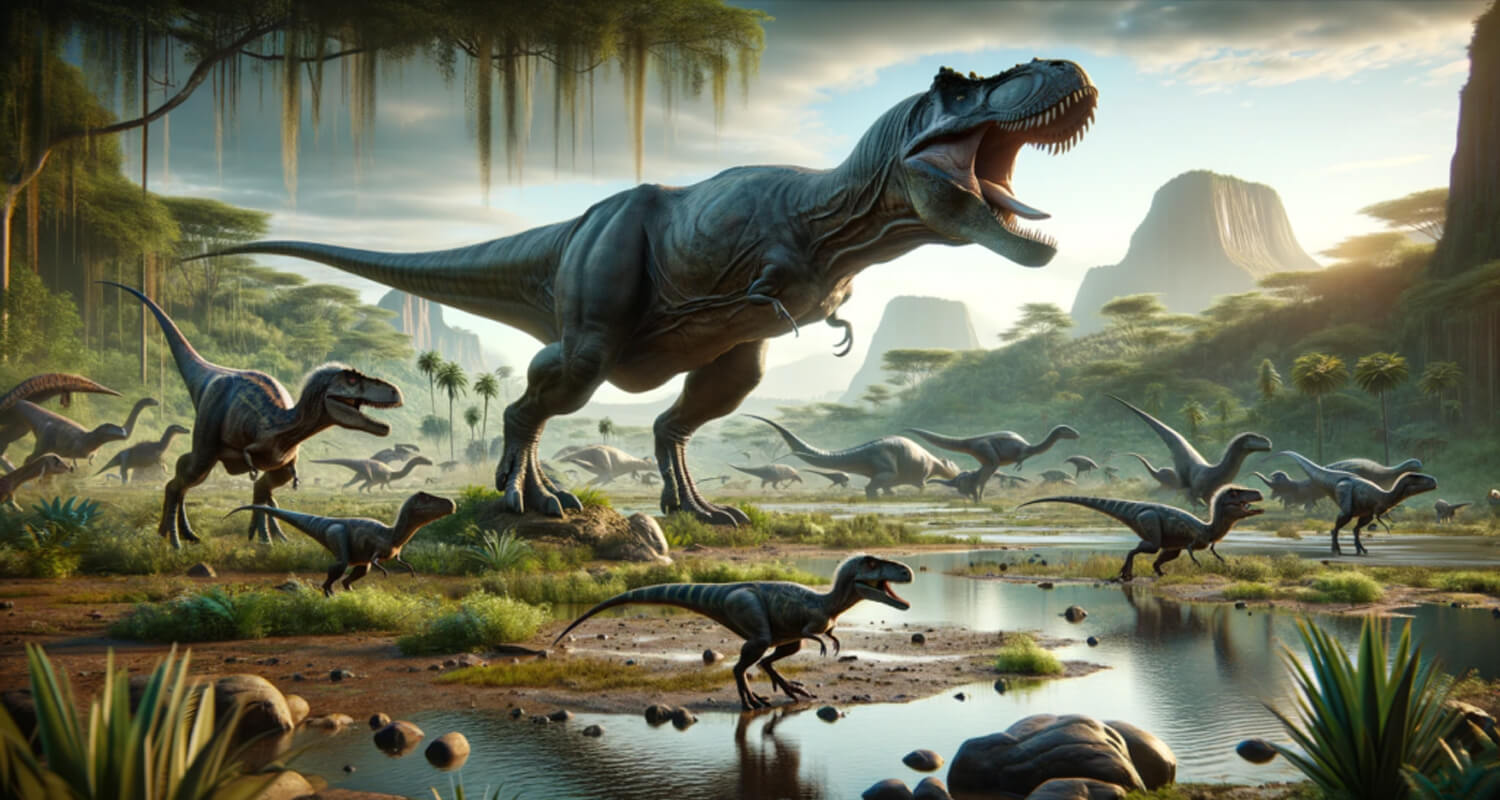
Carnivorous dinosaurs, also known as theropods, were primarily meat-eaters that evolved into a variety of shapes and sizes. Unlike their herbivorous counterparts, these dinosaurs possessed sharp teeth, strong jaws, and powerful claws designed for hunting and tearing flesh. Their adaptations allowed them to be highly effective predators, capable of taking down other dinosaurs and even competing for dominance within their environments.
Key Features of Carnivorous Dinosaurs
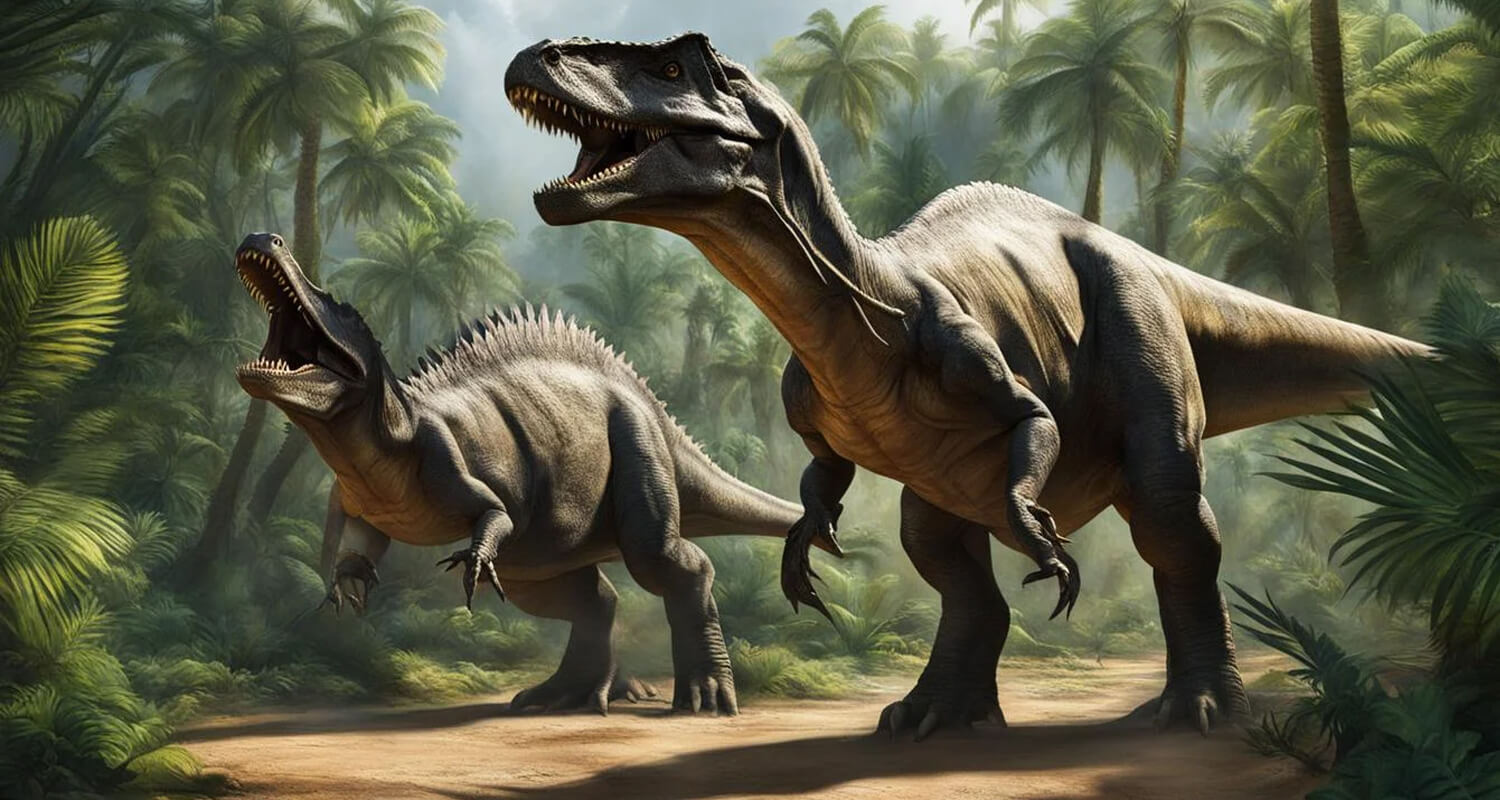
Physical Adaptations: Most carnivorous dinosaurs had elongated skulls with serrated teeth, ideal for slicing through meat. Their strong limbs and sharp claws helped them catch and hold onto prey, while some species even evolved to run at impressive speeds.
Diverse Sizes: Carnivorous dinosaurs ranged from small, agile hunters like the Velociraptor, which measured about 6.5 feet long, to massive predators like the Tyrannosaurus rex, reaching lengths of up to 40 feet and weighing over 9 tons.
Hunting Strategies: These dinosaurs employed various hunting strategies. Some, like the Allosaurus, may have hunted in packs to take down larger prey, while others, such as the solitary T. rex, relied on sheer power and size to dominate their territory.
Famous Carnivorous Dinosaurs
Tyrannosaurus rex
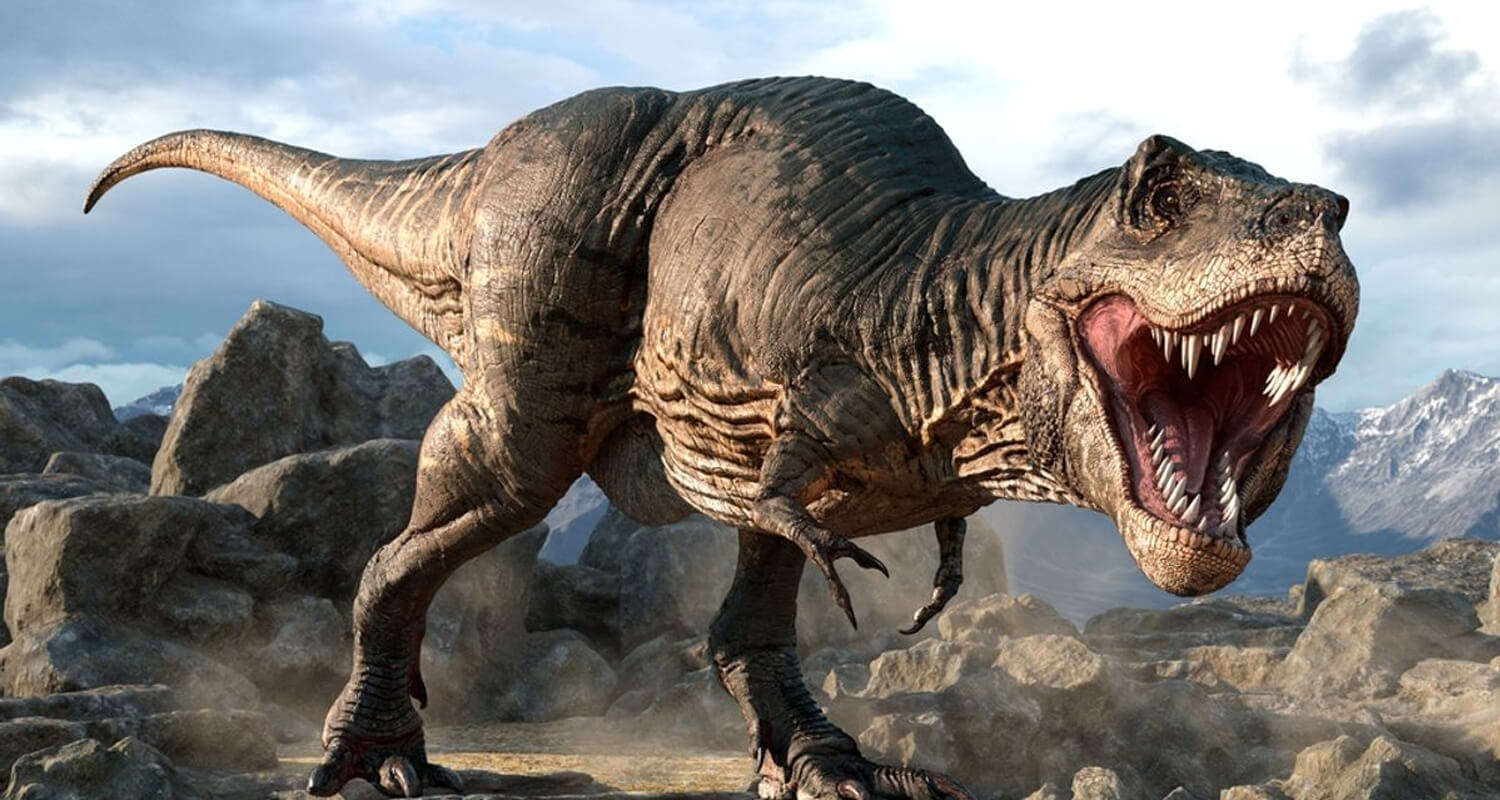 Size: Up to 40 feet long
Weight: Estimated 9 tons
Time Period: Late Cretaceous (approximately 68-66 million years ago)
The T. rex is perhaps the most famous of all carnivorous dinosaurs. With its massive skull, powerful jaws, and formidable teeth, it was one of the top predators during the Late Cretaceous period. Its keen sense of smell and strong legs allowed it to track down prey effectively.
Velociraptor
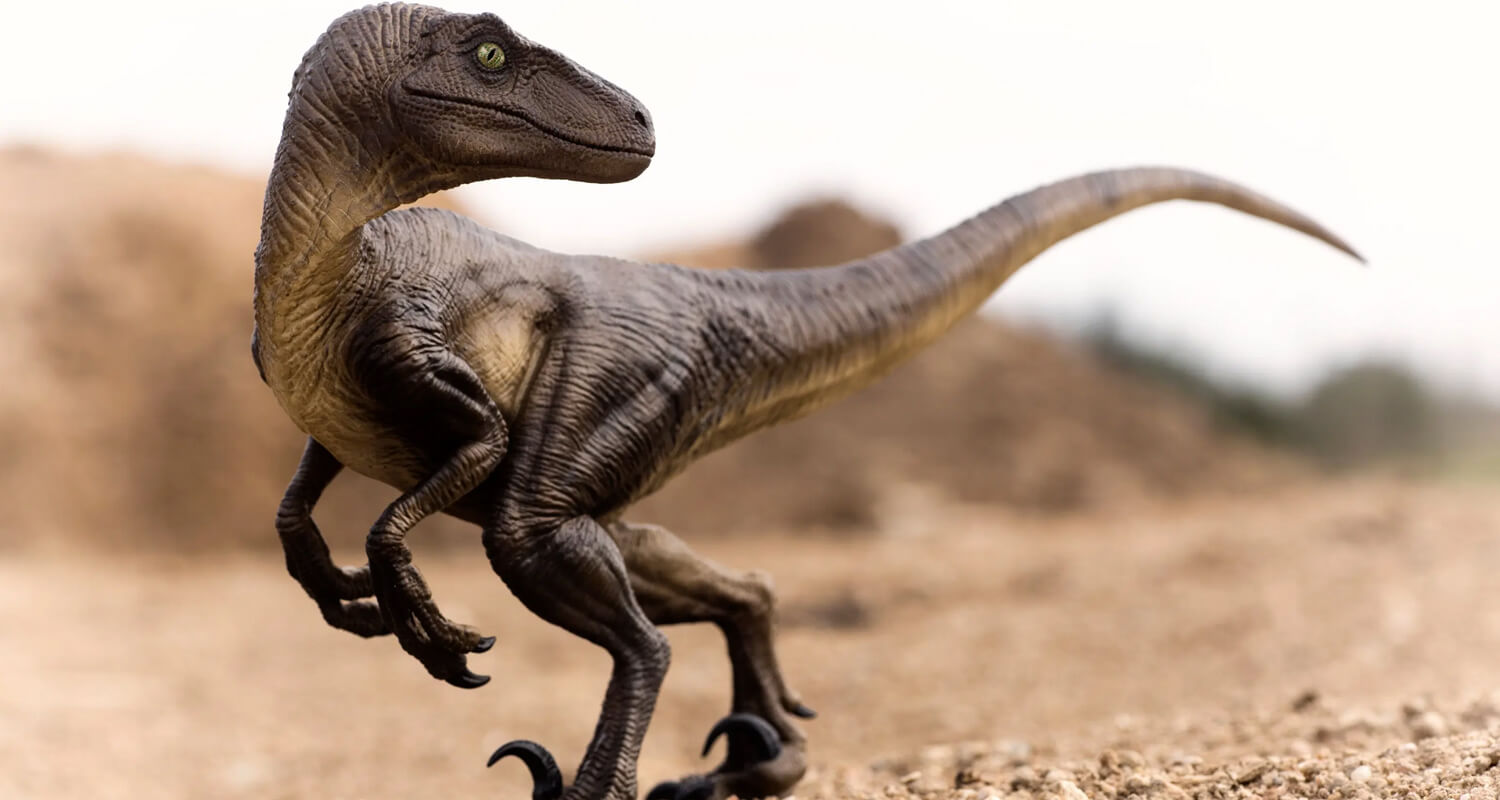 Size: About 6.5 feet long
Weight: Estimated 15 to 33 pounds
Time Period: Late Cretaceous (approximately 75-71 million years ago)
Often depicted as a fearsome hunter, the Velociraptor was actually much smaller than portrayed in popular media. These agile dinosaurs likely used their speed and intelligence to hunt in packs, targeting smaller dinosaurs and other prey.
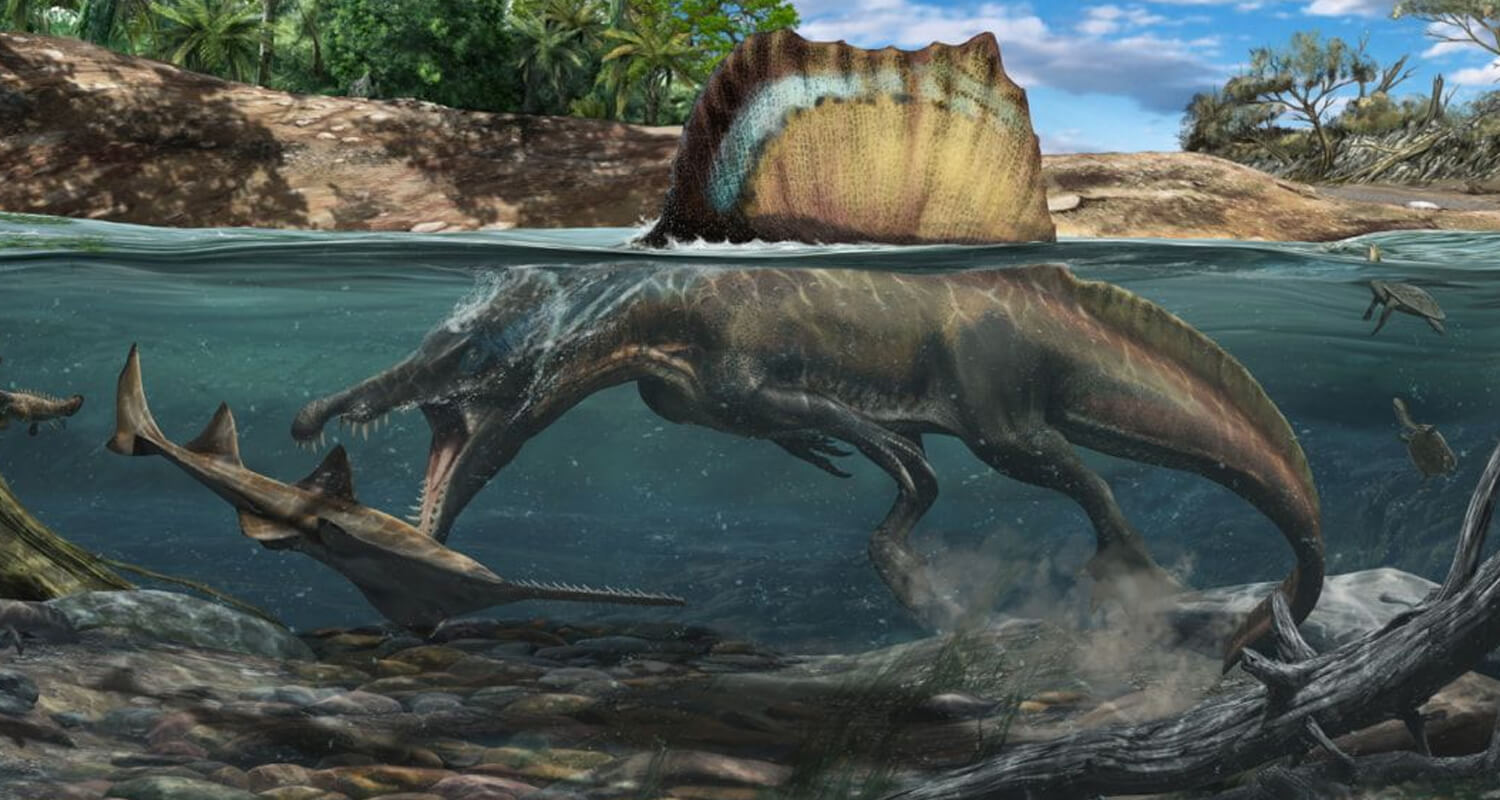
Spinosaurus
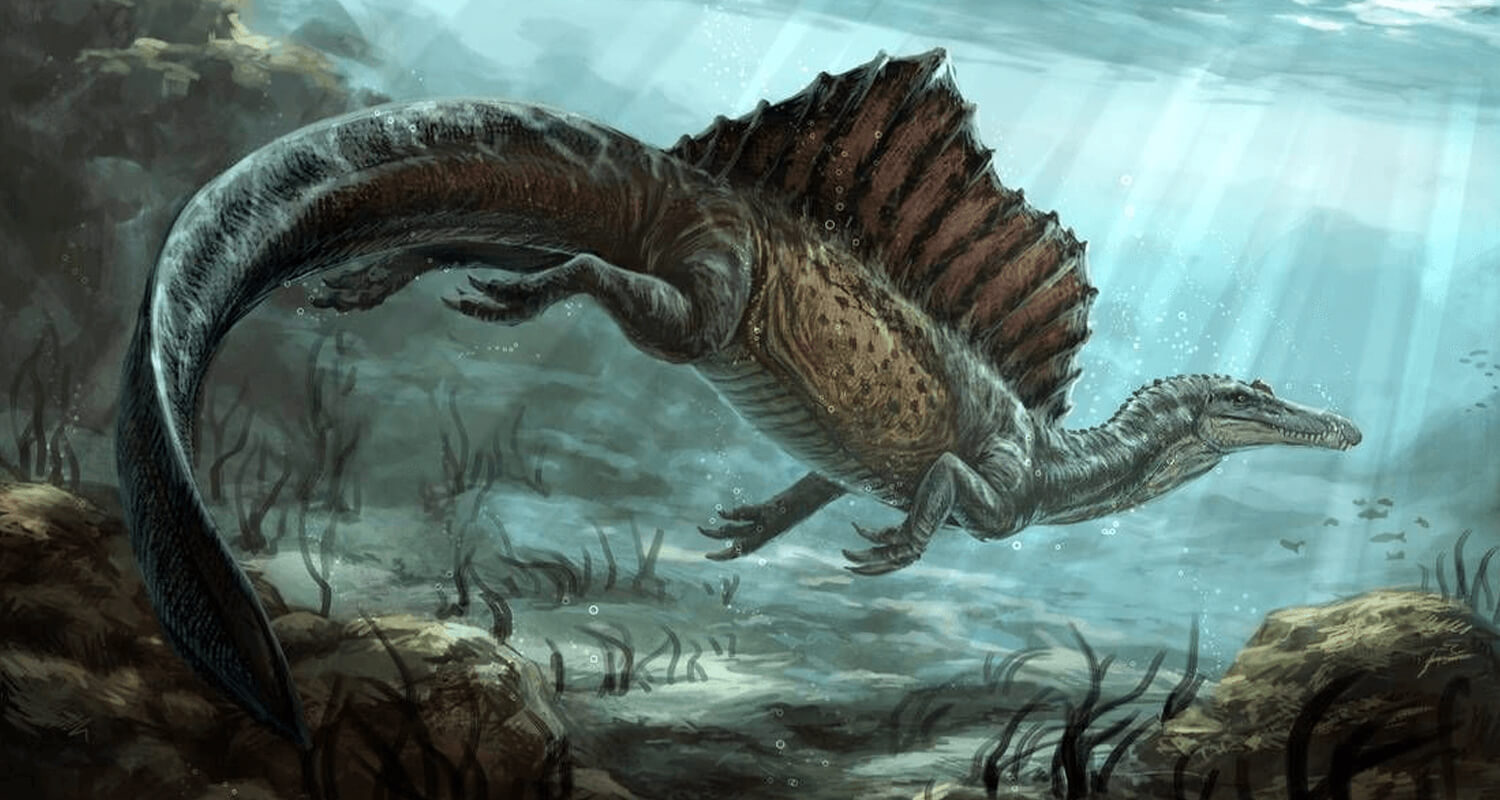 Size: Up to 50 feet long
Weight: Estimated 7 to 20 tons
Time Period: Late Cretaceous (approximately 112-93 million years ago)
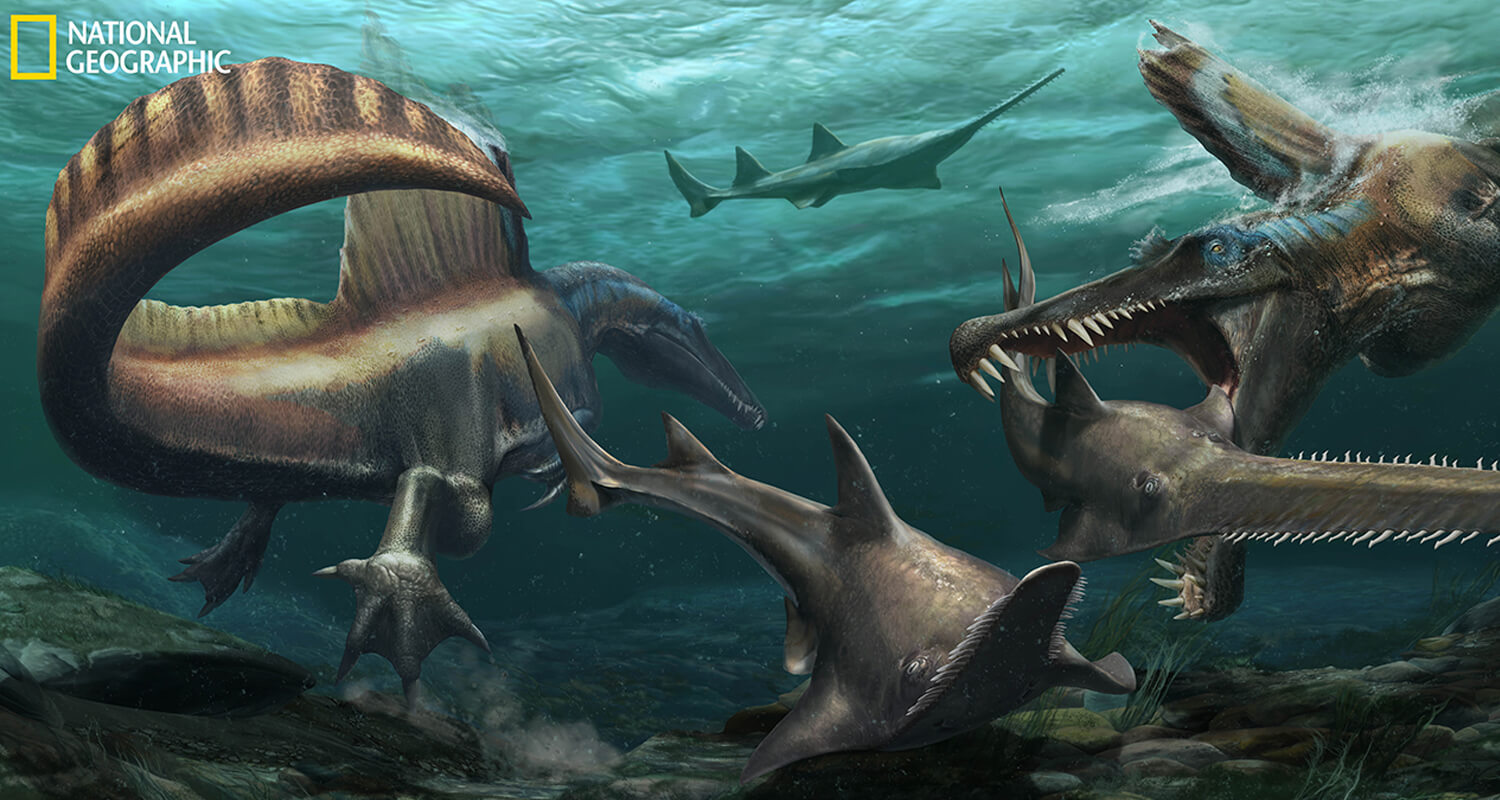
This unique dinosaur is believed to have been semi-aquatic, hunting both on land and in water. Its elongated snout and conical teeth were perfect for catching fish, making it a versatile predator in its environment.
Allosaurus
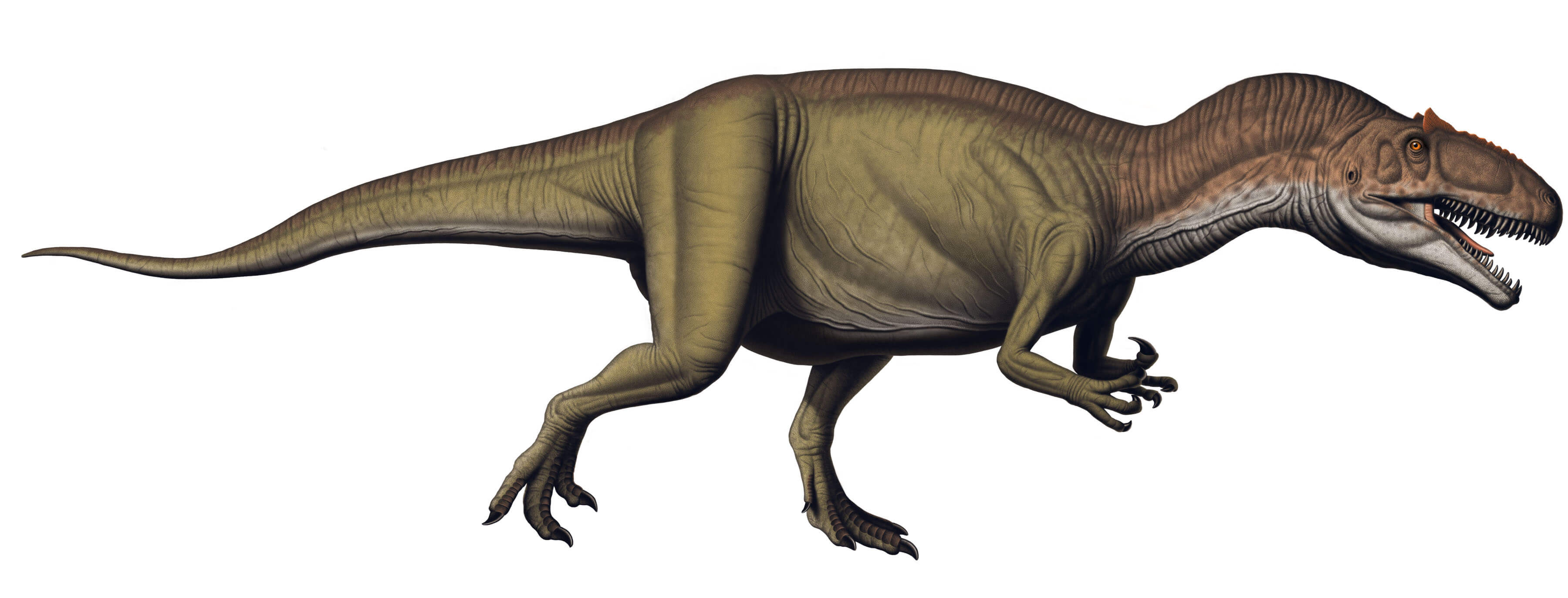
Size: Up to 40 feet long
Weight: Estimated 2.5 tons
Time Period: Late Jurassic (approximately 155-150 million years ago)
A formidable hunter during the Late Jurassic period, Allosaurus was known for its sharp teeth and powerful limbs. It likely hunted in groups, using teamwork to bring down larger prey.
Carnotaurus
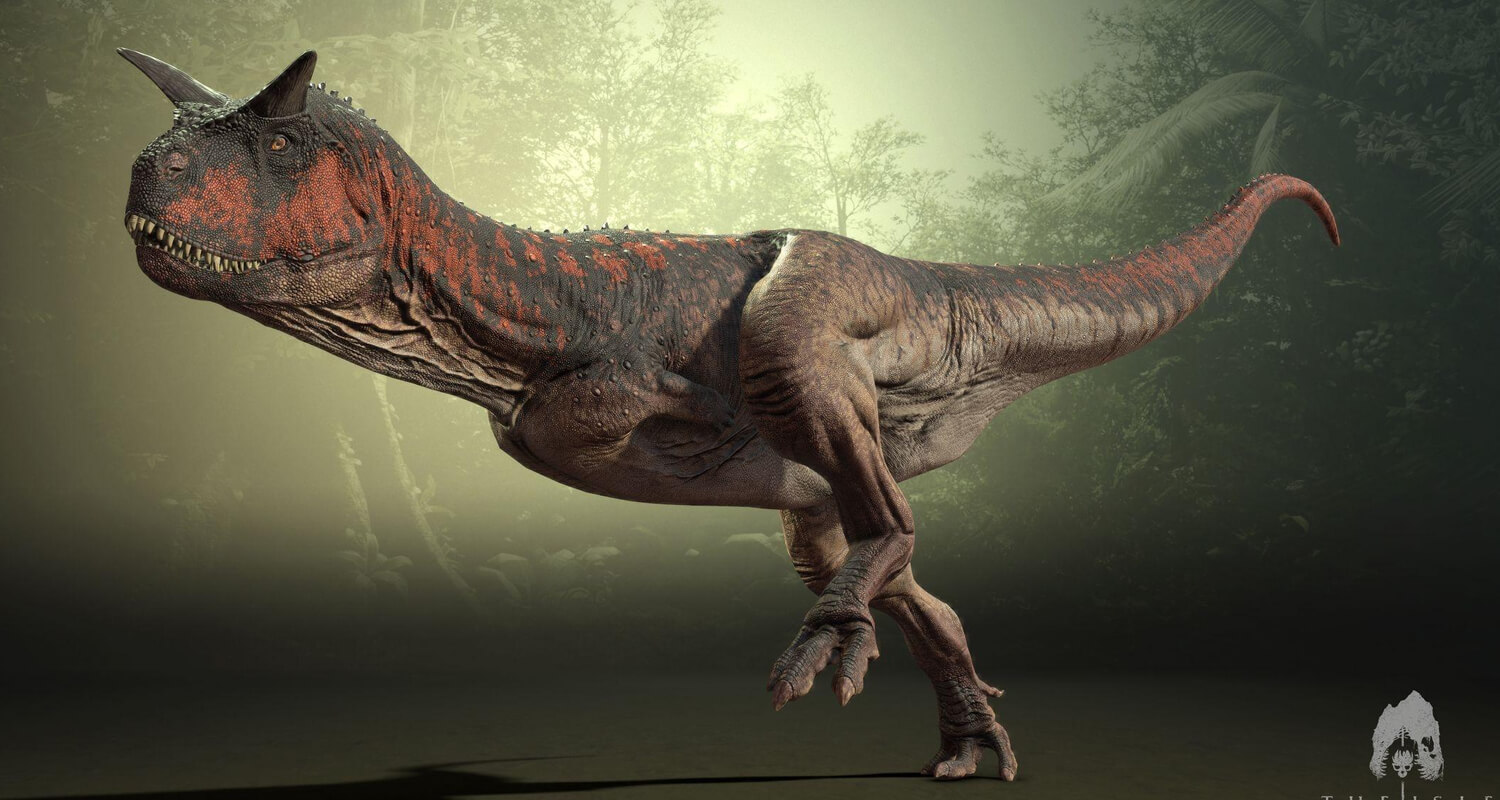
Size: About 25 feet long
Weight: Estimated 1 ton
Time Period: Late Cretaceous (approximately 70 million years ago)
With its distinct horned head and powerful limbs, Carnotaurus was a fast and agile predator. Its unique adaptations made it one of the most efficient hunters in its ecosystem.
The Role of Carnivorous Dinosaurs in Their Ecosystems
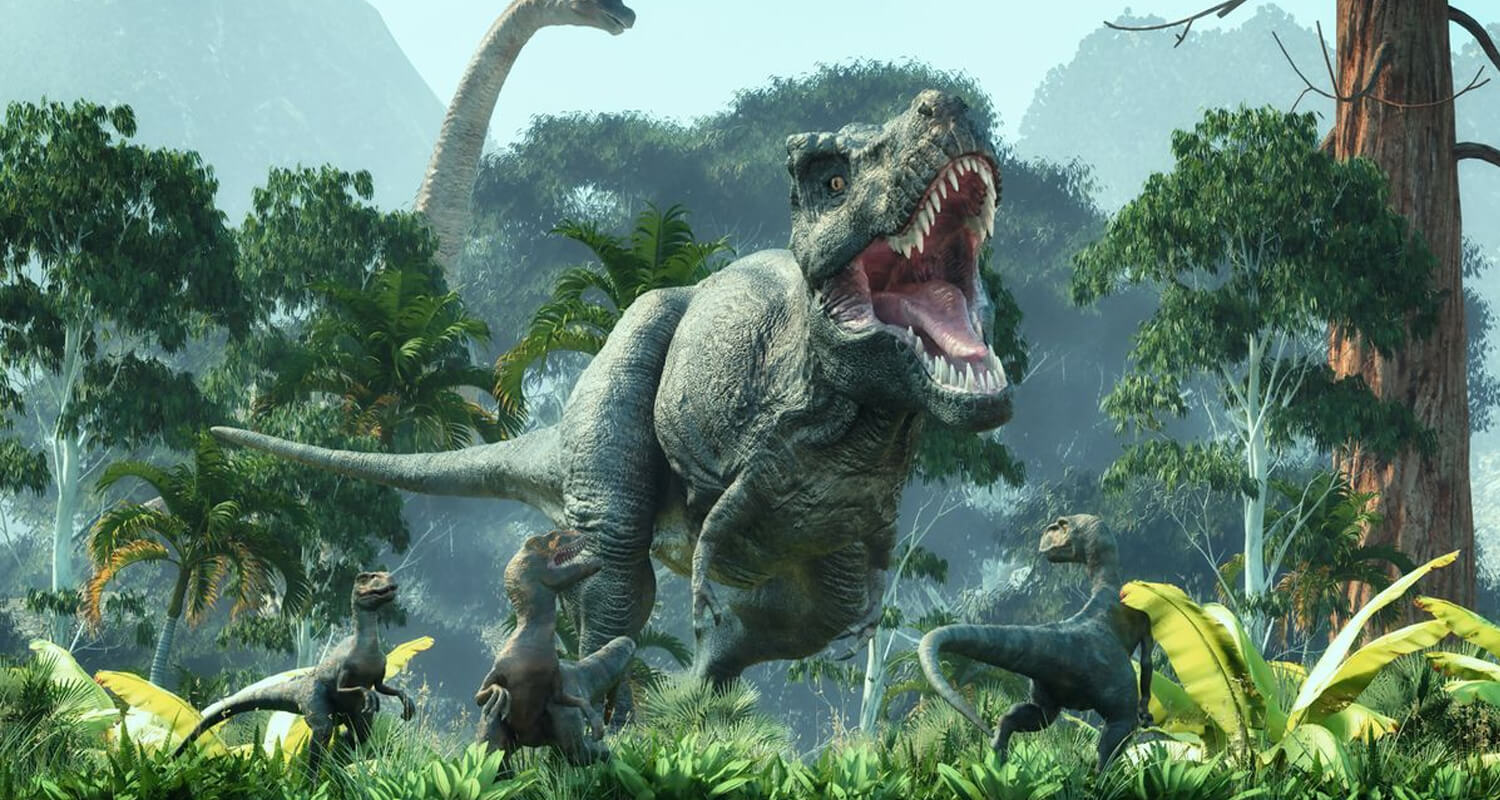 Carnivorous dinosaurs played a crucial role in maintaining the balance of their ecosystems. As apex predators, they regulated the populations of herbivorous dinosaurs, preventing overgrazing and ensuring a healthy balance of species. This dynamic interplay between predators and prey was vital for the overall health of their environments.
Extinction of Carnivorous Dinosaurs
 Like many dinosaurs, carnivorous species faced extinction around 66 million years ago during the Cretaceous-Paleogene (K-Pg) mass extinction event. The leading theories suggest that a combination of catastrophic events, such as a massive asteroid impact and volcanic activity, led to drastic climate changes. These changes disrupted ecosystems, ultimately leading to the demise of the dinosaurs.
Fascination with Carnivorous Dinosaurs Today
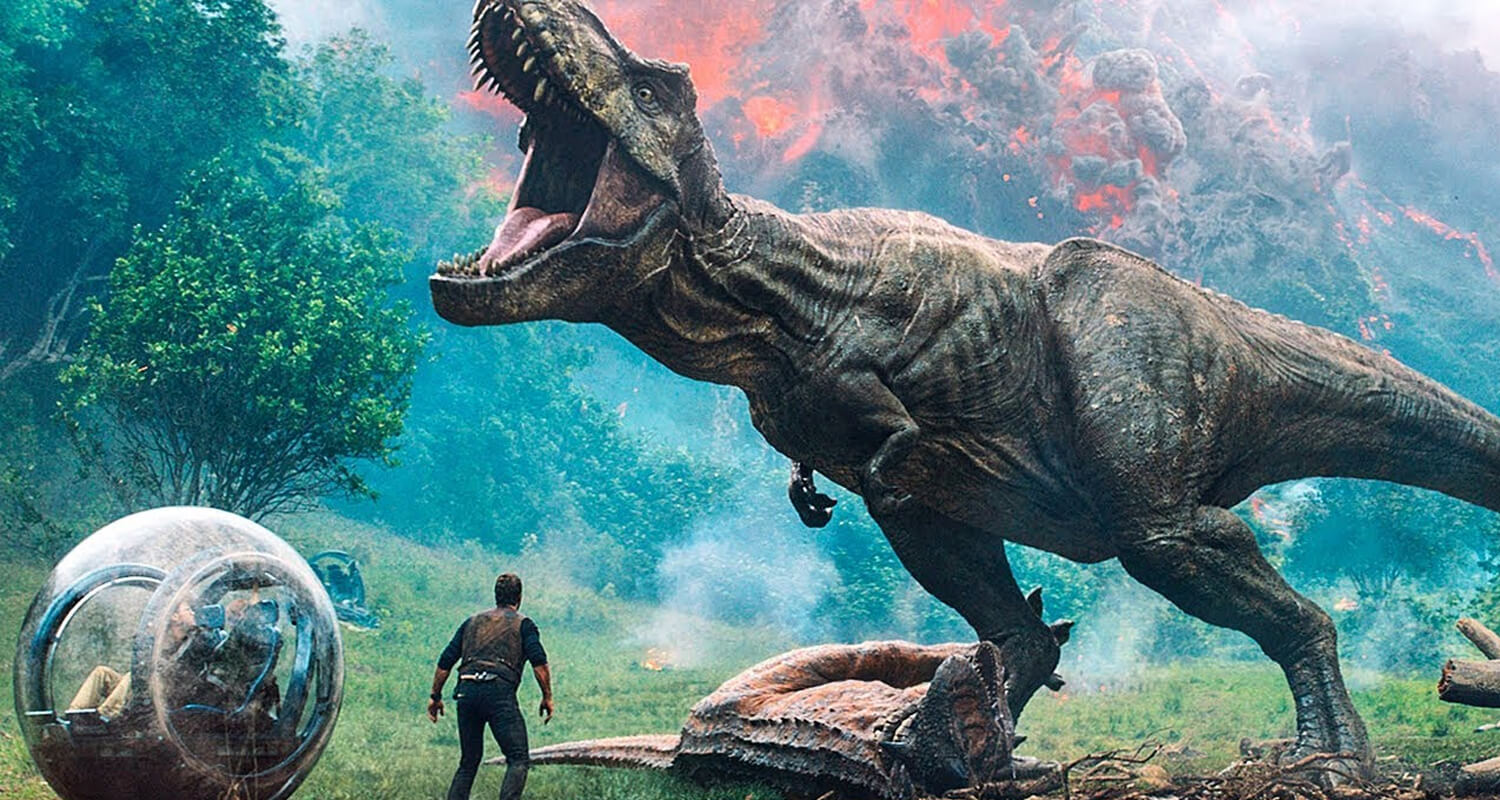 The legacy of carnivorous dinosaurs continues to captivate our imagination. They are often featured in films, documentaries, and exhibits, drawing crowds eager to learn about their lives and habitats. Museums around the world showcase fossilized remains and life-sized replicas, allowing visitors to get a glimpse of these awe-inspiring predators.
FAQs
 What are carnivorous dinosaurs?
Carnivorous dinosaurs, also known as theropods, were meat-eating dinosaurs characterized by sharp teeth and powerful limbs.
Which carnivorous dinosaur was the largest?
The Spinosaurus is often considered one of the largest carnivorous dinosaurs, potentially measuring up to 50 feet in length.
Did carnivorous dinosaurs hunt in packs?
Some species, like Allosaurus and Velociraptor, are believed to have hunted in packs, using teamwork to catch larger prey.
What caused the extinction of carnivorous dinosaurs?
The K-Pg mass extinction event, likely caused by an asteroid impact and volcanic activity, led to drastic changes in climate and ecosystems, resulting in the extinction of dinosaurs, including carnivorous species.
Conclusion
 Carnivorous dinosaurs remain one of the most intriguing aspects of paleontology. Their adaptations, hunting strategies, and impact on their ecosystems paint a vivid picture of life during the Mesozoic Era. While they have long since vanished from the Earth, their story endures, fueling our curiosity and inspiring new generations to explore the wonders of prehistoric life. Whether through documentaries, films, or fossil exhibitions, the legacy of these fearsome predators continues to leave a lasting impression on our understanding of the natural world.
Теги: