О нас
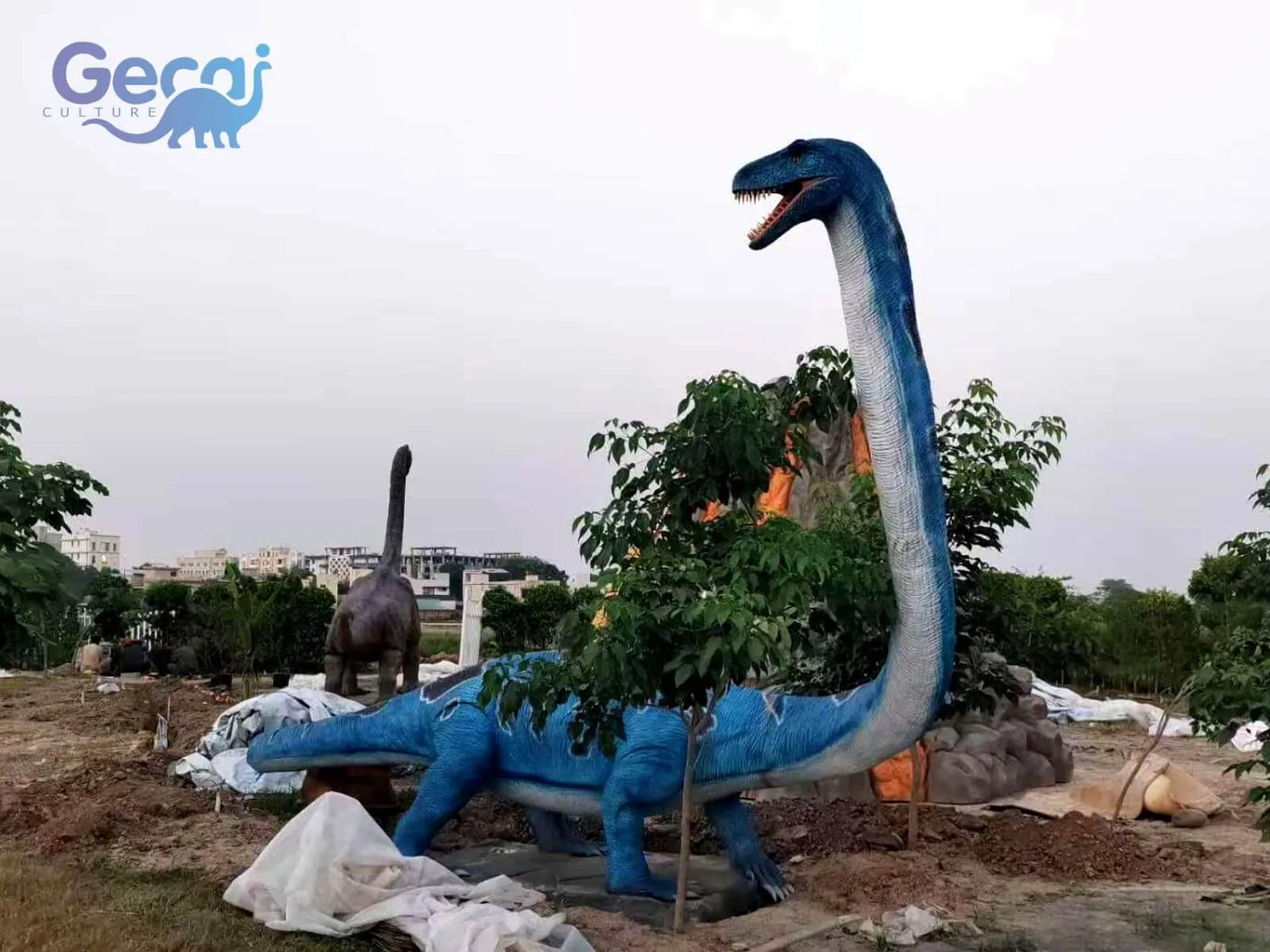
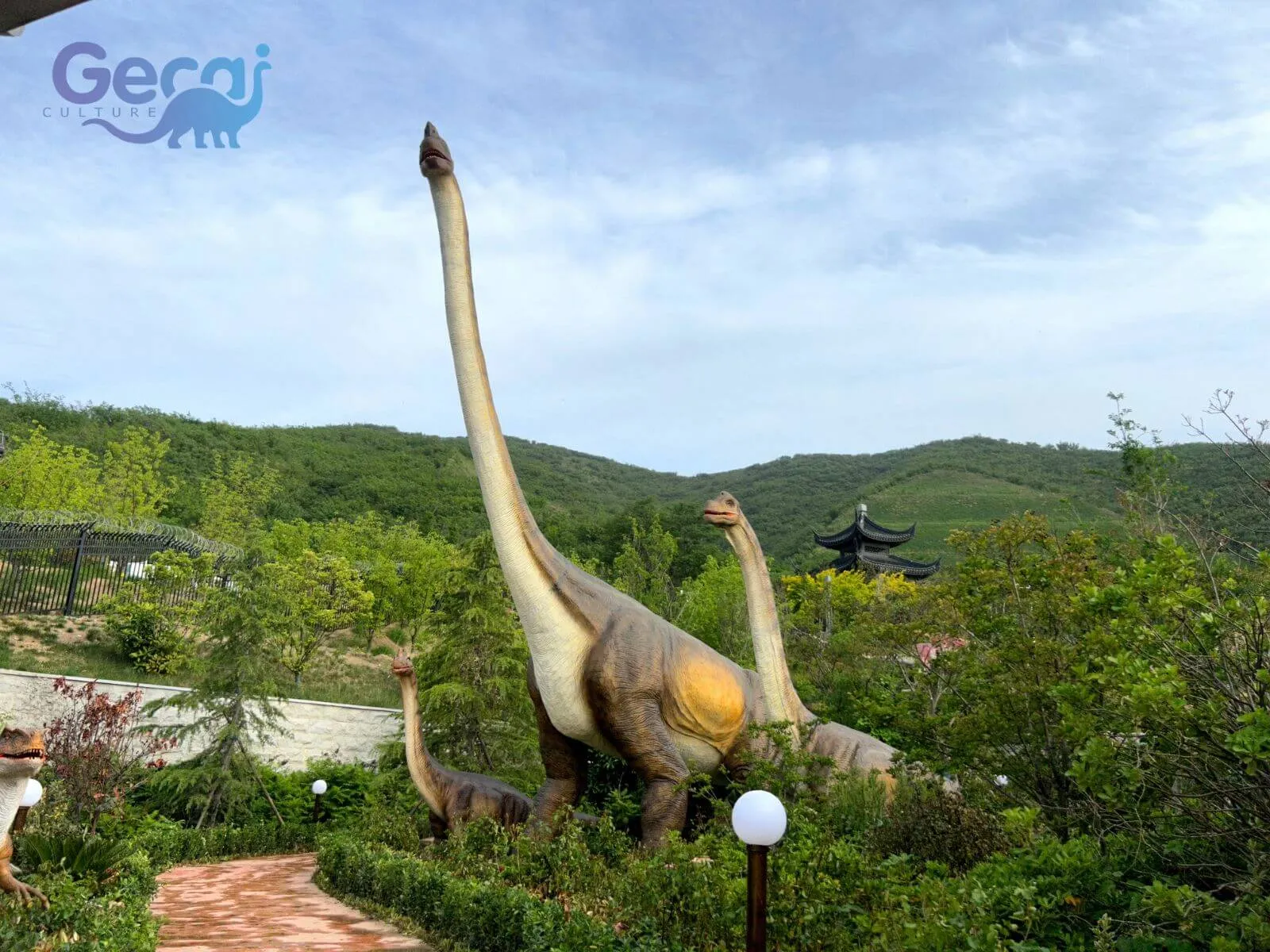
Gecai Culture стоит на переднем крае воплощения прошлого в жизнь с помощью наших ультрасовременных аниматронных динозавров, очаровательных аниматронных существ, ярких китайских фестивальных фонарей и специализированных товаров. Как профессиональный производитель, расположенный в самом сердце Китая, мы питаем глубокую страсть к демонстрации наших реалистичных динозавров и животных в музеях, выставках, зоопарках, парках и за их пределами, стремясь разжечь пламя любопытства и обучения у людей всех возрастов.
Получить бесплатную цитату
Знание динозавров
Нежные гиганты мезозоя: исследование мира травоядных динозавров
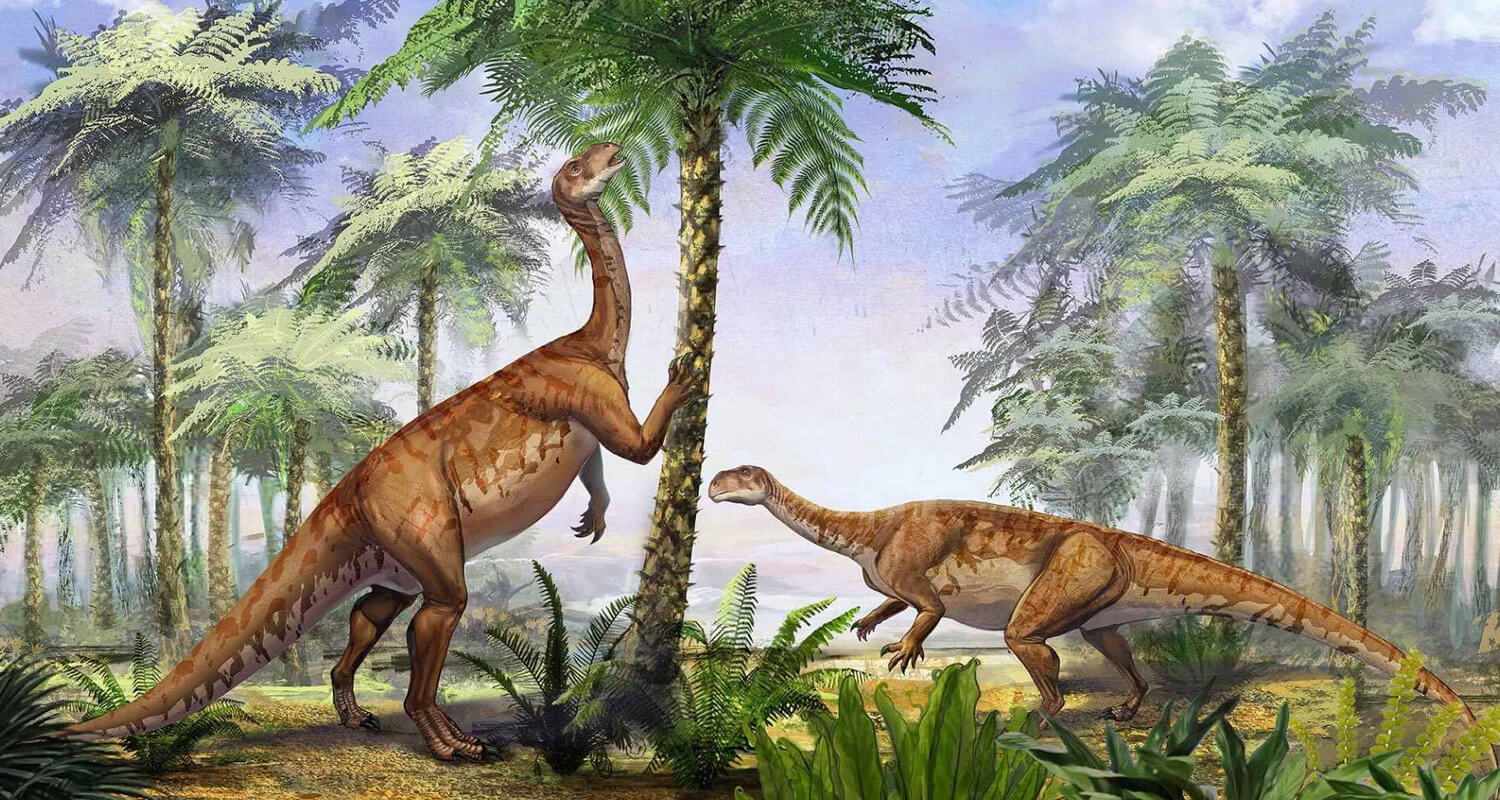 Herbivore dinosaurs, the gentle giants of the prehistoric world, offer a fascinating glimpse into the diverse and peaceful side of Mesozoic life. Unlike their carnivorous counterparts, these plant-eating dinosaurs played a crucial role in shaping the ecosystems of their time. In this article, we will delve into the features and varieties of herbivore dinosaurs, highlight some notable species, and showcase how our animatronic dinosaur products can bring these magnificent creatures to life.
Features of Herbivore Dinosaurs
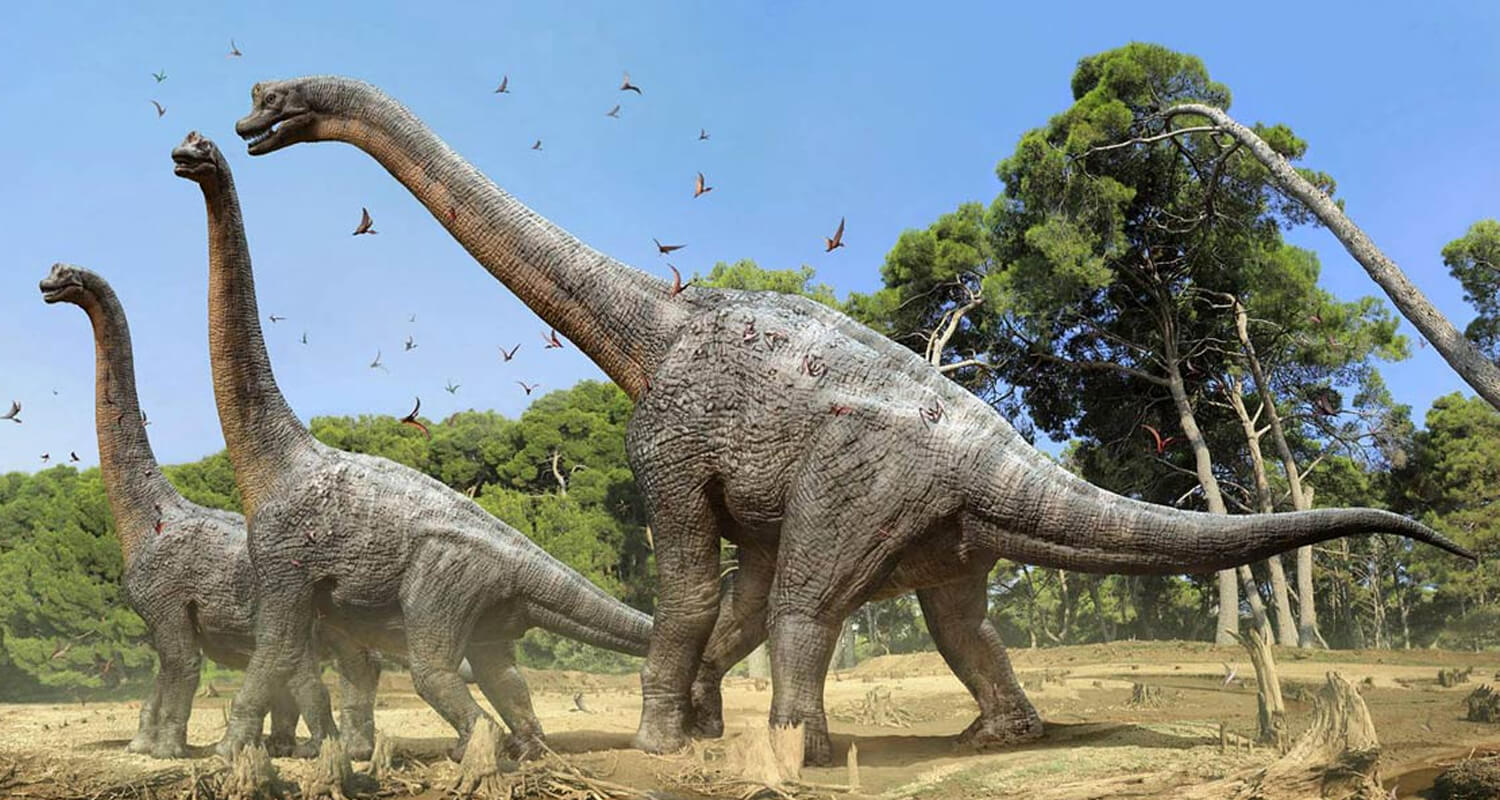 Herbivore dinosaurs were characterized by their diverse adaptations for a plant-based diet. These included:
Dental Adaptations: Many herbivores had specialized teeth for grinding and chewing plant material. Some, like the hadrosaurs (duck-billed dinosaurs), had complex dental batteries, while others, like the sauropods, had peg-like teeth for stripping leaves.
Body Size and Shape: Herbivorous dinosaurs varied greatly in size, from the colossal sauropods with long necks and tails to smaller, bipedal dinosaurs like the ornithopods.
Body Armor and Defense: Many herbivores had defensive adaptations, such as the armored plates of ankylosaurs or the horned frills of ceratopsians, to protect themselves from predators.
Feeding Strategies: Some herbivores, like the stegosaurs, were low browsers, feeding on ground-level vegetation, while others, like the sauropods, could reach high into trees.
Top Famous Herbivore Dinosaurs
Triceratops
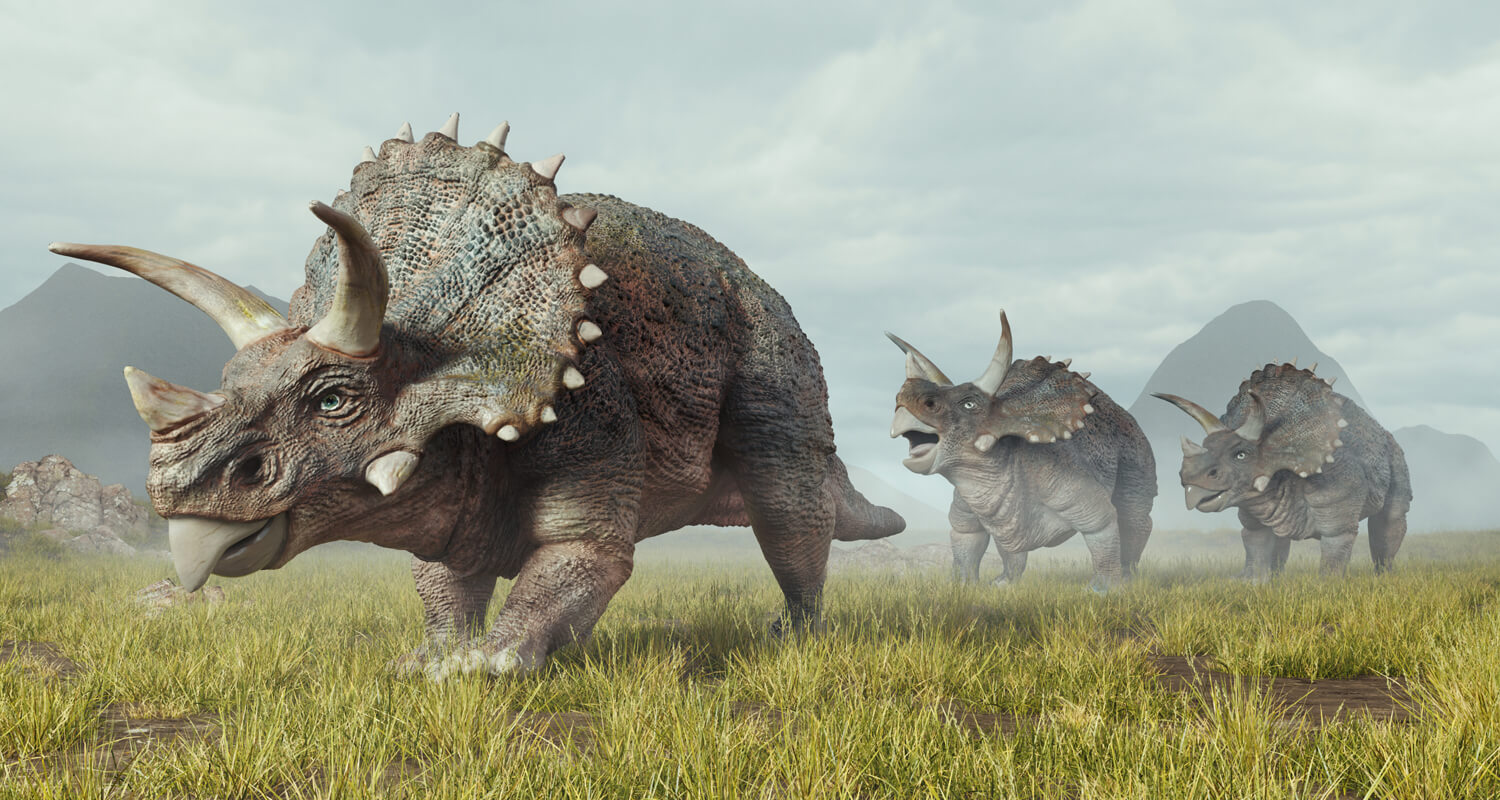
Size: About 26 feet long
Weight: Around 12 tons
Time Period: Late Cretaceous (approximately 68-66 million years ago)
Triceratops was a large herbivorous dinosaur with three distinct facial horns and a large bony frill protecting its neck. It had a robust body and a beak-like mouth for clipping plants.
Brachiosaurus
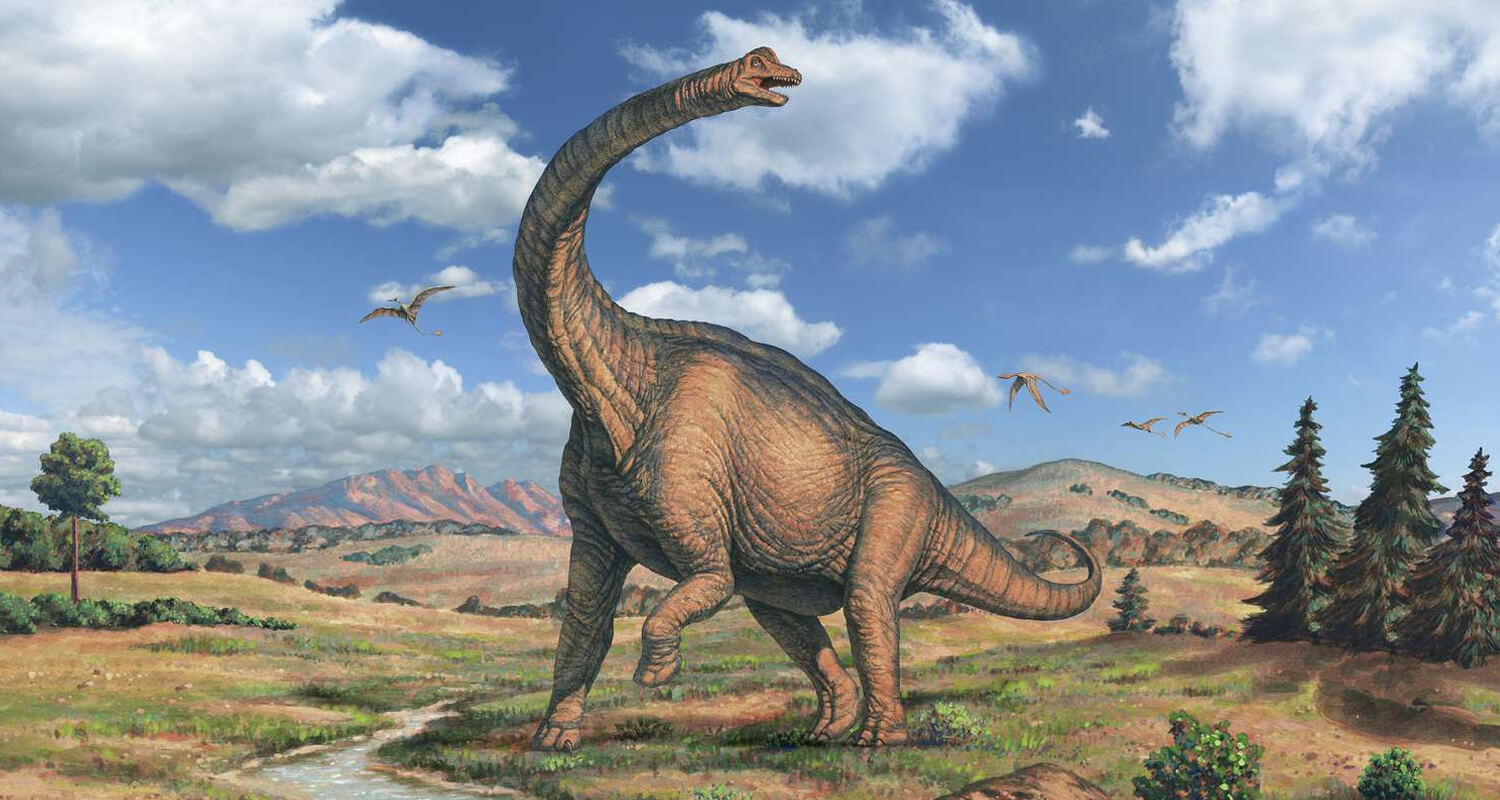
Size: Approximately 80-85 feet long
Weight: About 50-80 tons
Time Period: Late Jurassic (around 154-150 million years ago)
Brachiosaurus was a massive, long-necked herbivore with a distinctive build, including a long neck that allowed it to reach high vegetation. Its front legs were longer than its hind legs, giving it a more upright posture.
Stegosaurus
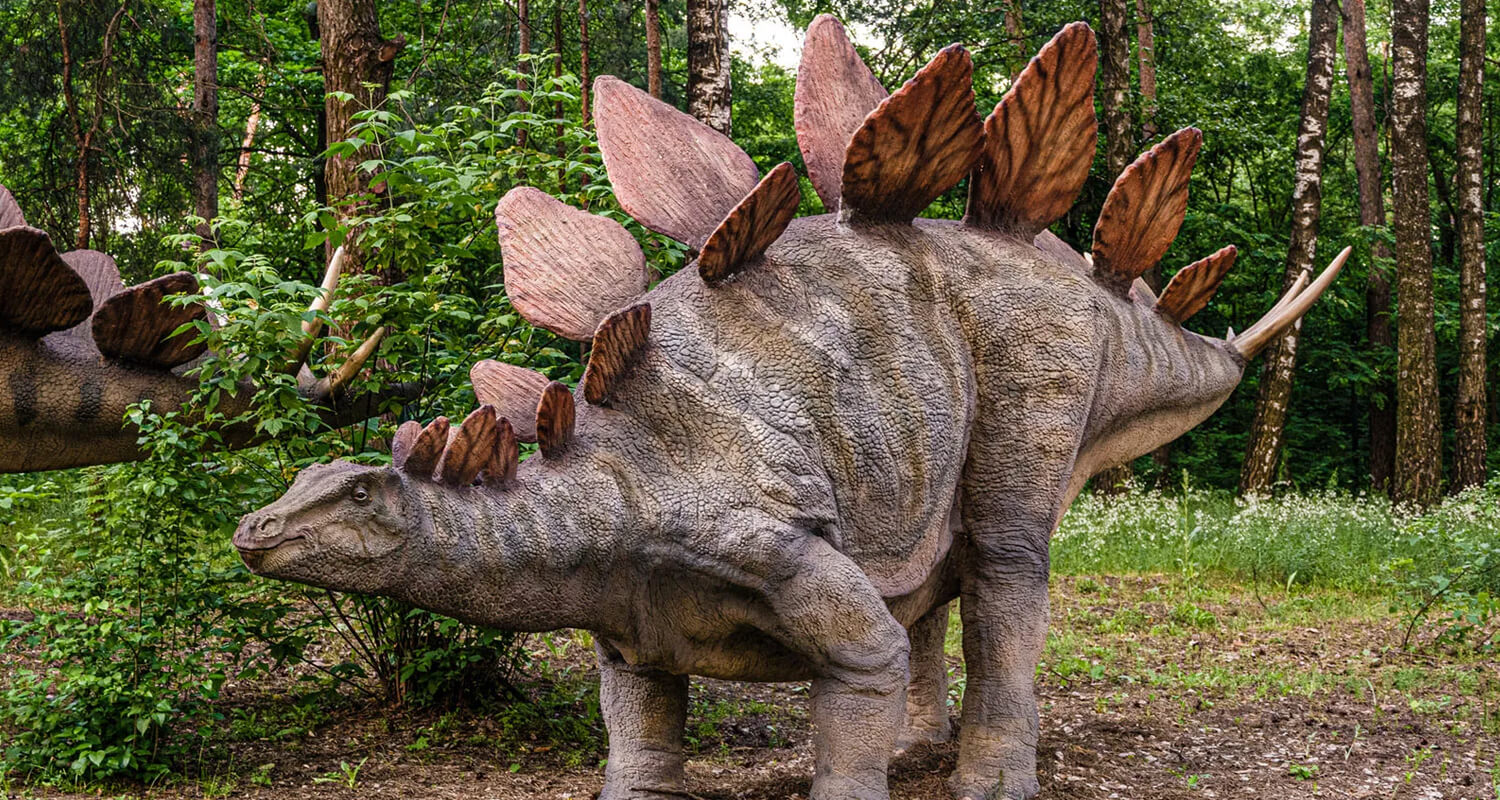
Size: Around 30 feet long
Weight: Approximately 5 tons
Time Period: Late Jurassic (about 155-150 million years ago)
Stegosaurus is known for its distinctive double row of large bony plates along its back and the spiked tail, called a thagomizer. It had a small head compared to its body and a relatively slow-moving lifestyle.
Diplodocus
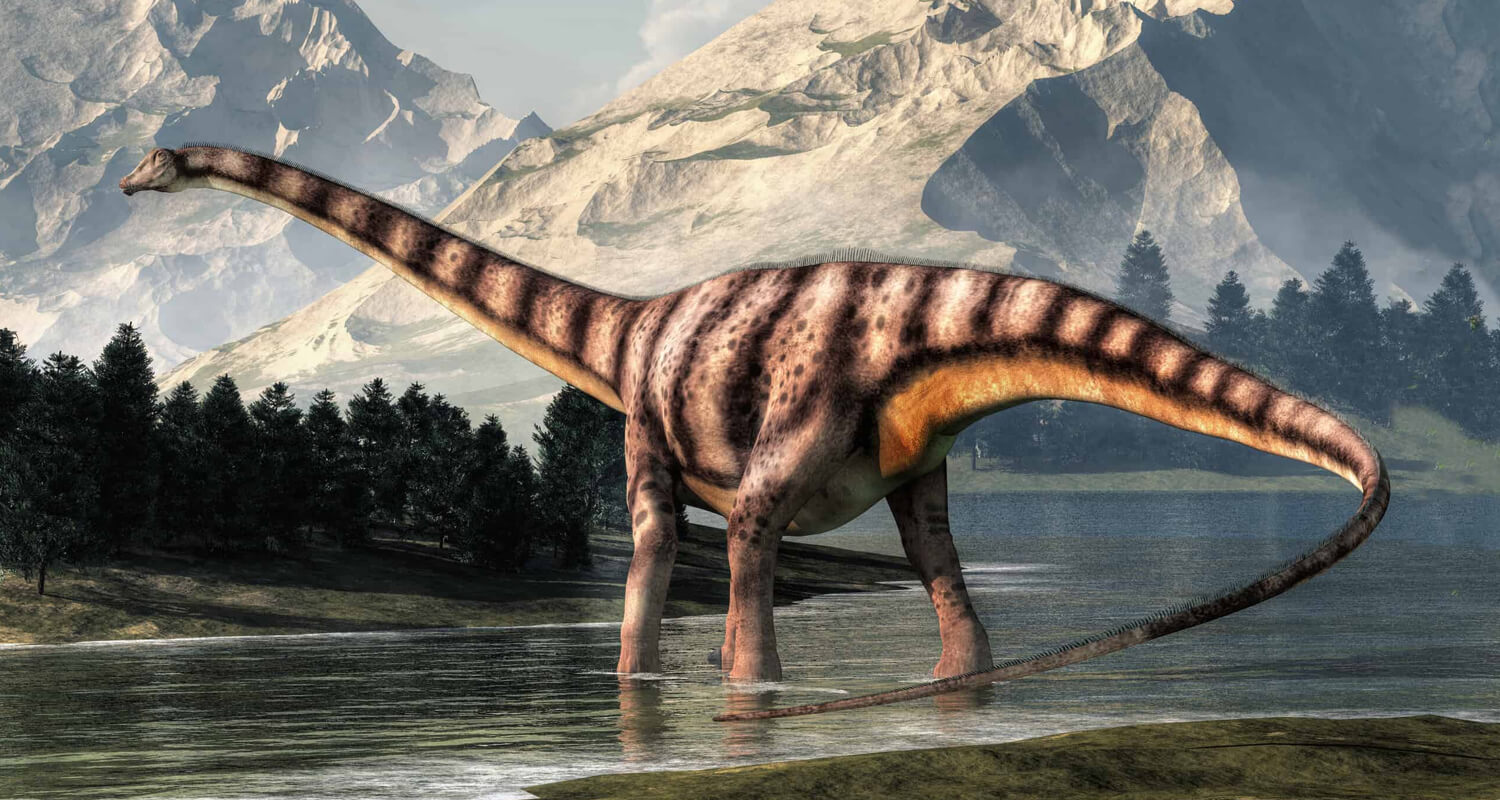
Size: About 85-90 feet long
Weight: Roughly 12-16 tons
Time Period: Late Jurassic (approximately 154-150 million years ago)
Diplodocus was a long-necked herbivore with a whip-like tail and a relatively small head. Its neck was very long and flexible, allowing it to feed on vegetation at various heights.
Ankylosaurus
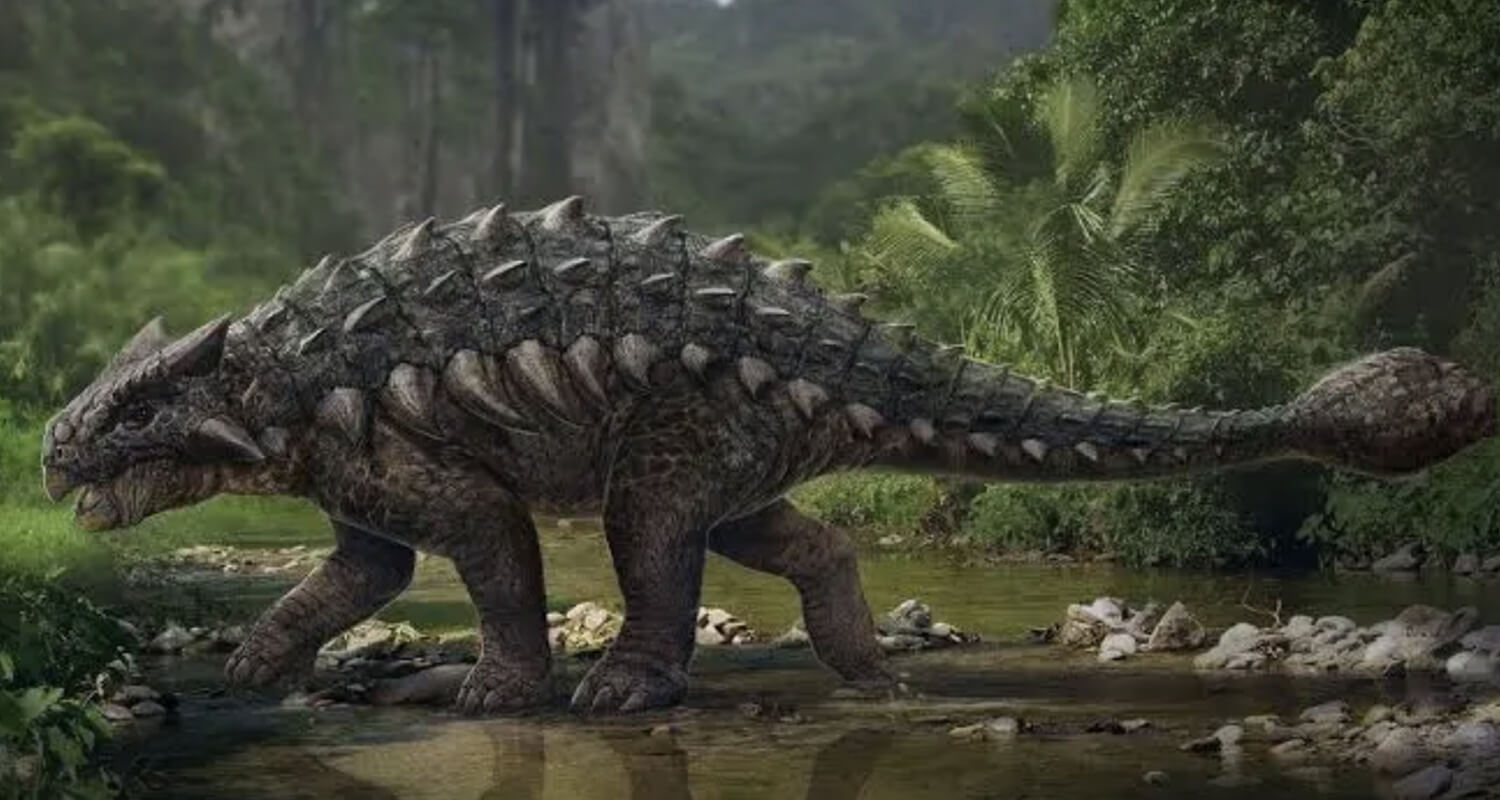
Size: Around 20-26 feet long
Weight: About 6 tons
Time Period: Late Cretaceous (approximately 68-66 million years ago)
Ankylosaurus was a heavily armored dinosaur with thick bony plates and spikes covering its body, along with a large club-like tail for defense against predators. It had a low, wide body adapted for a defensive lifestyle.
Hadrosaurus
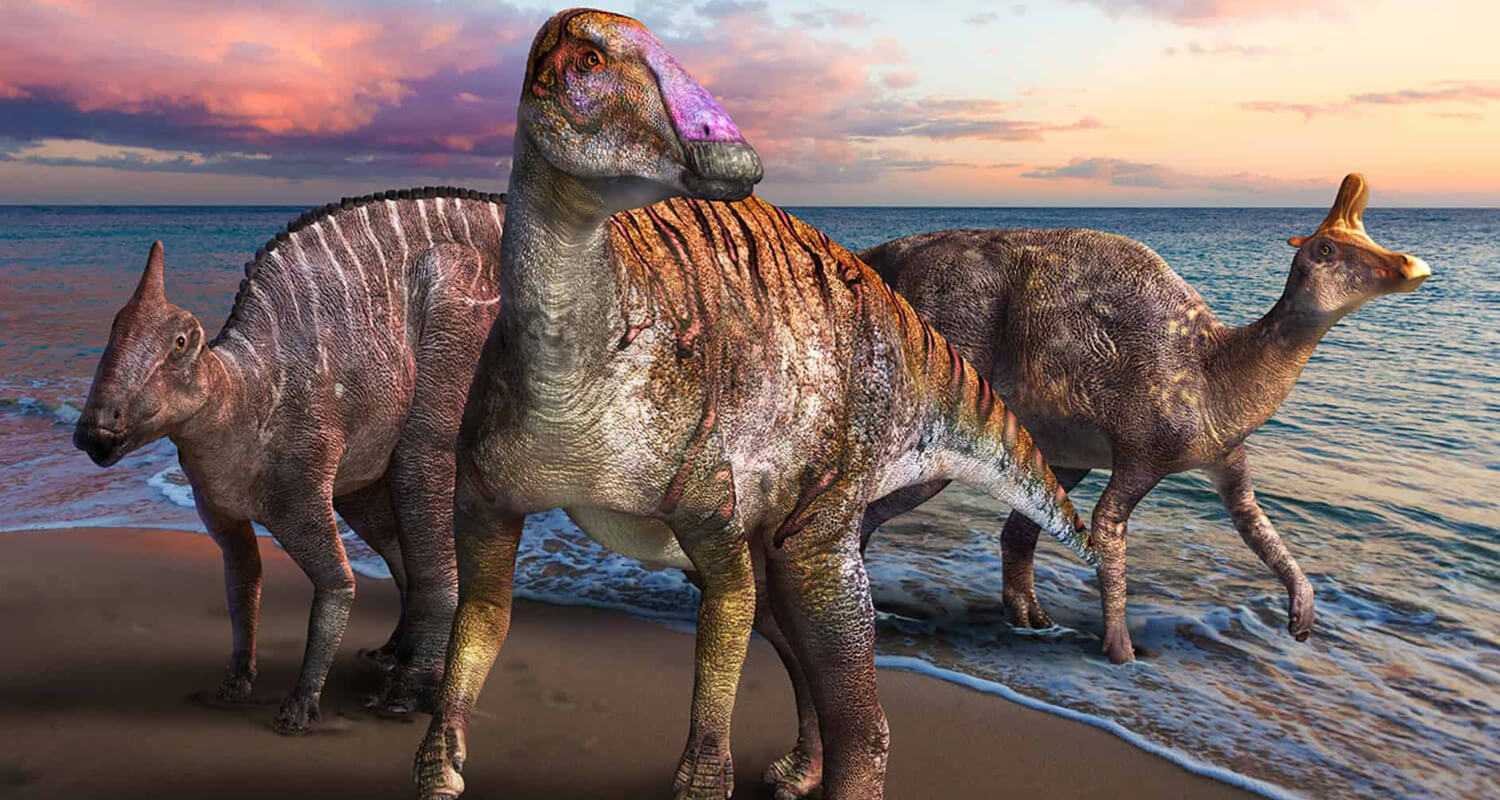
Size: About 30-35 feet long
Weight: Roughly 3 tons
Time Period: Late Cretaceous (around 75-70 million years ago)
Hadrosaurus, also known as the "duck-billed dinosaur," had a broad, flat snout and rows of dental batteries for chewing plants. It had a relatively high browsing posture and was known for its social behavior.
Iguanodon
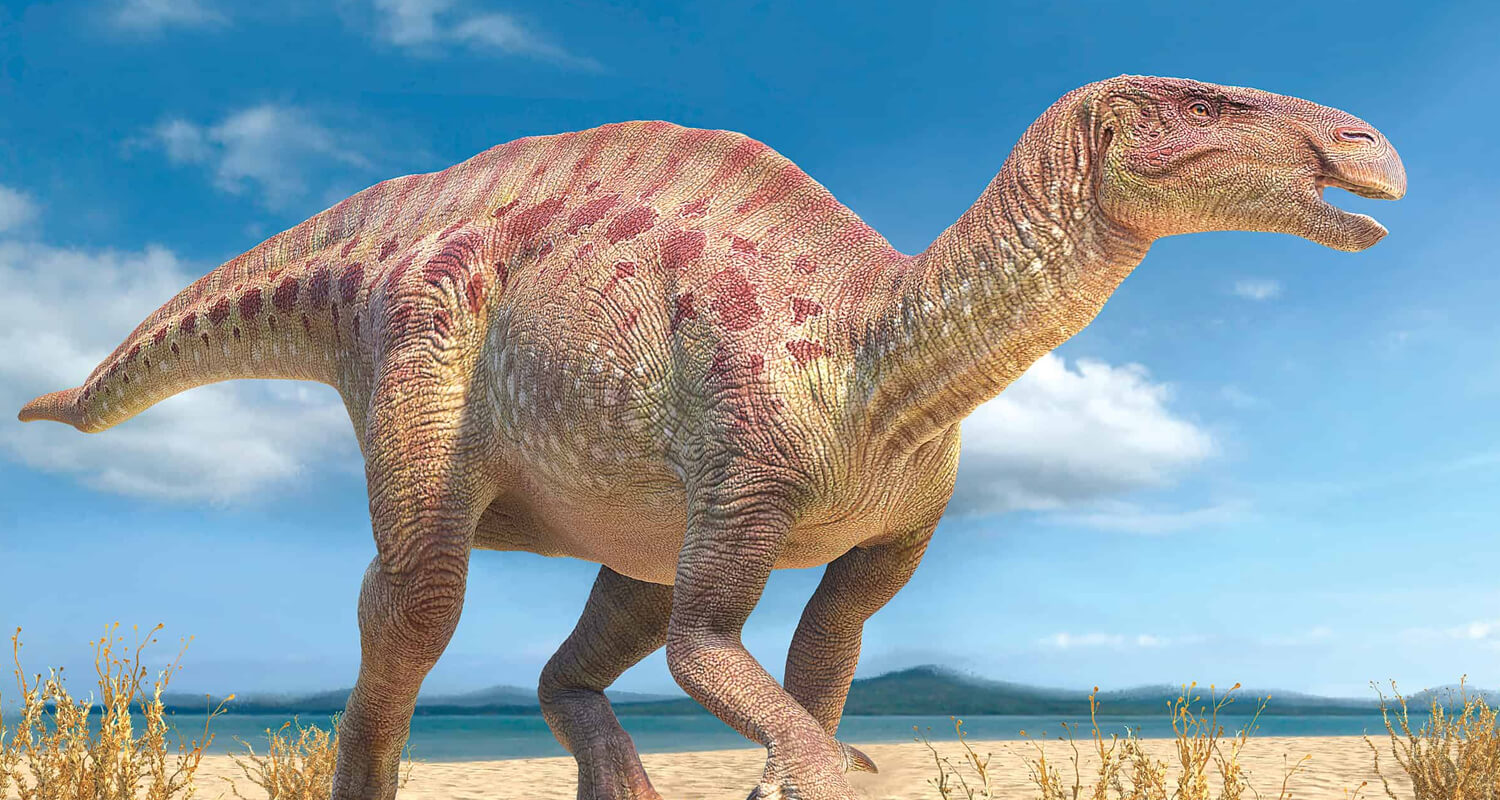
Size: About 30-33 feet long
Weight: Approximately 4-5 tons
Time Period: Early Cretaceous (around 125 million years ago)
Iguanodon was a large herbivorous dinosaur with a thumb spike on each hand and a beak-like mouth. It was one of the first dinosaurs discovered and had a more upright stance compared to earlier dinosaurs.
Edmontosaurus
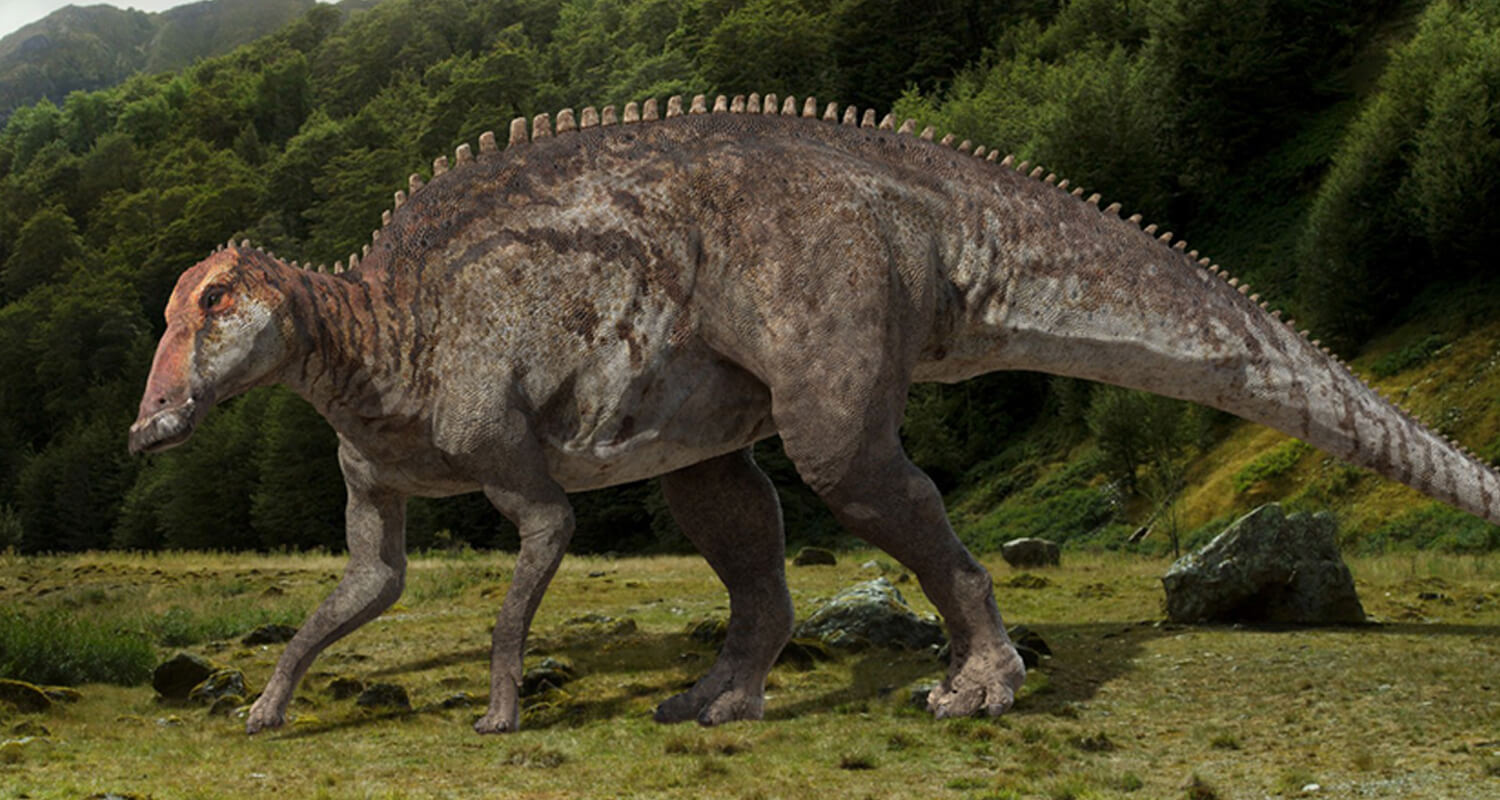
Size: Around 30-35 feet long
Weight: About 3-4 tons
Time Period: Late Cretaceous (approximately 73-65 million years ago)
Edmontosaurus was a hadrosaur with a duck-like bill and a robust, herbivorous body. It had a relatively flat, broad skull and was known for its ability to graze on low-lying vegetation.
Corythosaurus
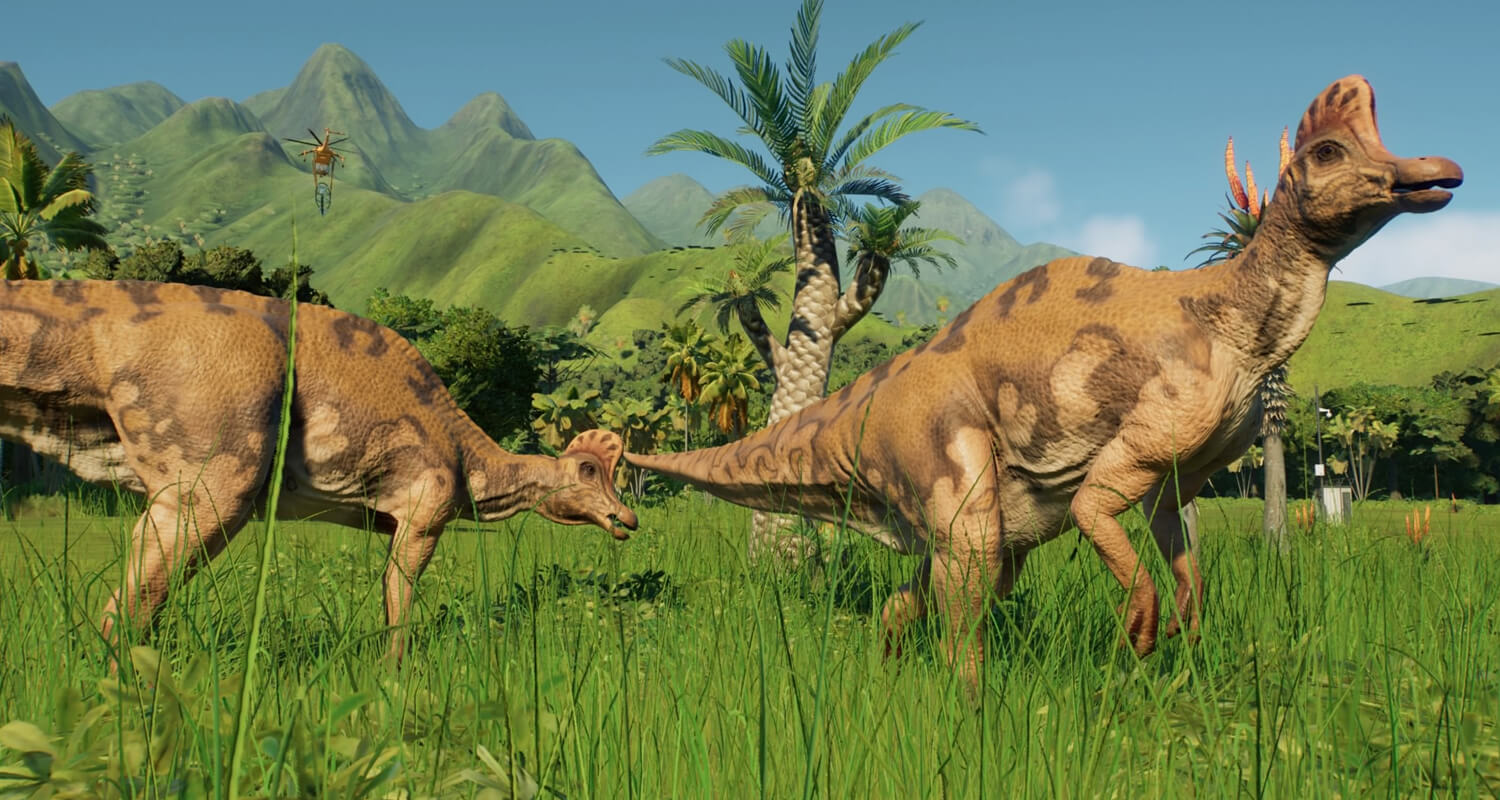
Size: About 30 feet long
Weight: Roughly 2.5 tons
Time Period: Late Cretaceous (around 77-75 million years ago)
Corythosaurus had a distinctive helmet-like crest on its head, which likely played a role in vocalization and display. It was a herbivore with a beak-like mouth and a bipedal-quadrupedal stance.
Maiasaura
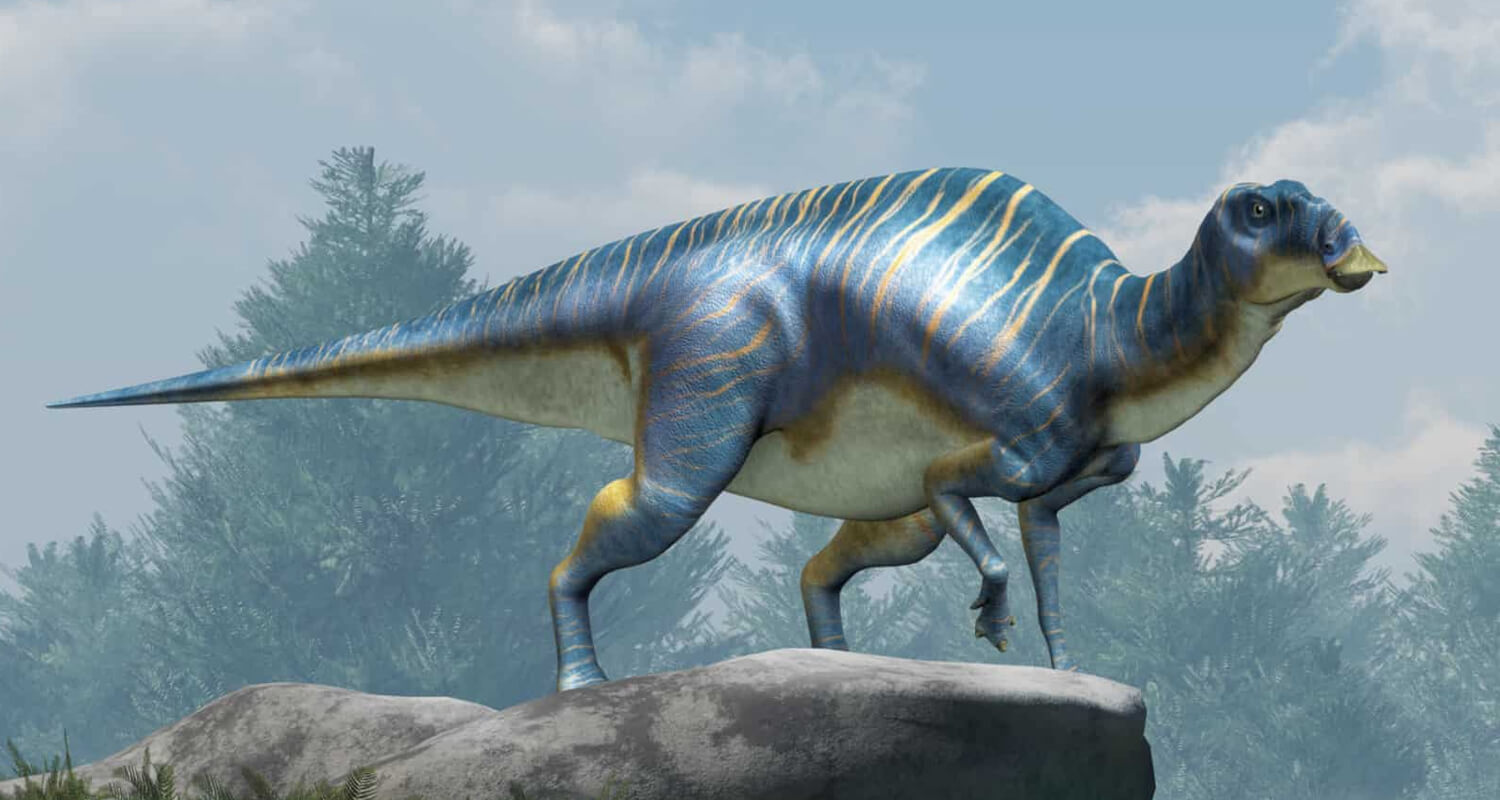
Size: Approximately 30 feet long
Weight: About 2.5 tons
Time Period: Late Cretaceous (around 76-74 million years ago)
Maiasaura, or "good mother lizard," is known for evidence of parental care. It had a duck-billed appearance and was a herd-dwelling herbivore, known for its nesting sites and the care given to its young.
Bringing Herbivore Dinosaurs to Life with Animatronics
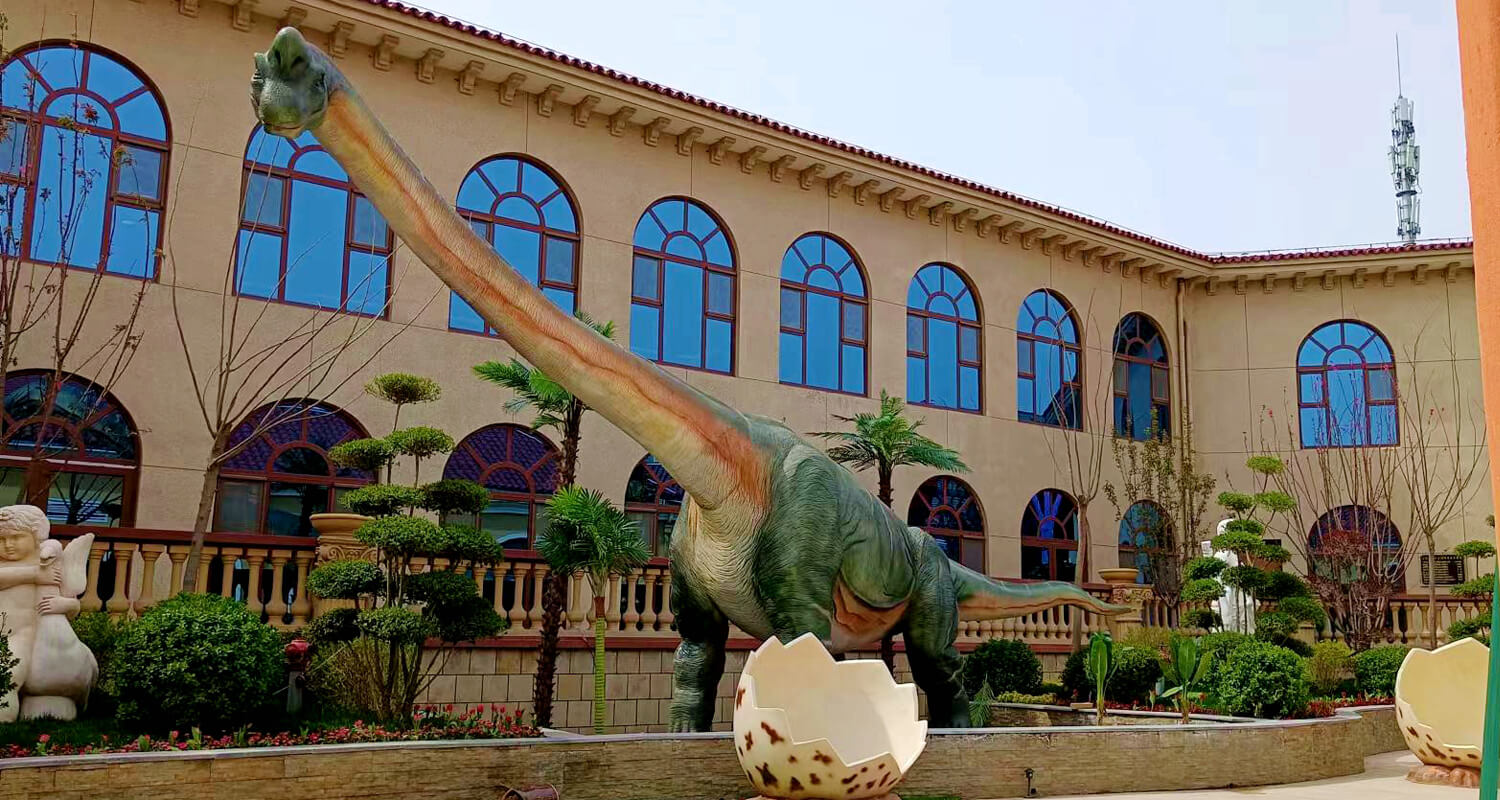 To fully appreciate the grandeur of herbivore dinosaurs, consider incorporating our animatronic dinosaur products into your exhibits or events. Our animatronic herbivores are designed with meticulous attention to detail, replicating the look and movements of these incredible creatures. Featuring lifelike motions, realistic textures, and customizable designs, our animatronic dinosaurs offer an engaging and educational experience for audiences of all ages. Perfect for museums, theme parks, and educational events, our animatronic herbivores provide a captivating window into the world of these gentle giants.
FAQs about Herbivore Dinosaurs
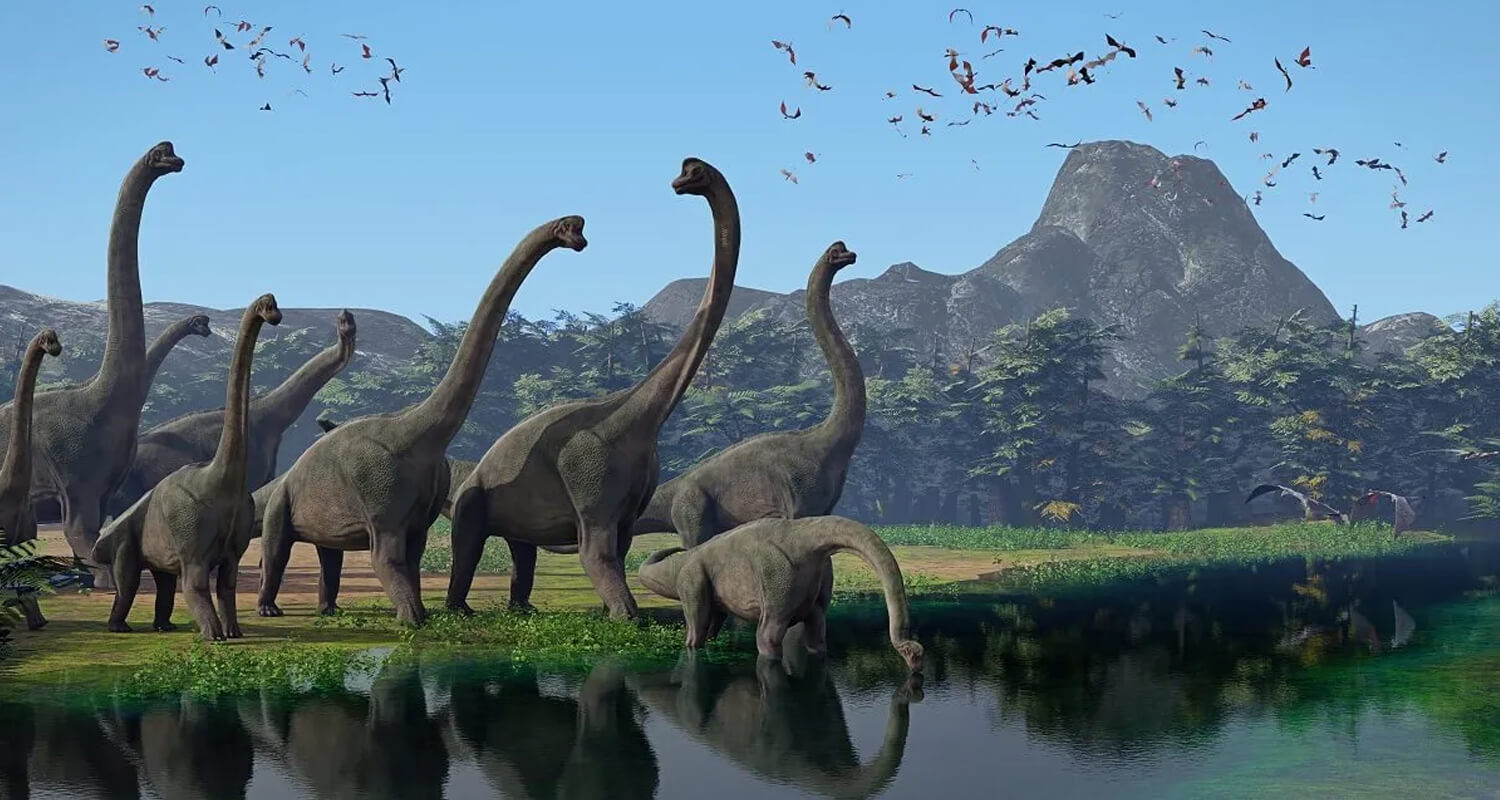 What is the largest herbivore dinosaur?
The largest herbivore dinosaur is believed to be Argentinosaurus, a massive sauropod that could reach lengths of over 100 feet and weigh up to 100 tons.
How did herbivore dinosaurs defend themselves against predators?
Herbivore dinosaurs employed various defense mechanisms, including body armor (e.g., Ankylosaurus), horns and frills (e.g., Triceratops), and swift running (e.g., some ornithopods). Many also lived in herds for protection.
Did herbivore dinosaurs have any natural predators?
Yes, herbivore dinosaurs faced predation from large carnivorous dinosaurs such as Tyrannosaurus rex and various dromaeosaurs. Their defensive adaptations helped them survive in a world filled with formidable predators.
How did herbivore dinosaurs feed on such large quantities of vegetation?
Herbivorous dinosaurs had specialized teeth and jaws adapted for grinding and processing plant material. Sauropods, for example, had peg-like teeth to strip leaves, while hadrosaurs had complex dental batteries to grind tough vegetation.
Conclusion
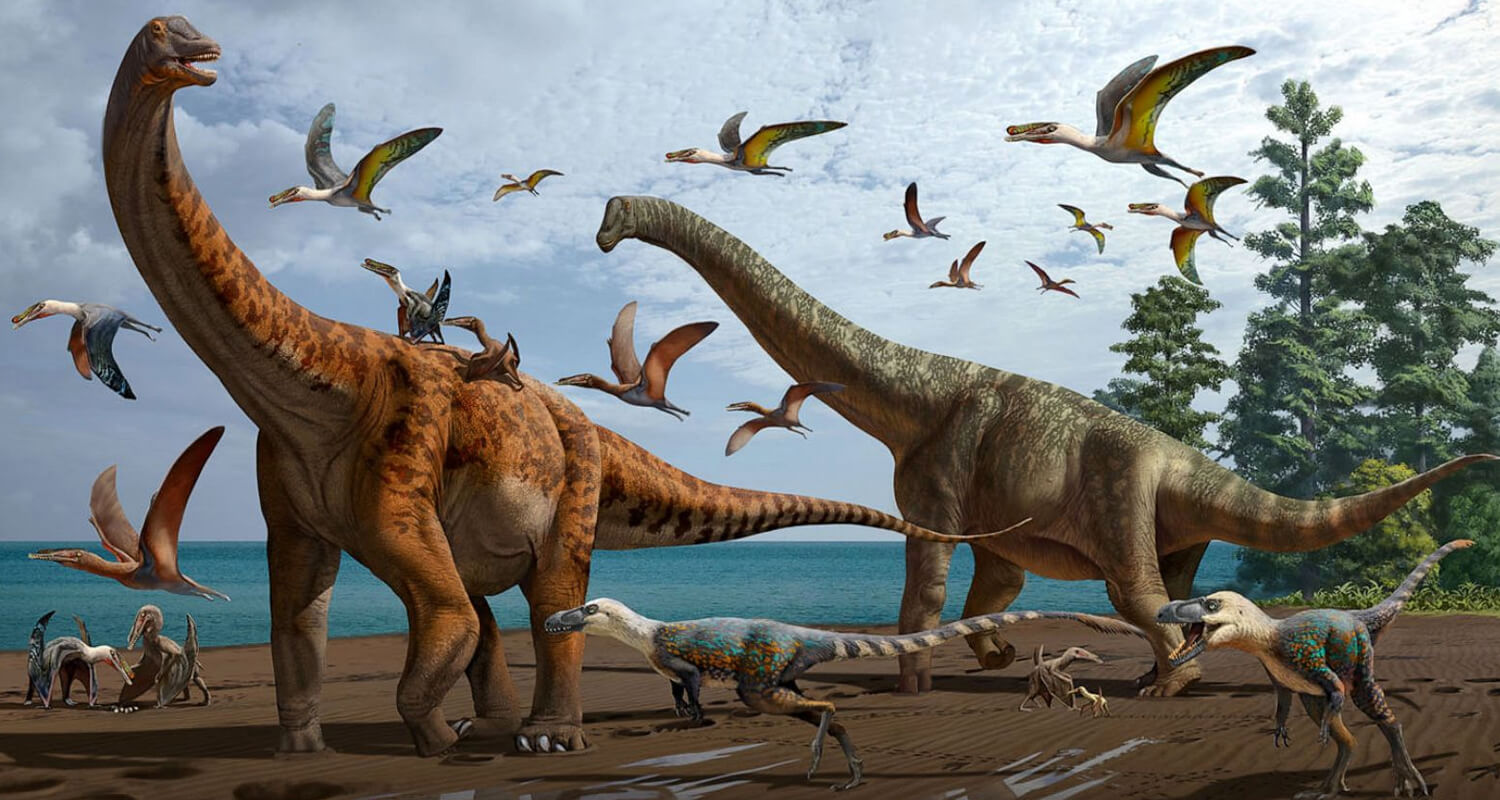 Herbivore dinosaurs represent a diverse and vital component of the prehistoric world. Their unique adaptations and varied forms highlight the richness of Mesozoic ecosystems and the complexity of dinosaur evolution. By incorporating our animatronic herbivore dinosaur products into your exhibits, you can offer an immersive and educational experience that brings these magnificent creatures to life. Whether you're a museum curator, theme park operator, or dinosaur enthusiast, our animatronic dinosaurs provide a thrilling way to explore the gentle giants of the past.
Теги: