Dinosaur Arms Explained The Mystery of T-Rex and Other Short-Limbed Species
Date:2025/12/10 Visits:1884
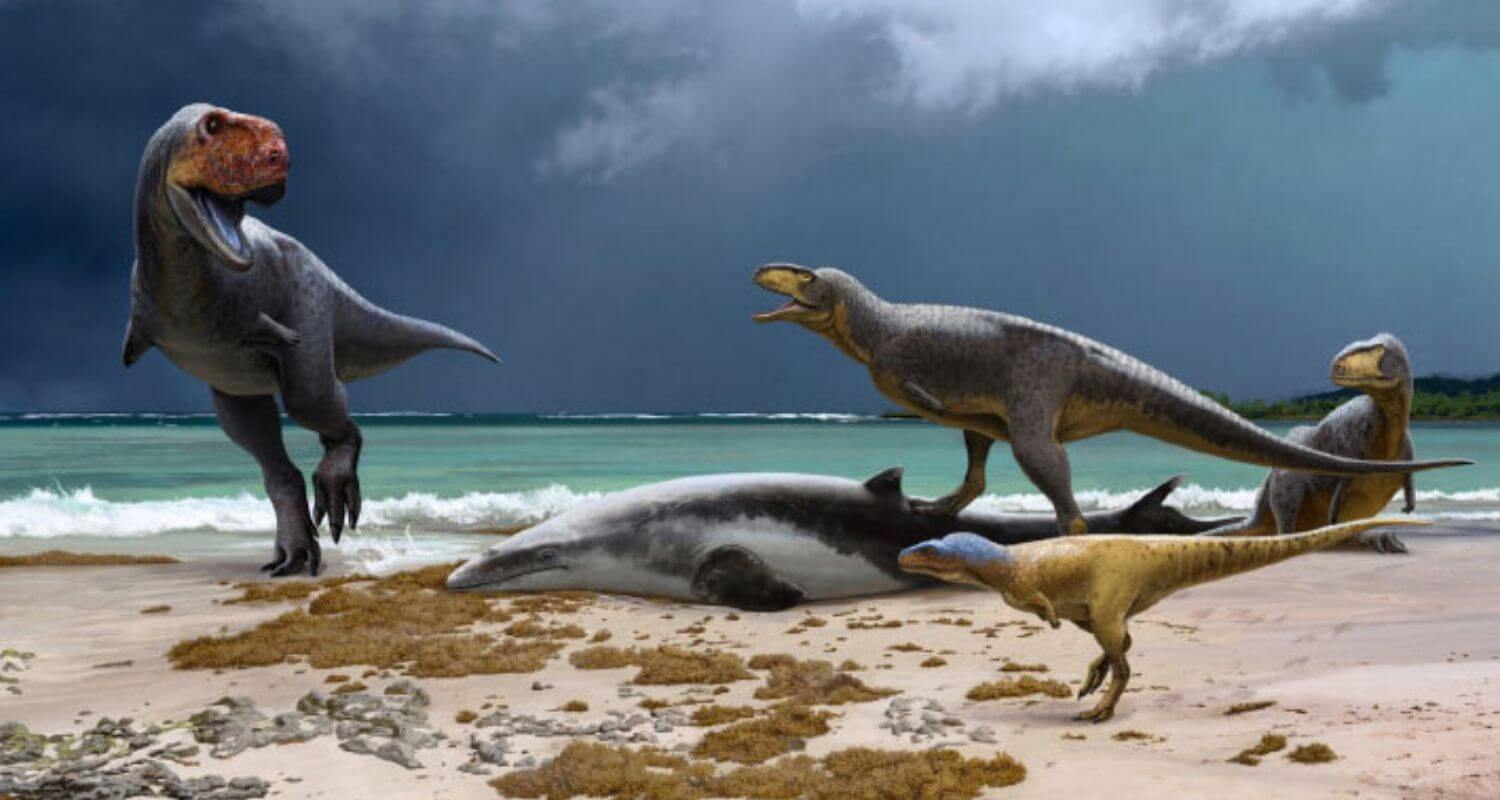 Tiny arms on giant predators feel like nature's riddle tucked under tons of muscle and roaring jaws. For decades, paleontologists have puzzled over why some of the most fearsome dinosaurs carried forelimbs that looked almost comically small. Today, the mystery is far less about humor and far more about evolution's quiet logic. By studying fossils, biomechanics, and the lifestyles of these ancient hunters, researchers have uncovered clues about why those arms shrank and what purpose they may have served.
How Evolution Sculpted Dinosaur Limbs
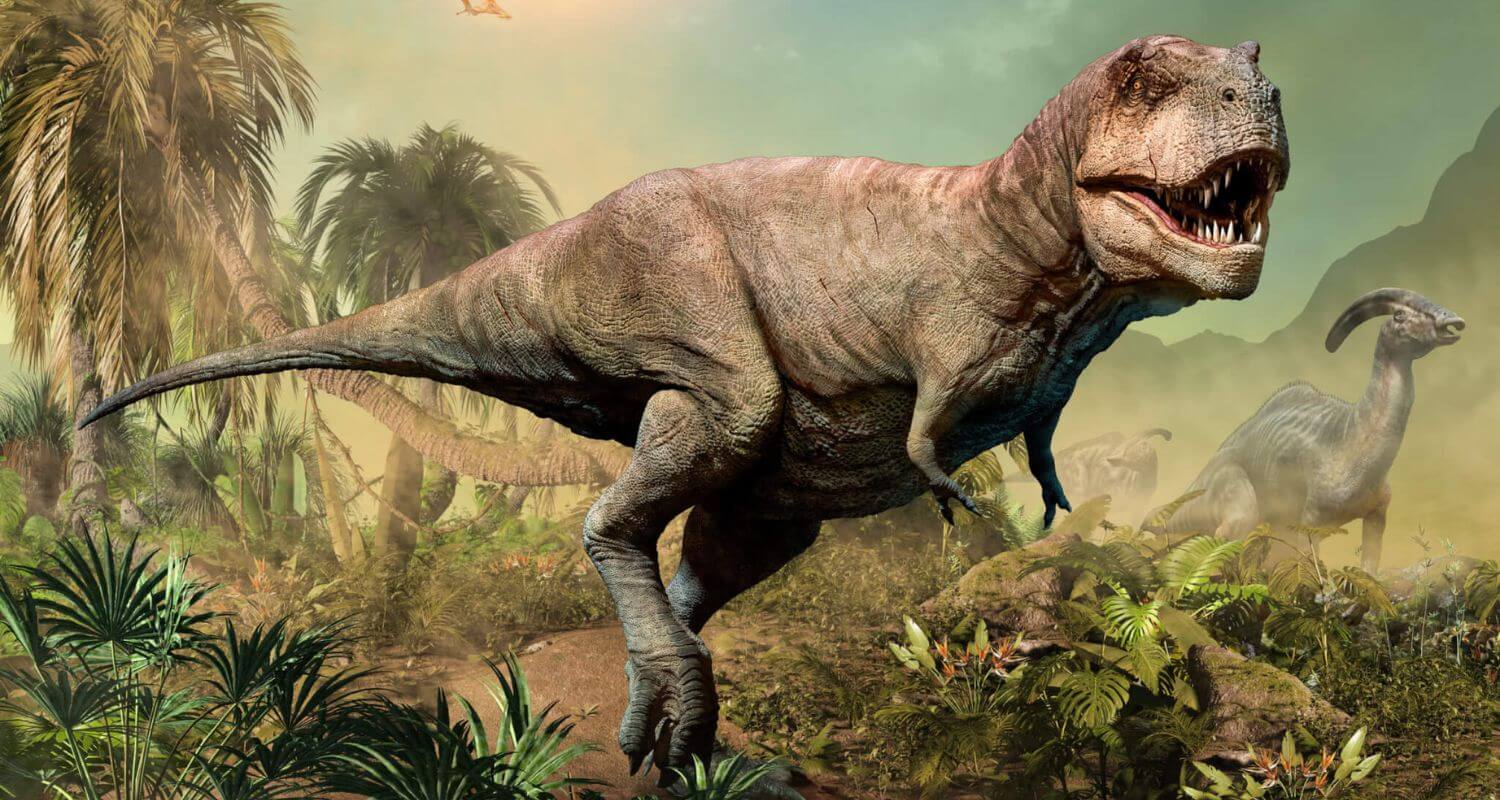 Dinosaur bodies were shaped by relentless environmental pressure. Limbs shrank or lengthened depending on diet, hunting strategy, size, and survival needs. When certain parts of the body became more important for survival, others faded into supporting roles. Reduced forelimbs weren't signs of weakness; they were signs that a dinosaur's body was prioritizing other tools, like powerful legs or massive skulls.
The T-Rex Example
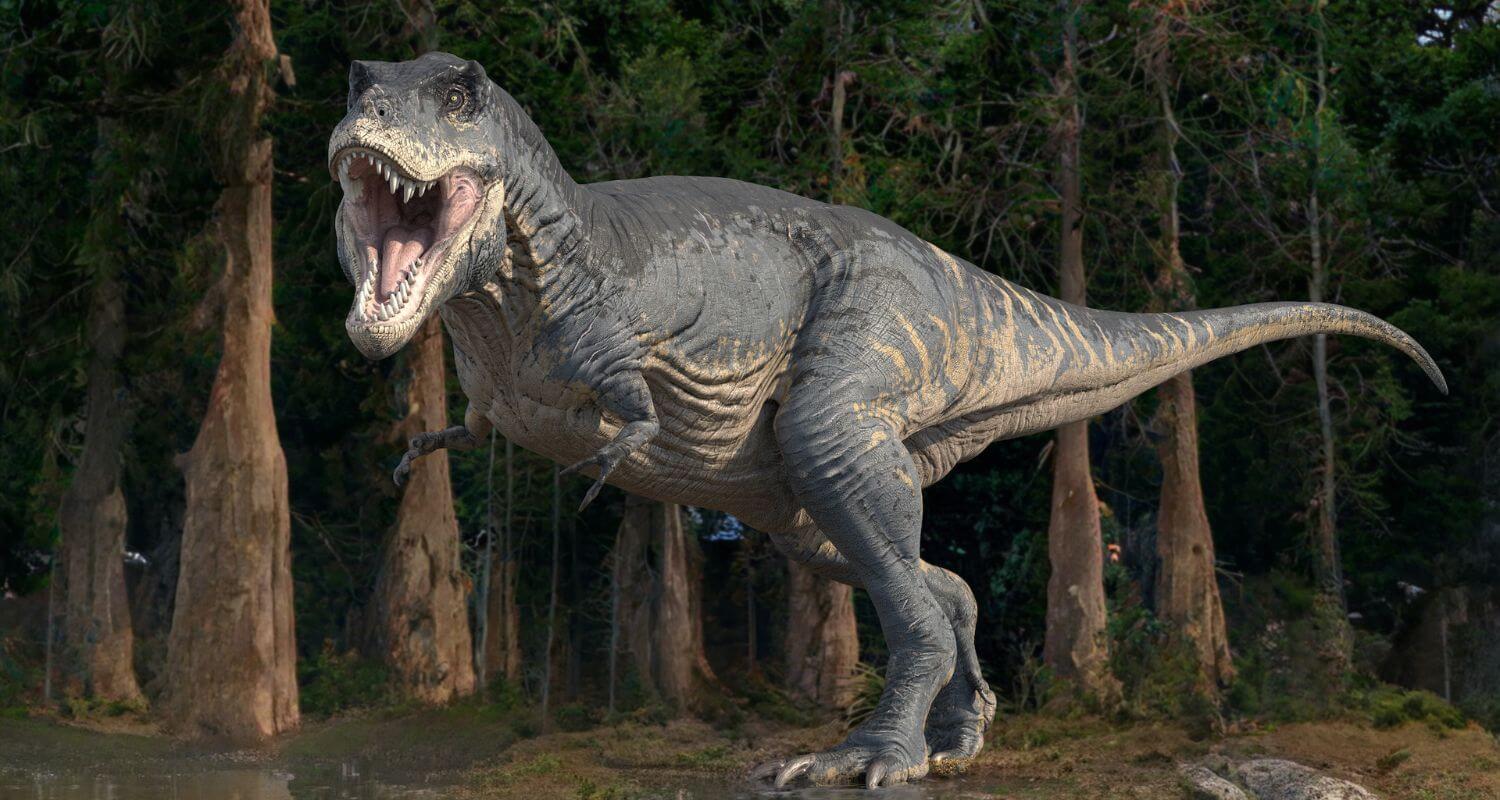 Tyrannosaurus rex is the superstar of tiny-armed dinosaurs. Its head alone could reach about 1.5 meters long, and its bite force could pulverize bone. As the skull grew, the forelimbs gradually reduced in size across millions of years.
Scientists propose several theories:
The arms became less important because the jaws and neck did most of the work.
Shorter forelimbs reduced the risk of being bitten or broken during pack feeding.
The limbs may still have served a purpose: keeping balance when rising from the ground, holding prey close, stabilizing during mating, or delivering short-range slashing with strong claws.
T-Rex arms weren't useless. They were simply optimized for a different role than what we humans expect from "arms."
Other Dinosaurs with Small Arms
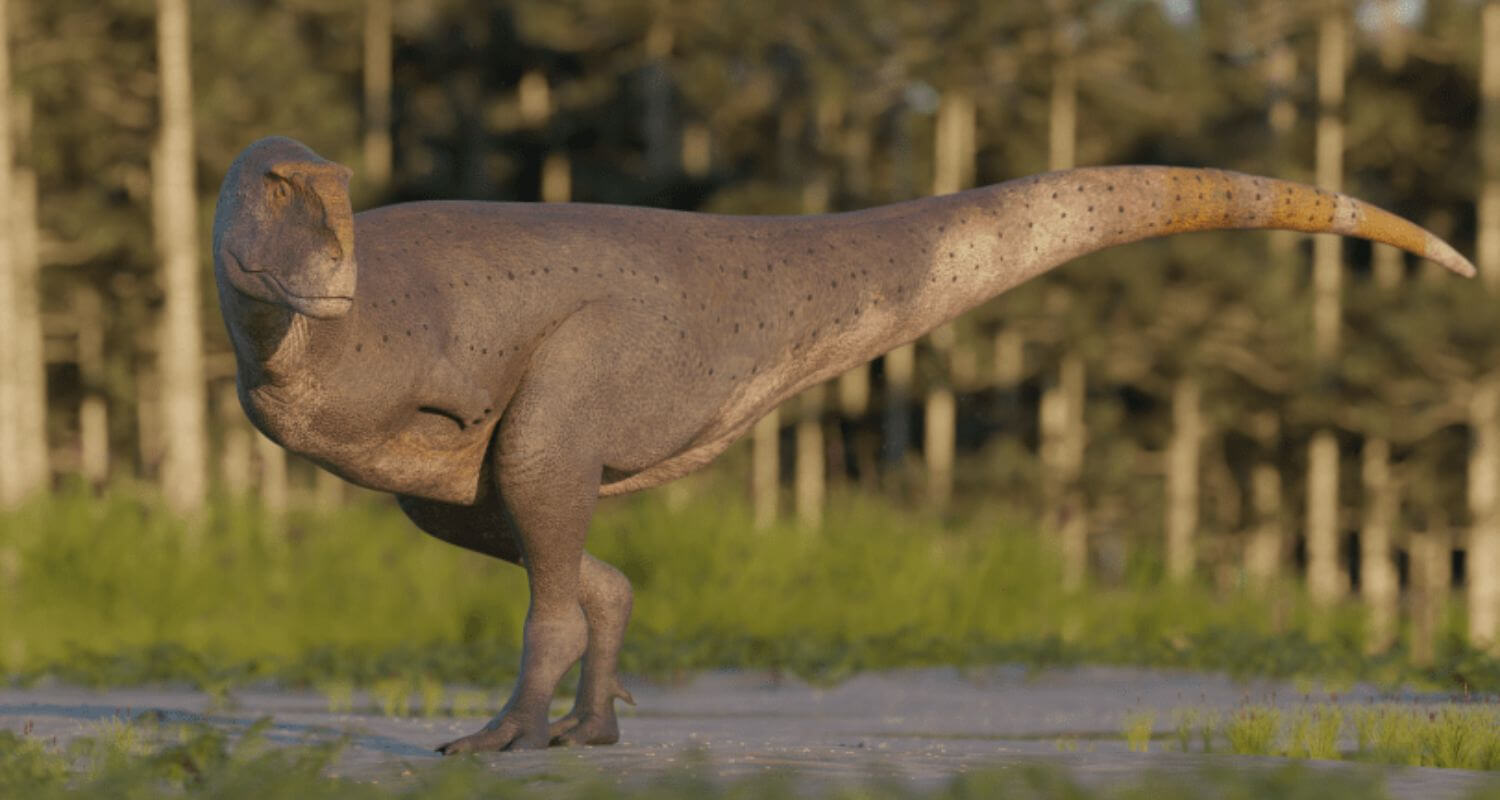 T-Rex wasn't alone. Several carnivorous dinosaurs evolved tiny forelimbs, each for their own evolutionary reasons.
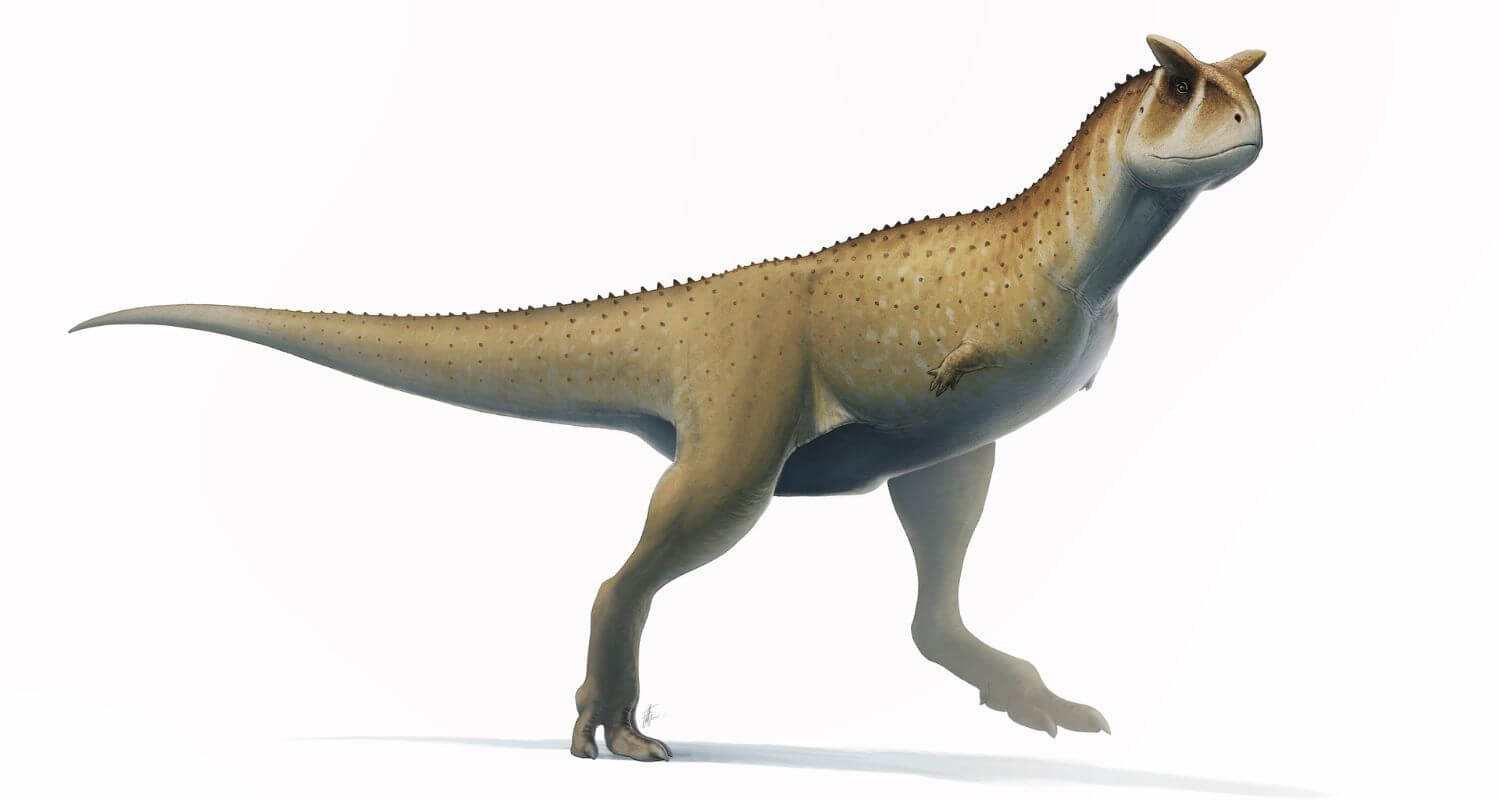
Carnotaurus
This demon-faced predator had even smaller arms than T-Rex, almost vanishing in size. Its hunting style relied on powerful legs and lightning-fast neck strikes, making arms unnecessary.
Abelisaurids
The broader family that includes Carnotaurus. Their arms shrank as their bodies shifted toward jaw-focused predation.
Gorgosaurus
A relative of T-Rex, also with shortened forelimbs that matched its large skull and fast-running hunting strategy.
Tarbosaurus
The "Asian T-Rex," whose arms were proportionally even smaller, possibly due to an even heavier skull.
These patterns show that tiny arms weren't an evolutionary mistake but a repeated solution to similar predatory challenges.
The Role of Skull Size and Body Balance
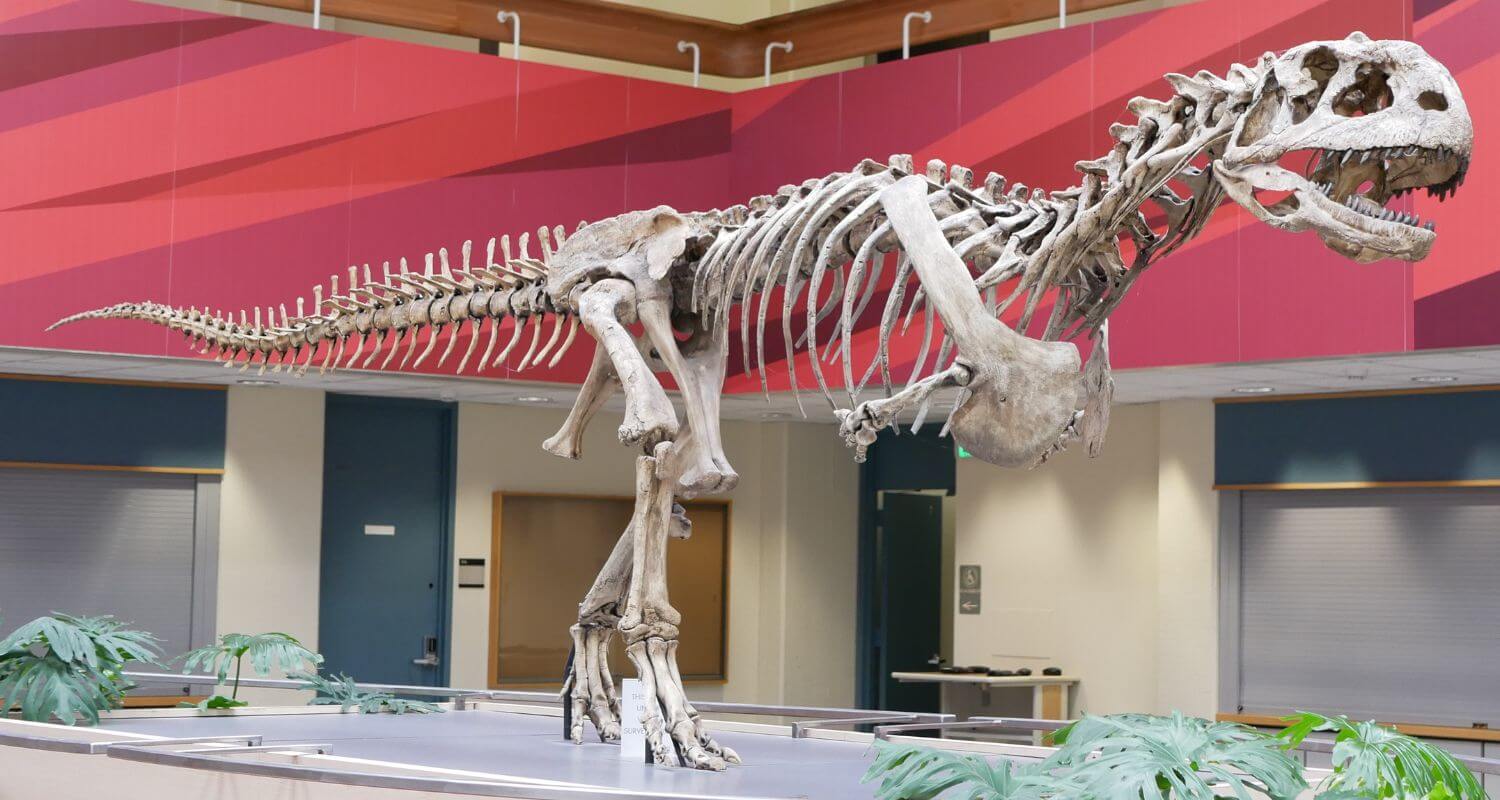 Large skulls are heavy. To keep the body balanced, evolution had to compensate. Shrinking the arms helped maintain stability and shift weight closer to the hips. Long arms would have made these massive predators awkward and front-heavy. Smaller arms acted like subtle counterweights, keeping the entire body agile enough to hunt.
Predatory Behavior and Hunting Strategies
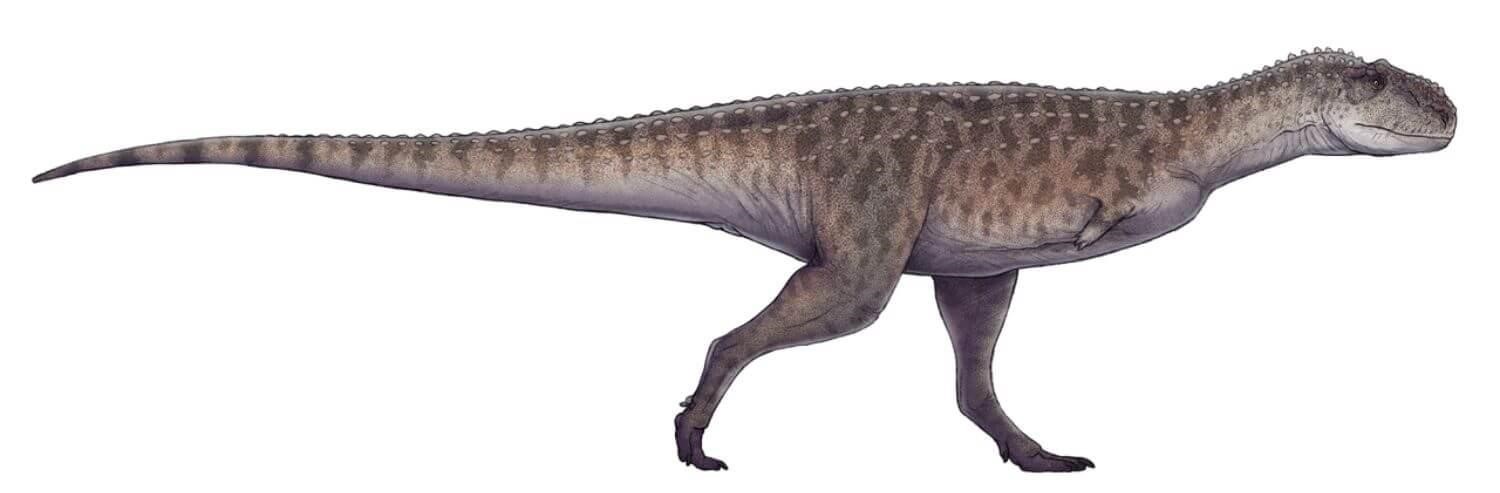 As predation styles evolved, so did the need for grappling with forelimbs. Instead of wrestling prey with their arms, these dinosaurs relied on:
rapid charges
powerful bites
slashing claws on their feet
ambush tactics
coordinated pack feeding (in some species)
Forelimbs simply weren't central to their survival toolkit. Evolution doesn't keep what it doesn't need.
Did Tiny Arms Actually Have Uses?
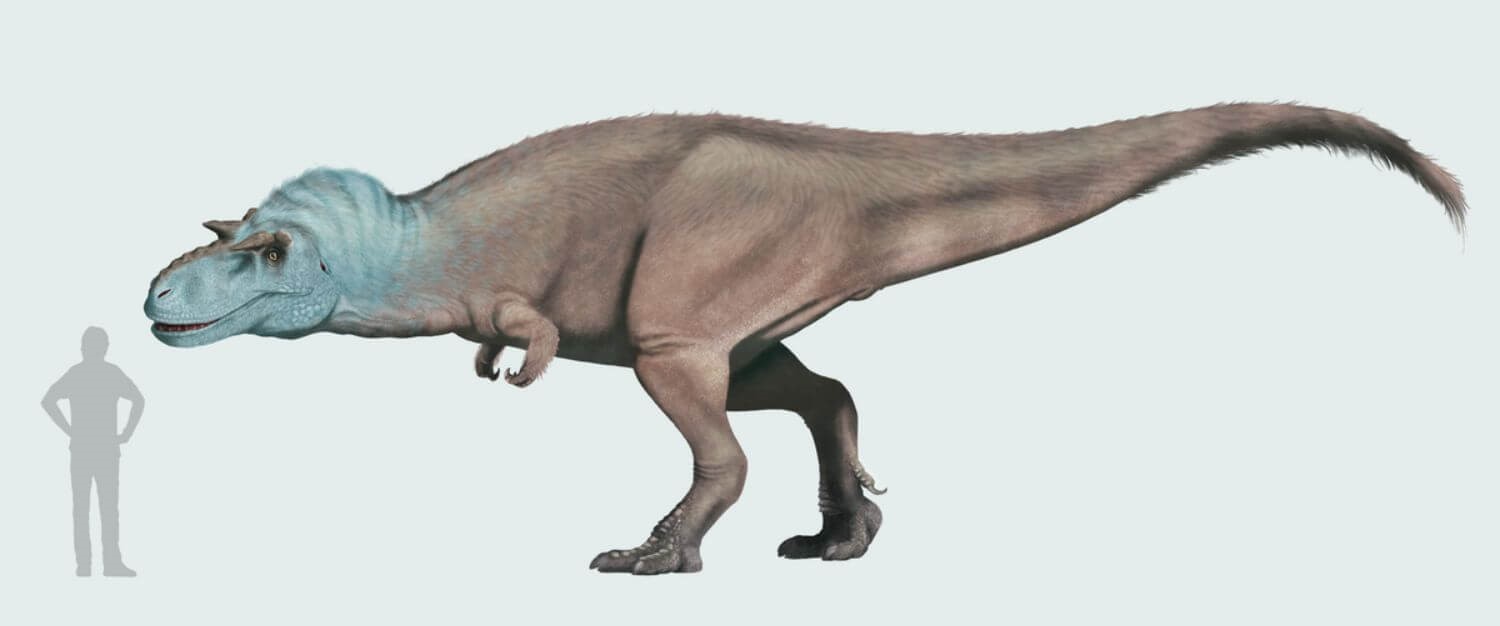 Even though the arms shrank, they still had muscle, bone, and functional joints. Possible uses include:
Clutching mates during courtship behaviors
Helping dinosaurs push themselves upright from a resting position
Stabilizing prey at close range
Delivering short, forceful slashes with strong but compact claws
While none of these uses are confirmed as universal truths, they show that tiny arms could still play meaningful roles.
Myths vs. Science
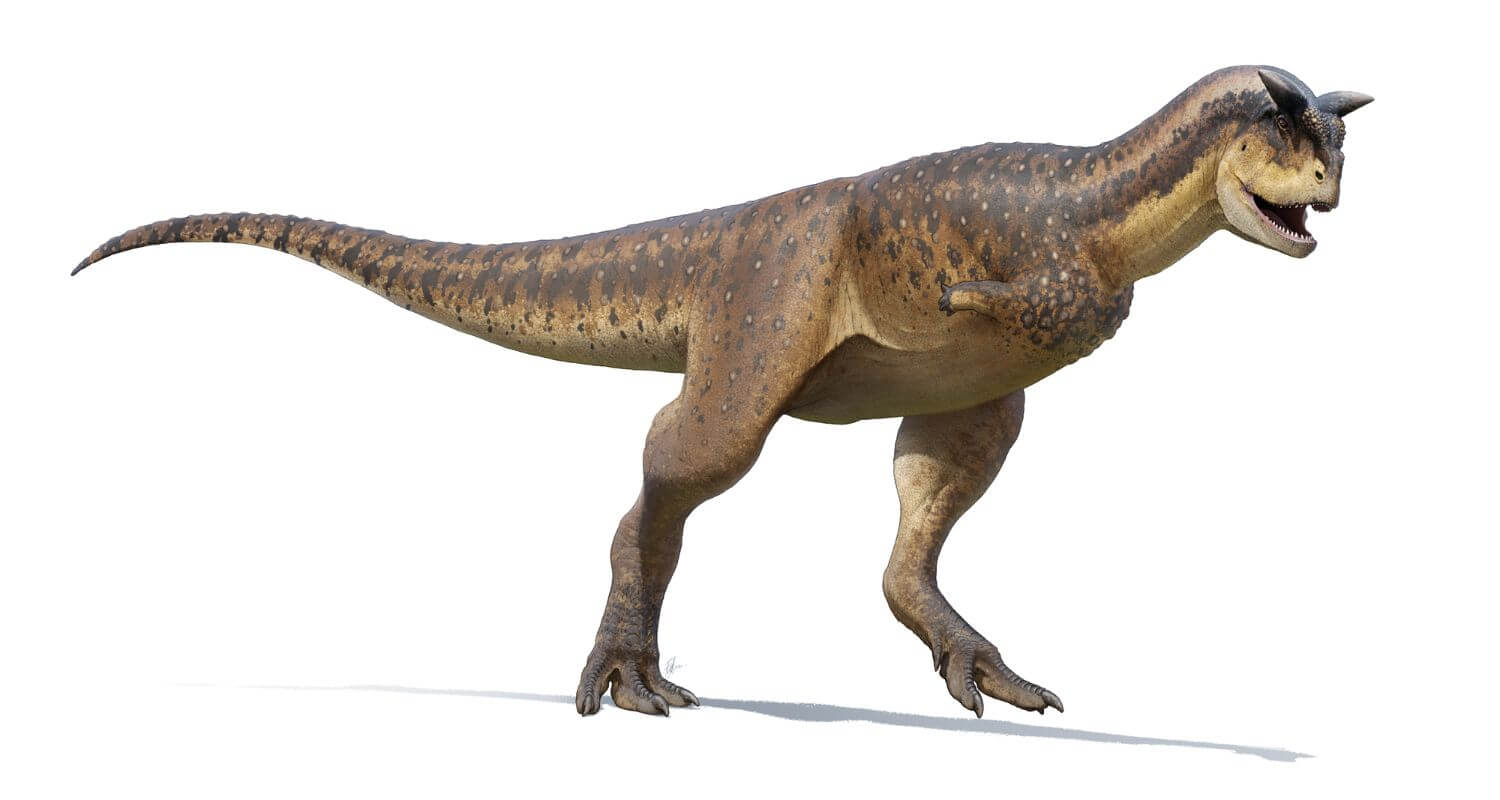 Popular culture sometimes paints T-Rex arms as laughably ineffective. Scientific evidence tells a different story. These limbs were powerful for their size, capable of lifting hundreds of pounds. They weren't tools for grabbing fleeing prey, but they weren't evolutionary leftovers either.
Conclusion
 Small arms on giant predators were not anomalies. They were adaptations that fit the species' lifestyle, hunting method, and body design. Instead of thinking of them as "tiny," it's more accurate to see them as streamlined components of a perfectly tuned predator.