Über uns
Gecai Culture steht an vorderster Front, wenn es darum geht, die Vergangenheit durch unsere hochmodernen animatronischen Dinosaurier, bezaubernde animatronische Kreaturen, lebendige chinesische Festivallaternen und maßgeschneiderte Produkte zum Leben zu erwecken. Als professioneller Hersteller im Herzen Chinas hegen wir eine tief verwurzelte Leidenschaft dafür, unsere lebensechten Dinosaurier und Tiere in Museen, Ausstellungen, Zoos, Parks und darüber hinaus zu präsentieren, um Menschen jeden Alters eine Flamme der Neugier und des Lernens zu entfachen.
Holen Sie sich ein kostenloses Angebot
Dinosaurier-Wissen
Könnten Dinosaurier mit Menschen koexistiert haben? Ein Blick auf den Mythos vs. Realität
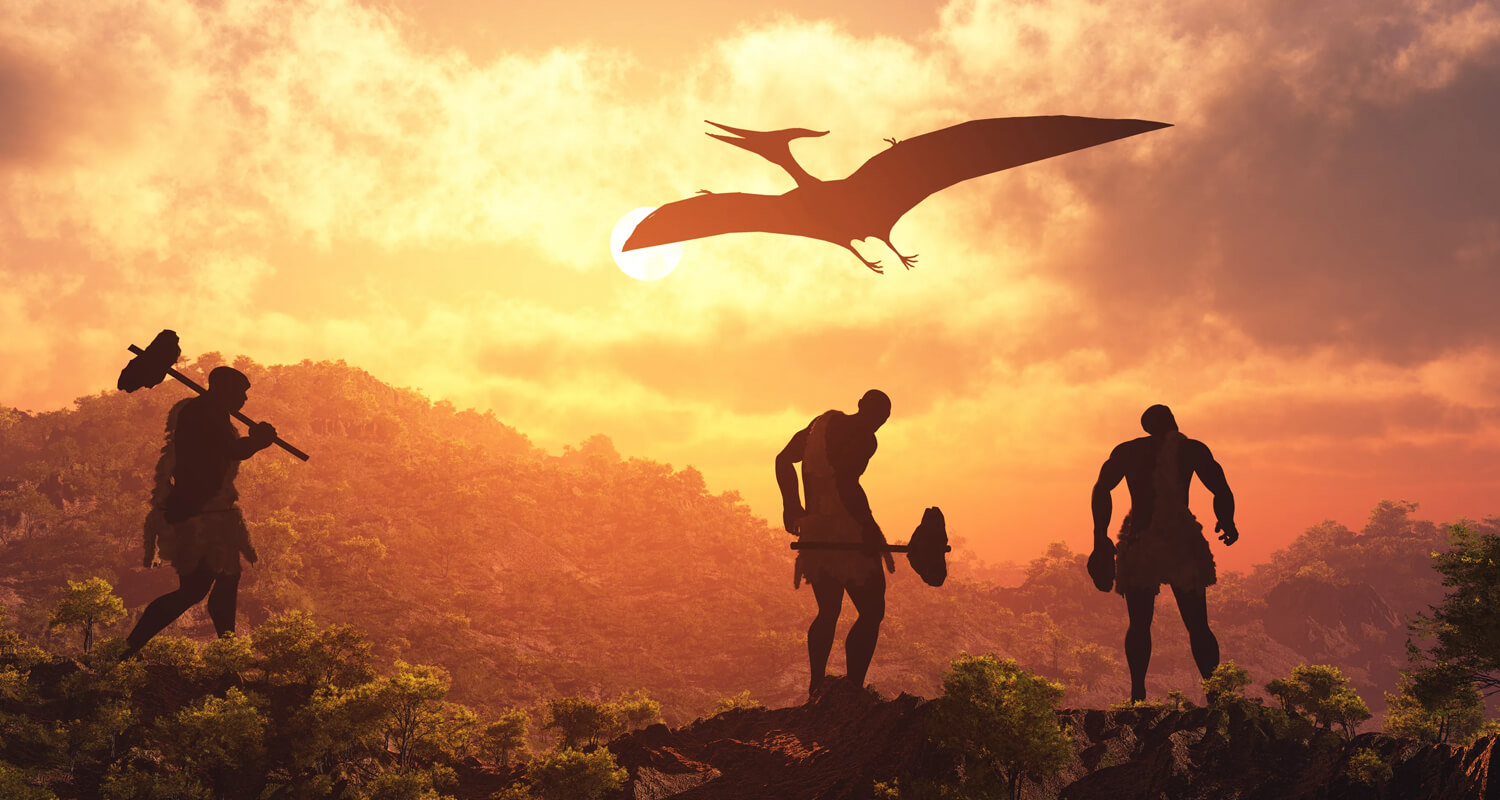 The idea of humans and dinosaurs coexisting has been a captivating concept in popular culture for decades. From movies like Jurassic Park to cartoons like The Flintstones, the notion of humans living side by side with these giant creatures is often portrayed as an exciting, if not terrifying, scenario. But is there any truth to this idea? In this article, we'll explore the myth versus the reality of dinosaurs and humans living together on Earth.
The Myth: Dinosaurs and Humans Coexisting
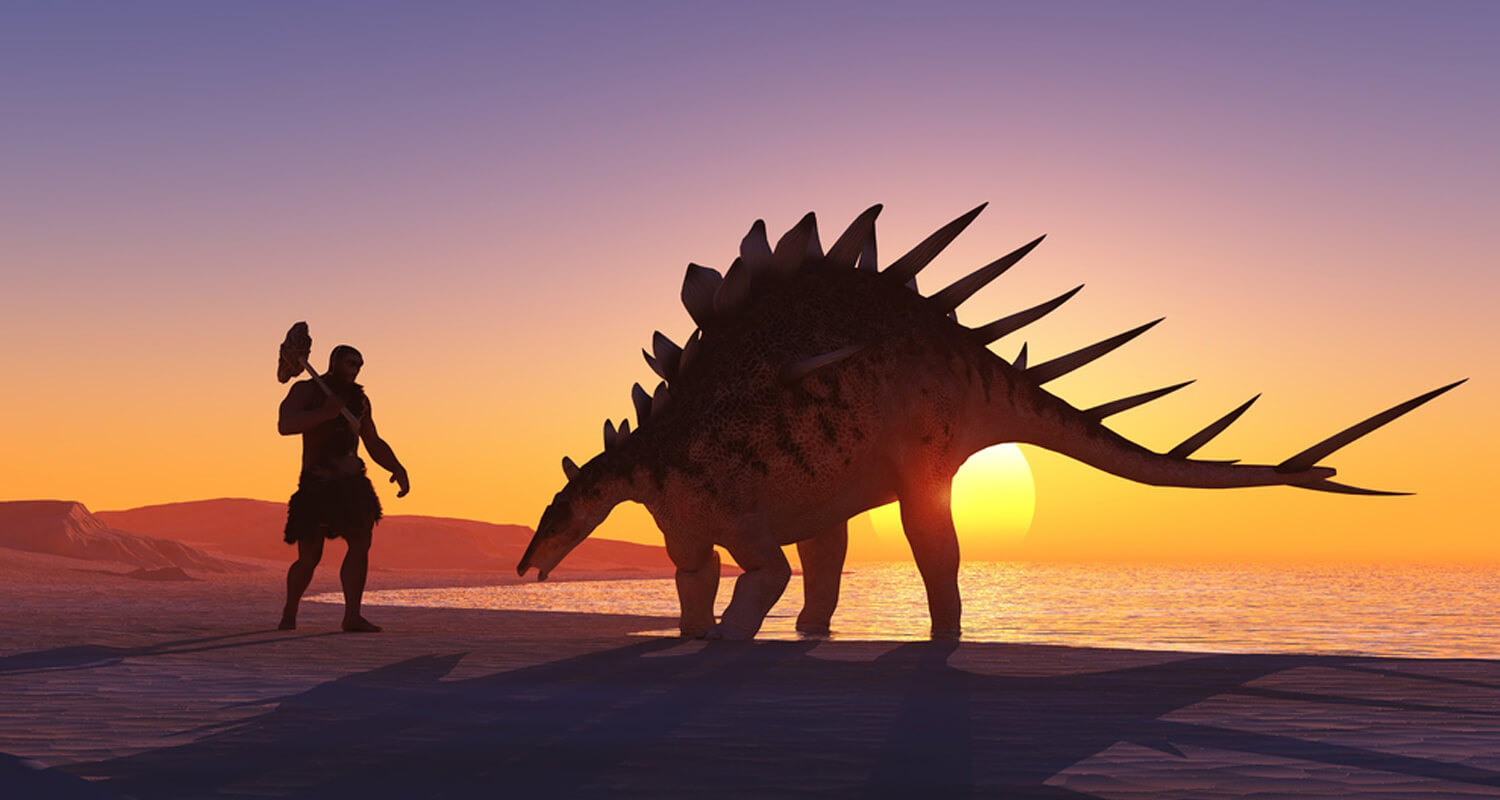 The concept of humans and dinosaurs coexisting isn't a new one. It has been perpetuated through folklore, religion, and popular media. Ancient civilizations often depicted "dragons" in their stories and art, creatures that were in some ways similar to dinosaurs. These creatures were often large and reptilian, resembling the fearsome beasts we associate with the dinosaur era.
Throughout history, dragons in art, sculpture, and even in religious texts have been described as reptilian giants. In medieval times, some reports even suggested that these dragons were still roaming the Earth, long after the age of the dinosaurs had ended. Today, many people still hold the belief that humans and dinosaurs coexisted, often influenced by modern entertainment, where dinosaurs and humans are shown as contemporaries.
The Reality: Timeline of Dinosaurs and Humans
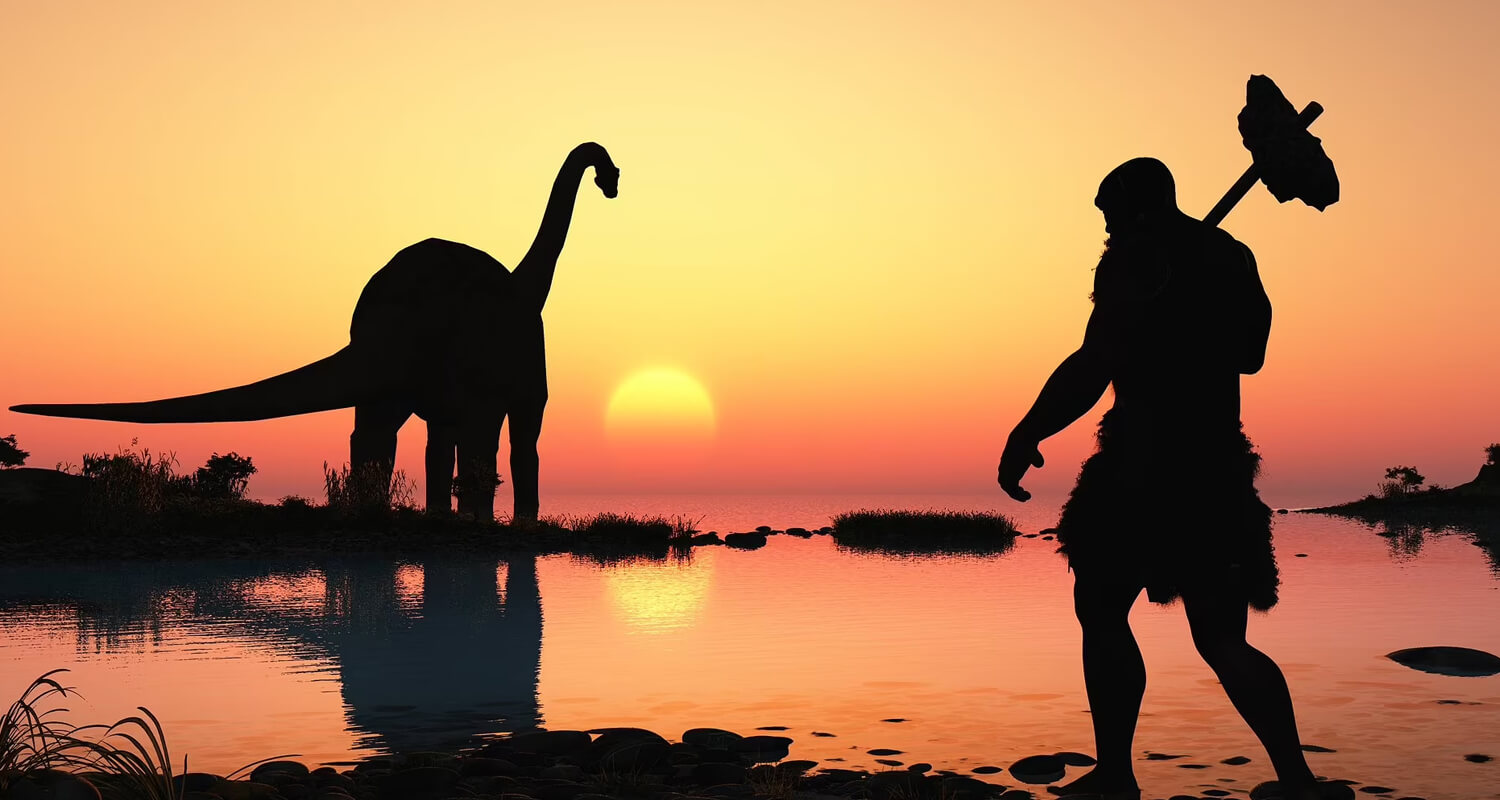 To understand the truth, we need to look at the scientific evidence. The last dinosaurs disappeared about 66 million years ago at the end of the Cretaceous period, in what is known as the mass extinction event caused by a combination of asteroid impact and volcanic activity. This extinction wiped out nearly 75% of Earth's species, including all non-avian dinosaurs.
Humans, on the other hand, didn't appear until much later. The first ancestors of modern humans, Homo sapiens, evolved roughly 200,000 years ago in Africa. This means that there is a time gap of over 65 million years between the extinction of the dinosaurs and the appearance of humans. It is scientifically impossible for humans and dinosaurs to have shared the same planet at the same time.
Scientific Evidence Against Coexistence
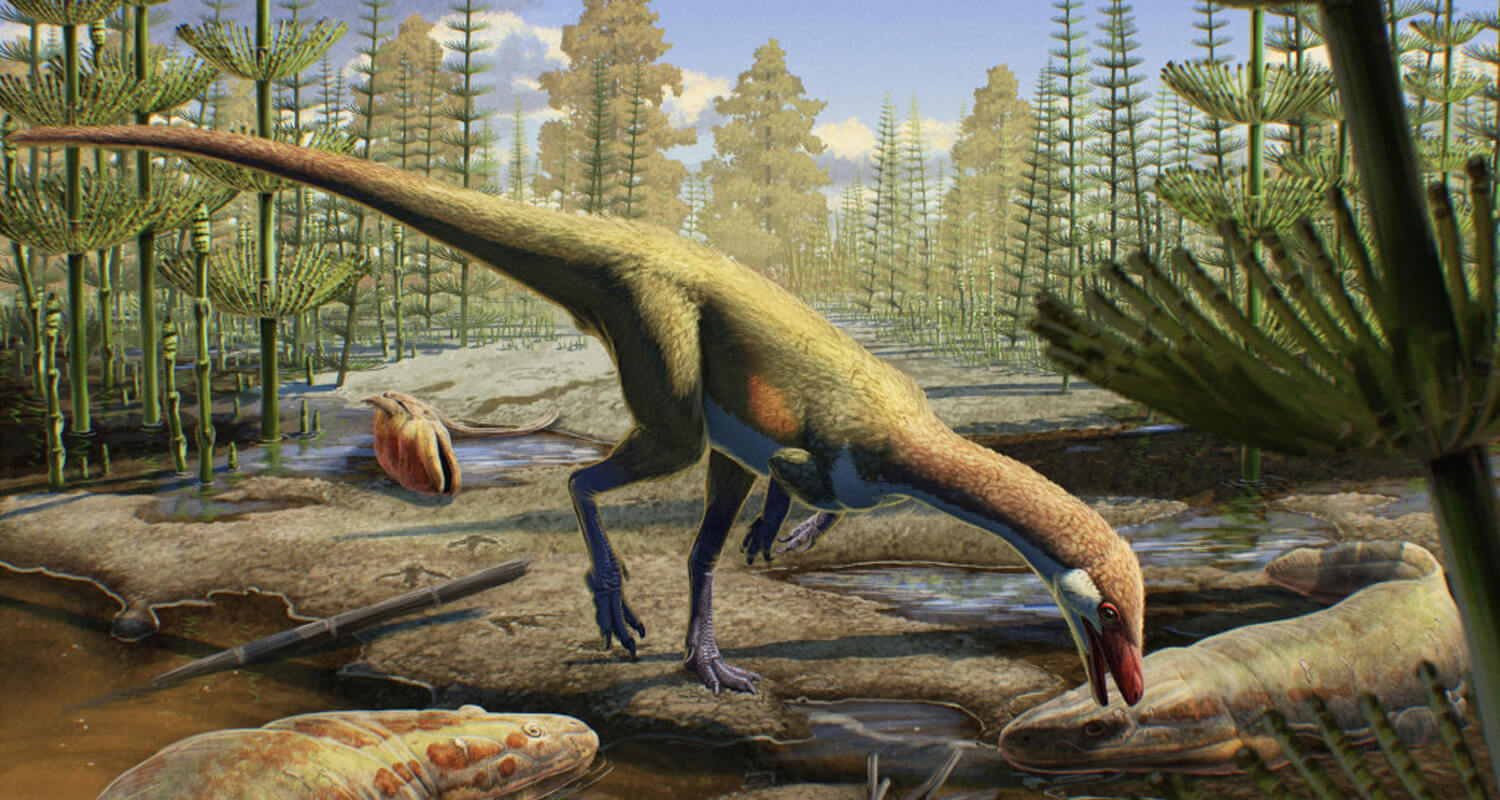 The fossil record is one of the strongest pieces of evidence that humans and dinosaurs did not coexist. Fossils of dinosaurs are found in rocks that are tens of millions of years old, while human fossils, or those of our early ancestors, appear only within the last few hundred thousand years. There are no fossils or signs of human life in any layer of rock that contains dinosaur fossils.
Additionally, scientists have used geological dating methods, such as radiometric dating, to determine the exact age of rocks and fossils. These methods confirm that there was a massive gap in time between the extinction of dinosaurs and the emergence of humans.
Moreover, there's no credible evidence suggesting humans lived during the Mesozoic Era—the age of the dinosaurs. The Earth's climate, flora, and fauna were vastly different during the time of the dinosaurs, and early mammals, which eventually led to humans, were small and far from capable of competing with or living alongside dinosaurs.
Possible Misinterpretations of Evidence
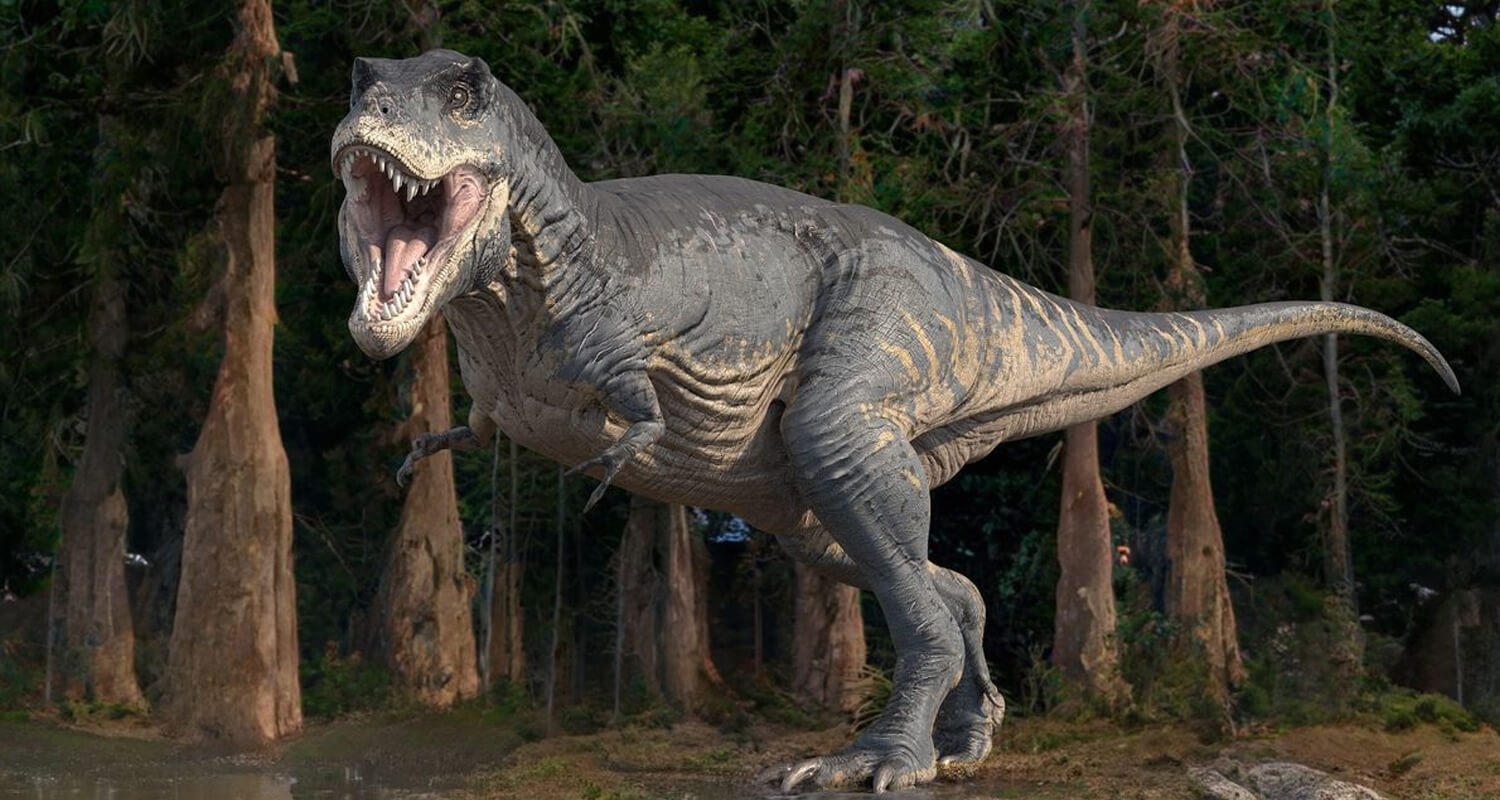 So where did the idea of humans and dinosaurs coexisting come from? One explanation is the misinterpretation of evidence. For example, in the 19th century, there were reports of "human-dinosaur footprints" found in Texas. However, these were later proven to be either hoaxes or the result of misidentified rock formations. In reality, no scientifically validated evidence has been found showing that humans and dinosaurs ever shared the Earth.
Another possibility lies in the ancient depictions of large reptiles. Many cultures have myths about dragons—creatures that are often described as resembling the prehistoric reptiles we now recognize as dinosaurs. These ancient dragons might have been inspired by real animals, such as crocodiles or large snakes, but not actual dinosaurs.
Pop Culture and Dinosaurs in Human History
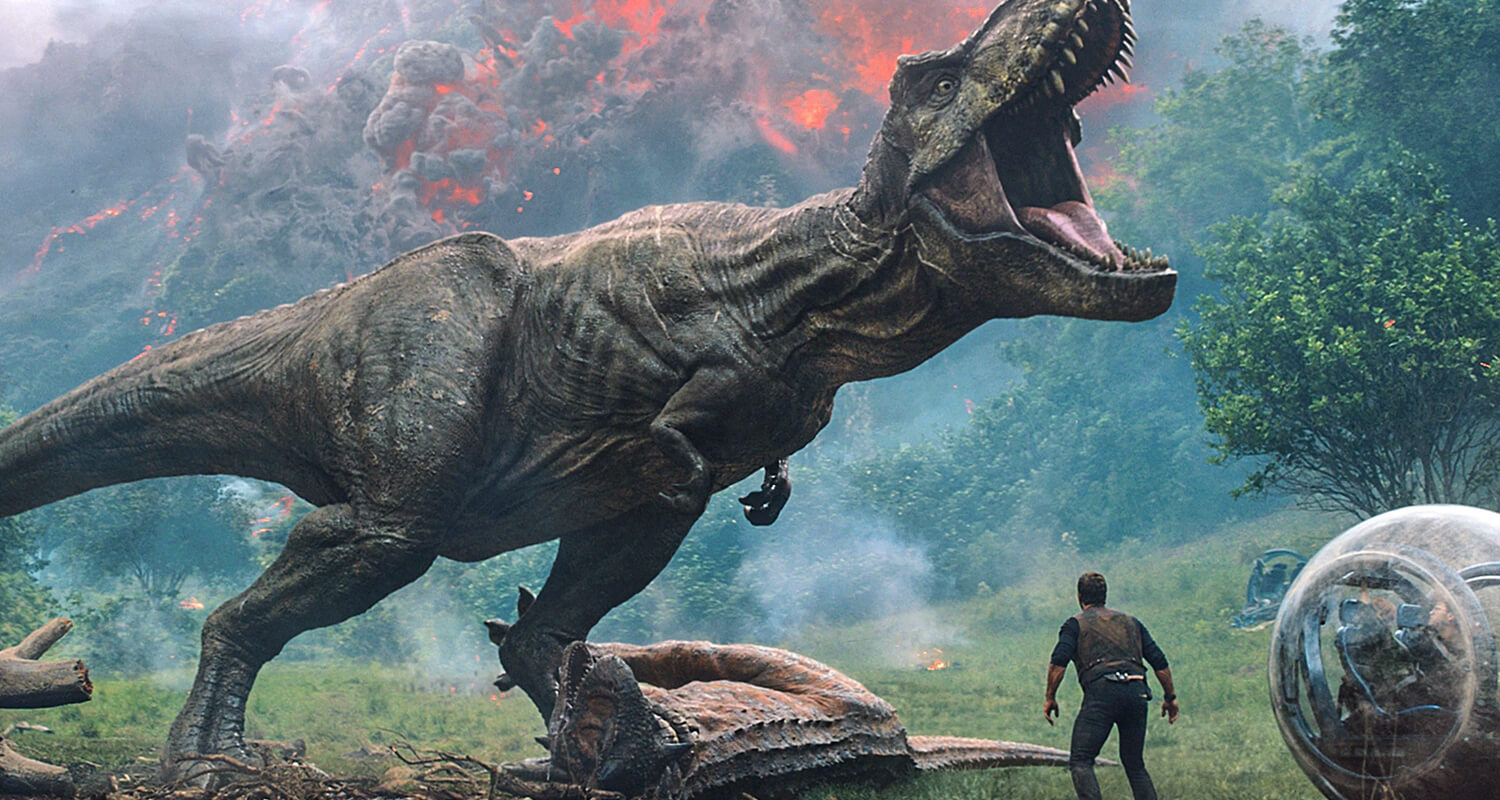 The myth of humans and dinosaurs living together has been perpetuated in modern media, perhaps most famously in the movie Jurassic Park. In the film, dinosaurs are brought back to life and interact with humans, creating a thrilling but completely fictional world. Similarly, shows like The Flintstones humorously depict prehistoric humans living alongside cartoonish dinosaurs.
These portrayals are part of the reason why the myth of coexistence persists. The idea of humans and dinosaurs sharing the Earth is an exciting, fantastical notion. It plays on our collective imagination, making it easier to envision a world where the power and majesty of dinosaurs are something we could interact with in our daily lives.
Why Do We Want Dinosaurs and Humans to Coexist?
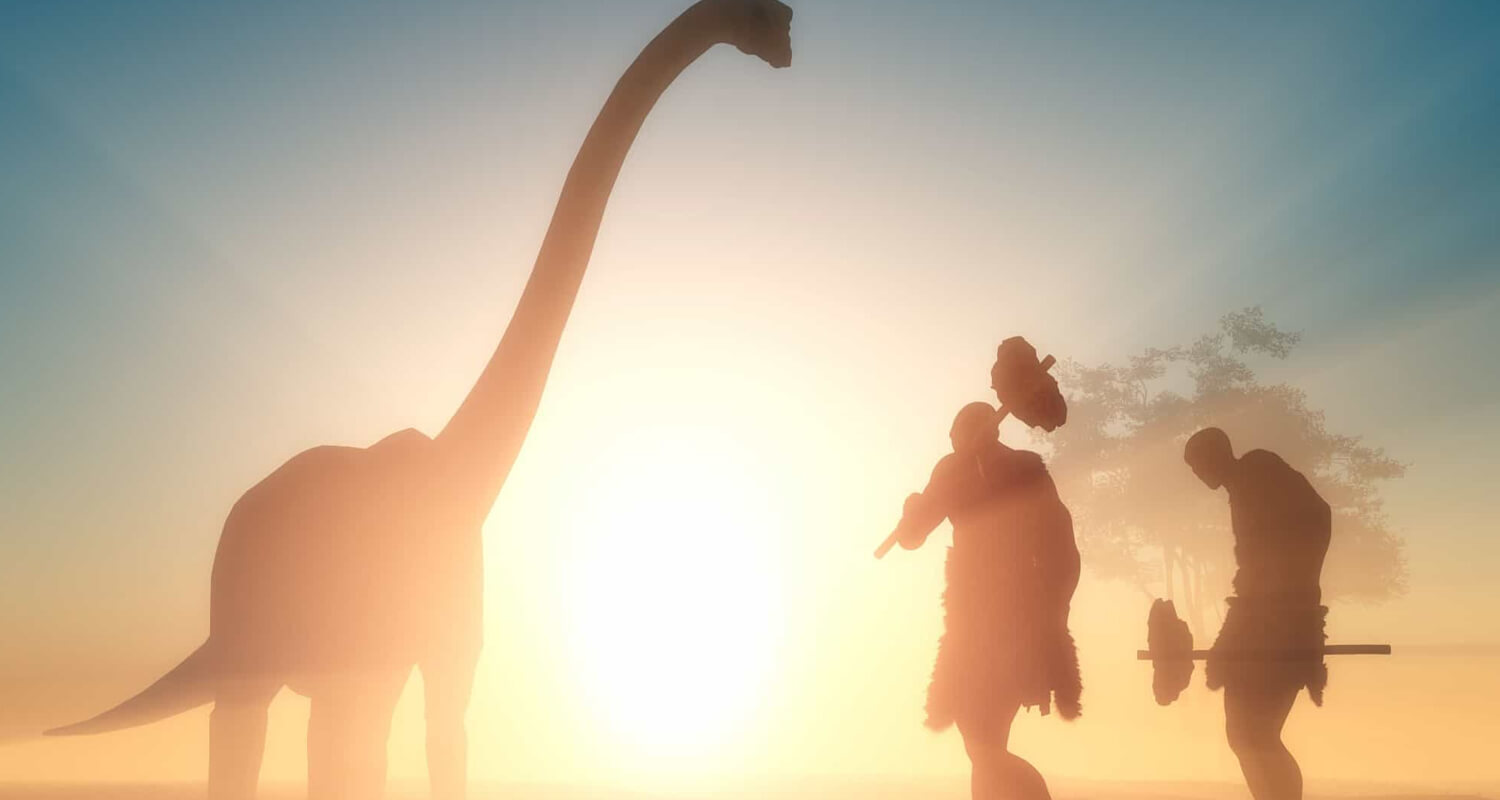 So why do we continue to be fascinated by the idea of humans and dinosaurs living at the same time? There's something compelling about imagining our ancient ancestors interacting with these colossal creatures. Dinosaurs represent raw, untamed power, and the idea of humans living alongside them taps into a primal curiosity and fascination with both fear and wonder.
Additionally, there is a psychological appeal to mixing reality with fantasy. Many people enjoy stories where fantastical elements, like dinosaurs, are combined with human characters. Whether it's through movies, books, or games, this blend of the real and unreal offers an exciting escape from the everyday world.
FAQs
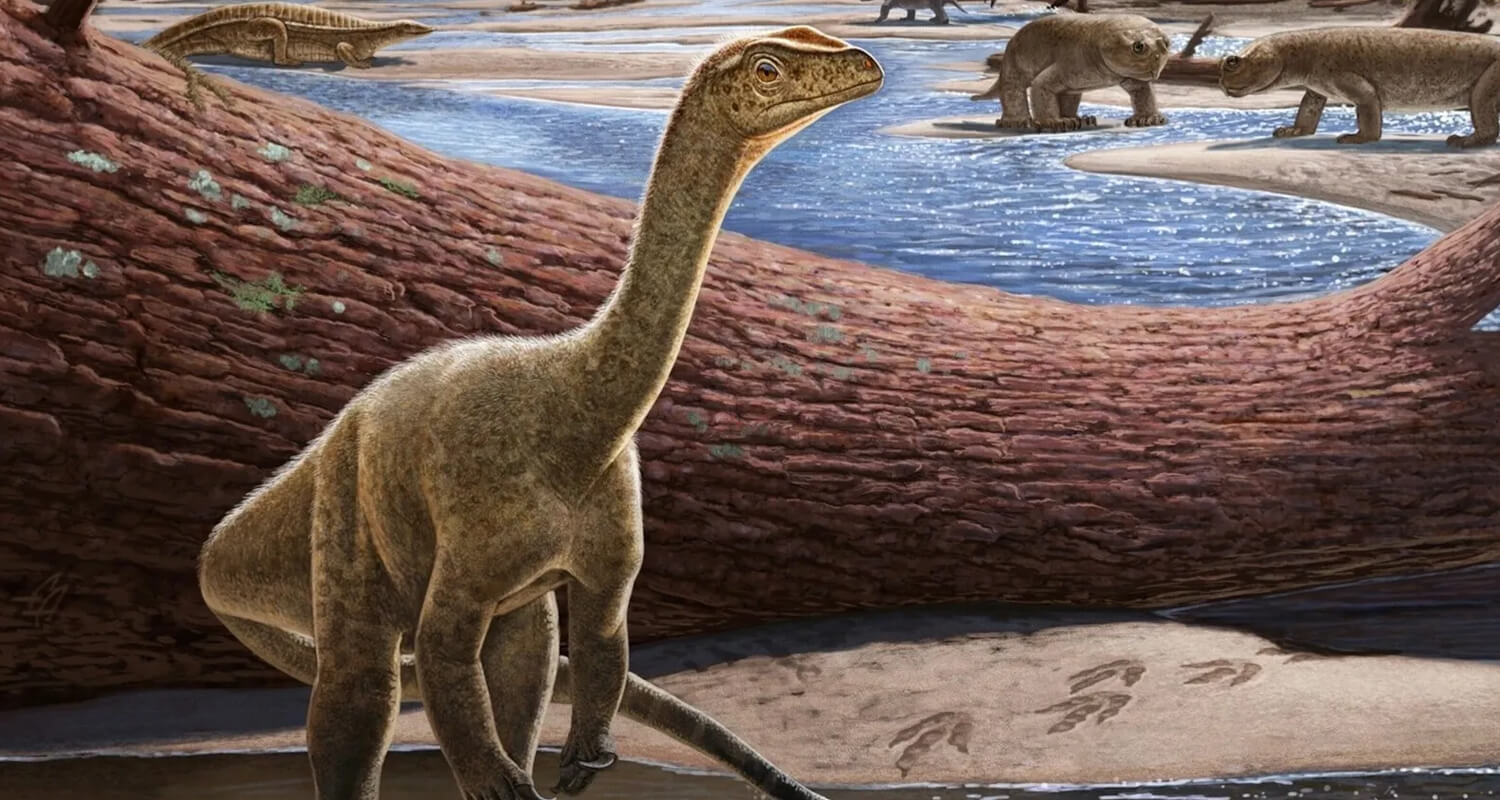 Could humans have ridden dinosaurs if they coexisted?
No, humans did not live at the same time as dinosaurs, so the idea of riding them is purely fictional.
What dinosaurs were alive when humans first appeared?
None. Dinosaurs were extinct millions of years before humans evolved.
Are there any theories about humans and dinosaurs meeting?
While various myths and misconceptions exist, no scientific theory supports the idea that humans and dinosaurs coexisted. The gap between the two is well-established by fossil and geological evidence.
Conclusion
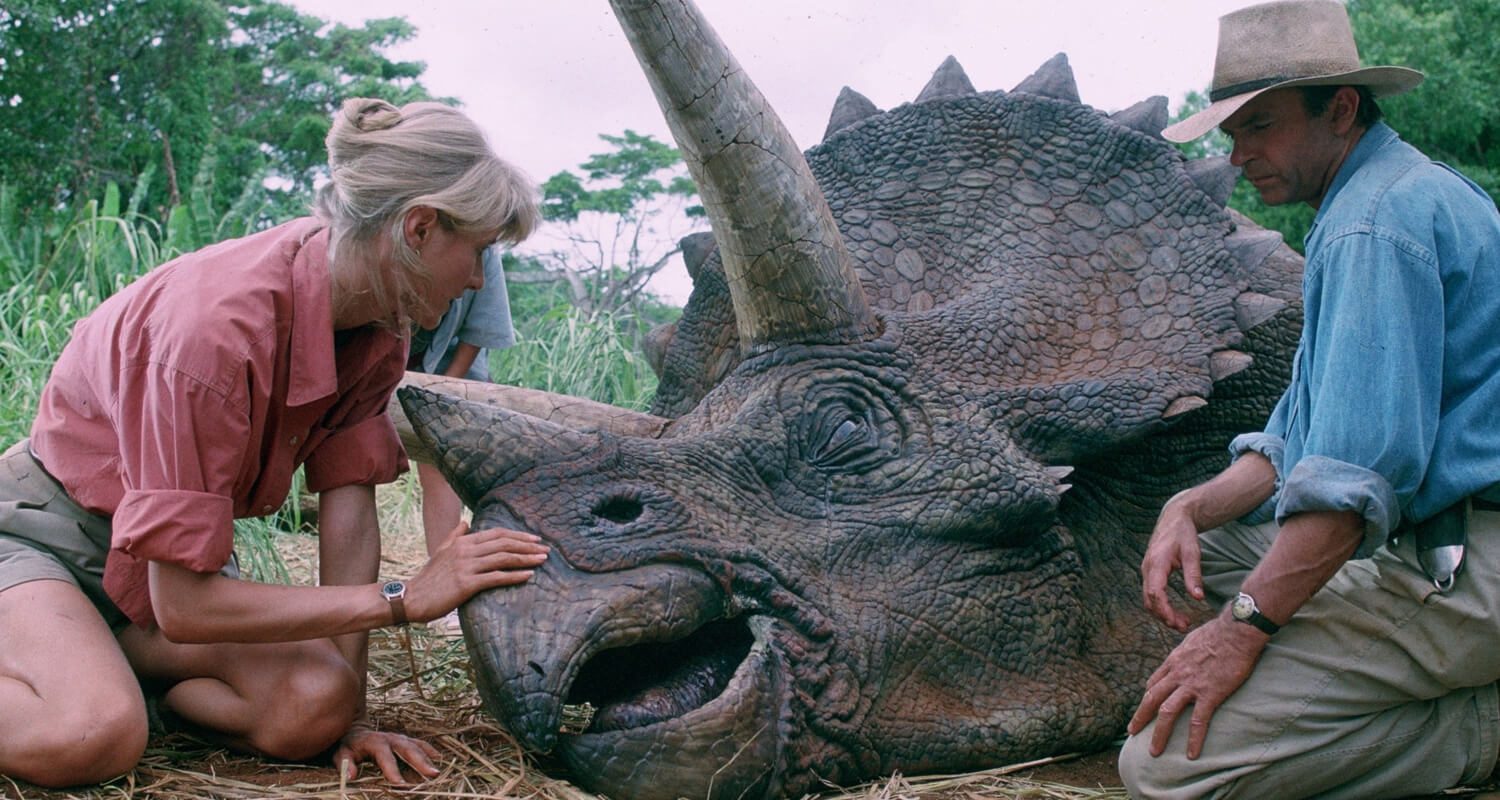 Despite the fascinating and compelling nature of the myth, the reality is clear: dinosaurs and humans did not coexist. The evidence from fossil records, geological studies, and evolutionary timelines all support the fact that humans appeared millions of years after dinosaurs became extinct. While the idea of dinosaurs and humans living together will remain a popular concept in science fiction and pop culture, the true history of Earth tells a much different story.
Tags: