Über uns
Gecai Culture steht an vorderster Front, wenn es darum geht, die Vergangenheit durch unsere hochmodernen animatronischen Dinosaurier, bezaubernde animatronische Kreaturen, lebendige chinesische Festivallaternen und maßgeschneiderte Produkte zum Leben zu erwecken. Als professioneller Hersteller im Herzen Chinas hegen wir eine tief verwurzelte Leidenschaft dafür, unsere lebensechten Dinosaurier und Tiere in Museen, Ausstellungen, Zoos, Parks und darüber hinaus zu präsentieren, um Menschen jeden Alters eine Flamme der Neugier und des Lernens zu entfachen.
Holen Sie sich ein kostenloses Angebot
Dinosaurier-Wissen
Dinosaurier vs. Drache: Warum Kulturen auf der ganzen Welt Fakten und Mythen vermischen
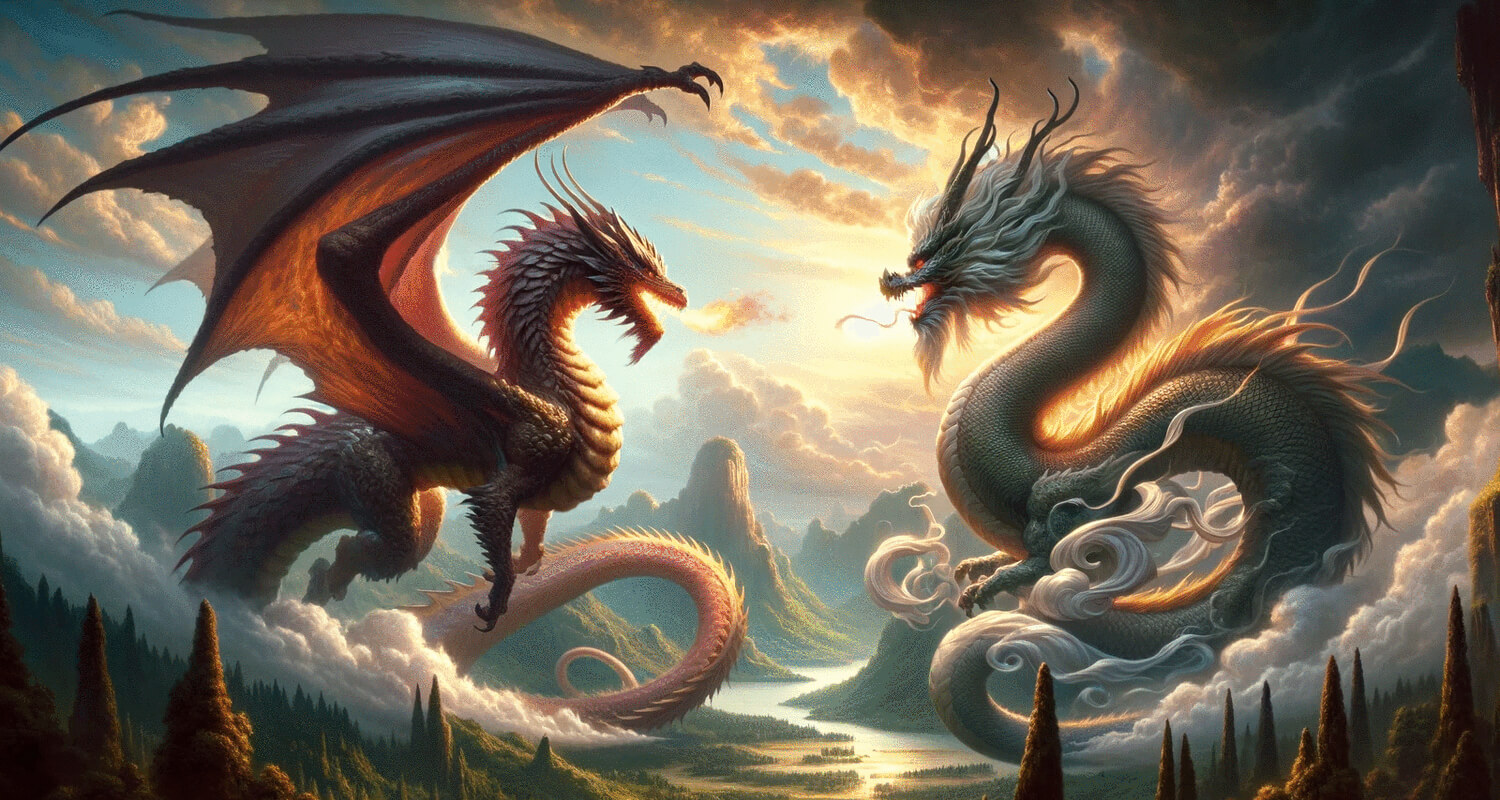 Throughout history, humans have been captivated by tales of giant, awe-inspiring creatures. Dinosaurs, the real-life prehistoric giants, and dragons, mythical beings with roots in folklore, have both commanded fascination across generations. While dinosaurs were real animals that roamed the earth millions of years ago, dragons emerged from human imagination and myth. Yet, these two creatures often intersect in our collective psyche, blurring the line between reality and fantasy. This article explores why cultures around the world have mixed fact and myth, creating a unique, enduring fascination with dinosaurs and dragons.
Dinosaurs: Real Prehistoric Beasts
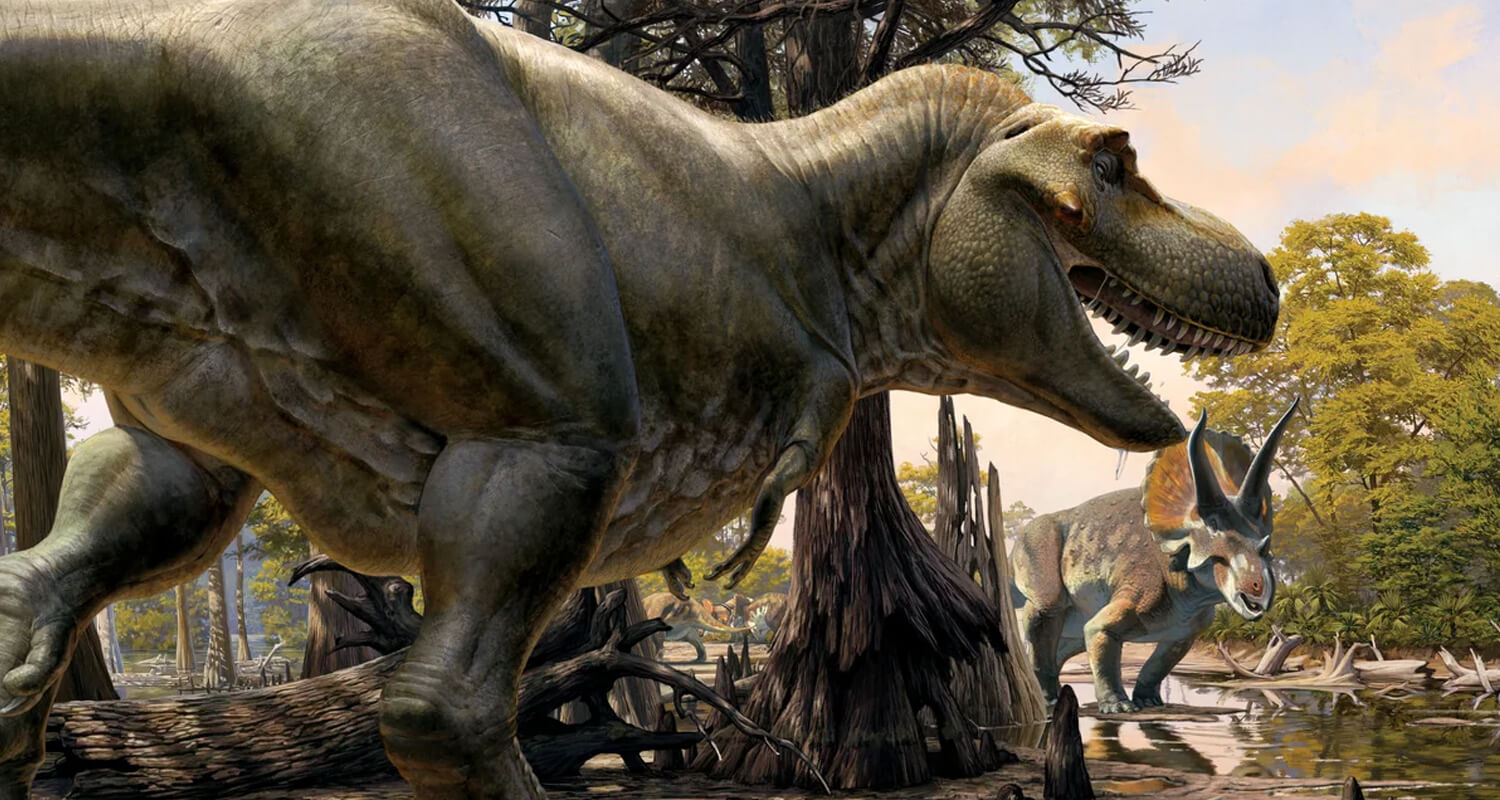 Dinosaurs were magnificent creatures that thrived during the Mesozoic Era, roughly 230 to 66 million years ago. These animals, varying in size from the small Velociraptor to the towering Argentinosaurus, were unearthed by paleontologists centuries after their extinction. Their fossils, with sharp claws, massive jaws, and thick bones, painted a picture of a world dominated by powerful reptiles.
Early fossil discoveries of dinosaur bones presented humanity with its first real glimpse of these ancient giants. But without a scientific understanding of paleontology, early people often saw these remains as belonging to mythical monsters or gods. Fossils likely inspired a sense of mystery and wonder, sparking ideas of giants that once walked the Earth. Though we now know these remains belonged to dinosaurs, the awe and fear they invoked persist in modern culture, as does the tendency to blend these animals with mythological figures like dragons.
Dragons: Legends That Span Continents
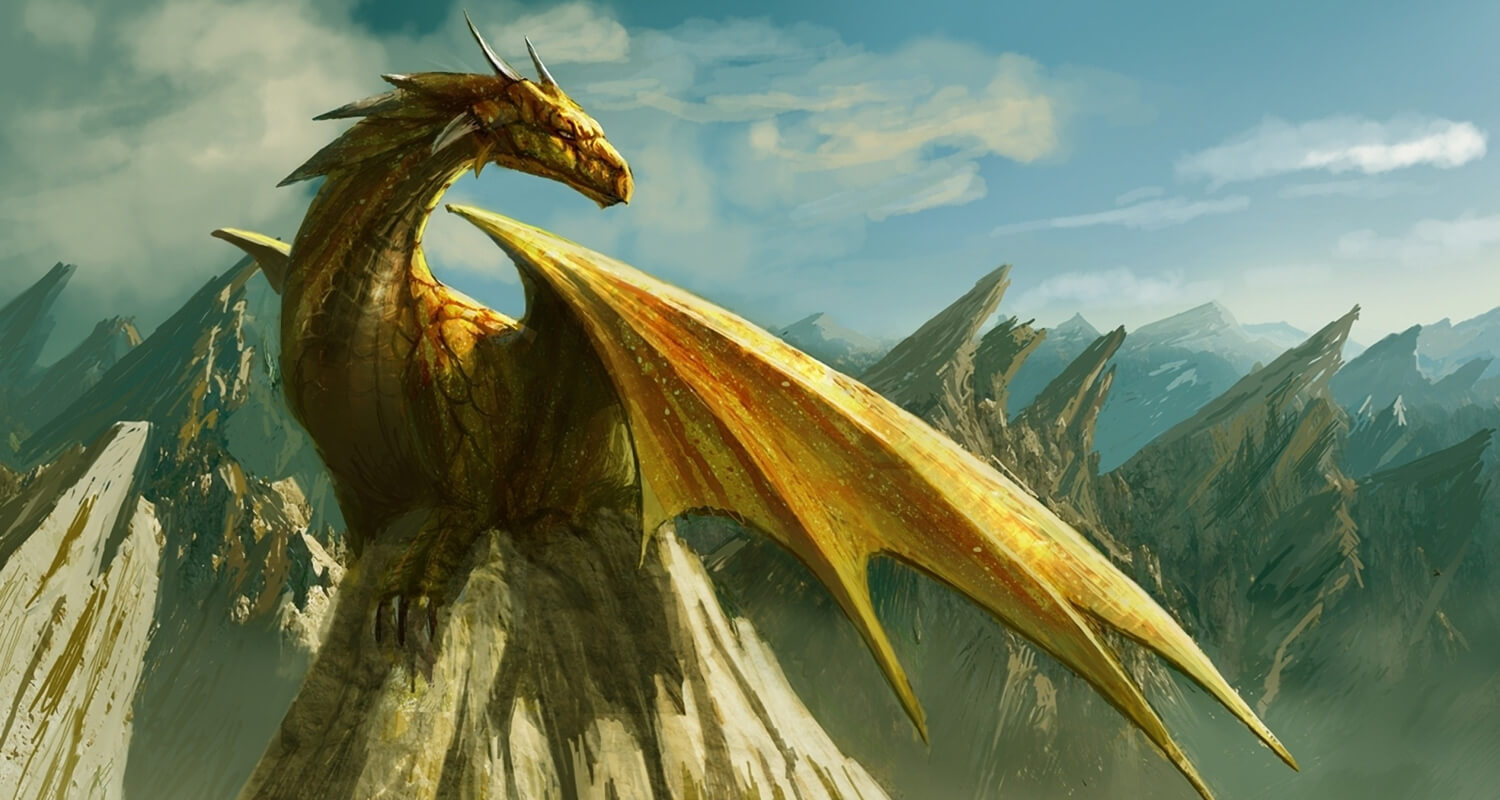 Unlike dinosaurs, dragons are purely mythical creatures, born from folklore and cultural imagination. Remarkably, dragon myths can be found across diverse civilizations. In Chinese culture, dragons are benevolent symbols of power, strength, and wisdom, often depicted as guardians of water and bringers of rain. European dragons, on the other hand, are usually associated with destruction, greed, and fire-breathing prowess, often depicted as winged serpents or lizards to be vanquished by brave knights. In Mesoamerican mythology, dragons also appear in the form of Quetzalcoatl, the feathered serpent, symbolizing rebirth and knowledge.
The fact that cultures from around the world share similar dragon myths suggests a universal fascination with larger-than-life creatures. This similarity may be due to the common encounters with large animal bones and fossils, which people interpreted through their cultural lenses, creating different variations of dragons.
The Influence of Dinosaur Fossils on Dragon Myths
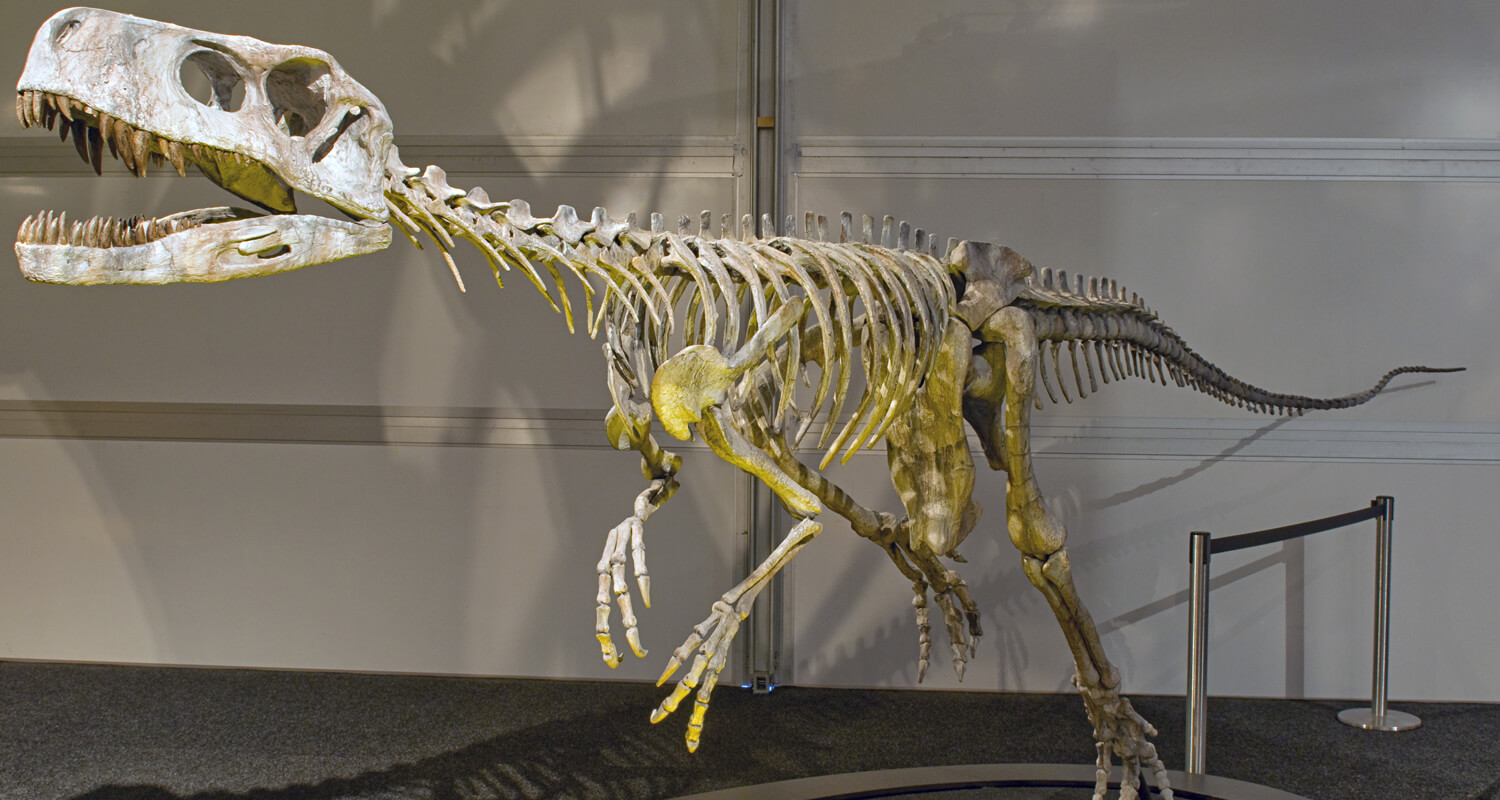 One of the most compelling reasons why dragons and dinosaurs are intertwined is the discovery of dinosaur fossils by ancient people. Imagine finding an enormous, toothy skull in the ground, larger than any known animal at the time. Lacking scientific explanations, early humans might have concluded that such a creature was once alive—and possibly dangerous. These fossilized remains likely served as inspiration for the legends of dragons and other giant monsters.
In China, for instance, large bones were often identified as "dragon bones" for centuries before paleontology became an established science. These finds reinforced cultural beliefs in dragons, creatures already prominent in Chinese folklore. Similarly, European folklore may have been influenced by fossilized remains, giving rise to stories of fearsome, fire-breathing beasts lurking in mountains and caves.
Parallels in Dinosaur and Dragon Characteristics
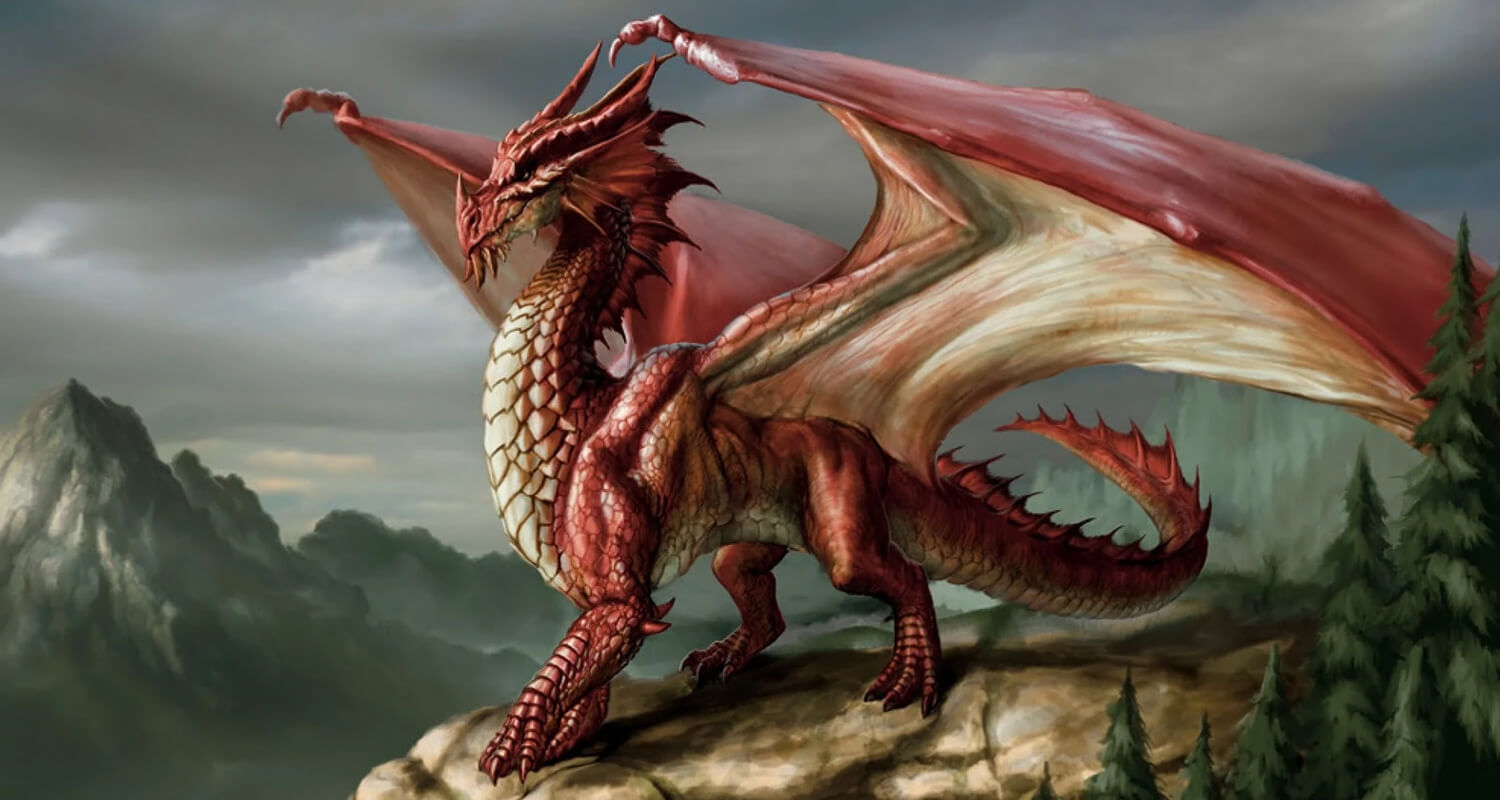 Despite their differences in origin, dinosaurs and dragons share many physical characteristics that make them easy to associate with one another. Both are often depicted as large, reptilian creatures with massive jaws, sharp teeth, and claws. Some dinosaurs, like the Pteranodon, even had wings, a feature common in dragon representations across cultures.
These physical similarities contribute to the natural tendency to link dinosaurs and dragons. People are drawn to creatures that inspire both wonder and fear, and dinosaurs and dragons capture that duality perfectly. Both are symbols of raw power and primal fear—dinosaurs represent nature's actual forces, while dragons represent the untamed imagination. Together, they allow us to explore the fine line between science and legend, reinforcing the thrill of the unknown.
Modern Portrayals: Dinosaurs and Dragons in Media
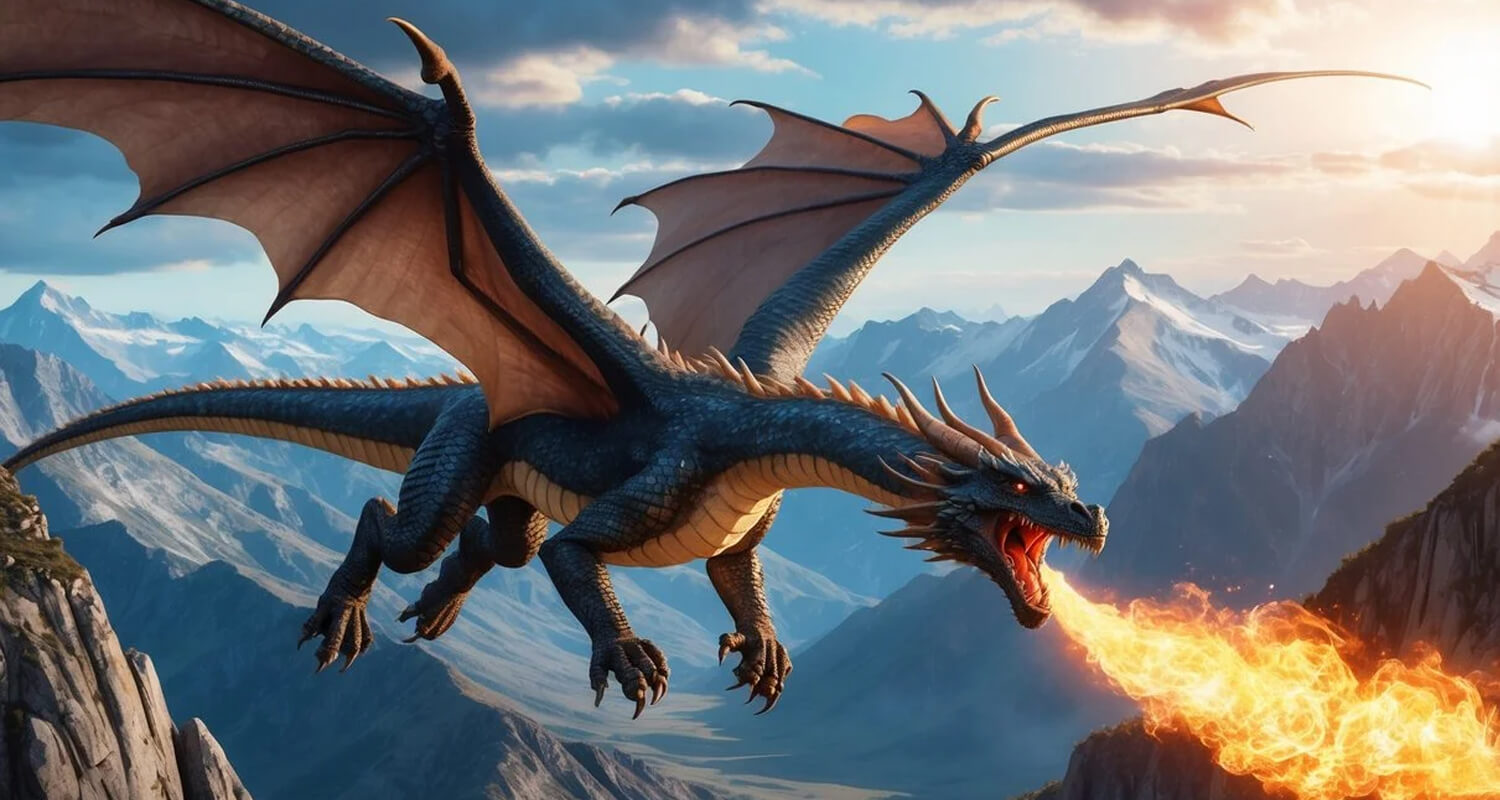 The fascination with dinosaurs and dragons continues in modern media, where they often appear together in movies, TV shows, books, and video games. From dinosaur-based classics like Jurassic Park to dragon-focused fantasies like Game of Thrones, both creatures remain popular subjects. Media allows audiences to experience these giants up close, often blending their features to create powerful, fictional beasts.
Modern portrayals of dinosaurs and dragons frequently blur fact and myth, inviting audiences to enjoy these creatures as awe-inspiring symbols of both reality and fantasy. This mix captivates viewers of all ages, making both dinosaurs and dragons popular characters for education and entertainment alike.
Why Cultures Mix Fact and Myth
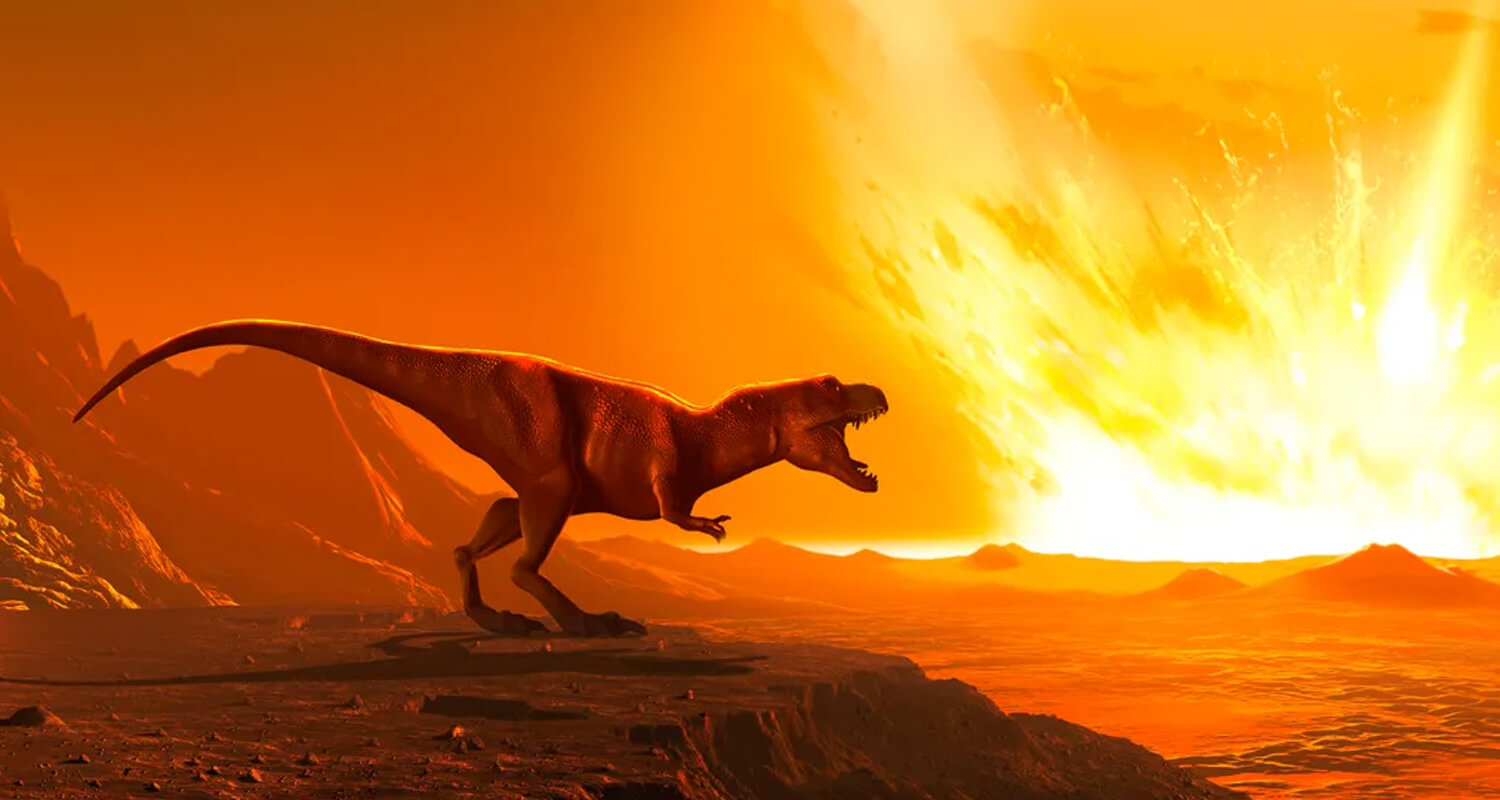 The human mind naturally seeks to explain the unknown, and before the age of science, myths helped us make sense of the world. Mythical creatures like dragons were ways to interpret natural mysteries, such as fossilized remains, unusual geological formations, or strange animal features. The psychological appeal of mythical creatures also lies in their representation of power, resilience, and mystery—qualities that resonate deeply across cultures.
In many ways, blending dinosaurs and dragons reflects a universal curiosity about the past and an appreciation for storytelling. While dinosaurs were real animals and dragons were imagined, both inspire us to consider worlds beyond our own.
Conclusion: The Enduring Legacy of Giants
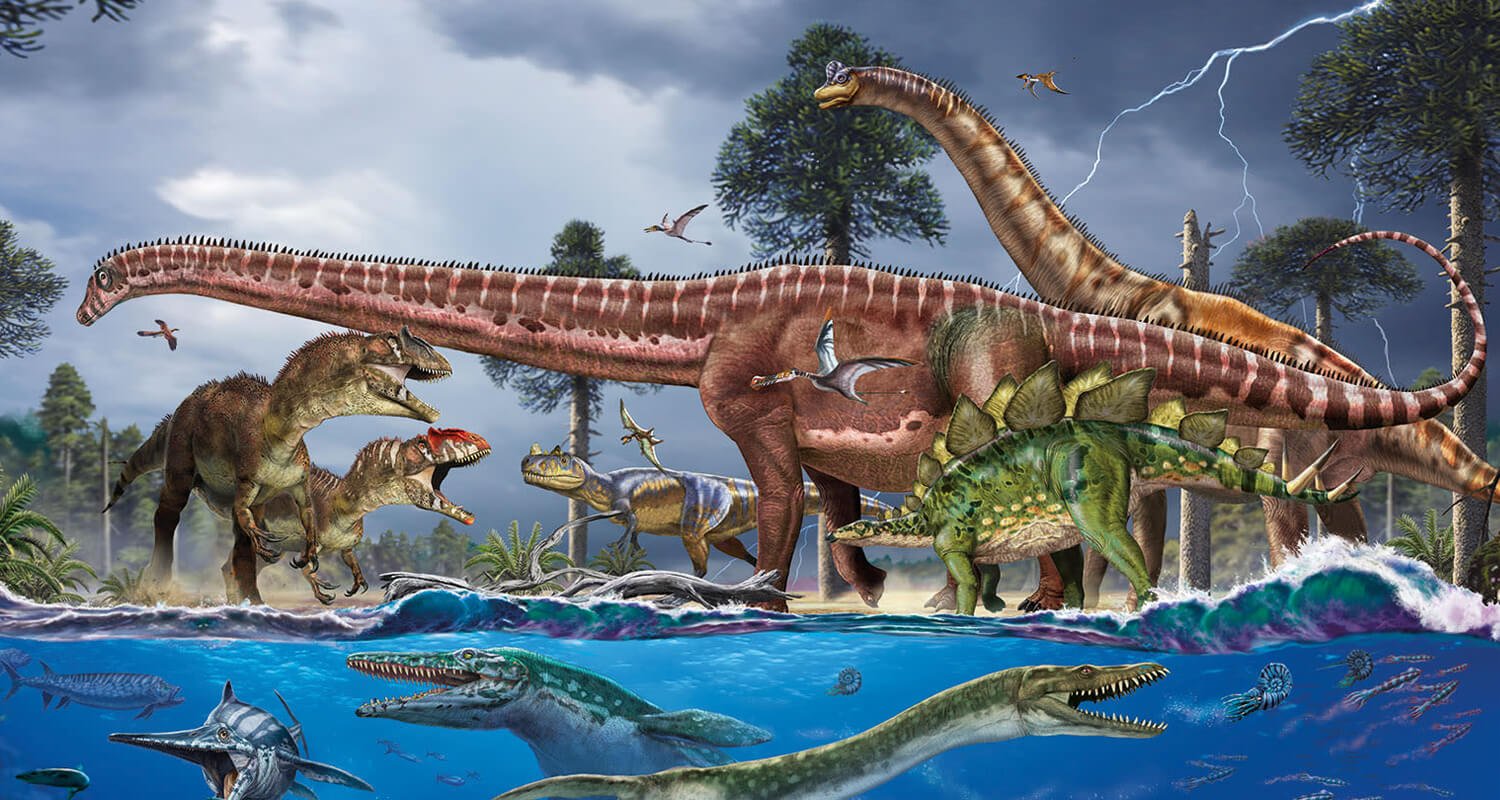 The fascination with dinosaurs and dragons highlights our timeless attraction to giants, both real and mythical. By mixing fact with myth, cultures worldwide have created stories that inspire awe and wonder. Today, animatronic dinosaurs and dragons bring these creatures to life in new ways, providing thrilling, educational experiences that connect us with both science and legend.
As we continue to uncover more fossils and explore the realms of imagination, dinosaurs and dragons will remain deeply embedded in human culture. These giants of the past and legends of the imagination invite us to dream of worlds that once existed—and those that might, someday, exist only in our stories.
Tags: