Über uns
Gecai Culture steht an vorderster Front, wenn es darum geht, die Vergangenheit durch unsere hochmodernen animatronischen Dinosaurier, bezaubernde animatronische Kreaturen, lebendige chinesische Festivallaternen und maßgeschneiderte Produkte zum Leben zu erwecken. Als professioneller Hersteller im Herzen Chinas hegen wir eine tief verwurzelte Leidenschaft dafür, unsere lebensechten Dinosaurier und Tiere in Museen, Ausstellungen, Zoos, Parks und darüber hinaus zu präsentieren, um Menschen jeden Alters eine Flamme der Neugier und des Lernens zu entfachen.
Holen Sie sich ein kostenloses Angebot
Dinosaurier-Wissen
Die Entdeckung des Dinosauriers mit 500 Zähnen: Fakten über den Nigersaurus
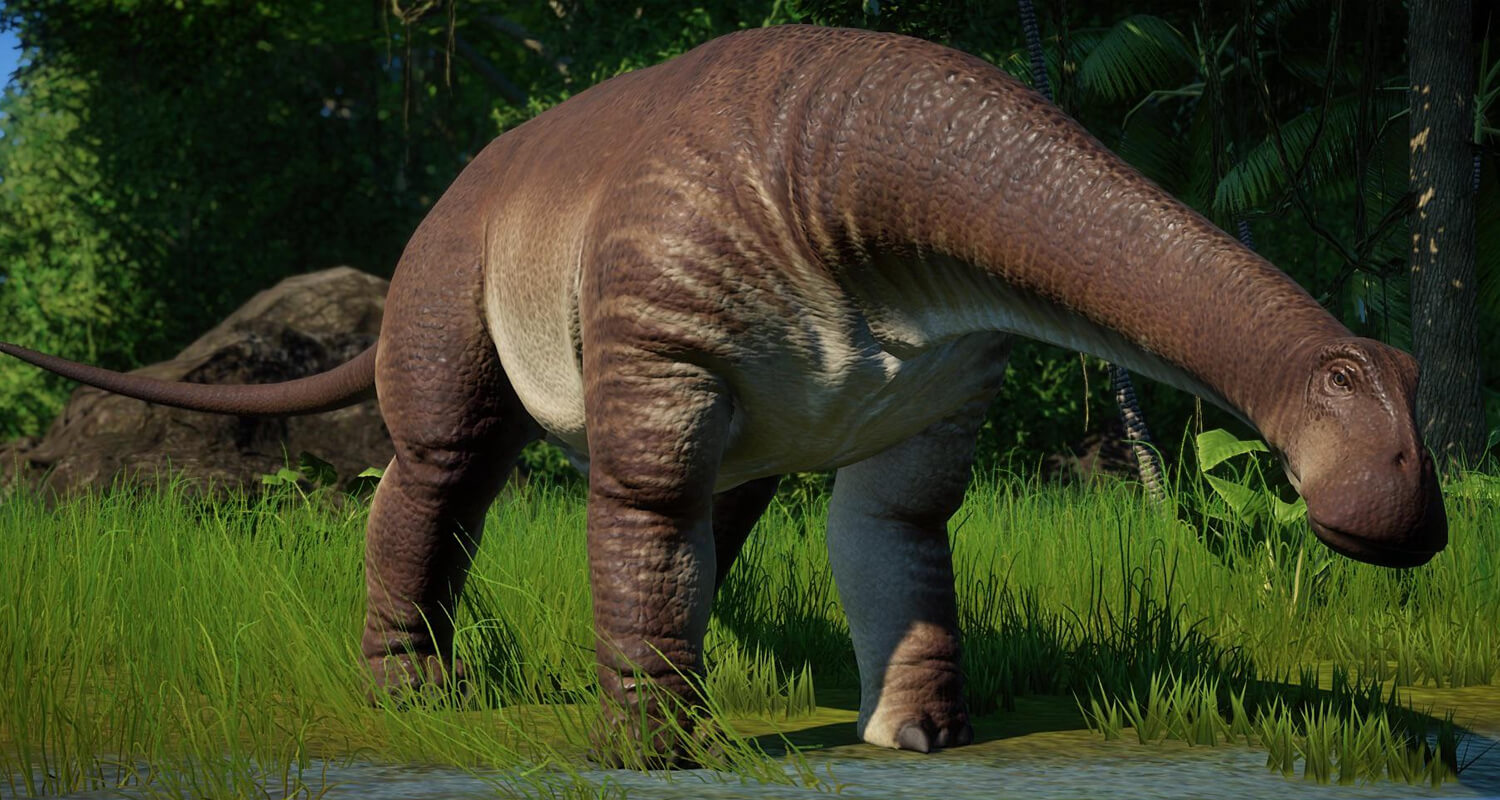 Dinosaurs have always fascinated us with their diversity and sheer scale. From the towering Tyrannosaurus Rex to the swift Velociraptor, these prehistoric giants have captured our imaginations for centuries. Among the numerous species, one stands out for its unique dental arrangement: Nigersaurus. This dinosaur, often referred to as the "dinosaur with 500 teeth," offers a remarkable glimpse into the adaptability and variety of dinosaur life. This article delves into the discovery, anatomy, lifestyle, and significance of Nigersaurus, a truly extraordinary dinosaur.
Discovery of the Dinosaur with 500 Teeth
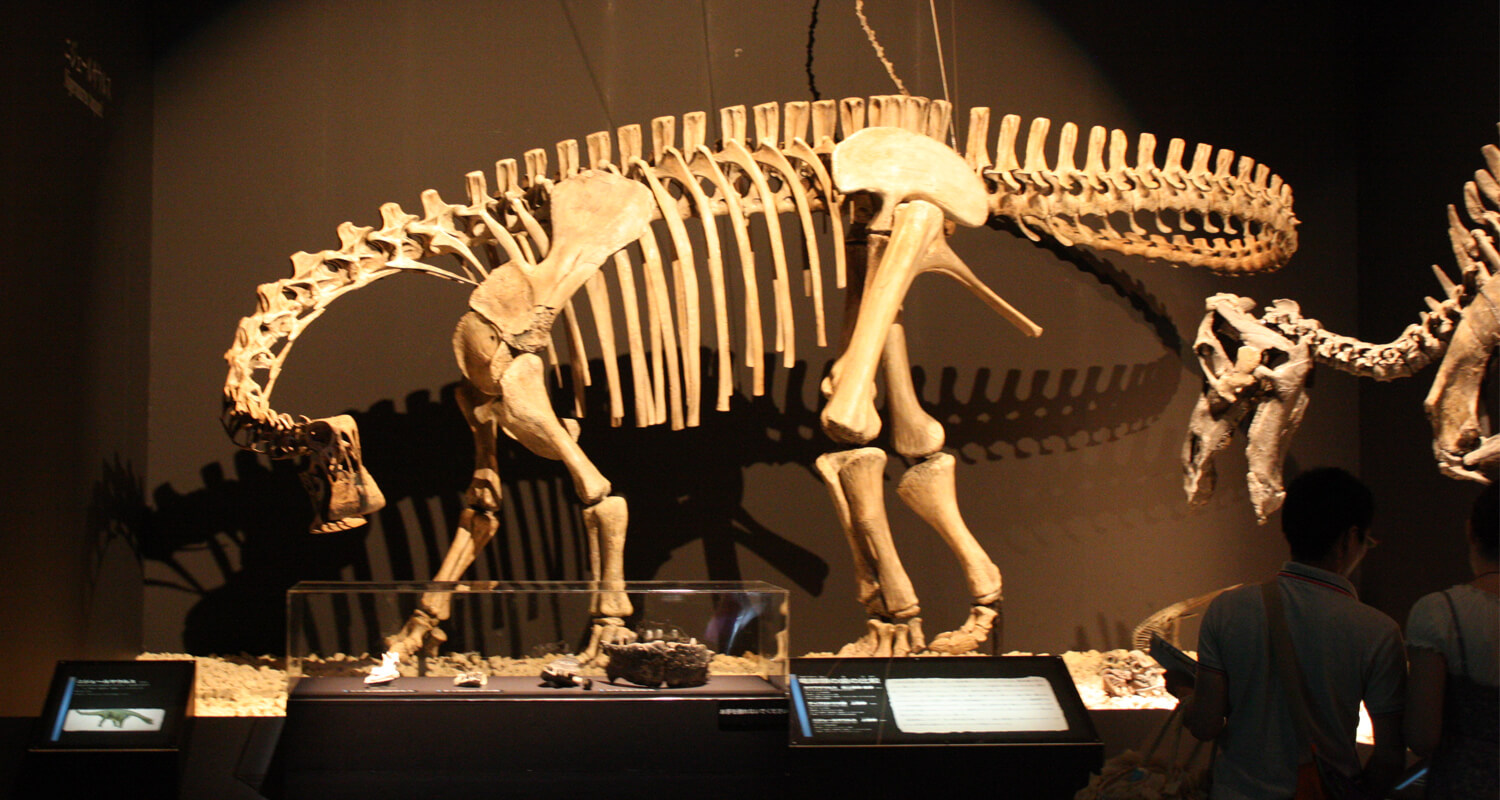 The story of Nigersaurus begins in the heart of Africa. In 1976, French paleontologist Philippe Taquet discovered the first fossils of this remarkable dinosaur in the Elrhaz Formation of the Sahara Desert, in what is now Niger. However, it wasn't until the late 1990s that a more complete picture of Nigersaurus emerged, thanks to the efforts of American paleontologist Paul Sereno and his team. They uncovered more fossils, including a well-preserved skull that revealed the dinosaur's unique dental structure.
Anatomy of the Dinosaur with 500 Teeth
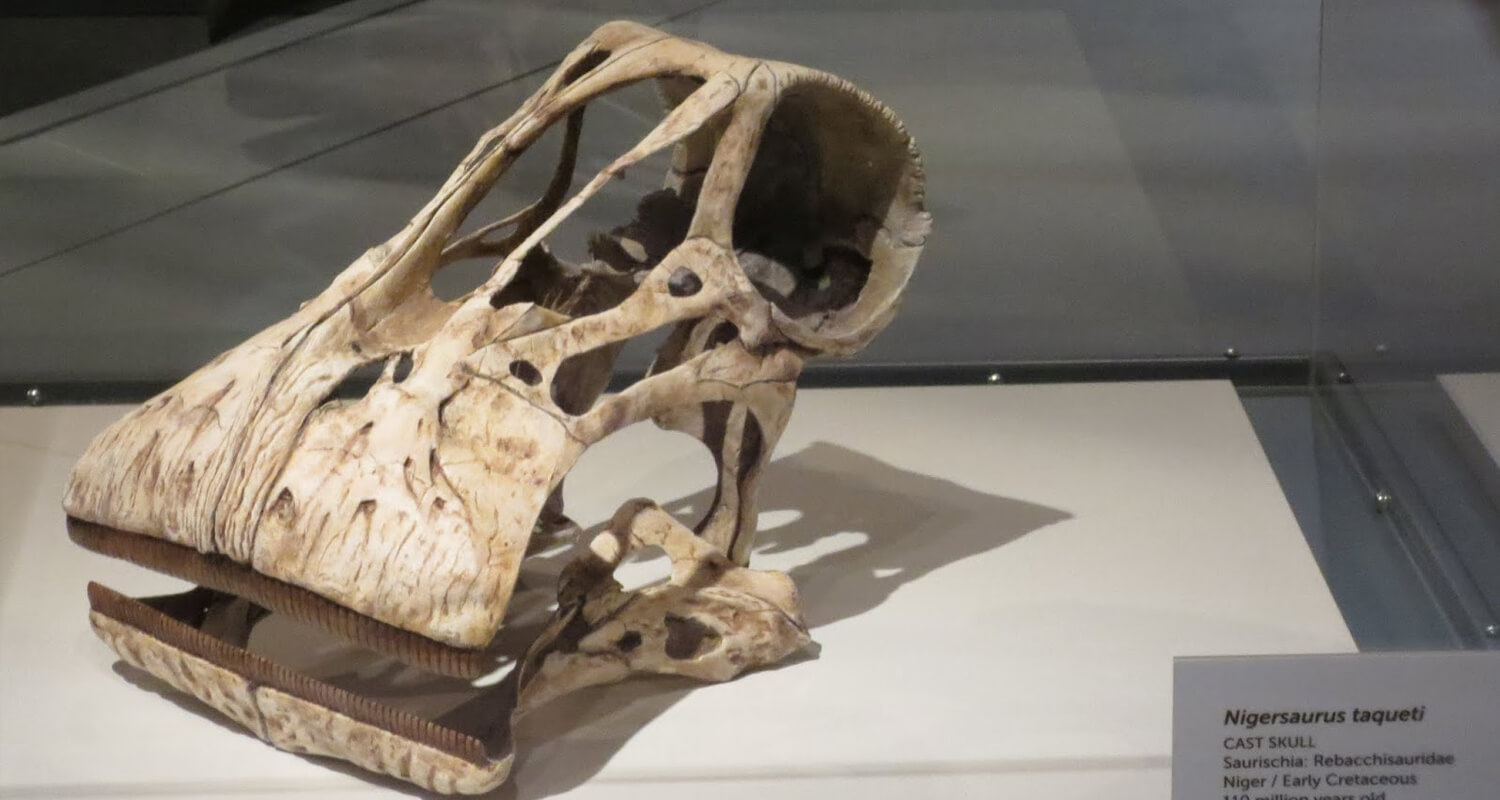 Skull and Teeth
The most distinctive feature of Nigersaurus is undoubtedly its teeth. Unlike most dinosaurs, Nigersaurus had a wide, flat snout lined with rows of teeth—approximately 500 in total. These teeth were arranged in a unique manner: they were packed tightly together in a formation known as dental batteries, which allowed for efficient grazing. The teeth were constantly replaced, with new teeth growing every 14 days to ensure they remained sharp and effective for feeding.
Body Structure
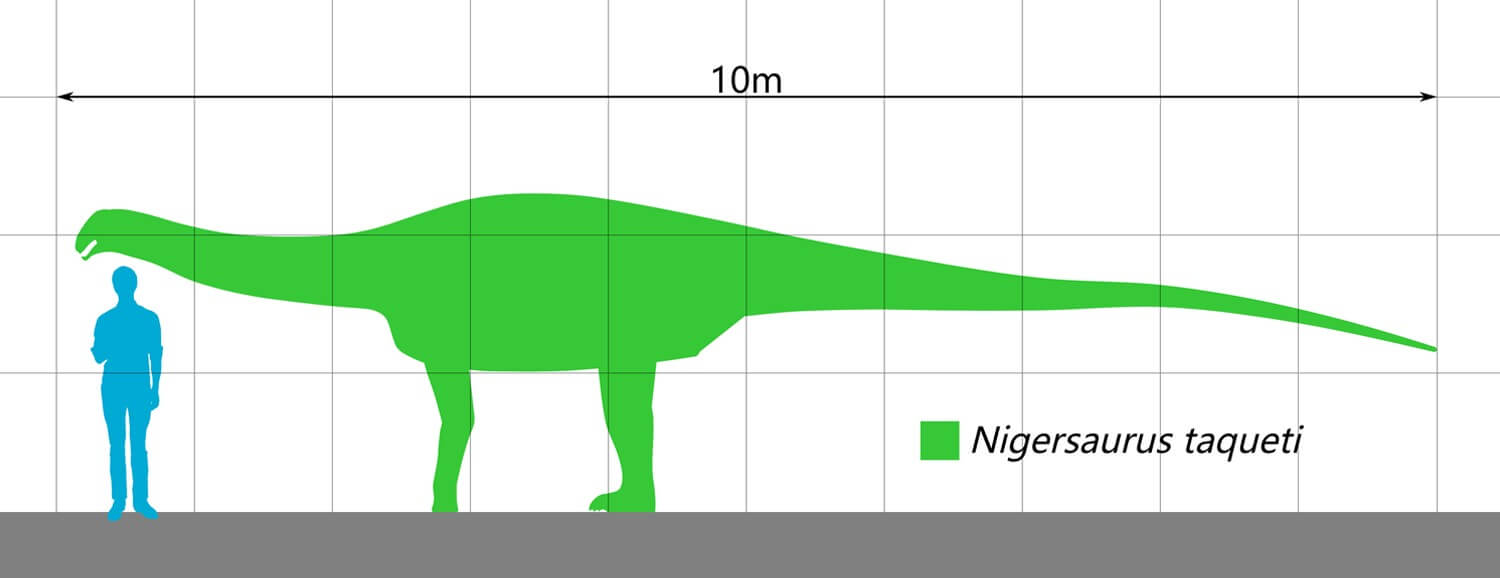
Nigersaurus was a medium-sized sauropod, measuring about 9 meters (30 feet) in length and weighing around 4 tons. Its body structure was relatively lightweight compared to other sauropods, with a short neck and a small head. The limbs were robust, supporting its large body, while the tail provided balance. The vertebrae in its neck were filled with air sacs, making it lighter and more flexible, which was crucial for its feeding strategy.
Lifestyle and Habitat
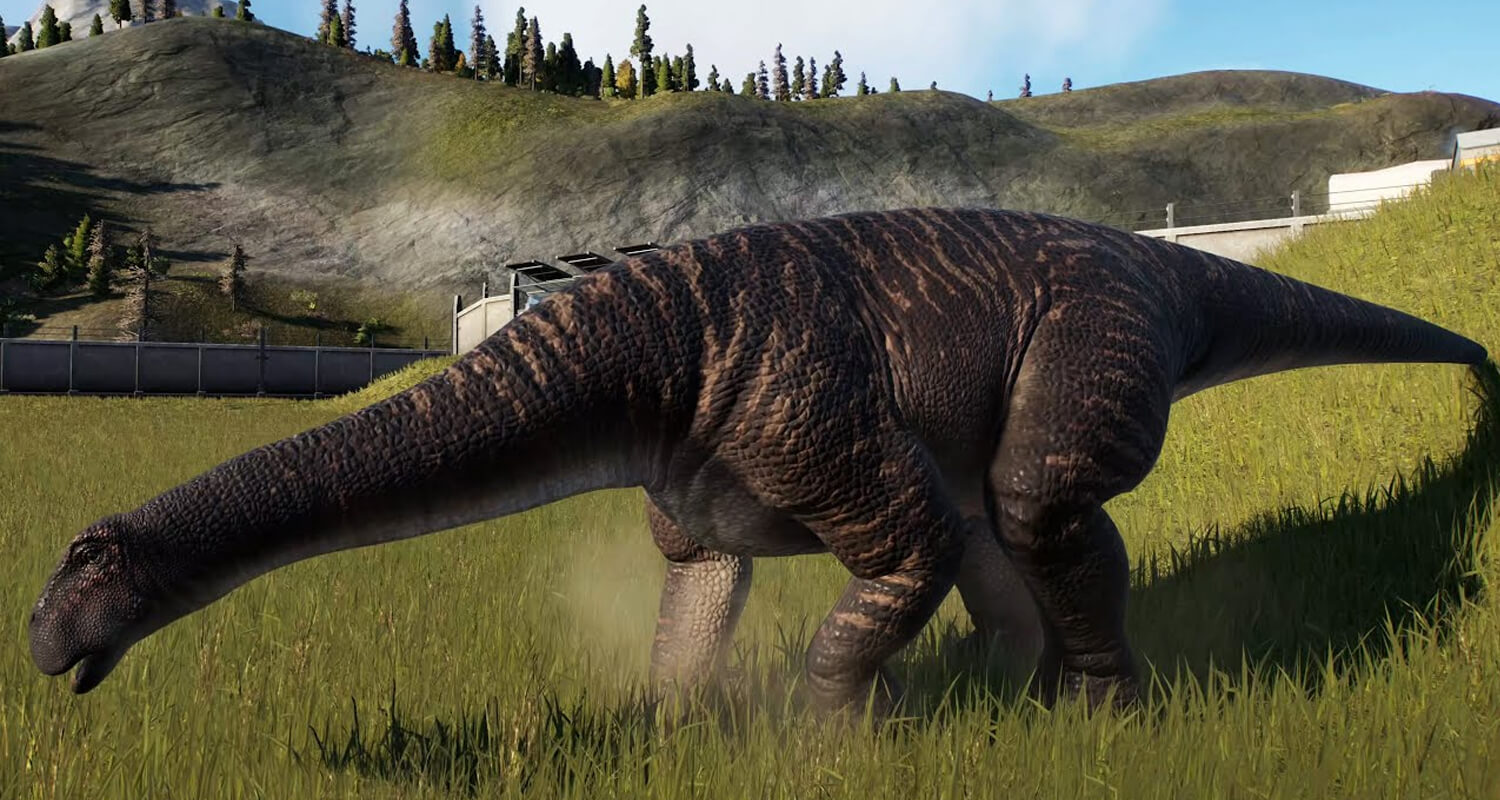
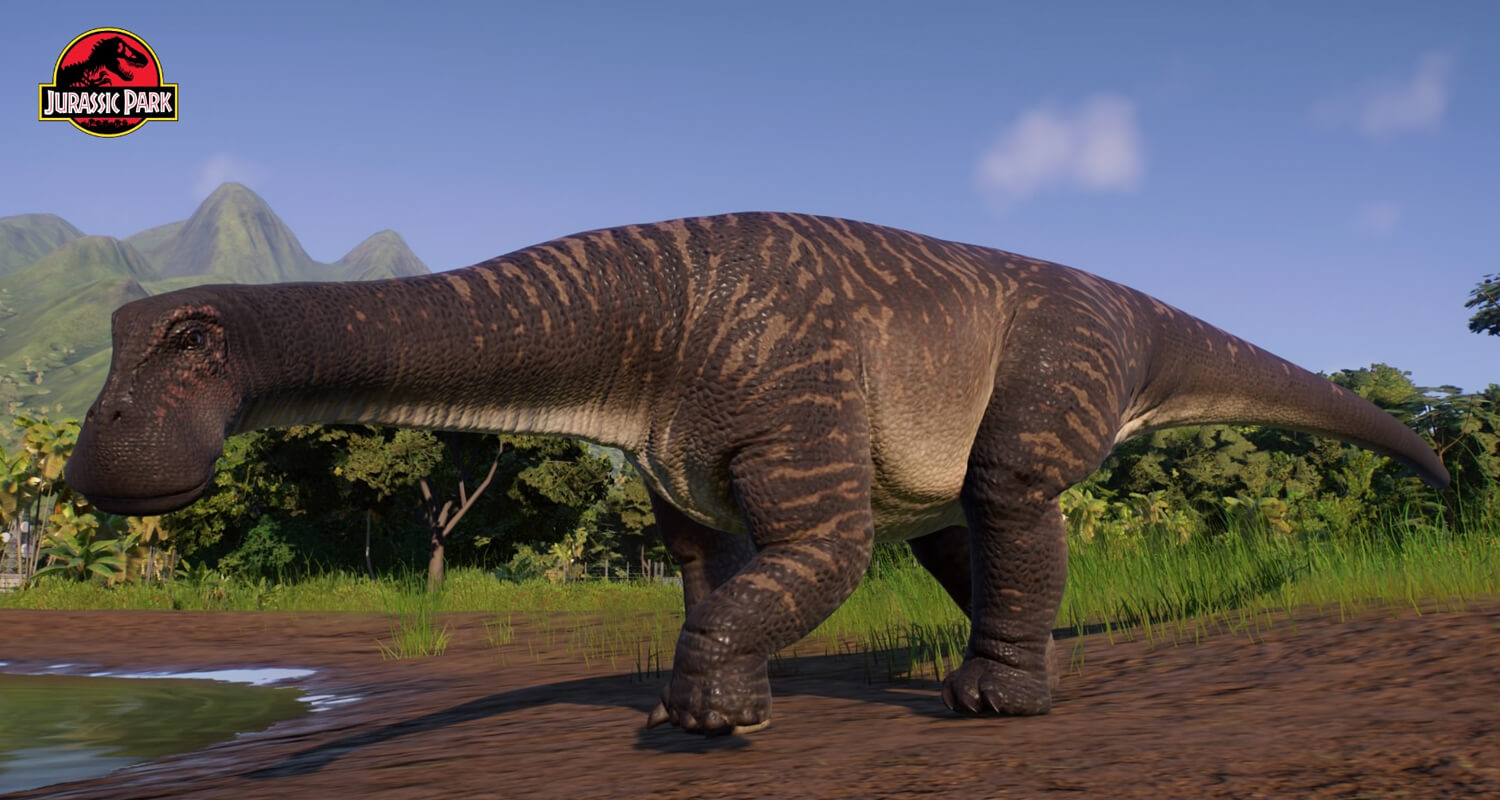 Nigersaurus lived approximately 115 to 105 million years ago during the mid-Cretaceous period. Its fossils have been found in regions that were once lush floodplains, indicating it inhabited areas with abundant vegetation. The unique dental arrangement of Nigersaurus suggests it was a specialized feeder, primarily grazing on low-lying plants. Its wide, flat snout was well-adapted for cropping vegetation close to the ground, similar to modern-day cows or bison.
Feeding Habits
 Diet
Diet
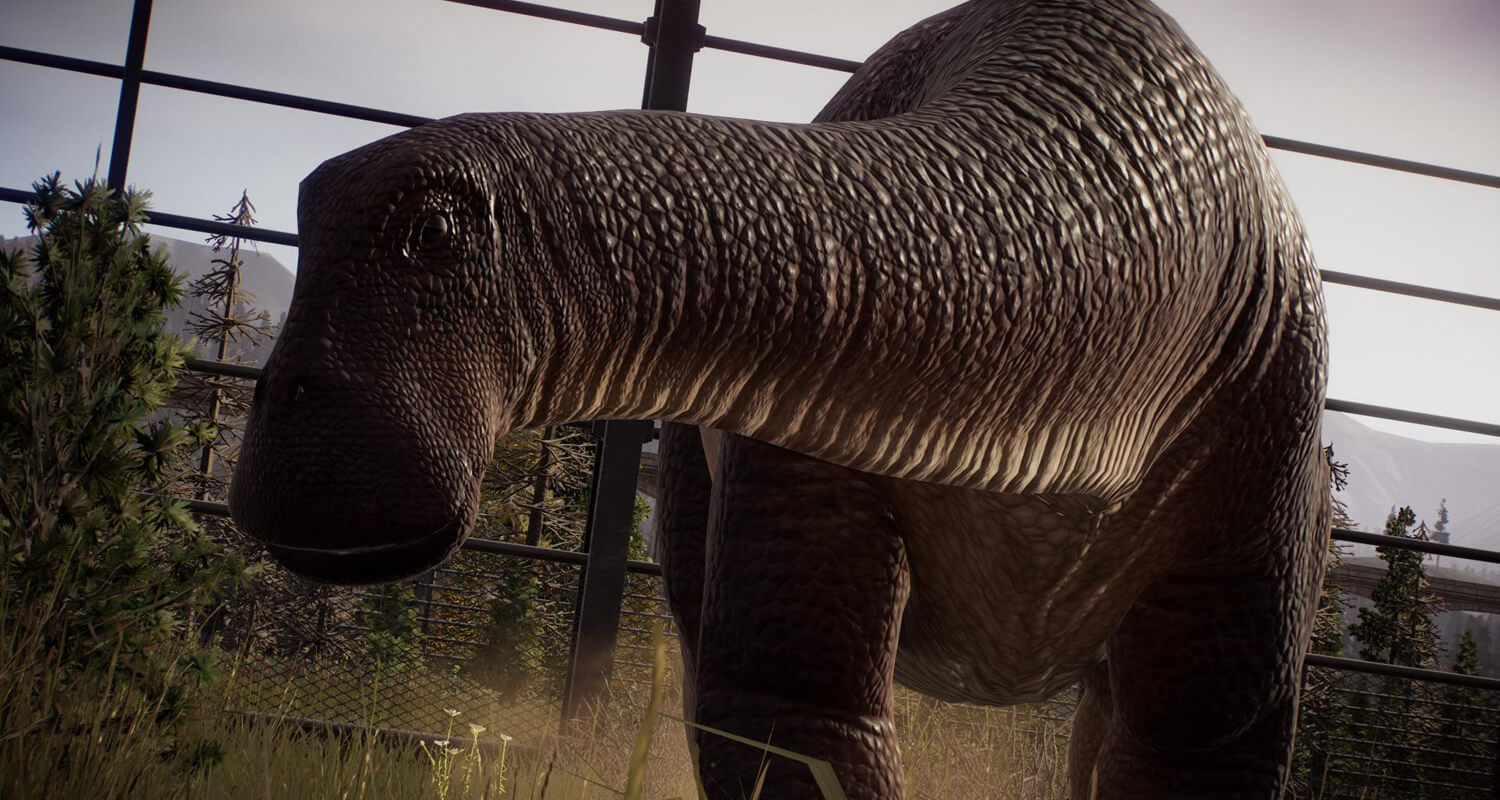
Nigersaurus's diet likely consisted of ferns, horsetails, and other soft plants that were abundant in its habitat. The dental batteries allowed it to process large quantities of vegetation efficiently, a necessity for sustaining its large body size. The continuous replacement of teeth ensured that Nigersaurus could maintain its feeding efficiency throughout its life.
Feeding Mechanism
The feeding mechanism of Nigersaurus was quite advanced. The combination of its wide, flat snout and dense dental batteries allowed it to graze over large areas quickly. Its skull was adapted to withstand the wear and tear of constant feeding, with strong jaw muscles and a reinforced structure to handle the repetitive motion of cropping plants.
Significance of Nigersaurus
 Nigersaurus provides valuable insights into the diversity of dinosaur life and their evolutionary adaptations. Its unique dental arrangement is a prime example of how dinosaurs evolved to exploit different ecological niches. The discovery of Nigersaurus also highlights the importance of paleontological research in Africa, a continent that has yielded numerous significant dinosaur fossils yet remains relatively unexplored compared to North America and Asia.
FAQs of the Dinosaur with 500 Teeth
 Why is Nigersaurus called the "dinosaur with 500 teeth"?
Nigersaurus is often referred to as the "dinosaur with 500 teeth" due to its unique dental batteries, which contained approximately 500 tightly packed teeth that were constantly replaced throughout its life.
How did Nigersaurus feed?
Nigersaurus used its wide, flat snout and dense dental batteries to graze over large areas of vegetation quickly. Its skull was adapted to handle the repetitive motion of cropping plants, with strong jaw muscles and a reinforced structure.
How to Pronounce Nigersaurus?
The name "Nigersaurus" is pronounced as "nee-zhayr-sore-us." The pronunciation emphasizes the French pronunciation of "Niger," reflecting the country of its discovery.
Is the Nigersaurus Real?
Yes, the Nigersaurus is a real dinosaur. Its existence is supported by numerous fossil discoveries and extensive research conducted by paleontologists. The Nigersaurus was first described in the 1970s, and subsequent fossil finds have provided a comprehensive understanding of its unique anatomy and lifestyle.
Conclusion
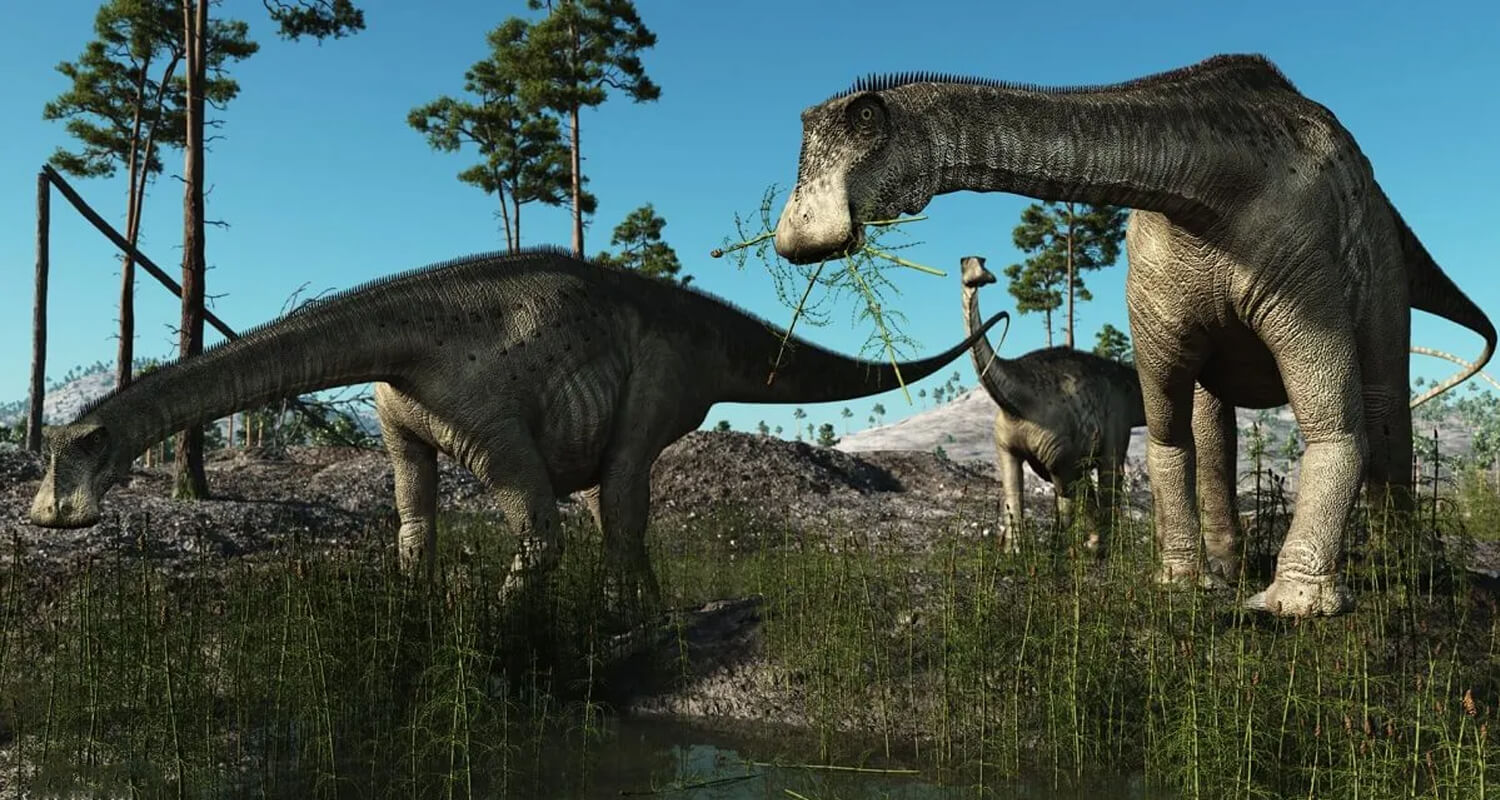 Nigersaurus stands out as one of the most unique dinosaurs ever discovered. Its 500 teeth and specialized feeding habits offer a fascinating glimpse into the adaptability and diversity of dinosaur life. The discovery of Nigersaurus underscores the importance of continued paleontological research, especially in regions like Africa that hold untapped potential for uncovering the secrets of our planet's prehistoric past. As we learn more about dinosaurs like Nigersaurus, we gain a deeper understanding of the complex ecosystems that once thrived on Earth, enriching our knowledge of natural history and evolution.
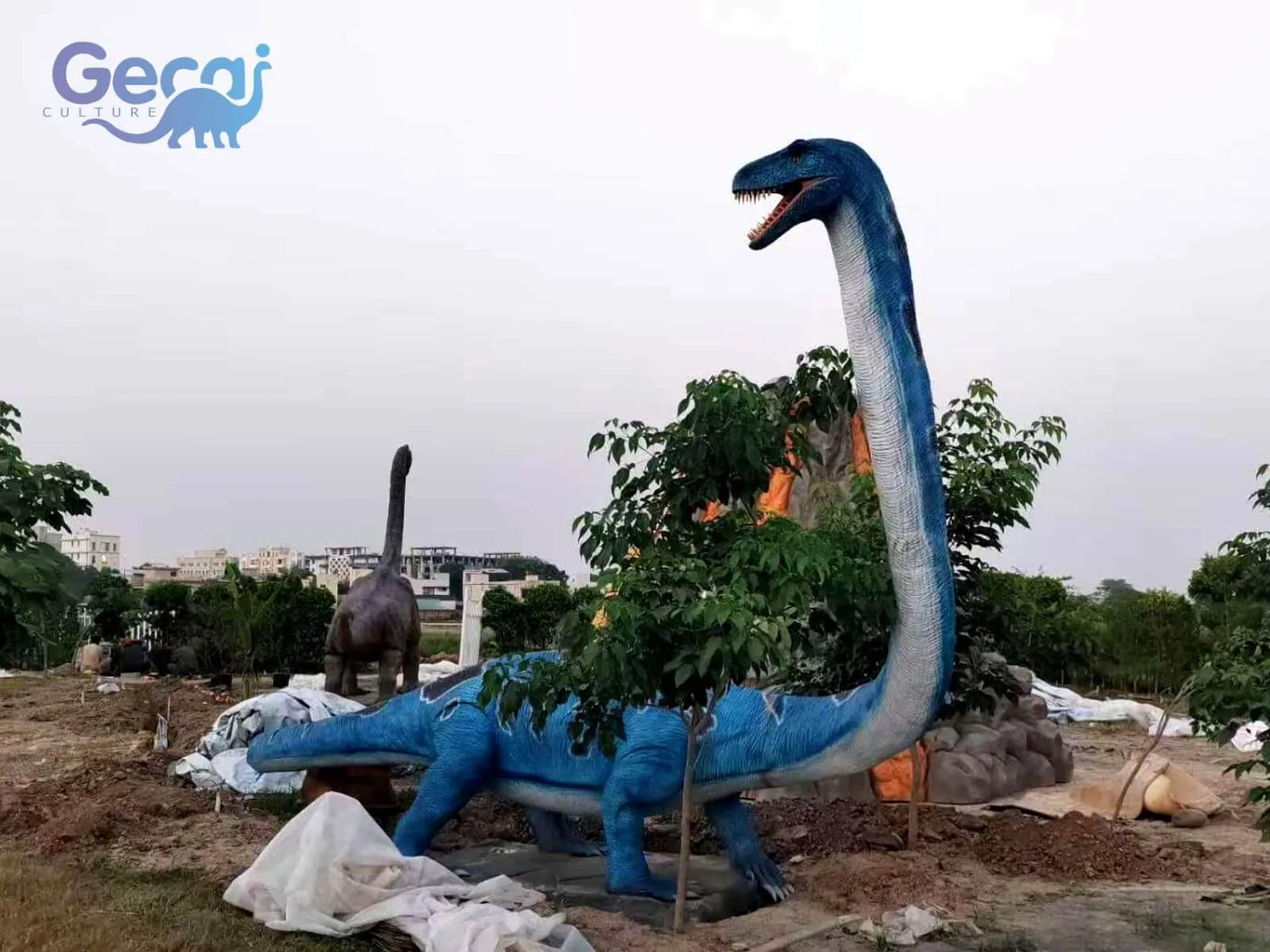
With our animatronic dinosaur model, you can now witness this remarkable dinosaur in action, bringing the past to life in vivid detail. Whether you're a museum curator, theme park manager, or event organizer, our dinosaur model offers an unparalleled opportunity to engage and educate audiences about one of the most fascinating creatures to ever walk the Earth.
Tags:
- Keine Daten verfügbar