Über uns
Gecai Culture steht an vorderster Front, wenn es darum geht, die Vergangenheit durch unsere hochmodernen animatronischen Dinosaurier, bezaubernde animatronische Kreaturen, lebendige chinesische Festivallaternen und maßgeschneiderte Produkte zum Leben zu erwecken. Als professioneller Hersteller im Herzen Chinas hegen wir eine tief verwurzelte Leidenschaft dafür, unsere lebensechten Dinosaurier und Tiere in Museen, Ausstellungen, Zoos, Parks und darüber hinaus zu präsentieren, um Menschen jeden Alters eine Flamme der Neugier und des Lernens zu entfachen.
Holen Sie sich ein kostenloses Angebot
Dinosaurier-Wissen
Dinosaurier und antike Pflanzen: Wie Dinosaurier die Evolution der Flora prägten
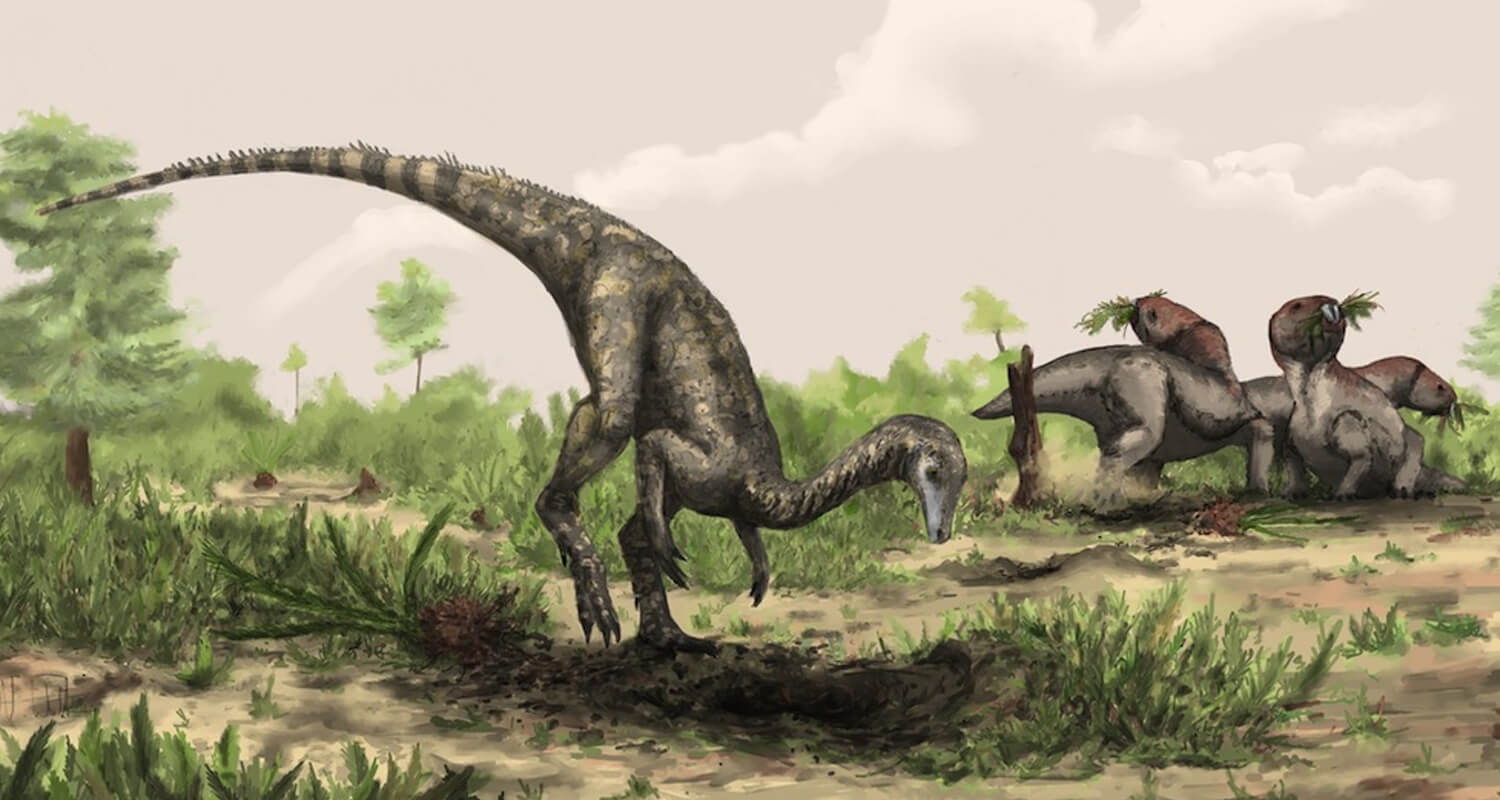 The relationship between dinosaurs and plants during the Mesozoic era (roughly 252 to 66 million years ago) is one of the most fascinating aspects of prehistoric life. Dinosaurs didn't just roam the Earth; they actively shaped the evolution of plants, influencing the development of entire ecosystems. From grazing herbivores munching on vast expanses of vegetation to the rise of flowering plants, dinosaurs played a crucial role in driving the diversity and evolution of flora. In this article, we will explore how dinosaurs shaped the evolution of plants and the ecosystems they inhabited.
The Mesozoic Era: A Time of Great Change
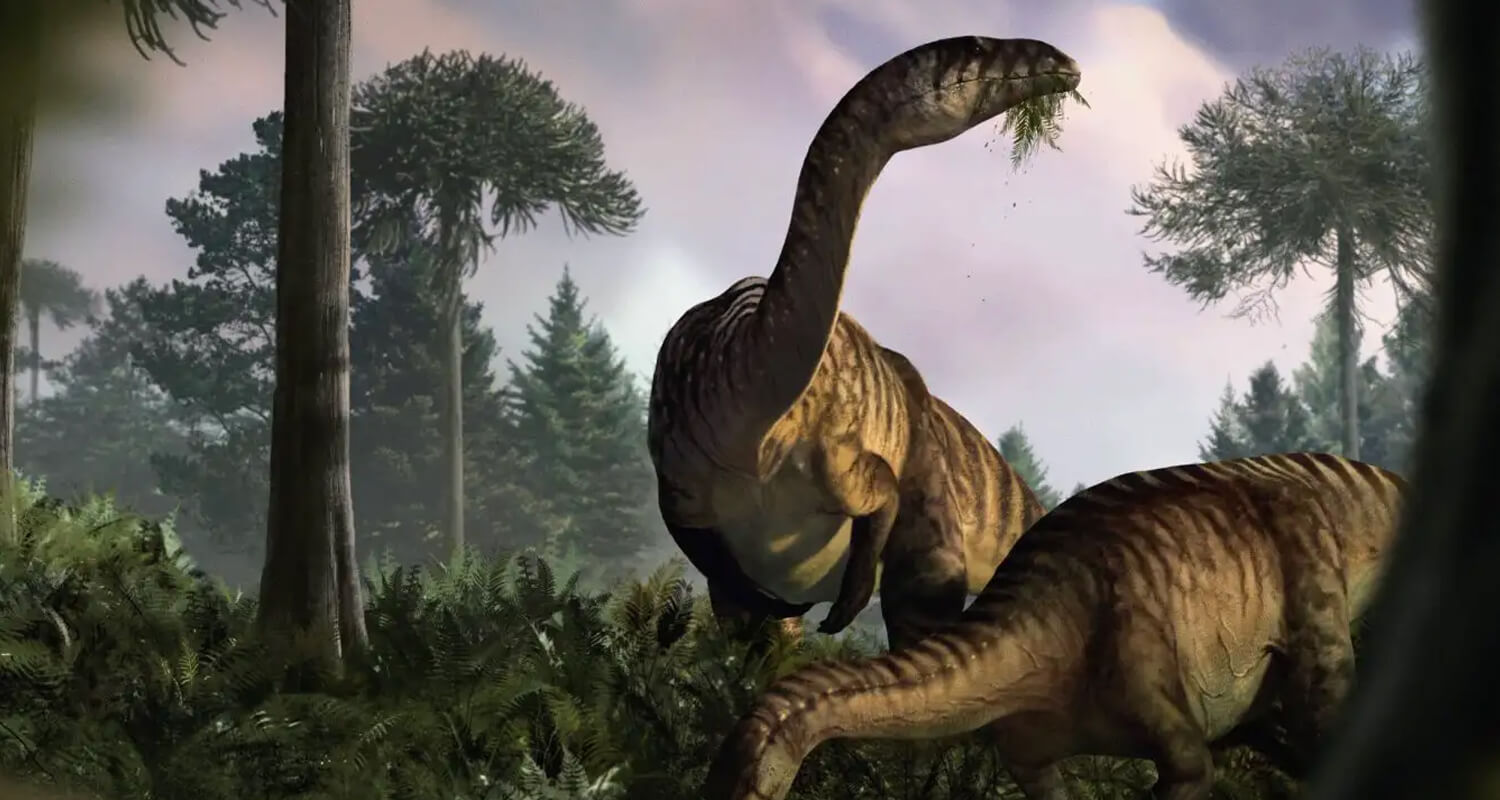 The Mesozoic era, often referred to as the "Age of Dinosaurs," spanned three geological periods: the Triassic, Jurassic, and Cretaceous. This was a time of monumental change, not just for dinosaurs but also for the plants that coexisted with them. The early Mesozoic was dominated by gymnosperms (non-flowering plants such as conifers, cycads, and ginkgos), but by the Cretaceous period, flowering plants (angiosperms) began to emerge.
During this time, dinosaurs and plants engaged in a complex, symbiotic relationship. Dinosaurs influenced plant evolution through their feeding behaviors, while plants developed new strategies to cope with the challenges posed by these giant herbivores. This interplay between dinosaurs and plants led to the diversification of plant species and the creation of ecosystems that were teeming with life.
Early Plant Life: The Rise of Gymnosperms
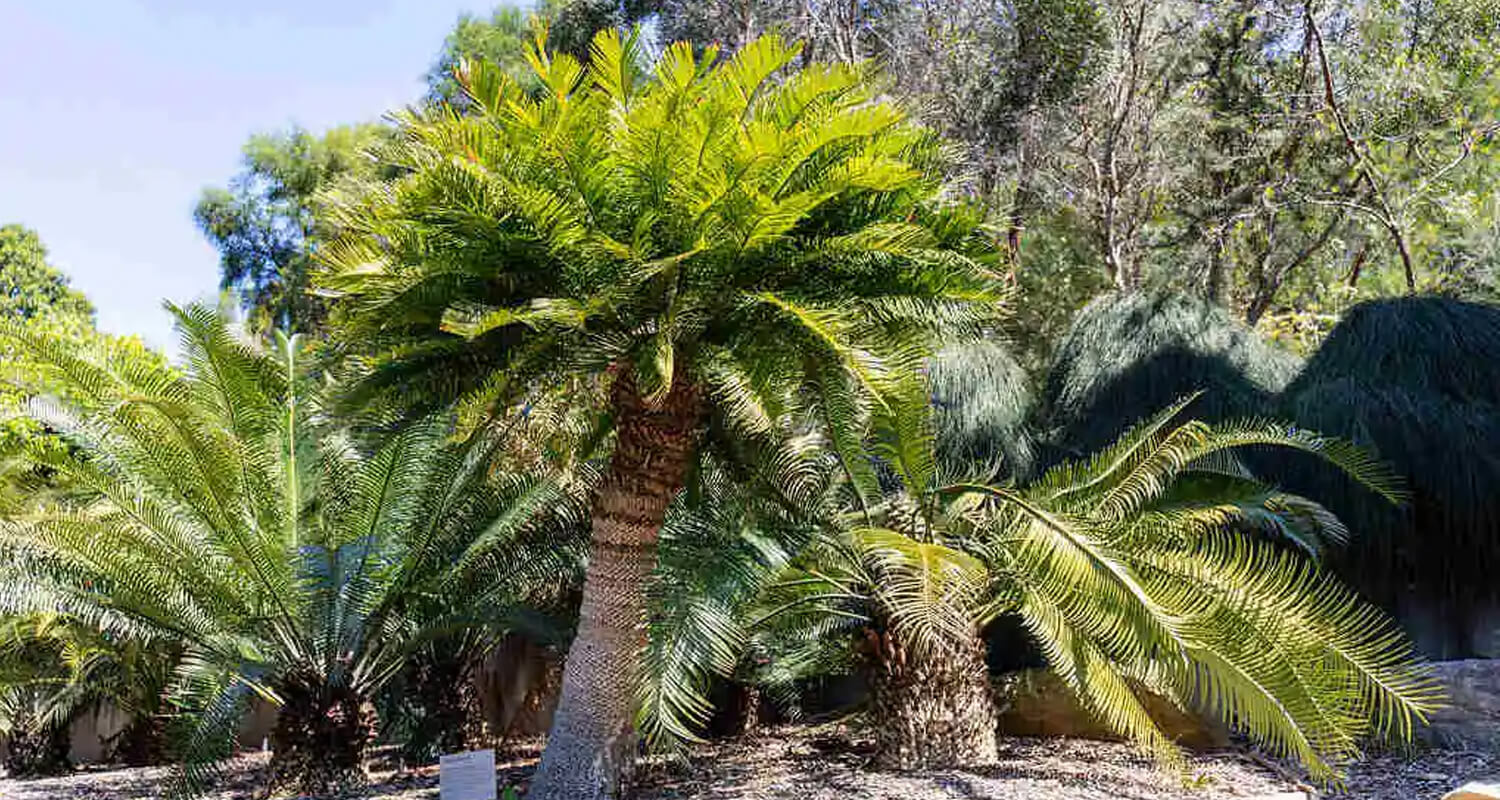
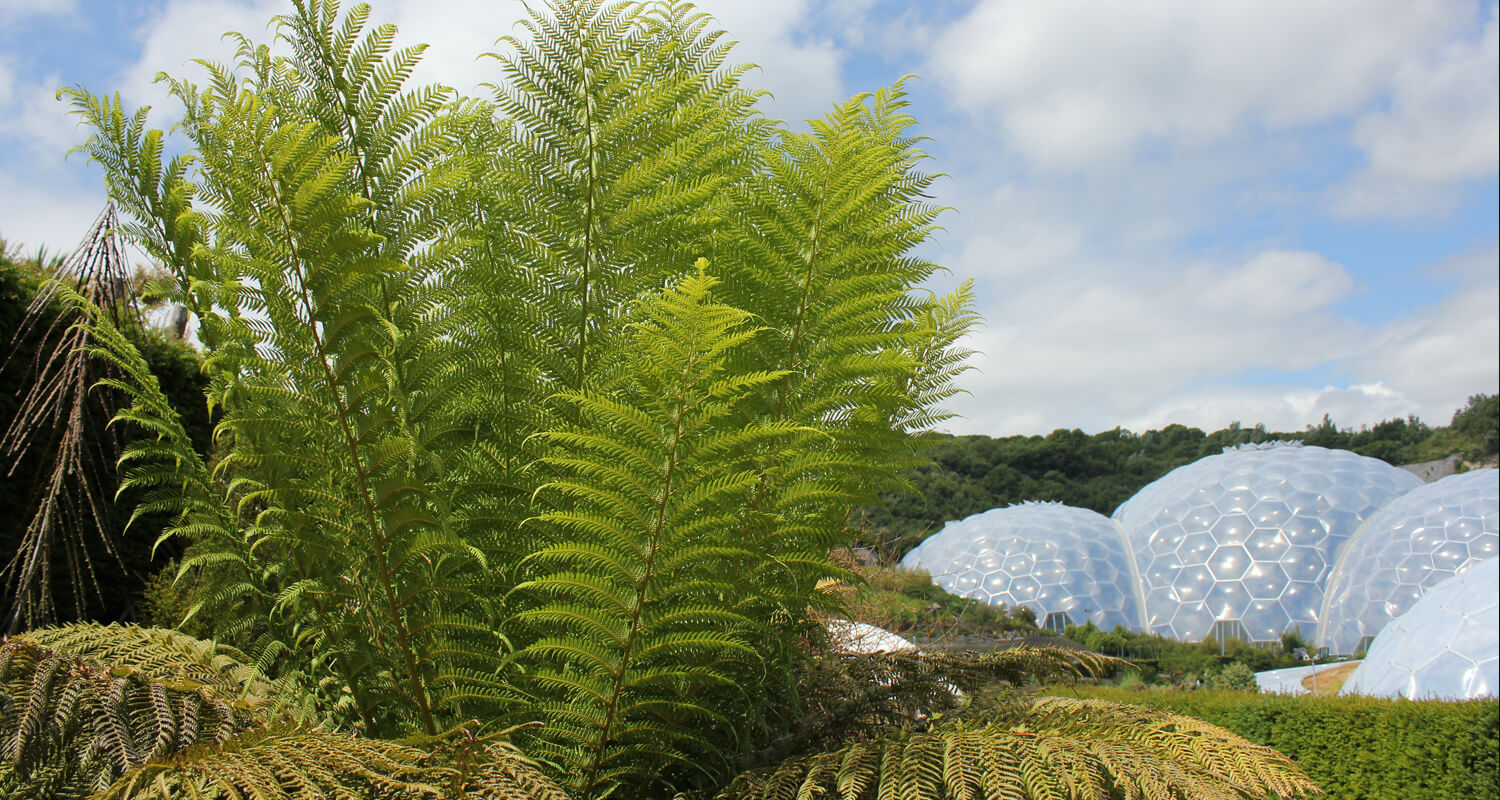 In the early stages of the Mesozoic era, gymnosperms were the dominant form of plant life. These plants, including conifers, cycads, and ginkgos, evolved well before flowering plants and flourished throughout the Triassic and Jurassic periods. They were the primary food source for many of the early herbivorous dinosaurs.
Co-evolution of Dinosaurs and Gymnosperms
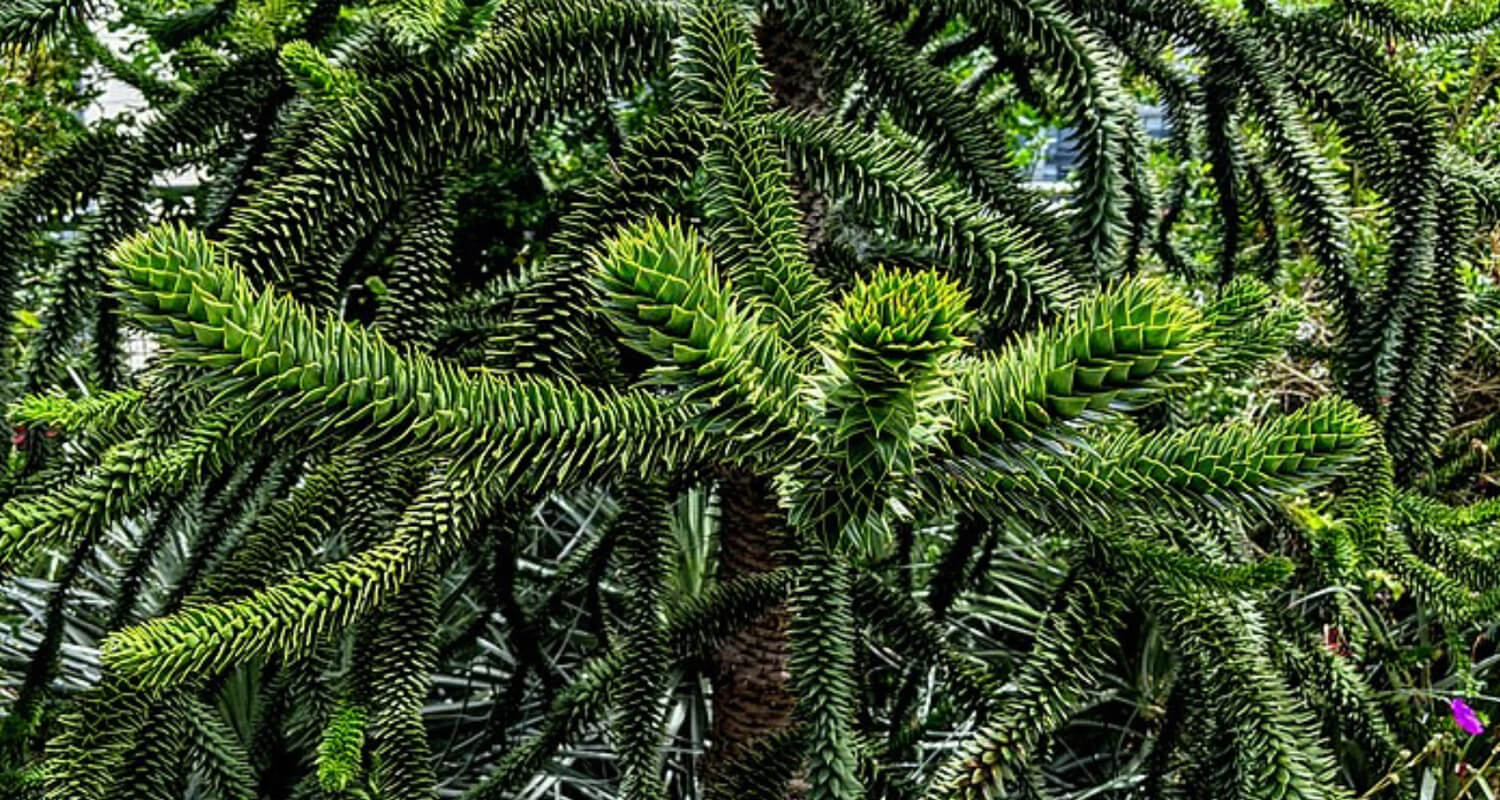
As herbivorous dinosaurs began to feed on gymnosperms, these plants faced new challenges. To survive, they developed various defenses, such as thick, tough leaves and spiny structures, to deter grazing dinosaurs. Some plants also developed seeds within cones, making it more difficult for herbivores to consume the reproductive structures.
The grazing behavior of early herbivores, such as the Plateosaurus and early sauropods, likely prompted many gymnosperms to evolve hard-to-eat features. In turn, these defensive traits may have driven further diversification in plant species, as plants adapted to the pressures exerted by herbivory.
The Influence of Herbivorous Dinosaurs on Plant Evolution
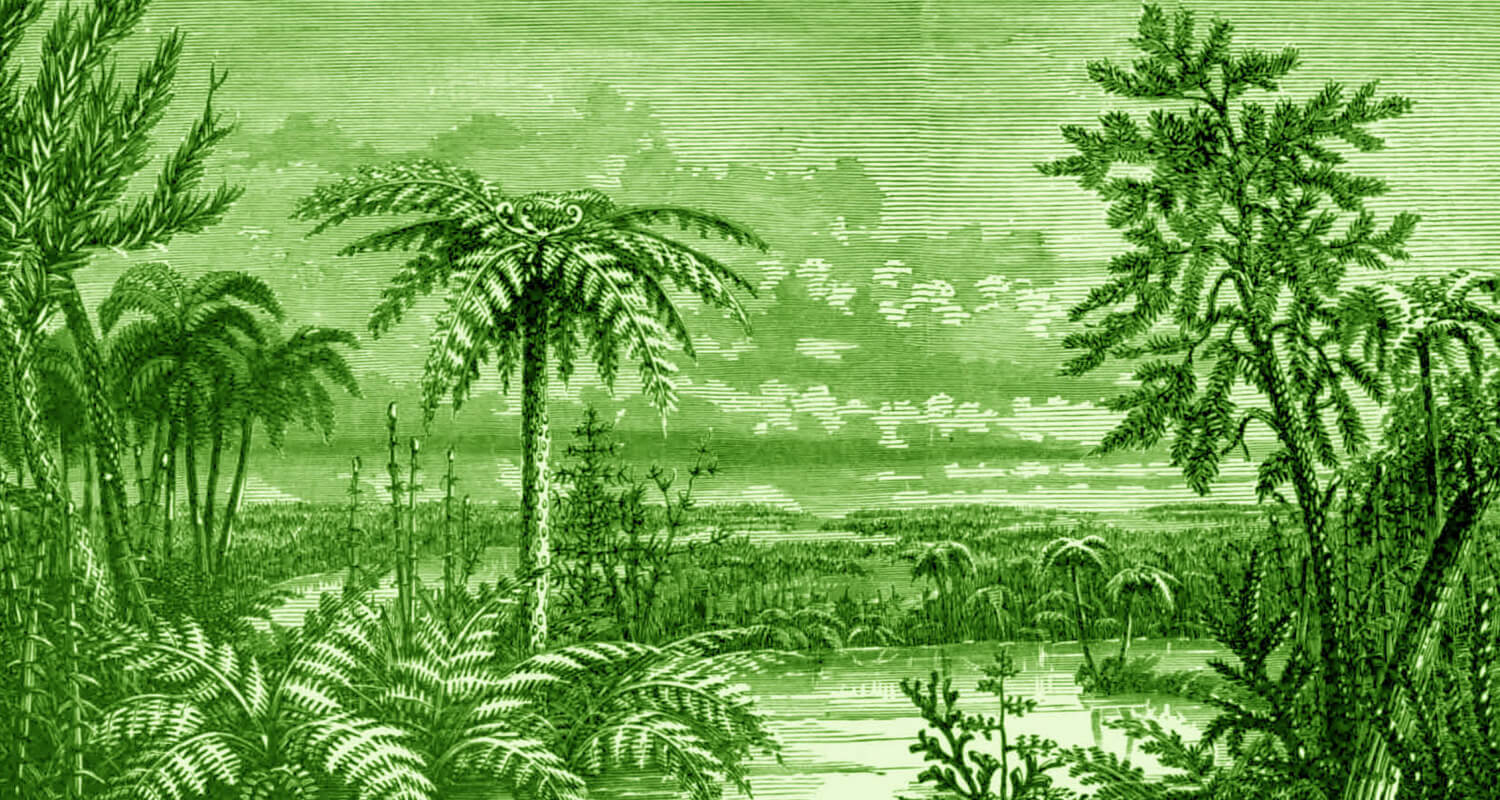 Herbivorous dinosaurs had a profound impact on the evolution of plants. As these dinosaurs evolved to exploit various food sources, they exerted significant pressure on plants to develop defenses. The behaviors of plant-eating dinosaurs also led to changes in plant distributions and community structures.
Feeding Behavior and Defensive Adaptations
Large herbivores like the Brachiosaurus and Triceratops often consumed vast quantities of vegetation, including cycads and conifers. This constant grazing likely caused plants to evolve physical defenses such as tough, fibrous leaves, spikes, and toxic chemicals. For instance, some plants developed toxic compounds like alkaloids or resin to deter herbivores from feeding on them.
In response, herbivores also evolved specialized feeding adaptations. Sauropods, with their long necks, were able to reach the tops of tall trees, where they could feed on high-growing vegetation that other herbivores couldn't access. This led to the diversification of plants that were adapted for different feeding strategies, with some plants growing taller to avoid being eaten by smaller herbivores.
Impact on Plant Diversity
Herbivores not only influenced the defense mechanisms of plants but also helped to drive their diversification. Through the selective feeding of certain plant species, herbivores indirectly promoted the spread and success of plants that were better adapted to their diets. The presence of large herbivores likely encouraged the growth of a wider variety of plants, which led to the development of complex and diverse ecosystems.
The Rise of Angiosperms: Dinosaurs and Flowering Plants
 By the late Jurassic and Cretaceous periods, the first flowering plants, or angiosperms, began to emerge. This marked a significant shift in plant evolution, and the development of angiosperms was closely tied to the behavior and evolution of dinosaurs.
Emergence of Angiosperms
The rise of angiosperms represented a fundamental shift in plant reproductive strategies. Unlike gymnosperms, which rely on wind for pollination, many angiosperms were pollinated by animals, including dinosaurs. These plants developed flowers that were colorful and fragrant, designed to attract herbivores and, potentially, dinosaurs. Some of these plants also produced fruit, which herbivorous dinosaurs consumed, helping to disperse seeds and spread the plants across different regions.
Pollination and Seed Dispersal
Although direct evidence of dinosaurs acting as pollinators is limited, some studies suggest that dinosaurs may have helped in the dispersal of seeds. For example, certain dinosaurs might have eaten the fruit of early angiosperms, unknowingly carrying seeds away from the parent plant. As they traveled across vast distances, they likely deposited these seeds, contributing to the spread and diversification of flowering plants.
The Impact of Carnivorous Dinosaurs on Plant Evolution
 While herbivorous dinosaurs directly influenced plant life through grazing behaviors, carnivores also played a role in shaping plant evolution indirectly.
Predator-Prey Dynamics
The presence of carnivorous dinosaurs had a significant impact on the behavior of herbivores, which in turn affected plant consumption and growth. Large carnivores, such as Tyrannosaurus rex and Allosaurus, kept herbivore populations in check, preventing overgrazing of certain plant species. This predator-prey dynamic helped to maintain a balanced ecosystem, ensuring that no one plant species dominated the landscape.
Effects on Herbivore Behavior
Predators likely forced herbivores to alter their feeding strategies and behaviors. For example, herbivorous dinosaurs may have grazed in different areas or times of day to avoid predators. These shifts in behavior would have had a cascading effect on plant communities, influencing which plants were eaten and which were left to grow and reproduce.
Dinosaurs and Ecosystem Engineering
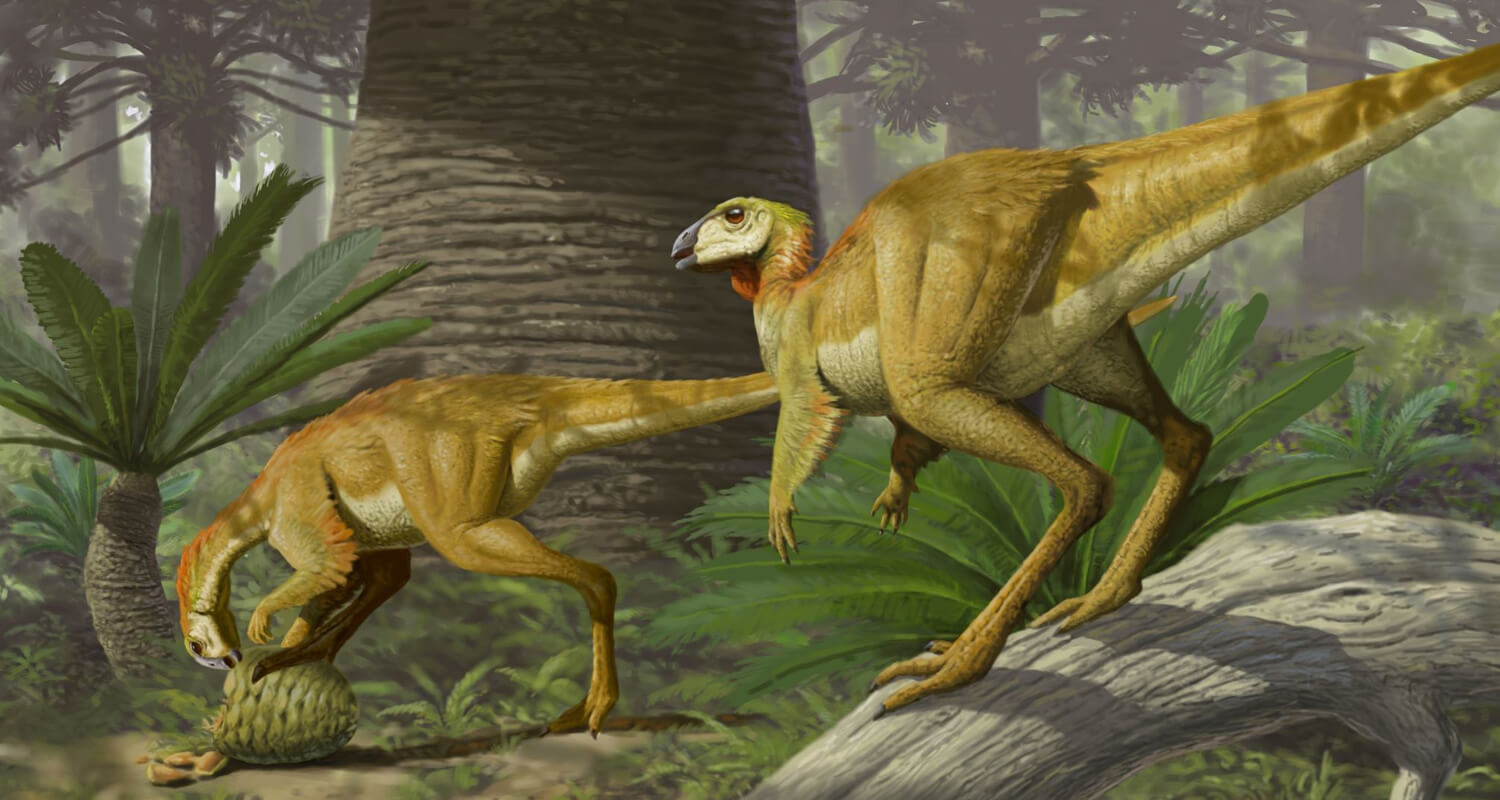 Beyond their direct impact on plant evolution, dinosaurs played a role in shaping entire ecosystems through their interactions with plants.
Seed Consumption and Dispersal
Many herbivorous dinosaurs likely consumed a wide variety of plants, including fruits and seeds. In doing so, they may have helped disperse plant seeds across vast distances. This behavior would have allowed plants to colonize new areas, increasing their geographic range and contributing to the overall diversification of plant life during the Mesozoic era.
Grazing and Plant Propagation
Grazing herbivores helped to propagate certain types of plants by trimming back vegetation, allowing new growth to emerge. This type of ecosystem engineering ensured that plant communities remained diverse and healthy. Some plants may have even benefited from being grazed, as it encouraged fresh growth and promoted seed production.
The Role of Dinosaur Migration
The movement of dinosaur herds across large territories likely contributed to the spread of plant species. As dinosaurs migrated, they would have interacted with a variety of plants in different regions, further enhancing the genetic diversity of plant populations.
Extinction of Dinosaurs and the Impact on Plant Life
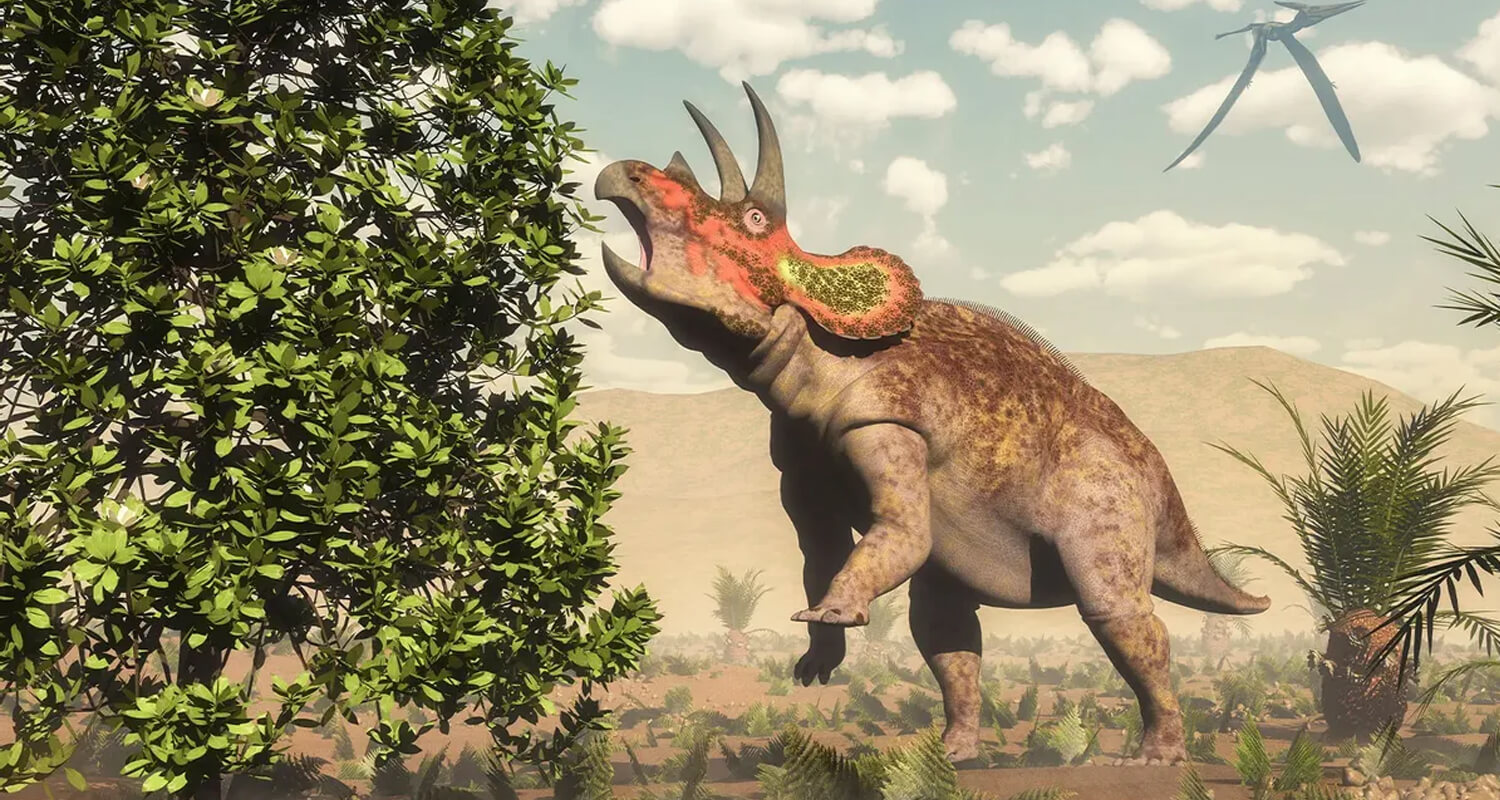 The mass extinction of dinosaurs at the end of the Cretaceous period had a profound impact on plant life. With the removal of large herbivores and the complex ecological interactions they facilitated, plant ecosystems underwent significant changes.
Post-Dinosaur Plant Evolution
After the extinction of dinosaurs, plants that had evolved in response to herbivory and dinosaur activity had to adapt to new pressures. Without the large herbivores to feed on them, some plant species thrived, while others struggled to survive in the new ecosystem.
Rise of Mammals and Changes in Plant Dynamics
With the extinction of dinosaurs, mammals took over many of the roles once filled by herbivores. This shift in ecosystem dynamics led to changes in plant distributions and the evolution of new plant species that were adapted to the grazing behaviors of mammals rather than dinosaurs.
The Legacy of Dinosaur-Driven Evolution
Despite the extinction of dinosaurs, many plant species retain evolutionary traits shaped by millions of years of interaction with these prehistoric giants. The influence of dinosaurs can still be seen in modern plants, especially in the diversity of flowering plants that began to proliferate during the Mesozoic era.
Conclusion
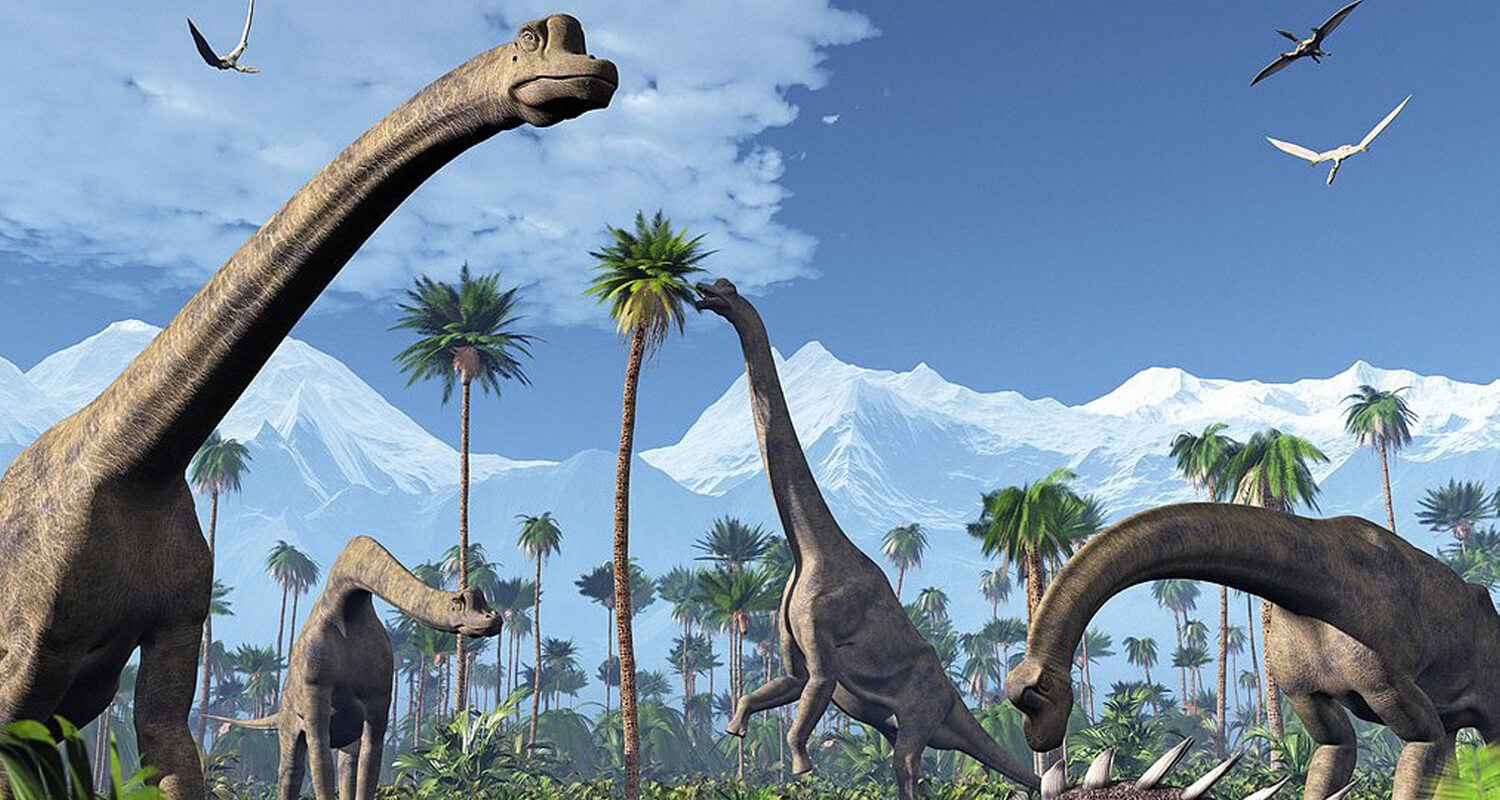 Dinosaurs and plants shared a dynamic and interdependent relationship that helped shape the ecosystems of the Mesozoic era. From the grazing habits of herbivorous dinosaurs to the rise of flowering plants, dinosaurs played an essential role in driving the evolution of flora. Even today, the legacy of this ancient relationship continues to influence plant life, with plants still retaining characteristics shaped by millions of years of co-evolution with dinosaurs.
Tags: