Über uns
Gecai Culture steht an vorderster Front, wenn es darum geht, die Vergangenheit durch unsere hochmodernen animatronischen Dinosaurier, bezaubernde animatronische Kreaturen, lebendige chinesische Festivallaternen und maßgeschneiderte Produkte zum Leben zu erwecken. Als professioneller Hersteller im Herzen Chinas hegen wir eine tief verwurzelte Leidenschaft dafür, unsere lebensechten Dinosaurier und Tiere in Museen, Ausstellungen, Zoos, Parks und darüber hinaus zu präsentieren, um Menschen jeden Alters eine Flamme der Neugier und des Lernens zu entfachen.
Holen Sie sich ein kostenloses Angebot
Dinosaurier-Wissen
Fliegende Dinosaurier: Meister des prähistorischen Himmels
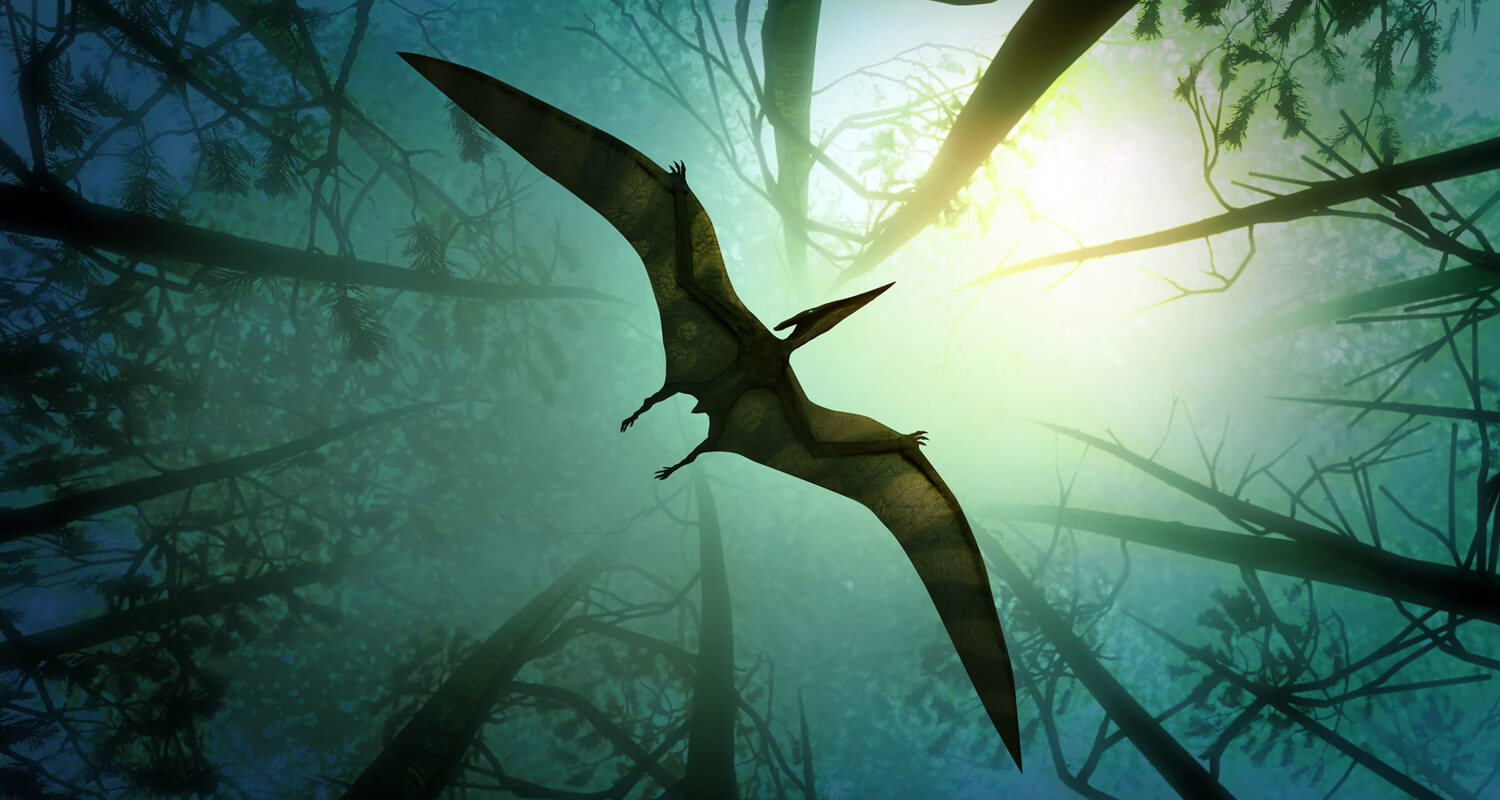 Flying dinosaurs, more accurately referred to as pterosaurs, were remarkable creatures that soared through the skies during the Mesozoic Era. These fascinating reptiles, distinct from both dinosaurs and modern birds, represent one of the most extraordinary adaptations to life in prehistoric times.
Base Info About Flying Dinosaurs
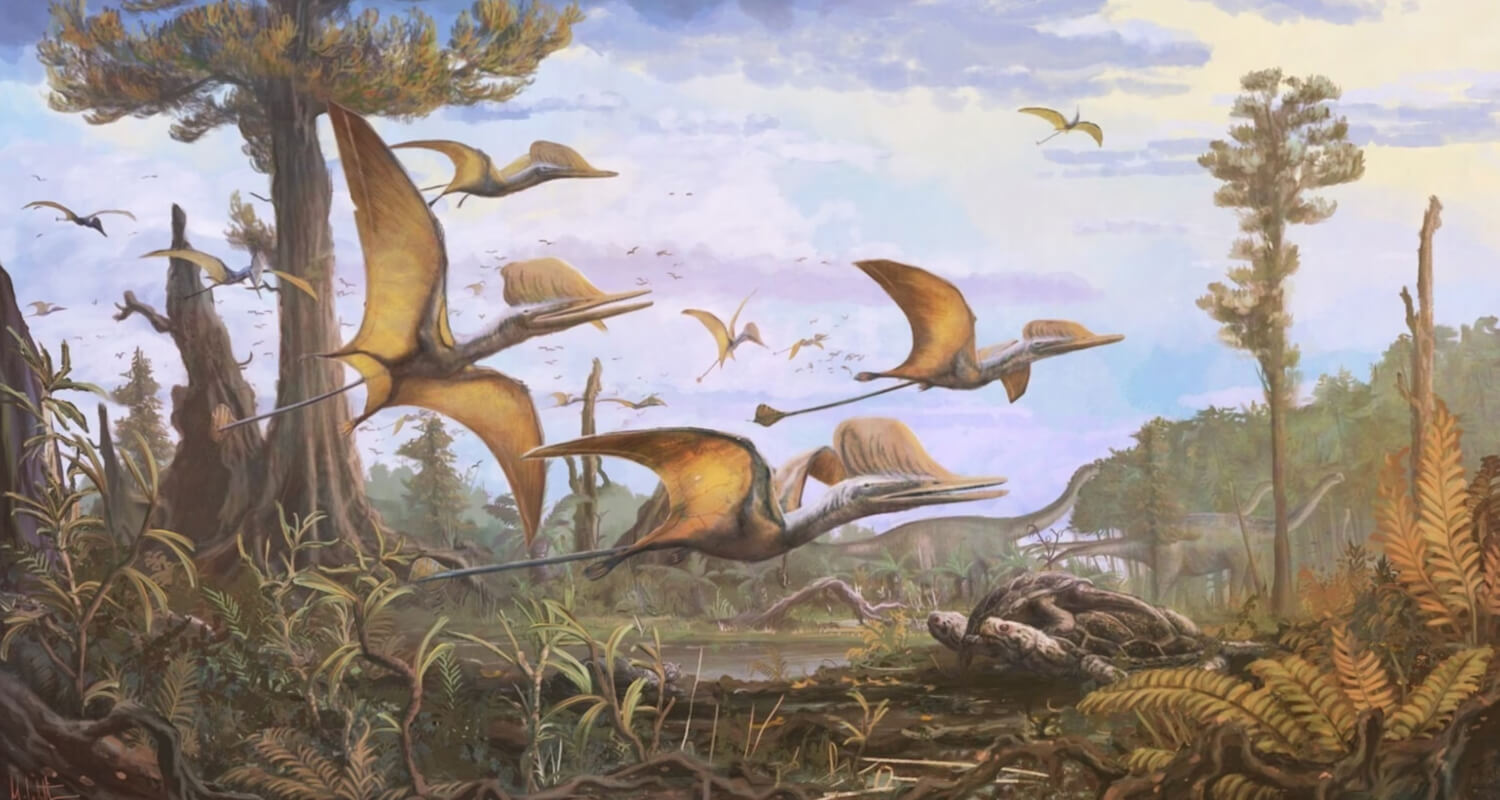 Pterosaurs were a group of flying reptiles that lived from the late Triassic to the end of the Cretaceous period, approximately 228 to 66 million years ago. Unlike birds, which evolved from theropod dinosaurs, pterosaurs were a separate branch of the archosaur family, which also includes crocodiles and dinosaurs. Their unique wing structure, formed by a membrane of skin, muscle, and other tissues extending from their elongated fourth finger to their hind limbs, enabled them to achieve powered flight. Pterosaurs had hollow bones, reducing their weight, and strong flight muscles, allowing for impressive aerial agility and endurance.
Types of Flying Dinosaurs
Pterosaurs exhibited a remarkable diversity in size, shape, and lifestyle, with different species adapting to various ecological niches.
Dimorphodon
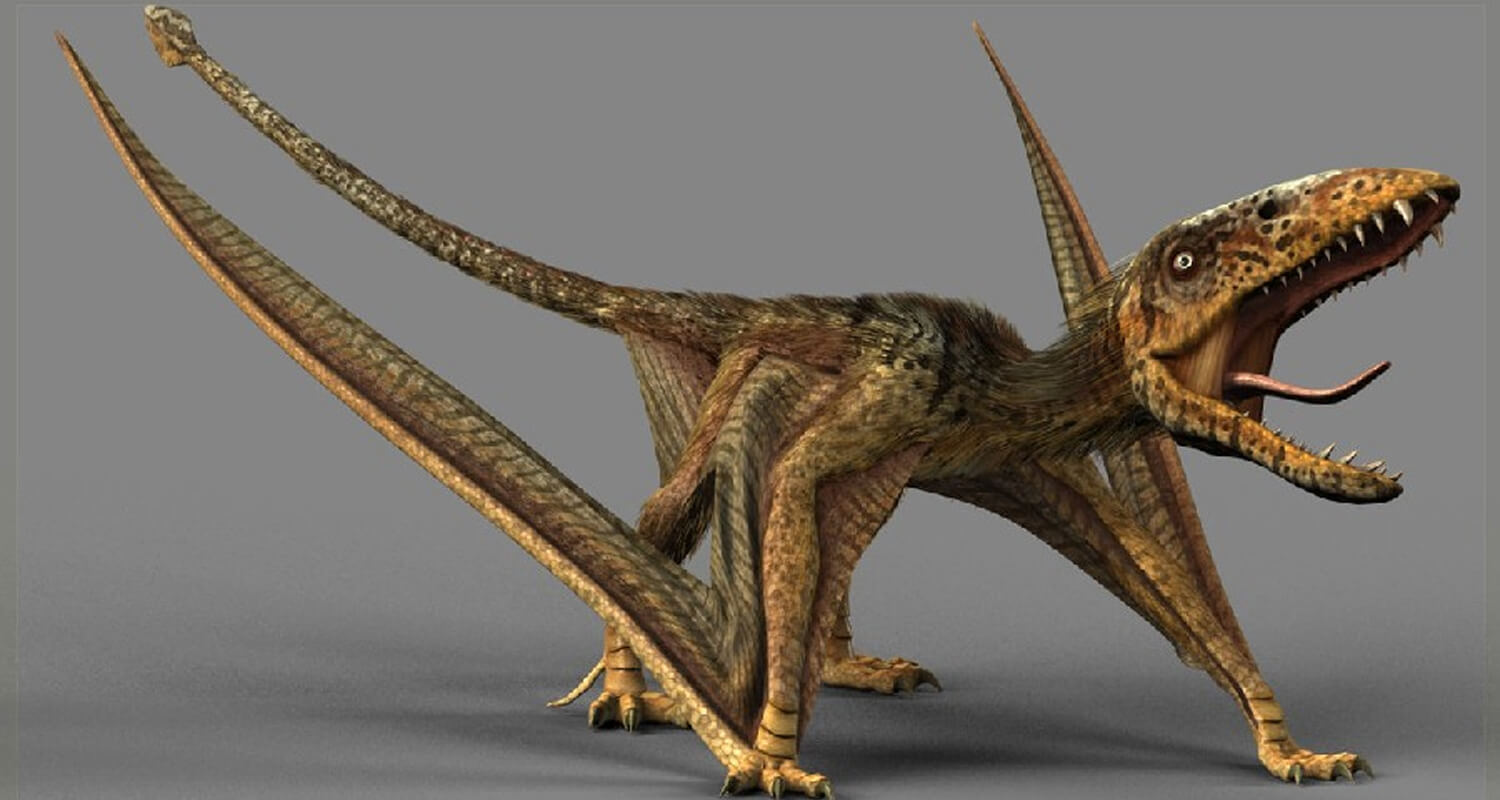
Size: About 1.5 meters (5 feet) wingspan
Weight: Around 0.5 kilograms (1 pound)
Time Period: Early Jurassic (approximately 200 million years ago)
Dimorphodon was a small pterosaur known for its distinctive, two-form tooth arrangement; its name means "two-form tooth." It had a broad, rounded snout with a pair of prominent, forward-facing teeth in the upper jaw and smaller teeth in the lower jaw. Its wings were relatively short and broad, making it a better flier in dense forests than in open skies. This pterosaur had a robust, deep body and a relatively short tail.
Pteranodon
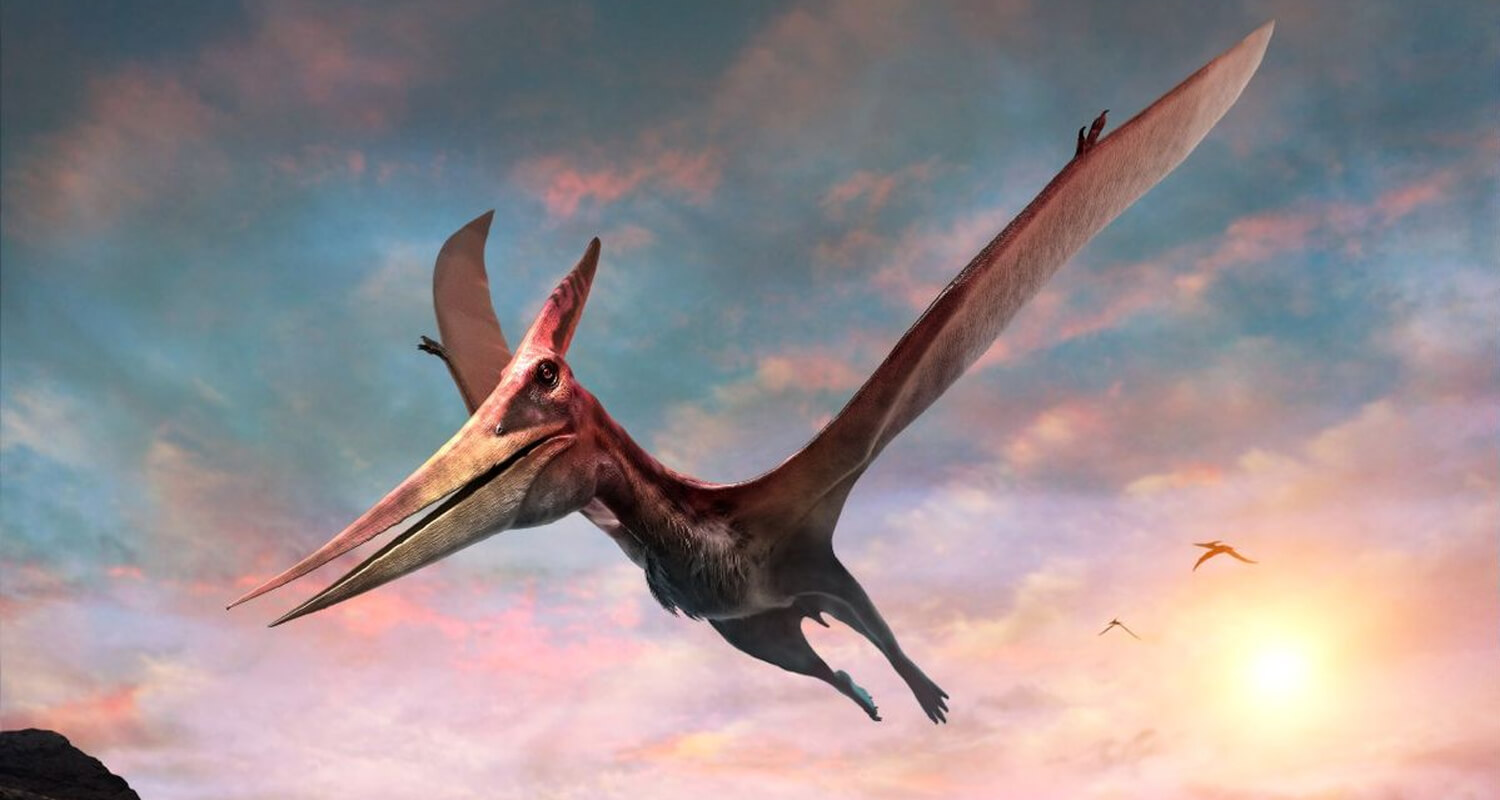
Size: Wingspan ranged from 4.5 to 10 meters (15 to 33 feet), depending on the species
Weight: Approximately 15 to 50 kilograms (33 to 110 pounds)
Time Period: Late Cretaceous (around 70 to 100 million years ago)
Pteranodon was one of the largest pterosaurs with an impressive wingspan and a distinctive, elongate cranial crest. Its long, slender wings and lightweight body made it an adept flyer, possibly soaring over oceans and inland areas. It had a toothless beak and was likely a fish-eater, using its large wings and strong muscles to catch prey in flight.
Quetzalcoatlus
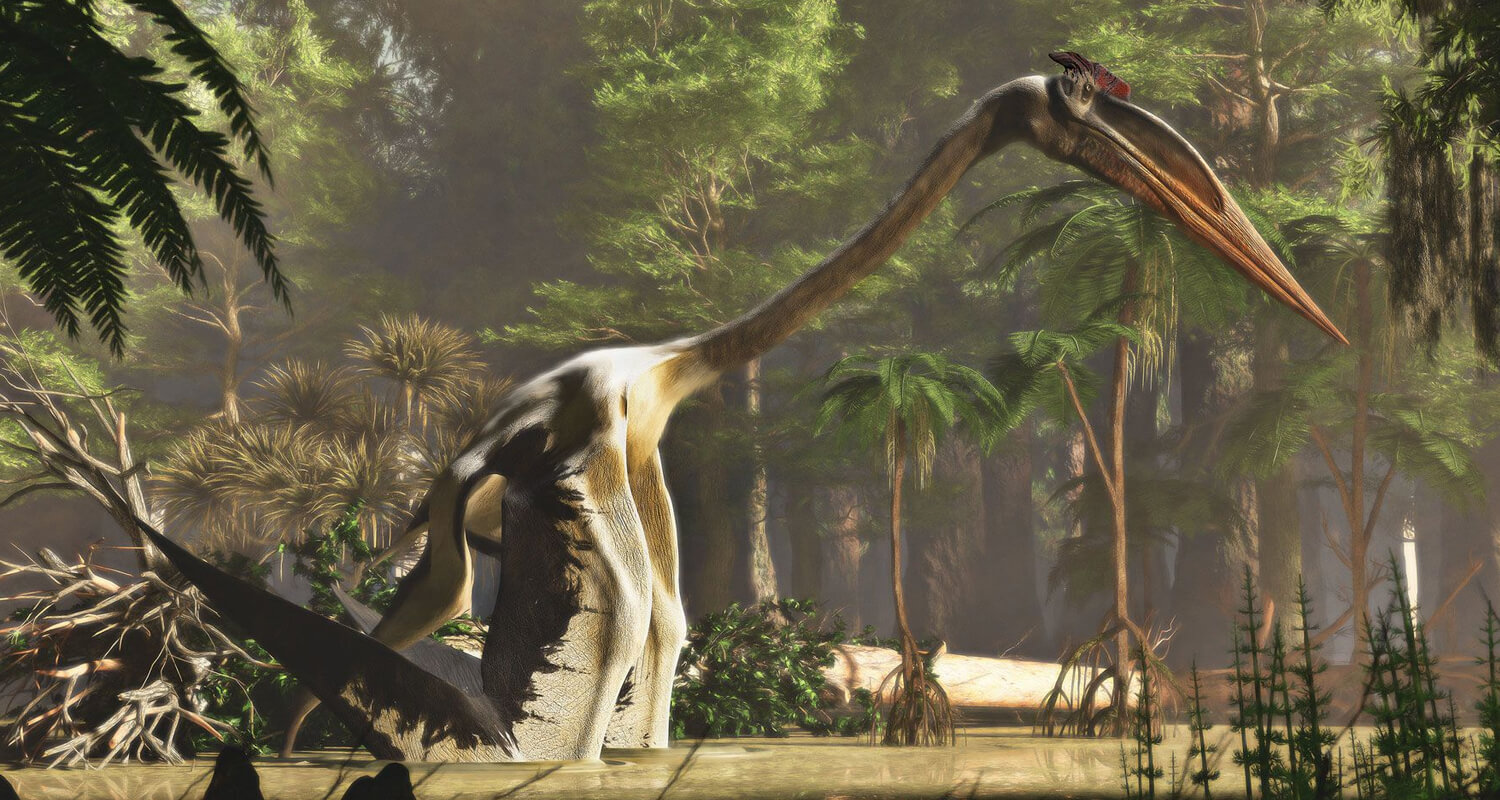
Size: Wingspan of up to 10 to 12 meters (33 to 39 feet)
Weight: Estimated between 200 and 250 kilograms (440 to 550 pounds)
Time Period: Late Cretaceous (approximately 70 million years ago)
Quetzalcoatlus is known for its enormous wingspan, making it one of the largest flying animals ever. This pterosaur had a long, slender neck, a pointed beak, and a relatively small head compared to its body. Its large size and robust build suggest it could have soared over vast distances and possibly scavenged or hunted small vertebrates.
Rhamphorhynchus
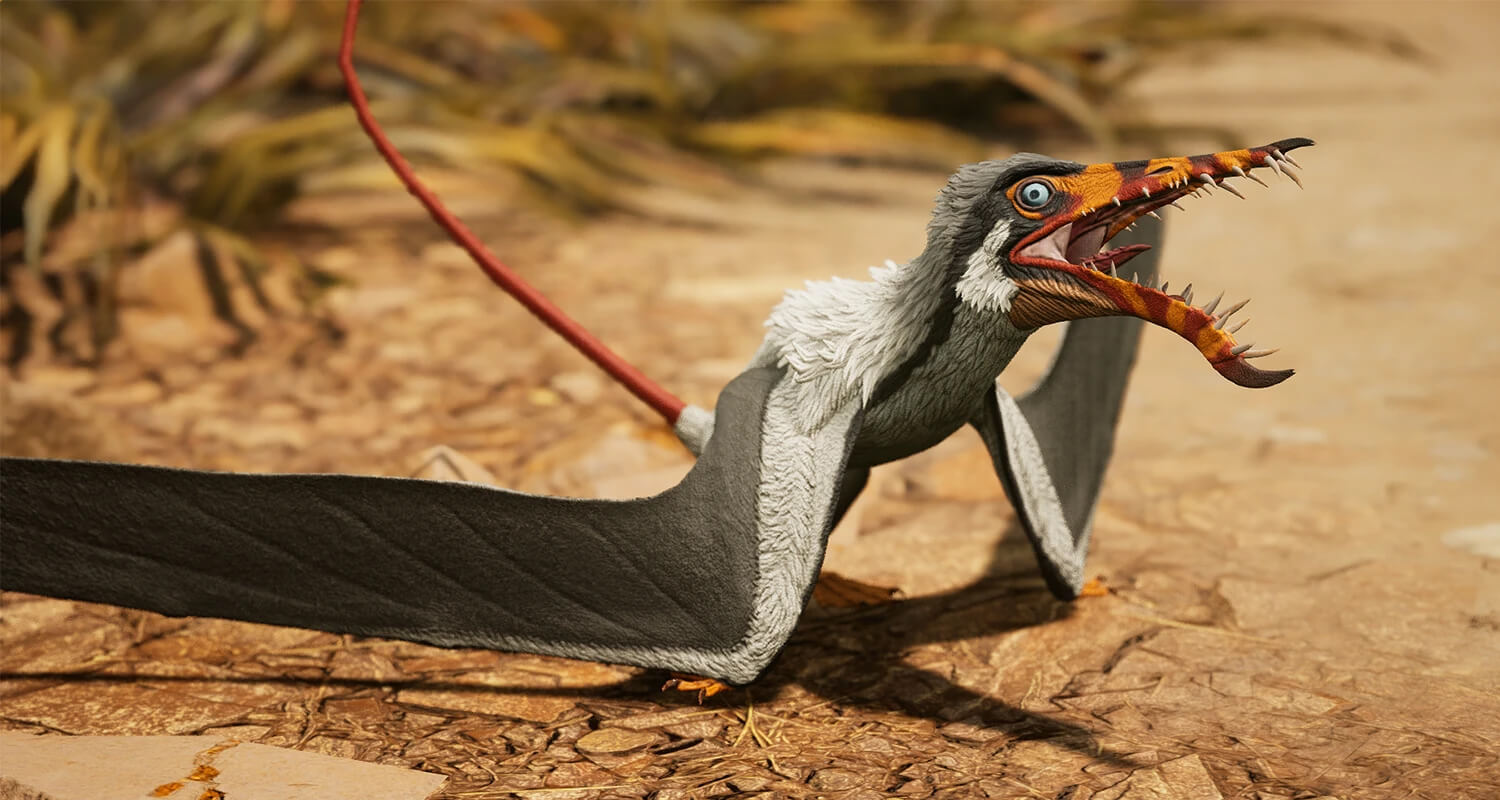
Size: Wingspan of about 1.5 to 2.5 meters (5 to 8 feet)
Weight: Roughly 1 kilogram (2.2 pounds)
Time Period: Late Jurassic (around 150 million years ago)
Rhamphorhynchus was a medium-sized pterosaur with a long, pointed snout and a tail with a diamond-shaped vane at the end. Its wings were long and narrow, optimized for agile flight, and it likely used its sharp teeth to catch small fish and insects. Its aerodynamic body and long tail helped it maneuver with precision.
Pterodaustro
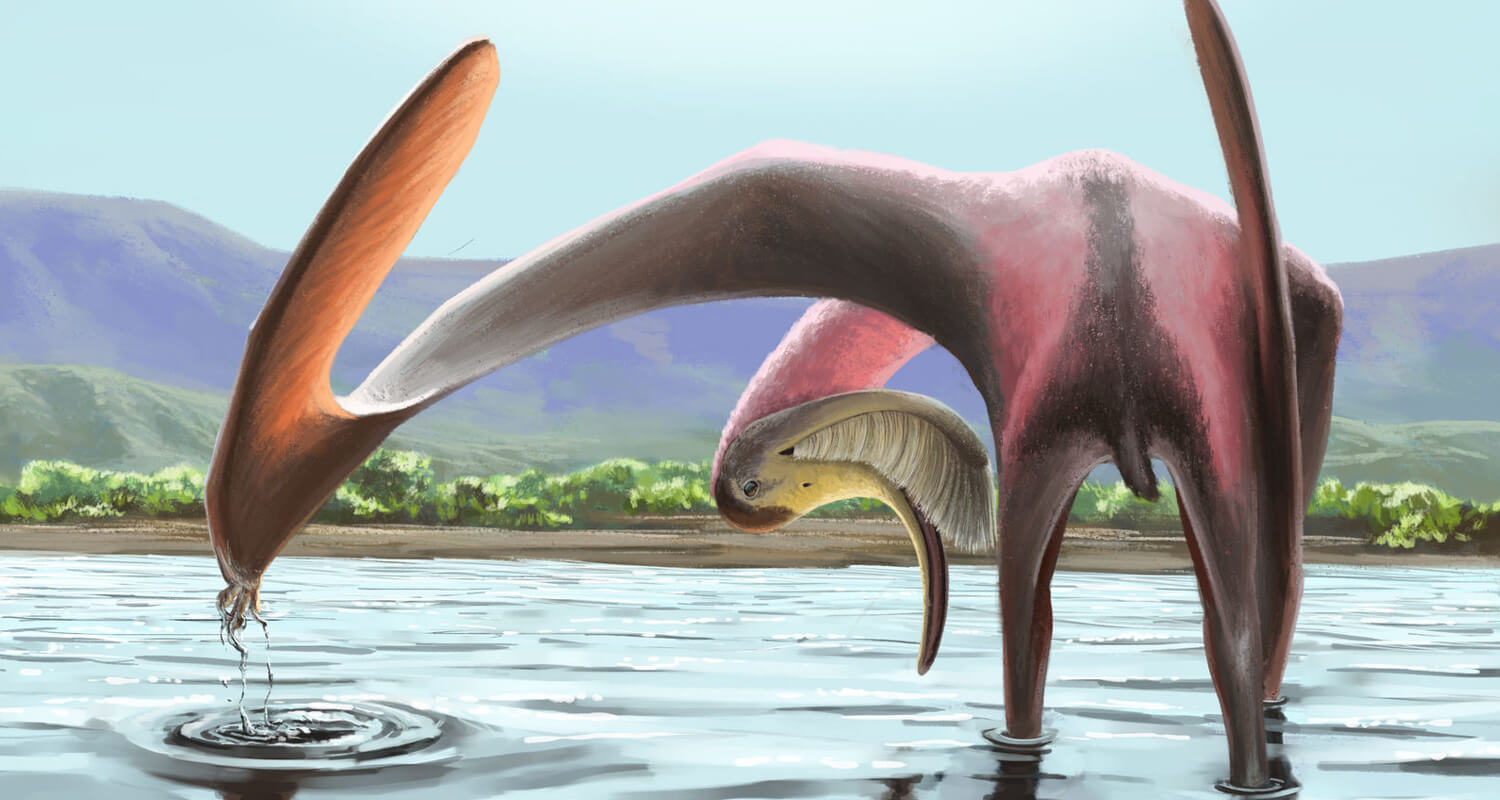
Size: Wingspan of approximately 2 to 3 meters (6.5 to 10 feet)
Weight: Around 1.5 kilograms (3.3 pounds)
Time Period: Late Cretaceous (about 95 million years ago)
Pterodaustro was notable for its unique, filter-feeding adaptation. It had a long, toothless beak with numerous small, comb-like structures, resembling a sieve, which it used to filter small organisms from water. Its relatively small wings and elongated neck suggest it was adapted for a life of skim-feeding and maneuvering in aquatic environments.
FAQs About Flying Dinosaurs
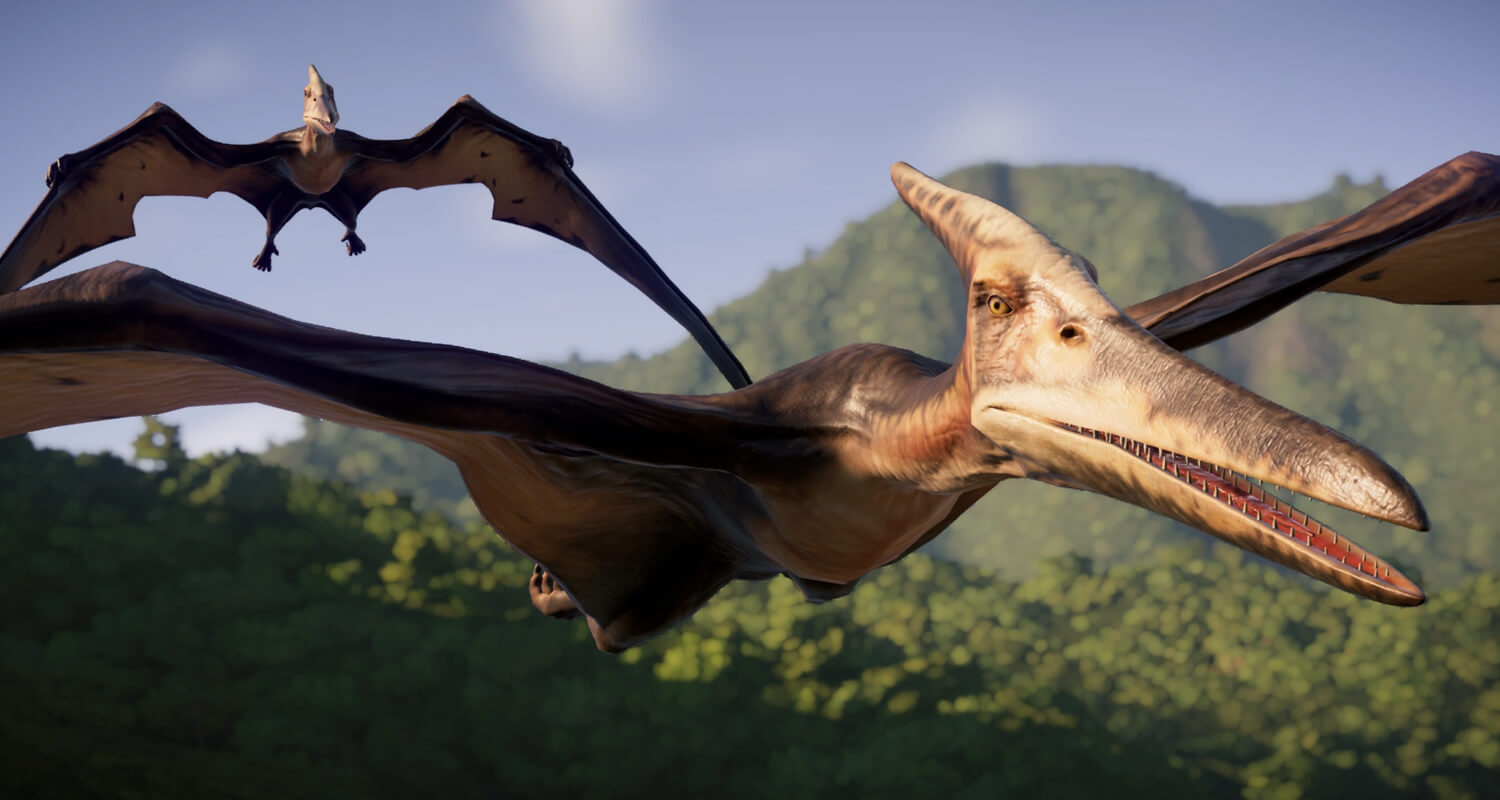 Were pterosaurs true dinosaurs?
No, pterosaurs were not true dinosaurs. They were flying reptiles that belonged to a different branch of the archosaur family tree.
How did pterosaurs differ from birds?
Pterosaurs had a unique wing structure supported by an elongated fourth finger, while birds have wings formed by feathers. Additionally, pterosaurs had different skeletal structures and flight mechanisms.
What did pterosaurs eat?
Pterosaurs had diverse diets, including fish, small animals, and even plankton. Their diet varied greatly depending on the species and their ecological niches.
How large were pterosaurs?
Pterosaurs varied in size from small species with wingspans of about a meter to gigantic ones like Quetzalcoatlus, which had a wingspan of over 10 meters.
Why did pterosaurs go extinct?
The exact cause of their extinction is not entirely known, but it is believed that the same events that wiped out the non-avian dinosaurs, such as asteroid impacts and volcanic activity, played a significant role.
Our Animatronic Dinosaur Products
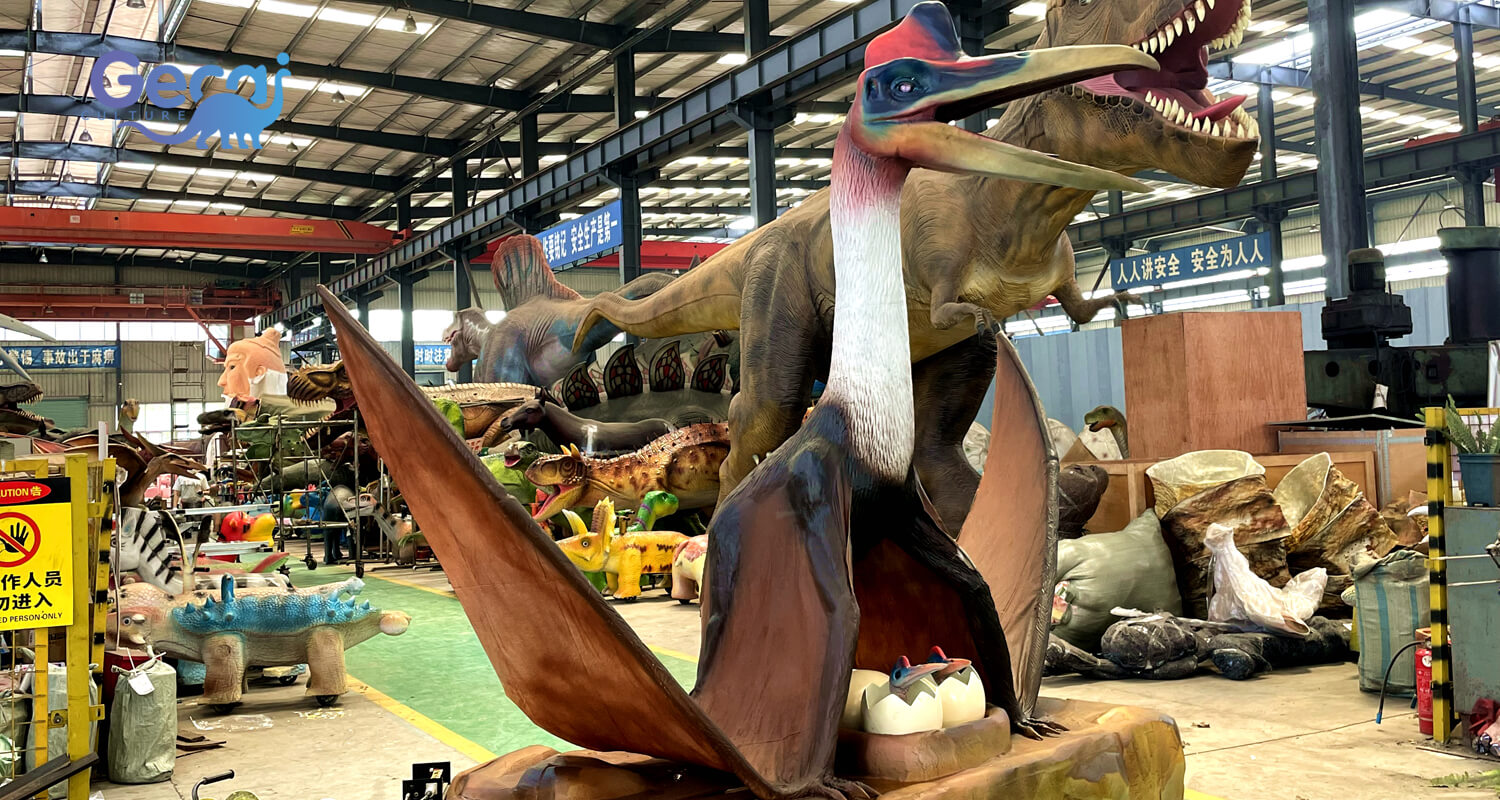 We bring the wonder of prehistoric life to your fingertips with our state-of-the-art animatronic dinosaur products. Our collection includes lifelike models of flying dinosaurs like Pteranodon and Quetzalcoatlus, meticulously designed to replicate their intricate details and movements. Perfect for museums, theme parks, and educational exhibits, our animatronic dinosaurs provide a captivating and immersive experience for audiences of all ages.
With customizable features such as wing movements, vocalizations, and color patterns, our animatronic dinosaurs offer an engaging and educational glimpse into the world of these fascinating creatures. Experience the awe and majesty of flying dinosaurs with our cutting-edge animatronics, and bring the prehistoric skies to life.
Conclusion
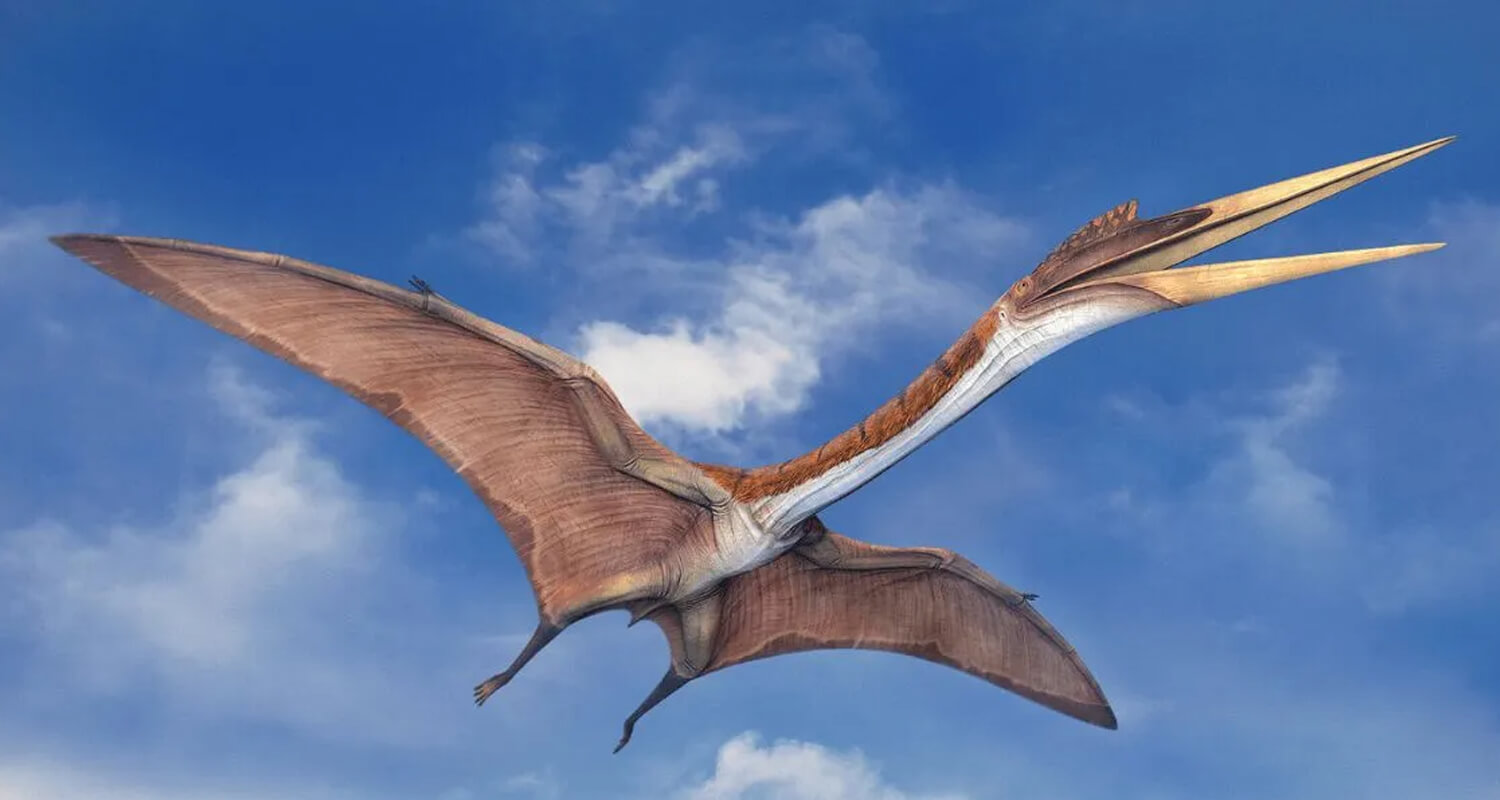 In conclusion, flying dinosaurs, or pterosaurs, were extraordinary creatures that ruled the skies for millions of years. Their legacy lives on through the fascinating fossils they left behind and the incredible recreations provided by our animatronic models. Dive into the world of pterosaurs and experience the awe-inspiring flight of these prehistoric marvels.
Tags: