Über uns
Gecai Culture steht an vorderster Front, wenn es darum geht, die Vergangenheit durch unsere hochmodernen animatronischen Dinosaurier, bezaubernde animatronische Kreaturen, lebendige chinesische Festivallaternen und maßgeschneiderte Produkte zum Leben zu erwecken. Als professioneller Hersteller im Herzen Chinas hegen wir eine tief verwurzelte Leidenschaft dafür, unsere lebensechten Dinosaurier und Tiere in Museen, Ausstellungen, Zoos, Parks und darüber hinaus zu präsentieren, um Menschen jeden Alters eine Flamme der Neugier und des Lernens zu entfachen.
Holen Sie sich ein kostenloses Angebot
Dinosaurier-Wissen
Velociraptor-Jagdtaktiken: Packjäger oder Solo-Raubtiere
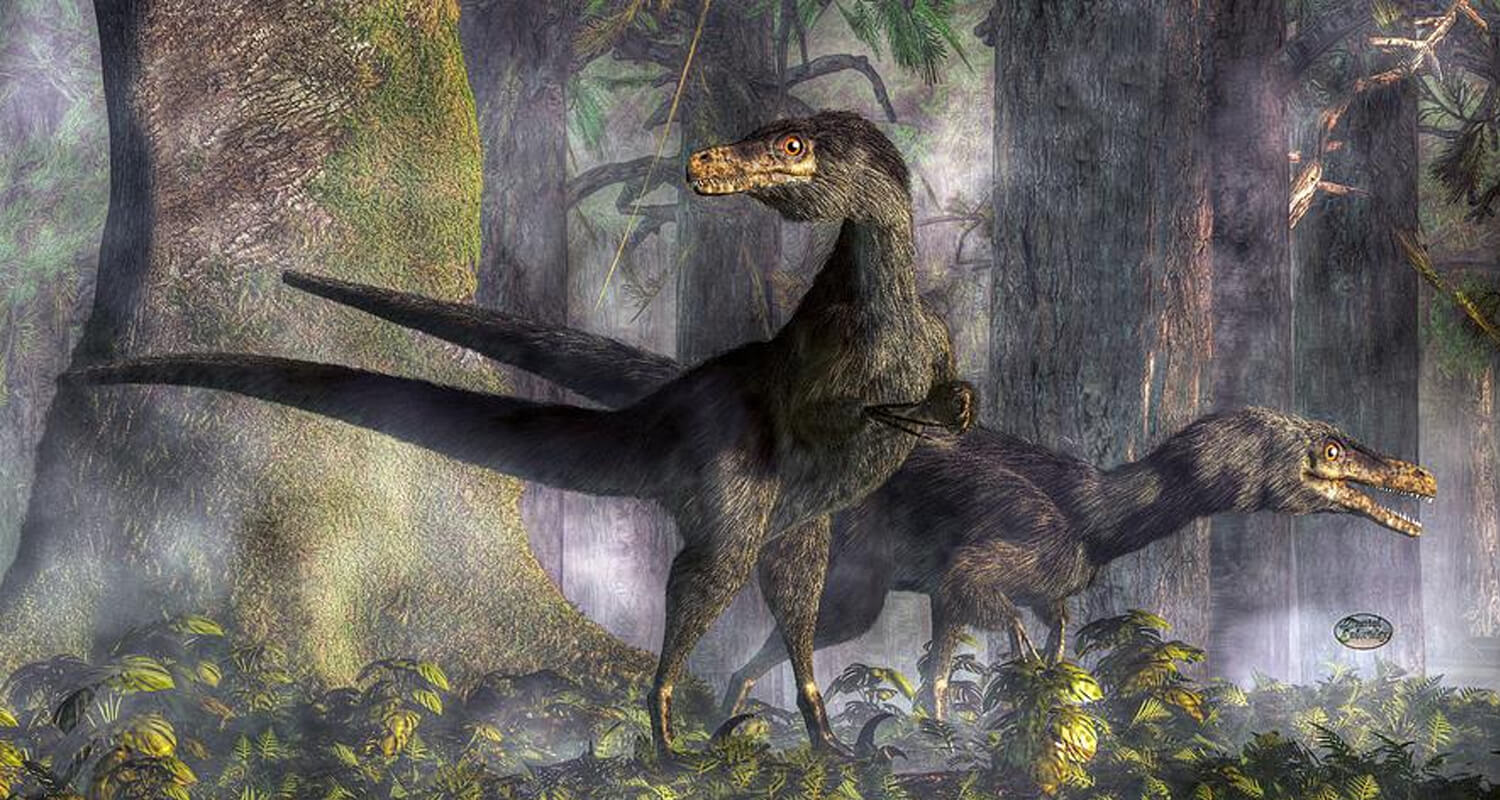 Among all the dinosaurs that once roamed the Earth, Velociraptor stands out as one of the most intriguing. Agile, intelligent, and armed with a deadly sickle-shaped claw, this predator has captured the imagination of scientists and moviegoers alike. But one question continues to divide experts: Did Velociraptors hunt in coordinated packs like wolves, or were they stealthy solo killers?
In this article, we'll explore both sides of the debate, examine fossil evidence, and look at how pop culture has shaped our understanding of Velociraptor behavior.
Understanding the Velociraptor: A Quick Profile
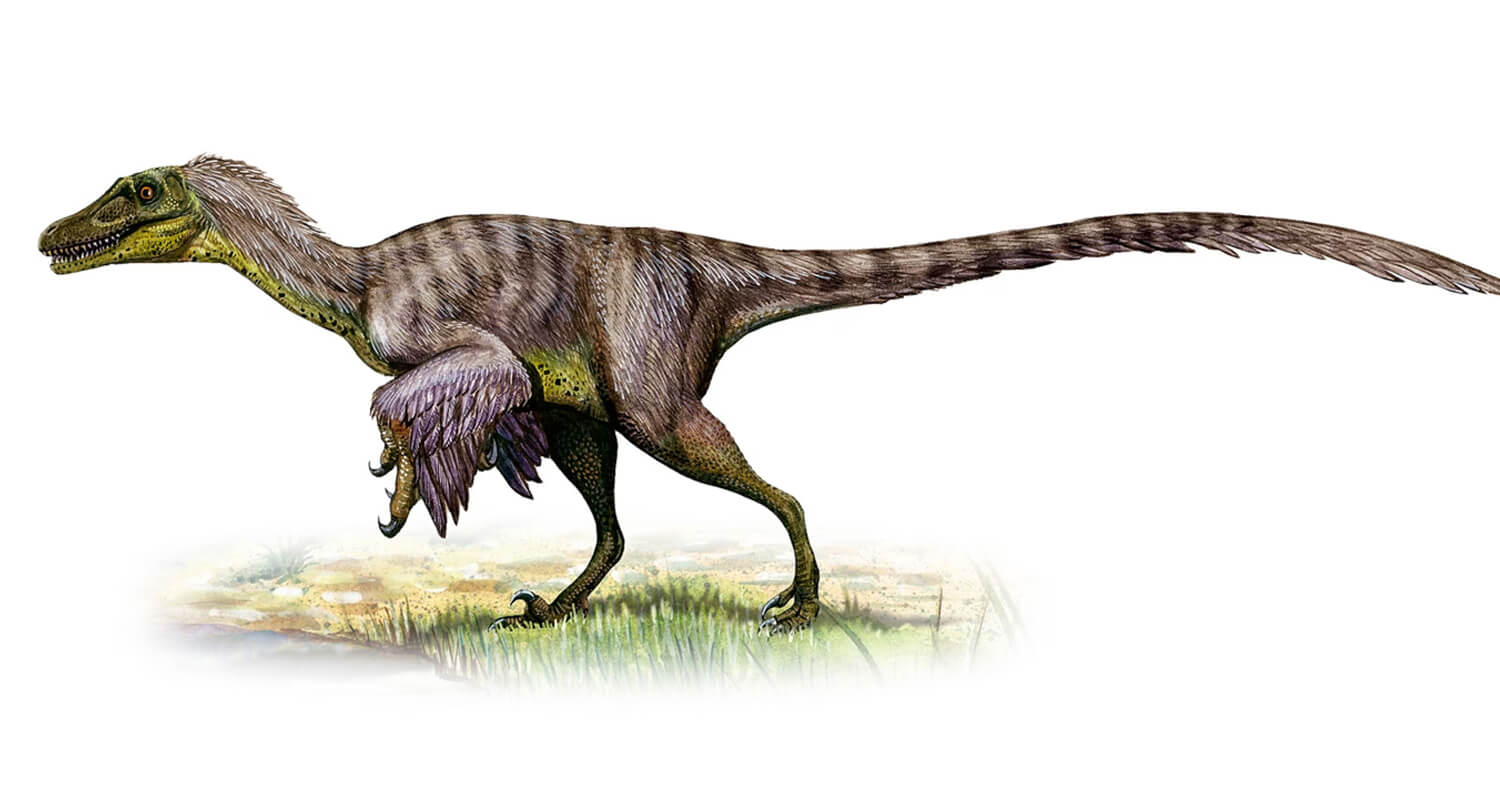 Velociraptors lived during the Late Cretaceous period, around 75 to 71 million years ago, in what is now Mongolia. They were much smaller than their Hollywood counterparts—only about 2 meters (6.5 feet) long and 0.5 meters (1.6 feet) tall, roughly the size of a turkey.
What made them dangerous was not their size, but their sharp claws, serrated teeth, keen senses, and relatively large brains for their size. These traits have led paleontologists to consider them as potentially intelligent, strategic hunters.
The Pack Hunter Theory
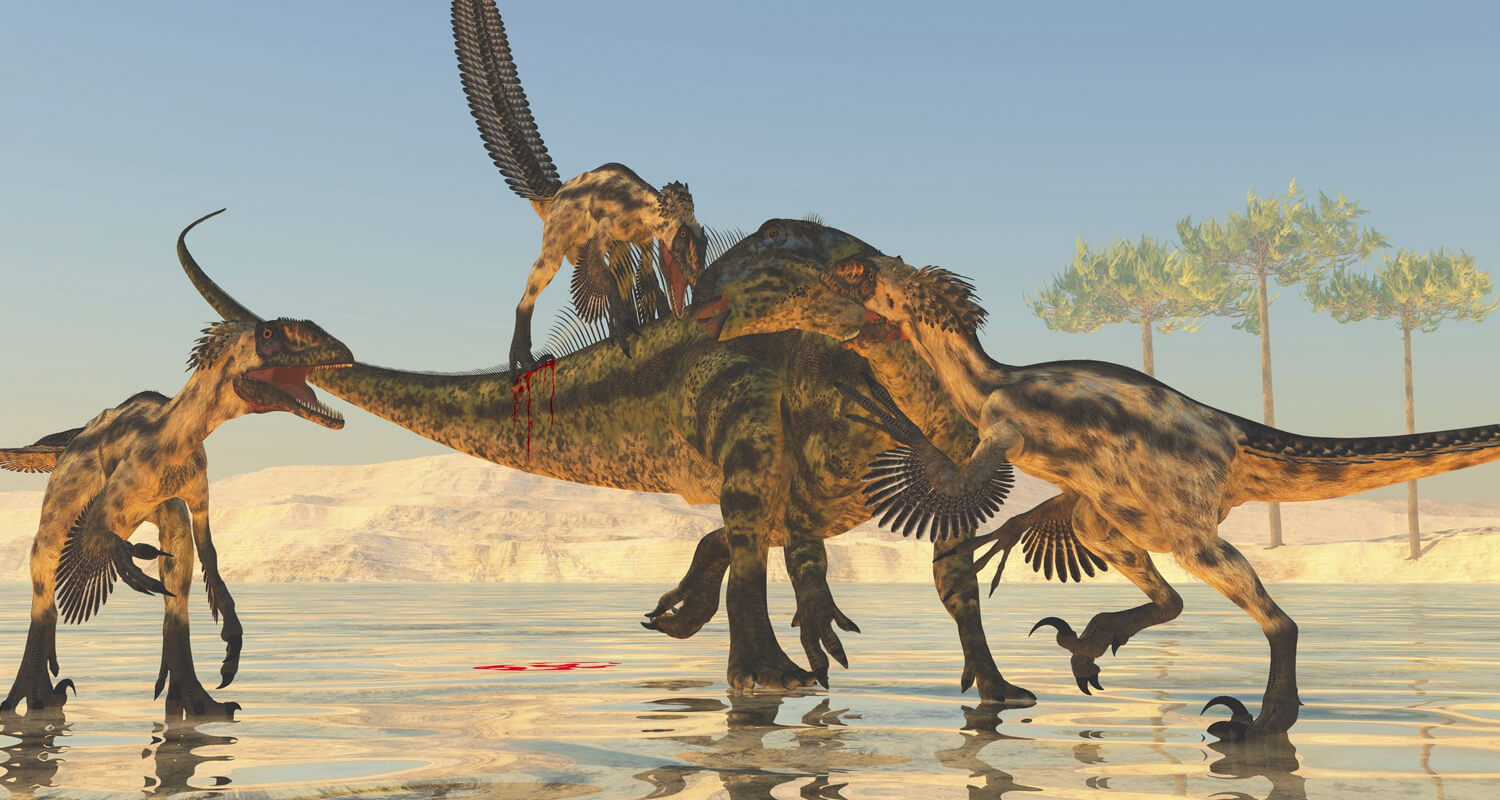 The image of Velociraptors working together to corner prey, open doors, and outsmart humans comes primarily from Jurassic Park. The film's depiction popularized the idea that raptors hunted in packs with military-like coordination.
Some fossil evidence gives partial support to this theory. For example, a famous fossil discovery shows a Velociraptor locked in combat with a Protoceratops. While only one raptor was found, the scene has led to speculation: could there have been others helping nearby?
Other indirect clues include fossil sites with multiple dromaeosaurids (the raptor family) found near the same prey animal. This could suggest some form of group behavior.
Advantages of pack hunting may have included:
Taking down larger prey than an individual could manage alone.
Increased hunting success rates through cooperation.
Learning behaviors through social interaction.
The Case for Solo Predation
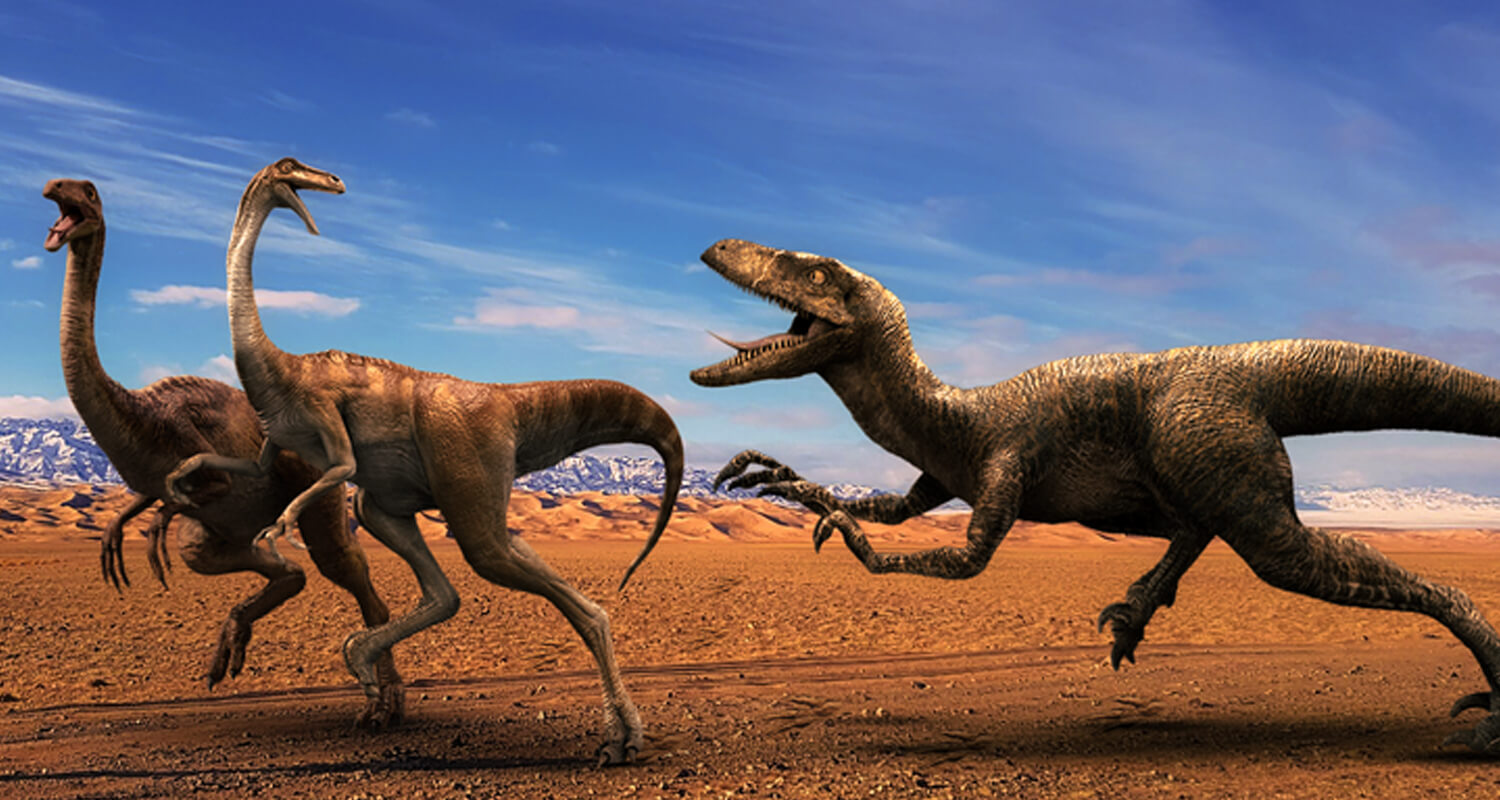 Not all paleontologists agree with the pack hunter theory. In fact, some argue the fossil evidence has been misinterpreted.
Here's why some scientists believe Velociraptors were solo predators:
The "pack hunting" fossils could just show scavengers gathering at a kill, not hunters working together.
Evidence of cannibalism has been found in some dromaeosaur fossils, suggesting competition, not cooperation.
Comparisons to modern birds of prey, like hawks or owls, show that many intelligent hunters prefer to work alone.
Unlike true pack animals, Velociraptors may have gathered temporarily at food sources but not hunted with organized strategies like wolves or lions.
Modern Research & The Middle Ground
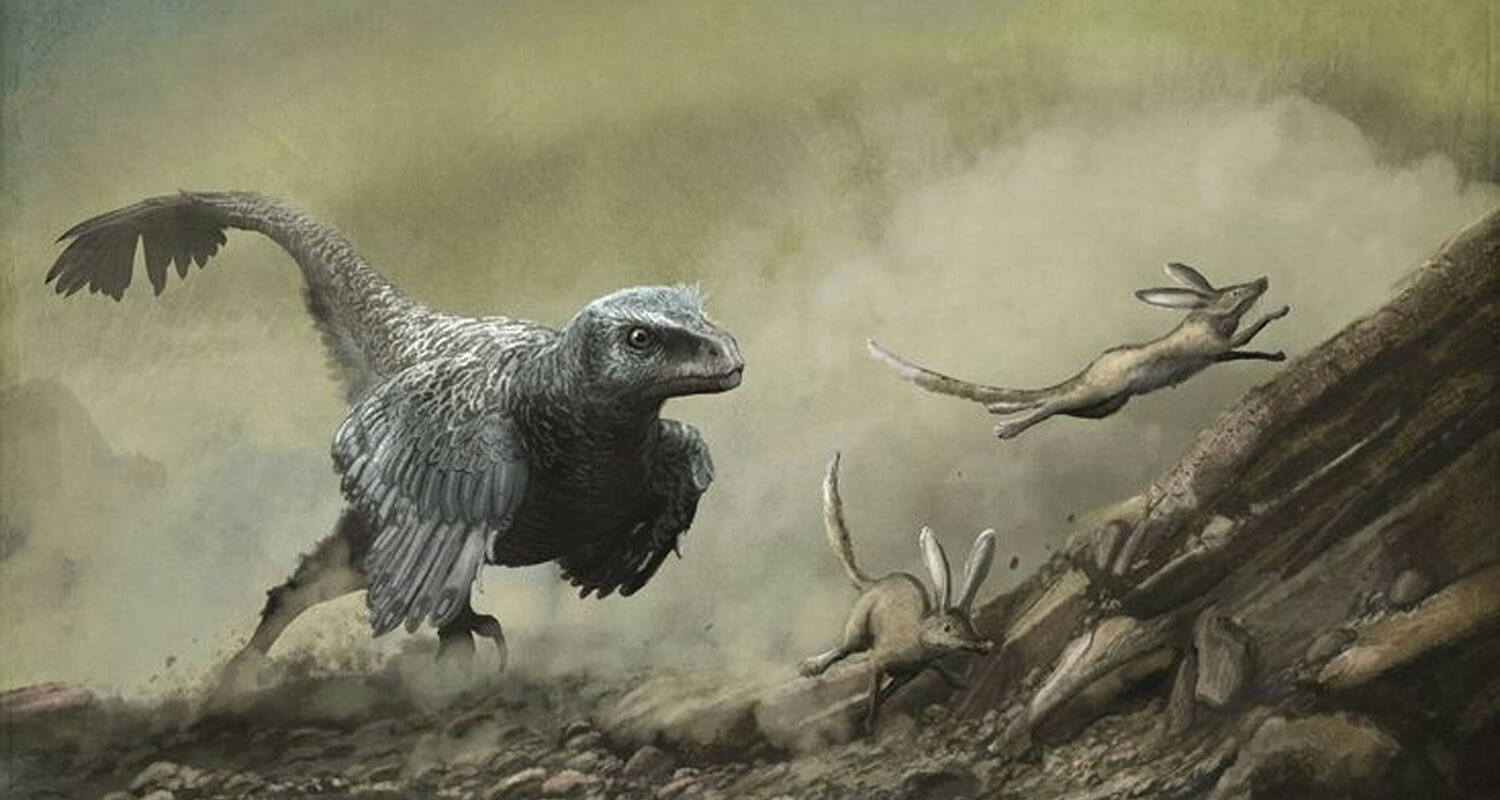 Recent studies suggest that Velociraptor hunting behavior may have been more complex than simple solo or pack strategies. Instead, they might have been opportunistic hunters—sometimes hunting alone, sometimes in loosely associated groups, especially when multiple individuals were drawn to the same prey.
This behavior is more in line with Komodo dragons or crocodiles, which may hunt in groups but not in coordinated teams.
There's also a possibility of age-based behavior differences: young Velociraptors may have learned from or hunted with older individuals, gradually becoming more independent as they matured.
Velociraptor in Pop Culture vs. Paleontology
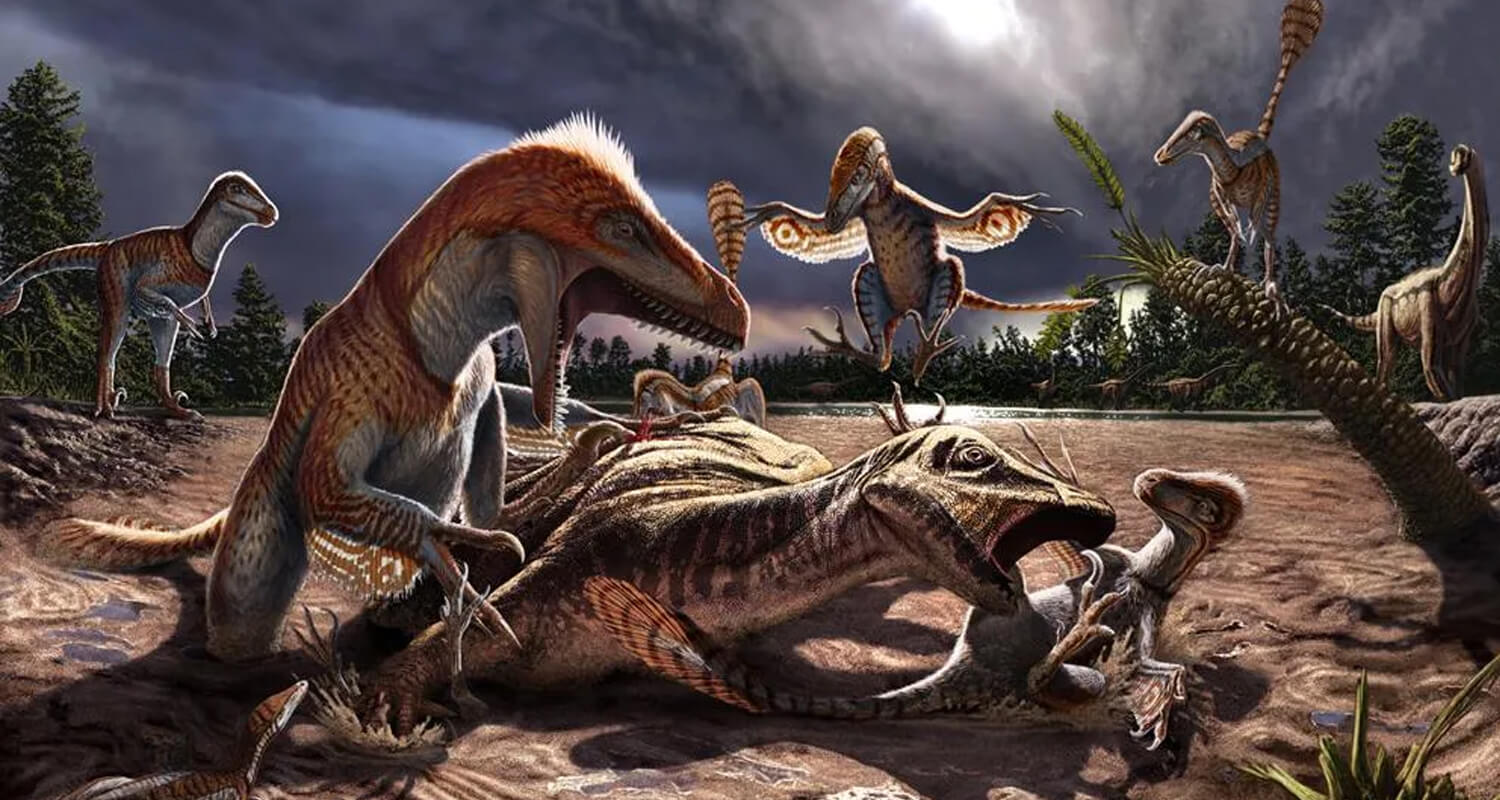 Jurassic Park introduced the world to a terrifying, hyper-intelligent version of Velociraptor—much larger than the real animal and devoid of feathers. While this portrayal isn't scientifically accurate, it has been hugely influential in sparking interest in dinosaurs.
Real Velociraptors were smaller, likely feathered, and may not have hunted in coordinated packs. But even so, their speed, intelligence, and deadly claws made them formidable predators in their own right.
Conclusion
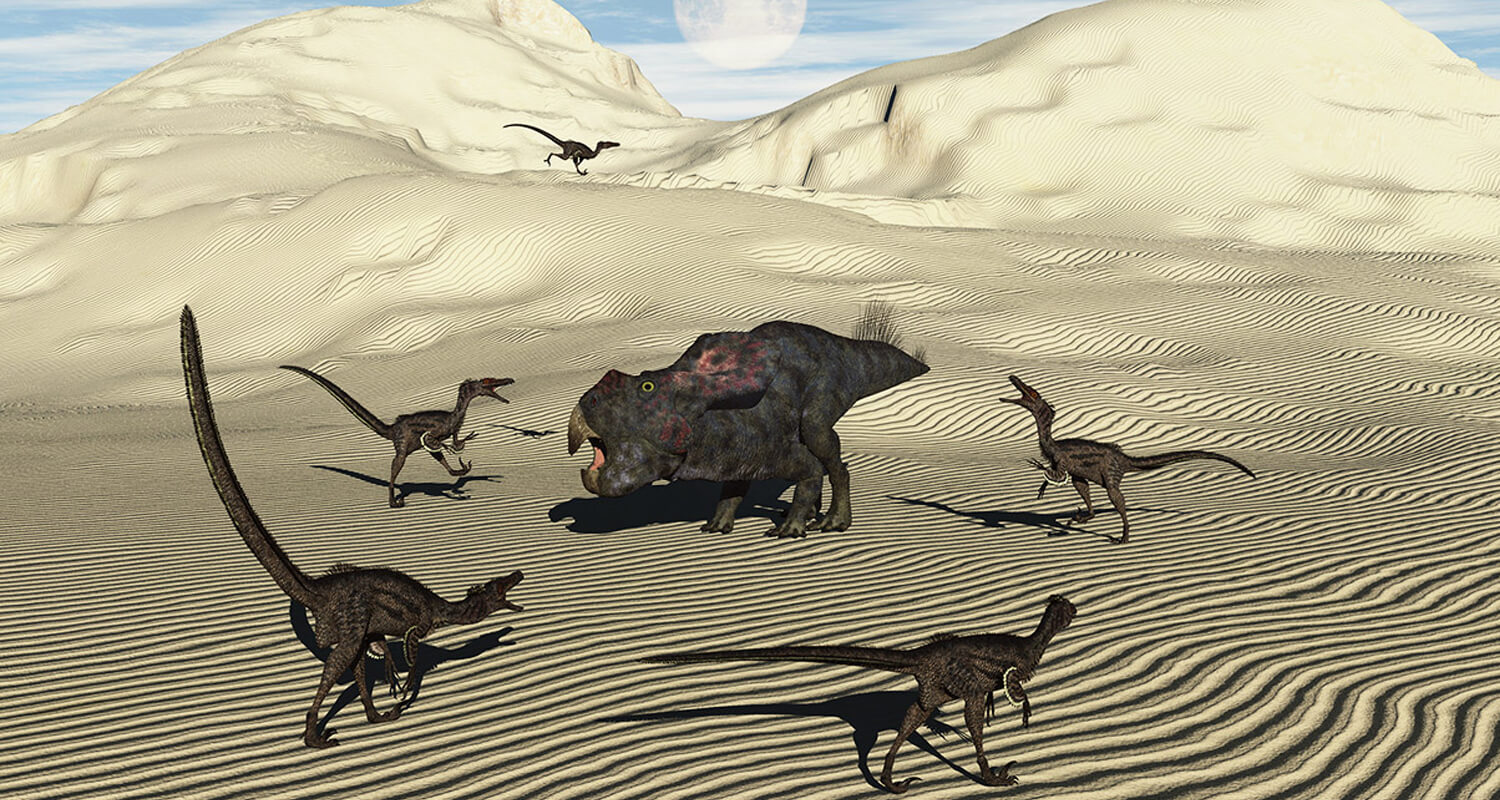 Were Velociraptors solitary hunters or pack predators? The answer remains uncertain, but ongoing discoveries continue to refine our understanding. Whether they hunted alone or together, Velociraptors were intelligent and adaptable—traits that made them some of the most successful predators of their time. Their mystery and charisma continue to fascinate scientists, filmmakers, and dinosaur lovers around the world.
Tags: