Über uns
Gecai Culture steht an vorderster Front, wenn es darum geht, die Vergangenheit durch unsere hochmodernen animatronischen Dinosaurier, bezaubernde animatronische Kreaturen, lebendige chinesische Festivallaternen und maßgeschneiderte Produkte zum Leben zu erwecken. Als professioneller Hersteller im Herzen Chinas hegen wir eine tief verwurzelte Leidenschaft dafür, unsere lebensechten Dinosaurier und Tiere in Museen, Ausstellungen, Zoos, Parks und darüber hinaus zu präsentieren, um Menschen jeden Alters eine Flamme der Neugier und des Lernens zu entfachen.
Holen Sie sich ein kostenloses Angebot
Dinosaurier-Wissen
Warmblütig oder kaltblütig? Die anhaltende Dinosaurier-Debatte
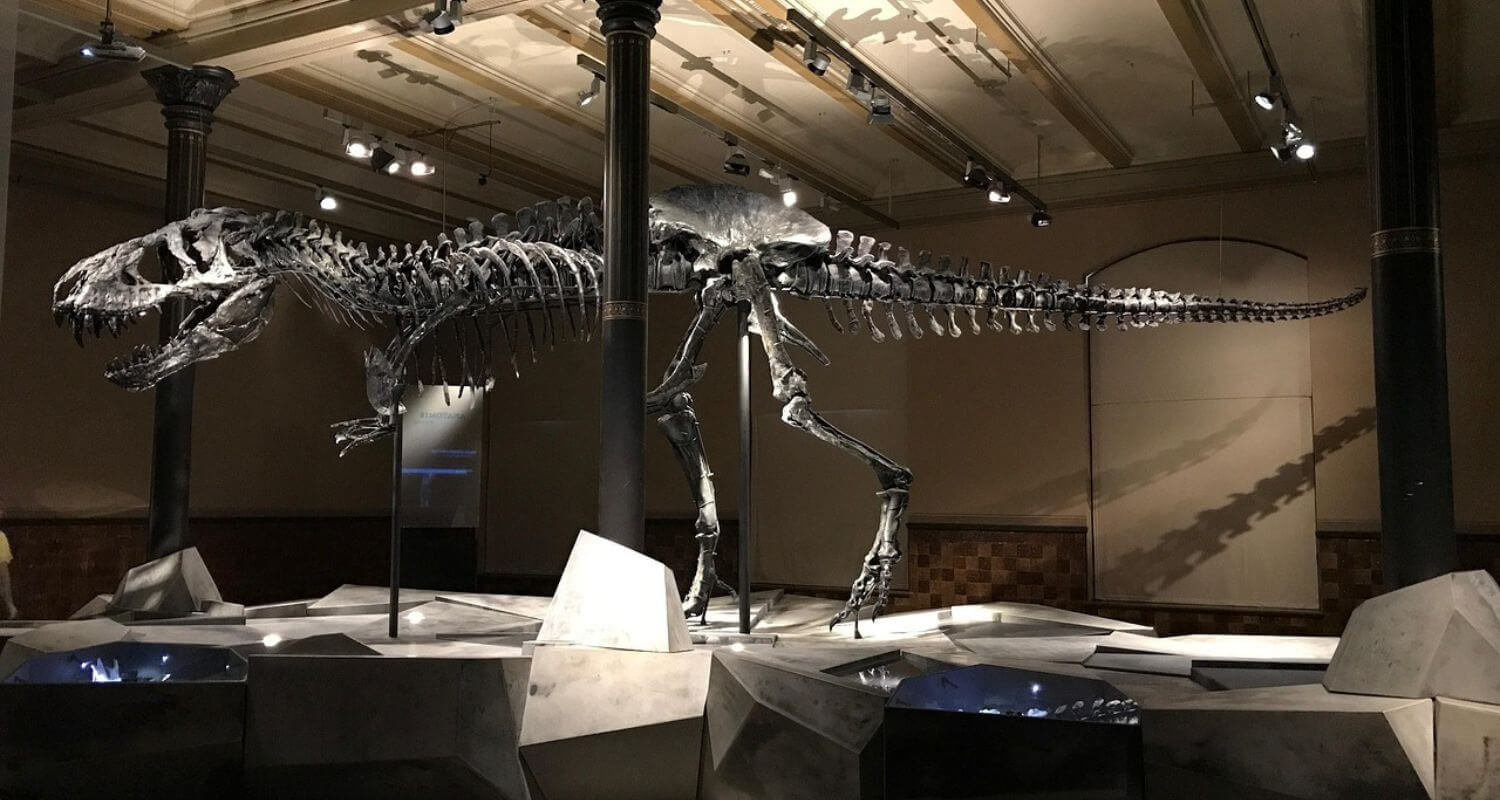 For more than a century, scientists have been fascinated by a fundamental question about dinosaur: were they warm-blooded like mammals and birds, or cold-blooded like modern reptiles? This debate isn't just about temperature—it's about understanding how these magnificent creatures lived, hunted, and evolved. The answer could reveal whether dinosaurs were sluggish, sun-loving giants or active, fast-moving predators that ruled their ecosystems with speed and energy.
In recent years, new fossil discoveries and advanced technology have breathed new life into this age-old discussion. From bone structures to chemical traces, evidence continues to spark debates among paleontologists about what truly fueled the mighty dinosaurs.
Understanding Warm-Blooded vs. Cold-Blooded
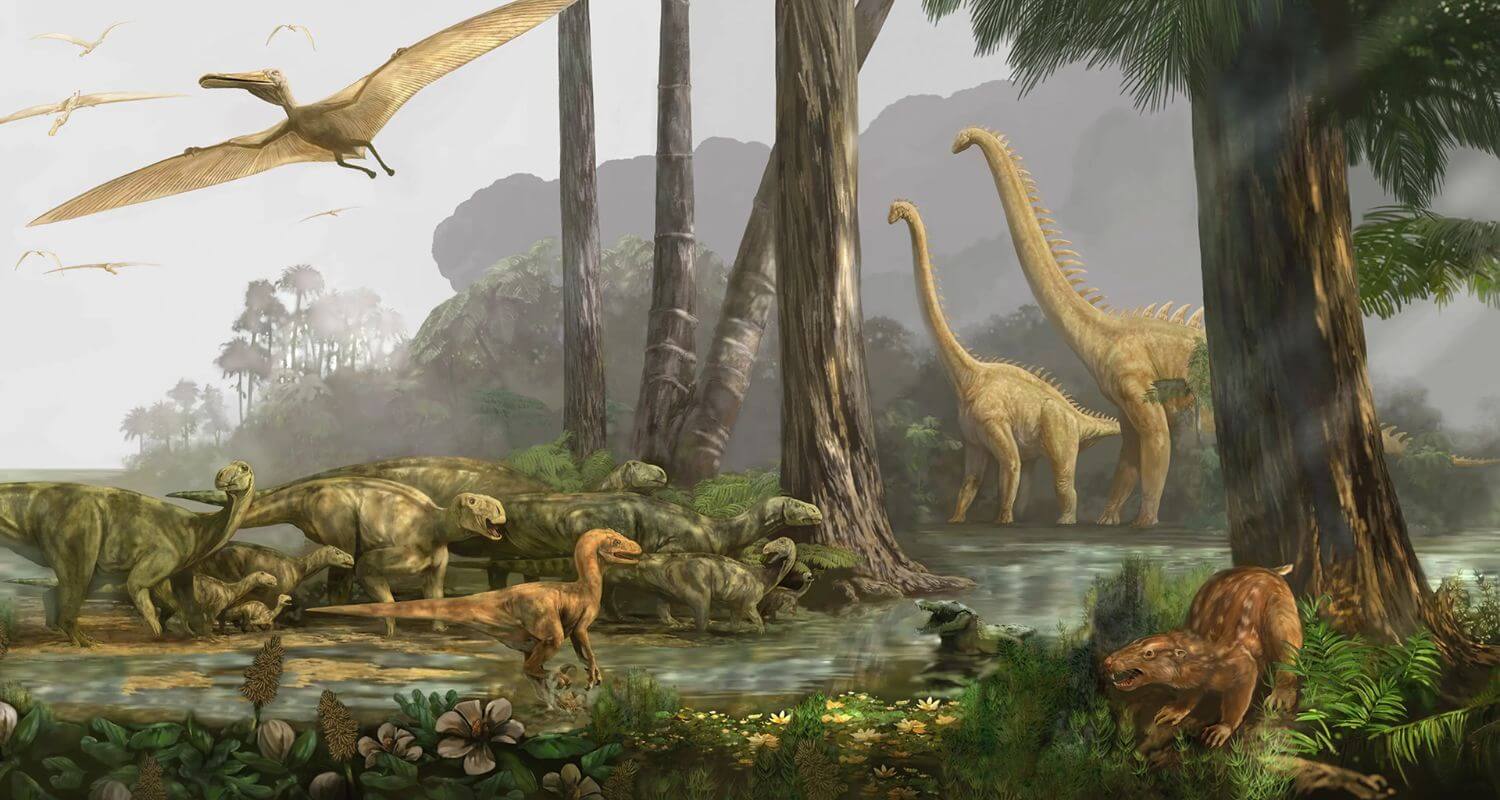 To understand the debate, it's important to know what warm-blooded (endothermic) and cold-blooded (ectothermic) mean.
Warm-blooded animals, like mammals and birds, can regulate their body temperature internally. They burn more energy to maintain a stable temperature, allowing them to stay active even in cold environments.
Cold-blooded animals, such as reptiles and amphibians, rely on external heat sources to warm up. Their activity levels often depend on environmental temperature—they move slowly in the cold and become more energetic in warmth.
This difference affects everything from metabolism and growth rate to hunting behavior and survival strategies. So, figuring out where dinosaurs fall on this spectrum can help us understand their entire way of life.
Evidence Suggesting Dinosaurs Were Warm-Blooded
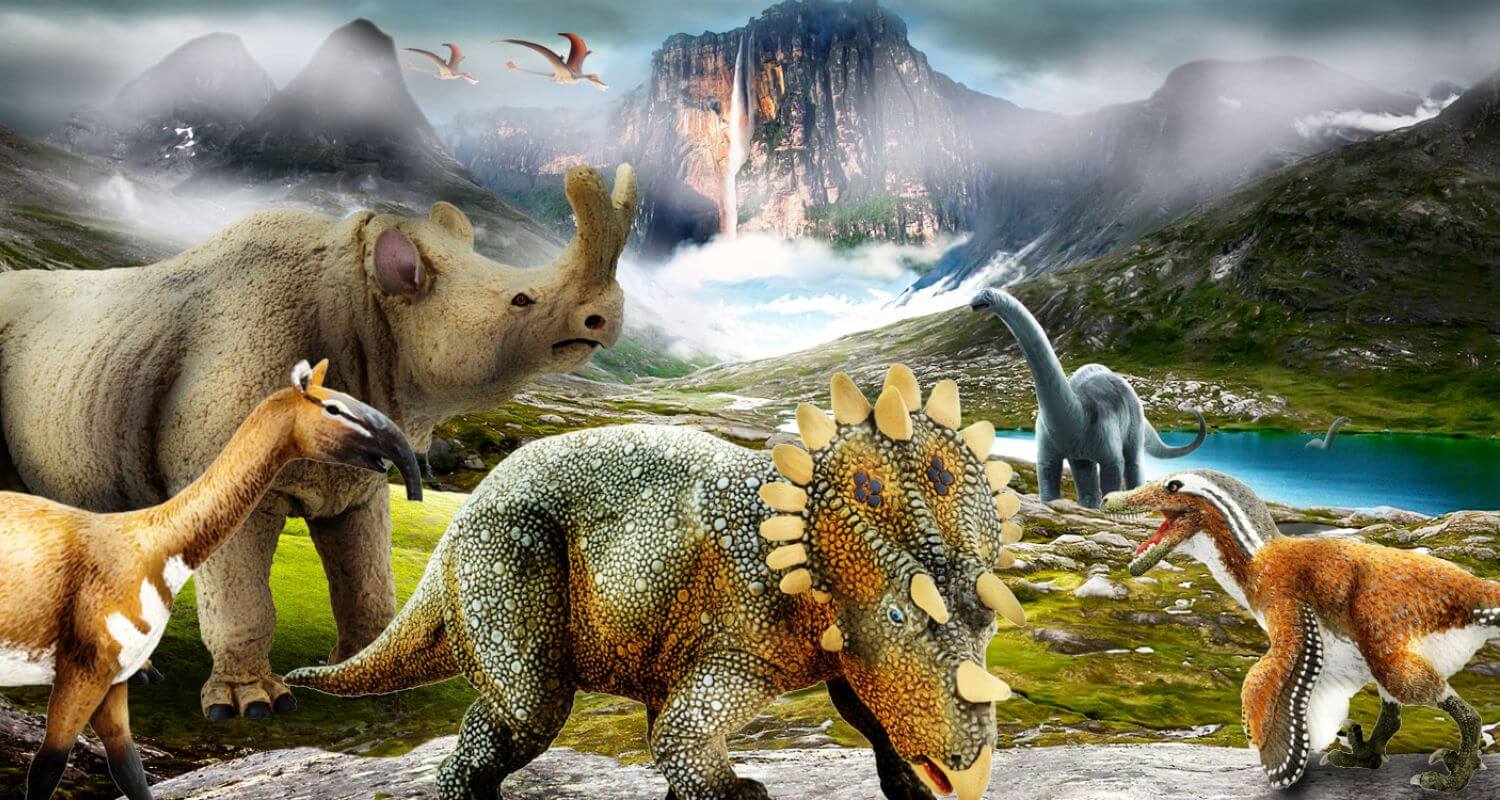 A growing body of evidence suggests that at least some dinosaurs might have been warm-blooded.
Bone structure: Microscopic studies of dinosaur bones show dense networks of blood vessels and growth rings, resembling those of fast-growing mammals and birds rather than slow-growing reptiles.
Growth rates: Many dinosaurs, especially theropods like Tyrannosaurus rex and Velociraptor, grew rapidly, which is typically associated with high metabolic rates.
Active behavior: Fossilized trackways and evidence of predator-prey chases suggest dinosaurs were capable of sustained activity and quick movement—traits consistent with warm-blooded physiology.
Feathers and insulation: The discovery of feathered dinosaurs adds more weight to the warm-blooded theory, as feathers could have helped regulate body temperature and conserve heat.
Evidence Suggesting Dinosaurs Were Cold-Blooded
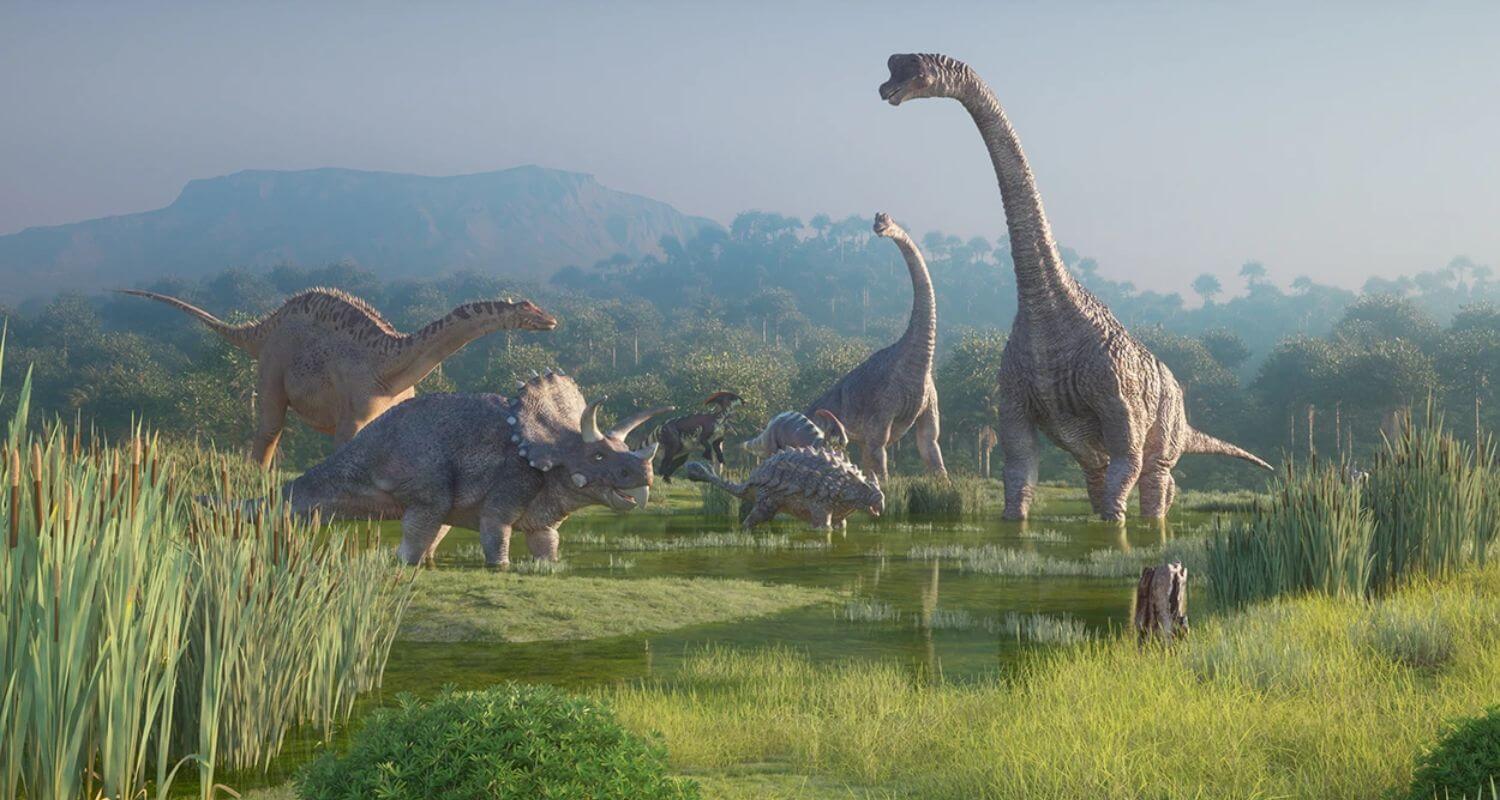 On the other hand, some scientists argue that dinosaurs were cold-blooded, just like their reptilian ancestors.
Reptilian heritage: Dinosaurs evolved from reptiles, which are primarily cold-blooded. Many paleontologists believe this trait may have persisted across evolutionary lines.
Environmental adaptation: Many large dinosaurs lived in warm, tropical climates where ambient heat was abundant. These massive animals could have easily absorbed and retained heat from their surroundings.
Energy efficiency: Cold-blooded animals require less food to survive. For gigantic herbivores like Brachiosaurus or Diplodocus, a cold-blooded metabolism might have been an evolutionary advantage, allowing them to sustain their enormous size without constant feeding.
The "Mesothermic" Theory: A Middle Ground
 In recent years, scientists have proposed a third option known as mesothermy—a metabolic state between warm-blooded and cold-blooded.
Mesothermic animals, such as tuna and leatherback turtles, can internally generate some heat but not maintain a constant body temperature like mammals. This allows them to be more active than cold-blooded species while conserving energy compared to fully warm-blooded ones.
Some researchers now believe many dinosaurs were mesothermic. This "in-between" metabolism could explain how they achieved both rapid growth and energy efficiency, making them perfectly adapted to their prehistoric environments.
What Modern Science Says
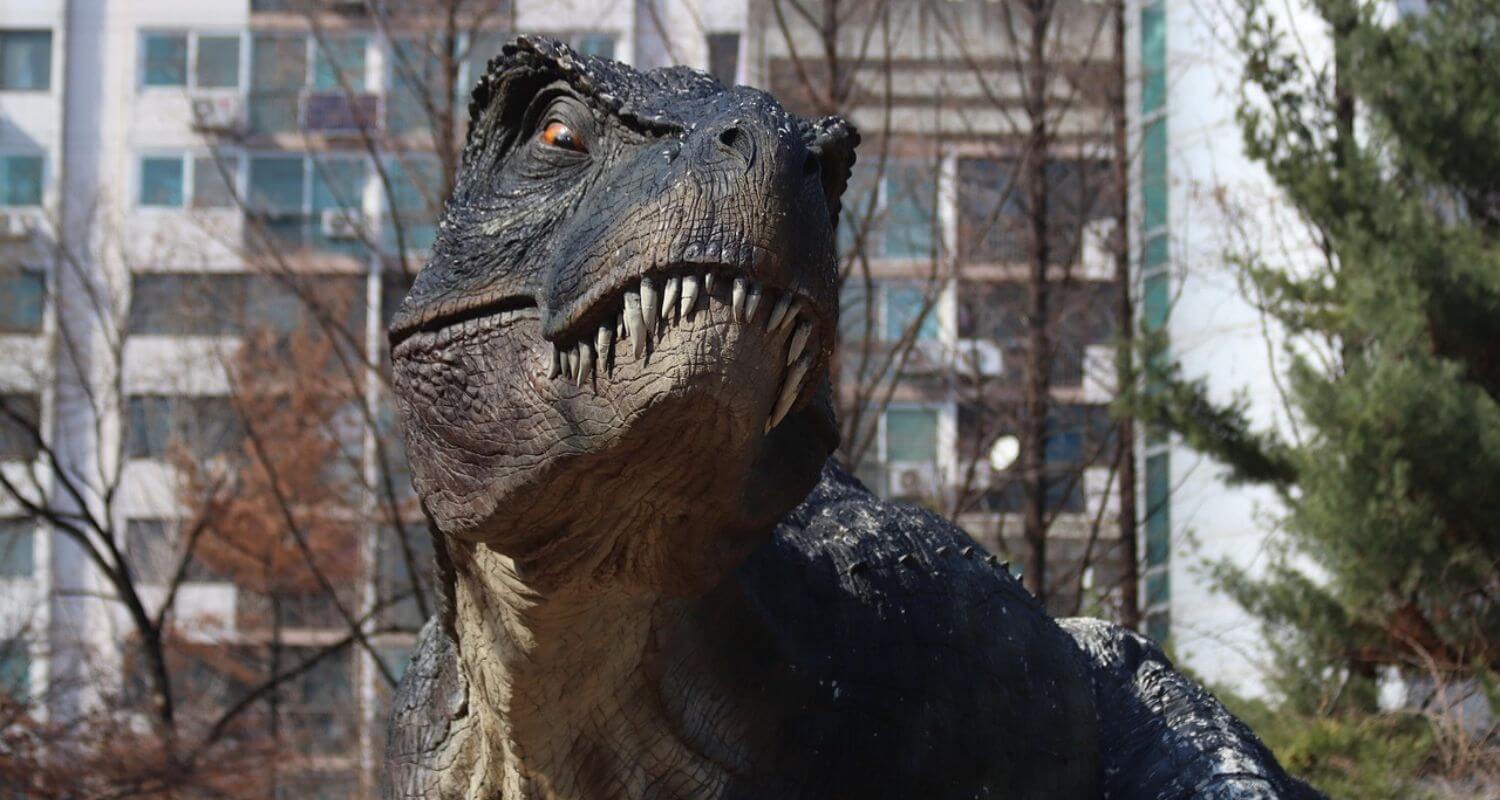 Recent advancements in technology have allowed scientists to analyze dinosaur fossils in greater detail. Studies using isotopic analysis, for example, can estimate body temperature from bone chemistry. The results are mixed—some species appear to have had warm-blooded traits, while others leaned toward cold-blooded characteristics.
It's becoming increasingly clear that dinosaurs were not all the same. Small, agile predators might have been closer to warm-blooded, while massive, slow-moving herbivores could have been more cold-blooded or mesothermic. The diversity of dinosaur life suggests that their metabolism evolved in complex ways to suit their environments and lifestyles.
FAQs about Dinosaur Metabolism
 Q1: Were all dinosaurs warm-blooded?
A: No. Evidence suggests different species had different metabolic systems. Some were warm-blooded, some cold-blooded, and others somewhere in between.
Q2: Why does it matter if dinosaurs were warm- or cold-blooded?
A: Their metabolism influences how they lived—how fast they moved, how much they ate, how they grew, and how they adapted to changing climates.
Q3: What evidence best supports the warm-blooded theory?
A: Fast growth rates, active hunting behavior, and the presence of feathers all suggest a warm-blooded metabolism in some species.
Q4: Could some dinosaurs be both warm- and cold-blooded?
A: Yes. The mesothermic theory suggests many dinosaurs could partially control their body temperature, blending traits of both systems.
Conclusion: The Debate Continues
 The question of whether dinosaurs were warm-blooded or cold-blooded may never have a single answer. As new discoveries emerge, scientists continue to refine our understanding of these ancient creatures. What's certain is that dinosaurs were far more diverse and complex than once imagined—adaptable, powerful, and endlessly fascinating.
Just as science evolves, so does our ability to visualize these prehistoric giants. Through ongoing research and lifelike recreations, the debate continues to captivate our imagination and remind us that the story of dinosaurs is far from over.
Tags: