Sobre nosotros
La cultura Gecai está a la vanguardia de dar vida al pasado a través de nuestros dinosaurios animatrónicos de última generación, encantadoras criaturas animatrónicas, vibrantes linternas del festival chino y productos personalizados personalizados personalizados. Como fabricante profesional ubicado en el corazón de China, albergamos una pasión profundamente arraigada por mostrar nuestros dinosaurios y animales realistas en museos, exposiciones, zoológicos, parques y más, con el objetivo de encender una llama de curiosidad y aprendizaje en personas de todas las edades.
Obtenga una cotización gratuita
Noticias de la empresa
La Evolución De Los Dinosaurios Animatrónicos: Del Concepto A La Creación
A Journey Through Time: The History and Evolution of Animatronic Dinosaurs
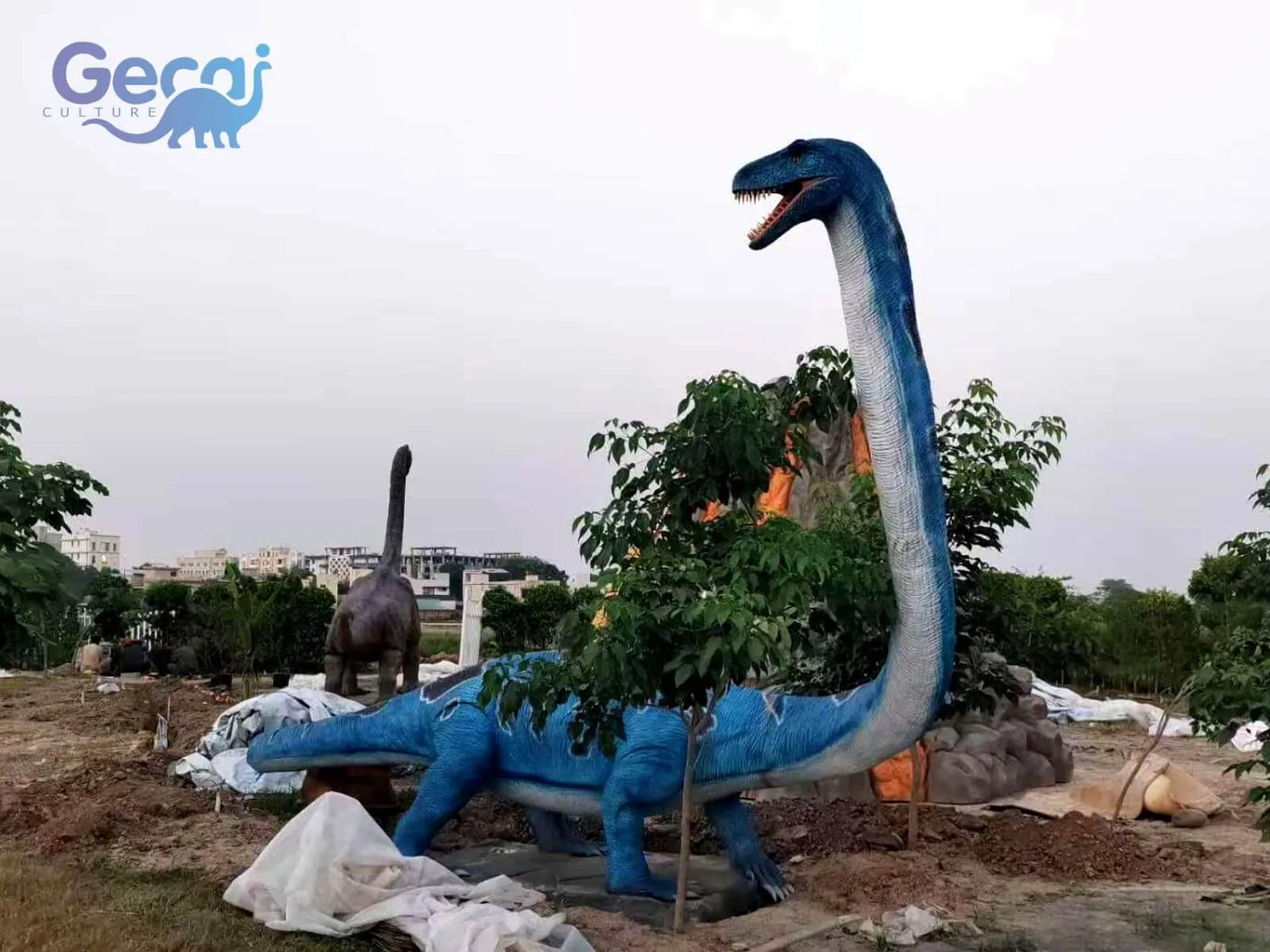
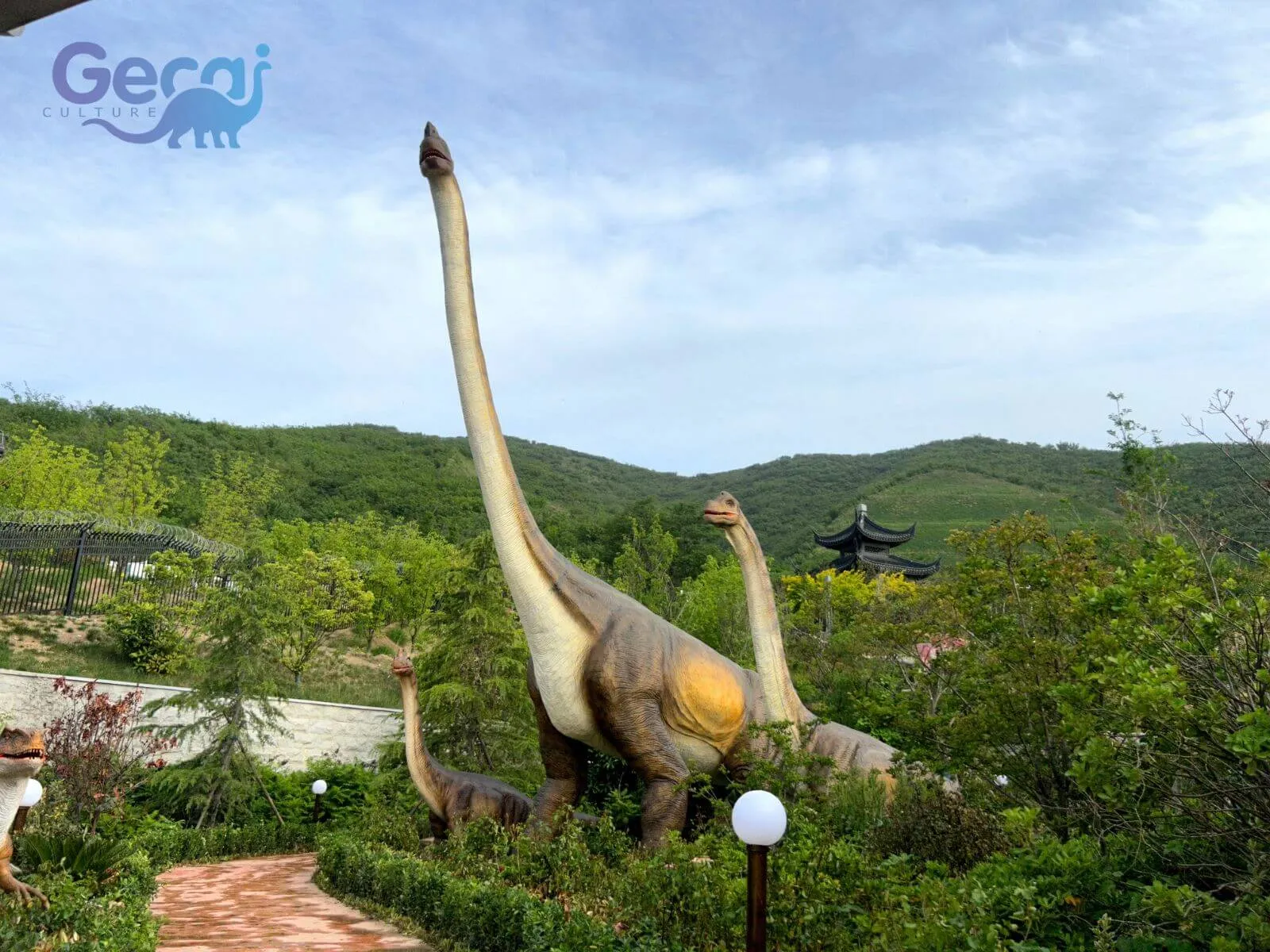
 Animatronic dinosaurs have fascinated audiences for decades, bringing the prehistoric world to life in ways that captivate both the young and old. The journey of these mechanical marvels began in the mid-20th century, when the first crude models were introduced in theme parks and movies. Over the years, advancements in technology have transformed animatronic dinosaurs from simple, jerky figures into lifelike creatures that mimic the movements and sounds of their long-extinct counterparts with stunning realism. This evolution reflects not only technological progress but also our enduring fascination with dinosaurs and our desire to experience them in as lifelike a form as possible.
From Imagination to Reality: The Initial Stages of Creation
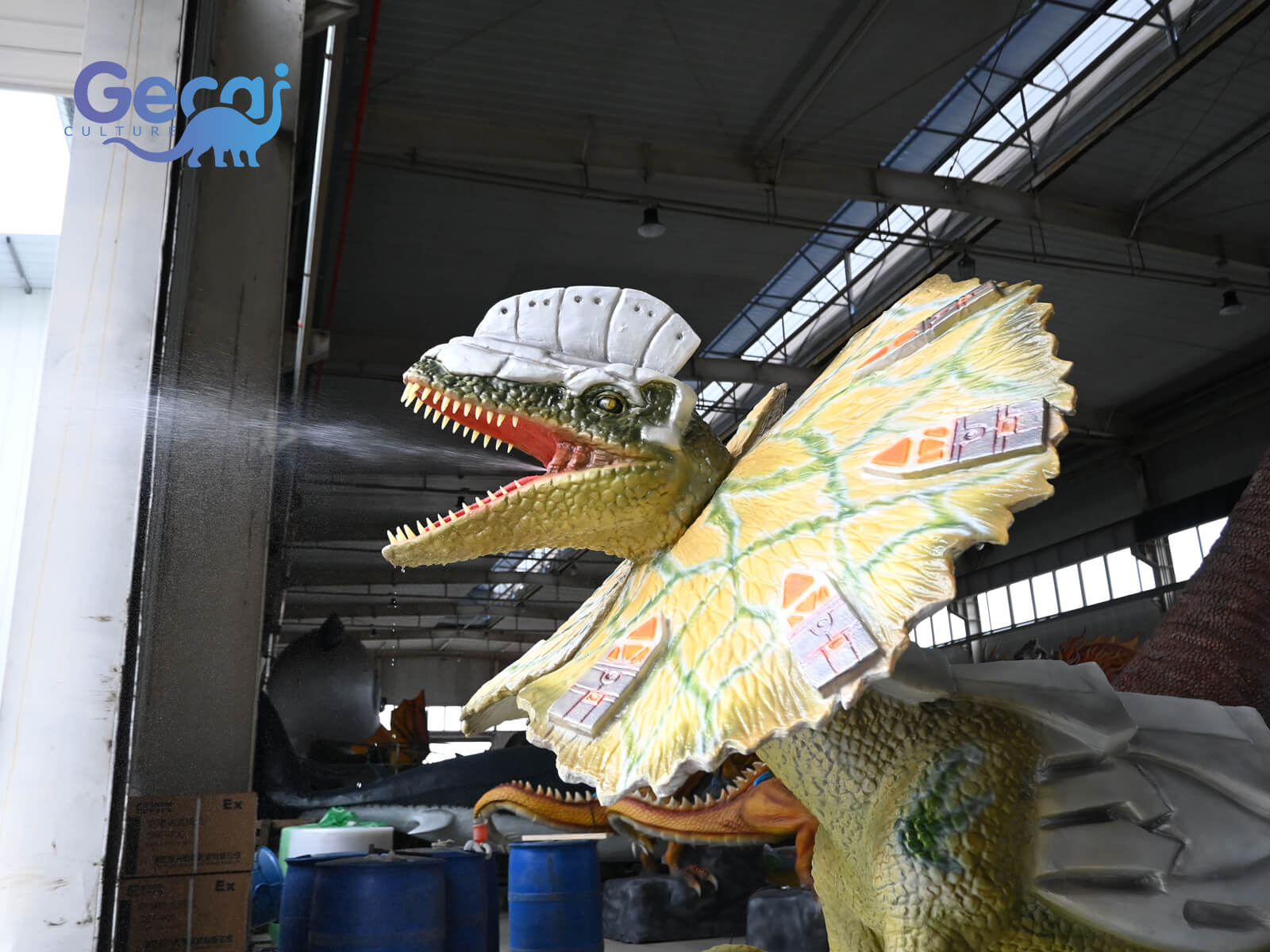 The creation of an animatronic dinosaur starts with a vision—a blend of scientific research and creative imagination. The process begins with selecting a dinosaur species, which often involves extensive research to ensure accuracy. Paleontologists and artists work together to gather information about the dinosaur’s size, shape, posture, and even its skin texture and color. This research lays the foundation for the design sketches, which are the first tangible representation of the dinosaur.
These sketches are not merely artistic renderings; they are detailed blueprints that guide every aspect of the animatronic dinosaur’s development. Designers must consider the mechanical structure that will be housed within the dinosaur’s body, ensuring that it can support the necessary movements while maintaining the creature’s natural appearance. Planning for movement and realism is a critical part of this stage. Engineers and artists collaborate to determine how the dinosaur will move—whether it’s a subtle head tilt, a powerful tail swing, or the opening and closing of jaws. Every motion must appear natural, requiring precise calculations and a deep understanding of both robotics and anatomy.
The Technology Behind the Magic: Robotics, Materials, and Software
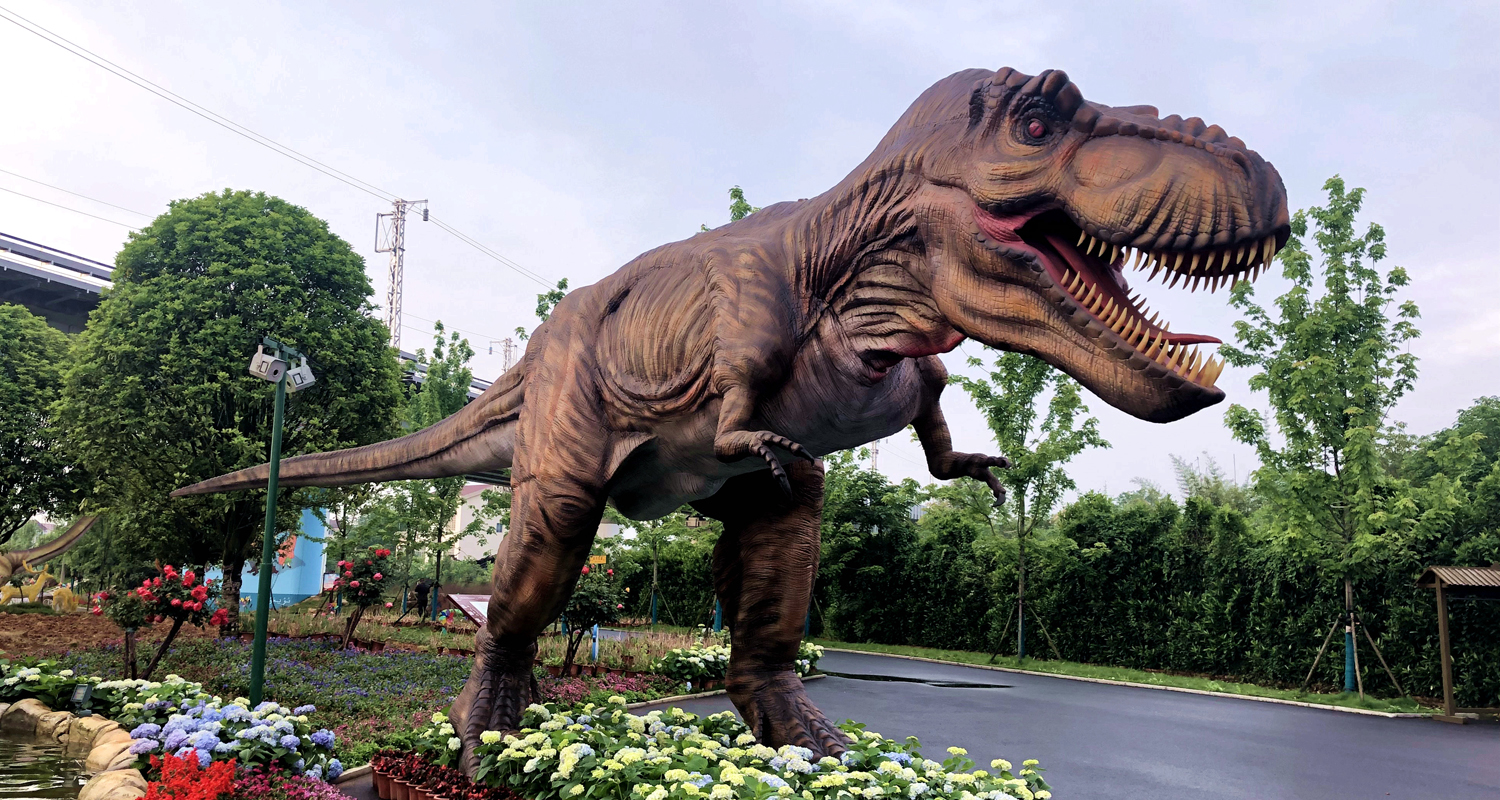 The lifelike quality of today's animatronic dinosaurs is a testament to the advancements in robotics, materials, and software. At the core of these creatures lies a complex system of servos, motors, and hydraulics that drive their movements. Early animatronics were limited by the technology of their time, resulting in stiff, repetitive motions. However, modern robotics allows for a much greater range of movement, enabling dinosaurs to walk, roar, and interact with their environment in ways that seem almost organic.
Materials play a crucial role in enhancing the realism of animatronic dinosaurs. The skin, for example, is typically made from silicone or latex, materials that can be molded and painted to replicate the texture and appearance of real dinosaur skin. Advances in materials science have made these skins more durable and flexible, allowing for more dynamic movements without compromising the integrity of the model.
Software is the final piece of the puzzle, controlling every aspect of the dinosaur's behavior. Modern animatronics are often equipped with sophisticated computer systems that allow for pre-programmed routines as well as real-time interactions. These systems can control not only the dinosaur's movements but also its sounds, breathing patterns, and even eye movements, creating a truly immersive experience for the viewer.
Bringing Dinosaurs to Life: Notable Examples in Animatronic Design
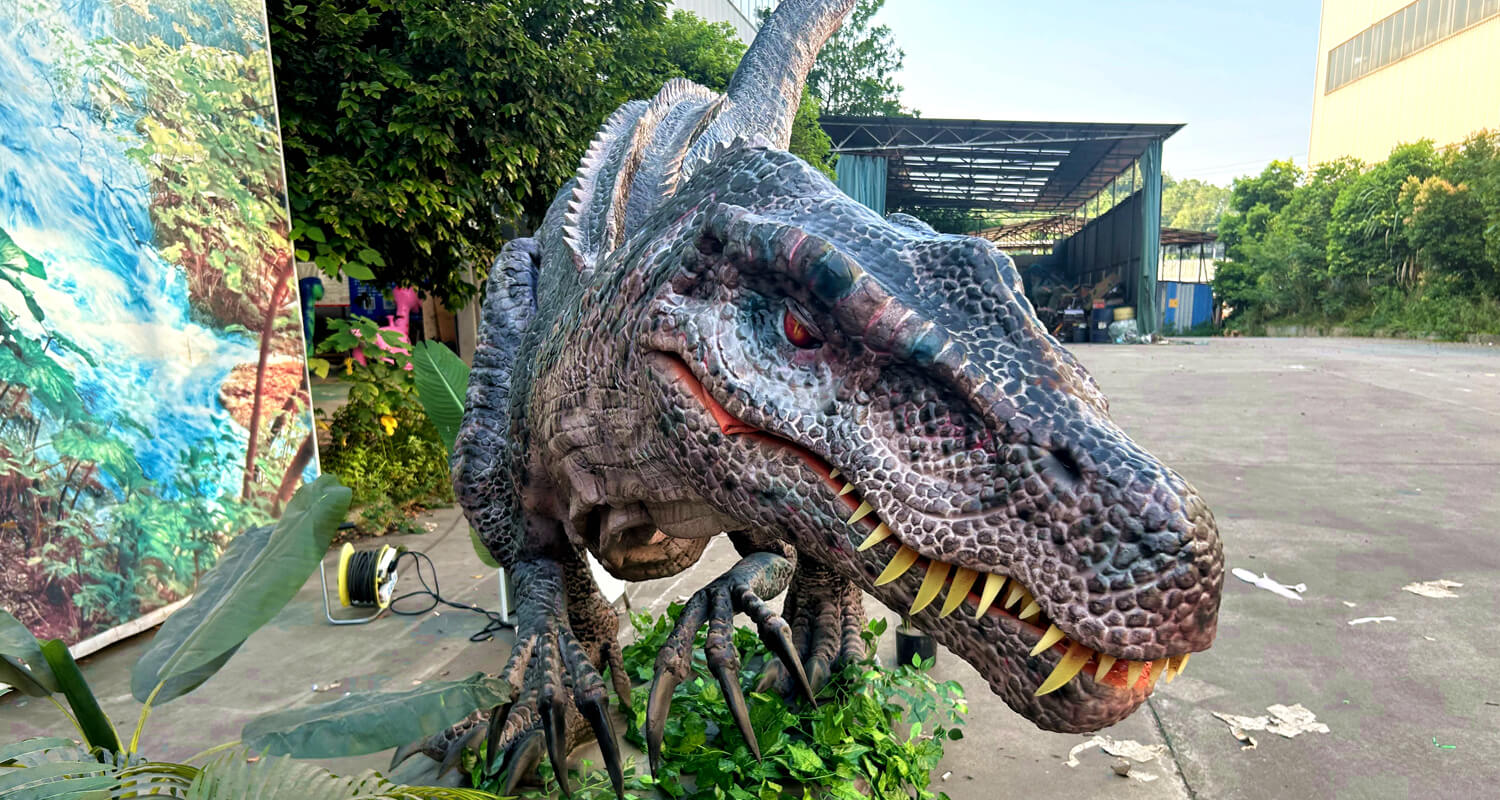 The evolution of animatronic dinosaurs is best illustrated through specific examples that highlight the progress made in this field. One of the most iconic examples is the Tyrannosaurus rex used in the original Jurassic Park movie. This animatronic dinosaur, created in the early 1990s, set a new standard for realism and was a significant leap forward in both design and technology. The T. rex's movements were controlled by a combination of hydraulic systems and puppetry, giving it a fluidity and power that had never been seen before in animatronics.
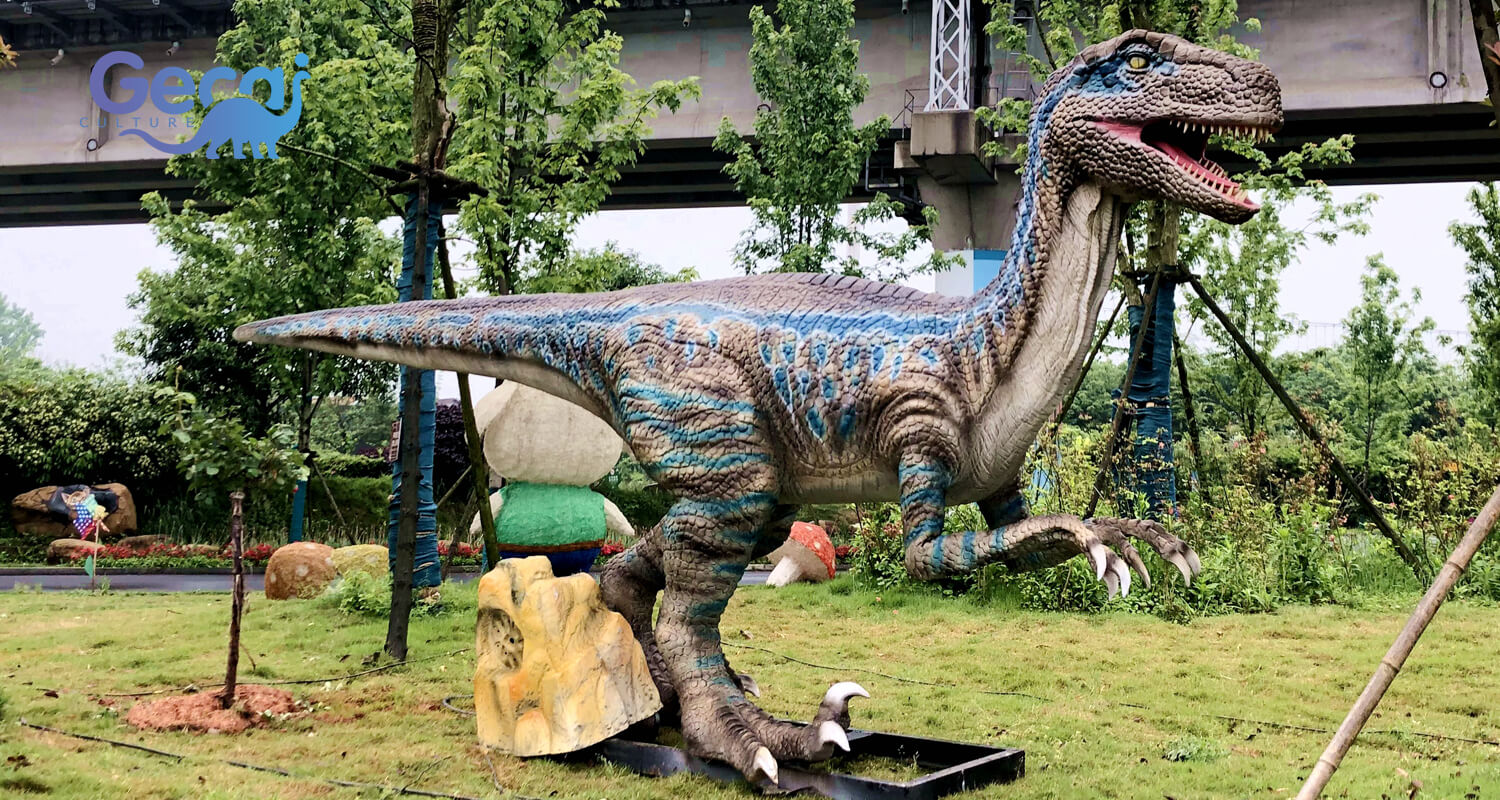
More recent examples include the animatronic dinosaurs featured in theme parks and exhibitions around the world. These models are often interactive, allowing visitors to experience a close encounter with a moving, breathing dinosaur. The Velociraptor animatronics used in Universal Studios' Jurassic World exhibit are a testament to the advancements in this technology, featuring highly responsive movements and a level of detail that blurs the line between machine and living creature.
Conclusion
In conclusion, the evolution of animatronic dinosaurs from simple mechanical figures to sophisticated, lifelike creatures is a remarkable journey that reflects our ongoing fascination with these ancient beings. As technology continues to advance, the possibilities for animatronic dinosaurs are limitless, promising even more realistic and immersive experiences in the future.
Etiquetas: