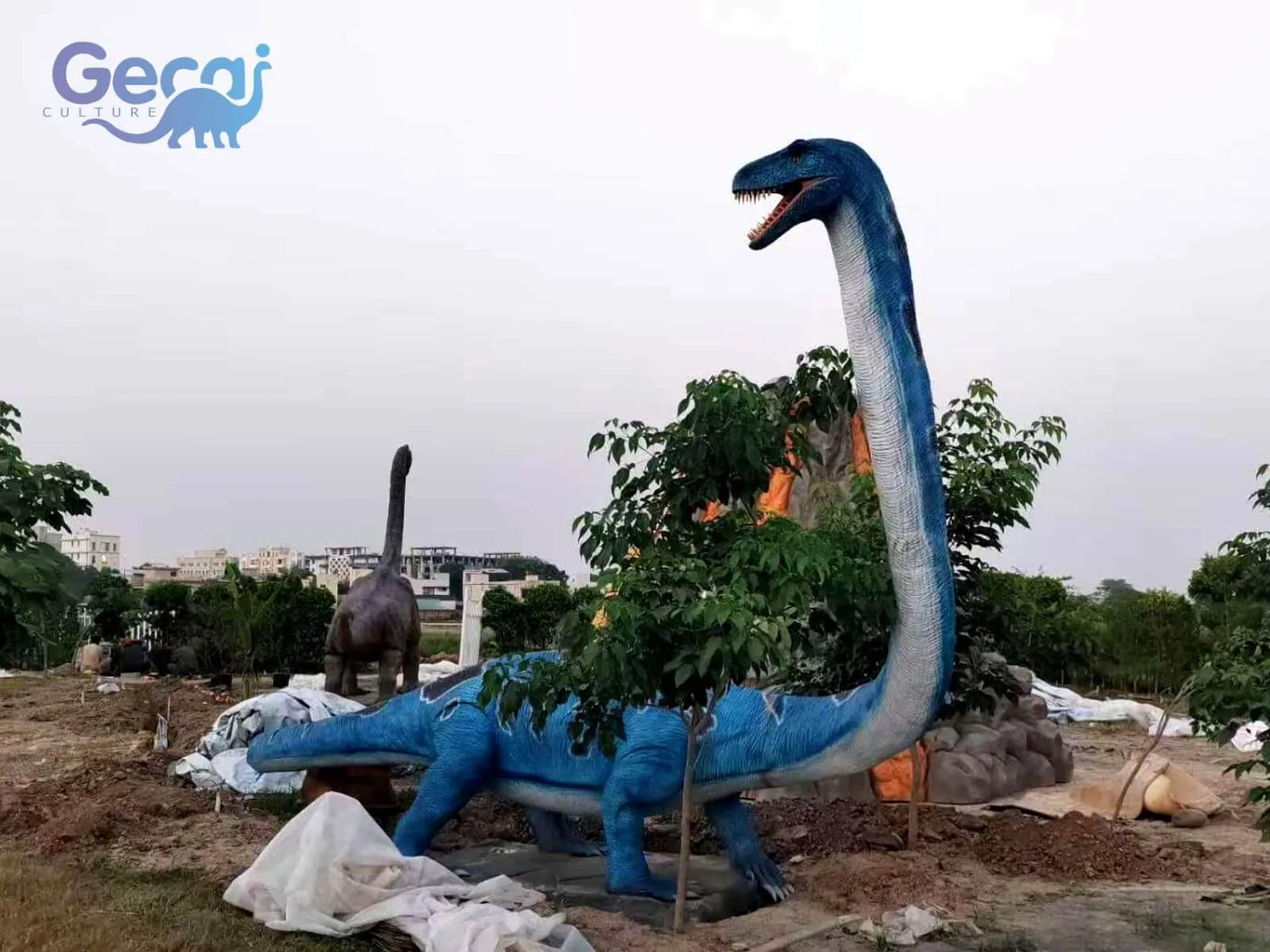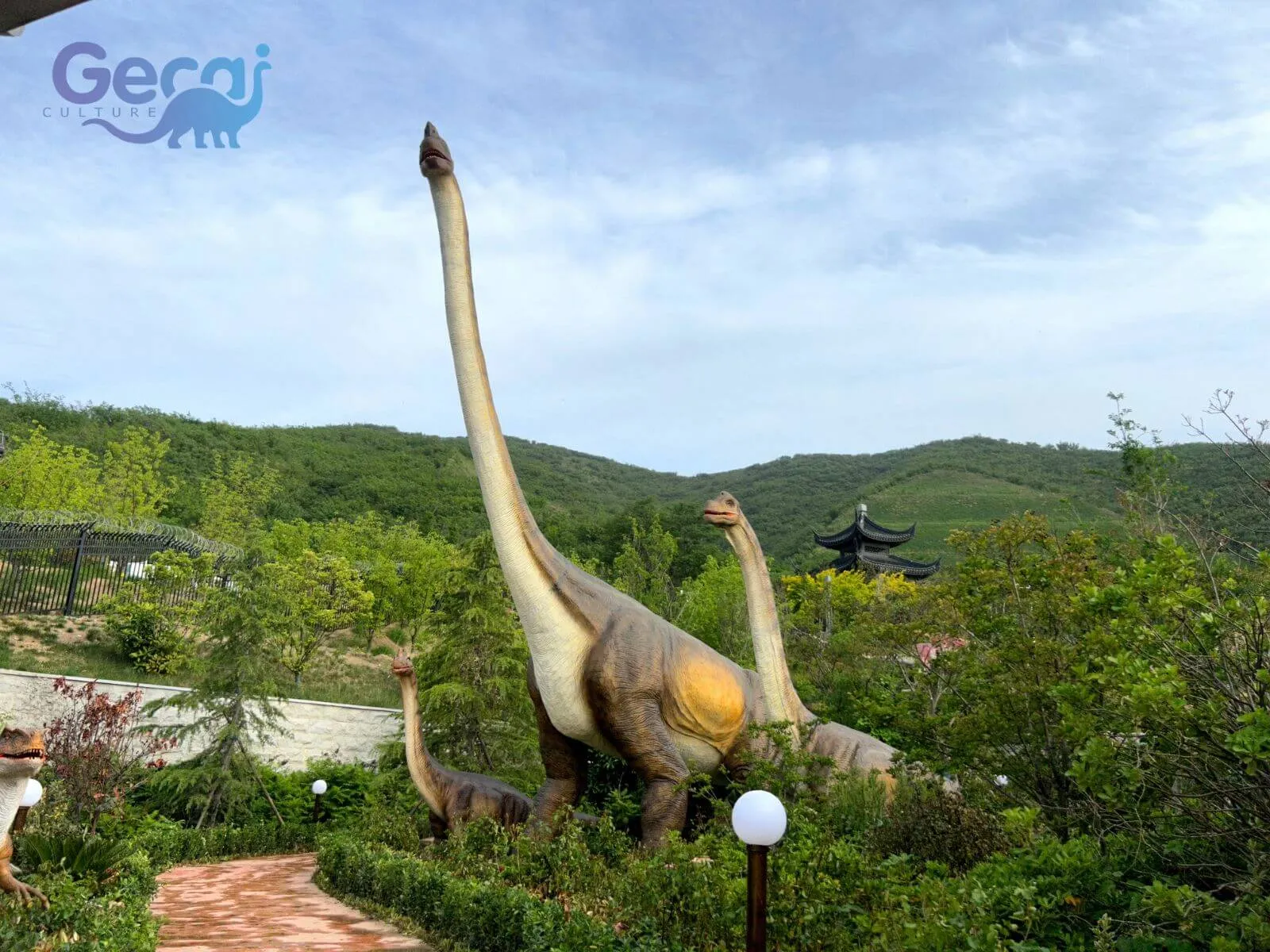
Sobre nosotros
La cultura Gecai está a la vanguardia de dar vida al pasado a través de nuestros dinosaurios animatrónicos de última generación, encantadoras criaturas animatrónicas, vibrantes linternas del festival chino y productos personalizados personalizados personalizados. Como fabricante profesional ubicado en el corazón de China, albergamos una pasión profundamente arraigada por mostrar nuestros dinosaurios y animales realistas en museos, exposiciones, zoológicos, parques y más, con el objetivo de encender una llama de curiosidad y aprendizaje en personas de todas las edades.
Obtenga una cotización gratuita
Conocimiento De Dinosaurios
Dinosaurios nadando: una inmersión en aguas prehistóricas
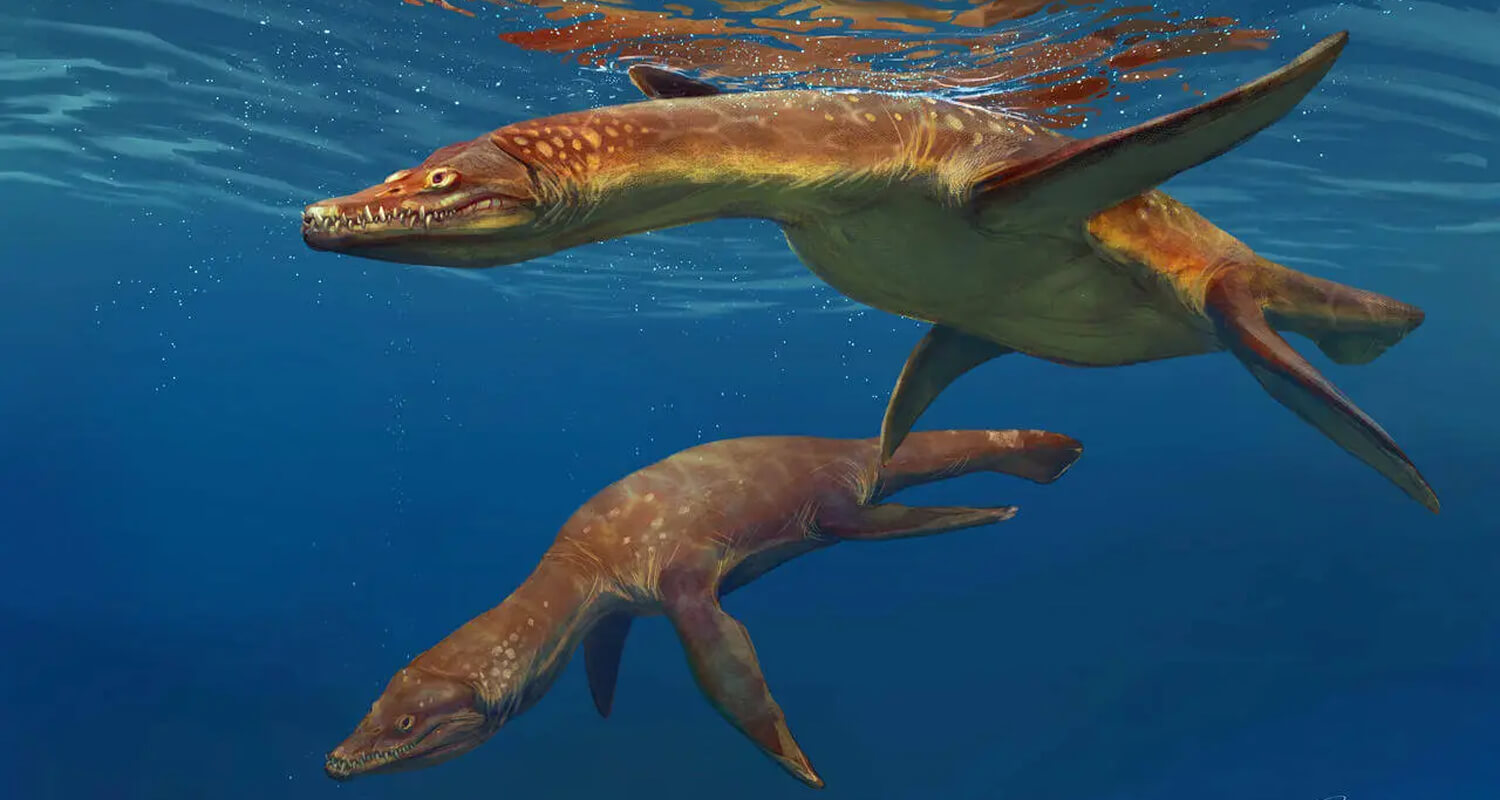 When most people imagine dinosaurs, they picture colossal land giants like Tyrannosaurus Rex or the long-necked Brachiosaurus. However, not all dinosaurs were confined to terrestrial environments. Some species adapted to life in water, making them the prehistoric rulers of lakes, rivers, and even seas. This article explores the fascinating world of swimming dinosaurs, examining their unique adaptations, notable species, and how they fit into the larger dinosaur ecosystem. We will also highlight how our animatronic dinosaur products bring these ancient creatures to life for modern audiences.
The Concept of Aquatic Dinosaurs
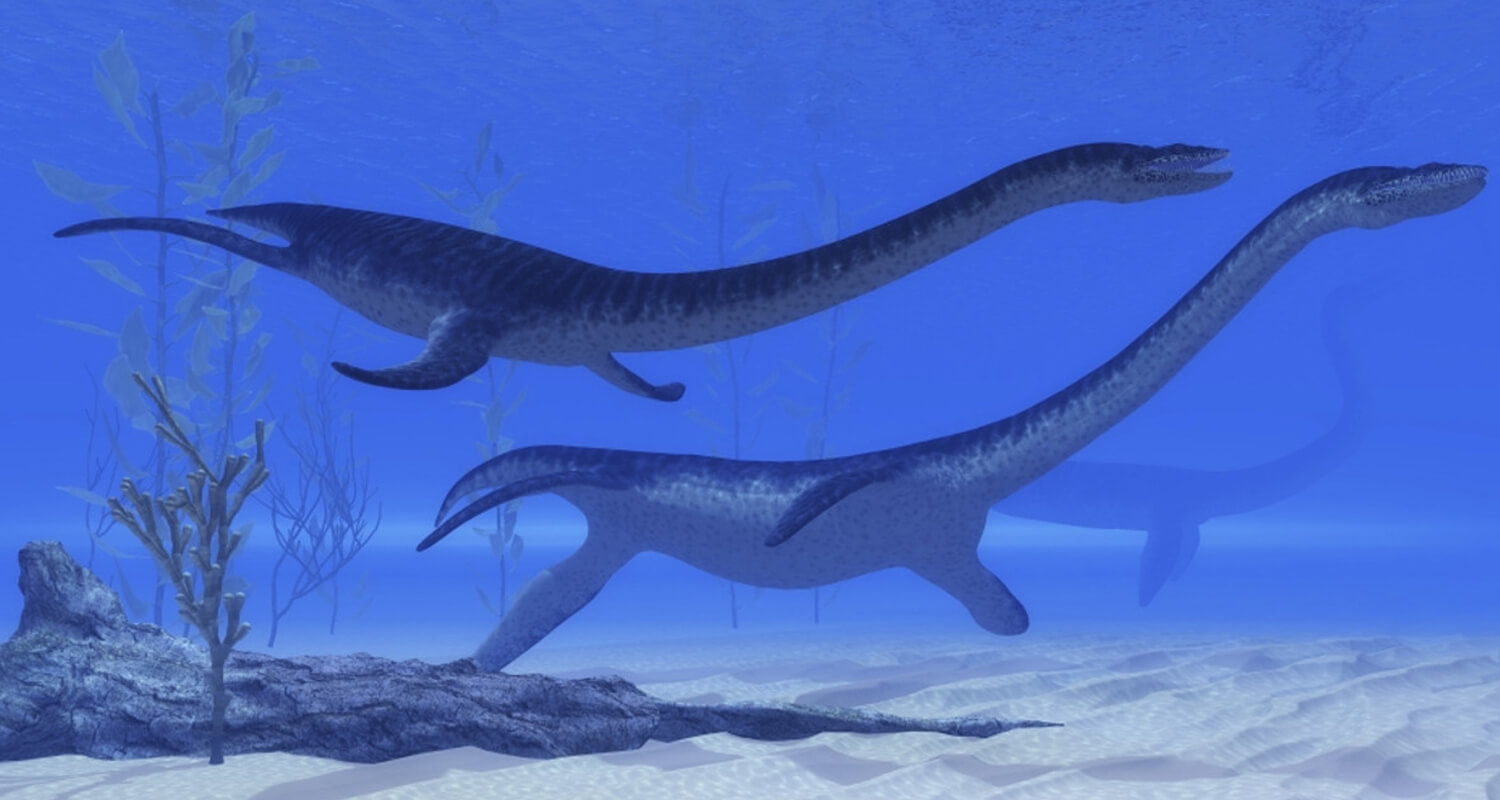
 It is essential to clarify that while many prehistoric reptiles lived in the water, not all of them are classified as dinosaurs. Marine reptiles like plesiosaurs, mosasaurs, and ichthyosaurs often get lumped into the dinosaur category, but they are distinct groups. True dinosaurs were primarily land-dwelling creatures; however, some were semi-aquatic, capable of swimming and thriving in watery environments. These swimming dinosaurs had specific adaptations that allowed them to survive and hunt in aquatic habitats.
Adaptations for Aquatic Life
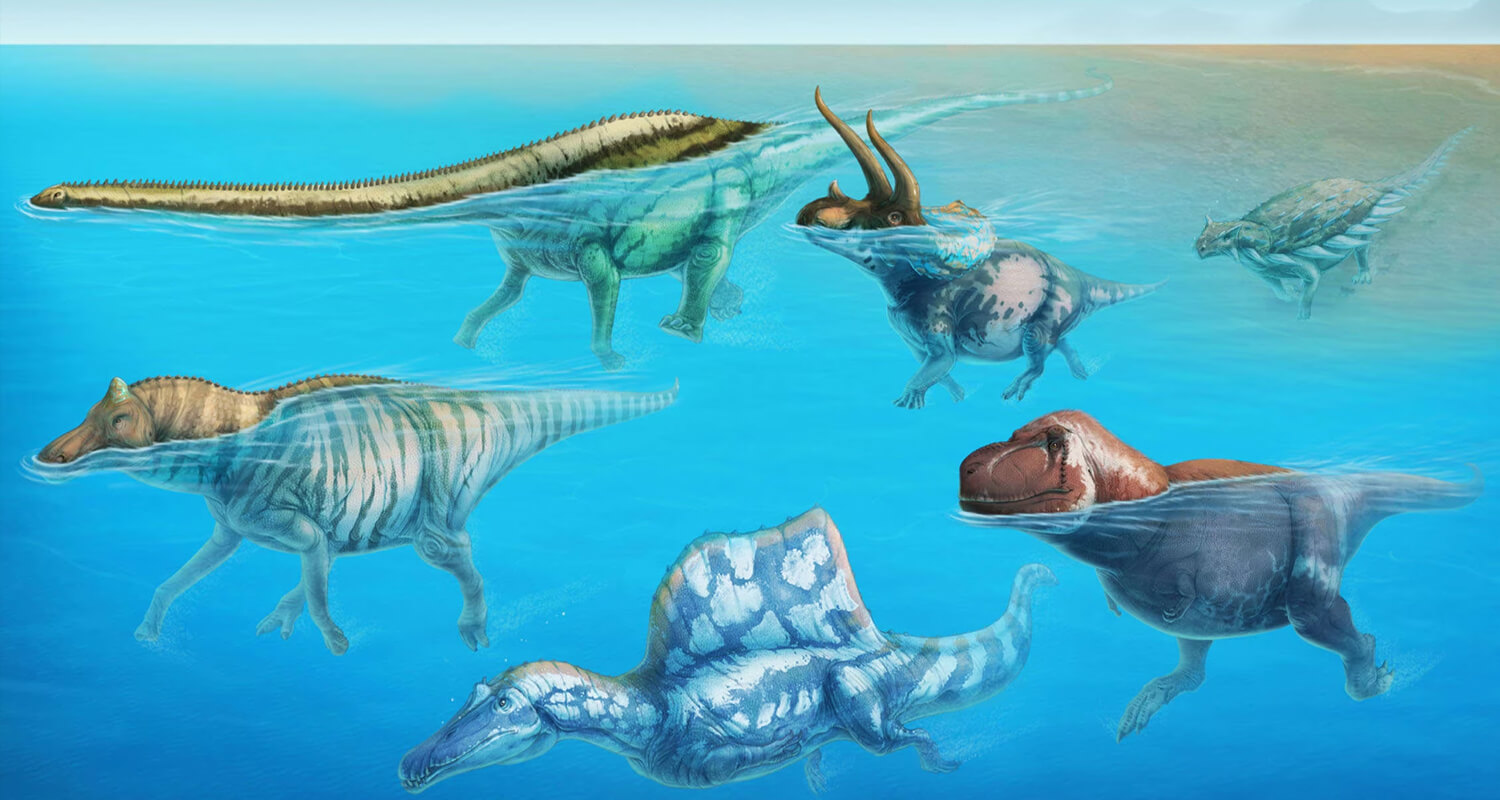
For dinosaurs to navigate water effectively, they needed particular anatomical features. Most swimming dinosaurs developed streamlined bodies that allowed them to move with minimal resistance in water. Their limbs often evolved into flipper-like appendages or sturdy legs suited for paddling. Some species had elongated necks to catch prey in water without fully submerging their bodies.
Another crucial adaptation was their tails. Similar to modern-day crocodiles, some aquatic dinosaurs used their powerful tails for propulsion, enabling swift, agile movements to chase down prey or evade predators. In addition, these dinosaurs had specialized lung systems or air sacs, allowing them to hold their breath for extended periods as they dove beneath the water's surface.
Swimming Dinosaurs List
While not as numerous as their land-based relatives, several types of swimming dinosaurs have been identified. Below are some of the most notable species:
Spinosaurus
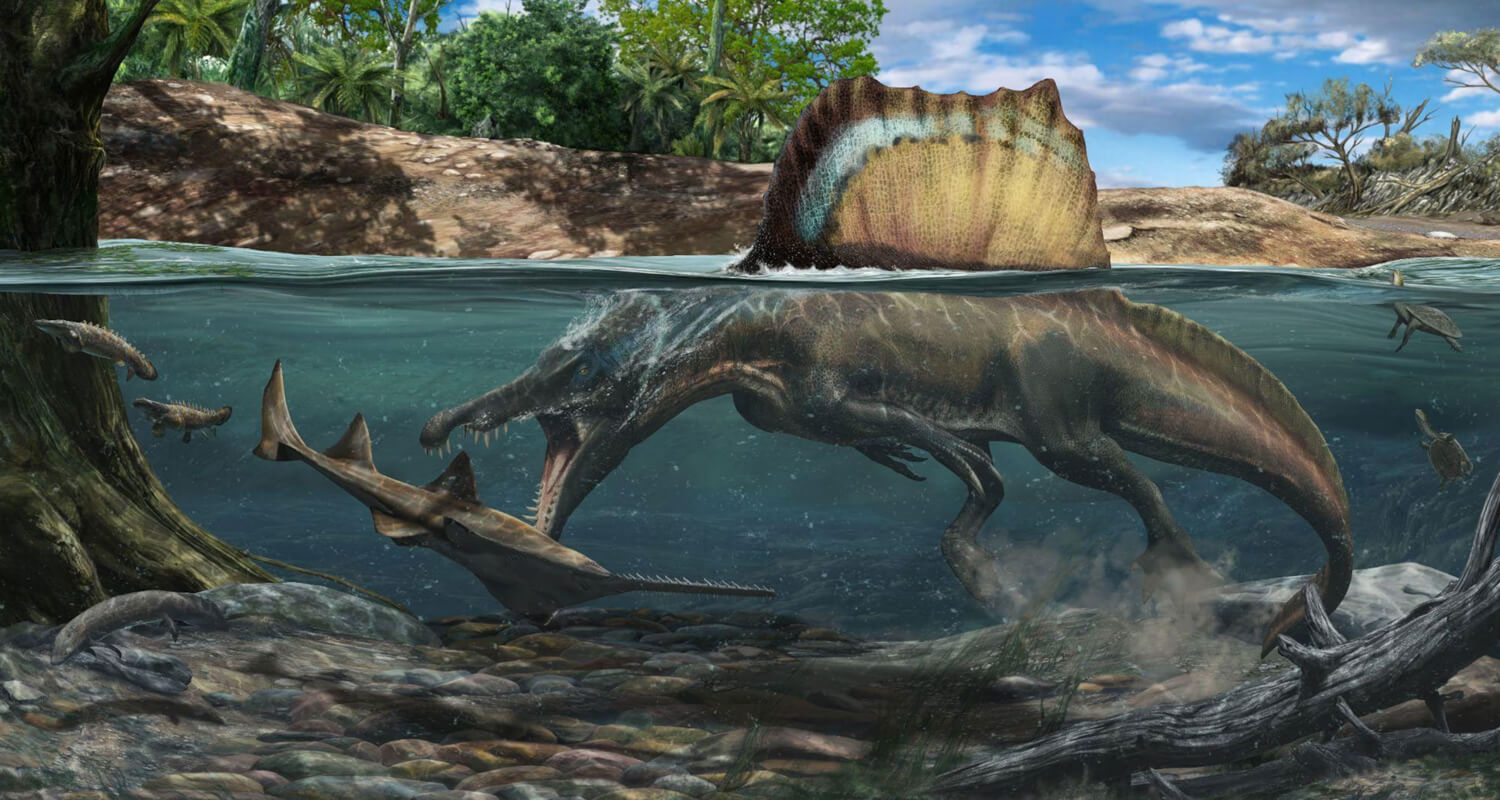
Size: Approximately 15 to 18 meters (49 to 59 feet) long
Weight: Estimated 7 to 10 tons
Time Period: Late Cretaceous (around 112 to 93 million years ago)
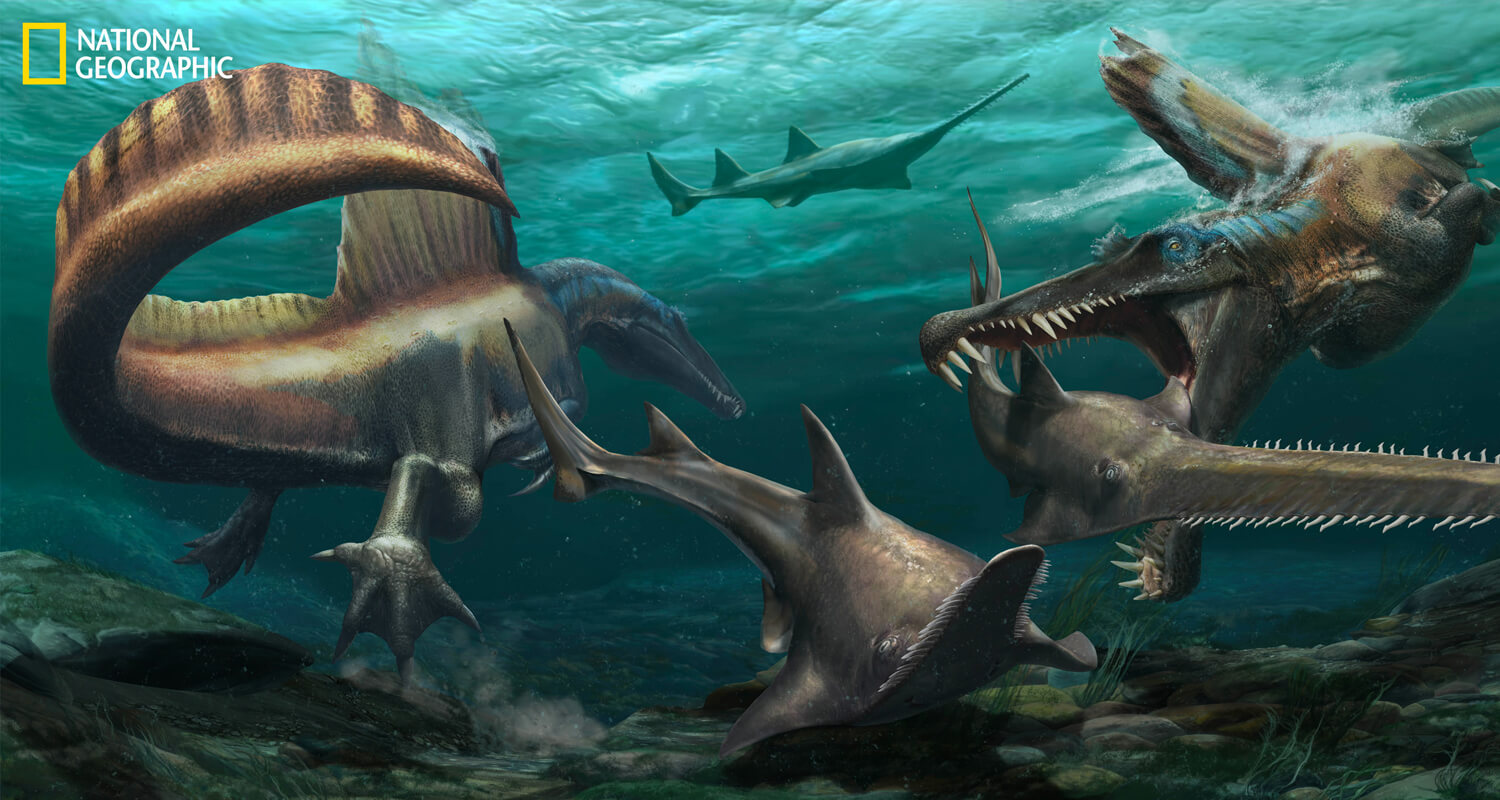
Spinosaurus is renowned for its adaptation to aquatic life, featuring a long, crocodile-like snout and conical teeth ideal for catching fish. It had a robust, paddle-like body and limbs that facilitated swimming. Its distinctive sail-like spine, formed by elongated neural spines, is one of the most striking features, making it a dominant predator in riverine and coastal environments.
Baryonyx
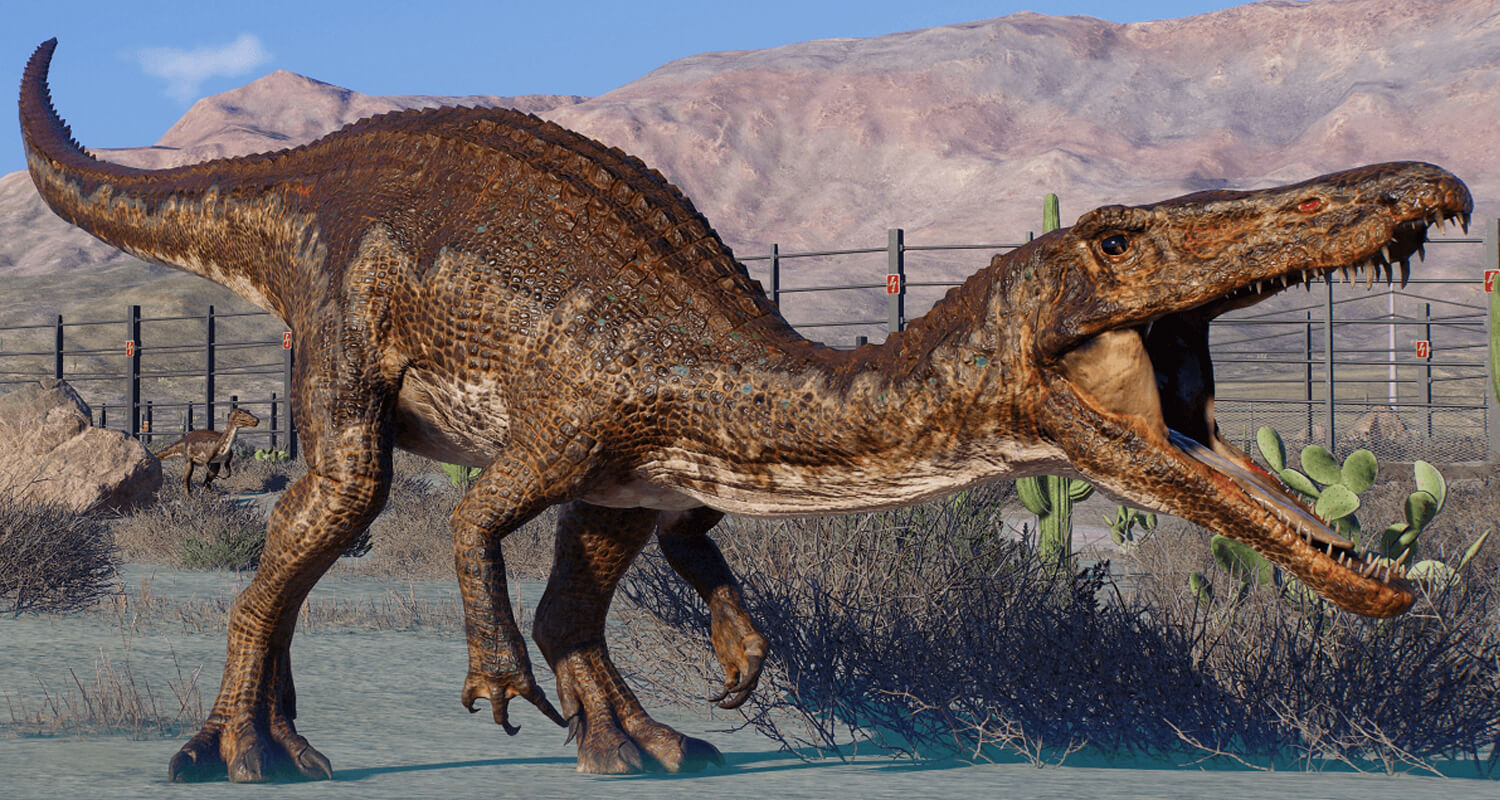
Size: Approximately 9 to 10 meters (30 to 33 feet) long
Weight: Estimated 1.2 to 2 tons
Time Period: Early Cretaceous (around 125 to 122 million years ago)
Baryonyx was a specialized fish-eater with a long, narrow snout and strong, clawed arms used for catching aquatic prey. Its unique features, including conical teeth and a robust body, indicate that it spent a significant amount of time in aquatic habitats, hunting in rivers and lakes.
Suchomimus
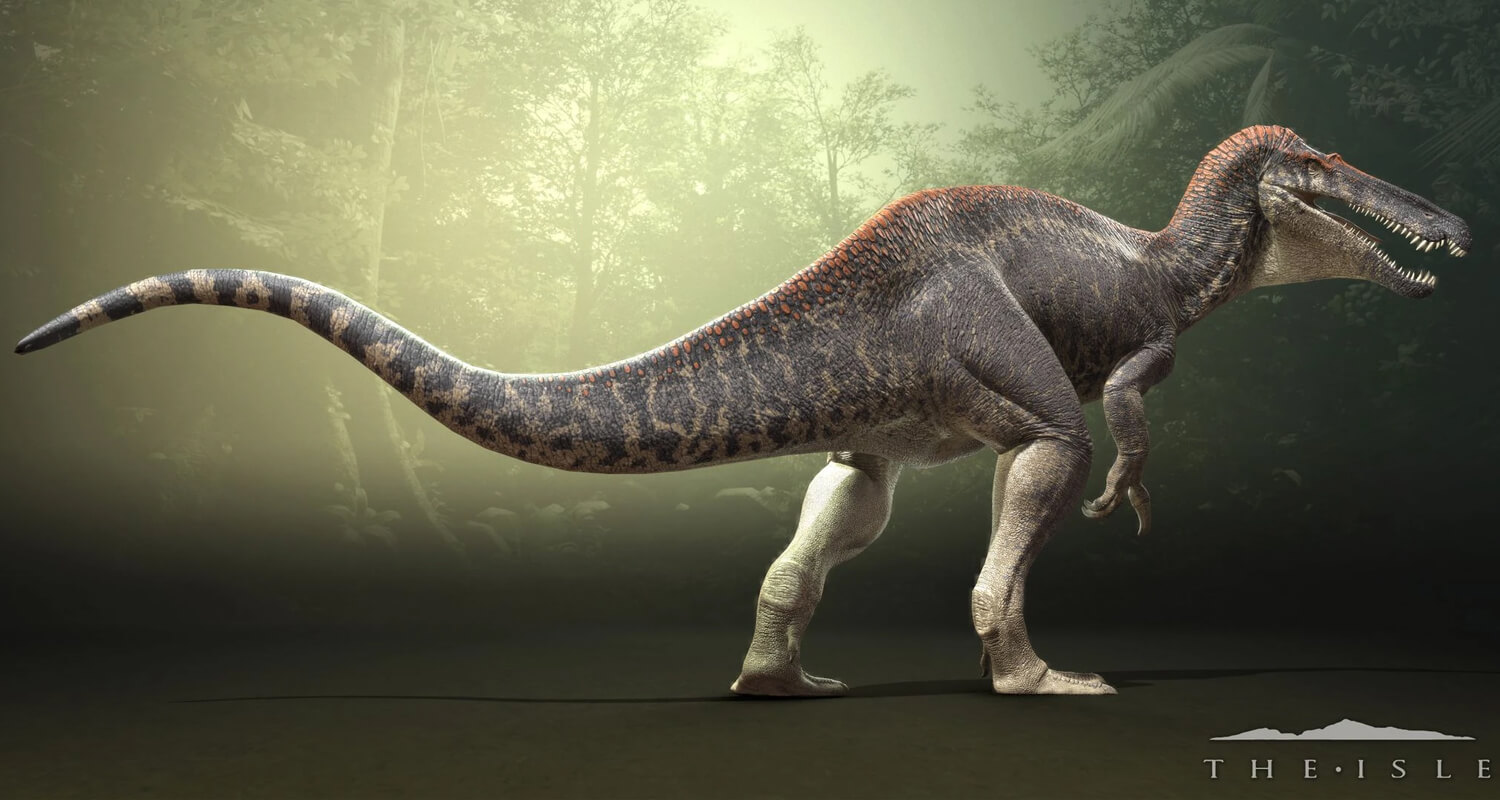
Size: Approximately 11 to 12 meters (36 to 39 feet) long
Weight: Estimated 3 to 5 tons
Time Period: Early Cretaceous (around 113 to 100 million years ago)
Suchomimus shared many similarities with Baryonyx, including a fish-eating diet and aquatic adaptations. Its long, crocodile-like snout and conical teeth were perfect for catching fish. The robust body and large, strong limbs of Suchomimus allowed it to wade into shallow waters and hunt effectively.
Halszkaraptor
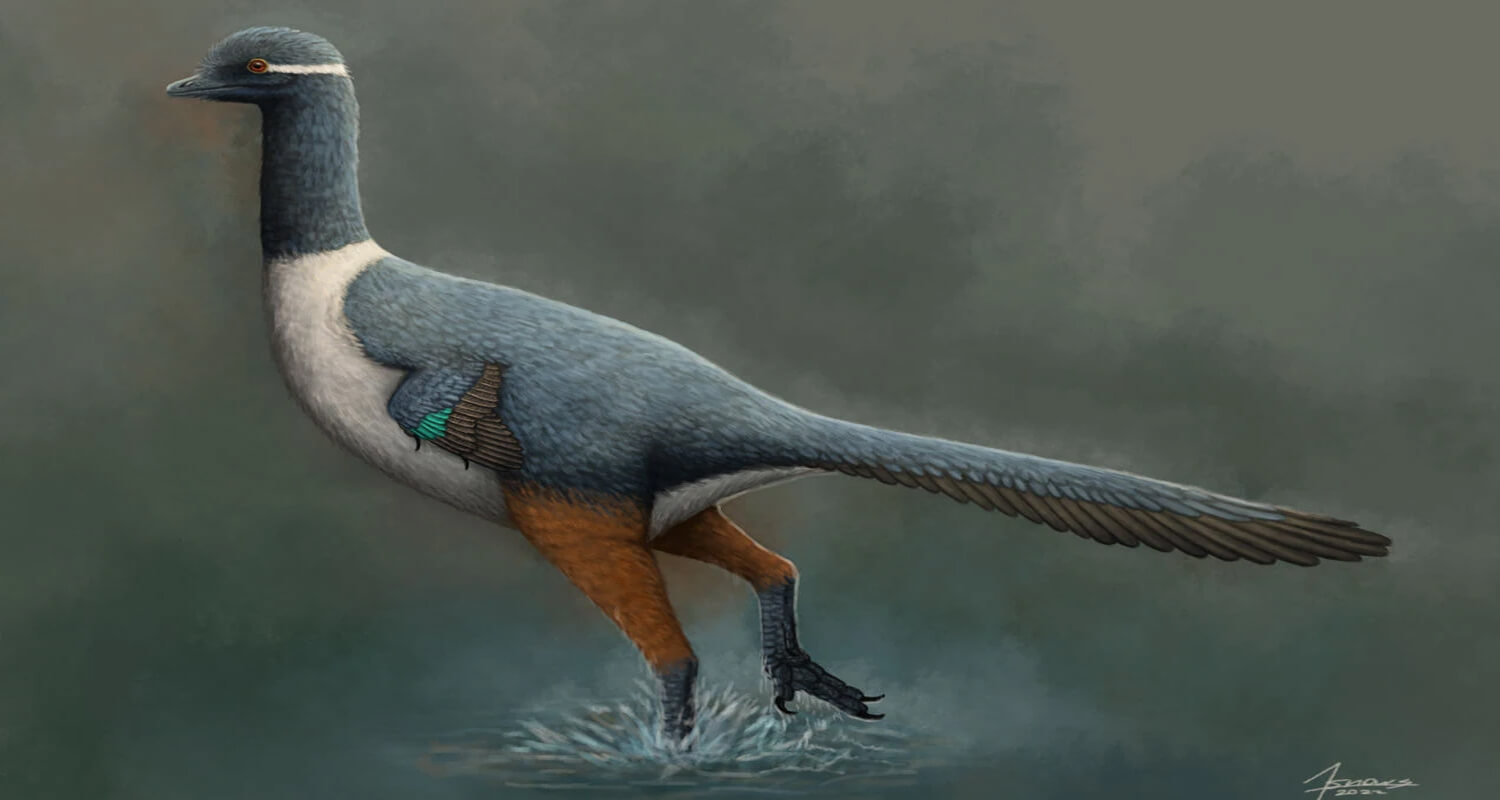
Size: Approximately 1.8 to 2 meters (6 to 7 feet) long
Weight: Estimated 0.3 to 0.5 tons
Time Period: Late Cretaceous (around 75 to 71 million years ago)
Halszkaraptor was a small, semi-aquatic dinosaur with flipper-like arms adapted for swimming. Its slender body and specialized limbs suggest it was an agile swimmer, likely preying on small aquatic animals. Its unique adaptations make it one of the most intriguing examples of semi-aquatic dinosaurs.
Plesiosaurus
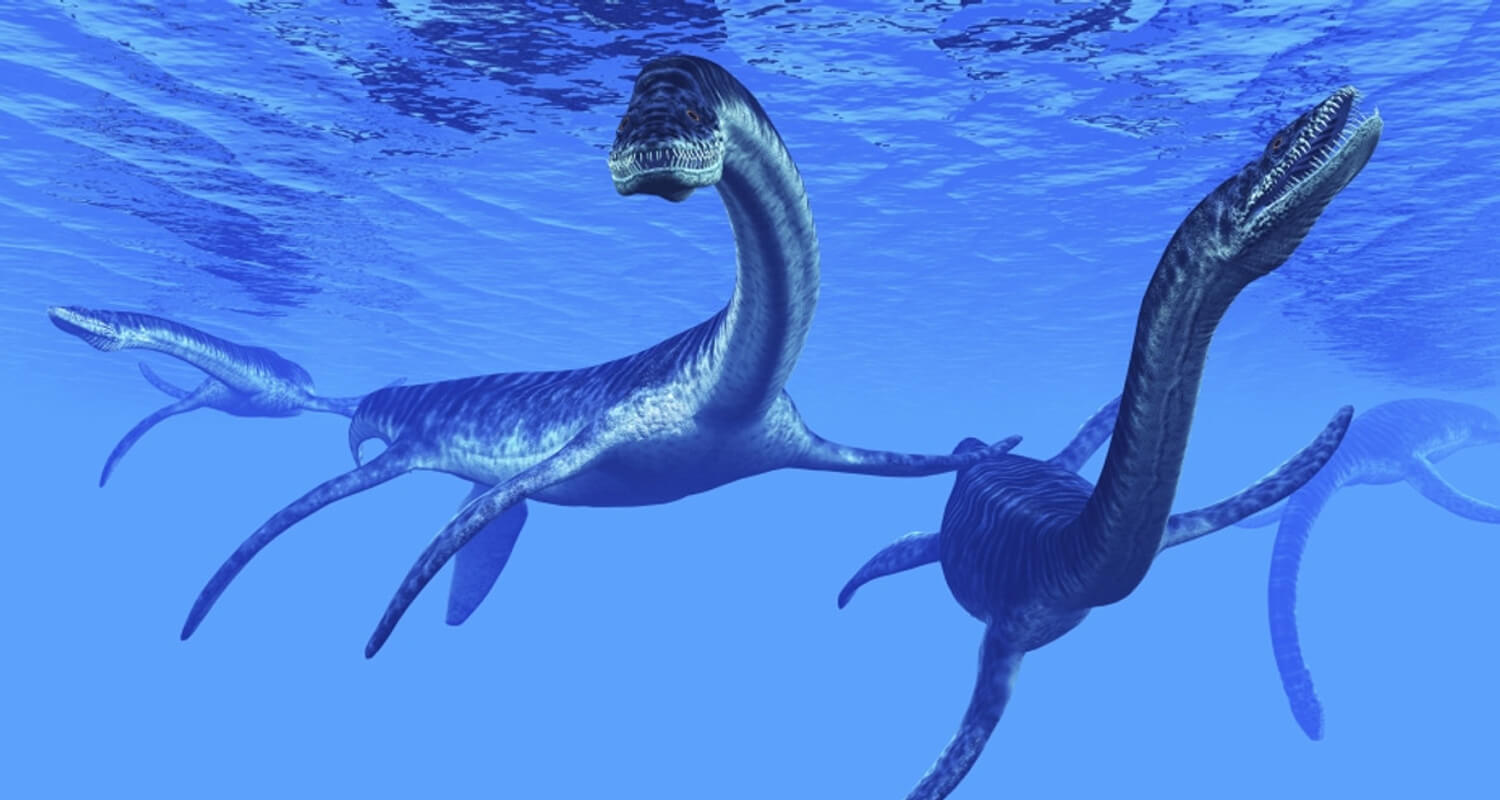
Size: Approximately 4.5 to 5.5 meters (15 to 18 feet) long
Weight: Estimated 1 to 2 tons
Time Period: Late Jurassic (around 200 to 145 million years ago)
Although not a true dinosaur, Plesiosaurus is worth mentioning due to its impressive swimming capabilities. With its long neck, small head, and flipper-like limbs, it was a powerful swimmer and efficient predator in the oceans. Plesiosaurus is often associated with aquatic life, making it a notable member of the prehistoric marine ecosystem.
Ichthyosaurus
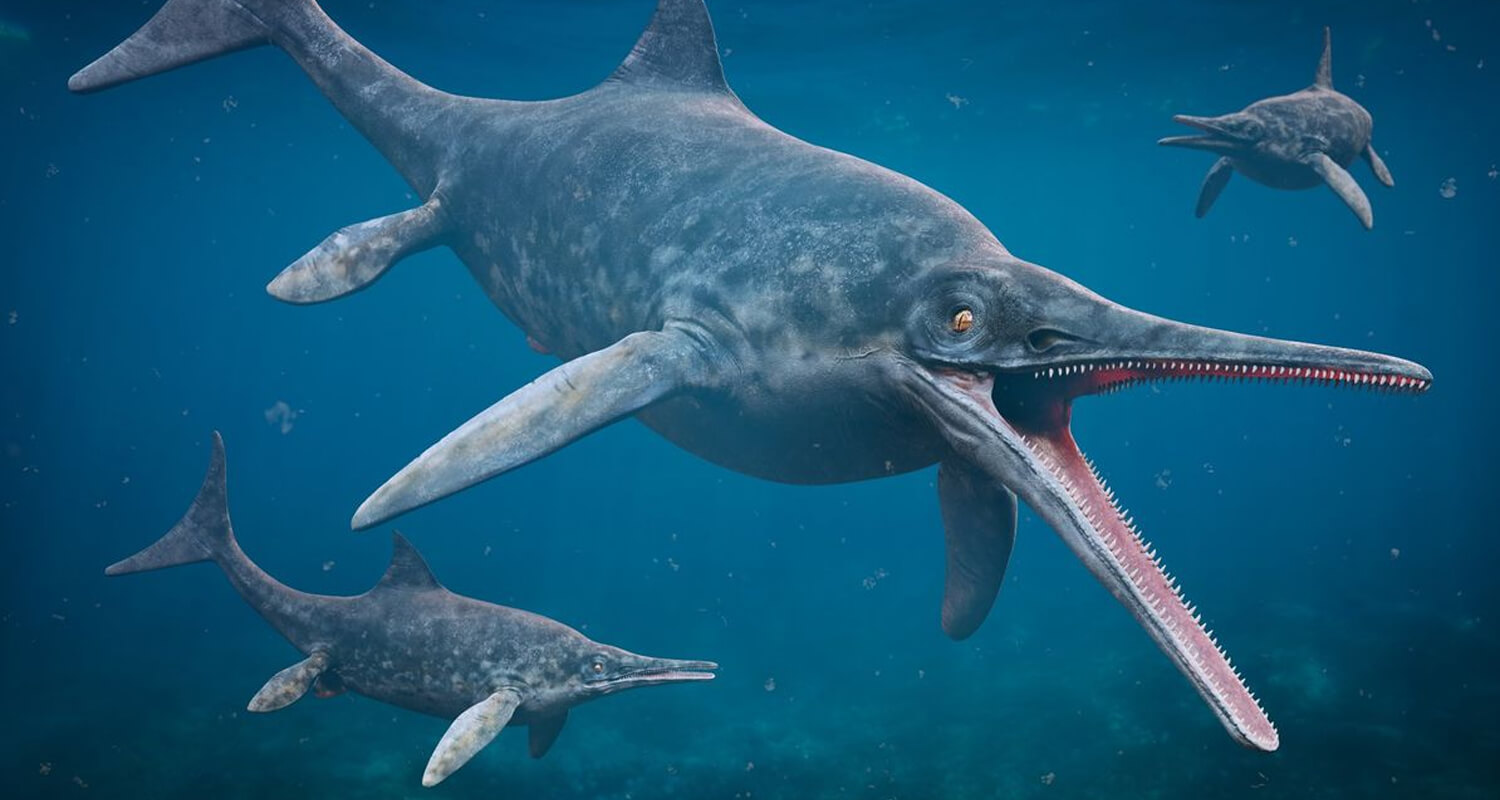
Size: Approximately 2 to 4 meters (6 to 13 feet) long
Weight: Estimated 0.5 to 1 ton
Time Period: Early Jurassic (around 250 to 200 million years ago)
Ichthyosaurus, another marine reptile, featured a streamlined body and powerful tail, which allowed it to swim rapidly through the water. Its fish-like body shape and conical teeth suggest it was a swift predator, primarily feeding on fish and squid.
Mosasaurus
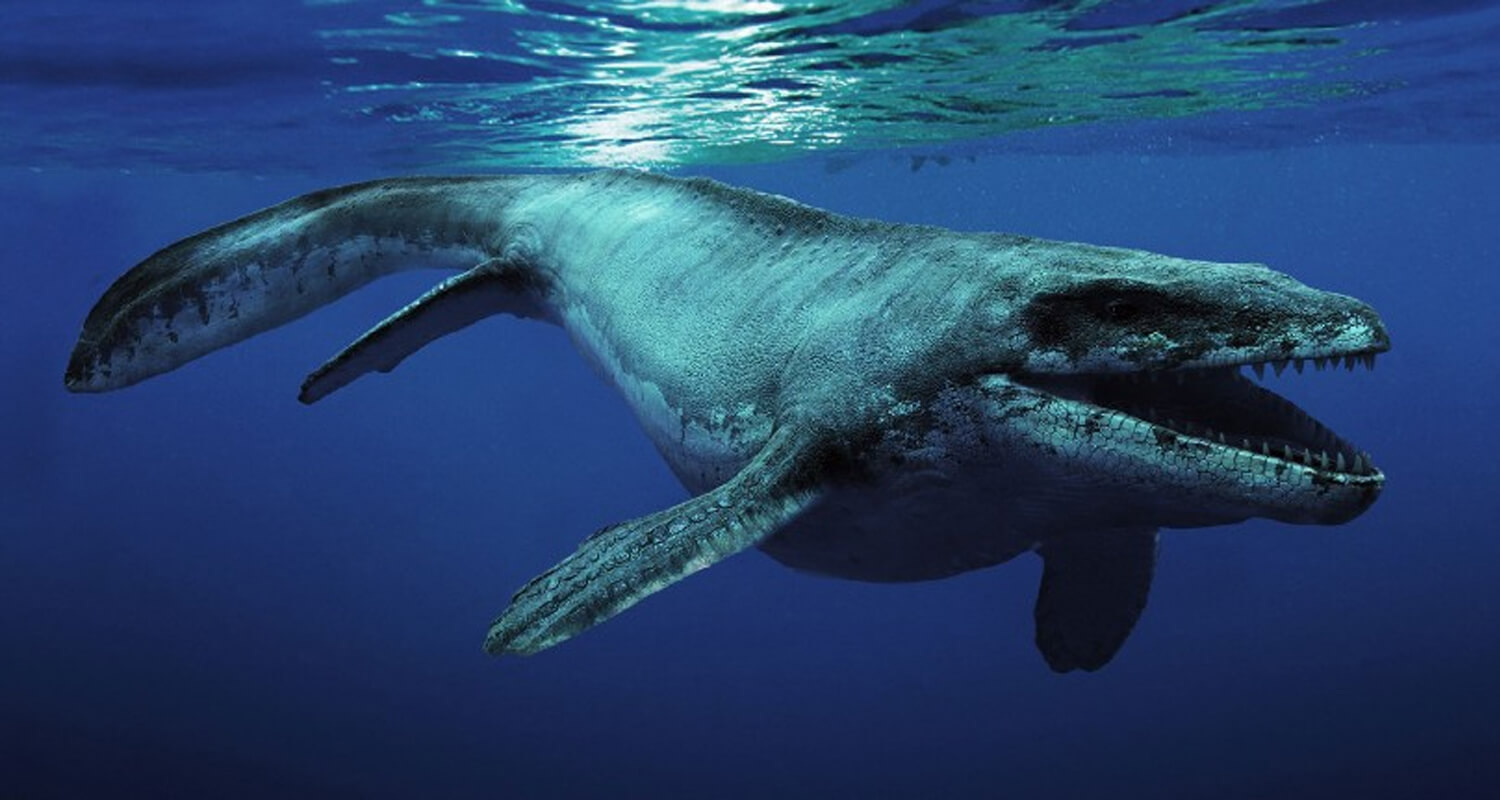
Size: Approximately 15 to 18 meters (49 to 59 feet) long
Weight: Estimated 10 to 15 tons
Time Period: Late Cretaceous (around 82 to 66 million years ago)
Mosasaurus was a dominant marine predator with a long, powerful body and strong tail, suited for fast swimming. Its conical teeth and large jaws made it an effective hunter of marine reptiles, fish, and squid. Mosasaurus is one of the largest marine reptiles and was a top predator in its environment.
How Swimming Dinosaurs Fit into the Ecosystem
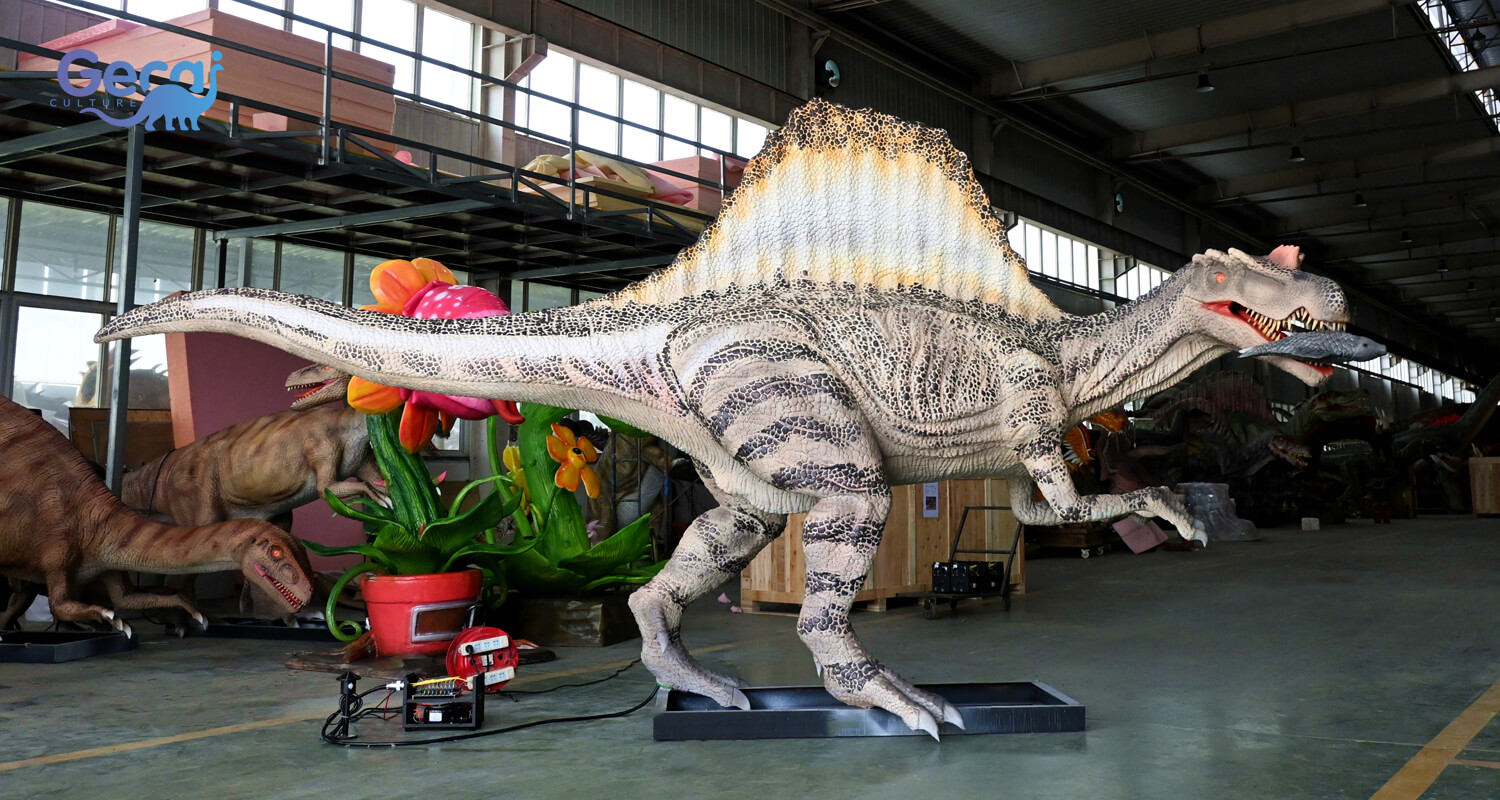 The swimming dinosaurs played a crucial role in the prehistoric food chain. While land-dwelling dinosaurs dominated the terrestrial ecosystems, semi-aquatic dinosaurs like Spinosaurus and Baryonyx carved out a niche in rivers, lakes, and coastal areas. They likely fed on fish and other aquatic animals, such as small reptiles and amphibians. Their presence near water sources would have made them integral to both the aquatic and terrestrial ecosystems.
These dinosaurs were also prey for larger marine reptiles and other carnivorous dinosaurs when venturing onto land. The interaction between aquatic and land-based dinosaurs created a dynamic ecosystem, where food sources and predator-prey relationships spanned both environments.
Animatronic Dinosaurs: Bringing the Ancient Swimmers to Life
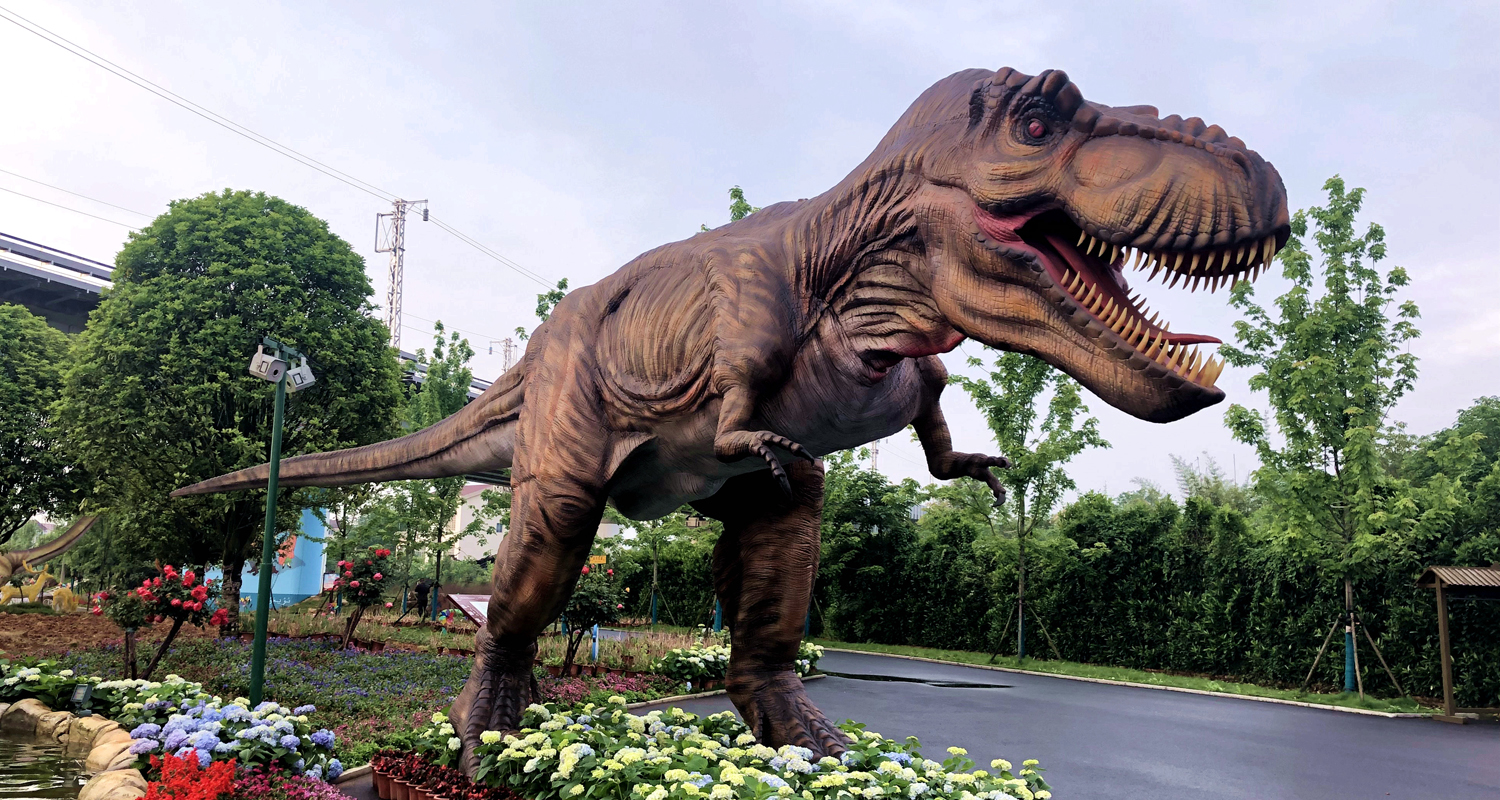 Understanding the behaviors and characteristics of swimming dinosaurs gives us a glimpse into the incredible diversity of life during the Mesozoic Era. However, seeing these creatures up close and personal is a different experience altogether. That's where our animatronic dinosaurs come into play.
At Gecai Culture, we specialize in creating lifelike animatronic dinosaurs that showcase the unique features of species like Spinosaurus, Baryonyx, and other swimming dinosaurs. Our animatronic models can be customized in terms of size, colors, and movement to bring an authentic prehistoric experience to museums, theme parks, and exhibitions.
Each animatronic dinosaur is designed with intricate attention to detail, from the textured scales to the fluid motion of their limbs and tails. For swimming dinosaurs, we focus on capturing the essence of their aquatic adaptations—whether it's the paddle-like limbs of Baryonyx or the sleek, streamlined body of Spinosaurus.
Our animatronic dinosaurs can be featured in water-based settings, simulating the environments these creatures once thrived in. Visitors can witness the lifelike movements of these ancient predators as they "swim" through realistic landscapes, offering an educational and engaging experience for audiences of all ages.
FAQs about Swimming Dinosaurs
 Were all dinosaurs capable of swimming?
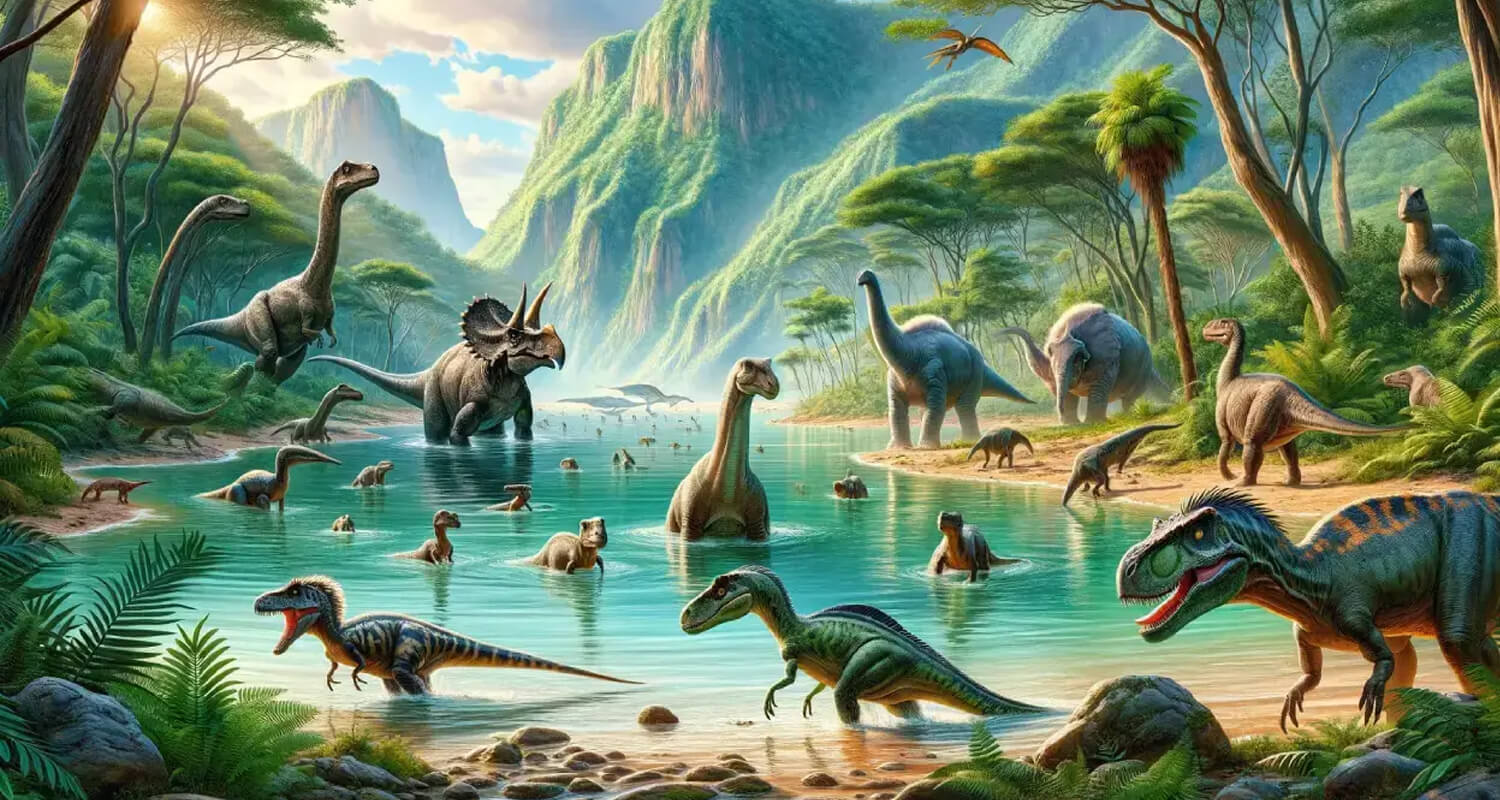
While many dinosaurs were land-dwelling, some species developed adaptations for swimming, particularly those living near water sources. However, not all dinosaurs were capable of effective swimming.
What is the most famous swimming dinosaur?
The Spinosaurus is the most famous swimming dinosaur, known for its large sail-like spine and aquatic hunting abilities.
How do you recreate swimming dinosaurs in your animatronics?
Our animatronic swimming dinosaurs feature fluid movements and lifelike designs to capture their aquatic abilities. We can customize the motion and settings to simulate swimming environments.
Can swimming dinosaurs be displayed in outdoor exhibits?
Yes, our animatronic swimming dinosaurs are designed to withstand outdoor environments, making them perfect for both indoor and outdoor exhibitions.
Conclusion
 Swimming dinosaurs represent a fascinating branch of the dinosaur family tree, showcasing the adaptability and diversity of life during the Mesozoic Era. From the formidable Spinosaurus to the agile Halszkaraptor, these ancient creatures ruled the waterways with grace and power. At Gecai Culture, our animatronic dinosaur models bring these swimming dinosaurs to life, offering an immersive and educational experience for audiences around the world. Whether you're looking to enhance a museum exhibit or create a unique theme park attraction, our lifelike dinosaurs are sure to captivate and inspire.
Etiquetas: