Sobre nosotros
La cultura Gecai está a la vanguardia de dar vida al pasado a través de nuestros dinosaurios animatrónicos de última generación, encantadoras criaturas animatrónicas, vibrantes linternas del festival chino y productos personalizados personalizados personalizados. Como fabricante profesional ubicado en el corazón de China, albergamos una pasión profundamente arraigada por mostrar nuestros dinosaurios y animales realistas en museos, exposiciones, zoológicos, parques y más, con el objetivo de encender una llama de curiosidad y aprendizaje en personas de todas las edades.
Obtenga una cotización gratuita
Conocimiento De Dinosaurios
Los Dinosaurios Más Rápidos: Revelando Los Demonios De Velocidad Del Mundo Prehistórico
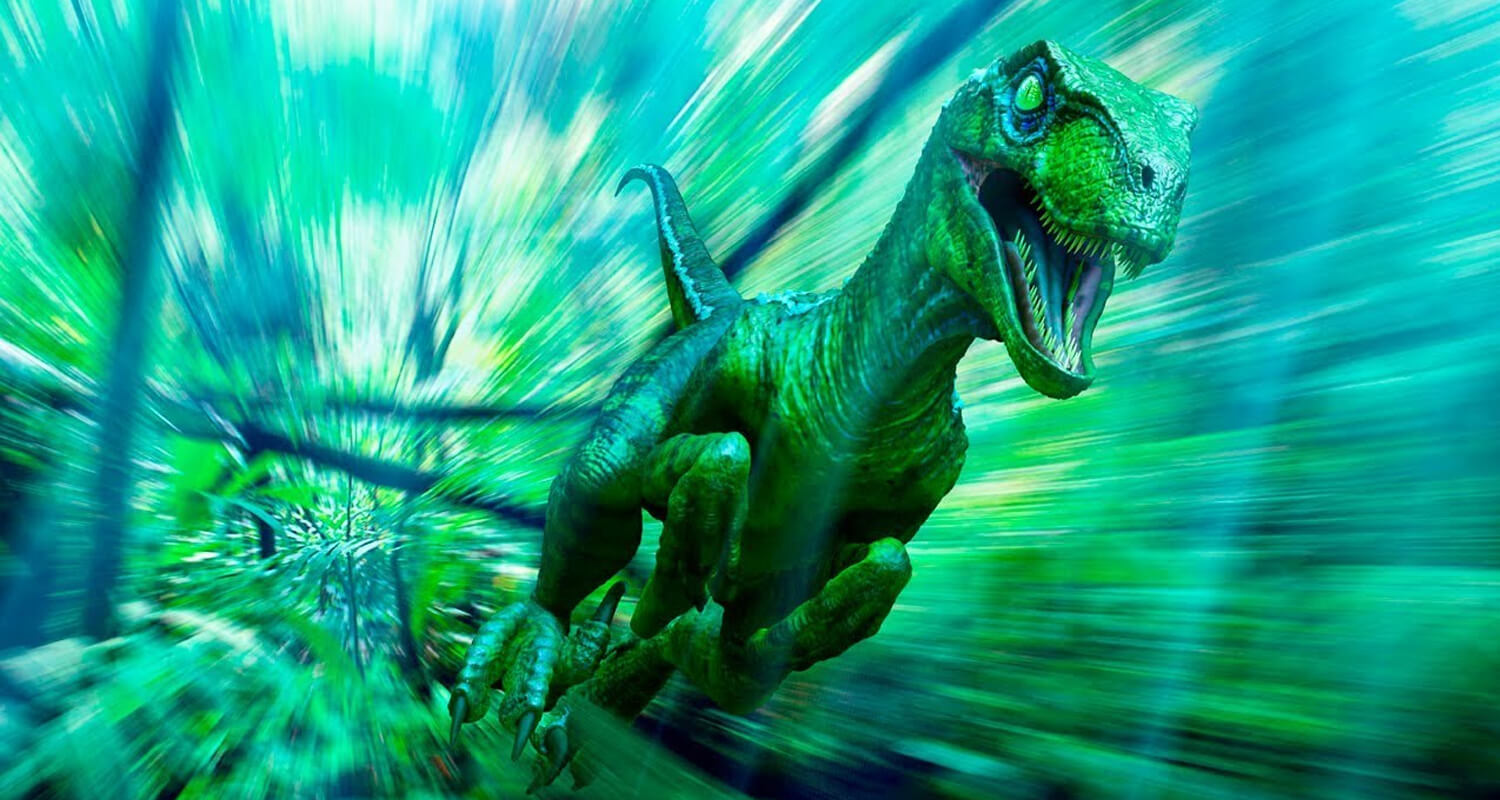 Dinosaurs, the magnificent creatures that once roamed our planet, were as diverse in their locomotion as they were in their shapes and sizes. Among these prehistoric giants, some were built for speed, outpacing their contemporaries in a race for survival. This article delves into the fastest dinosaurs, exploring their characteristics, the science behind their speed, and where you can witness these swift creatures in animatronic form.
The Speedsters of the Dinosaur World
Velociraptor
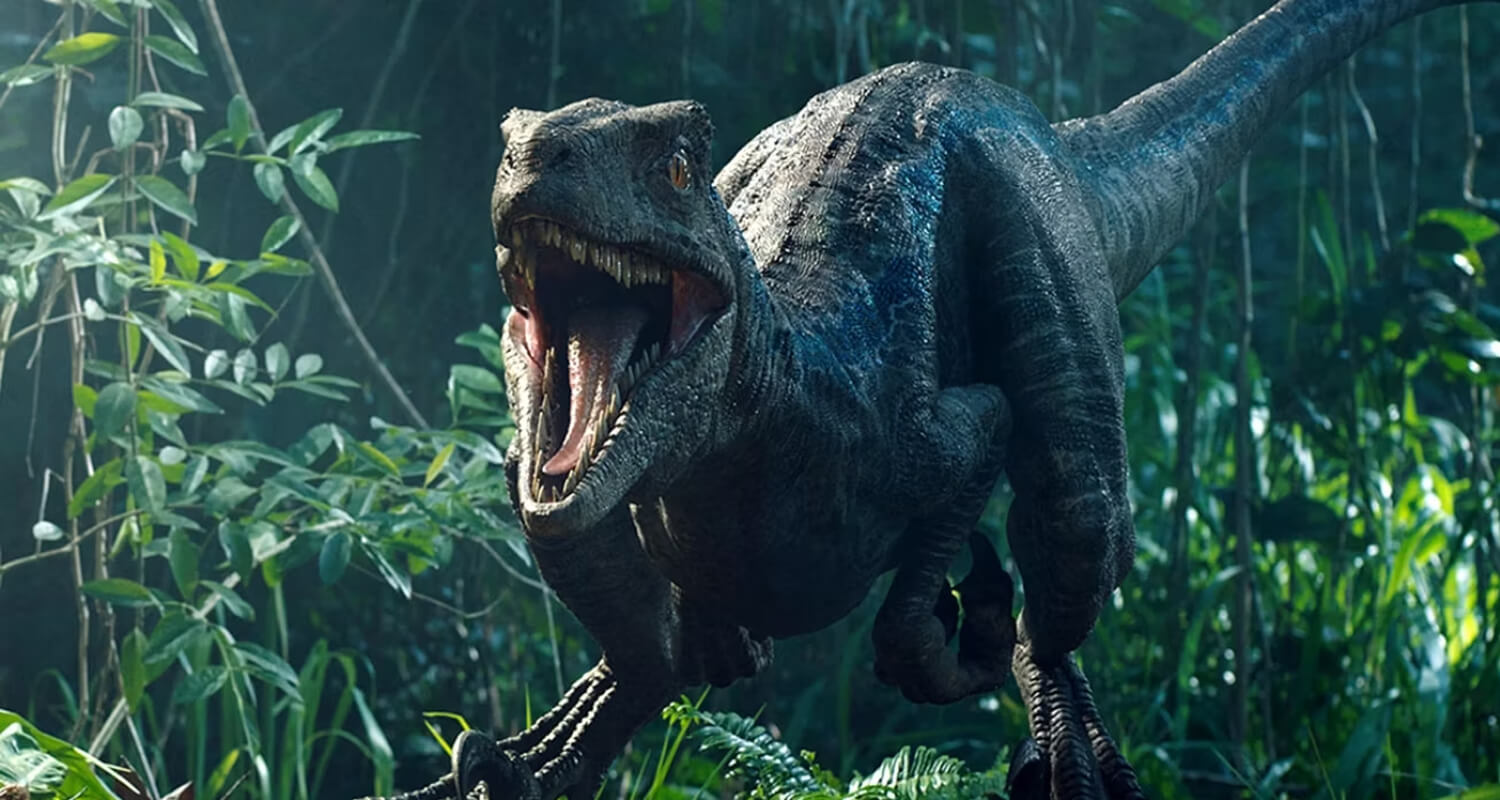
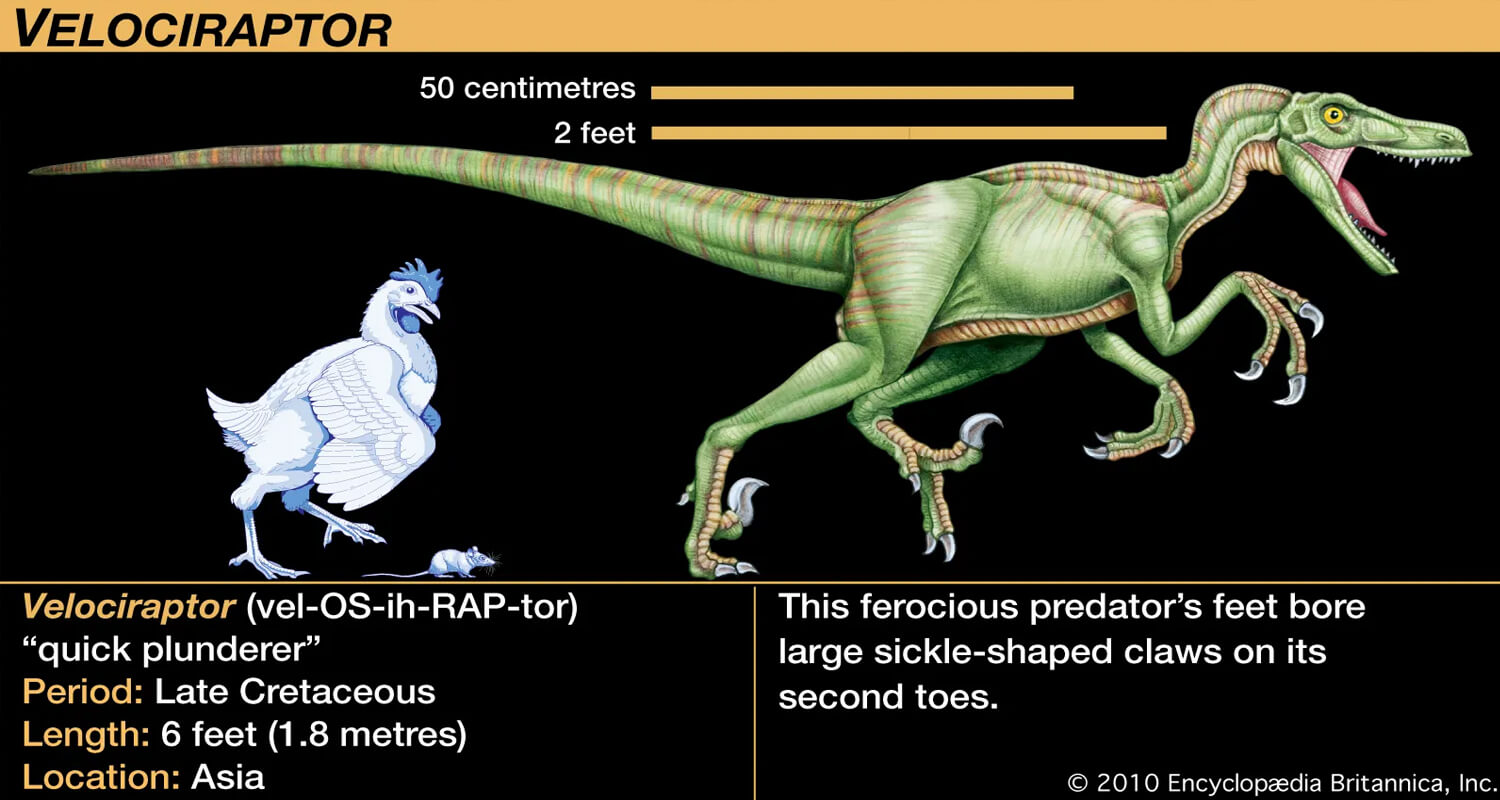 How fast can a Velociraptor run? Known for its portrayal in popular culture, the Velociraptor was a small, agile predator. Despite its fearsome reputation, the Velociraptor was only about the size of a turkey. Its lightweight frame and strong, muscular legs allowed it to reach impressive speeds, estimated to be around 40 mph (64 km/h).
Ornithomimus
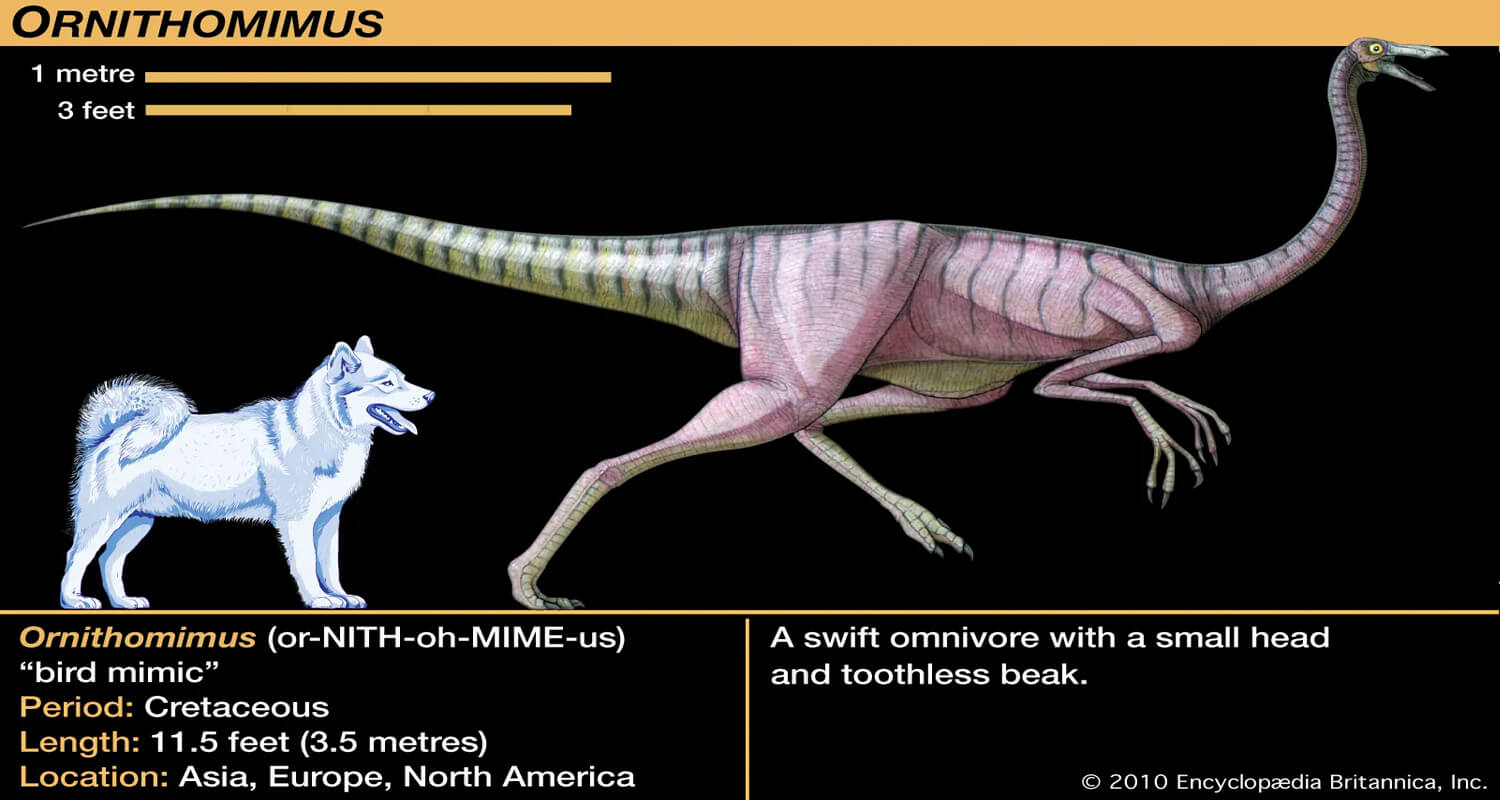 Resembling modern ostriches, the Ornithomimus was a theropod dinosaur known for its remarkable speed. With long legs and a lightweight body, this dinosaur could sprint at speeds up to 45 mph (72 km/h), making it one of the fastest dinosaurs on record.
Gallimimus
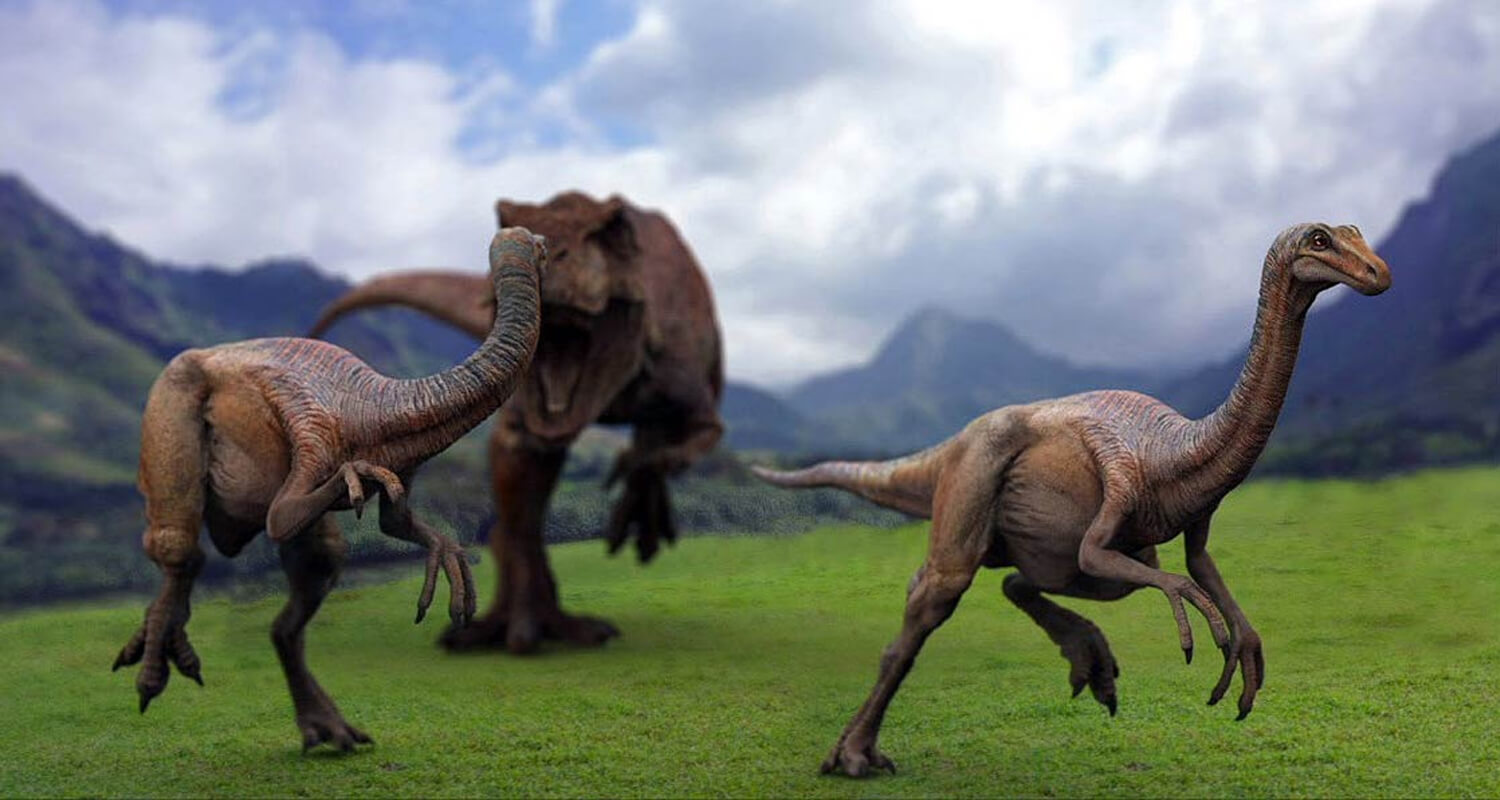
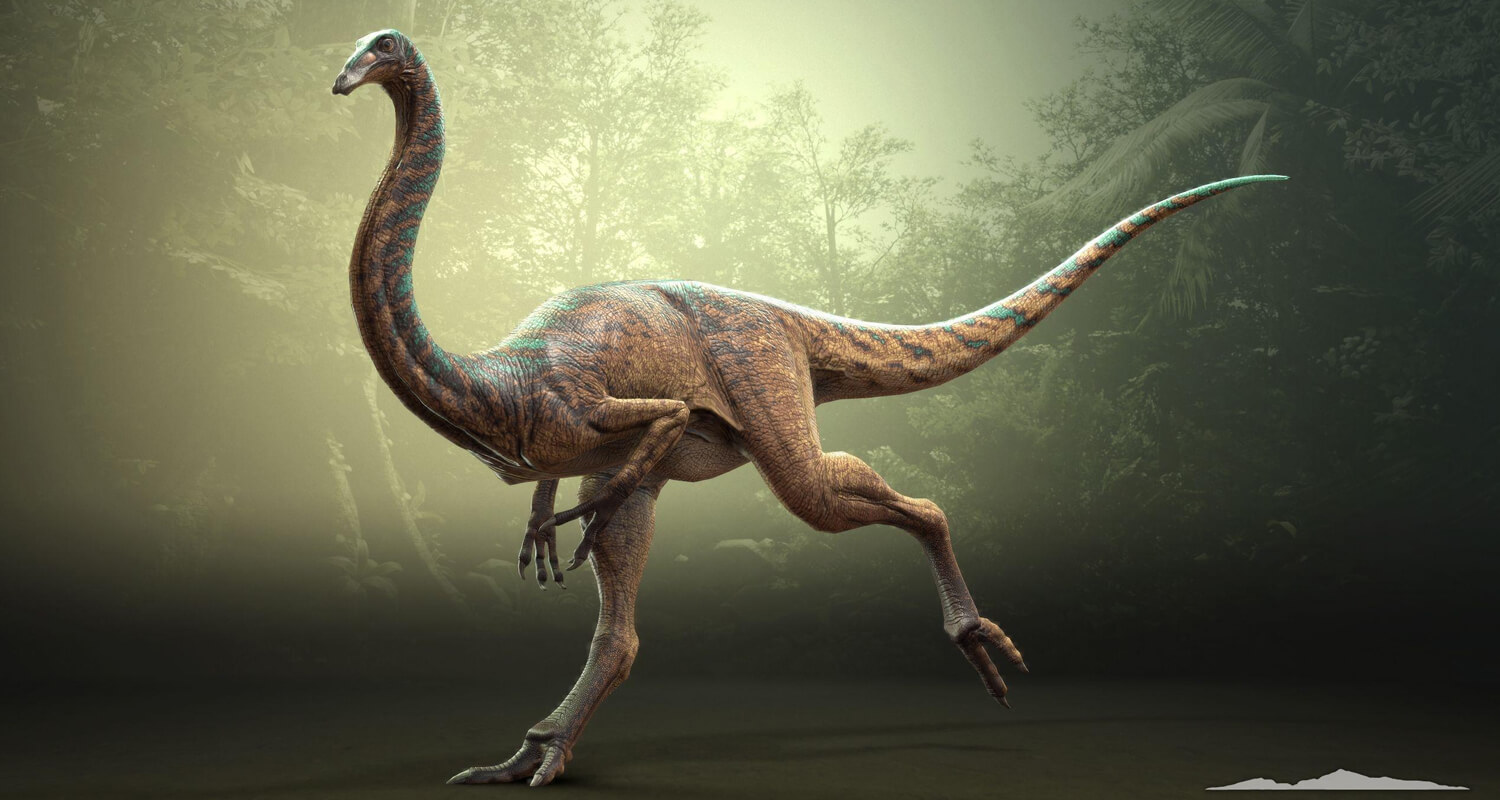 Another bird-like dinosaur, the Gallimimus, shared many features with the Ornithomimus. Its long, slender limbs and aerodynamic body design allowed it to run swiftly, possibly reaching speeds similar to the Ornithomimus, around 40-45 mph (64-72 km/h).
Dromiceiomimus
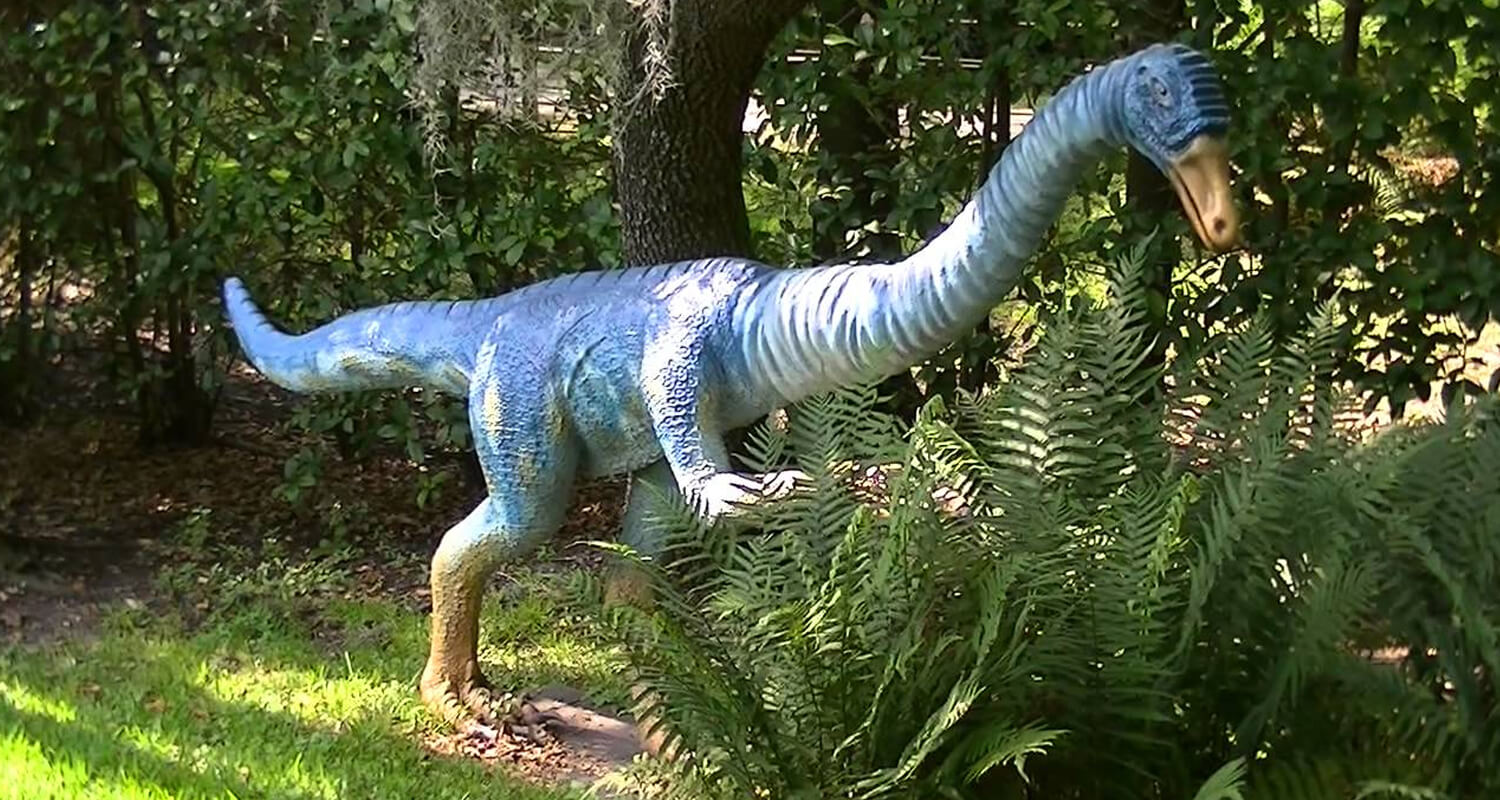 Dromiceiomimus, often considered one of the fastest dinosaurs, had a body structure optimized for speed. With powerful legs and a lightweight build, it could potentially reach speeds up to 50 mph (80 km/h), making it a formidable runner in the prehistoric world.
Struthiomimus
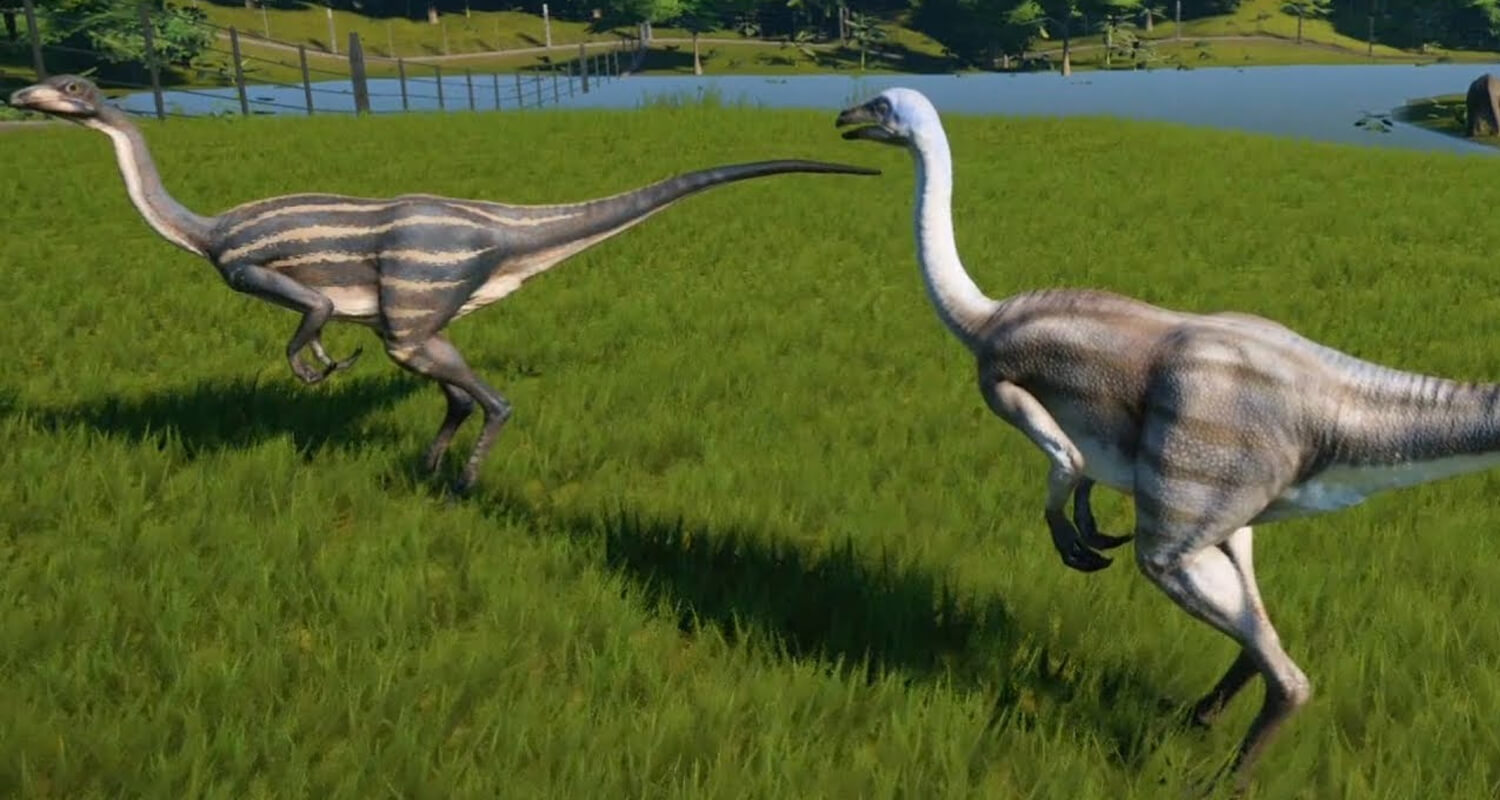 Struthiomimus, another member of the ornithomimid family, was built for speed. Its name means "ostrich mimic," reflecting its resemblance to modern ostriches. Struthiomimus had long legs and a slender body, allowing it to reach estimated speeds of 40-50 mph (64-80 km/h).
Compsognathus
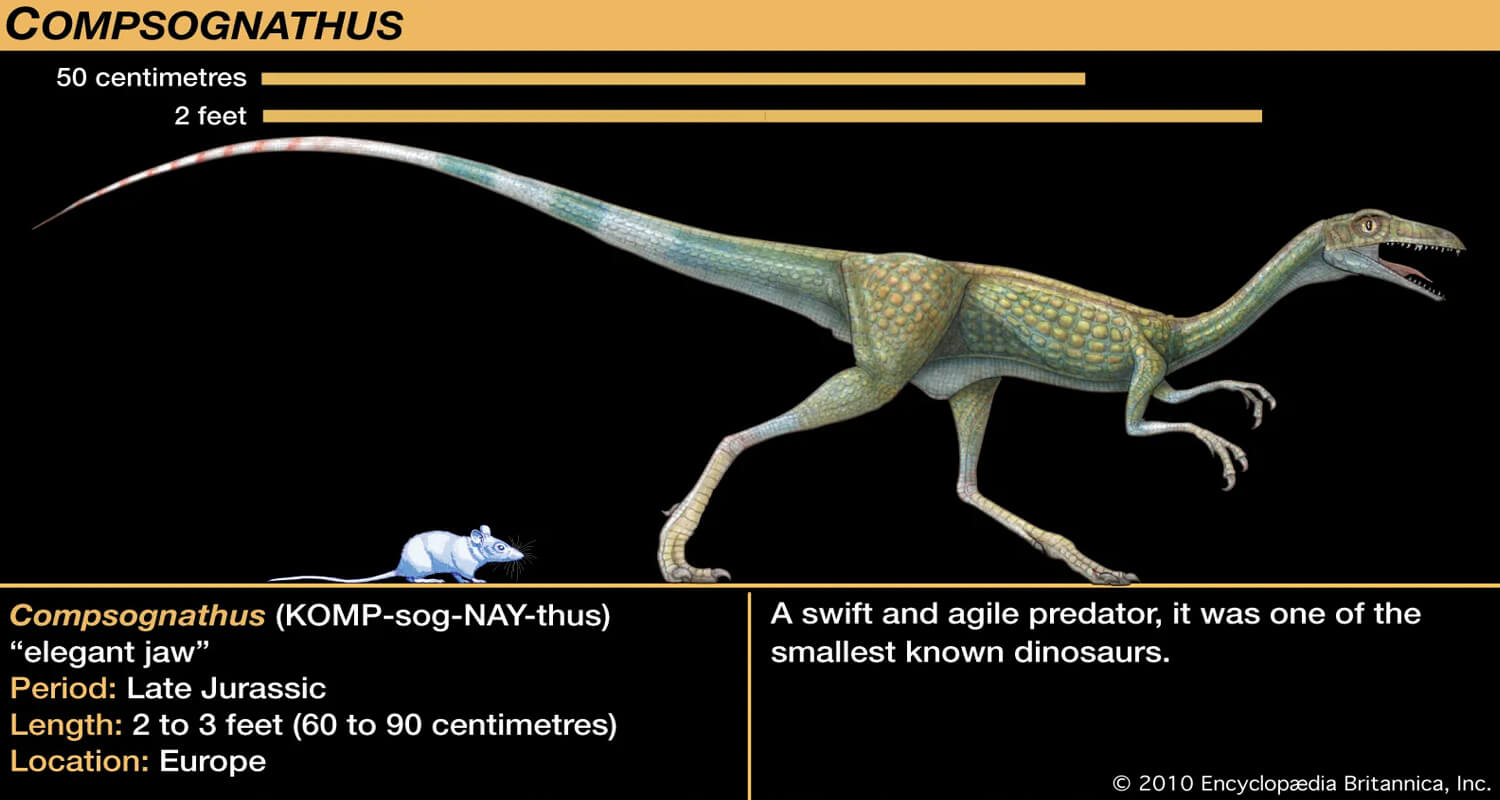 Compsognathus, one of the smaller theropods, was not only agile but also incredibly fast for its size. Measuring about the size of a chicken, this dinosaur could dart quickly to capture small prey or evade larger predators. Its speed is estimated to be around 40 mph (64 km/h).
Troodon
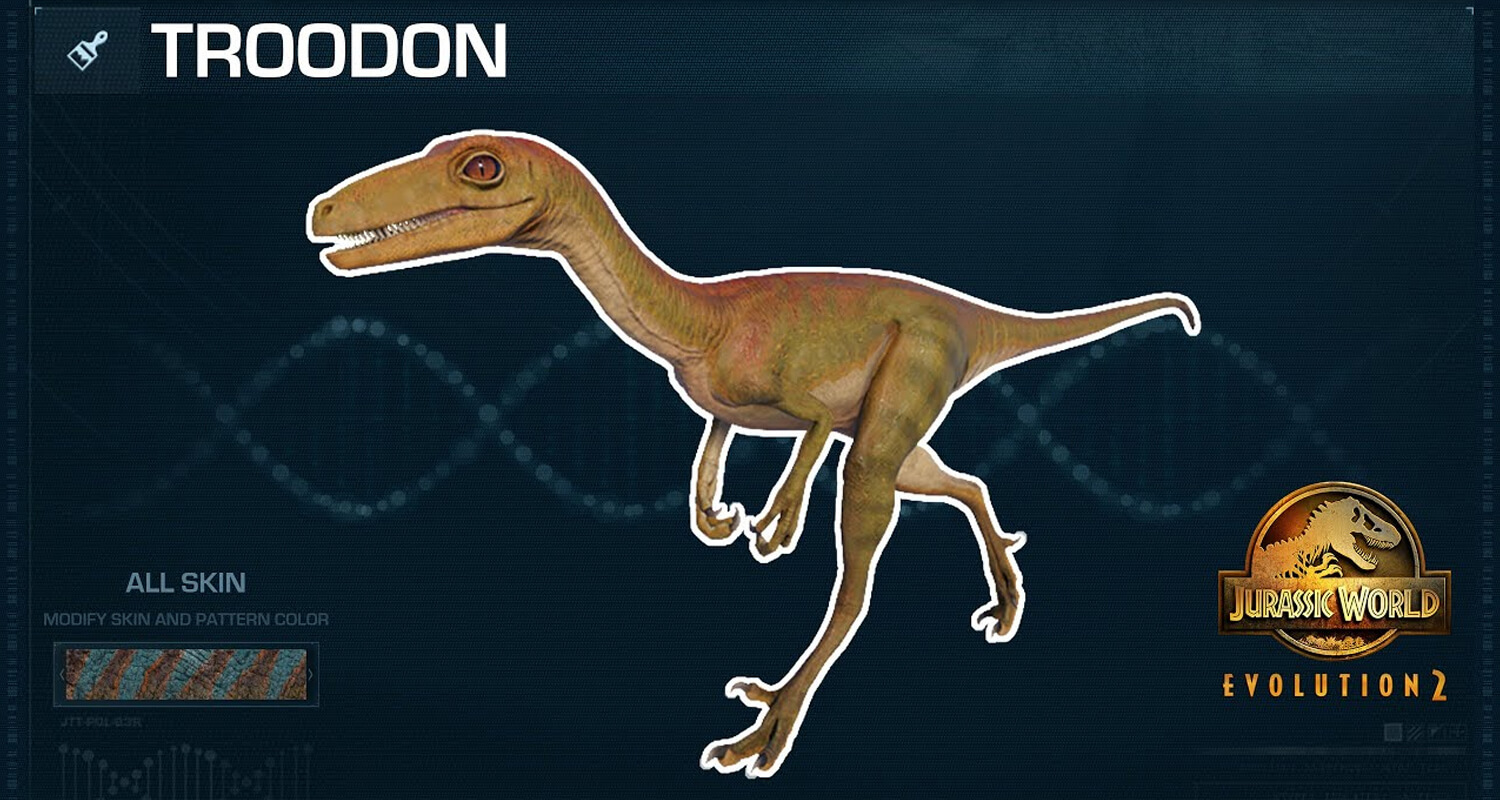 Troodon, known for its keen intelligence, was also a swift runner. With long legs and a relatively light body, Troodon could move quickly, aiding in both hunting and avoiding danger. Its estimated speed is around 40-50 mph (64-80 km/h).
Hypsilophodon
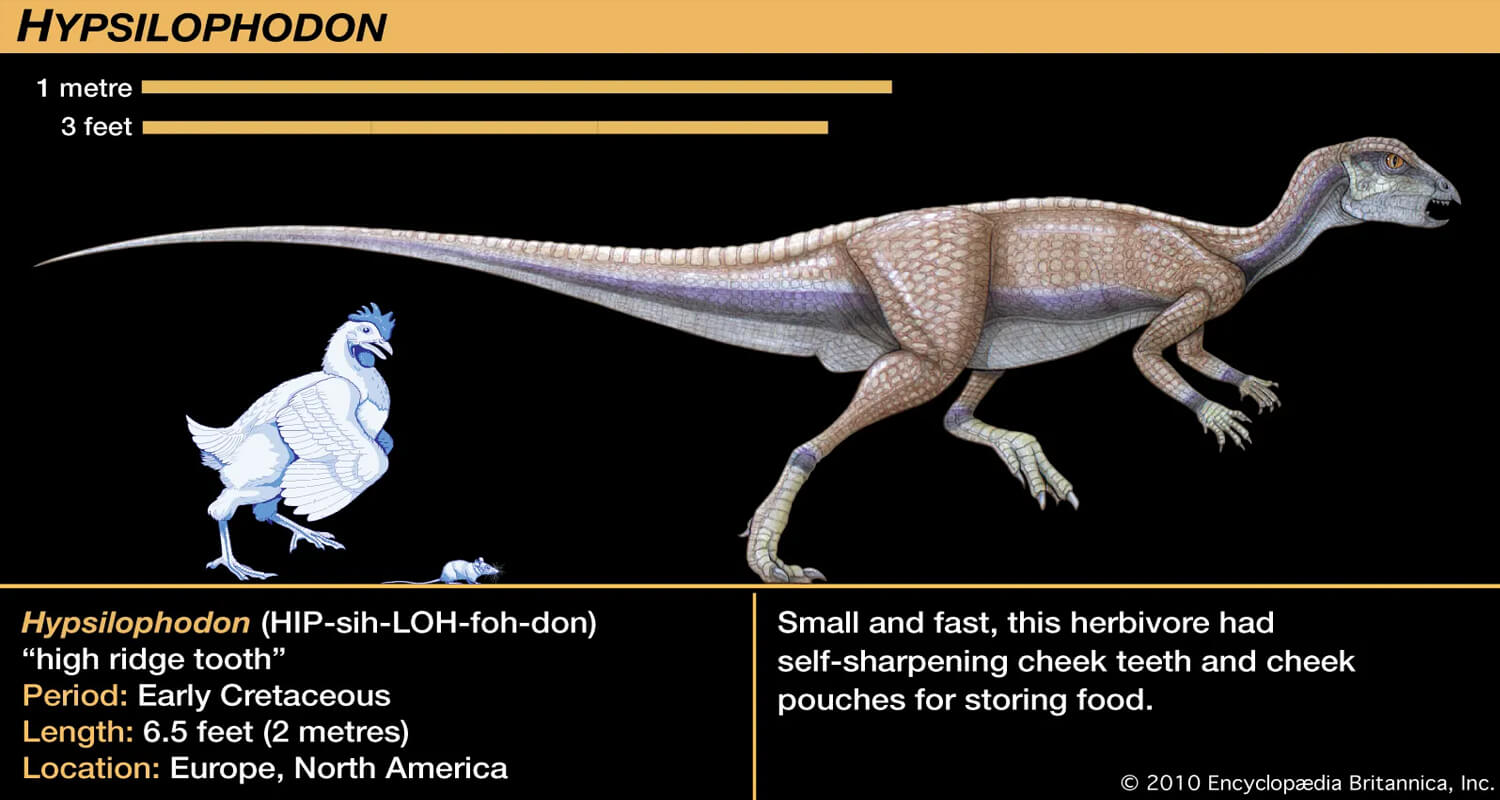 Hypsilophodon, a small herbivorous dinosaur, was known for its agility and speed. This bipedal dinosaur had long legs and a light frame, allowing it to run swiftly through the dense vegetation of its habitat. Its speed is estimated to be around 25 mph (40 km/h), making it one of the faster plant-eating dinosaurs.
The Science Behind Dinosaur Speed
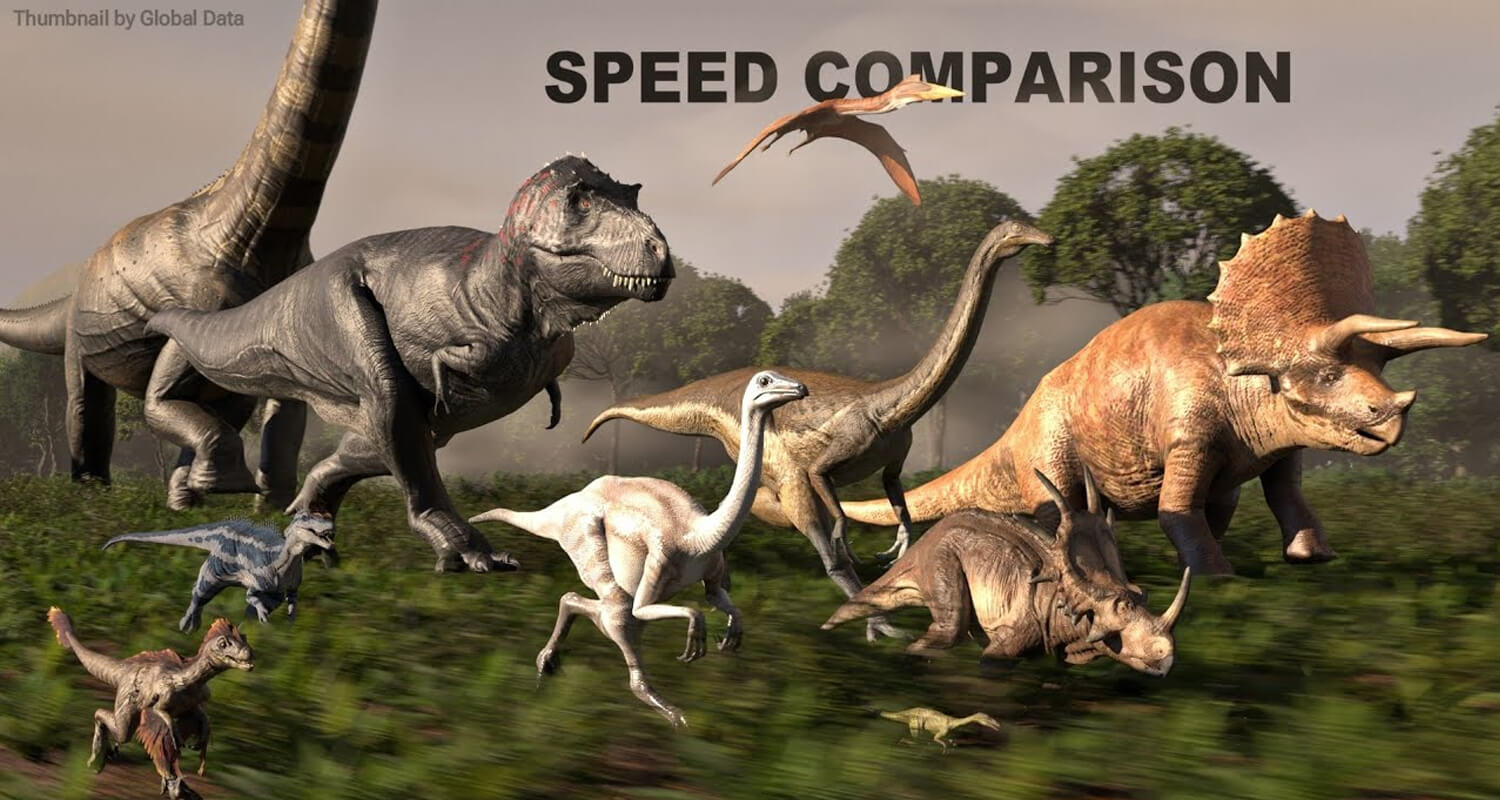
The study of dinosaur speed involves various scientific methods, including the analysis of fossilized footprints, skeletal structure, and muscle attachment sites. Paleontologists use computer models to estimate the running speeds of different dinosaurs, taking into account their size, weight, and biomechanics.
Key factors influencing dinosaur speed include:
Leg Length: Longer legs generally indicate a greater stride length and the potential for higher speeds.
Muscle Structure: Strong, well-developed muscles in the legs and hips suggest powerful propulsion capabilities.
Body Mass: Lighter body mass reduces the energy required for movement, allowing for faster speeds.
Witnessing Speed in Animatronic Dinosaurs
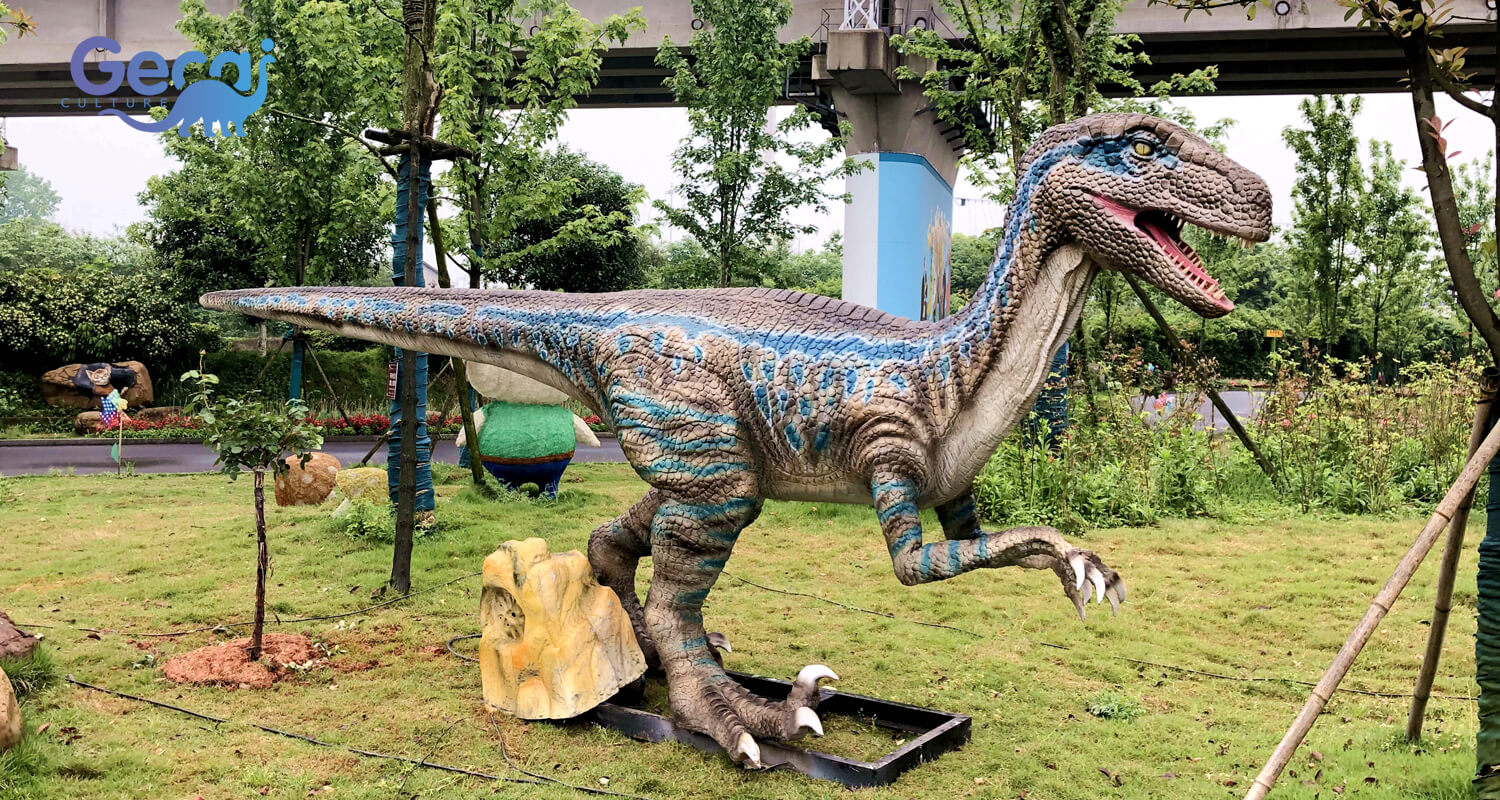 For those fascinated by the speed and agility of these prehistoric creatures, modern technology brings them to life through animatronic dinosaurs. Our customizable animatronic dinosaurs, including the swift Velociraptor and Gallimimus, offer an immersive experience, showcasing their impressive movements and agility. These life-sized models are perfect for museums, theme parks, and exhibitions, providing a realistic glimpse into the past.
FAQs About the Fastest Dinosaurs
 Q: How do scientists determine the speed of dinosaurs?
A: Scientists use a combination of fossil evidence, computer modeling, and comparisons with modern animals to estimate the running speeds of dinosaurs.
Q: Which dinosaur is considered the fastest?
A: The Dromiceiomimus is often considered the fastest dinosaur, with estimated speeds reaching up to 50 mph (80 km/h).
Q: Can I see animatronic models of these fast dinosaurs?
A: Yes, you can witness animatronic models of these swift dinosaurs in museums, theme parks, and exhibitions, where they are brought to life with realistic movements and features.
Q: Were all dinosaurs fast runners?
A: No, not all dinosaurs were fast runners. While some were built for speed, others were slow and lumbering, adapted to different ecological niches.
Conclusion
 The fastest dinosaurs, with their impressive speeds and agile movements, offer a fascinating glimpse into the dynamics of prehistoric life. Through the lens of modern science and the magic of animatronics, we can experience the thrill of witnessing these incredible creatures in action. Whether you're a dinosaur enthusiast or a casual observer, the speed demons of the dinosaur world never fail to captivate and inspire.
Etiquetas: