
Sobre nosotros
La cultura Gecai está a la vanguardia de dar vida al pasado a través de nuestros dinosaurios animatrónicos de última generación, encantadoras criaturas animatrónicas, vibrantes linternas del festival chino y productos personalizados personalizados personalizados. Como fabricante profesional ubicado en el corazón de China, albergamos una pasión profundamente arraigada por mostrar nuestros dinosaurios y animales realistas en museos, exposiciones, zoológicos, parques y más, con el objetivo de encender una llama de curiosidad y aprendizaje en personas de todas las edades.
Obtenga una cotización gratuita
Conocimiento De Dinosaurios
¿Era El Triceratops Realmente Un Animal De Manada?
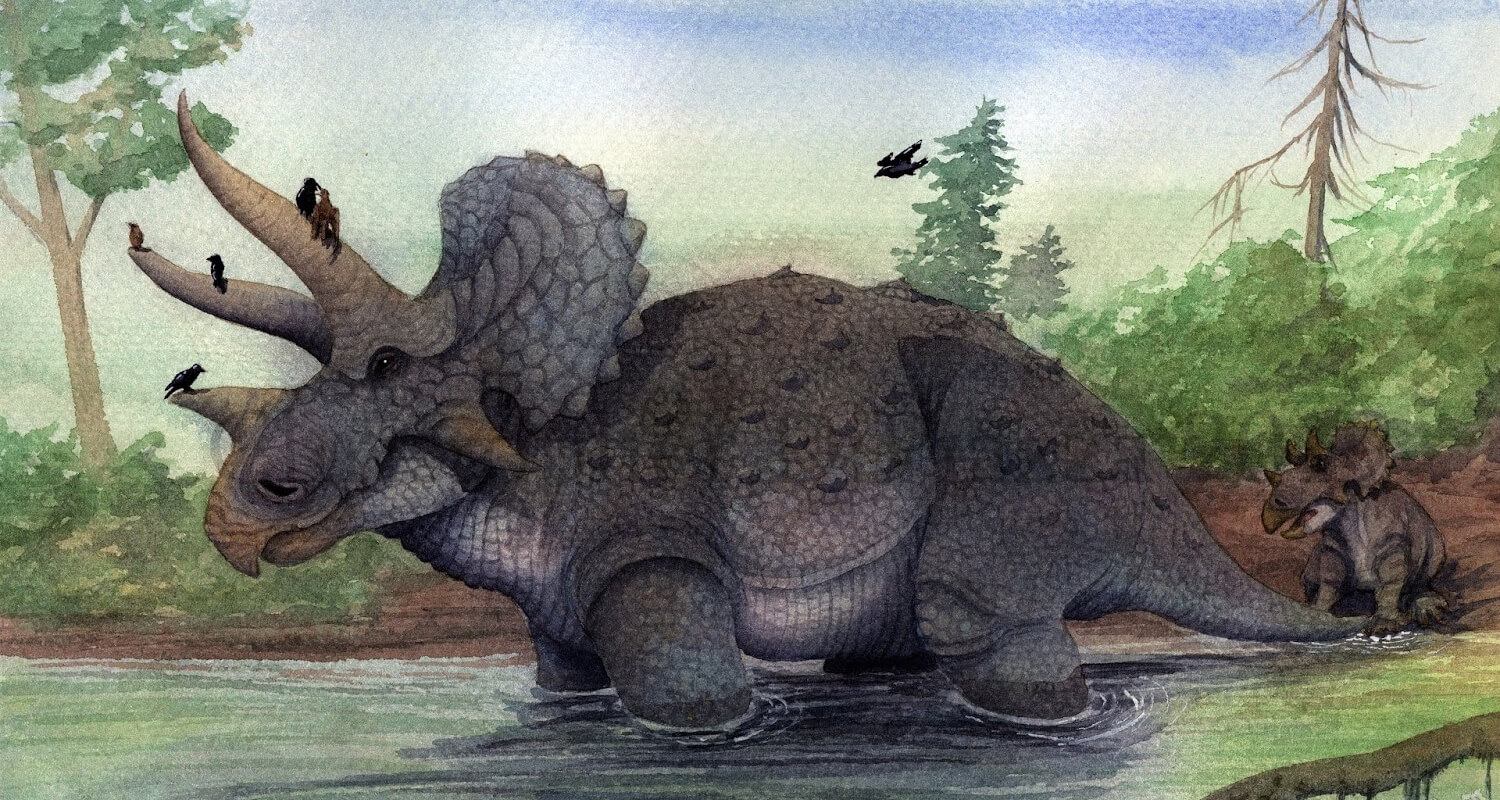 The image of a group of mighty Triceratops roaming the prehistoric plains together is a popular one. With their iconic three horns and massive frills, it's easy to picture them moving in protective groups, much like modern-day elephants or bison. But was the Triceratops truly a herd animal, or have we been imagining a social behavior that never existed? Let's explore what paleontologists have uncovered about this iconic dinosaur's way of life.
Evidence Supporting the Herd Theory
 Some fossil discoveries suggest that Triceratops might have lived in groups. In particular, juvenile Triceratops fossils have been found clustered together at certain sites. These bonebeds may point to young dinosaurs living and possibly traveling together, perhaps for protection or learning survival behaviors.
Additionally, many of Triceratops' relatives—such as Centrosaurus, Pachyrhinosaurus, and Styracosaurus—have been found in large fossilized herds. This raises the possibility that Triceratops, a fellow ceratopsid (horned dinosaur), could have shared similar social habits.
Some paleontologists argue that herding may have been seasonal or age-specific. Young Triceratops may have gathered for safety in numbers, while adults became more solitary.
Arguments Against Triceratops Being a Herd Animal
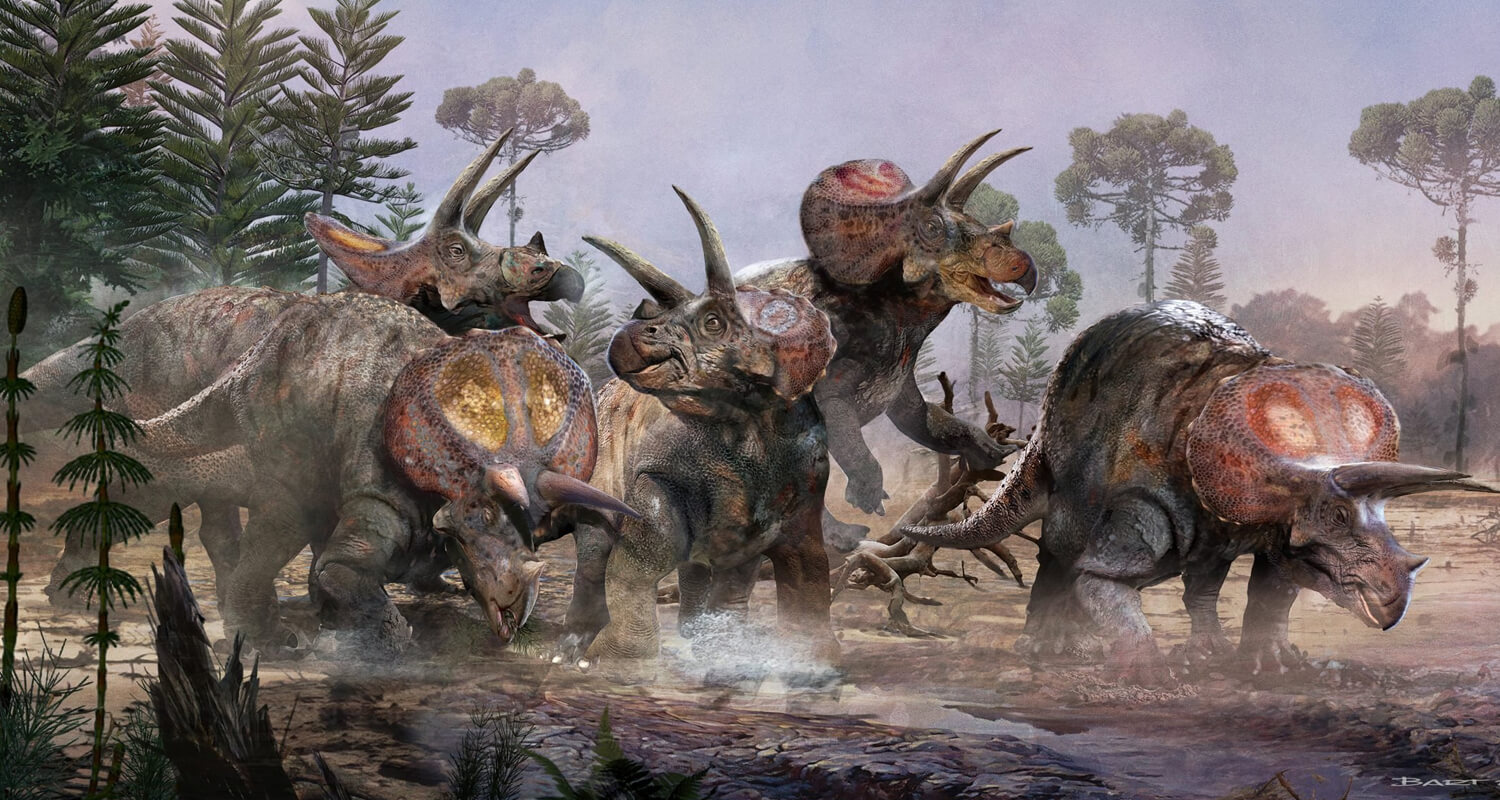 Despite these findings, the majority of Triceratops fossils are discovered alone, not in groups. This has led many researchers to believe that Triceratops may have been solitary or lived in small family units, rather than forming large, structured herds.
Another important point is their physical features. Triceratops had large bodies and prominent horns, possibly evolved for defense and intraspecies combat, rather than for coordination in herds. Their feeding behavior—browsing on low vegetation—might also have made competition for food among herd members impractical.
Environmental factors of the late Cretaceous period, such as forest density and food distribution, could have favored more independent or loosely associated lifestyles, rather than tight-knit herds.
Recent Research and Discoveries
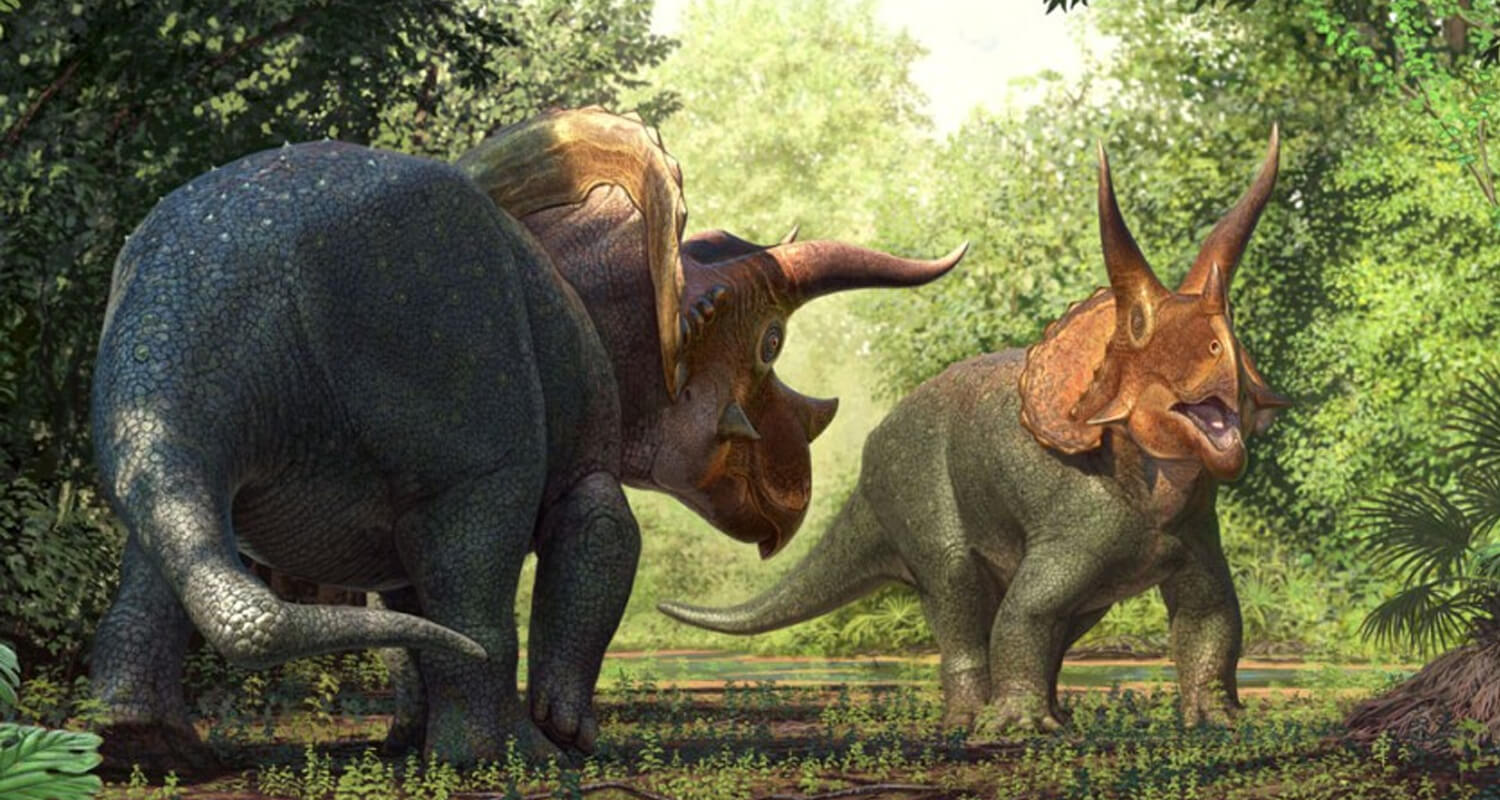 In recent years, fossil beds in Montana and Wyoming have yielded new insights. One notable site revealed a group of juvenile Triceratops fossils, suggesting that at least some level of social behavior existed—especially among the young.
Additionally, scientists are using advanced methods like bone microstructure analysis and digital modeling to infer age, health, and movement patterns. These studies may help clarify whether individuals lived and died alone, or as part of a group.
Herding in Dinosaur Species: A Broader View
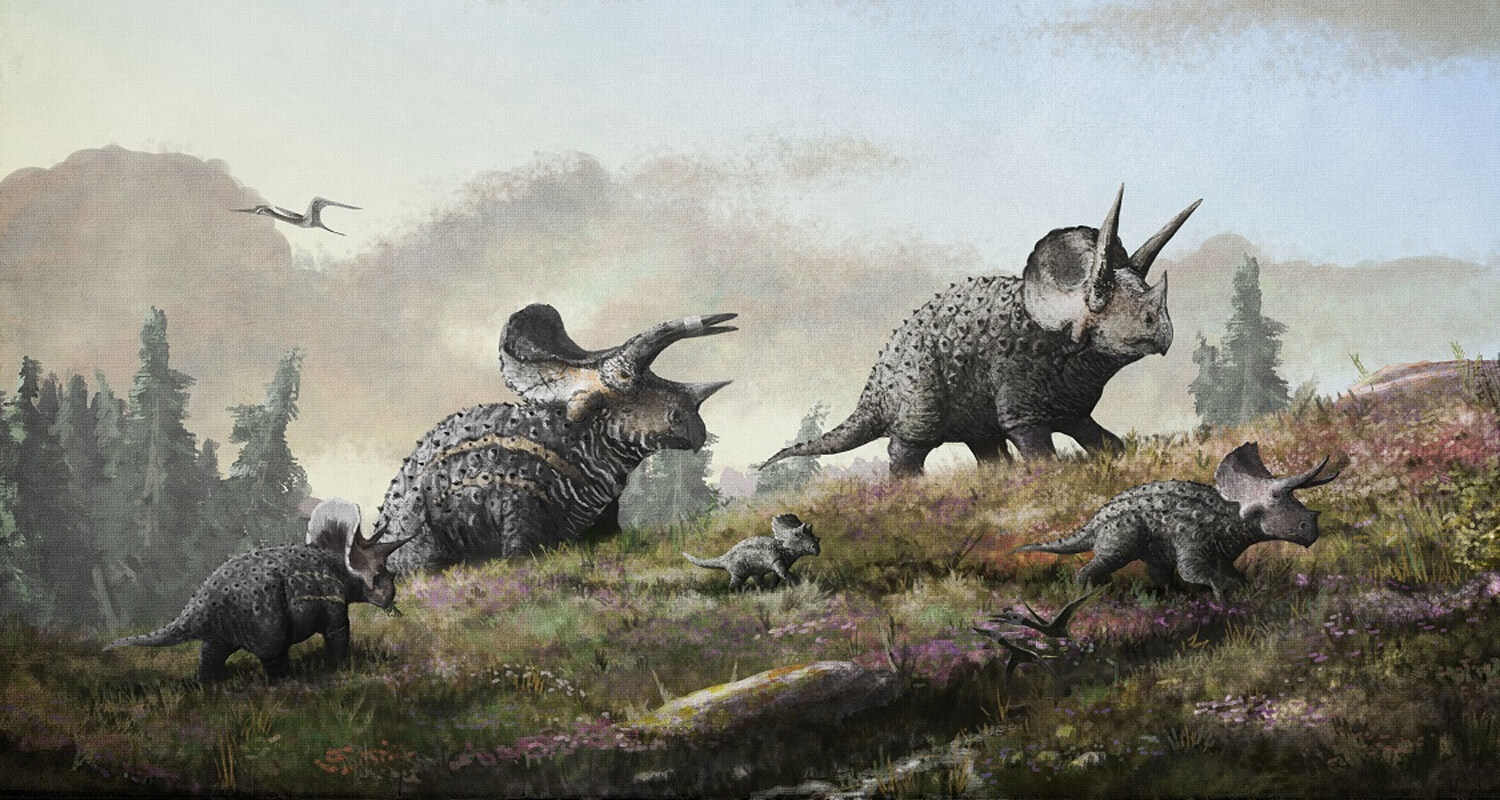 Other herbivorous dinosaurs show clear signs of herding behavior. For example:
Hadrosaurs (duck-billed dinosaurs) left behind fossilized footprints and nesting sites that show herd migration.
Ceratopsians like Centrosaurus have been found in massive bonebeds, with dozens or even hundreds of individuals buried together.
This makes it likely that some form of social structure existed among many plant-eating dinosaurs. But Triceratops may have been an exception—or simply behaved differently depending on age or environmental context.
Why It Matters: Science Meets Imagination
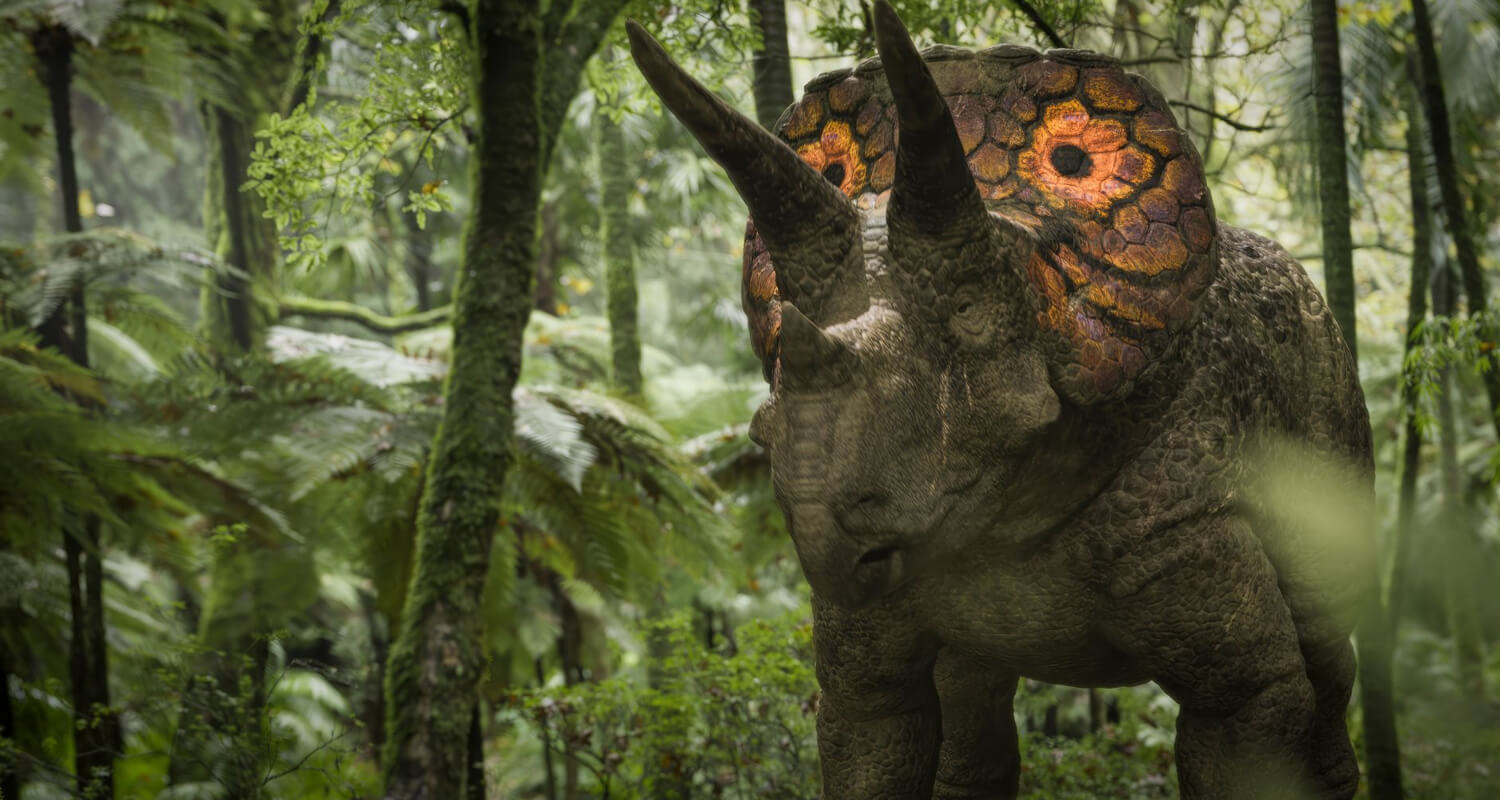 Understanding whether Triceratops lived alone or in herds shapes how we reconstruct their world. From museum exhibits to movies, how we depict these creatures affects how people, especially children, engage with natural history. Were they lonely titans of the plains, or communal giants traveling together?
For scientists, this question also helps us learn more about dinosaur behavior, development, and survival strategies.
Conclusion: Herd or Not, Triceratops Captivates Us All
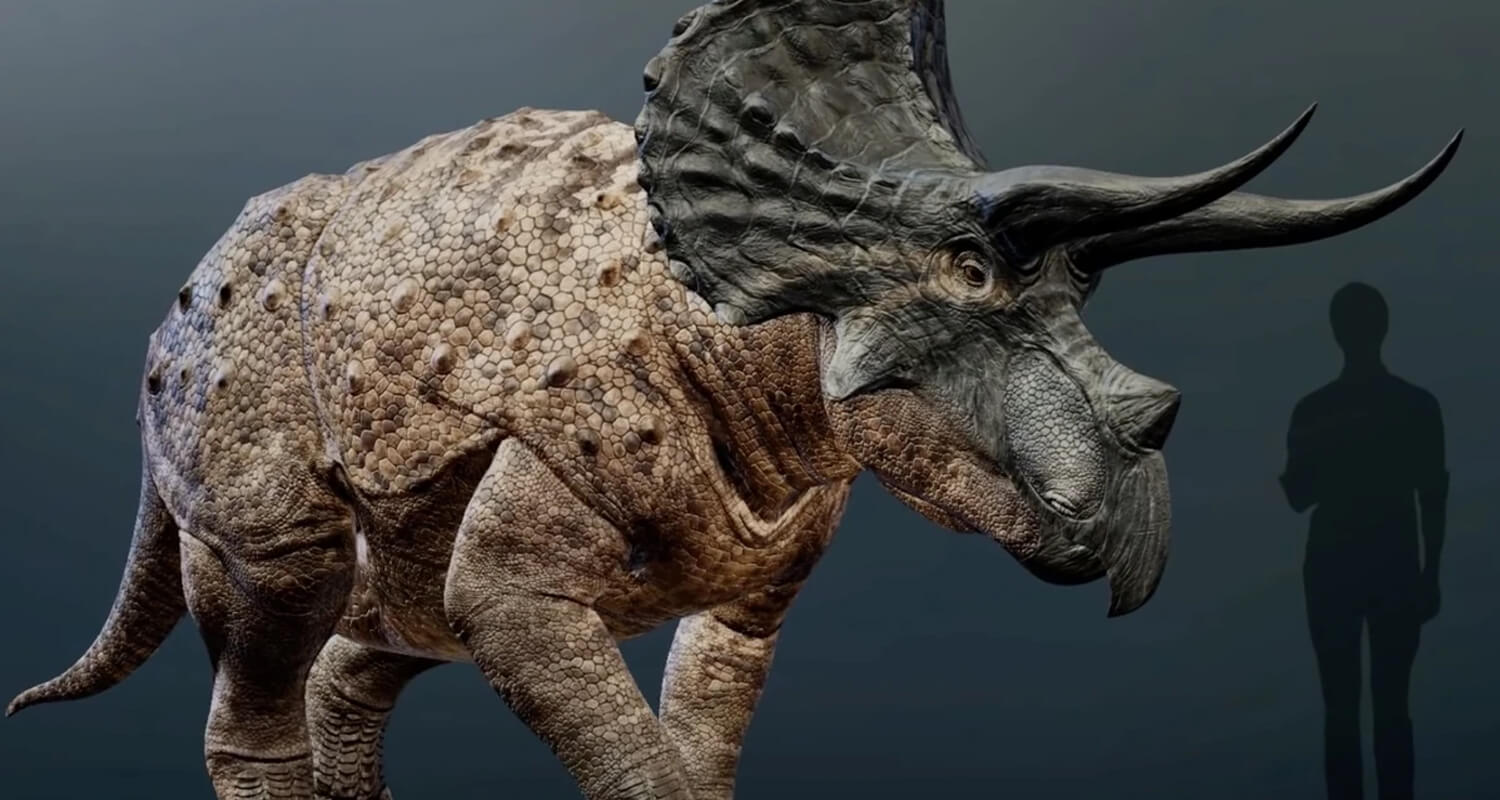 While the evidence remains mixed, the idea of Triceratops being a herd animal is still up for debate. Juvenile fossils suggest possible group behavior, while adult fossils lean toward solitary living. As paleontology advances, new discoveries may finally answer this prehistoric mystery.
Whether walking alone or surrounded by companions, Triceratops continues to inspire awe and curiosity—a testament to the enduring power of dinosaurs in our imagination.
Etiquetas: