À propos de nous
Gecai Culture est à l'avant-garde pour donner vie au passé grâce à nos dinosaures animatroniques ultramodernes, à nos créatures animatroniques enchanteresses, à nos lanternes de festival chinois vibrantes et à nos produits personnalisés sur mesure. En tant que fabricant professionnel niché au cœur de la Chine, nous entretenons une passion profonde pour présenter nos dinos et animaux réalistes dans les musées, les expositions, les zoos, les parcs et au-delà, dans le but d'allumer une flamme de curiosité et d'apprentissage chez les personnes de tous âges.
Obtenez un devis gratuit
Connaissance des dinosaures
Les bras de dinosaures ont expliqué le mystère du T-Rex et d'autres espèces à membres courts
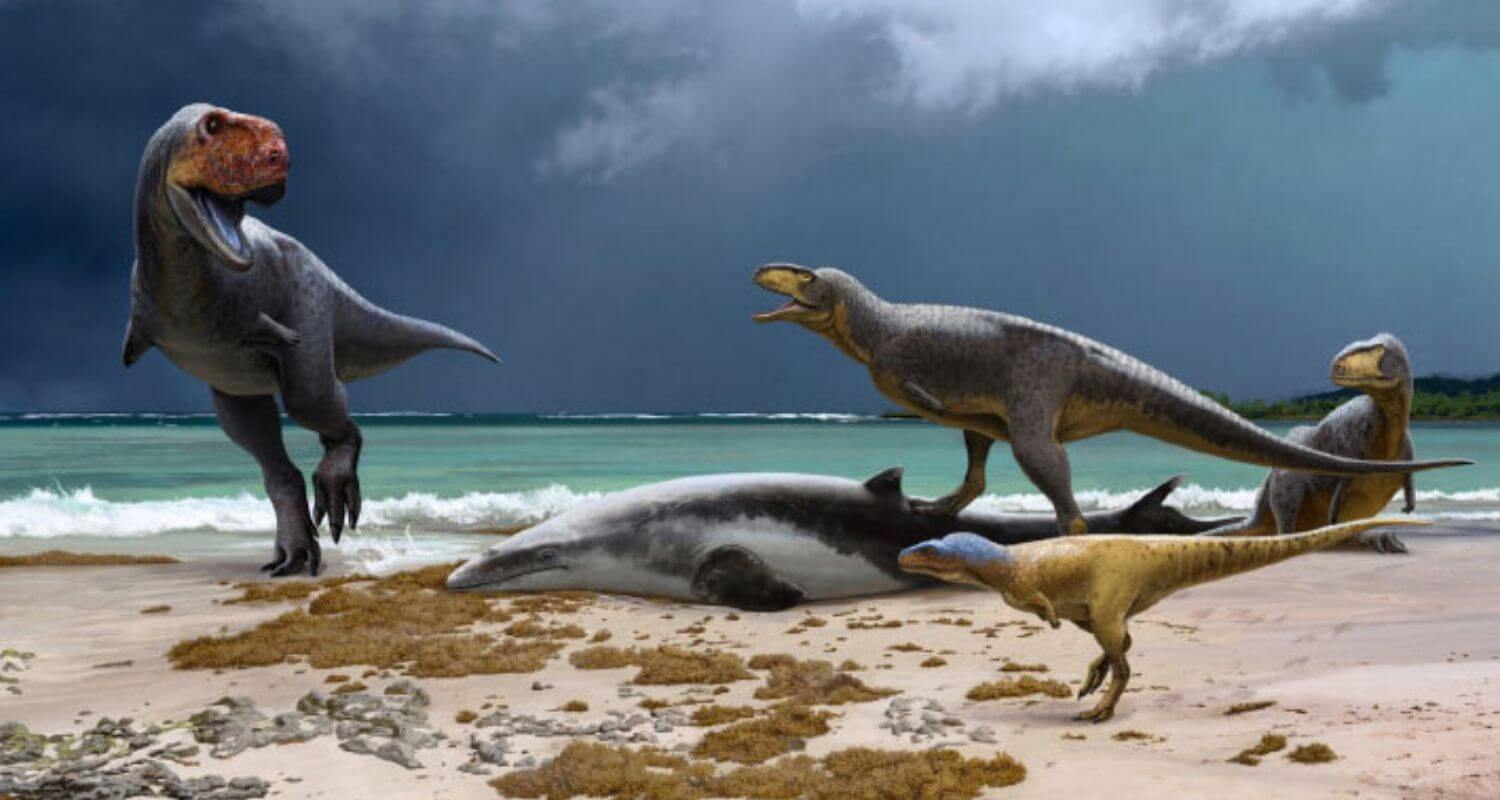 Voir d'énormes prédateurs avec des pattes avant minuscules semble être une énigme de la nature, cachée sous des tonnes de muscles et des mâchoires redoutables. Pendant des décennies, les paléontologues se sont interrogés sur les raisons pour lesquelles certains des dinosaures les plus terrifiants possédaient des membres avant presque comiques. Aujourd'hui, ce mystère s'éclaircit grâce à la logique de l'évolution. En étudiant les fossiles, la biomécanique et le mode de vie de ces chasseurs ancestraux, les chercheurs ont compris pourquoi ces pattes ont rétréci et quel rôle elles pouvaient jouer.
Comment l'évolution a modelé les membres des dinosaures
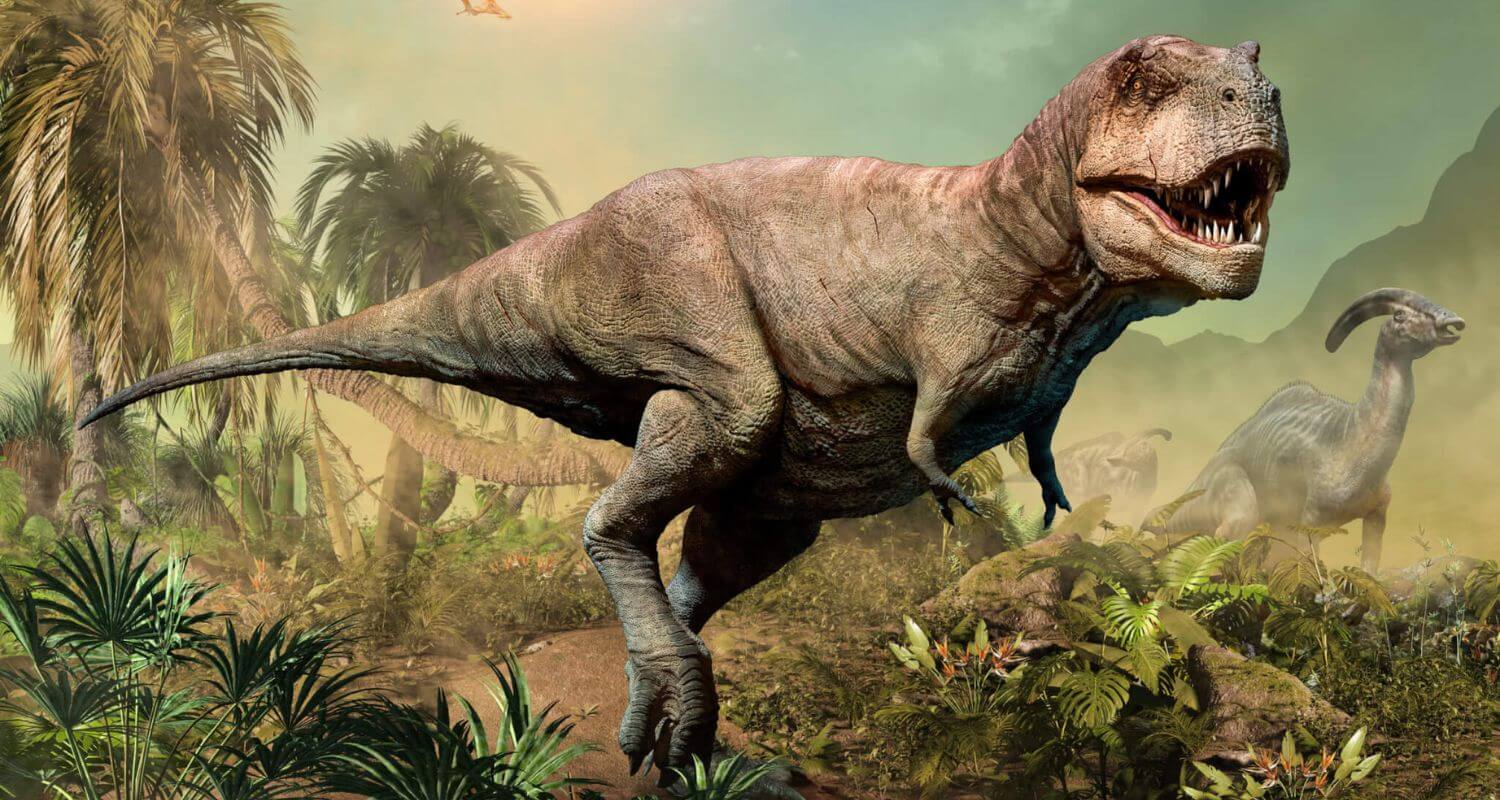 Le corps des dinosaures s'est façonné sous la pression constante de l'environnement. La longueur de leurs membres variait selon leur régime alimentaire, leurs stratégies de chasse, leur taille et leurs besoins de survie. Lorsque certaines parties du corps devenaient essentielles, d'autres passaient au second plan. Le rétrécissement des pattes avant n'est pas un signe de faiblesse : il prouve que l'organisme privilégiait d'autres atouts, comme des pattes arrière puissantes ou un crâne massif.
L'exemple du Tyrannosaure rex
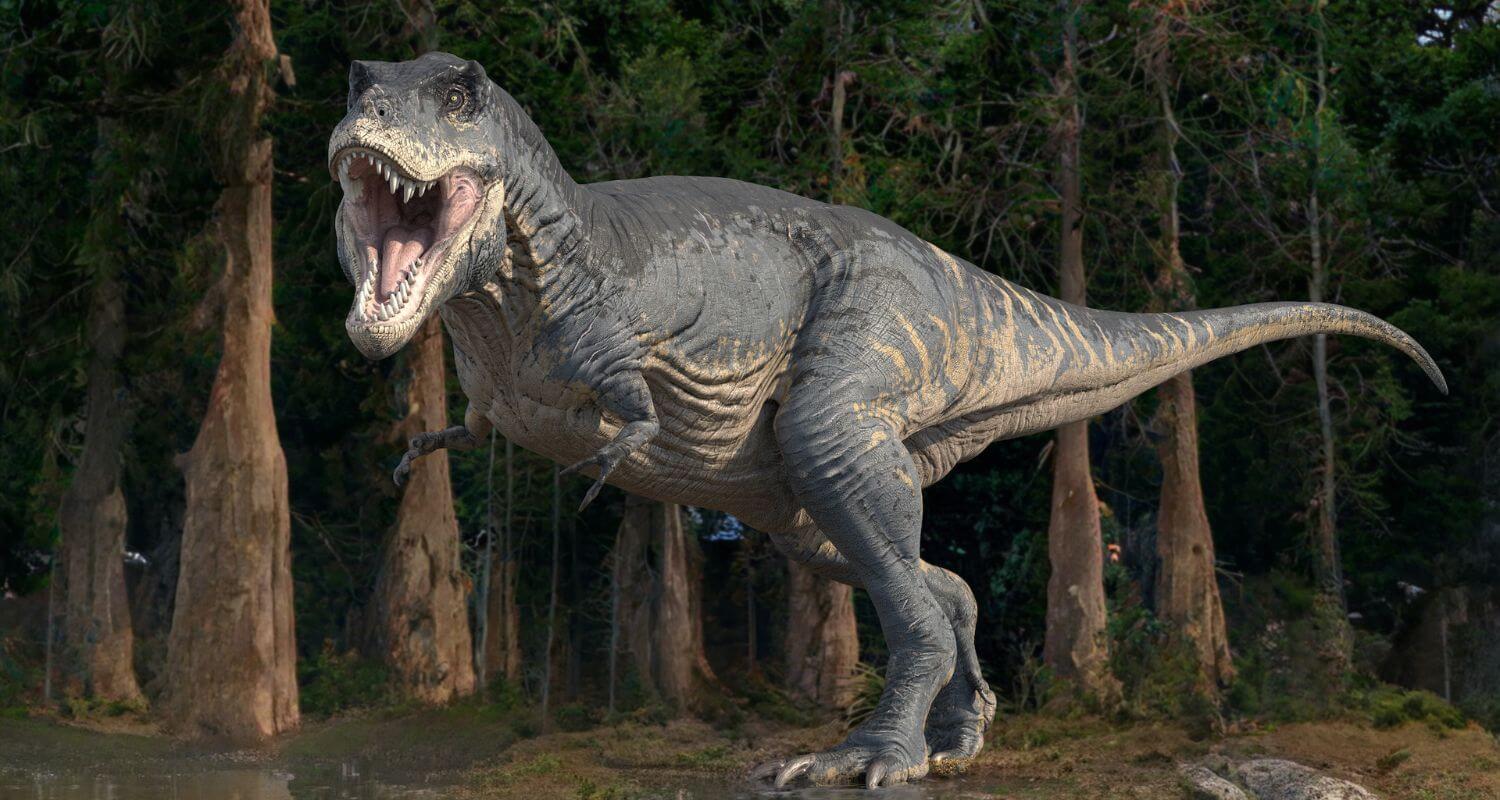 Le Tyrannosaure rex est l'espèce la plus connue pour ses pattes avant réduites. Son crâne seul mesurait environ 1,5 mètre de long, et sa force de morsure pouvait broyer les os. Au fil des millions d'années, à mesure que son crâne s'est développé, ses pattes avant ont progressivement diminué de taille.
Les scientifiques avancent plusieurs théories :
Les mâchoires et le cou assurant l'essentiel du travail, les pattes avant sont devenues moins utiles.
Des membres plus courts limitaient les risques de morsures ou de fractures lors des repas en groupe.
Elles conservaient tout de même des fonctions : maintenir l'équilibre en se levant du sol, serrer la proie contre lui, se stabiliser pendant l'accouplement ou assener des coups rapides avec leurs griffes.
Les pattes du T-Rex n'étaient pas inutiles. Elles étaient simplement adaptées à des missions différentes de ce que l'on imagine habituellement pour des "bras".
Autres dinosaures aux pattes avant réduites
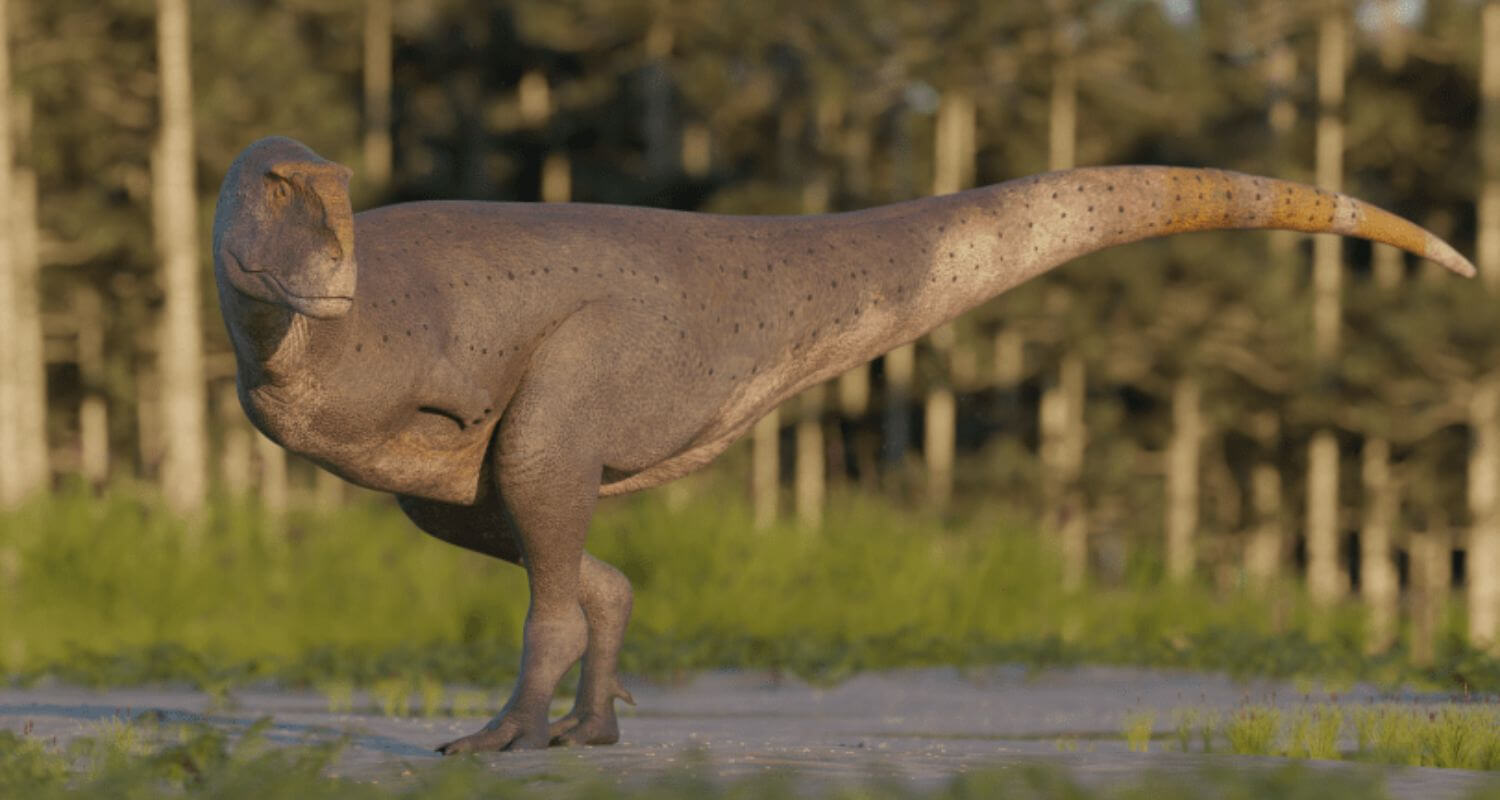 Le T-Rex n'était pas un cas isolé. Plusieurs dinosaures carnivores ont développé des pattes avant minuscules, chacune pour des raisons évolutives spécifiques.
Carnotaurus
Ce prédateur au visage singulier avait des pattes encore plus petites que le T-Rex, presque atrophiées. Sa technique de chasse reposait sur des pattes arrière puissantes et des coups de cou fulgurants, rendant les membres avant superflus.
Abélisauridés
Famille à laquelle appartient le Carnotaurus. Leurs pattes ont rétréci car leur mode de prédation dépendait exclusivement de leurs mâchoires.
Gorgosaurus
Proche parent du T-Rex, il possédait lui aussi des pattes avant courtes, adaptées à son crâne imposant et sa stratégie de chasse basée sur la course.
Tarbosaurus
Surnommé le « T-Rex asiatique », ses pattes étaient proportionnellement encore plus petites, probablement à cause d'un crâne plus lourd.
Ces similitudes montrent que les pattes réduites ne sont pas une erreur de l'évolution, mais une solution répétée face aux mêmes contraintes de prédation.
Taille du crâne et équilibre corporel
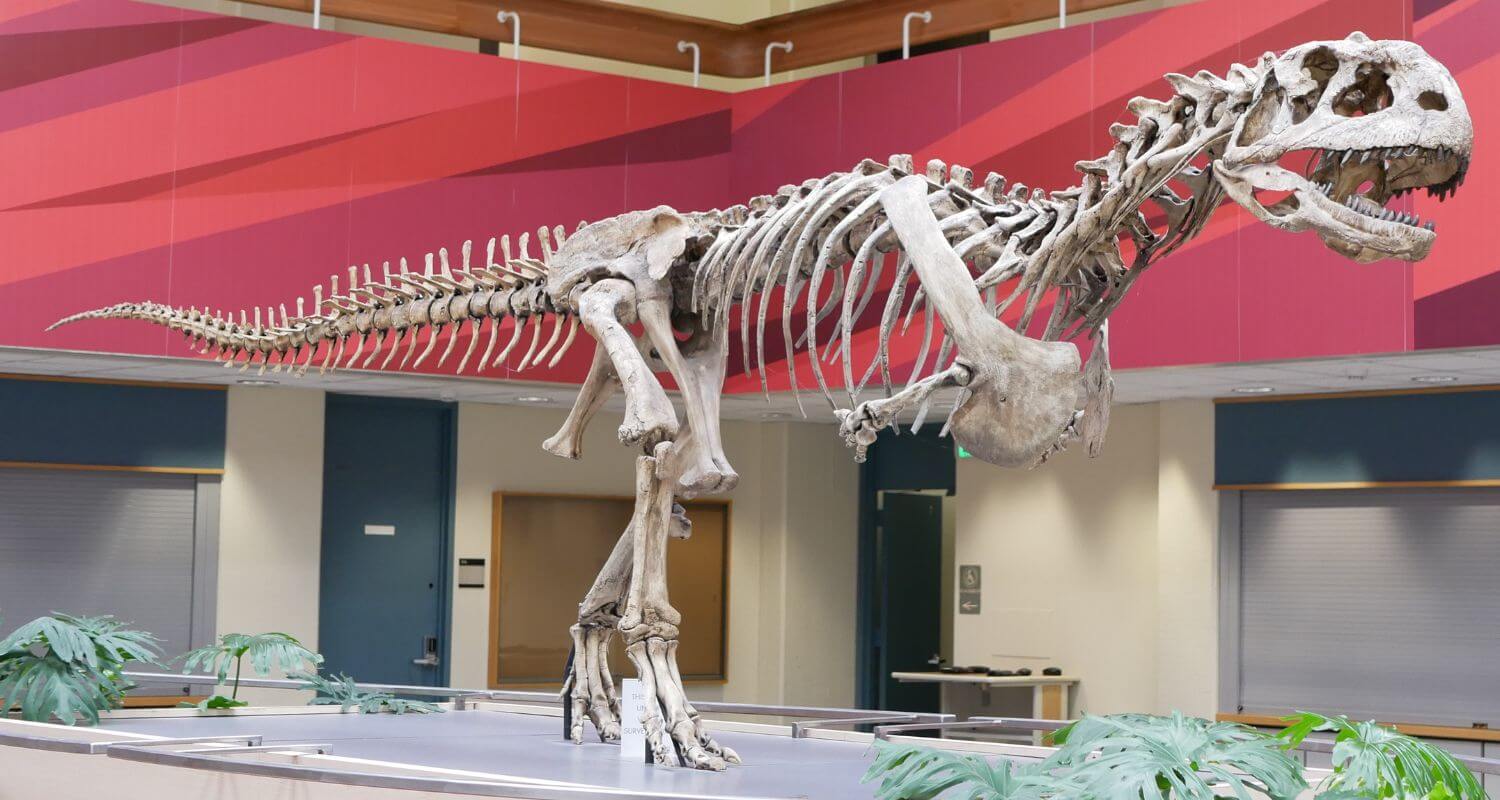 Un grand crâne est très lourd. Pour conserver l'équilibre, l'évolution a dû compenser. Le rétrécissement des pattes avant permettait de stabiliser le corps et de ramener le centre de gravité près des hanches. Des membres longs auraient rendu ces énormes prédateurs lourds et maladroits vers l'avant. Les pattes réduites agissaient comme des contrepoids discrets, préservant leur agilité pour la chasse.
Comportements et stratégies de chasse
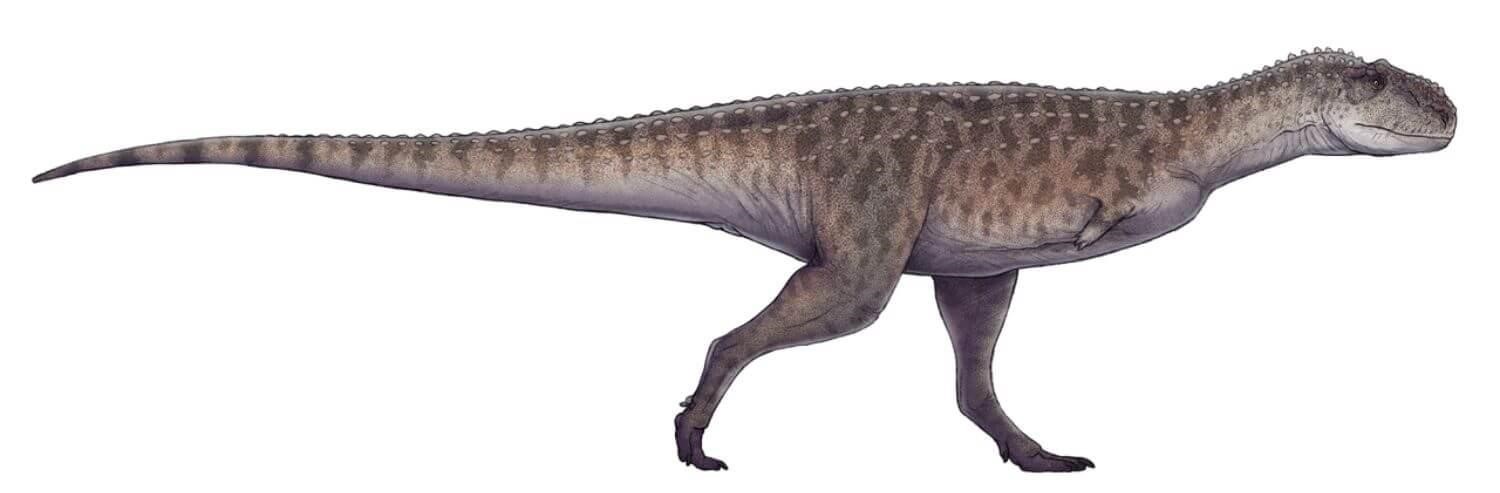 Avec l'évolution des modes de prédation, l'utilité des pattes avant pour maîtriser les proies a diminué. Plutôt que de lutter avec leurs membres, ces dinosaures comptaient sur :
des charges rapides
des morsures dévastatrices
les griffes tranchantes de leurs pattes arrière
des tactiques d'embuscade
la chasse collective pour certaines espèces
Les pattes avant n'étaient plus au cœur de leurs outils de survie. L'évolution ne conserve pas ce qui n'est plus nécessaire.
Les pattes minuscules avaient-elles une utilité ?
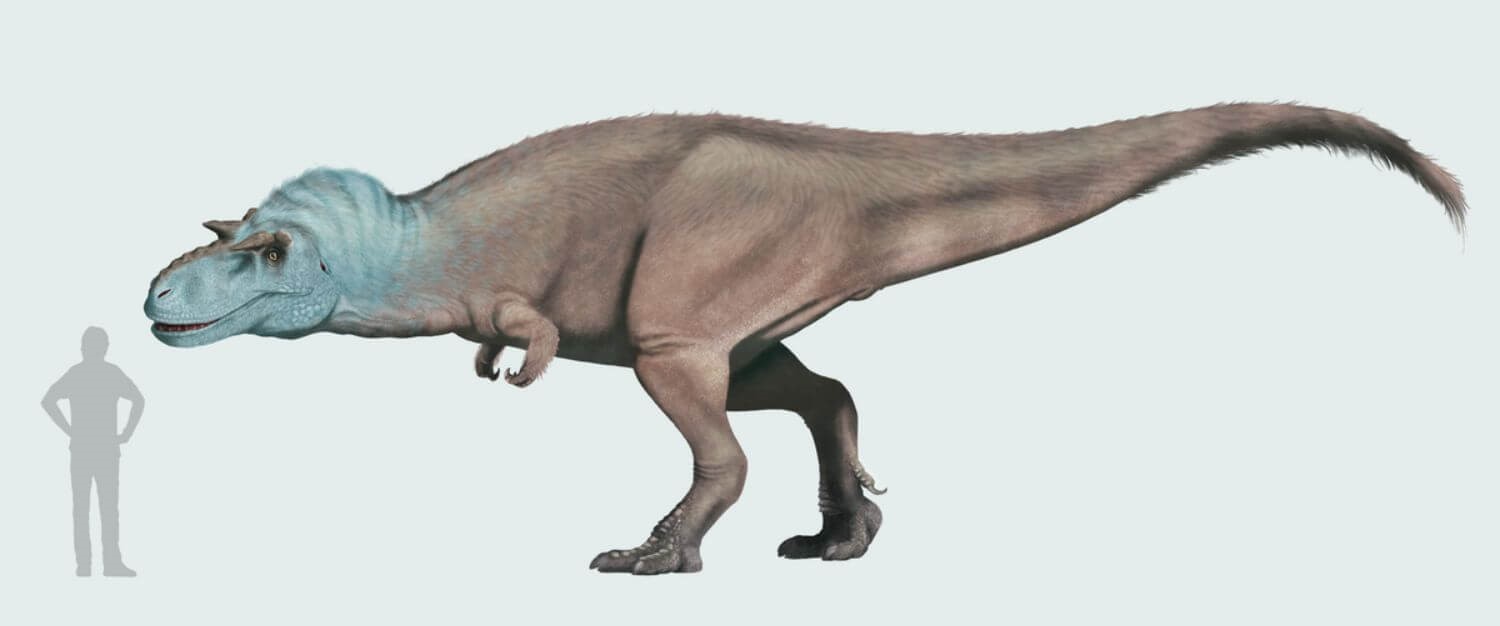 Même rétrécies, ces pattes disposaient de muscles, d'os et d'articulations fonctionnelles. Parmi leurs rôles possibles :
Serrer leur partenaire pendant l'accouplement
Se pousser pour se relever après avoir été allongé
Maintenir la proie à courte distance
Assener des coups tranchants avec leurs griffes compactes et solides
Aucune de ces fonctions n'est formellement prouvée pour toutes les espèces, mais elles démontrent que ces pattes gardaient une utilité réelle.
Idées reçues contre faits scientifiques
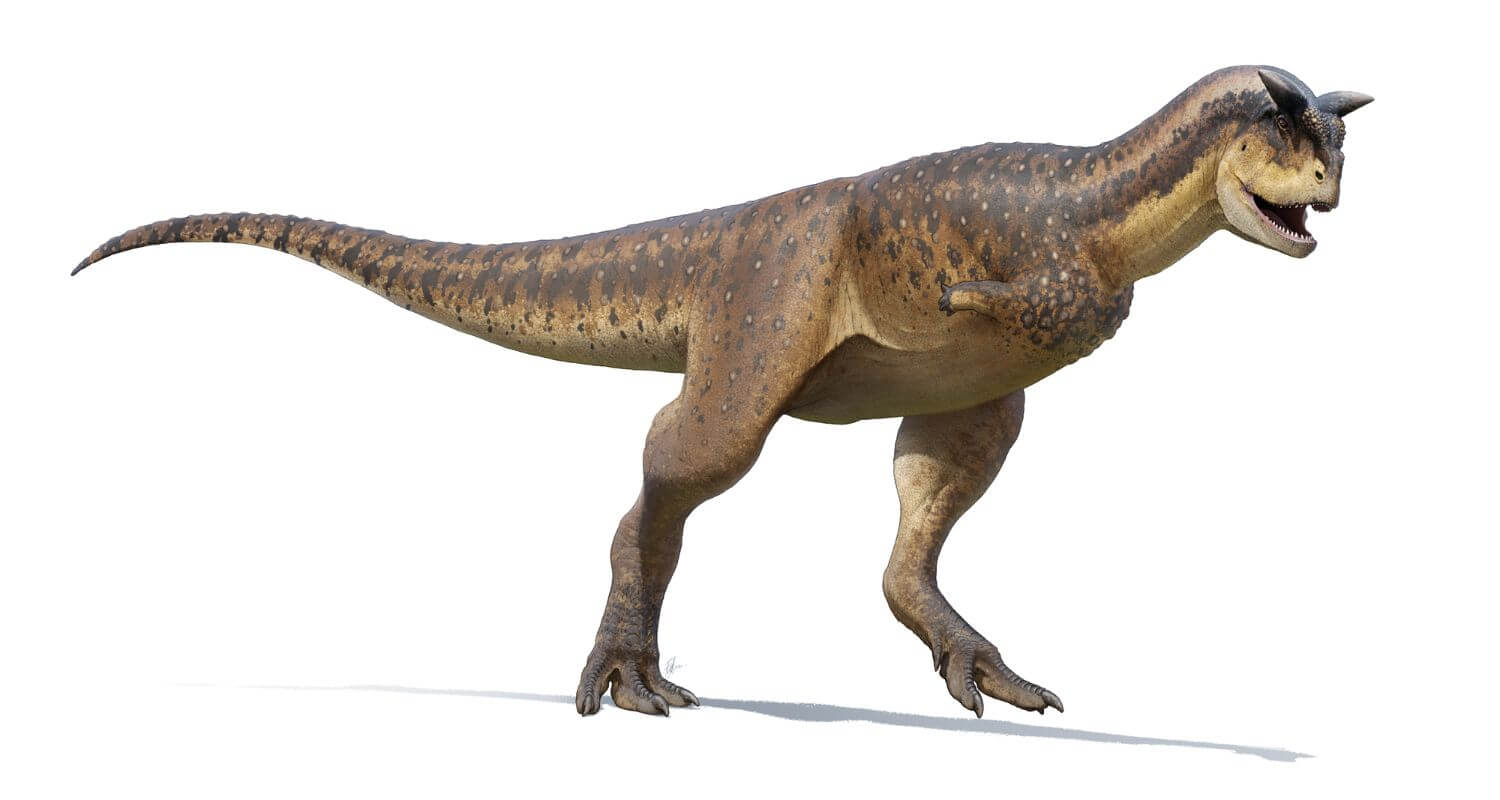 La culture populaire dépeint souvent les pattes du T-Rex comme totalement inefficaces. La science montre le contraire. Relativement à leur taille, ces membres étaient puissants et pouvaient soulever plusieurs centaines de kilos. Ils n'étaient pas conçus pour attraper des proies en fuite, mais ce ne sont pas non plus des vestiges inutiles de l'évolution.
Conclusion
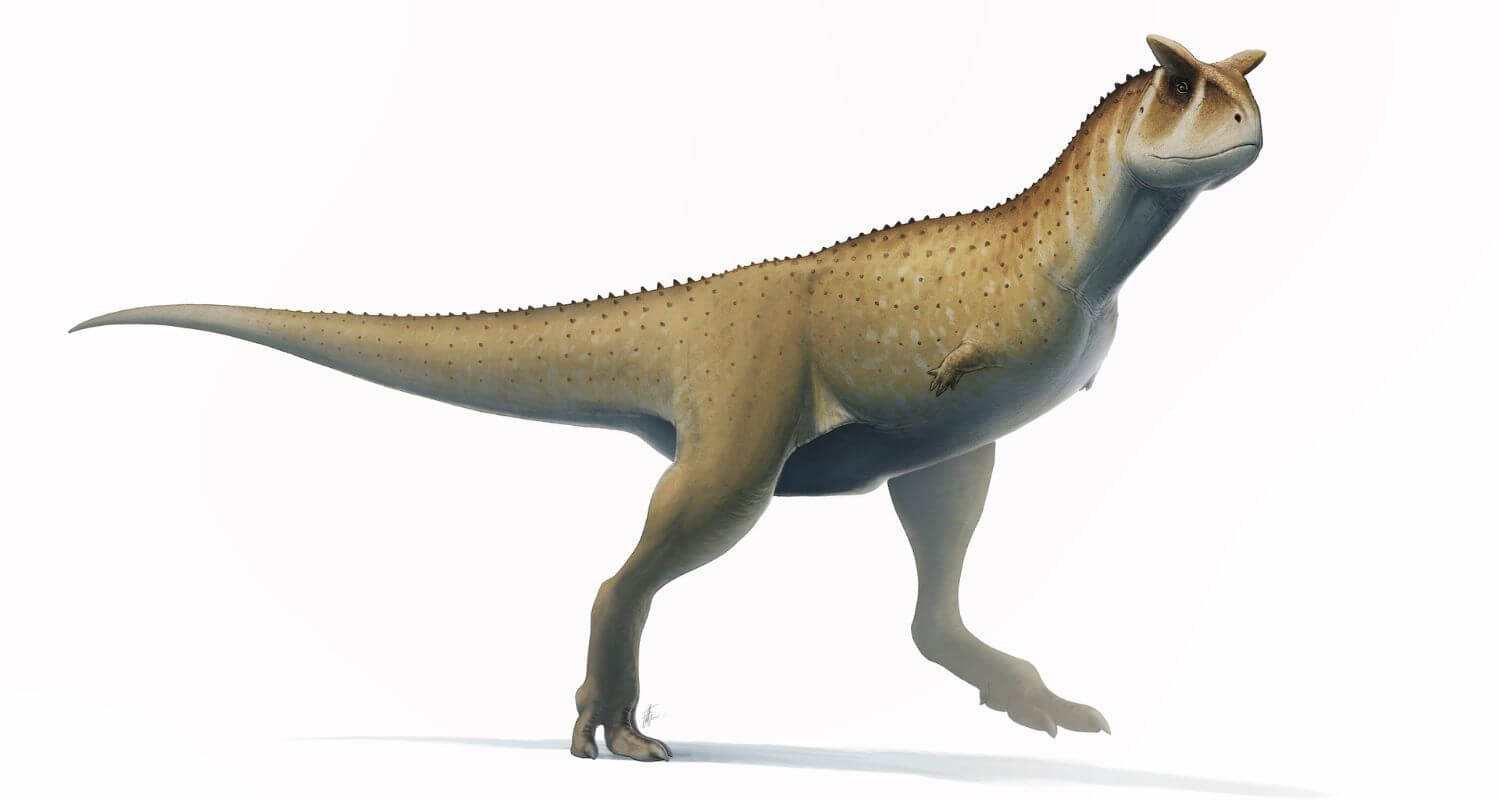 Les pattes avant réduites chez les grands prédateurs ne sont pas des anomalies. Il s'agit d'adaptations parfaitement adaptées à leur mode de vie, leur technique de chasse et leur anatomie. Plutôt que de les qualifier de « minuscules », il est plus juste de les voir comme des éléments épurés d'un prédateur parfaitement optimisé.
Tags: