À propos de nous
Gecai Culture est à l'avant-garde pour donner vie au passé grâce à nos dinosaures animatroniques ultramodernes, à nos créatures animatroniques enchanteresses, à nos lanternes de festival chinois vibrantes et à nos produits personnalisés sur mesure. En tant que fabricant professionnel niché au cœur de la Chine, nous entretenons une passion profonde pour présenter nos dinos et animaux réalistes dans les musées, les expositions, les zoos, les parcs et au-delà, dans le but d'allumer une flamme de curiosité et d'apprentissage chez les personnes de tous âges.
Obtenez un devis gratuit
Connaissance des dinosaures
La montée des dinosaures : comment ils sont devenus dominants
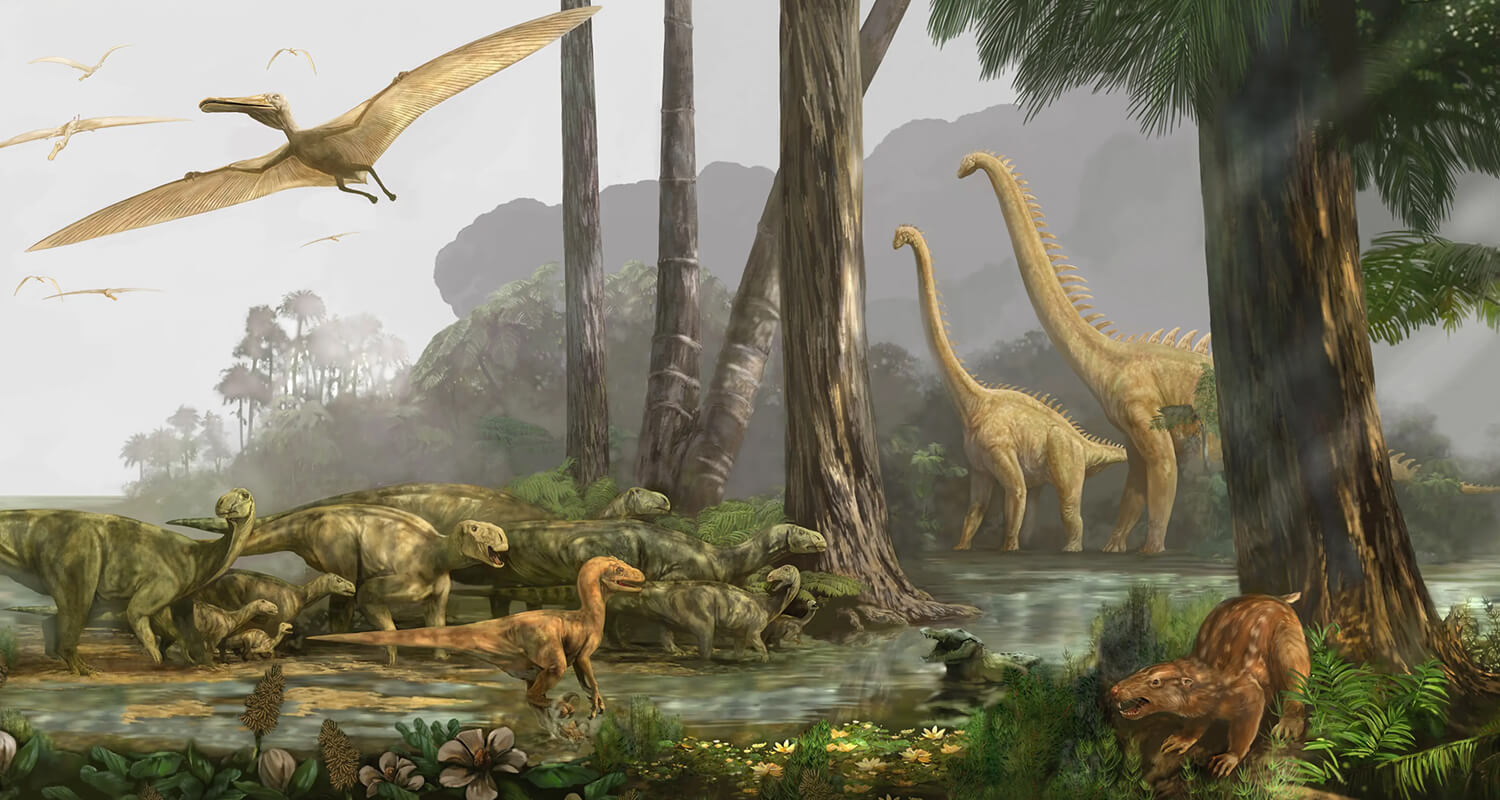 Dinosaurs, once the rulers of the Earth, dominated the planet for over 160 million years, from the Triassic to the Cretaceous periods. Their reign saw the emergence of a vast array of species, ranging from towering herbivores like the Brachiosaurus to the fearsome carnivores like Tyrannosaurus rex. But how did dinosaurs rise to such dominance? What evolutionary advantages did they possess, and what factors helped them thrive in diverse environments? This article explores the journey of how dinosaurs became the dominant species on Earth, examining their evolution, adaptations, and the ecological niches they filled.
The Dawn of the Dinosaurs: From the Triassic Period
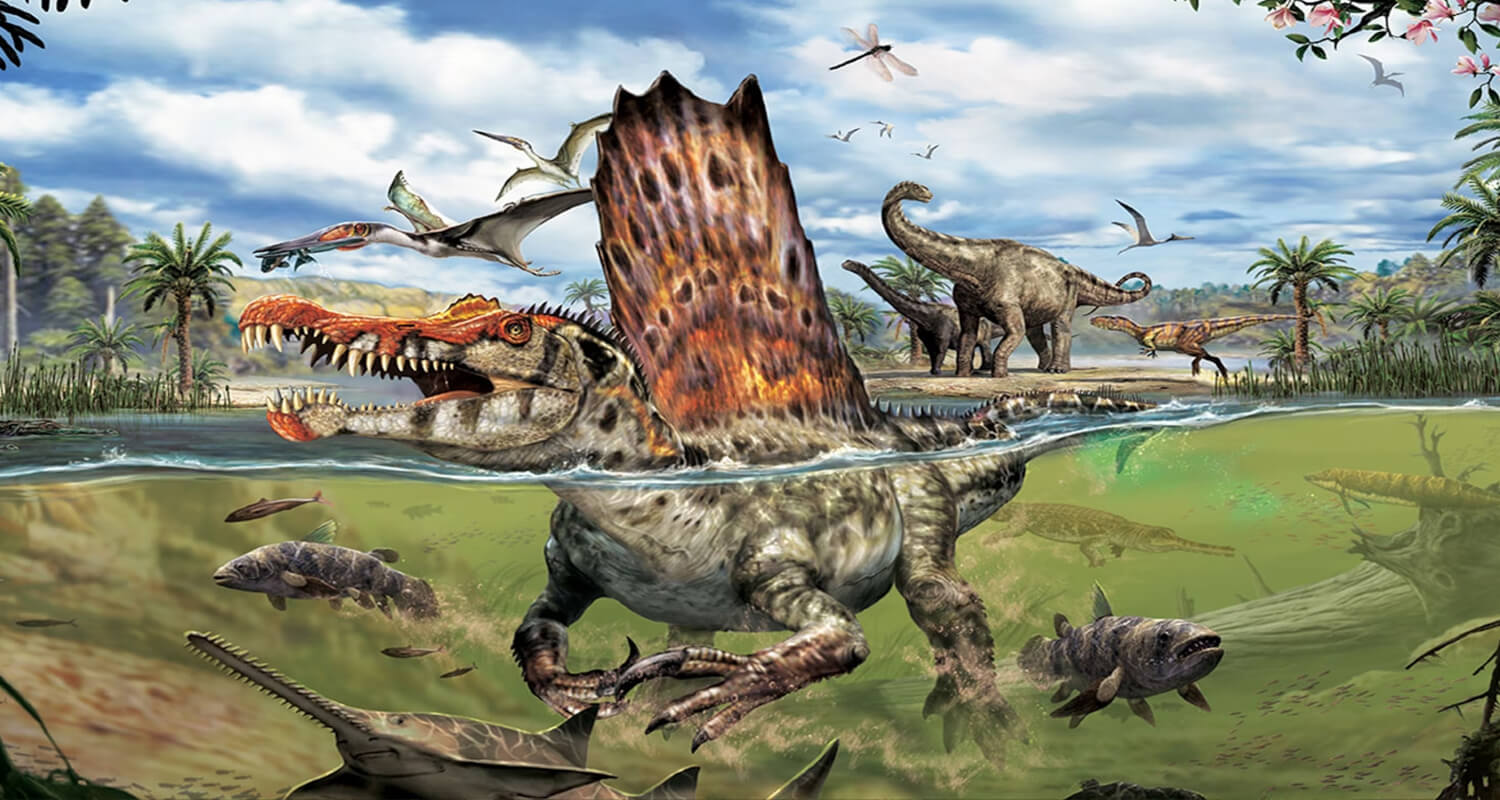 The story of dinosaurs begins in the aftermath of the Permian-Triassic extinction event, which occurred around 250 million years ago. This mass extinction wiped out nearly 90% of Earth's species, including many dominant land animals. The surviving species had fewer competitors and vast opportunities to evolve and fill vacant ecological roles. Among these survivors were the archosaurs—reptilian ancestors of modern crocodiles, birds, and dinosaurs.
During the early Triassic period (about 250 to 237 million years ago), the first true dinosaurs emerged. These early dinosaurs were small, agile creatures, primarily carnivorous, and typically no larger than a dog. They were not the towering giants we associate with dinosaurs today, but they had the crucial evolutionary traits that allowed them to thrive, including bipedalism (walking on two legs) and a highly efficient metabolism.
Key factors for their rise: The end of the Permian extinction provided opportunities for these early reptiles to rapidly diversify and evolve, with fewer competitors for resources. Their unique adaptations, such as upright posture and agility, made them well-suited to thrive in a world still recovering from the mass extinction.
Key Evolutionary Adaptations
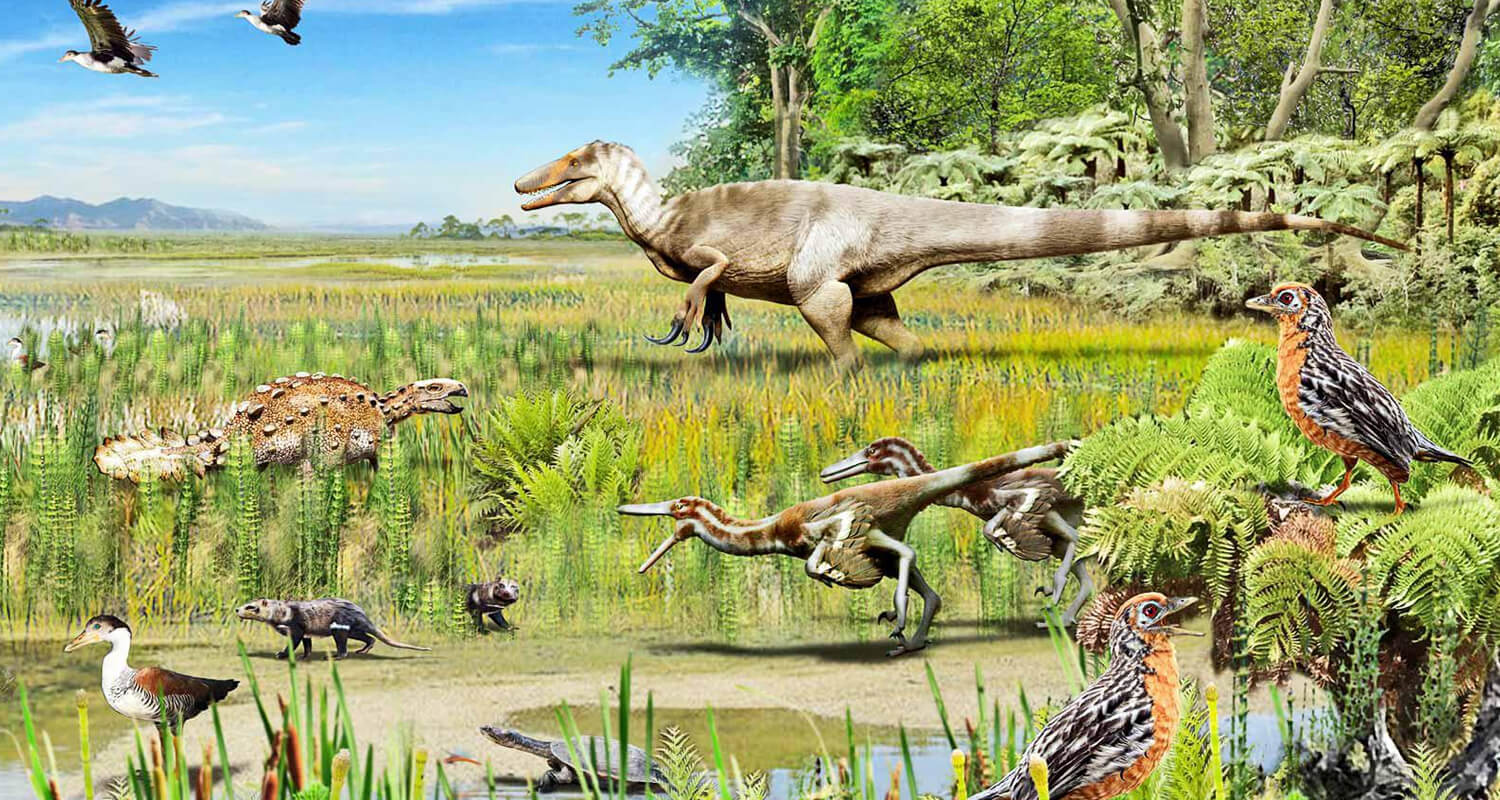 As dinosaurs continued to evolve, they developed a range of adaptations that made them increasingly dominant. One of the most important changes was the evolution of larger body sizes. This was particularly evident in the Jurassic period, where dinosaurs grew to massive proportions. The development of large size was likely an adaptation for survival, offering protection from predators and helping herbivores reach vegetation in the towering trees of early forests.
Another key evolutionary trait was the specialization of their teeth and jaws. Herbivorous dinosaurs, like the long-necked sauropods, developed flat teeth perfect for stripping vegetation, while carnivores like the theropods evolved sharp, serrated teeth designed for tearing flesh. These specialized teeth allowed dinosaurs to exploit different ecological niches effectively.
The development of flight also played a significant role in the rise of certain dinosaur species, particularly the early birds and pterosaurs (flying reptiles). The evolution of feathers in small theropod dinosaurs provided not only insulation but also the ability to glide or fly, giving some species an advantage in escaping predators and expanding their range.
Key evolutionary factors: The adaptation of larger body sizes, specialized teeth for different diets, and the development of flight allowed dinosaurs to occupy various ecological roles, from herbivores to apex predators.
The Jurassic Boom: The Golden Age of Dinosaur Growth
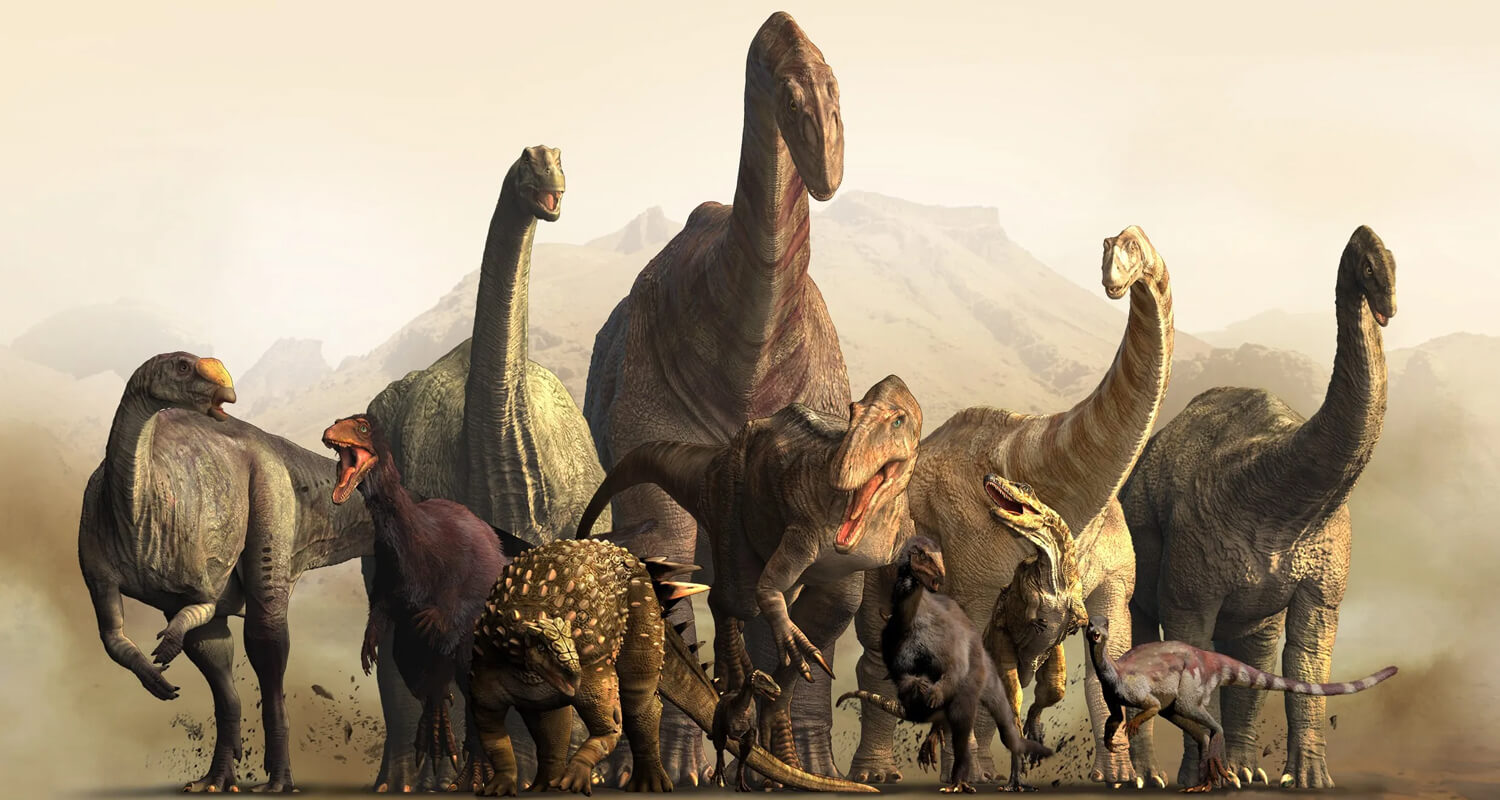 The Jurassic period (201–145 million years ago) is often considered the golden age of dinosaurs. During this time, dinosaurs became larger, more diverse, and more specialized. Herbivorous dinosaurs like the Brachiosaurus and Stegosaurus dominated the land, while carnivores like the Allosaurus hunted in packs.
The Jurassic period was characterized by a warm, humid climate, with large forests and an abundance of plant life that provided the necessary food for massive herbivores. The breakup of the supercontinent Pangaea during the Jurassic period led to the formation of new landmasses, creating opportunities for dinosaurs to spread across the globe and evolve in different ways.
The shift from the Triassic’s relatively sparse dinosaur populations to the Jurassic's abundant and diverse species was largely driven by environmental factors. The warm climate and abundant vegetation allowed large herbivores to thrive, while the cooling of the Earth led to the evolution of more specialized and agile predators. Dinosaurs also began to diversify into the air and water, with flying reptiles like Pterosaurs and marine reptiles like Ichthyosaurs filling new niches.
Key factors for dominance: The abundance of resources, favorable climate, and the spreading of continents created an environment where dinosaurs could thrive and diversify rapidly. Their size and adaptability made them the dominant creatures of the land, sea, and sky.
The Cretaceous Period: The Peak of Dinosaur Dominance
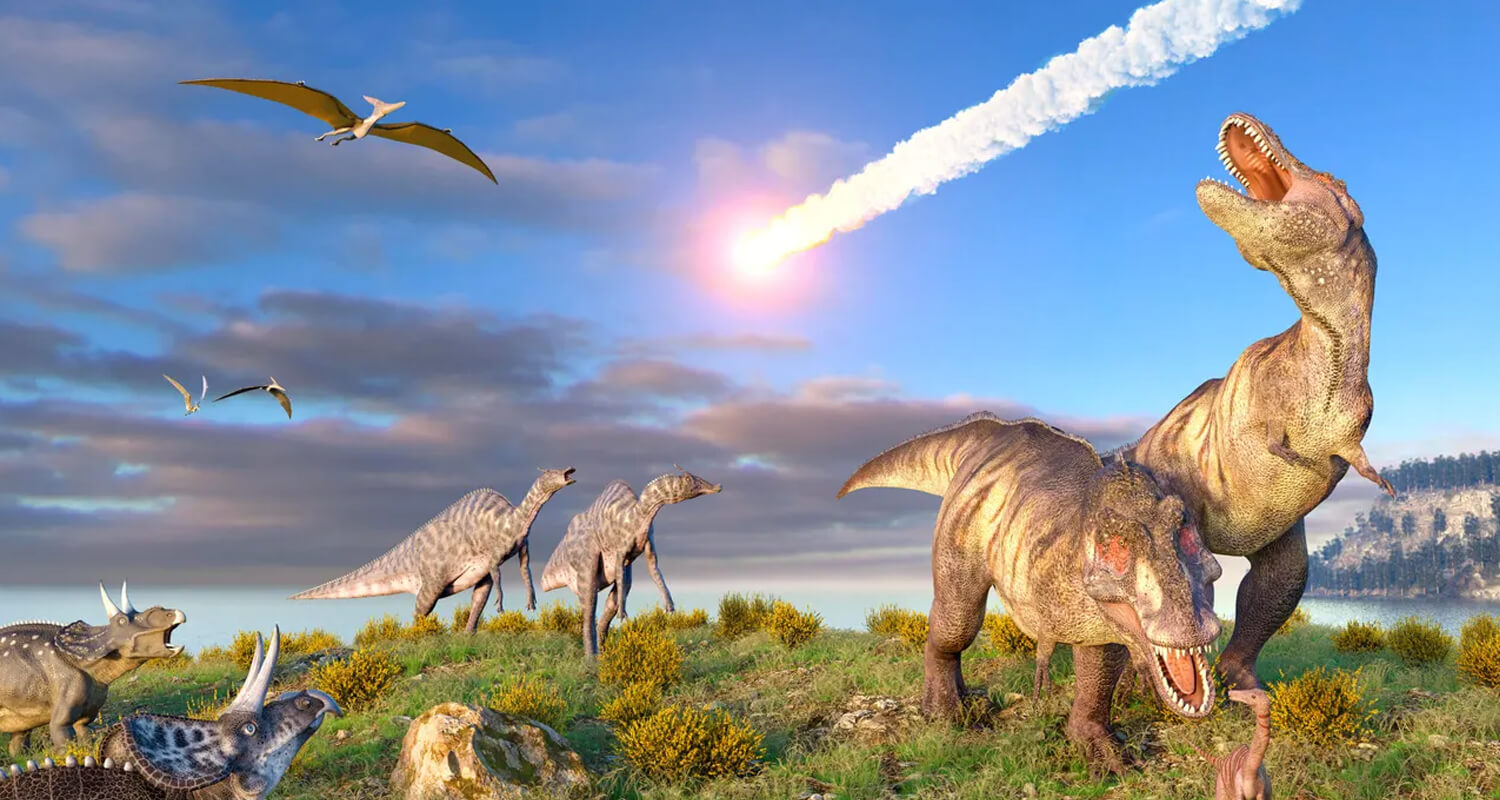 By the time the Cretaceous period (145–66 million years ago) arrived, dinosaurs were firmly entrenched as the dominant terrestrial vertebrates. The Cretaceous saw the emergence of some of the most iconic dinosaurs, including Tyrannosaurus rex, Triceratops, and Velociraptor.
The Cretaceous period was marked by a warmer global climate, high sea levels, and the spread of flowering plants (angiosperms), which provided new food sources for herbivores. These new plants also helped fuel the evolution of larger and more specialized herbivores, while carnivores adapted to hunt new prey. Herbivores like Hadrosaurs (duck-billed dinosaurs) and Ceratopsians (horned dinosaurs) flourished, while theropods like T. rex became the apex predators.
During this time, dinosaurs continued to adapt to changing environments. The evolution of complex behaviors, such as flocking in some herbivores and pack hunting in carnivores, helped some species survive in the competitive ecosystems of the Cretaceous.
Key factors for dominance: The abundance of new food sources, the evolution of specialized herbivores and carnivores, and the adaptability of dinosaurs to different environments helped dinosaurs reach their peak during the Cretaceous period.
Environmental Factors and Global Climate
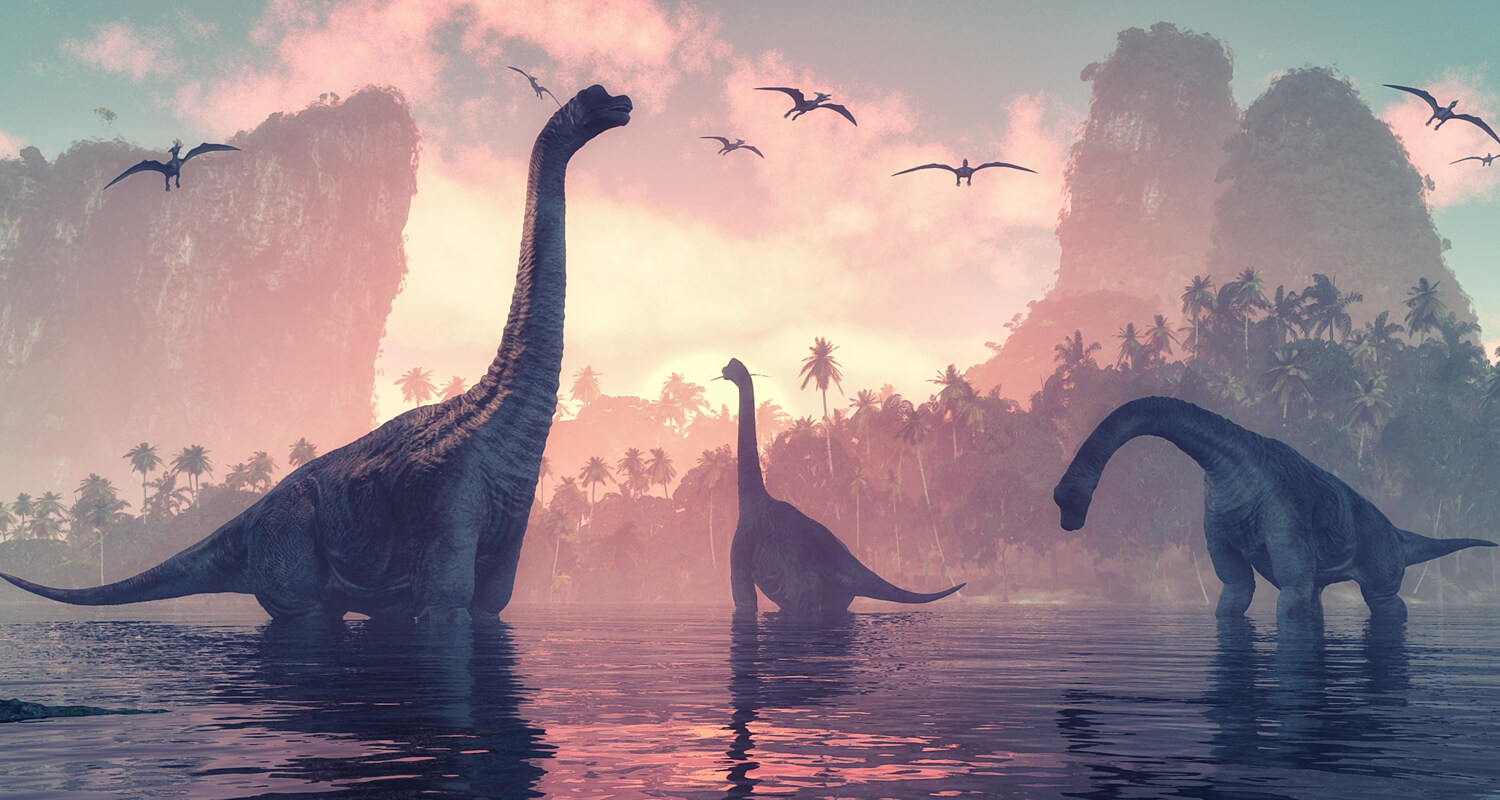 The rise of dinosaurs was not only due to their evolutionary adaptations but also the environmental factors that supported their dominance. During the Mesozoic era, Earth experienced a relatively stable climate with higher oxygen levels and abundant plant life, particularly during the Jurassic and Cretaceous periods. This allowed dinosaurs to grow to massive sizes, particularly sauropods like Brachiosaurus, which could reach up to 80 feet in length.
The breakup of Pangaea created new ecosystems, with dinosaurs migrating across what would become separate continents. Ocean currents and climate zones contributed to the spread of species, leading to the diversification of dinosaur species in different regions.
Key factors for dominance: A stable climate, high oxygen levels, and the breakup of continents created diverse ecosystems that supported the growth and expansion of dinosaur species.
Ecological Niches: How Dinosaurs Thrived in Different Environments
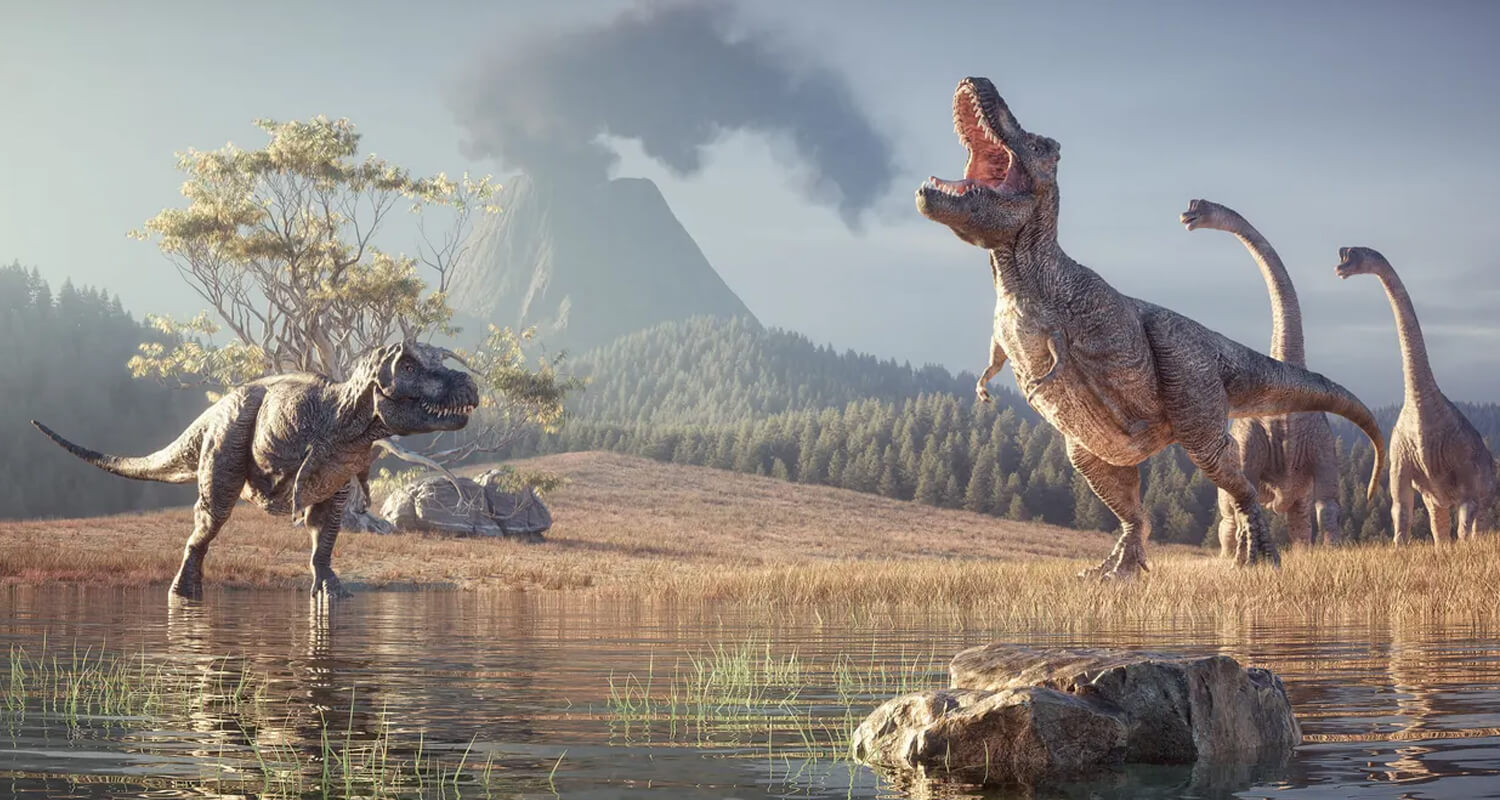 Dinosaurs were incredibly versatile and adapted to a wide range of ecological niches. Herbivorous dinosaurs like sauropods dominated forests, while smaller herbivores foraged on the ground. Carnivores like theropods occupied top predator roles, hunting other dinosaurs, while some species of dinosaurs evolved into omnivores.
Dinosaurs also adapted to different environments, from lush forests to dry, arid deserts. Some species, like the duck-billed Hadrosaurs, adapted to social behavior, living in large herds for protection. Others, like the agile Velociraptors, hunted in packs, utilizing teamwork to take down larger prey.
Key factors for dominance: Dinosaurs filled a wide variety of ecological roles, from massive herbivores to apex predators, allowing them to thrive in a range of environments and ecosystems.
The Decline and Extinction of Dinosaurs
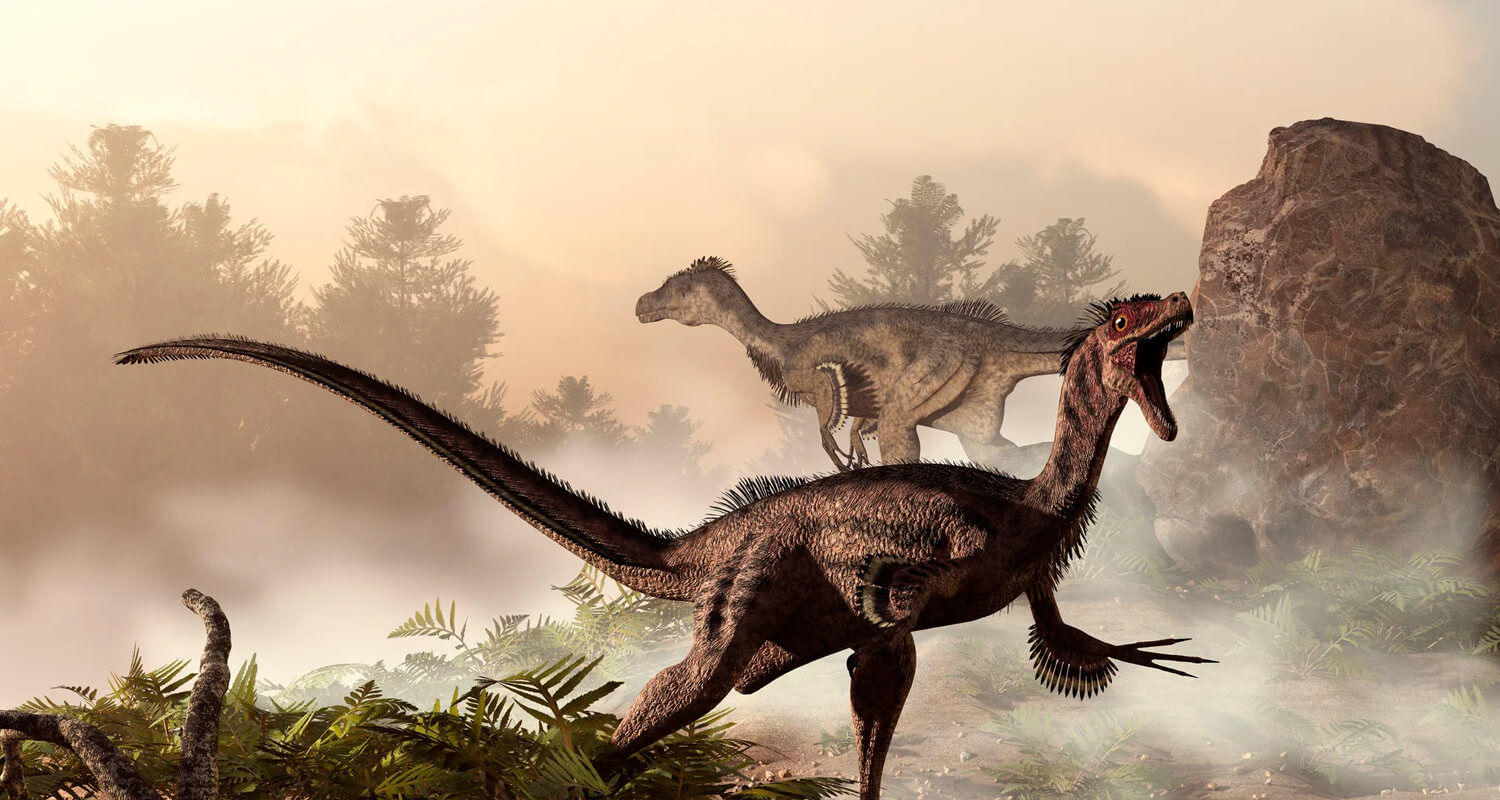 Despite their long reign, dinosaurs ultimately faced extinction at the end of the Cretaceous period, likely due to a combination of environmental changes, including a massive asteroid impact, volcanic activity, and climate shifts. This event marked the end of the Mesozoic era and the rise of mammals, which began to dominate the Earth after the dinosaurs’ extinction.
Conclusion
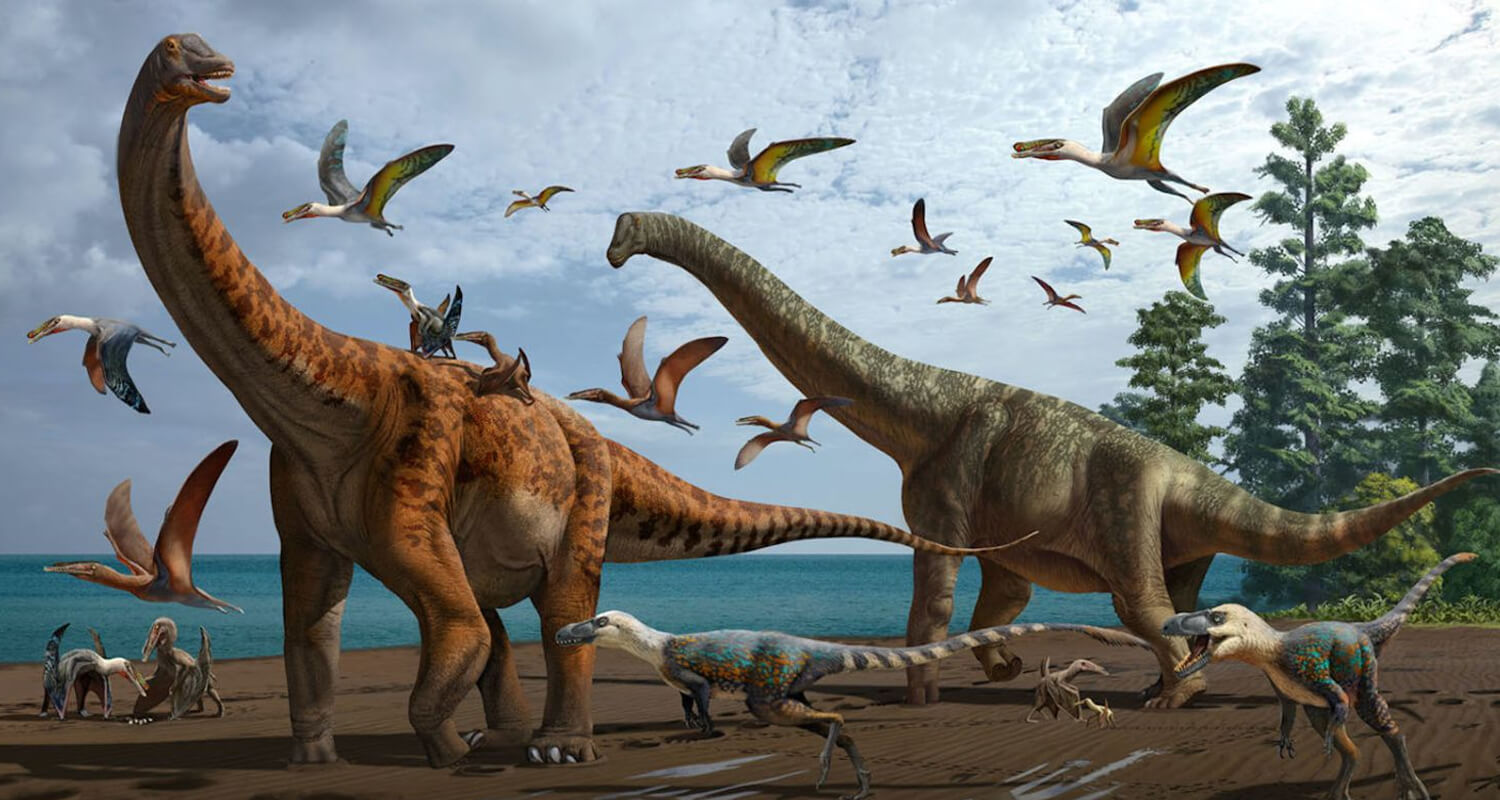 The rise of dinosaurs is a tale of evolutionary innovation, environmental adaptation, and fierce competition. From their humble beginnings in the Triassic period to their peak in the Cretaceous, dinosaurs became the dominant life forms on Earth due to a combination of evolutionary adaptations, favorable environmental conditions, and the ability to exploit various ecological niches. While their reign eventually came to an end, their legacy continues through fossils and, today, in the form of animatronic dinosaurs, like those offered by Gecai Culture, which bring their awe-inspiring forms back to life for modern audiences.
Tags: