À propos de nous
Gecai Culture est à l'avant-garde pour donner vie au passé grâce à nos dinosaures animatroniques ultramodernes, à nos créatures animatroniques enchanteresses, à nos lanternes de festival chinois vibrantes et à nos produits personnalisés sur mesure. En tant que fabricant professionnel niché au cœur de la Chine, nous entretenons une passion profonde pour présenter nos dinos et animaux réalistes dans les musées, les expositions, les zoos, les parcs et au-delà, dans le but d'allumer une flamme de curiosité et d'apprentissage chez les personnes de tous âges.
Obtenez un devis gratuit
Connaissance des dinosaures
Des paléontologues célèbres et leurs contributions à la science des dinosaures
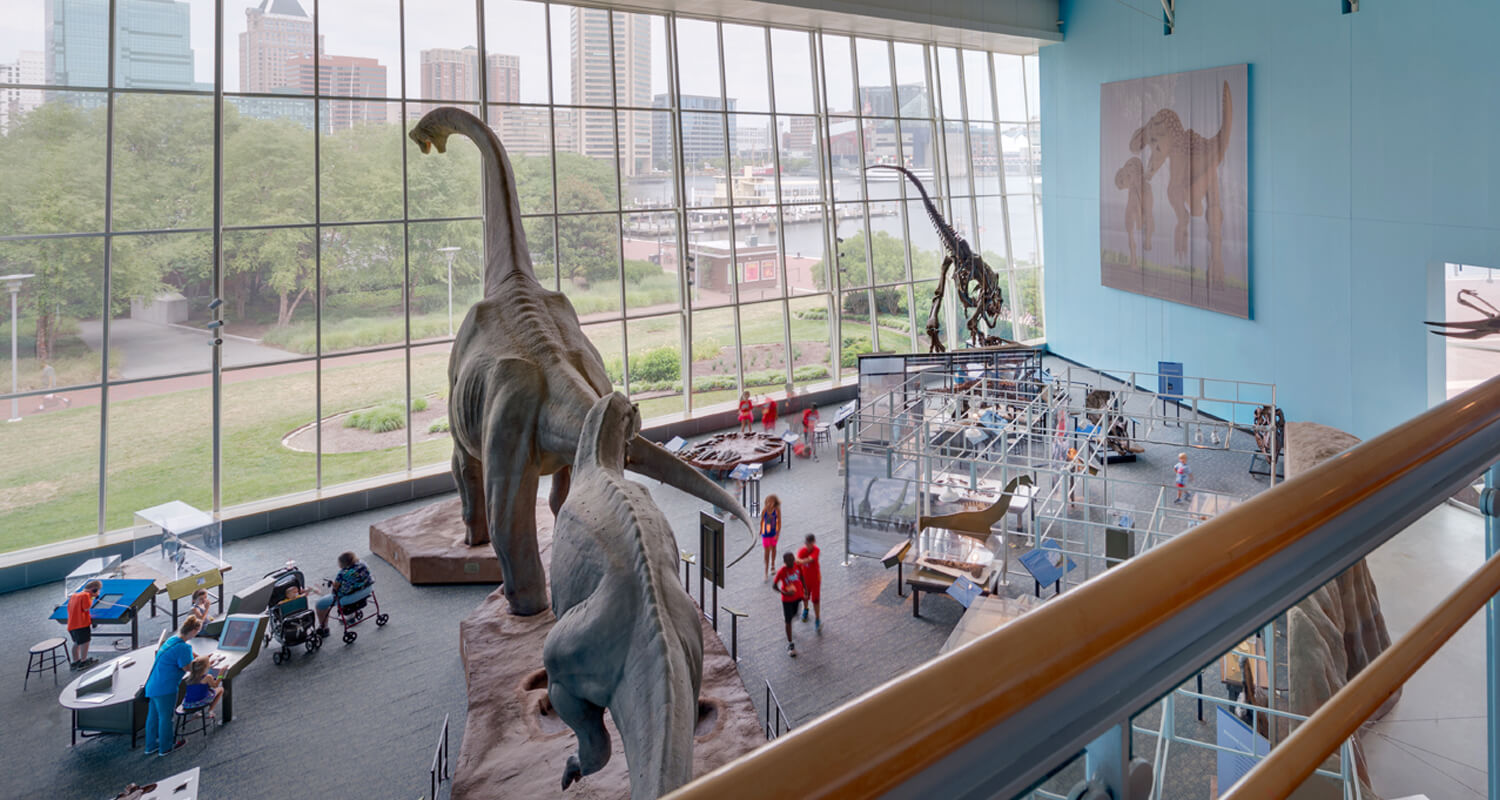 Dinosaurs have long fascinated humans, and much of what we know about these ancient creatures comes from the work of paleontologists. These scientists have dedicated their lives to uncovering and interpreting fossils, reshaping our understanding of prehistoric life. Here, we delve into the lives and contributions of some of the most famous paleontologists who have advanced dinosaur science.
Early Pioneers in Dinosaur Discovery
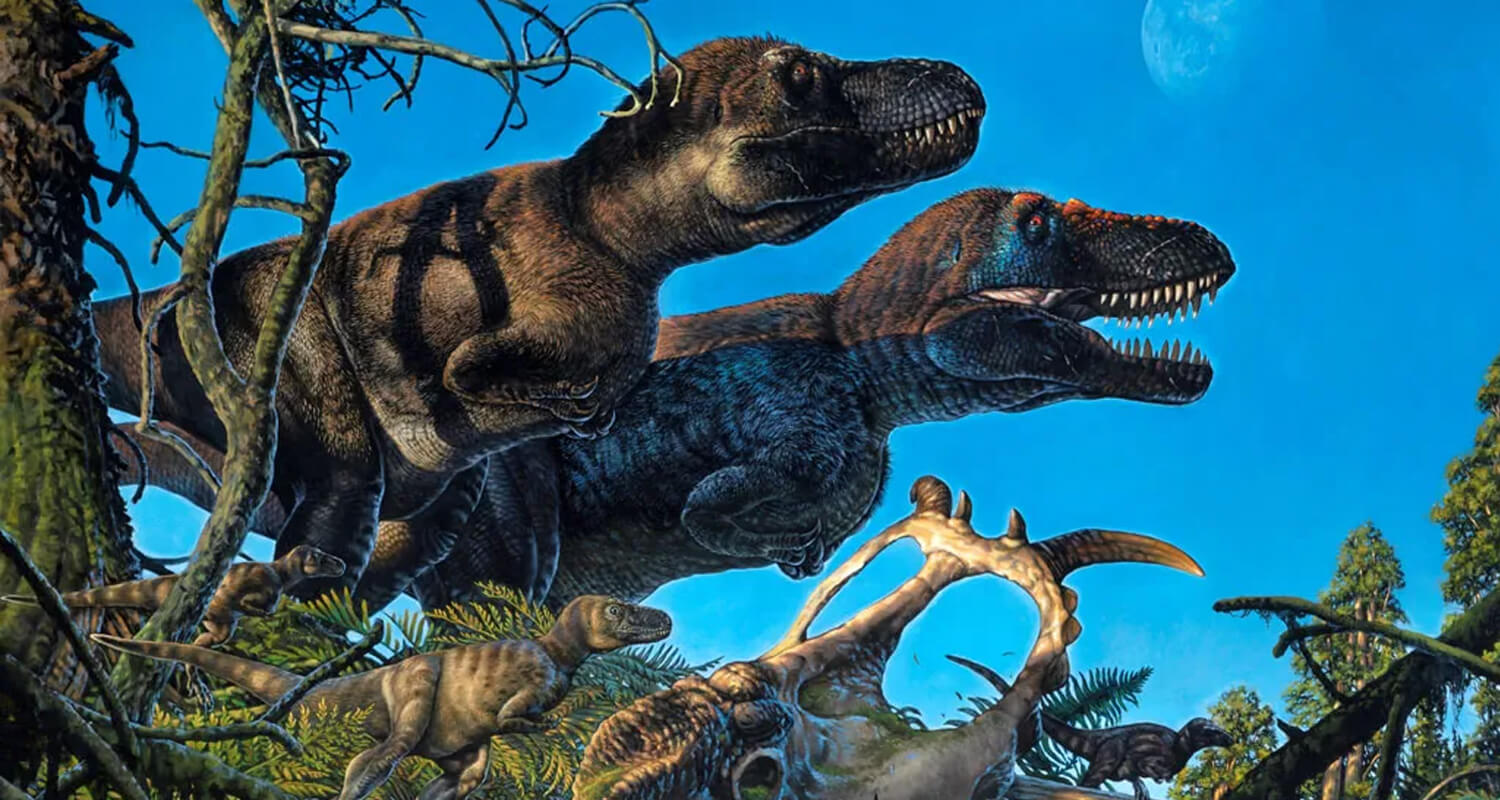 The foundations of dinosaur science were laid by early pioneers who first brought these creatures to light.
William Buckland
William Buckland is credited with the first scientific description of a dinosaur, the Megalosaurus, in 1824. His meticulous analysis of fossils paved the way for recognizing dinosaurs as distinct ancient reptiles.
Gideon Mantell
Known for discovering Iguanodon, Mantell played a pivotal role in identifying some of the earliest-known dinosaurs. His work challenged existing ideas about Earth's past and helped spark widespread interest in paleontology.
Richard Owen
In 1842, Richard Owen coined the term "Dinosauria," grouping these creatures into a unique taxonomic category. His efforts popularized the idea of dinosaurs as a distinct group of reptiles, influencing both science and public imagination.
Key Figures of the Bone Wars
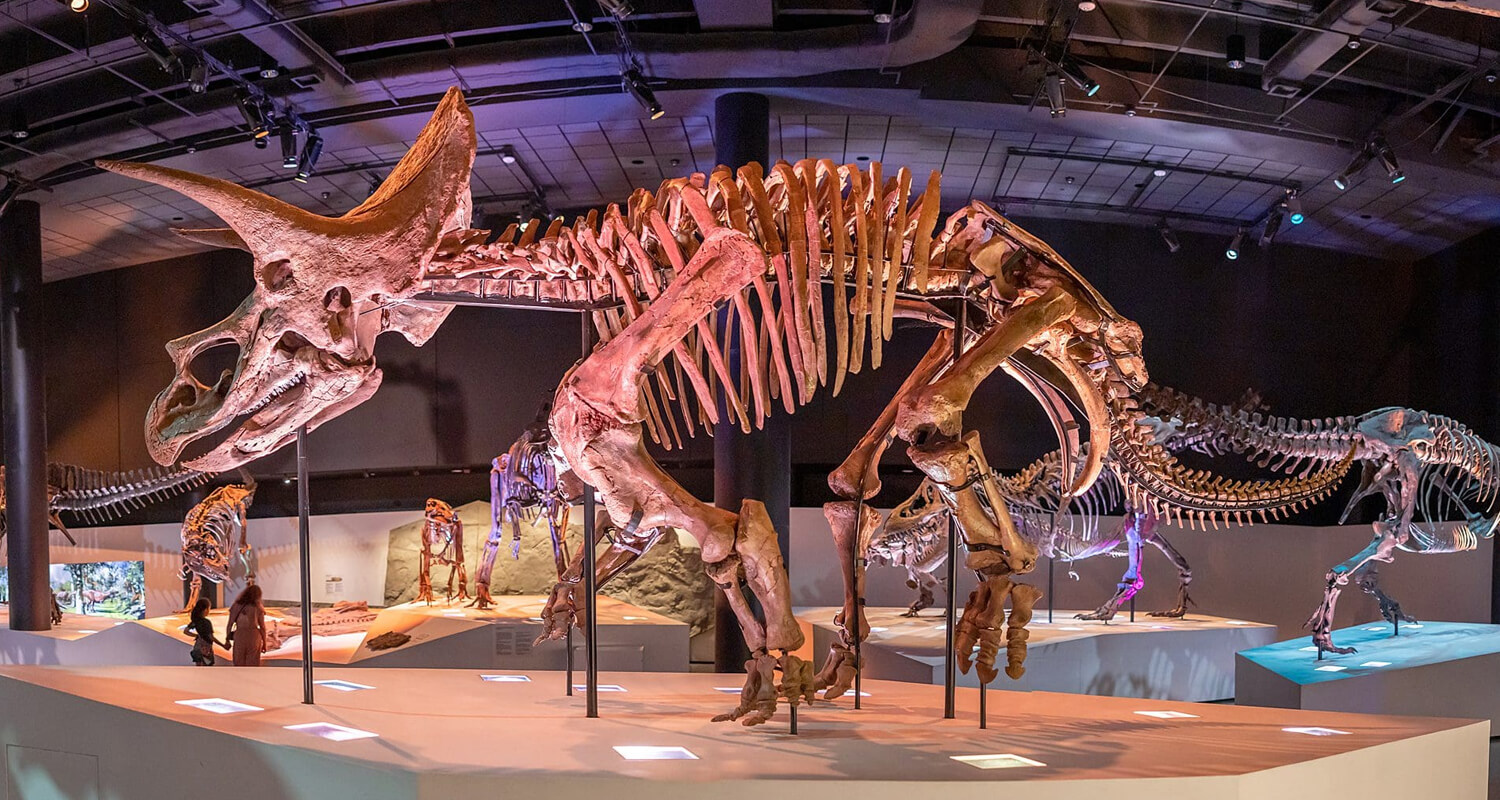 The 19th century saw a fierce rivalry known as the Bone Wars, where two paleontologists competed to unearth and classify as many fossils as possible.
Othniel Charles Marsh
Marsh is celebrated for discovering iconic species like Stegosaurus and Triceratops. His innovative fossil reconstruction techniques set a high standard for paleontological research.
Edward Drinker Cope
Cope described numerous species, including Camarasaurus, and contributed significantly to understanding dinosaur diversity. Though his rivalry with Marsh was intense, it accelerated fossil discoveries and scientific documentation.
Modern Paleontology Trailblazers
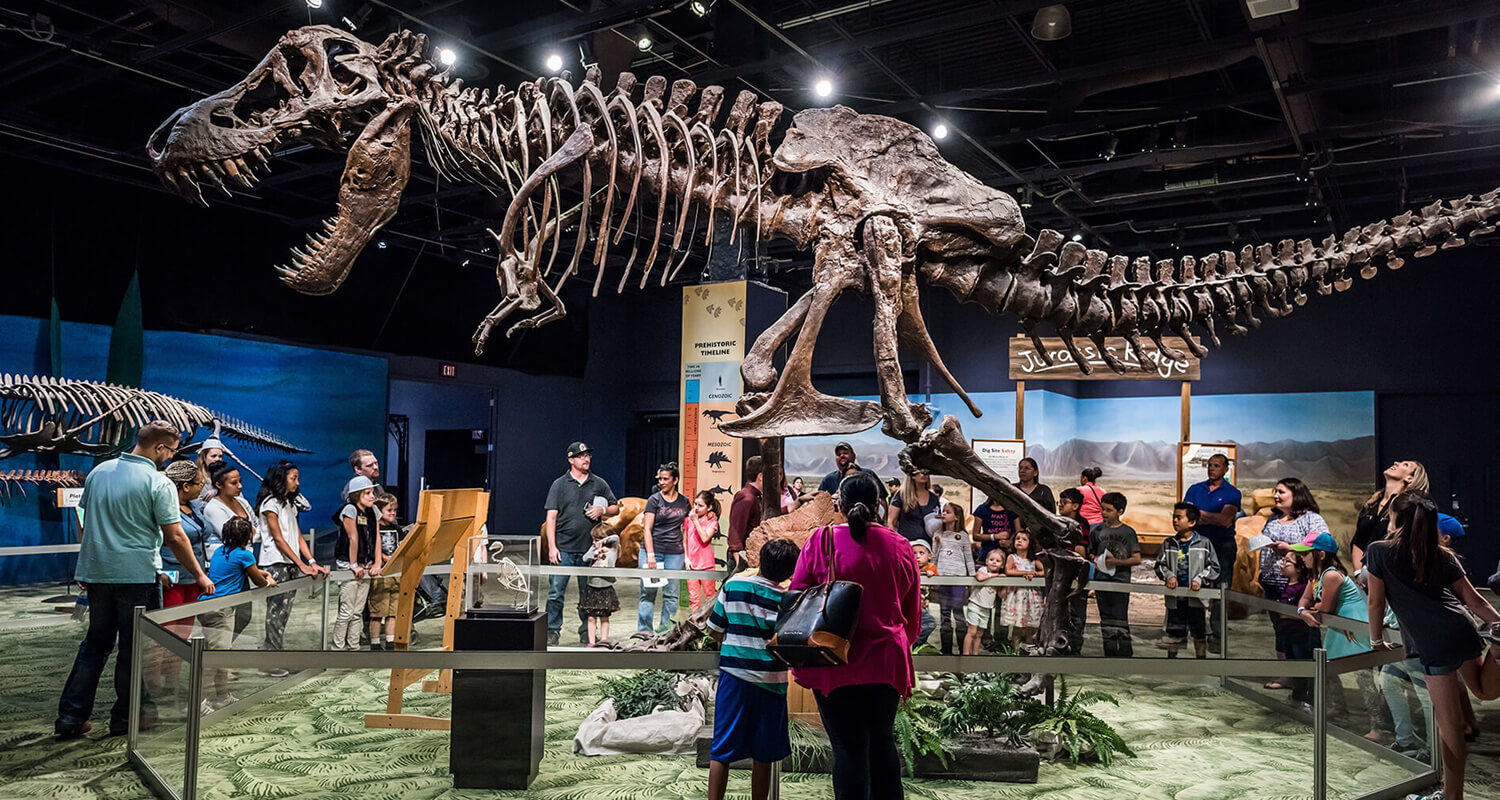 Advancements in technology and science have allowed modern paleontologists to uncover new insights into dinosaurs' lives and evolution.
John H. Ostrom
Ostrom's rediscovery of the bird-dinosaur link, particularly through his studies of Deinonychus, revolutionized our view of dinosaurs as active, warm-blooded creatures. His work shifted the perception of dinosaurs from sluggish reptiles to dynamic animals.
Jack Horner
Known for his research on dinosaur growth and behavior, Horner’s discovery of Maiasaura ("Good Mother Lizard") showed evidence of parental care in dinosaurs. He has also been a prominent advocate for the bird-dinosaur connection.
Paul Sereno
Sereno's expeditions across multiple continents have unearthed new dinosaur species, enriching the evolutionary tree of these ancient creatures. His work has highlighted the global diversity of dinosaurs.
Women in Dinosaur Paleontology
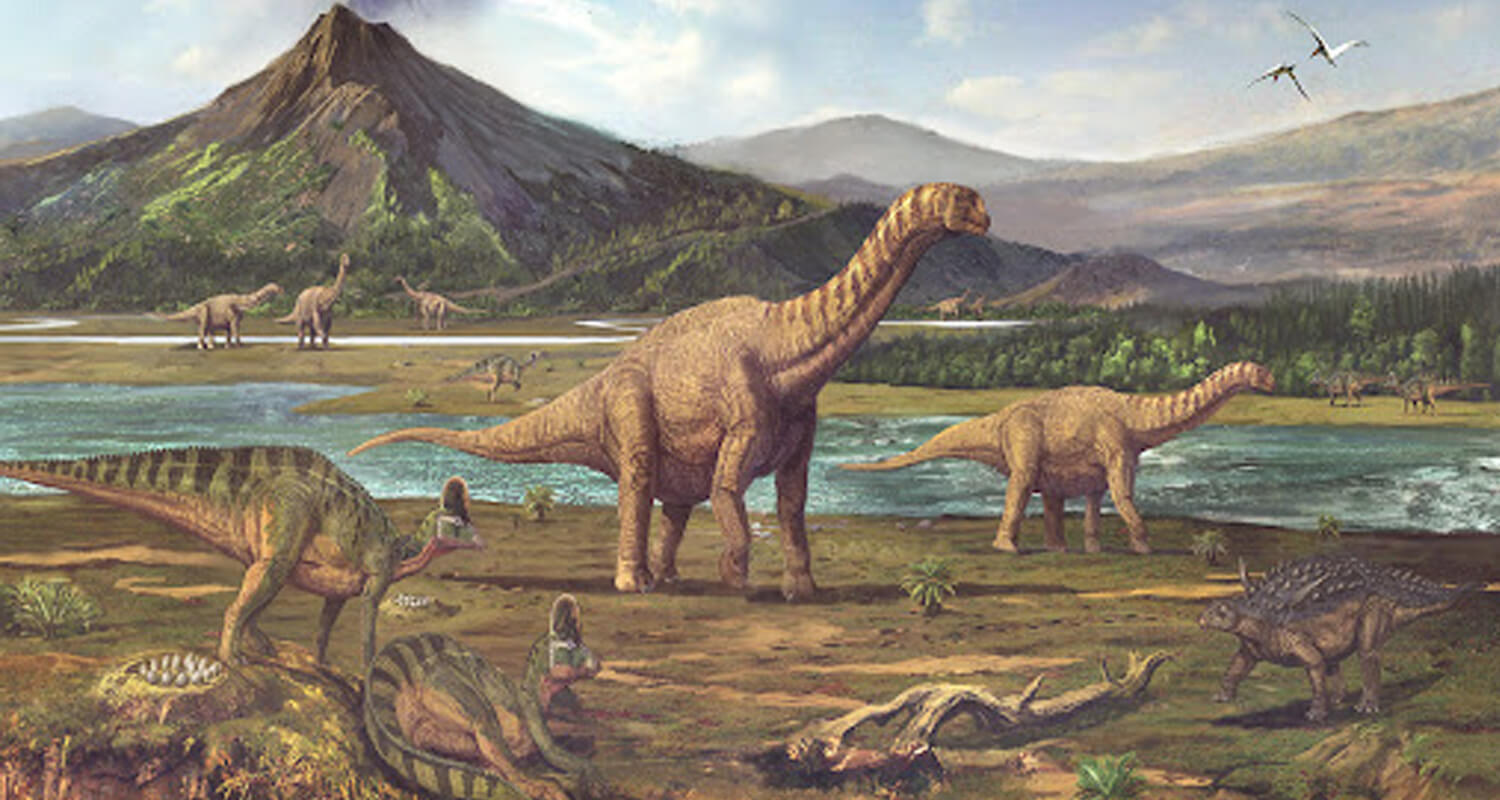 Women have made significant contributions to paleontology, often overcoming societal barriers.
Mary Anning
Anning’s discoveries of marine reptiles like Ichthyosaurus and Plesiosaurus were groundbreaking. Despite limited recognition during her lifetime, her work remains foundational in paleontology.
Sarah Parcak
Using satellite technology to identify potential fossil sites, Parcak represents the modern integration of technology into paleontology, demonstrating how innovative methods can drive new discoveries.
Emerging Paleontologists and Their Contributions
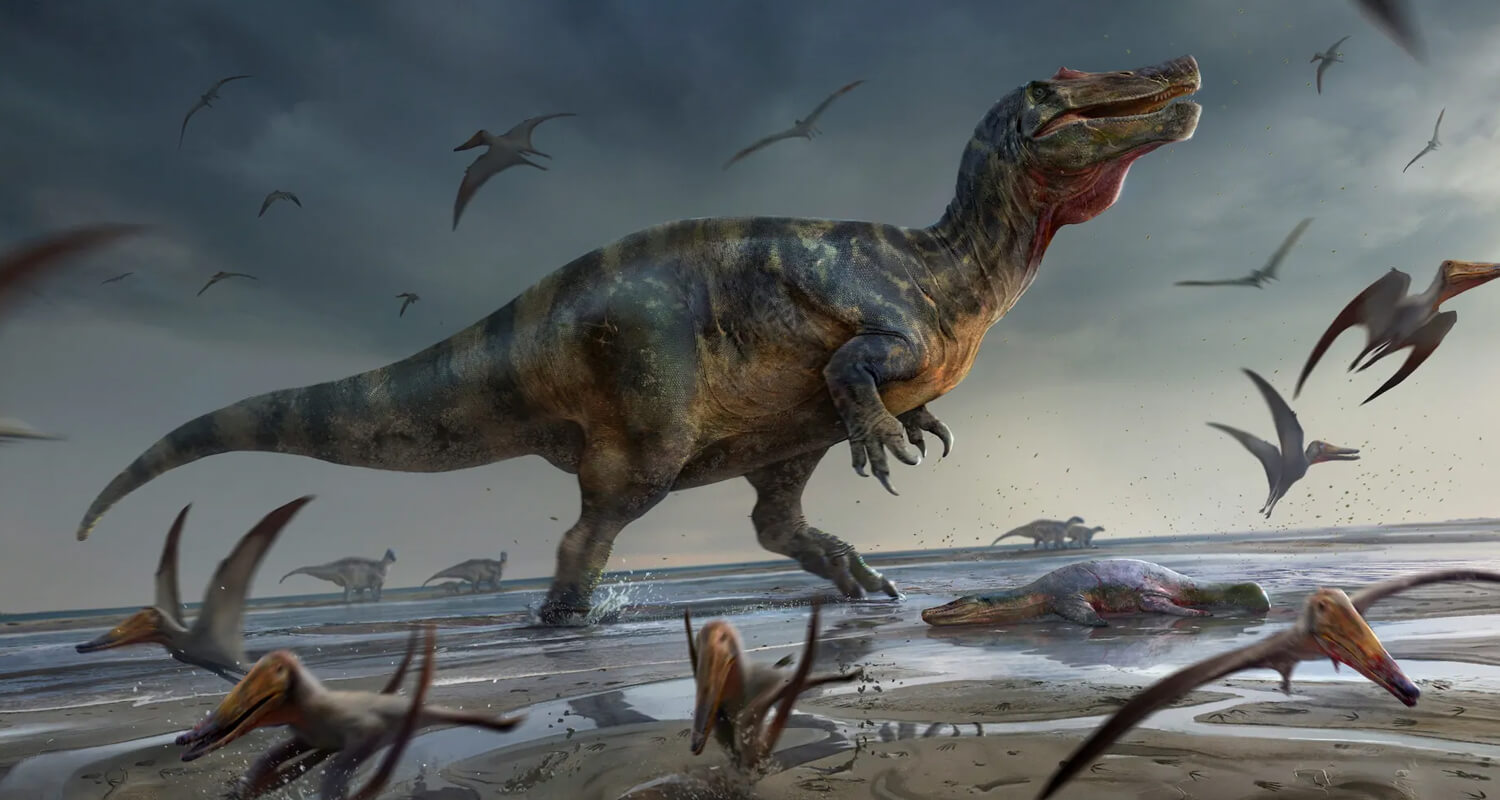 Today, a new generation of paleontologists is leveraging cutting-edge technology to uncover even more about dinosaurs. From 3D fossil modeling to advanced imaging techniques, these researchers continue to expand our understanding of these ancient creatures.
The Legacy of Paleontologists in Dinosaur Science
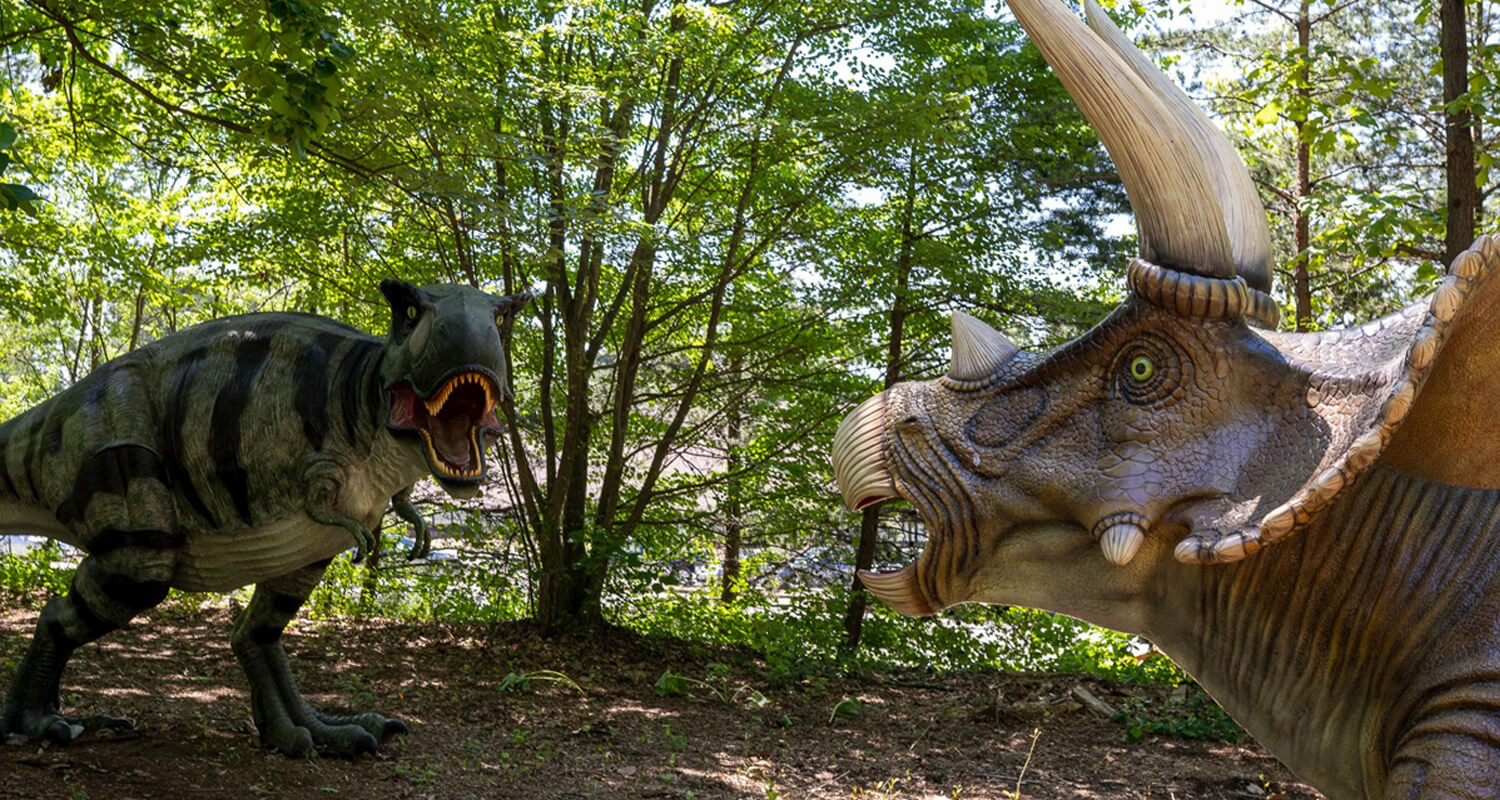 The work of paleontologists has not only shaped scientific research but also enriched public fascination with dinosaurs. Their discoveries fill museum collections, inspire educational programs, and feature prominently in media, ensuring that the story of dinosaurs continues to captivate audiences worldwide.
FAQs
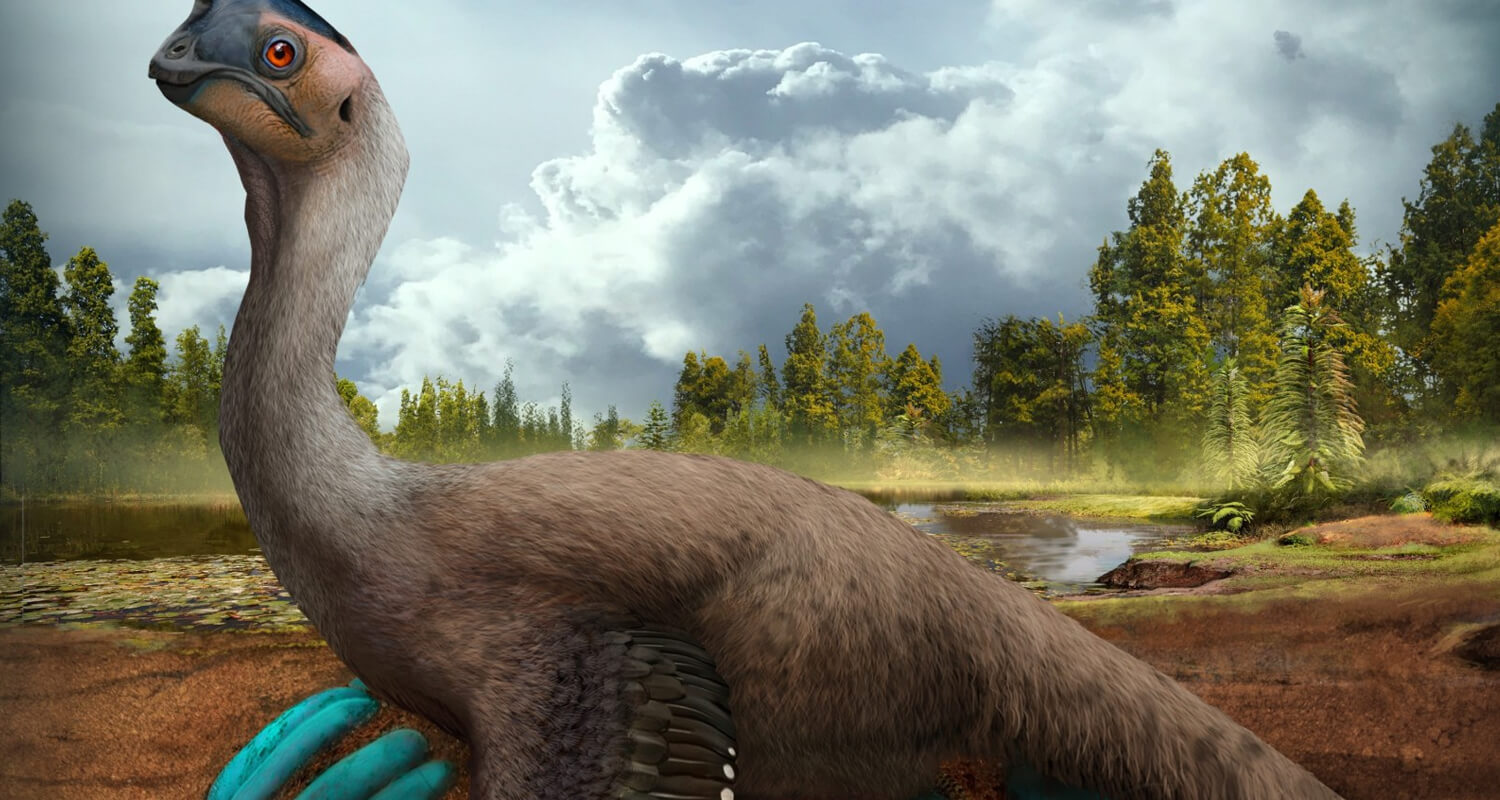 Who was the first person to study dinosaurs?
William Buckland was among the first to scientifically describe a dinosaur fossil, marking the beginning of dinosaur paleontology.
What is the most significant dinosaur discovery in history?
The discovery of Deinonychus by John H. Ostrom is often cited as transformative, as it reshaped our understanding of dinosaurs' behavior and their link to birds.
Who are some famous female paleontologists?
Mary Anning and Sarah Parcak are two prominent figures, known for their groundbreaking work and innovations in paleontology.
Conclusion
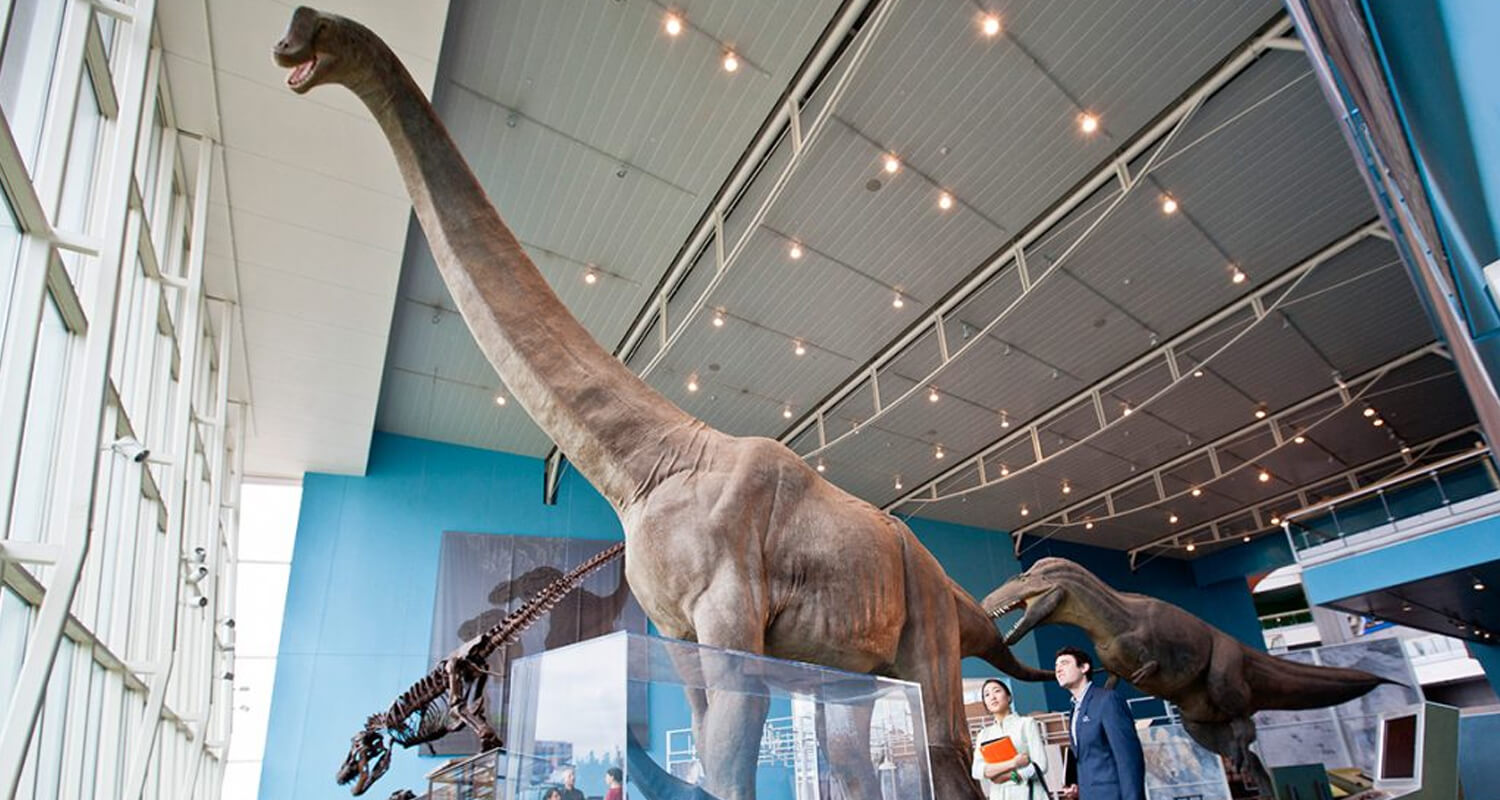 From the early pioneers to today's trailblazers, paleontologists have continually advanced our understanding of dinosaurs. Their tireless work has illuminated the mysteries of these ancient creatures, making the field of paleontology as dynamic and fascinating as the dinosaurs themselves. Whether through groundbreaking discoveries or inspiring the next generation, these scientists ensure the legacy of dinosaurs remains alive.
Tags: