
私たちについて
グレーカルチャーは、最新のアニマトロニック恐竜、魅惑的なアニマトロニッククリーチャー、活気ある中国の祭りの提灯、そしてカスタマイズされた製品を通じて、過去を生き生きとさせる最前線に立っています。中国の中心に位置するプロの製造業者として、私たちは博物館、展示会、動物園、公園などで私たちのリアルな恐竜や動物を展示することに深い情熱を抱いており、あらゆる年齢層の人々に好奇心と学びの炎を燃やすことを目指しています。
無料見積もりを取得
恐竜の知識
驚く準備をしてください:あなたが思っていたすべてを変えるT. Rexについての詳細な事実
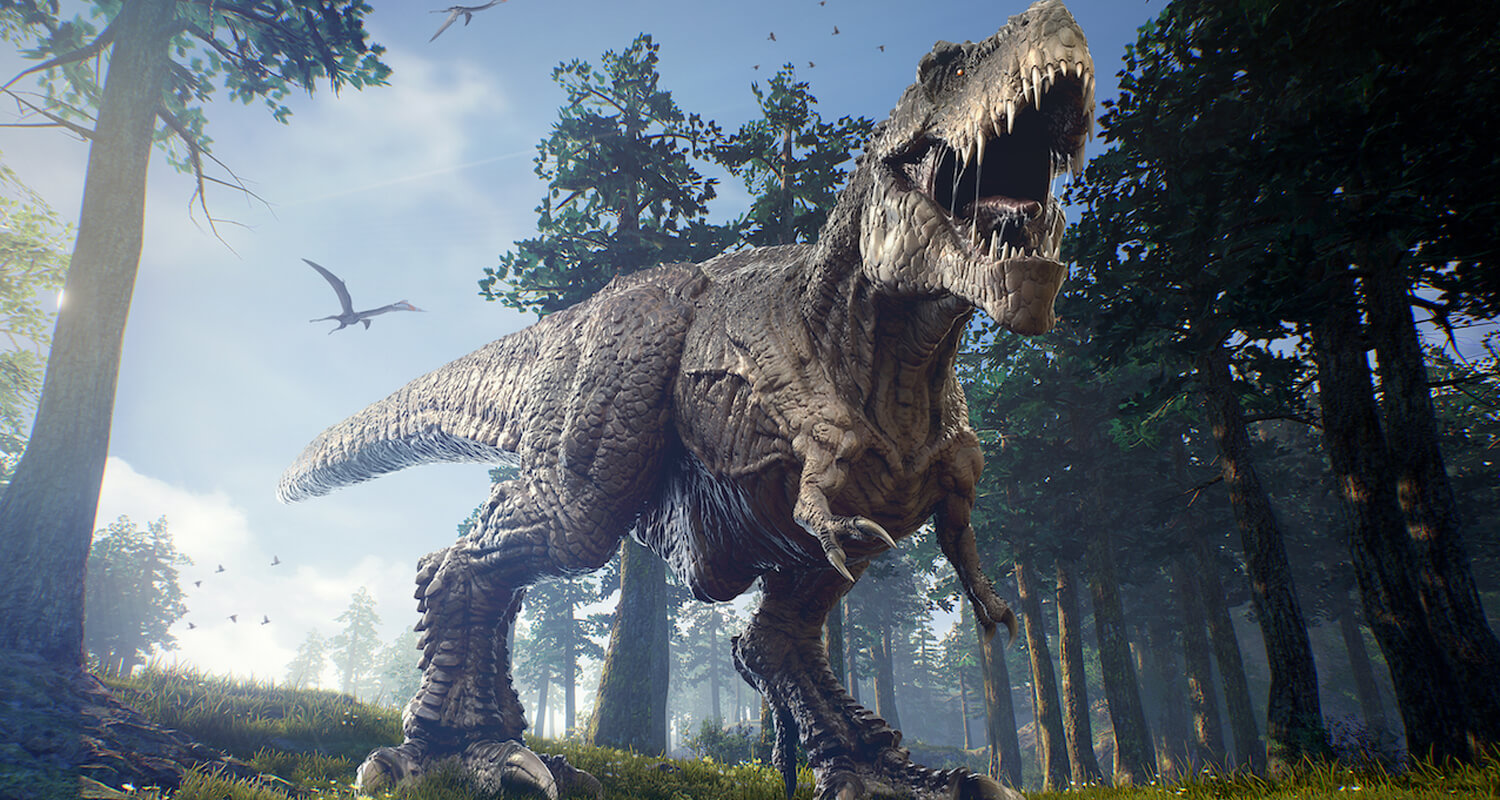 Tyrannosaurus rex, or T. rex, is perhaps the most iconic dinosaur of all time, often depicted as the ultimate predator in popular culture. Its massive size, fearsome teeth, and legendary status in films and books have captivated the imagination of people worldwide. But what lies beneath the surface of this prehistoric giant? In this article, we will explore detailed facts about T. rex, delving into its physical characteristics, behavior, habitat, and its significant impact on both science and culture.
Physical Characteristics
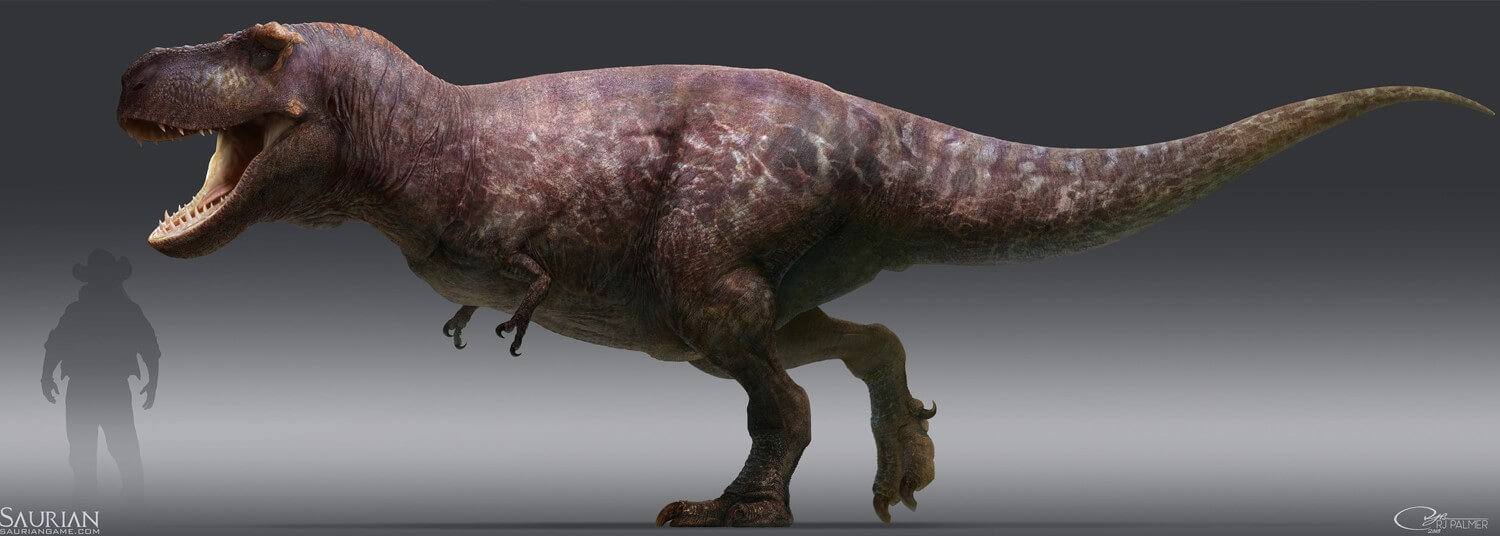
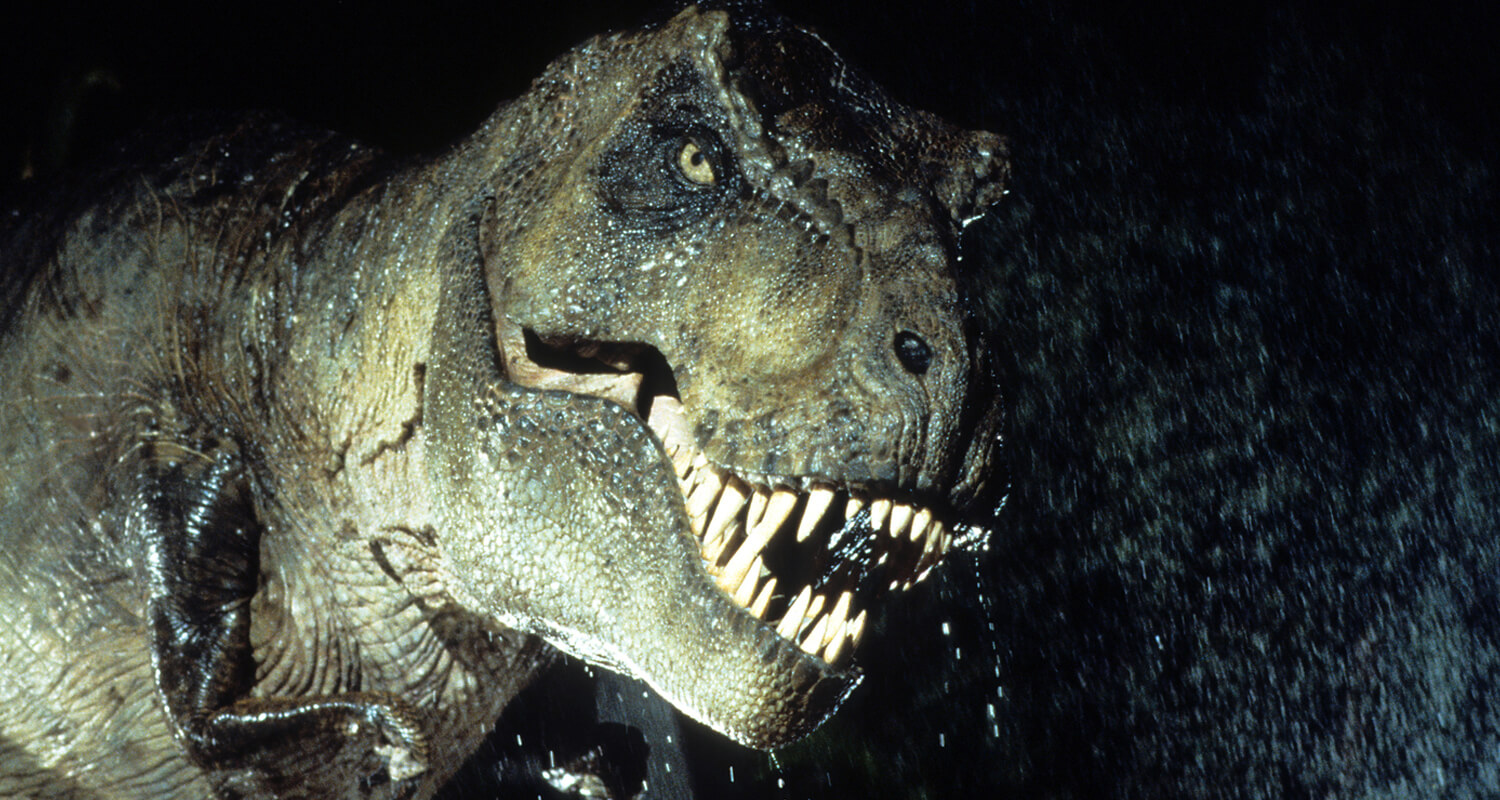
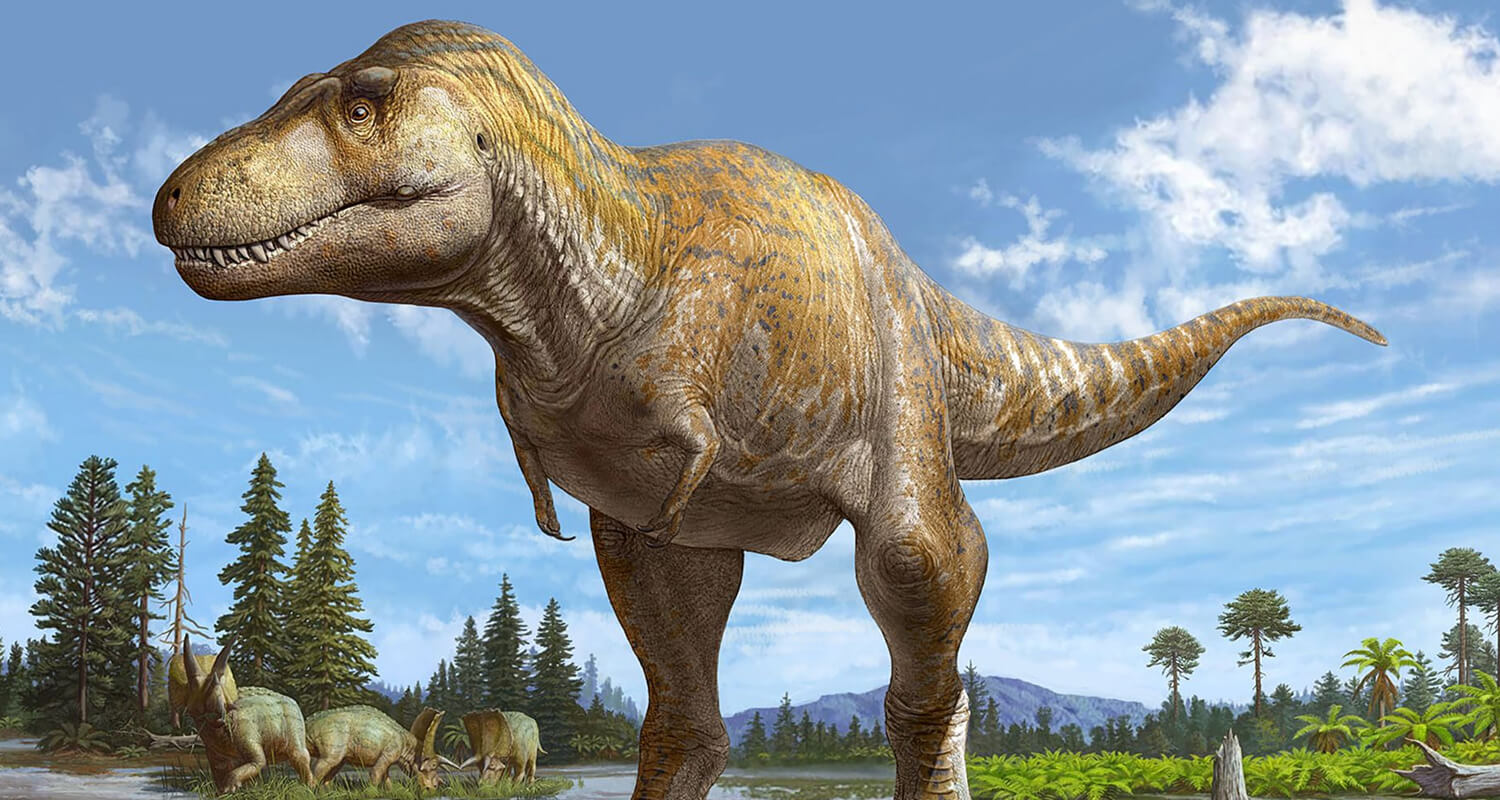 T. rex was one of the largest land predators to ever walk the Earth. It measured about 40 feet long and stood around 12 feet tall at the hips, weighing between 9 and 14 tons. Its powerful legs were built for short bursts of speed, estimated at 20 miles per hour, despite its massive size.
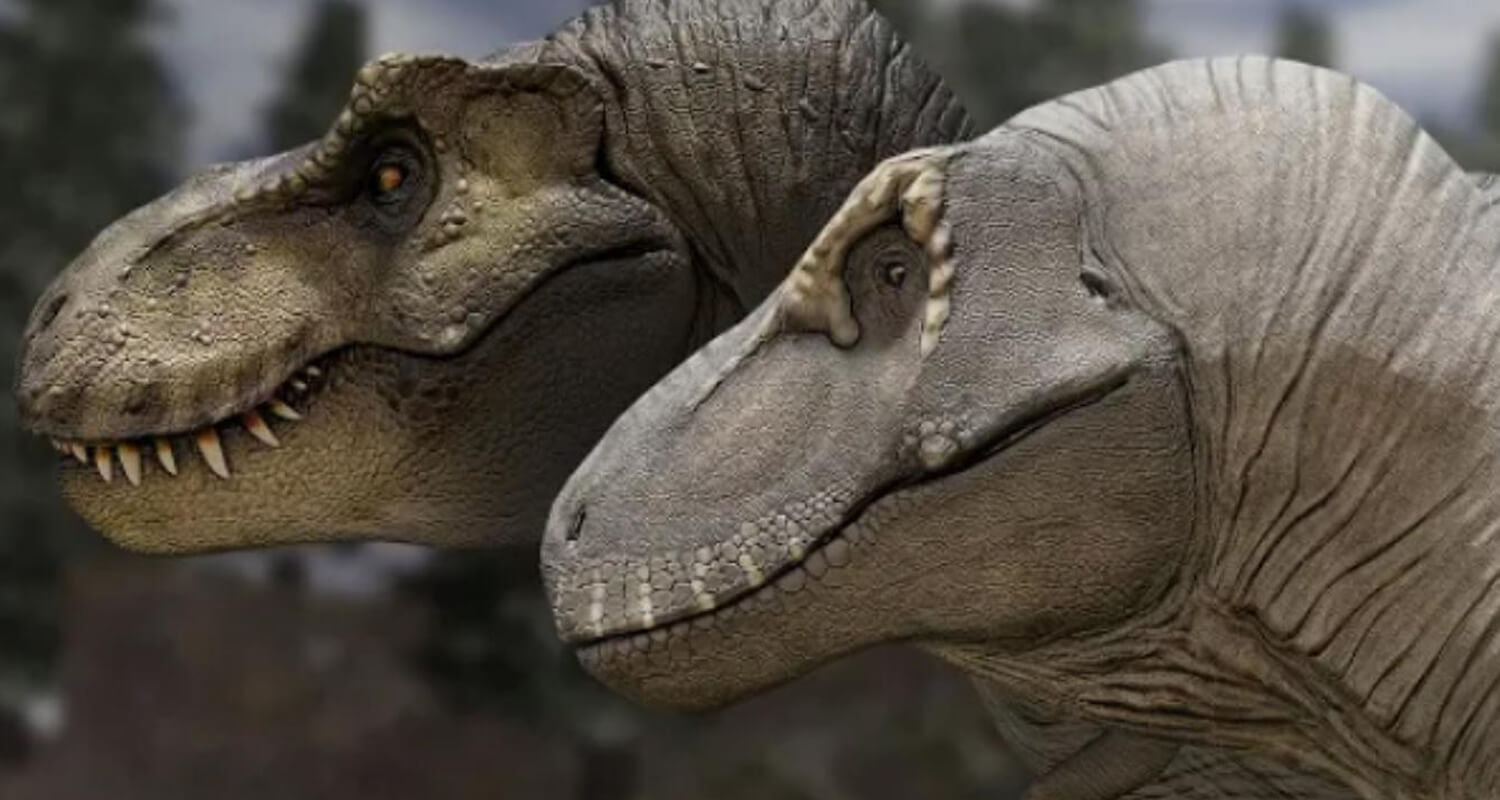
The most striking feature of T. rex is its enormous skull, which could reach up to 5 feet in length. This skull housed approximately 60 serrated teeth, each measuring up to 12 inches long, designed for crushing bone and tearing flesh. Contrary to some misconceptions, T. rex had relatively small arms with only two fingers, which scientists believe may have been useful in mating or helping to lift itself up.
Habitat and Distribution
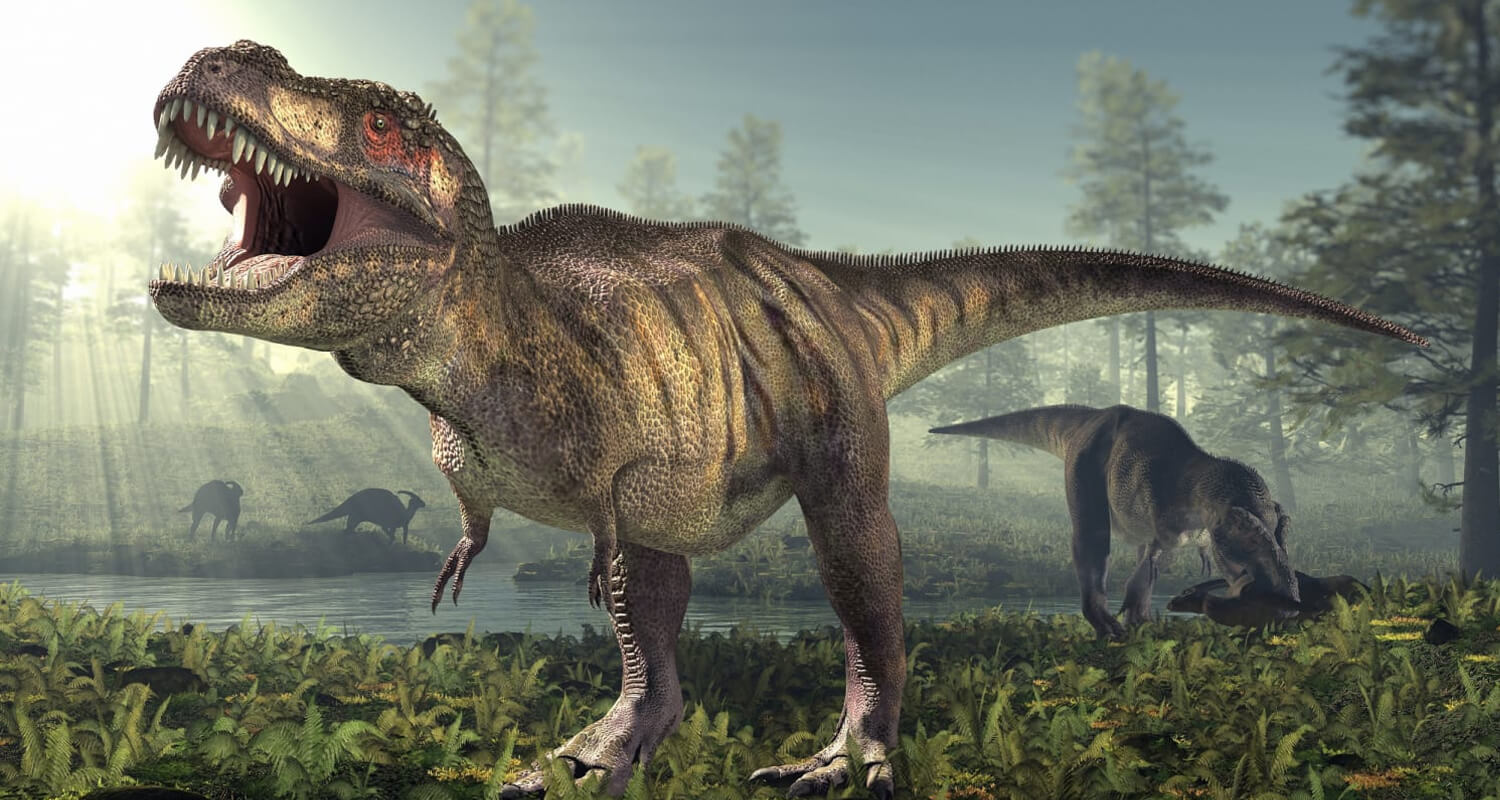
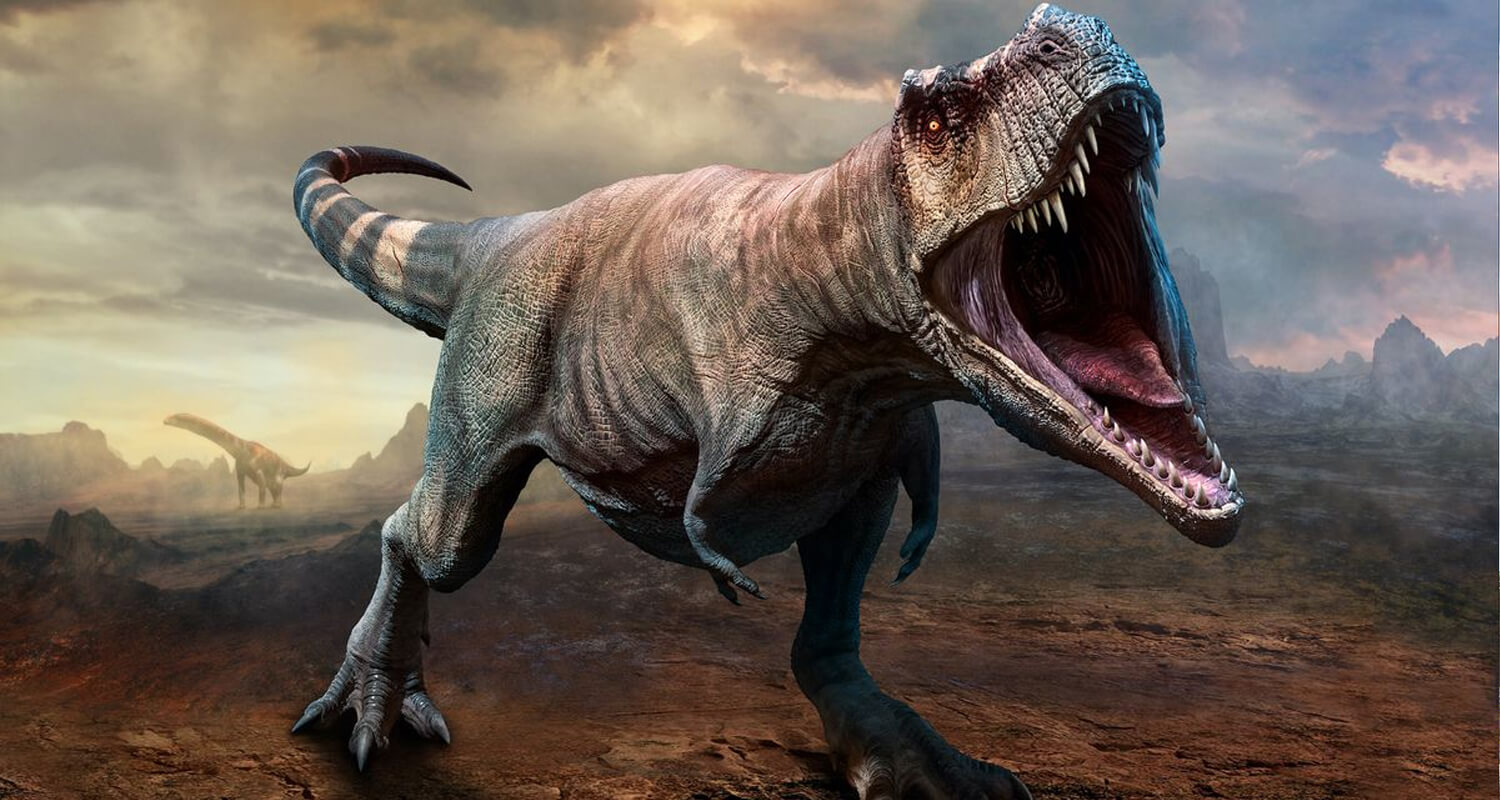 T. rex lived during the Late Cretaceous period, approximately 68 to 66 million years ago. Fossils have been primarily discovered in North America, particularly in the western United States and Canada, suggesting that this region was home to a diverse ecosystem teeming with life.
During the time of T. rex, the climate was much warmer than today, featuring lush forests and abundant vegetation. This environment supported a variety of herbivorous dinosaurs, providing T. rex with ample prey.
Diet and Hunting Behavior
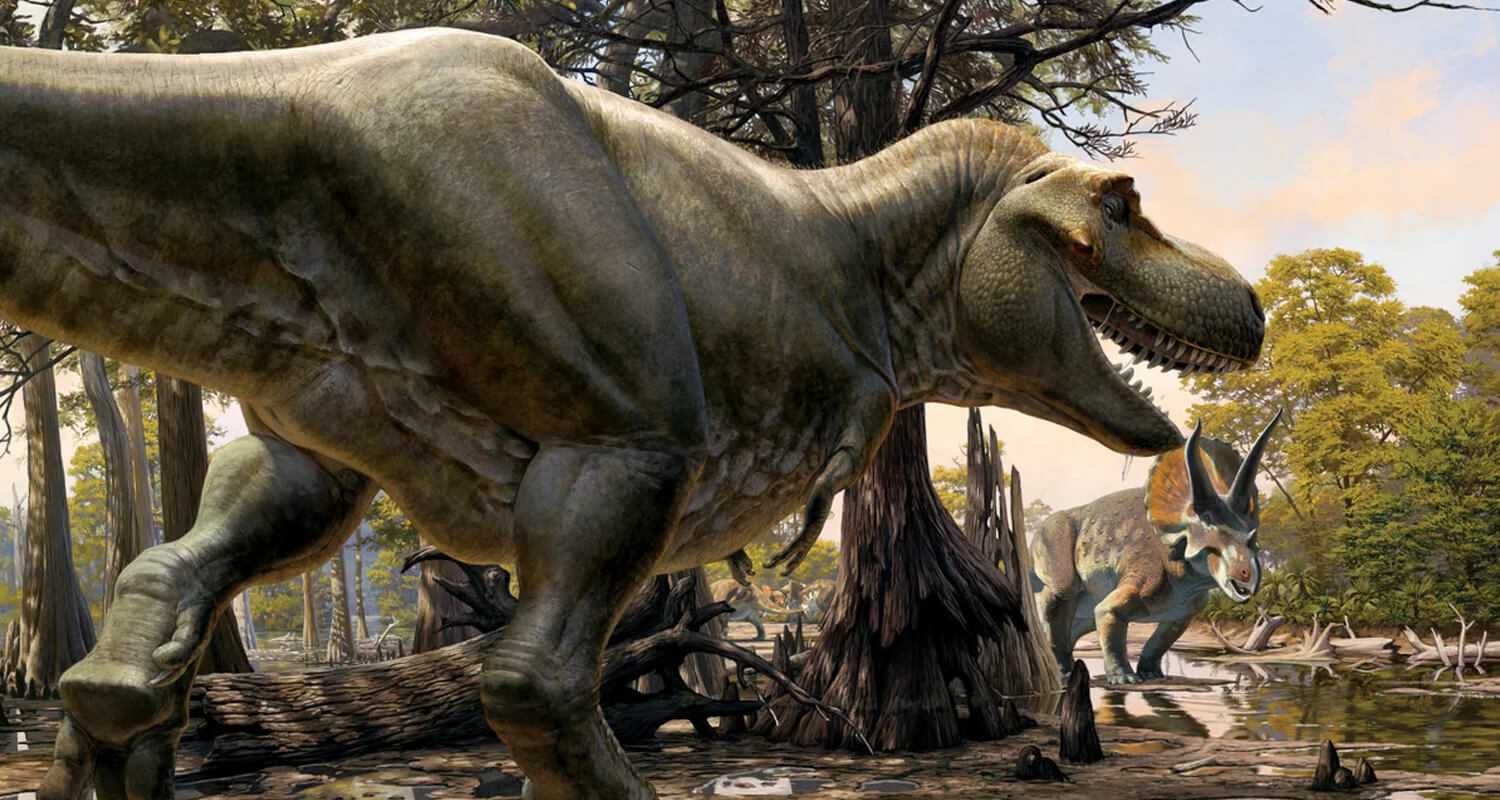
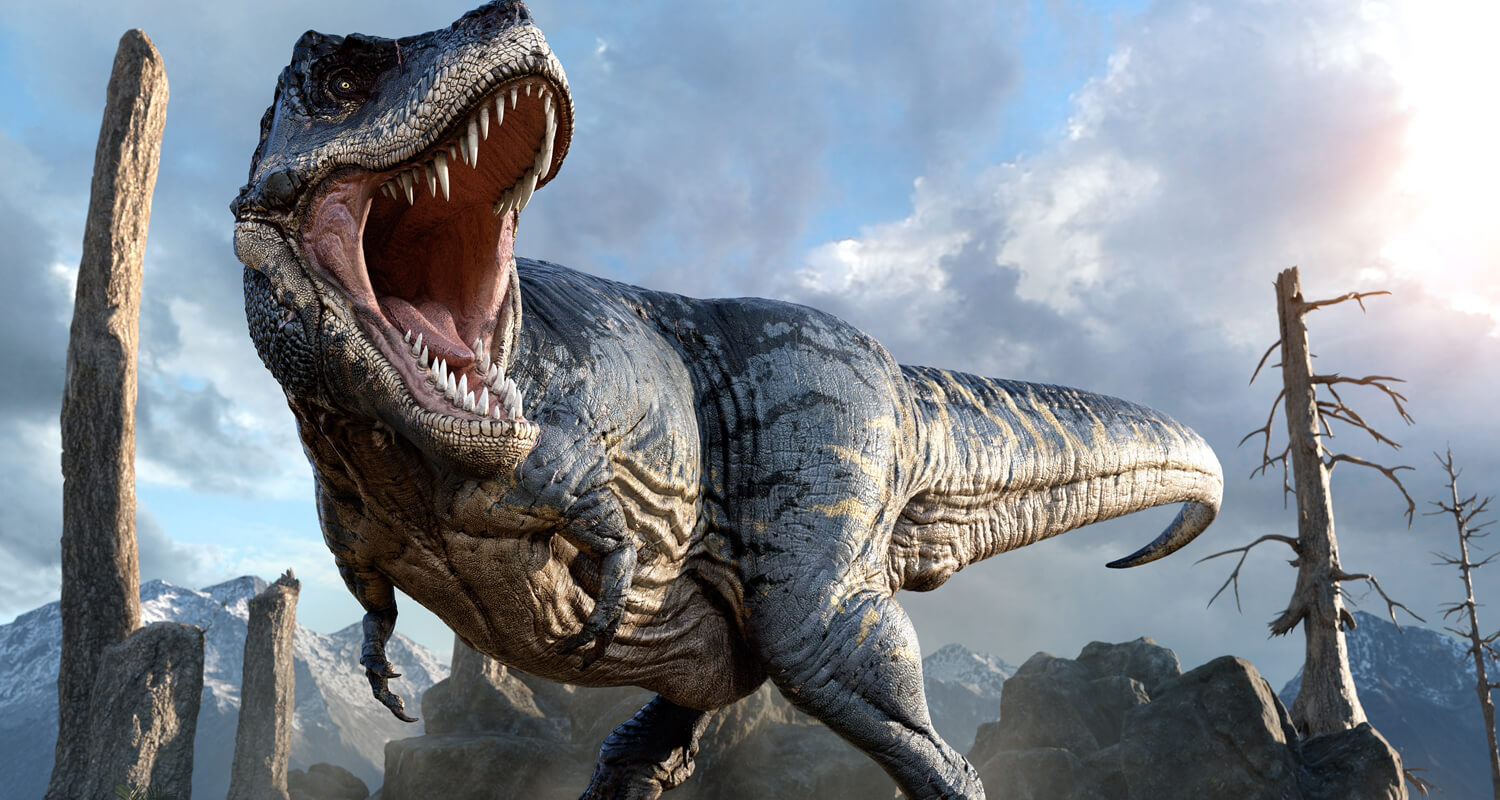 As a carnivore, T. rex was a formidable predator, likely preying on large herbivorous dinosaurs like Triceratops and Edmontosaurus. Its keen sense of smell, supported by large olfactory bulbs in its brain, allowed it to detect carrion and live prey from great distances.
Recent studies suggest that T. rex may not have been a purely active hunter but could also have scavenged for food, capitalizing on the kills of other predators. Its powerful jaws and teeth allowed it to consume bone, indicating it might have fed on carcasses, a behavior seen in modern-day carnivores.
Social Behavior and Intelligence
 The social behavior of T. rex has sparked considerable debate among paleontologists. Some theories propose that T. rex was a solitary hunter, while others suggest it may have engaged in pack behavior, especially during mating seasons.
Studies of T. rex fossils indicate that these dinosaurs had a complex brain structure, which might imply a level of intelligence not commonly attributed to reptiles. This cognitive ability could have aided in hunting strategies and social interactions, although definitive evidence remains elusive.
Fossil Discoveries and Research
 The first T. rex fossil was discovered in 1902 by paleontologist Barnum Brown, forever changing the field of paleontology. Since then, numerous specimens have been unearthed, contributing to our understanding of T. rex's biology and behavior.
One of the most significant discoveries was the find of a nearly complete skeleton in Montana in 1990, known as "Stan." This specimen has provided valuable insights into T. rex's anatomy, growth patterns, and lifestyle. Advanced imaging technologies, like CT scans, have also allowed scientists to study the internal structures of T. rex fossils without damaging them.
Cultural Impact and Legacy
 T. rex's influence extends far beyond the realm of science. Its portrayal in films, particularly "Jurassic Park," has cemented its status as a cultural icon. The dinosaur symbolizes the awe and terror of prehistoric life, sparking a fascination with dinosaurs that persists today.
T. rex merchandise, toys, and documentaries are ubiquitous, reflecting its enduring appeal. Its status in popular culture has also encouraged scientific interest, leading to increased funding for paleontological research and education.
Conservation of Fossil Sites
 As interest in T. rex and other dinosaurs continues to grow, the importance of conserving fossil sites becomes critical. Many paleontological sites face threats from development and climate change, jeopardizing the ability to study these ancient creatures.
Efforts are underway to protect significant fossil sites and promote sustainable practices in paleontological research. Educating the public about the value of these sites is essential for preserving the legacy of T. rex and the history of life on Earth.
Conclusion
 In summary, T. rex is more than just a terrifying predator; it represents a significant chapter in the history of our planet. The detailed facts about T. rex reveal a complex creature that has captivated the human imagination for over a century. As research continues to uncover new insights, T. rex remains a symbol of our quest to understand the ancient world and the incredible life forms that once roamed it. Its legacy, both scientific and cultural, ensures that T. rex will continue to inspire awe and curiosity for generations to come.
タグ: