私たちについて
グレーカルチャーは、最新のアニマトロニック恐竜、魅惑的なアニマトロニッククリーチャー、活気ある中国の祭りの提灯、そしてカスタマイズされた製品を通じて、過去を生き生きとさせる最前線に立っています。中国の中心に位置するプロの製造業者として、私たちは博物館、展示会、動物園、公園などで私たちのリアルな恐竜や動物を展示することに深い情熱を抱いており、あらゆる年齢層の人々に好奇心と学びの炎を燃やすことを目指しています。
無料見積もりを取得
恐竜の知識
恐竜と火山:火山活動が先史時代の生活に与えた影響
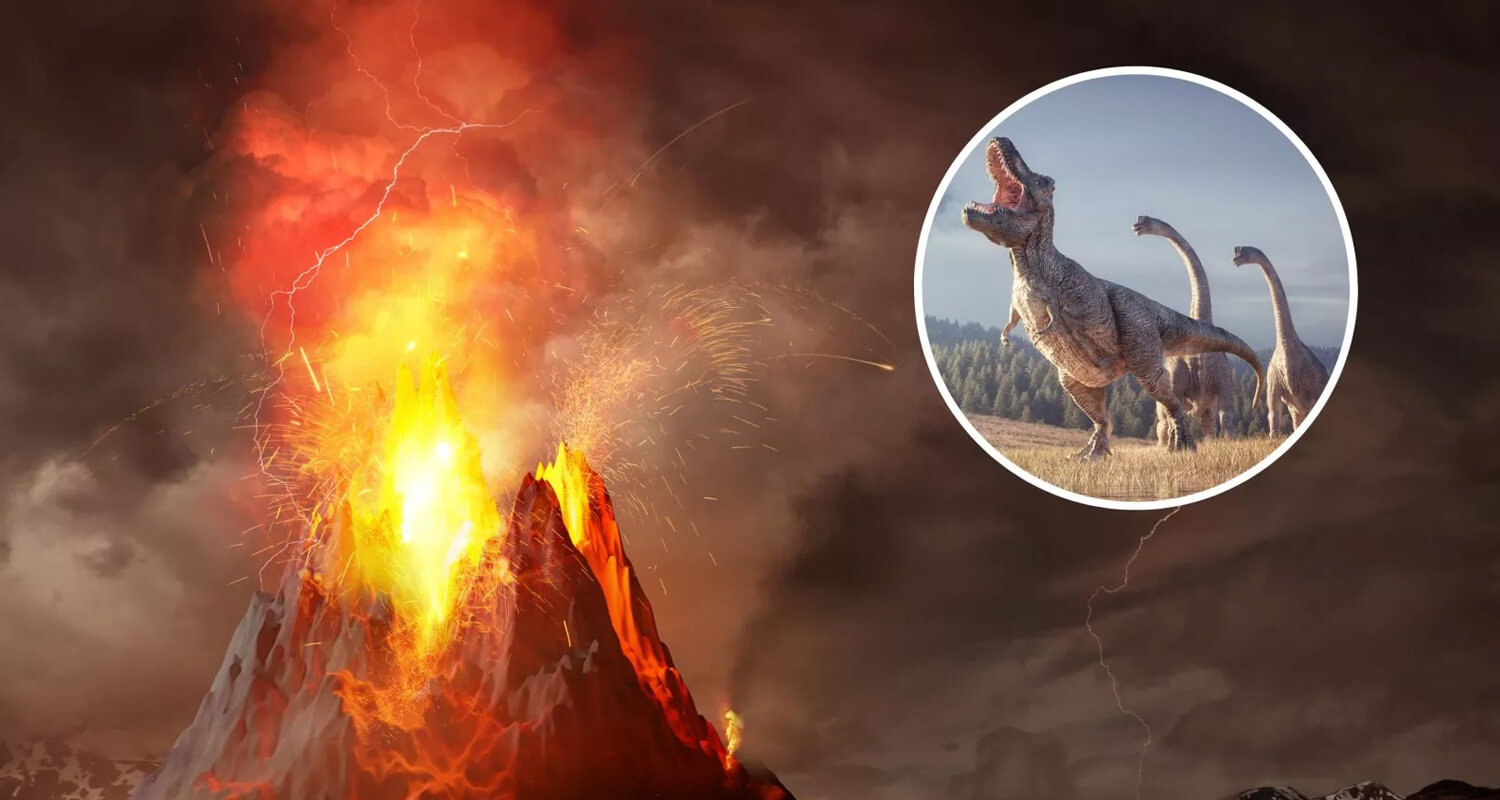 Volcanic eruptions are powerful forces of nature that have shaped Earth's history in countless ways. During the Mesozoic Era, when dinosaurs roamed the Earth, volcanic activity played a critical role in shaping ecosystems, influencing climate, and even driving the evolutionary paths of these prehistoric giants. In this article, we will explore the connection between dinosaurs and volcanoes, how volcanic activity affected life during the age of the dinosaurs, and its role in shaping the fate of these incredible creatures.
Volcanic Activity During the Mesozoic Era
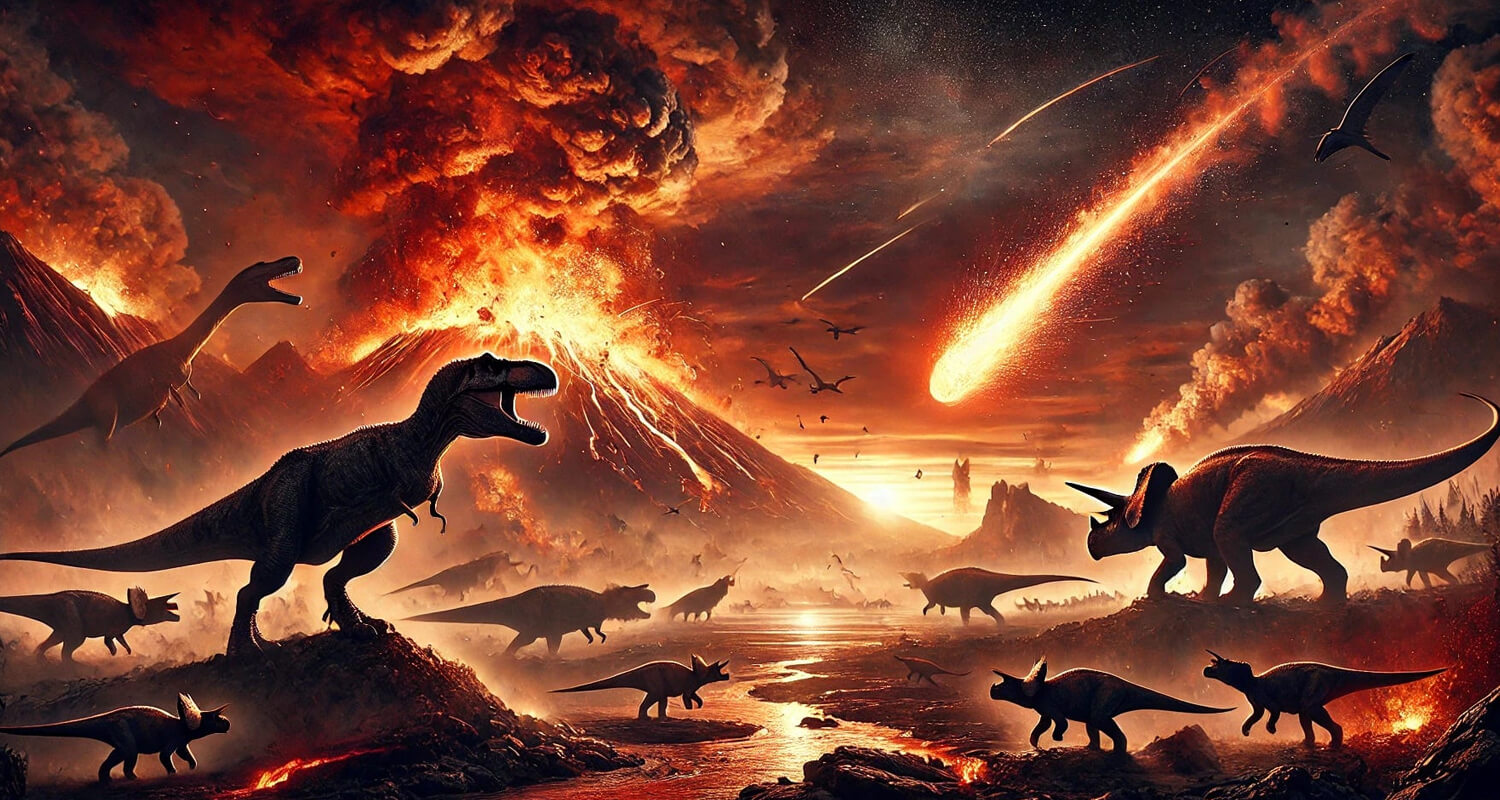 The Mesozoic Era, which spanned from about 252 to 66 million years ago, is divided into three periods: the Triassic, Jurassic, and Cretaceous. This was the age of the dinosaurs, a time when volcanic activity was particularly prominent due to the shifting of tectonic plates. The supercontinent Pangaea began breaking apart during the early Mesozoic, leading to increased volcanic activity as new rift zones and oceanic plates formed. The eruptions during this period were not only frequent but also large, with some producing significant amounts of volcanic ash, gases, and lava.
These eruptions had far-reaching consequences on the atmosphere and climate, affecting both the environment and the creatures living in it. Volcanoes contributed to fluctuations in temperature, rainfall, and even air quality, ultimately influencing the evolutionary direction of the dinosaurs.
The Effects of Volcanic Eruptions on the Climate
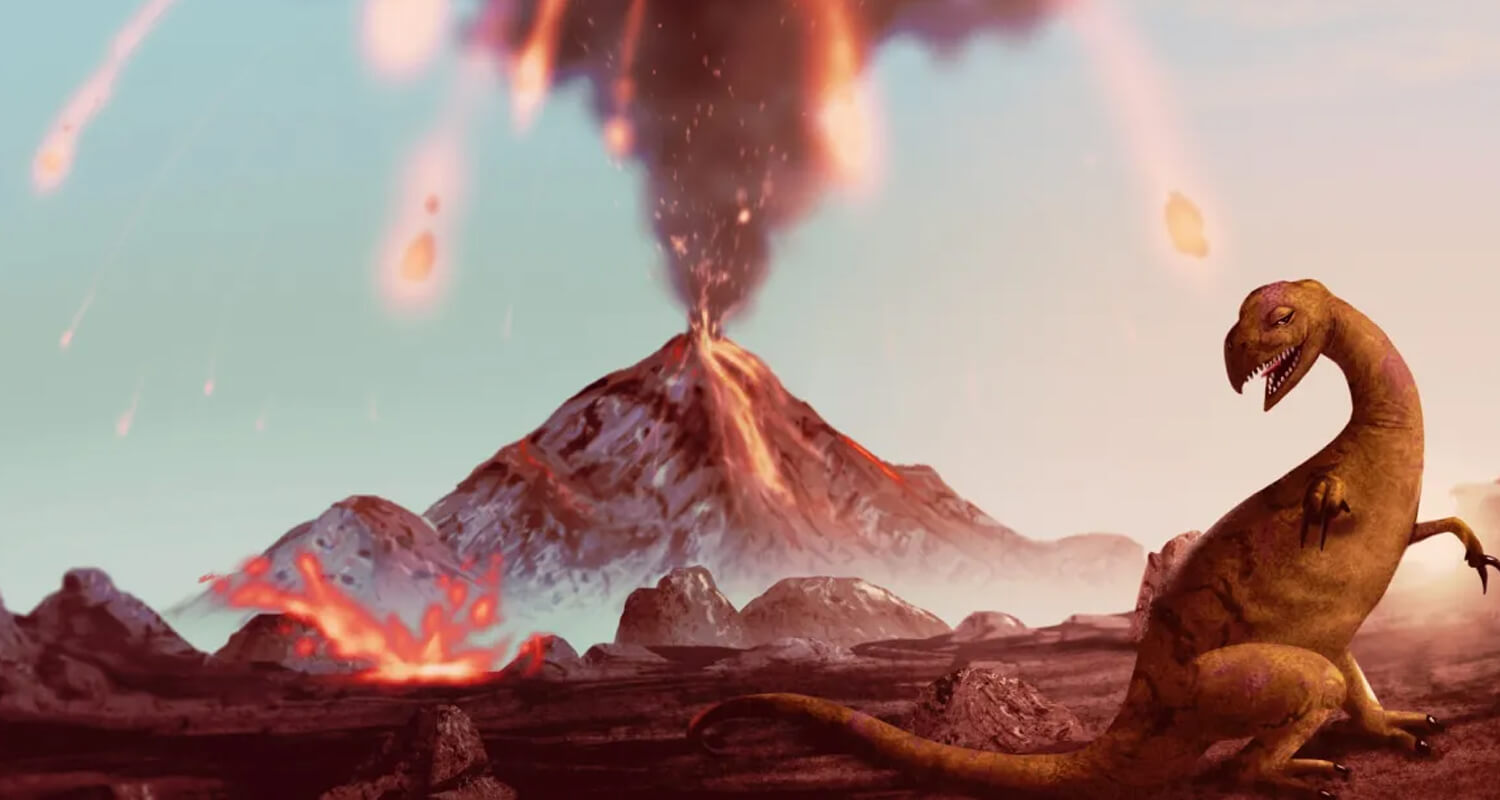 Volcanic eruptions have the potential to impact the climate in various ways, both short-term and long-term. The ash and gases emitted by volcanoes, such as sulfur dioxide, can block sunlight, resulting in a temporary cooling effect known as a "volcanic winter." During the Mesozoic, such cooling events could disrupt the warm, stable climate that dinosaurs thrived in, leading to shifts in vegetation and food sources.
However, long-term volcanic activity can also have the opposite effect, contributing to global warming. Large-scale volcanic eruptions release carbon dioxide (CO2) into the atmosphere, a potent greenhouse gas that traps heat. Over millions of years, this contributed to the gradual warming of the planet, which in turn affected the global ecosystems that dinosaurs inhabited.
At the end of the Triassic Period, around 201 million years ago, a series of volcanic eruptions contributed to the mass extinction that wiped out a significant portion of Earth's species, paving the way for the rise of the dinosaurs. Similarly, the Cretaceous–Paleogene (K-Pg) extinction event, which led to the demise of the dinosaurs about 66 million years ago, is believed to have been influenced by both volcanic activity and the impact of a massive asteroid.
Influence on Dinosaur Evolution
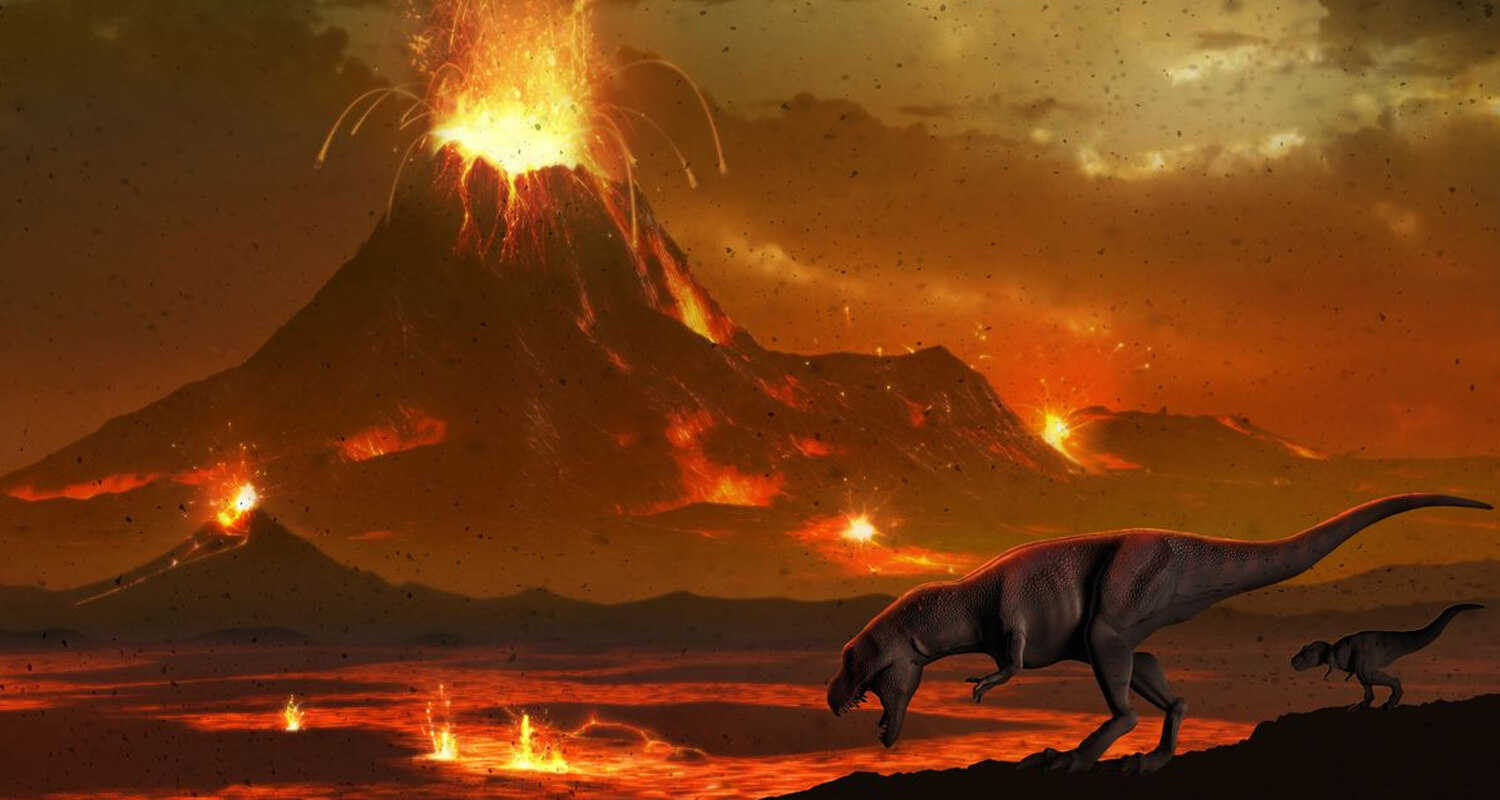 Volcanic activity didn't just influence the climate—it also played a significant role in shaping the ecosystems that dinosaurs inhabited. For example, volcanic eruptions could drastically alter the landscape, destroying forests or creating new habitats for dinosaur species. Some species may have been driven to extinction due to the sudden environmental changes, while others adapted to new conditions, evolving to survive.
In some instances, volcanic eruptions provided opportunities for certain species to thrive. For example, some researchers speculate that volcanic activity in certain regions may have created rich, fertile soils due to the ash deposits, encouraging the growth of new plant life. This, in turn, could have led to the proliferation of herbivorous dinosaurs that relied on these plants for food.
Additionally, volcanic eruptions may have created isolated pockets of land where unique dinosaur species could evolve in relative isolation. Such volcanic "islands" may have been home to specific dinosaurs, allowing them to evolve in ways that would have been impossible in more interconnected ecosystems.
Fossil Evidence of Volcanic Activity
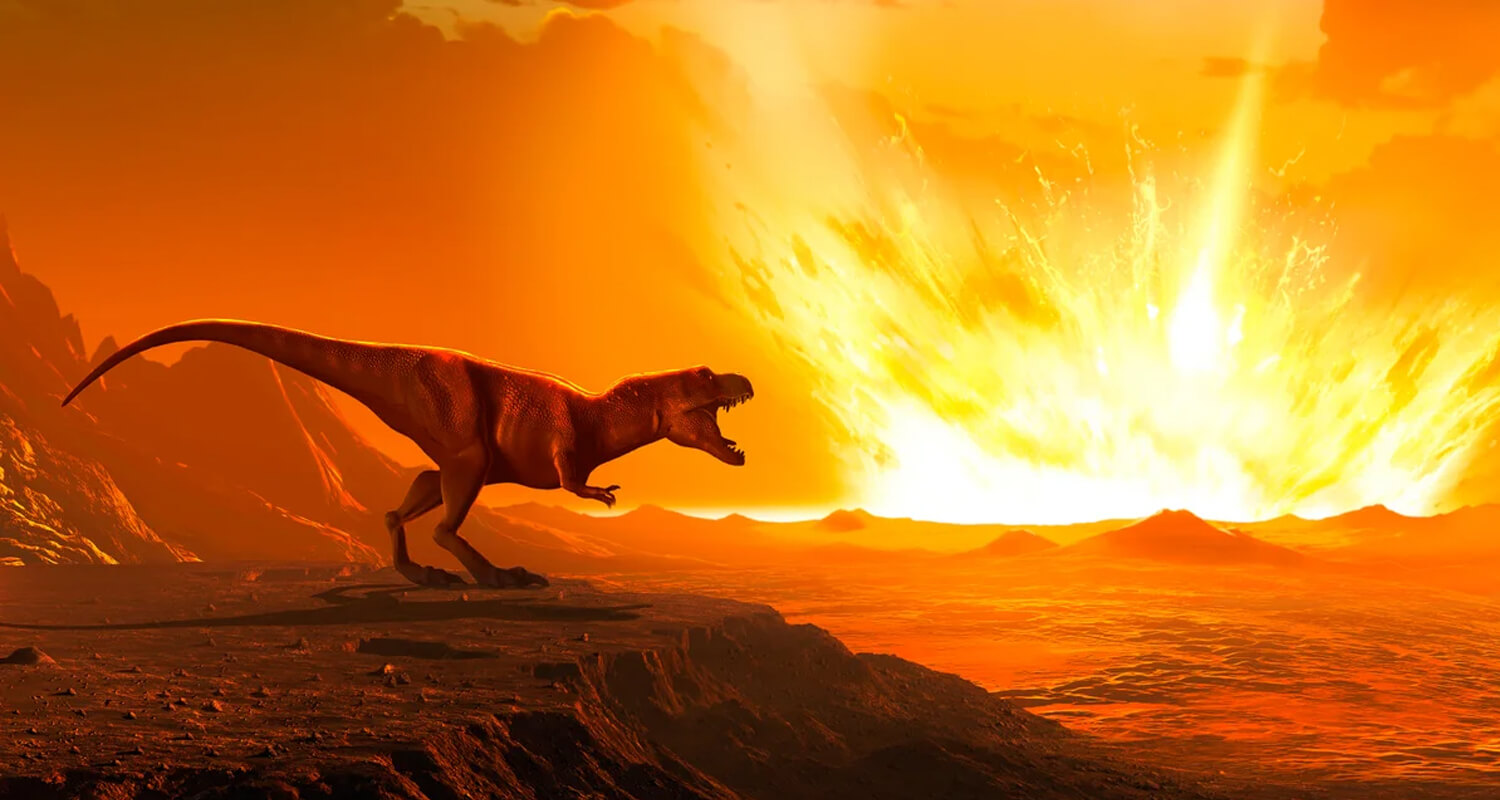 One of the fascinating aspects of volcanic activity is its ability to preserve prehistoric life. Volcanic ash, lava, and mud can bury dinosaurs and other organisms, preserving their remains for millions of years. In some cases, volcanic eruptions have led to the preservation of entire ecosystems.
The famous site of Pompeii in Italy, where volcanic ash preserved Roman life, offers a striking comparison to how volcanic activity may have preserved prehistoric life in similar ways. Some fossil sites, such as the La Brea Tar Pits in California, contain evidence of volcanic eruptions contributing to the preservation of bones and remains.
Notably, volcanic eruptions can leave behind more than just fossilized bones—they can also capture soft tissues, footprints, and even behaviors of dinosaurs, providing scientists with unique insights into their lives. The volcanic ash acts as a sort of time capsule, preserving details that would otherwise be lost.
The End of the Dinosaurs and the Role of Volcanoes
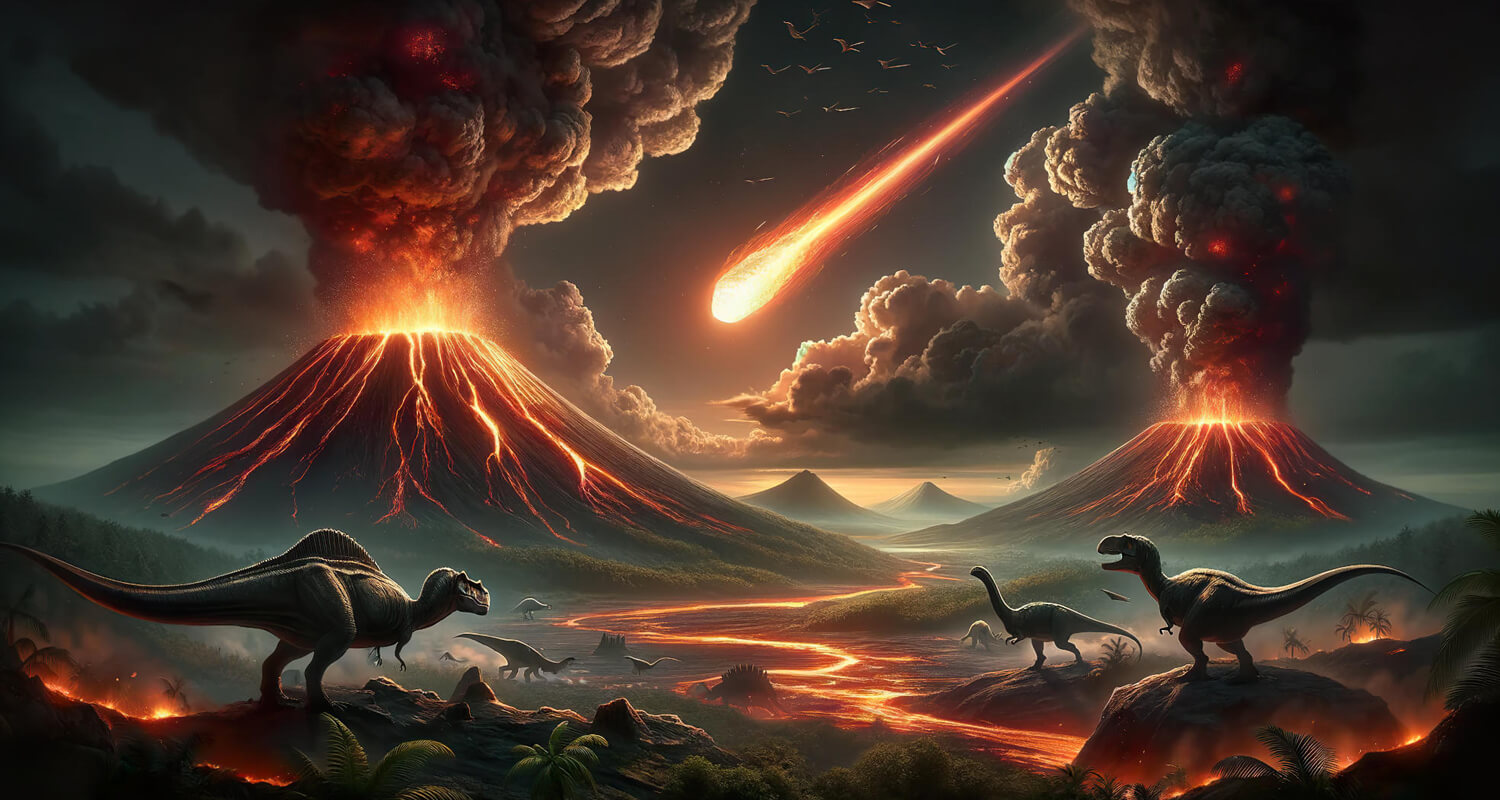 Perhaps the most significant connection between volcanic activity and dinosaurs is its role in the mass extinctions that ended the reign of these incredible creatures. The Cretaceous-Paleogene (K-Pg) extinction event, which occurred about 66 million years ago, is the most famous of these, and recent research suggests that volcanic activity may have played a crucial role in this global disaster.
Massive volcanic eruptions, particularly in the Deccan Traps of what is now India, released vast quantities of gases like carbon dioxide and sulfur dioxide into the atmosphere. These emissions would have significantly altered the climate, leading to severe global cooling followed by warming, disrupting ecosystems and food chains. Combined with the impact of a giant asteroid, these volcanic events contributed to the environmental changes that led to the extinction of the dinosaurs.
FAQs About Dinosaurs and Volcanoes
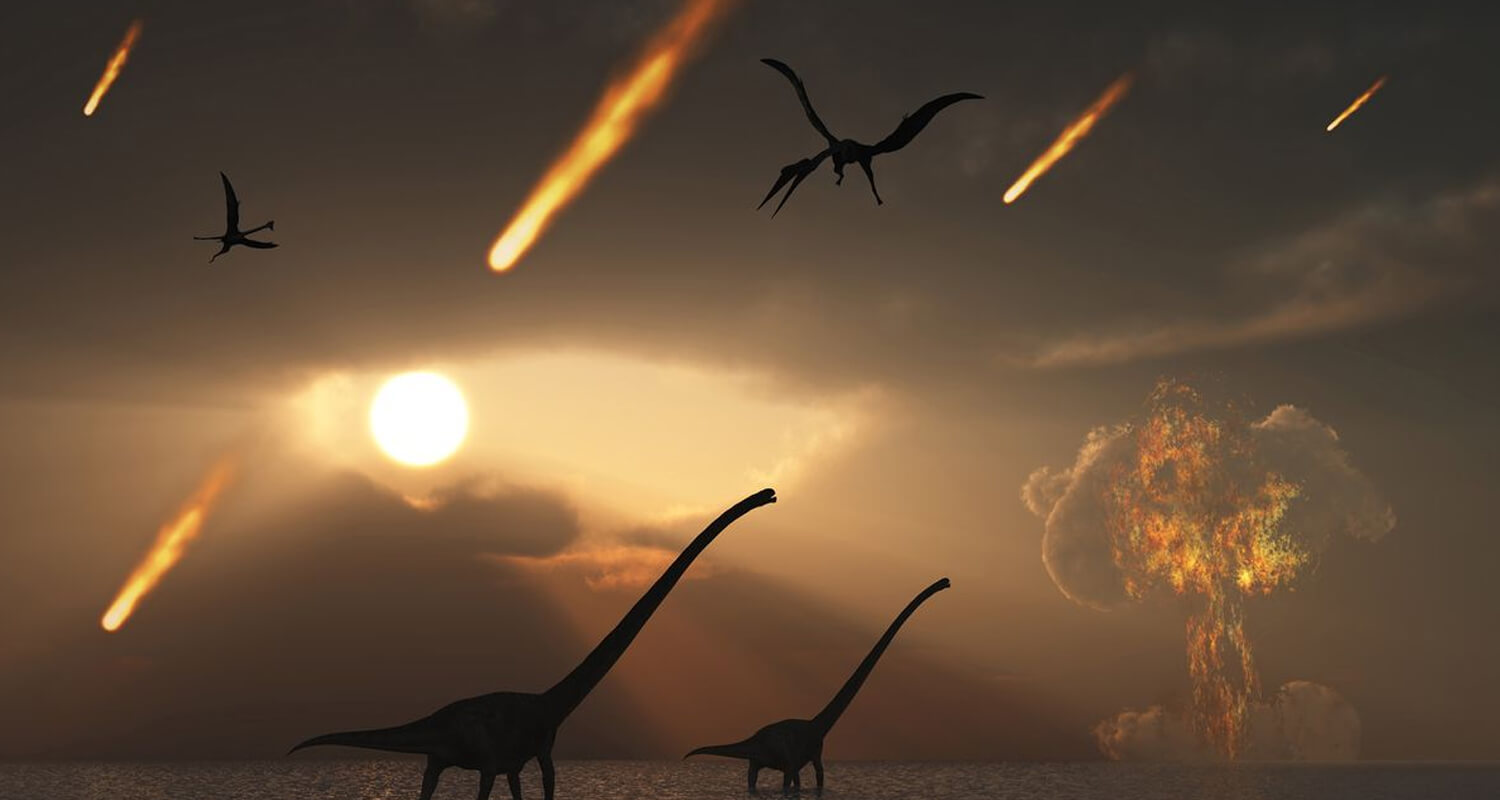 Did volcanic eruptions contribute to the extinction of dinosaurs?
Yes, volcanic eruptions, particularly during the end of the Cretaceous period, played a role in the extinction of dinosaurs by drastically altering the climate and ecosystems, contributing to global cooling and acid rain.
How did volcanic activity affect the climate during the age of dinosaurs?
Volcanic eruptions during the Mesozoic Era contributed to both short-term cooling (volcanic winters) and long-term warming due to the release of greenhouse gases like CO2. These fluctuations in temperature and atmospheric conditions impacted the habitats and survival of dinosaurs.
Are there any fossil sites where volcanic activity helped preserve dinosaurs?
Yes, volcanic ash and lava have preserved many fossil sites, including some in North America, where volcanic events have helped to preserve dinosaur remains, footprints, and even behaviors.
Conclusion
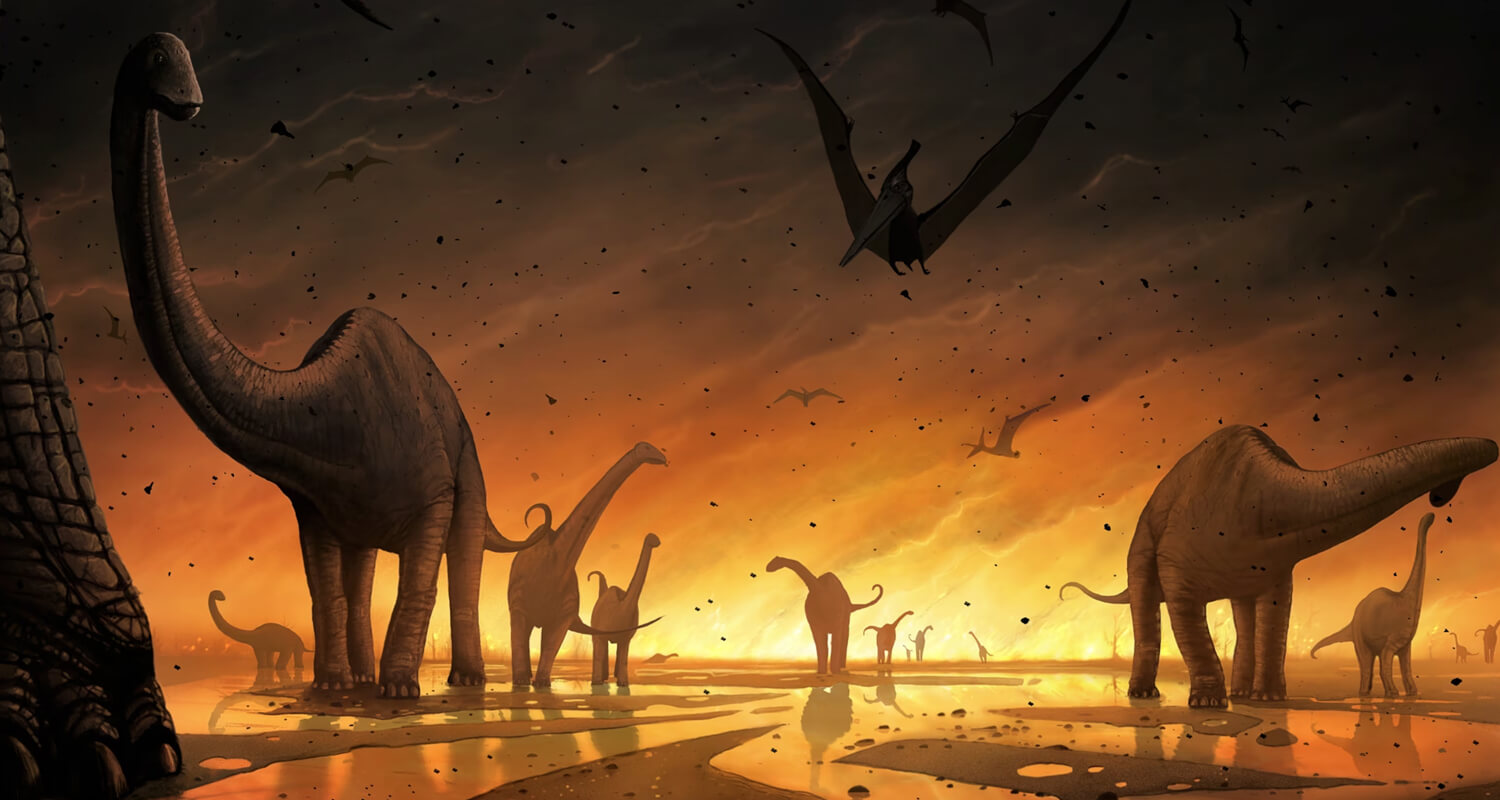 Volcanoes, with their eruptions, ash, and gases, were far from mere background events in the history of the dinosaurs. Volcanic activity shaped the Earth’s climate, influenced the evolution of species, and even helped preserve evidence of life that we study today. While the ultimate demise of the dinosaurs was likely a combination of volcanic activity and other factors, the volcanic forces that once reshaped their world were among the most powerful agents of change.
Understanding the relationship between dinosaurs and volcanoes gives us deeper insights not only into prehistoric life but also into how Earth's dynamic systems continue to shape the world we know today.
タグ: