私たちについて
グレーカルチャーは、最新のアニマトロニック恐竜、魅惑的なアニマトロニッククリーチャー、活気ある中国の祭りの提灯、そしてカスタマイズされた製品を通じて、過去を生き生きとさせる最前線に立っています。中国の中心に位置するプロの製造業者として、私たちは博物館、展示会、動物園、公園などで私たちのリアルな恐竜や動物を展示することに深い情熱を抱いており、あらゆる年齢層の人々に好奇心と学びの炎を燃やすことを目指しています。
無料見積もりを取得
恐竜の知識
移動中の恐竜:移動パターンと季節行動
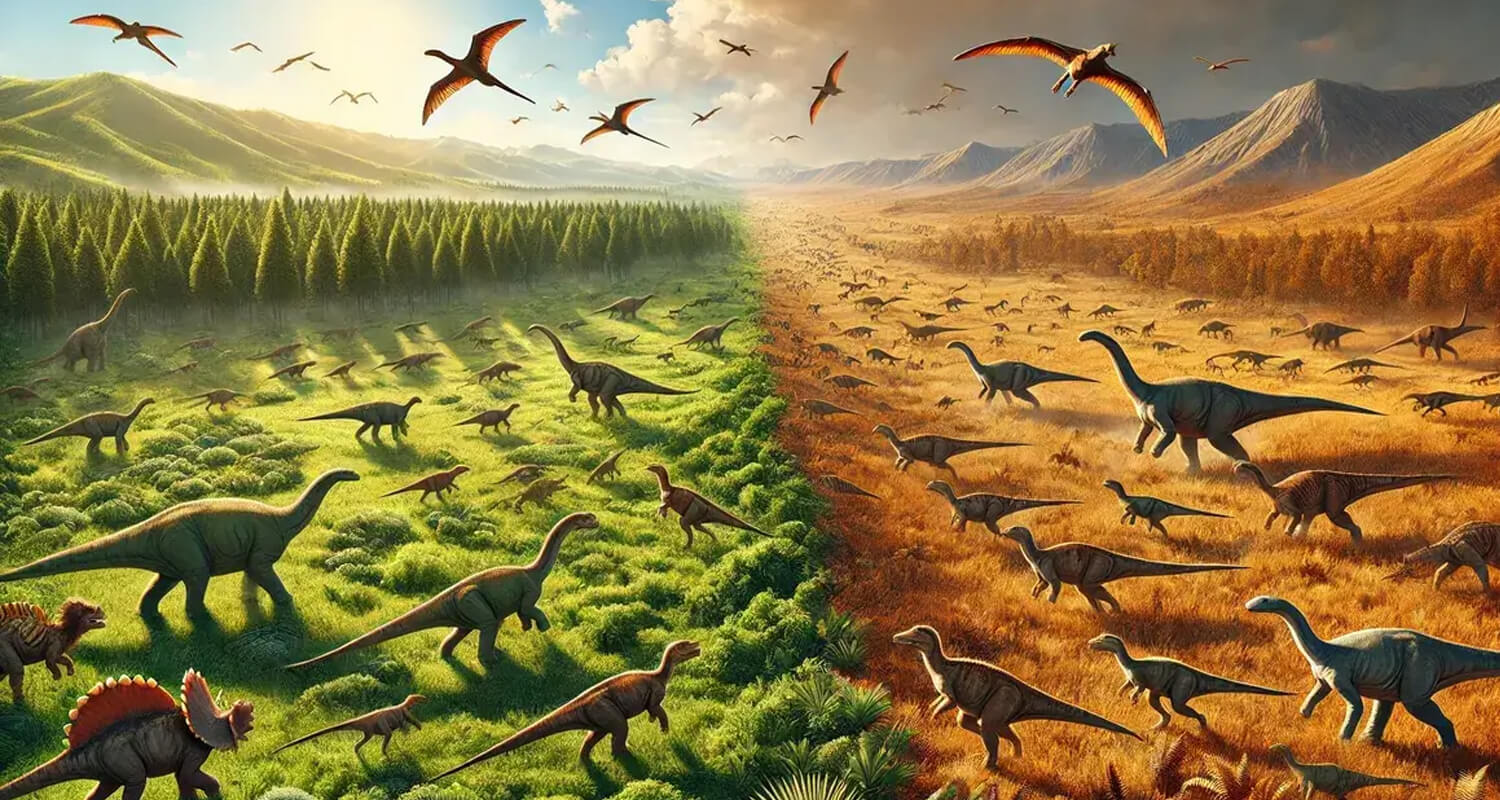 When we think of dinosaurs, we often picture them as massive, stationary creatures that dominated ancient landscapes. However, recent research suggests that many dinosaurs might have been on the move, migrating across vast distances in search of food, favorable climates, and safe breeding grounds. The study of dinosaur migration and seasonal behavior offers a fascinating glimpse into how these ancient giants adapted to the changing world around them.
Evidence for Dinosaur Migration
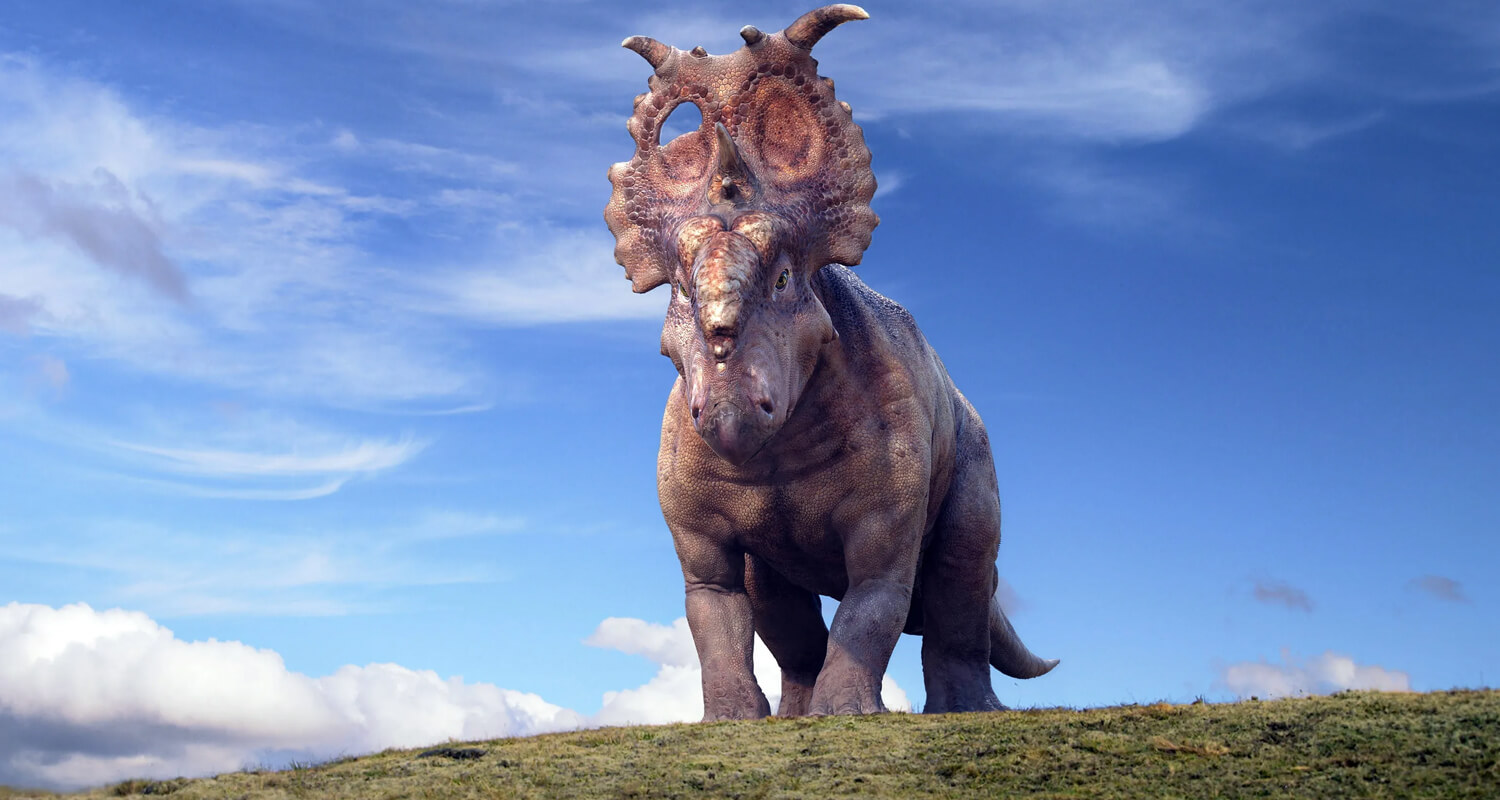 While direct evidence of dinosaur migration is difficult to find, paleontologists have gathered clues that suggest seasonal movement among some dinosaur species. Fossilized trackways—paths left behind by groups of dinosaurs—provide a record of travel patterns. When found in different regions along a possible route, these trackways hint that certain dinosaurs may have followed the same migratory paths year after year.
In addition to trackways, scientists use isotopic analysis to study migration. By examining oxygen isotopes in dinosaur bones and teeth, researchers can determine the climate and water sources in a region. Variations in these isotopic compositions suggest that some dinosaurs moved between climates, supporting the idea that they migrated to survive changing conditions.
Geological layers also offer insight into dinosaur movements. Fossils found in distinct sediment layers can indicate that dinosaurs periodically returned to the same area over time, possibly following seasonal cycles. Together, these pieces of evidence create a picture of dinosaurs as dynamic, mobile creatures, moving strategically to adapt to their environments.
Why Did Dinosaurs Migrate
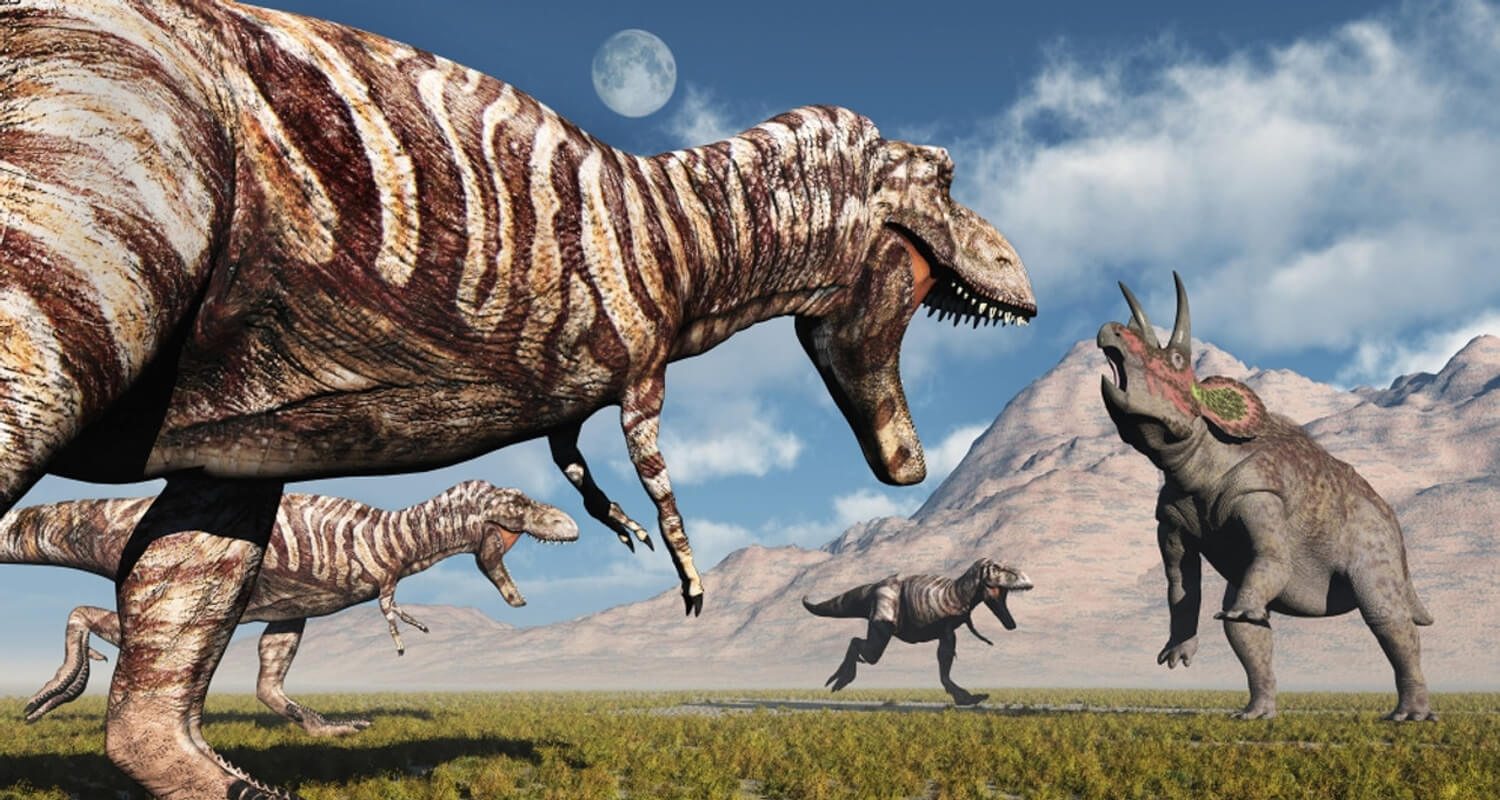 Migration among dinosaurs was likely driven by factors similar to those that cause migration in modern animals. Climate shifts, seasonal changes, and food scarcity would have all played crucial roles. During the Mesozoic Era, when dinosaurs thrived, seasonal changes could bring about temperature extremes and variations in rainfall, leading to dry and wet cycles. To avoid harsh conditions, dinosaurs may have traveled to areas where the climate was more suitable.
Another strong motivator for migration would have been the search for food. Large herbivorous dinosaurs, in particular, required vast quantities of vegetation. As seasons changed, their local food sources could have diminished, prompting them to seek new areas with abundant plants. Similarly, carnivorous dinosaurs that depended on herbivores might have followed their prey to ensure a consistent food supply.
Breeding and nesting locations may have also influenced migratory patterns. Just as modern animals migrate to find safe nesting sites, dinosaurs might have moved to specific regions to lay eggs, choosing environments that provided protection from predators and suitable conditions for their young to thrive.
Dinosaur Species Likely to Have Migrated
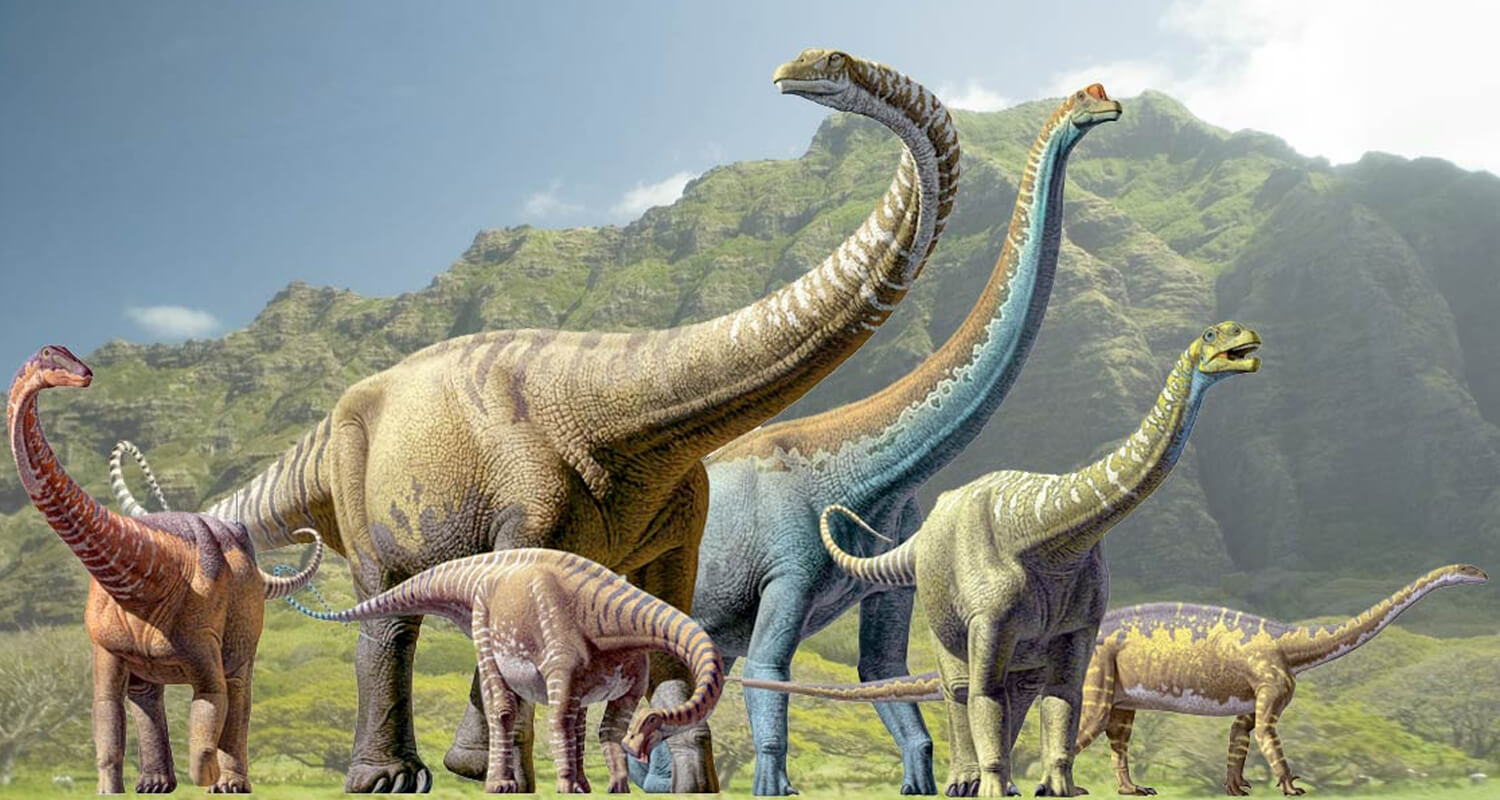
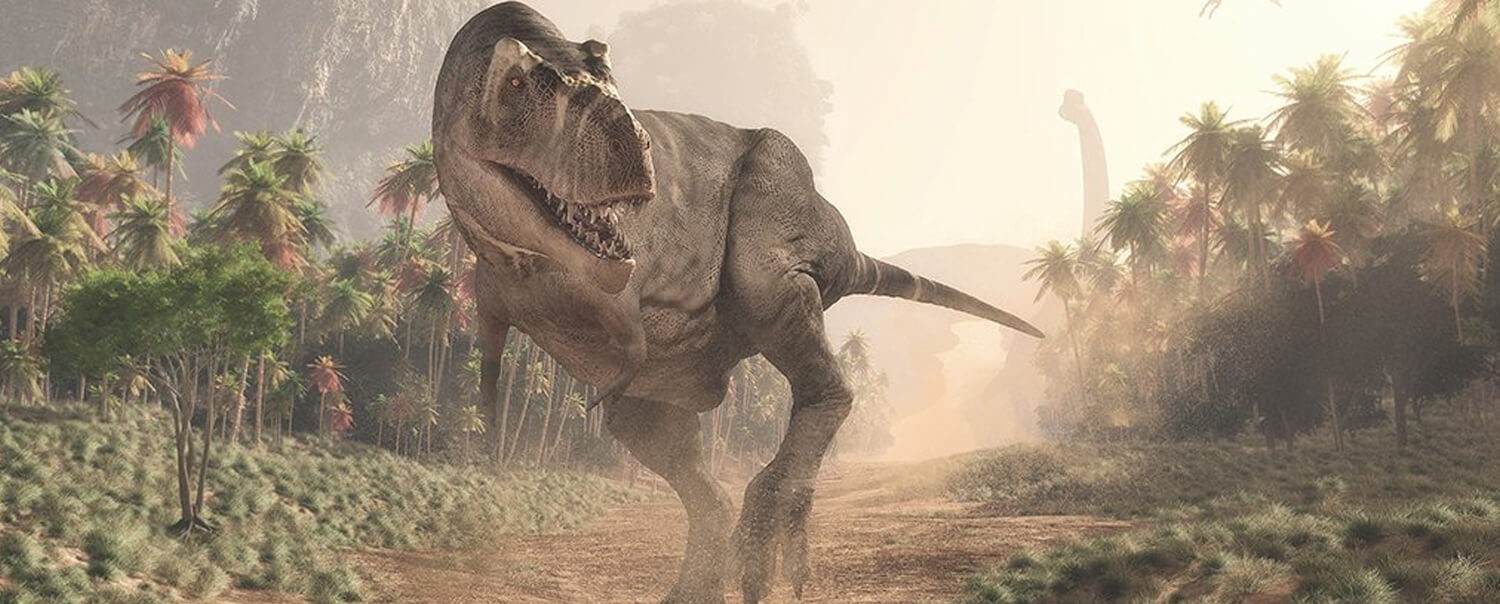 While not all dinosaurs were migratory, certain species show characteristics that suggest seasonal travel. Sauropods, the long-necked giants like Brachiosaurus and Apatosaurus, are prime examples. Traveling in large herds, these herbivores would have needed vast grazing lands. Their size and social structure suggest they could have moved together, covering significant distances in search of food and water.
Hadrosaurs, or duck-billed dinosaurs, also likely migrated. These dinosaurs lived in herds and may have moved in response to food availability and climate changes. As highly social herbivores, hadrosaurs would have benefitted from following migratory paths to sustain their population through seasonal cycles.
Carnivorous dinosaurs, such as certain theropods, may have exhibited migratory behavior as well, though for different reasons. Predatory dinosaurs like the fierce Tyrannosaurus rex might have followed herbivorous herds to maintain a steady food source, taking advantage of the seasonal migrations of their prey.
Challenges and Dangers of Dinosaur Migration
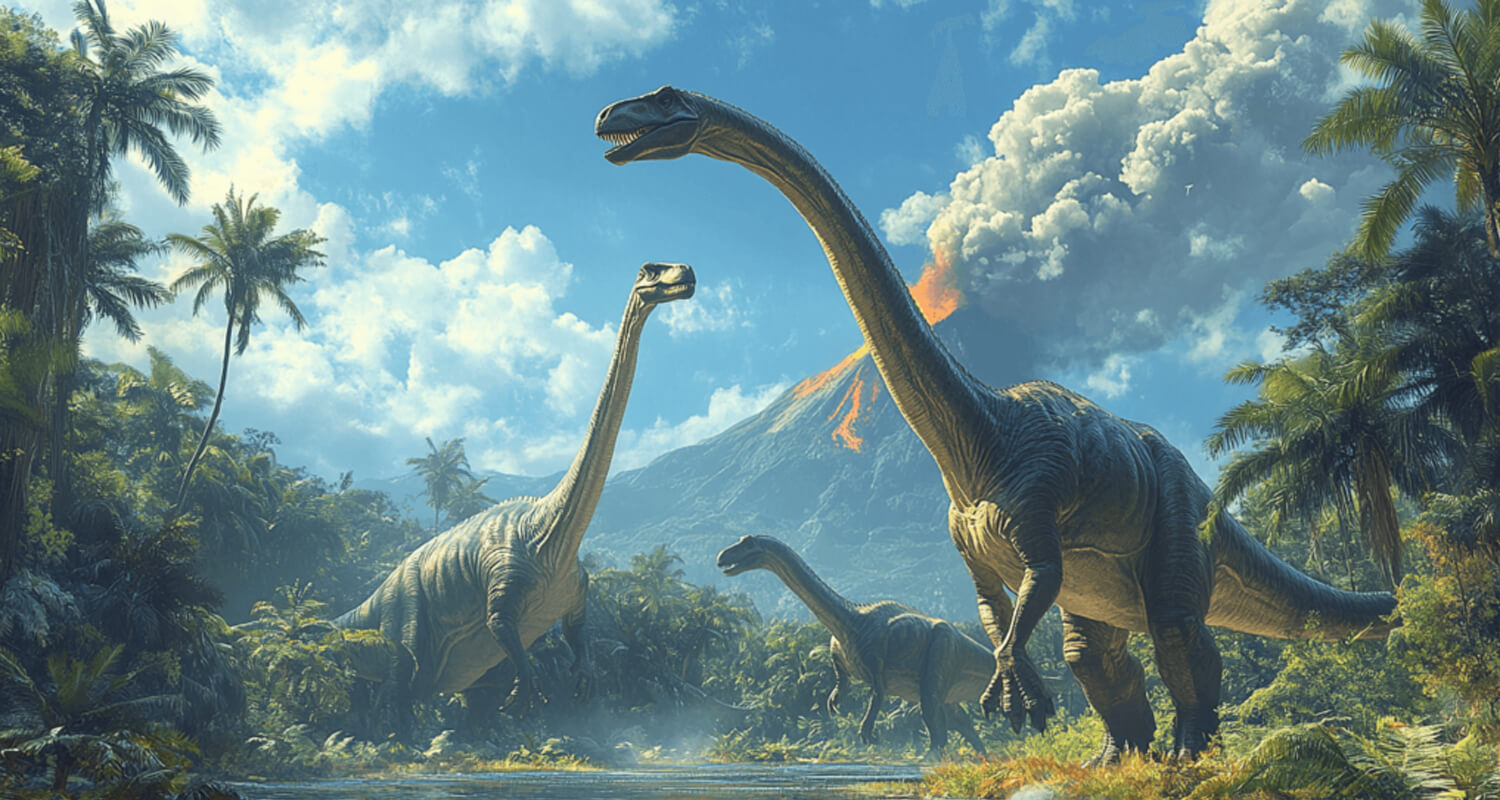
 Dinosaur migration would have been filled with obstacles. Crossing rivers, scaling mountains, and navigating dense forests posed significant challenges. Natural barriers could have slowed them down, potentially exposing weaker individuals to predators or the elements. Additionally, extreme weather events, like droughts or storms, would have made migration even more dangerous, especially for young or injured dinosaurs.
Predation and competition also factored into the risks of migration. Traveling in herds may have offered some protection, but large groups could also attract predators. Territorial disputes could have arisen when herds moved into areas occupied by other groups, leading to conflicts over resources. These challenges underscore the incredible adaptability of dinosaurs and highlight how migration, while risky, could be crucial for survival.
Seasonal Behavior Beyond Migration
 Migration was only one way dinosaurs adapted to seasonal changes. Some dinosaurs may have adjusted their behavior based on the time of year, much like animals today. During harsh seasons, they might have slowed down their activity or relied on stored fat reserves.
Other adaptations likely included shifts in diet. Herbivores may have eaten different plants depending on what was available, while carnivores could have adjusted their hunting strategies or even scavenged to survive. Seasonal changes may have also affected social behaviors within herds, with certain dinosaurs becoming more aggressive or protective during breeding seasons.
The Role of Migration in Dinosaur Survival and Evolution
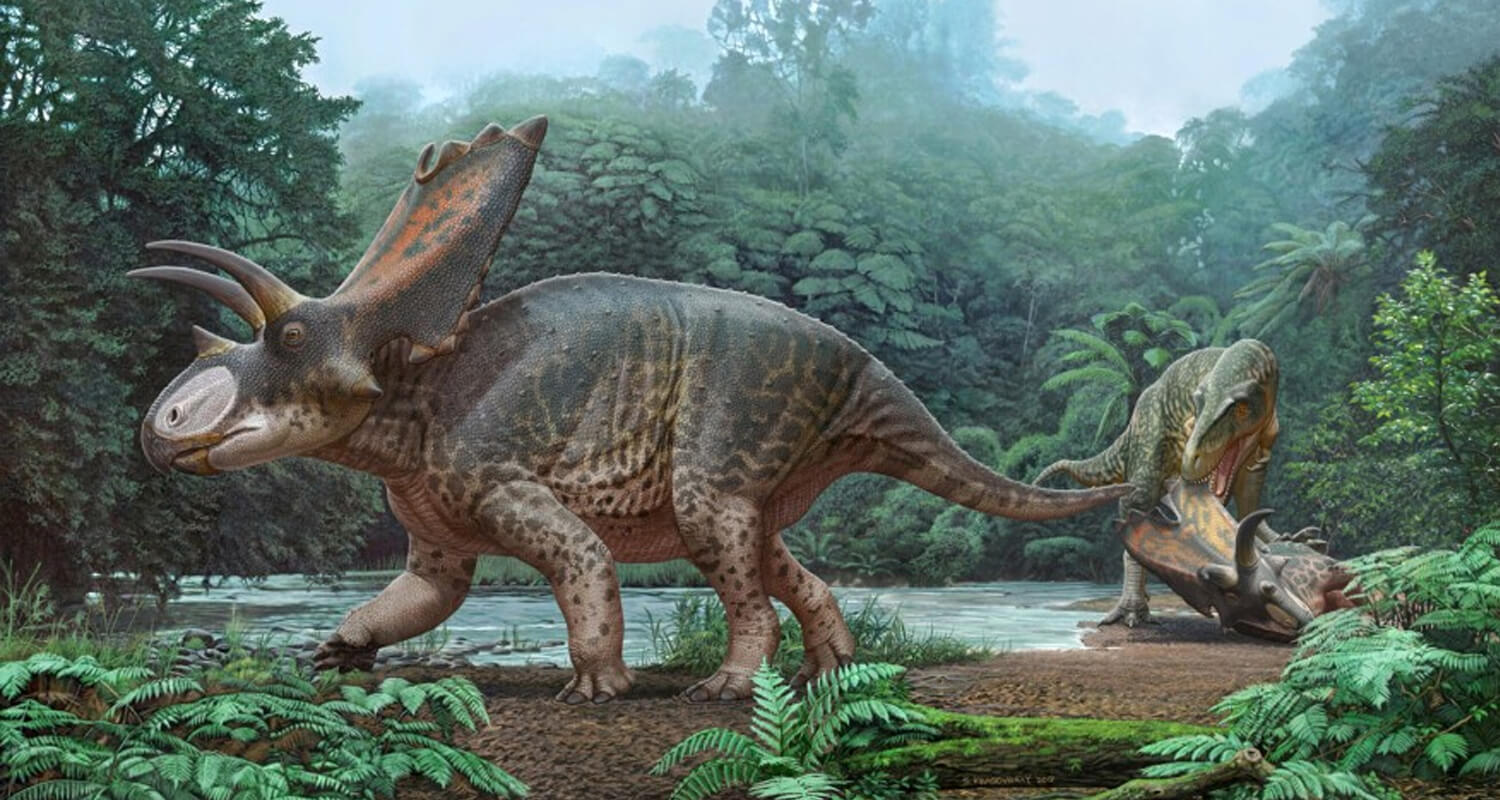 Migratory patterns likely played a significant role in the success and evolution of certain dinosaur species. By moving between regions, dinosaurs may have encountered varied environments that fostered genetic diversity. Migration could have allowed species to develop unique adaptations, making them more resilient to environmental shifts.
Moreover, migration may have helped dinosaurs cope with the long-term climate changes that defined the Mesozoic Era. Dinosaurs that could travel long distances to find resources were likely better suited to survive the fluctuations in their habitats, enhancing their ability to adapt and thrive over millions of years.
Conclusion: The Ongoing Study of Dinosaur Migration
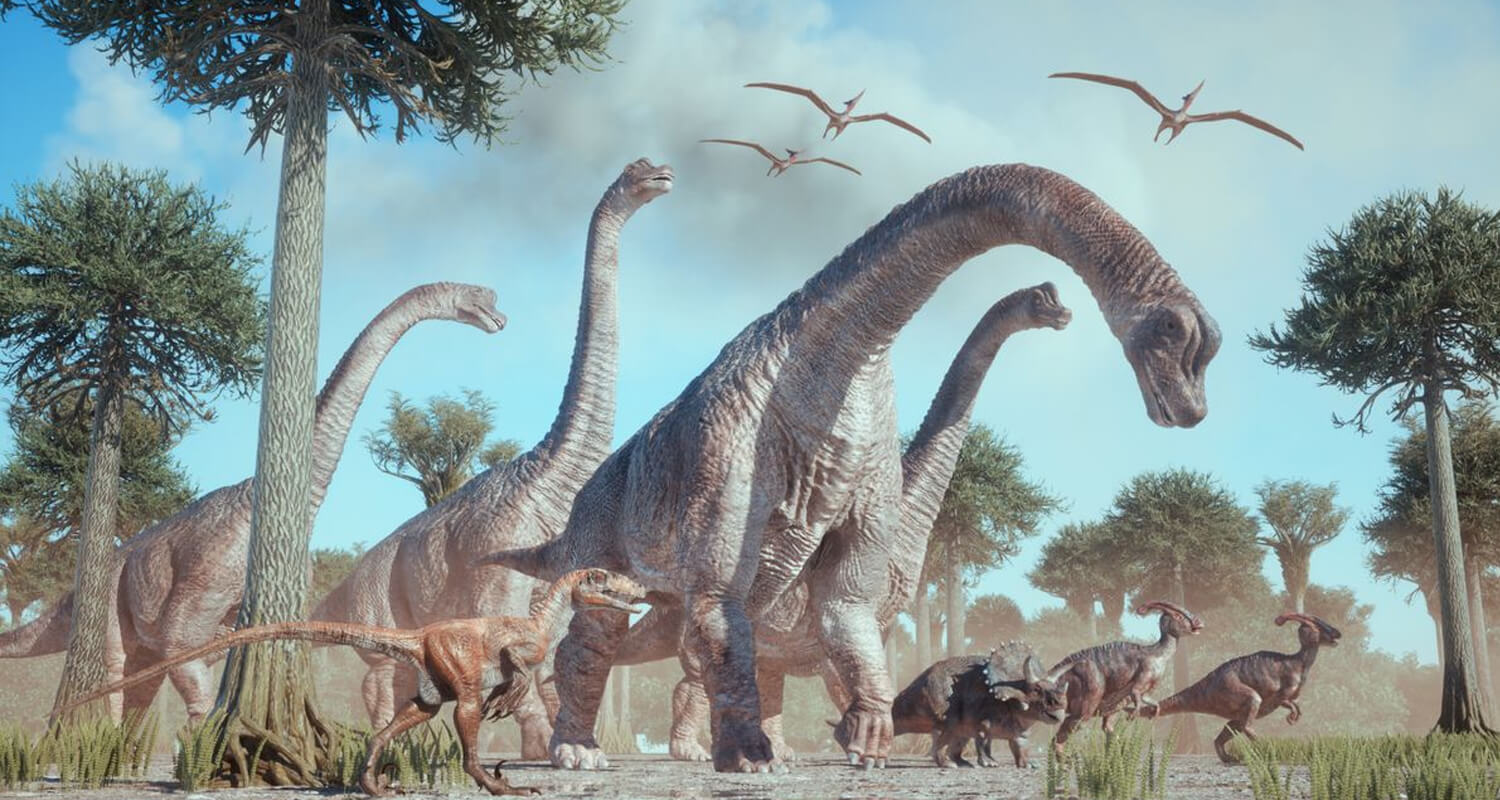 While the mysteries of dinosaur migration are still unfolding, the evidence so far paints a picture of highly adaptable creatures that likely followed the rhythms of their environment. With the help of modern technology, from isotope analysis to fossil mapping, scientists are uncovering clues that suggest some dinosaurs were on the move, migrating seasonally just as many animals do today.
Understanding these migration patterns and seasonal behaviors provides invaluable insights into how dinosaurs survived and evolved. Their journeys across ancient landscapes remind us that survival often means adapting to change, whether through migration, social behaviors, or dietary shifts. As research continues, the story of dinosaurs on the move will further illuminate how these remarkable animals navigated the ancient world.
タグ: