私たちについて
グレーカルチャーは、最新のアニマトロニック恐竜、魅惑的なアニマトロニッククリーチャー、活気ある中国の祭りの提灯、そしてカスタマイズされた製品を通じて、過去を生き生きとさせる最前線に立っています。中国の中心に位置するプロの製造業者として、私たちは博物館、展示会、動物園、公園などで私たちのリアルな恐竜や動物を展示することに深い情熱を抱いており、あらゆる年齢層の人々に好奇心と学びの炎を燃やすことを目指しています。
無料見積もりを取得
恐竜の知識
伝説のツノ恐竜を発見:先史時代の防衛の巨人
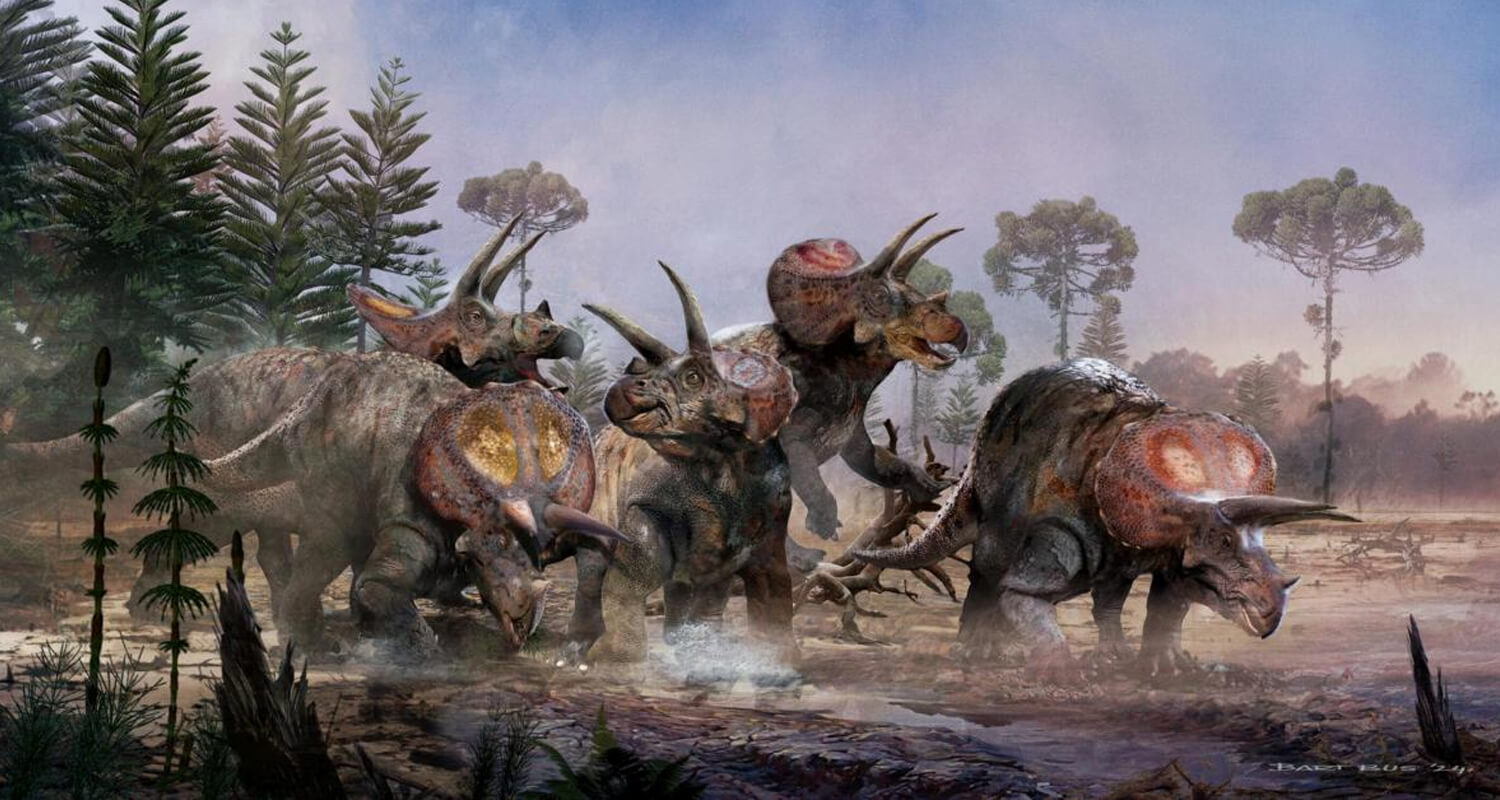 Horned dinosaurs, known for their impressive headgear, were some of the most awe-inspiring creatures to ever walk the Earth. These prehistoric giants had a variety of horn shapes and sizes, which they used for protection, display, and sometimes, even combat. In this article, we'll dive into the world of horned dinosaurs, uncovering 10 fascinating species that showcase the diversity and complexity of these ancient reptiles. Whether you're a dinosaur enthusiast or simply curious about these majestic creatures, prepare to be amazed by the incredible features of these horned giants.
Distinctive Characteristics of Horned Dinosaurs
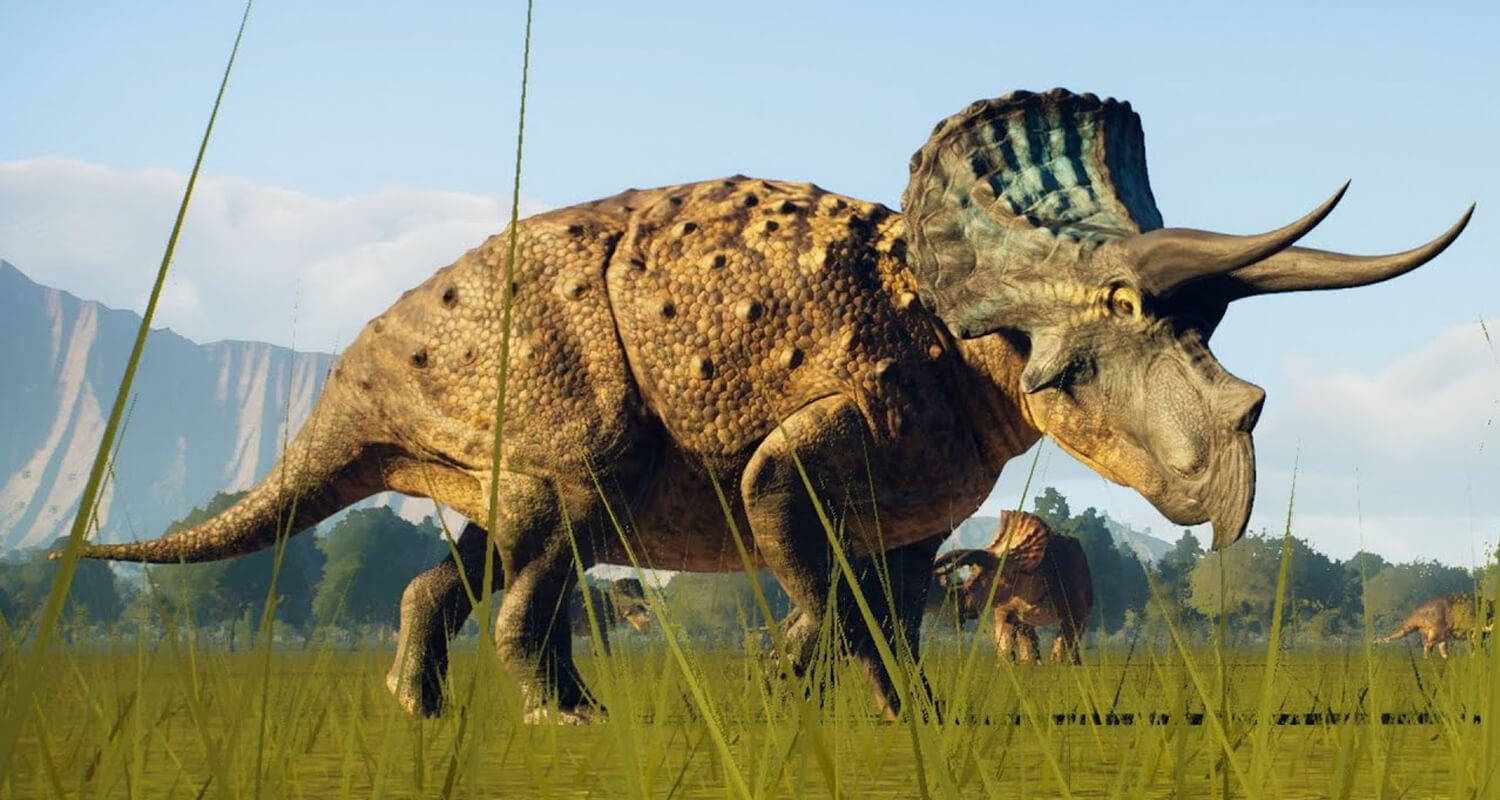 Horned dinosaurs, also called Ceratopsians, had several defining characteristics that made them stand out in the dinosaur world:
Horns and Frills: The most obvious trait of horned dinosaurs is, of course, their horns. These could vary dramatically, from the massive brow and nose horns of the Triceratops to the strange spikes of Styracosaurus and Kosmoceratops. Their frills—large, bony extensions from the back of their skulls—could be solid or decorated with holes and spikes, and were likely used for defense, mating displays, or communication within the species.
Herbivorous Diet: Despite their sometimes fierce appearance, horned dinosaurs were strict herbivores. They used their beak-like mouths to chop off tough vegetation and their specialized teeth to grind down plants. These teeth, arranged in rows called dental batteries, allowed them to efficiently process large amounts of fibrous plant material.
Quadrupedal Stance: Horned dinosaurs typically walked on all four legs. Their sturdy, muscular bodies supported their heavy heads and defensive frills. While some early members of the Ceratopsian family may have been bipedal, the larger and more evolved species adopted a quadrupedal stance, which was more suited to supporting their large skulls.
Social Behavior: Many horned dinosaurs, like Centrosaurus and Einiosaurus, are believed to have traveled in herds. Evidence of mass fossil beds suggests that they lived in groups, which would have provided them additional protection against predators. Herding behavior is a common trait among herbivores, allowing them to protect the young and the weaker members of the group.
Defensive Adaptations: In addition to their horns, the large frills that adorned the back of their heads likely served as protection. These frills could shield their necks from bites or strikes from predators. The arrangement and size of horns, frills, and spikes varied widely among species, giving each type of horned dinosaur a unique defensive edge. Some dinosaurs, like Pachyrhinosaurus, even replaced sharp horns with thickened bone masses, called “bosses,” for direct physical combat.
The Role of Horns in Dinosaurs
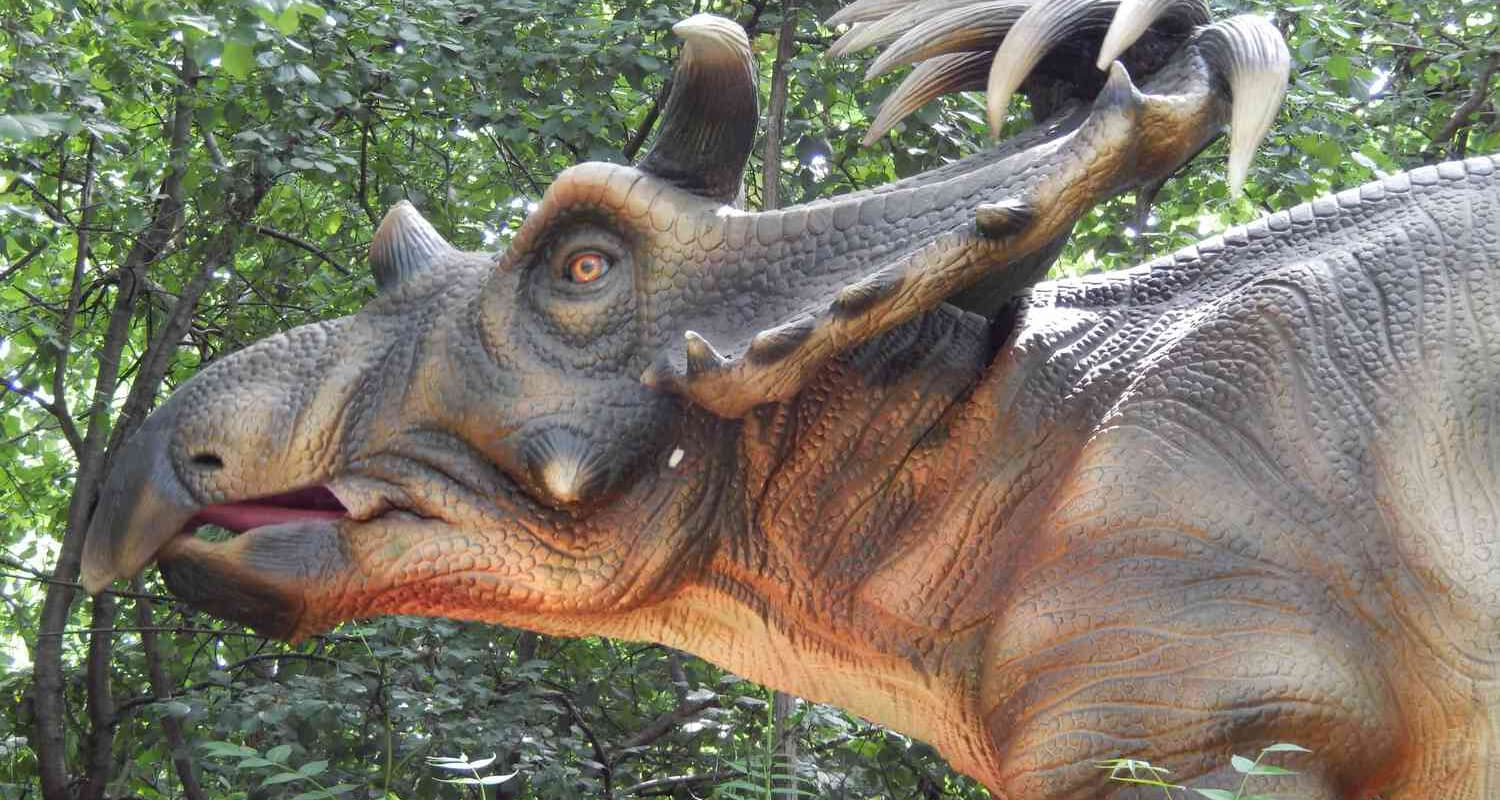 Before we explore specific species, it's important to understand why these dinosaurs developed horns. Horns served various purposes:
Defense Against Predators: Horns and frills could intimidate attackers or help in direct combat.
Species Recognition: Some researchers suggest horns allowed members of the same species to recognize each other.
Mating Displays: Horns might have been used to attract mates, similar to the way a peacock displays its feathers.
How Horned Dinosaurs Thrived
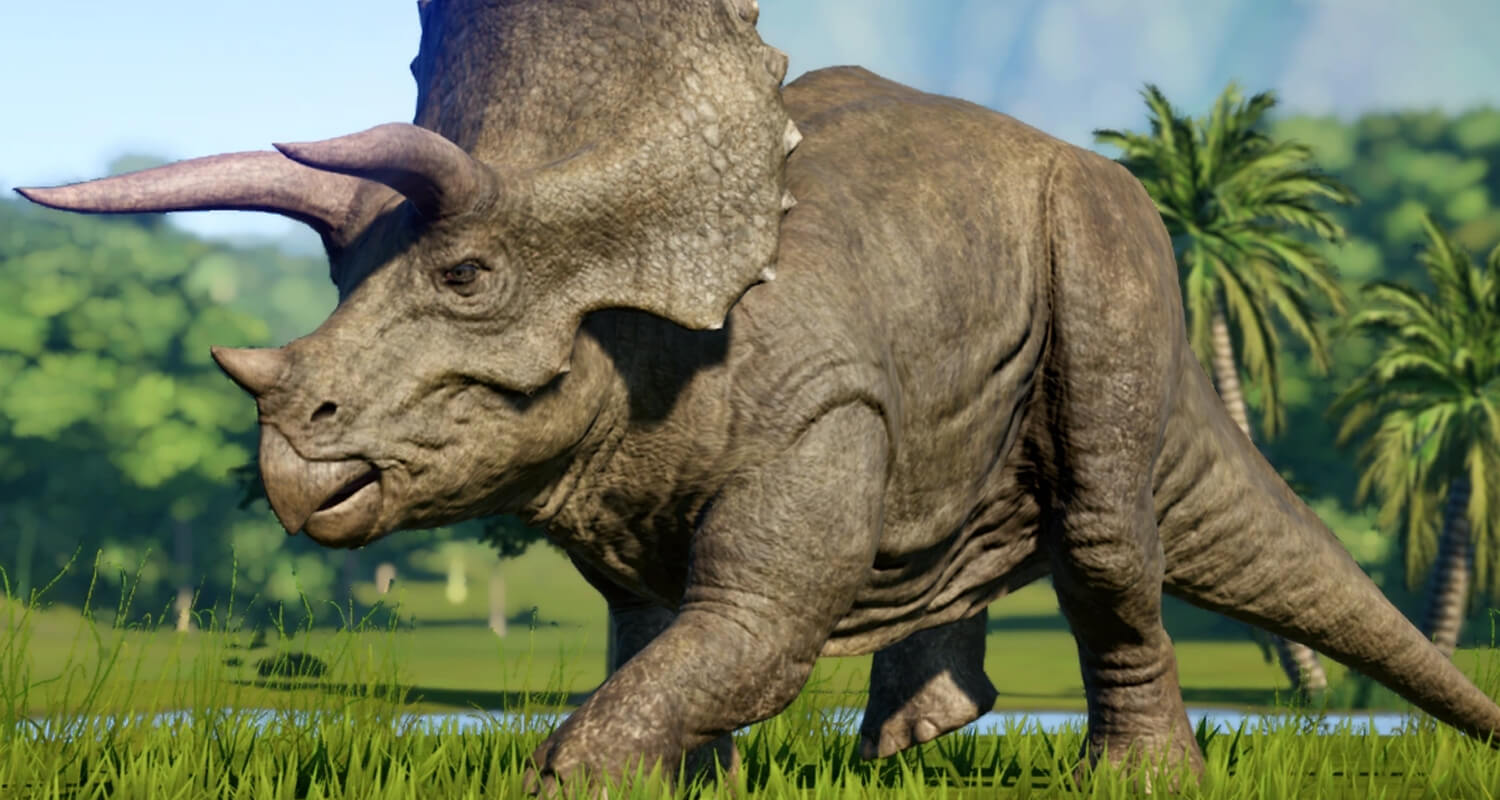 Horned dinosaurs were mostly herbivorous, feeding on low-lying plants, and their unique horns allowed them to thrive in environments filled with predators. Traveling in herds provided them additional safety, while their horns and frills offered both physical protection and social advantages. Many horned dinosaurs also had highly specialized teeth for grinding vegetation, further contributing to their success as plant-eaters.
List of Horned Dinosaurs
Triceratops
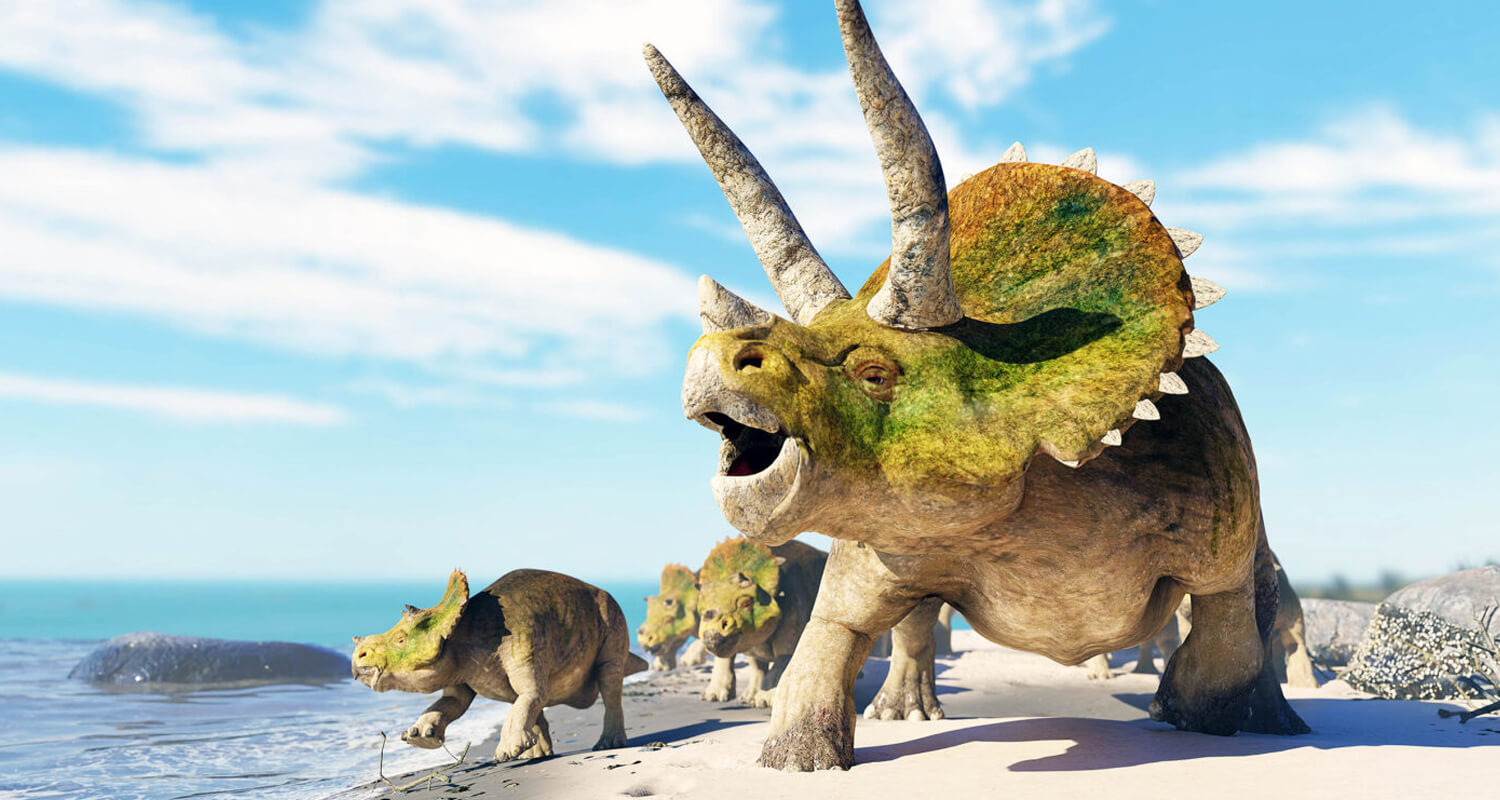 Size: Approximately 30 feet (9 meters) long
Weight: Around 6 to 12 tons
Time Period: Late Cretaceous (about 68-66 million years ago)
The Triceratops is one of the most famous horned dinosaurs, recognized by its three facial horns and large bony frill. This herbivore roamed the plains of North America and used its horns and frill for defense against predators like the Tyrannosaurus rex. Its strong jaws and dental batteries were well-suited for processing tough plant material.
Styracosaurus
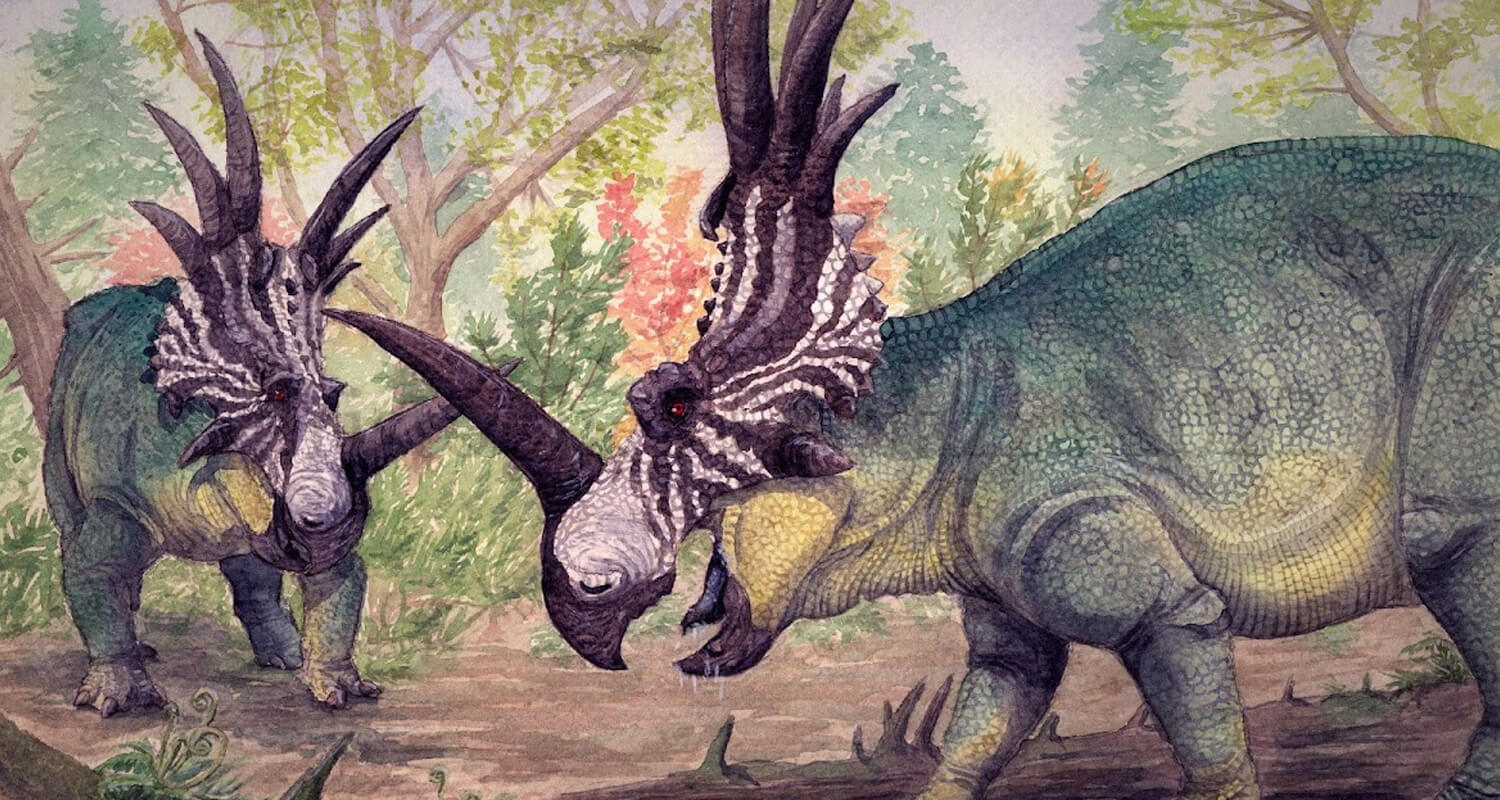 Size: Approximately 18 feet (5.5 meters) long
Weight: Around 3 tons
Time Period: Late Cretaceous (about 75-72 million years ago)
Known for its dramatic headgear, the Styracosaurus had a single large nose horn and a frill adorned with long, sharp spikes. These impressive features were likely used for both defense and species recognition. Styracosaurus was a herbivore that thrived in what is now North America, traveling in herds for protection.
Pachyrhinosaurus
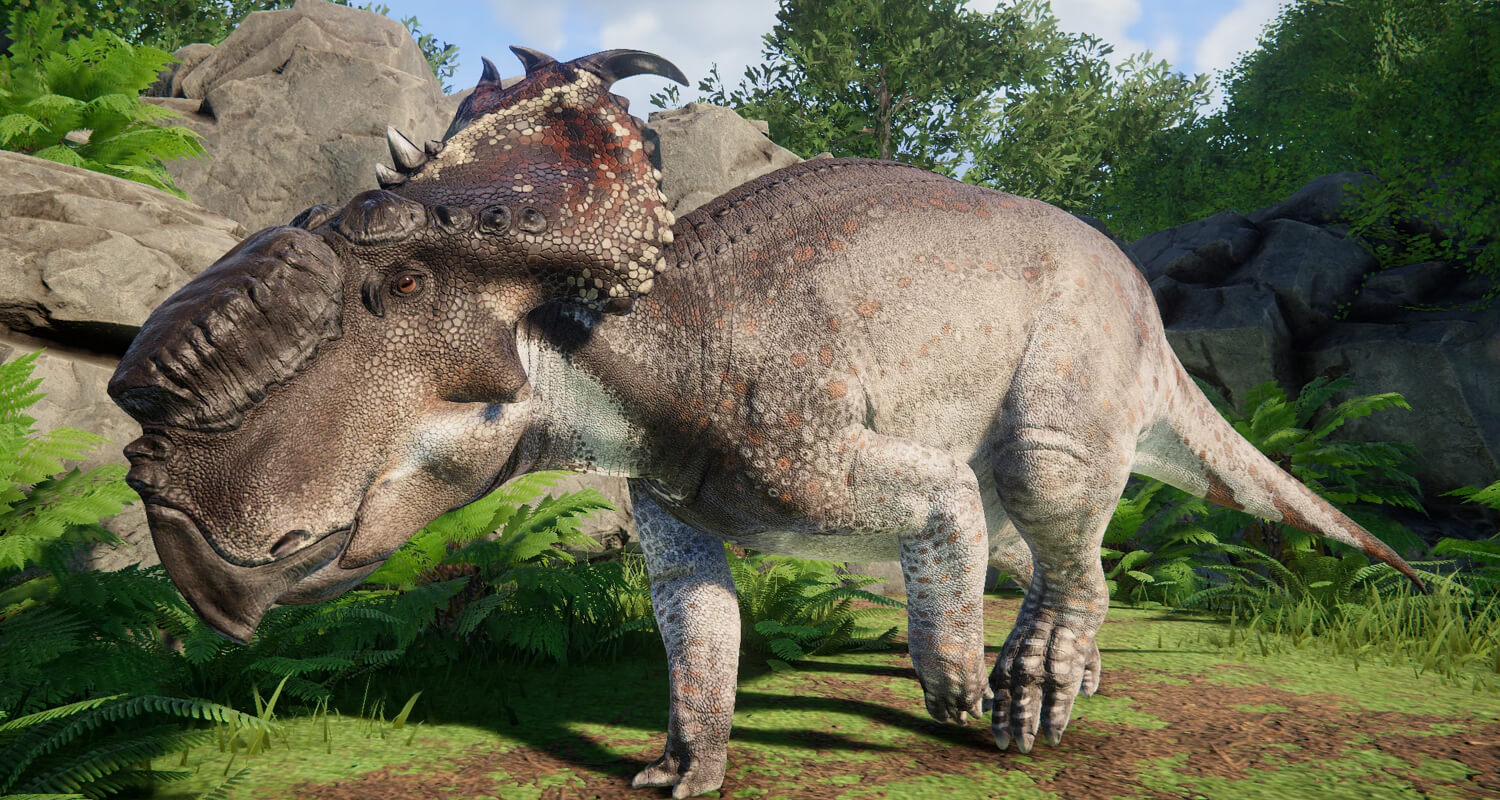 Size: Approximately 26 feet (8 meters) long
Weight: Around 4 tons
Time Period: Late Cretaceous (about 71-68 million years ago)
The Pachyrhinosaurus stood out for its thick, bony mass on its nose, called a "boss," instead of sharp horns. This unique feature might have been used for headbutting rivals. Despite its lack of prominent horns, it had a large frill and lived in herds, offering protection against predators in North America.
Chasmosaurus
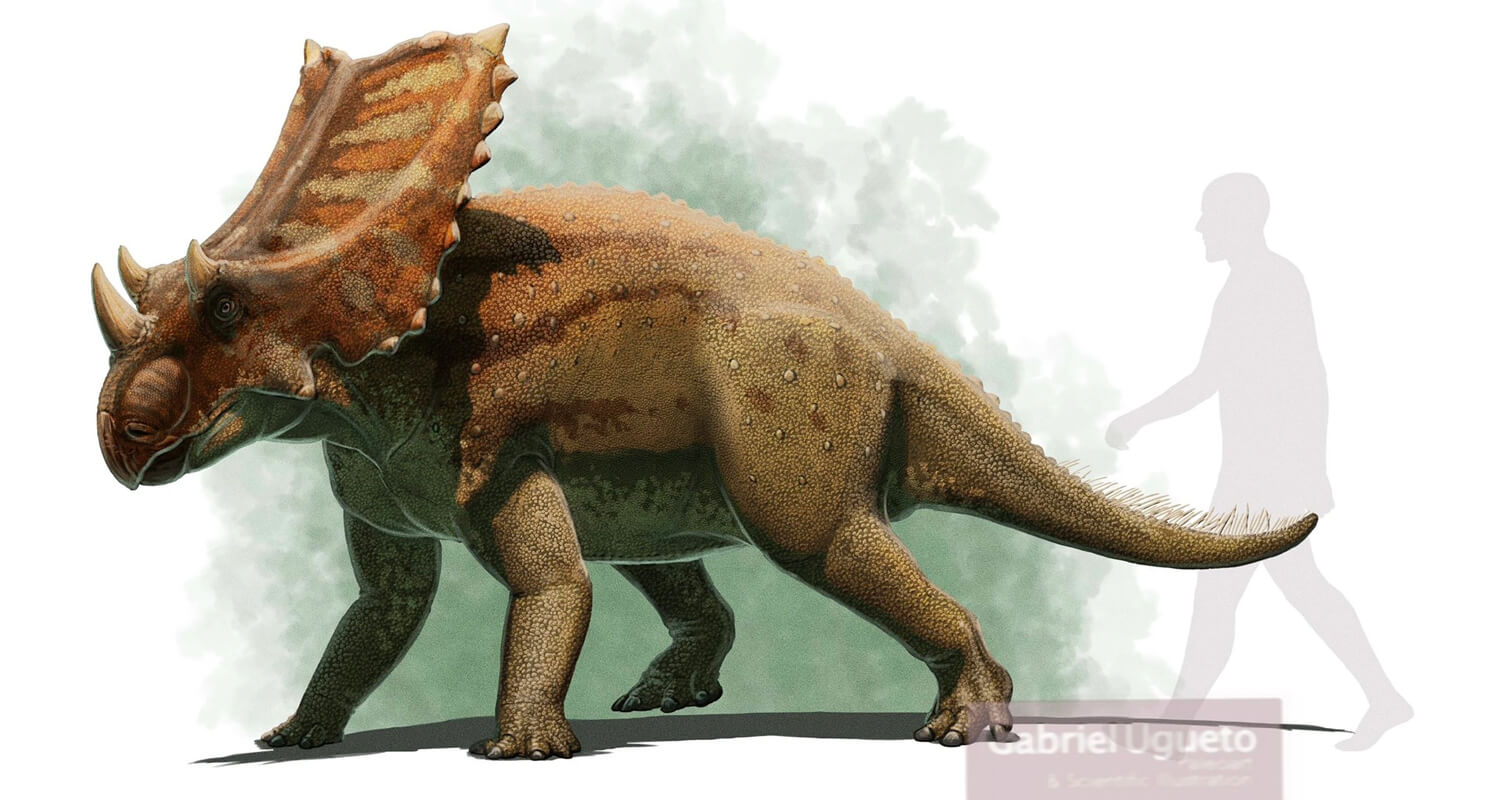 Size: Approximately 16-20 feet (5-6 meters) long
Weight: Around 2 tons
Time Period: Late Cretaceous (about 75-70 million years ago)
The Chasmosaurus was known for its long, triangular frill and two prominent brow horns. Its frill was relatively lightweight due to large openings, allowing it to be more agile. Chasmosaurus was a herbivore that lived in North America, feeding on the abundant plant life of the time.
Centrosaurus
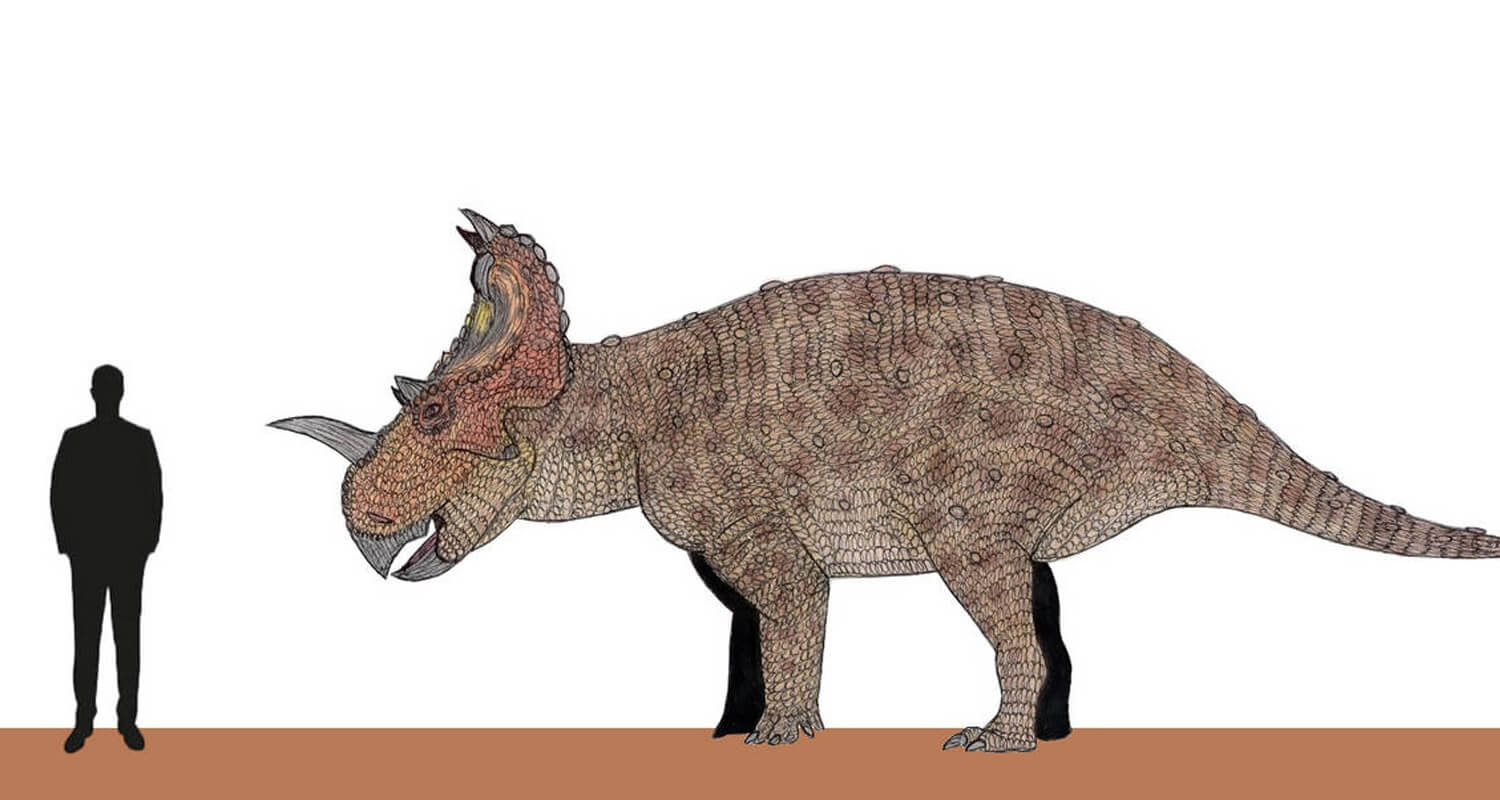 Size: Approximately 20 feet (6 meters) long
Weight: Around 2.5 tons
Time Period: Late Cretaceous (about 76-75 million years ago)
The Centrosaurus had a single large nose horn and a frill decorated with small spikes. It is known for traveling in large herds, which provided additional protection from predators. Like other ceratopsians, Centrosaurus was an herbivore that roamed the plains of North America, feeding on low-lying plants.
Pentaceratops
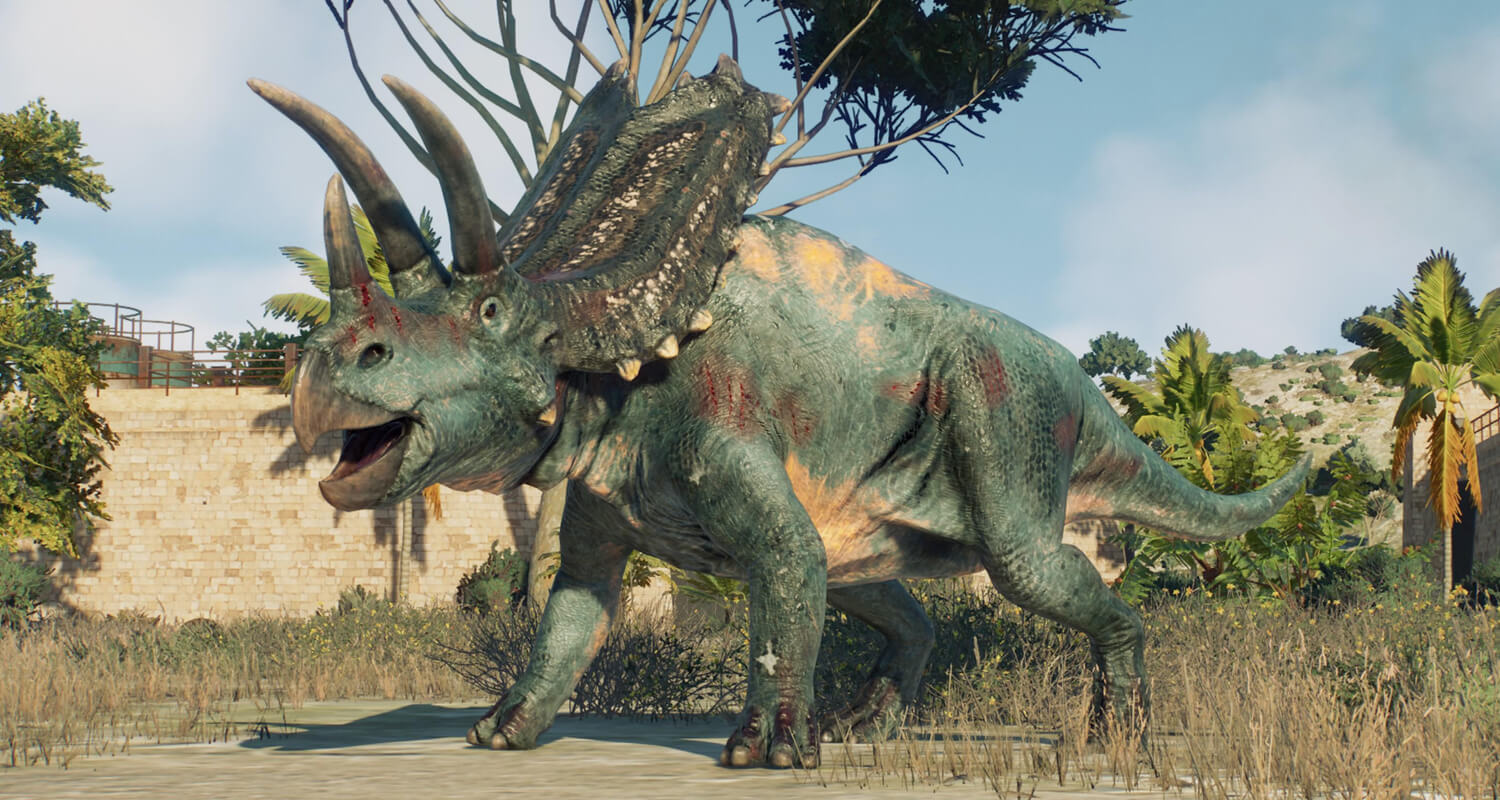 Size: Approximately 26 feet (8 meters) long
Weight: Around 5 tons
Time Period: Late Cretaceous (about 76-73 million years ago)
The Pentaceratops had five facial horns, including two large brow horns and three smaller ones on its face. It had one of the largest skulls of any land animal, making it an imposing figure in the prehistoric world. This herbivore lived in North America and used its horns and frill for defense and mating displays.
Diabloceratops
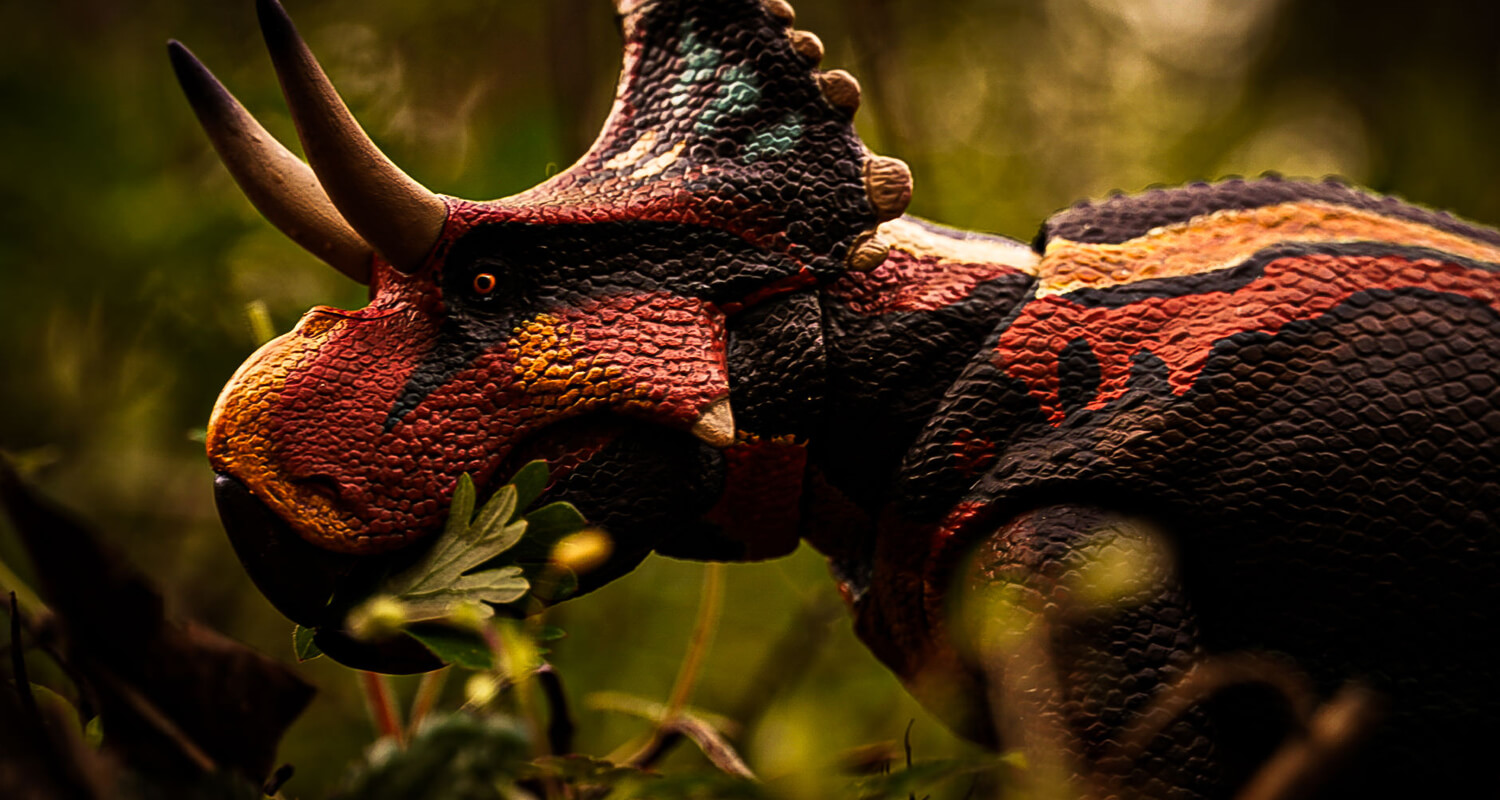 Size: Approximately 18 feet (5.5 meters) long
Weight: Around 2 tons
Time Period: Late Cretaceous (about 80 million years ago)
The Diabloceratops is distinguished by its two large, curved horns extending from its frill, giving it a devilish appearance. It is one of the earlier ceratopsids, hailing from North America. Its horns and frill likely served as both defensive tools and a way to intimidate predators or rivals.
Kosmoceratops
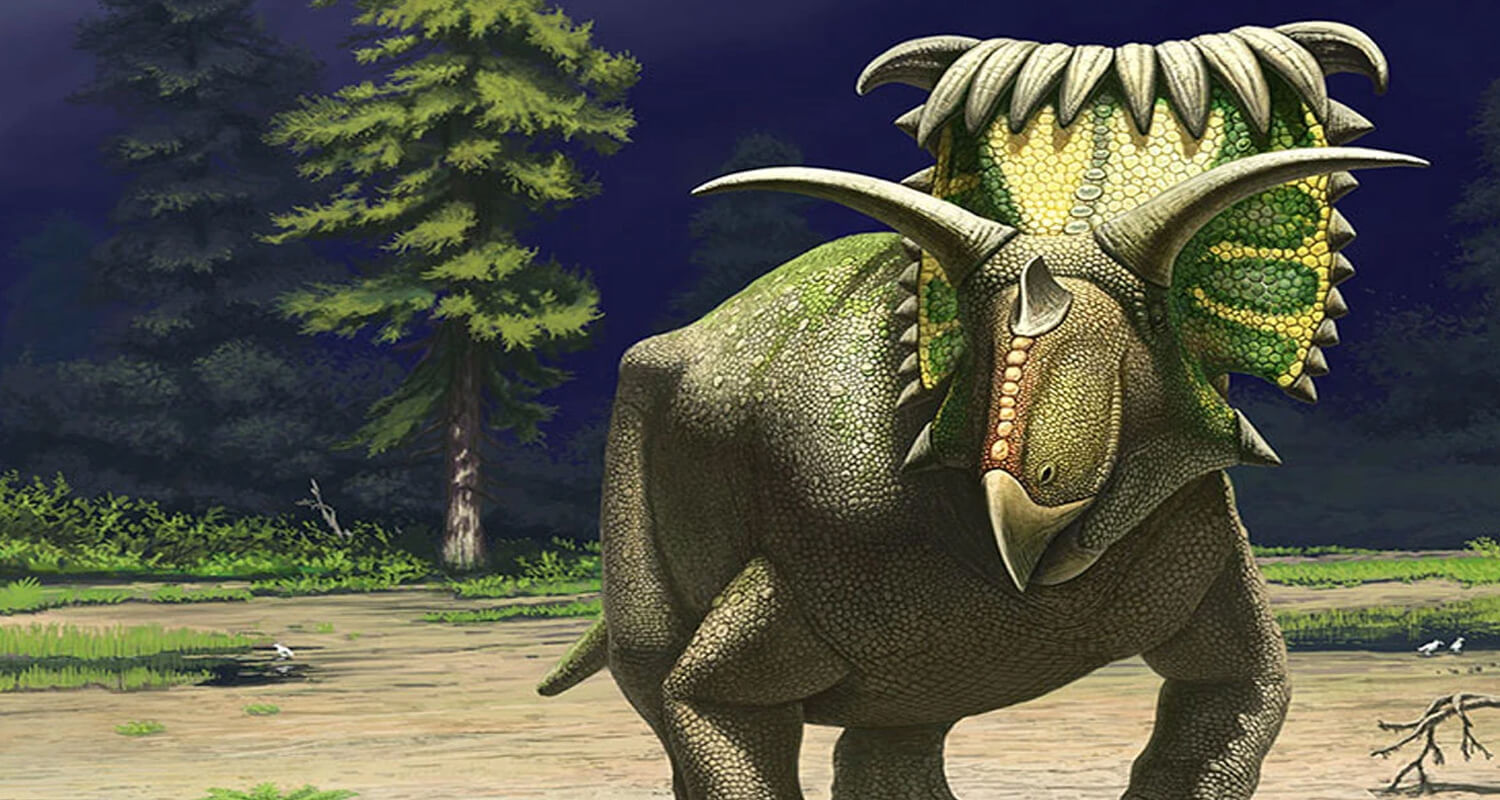 Size: Approximately 15 feet (4.5 meters) long
Weight: Around 2 tons
Time Period: Late Cretaceous (about 76 million years ago)
The Kosmoceratops had an elaborate array of 15 horns on its face and frill, making it one of the most ornately horned dinosaurs. These horns were likely used in social displays or for mating. This herbivore lived in what is now Utah and thrived in lush environments.
Zuniceratops
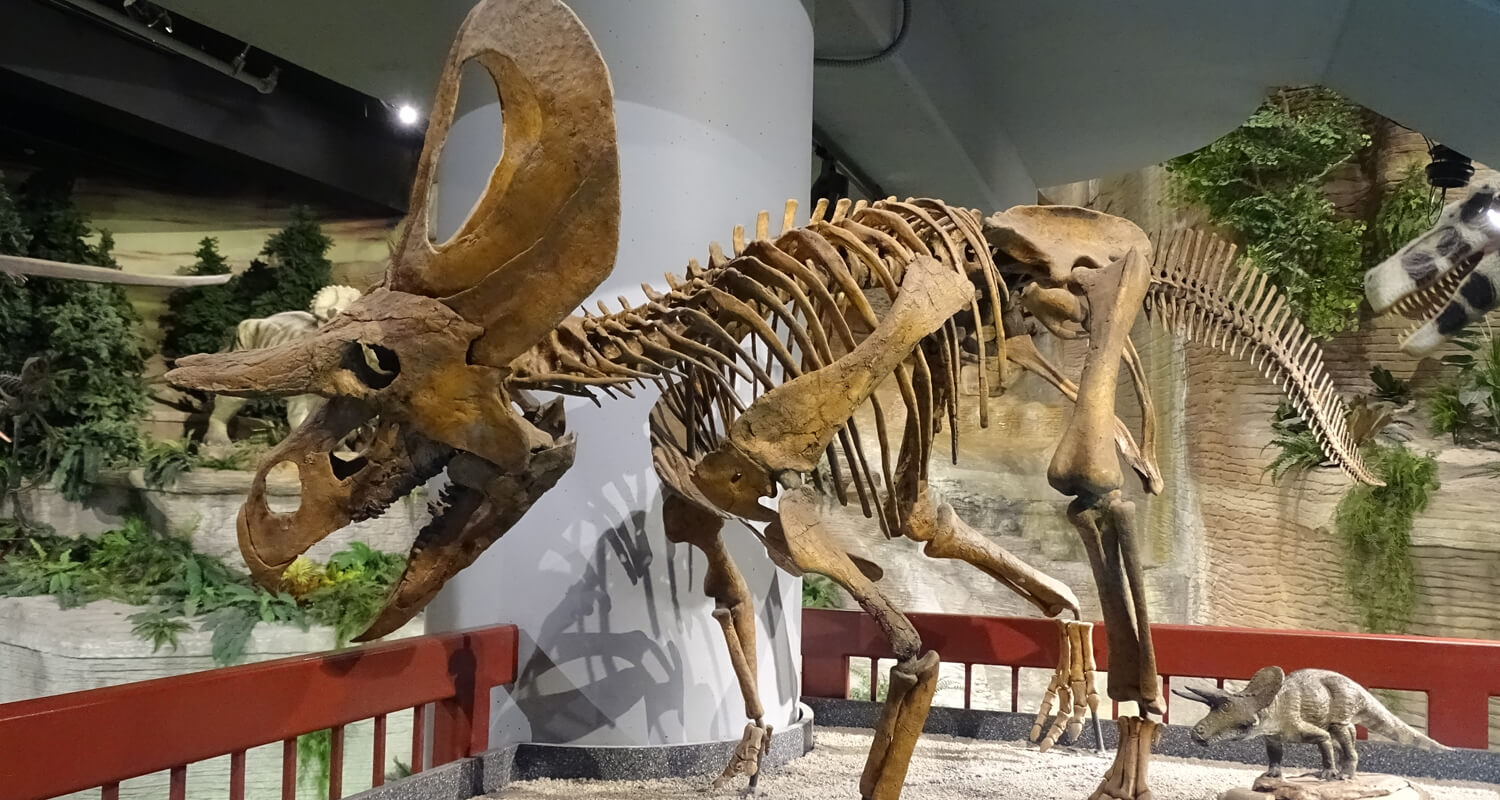 Size: Approximately 11 feet (3.5 meters) long
Weight: Around 0.5 tons
Time Period: Late Cretaceous (about 90 million years ago)
The Zuniceratops is notable for being one of the earliest horned dinosaurs, with two brow horns and a small frill. It represents a transitional form in ceratopsid evolution. Zuniceratops lived in North America and played a crucial role in the development of later, more elaborate horned dinosaurs.
Einiosaurus
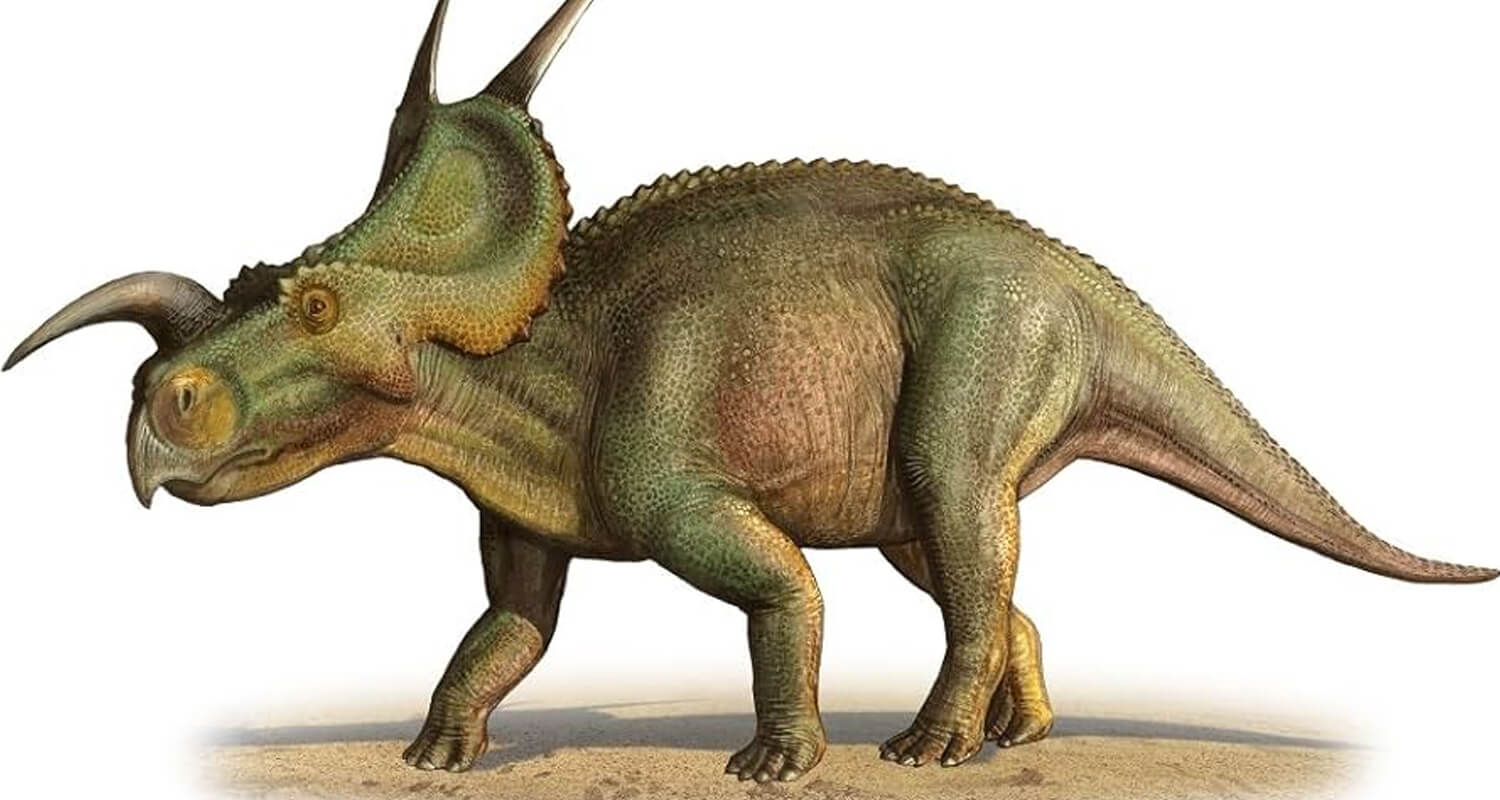 Size: Approximately 20 feet (6 meters) long
Weight: Around 3 tons
Time Period: Late Cretaceous (about 74 million years ago)
The Einiosaurus is known for its unique forward-curving nasal horn, which gave it a distinct look among ceratopsians. Its frill was adorned with spikes, and it likely traveled in herds for protection. Einiosaurus was a plant-eating dinosaur that lived in North America, thriving in environments rich with vegetation.
FAQs About Horned Dinosaurs
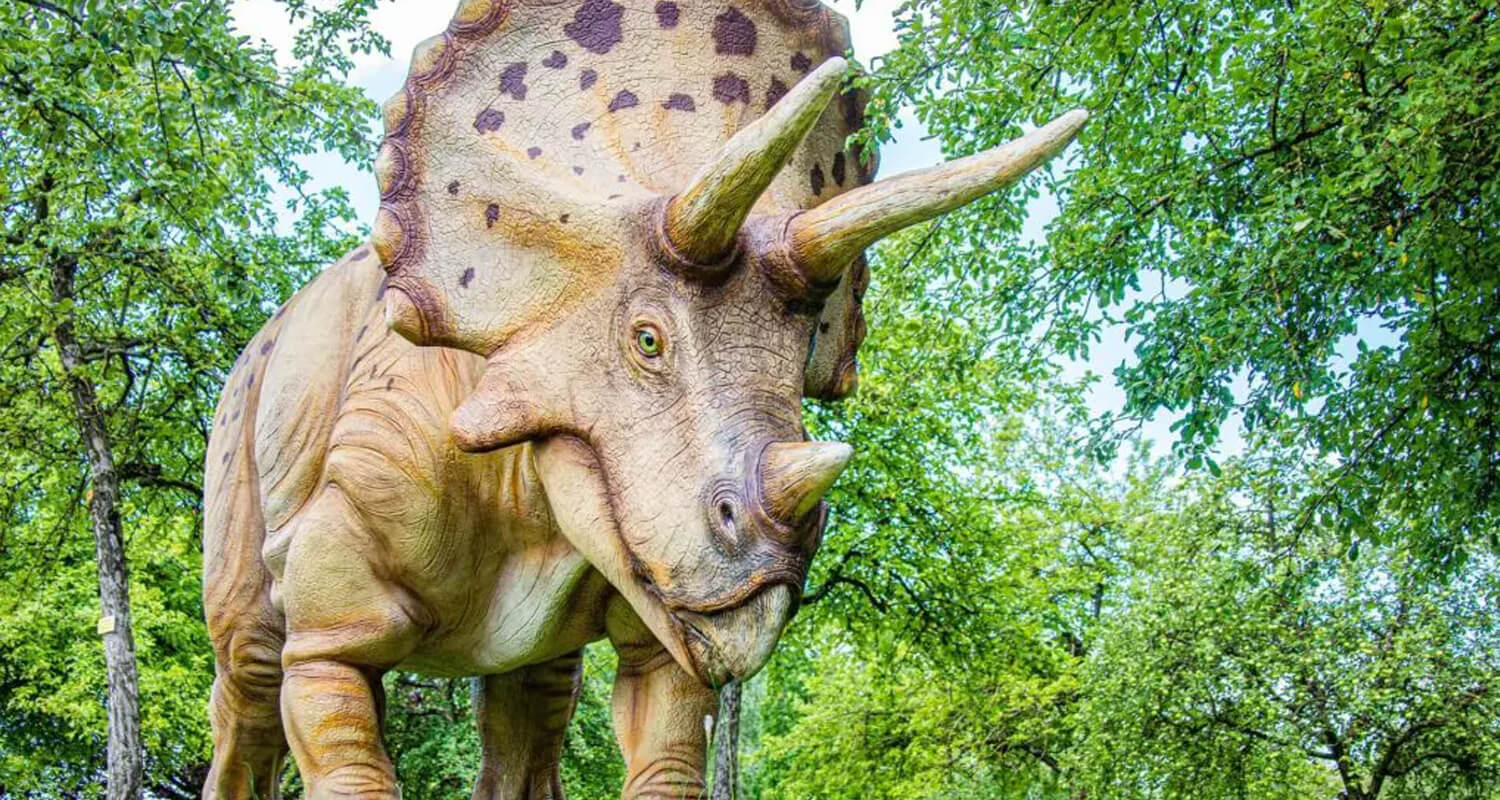 Q: What is the most famous horned dinosaur?
A: The most famous horned dinosaur is undoubtedly the Triceratops, known for its three horns and large frill.
Q: Why did horned dinosaurs have frills?
A: Frills likely served multiple purposes, including protection from predators, attracting mates, and species recognition.
Q: Did all horned dinosaurs use their horns for defense?
A: While horns were likely used for defense, some scientists believe they also played a role in mating displays and social interactions.
Q: What is a horned T. rex?
A: While the T. rex itself did not have horns, there is a dinosaur called Carnotaurus that is sometimes referred to as a "horned T. rex" due to its similar body shape and the two distinct horns above its eyes. Carnotaurus was a large, carnivorous dinosaur that lived during the Late Cretaceous period, much like T. rex, but had a more slender build and shorter arms.
Q: What is the Chinese horned face dinosaur?
A: The Sinoceratops is known as the "Chinese horned face dinosaur." Discovered in China, Sinoceratops was a member of the Ceratopsidae family and had a single large horn on its nose along with a bony frill on the back of its head. It lived during the Late Cretaceous period and is notable for being the first ceratopsid discovered in Asia.
Conclusion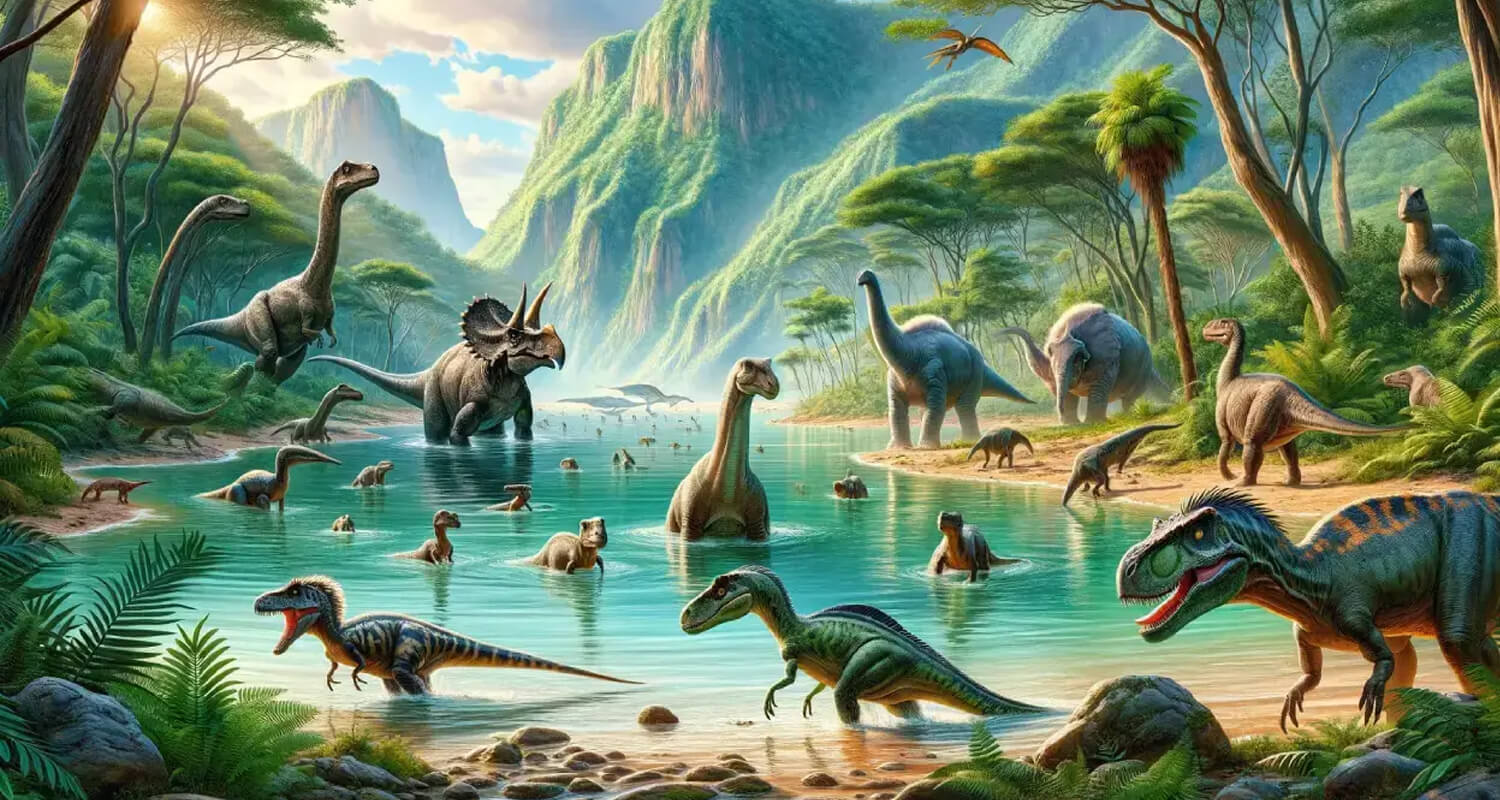
Horned dinosaurs were truly some of the most fascinating and diverse creatures in the prehistoric world. From the iconic Triceratops to the lesser-known Einiosaurus, these dinosaurs used their horns for a variety of purposes, helping them thrive in a world filled with danger. If you want to experience these magnificent creatures firsthand, our animatronic models at Gecai Culture are the perfect way to bring the ancient world of horned dinosaurs to life.
タグ: