私たちについて
グレーカルチャーは、最新のアニマトロニック恐竜、魅惑的なアニマトロニッククリーチャー、活気ある中国の祭りの提灯、そしてカスタマイズされた製品を通じて、過去を生き生きとさせる最前線に立っています。中国の中心に位置するプロの製造業者として、私たちは博物館、展示会、動物園、公園などで私たちのリアルな恐竜や動物を展示することに深い情熱を抱いており、あらゆる年齢層の人々に好奇心と学びの炎を燃やすことを目指しています。
無料見積もりを取得
恐竜の知識
恐竜時代の世界はどのように見えたか:風景、気候、生命
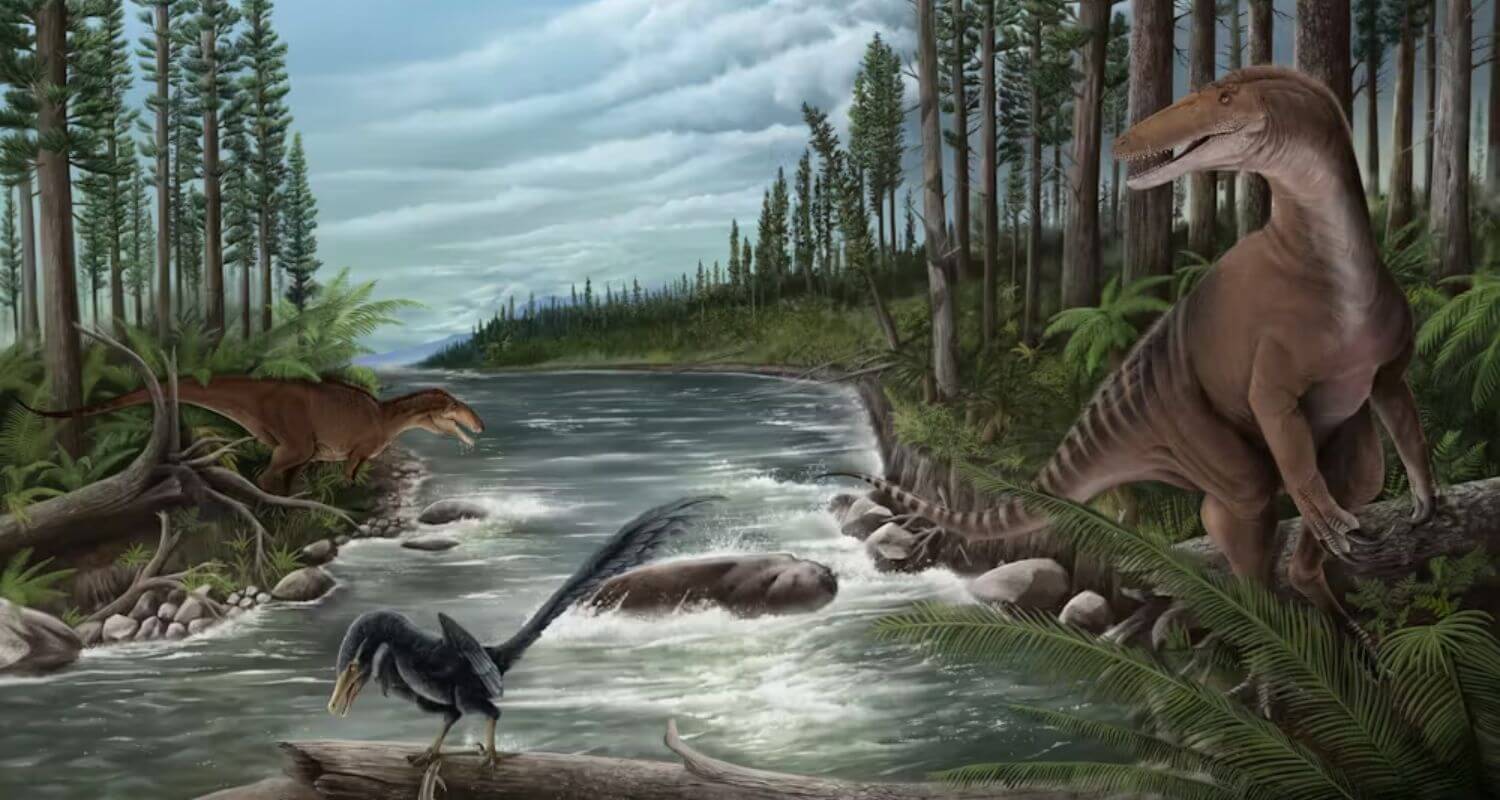 When we imagine the Age of Dinosaurs, we often picture giant reptiles roaming through dense jungles or chasing prey across open plains. But the world during the Mesozoic Era—the time when dinosaurs ruled Earth—looked very different from today. The land, climate, oceans, plants, and even the air were unique to this prehistoric era. Let's take a journey back millions of years to explore what Earth really looked like during the Age of Dinosaurs.
A Planet Transformed: Welcome to the Mesozoic Era
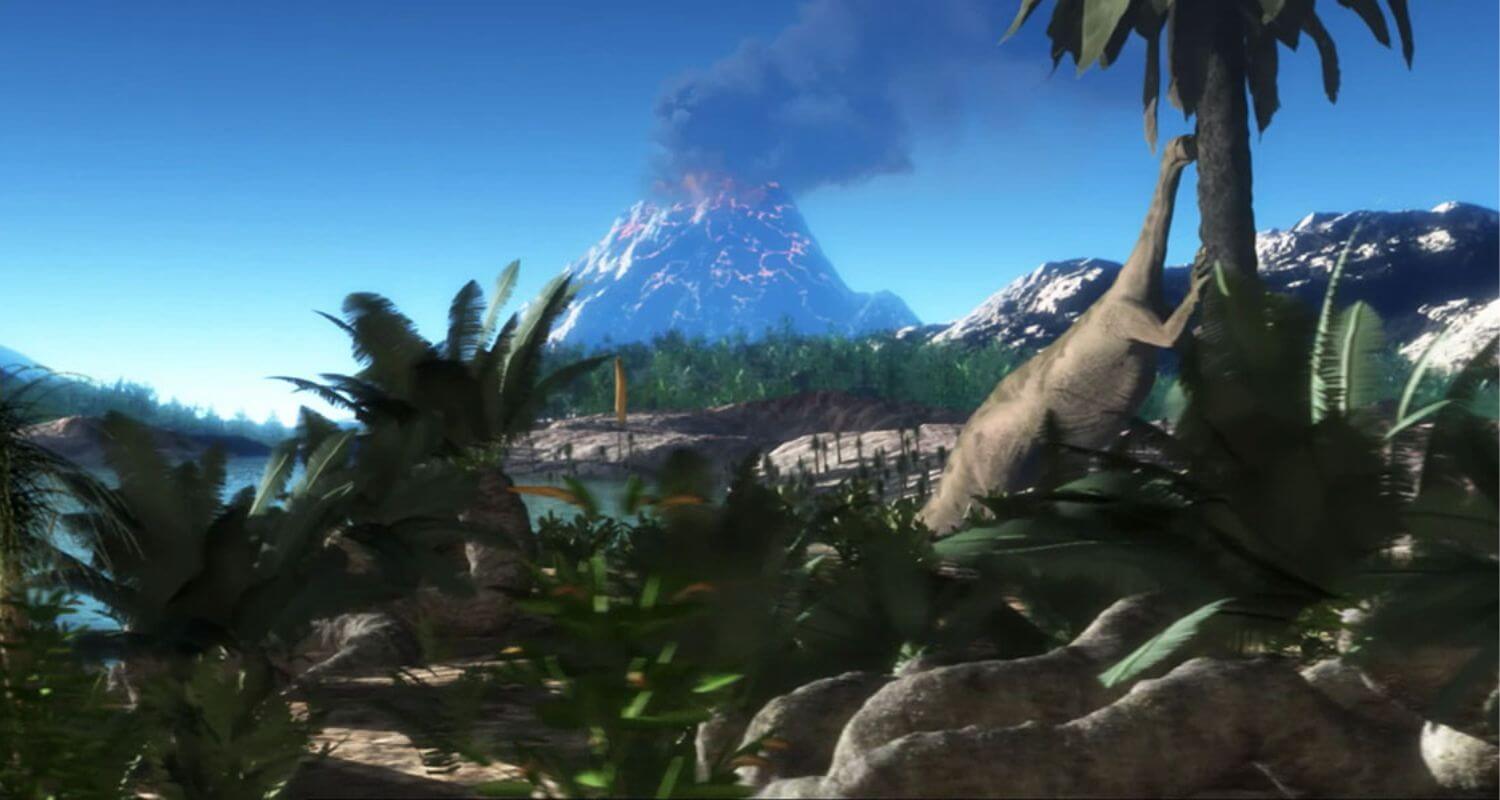 The Age of Dinosaurs is known as the Mesozoic Era, spanning roughly 252 to 66 million years ago. It is divided into three major periods:
Triassic Period (252–201 million years ago)
Jurassic Period (201–145 million years ago)
Cretaceous Period (145–66 million years ago)
Across these 186 million years, Earth experienced dramatic transformations—continents moved apart, climates shifted, and life evolved at a remarkable pace.
A World of One Landmass: The Rise and Fall of Pangaea
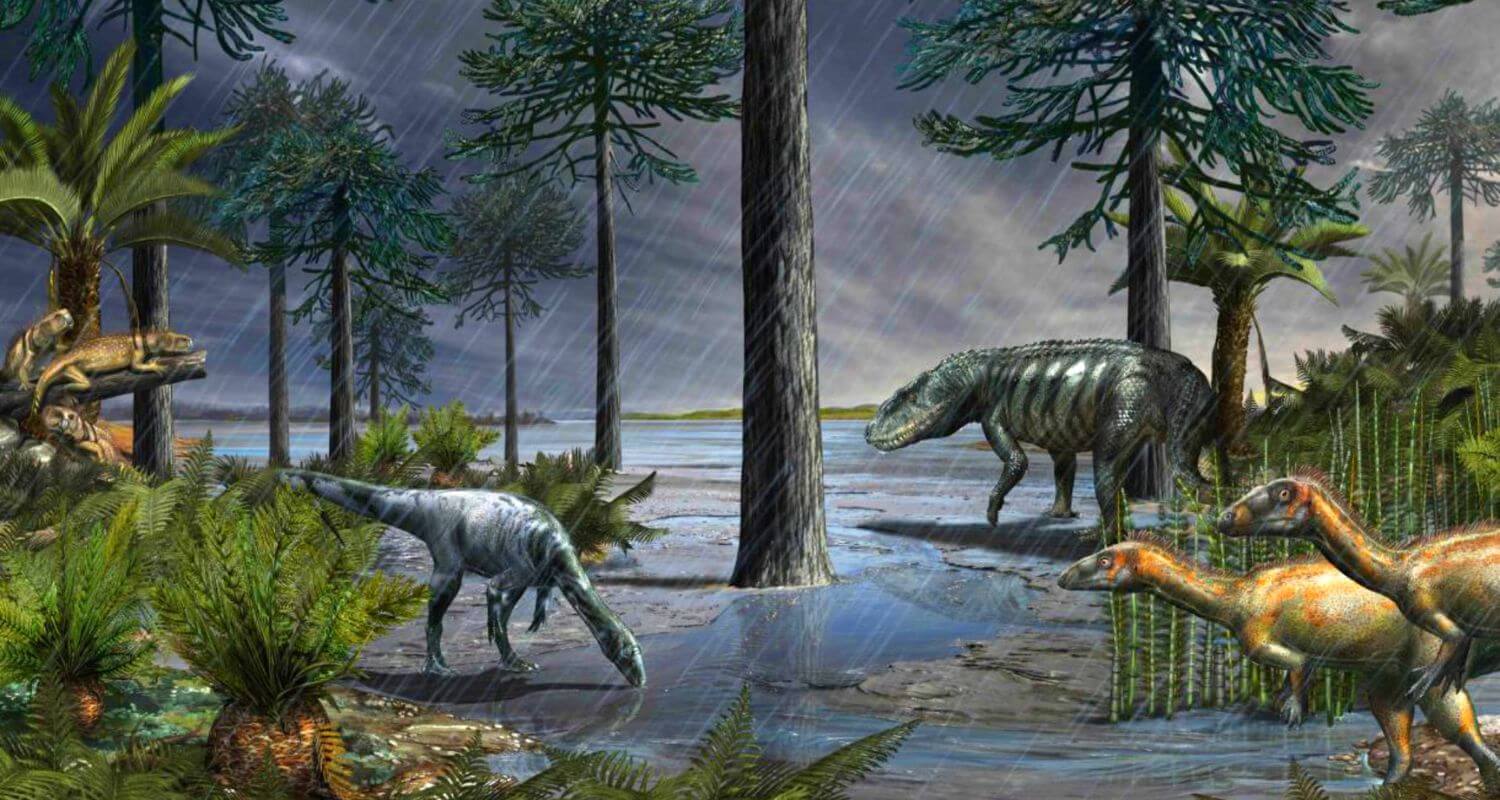 At the beginning of the Triassic, the planet looked nothing like it does today. All of Earth's land was joined together as one massive supercontinent—Pangaea. It was surrounded by a single vast ocean called Panthalassa.
Triassic: Pangaea was extremely dry and desert-like in many regions due to its large interior.
Jurassic: Pangaea began to break into two landmasses—Laurasia in the north and Gondwana in the south.
Cretaceous: Continents continued drifting apart into shapes that resemble our modern world. Rising sea levels created shallow seas across land.
This movement of continents—called continental drift—helped dinosaurs evolve into different species across separated lands. Dinosaurs in what would become Asia evolved differently from those in South America or Africa.
A Warmer, Wilder Climate
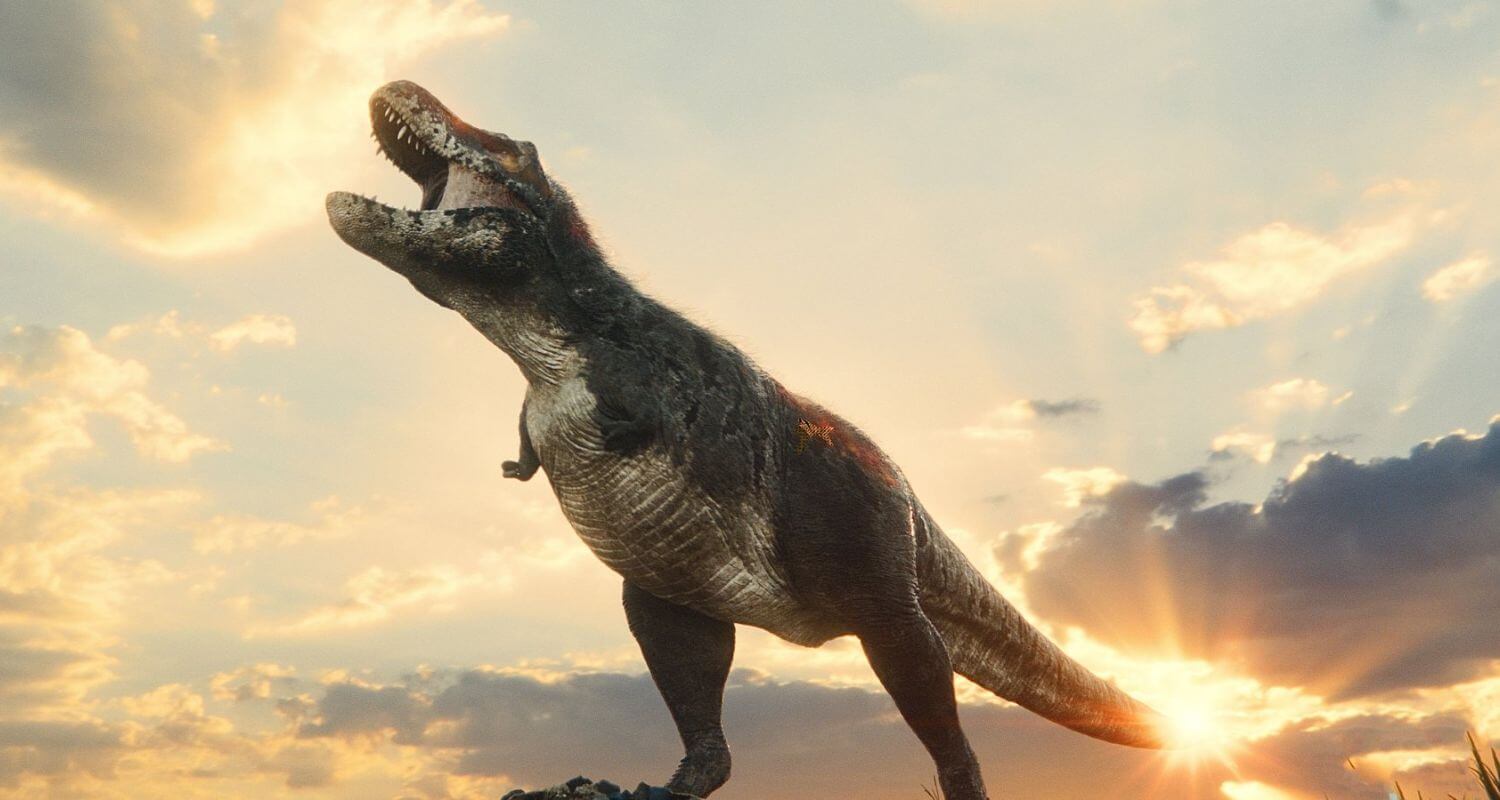 The climate during the Age of Dinosaurs was much warmer than today, and there were no polar ice caps.
Triassic: Hot and dry climate with large deserts, supporting early dinosaurs and reptiles.
Jurassic: Humidity increased, creating lush forests and warmer, wetter conditions.
Cretaceous: Climate remained warm but more varied, with seasons and different climate zones forming.
Even the poles were warmer—forests grew in regions like Antarctica! Dinosaurs lived comfortably in these areas because the temperatures were mild enough year-round.
A Green World: Forests, Ferns, and the First Flowers
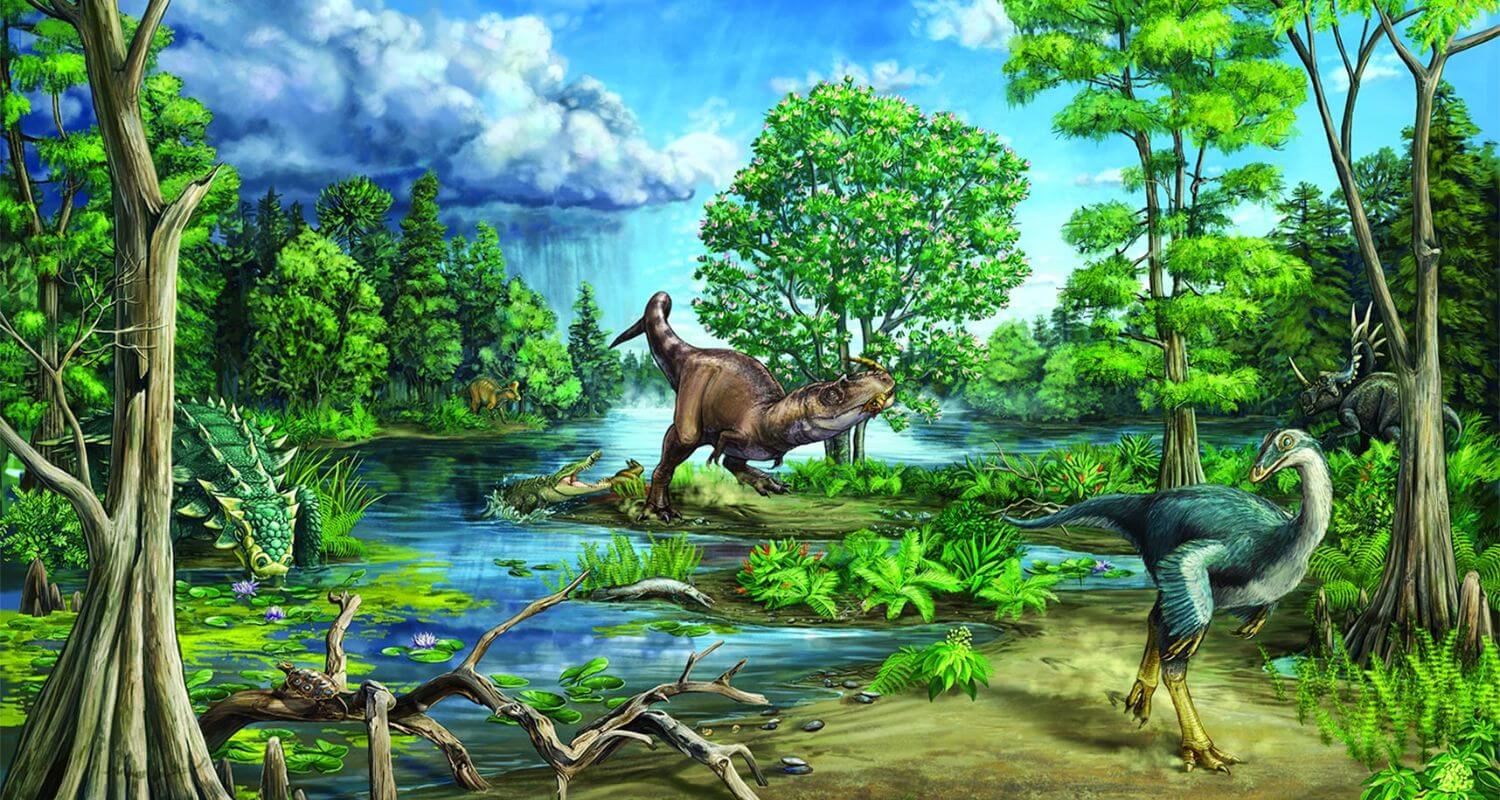 The Earth's plant life changed dramatically across the Mesozoic, shaping the diet and evolution of dinosaurs.
Triassic Vegetation:
Dominated by conifers, ginkgoes, cycads, and ferns
Forests were smaller and less dense compared to later periods
Jurassic Vegetation:
Thick, lush forests covered much of the world thanks to increased rainfall
Giant conifers, tree ferns, horsetails, and cycads were common
Sauropods like Brachiosaurus thrived in these environments
Cretaceous Vegetation:
The most revolutionary change occurred—the arrival of flowering plants (angiosperms)
These new plants attracted insects, shaped herbivore diets, and began forming early ecosystems similar to those we know today
Ancient Oceans Full of Giants
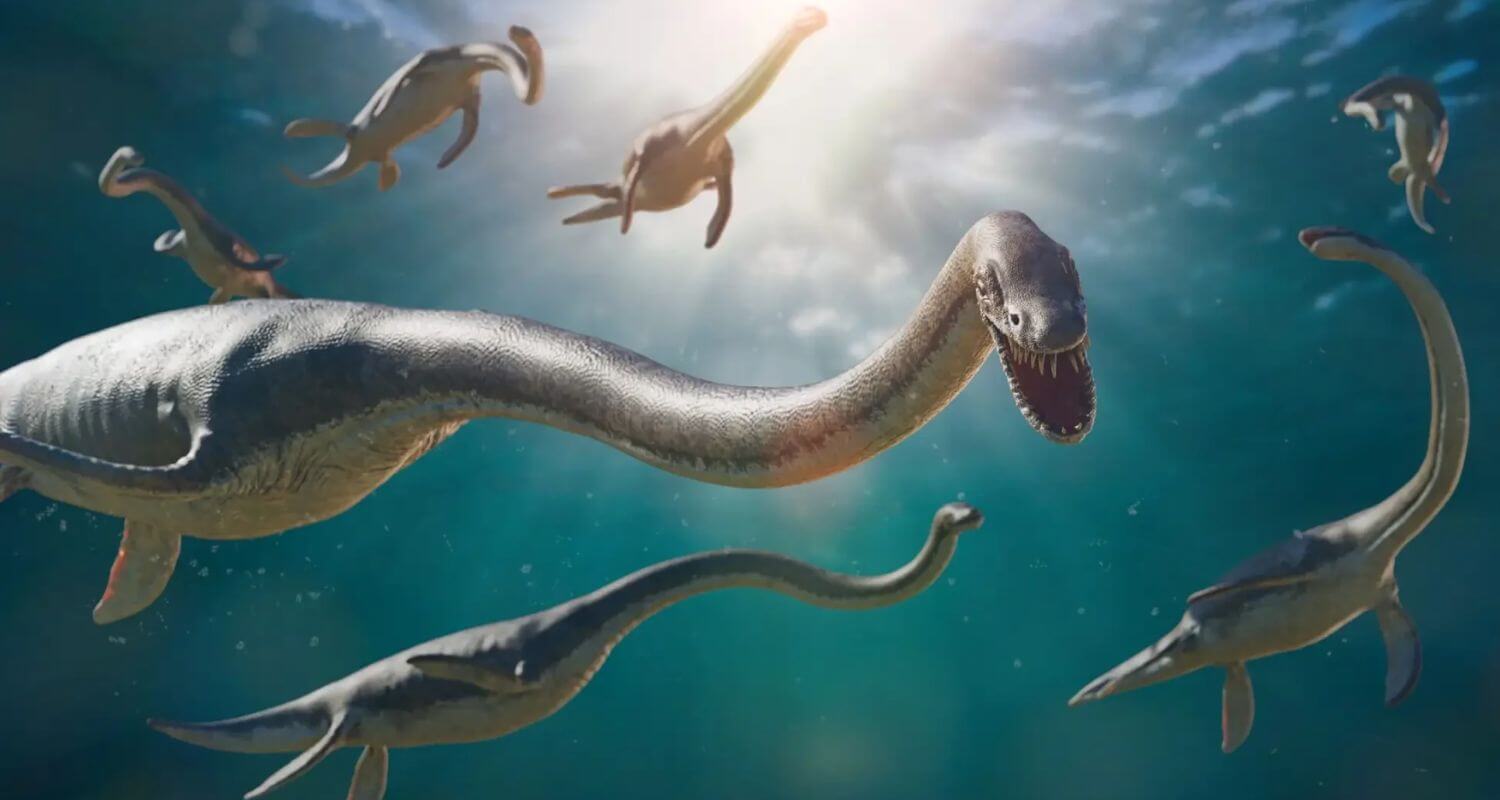 The oceans during the Mesozoic were just as fascinating as the land. Sea levels rose, forming warm, shallow seas full of marine life.
Common prehistoric marine creatures included:
Ichthyosaurs – dolphin-like marine reptiles
Plesiosaurs – long-necked ocean predators
Mosasaurs – giant marine reptiles dominating late Cretaceous seas
Ammonites – shelled creatures used today as important fossils
Vibrant coral reefs thrived, providing homes for fish, marine reptiles, and early sharks.
Not Only Dinosaurs: Other Mesozoic Animals
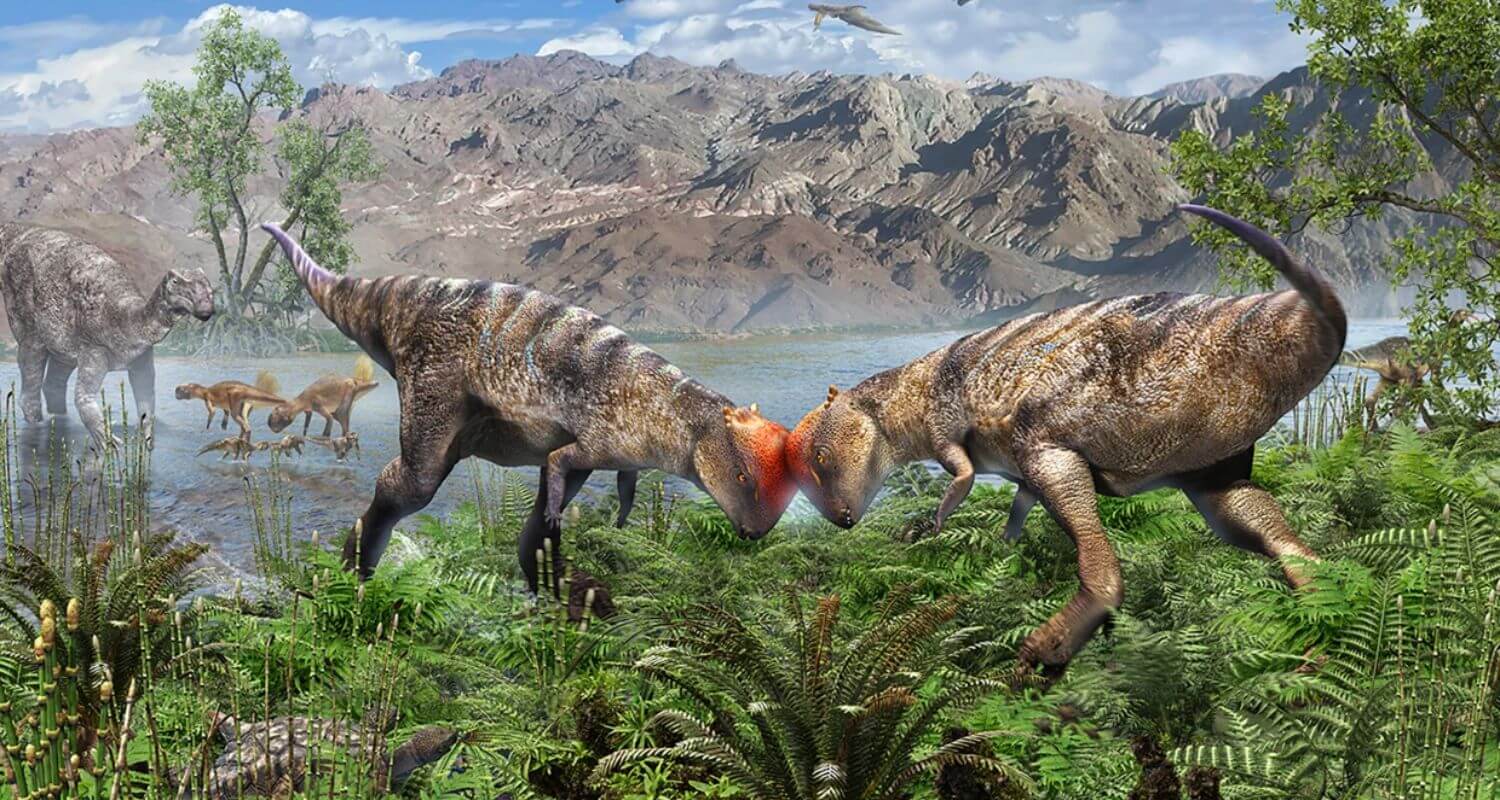 Dinosaurs weren't the only creatures shaping this era. Many other animals ruled the land, sea, and sky.
Pterosaurs soared through the skies long before birds appeared.
Early mammals were tiny, mostly nocturnal insect-eaters living in the shadows of dinosaurs.
Amphibians, crocodiles, insects, and early birds evolved and diversified.
Some crocodile species grew enormous—one of the largest, Sarcosuchus, reached up to 12 meters long!
A Dynamic Landscape: Volcanoes, Seas, Forests, and Deserts
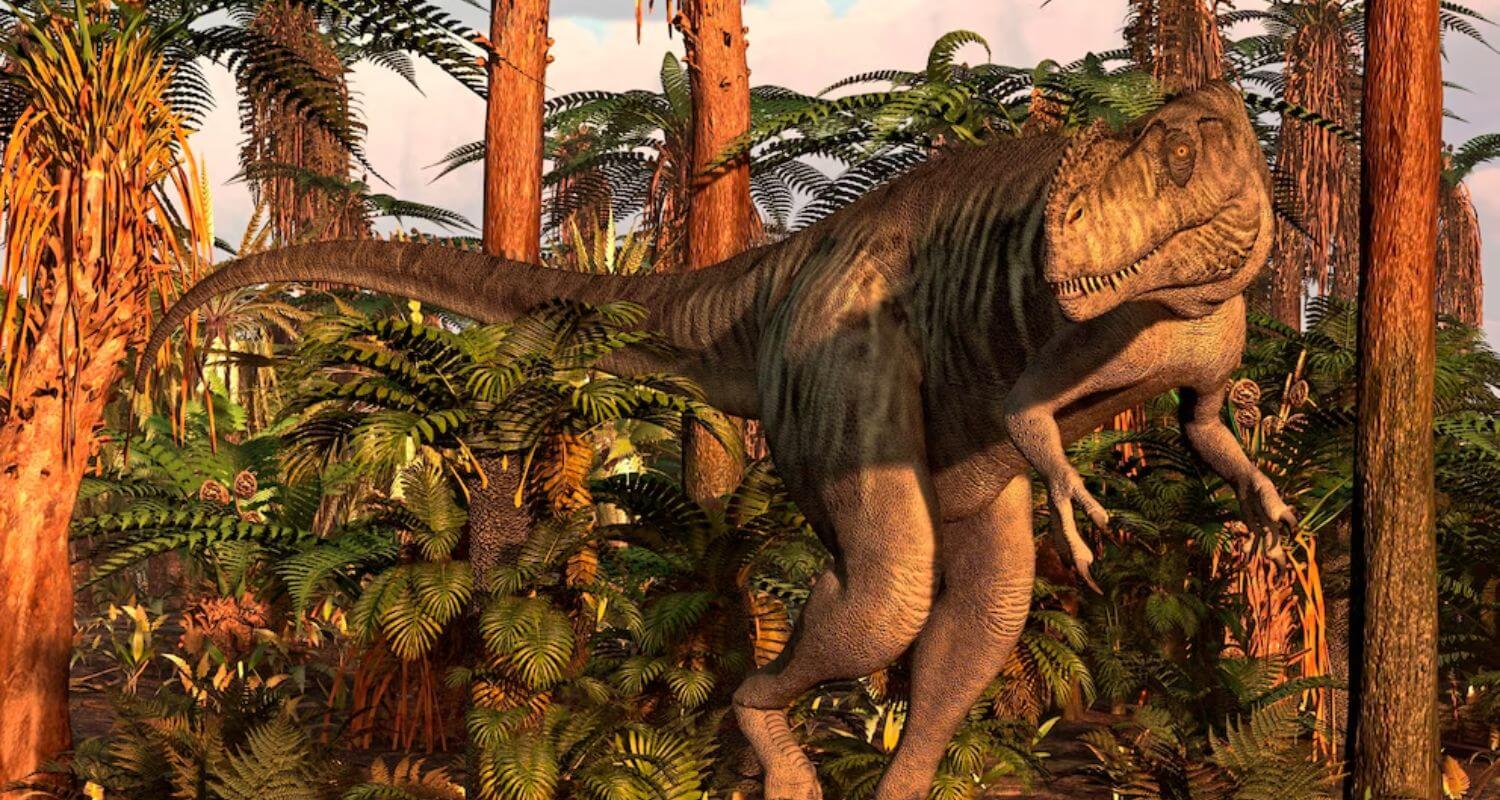 The Mesozoic landscape was constantly changing due to volcanic activity, shifting continents, and rising sea levels.
Triassic: Large deserts and volcanic regions
Jurassic: More rain created lush forests, rivers, and lakes
Cretaceous: Inland seas formed across continents, dividing habitats and creating new biodiversity
Even in polar regions, conifer forests and dinosaurs flourished due to the warm global climate.
How Scientists Recreate the Dinosaur World
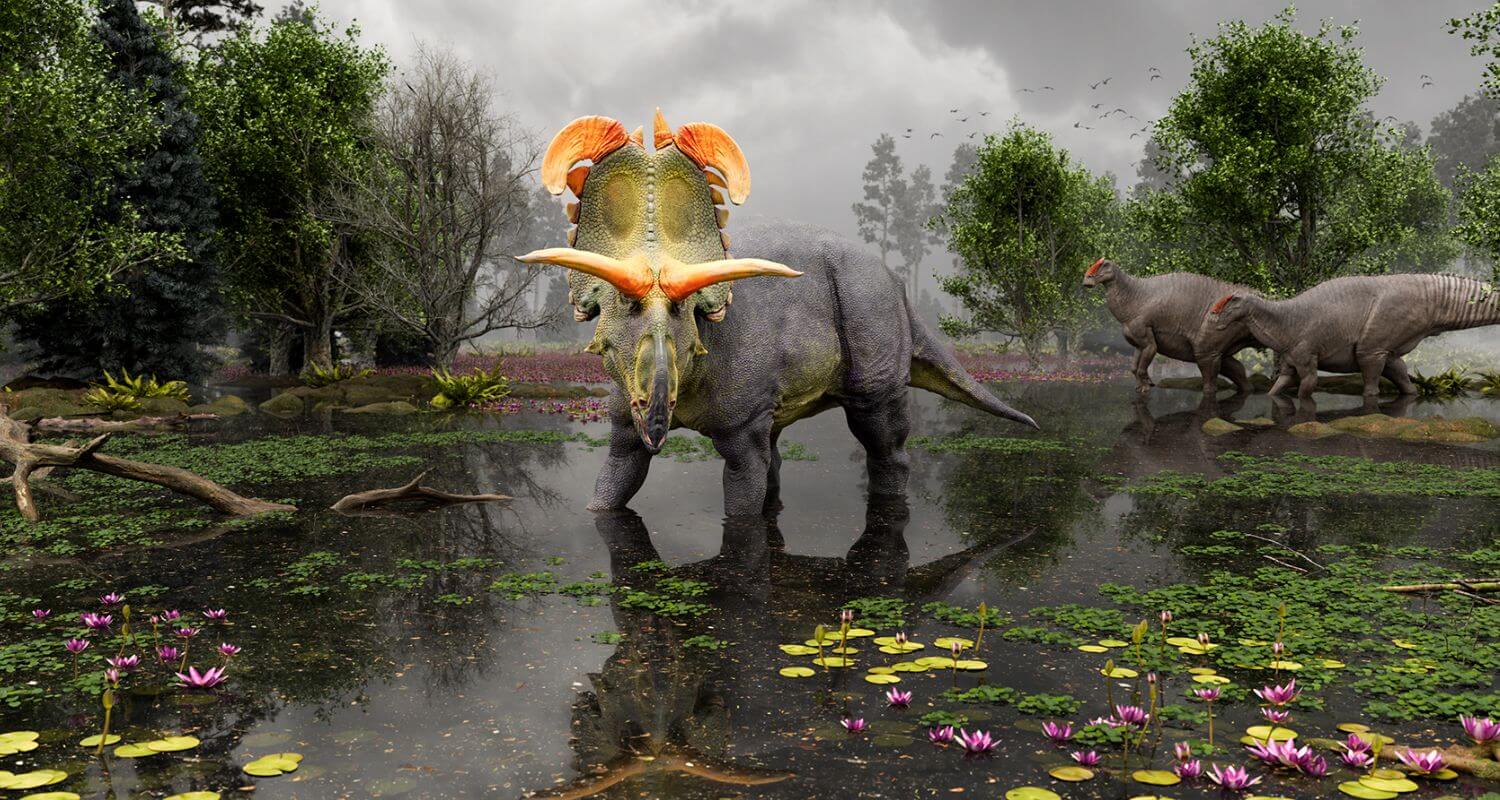 Our understanding of the Mesozoic Era comes from:
Fossils: Show bone structure, diet, and behavior
Sediments and rocks: Reveal climate and environments
Scientific technology: CT scans, 3D modeling, and isotope analysis help reconstruct ancient life
Thanks to paleontology and geology, we can now visualize landscapes that disappeared millions of years ago.
Conclusion: A Planet Unlike Today
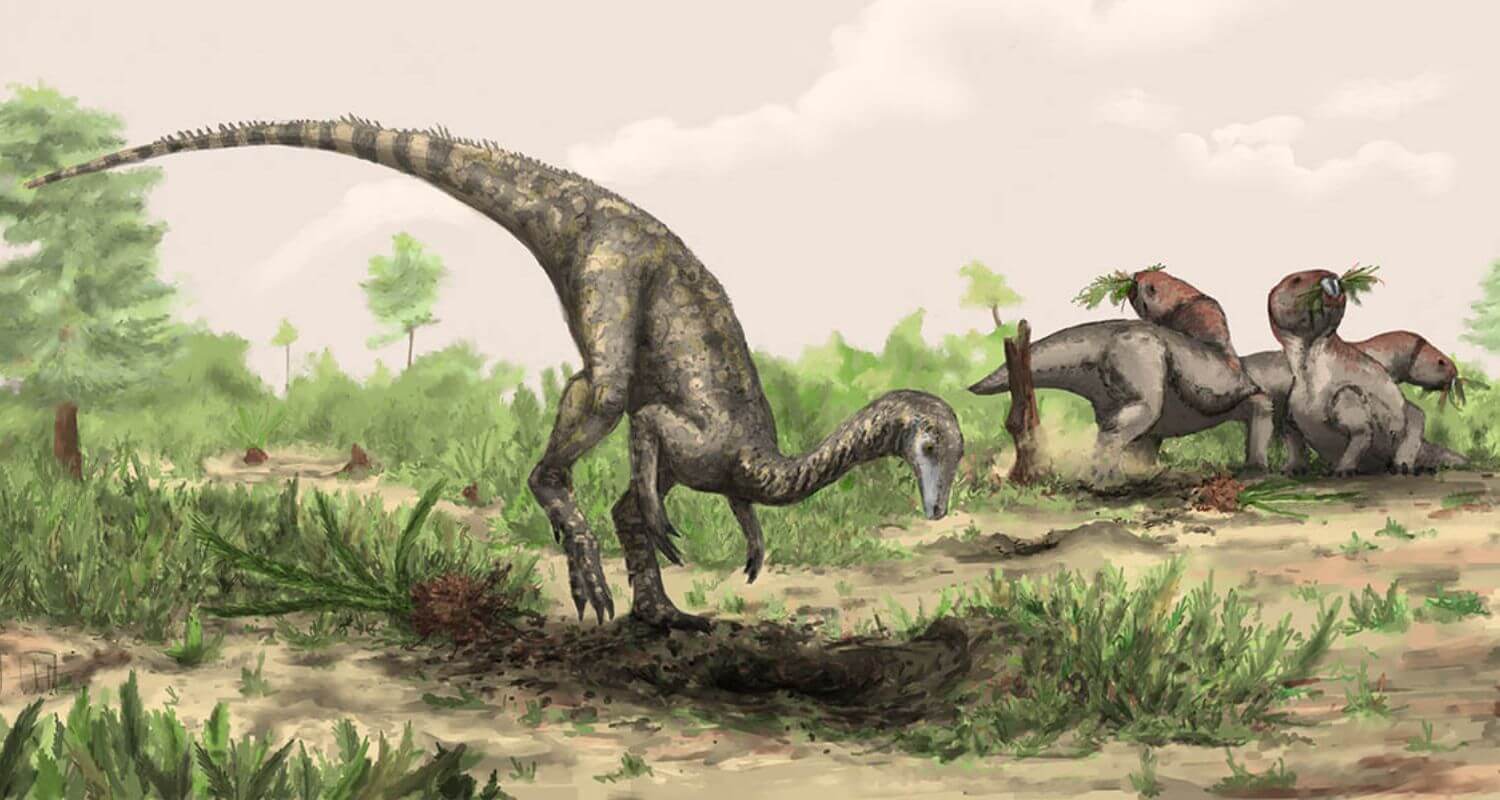 The Age of Dinosaurs was a time of extraordinary change. Continents moved, climates evolved, oceans shifted, and life diversified. Earth was warmer, greener, and filled with creatures unlike anything living today. By studying the Mesozoic Era, we can better understand how our planet has transformed—and how life adapts to change across millions of years.
FAQs
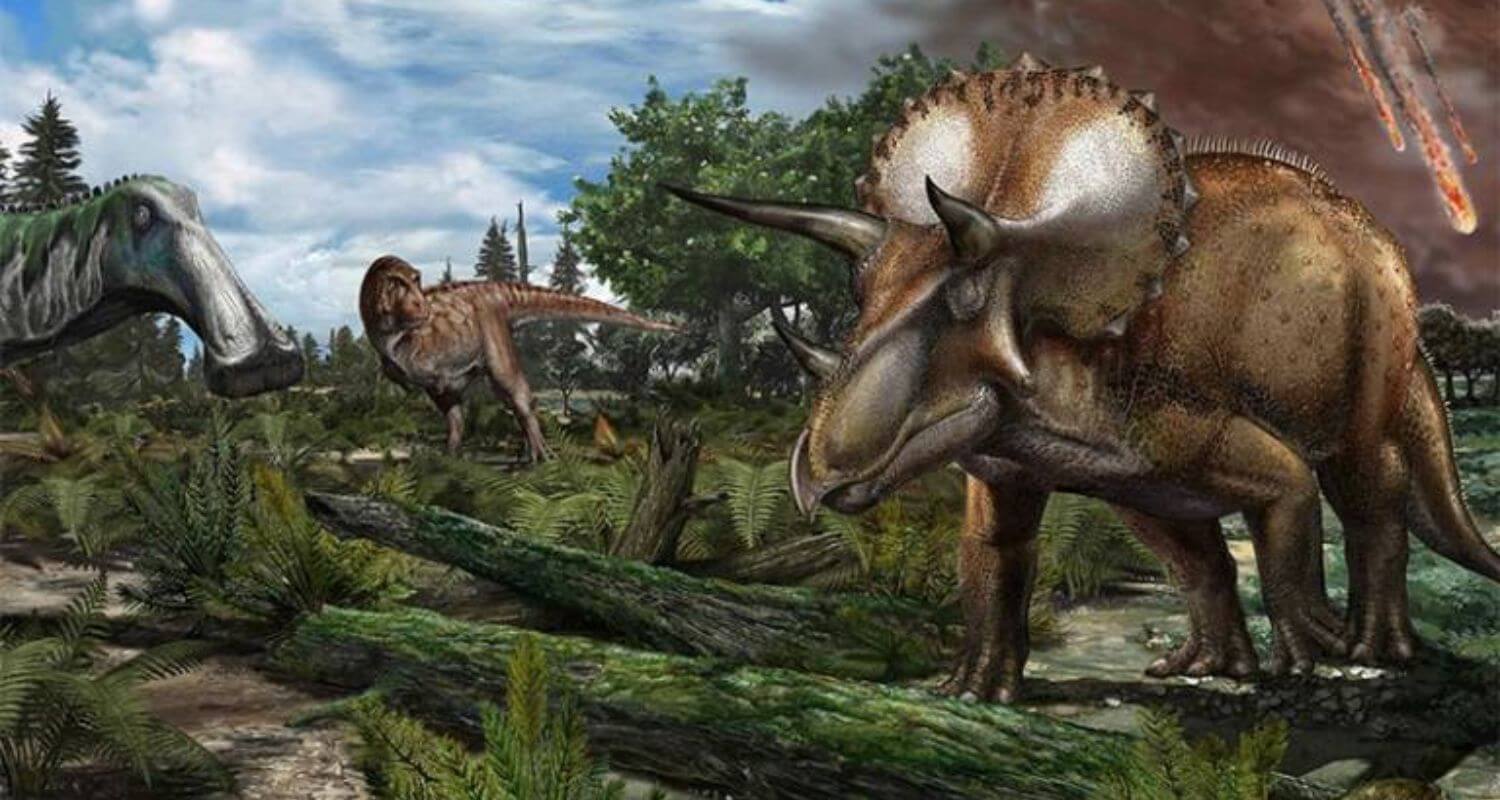 What did Earth look like during the Age of Dinosaurs?
Earth was warmer, with most land initially joined as one huge continent (Pangaea). Over time, it split, forming different climates, forests, deserts, and inland seas.
Were there ice ages when dinosaurs lived?
No, there were no major ice ages during the Mesozoic Era. The climate was much warmer, and there were no polar ice caps.
Did humans and dinosaurs live at the same time?
No. Dinosaurs went extinct about 66 million years before the first humans appeared.
What plants existed during the dinosaur era?
Early plants included ferns, conifers, ginkgoes, and cycads. Flowering plants appeared later in the Cretaceous Period.
タグ: