私たちについて
グレーカルチャーは、最新のアニマトロニック恐竜、魅惑的なアニマトロニッククリーチャー、活気ある中国の祭りの提灯、そしてカスタマイズされた製品を通じて、過去を生き生きとさせる最前線に立っています。中国の中心に位置するプロの製造業者として、私たちは博物館、展示会、動物園、公園などで私たちのリアルな恐竜や動物を展示することに深い情熱を抱いており、あらゆる年齢層の人々に好奇心と学びの炎を燃やすことを目指しています。
無料見積もりを取得
恐竜の知識
歴史上最も有名な恐竜:先史時代の生活のアイコン
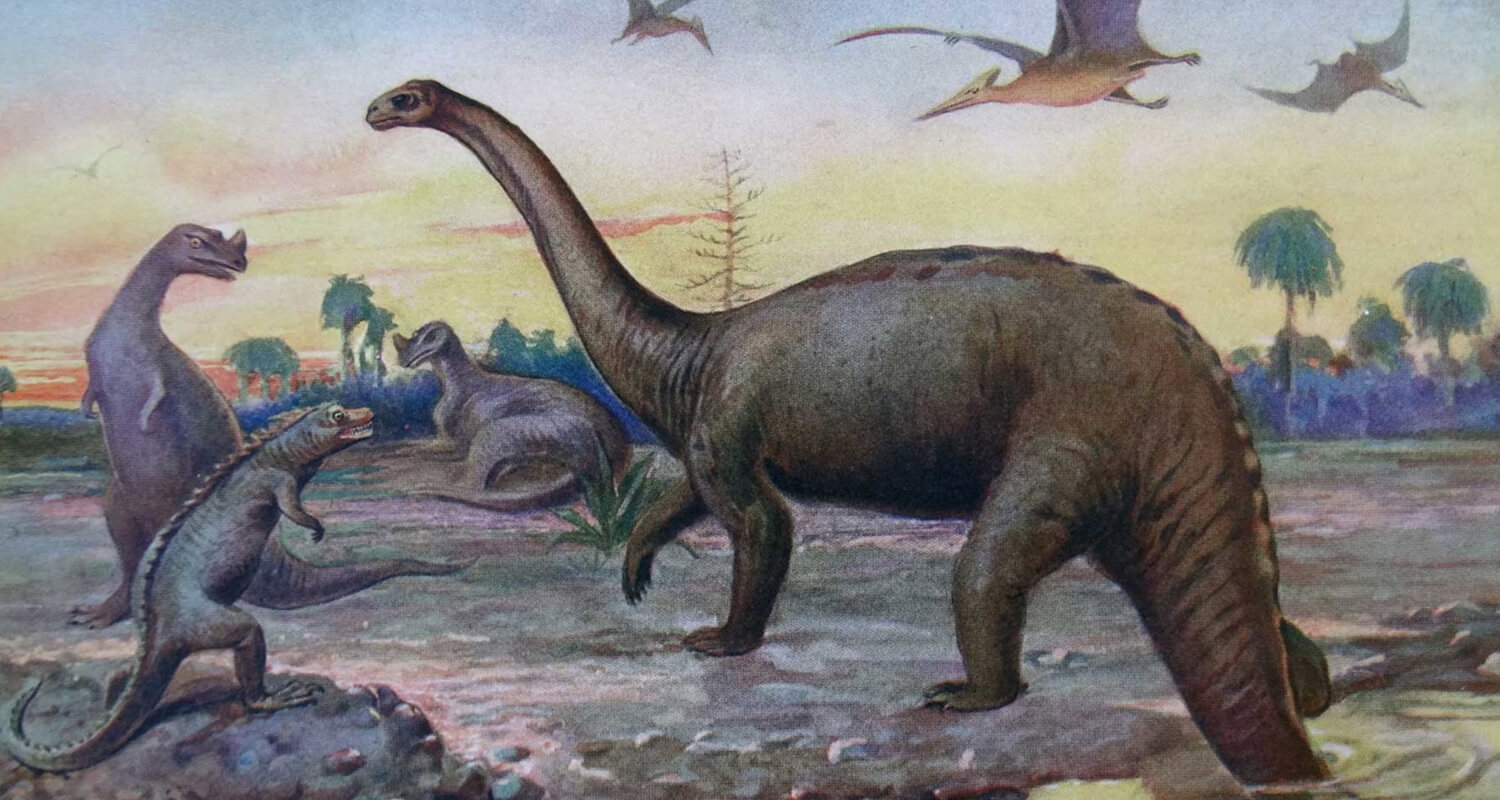 Dinosaurs have captured human imagination for centuries, standing as towering reminders of Earth's distant past. But among the thousands of species that once roamed the planet, only a select few have achieved legendary status. These iconic dinosaurs are not just famous because of their size or ferocity, but also because of their frequent appearances in movies, museums, and books. Their unique features and captivating stories continue to spark curiosity across generations.
Tyrannosaurus rex: The King of Dinosaurs
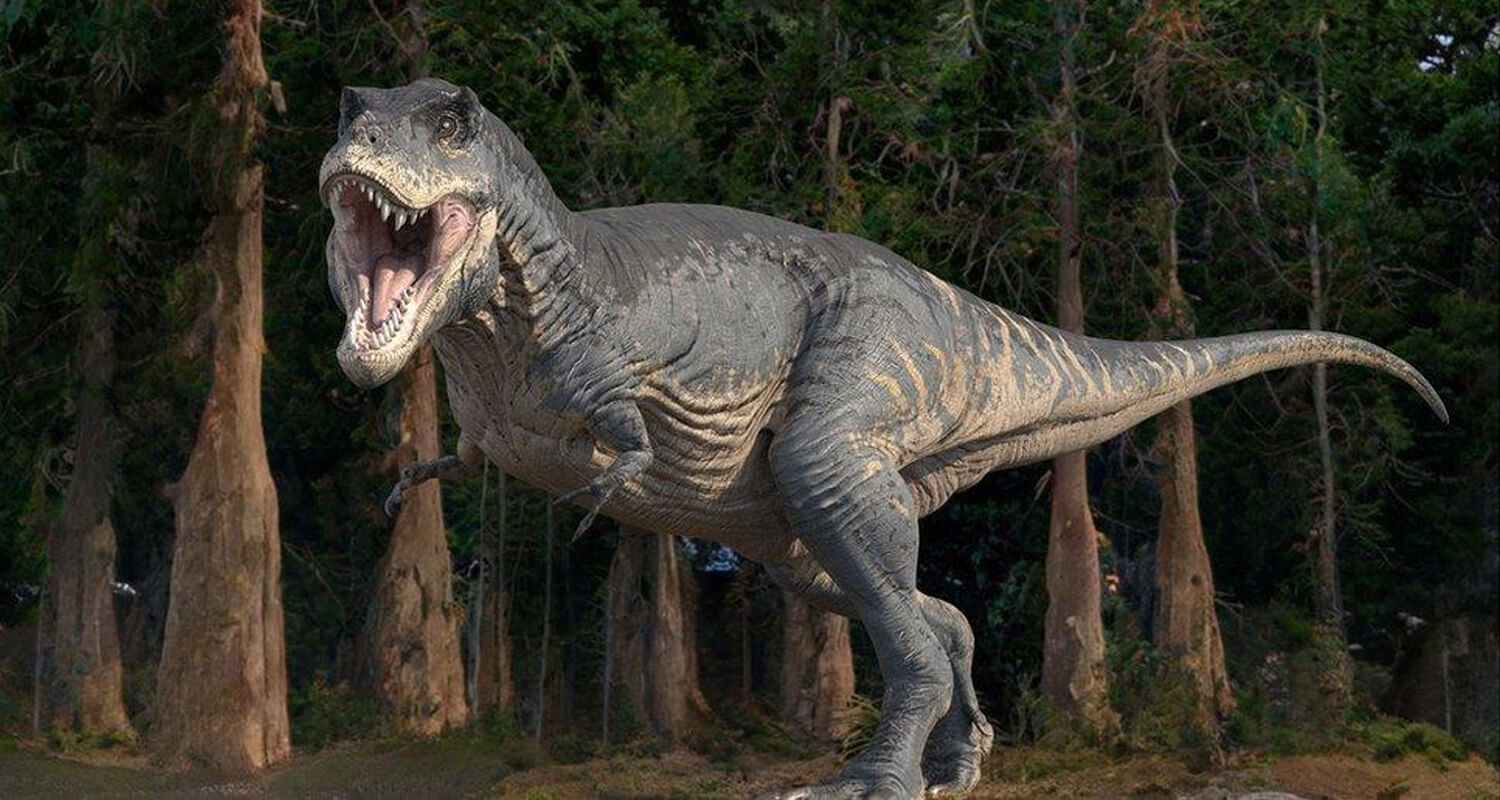 No dinosaur is more synonymous with the word "dinosaur" than Tyrannosaurus rex. With its massive skull, sharp teeth, and powerful legs, T. rex was a fearsome predator. Its fame skyrocketed thanks to blockbuster movies like Jurassic Park, where it became the ultimate symbol of prehistoric power. Despite new research painting a more complex picture of T. rex's behavior, it remains the undisputed "king" of dinosaurs in popular culture.
Velociraptor: The Clever Predator
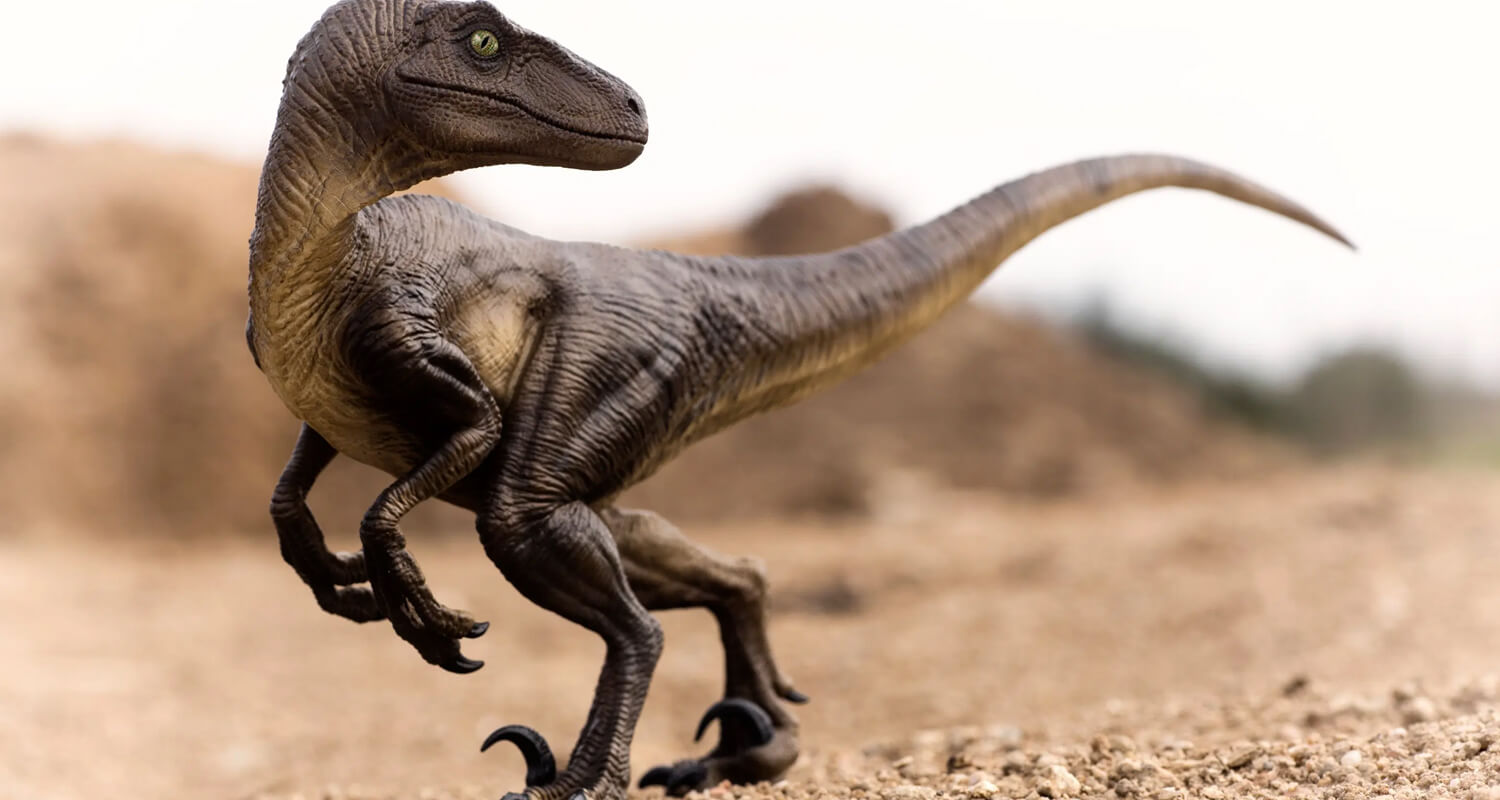 The Velociraptor became a household name largely due to its portrayal in Jurassic Park—though the real animal was much smaller and feathered. Even so, the image of a smart, agile, and deadly pack hunter stuck in the public's mind. Velociraptors symbolize intelligence and speed, making them one of the most fascinating dinosaurs in history.
Triceratops: The Three-Horned Face
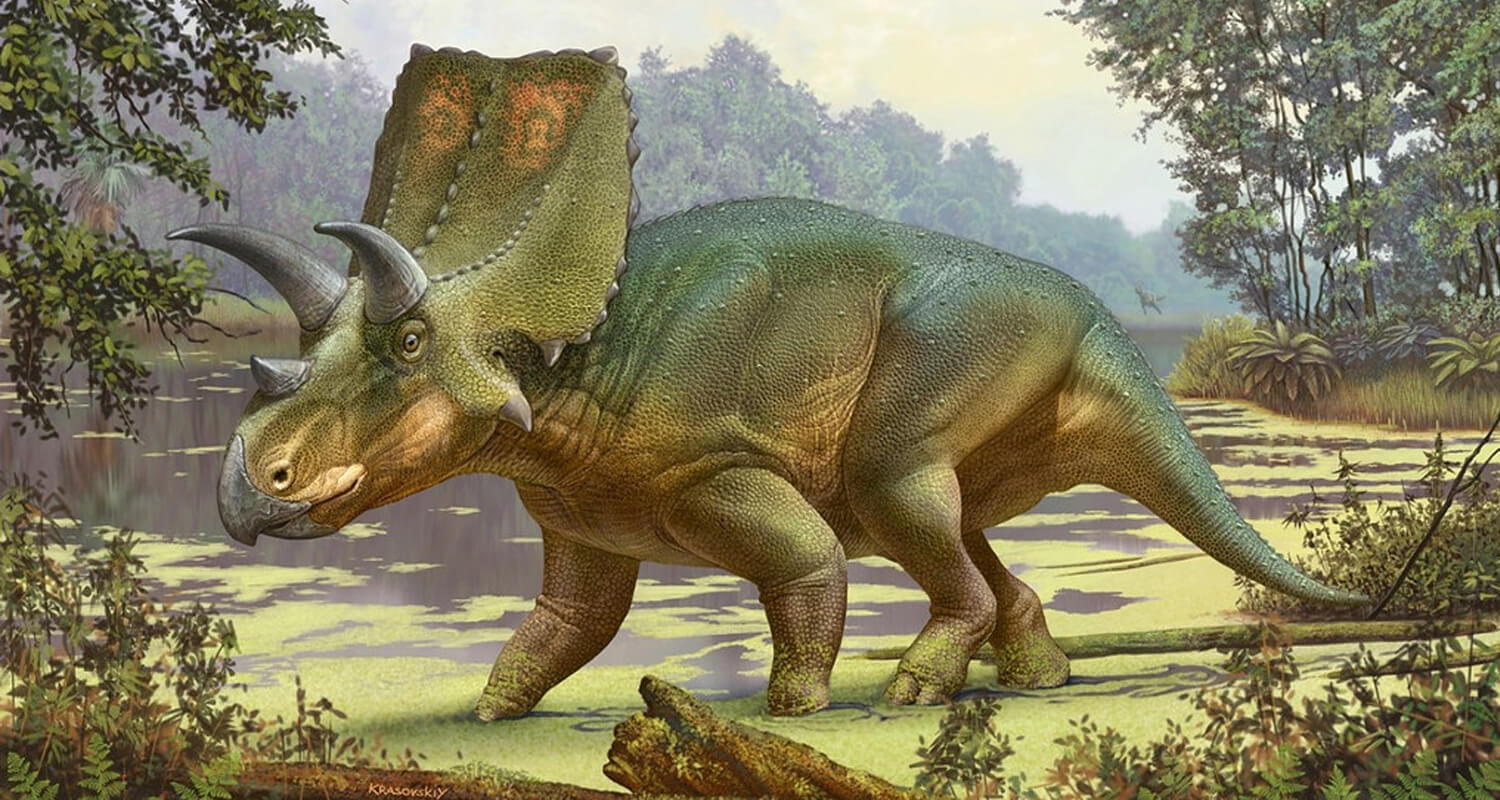 Triceratops is famous for its impressive three-horned face and massive frill. As one of the largest herbivores of the Late Cretaceous, it likely used its horns for defense against predators like T. rex. Its gentle yet powerful image has made Triceratops a favorite among dinosaur enthusiasts, often portrayed as the noble defender of its herd.
Stegosaurus: The Armored Icon
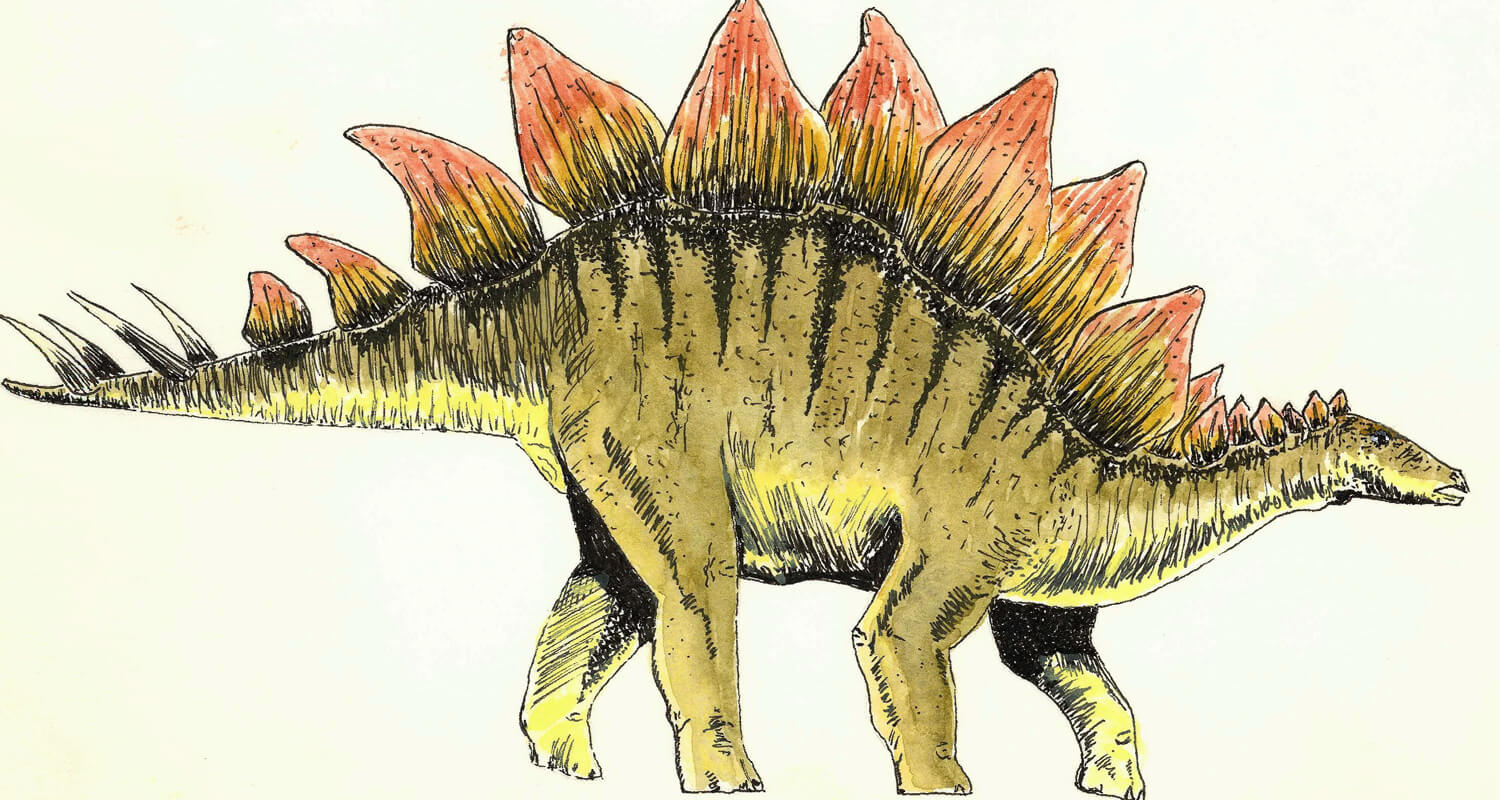 With its distinctive row of back plates and spiked tail, Stegosaurus is instantly recognizable. Scientists still debate the exact purpose of its plates—whether for defense, temperature regulation, or display—but its unique look has secured its place as one of the most iconic dinosaurs. Stegosaurus often appears in children's books, cartoons, and educational materials as the ultimate armored dinosaur.
Brachiosaurus: The Towering Giant
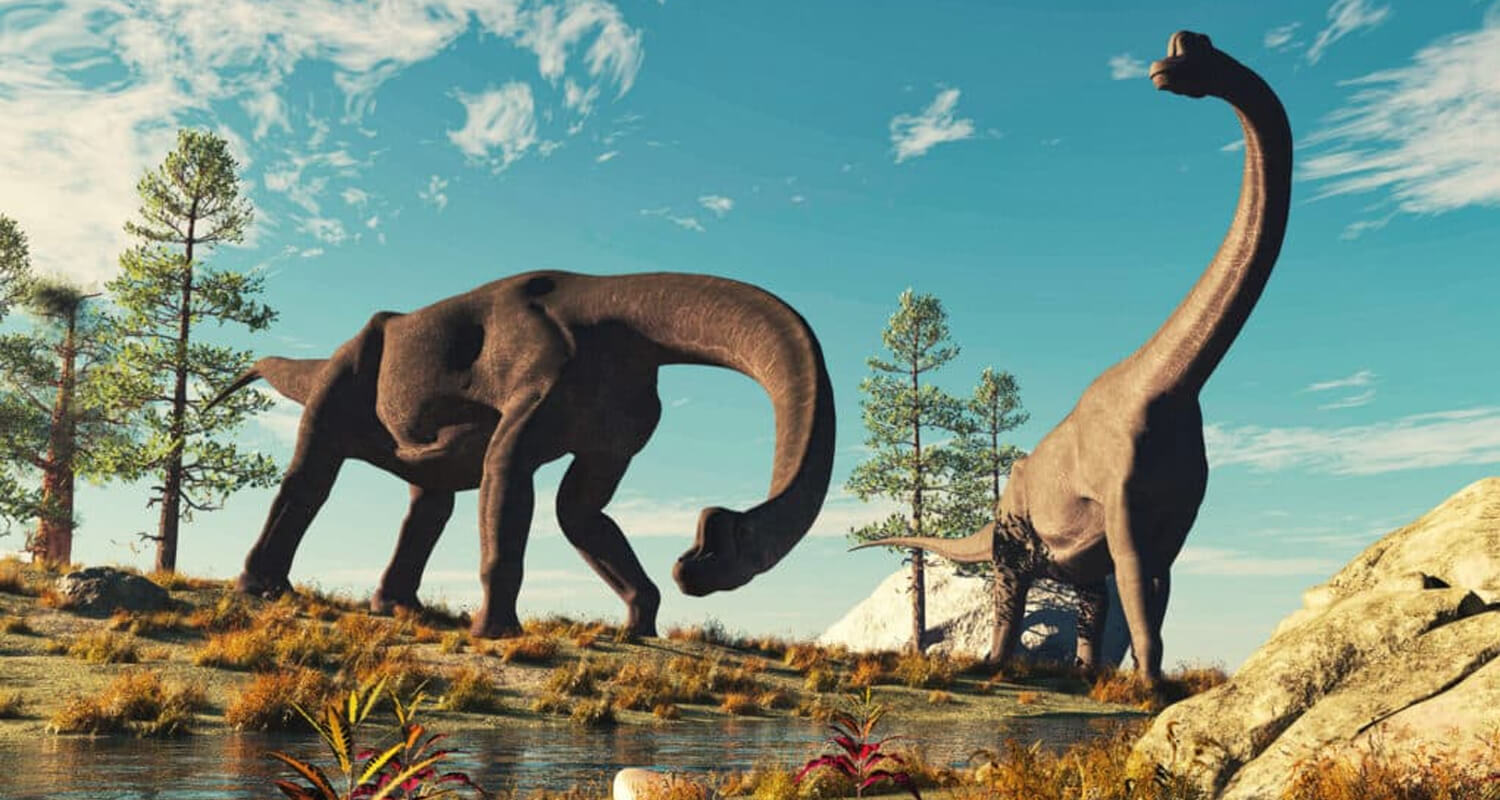 Brachiosaurus, with its long neck and towering height, represents the grandeur of the sauropods. Unlike many other dinosaurs, its front legs were longer than its back legs, giving it an elevated posture. Brachiosaurus gained widespread fame thanks to dramatic scenes in Jurassic Park, where its sheer size left audiences in awe.
Spinosaurus: The Aquatic Predator
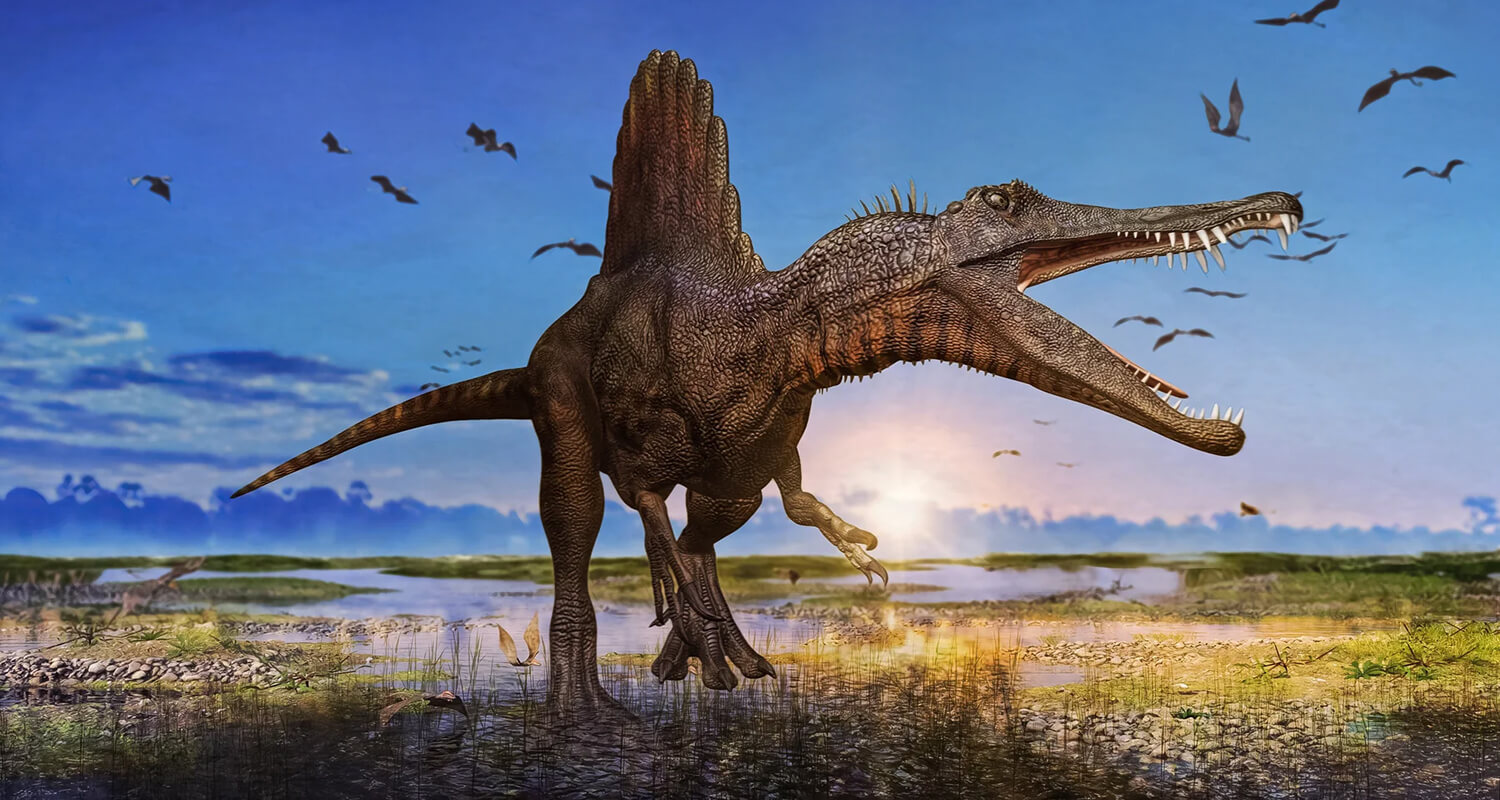 Spinosaurus is unique among famous dinosaurs because it likely spent much of its time in water. With a crocodile-like snout and a sail-like structure on its back, Spinosaurus looked unlike any other dinosaur. Recent discoveries have boosted its fame, painting it as one of the largest and most specialized carnivores to have ever lived.
Diplodocus: The Longest Dinosaur
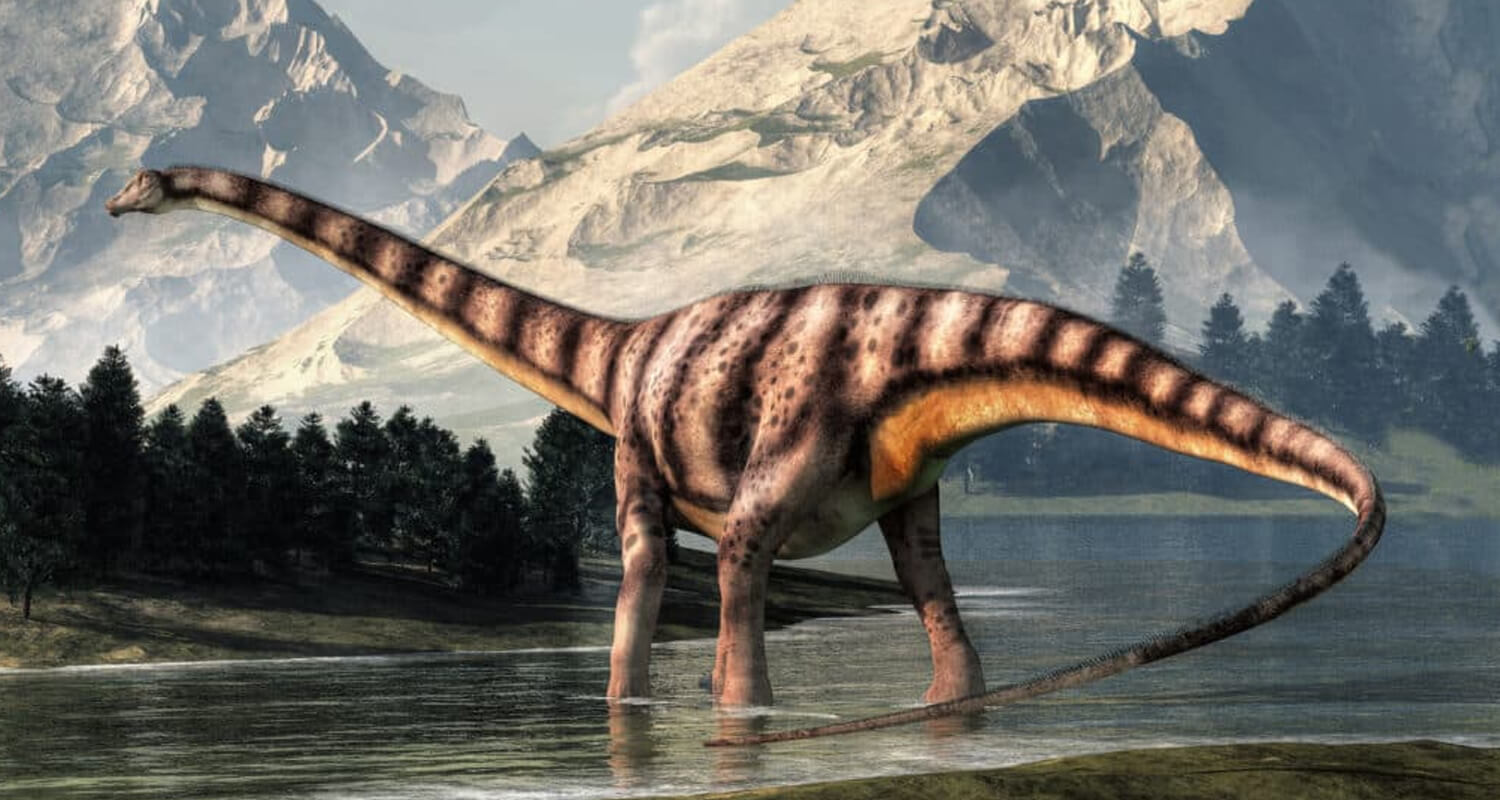 Diplodocus was one of the longest dinosaurs, with a whip-like tail and an elongated neck. Its discovery in the late 19th century helped fuel the public's fascination with dinosaurs. Giant Diplodocus skeletons have been displayed in museums around the world, making it one of the first dinosaurs many people encounter as children.
Ankylosaurus: The Living Tank
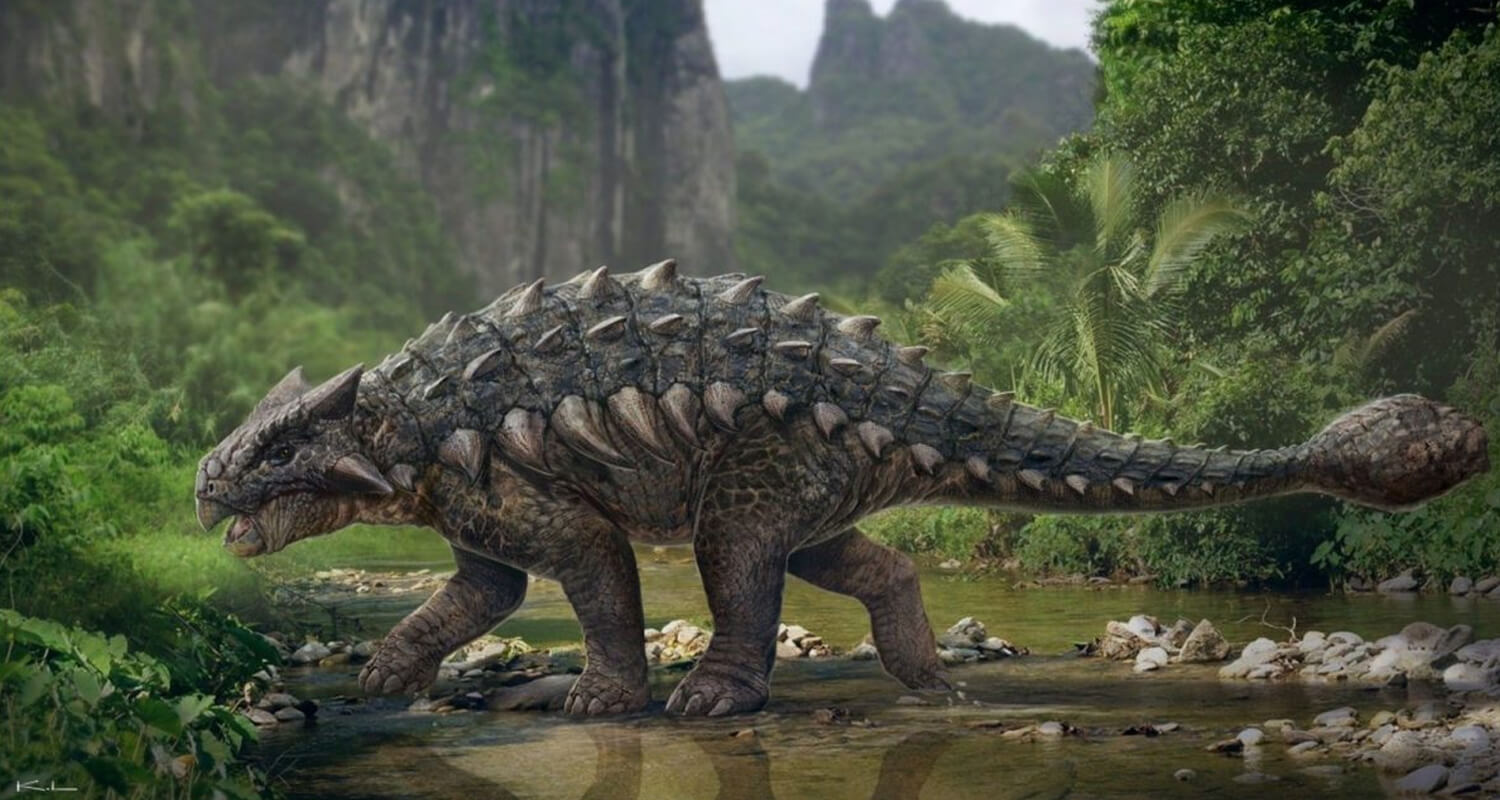 Imagine a creature covered in heavy armor, complete with a massive tail club—this is Ankylosaurus. Often called the "tank" of the dinosaur world, Ankylosaurus symbolizes defense and resilience. Its heavily armored body and intimidating tail made it nearly invulnerable to predators, earning it a special place among famous dinosaurs.
Parasaurolophus: The Crested Wonder
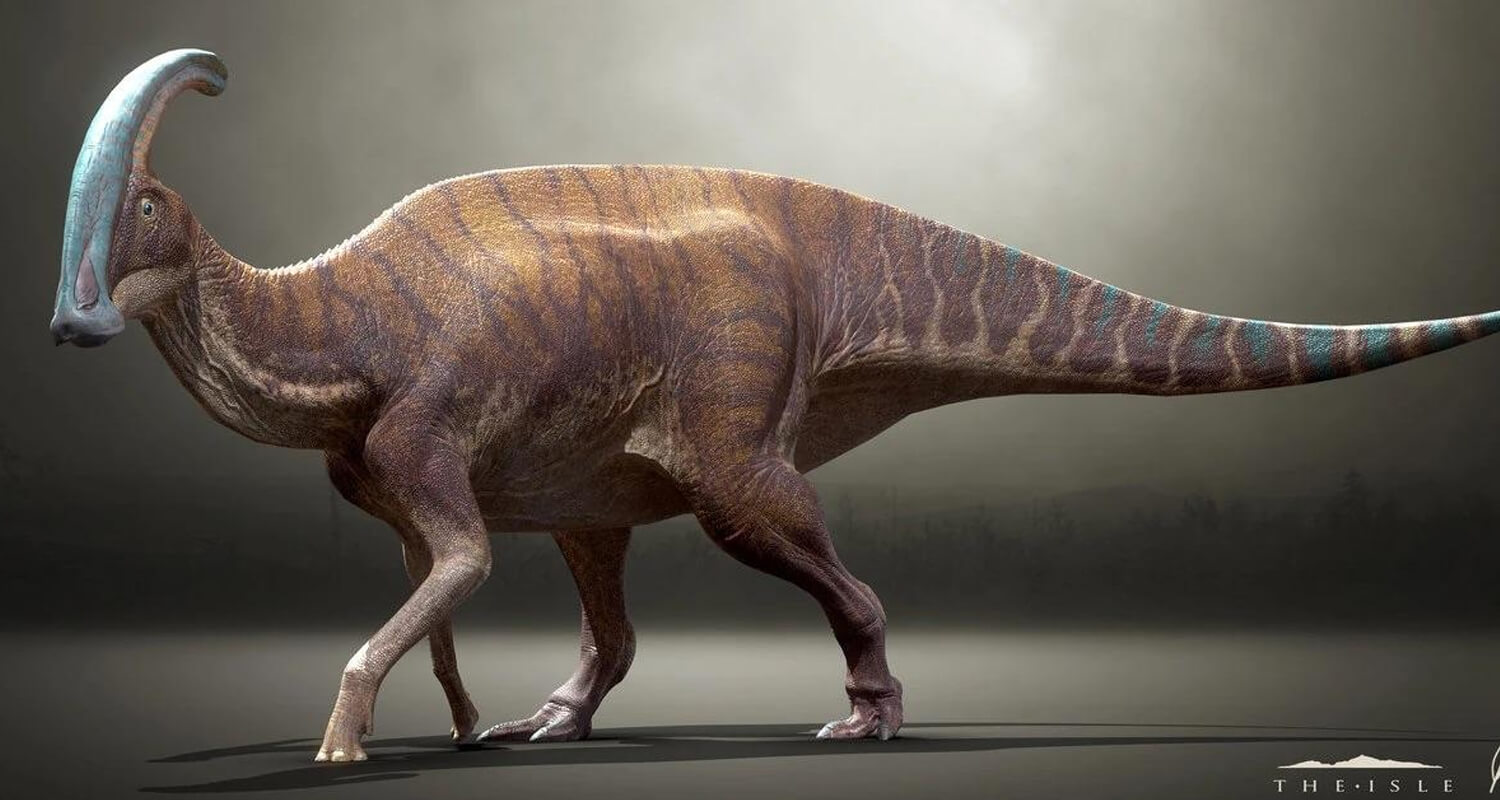 Parasaurolophus is best known for its long, backward-curving crest. Scientists believe it used the crest to produce distinctive sounds, helping individuals communicate across vast distances. Its unique appearance and likely social behavior have made Parasaurolophus a standout dinosaur featured in documentaries and museum exhibits.
FAQs About the Famous Dinosaur
 What is the most famous dinosaur?
Tyrannosaurus rex is widely considered the most famous dinosaur.
Why is T. rex so famous?
Its enormous size, fearsome appearance, and portrayal in movies like Jurassic Park have made T. rex a global icon.
Which dinosaur is the most popular among children?
Dinosaurs like T. rex, Triceratops, and Velociraptor are particularly popular among children for their exciting and distinctive traits.
Were Velociraptors actually that smart?
While Velociraptors were likely intelligent for dinosaurs, they were not as cunning as often portrayed in movies. However, they were swift, agile, and possibly hunted in groups.
Conclusion: The Lasting Legacy of the Most Famous Dinosaurs
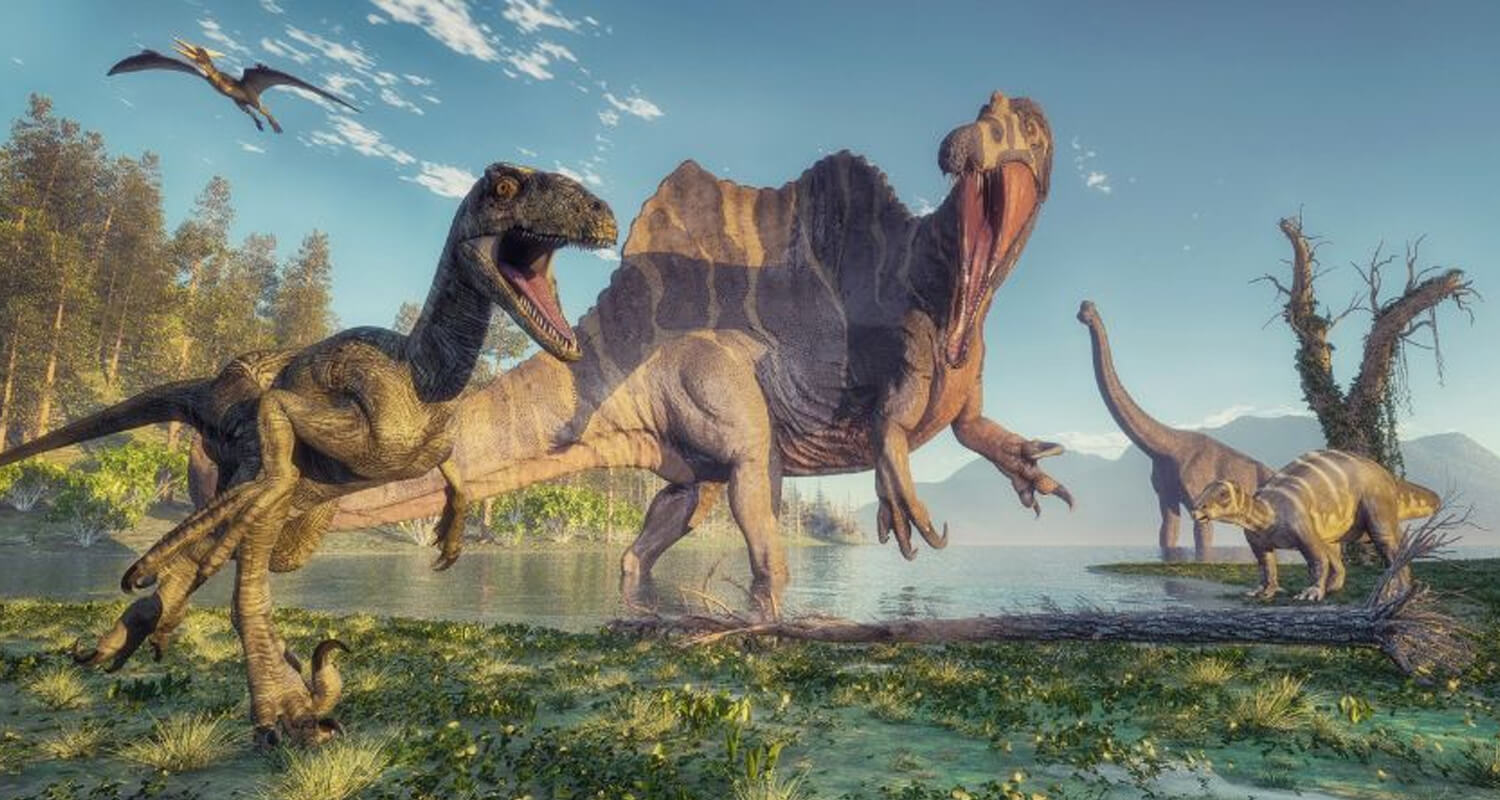 The most famous dinosaurs continue to dominate our collective imagination because they represent the incredible diversity and wonder of prehistoric life. Their stories are not just about survival and extinction—they are about awe, discovery, and the unending human quest to understand the past. As science uncovers new details about their lives, these prehistoric icons will only become more fascinating.
タグ: