私たちについて
グレーカルチャーは、最新のアニマトロニック恐竜、魅惑的なアニマトロニッククリーチャー、活気ある中国の祭りの提灯、そしてカスタマイズされた製品を通じて、過去を生き生きとさせる最前線に立っています。中国の中心に位置するプロの製造業者として、私たちは博物館、展示会、動物園、公園などで私たちのリアルな恐竜や動物を展示することに深い情熱を抱いており、あらゆる年齢層の人々に好奇心と学びの炎を燃やすことを目指しています。
無料見積もりを取得
恐竜の知識
トリケラトプスの進化の説明:赤ちゃんの角が巨大なディフェンダーに成長した方法
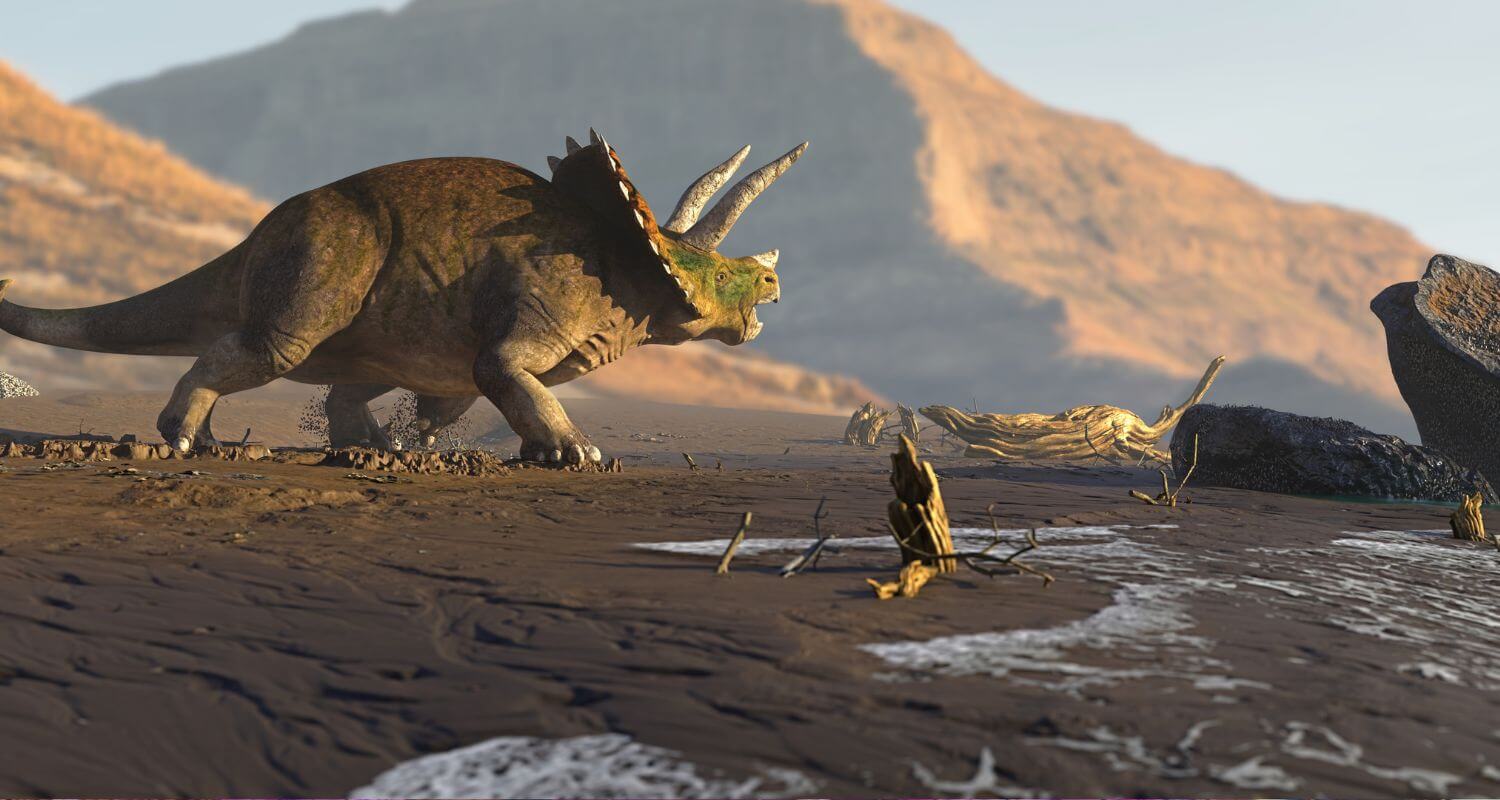 When it comes to the most iconic dinosaurs in history, Triceratops is undoubtedly among the stars. With its three sharp horns, massive frill, and sheer size, this plant-eating giant dominated the Late Cretaceous period around 68 to 66 million years ago. But Triceratops didn't start out as the colossal defender we know today. Like many dinosaurs, it began life as a small, vulnerable hatchling with tiny horns that grew and evolved over time.
In this article, we'll explore the evolutionary journey of Triceratops — from fragile babies to towering giants — and how these fascinating creatures became one of nature's ultimate protectors.
The Early Life of a Baby Triceratops
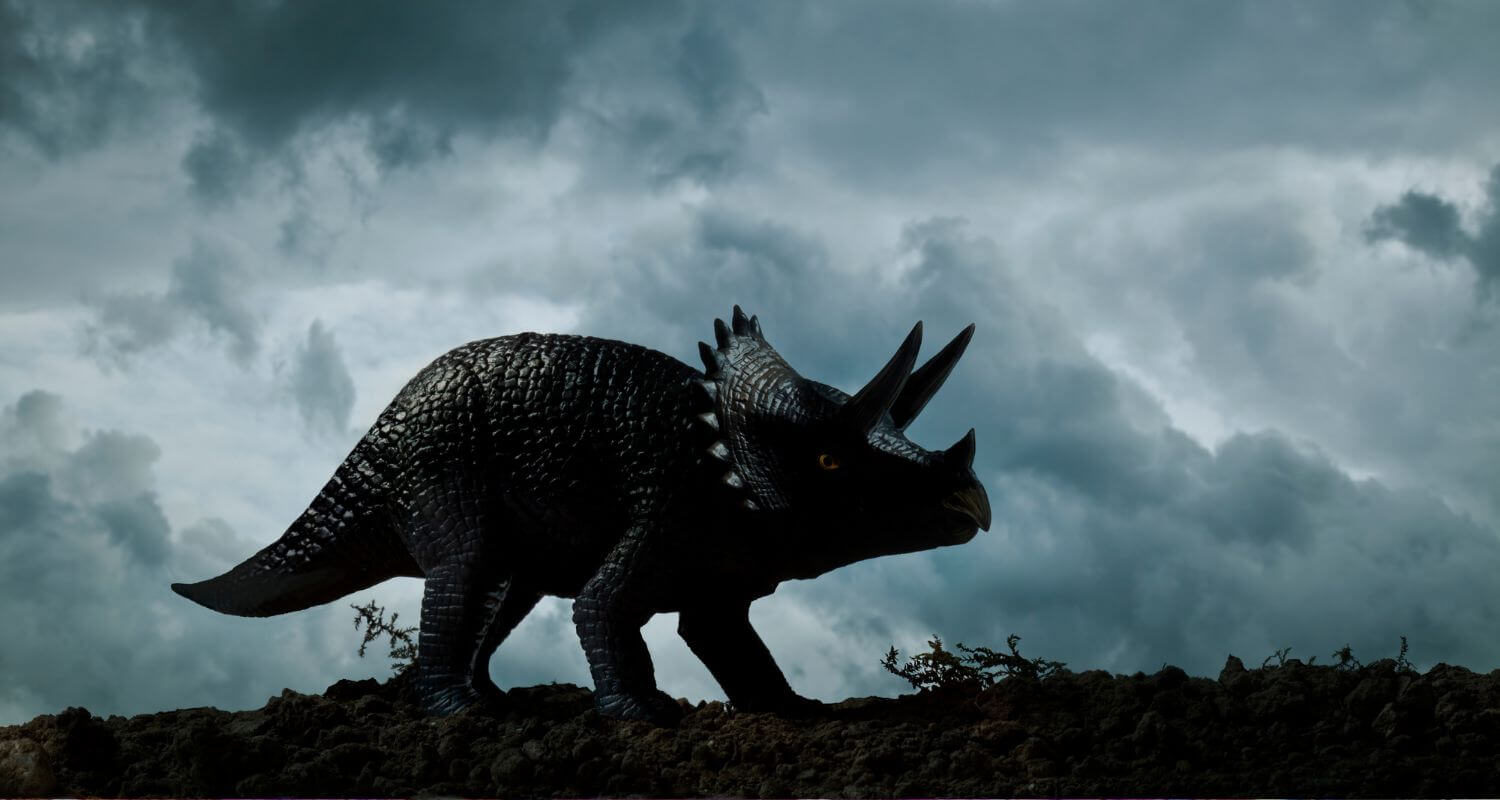 Every mighty giant starts small, and so did the Triceratops. Fossil evidence shows that Triceratops hatchlings were only about 2 feet long and weighed less than 20 pounds when they first emerged from their eggs. Unlike adults, baby Triceratops had short, stubby horns and a small frill at the back of their skulls.
Their early survival depended largely on herd protection. Paleontologists believe Triceratops lived in groups where adults formed a defensive circle to protect their young from predators like Tyrannosaurus rex and Dakotaraptor. Baby Triceratops were herbivores from birth, feeding on soft vegetation such as ferns and young shoots, which helped them grow rapidly in their first years.
Interestingly, fossilized bone studies reveal that baby Triceratops grew at an astonishing rate, adding hundreds of pounds each year until they reached their adult size.
The Growth of Horns and Frills
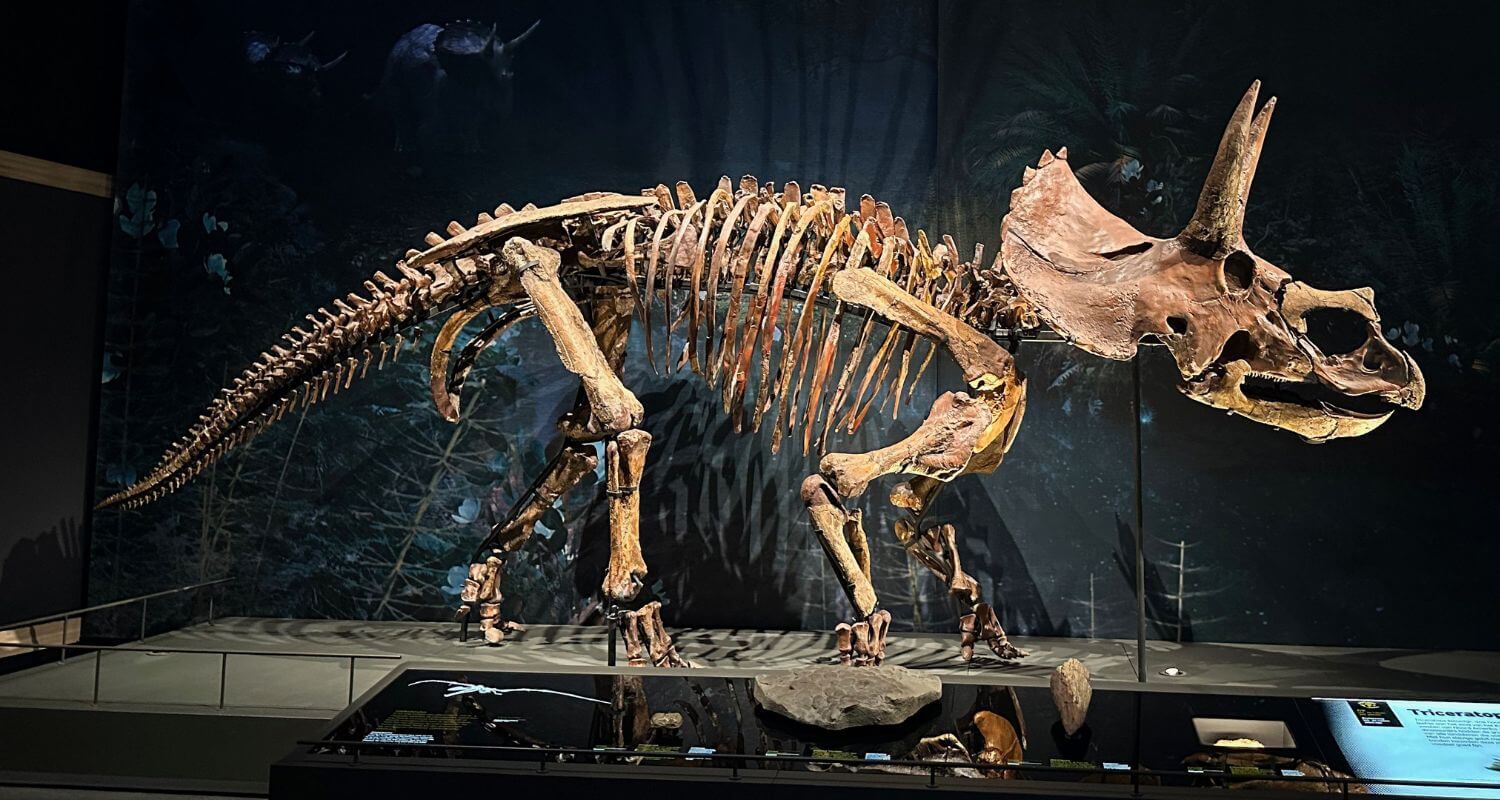
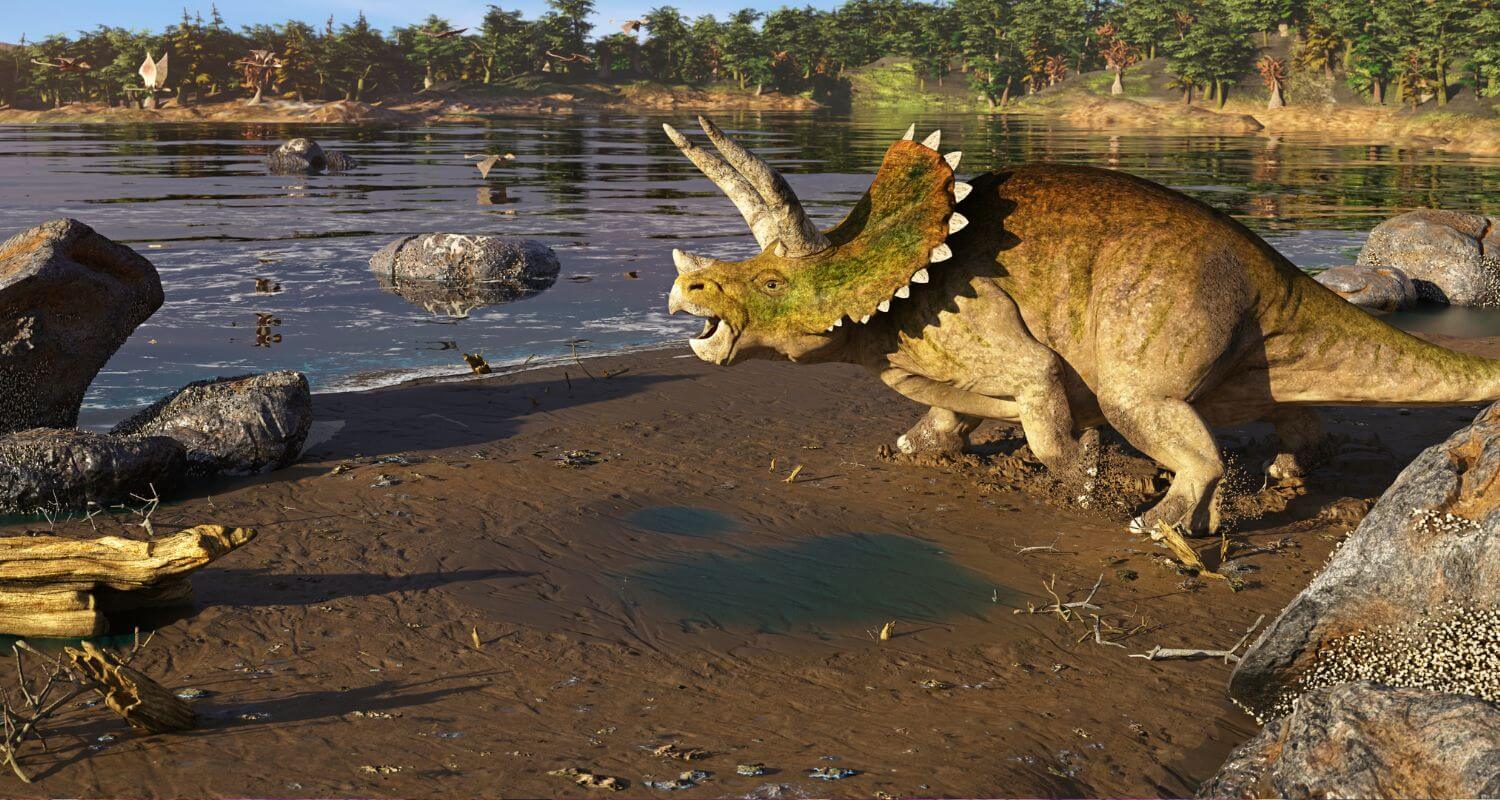 One of the most fascinating aspects of Triceratops evolution is the development of its three iconic horns and massive frill. In baby Triceratops, these features start small, but as they grow, the horns elongate and curve, while the frill expands dramatically.
Scientists believe these structures served multiple purposes:
Defense: The long brow horns, sometimes reaching up to 3 feet, acted as powerful weapons against predators.
Display: The frill may have been brightly colored or patterned, used to attract mates or signal dominance.
Species Recognition: With so many ceratopsid relatives, Triceratops' horns and frill likely helped identify members of its own species.
By the time they reached adulthood, Triceratops' skulls became some of the largest ever found in land animals, measuring up to 8.5 feet long — nearly one-third of their total body length!
Becoming Giant Protectors
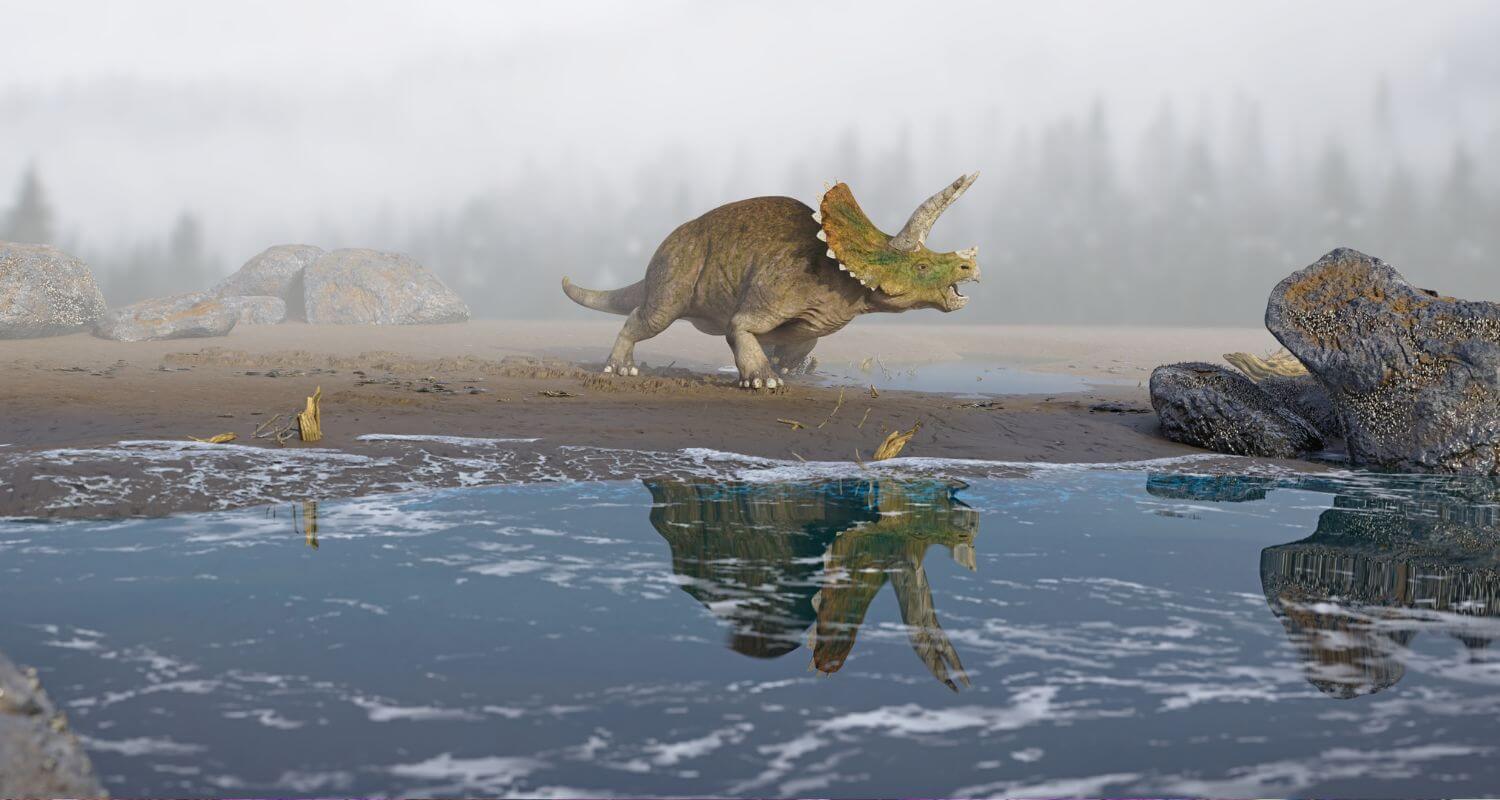 As Triceratops matured, they transformed from vulnerable hatchlings into massive, formidable creatures. Adult Triceratops could grow up to 30 feet long, stand 10 feet tall, and weigh an incredible 6 to 12 tons. Their powerful horns, reinforced frill, and muscular bodies made them natural protectors of their herds.
These giants lived during a time when predators like the Tyrannosaurus rex ruled the land. Despite being plant-eaters, Triceratops were far from defenseless. Fossil evidence, including battle-scarred skulls, shows that they frequently fought back against predators, using their sharp horns and shield-like frill for protection.
It's believed that when threatened, adult Triceratops would form defensive circles around their young — much like elephants today — presenting their horns outward to deter attackers. This combination of size, strength, and group behavior made them one of the Late Cretaceous' ultimate guardians.
Triceratops vs. Predators: The Legendary Showdown
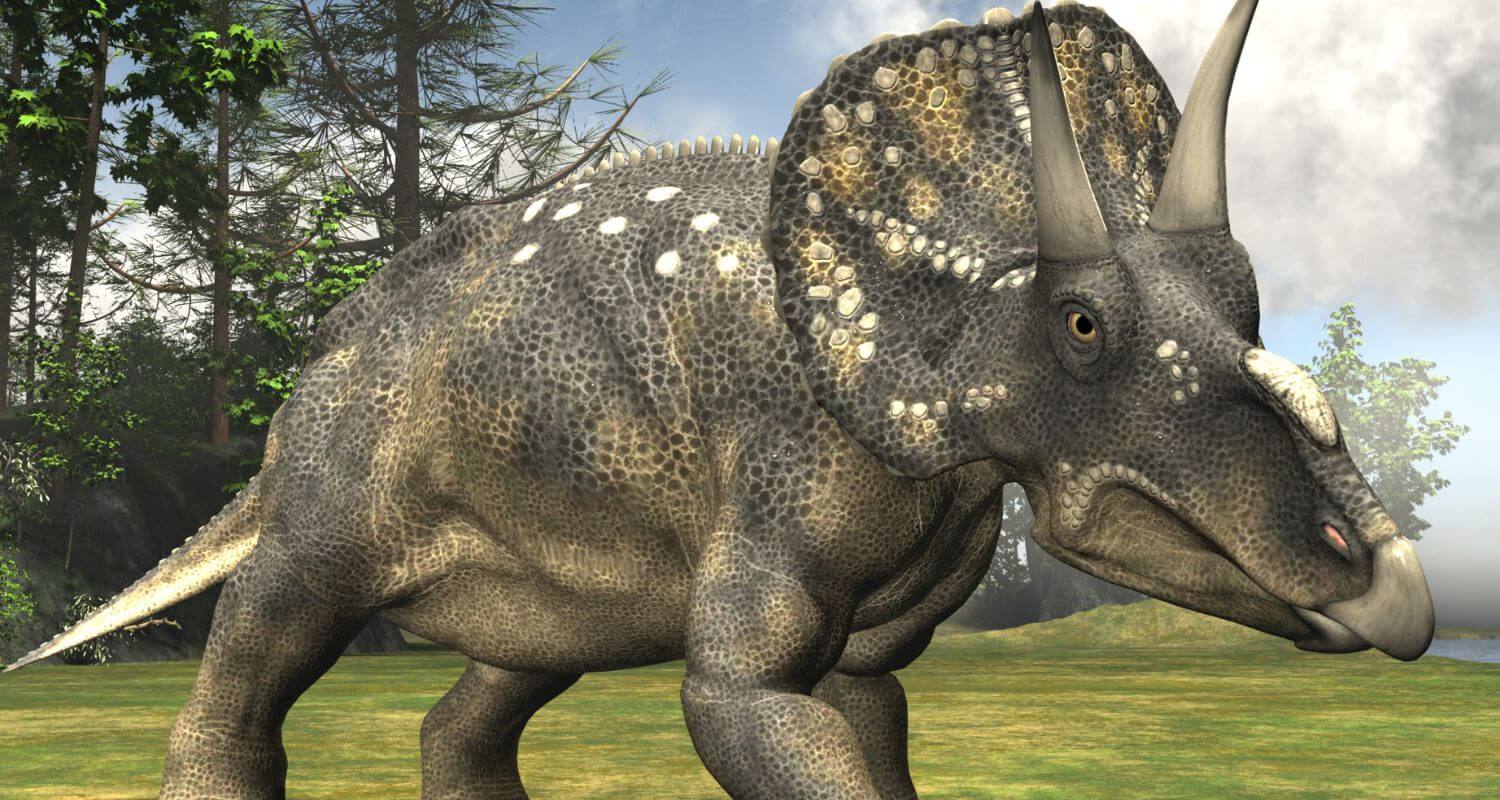 One of the most famous fossil discoveries shows a Triceratops skull with puncture wounds that perfectly match the teeth of a Tyrannosaurus rex. Scientists believe this may have been evidence of a prehistoric duel between predator and prey.
In such encounters, Triceratops' long horns could inflict serious damage on predators. While T-Rex relied on its crushing bite force, Triceratops countered with brute strength and strategic defense. These fierce battles demonstrate how evolution equipped Triceratops to survive in an era filled with danger.
Fossil Discoveries and Evolutionary Insights
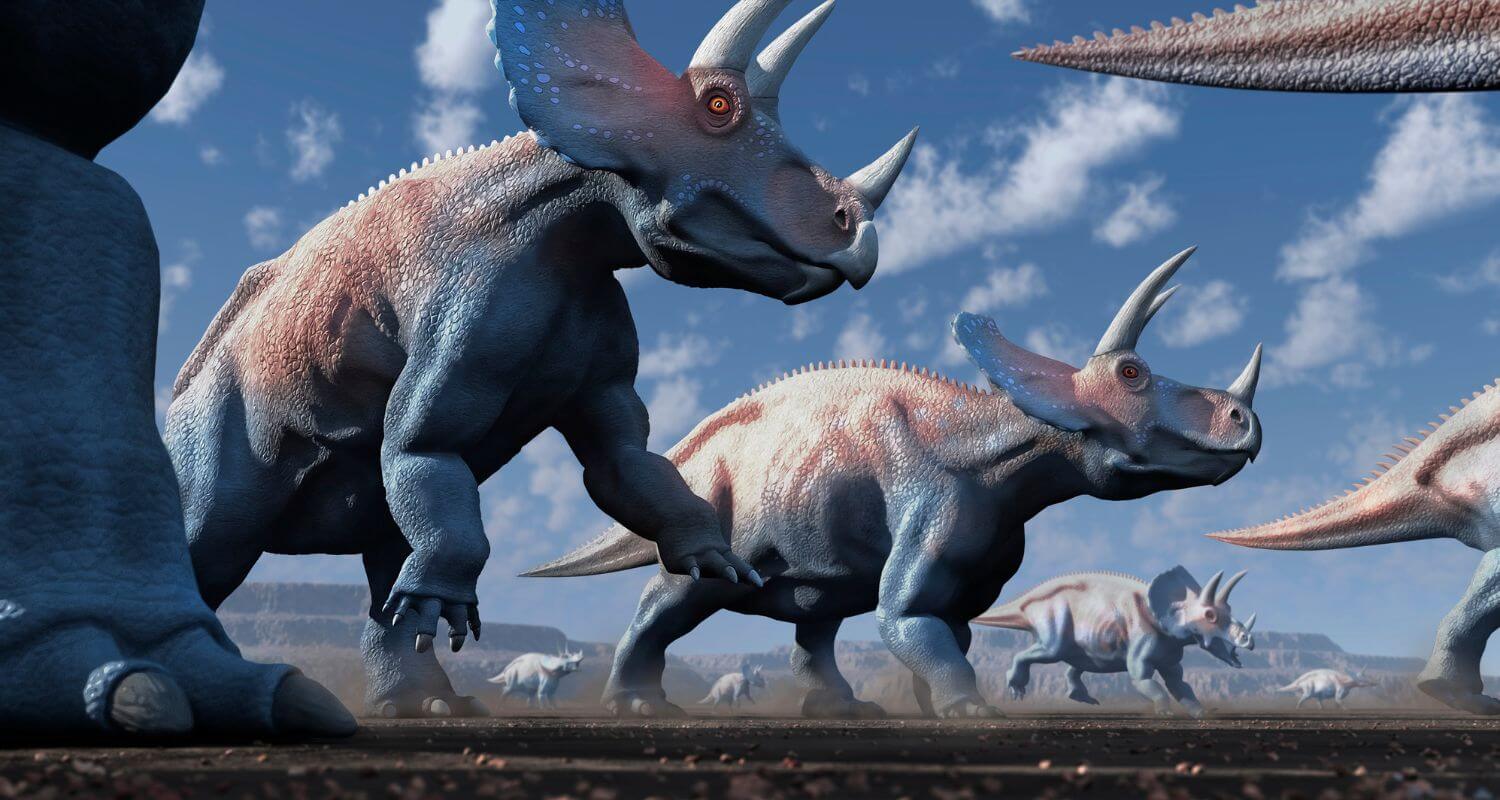 The story of Triceratops evolution is still unfolding as paleontologists continue to uncover new fossils. Some key insights include:
Rapid Growth Rates: Bone studies suggest Triceratops reached adult size in just 10 to 20 years.
Horn Transformation: Juvenile horns start small and point backward, but as they age, they curve forward and sharpen for combat.
Species Variation: Scientists continue to debate whether species like Torosaurus are simply older forms of Triceratops or entirely separate dinosaurs.
Every new fossil discovery brings us closer to understanding how these giants evolved to become one of nature's most iconic defenders.
Bringing Triceratops to Life with Animatronics
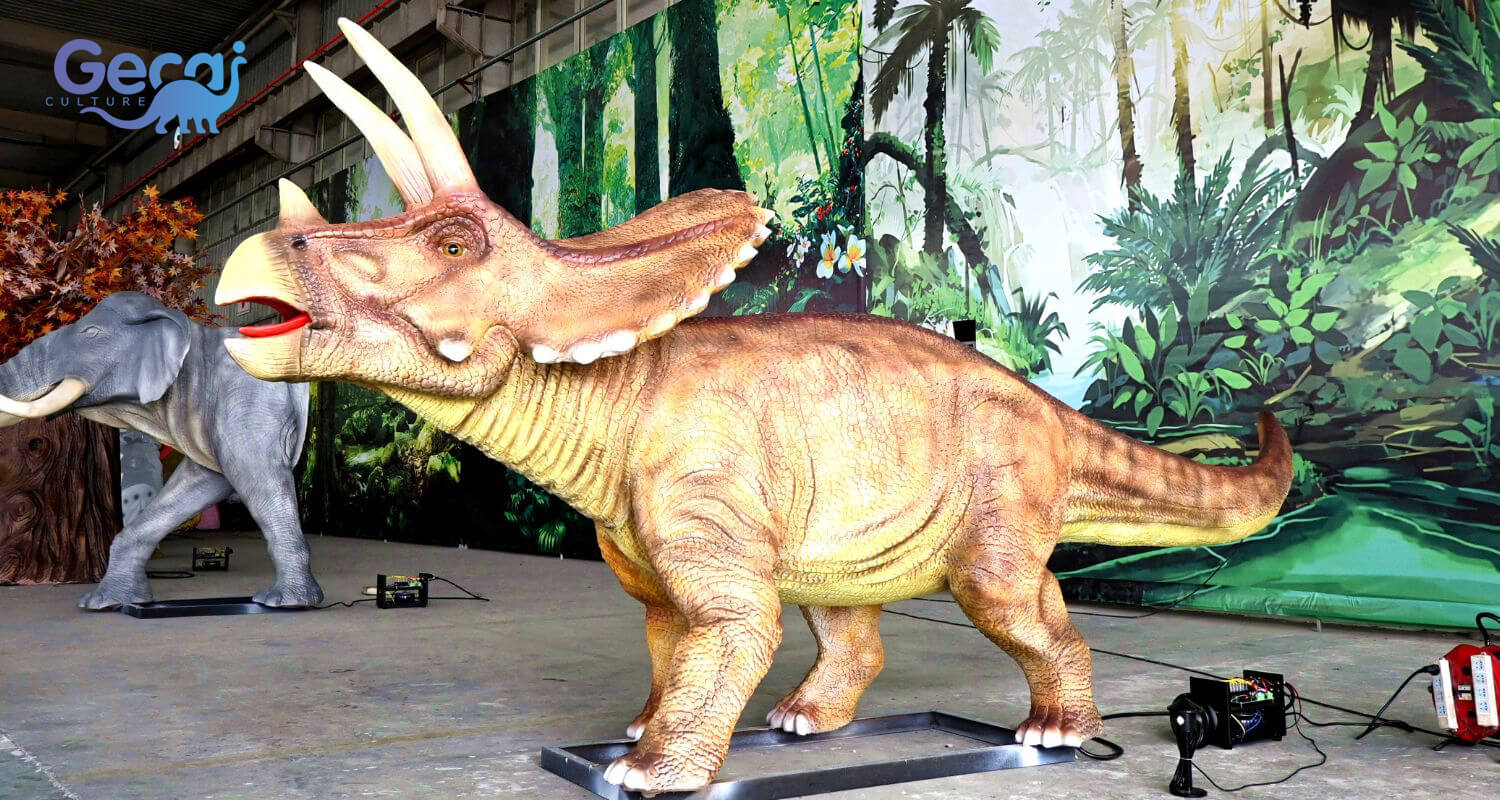 Imagine standing face-to-face with a lifelike Triceratops, watching it move, blink, and roar as if it had stepped straight out of the Cretaceous period. At Gecai Culture, we specialize in custom animatronic Triceratops models designed to recreate the grandeur of these prehistoric giants.
Our models are built with realistic details inspired by fossil evidence and feature vivid movements — from head swings and horn gestures to lifelike blinking and breathing effects. Perfect for museums, theme parks, exhibitions, and educational centers, these animatronic models bring science and entertainment together, allowing visitors to experience evolution up close.
If you want to make your venue unforgettable, our Triceratops animatronics are the ultimate solution.
FAQs
 1. How big was a baby Triceratops?
Baby Triceratops were around 2 feet long and weighed less than 20 pounds when hatched.
2. Did Triceratops use their horns for fighting or display?
Both! The horns served as defensive weapons against predators and likely played a role in mating displays and social dominance.
3. How long did it take a Triceratops to reach full size?
Based on bone studies, Triceratops reached adult size in roughly 10 to 20 years.
4. What predators did Triceratops face?
Their main predator was the Tyrannosaurus rex, but they also faced threats from other carnivores like Dakotaraptors.
5. Are animatronic Triceratops accurate to real fossils?
Yes. At Gecai Culture, our animatronic Triceratops are scientifically inspired and designed with realistic proportions, textures, and movements.
Conclusion
 From tiny hatchlings with baby horns to towering adults defending their herds, the evolutionary journey of Triceratops is a story of growth, survival, and adaptation. These gentle giants weren't just plant-eaters; they were guardians of their kind, equipped with the tools to withstand even the fiercest predators of their time.
Today, their legacy lives on — not only in fossils but also in our ability to recreate their majesty through science, technology, and artistry.
タグ: