私たちについて
グレーカルチャーは、最新のアニマトロニック恐竜、魅惑的なアニマトロニッククリーチャー、活気ある中国の祭りの提灯、そしてカスタマイズされた製品を通じて、過去を生き生きとさせる最前線に立っています。中国の中心に位置するプロの製造業者として、私たちは博物館、展示会、動物園、公園などで私たちのリアルな恐竜や動物を展示することに深い情熱を抱いており、あらゆる年齢層の人々に好奇心と学びの炎を燃やすことを目指しています。
無料見積もりを取得
恐竜の知識
なぜ恐竜はこんなに大きくなったのか?巨大恐竜の背後にある科学
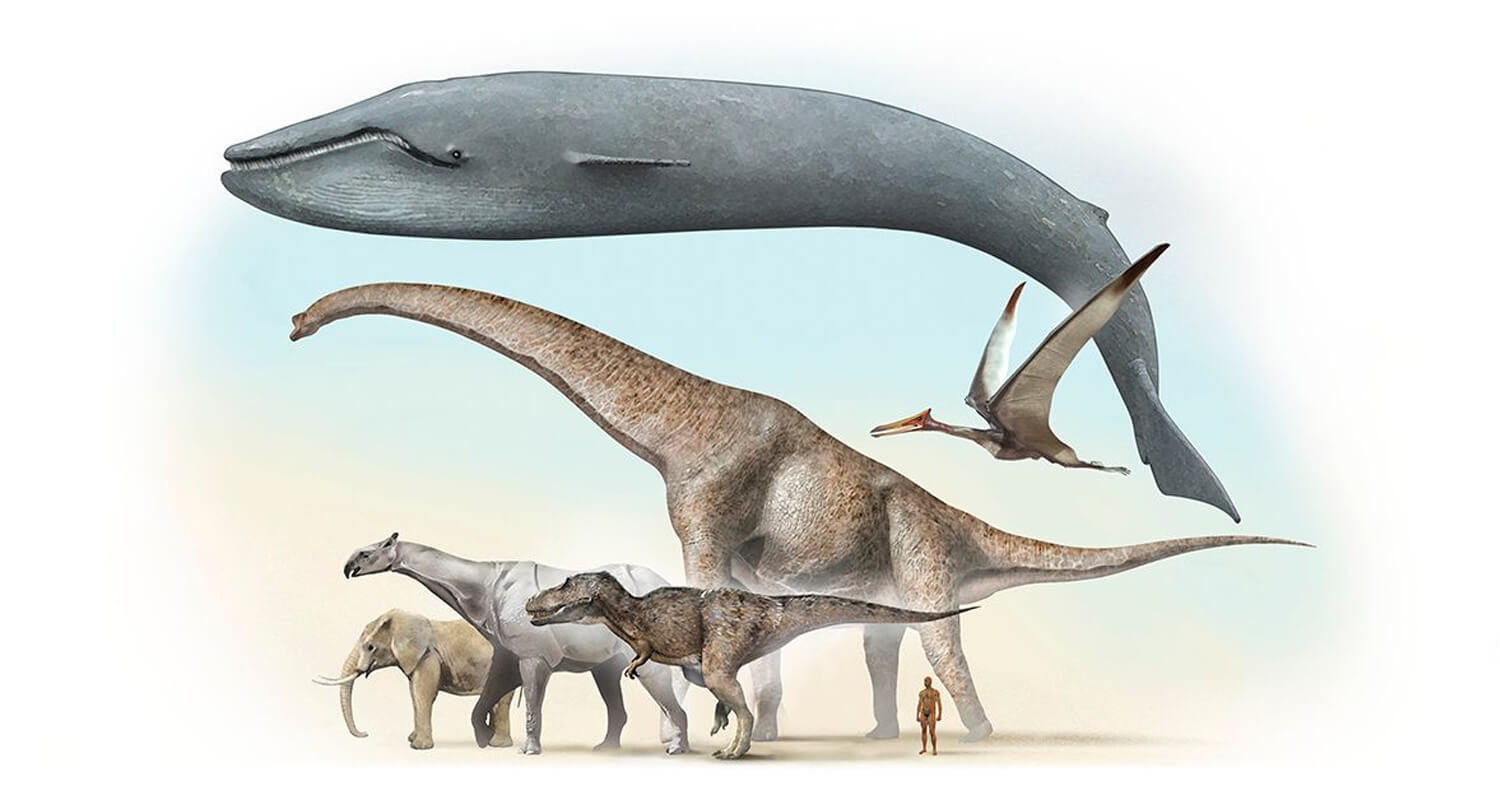
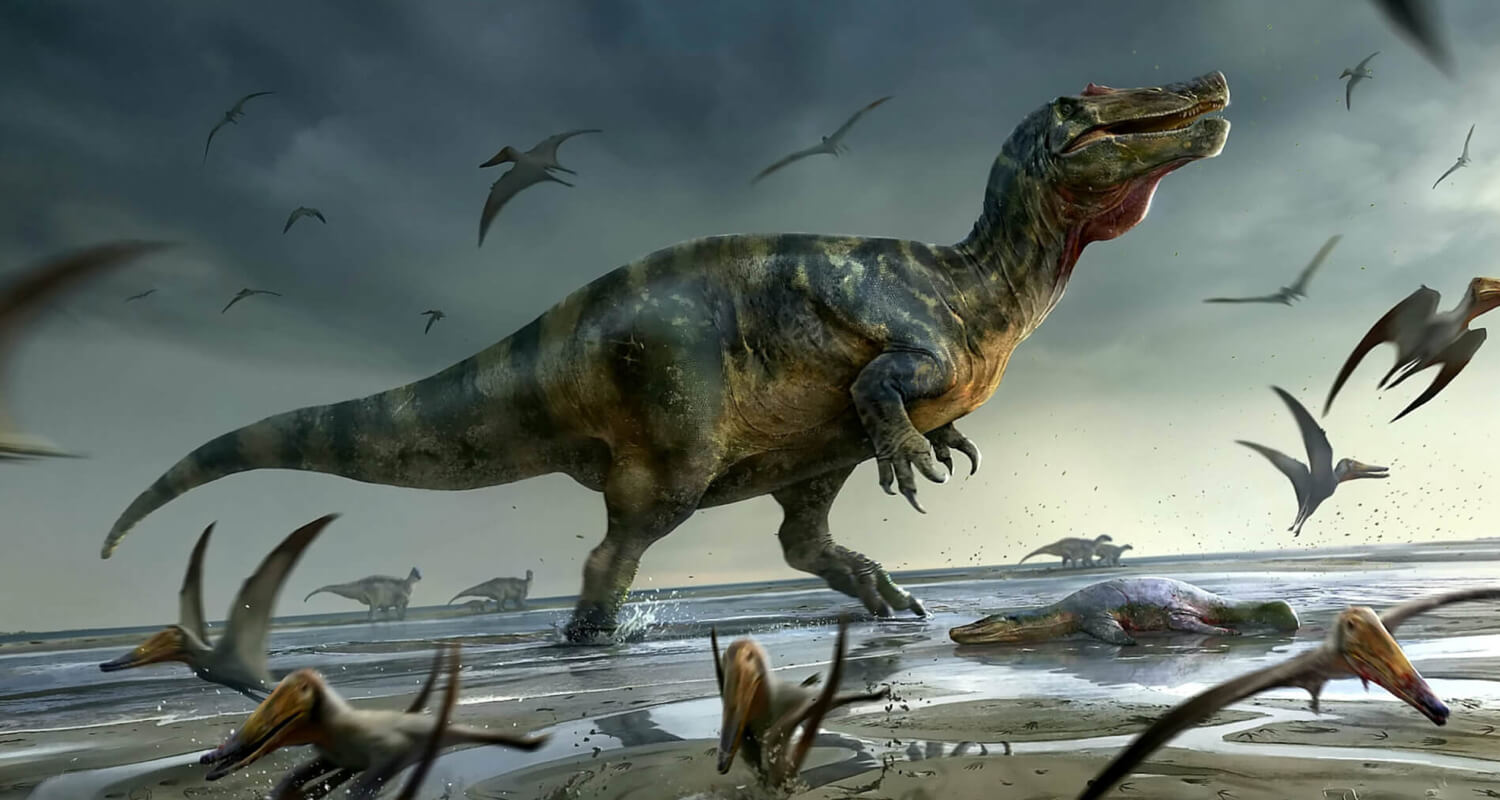 Dinosaurs are among the most iconic creatures in Earth’s history, renowned for their impressive size and diversity. While some dinosaurs were small, many of the most famous species — like Argentinosaurus, Brachiosaurus, and Tyrannosaurus rex — reached astounding sizes that still fascinate scientists and the public alike. But why did dinosaurs grow so big? This article explores the scientific reasons behind dinosaur gigantism and how they adapted to life as giants.
The Benefits of Gigantism in Dinosaurs
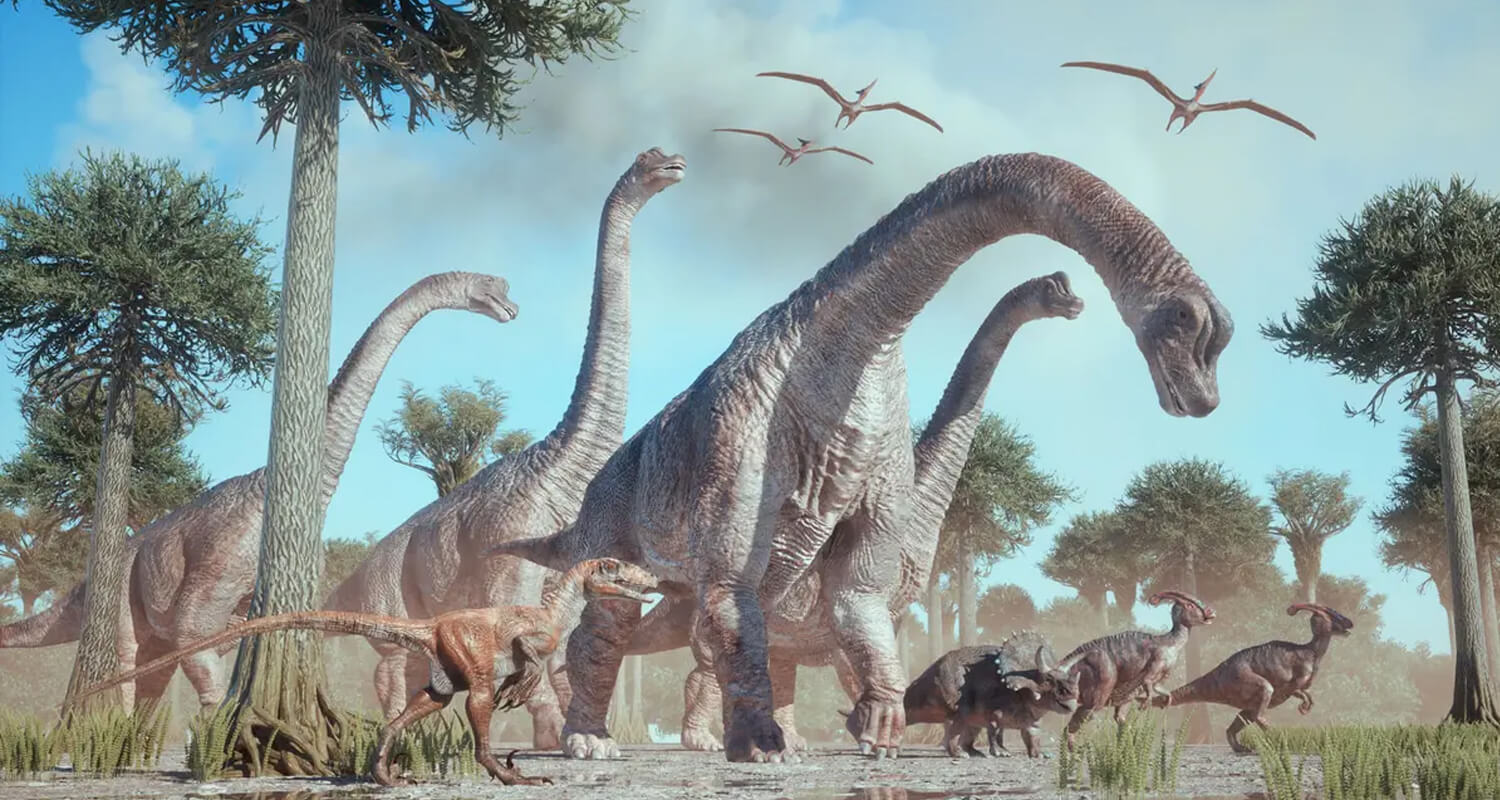 Being large came with several advantages that helped dinosaurs survive and thrive. For herbivores, size offered essential protection from predators. Massive dinosaurs like Brachiosaurus and Diplodocus were not easy targets, even for fierce carnivores. In some cases, size may have even discouraged attacks altogether, as larger herbivores were less vulnerable.
Gigantism also gave dinosaurs access to more food sources. Sauropods, with their long necks, could reach the tops of trees and eat vegetation that smaller animals couldn’t access. This advantage allowed them to explore unique ecological niches and minimize competition for food. Some scientists also speculate that larger dinosaurs may have had a reproductive advantage, either by protecting their young more effectively or by producing a higher number of offspring, helping ensure the survival of their species.
How Dinosaurs Grew So Big: Biological and Anatomical Adaptations
 Dinosaurs had unique biological and anatomical features that enabled them to reach enormous sizes. One key adaptation was their highly efficient respiratory system. Many dinosaurs, especially sauropods, had a bird-like system with air sacs that helped with oxygen intake and distribution. This efficient breathing system supplied their large bodies with the necessary oxygen to survive and grow.
In addition, some dinosaur species had hollow bones, which were strong yet lightweight. This feature, similar to that seen in modern birds, allowed large dinosaurs to maintain a massive frame without being weighed down. Dinosaurs also likely had an intermediate metabolic rate, known as mesothermy, which combined traits of cold-blooded and warm-blooded animals. This mixed metabolism may have allowed them to grow quickly without the high energy demands that fully warm-blooded animals would require.
Environmental Factors Supporting Gigantism
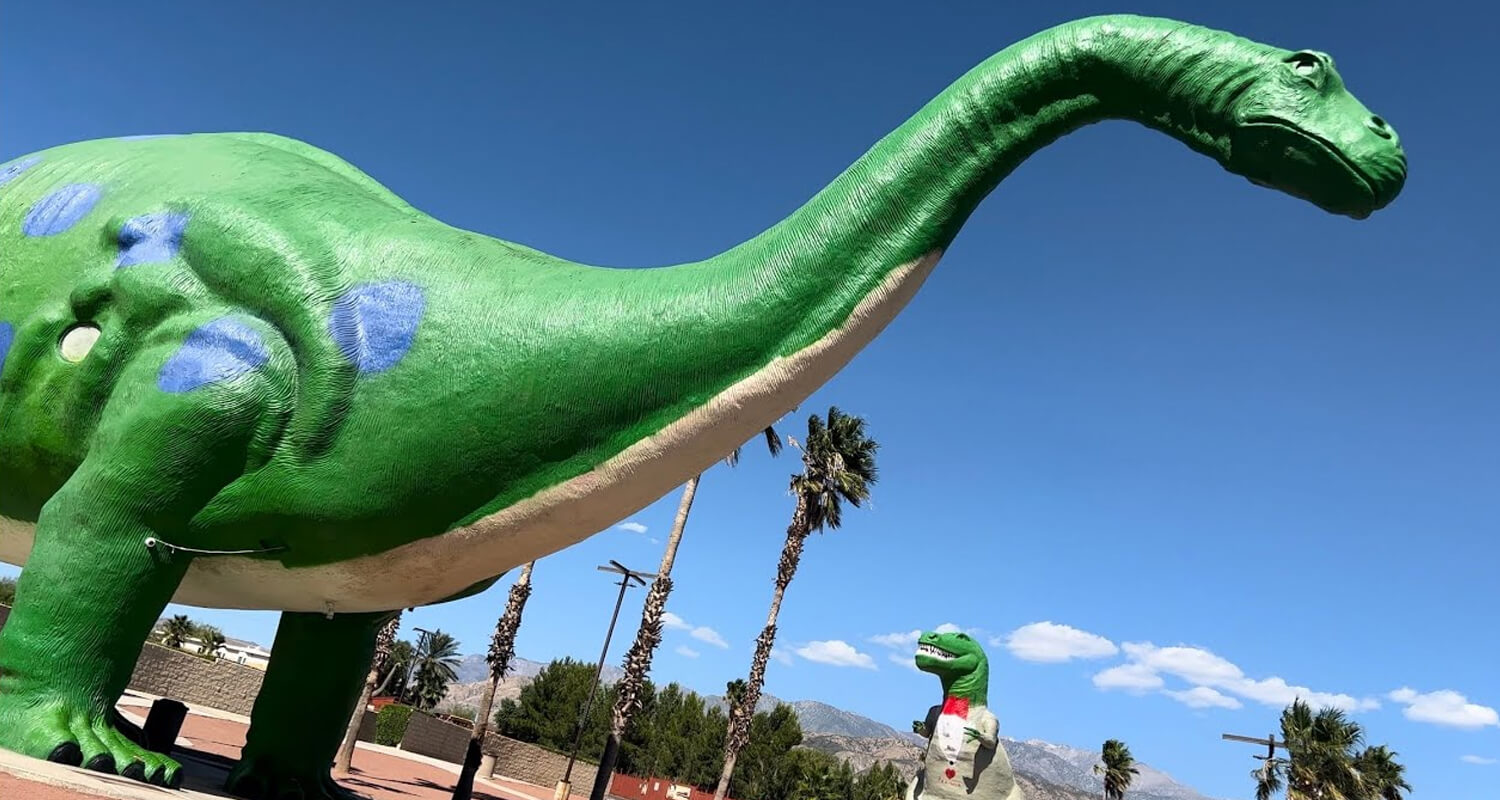 The ancient environments that dinosaurs lived in also contributed to their impressive sizes. During certain periods of the Mesozoic Era, the Earth had higher oxygen levels, which might have supported the growth of large-bodied animals by making breathing and energy metabolism more efficient. Additionally, the prehistoric Earth was rich in lush plant life, providing a steady and abundant food supply for herbivorous dinosaurs, which in turn allowed carnivores to thrive on them.
Stable and warm climates also played a crucial role. The consistent, tropical conditions of the Mesozoic Era were favorable for large animals, allowing them to grow without facing the environmental stress of cold winters. This enabled these gigantic creatures to thrive and multiply across vast regions of the planet.
Comparing Gigantism in Dinosaurs vs. Modern Animals
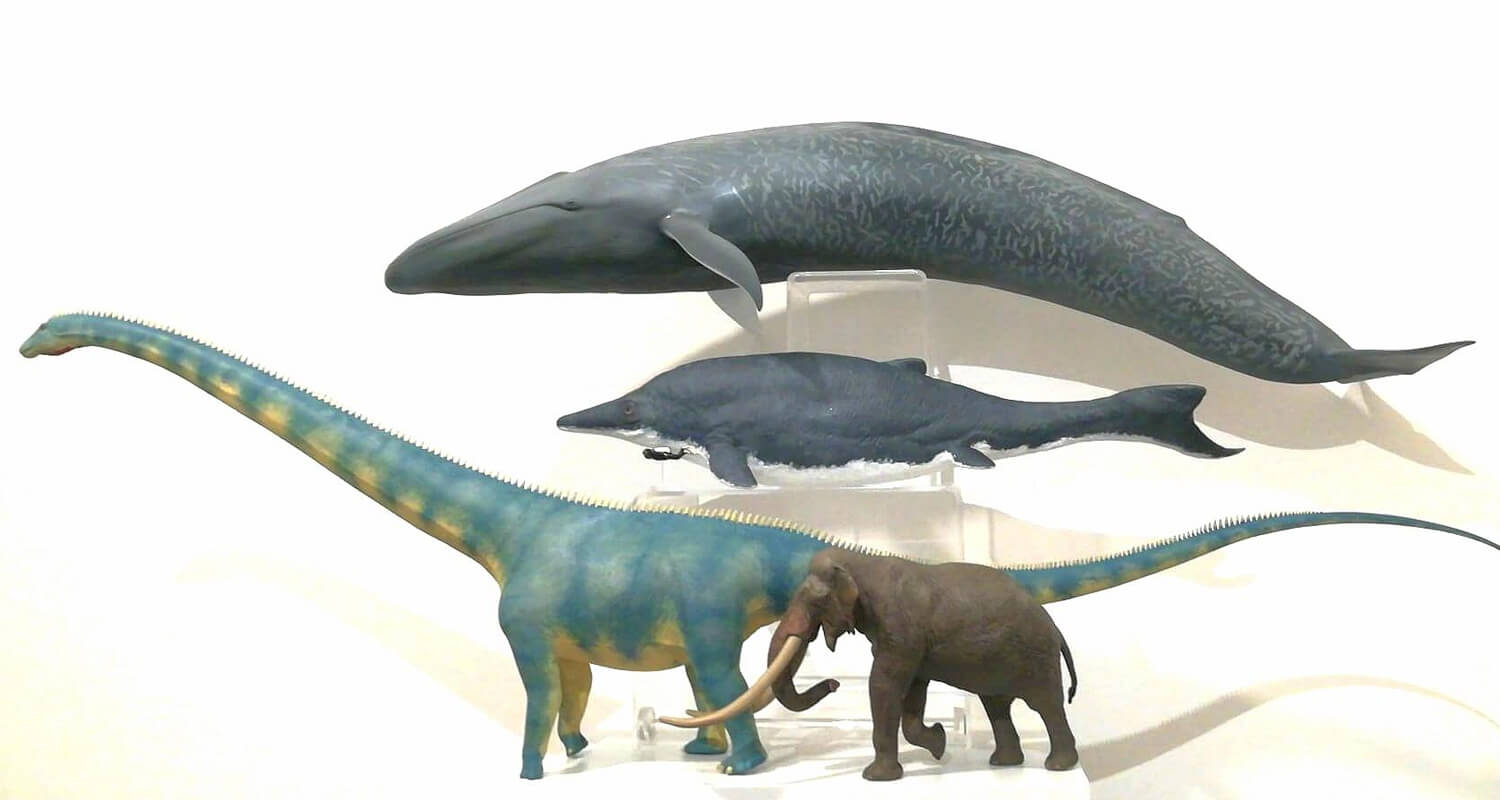 While dinosaurs reached astounding sizes, very few modern animals come close to their dimensions. Today’s largest land animals, like elephants and rhinoceroses, are much smaller than the largest dinosaurs. Mammals face certain metabolic and structural limitations that restrict their growth; being fully warm-blooded requires them to maintain high levels of energy, which can be difficult for massive animals.
Other large reptiles, like crocodiles, share a common ancestry with dinosaurs but did not evolve to such gigantic sizes. Crocodiles and other modern reptiles have different growth strategies and are ectothermic, meaning they rely on external temperatures to regulate their body heat. This limits their growth compared to the mesothermic adaptations that allowed dinosaurs to reach massive sizes.
Challenges of Being So Big
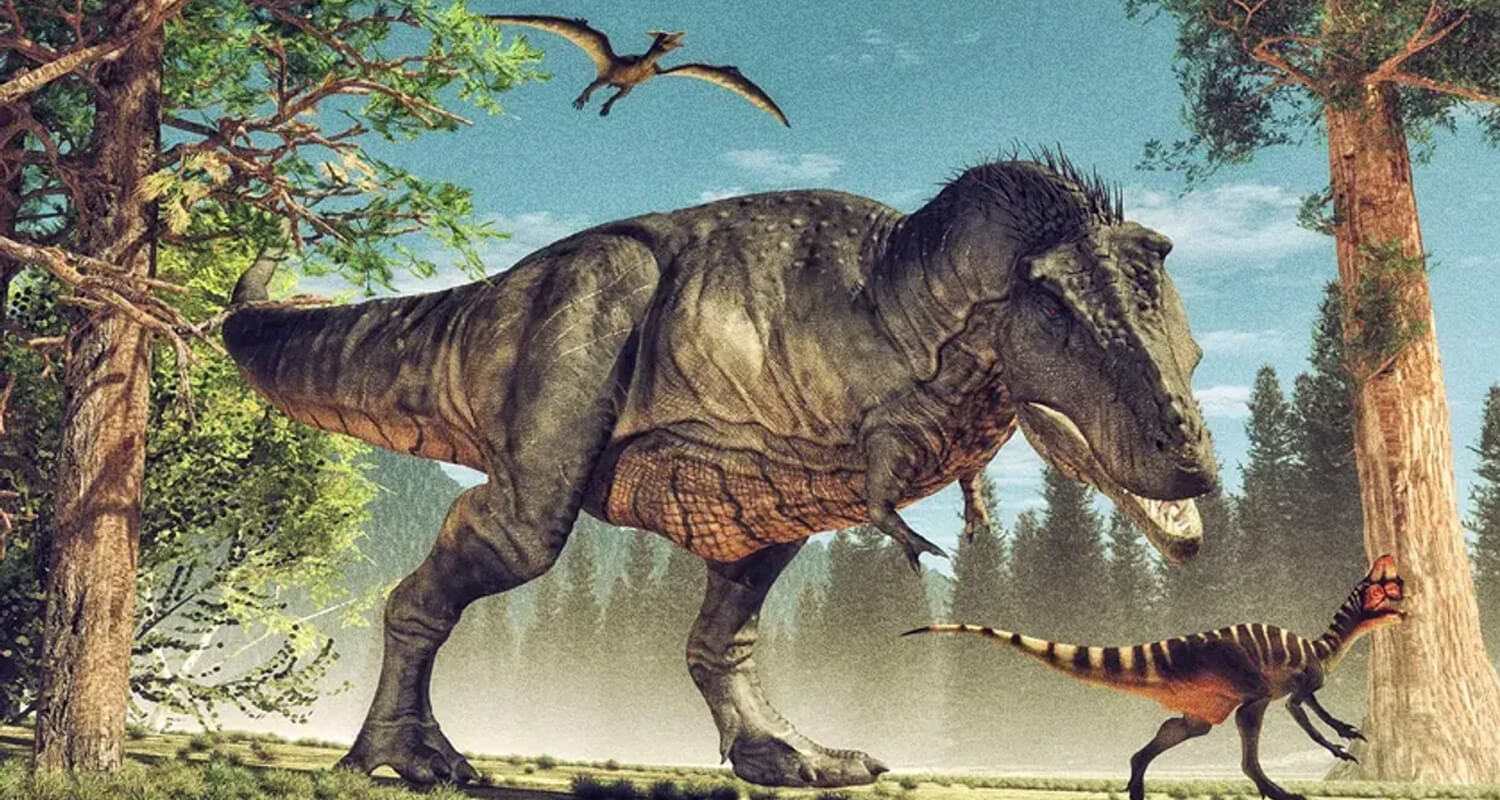 Of course, being so large also came with unique challenges. Large dinosaurs faced difficulties with mobility due to their immense weight. To support their mass, sauropods and other giants evolved column-like legs similar to the pillars of a building, which provided stability but limited their speed and agility.
Heat regulation was another challenge. Larger animals retain heat more effectively due to their size (a phenomenon known as gigantothermy), which could have helped dinosaurs maintain stable body temperatures. However, they also needed to avoid overheating, and it’s believed that certain anatomical features — like elongated necks and tails — may have helped dissipate excess body heat.
Their enormous size also required a high caloric intake to sustain energy levels. These dinosaurs had to consume massive amounts of vegetation or meat daily, and a large range of territory may have been essential to meet these dietary needs.
Theories on Why Dinosaurs Eventually Diminished in Size (Evolution of Smaller Descendants)
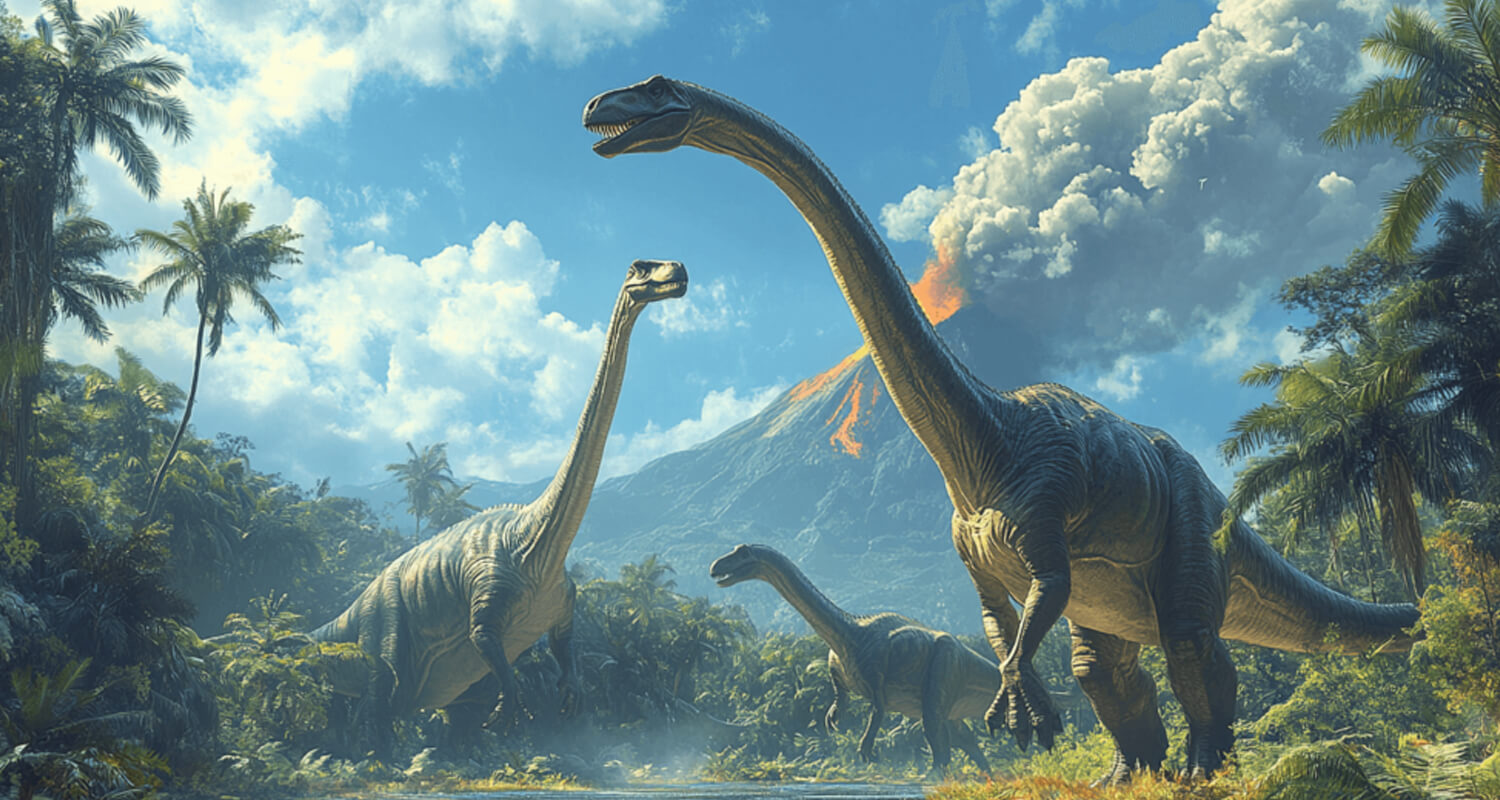 The age of the giant dinosaurs eventually came to an end around 66 million years ago, during the Cretaceous-Paleogene extinction event. This mass extinction, caused by a massive asteroid impact, drastically altered Earth’s climate and ecosystems. The rapid cooling and darkness that followed made it difficult for large animals to find enough food and adapt to the new environment. Smaller, more adaptable species had a survival advantage and were better equipped to thrive in post-extinction conditions.
In the aftermath, mammals and birds began to evolve and diversify. These smaller, faster, and more energy-efficient animals eventually dominated the land. While dinosaurs no longer roamed the Earth in their original form, birds — their modern descendants — carry on the legacy of these ancient giants, albeit in much smaller packages.
Conclusion
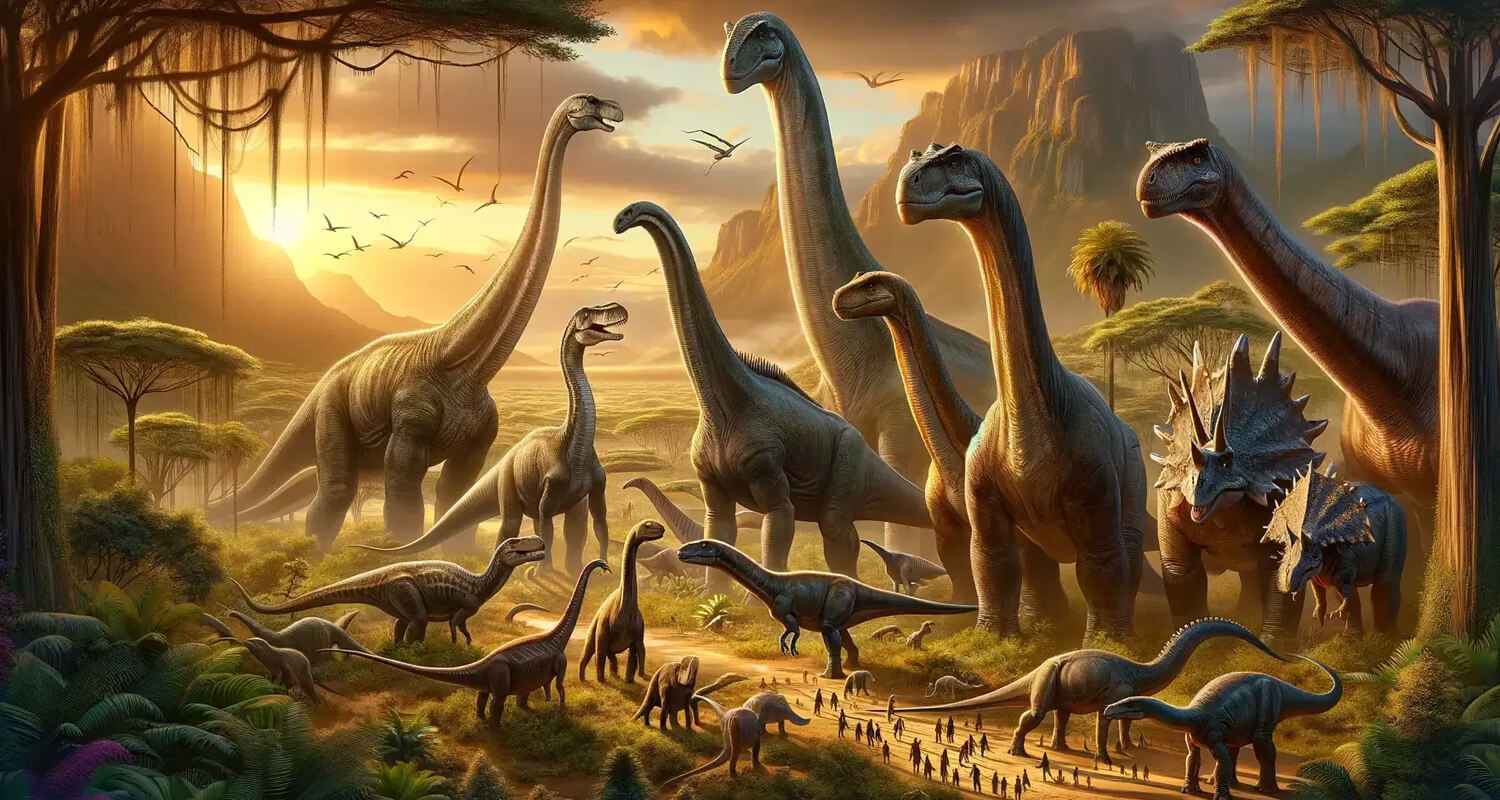 Dinosaurs achieved sizes unparalleled by most modern land animals due to a combination of biological, anatomical, and environmental factors. Their immense size not only protected them and helped them access food but also shaped entire ecosystems. Today, studying dinosaur gigantism allows scientists to gain insights into the evolutionary possibilities of life on Earth and the unique adaptations that supported their survival.
The legacy of these giant creatures continues to captivate our imaginations and inspire our scientific curiosity. As we uncover more fossils and refine our understanding, the story of why dinosaurs grew so big only becomes more fascinating.
タグ: