우리에 대해
게카이 문화는 최첨단 애니메트로닉 공룡, 매혹적인 애니메트로닉 생물, 활기찬 중국 축제 등불, 맞춤형 제품을 통해 과거를 되살리는 데 앞장서고 있습니다. 중국의 중심부에 자리잡은 전문 제조업체로서 우리는 박물관, 전시회, 동물원, 공원 등에서 우리의 실물과 같은 공룡과 동물을 전시하는 데 깊은 열정을 가지고 있으며, 모든 연령대의 사람들에게 호기심과 학습의 불꽃을 불러일으키는 것을 목표로 하고 있습니다.
무료 견적 받기
공룡 지식
둥지 내부: 공룡 알의 비밀 발견
 Dinosaur eggs offer a rare, remarkable glimpse into life millions of years ago. Fossilized eggs capture the interest of scientists and enthusiasts alike, providing insights into dinosaur development, nesting behaviors, and even the environment of prehistoric ecosystems. By studying these ancient remains, we can uncover secrets about dinosaur growth, family life, and evolutionary connections to modern animals.
The Discovery of Dinosaur Eggs: A Brief History
 Dinosaur eggs were first misidentified as unusual rocks when discovered in the 19th century. As paleontologists learned more, major discoveries changed the course of paleontology. Advances in imaging and fossil preservation helped bring fragile egg fossils to light, and key findings, such as nests filled with well-preserved eggs and embryos, have provided evidence of complex behaviors and nesting practices among dinosaurs.
Where Are Dinosaur Eggs Found
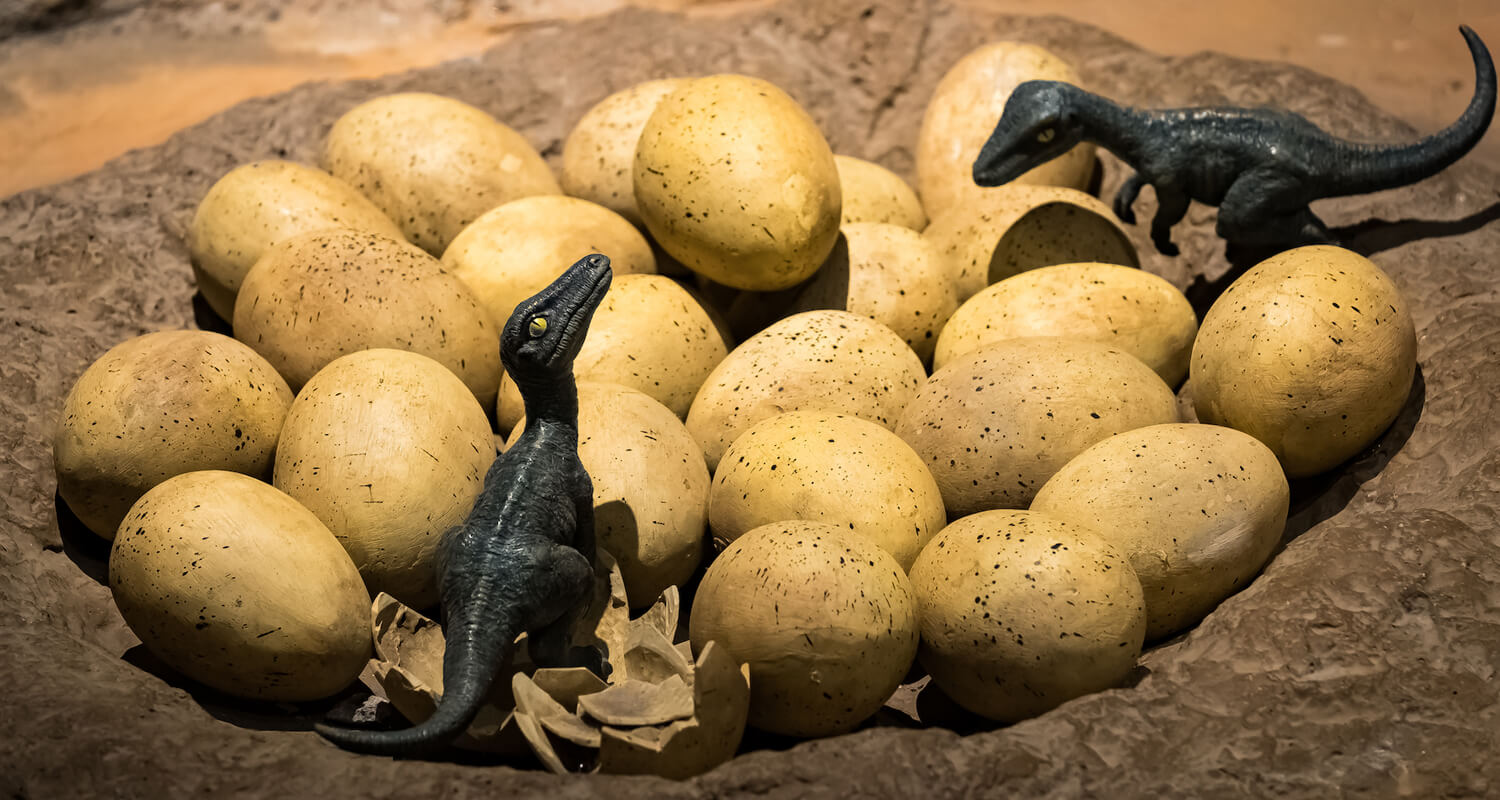 Dinosaur eggs have been found in fossil-rich regions like Mongolia, China, and North America, often in sedimentary rock deposits that preserve them well. These regions reveal a variety of dinosaur egg types and hint at the environments where dinosaurs lived and laid their eggs, from lush, river-adjacent areas to ancient deserts and woodlands. The type of sediment often helps preserve the eggs, protecting them from damage over millions of years.
How Paleontologists Unearth Dinosaur Eggs
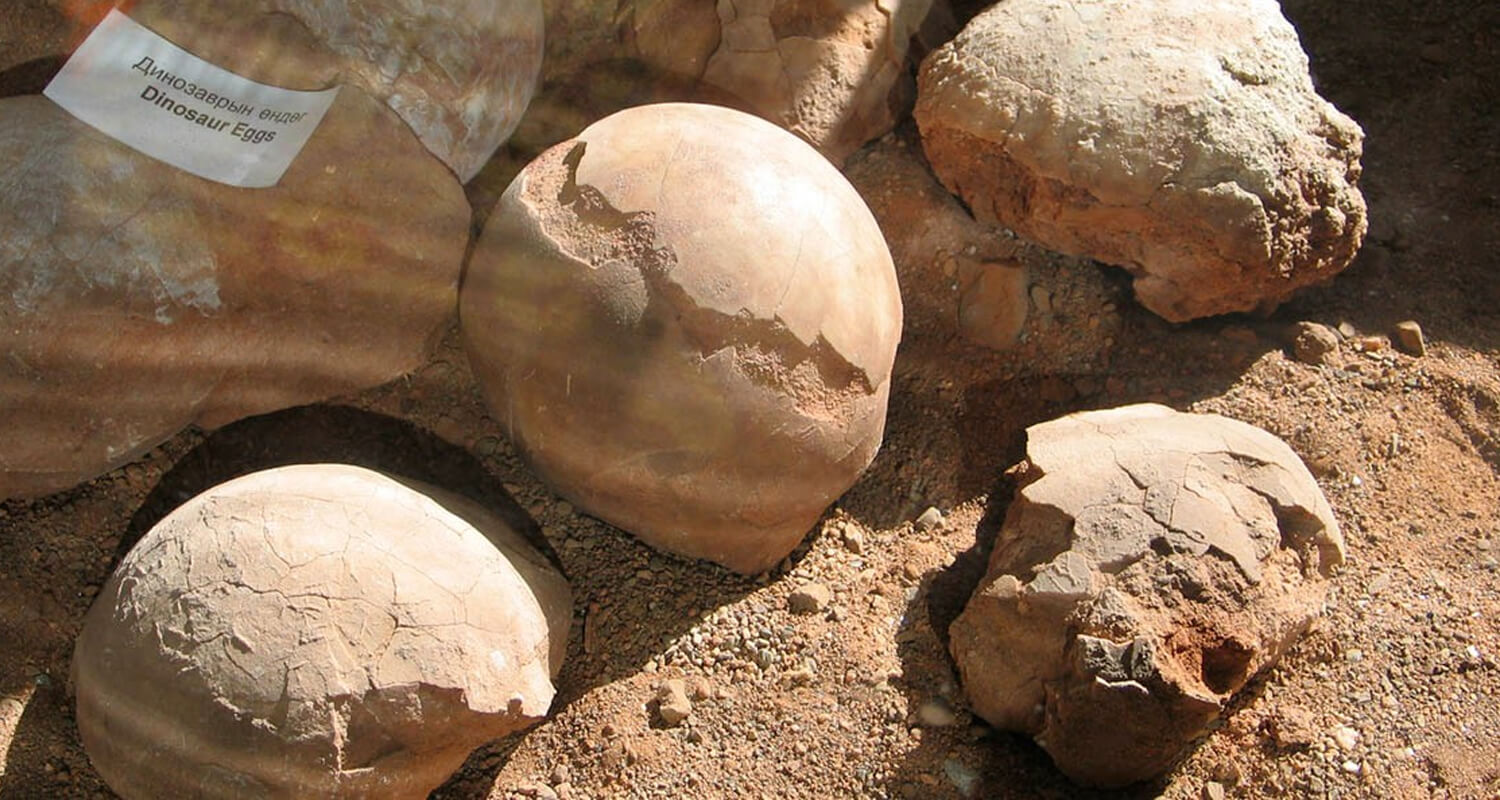 Finding and excavating dinosaur eggs requires meticulous work. Once a site is identified, paleontologists carefully excavate around the egg fossils to avoid damaging them. Advanced techniques, like CT scanning, allow scientists to explore the interior without breaking the shells. This non-invasive approach provides detailed views of the embryo’s development stage and reveals information about dinosaur growth, right from inside the egg.
What Dinosaur Eggs Reveal About Dinosaur Life
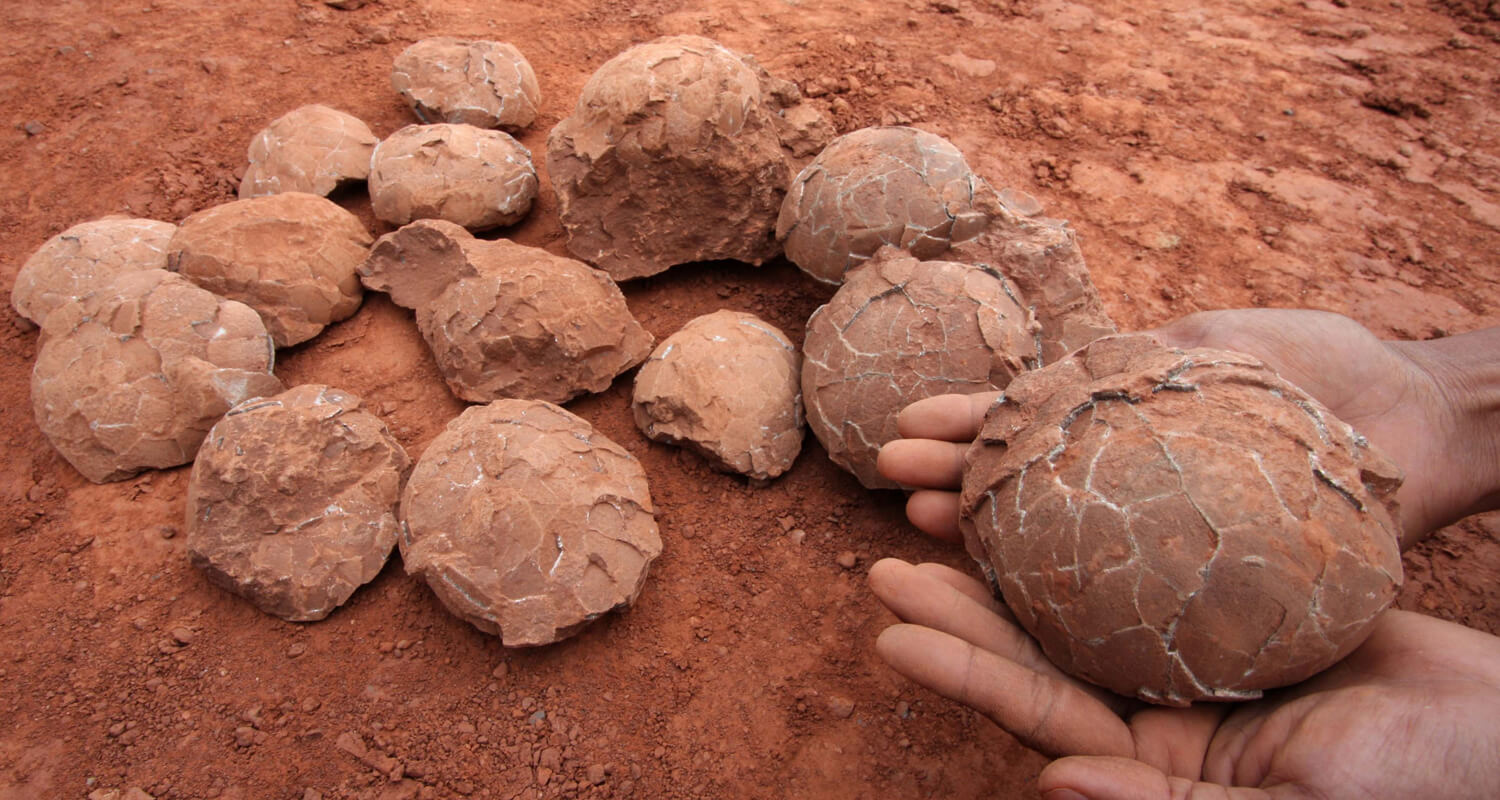 Dinosaur eggs offer clues about nesting behaviors and social structures. Fossils showing carefully arranged nests and eggs in clusters suggest that some species had specific nesting practices and might have cared for their young. Egg size and structure can also hint at the species, growth rate, and environment. Some fossilized embryos even show traces of bones and cartilage, revealing how dinosaurs developed before they hatched.
Unique Insights from Fossilized Embryos
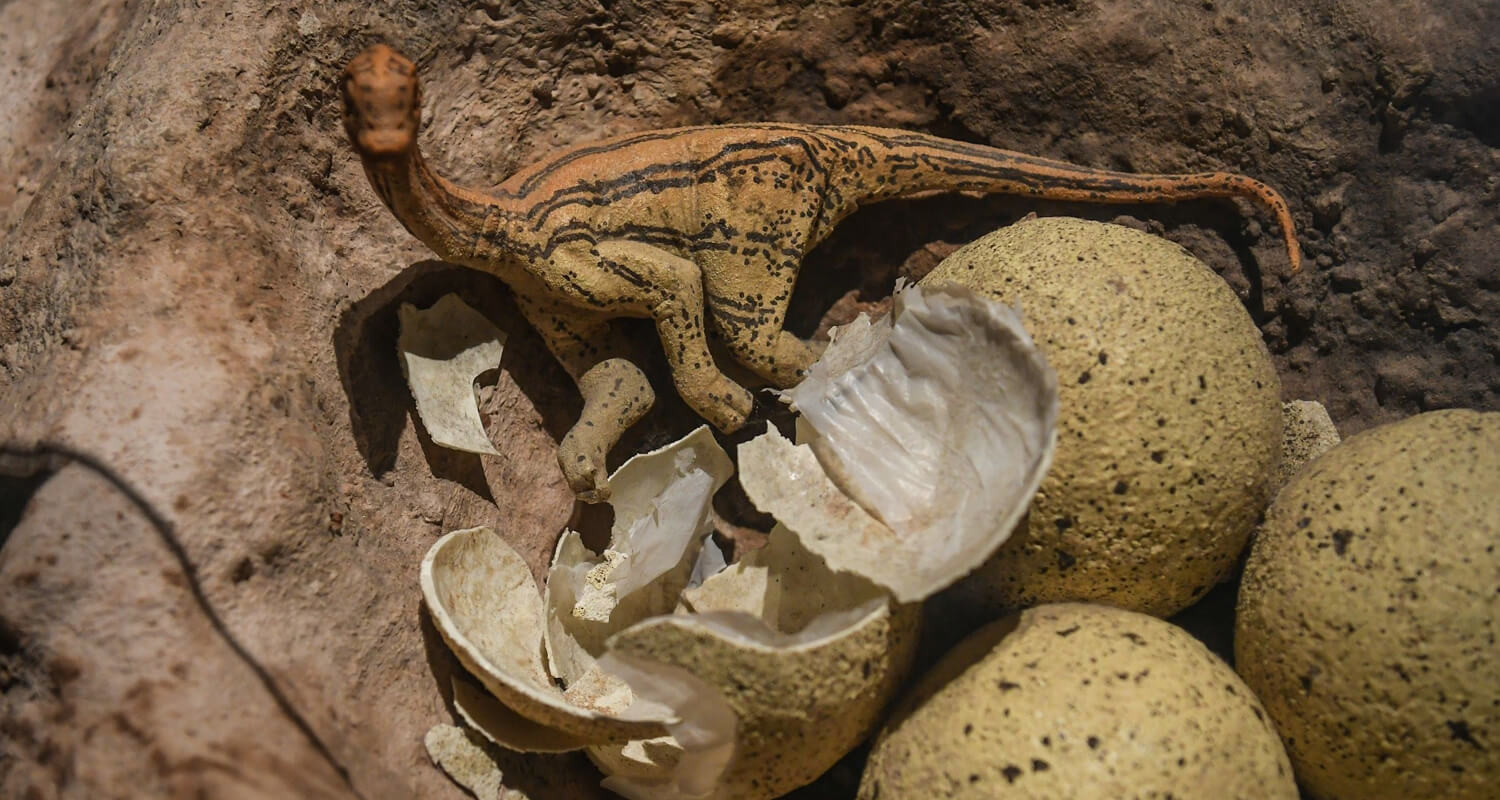 Fossilized embryos are especially valuable for learning about the earliest stages of dinosaur life. In rare cases, these fossils preserve embryos curled within the eggs, showing developmental progressions. These fossils reveal that some dinosaurs experienced rapid growth inside the egg, a characteristic also seen in modern birds. Embryos give paleontologists a window into the evolution of development stages across species and even contribute to our understanding of dinosaur-bird connections.
Fascinating Types of Dinosaur Eggs
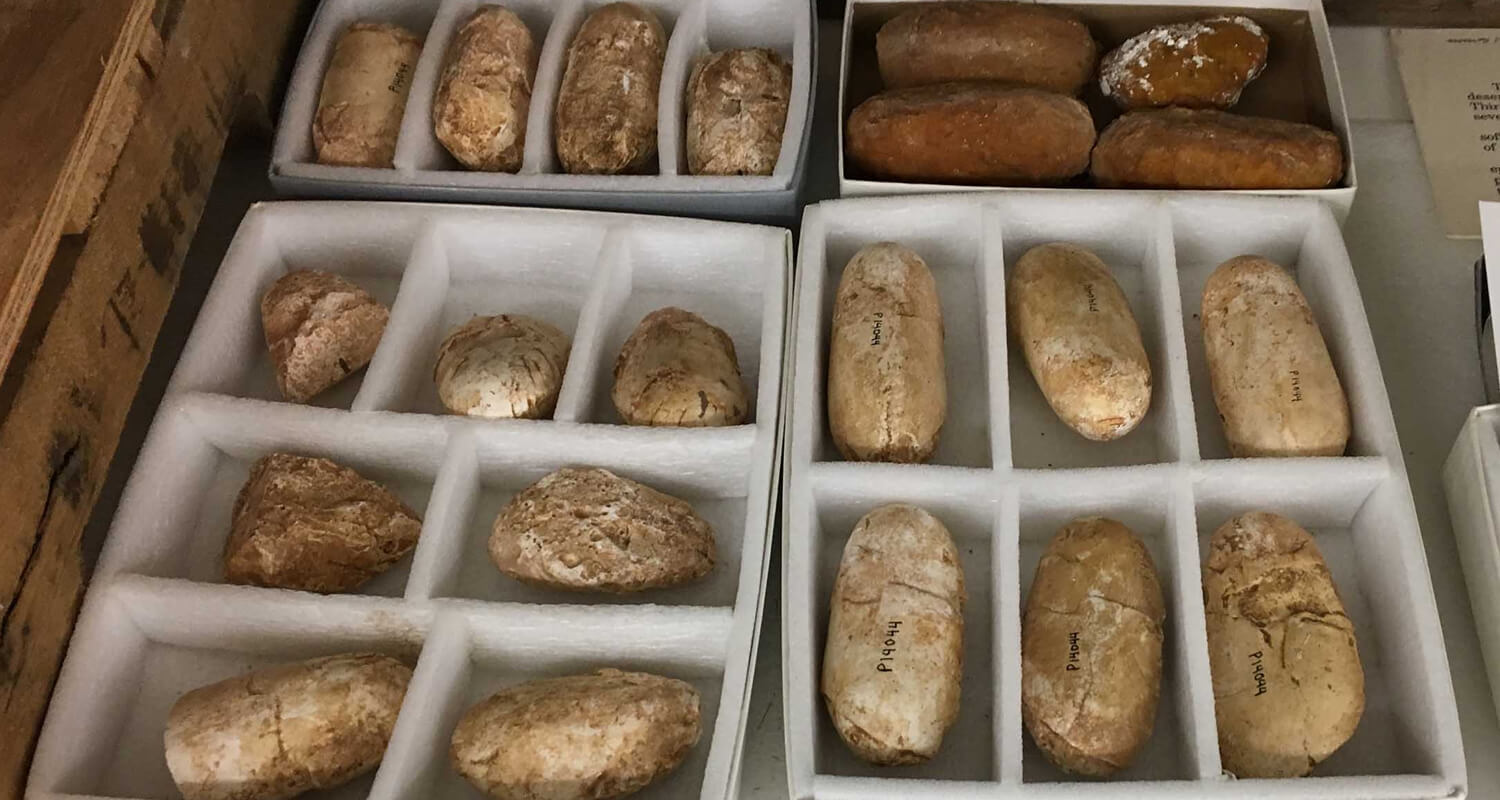 Dinosaur eggs vary widely in shape, size, and texture, reflecting the diversity among dinosaur species. Eggs of theropods, for instance, tend to be elongated and sometimes have a grainy texture, while sauropod eggs are rounder and thicker-shelled. These physical differences help paleontologists identify species from eggs alone, linking specific egg characteristics to the dinosaurs that laid them and enhancing our understanding of the prehistoric food chain.
How Dinosaur Eggs Connect to Modern Birds and Reptiles
 Studying modern bird and reptile eggs reveals fascinating evolutionary links to dinosaurs. Many birds, for example, exhibit nesting behaviors and egg-laying patterns that echo those seen in dinosaur fossils. By examining these similarities, scientists can better understand how dinosaurs might have cared for their eggs and young. This evolutionary bridge offers insight into the survival tactics that dinosaurs developed and passed on to their avian descendants.
The Challenges and Ethics of Preserving Dinosaur Eggs
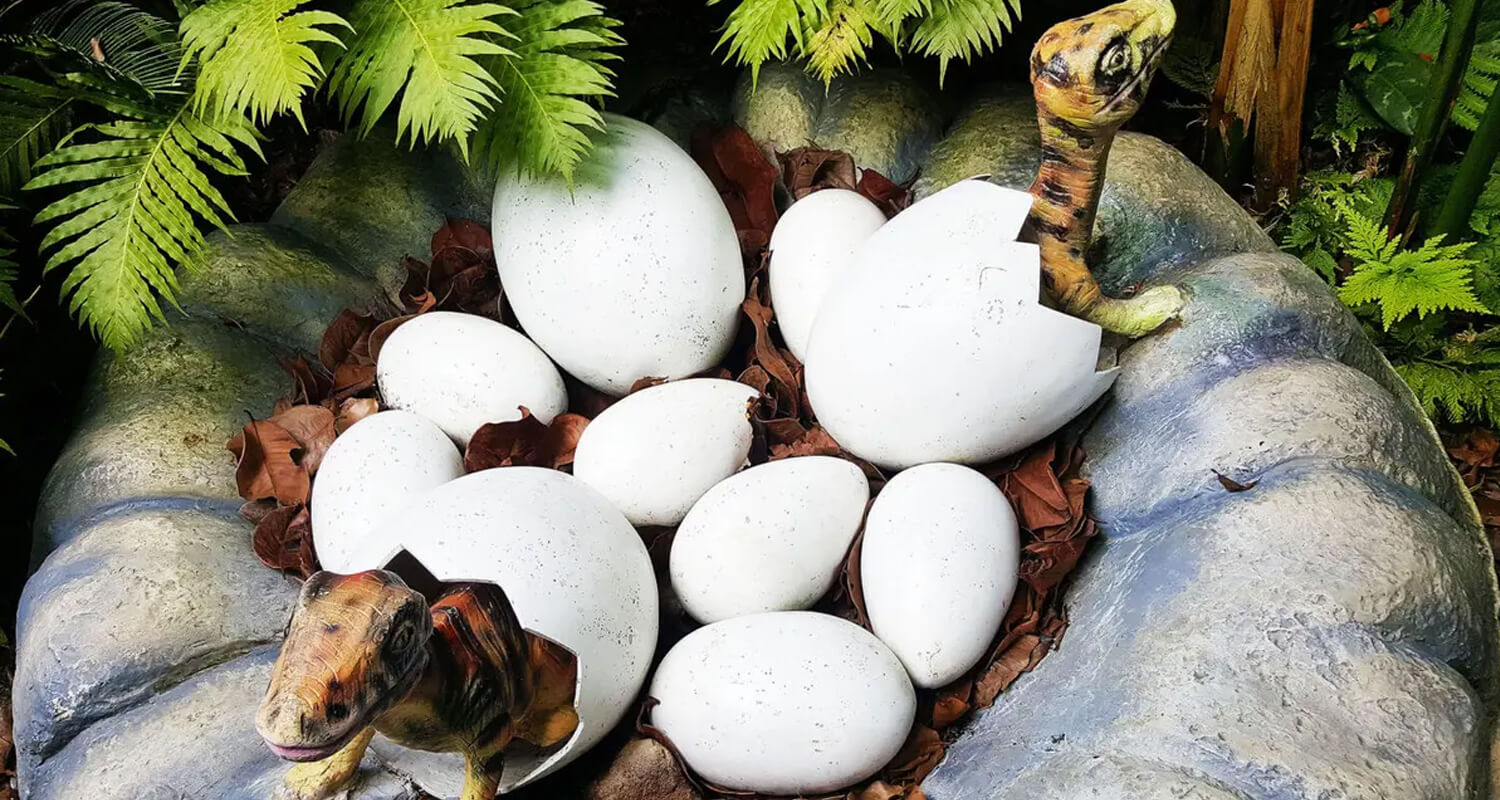 Preserving dinosaur eggs is a complex challenge involving ethical and legal considerations. Because they are fragile and culturally significant, egg fossils require careful handling and must often be stored in museum environments. Issues of fossil ownership and the potential commercialization of fossils have led to ethical concerns, making conservation efforts essential for protecting these invaluable scientific resources.
Conclusion: The Lasting Legacy of Dinosaur Eggs
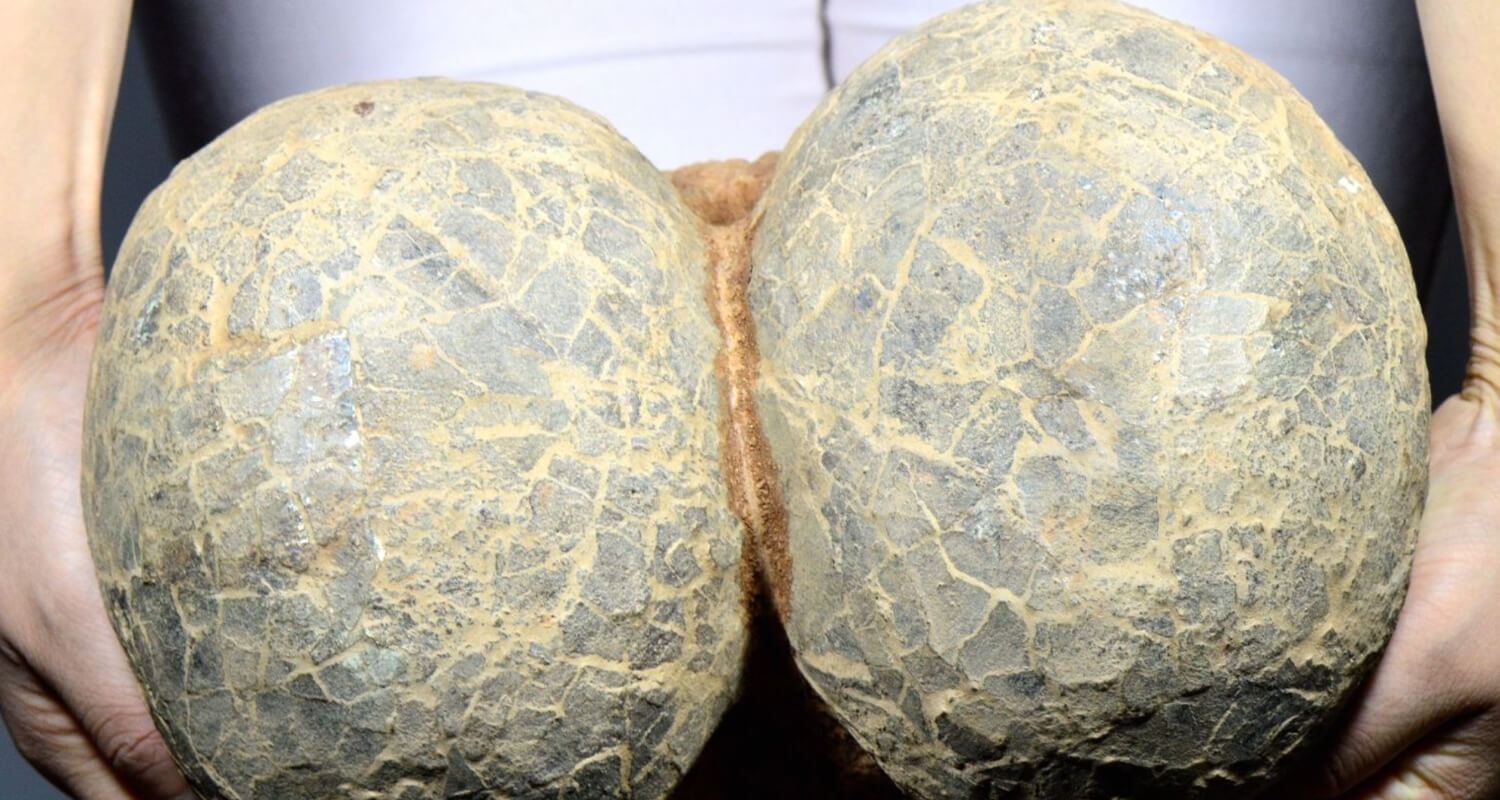 Dinosaur eggs represent a critical link to the past, revealing insights into dinosaur growth, behavior, and evolution. Ongoing research continues to unlock new secrets, deepening our understanding of these ancient creatures and the world they inhabited. The value of dinosaur eggs extends beyond paleontology, as they offer everyone a unique window into life millions of years ago—one that continues to inspire wonder and curiosity across generations.
태그: