
우리에 대해
게카이 문화는 최첨단 애니메트로닉 공룡, 매혹적인 애니메트로닉 생물, 활기찬 중국 축제 등불, 맞춤형 제품을 통해 과거를 되살리는 데 앞장서고 있습니다. 중국의 중심부에 자리잡은 전문 제조업체로서 우리는 박물관, 전시회, 동물원, 공원 등에서 우리의 실물과 같은 공룡과 동물을 전시하는 데 깊은 열정을 가지고 있으며, 모든 연령대의 사람들에게 호기심과 학습의 불꽃을 불러일으키는 것을 목표로 하고 있습니다.
무료 견적 받기
공룡 지식
공룡 피부 공개: 스케일, 깃털 및 선사 시대의 색상
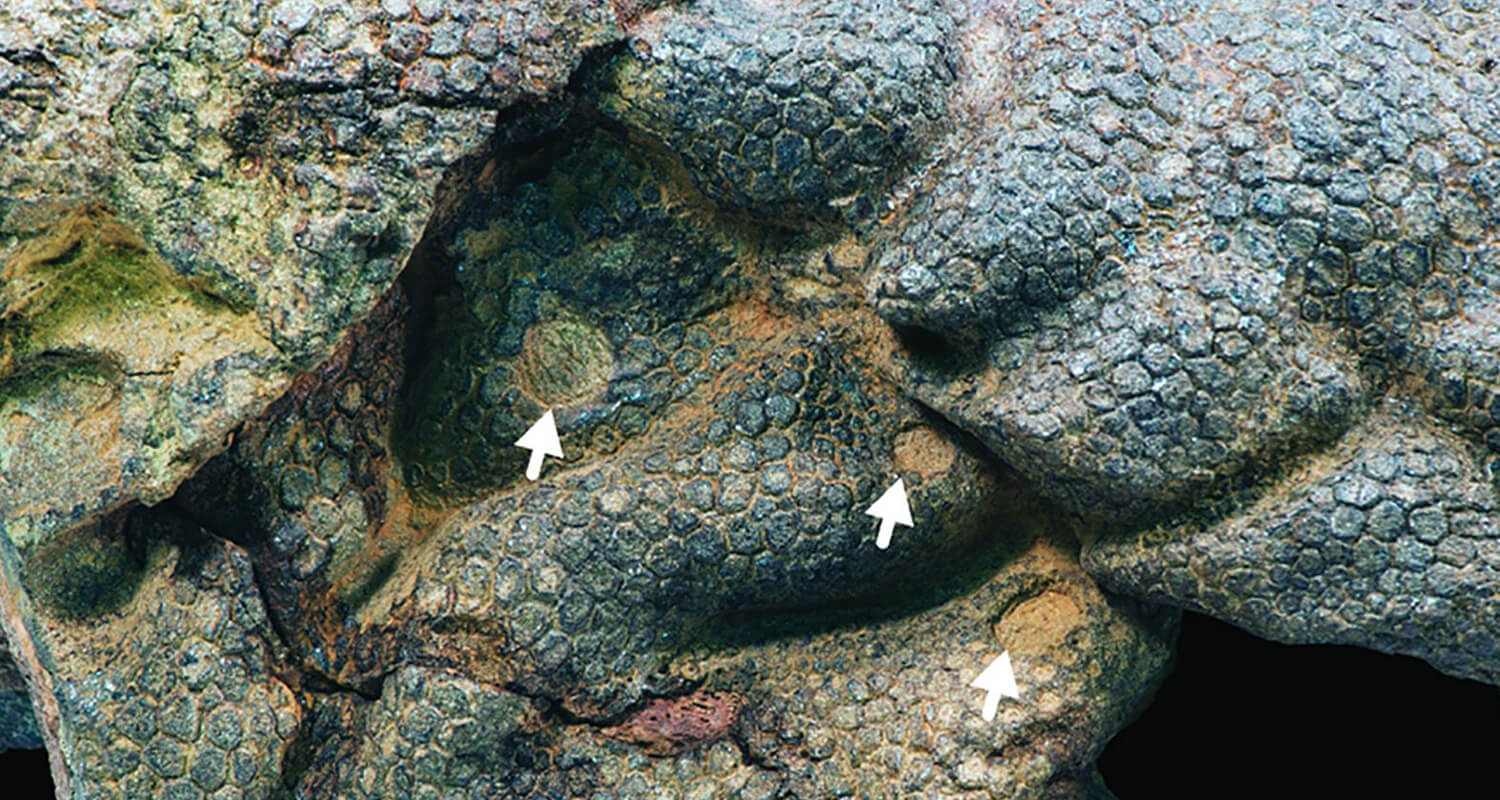 Dinosaurs have fascinated us for centuries, but our understanding of their appearance has dramatically evolved over time. Once imagined as giant, scaly reptiles, recent discoveries suggest many dinosaurs sported feathers, vibrant colors, or intricate patterns. Exploring the science behind dinosaur skin reveals a vivid tapestry of scales, feathers, and hues that help us understand these ancient creatures' lives and behaviors. So, what did dinosaurs really look like?
The Evidence Behind Dinosaur Skin Studies
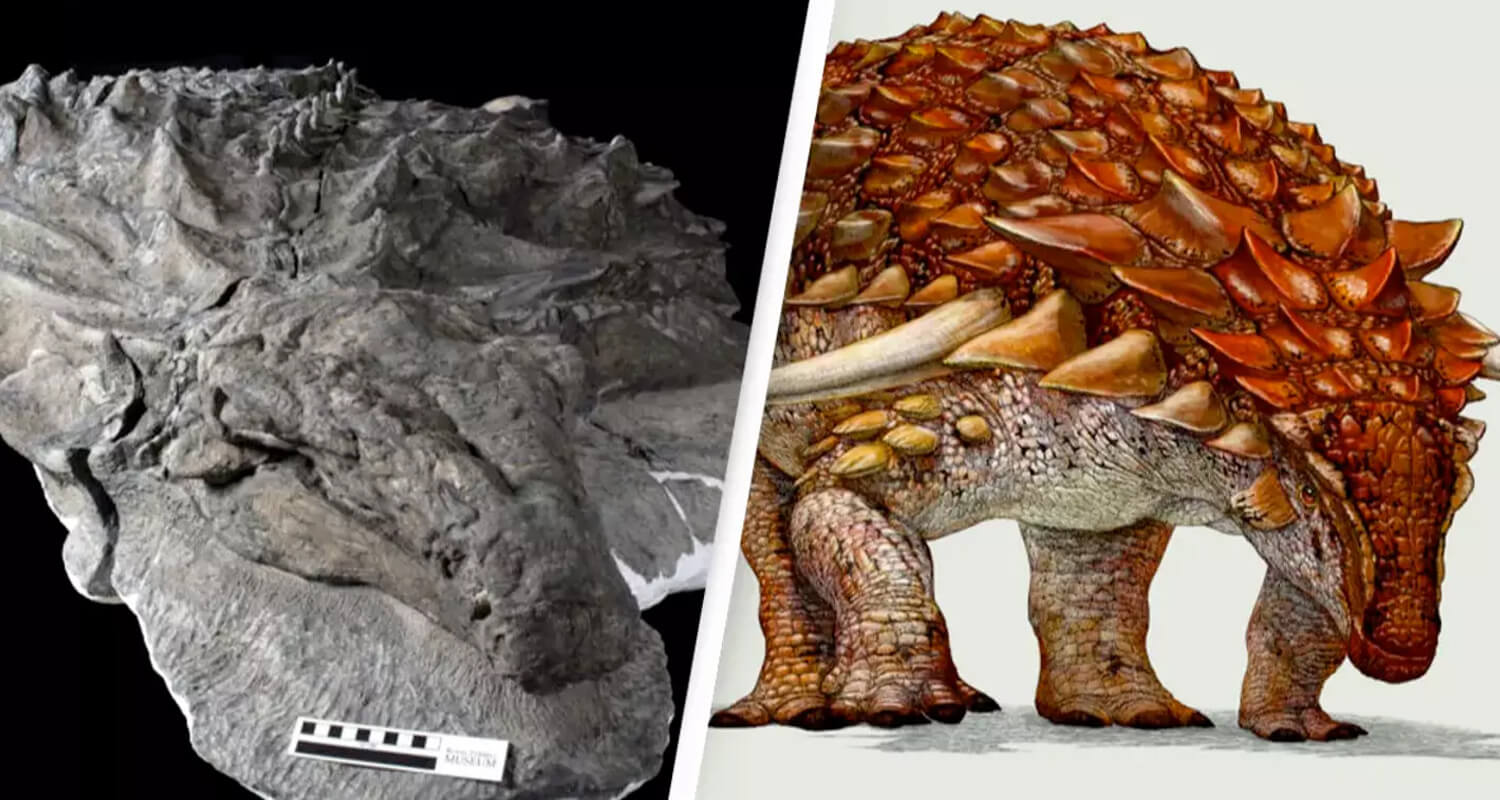
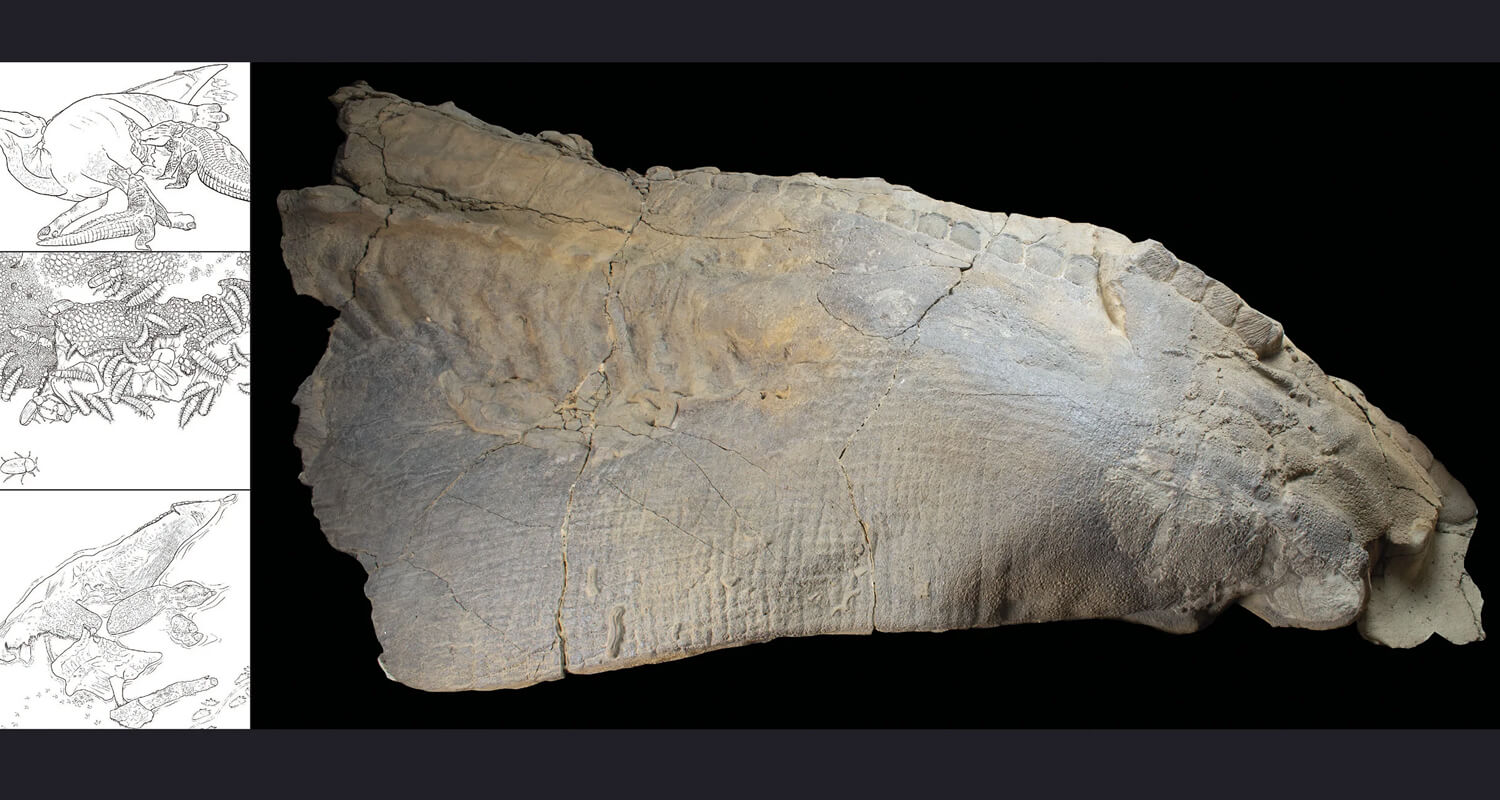
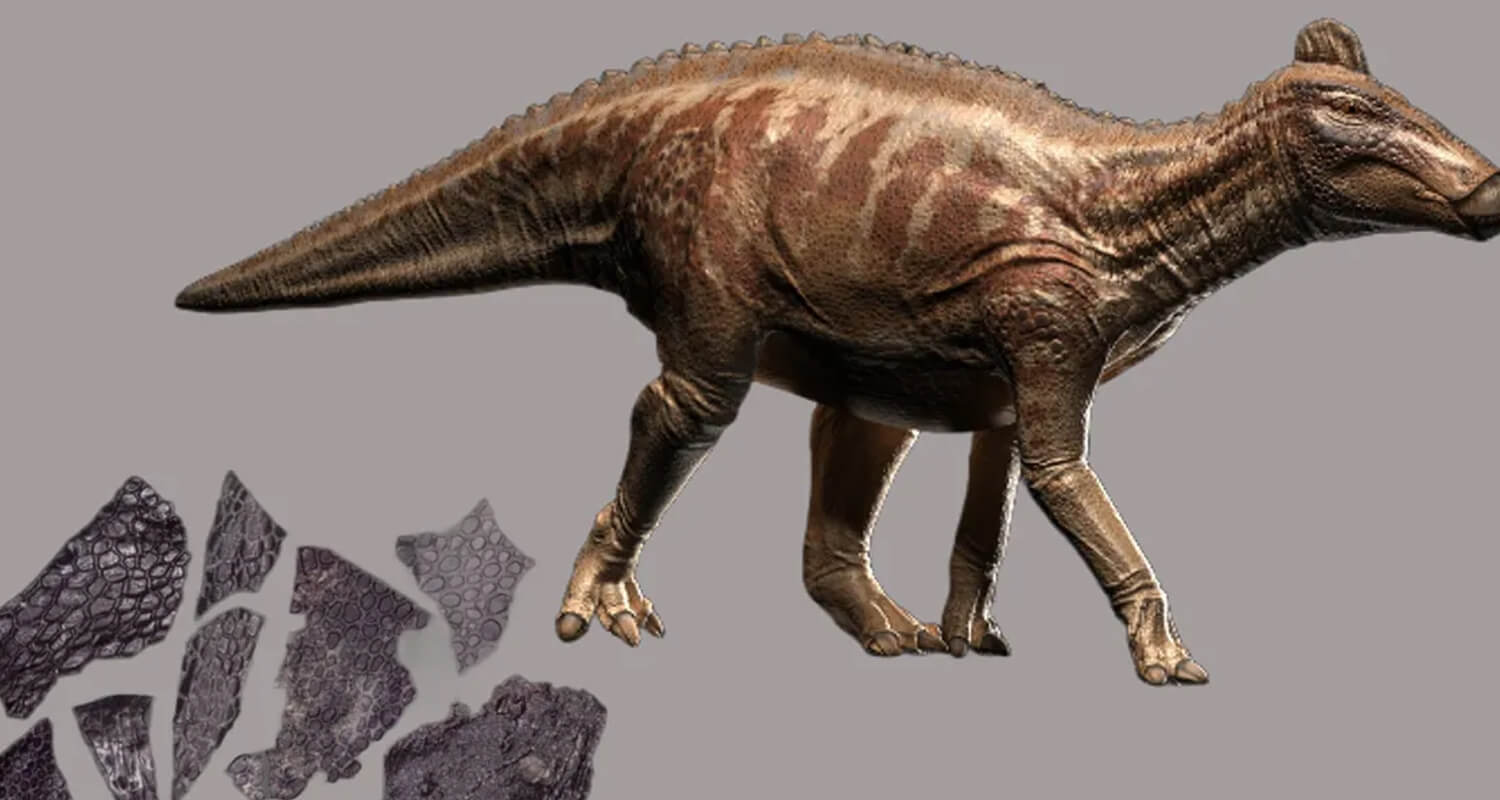 Much of what we know about dinosaur skin comes from exceptional fossil specimens that preserve imprints or even remnants of soft tissues. These rare finds, combined with advanced technology like electron microscopy and chemical spectroscopy, allow scientists to analyze the microstructures of dinosaur skin and feathers. Significant discoveries at fossil sites like Liaoning Province in China have yielded breathtakingly detailed specimens, shedding light on textures, patterns, and even pigments that once adorned these ancient beings.
Scales: The Classic Dinosaur Look
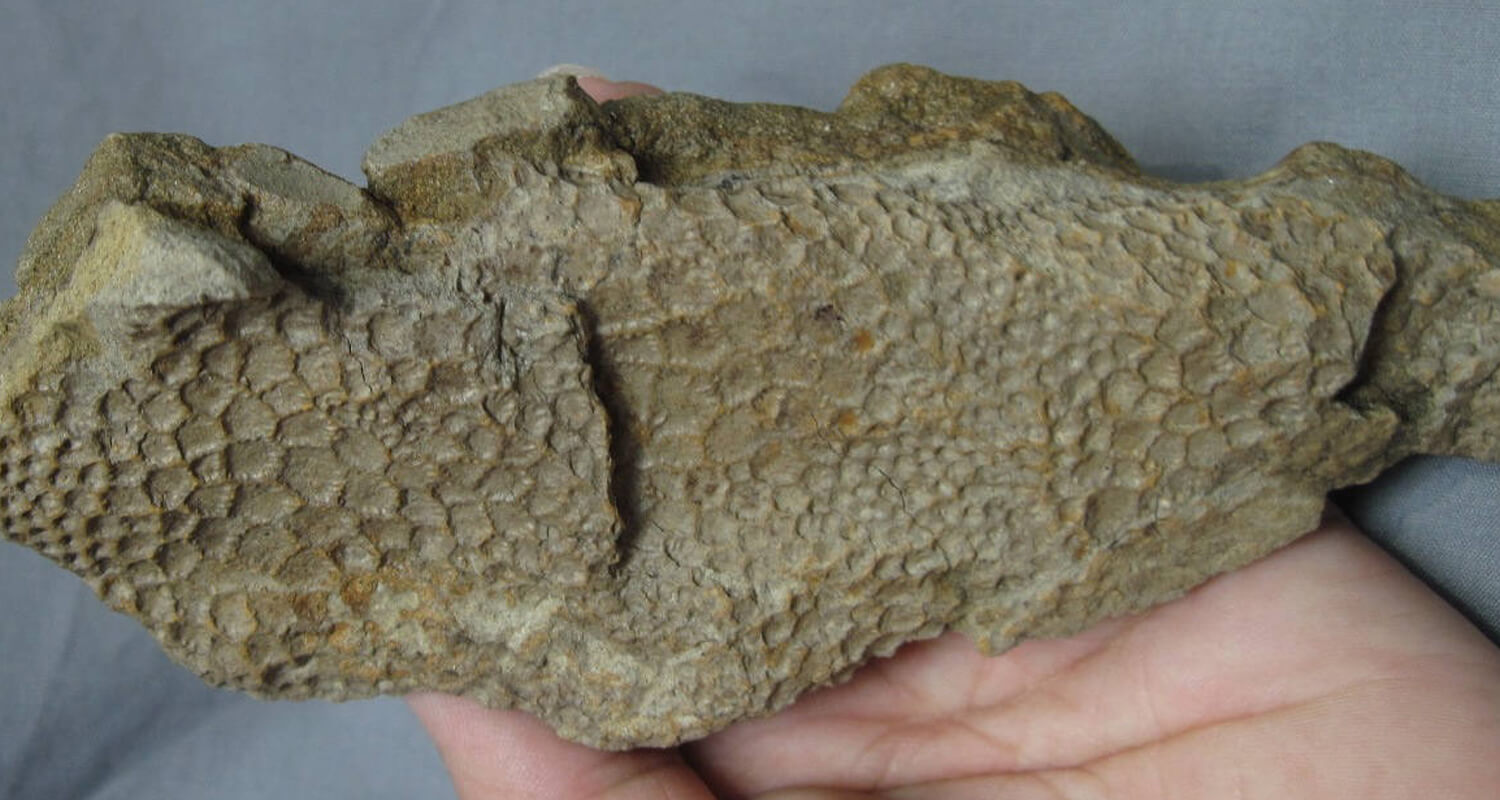
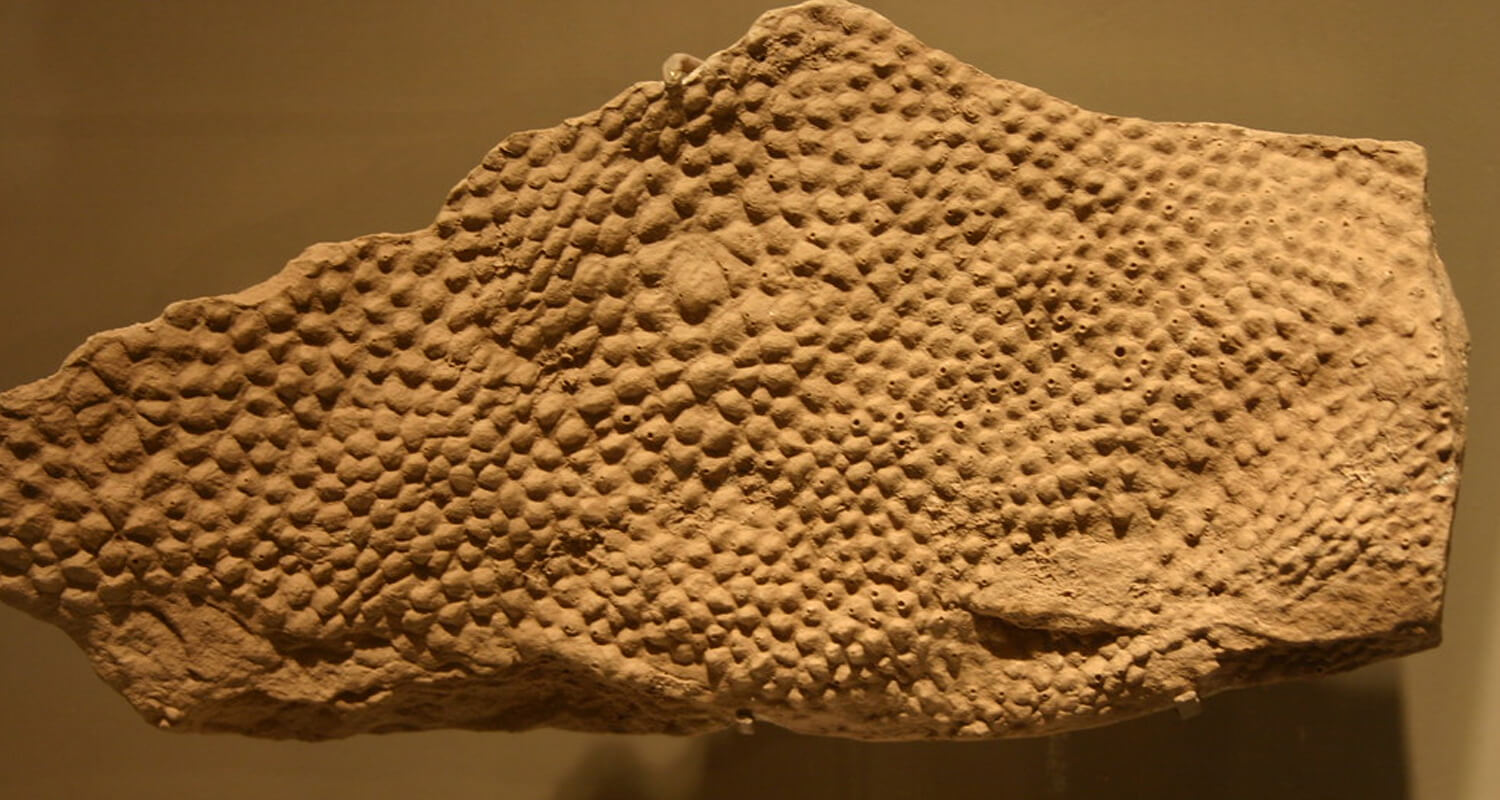 For decades, scales defined our image of dinosaurs, and for good reason. Many species, such as Triceratops and Carnotaurus, had tough, scaly skin, similar to that of modern reptiles. Scales served various purposes, from protection against predators to regulating body temperature. Fossilized skin impressions from dinosaurs like Hadrosaurus reveal intricate scale patterns, suggesting that even seemingly plain species might have been more visually complex than we imagine.
The Rise of Feathers in Dinosaurs
 The groundbreaking discovery of feathered dinosaurs transformed the way we view these prehistoric creatures. Fossils like Archaeopteryx and Microraptor bridged the gap between dinosaurs and modern birds, proving that feathers were not just for flight but also for insulation and display. Some larger species, like Yutyrannus, a relative of Tyrannosaurus rex, were covered in thick feathers, suggesting that plumage was more widespread across different groups than previously thought.
Feathers came in various forms, from simple filaments resembling hair to complex flight feathers. These adaptations helped dinosaurs thrive in diverse environments and likely played a role in mating displays or intimidating rivals.
Colors of Dinosaur Skin and Feathers
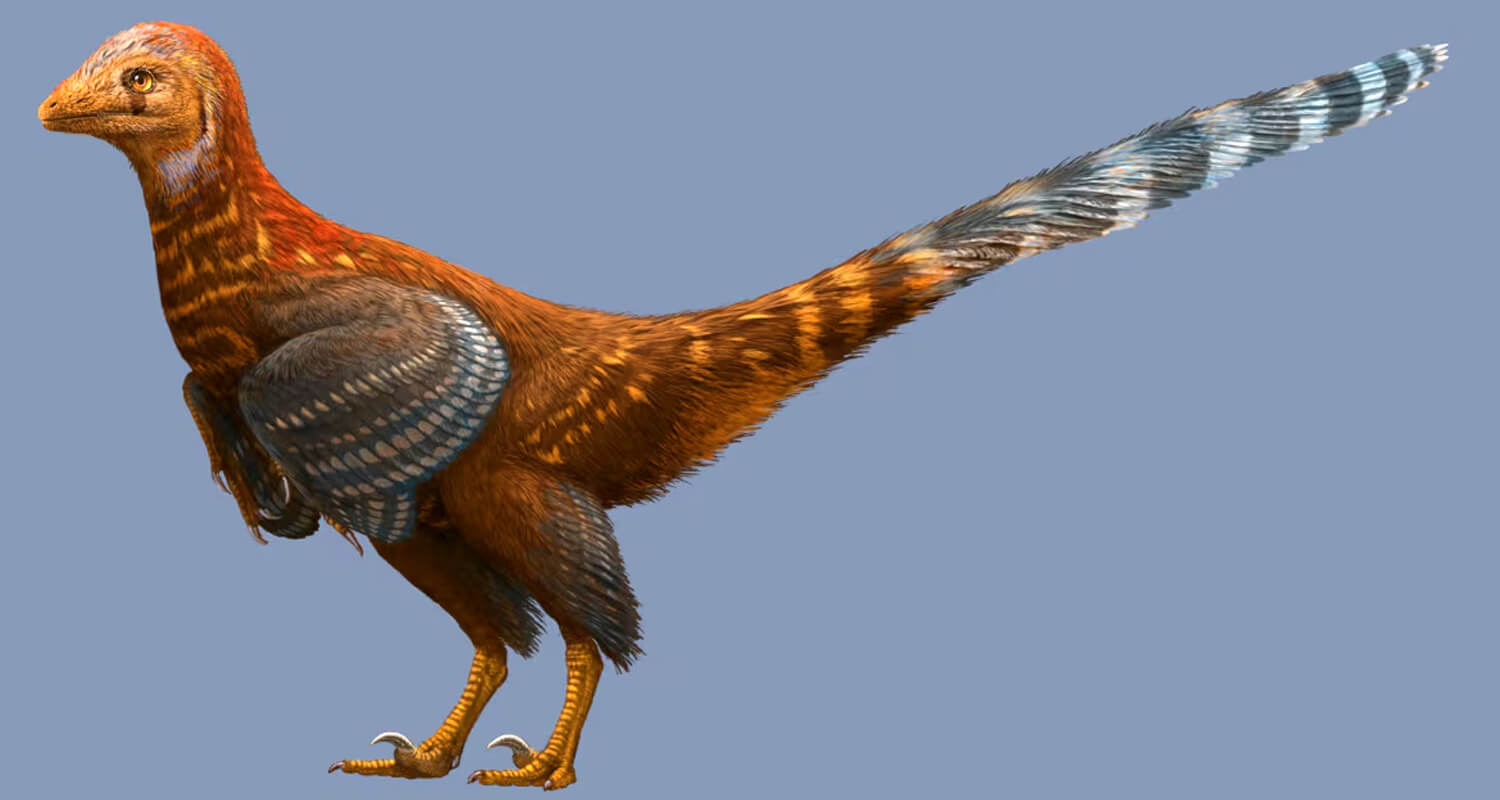 Perhaps the most exciting breakthrough in recent years is the ability to determine the colors of dinosaur skin and feathers. Scientists have identified microscopic structures called melanosomes in fossilized feathers. By comparing these structures to those in modern birds, researchers can infer colors and patterns. For instance, Anchiornis is now known to have had black and white plumage with striking red patches on its head.
Coloration likely served many purposes, including camouflage, species recognition, and attracting mates. Some dinosaurs might have flaunted iridescent feathers, akin to modern peacocks or hummingbirds, making the prehistoric world more vibrant than once imagined.
What Does This Mean for Modern Interpretations of Dinosaurs
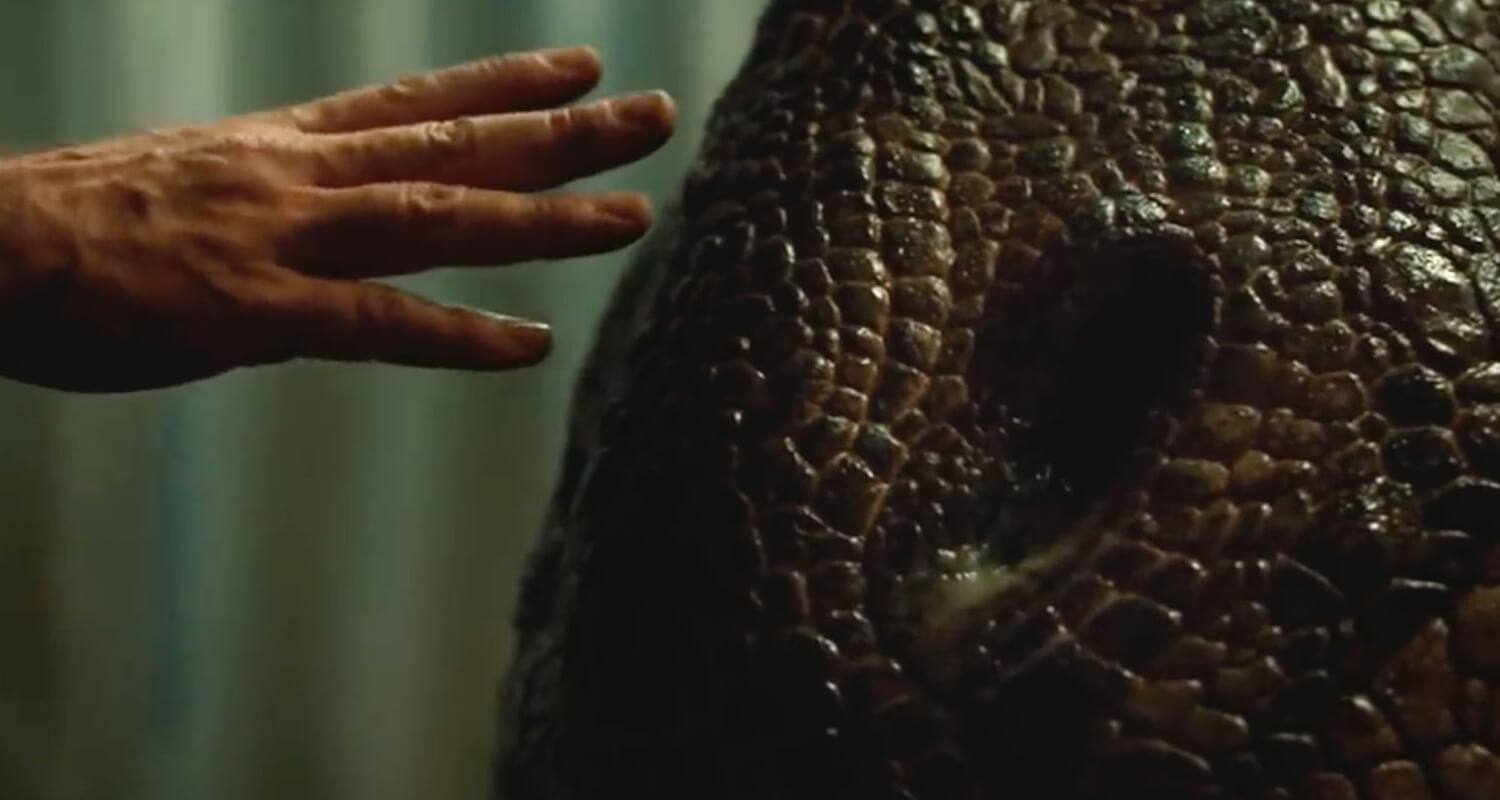 These discoveries have revolutionized how dinosaurs are portrayed in museums, movies, and educational materials. Gone are the days of purely gray, scaly creatures; instead, we now see dynamic, colorful representations that highlight their diversity and complexity.
At Gecai Culture, we embrace this scientific progress by creating animatronic dinosaur models that capture the latest research. Our customizable designs feature realistic scales, feathers, and vibrant colors, offering audiences an authentic glimpse into the prehistoric past. These lifelike models bring the science of dinosaur skin to life, captivating visitors at theme parks, museums, and exhibitions worldwide.
FAQs About Dinosaur Skin, Feathers, and Colors
 Did all dinosaurs have scales?
No, while many dinosaurs had scales, others had feathers, and some may have had a combination of both.
Were feathers limited to small dinosaurs?
Not at all. Large species like Yutyrannus had feathers, proving that plumage was not exclusive to small dinosaurs.
How do scientists know the colors of extinct dinosaurs?
By studying melanosomes in fossilized feathers, scientists can infer the colors and patterns of dinosaur plumage.
What is the most colorful dinosaur discovered?
Anchiornis is among the most colorful dinosaurs known, with a striking black, white, and red plumage.
Conclusion
 The science of dinosaur skin reveals a world far richer and more complex than the scaly reptiles of old textbooks. From tough scales to shimmering feathers and vibrant hues, dinosaurs were as diverse in appearance as they were in behavior and habitat.
Ongoing research continues to deepen our understanding of these ancient creatures, ensuring they remain a source of fascination and inspiration. Thanks to these discoveries, we can now appreciate dinosaurs as the vibrant, dynamic animals they once were, and with animatronic innovations like those at Gecai Culture, their legacy continues to captivate audiences around the globe.
태그: