
우리에 대해
게카이 문화는 최첨단 애니메트로닉 공룡, 매혹적인 애니메트로닉 생물, 활기찬 중국 축제 등불, 맞춤형 제품을 통해 과거를 되살리는 데 앞장서고 있습니다. 중국의 중심부에 자리잡은 전문 제조업체로서 우리는 박물관, 전시회, 동물원, 공원 등에서 우리의 실물과 같은 공룡과 동물을 전시하는 데 깊은 열정을 가지고 있으며, 모든 연령대의 사람들에게 호기심과 학습의 불꽃을 불러일으키는 것을 목표로 하고 있습니다.
무료 견적 받기
공룡 지식
공룡의 이름 지정 방법: 공룡 명명법 보기
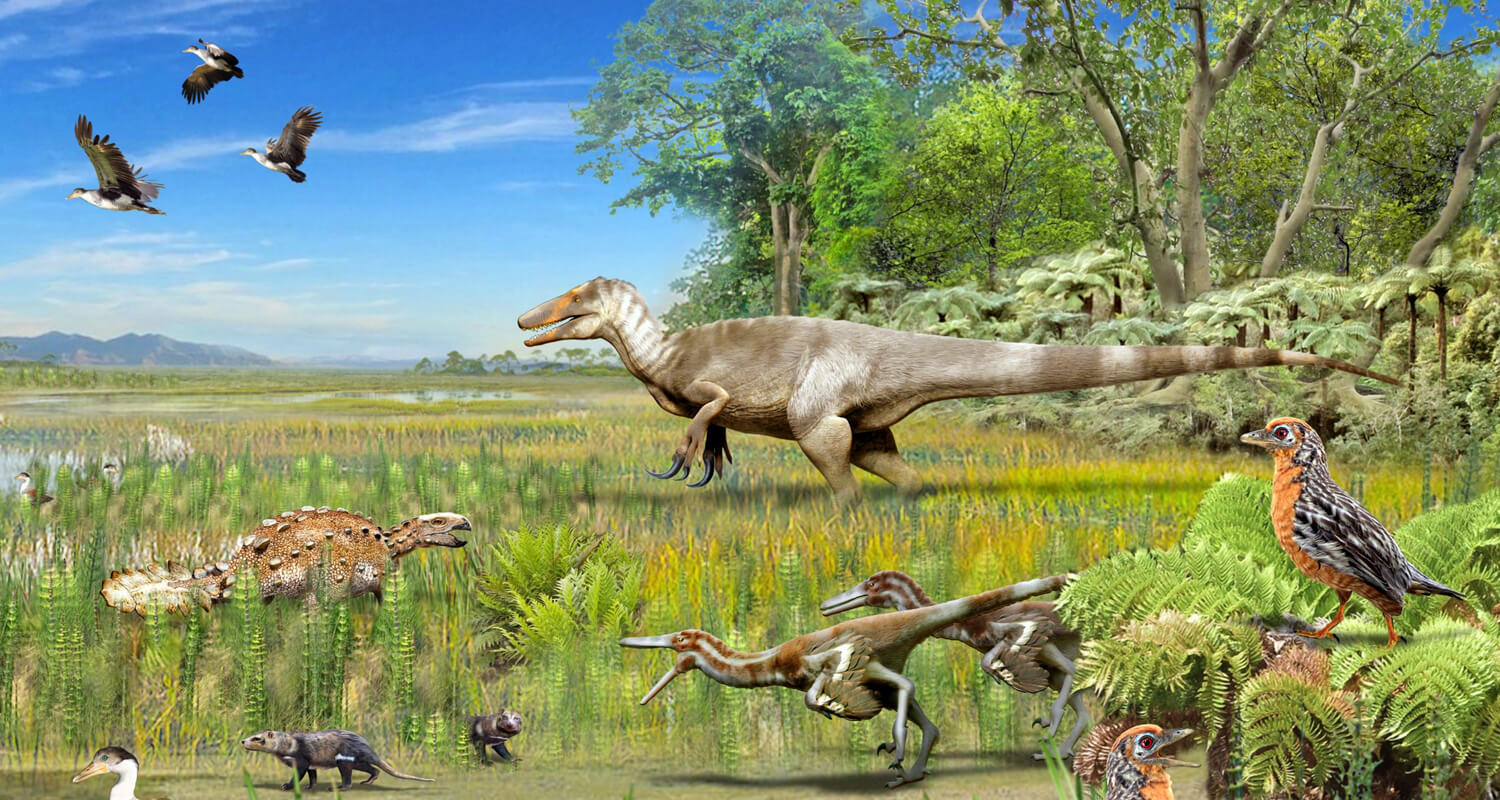 Dinosaurs have captivated our imagination for centuries, but have you ever wondered how these ancient creatures are named? Dinosaur nomenclature is not just a scientific necessity but a reflection of history, culture, and discovery. This article delves into the fascinating process of naming dinosaurs, uncovering the rules, creativity, and controversies that shape the identities of these prehistoric giants.
The Origins of Dinosaur Names
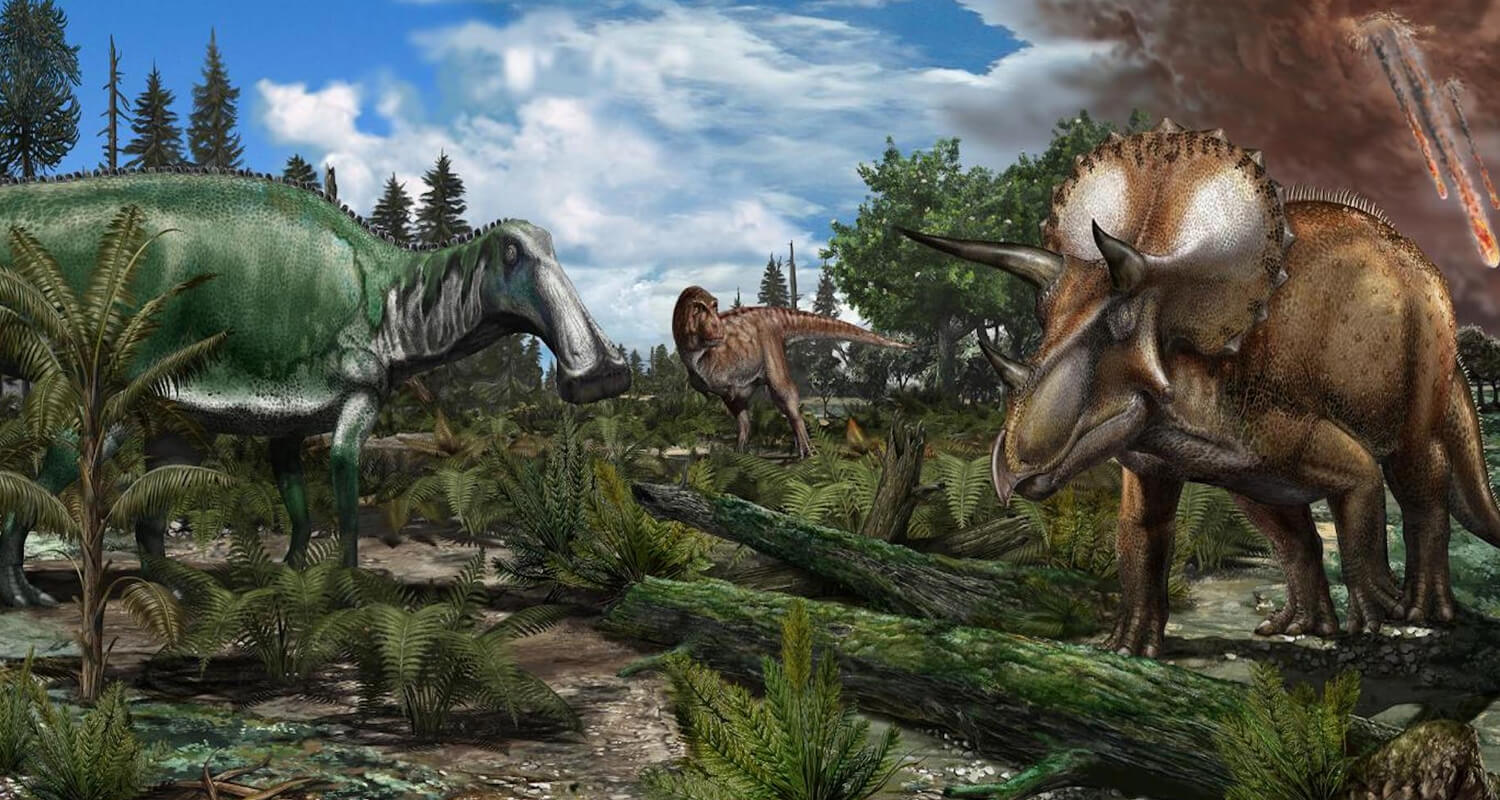 Dinosaur names often come from Greek and Latin roots, providing descriptive clues about the creature's characteristics. These names can highlight physical traits, behaviors, or the locations where fossils were discovered. For example, Tyrannosaurus rex means "Tyrant Lizard King," referencing its massive size and predatory nature. Another example is Triceratops, which translates to "Three-Horned Face," describing its distinctive horns and frill. This etymology ensures that each name carries a legacy tied to the creature's identity.
The Rules of Dinosaur Naming
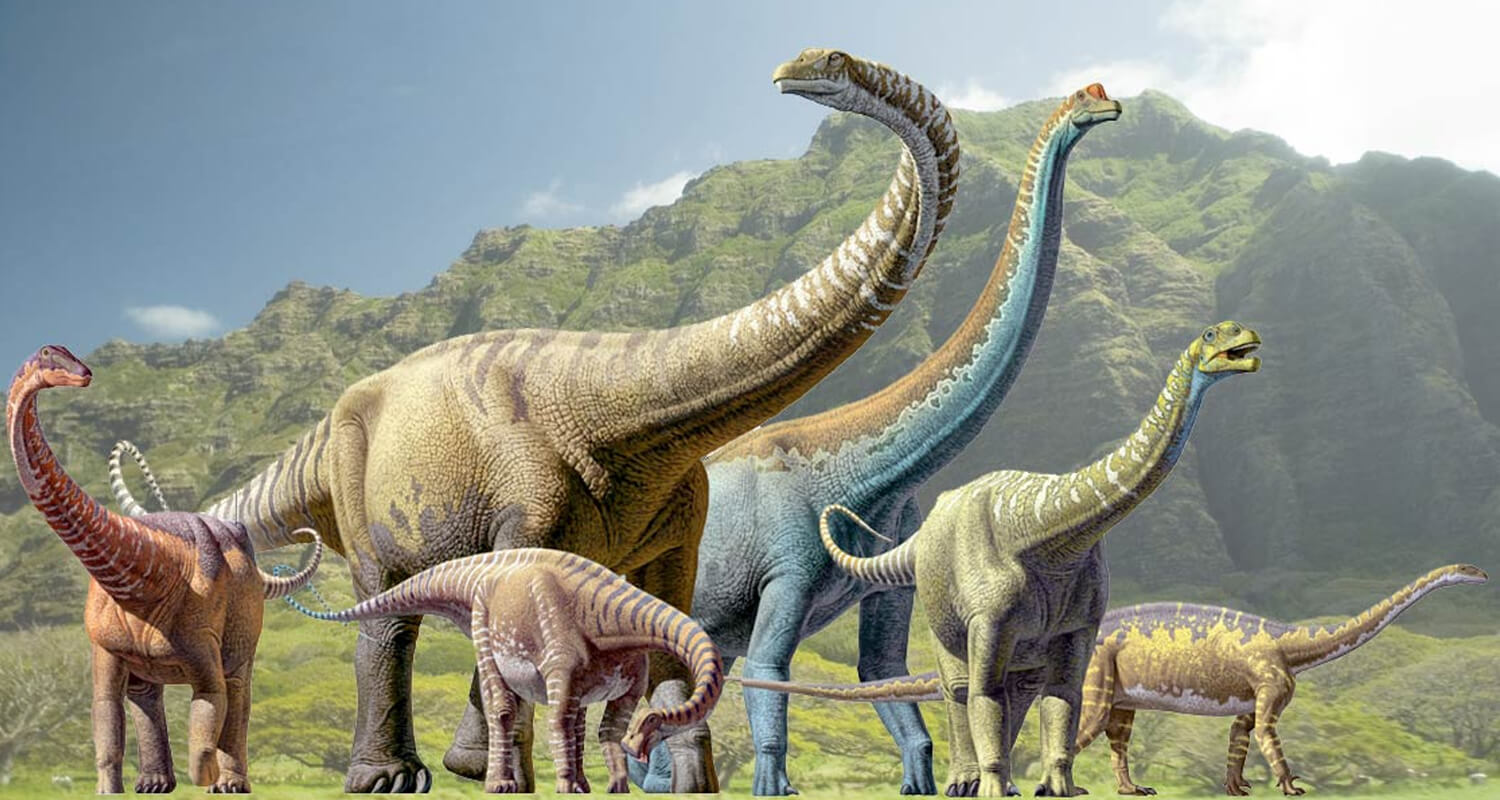 The naming of dinosaurs is governed by the International Code of Zoological Nomenclature (ICZN), which ensures consistency and clarity. Key rules include:
Names must be unique and not duplicate existing species.
They must be Latinized to maintain a universal scientific standard.
A new name must be officially published and peer-reviewed to gain acceptance.
When a new dinosaur species is discovered, paleontologists analyze its fossils, identify unique features, and propose a name that adheres to these guidelines. This rigorous process ensures every name has scientific merit and global recognition.
Creative and Unusual Dinosaur Names
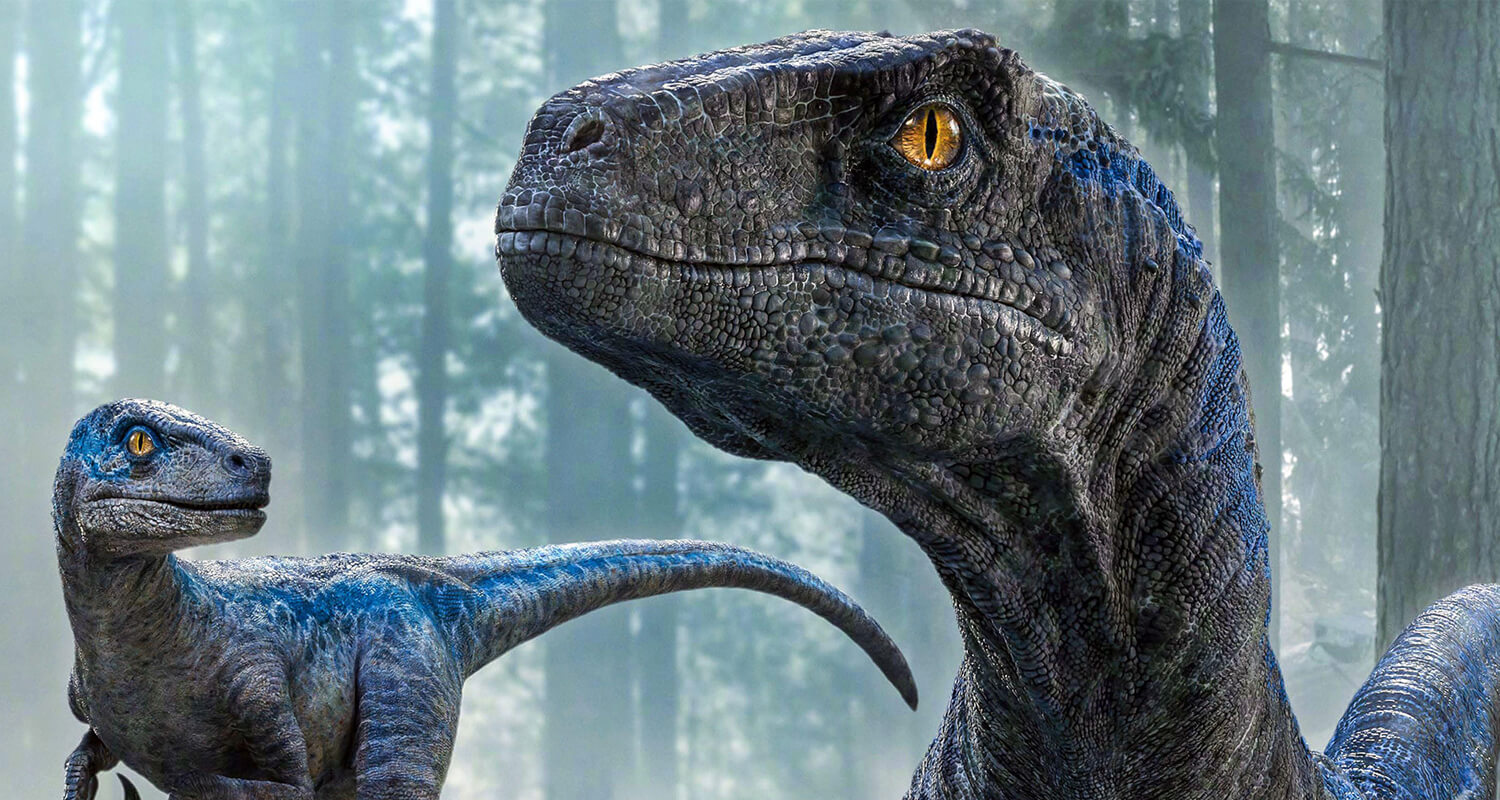 Some dinosaur names showcase paleontologists' creativity and sense of humor. For instance, Irritator earned its name because the fossil's condition frustrated researchers. Similarly, Dracorex hogwartsia, which means "Dragon King of Hogwarts," was inspired by the Harry Potter series. These unique names often reflect modern cultural influences or the quirks of discovery, adding a touch of personality to paleontology.
Controversies and Renaming in Dinosaur Nomenclature
 Dinosaur naming has not been without controversy. One famous dispute involves Apatosaurus and Brontosaurus. For years, scientists debated whether these were two distinct species or the same dinosaur. Recent studies have reinstated Brontosaurus as a valid genus, much to the delight of fans worldwide. Such debates highlight the importance of accurate classification and the evolving nature of science.
Renaming a dinosaur can also occur when new discoveries provide additional information. Although it can cause confusion, this process ensures scientific accuracy and reflects paleontology’s commitment to understanding the past.
The Role of Discovery in Naming
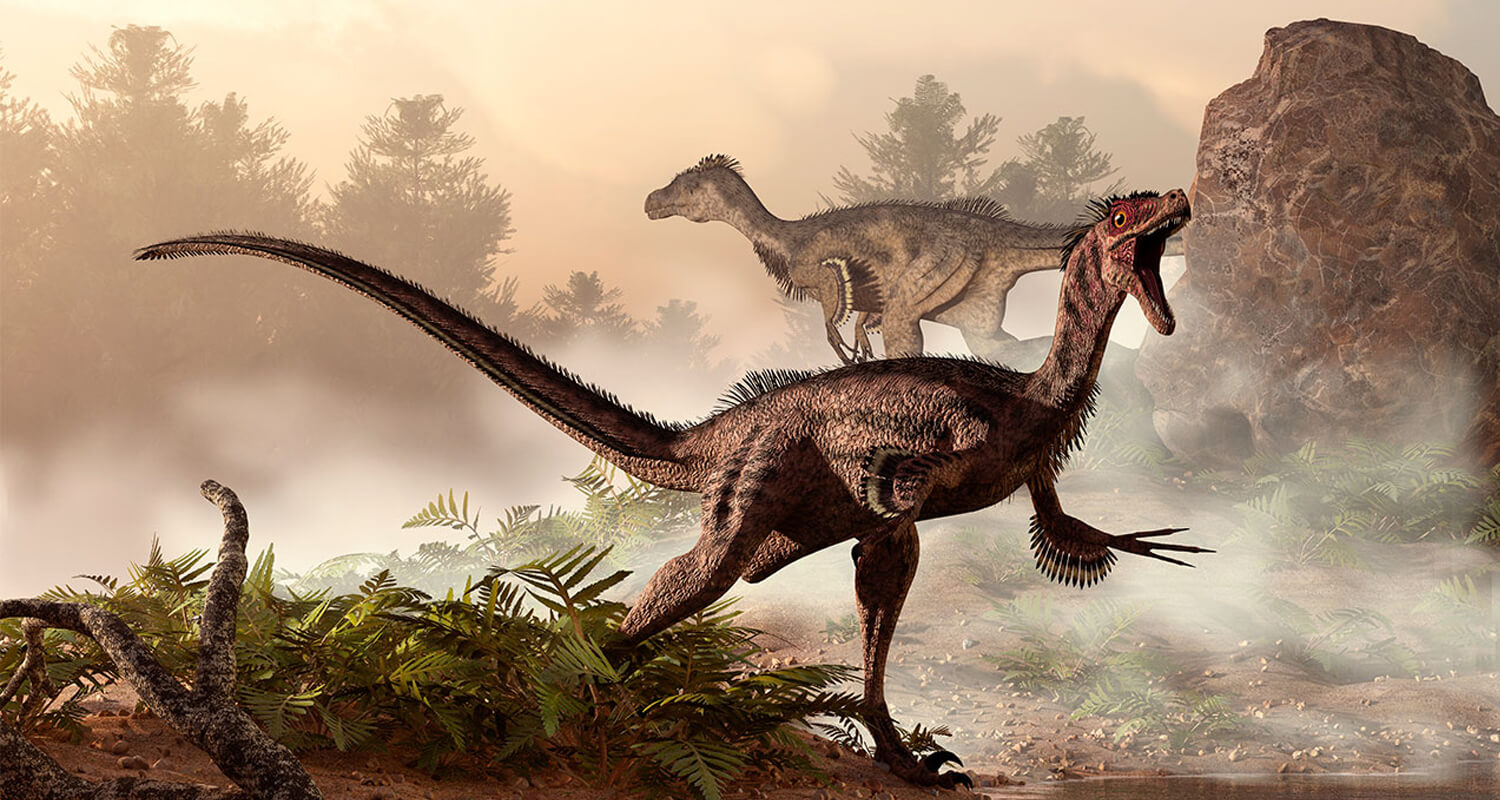 Discoverers often play a crucial role in naming dinosaurs, and many are named after the person, place, or institution associated with their find. For example, Albertosaurus honors Alberta, Canada, where it was discovered. However, ethical considerations prevent names from being sold or commercialized, preserving the integrity of scientific nomenclature.
How Animatronic Dinosaurs Bring Names to Life
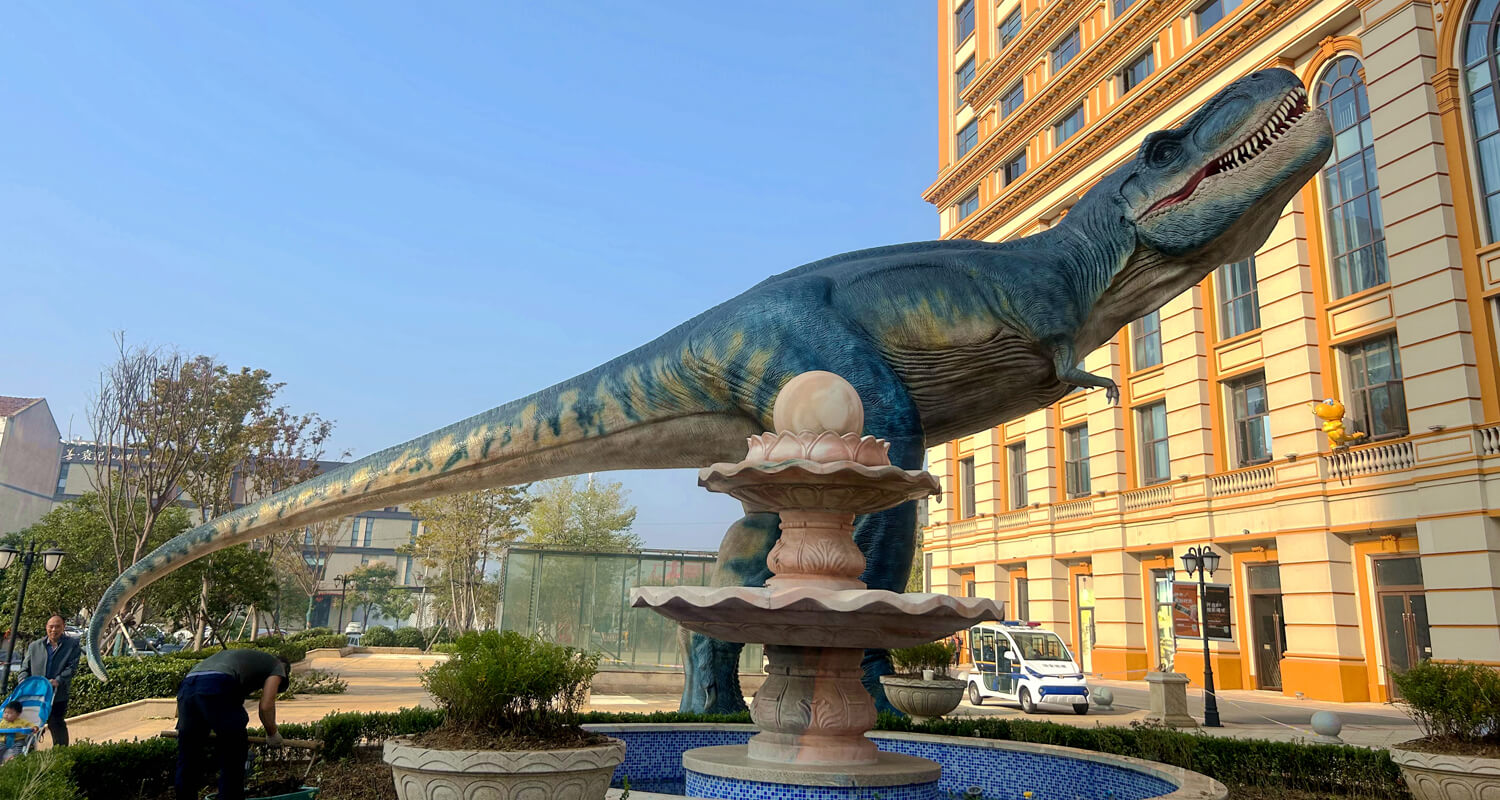 Animatronic dinosaurs offer a unique way to experience the names and characteristics of these creatures in real life. For instance, a Tyrannosaurus rex model can showcase its fearsome features, while a Triceratops replica highlights its iconic horns and frill. At Gecai Culture, we specialize in creating lifelike animatronic dinosaurs tailored to reflect the essence of these ancient giants. Whether for museums, theme parks, or exhibitions, our customizable models bring these names to life for audiences worldwide.
FAQs About Dinosaur Naming
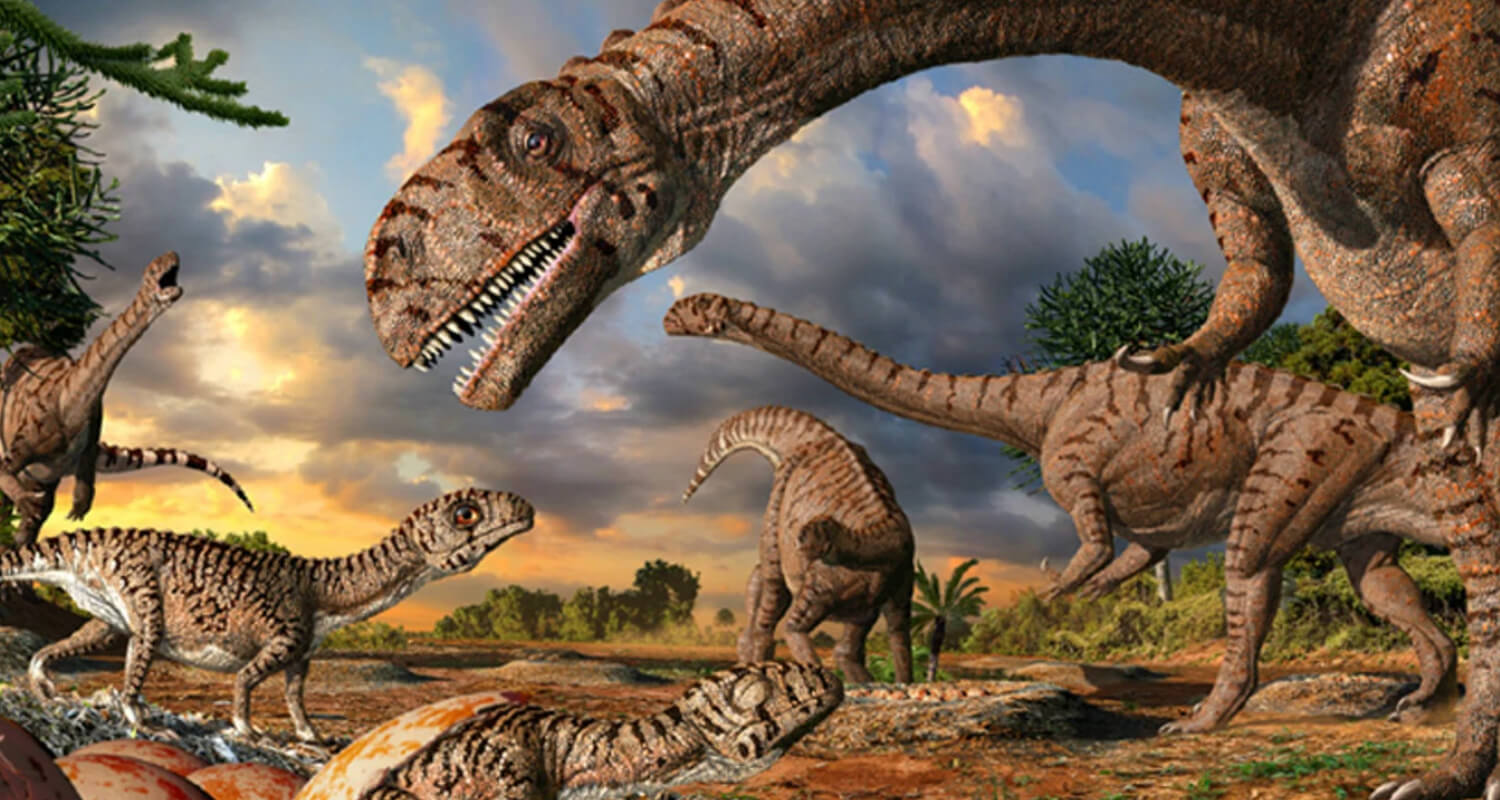 Who decides how a dinosaur is named?
The paleontologist who discovers the dinosaur has the right to propose its name, which must then be published and reviewed by peers to gain official recognition.
Why do dinosaur names use Latin or Greek?
Latin and Greek are universal scientific languages, ensuring that dinosaur names can be understood and used globally.
Can a dinosaur have more than one name?
Yes, but this often results from misclassification. When multiple names exist, scientists prioritize the first validly published name.
Conclusion
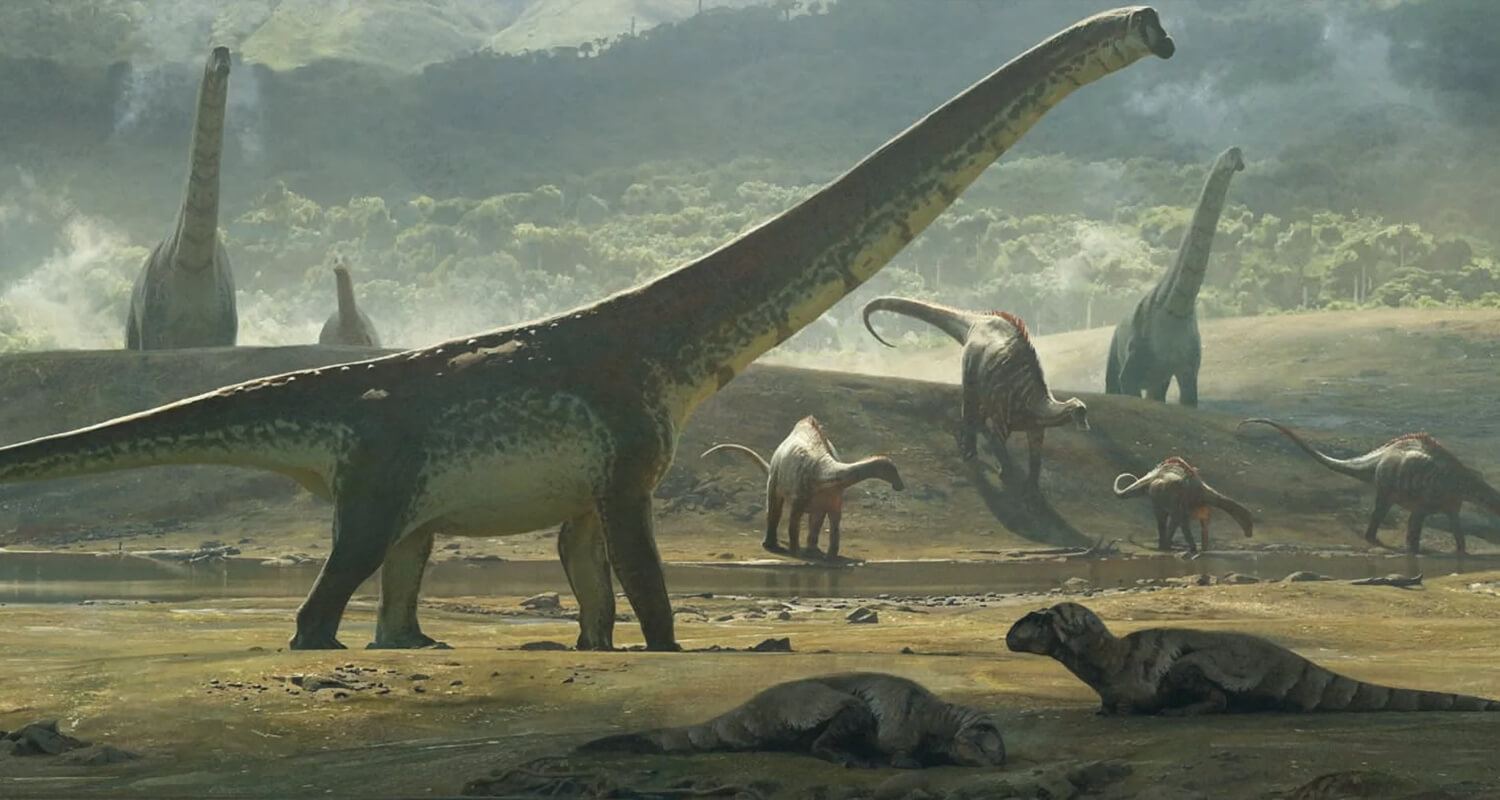 Dinosaur names are much more than labels—they are windows into history, science, and the stories of discovery. From creative etymology to the meticulous rules of naming, the process of dinosaur nomenclature reflects the wonder and complexity of paleontology. Through animatronic dinosaurs, these names come alive, offering audiences a chance to connect with the prehistoric world. Explore our animatronic creations to bring these ancient creatures into your world!
태그: