
우리에 대해
게카이 문화는 최첨단 애니메트로닉 공룡, 매혹적인 애니메트로닉 생물, 활기찬 중국 축제 등불, 맞춤형 제품을 통해 과거를 되살리는 데 앞장서고 있습니다. 중국의 중심부에 자리잡은 전문 제조업체로서 우리는 박물관, 전시회, 동물원, 공원 등에서 우리의 실물과 같은 공룡과 동물을 전시하는 데 깊은 열정을 가지고 있으며, 모든 연령대의 사람들에게 호기심과 학습의 불꽃을 불러일으키는 것을 목표로 하고 있습니다.
무료 견적 받기
공룡 지식
공룡 이빨의 중요성: 해독 식단과 행동
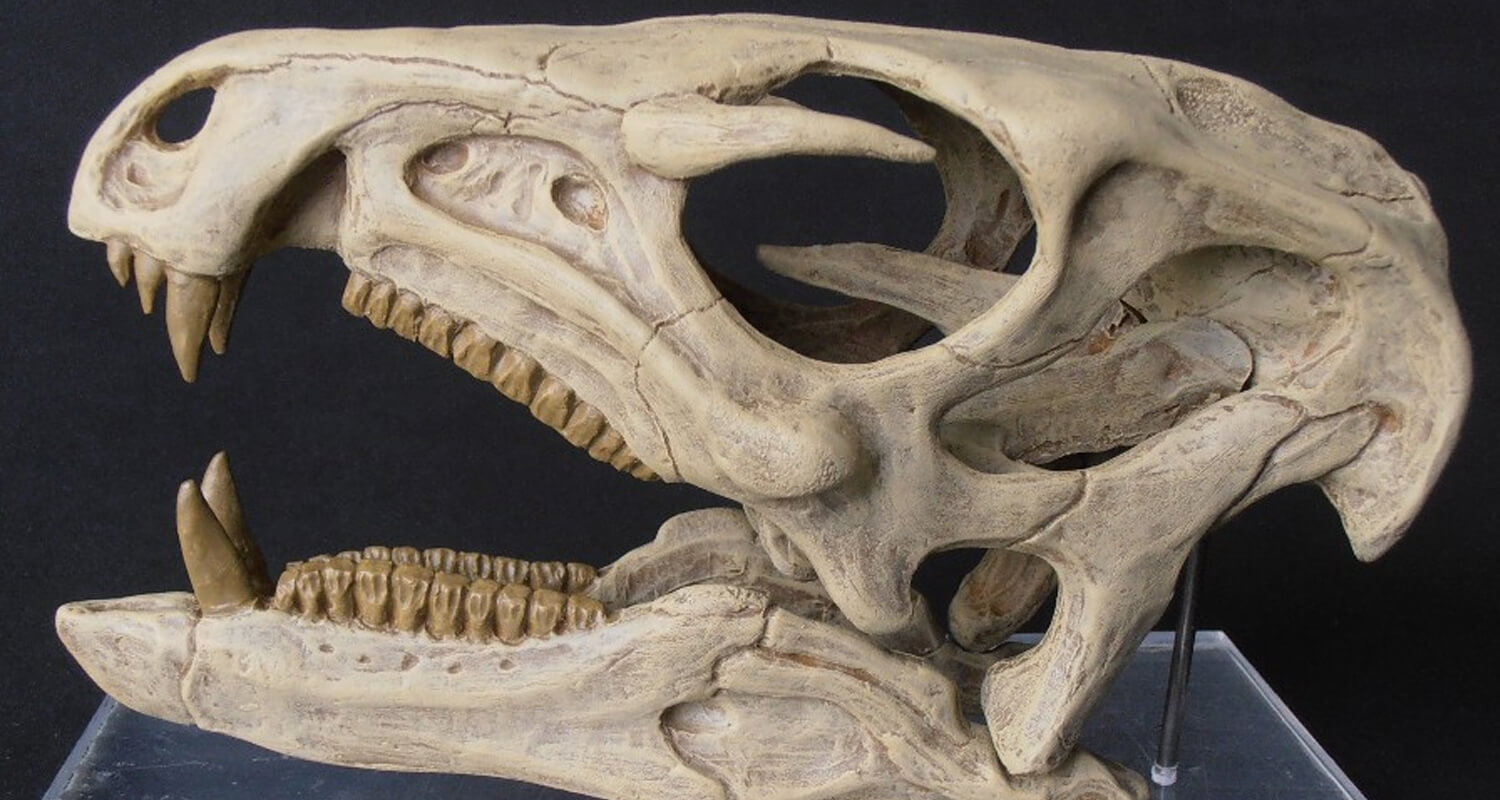 Dinosaur teeth hold far more than just the key to understanding what these prehistoric giants ate. The shape, size, and wear patterns of dinosaur teeth offer invaluable insights into their behavior, social structures, and ecological roles. By examining these fossils, paleontologists can uncover clues about a dinosaur's diet, hunting strategies, social interactions, and even how they evolved to thrive in changing environments. In this article, we'll explore the critical role that teeth played in decoding the lives of dinosaurs.
Dinosaur Teeth as Clues to Their Diet
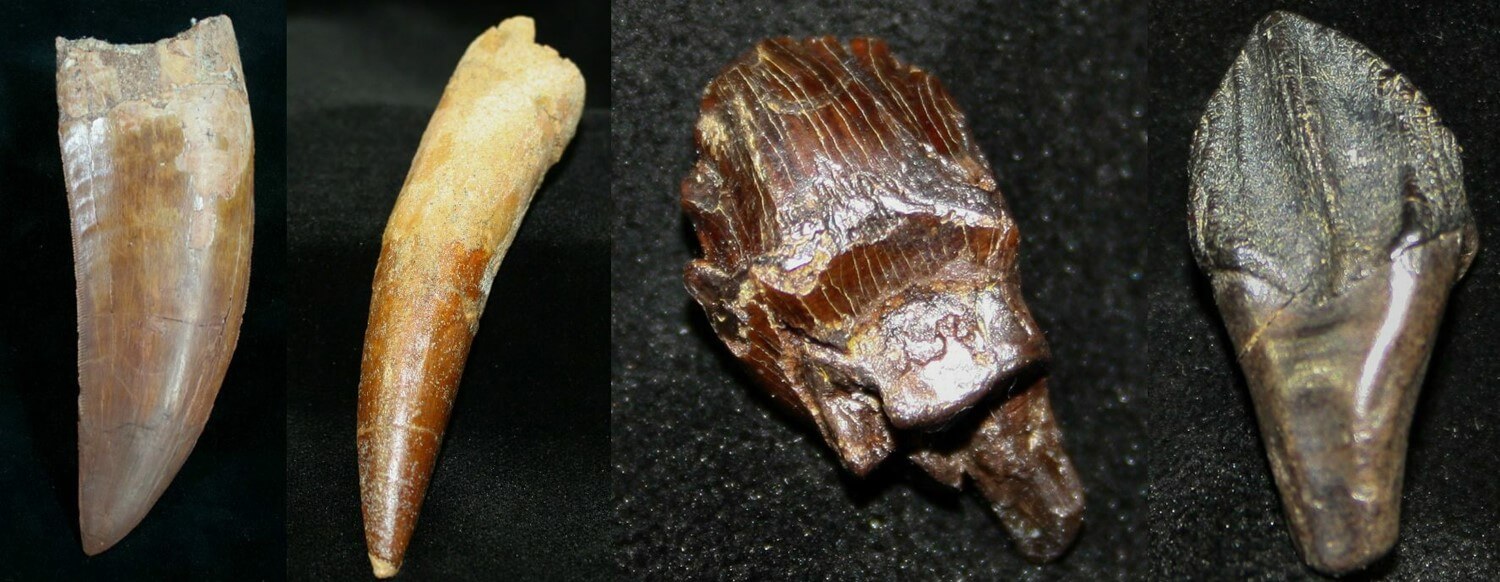 Teeth are essential tools for breaking down food, and they come in various forms adapted to specific diets. By studying the shape and structure of teeth, scientists can easily distinguish between herbivores, carnivores, and omnivores.
Herbivores: Grinding Plant Matter
Herbivorous dinosaurs, such as the Triceratops, Stegosaurus, and Brachiosaurus, had large, flat teeth designed for grinding tough plant material. Their teeth were perfectly suited for crushing leaves, branches, and other vegetation. For example, the Brachiosaurus had high-crowned teeth with ridges, ideal for grinding fibrous plants. These teeth allowed herbivores to break down plant matter and extract nutrients efficiently from the otherwise difficult-to-digest vegetation.
Carnivores: Sharpened Teeth for Hunting
Carnivorous dinosaurs, like the fearsome Tyrannosaurus rex and the agile Velociraptor, had sharp, pointed teeth that were perfect for tearing through flesh. These teeth were often serrated, allowing them to slice through meat with ease. For example, the teeth of the T. rex were large, curved, and capable of puncturing bone, indicating a diet that included not just soft flesh, but also hard, mineral-rich bones. The shape and strength of these teeth suggest that these dinosaurs were formidable predators, capable of capturing and consuming large prey.
Omnivores: A Combination of Sharp and Flat Teeth
Some dinosaurs, like the Oviraptor and Troodon, were omnivores, meaning they had a mixed diet of both plants and animals. These dinosaurs had a combination of sharp teeth for tearing meat and flat molars for grinding plant material. The versatility of these teeth indicates that omnivores were adaptable feeders, capable of exploiting a wide range of food sources in their environment.
Teeth as Indicators of Feeding Behavior
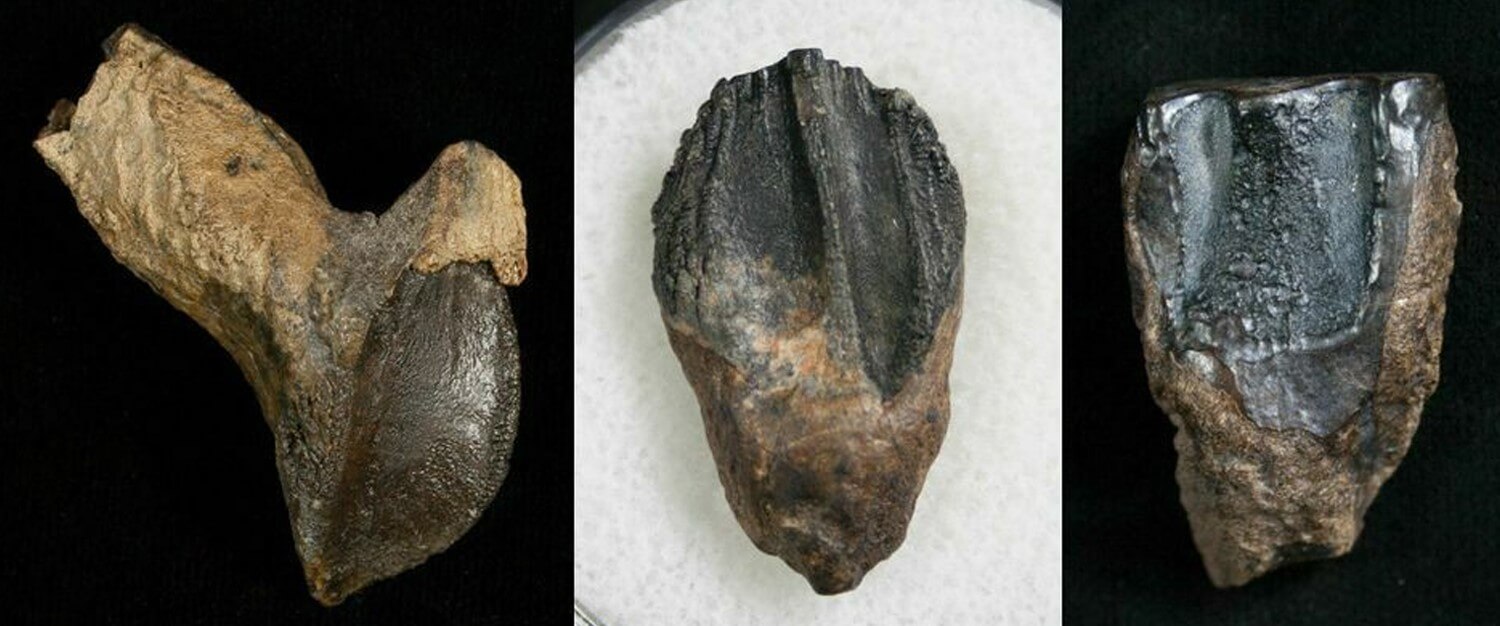 Beyond diet, teeth also offer clues about a dinosaur's feeding habits and behavior. The structure of their teeth can help paleontologists determine whether a dinosaur was a predator, scavenger, or had a specialized feeding strategy.
Scavengers vs. Hunters
The teeth of some dinosaurs, like T. rex, suggest that they were active hunters, while others, such as the Deinonychus, may have engaged in both hunting and scavenging. Active hunters typically have sharp, serrated teeth designed for capturing and tearing through flesh. In contrast, scavengers like Allosaurus had large, robust teeth capable of crushing bone, suggesting that they were more likely to scavenge from already-dead animals.
Specialized Feeding Strategies
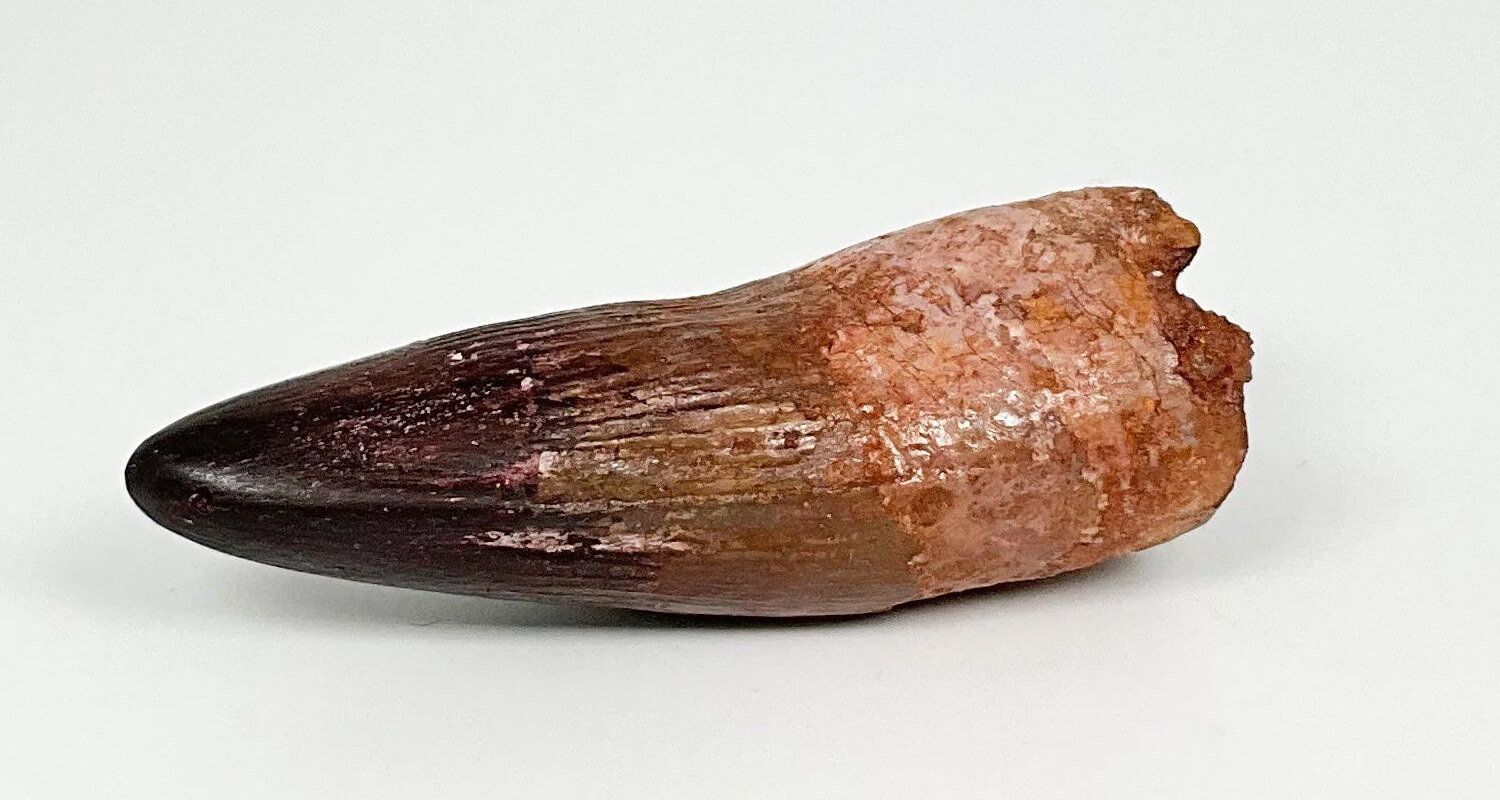
Some dinosaurs developed specialized teeth to target specific types of prey. For example, the Spinosaurus had conical, needle-like teeth that were ideal for catching fish, indicating that it had a semi-aquatic lifestyle. The Therizinosaurus, with its large claws and leaf-shaped teeth, likely fed on soft vegetation like ferns and tree leaves, using its claws to strip foliage from branches.
The Role of Teeth in Social Behavior
 Teeth were not just tools for feeding; they also played a role in social behavior and interactions within dinosaur species.
Territorial Defense and Combat
In many dinosaur species, teeth were used in combat. For example, the Tyrannosaurus rex likely used its powerful jaws and sharp teeth to fight for territory or mates. Evidence of tooth marks on fossilized bones suggests that some dinosaurs engaged in fierce battles, with teeth often showing signs of wear from these encounters. The Triceratops, with its large frill and horns, used its head as a weapon in combat, while herbivores like the Ankylosaurus might have used their teeth and bony body armor to defend against predators.
Mating and Dominance Displays
Teeth may have also played a role in mating rituals and displays of dominance. The large frill and horns of herbivorous dinosaurs, like Triceratops, might have been used to signal strength and attract mates. In some species, males with more prominent teeth or more formidable bite force might have been more successful in securing mates or asserting dominance within a herd.
Evolutionary Significance of Dinosaur Teeth
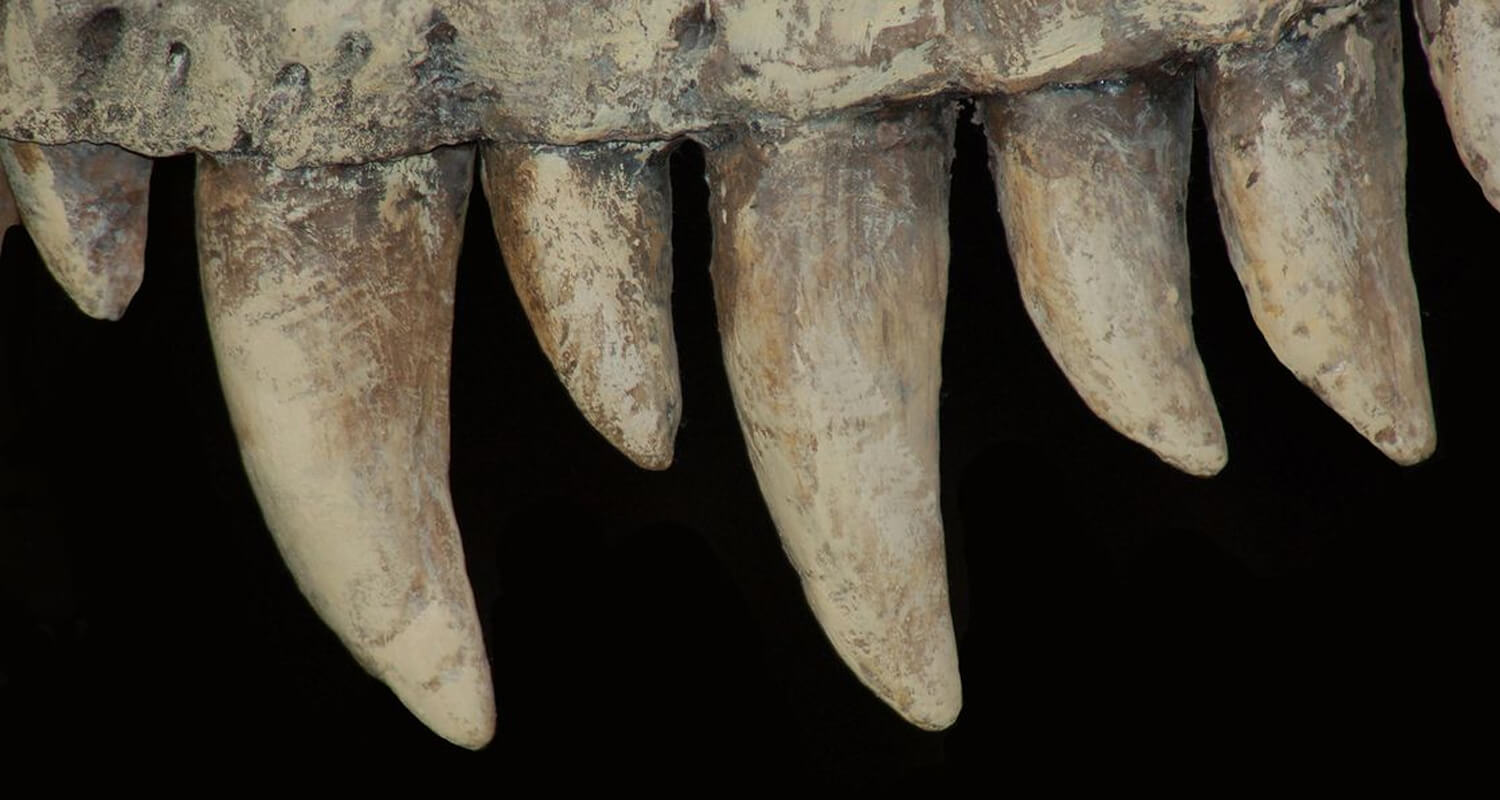 Teeth played a pivotal role in the evolution of dinosaurs, adapting over time to meet the challenges of changing environments and diets.
Adaptation Over Time
As the environments around them changed, so did the teeth of dinosaurs. For example, herbivorous dinosaurs like the Hadrosaurids evolved complex teeth with intricate ridges and cusps to efficiently process different types of vegetation. This adaptability was key to their survival as they navigated changing landscapes and plant life.
Similarly, carnivorous dinosaurs like the Velociraptor evolved sharper, more specialized teeth that allowed them to better capture and consume prey. The diversity in tooth structures across different species indicates how these adaptations helped dinosaurs exploit various food sources and survive in competitive ecosystems.
Diversification of Teeth
Throughout the Mesozoic era, tooth shapes became increasingly specialized. The variety of teeth found in different dinosaur species reveals the wide range of diets and feeding strategies that existed. For example, Ceratopsians like Triceratops had teeth suited for grinding tough plant matter, while theropods like Velociraptor developed teeth that were perfect for slicing through flesh. This diversification allowed dinosaurs to occupy a variety of ecological niches, from forest canopies to open plains, further cementing their dominance.
Fossilized Teeth and Paleontological Discoveries
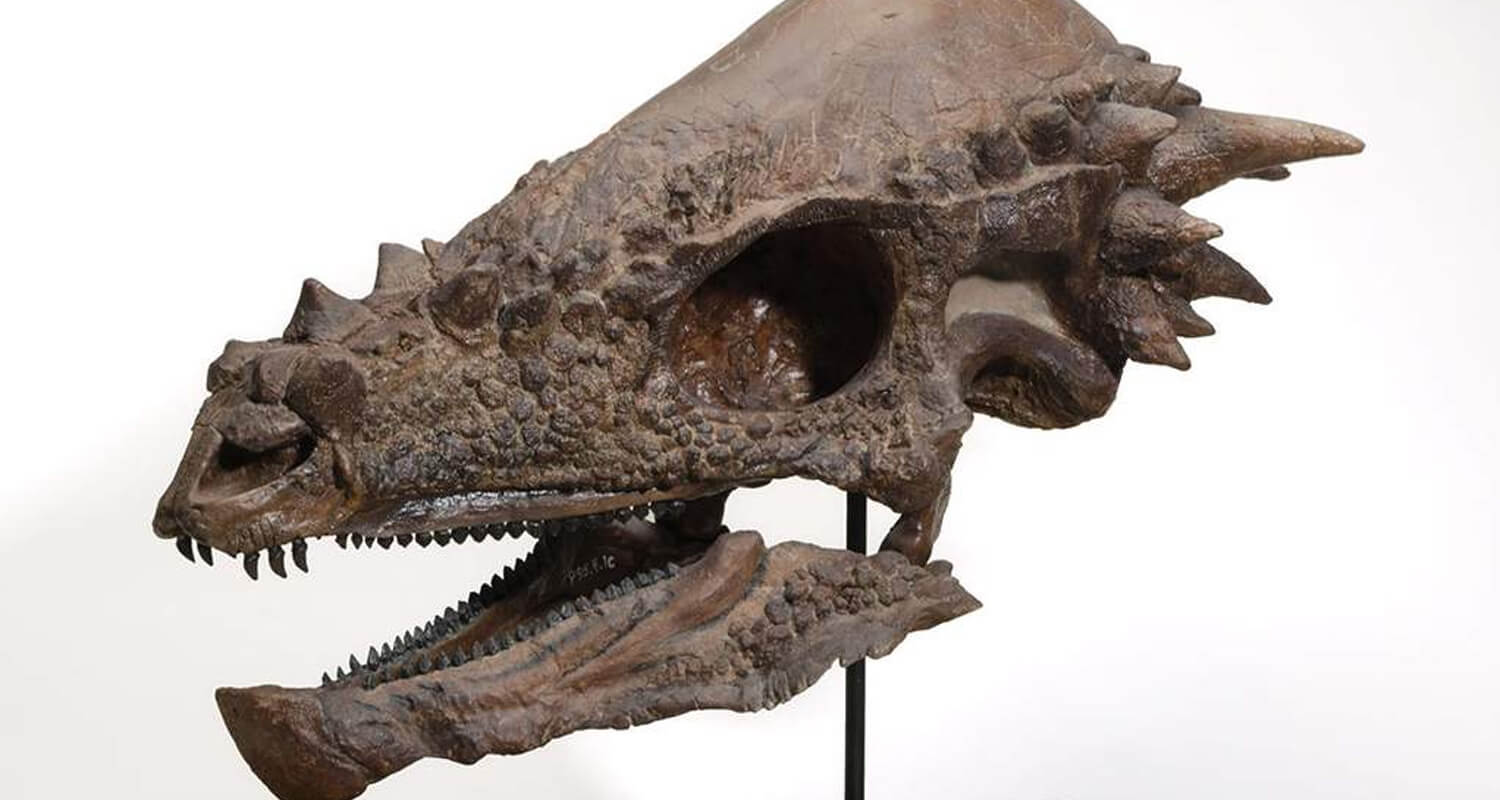 Fossilized teeth are one of the most commonly found dinosaur remains, and they provide vital clues for understanding the past. Teeth are often preserved in great detail, allowing scientists to study them to identify species, determine age, and understand their diet and behavior.
Key Discoveries
Some of the most important paleontological discoveries have been made through the study of dinosaur teeth. Fossils like the Tyrannosaurus rex teeth found in Montana have provided valuable information about the size, strength, and feeding habits of these iconic predators. In many cases, teeth are one of the first fossilized remains to be discovered, offering initial insights into the characteristics of a dinosaur before other parts of the skeleton are found.
Teeth also play a crucial role in identifying new dinosaur species. The discovery of a unique tooth type can help paleontologists pinpoint a new species or understand its evolutionary relationship to other dinosaurs.
Insights into Dinosaur Ecology and Ecosystems
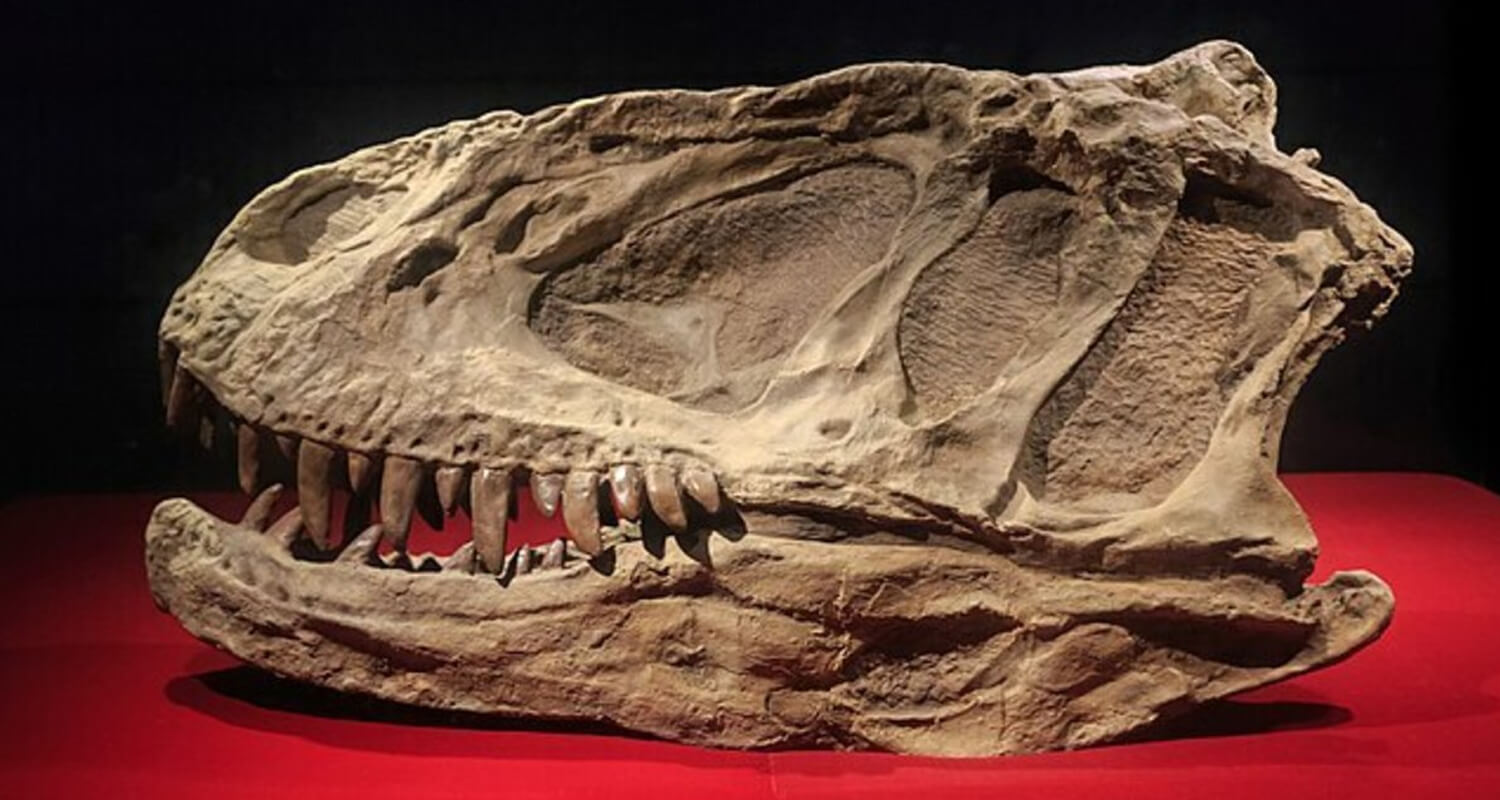 Teeth offer a window into the ecological roles that dinosaurs played in their environments. By studying the wear patterns on fossilized teeth, scientists can reconstruct the diets of herbivores and carnivores, revealing how these creatures fit into their ecosystems.
Diet and Ecosystem Roles
Herbivorous dinosaurs shaped plant life by feeding on trees, shrubs, and grasses, while carnivores kept prey populations in check. The variety of teeth seen in different species indicates the complexity of ancient food webs, with dinosaurs occupying specific roles based on their dietary preferences.
Food Chain Dynamics
Teeth also help paleontologists understand the dynamics of ancient food chains. Carnivores with sharp, cutting teeth like T. rex were apex predators, while smaller carnivores, herbivores, and omnivores filled secondary roles. The interactions between these different types of dinosaurs helped maintain the balance of ecosystems during the Mesozoic era.
FAQs
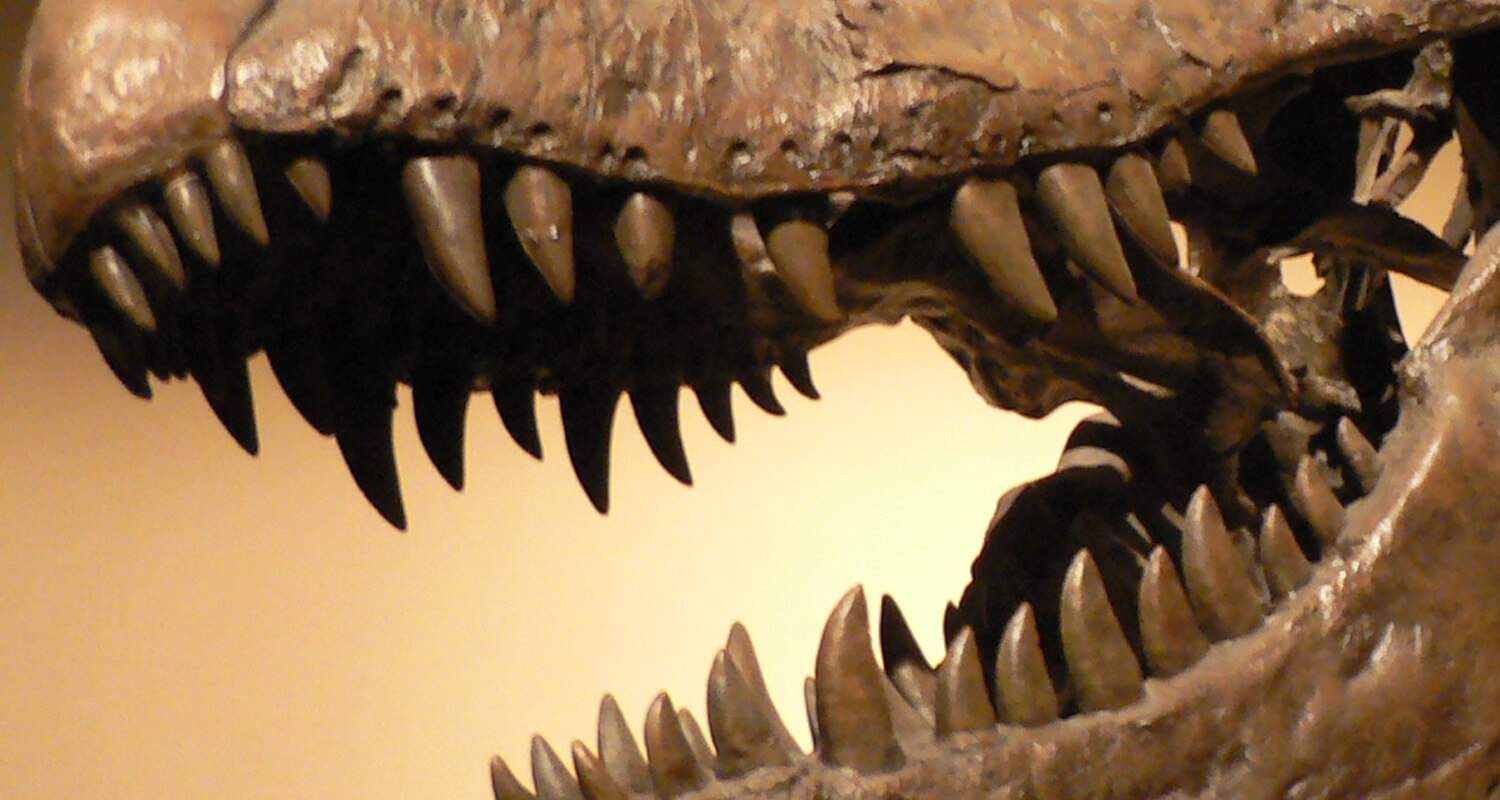 What do dinosaur teeth tell us about their diet?
Dinosaur teeth reveal whether a species was a herbivore, carnivore, or omnivore, and how they adapted to their specific dietary needs.
Why are teeth the most useful fossils for studying dinosaur behavior?
Teeth offer direct evidence of feeding behavior, hunting or scavenging strategies, and social interactions, providing key insights into a dinosaur's lifestyle.
How do scientists differentiate between herbivorous and carnivorous dinosaurs based on teeth?
Herbivores have flat, grinding teeth for processing plants, while carnivores have sharp, serrated teeth designed for tearing meat.
Can dinosaur teeth help identify new species? How?
Yes, the shape and structure of dinosaur teeth can help paleontologists identify new species, as unique tooth types often correlate with distinct species or evolutionary lines.
Conclusion
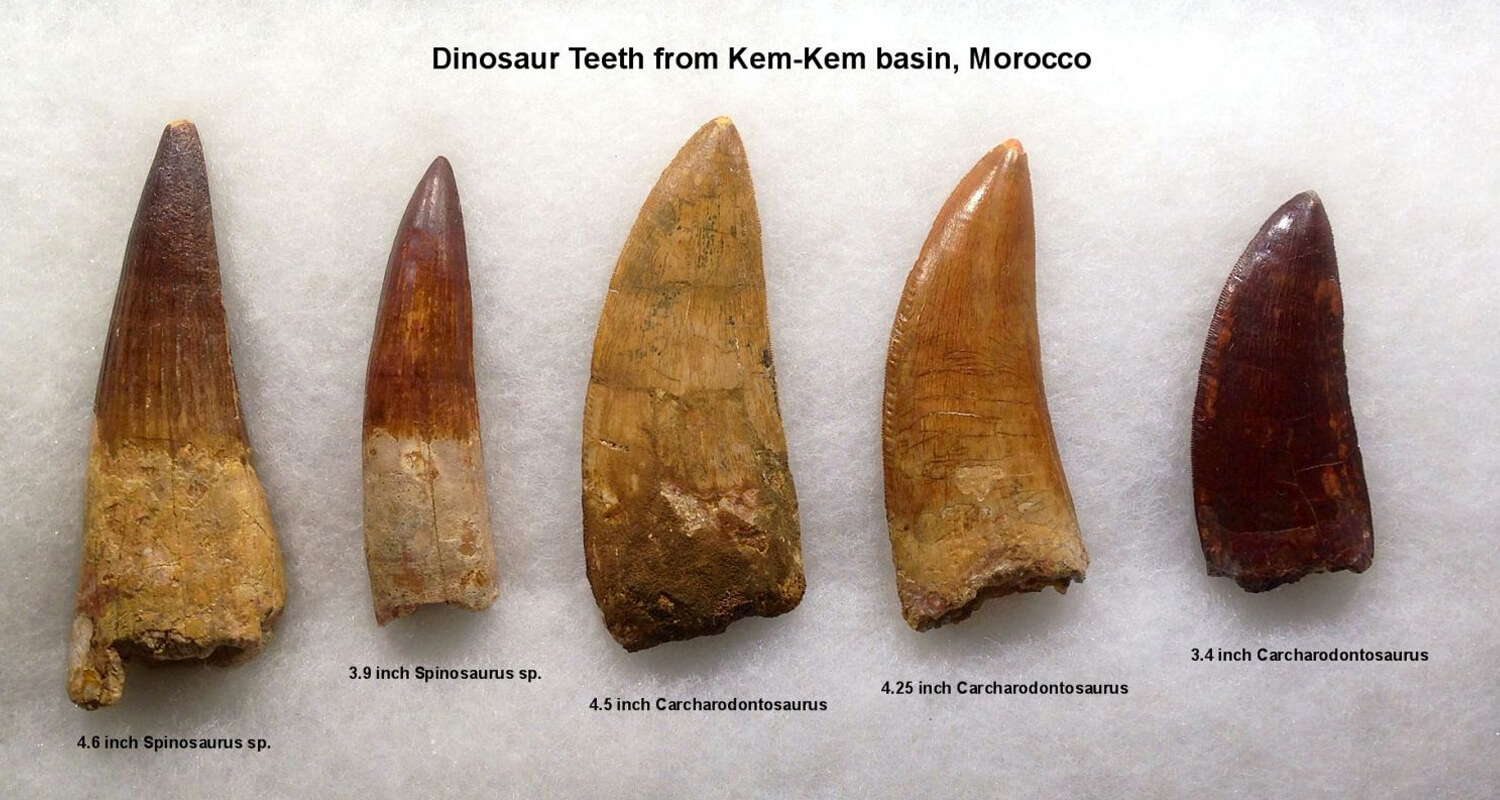 Dinosaur teeth are much more than tools for eating; they provide a fascinating glimpse into the behaviors, diets, and ecological roles of these ancient giants. By studying their teeth, paleontologists can reconstruct the lives of dinosaurs and gain a deeper understanding of their evolution, social behavior, and survival strategies. As technology advances and more fossils are discovered, we continue to unlock new secrets about the prehistoric world, with teeth being one of the most valuable clues in this ongoing investigation.
태그: