우리에 대해
게카이 문화는 최첨단 애니메트로닉 공룡, 매혹적인 애니메트로닉 생물, 활기찬 중국 축제 등불, 맞춤형 제품을 통해 과거를 되살리는 데 앞장서고 있습니다. 중국의 중심부에 자리잡은 전문 제조업체로서 우리는 박물관, 전시회, 동물원, 공원 등에서 우리의 실물과 같은 공룡과 동물을 전시하는 데 깊은 열정을 가지고 있으며, 모든 연령대의 사람들에게 호기심과 학습의 불꽃을 불러일으키는 것을 목표로 하고 있습니다.
무료 견적 받기
공룡 지식
아기 공룡의 비밀스런 삶: 선사 시대의 거인의 초년을 공개합니다.
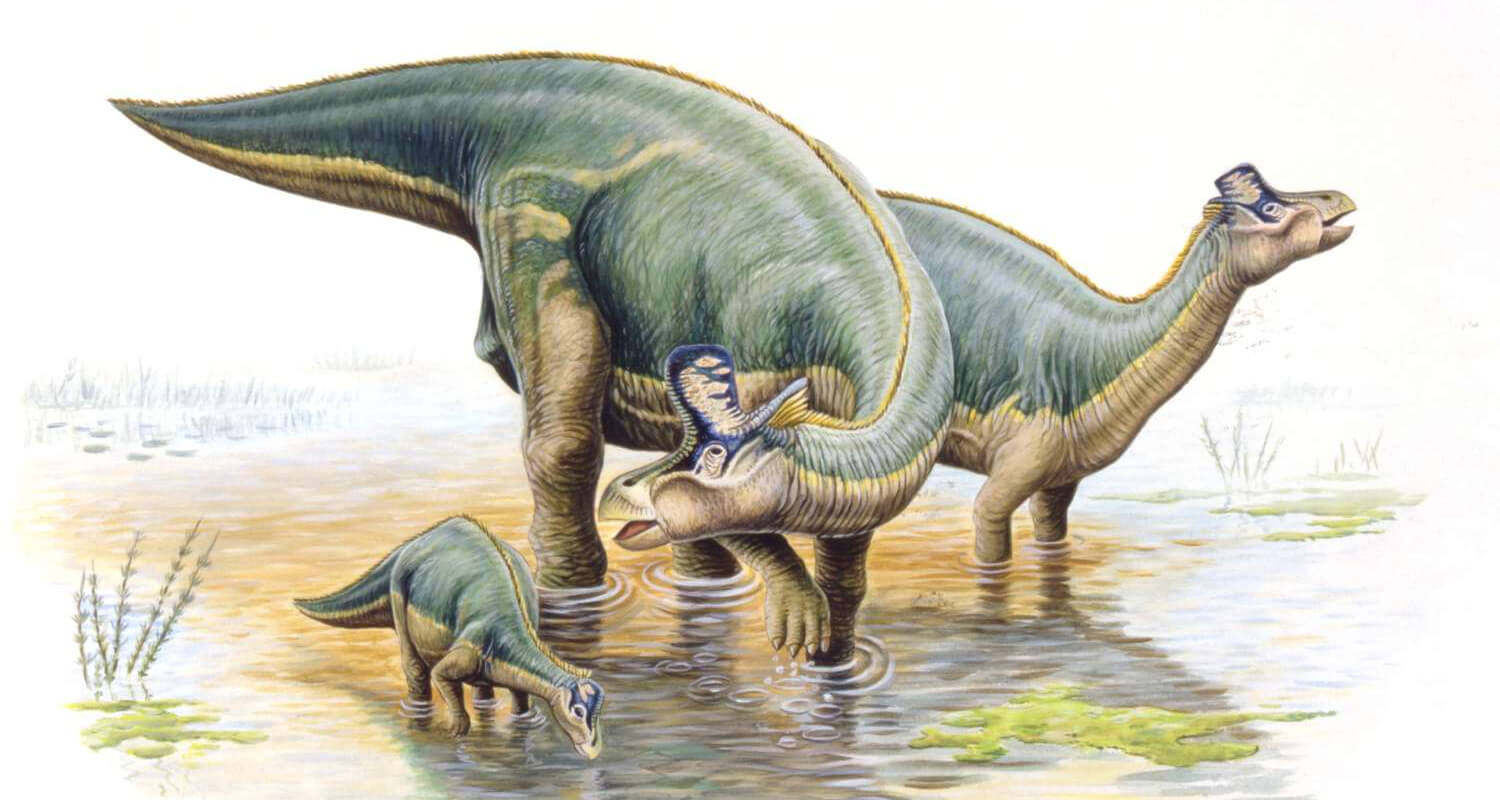 Dinosaurs are often portrayed as towering, ferocious creatures that roamed the Earth millions of years ago. While we marvel at the adult dinosaurs—like the fearsome T. rex or the massive Brachiosaurus—there is a whole other side to these ancient creatures that often gets overlooked: their baby years. The early life of a dinosaur is a story of growth, survival, and development that is just as fascinating as their adult years. From hatching to maturity, baby dinosaurs lived secretive and often perilous lives. In this article, we'll take a deep dive into the early stages of these iconic creatures, exploring everything from their hatching process to the social dynamics of their youth.
The Hatching Process: How Baby Dinosaurs Came Into the World
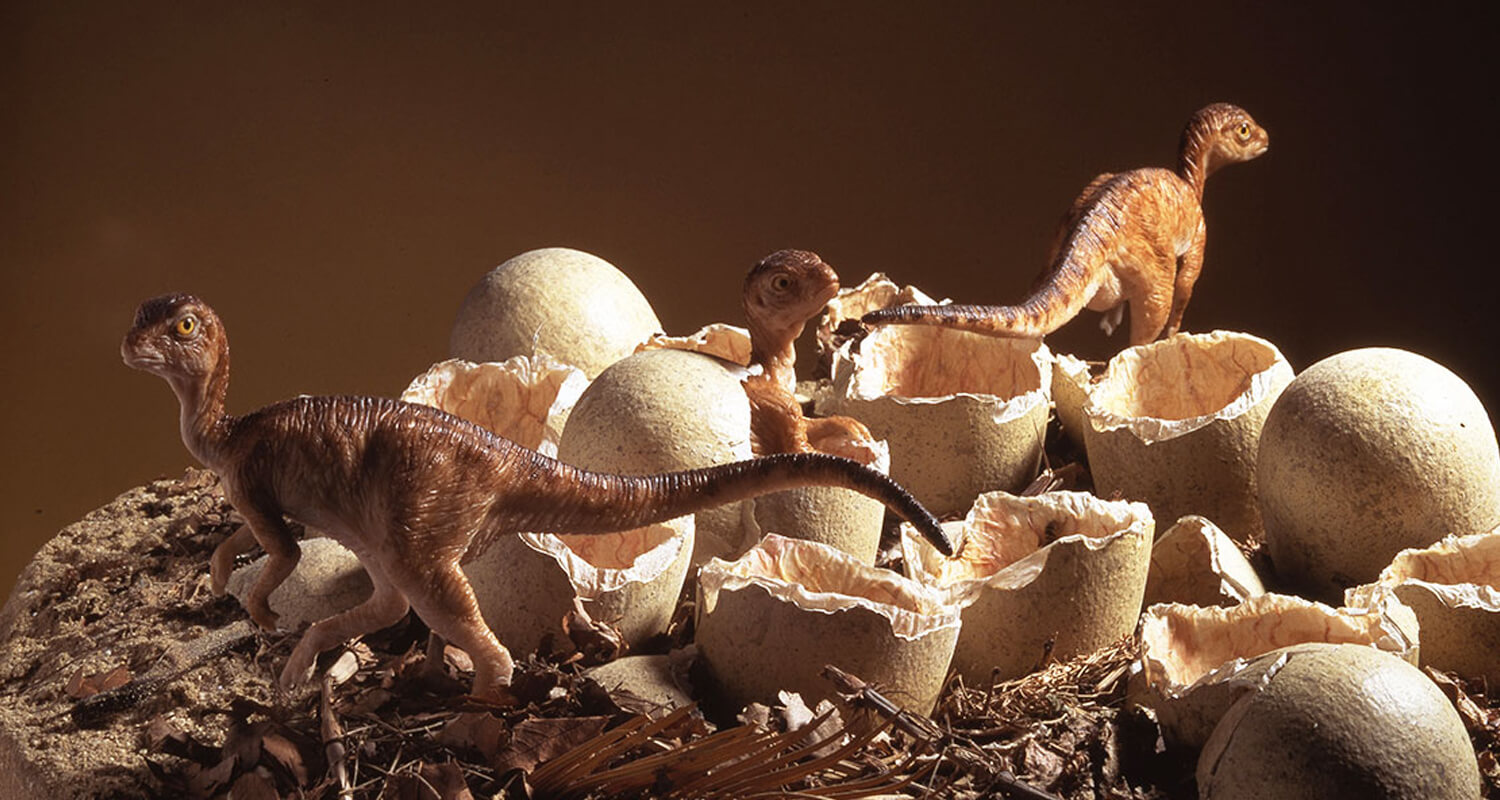 Like modern-day reptiles and birds, dinosaurs reproduced by laying eggs. The fossilized remains of dinosaur eggs provide critical insights into the early stages of their lives. The size, shape, and texture of these eggs varied depending on the species. Some eggs were soft and leathery, while others were hard and calcified. Fossils of ancient nests suggest that some dinosaurs, such as Maiasaura, even exhibited signs of parental care, with mothers guarding their nests and sometimes even incubating the eggs.
The hatching process was a delicate one. Baby dinosaurs were born from eggs after a period of incubation, which could last anywhere from several weeks to a few months depending on the species. Fossilized eggs often contain embryos, allowing paleontologists to reconstruct the appearance and growth of baby dinosaurs before they hatched. When they finally emerged, these hatchlings were often tiny compared to their adult counterparts and were immediately vulnerable to predation.
The First Moments: What Were Baby Dinosaurs Like at Birth
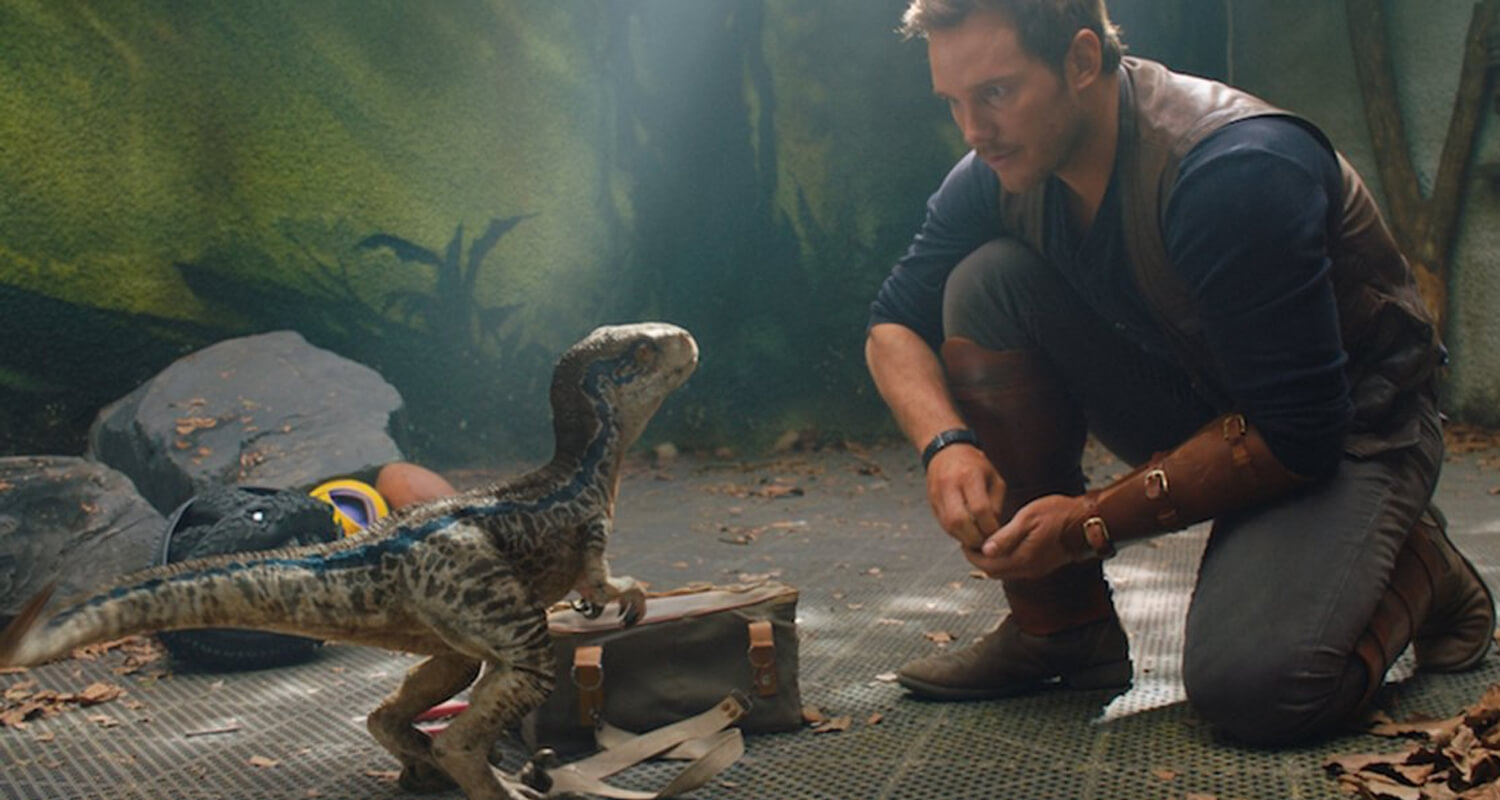 When baby dinosaurs hatched, they were far from the fearsome creatures they would grow into. Most baby dinosaurs were small, relatively helpless, and highly dependent on their environment for survival. They lacked the size, strength, and defensive capabilities of adults, which meant they had to rely on other survival mechanisms.
Baby dinosaurs exhibited varying physical characteristics based on their species. For example, a baby Stegosaurus was much smaller than its adult form, and its plates and spikes had yet to fully develop. In contrast, some theropod species, like Velociraptor, may have been born with small claws and teeth, already prepared to hunt small prey.
Interestingly, some baby dinosaurs had features that helped them survive their early days. While many species started off small and fragile, their reliance on speed, camouflage, and hiding often kept them safe from predators. These early features were often temporary, quickly evolving as the dinosaur grew.
Early Development: How Baby Dinosaurs Grew Up
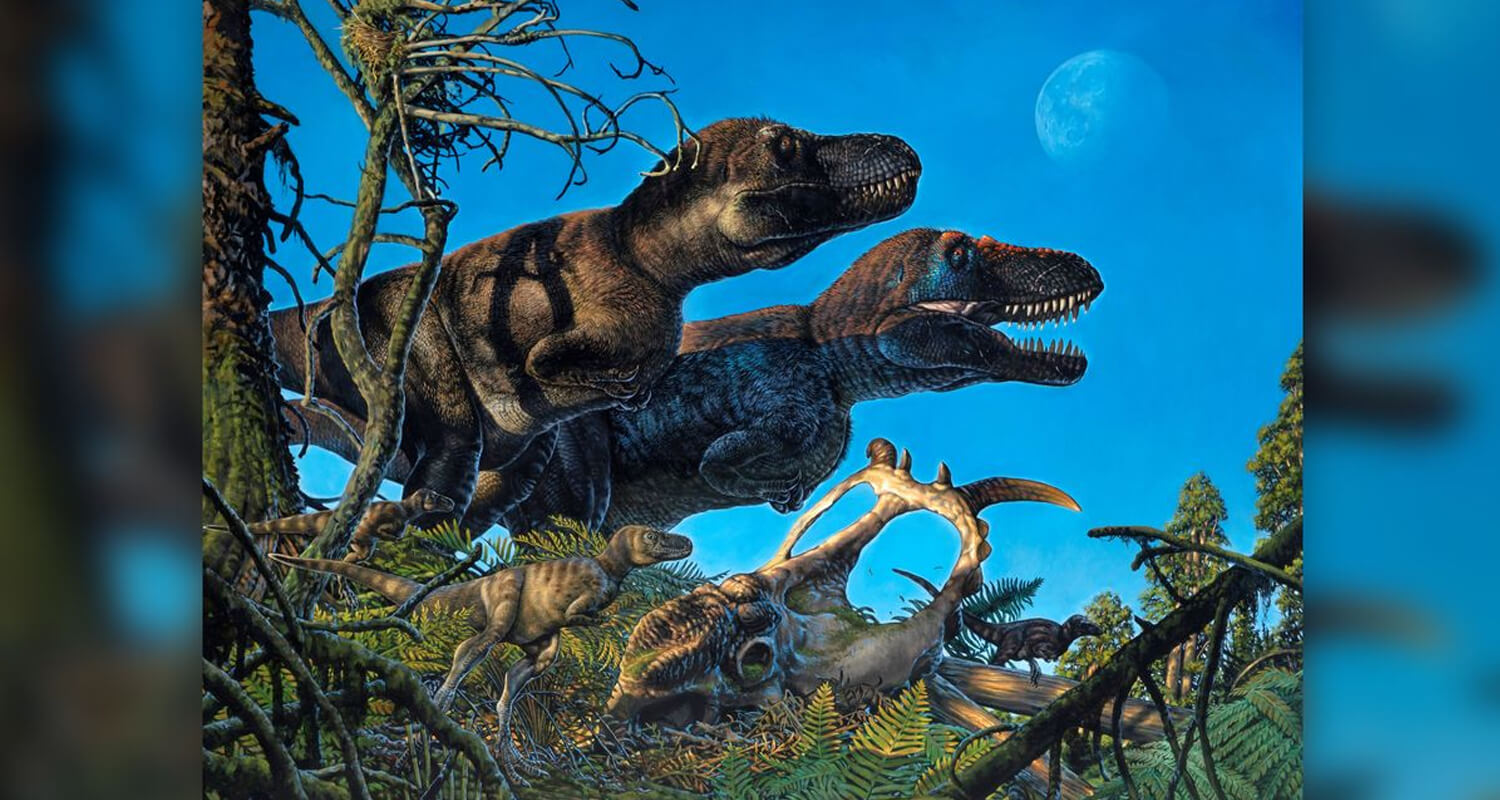 The growth rate of baby dinosaurs was astounding. As hatchlings, they were mostly helpless, relying on instincts to find food and avoid predators. However, over the course of months or years, they rapidly grew in size, often outpacing the growth of modern reptiles and mammals.
Baby dinosaurs’ diets varied depending on whether they were herbivores or carnivores. Herbivorous dinosaurs like Maiasaura would have consumed plant material, while carnivorous species like Velociraptor likely hunted small animals and scavenged for food. Fossil evidence indicates that many baby dinosaurs had to eat a lot to fuel their growth, as reaching adult size was crucial for survival in the dangerous prehistoric world.
The speed at which baby dinosaurs grew was influenced by a variety of factors: food availability, environmental conditions, and the presence of predators. For example, the faster a baby dinosaur could grow, the better its chances of avoiding predators like T. rex or Allosaurus. The presence of a nurturing parent (in some species) may also have played a role in the survival and growth of the young.
The Role of Nesting and Parental Care
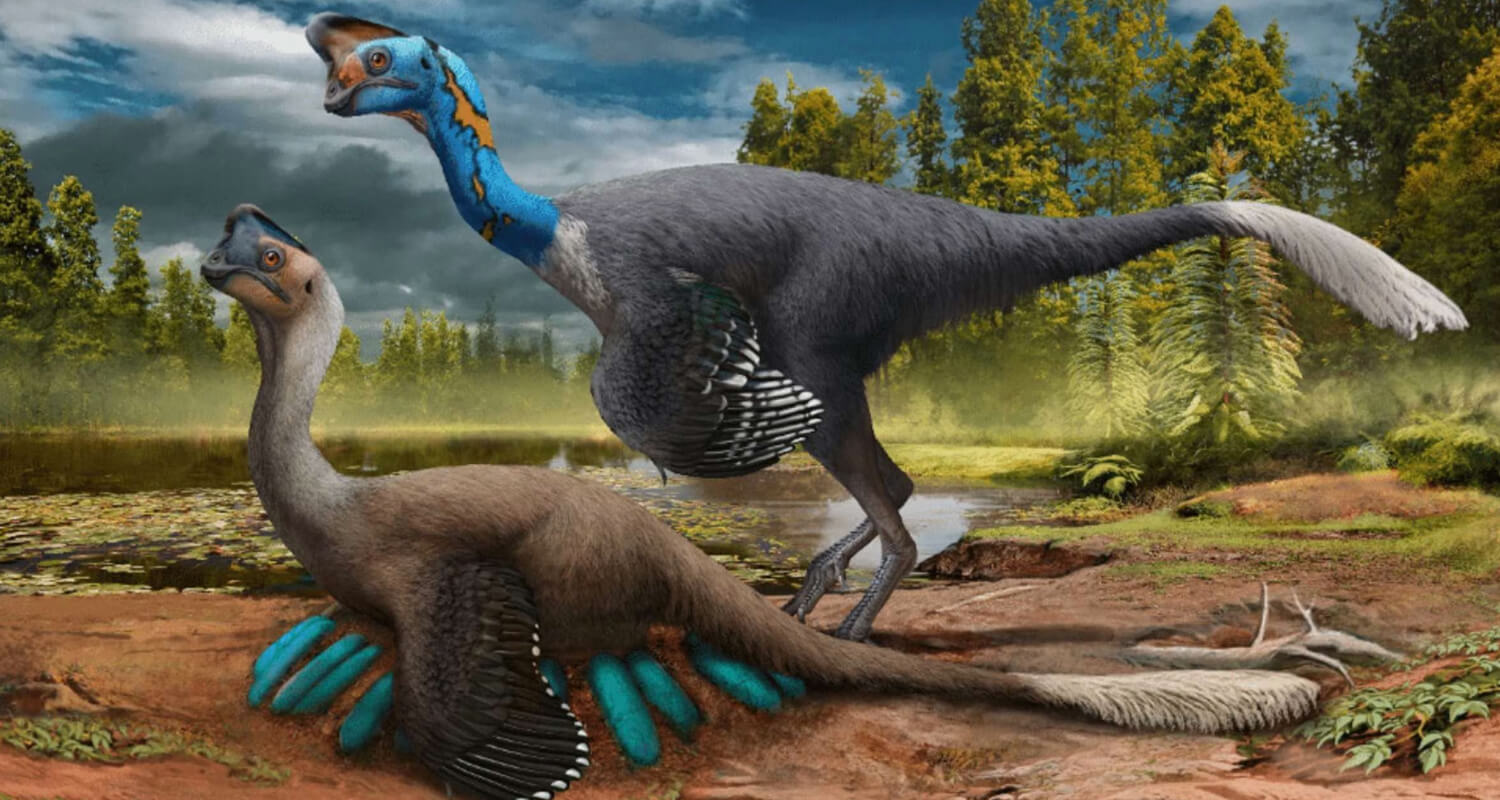 Not all dinosaurs provided parental care, but many species showed evidence of nurturing behaviors. Fossilized nests and juvenile dinosaur fossils suggest that some dinosaurs took a hands-on approach to raising their young. The Maiasaura, often called the "good mother lizard," is a prime example. Fossil evidence shows that these dinosaurs lived in colonies and provided care for their young, protecting them from predators and helping them thrive in a group environment.
In contrast, other species, particularly carnivores, may not have provided much, if any, parental care. Evidence suggests that some carnivorous dinosaurs, such as Velociraptor, may have left their eggs unattended, with the hatchlings having to fend for themselves immediately after birth. For these dinosaurs, survival was a solitary affair.
Baby Dinosaurs in the Wild: Survival Strategies
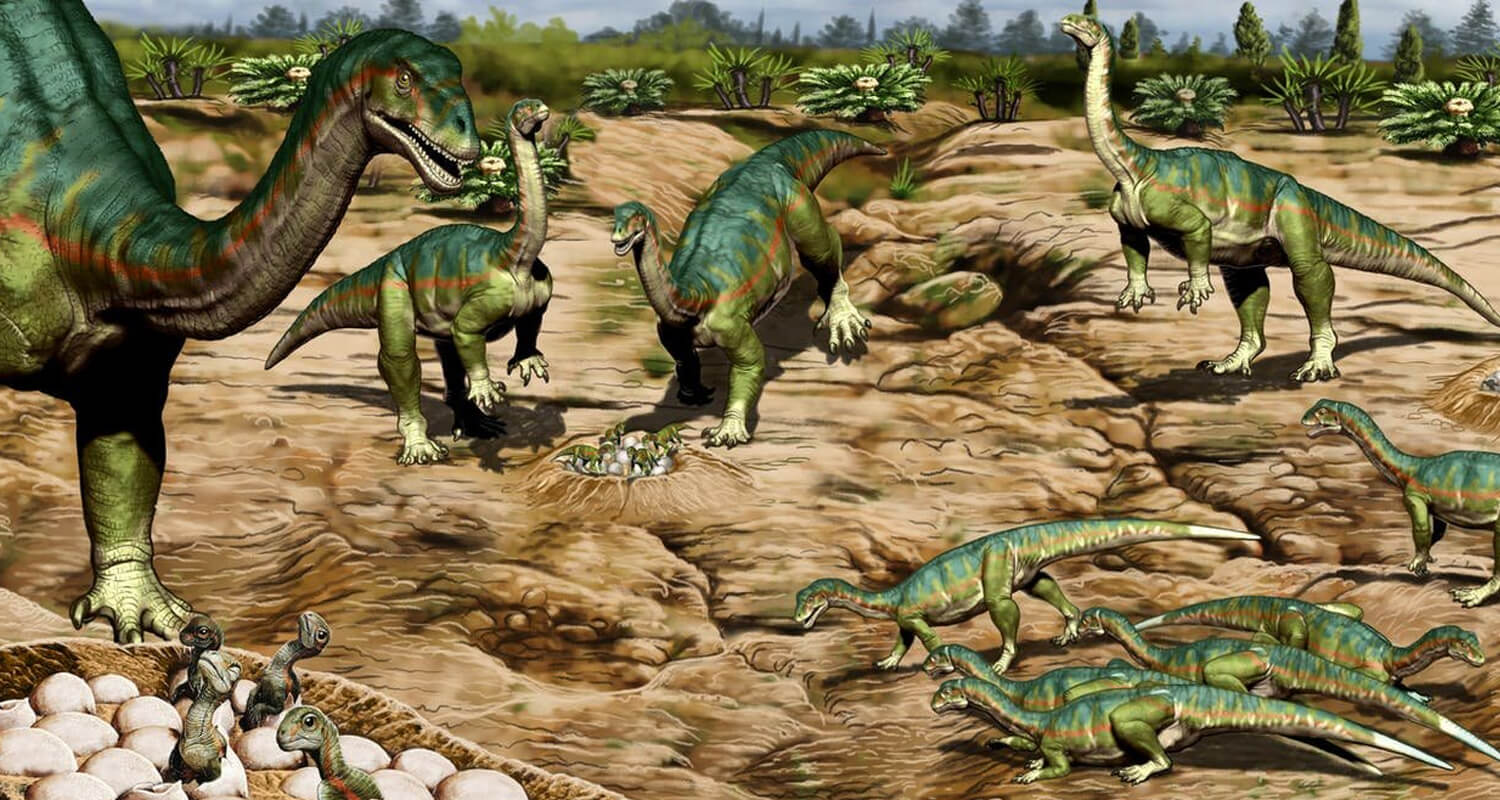 Surviving as a baby dinosaur was no easy feat. For many species, the first few years of life were the most dangerous. Baby dinosaurs faced numerous threats from predators, including their own species. Herbivorous dinosaurs often employed camouflage or relied on the safety of large herds to stay safe. For example, baby Triceratops may have hidden in dense vegetation to avoid predators, while Maiasaura lived in large groups for protection.
Carnivorous baby dinosaurs, on the other hand, were much more independent. Many of them would have had to learn to hunt small prey or scavenge, developing their predatory instincts early on. Fossilized evidence suggests that some carnivorous species may have hunted in packs even as juveniles, gaining valuable social skills that would later help them in adulthood.
The Social Lives of Baby Dinosaurs
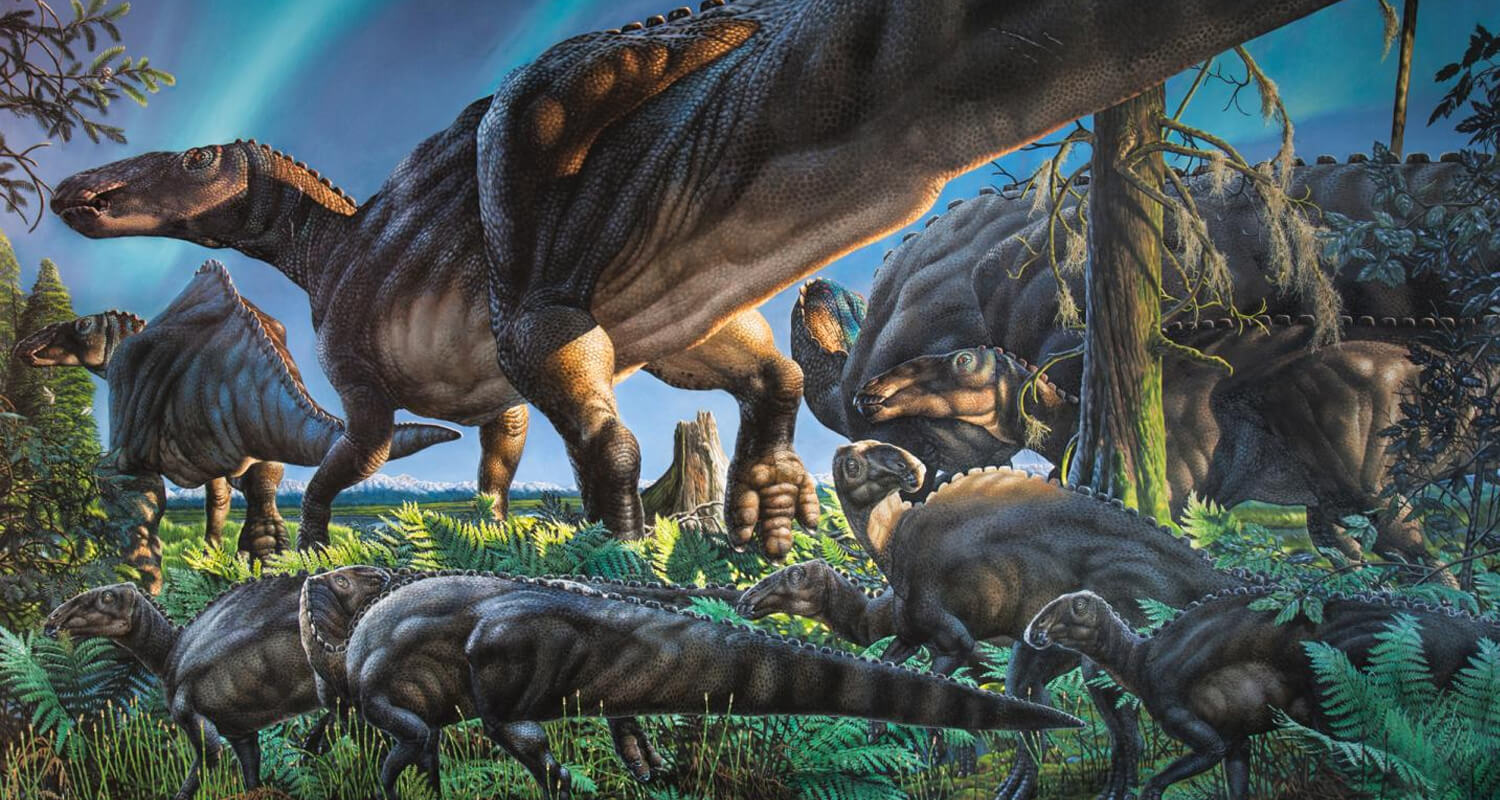 Some baby dinosaurs were raised in social groups, while others were solitary. Herding behavior was particularly common in herbivorous species like Maiasaura and Triceratops, where young dinosaurs would be raised in groups for protection. These young dinosaurs likely learned social behaviors such as communication, herd movement, and how to avoid predators by following the adult herd members.
On the other hand, some smaller, more solitary species of dinosaurs, such as Compsognathus, might have lived alone or in smaller family groups. These dinosaurs were more likely to rely on their own skills and instincts to survive.
Growth Spurt: How Long Did Baby Dinosaurs Take to Reach Maturity
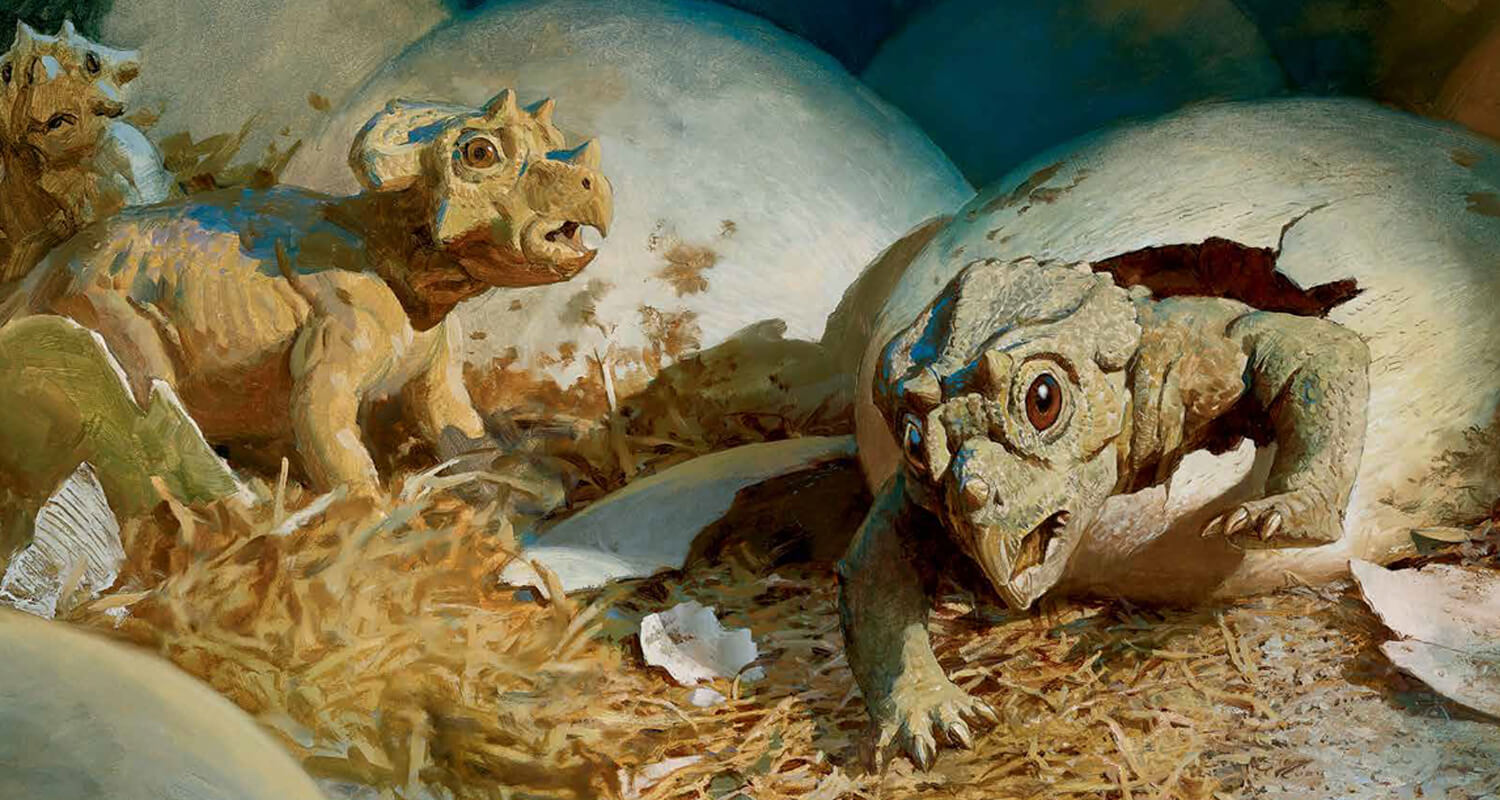 The time it took for baby dinosaurs to reach maturity varied widely depending on the species. Small dinosaurs, such as the Compsognathus, may have reached maturity in just a few years, while large species like the Brachiosaurus or Tyrannosaurus rex took much longer—perhaps decades—to reach full adulthood.
The growth rates were also affected by the availability of food. Herbivorous dinosaurs, for example, had to consume vast quantities of plant material to grow large, while carnivores likely had to develop hunting skills to keep pace with their rapid growth.
The Fascination with Baby Dinosaurs in Popular Culture
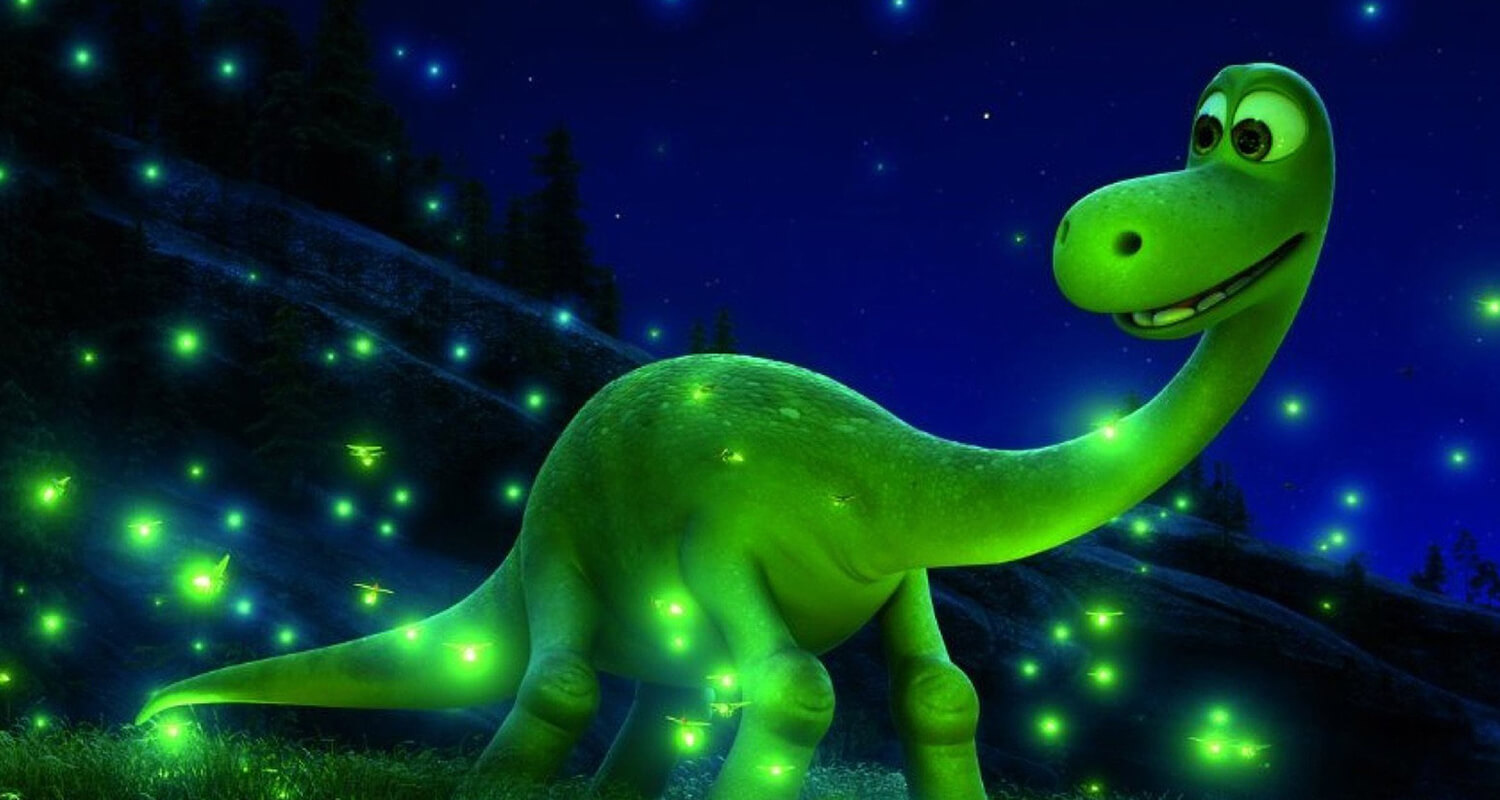 Baby dinosaurs have captured the public's imagination for decades. From Jurassic Park to children's books and toys, baby dinosaurs have become beloved characters, often portrayed as cute and approachable. However, the real science behind these early creatures is just as fascinating. Fossilized baby dinosaurs give us glimpses into their worlds, showing us how they evolved and survived during their formative years.
Conclusion
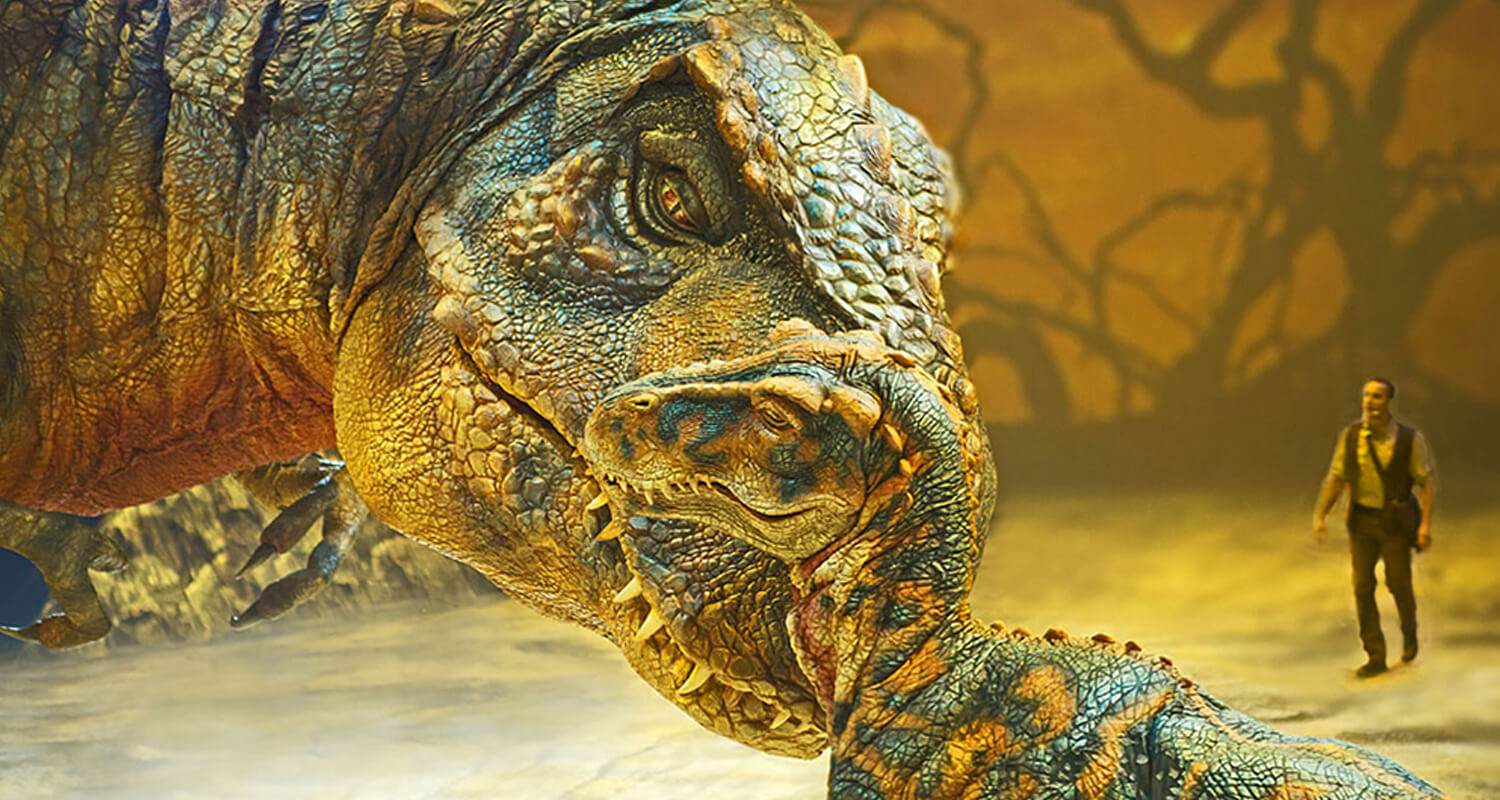 The secret lives of baby dinosaurs are as intriguing as the adult dinosaurs that often take center stage in paleontological studies. From their rapid growth and unique survival strategies to the mysteries of their early development, baby dinosaurs were truly extraordinary. By studying their fossils, we can learn not only about their lives but also about the ecosystems and environments in which they lived. Although we may never fully understand the lives of these ancient creatures, their legacy continues to captivate our imagination, offering a window into a long-lost world.
태그: