О нас
Gecai Culture стоит на переднем крае воплощения прошлого в жизнь с помощью наших ультрасовременных аниматронных динозавров, очаровательных аниматронных существ, ярких китайских фестивальных фонарей и специализированных товаров. Как профессиональный производитель, расположенный в самом сердце Китая, мы питаем глубокую страсть к демонстрации наших реалистичных динозавров и животных в музеях, выставках, зоопарках, парках и за их пределами, стремясь разжечь пламя любопытства и обучения у людей всех возрастов.
Получить бесплатную цитату
Знание динозавров
Бронтозавр против апатозавра: окончательное столкновение между двумя гигантскими динозаврами
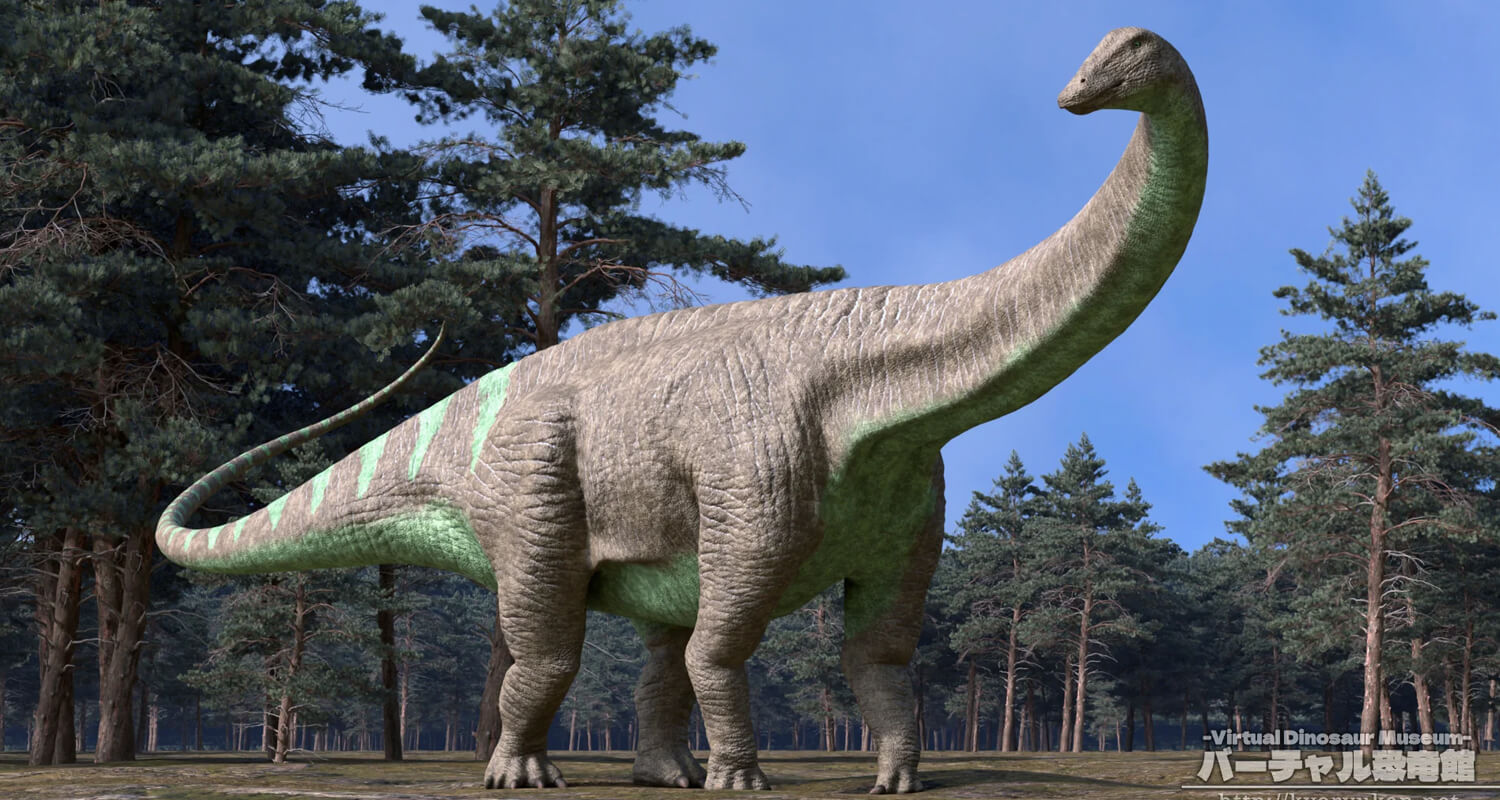 When we think of massive, long-necked dinosaurs, two names often come to mind: Brontosaurus and Apatosaurus. These giant herbivores have captured the public’s imagination for over a century, but did you know that for many years scientists thought they were the same dinosaur? In this article, we'll explore the history, features, and key differences between Brontosaurus and Apatosaurus, and clear up some of the confusion surrounding these iconic dinosaurs.
The History Behind the Confusion
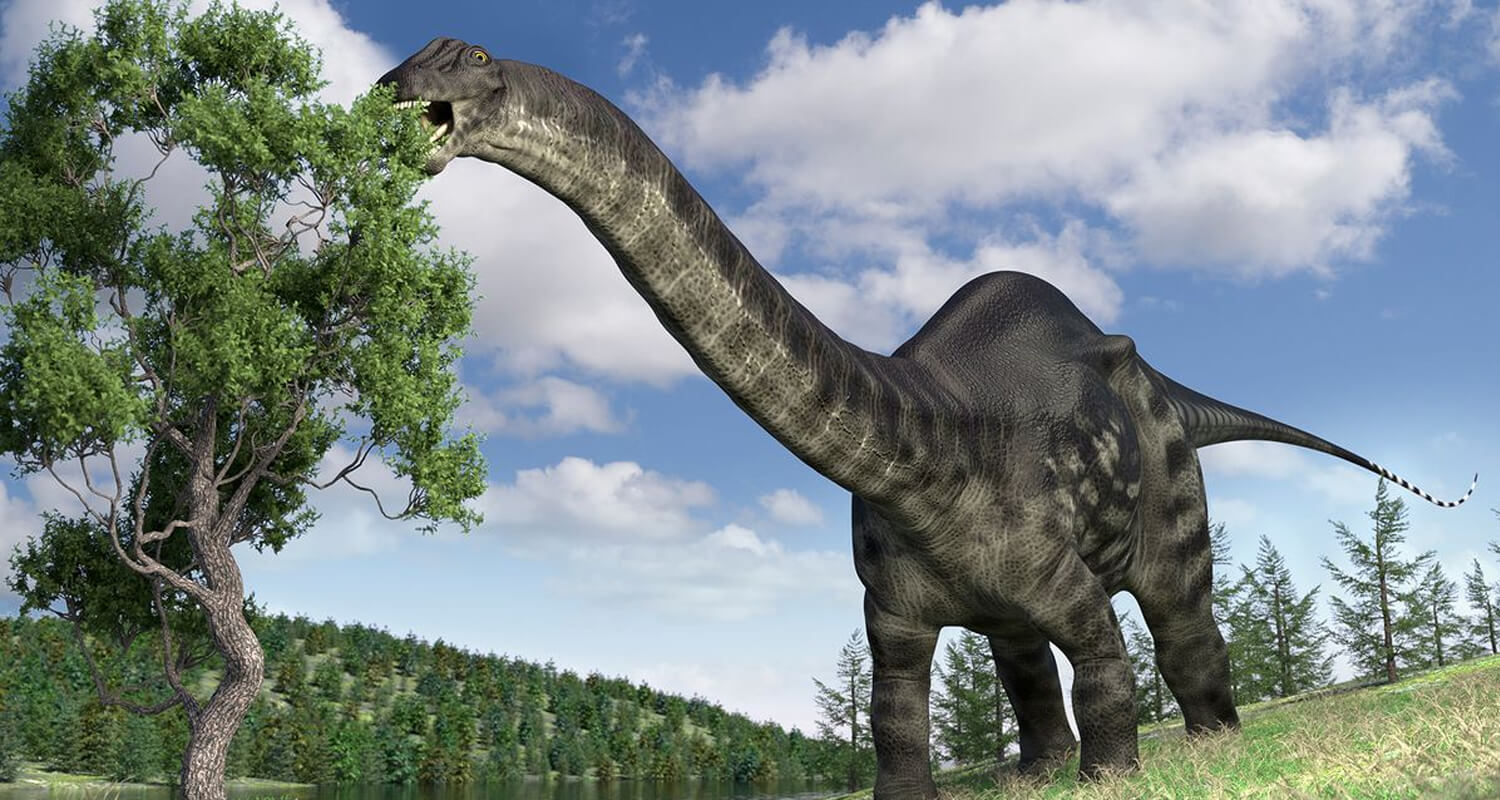 The confusion between Brontosaurus and Apatosaurus began in the late 19th century, during a period known as the "Bone Wars," when paleontologists were racing to discover and name as many dinosaurs as possible. In 1877, Othniel Charles Marsh described Apatosaurus, based on a set of incomplete fossil remains. Just two years later, Marsh discovered another set of remains that he thought belonged to a new species, which he named Brontosaurus.
However, in 1903, further study revealed that the fossils Marsh named Brontosaurus actually belonged to a juvenile Apatosaurus. This led to the scientific community classifying Brontosaurus as a synonym for Apatosaurus. For most of the 20th century, scientists believed that Brontosaurus was simply another name for Apatosaurus, even though the name Brontosaurus remained popular in popular culture and media.
The Resurrection of Brontosaurus
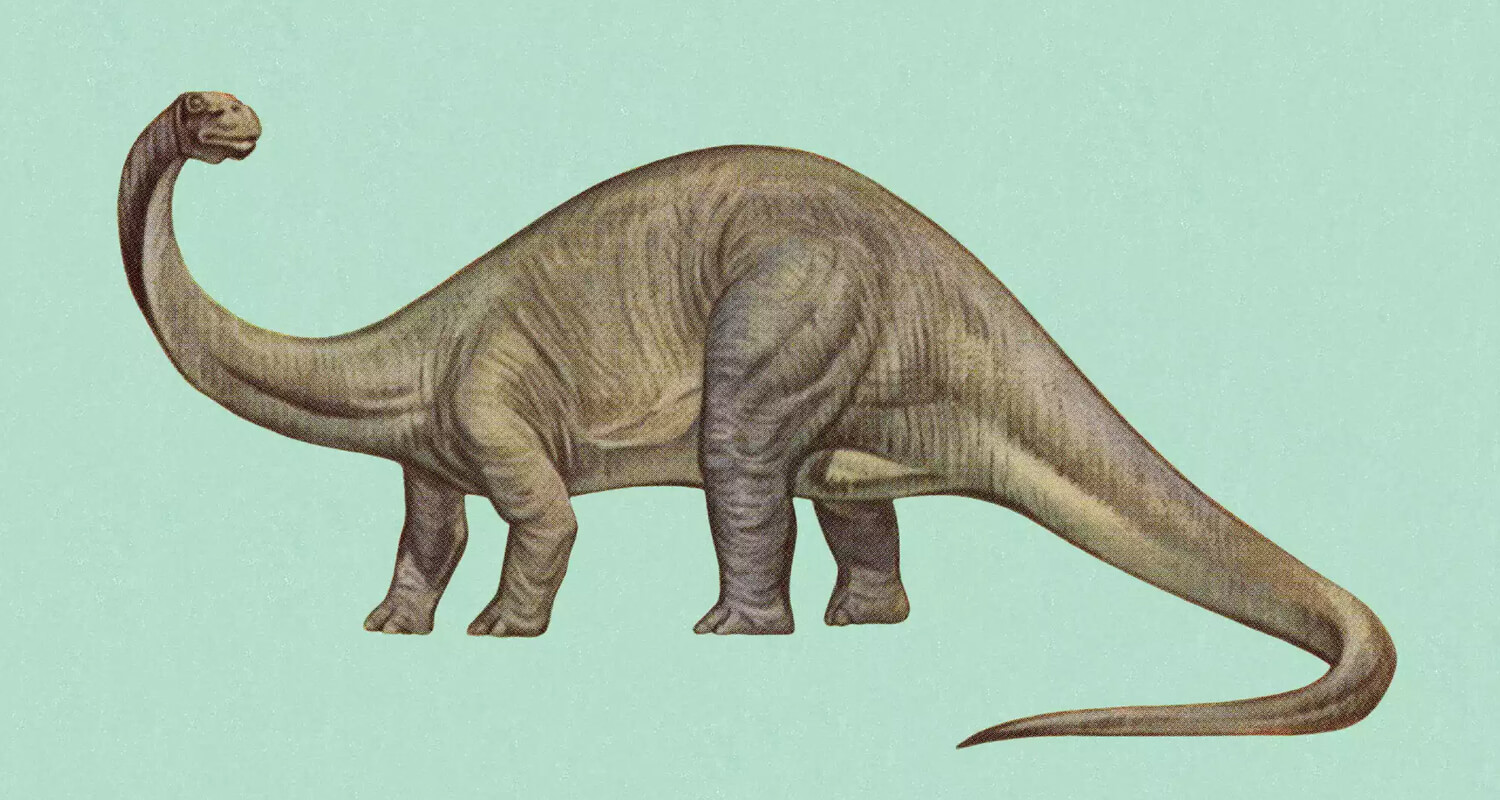 In 2015, a groundbreaking study reignited the debate over these two dinosaurs. Researchers analyzed a large number of sauropod fossils and concluded that Brontosaurus and Apatosaurus were distinct enough to be classified as separate genera after all. The study found that there were notable differences in their skeletal structures, particularly in the shape of their neck vertebrae. As a result, Brontosaurus was officially "resurrected" as a valid genus, separate from Apatosaurus.
Physical Characteristics: Brontosaurus vs Apatosaurus
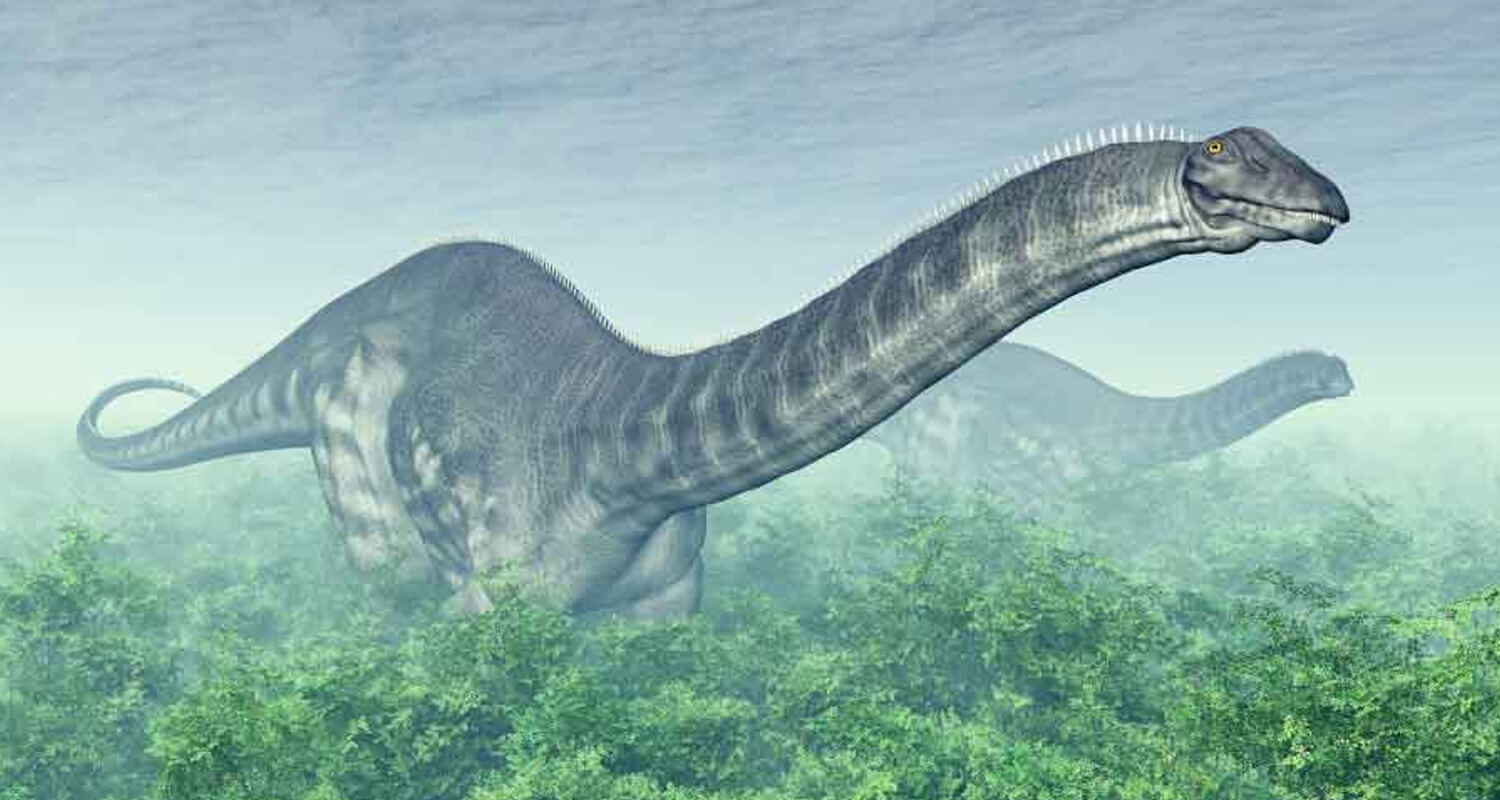 Although Brontosaurus and Apatosaurus are similar in many ways, they do have some distinct differences.
Size and Weight
Apatosaurus: Apatosaurus was one of the largest land animals ever to walk the Earth. It measured up to 75 feet (23 meters) in length and could weigh up to 45 tons. Its massive, muscular body supported a long neck and tail, making it one of the heaviest dinosaurs known.
Brontosaurus: Brontosaurus was slightly smaller than Apatosaurus, measuring around 70 feet (21 meters) in length and weighing up to 15 tons. Though it was a giant, its lighter build gives it a more slender appearance compared to the bulky Apatosaurus.
Neck Structure
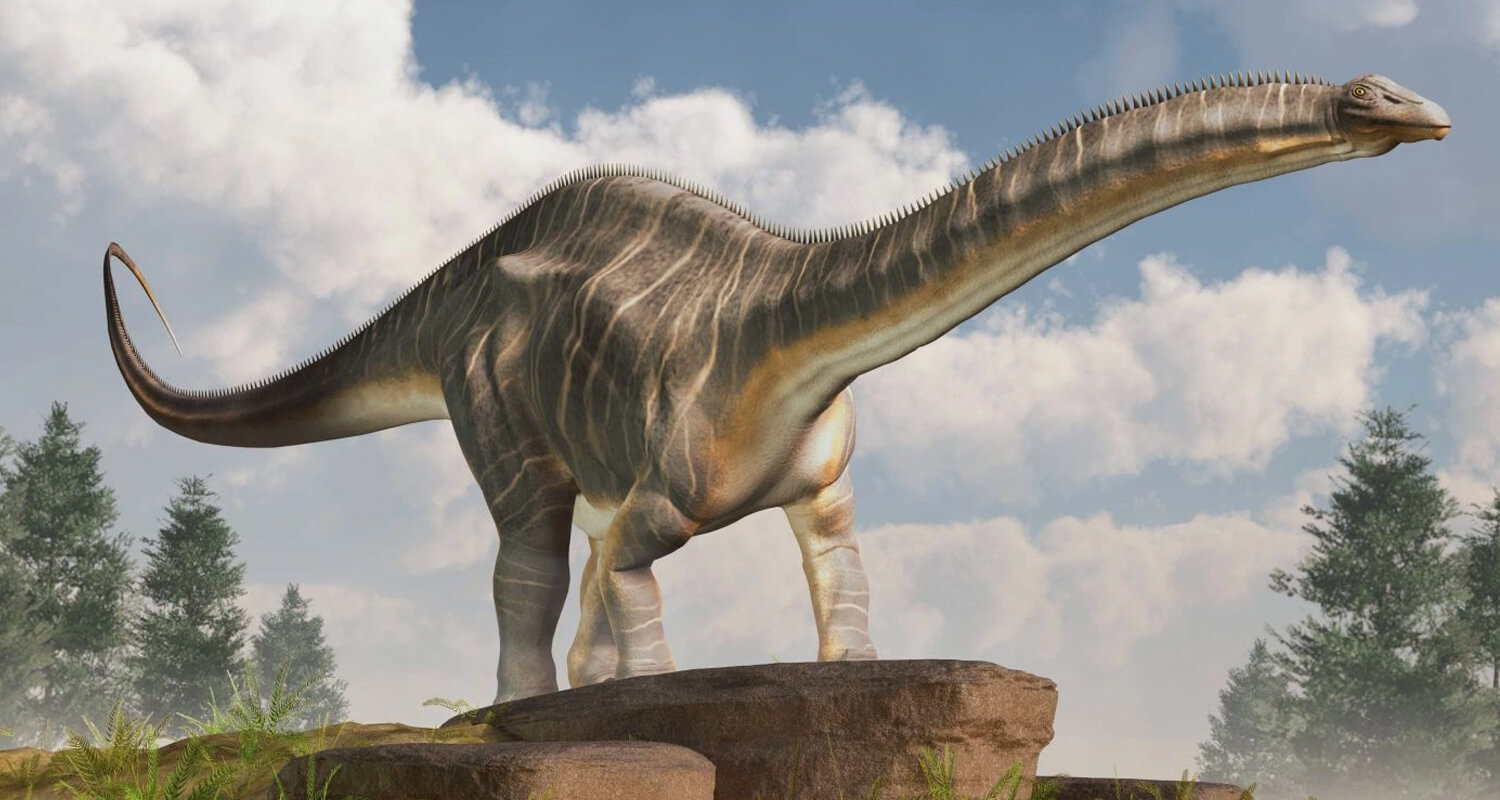
One of the key differences between these two dinosaurs lies in the structure of their necks. Apatosaurus had a sturdier and thicker neck, supported by robust neck vertebrae, which allowed it to support its enormous weight. Brontosaurus, on the other hand, had a more slender and flexible neck, giving it a sleeker profile.
Tail
Both Brontosaurus and Apatosaurus had long, whip-like tails, but the tail of Apatosaurus was particularly strong and heavy. Scientists believe that these dinosaurs could have used their tails for defense or communication, by cracking them like a whip to produce sound.
Diet and Behavior
Both Brontosaurus and Apatosaurus were herbivores, meaning they fed exclusively on plants. Their long necks allowed them to reach vegetation high up in trees, while their massive size enabled them to consume vast amounts of plant material. These dinosaurs likely spent much of their time grazing in forests and plains, using their large, peg-like teeth to strip leaves from branches.
Apatosaurus and Brontosaurus lived during the Late Jurassic period (about 150 million years ago) in what is now North America. They likely traveled in herds, which would have provided some protection against predators such as Allosaurus.
Similarities and Differences
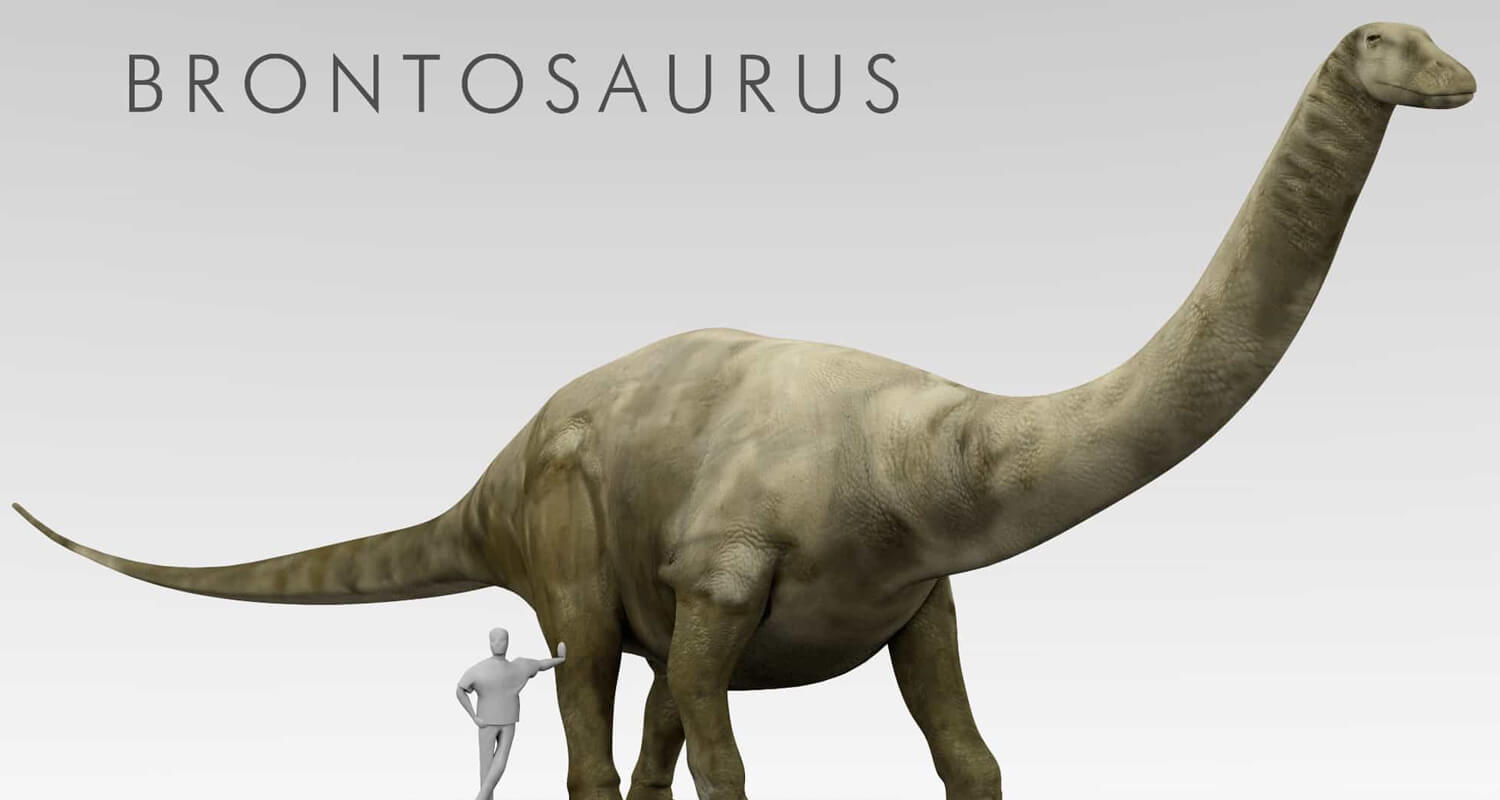
While Apatosaurus and Brontosaurus shared many characteristics due to their close relation, there are a few notable differences:
| Feature | Apatosaurus | Brontosaurus |
|---|---|---|
| Size | Larger and heavier (up to 45 tons) | Slightly smaller (up to 15 tons) |
| Neck | Sturdier and thicker | Slender and more flexible |
| Tail | Very thick, strong tail | Long, whip-like tail |
| Status | Always considered a valid genus | Reinstated as a separate genus in 2015 |
Apatosaurus vs Brontosaurus in Pop Culture
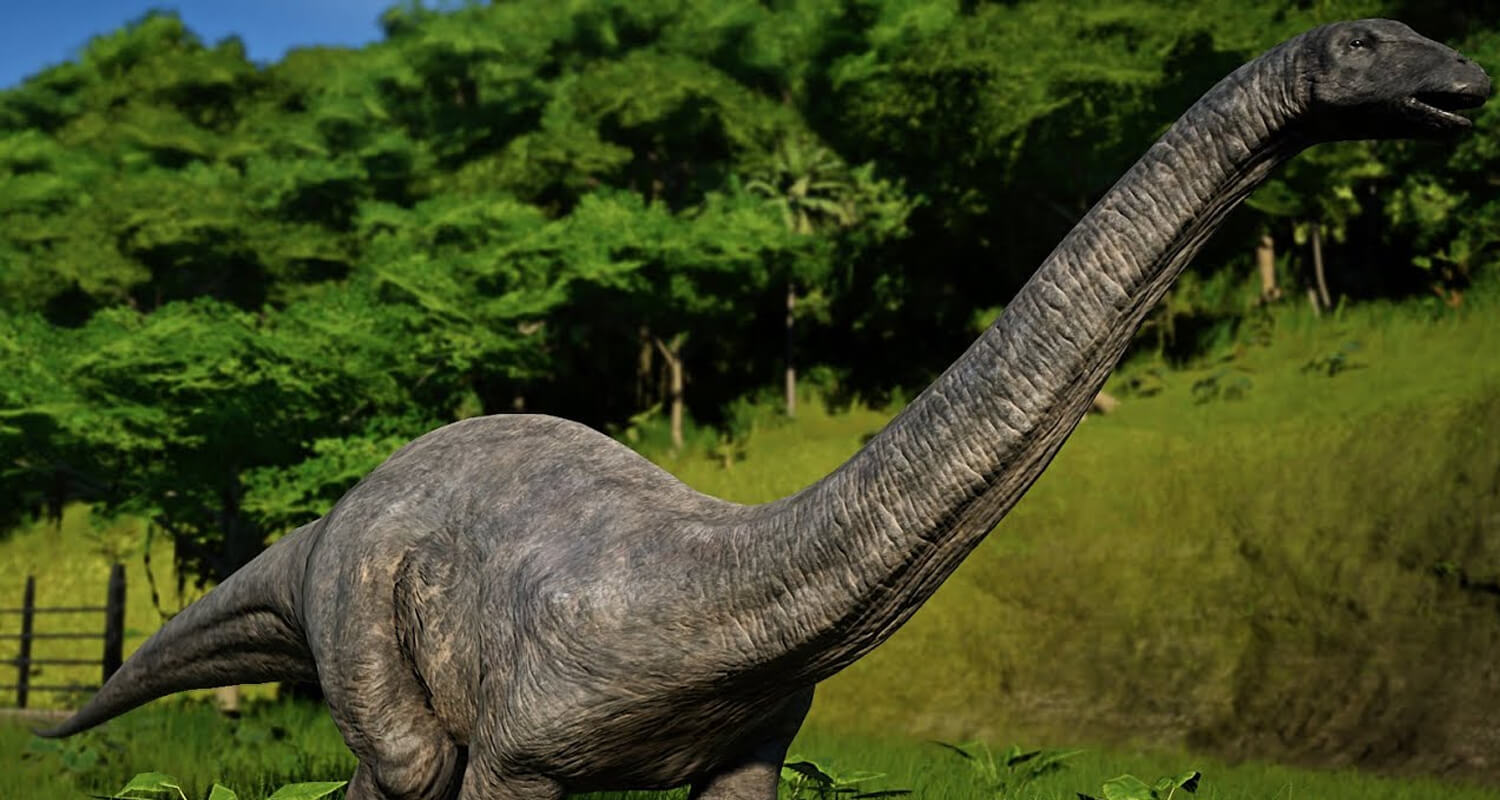 Although paleontologists debated the validity of Brontosaurus for many years, the name never truly disappeared from public consciousness. Brontosaurus has appeared in countless films, books, and documentaries, often overshadowing Apatosaurus in the popular imagination. It’s featured in classic movies like King Kong (1933) and more recent appearances in children's books and television shows, such as The Land Before Time series.
Apatosaurus, despite its status as the scientifically accepted name for many years, has not garnered the same level of fame. However, with Brontosaurus making a scientific comeback, both dinosaurs are now recognized as distinct but equally fascinating.
Why the Difference Matters
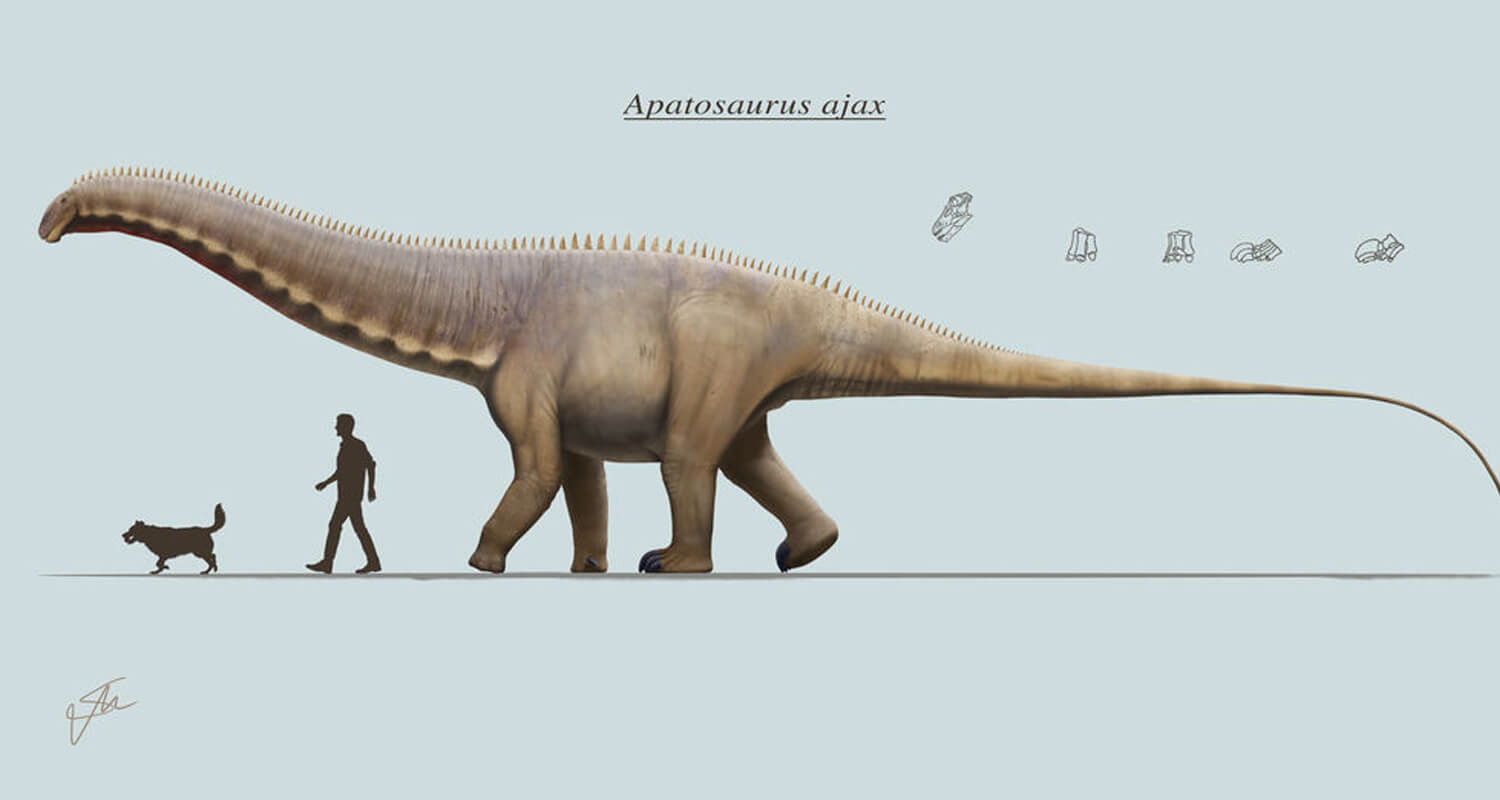 For paleontologists, the distinction between Brontosaurus and Apatosaurus is more than just a name change. It highlights the importance of studying fossil differences closely, as even slight variations in bone structure can reveal that two seemingly similar dinosaurs are actually different species. This discovery also reminds us that our understanding of the prehistoric world is constantly evolving, with new research shedding light on long-held beliefs.
FAQs
 Q: Is Brontosaurus the same as Apatosaurus?
A: No, Brontosaurus and Apatosaurus are now considered distinct genera, though they were once thought to be the same.
Q: Which is bigger, Brontosaurus or Apatosaurus?
A: Apatosaurus was larger and heavier, weighing up to 45 tons, while Brontosaurus weighed around 15 tons.
Q: Why was Brontosaurus once considered a mistake?
A: In 1903, paleontologists believed that the fossils of Brontosaurus were actually from a juvenile Apatosaurus. However, a 2015 study confirmed that Brontosaurus was a distinct genus.
Conclusion: Brontosaurus vs Apatosaurus—The Final Verdict
 The debate between Brontosaurus and Apatosaurus has finally come to a close, with both dinosaurs now standing as separate and distinct genera. While Apatosaurus remains one of the largest and most powerful dinosaurs, Brontosaurus has its own unique charm with its sleeker neck and lighter build. Whether you prefer the mighty Apatosaurus or the elegant Brontosaurus, there’s no denying that both of these giant herbivores left an incredible mark on the prehistoric world.
Теги: