О нас
Gecai Culture стоит на переднем крае воплощения прошлого в жизнь с помощью наших ультрасовременных аниматронных динозавров, очаровательных аниматронных существ, ярких китайских фестивальных фонарей и специализированных товаров. Как профессиональный производитель, расположенный в самом сердце Китая, мы питаем глубокую страсть к демонстрации наших реалистичных динозавров и животных в музеях, выставках, зоопарках, парках и за их пределами, стремясь разжечь пламя любопытства и обучения у людей всех возрастов.
Получить бесплатную цитату
Знание динозавров
Воспитание динозавров: как динозавры заботились о своих детях
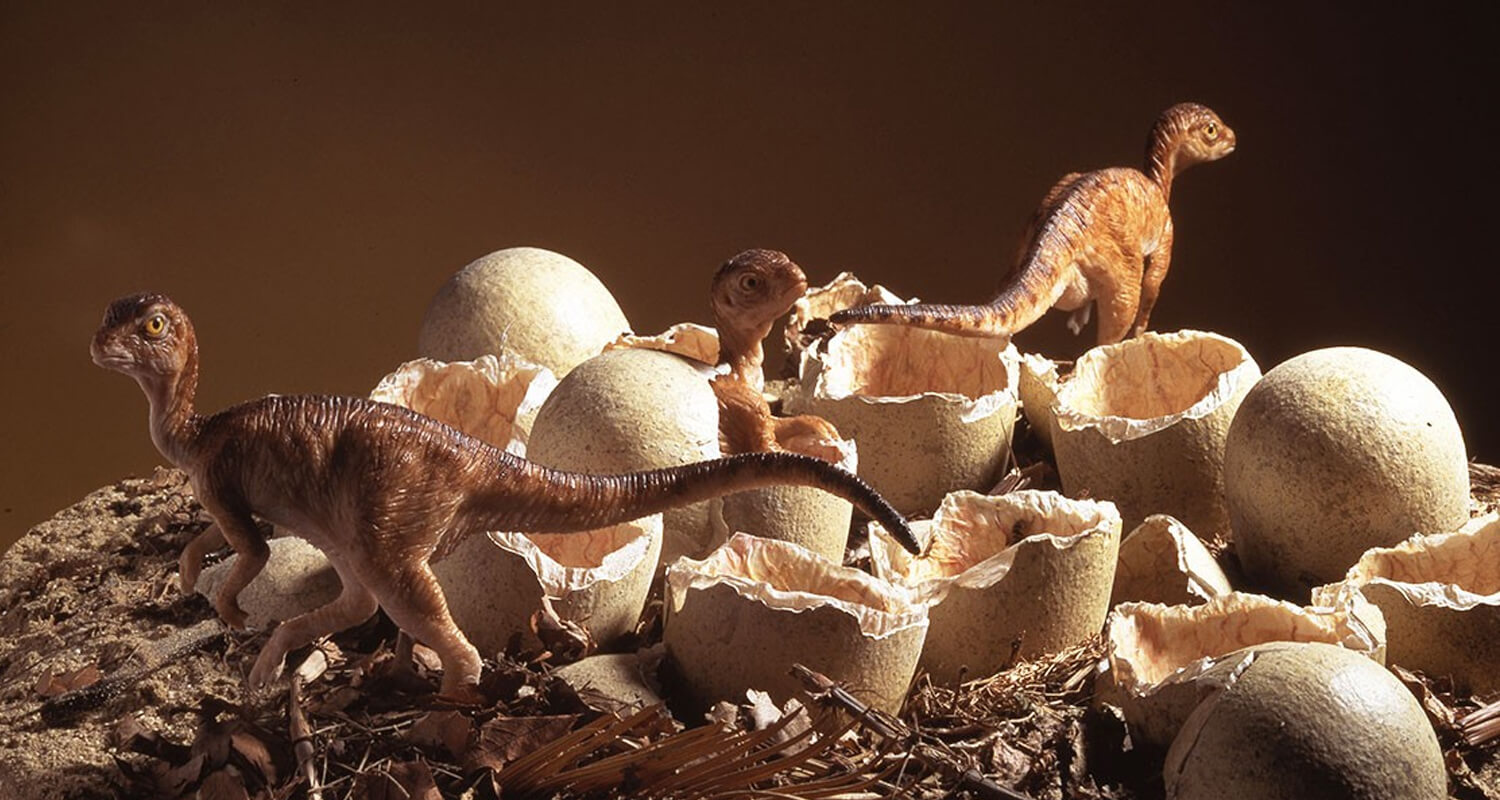 Parenting is a critical behavior in the animal kingdom, ensuring the survival of offspring and the continuation of species. When we think about dinosaurs, it's easy to imagine them as fierce predators or towering herbivores. But were they nurturing parents? Fossil evidence suggests that some dinosaurs might have been remarkably attentive caregivers, challenging the stereotype of them as cold-blooded, indifferent reptiles. So, how did dinosaurs care for their young, and what can we learn from their parenting behavior?
Fossil Evidence of Dinosaur Parenting
 The most direct evidence of dinosaur parenting comes from fossilized nests, eggs, and even juvenile groups. These fossils provide snapshots of prehistoric family life. For instance, Maiasaura, nicknamed the "good mother lizard," is famous for its fossilized nesting sites that show clear signs of parental care. Hatchlings found in these nests were too small to fend for themselves, suggesting that adults likely provided food and protection.
Similarly, fossils of Oviraptor were discovered atop nests, initially thought to be evidence of egg theft but later recognized as signs of protective parenting. These findings reveal that dinosaur parenting wasn't a one-size-fits-all approach but varied across species.
Nesting Habits of Dinosaurs
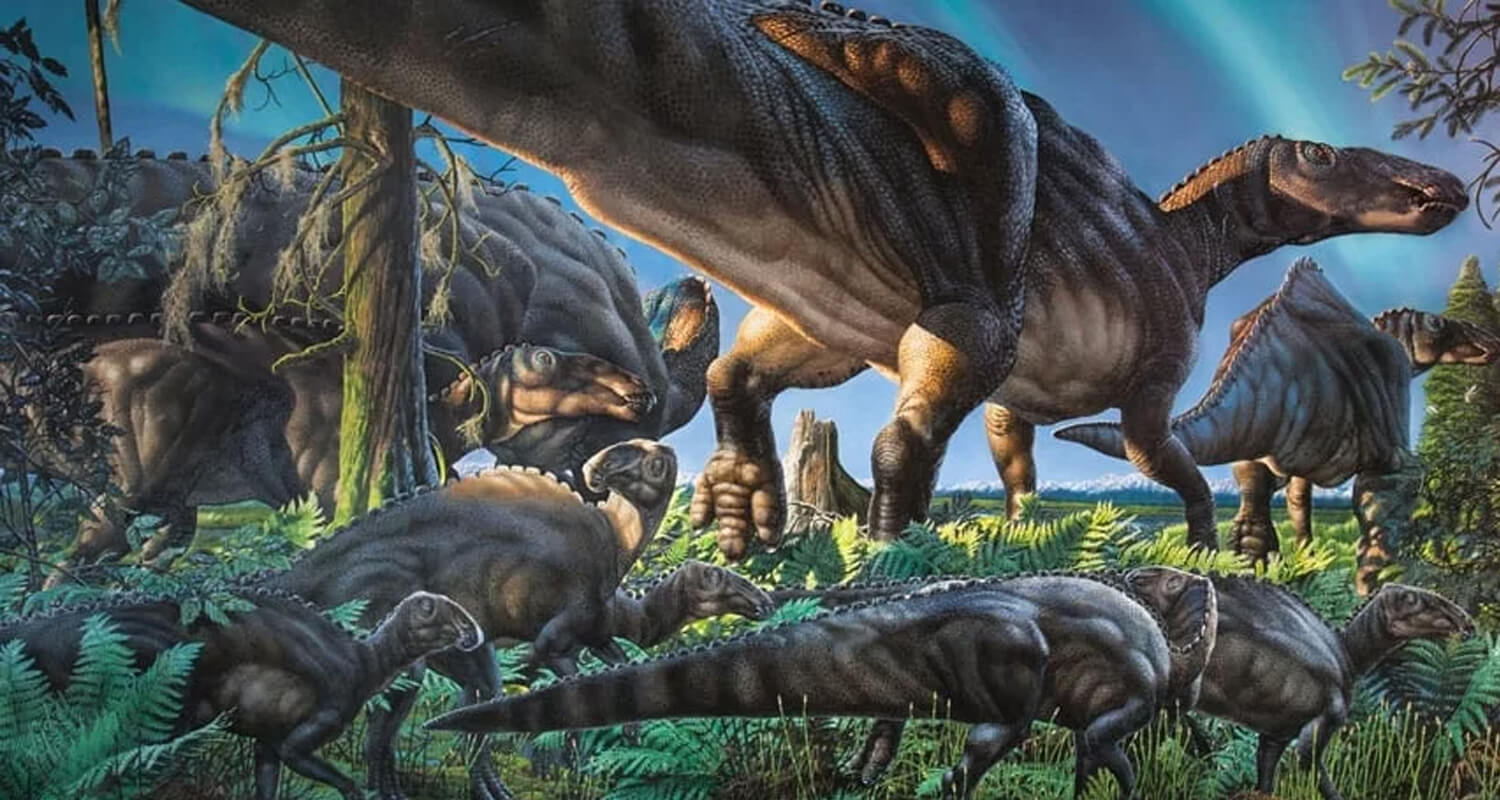 Dinosaurs displayed a variety of nesting habits, from simple ground pits to elaborate vegetation-covered nests. Fossilized nests reveal careful egg arrangement, suggesting deliberate strategies to optimize incubation. Some dinosaurs laid their eggs in tightly packed circles, while others spaced them apart to ensure proper heat distribution.
Communal nesting grounds, where multiple individuals laid eggs in close proximity, have also been discovered. This behavior hints at possible cooperative care or at least shared strategies for warding off predators.
Did Dinosaurs Protect Their Eggs and Hatchlings
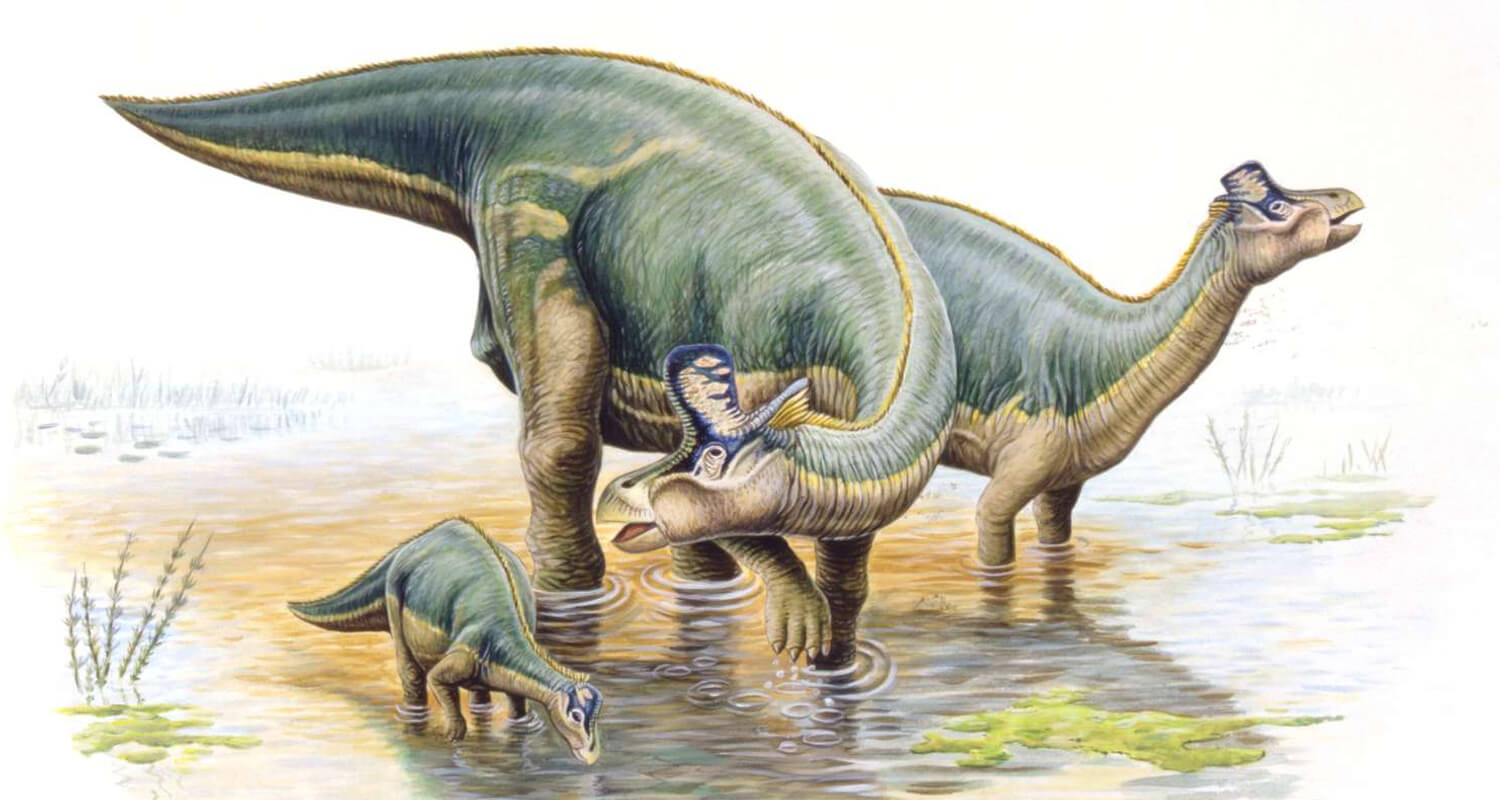 Fossils of dinosaurs like Oviraptor perched over nests indicate they may have actively guarded their eggs. This behavior mirrors modern birds like ostriches and penguins, which fiercely defend their nests.
Camouflage might have played a role in egg protection, with nests concealed in vegetation or strategically placed in hard-to-reach areas. Defensive behaviors, such as circling the nest or using their size to intimidate predators, were likely part of a dinosaur parent's toolkit.
Caring for Hatchlings: Feeding and Teaching
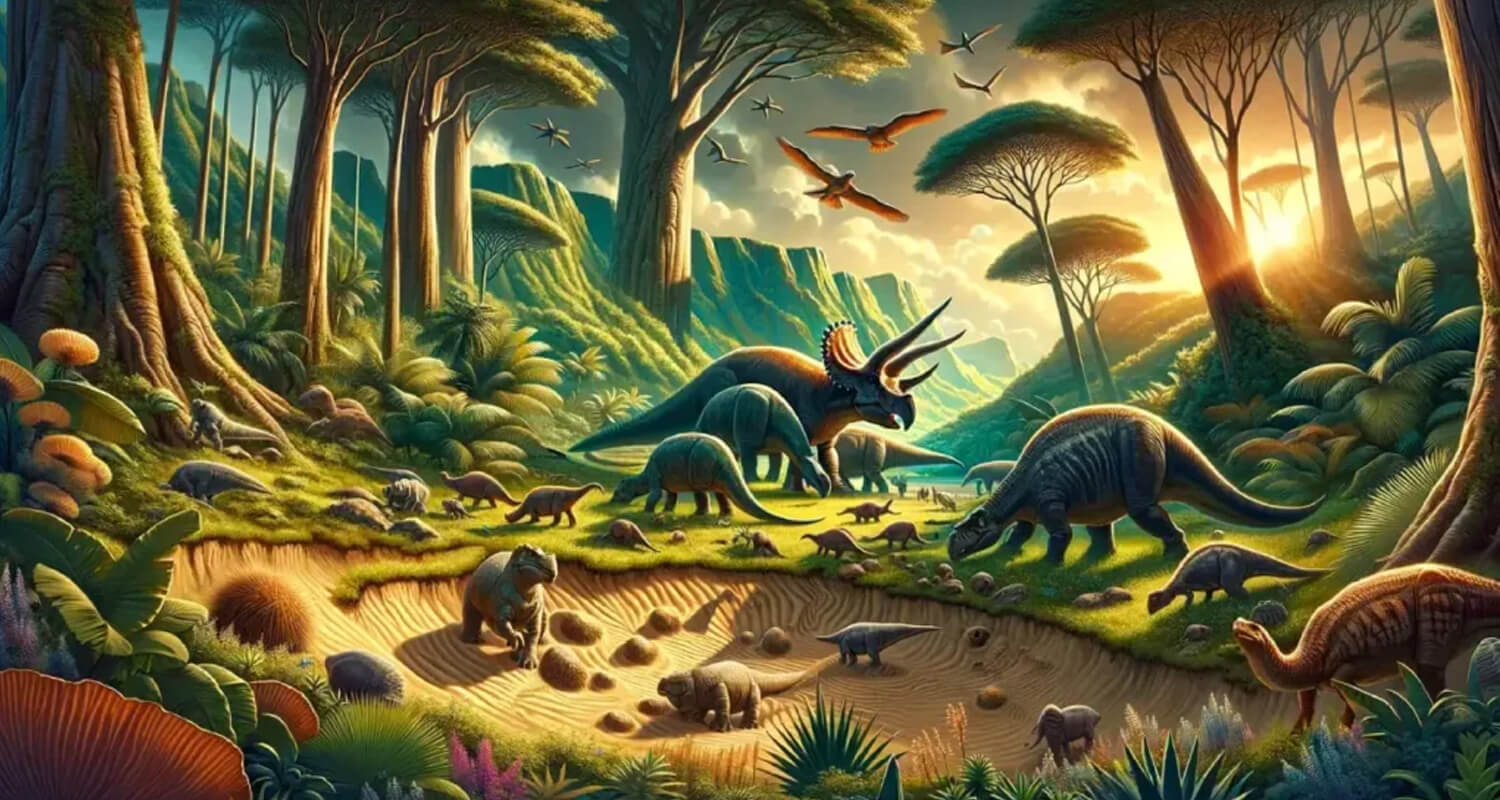 Evidence from nesting sites like those of Maiasaura suggests that some dinosaurs cared for their young well after hatching. Juveniles found in nests indicate they stayed there long enough to grow larger and more capable, which implies adult dinosaurs provided food. Whether this food came in the form of regurgitation, as seen in modern birds, or direct delivery is still debated.
Teaching survival skills, such as finding food or avoiding predators, might have been part of parenting for certain species. Herd-living dinosaurs, in particular, could have benefited from collective efforts to teach and protect their young.
Social Dynamics and Dinosaur Parenting
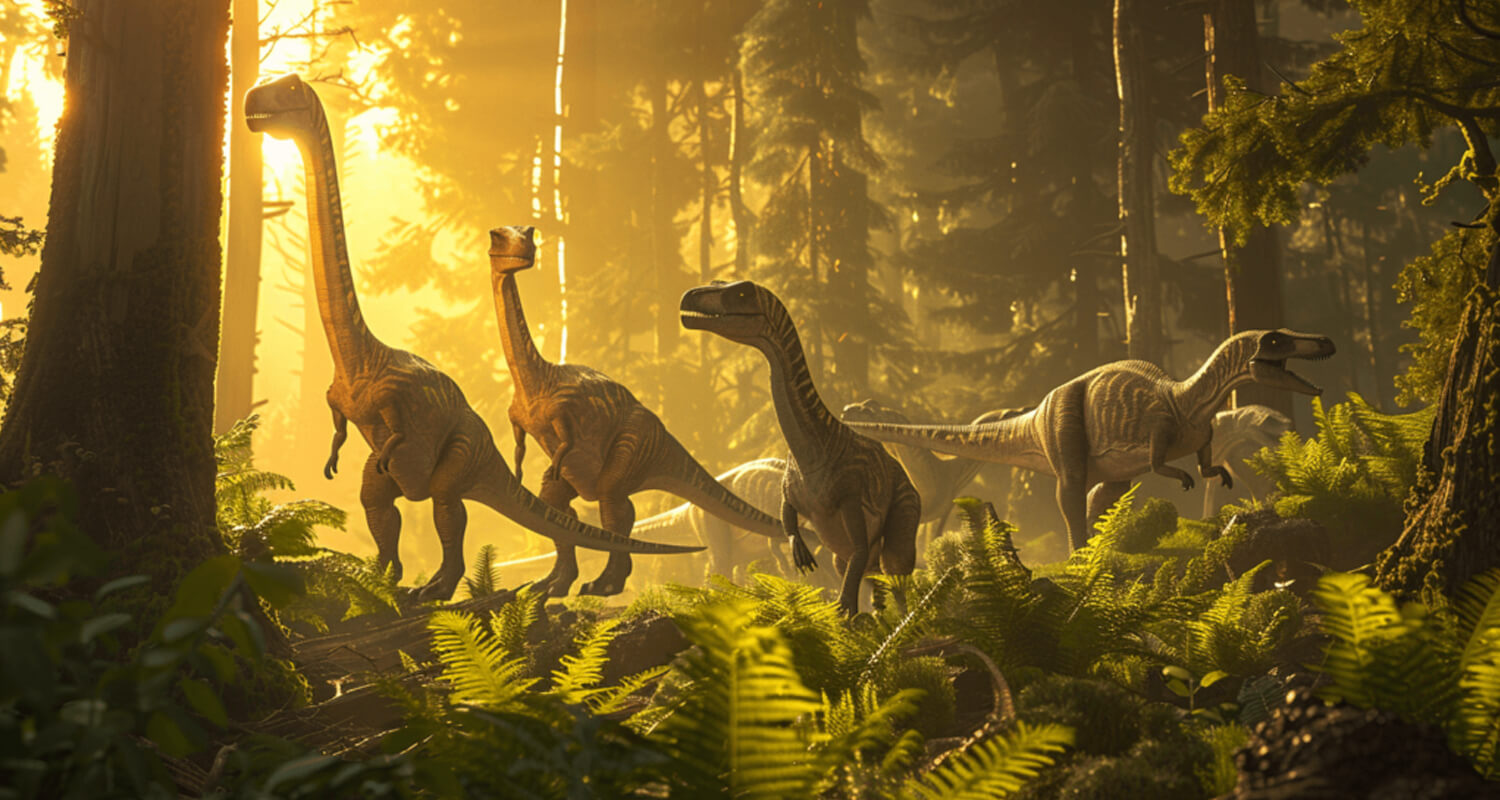
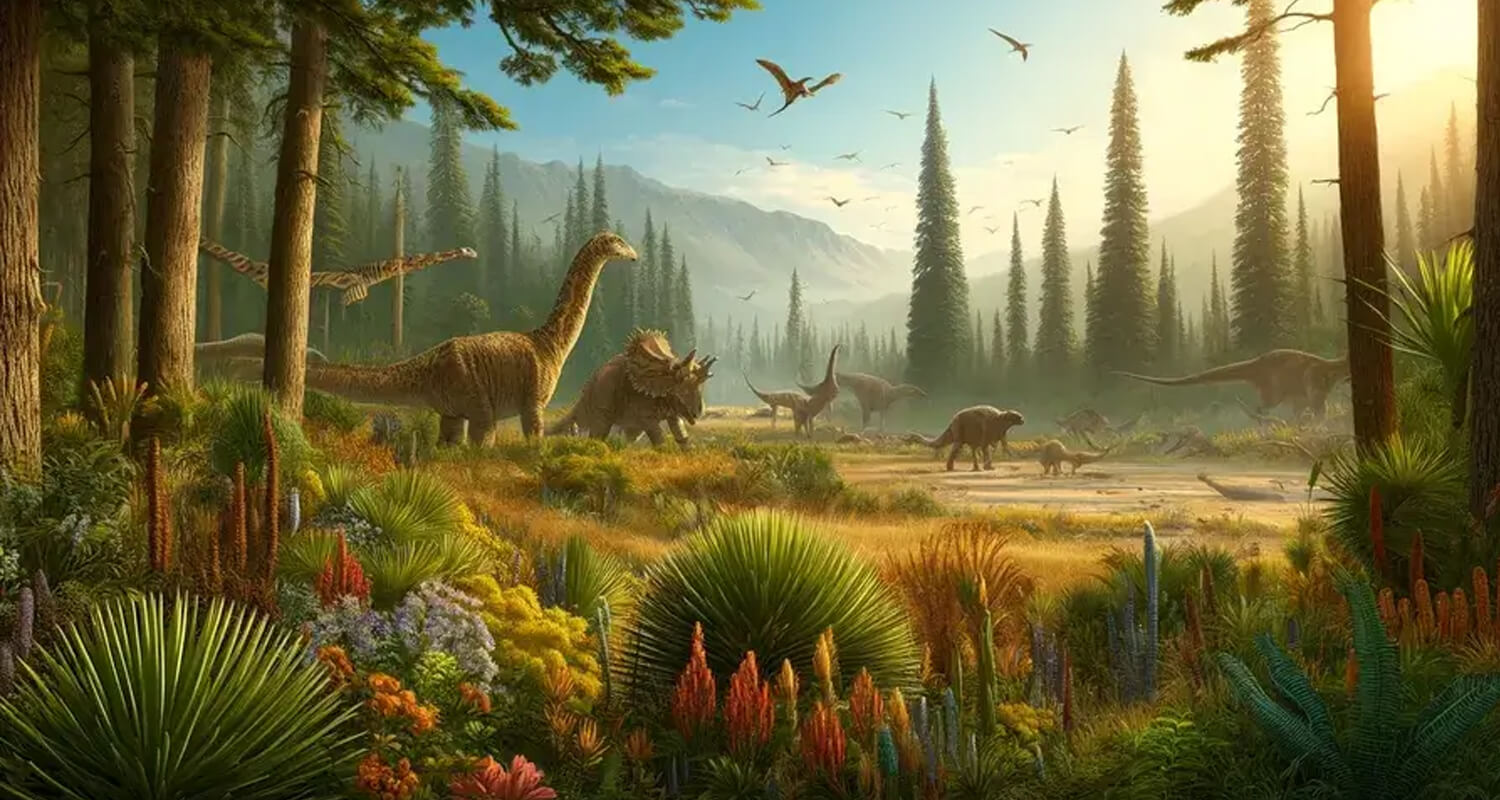 Parenting behavior was likely influenced by the social structure of different species. Herbivorous dinosaurs, such as hadrosaurs and ceratopsians, may have lived in herds where communal parenting occurred, with multiple adults protecting and guiding the young.
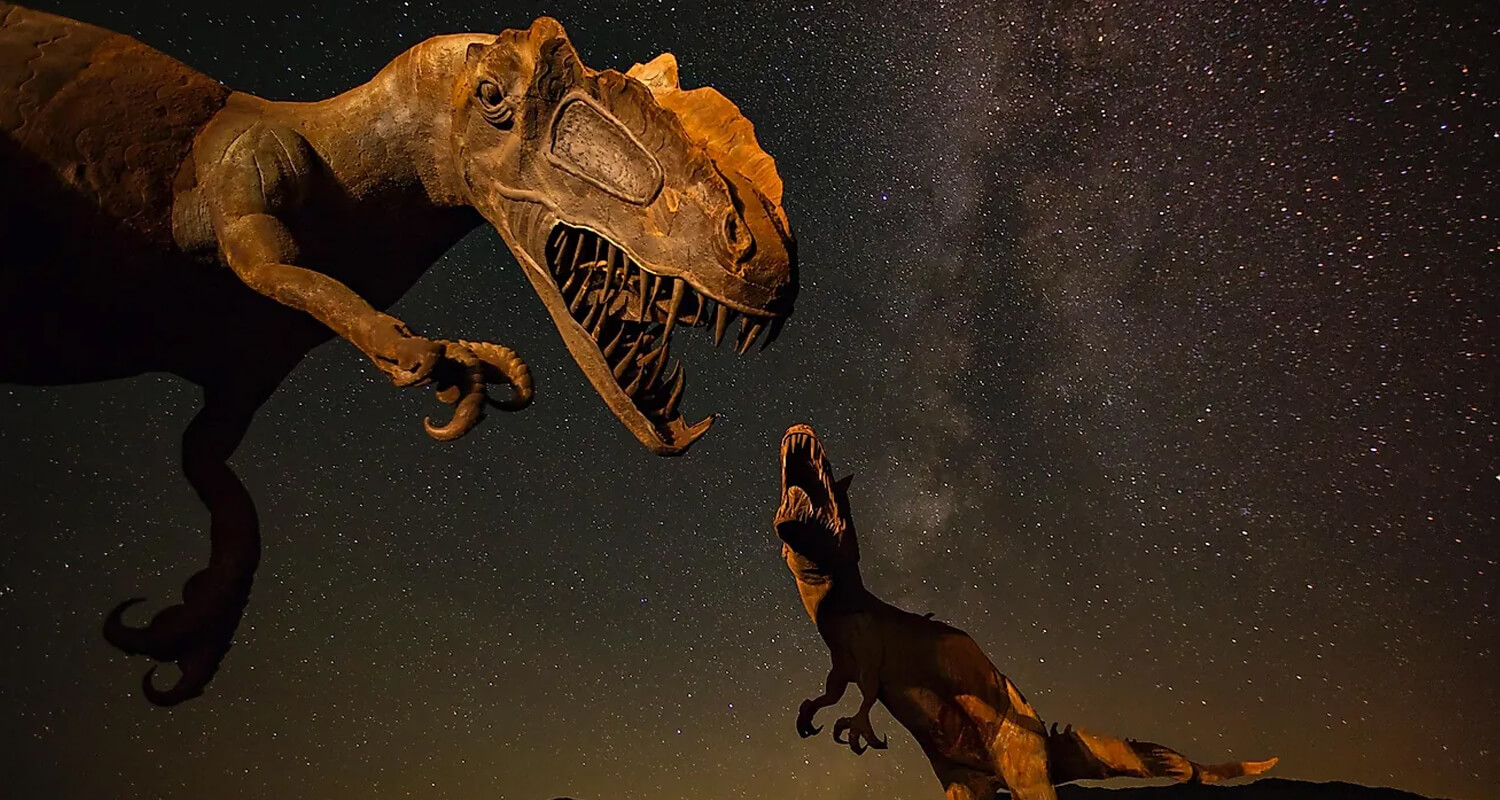
In contrast, solitary carnivores like Tyrannosaurus rex might have had less intensive parenting styles, possibly leaving hatchlings to survive independently after an initial period of care. The degree of parental involvement varied widely, showcasing the diversity in dinosaur behavior.
What Dinosaur Parenting Tells Us About Their Lives
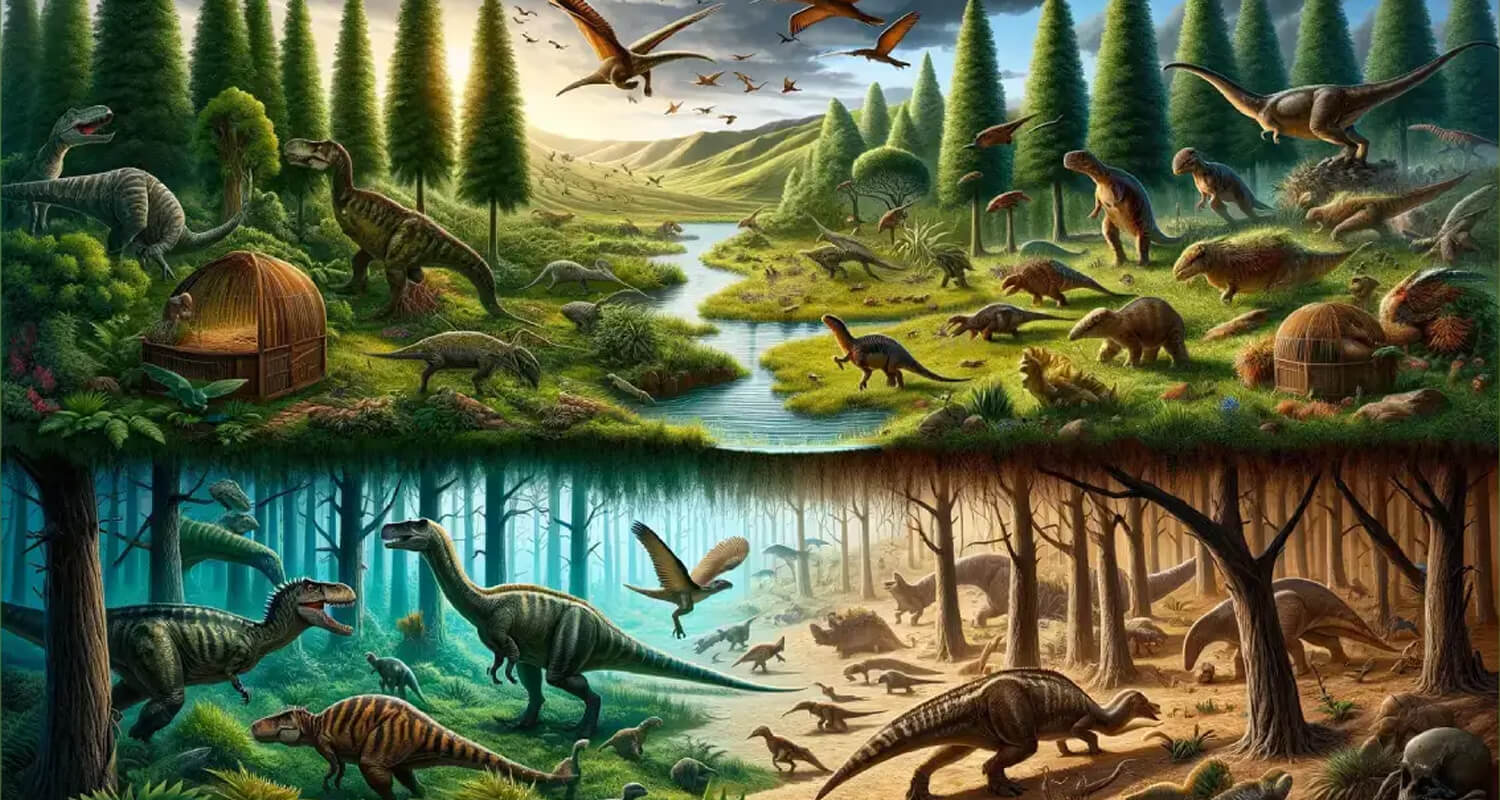 Parental care provides critical insights into the behavior and intelligence of dinosaurs. Species that invested heavily in their young likely had complex social structures and higher levels of interaction within their groups. This care would have contributed to their evolutionary success by increasing the survival rate of offspring.
Understanding dinosaur parenting reshapes how we view these ancient creatures, showing that they were more than just dominant predators or prey. They were attentive and adaptable, much like many modern animals.
Integrating Dinosaur Parenting into Animatronics
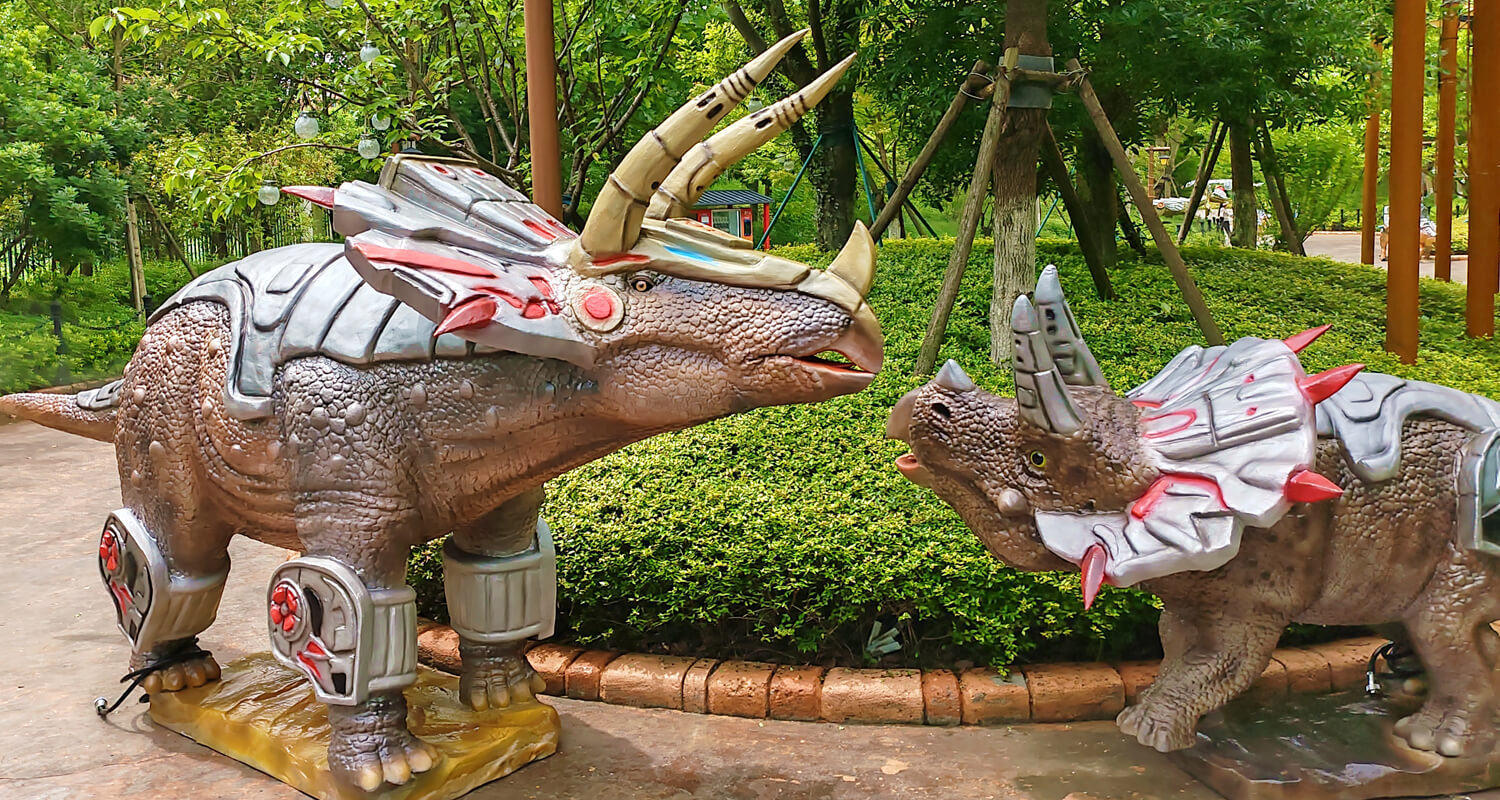 At Gecai Culture, we strive to bring the world of dinosaurs to life through scientifically accurate animatronic models. Our designs can depict nesting scenes, protective parents, or family groups, offering visitors an immersive experience that showcases the nurturing side of dinosaurs. These realistic displays captivate audiences, making learning about dinosaur parenting both engaging and memorable.
FAQs About Dinosaur Parenting
 Which dinosaur is known as the best parent?
Maiasaura is widely considered the best parent due to fossil evidence of its nurturing behavior, including protecting and feeding its young.
Did all dinosaurs take care of their young?
Not all dinosaurs exhibited parental care. Some likely abandoned their eggs after laying them, similar to many modern reptiles.
How do scientists know about dinosaur parenting?
Fossilized nests, eggs, embryos, and juvenile remains offer clues about nesting habits, feeding, and protection.
Did any dinosaurs abandon their eggs after laying them?
Yes, some dinosaurs, particularly smaller, less social species, may have left their eggs to hatch and fend for themselves, relying on instinct for survival.
Conclusion
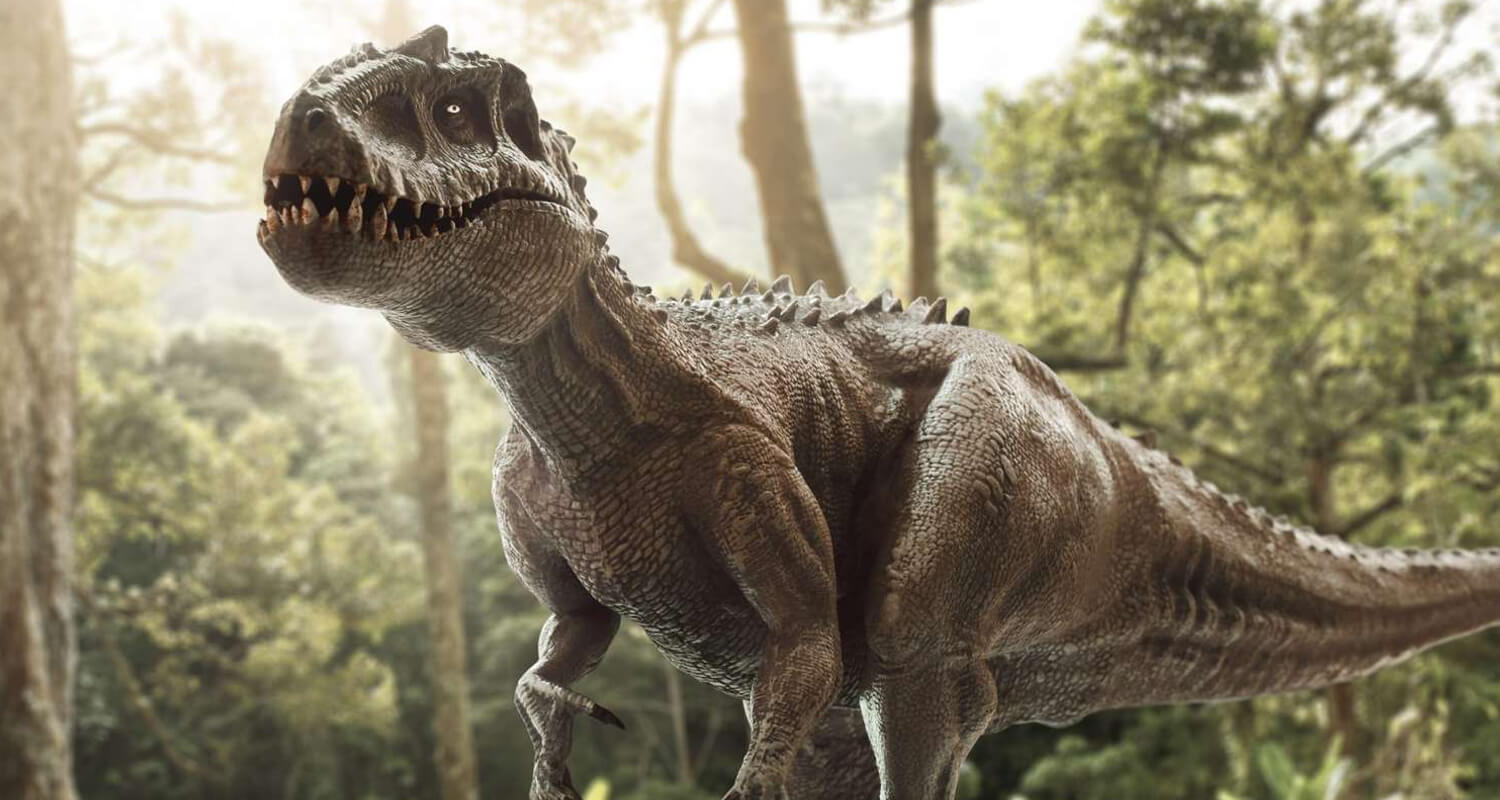 The study of dinosaur parenting reveals a more complex and nuanced picture of these ancient creatures. From carefully constructed nests to protective behaviors and group dynamics, dinosaurs exhibited a range of parenting styles that ensured their young's survival.
By exploring these behaviors, we gain a deeper appreciation for the social and evolutionary strategies that made dinosaurs such successful creatures in their time. And thanks to innovations like Gecai Culture's animatronic models, we can bring these fascinating parenting stories to life, inspiring wonder and curiosity in audiences worldwide.
Теги: