О нас
Gecai Culture стоит на переднем крае воплощения прошлого в жизнь с помощью наших ультрасовременных аниматронных динозавров, очаровательных аниматронных существ, ярких китайских фестивальных фонарей и специализированных товаров. Как профессиональный производитель, расположенный в самом сердце Китая, мы питаем глубокую страсть к демонстрации наших реалистичных динозавров и животных в музеях, выставках, зоопарках, парках и за их пределами, стремясь разжечь пламя любопытства и обучения у людей всех возрастов.
Получить бесплатную цитату
Знание динозавров
Как динозавры сформировали Землю: их роль в экосистемах
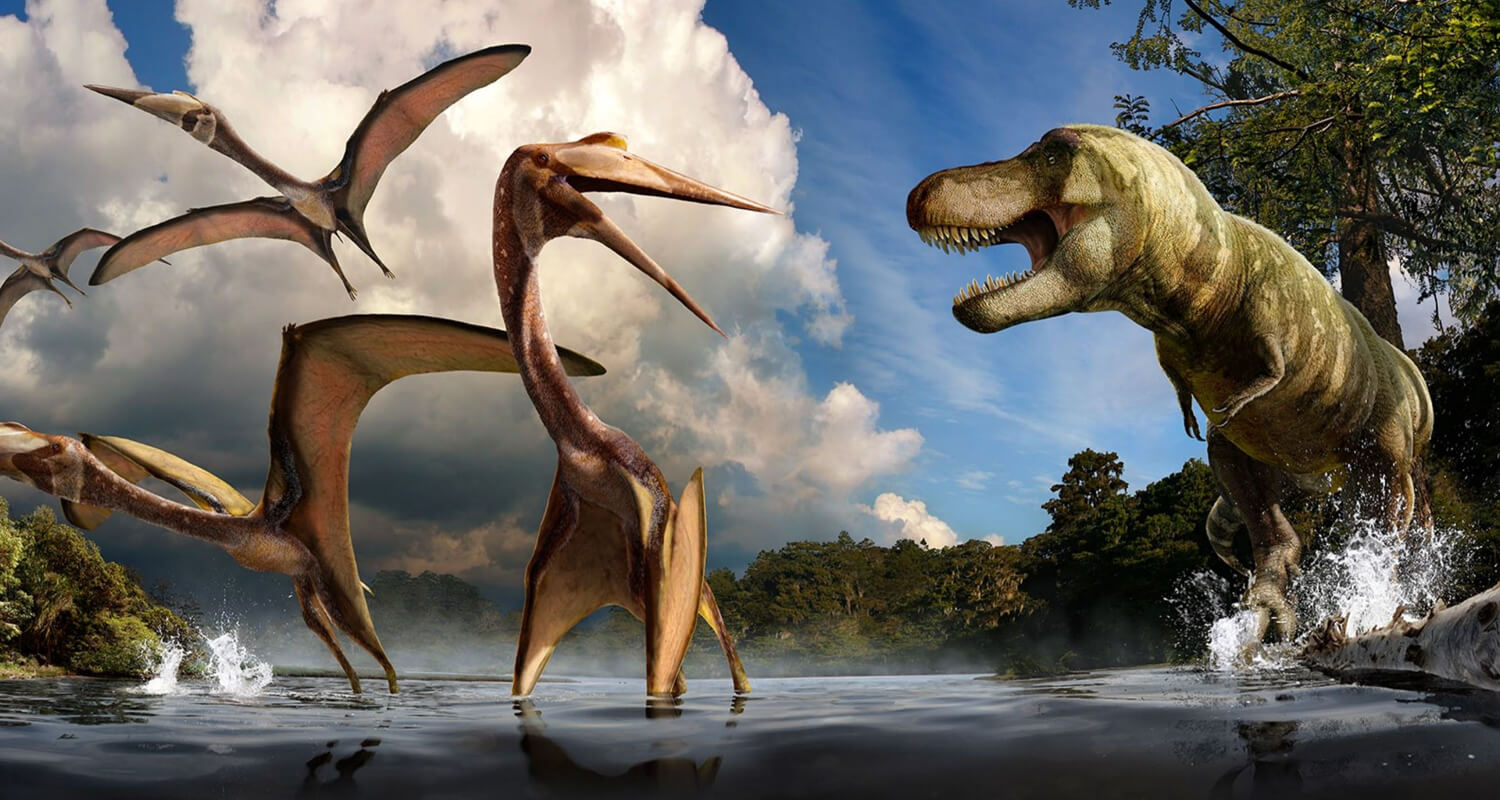 Dinosaurs are some of the most fascinating creatures to have ever lived on Earth. Dominating the planet for over 160 million years, they left an indelible mark on the world's ecosystems. Their presence, behaviors, and eventual extinction played critical roles in shaping the biological and geological landscapes of our planet. In this article, we'll explore how dinosaurs influenced the ecosystems of their time and how their legacy continues to shape the Earth today.
The Rise of Dinosaurs and the Development of Early Ecosystems
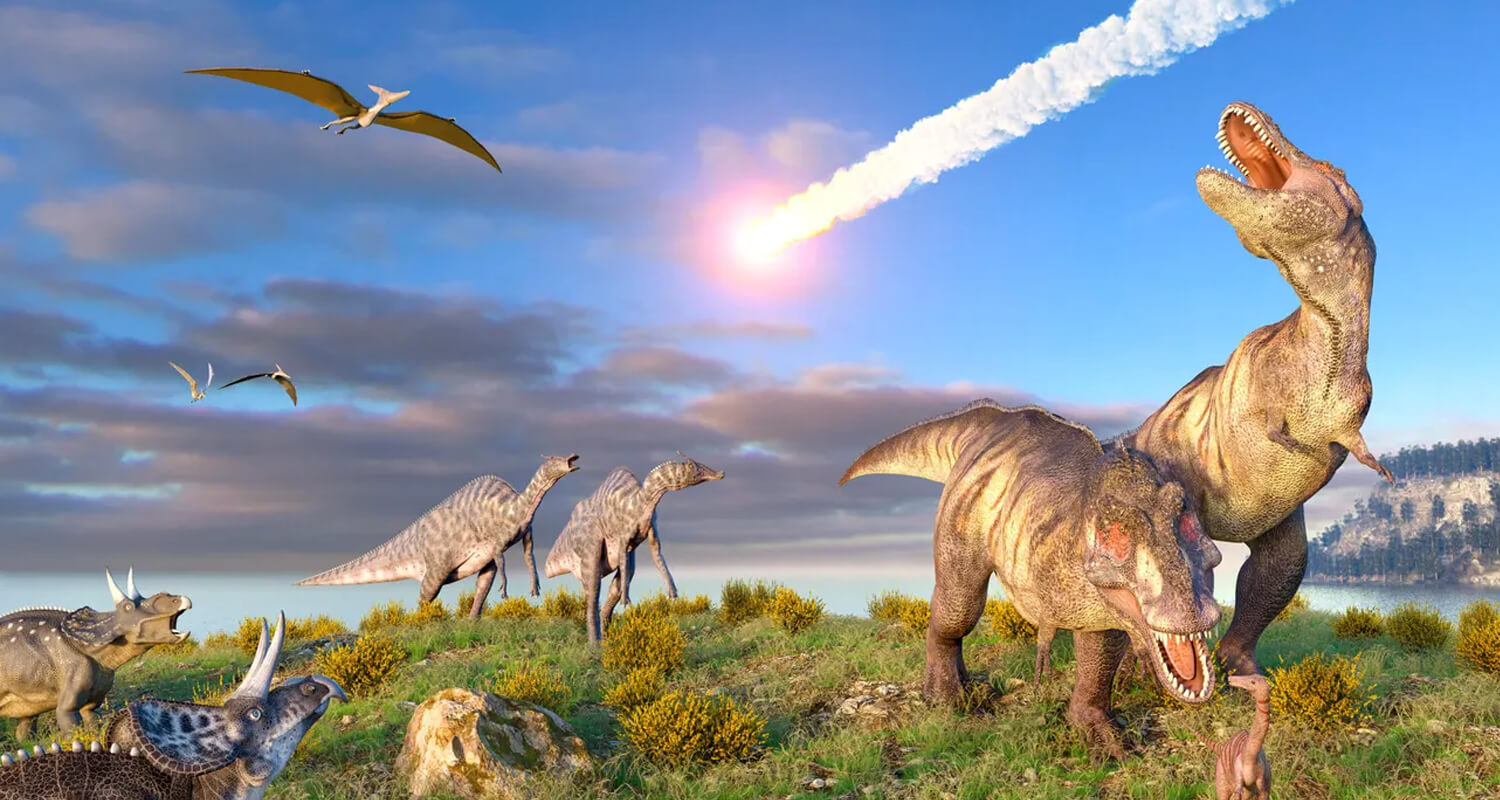 The Mesozoic Era, spanning from about 252 to 66 million years ago, was the golden age of the dinosaurs. It is divided into three periods: the Triassic, Jurassic, and Cretaceous. During the early part of this era, Earth's ecosystems were relatively simple, dominated by a limited number of species. However, as dinosaurs began to evolve and diversify, they became the dominant land animals, filling almost every ecological niche.
The first dinosaurs emerged in the late Triassic period, following the mass extinction event that wiped out many of the species from the Permian period. This created an opportunity for new forms of life to thrive. Dinosaurs quickly adapted to different environments, and by the Jurassic period, they had established themselves as the primary consumers in both herbivorous and carnivorous roles, setting the stage for more complex ecosystems.
Dinosaurs as Apex Predators and Herbivores: Their Ecological Influence
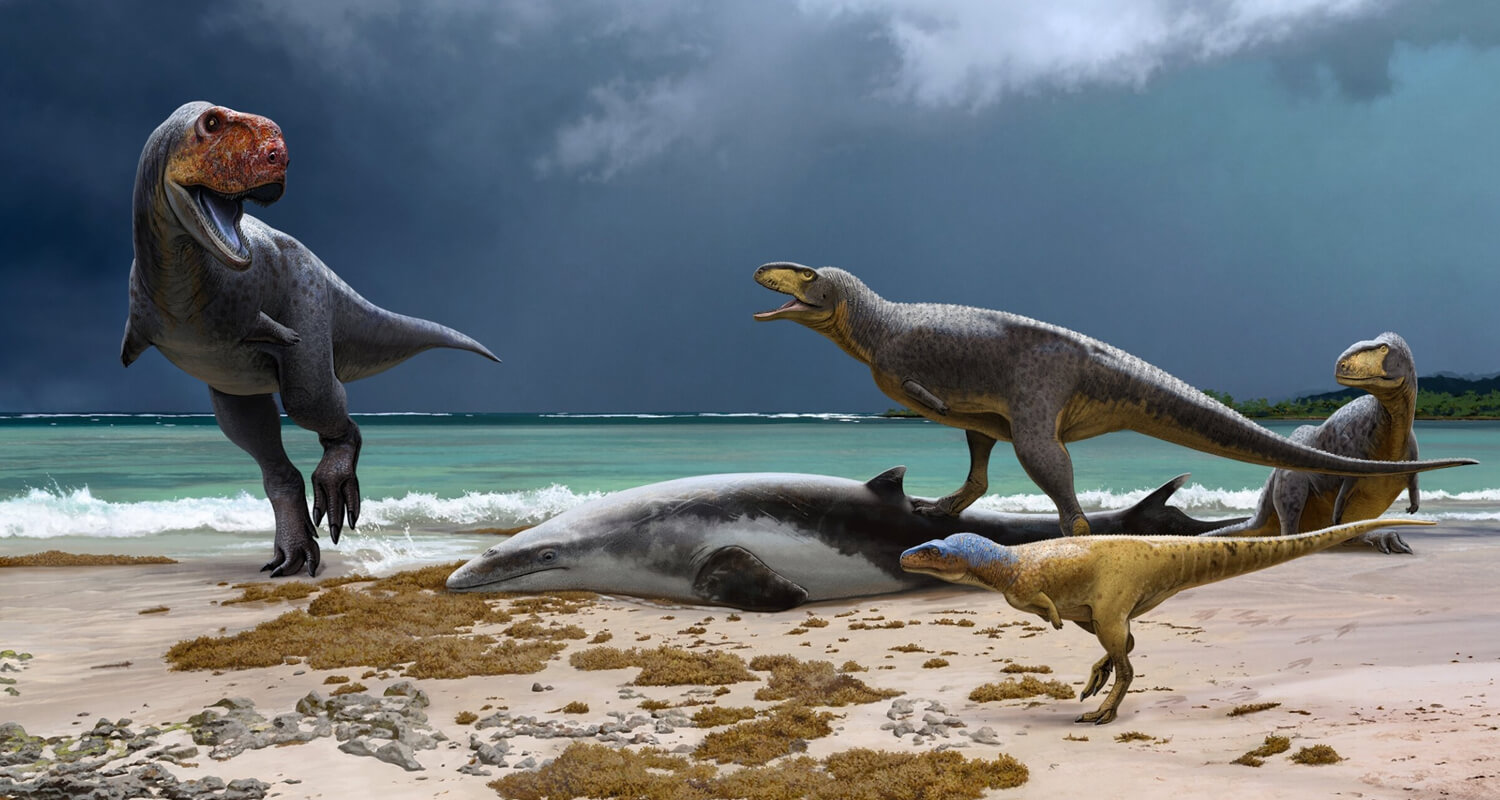 Dinosaurs played a central role in maintaining the balance of their ecosystems, particularly through their positions as apex predators and herbivores. Carnivorous dinosaurs like Tyrannosaurus rex and Velociraptor were top predators, regulating populations of herbivores and smaller predators. Their hunting behavior and feeding strategies helped maintain a delicate balance within the food chain, ensuring that no one group became too dominant or depleted the resources available.
On the other side of the food chain, herbivorous dinosaurs, such as Triceratops and Brachiosaurus, played an equally important role. These massive creatures consumed vast quantities of plant material, and their feeding habits had a significant impact on plant evolution. By browsing on trees, shrubs, and ferns, herbivorous dinosaurs shaped plant communities and influenced the types of vegetation that could thrive in different ecosystems.
Moreover, these dinosaurs contributed to the recycling of nutrients within their environments. As they fed, they would also spread seeds and plant material, helping to promote plant growth in different areas. This dynamic interaction between herbivores and plants contributed to the development of rich, diverse ecosystems.
The Impact of Dinosaurs on Flora and Fauna
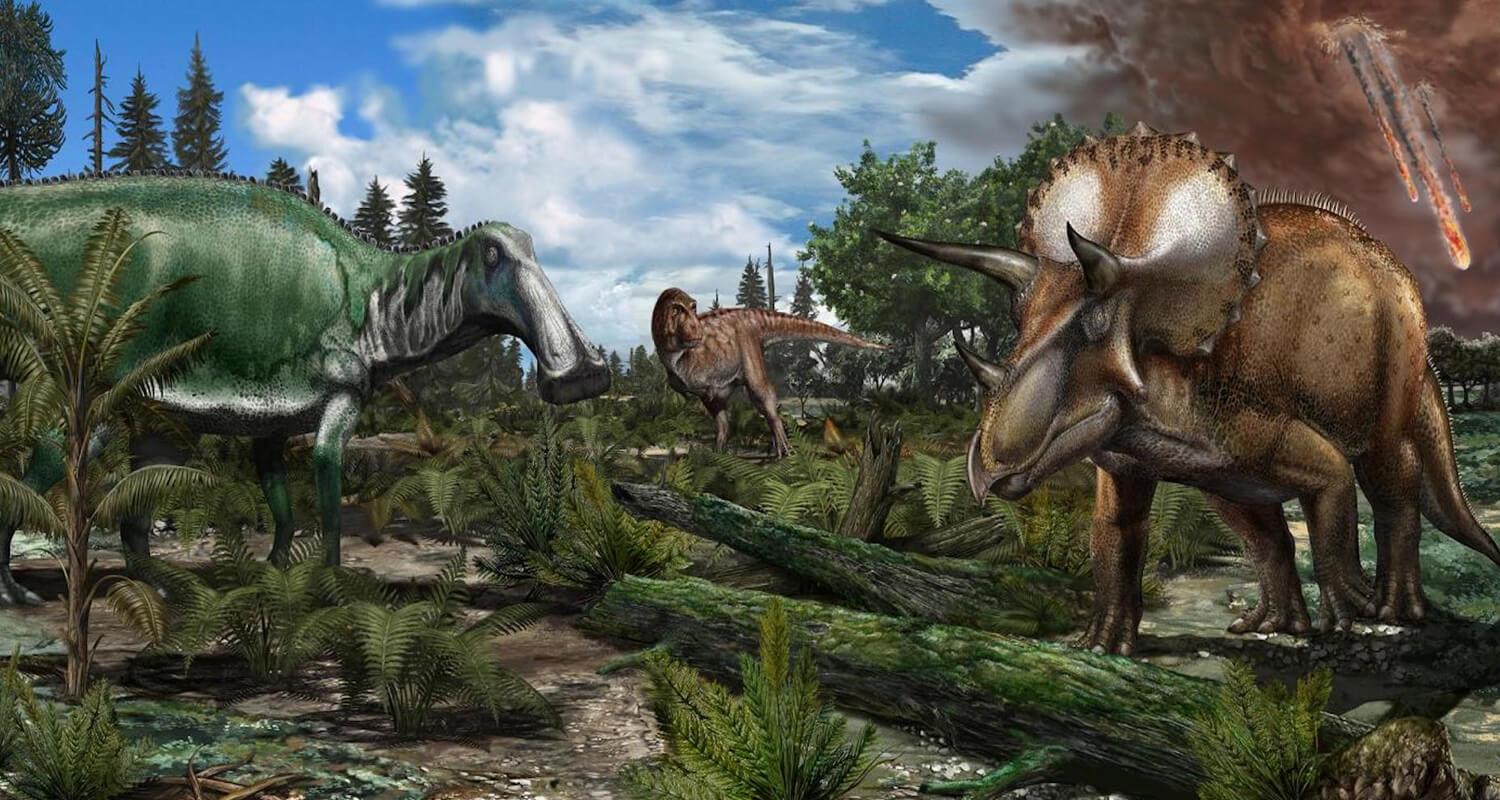 Dinosaurs were not only key players in the food chain; they also had a profound impact on the flora of their time. Herbivorous dinosaurs, in particular, influenced the evolution of plants. During the Mesozoic era, the Earth's plant life was dominated by gymnosperms (like cycads and conifers), but as dinosaurs evolved, so did the plant species they interacted with.
For example, the rise of herbivorous dinosaurs prompted the evolution of new types of plants, including flowering plants (angiosperms). These plants developed adaptations, such as tougher leaves and the production of more specialized fruits, to withstand herbivory. This co-evolution between plants and herbivorous dinosaurs allowed for a flourishing of diverse plant species, which in turn supported a variety of animal life.
Dinosaurs also had a profound impact on other animal species. Their presence influenced the evolution of insects, amphibians, and early mammals, which coexisted in the Mesozoic ecosystems. Some dinosaurs even played an indirect role in the diversification of these smaller animals by altering their habitats or food sources.
Dinosaurs and the Geology of Earth
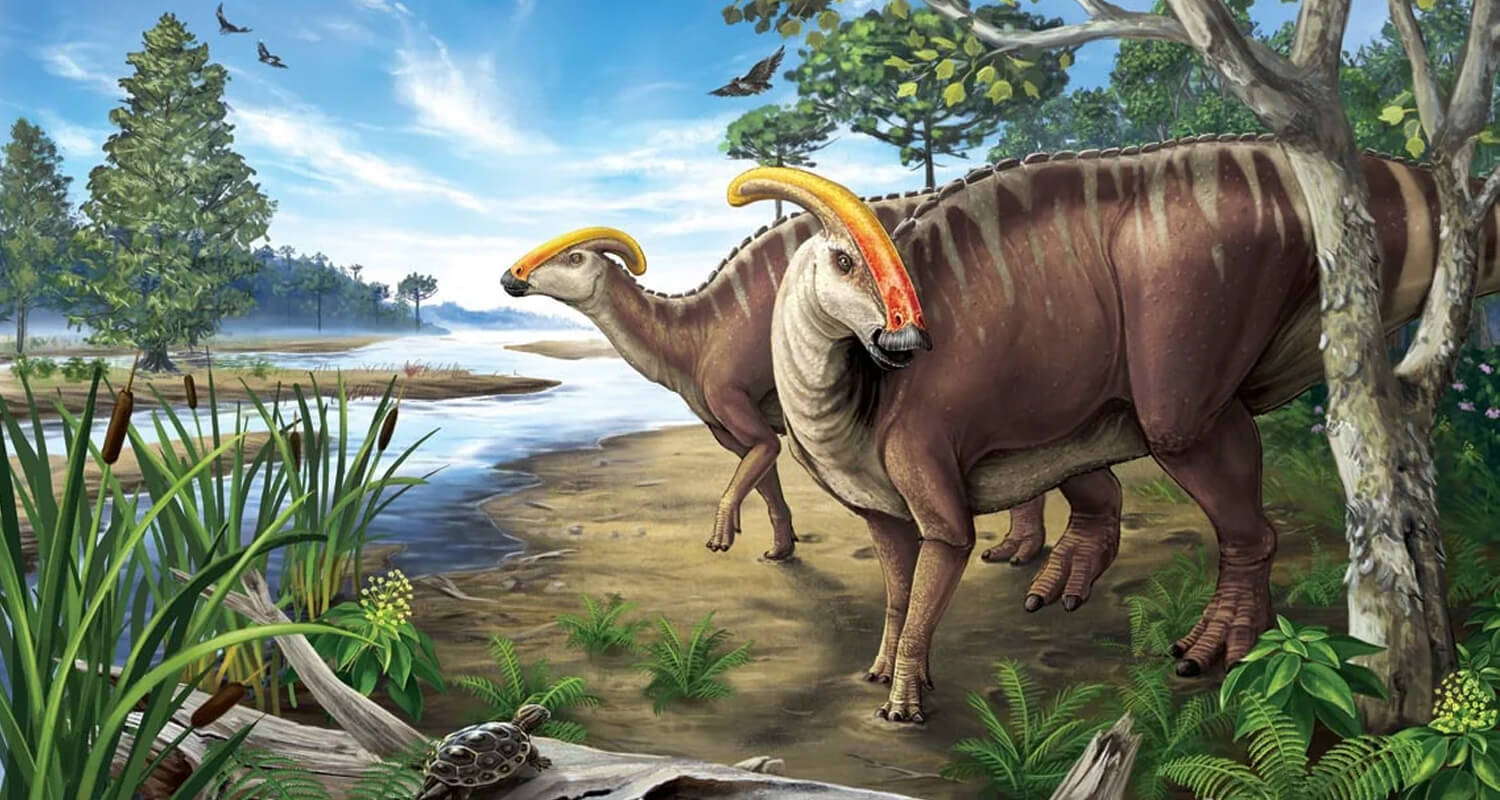 Dinosaurs didn't just influence the biological aspects of Earth—they also contributed to the planet's geological evolution. The physical presence of these massive animals left a significant mark on the Earth's surface. Dinosaur footprints, nests, and other trace fossils provide invaluable insight into the behavior and movement of these creatures.
Over time, the activities of dinosaurs influenced the formation of sedimentary layers. For example, herds of dinosaurs could create lasting impressions on the landscape by leaving behind tracks in mud, which would eventually fossilize and become part of the Earth's rock layers. Similarly, the decomposition of dinosaurs and other organic matter contributed to the formation of soil and sediment, which affected the Earth's geological processes.
The Dinosaur Legacy: How They Shaped Modern Ecosystems
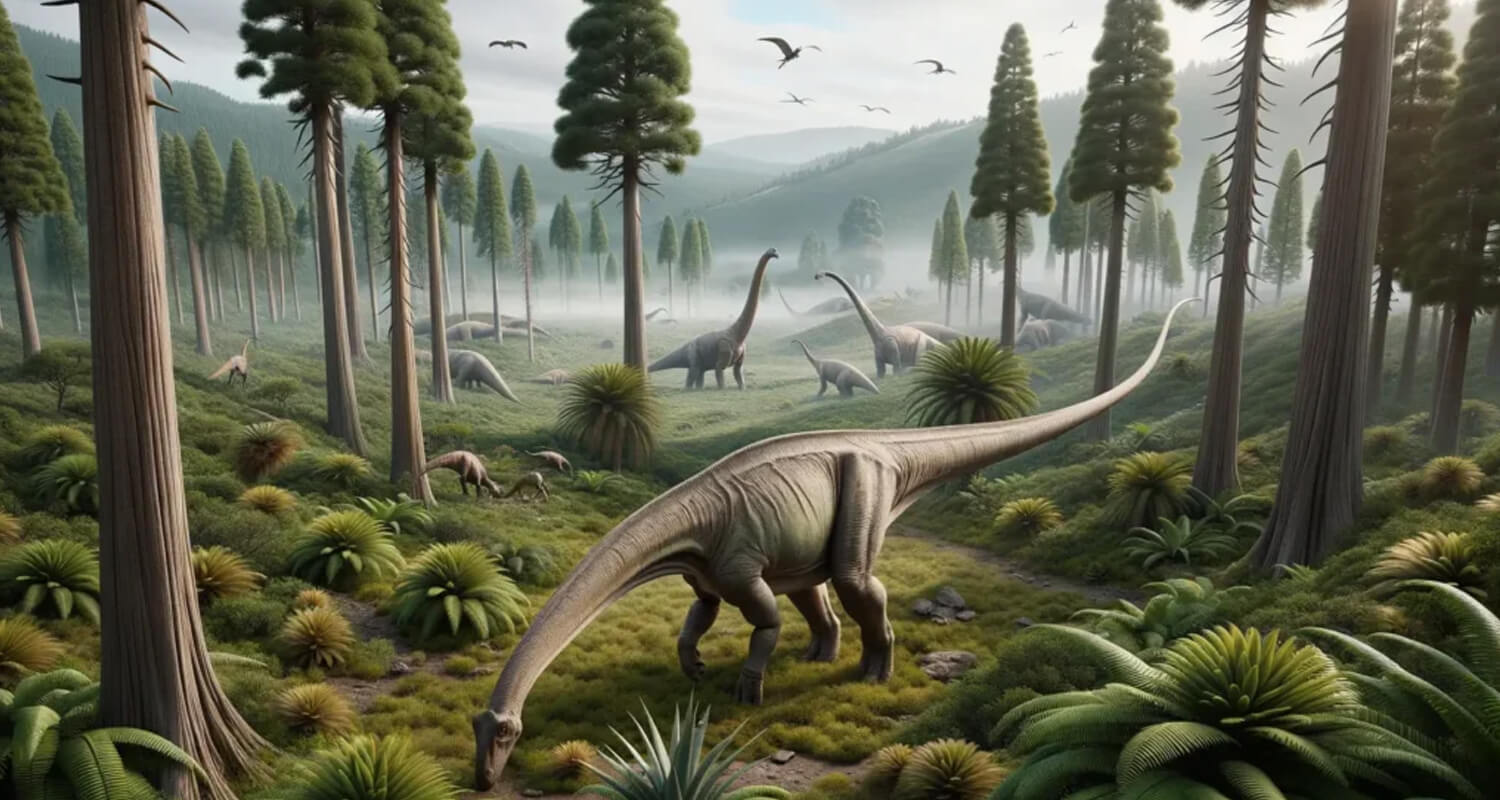 The extinction of dinosaurs around 66 million years ago, likely caused by a combination of climate change and a catastrophic asteroid impact, marked the end of an era. However, their influence did not end with their demise. The extinction event paved the way for mammals and, eventually, humans to rise and fill the ecological niches left behind.
Interestingly, modern birds are the closest living relatives of dinosaurs. The evolution of birds from theropod dinosaurs is one of the most significant examples of how dinosaurs have shaped today's ecosystems. Birds continue to play crucial roles in ecosystems as pollinators, seed dispersers, and predators.
Additionally, the extinction of dinosaurs allowed for the diversification of mammals, including the evolution of species that would eventually become the dominant terrestrial animals. This shift in the balance of ecosystems continues to affect the distribution of species around the globe.
Conclusion: Understanding the Broader Ecological Impact of Dinosaurs
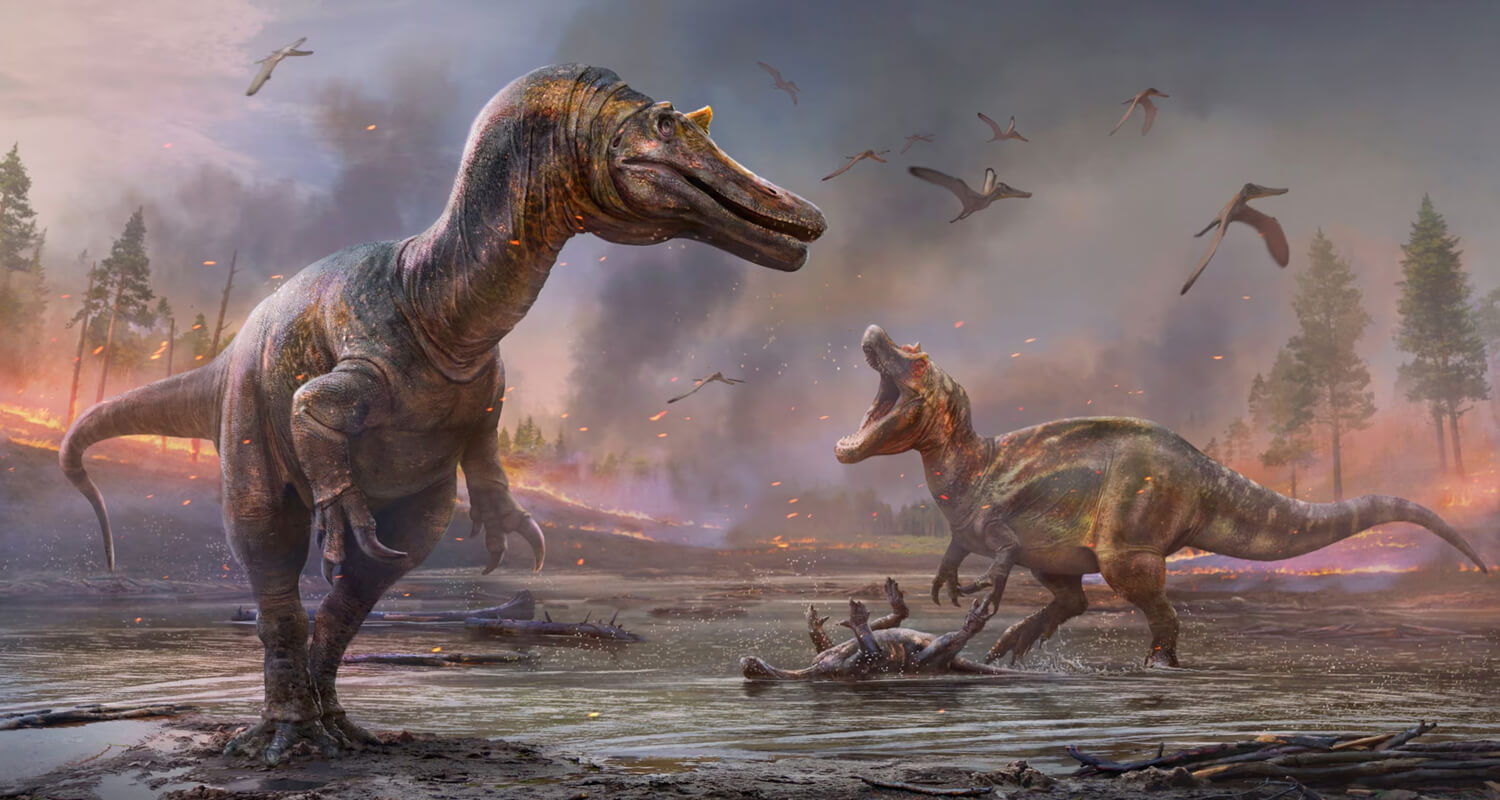 Dinosaurs were far more than just prehistoric creatures; they were vital architects of the ecosystems in which they lived. By acting as predators, herbivores, and ecosystem engineers, dinosaurs shaped the landscape, plant life, and other animal populations. Their extinction reshaped the course of life on Earth, creating an opportunity for new species, including mammals, to thrive.
By studying the ecosystems of the Mesozoic Era, we can gain a better understanding of modern biodiversity and ecological dynamics. The legacy of dinosaurs is a reminder of how interconnected life forms are with their environments and how significant the roles of individual species are in maintaining the balance of ecosystems.
As we continue to explore and learn about the ancient world of dinosaurs, we also deepen our understanding of how life on Earth has evolved and how the forces of nature shape the planet, even millions of years after these magnificent creatures walked it.
Теги: