О нас
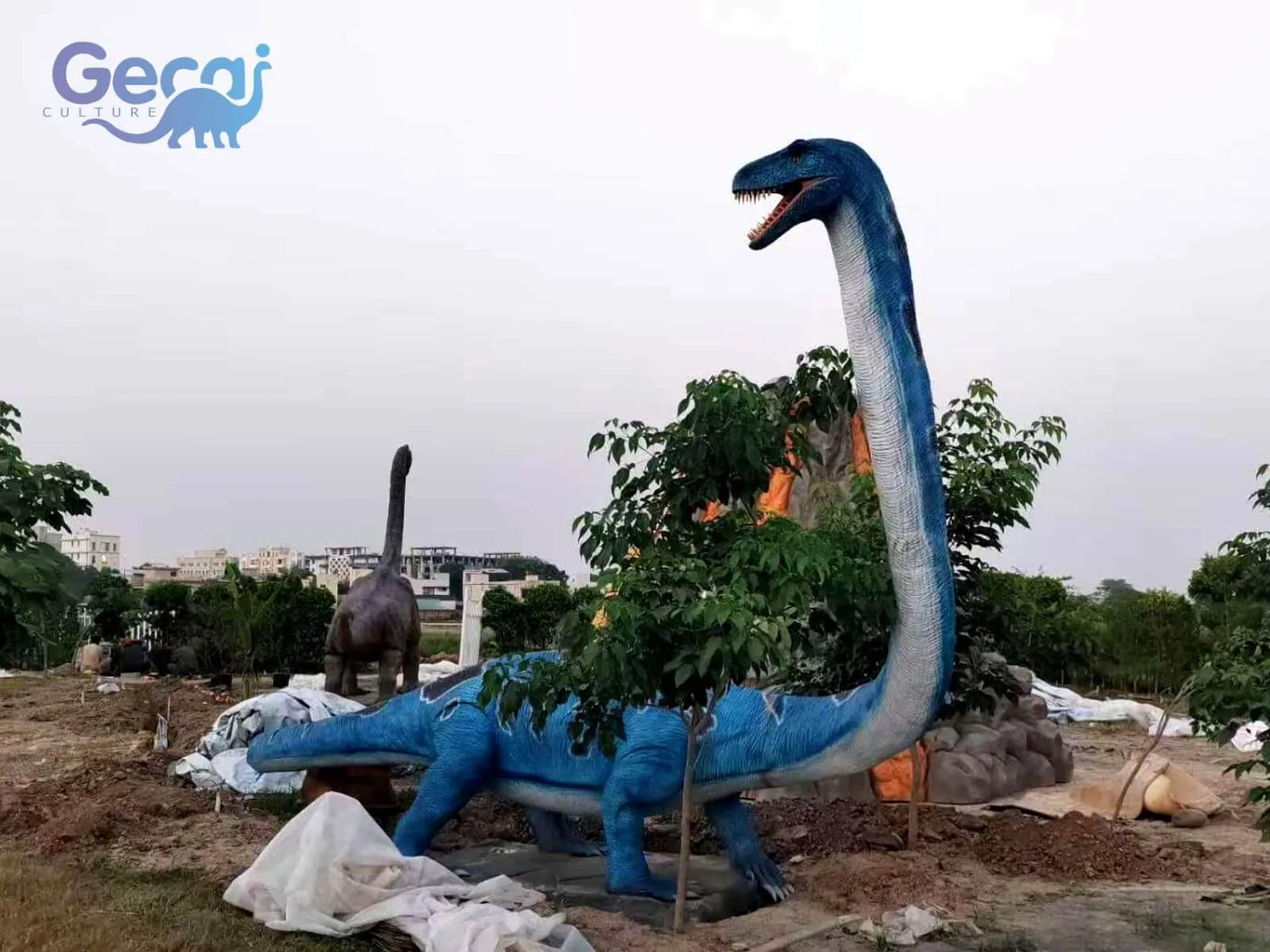
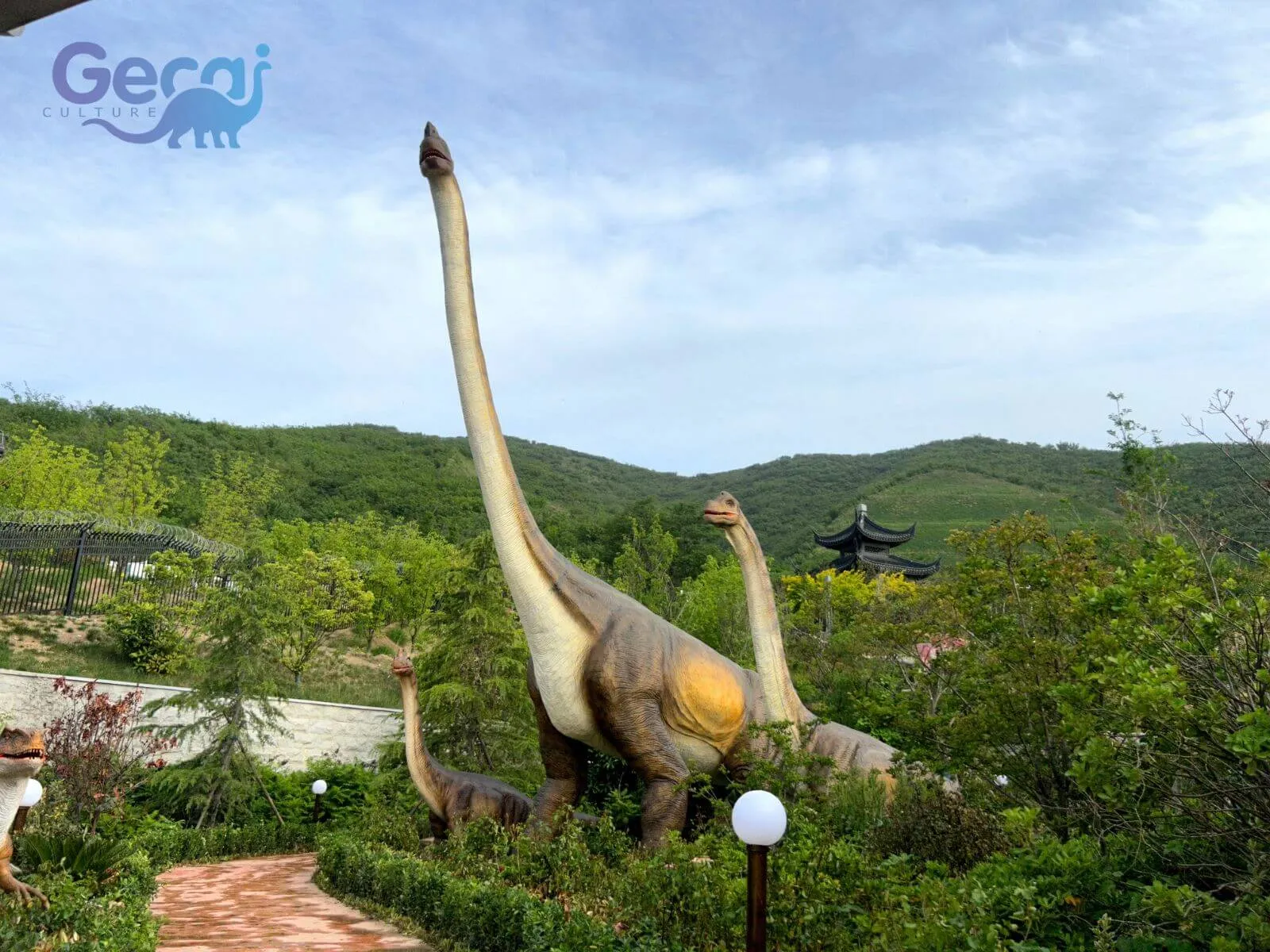
Gecai Culture стоит на переднем крае воплощения прошлого в жизнь с помощью наших ультрасовременных аниматронных динозавров, очаровательных аниматронных существ, ярких китайских фестивальных фонарей и специализированных товаров. Как профессиональный производитель, расположенный в самом сердце Китая, мы питаем глубокую страсть к демонстрации наших реалистичных динозавров и животных в музеях, выставках, зоопарках, парках и за их пределами, стремясь разжечь пламя любопытства и обучения у людей всех возрастов.
Получить бесплатную цитату
Знание динозавров
Насколько быстро может бежать велоцираптор?
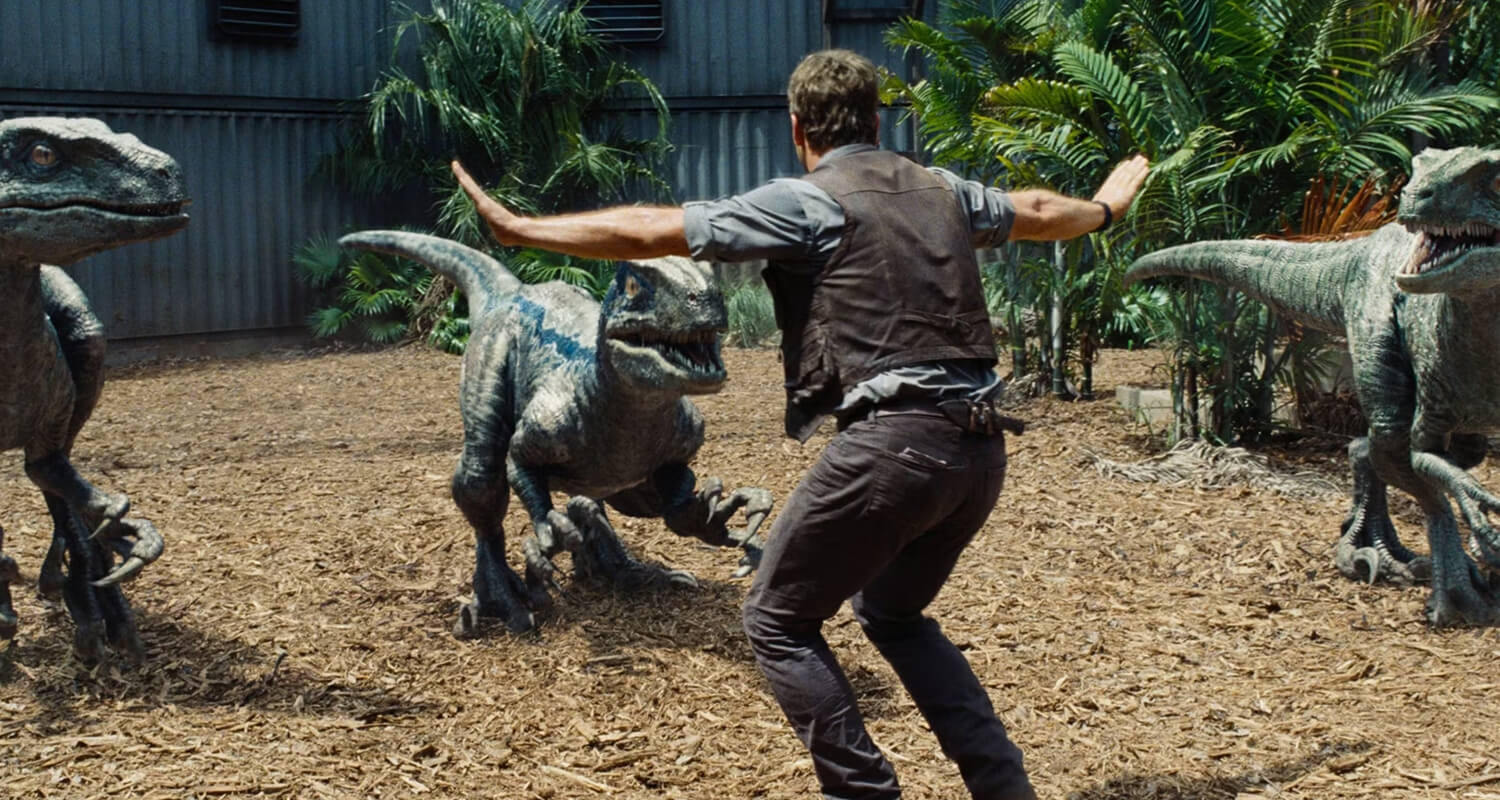 Velociraptor, one of the most iconic dinosaurs, has fascinated both scientists and the public since its discovery. Known for its portrayal in popular culture as a swift and cunning predator, the actual speed of this dinosaur has been a subject of much debate and research. In this article, we will explore what current science tells us about how fast a Velociraptor could run, considering its anatomy, fossil evidence, and comparisons with modern-day animals.
Velociraptor's Anatomy and Adaptations
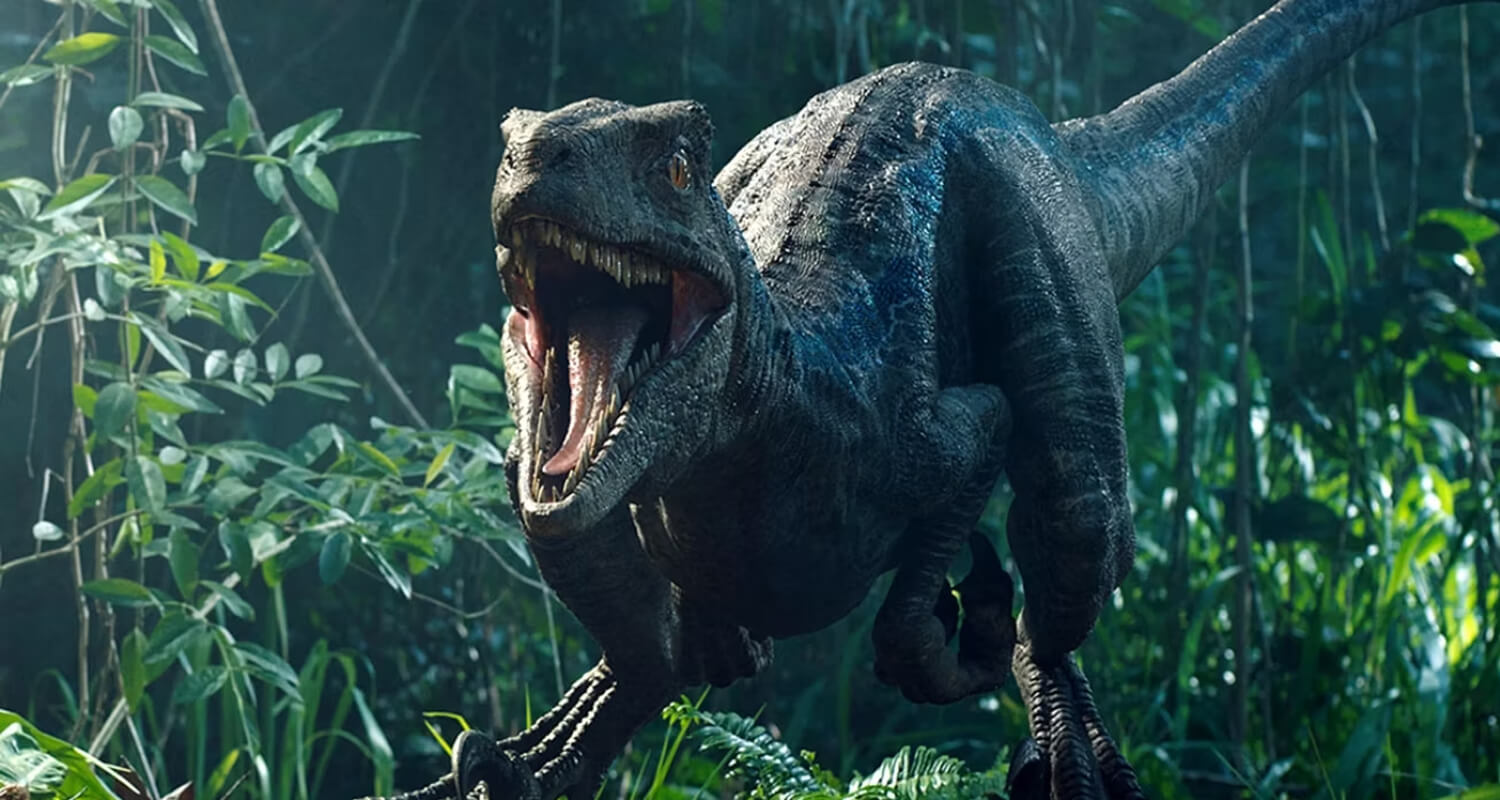 Velociraptor, a member of the dromaeosaurid family, lived approximately 75 to 71 million years ago during the late Cretaceous period. It was relatively small compared to other well-known dinosaurs, measuring about 2 meters (6.6 feet) in length and weighing up to 15 kilograms (33 pounds). Despite its size, Velociraptor had several anatomical features that suggest it was built for speed and agility.
Lightweight Skeleton: Velociraptor had a lightweight, yet strong, skeleton. Its bones were hollow, similar to those of modern birds, reducing its overall weight and making it more agile.
Long Legs: The dinosaur's long, slender legs indicate that it was likely a fast runner. These legs were equipped with powerful muscles, especially in the thighs, which would have contributed to its speed.
S-Shaped Neck and Aerodynamic Body: The S-shaped neck and streamlined body helped reduce air resistance, allowing the Velociraptor to move swiftly.
Curved Claws: The distinctive curved claws on its feet, particularly the large sickle-shaped claw on each second toe, were likely used for gripping and slashing prey. While these claws were crucial for hunting, they may have also played a role in balance and agility while running.
Estimating Velociraptor's Speed
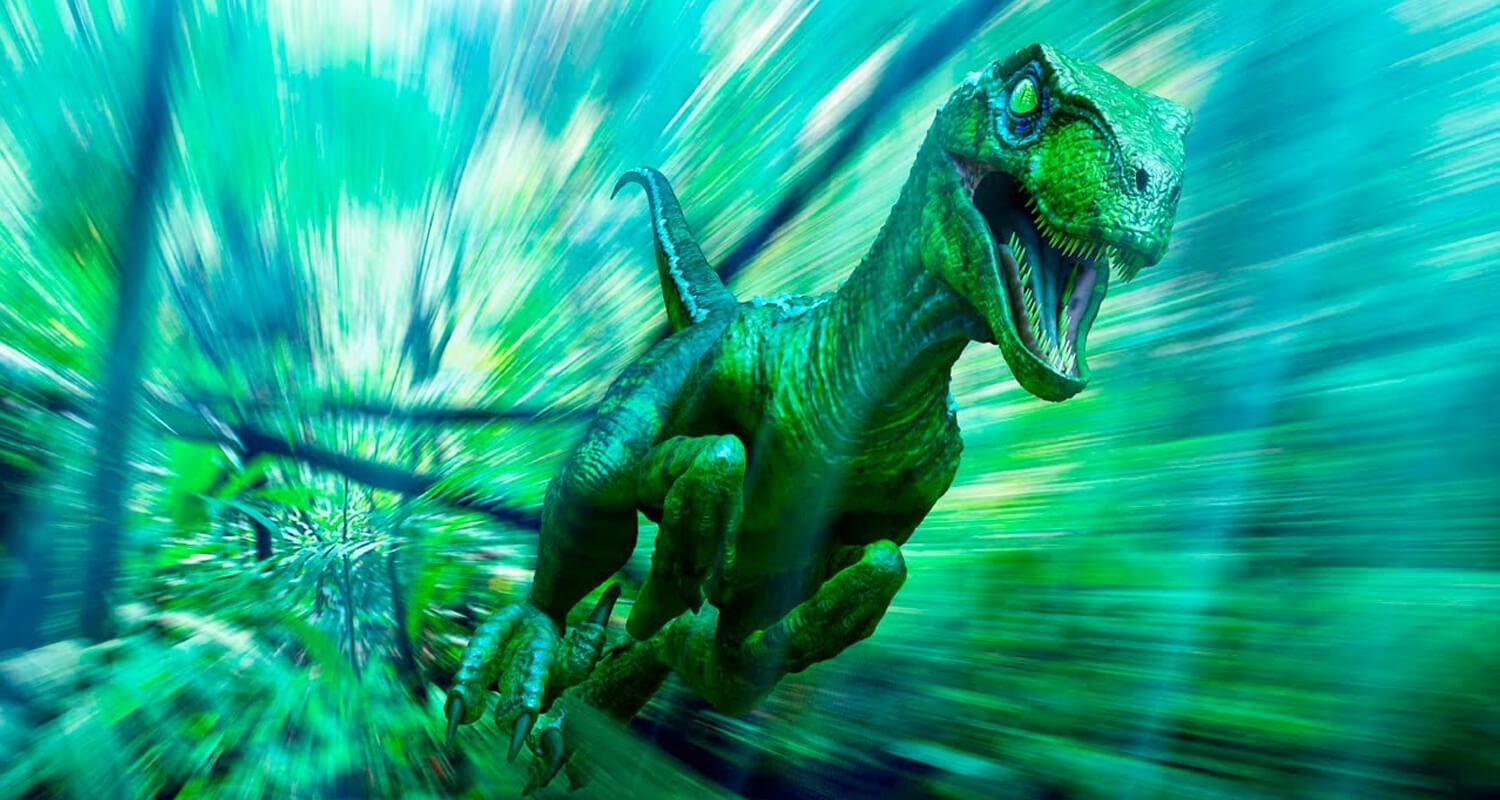 Estimating the exact speed of an extinct animal is challenging, but paleontologists use various methods to make educated guesses. These methods include studying fossilized footprints, comparing limb proportions and muscle attachment sites to modern animals, and using computer simulations.
Fossil Footprints: While there are no known fossilized footprints directly attributed to Velociraptor, similar dromaeosaurid trackways suggest high mobility. These footprints provide clues about stride length and speed.
Comparative Anatomy: By comparing the leg structure of Velociraptor to that of modern birds and reptiles, scientists can estimate its running capabilities. For example, modern birds like ostriches and cassowaries, which have similar leg structures, can run at speeds of 50-70 km/h (31-43 mph).
Computer Simulations: Advanced computer modeling allows paleontologists to reconstruct the biomechanics of Velociraptor. These simulations consider factors like muscle mass, limb length, and joint movement to estimate potential running speeds.
Based on these methods, estimates for Velociraptor's running speed range from 40 to 60 km/h (25 to 37 mph). While not as fast as some of the largest theropods, such as Tyrannosaurus rex, Velociraptor's agility and speed were impressive for its size.
The Role of Speed in Velociraptor's Hunting Strategy
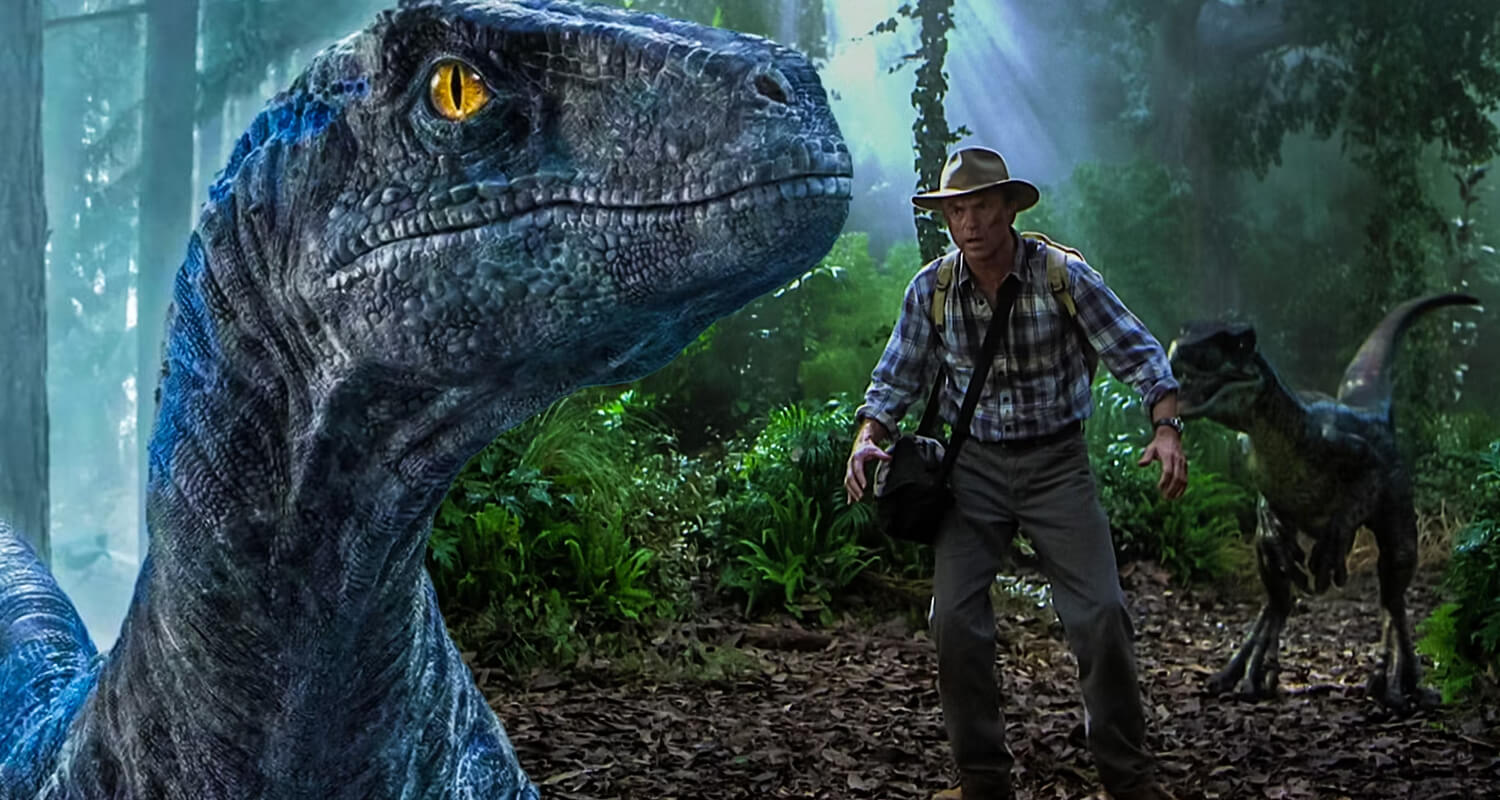 Velociraptor was a carnivorous predator, and its speed played a crucial role in its hunting strategy. It is believed that Velociraptor was an opportunistic hunter, preying on small to medium-sized animals, including early mammals, reptiles, and other dinosaurs. Its agility and speed would have been advantageous in chasing down prey, maneuvering through dense vegetation, and avoiding larger predators.
In addition to speed, Velociraptor likely relied on its intelligence and cooperative behavior. Evidence suggests that some dromaeosaurids may have hunted in packs, increasing their efficiency in capturing prey. This combination of speed, agility, and potential pack hunting made Velociraptor a formidable predator of its time.
Our Animatronic Velociraptor: Bringing History to Life
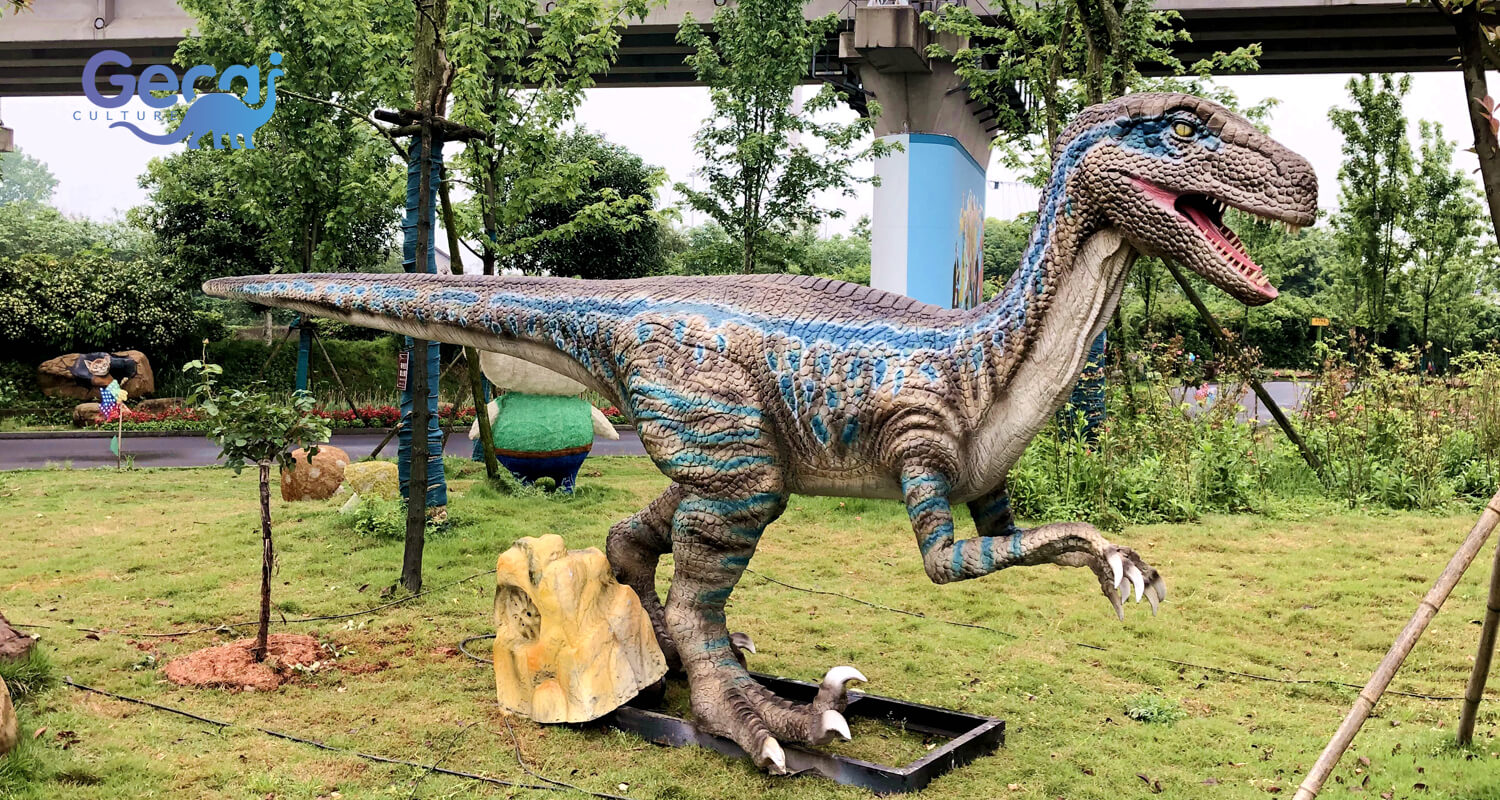 We are dedicated to bringing the awe-inspiring world of dinosaurs to life with our state-of-the-art animatronic dinosaur products. Our animatronic Velociraptor models are meticulously designed to capture the dynamic movements and detailed appearance of these incredible creatures. With lifelike features, including realistic skin textures, agile limb movements, and even the characteristic curved claws, our animatronic Velociraptors provide an immersive experience for audiences of all ages.
Perfect for museums, theme parks, and educational exhibits, our animatronic dinosaurs offer a unique opportunity to engage with the prehistoric past. Through advanced engineering and customization options, we ensure that each animatronic dinosaur is as educational as it is entertaining, sparking curiosity and wonder about the ancient world.
Conclusion
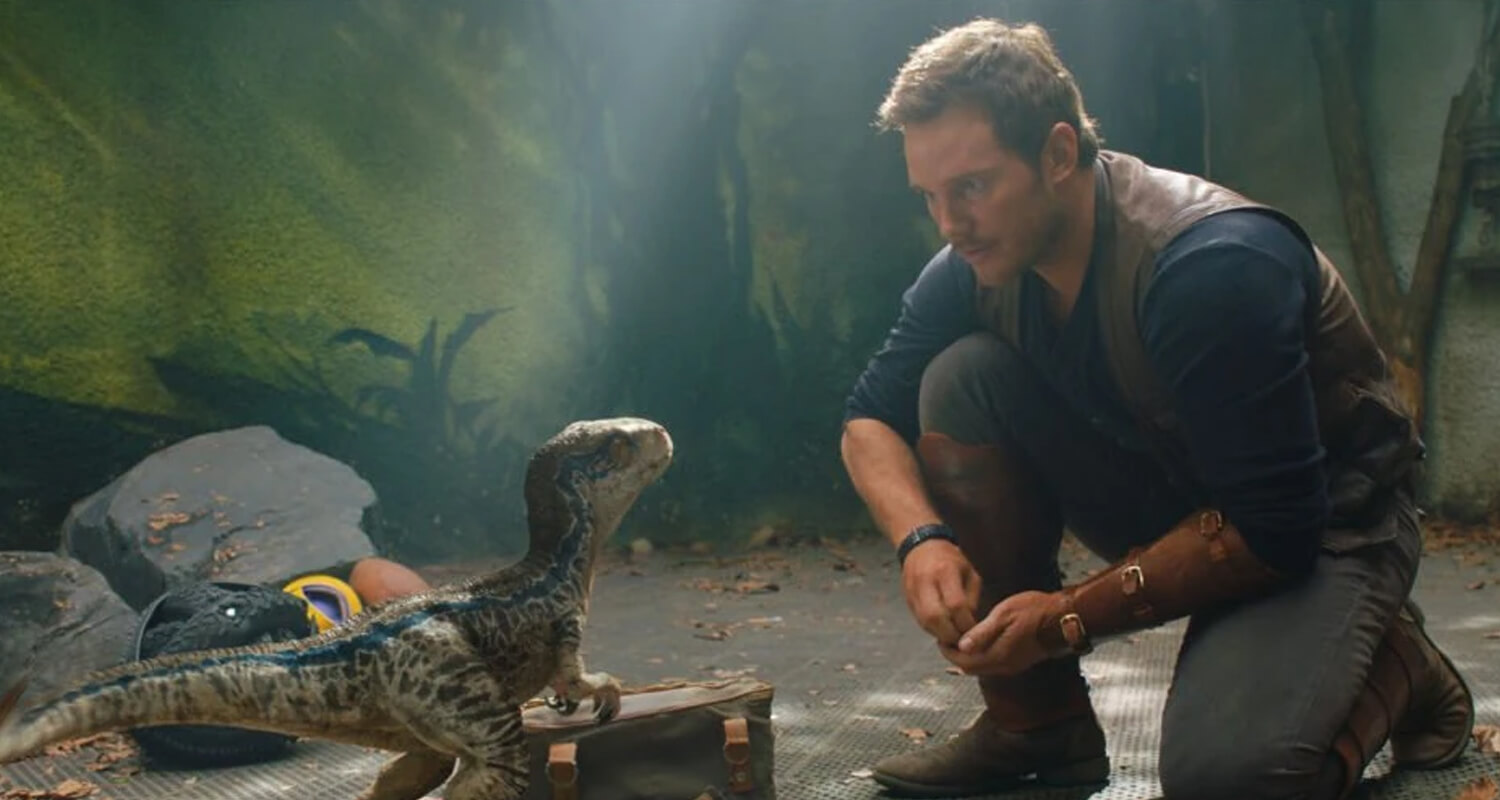 In conclusion, while exact figures for the running speed of Velociraptor remain estimates, it is clear that this dinosaur was built for agility and speed. With its lightweight skeleton, long legs, and aerodynamic body, Velociraptor was well-equipped to be a swift and effective predator. Our animatronic Velociraptor models aim to bring this fascinating creature to life, allowing you to experience the thrill of seeing one of history's most iconic dinosaurs in action.
Теги: