
О нас
Gecai Culture стоит на переднем крае воплощения прошлого в жизнь с помощью наших ультрасовременных аниматронных динозавров, очаровательных аниматронных существ, ярких китайских фестивальных фонарей и специализированных товаров. Как профессиональный производитель, расположенный в самом сердце Китая, мы питаем глубокую страсть к демонстрации наших реалистичных динозавров и животных в музеях, выставках, зоопарках, парках и за их пределами, стремясь разжечь пламя любопытства и обучения у людей всех возрастов.
Получить бесплатную цитату
Знание динозавров
Наследие Парка Юрского периода: как оно изменило наш взгляд на динозавров
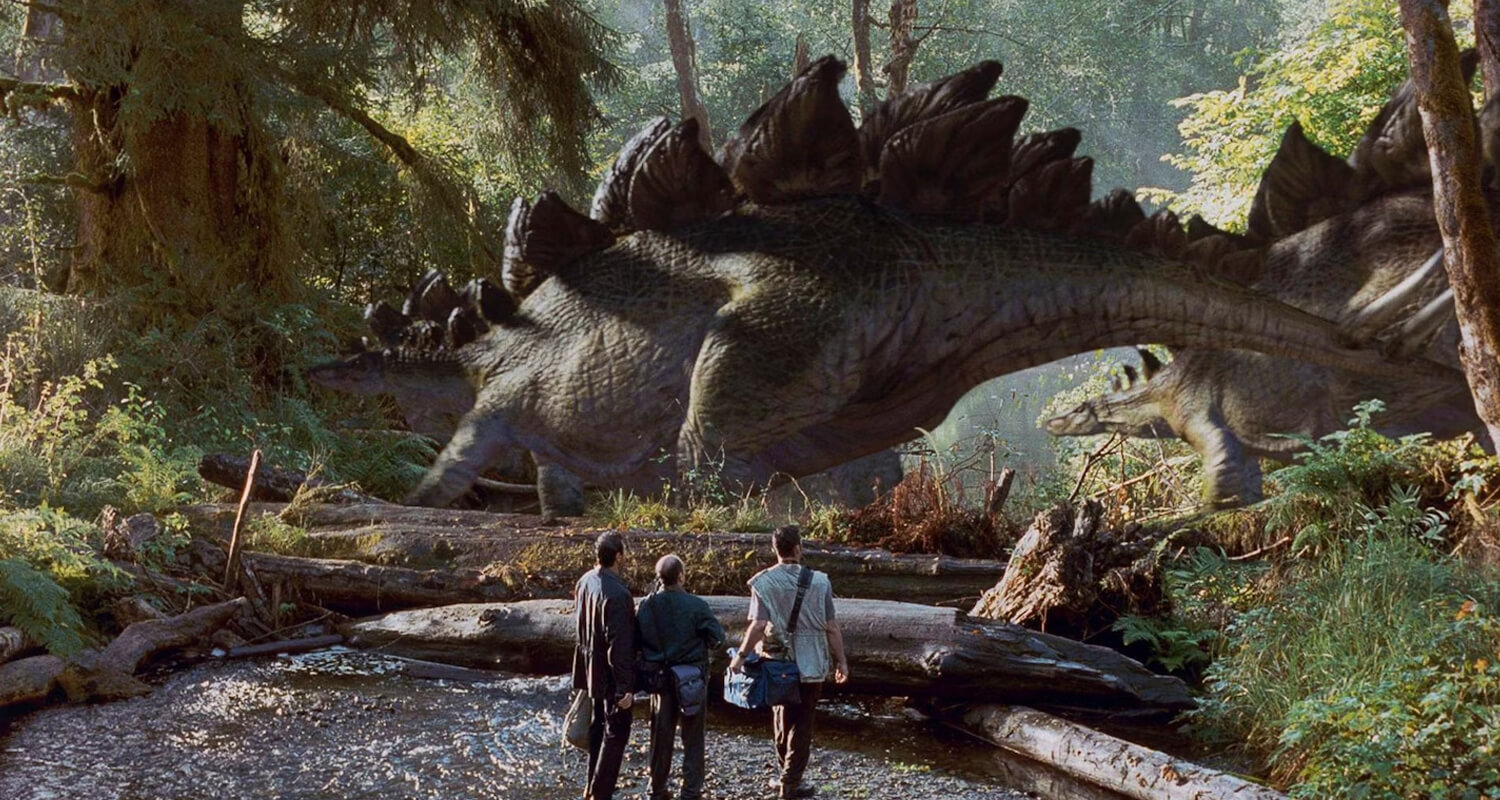 Since its release in 1993, Jurassic Park has had a profound impact on our perception of dinosaurs, revolutionizing not just how we view these prehistoric creatures, but also how we interact with them in popular culture, science, and entertainment. The film's groundbreaking use of animatronics, cutting-edge visual effects, and compelling narrative brought dinosaurs to life in a way never seen before, changing the public's understanding of these ancient animals forever.
The Jurassic Park Effect on Dinosaur Popularity
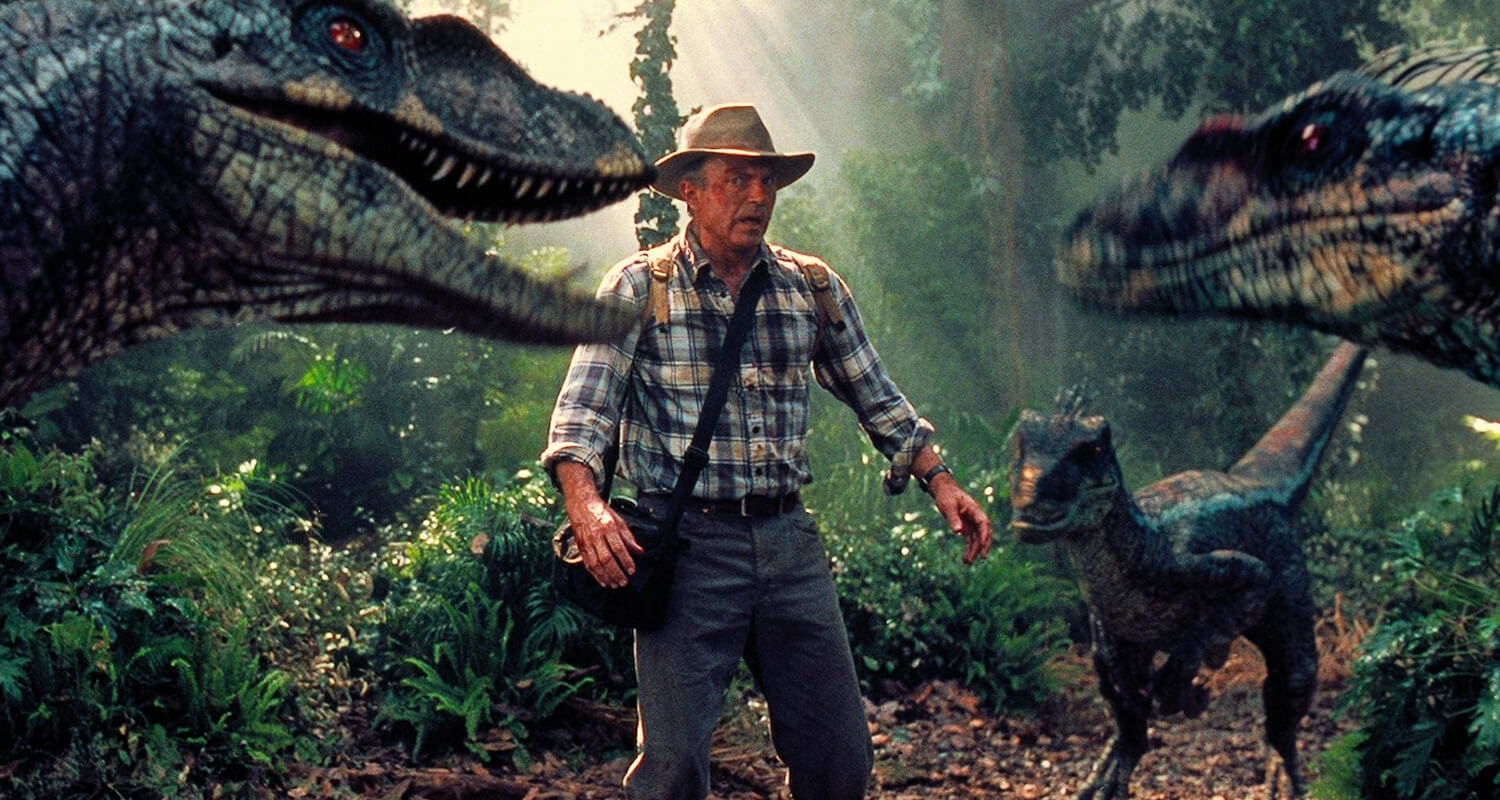 Before Jurassic Park, dinosaurs were largely seen as creatures of the past—relics of a bygone era studied in books, documentaries, and fossil digs. However, Steven Spielberg's blockbuster hit brought dinosaurs into the mainstream in a way that captivated millions of viewers worldwide. The film sparked a renewed interest in dinosaurs, with museums reporting a significant increase in attendance and dinosaur-related exhibits becoming major attractions. Books, toys, and games centered around dinosaurs also surged in popularity, creating a global phenomenon that continues to this day. Jurassic Park made dinosaurs cool, and in doing so, it reintroduced them as more than just fossils—they were real, living beings once again.
The Science Behind the Dinosaurs: Accuracy vs. Entertainment
 One of the most fascinating aspects of Jurassic Park was its blending of science with entertainment. The film's portrayal of dinosaurs was based on scientific research, particularly in terms of their physical appearance and behaviors. At the time, computer-generated imagery (CGI) and animatronics were used to create incredibly realistic models of dinosaurs, making them appear lifelike and active. The film's portrayal of the mighty T. rex, for example, was based on real fossil evidence that suggested the dinosaur was a fast and agile predator, contrary to the outdated image of it as a slow, lumbering beast.
However, Jurassic Park took creative liberties in several areas. One of the most notable examples was the depiction of dinosaurs without feathers. At the time, scientists weren't entirely sure whether dinosaurs, especially theropods like Velociraptors, had feathers, but we now know that many species likely did. Additionally, the concept of cloning dinosaurs from ancient DNA, while intriguing, remains firmly in the realm of science fiction. Despite these inaccuracies, the film succeeded in sparking a renewed interest in paleontology, prompting researchers to reconsider and refine their understanding of dinosaur biology.
Shifting Perspectives: How Jurassic Park Altered Our View of Dinosaur Behavior
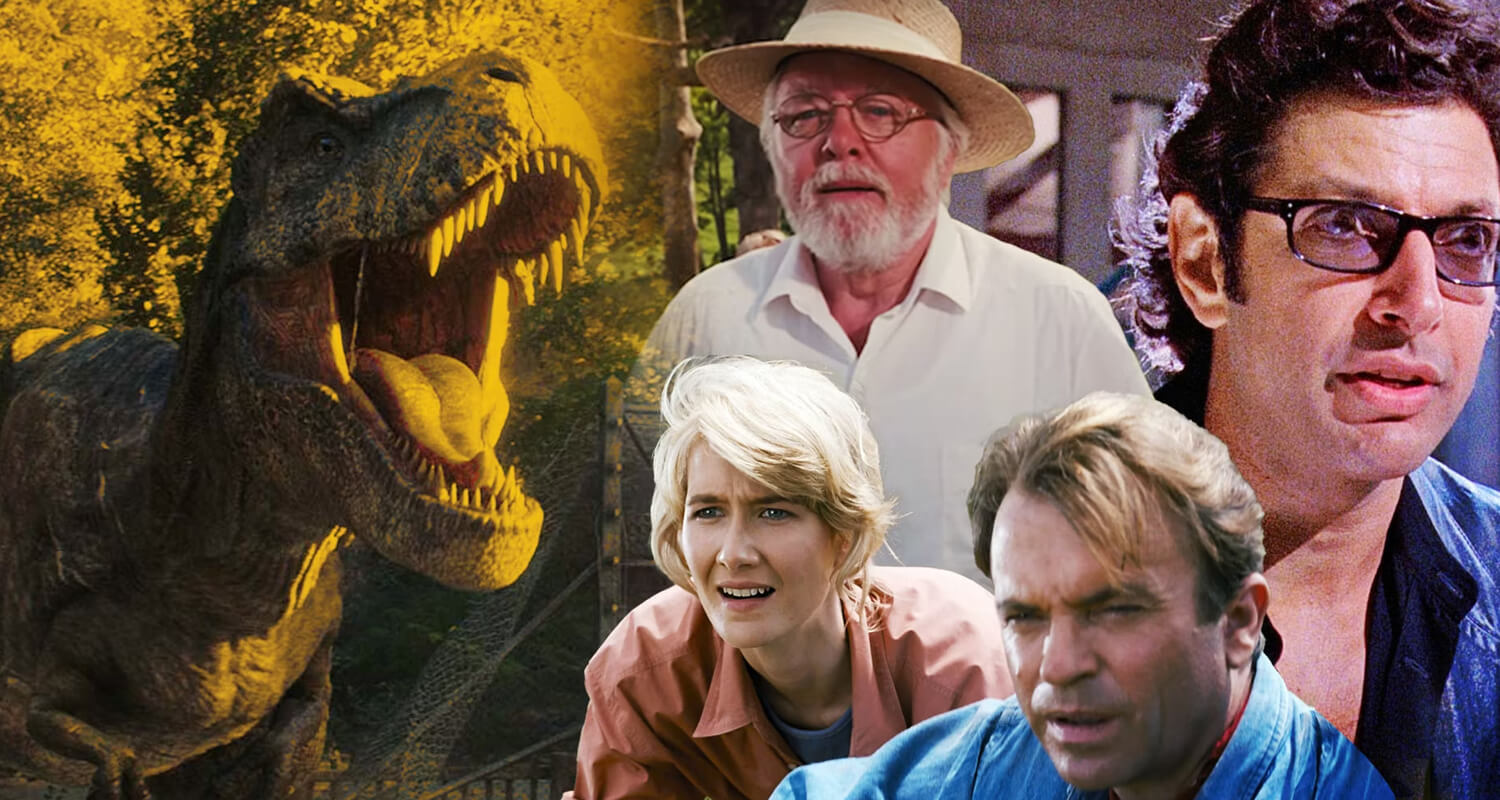 Before Jurassic Park, dinosaurs were often portrayed as slow-moving, unintelligent creatures, based on outdated ideas from early paleontologists. However, the film shattered this stereotype by presenting dinosaurs as dynamic, intelligent, and capable of complex behaviors. The Velociraptors, for example, were depicted as cunning and social hunters, capable of working together to outsmart their prey. The T. rex, traditionally seen as a lumbering giant, was shown as fast, agile, and terrifyingly effective in its role as a predator.
These depictions of dinosaurs as active and intelligent creatures helped reshape how we think about dinosaur behavior. We began to view dinosaurs not as passive, sluggish reptiles but as active participants in their ecosystems, capable of strategic thinking, communication, and social interaction. This shift in perspective mirrored real-world advancements in paleontology, as scientists started to recognize the complexity of dinosaur behavior, including evidence of social structures, parenting, and even communication among certain species.
From Prehistoric Monsters to Complex Ecosystems
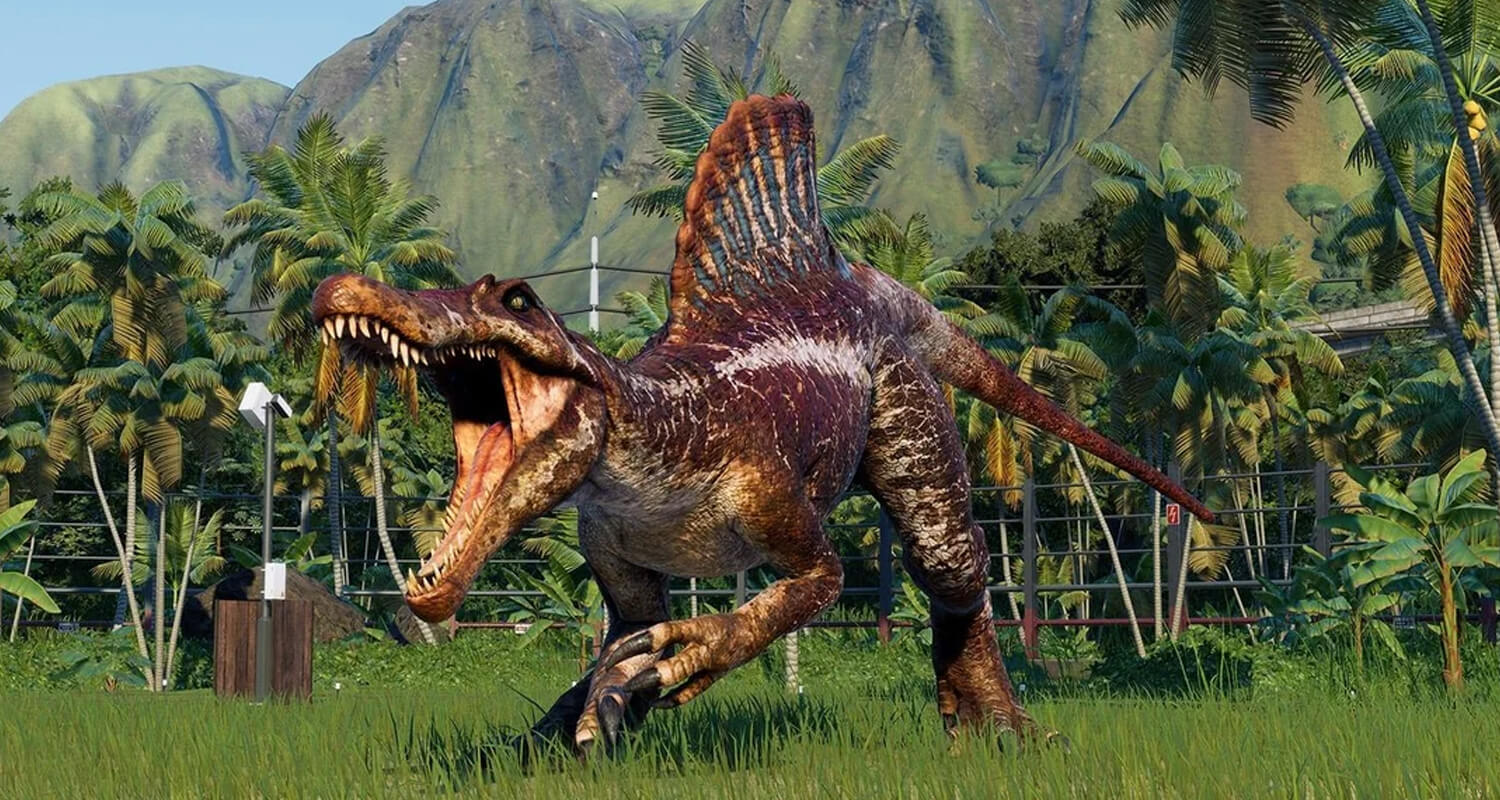 Jurassic Park also played a significant role in changing how we view dinosaur ecosystems. Rather than simply showcasing individual species, the film presented dinosaurs as part of a larger, interconnected ecosystem. From the majestic Brachiosaurus grazing in the treetops to the raptors hunting in packs, the film emphasized the idea that dinosaurs interacted with each other and their environment in complex ways.
This broader perspective on dinosaur life challenged the earlier, simplistic view of dinosaurs as isolated monsters. It highlighted the importance of understanding the roles these creatures played in their ecosystems, and how they shaped the environments they lived in. By showing these complex interactions, Jurassic Park helped to create a more nuanced view of prehistoric life, one that recognized the diversity and interconnectedness of species.
The Influence on Animatronics and Dinosaur Exhibits
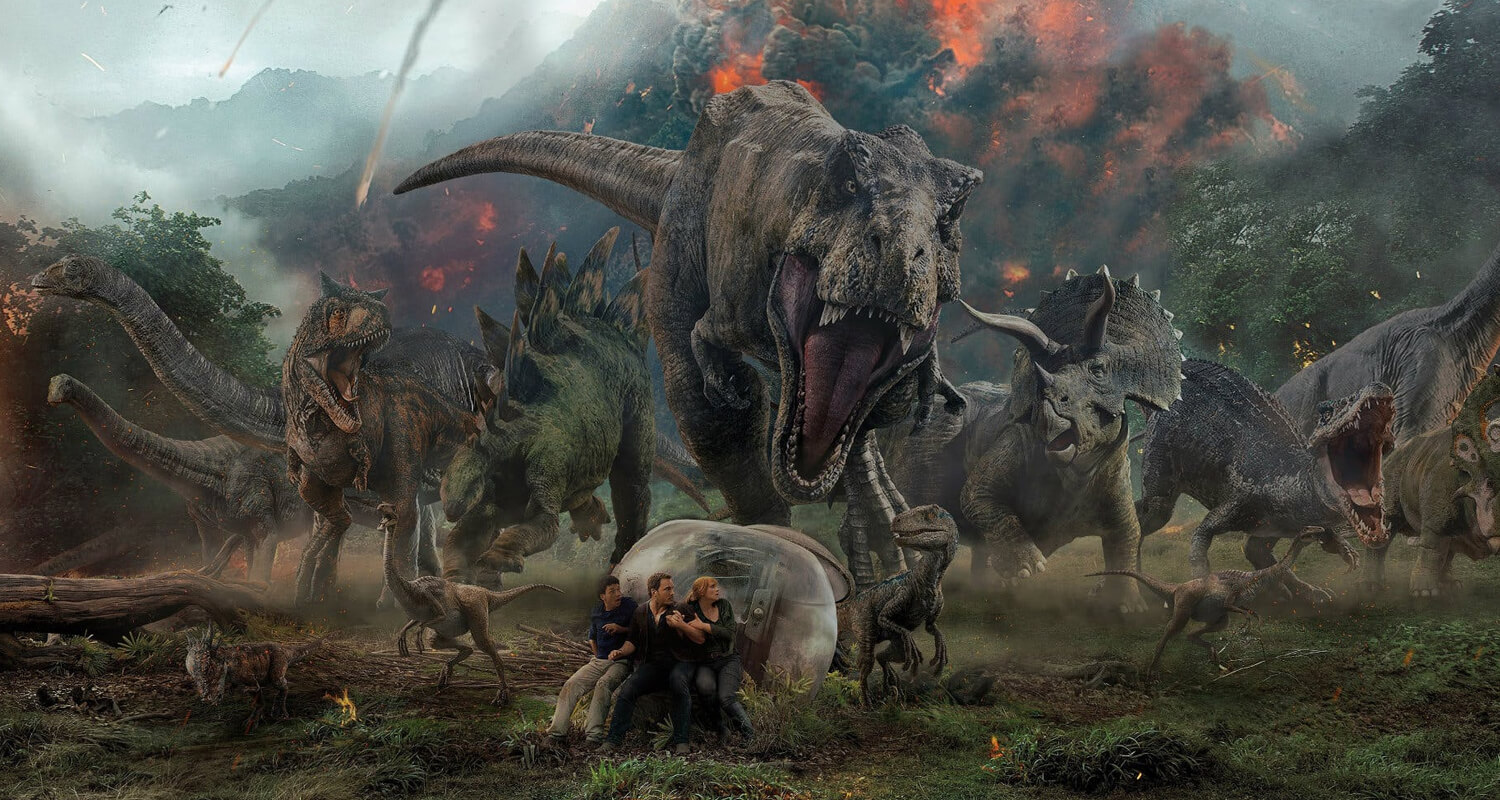 One of the most enduring legacies of Jurassic Park is its impact on the world of animatronics and dinosaur exhibits. The film's groundbreaking use of animatronics and CGI set new standards for realism and motion in cinematic dinosaurs. The lifelike dinosaurs created for Jurassic Park paved the way for advancements in animatronic technology, which are now used in theme parks, museums, and exhibitions worldwide.
Today, animatronic dinosaurs are a staple of museum exhibits, theme park attractions, and educational shows. These animatronic models, much like the ones used in Jurassic Park, bring dinosaurs to life, allowing visitors to experience these prehistoric creatures in an immersive and interactive way. Companies like Gecai Culture have continued this tradition, creating highly realistic and customizable animatronic dinosaurs for museums, zoos, and theme parks, furthering the connection between entertainment and education.
Jurassic Park and the Dinosaur Renaissance
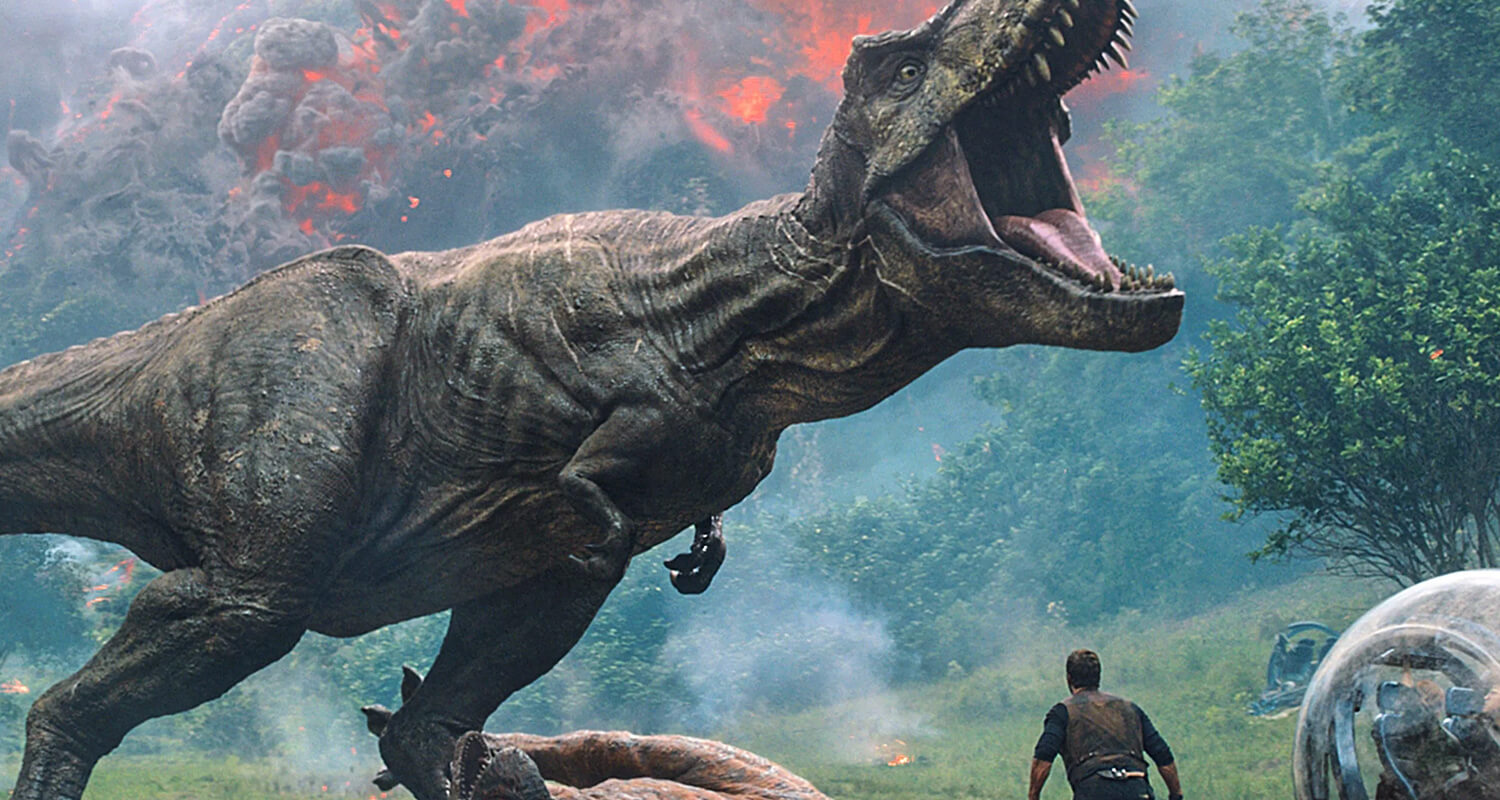 While Jurassic Park was a work of fiction, it played a key role in sparking what some have called the "dinosaur renaissance." The film's success brought widespread attention to dinosaurs, resulting in increased interest and funding for paleontological research. In the years following the release of the film, new discoveries about dinosaur behavior, physiology, and evolution were made, reshaping our understanding of these creatures.
The film's portrayal of dinosaurs also led to more accurate and detailed reconstructions of dinosaurs, both in museums and in scientific literature. It encouraged a new generation of paleontologists and researchers to delve deeper into the study of dinosaurs, and inspired public curiosity about the ancient world. Today, thanks in part to Jurassic Park, dinosaur fossils and their discoveries continue to be a major area of scientific research.
The Legacy of Jurassic Park in Today's Dinosaur Culture
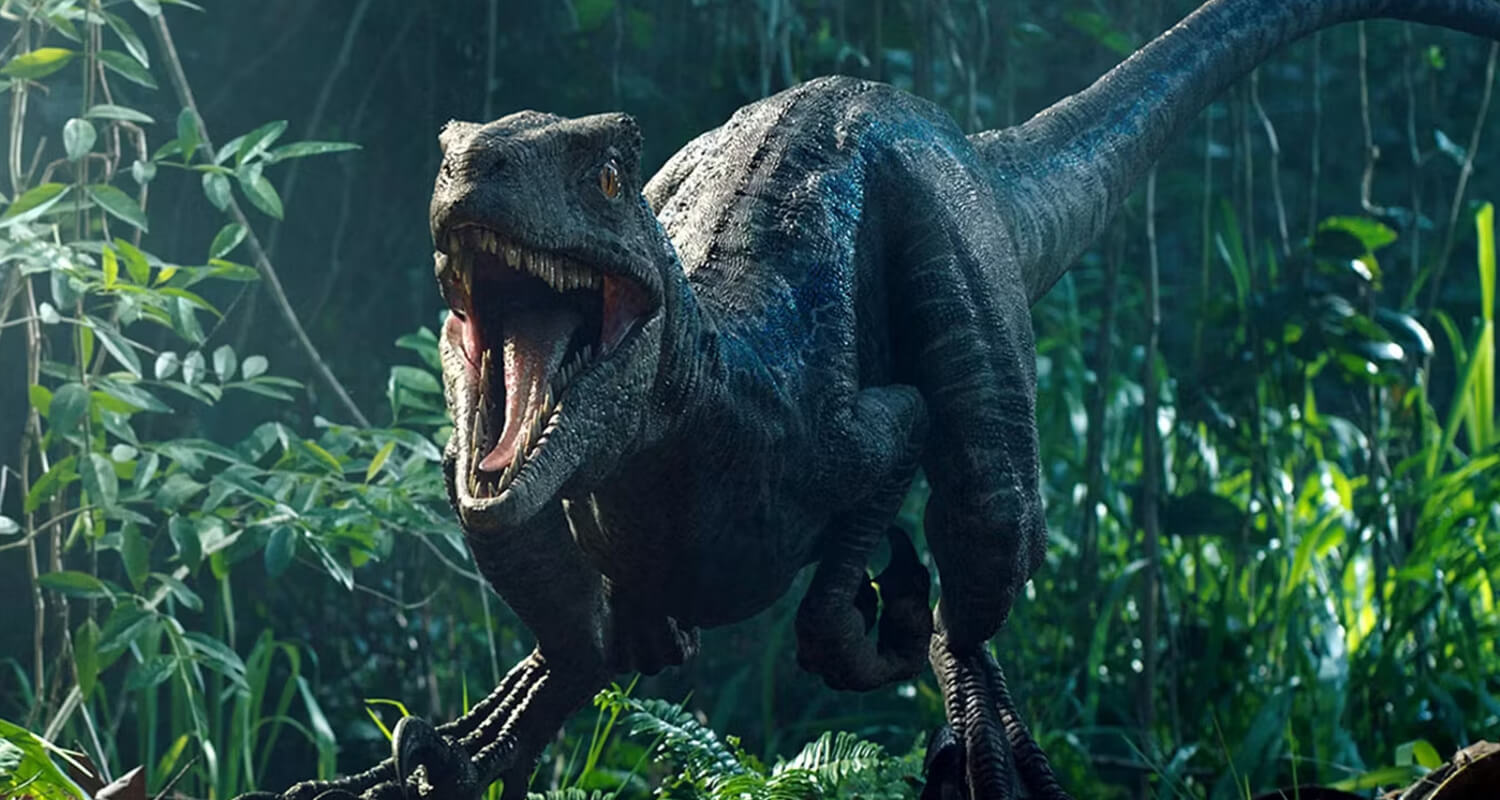 Jurassic Park has left a lasting legacy that continues to influence how dinosaurs are portrayed in popular culture. The franchise has expanded into a multi-billion-dollar series of films, television shows, books, and video games, each contributing to the ongoing fascination with dinosaurs. Jurassic Park has cemented its place in pop culture as the definitive depiction of dinosaurs, shaping how subsequent films and media portray these ancient creatures.
The legacy of Jurassic Park can also be seen in the continued popularity of dinosaur-themed attractions, from massive animatronic displays at theme parks to immersive virtual reality experiences. The film's influence is evident in modern-day depictions of dinosaurs in everything from children's toys to high-tech museum exhibits. The film has not only entertained generations of fans but has also helped maintain a cultural interest in dinosaurs and the prehistoric world.
Conclusion
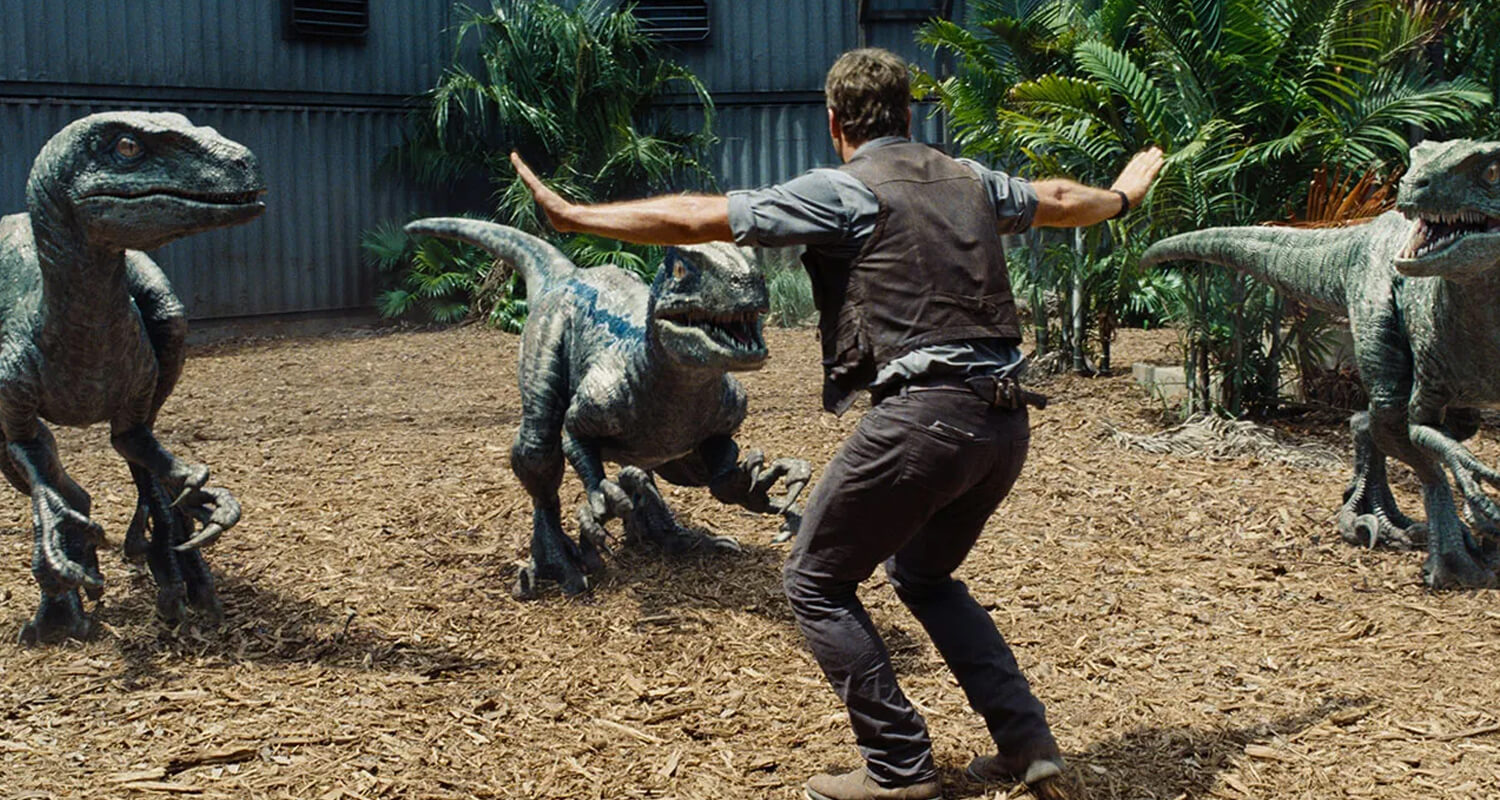 Jurassic Park did more than just entertain—it changed our view of dinosaurs in profound ways. By blending scientific research with imaginative storytelling, it reshaped how we think about these ancient creatures, presenting them as intelligent, dynamic beings rather than passive, lumbering monsters. The film's influence extended beyond cinema, sparking a resurgence in paleontological research, advancing animatronic technology, and inspiring new generations of dinosaur enthusiasts. As the franchise continues to thrive, the Jurassic legacy will undoubtedly remain a significant part of our collective understanding of dinosaurs, keeping them alive in our imaginations for generations to come.
Теги: