О нас
Gecai Culture стоит на переднем крае воплощения прошлого в жизнь с помощью наших ультрасовременных аниматронных динозавров, очаровательных аниматронных существ, ярких китайских фестивальных фонарей и специализированных товаров. Как профессиональный производитель, расположенный в самом сердце Китая, мы питаем глубокую страсть к демонстрации наших реалистичных динозавров и животных в музеях, выставках, зоопарках, парках и за их пределами, стремясь разжечь пламя любопытства и обучения у людей всех возрастов.
Получить бесплатную цитату
Знание динозавров
Загадка первых динозавров: кем были первые динозавры, ступившие на Землю
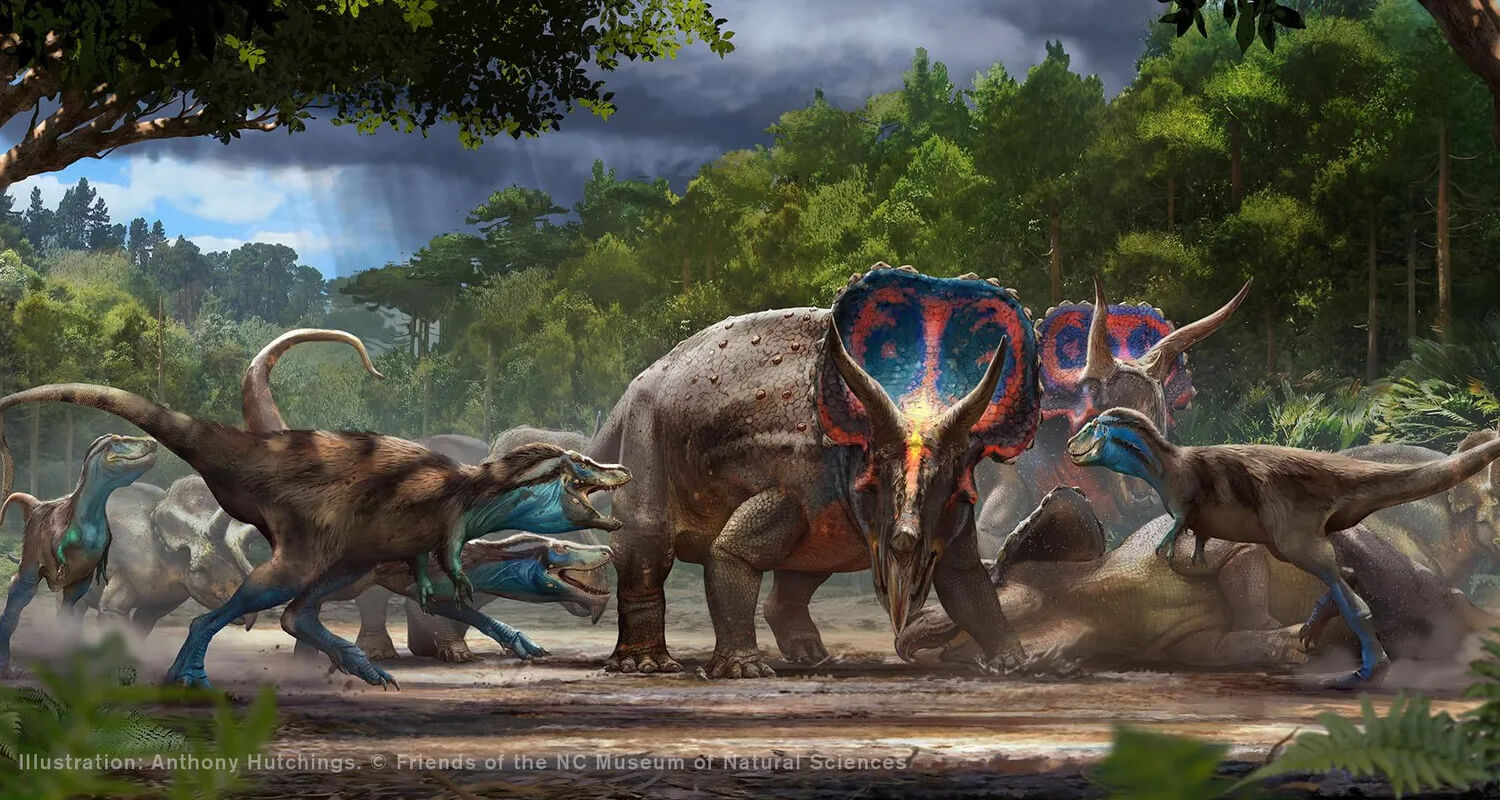 The emergence of dinosaurs is one of the most fascinating chapters in the history of life on Earth. The first dinosaurs did not simply appear overnight but were part of an intricate evolution that spanned millions of years. The mystery of these early creatures is rooted in the Triassic period, a time of great change and opportunity. As Earth’s ecosystems were recovering from the devastating Permian-Triassic extinction event, the stage was set for the rise of a new class of creatures: the dinosaurs. But who exactly were the first dinosaurs to walk the Earth, and how did they shape the course of life on this planet?
The Triassic Period: The Dawn of Dinosaurs
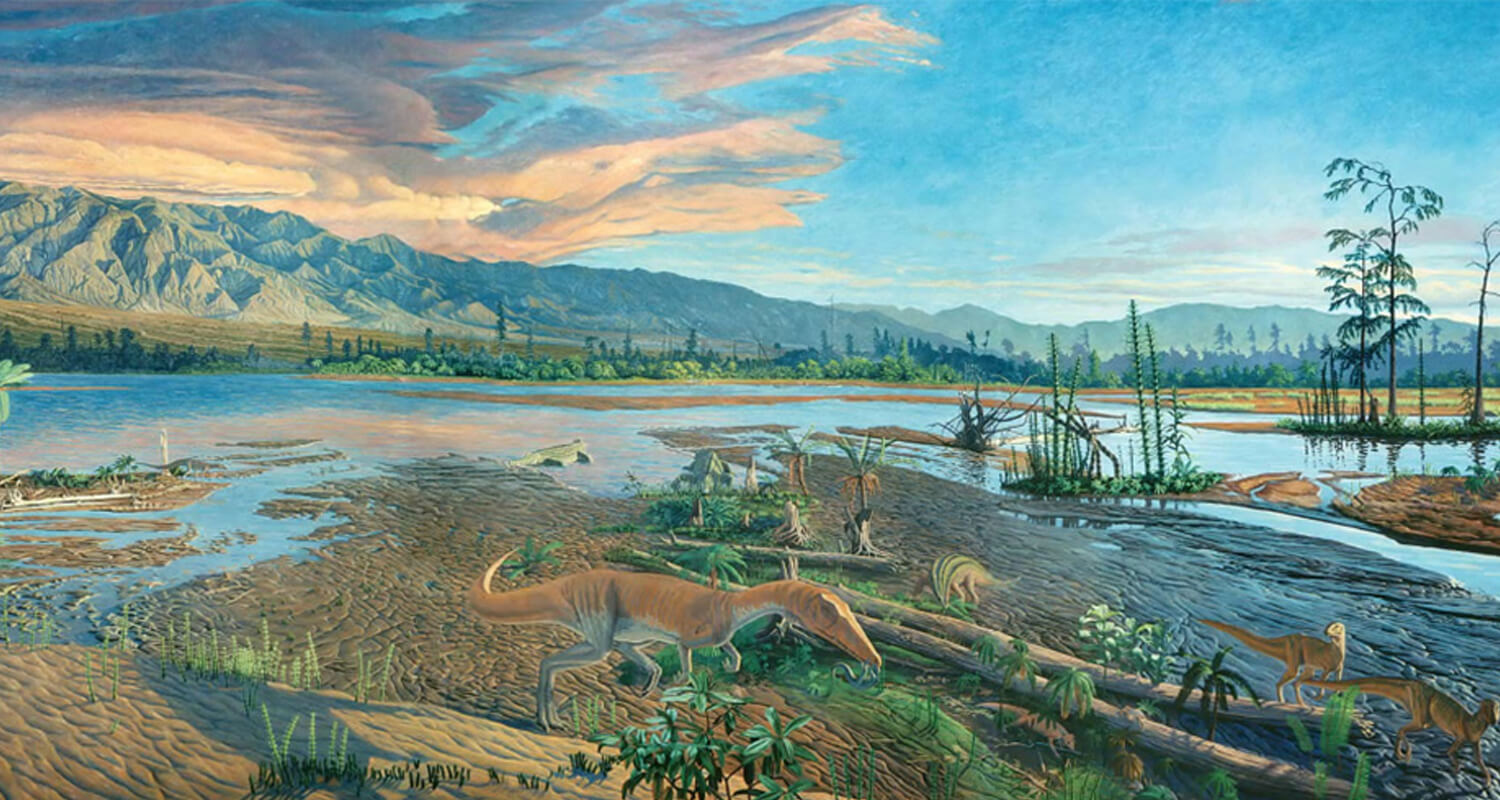
The Triassic period, which spanned from approximately 250 to 201 million years ago, marked the dawn of the Age of Dinosaurs. Following the greatest mass extinction event in Earth's history—the Permian-Triassic extinction—life began to rebound. This period saw the rise of many new species, and among them were the first true dinosaurs. The Earth during the Triassic was vastly different from the world we know today. The supercontinent Pangaea dominated the landscape, and the climate was generally warm and dry, with vast deserts punctuated by shallow seas.
The end of the Permian left ecological niches open, allowing new forms of life to emerge and thrive. Among these were the early dinosaurs, who were poised to become the dominant terrestrial vertebrates for the next 150 million years.
Early Dinosaur Ancestors and the Pre-Dinosaur Reptiles
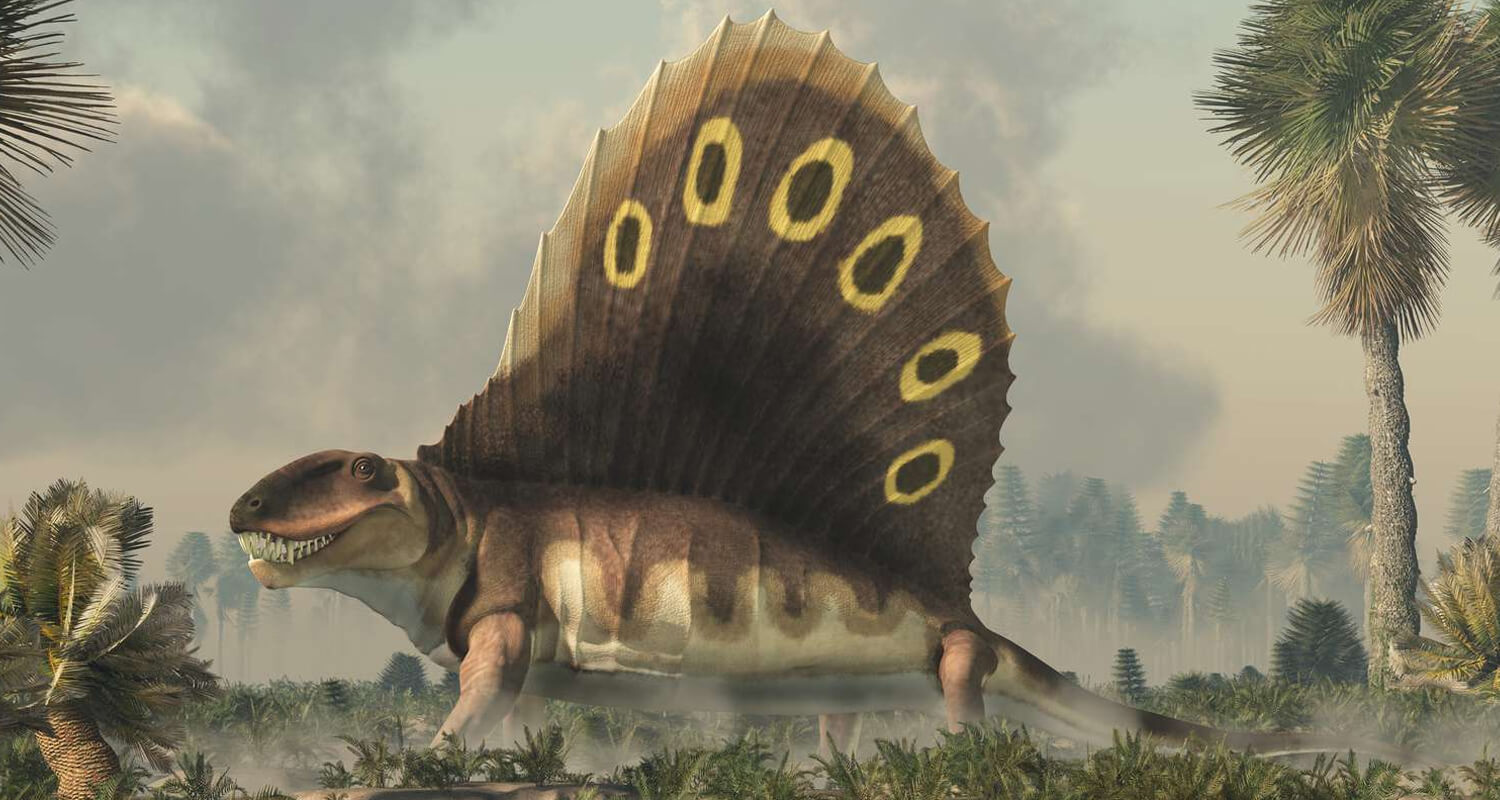 Before the first dinosaurs appeared, the Earth was populated by a variety of reptiles that were close relatives of the dinosaurs. These early reptiles, known as archosaurs, were part of a broader group that included not only dinosaurs but also modern birds and crocodiles. The archosaurs were a diverse group, and their evolution laid the groundwork for the rise of dinosaurs.
Early archosaurs were characterized by adaptations such as an upright posture, which allowed them to move more efficiently than the sprawling reptiles that came before. However, they were not yet true dinosaurs. It was the gradual accumulation of evolutionary changes, such as more advanced locomotion and specialized features like teeth suited for different diets, that eventually led to the first dinosaurs.
The First Dinosaurs: Eoraptor and Herrerasaurus
When we look at the earliest dinosaurs, two species stand out: Eoraptor and Herrerasaurus. These early dinosaurs, both from the Triassic period, are key to understanding the birth of the dinosaur era.
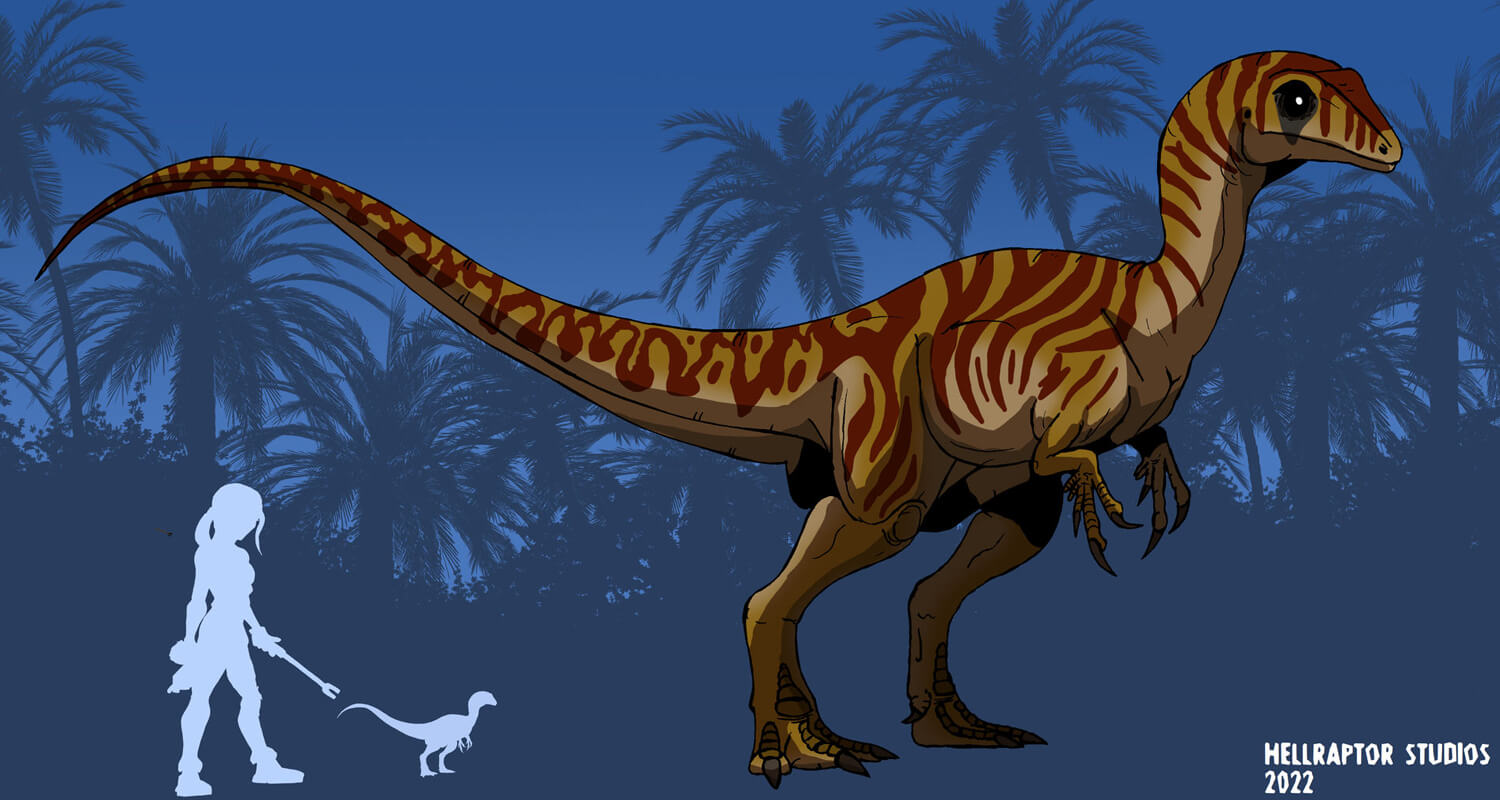 Eoraptor is often considered one of the earliest known dinosaurs, dating back to about 231 million years ago. Discovered in Argentina, Eoraptor was a small, agile dinosaur about 1 meter (3 feet) in length. It had a relatively simple body structure with a long tail, sharp teeth, and a lightweight frame, which made it well-suited for both hunting small prey and avoiding larger predators. The fossils of Eoraptor suggest it was an omnivore, feeding on both plants and animals. Its position in the evolutionary tree indicates that it was one of the first true dinosaurs, marking a key step in the transition from reptiles to more advanced dinosaur species.
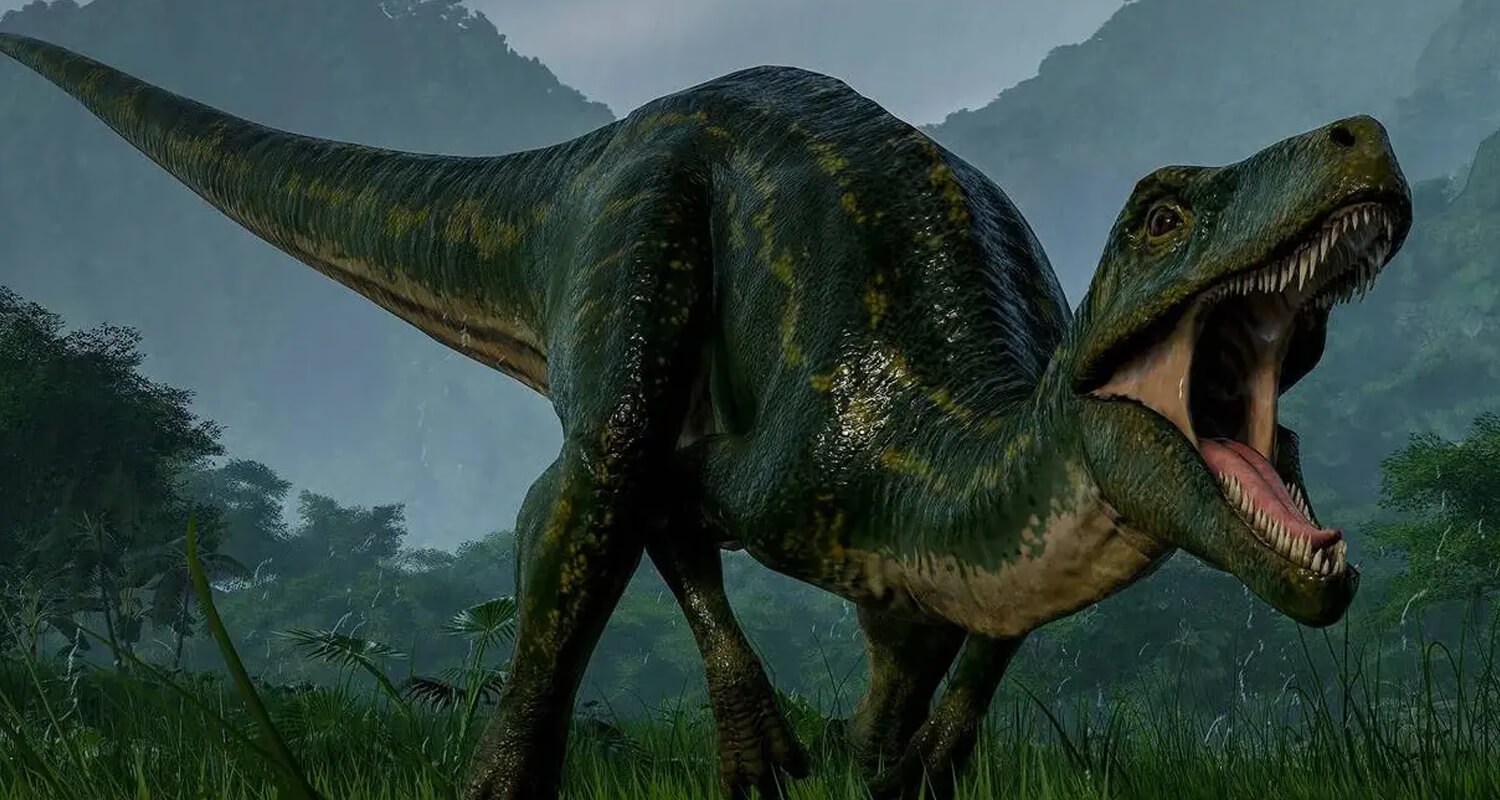 Herrerasaurus, discovered in the same region of Argentina, is another important early dinosaur. It was slightly larger than Eoraptor, reaching lengths of about 3 meters (10 feet). Unlike Eoraptor, Herrerasaurus was primarily carnivorous, with sharp teeth and a more robust build, suggesting it was a predator that could hunt other smaller animals. Its fossils date to an even earlier period, around 230 million years ago, making it one of the earliest known dinosaurs. Herrerasaurus was a key predator in the early Triassic ecosystems and played an important role in shaping the structure of those ancient food webs.
The Birth of Dinosaur Diversity: Key Adaptations
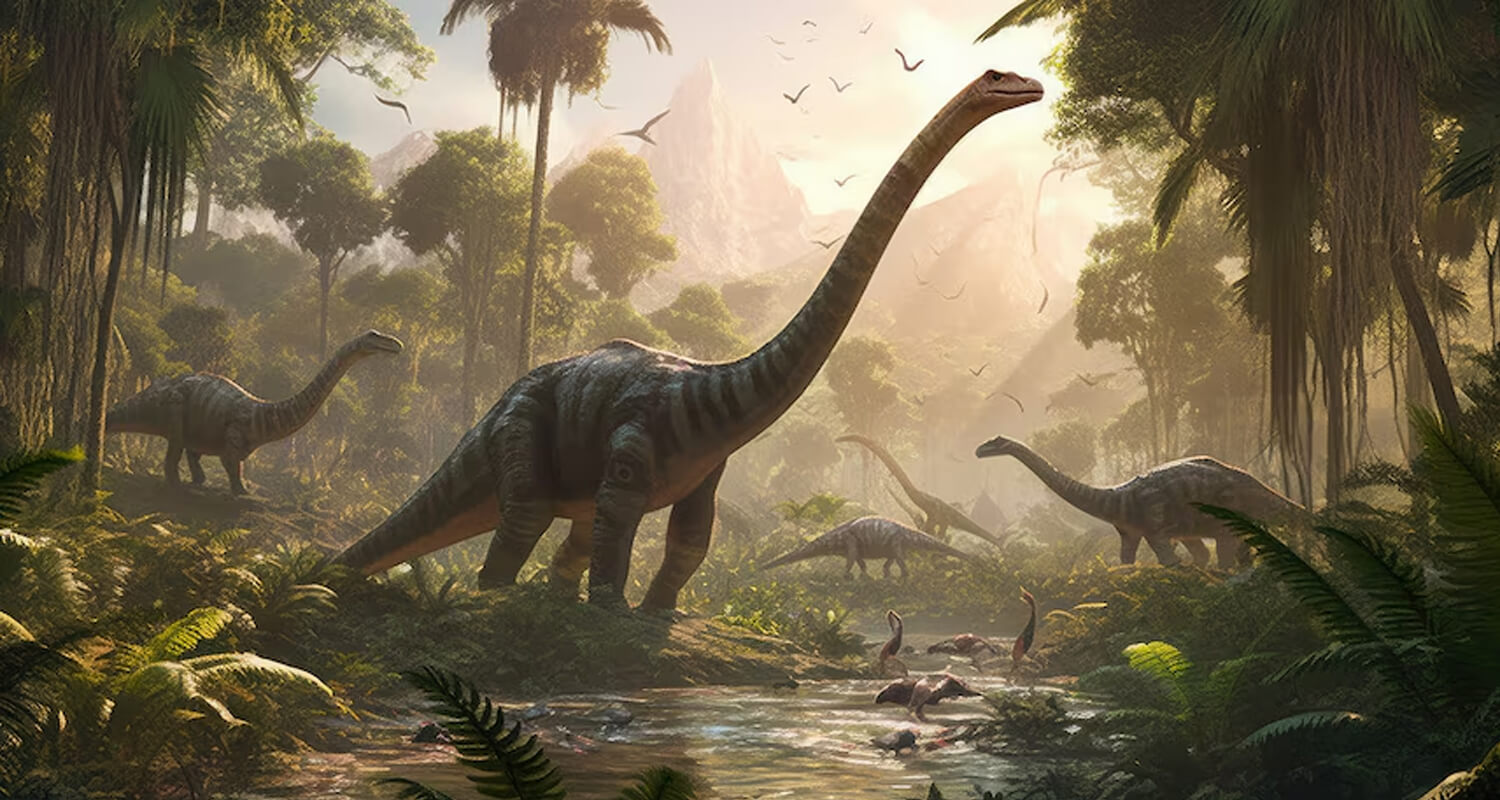 The earliest dinosaurs were small, nimble creatures, but they were poised for rapid diversification. One of the key features that set them apart from other reptiles of the time was their bipedal locomotion. Unlike many reptiles, early dinosaurs walked on two legs, which gave them a speed and agility that allowed them to hunt, avoid predators, and compete for resources more efficiently.
In addition to their upright posture, dinosaurs like Eoraptor and Herrerasaurus had specialized teeth that helped them to process their food more efficiently. Their jaws were designed to shear and grind, which allowed them to exploit a variety of diets. These adaptations gave them an evolutionary advantage, enabling them to dominate the ecosystems of the Triassic period.
As the Triassic progressed, dinosaurs began to evolve into a wide array of species, from small, fast-moving predators to large herbivores. These early dinosaurs laid the foundation for the diversity that would later characterize the Mesozoic Era, which is often referred to as the "Age of Dinosaurs."
Fossil Evidence and What It Tells Us
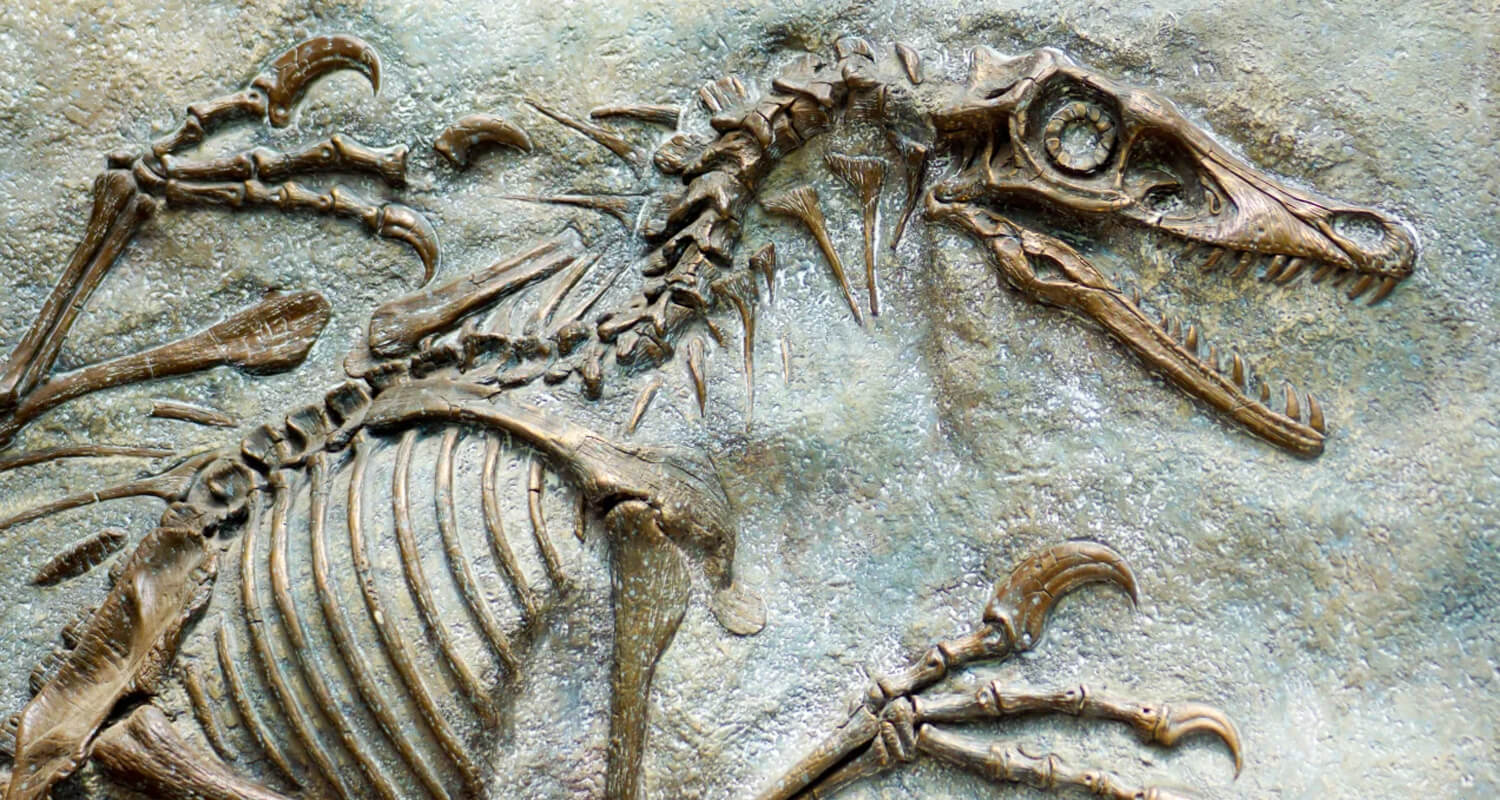 Fossil evidence plays a crucial role in understanding the origins of the first dinosaurs. Sites in Argentina, such as the Ischigualasto and Los Colorados formations, have yielded some of the most important fossils from the Triassic period. These fossils provide a snapshot of life during a time when dinosaurs were just beginning to emerge.
By studying the fossilized bones, teeth, and footprints of early dinosaurs like Eoraptor and Herrerasaurus, paleontologists can reconstruct what these creatures looked like, how they moved, and what their behaviors may have been. Fossil evidence has also provided clues about the early ecosystems in which these dinosaurs lived. It is clear that the Triassic period was a time of experimentation, with many different types of animals vying for dominance, but the dinosaurs quickly emerged as the most successful group.
The Mystery Unveiled: Who Were the First Dinosaurs?
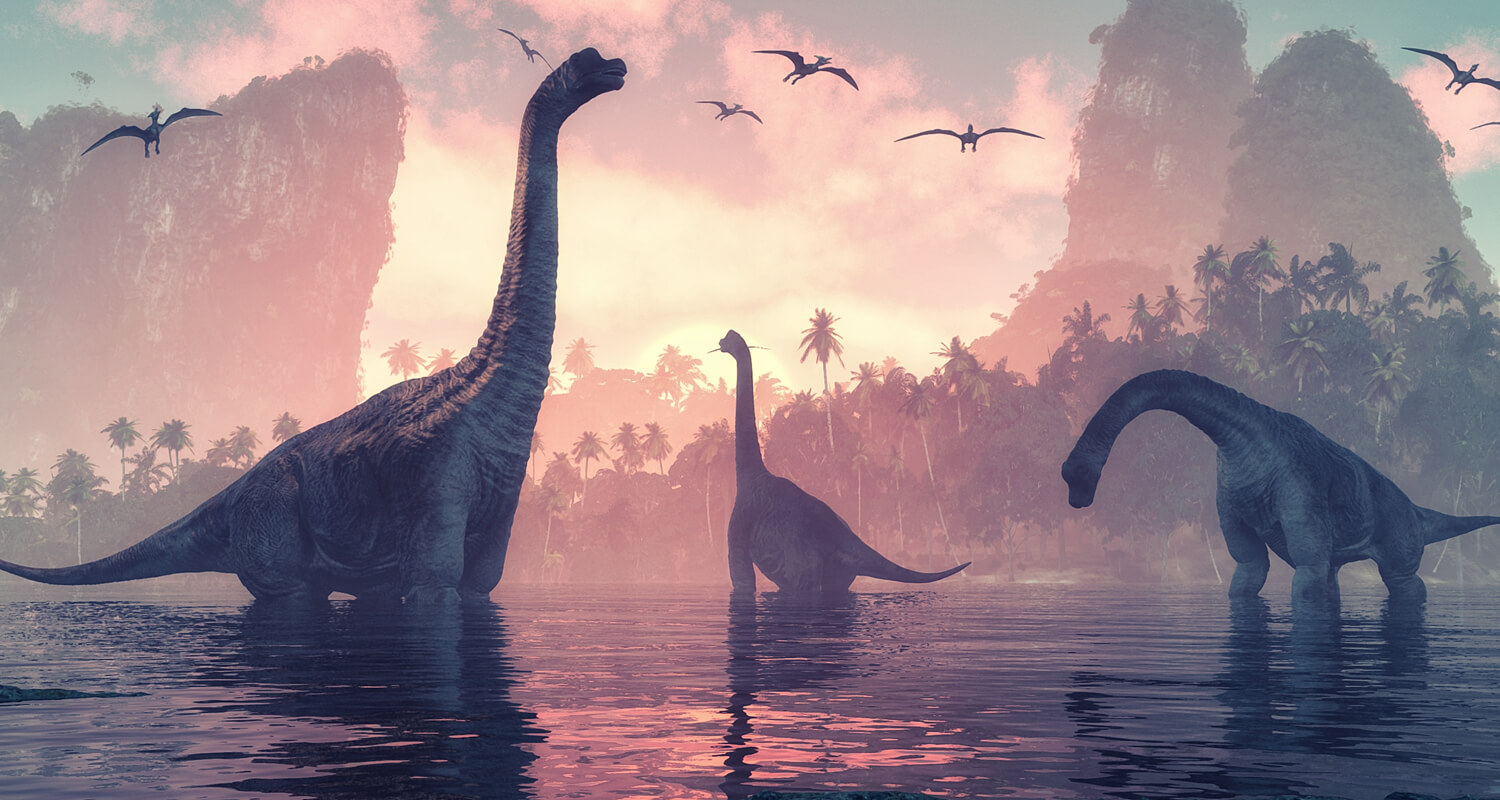 While Eoraptor and Herrerasaurus are often cited as the first dinosaurs, the true "first" dinosaurs remain a topic of debate. Were there earlier, unknown species that lived before them? How much of the early dinosaur lineage is still hidden in the fossil record? New discoveries are constantly reshaping our understanding of the distant past, and it's possible that future finds will add more pieces to the puzzle.
One thing is certain: the first dinosaurs were not only pioneers in their own right but also the beginning of a lineage that would come to dominate the Earth for millions of years. From small, agile predators to towering giants, dinosaurs shaped the course of life on Earth in ways that continue to captivate scientists and the public alike.
Conclusion
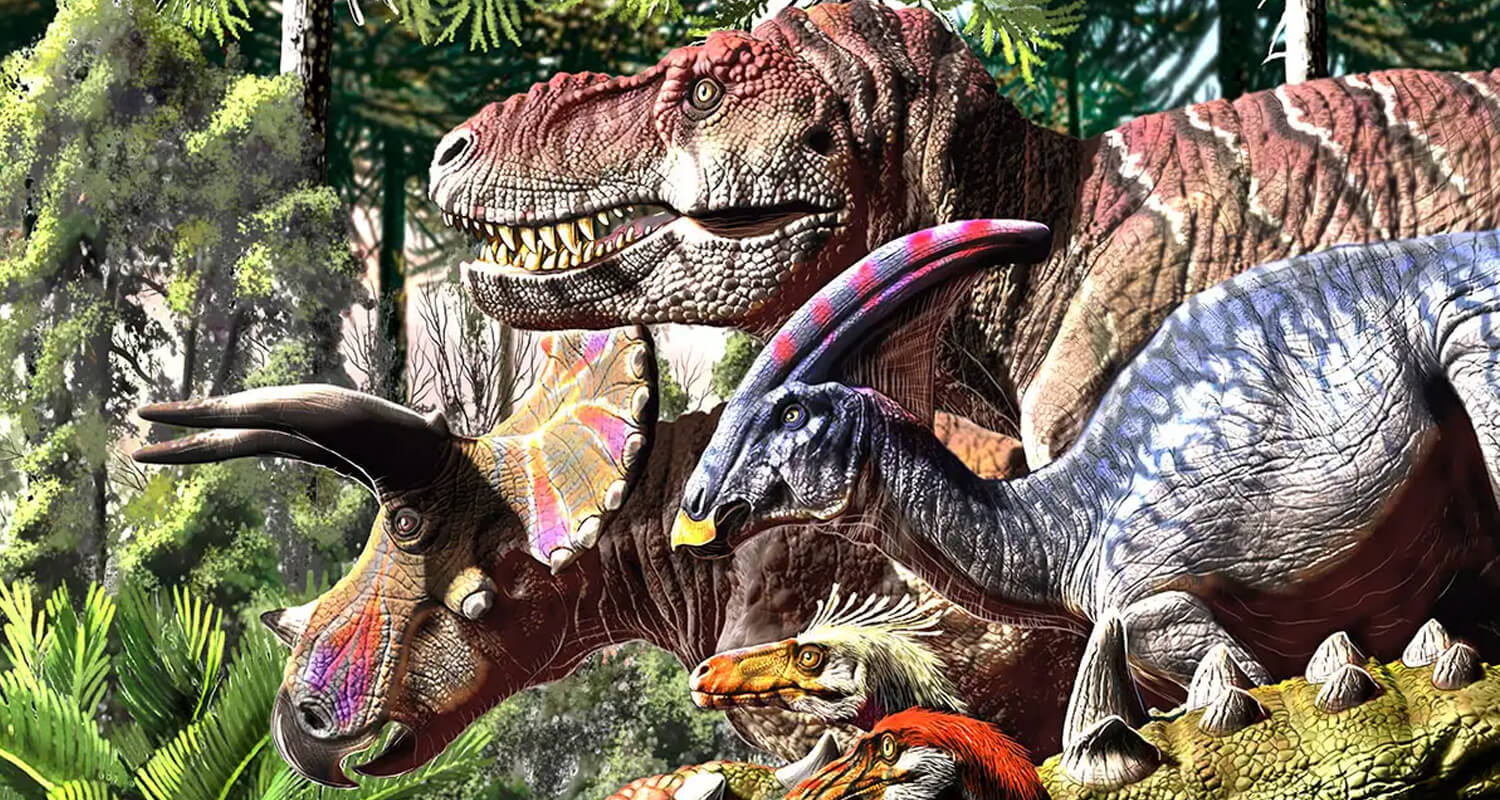 The first dinosaurs, such as Eoraptor and Herrerasaurus, were small but significant creatures that helped shape the future of life on Earth. Their emergence during the Triassic period marked the beginning of the Age of Dinosaurs, a time when the world's ecosystems were transformed. As we continue to study fossils and uncover new evidence, the mystery of the first dinosaurs becomes clearer, though many questions remain. The legacy of these early creatures is one of adaptability, evolution, and survival, and their influence can still be felt today through the diverse array of species they gave rise to.
The story of the first dinosaurs is just one chapter in the long and fascinating history of life on Earth. Their rise to dominance remains one of the most compelling tales in the story of evolution.
Теги: