О нас
Gecai Culture стоит на переднем крае воплощения прошлого в жизнь с помощью наших ультрасовременных аниматронных динозавров, очаровательных аниматронных существ, ярких китайских фестивальных фонарей и специализированных товаров. Как профессиональный производитель, расположенный в самом сердце Китая, мы питаем глубокую страсть к демонстрации наших реалистичных динозавров и животных в музеях, выставках, зоопарках, парках и за их пределами, стремясь разжечь пламя любопытства и обучения у людей всех возрастов.
Получить бесплатную цитату
Знание динозавров
От хищников до решателей проблем: самые умные динозавры
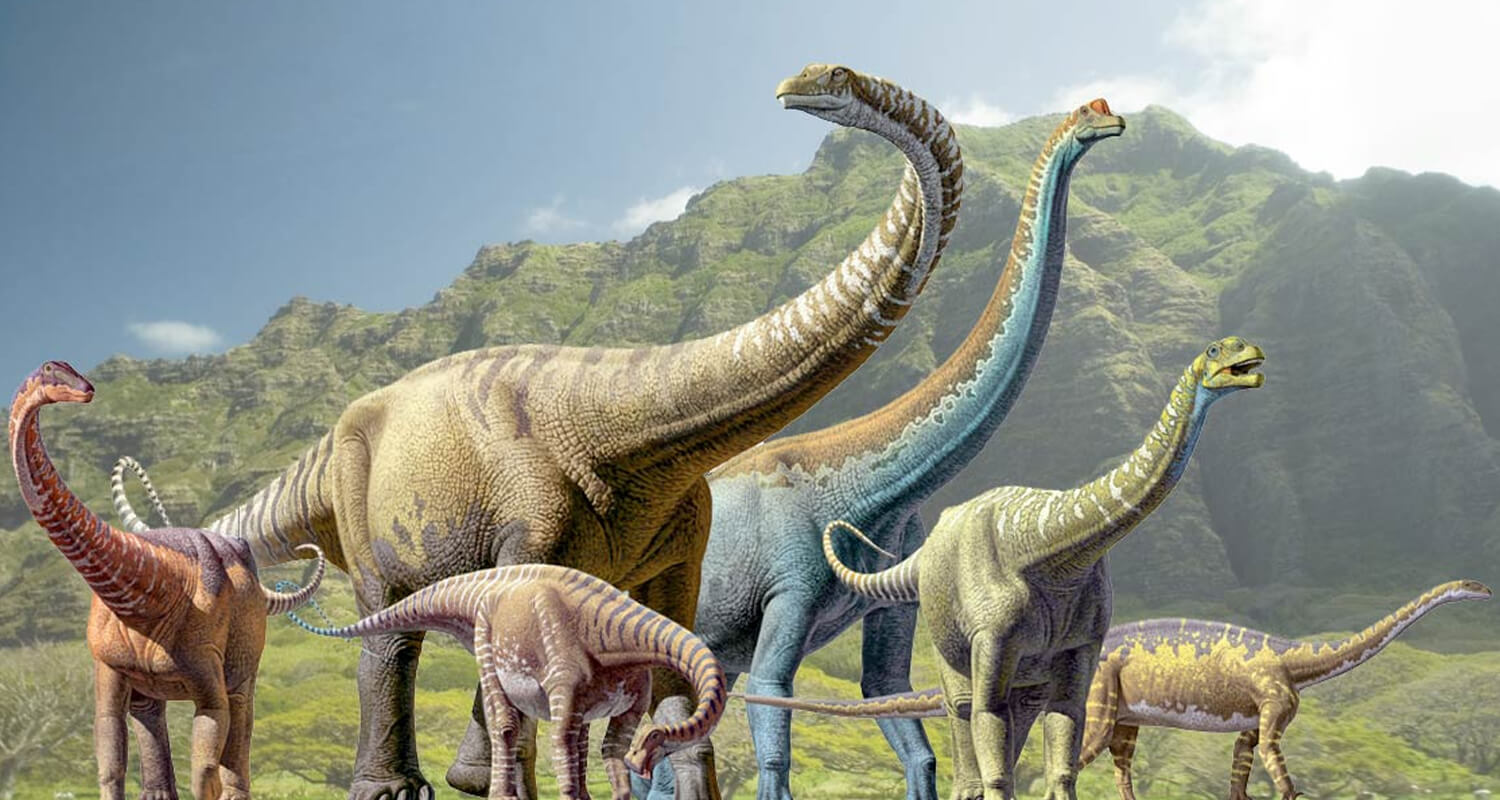 When most of us think of dinosaurs, we imagine massive, lumbering creatures that relied on brute strength to survive. However, modern research paints a different picture, revealing that some dinosaurs may have been surprisingly intelligent. Recent advances in paleontology and technology allow us to study dinosaur fossils in new ways, providing insight into not just their physical abilities but their mental capacities as well. This article delves into what made certain dinosaurs "smart" and highlights the fascinating behaviors that suggest intelligence in the prehistoric world.
What Makes a Dinosaur "Smart"
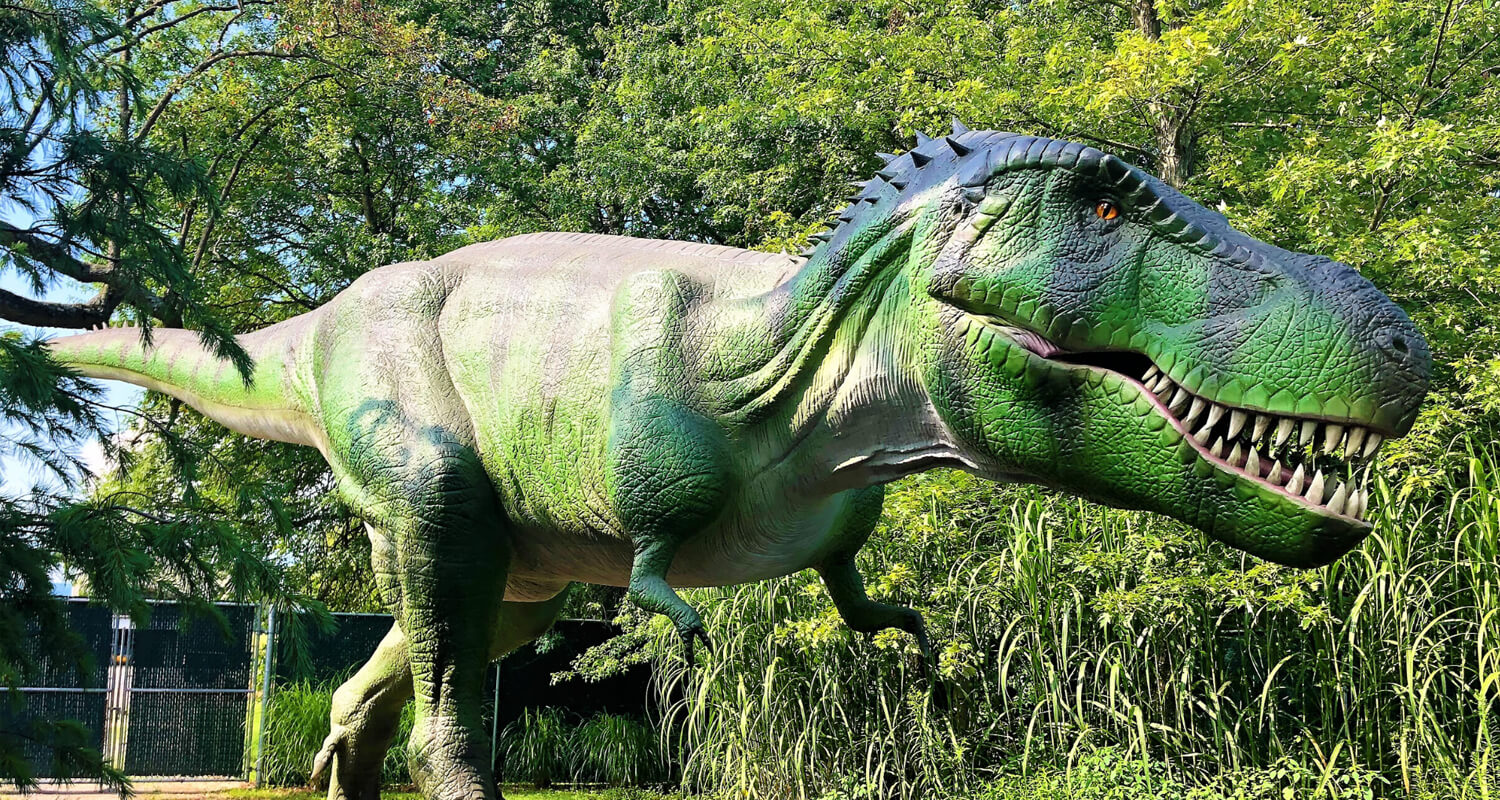 The question of intelligence in dinosaurs hinges on several factors, such as brain size relative to body size, known as the encephalization quotient (EQ), and behavioral evidence. A higher EQ generally suggests greater cognitive abilities, allowing for more complex behaviors. Scientists also look at fossil evidence for clues about social interactions, hunting tactics, and problem-solving skills. By comparing dinosaurs to modern animals, paleontologists have started to paint a picture of which species may have demonstrated higher intelligence.
Top Candidates for the Smartest Dinosaurs
Certain dinosaurs stand out as candidates for high intelligence due to their anatomy and inferred behaviors. Here are some of the top contenders:
Troodon
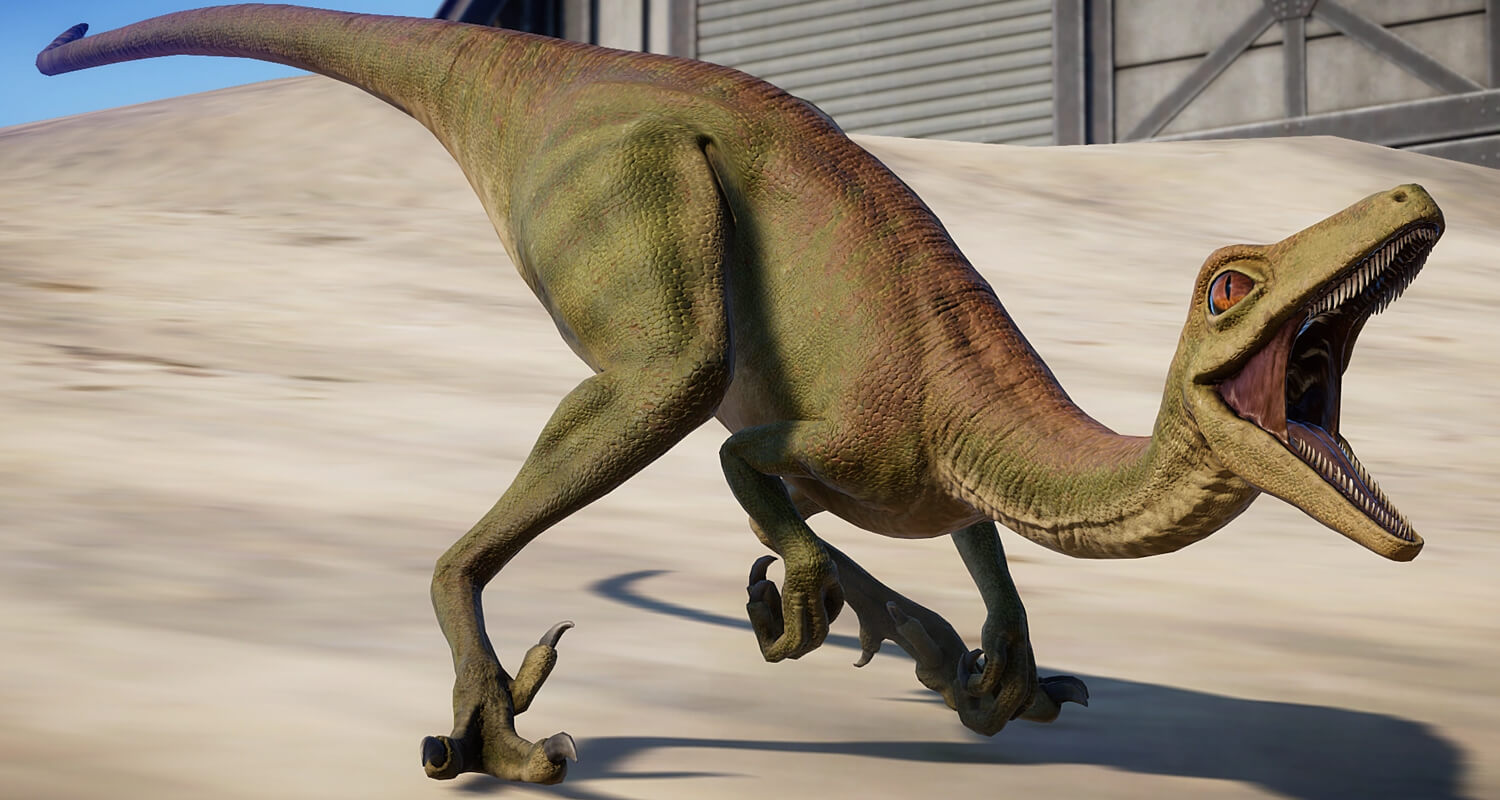 Often considered one of the smartest dinosaurs, Troodon had one of the highest EQs of any dinosaur. Its relatively large brain and keen senses suggest it may have engaged in problem-solving behaviors and complex interactions with its environment.
Dromaeosaurids (e.g., Velociraptor)
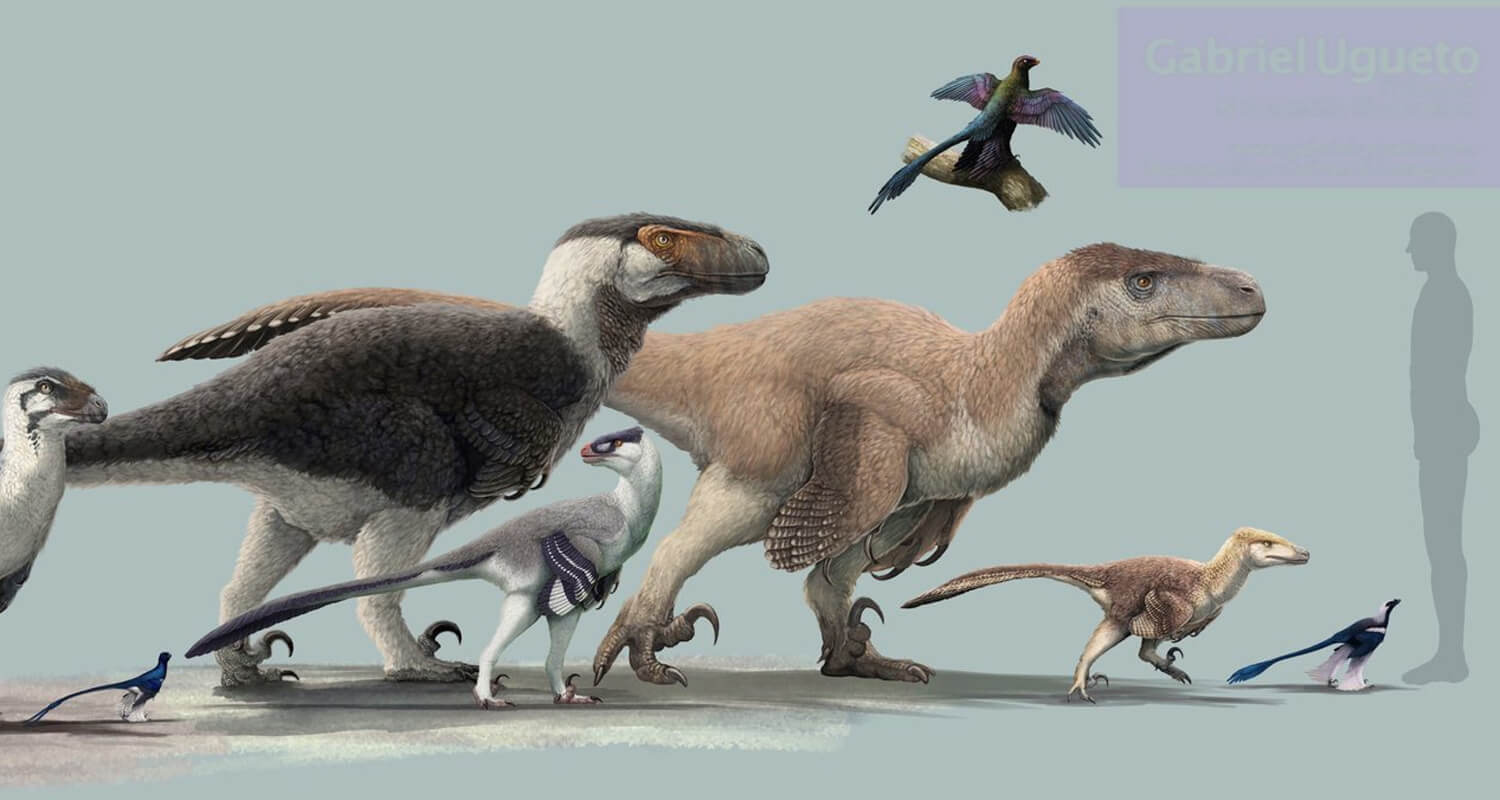 Known for their sharp claws, these agile predators are believed to have hunted in packs, requiring cooperation and communication—a sign of intelligence seen in modern social predators.
Ornithomimosaurs
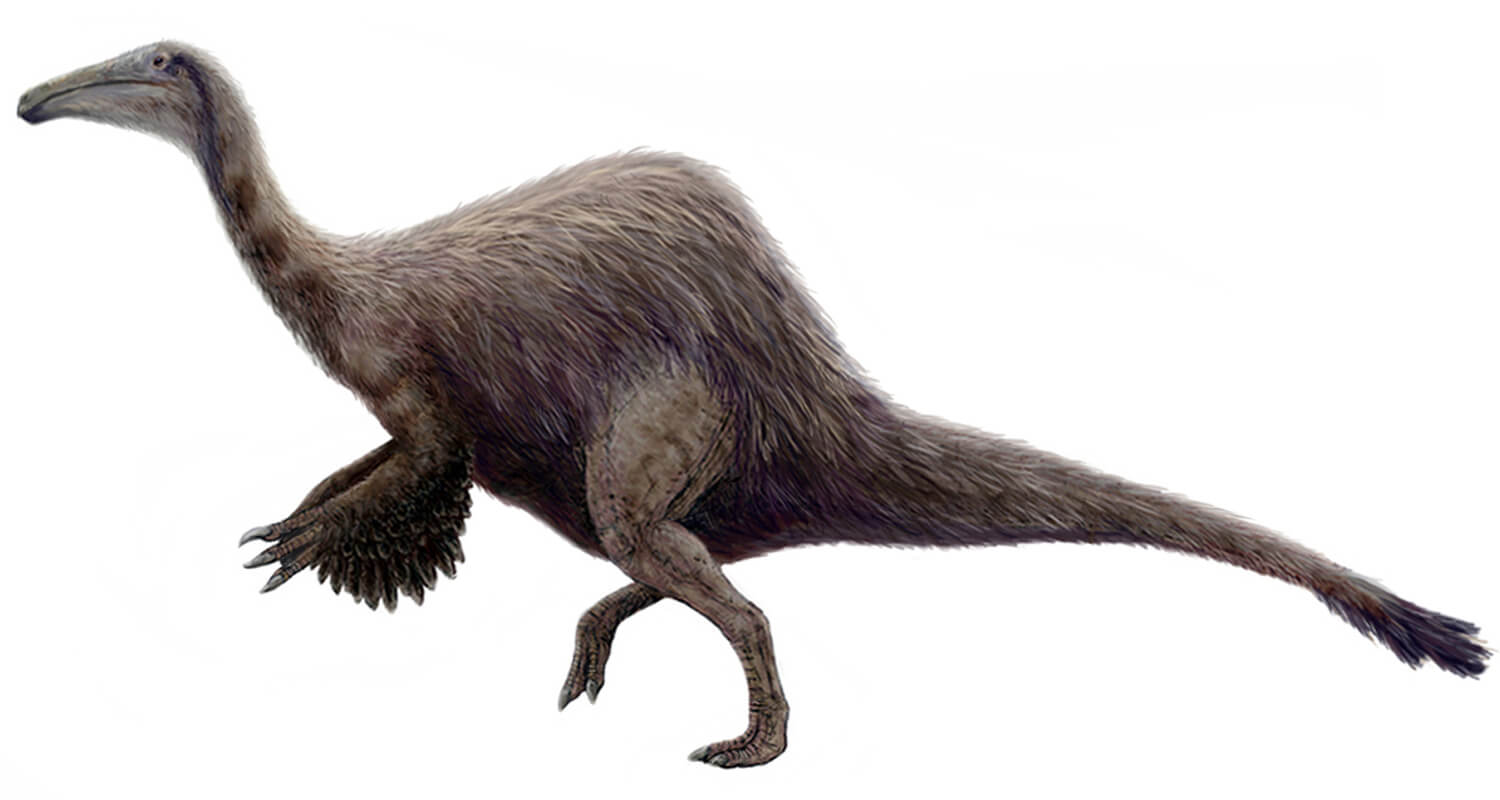 These bird-like dinosaurs had slender, agile bodies and may have lived in social groups. Fossils suggest behaviors resembling modern birds, including complex foraging strategies.
Therizinosaurs
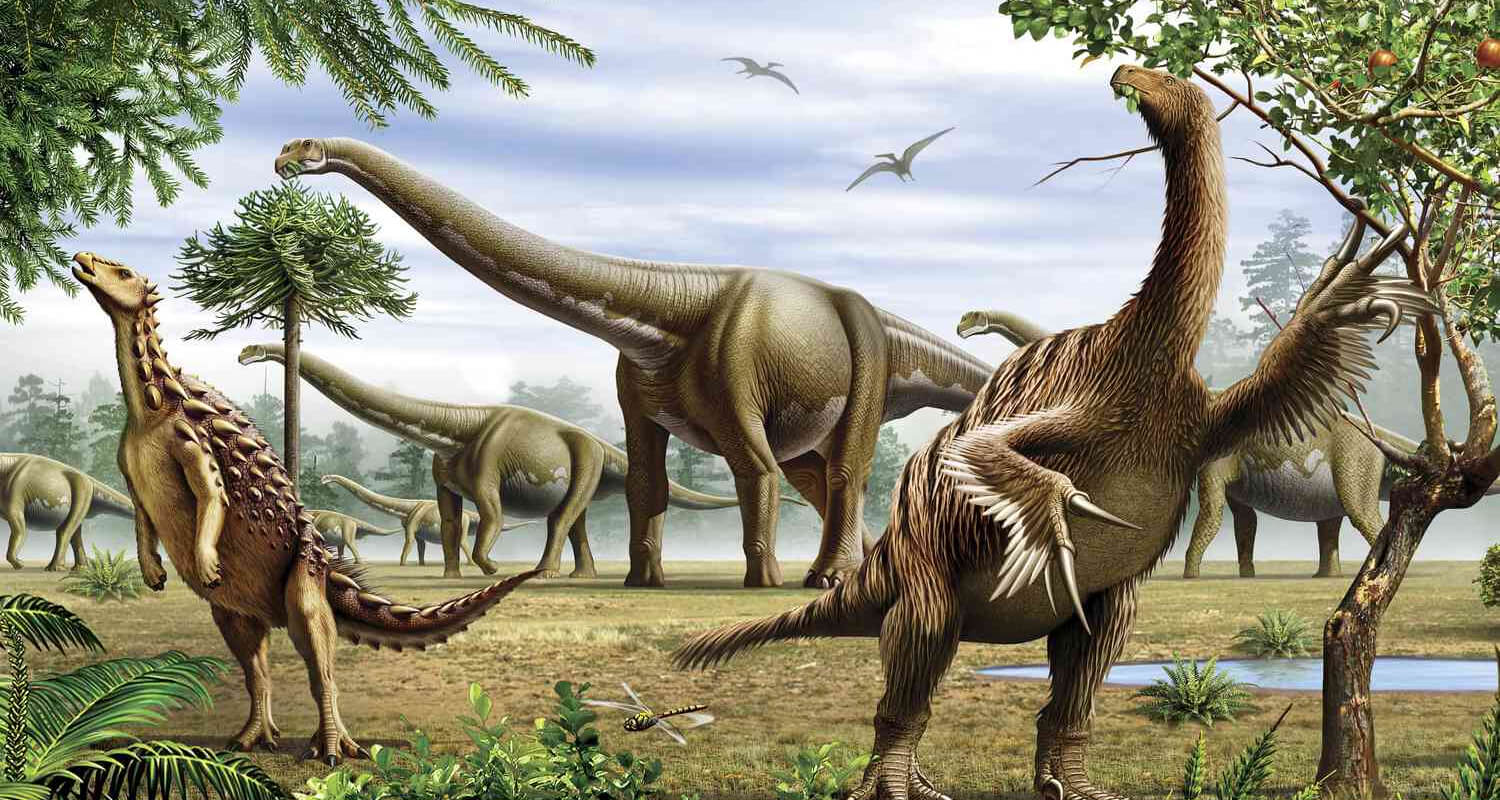 Although primarily herbivorous, Therizinosaurs had a distinctive body shape and, it's believed, could display problem-solving abilities to navigate complex environments, an indicator of higher intelligence.
How Did Dinosaur Intelligence Affect Their Survival
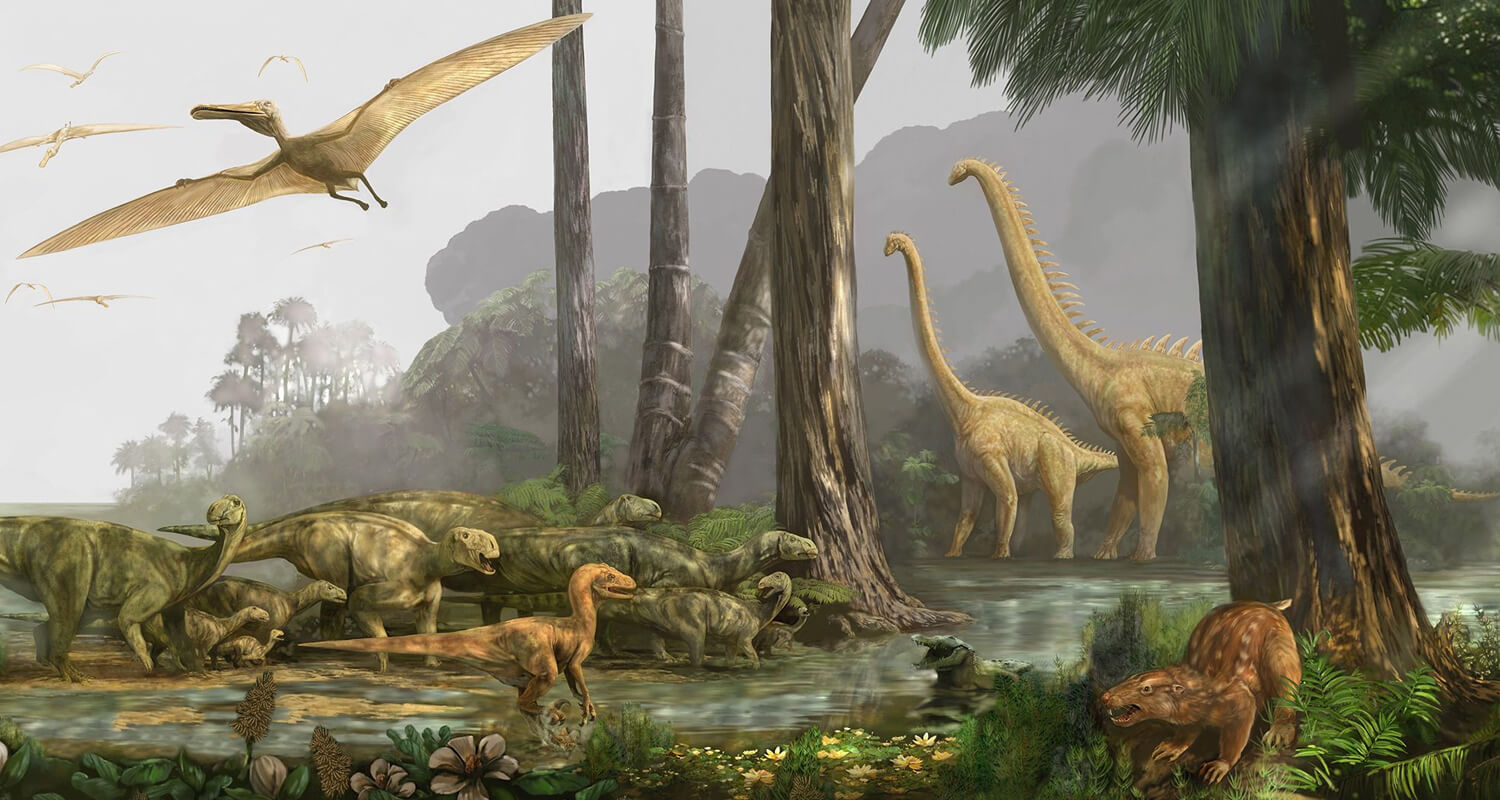 Dinosaur intelligence likely contributed to survival in many ways, particularly in the form of advanced hunting tactics, social structures, and environmental adaptability. Pack behavior, for example, would have allowed dromaeosaurids like Velociraptor to hunt more effectively, taking down prey that might otherwise be inaccessible to solitary hunters. Migratory patterns, complex nesting behaviors, and possible parental care in certain species would have offered additional survival benefits, allowing these dinosaurs to thrive in diverse habitats.
The Role of Environmental and Evolutionary Factors
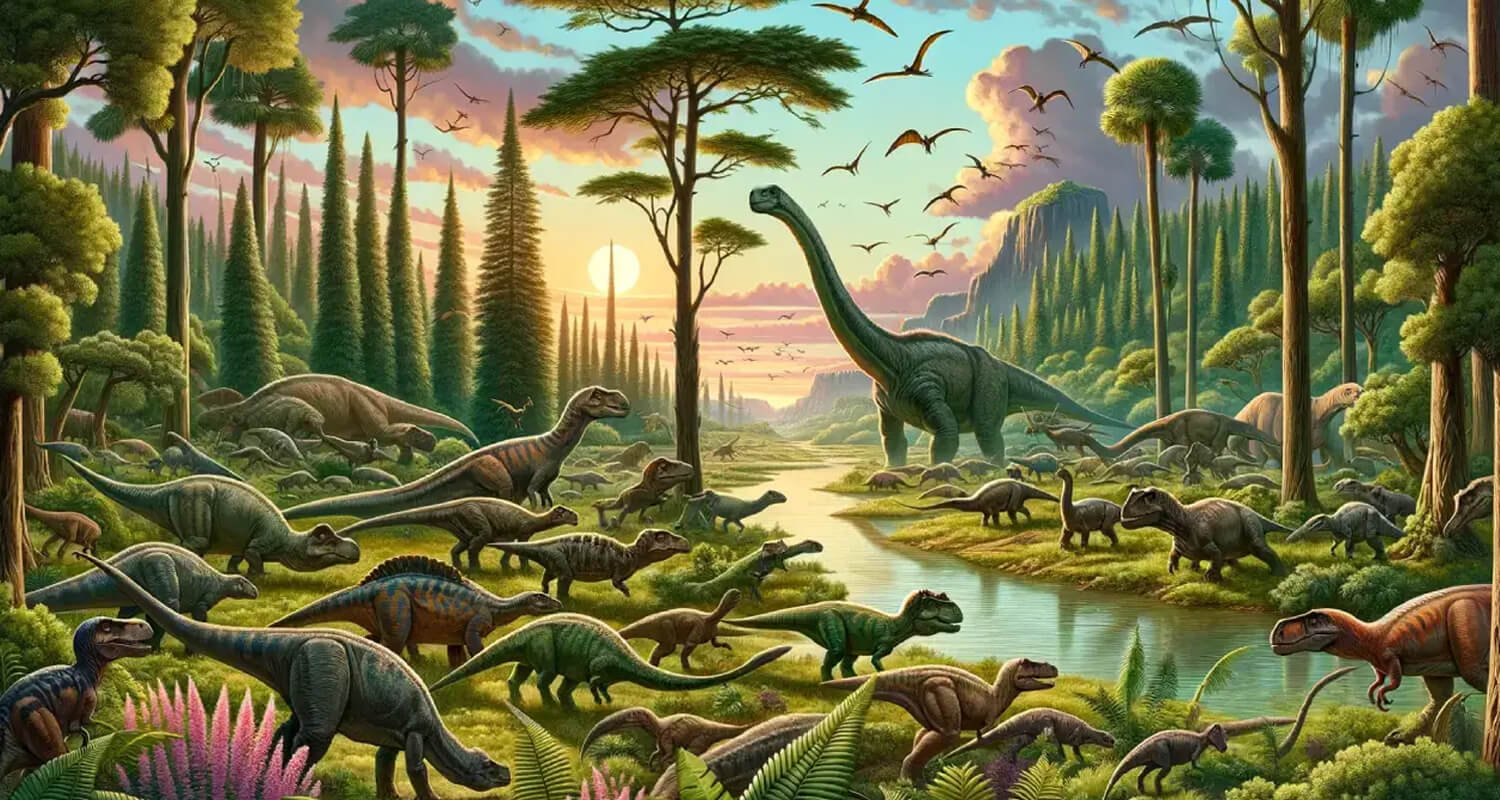 Environmental challenges may have pushed certain dinosaurs to develop greater cognitive abilities, adapting to a wide range of conditions over millions of years. For instance, predators needed to outsmart their prey, while herbivores needed strategies for foraging in often-hostile environments. These evolutionary pressures may have driven cognitive advancements in lineages like Troodontids and Dromaeosaurids, creating species capable of adapting to diverse challenges.
Modern Comparisons: Insights from Birds and Reptiles
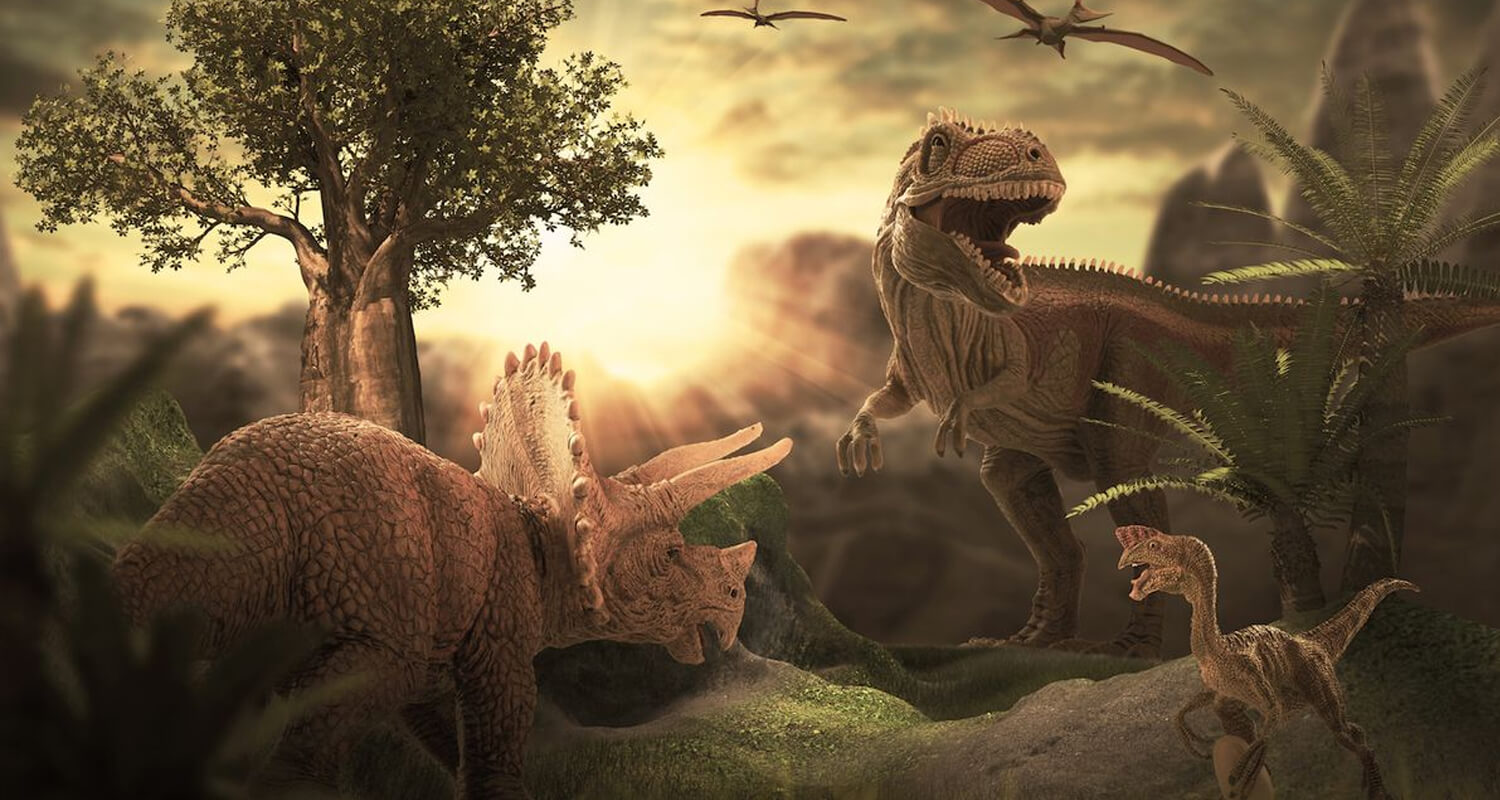 Birds, the closest living relatives of dinosaurs, exhibit fascinating behaviors that provide insight into possible dinosaur intelligence. Corvids and parrots, for example, show remarkable intelligence, using tools, solving puzzles, and exhibiting social behaviors. Similarly, crocodilians (closer to the non-avian dinosaurs) show complex social interactions and advanced parental care. Studying these animals allows paleontologists to make educated guesses about how certain dinosaur species might have behaved and adapted to their environments.
Popular Misconceptions about Dinosaur Intelligence
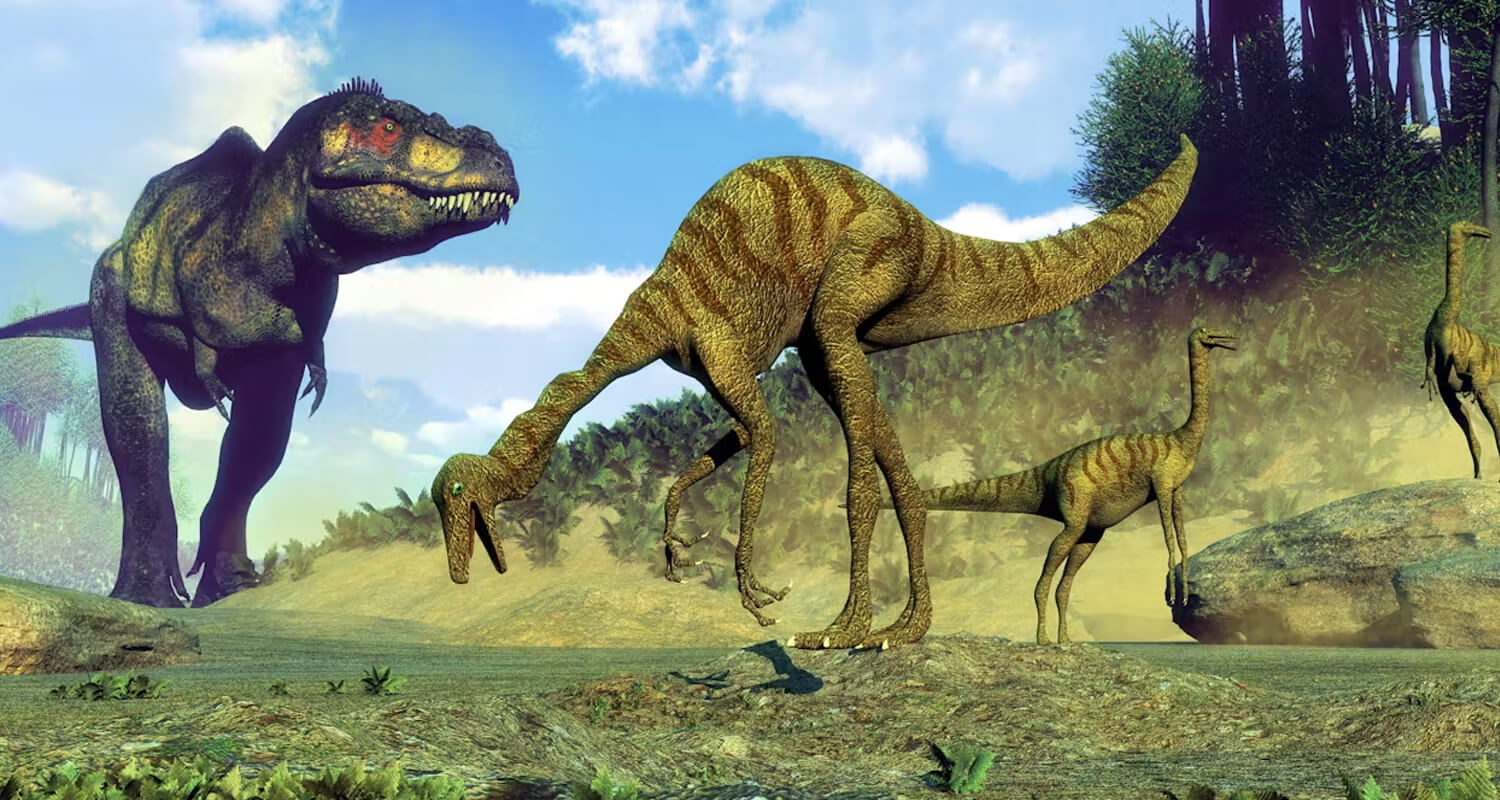 Pop culture often portrays dinosaurs as mindless giants, focusing on their size and ferocity rather than their cognitive abilities. Movies and media tend to perpetuate these ideas, leading to common misconceptions about dinosaurs. However, recent research challenges these myths, revealing a nuanced understanding of dinosaur intelligence. Evidence suggests that certain species may have exhibited behaviors on par with some modern mammals, changing how we view these ancient creatures.
Why Dinosaur Intelligence Matters Today
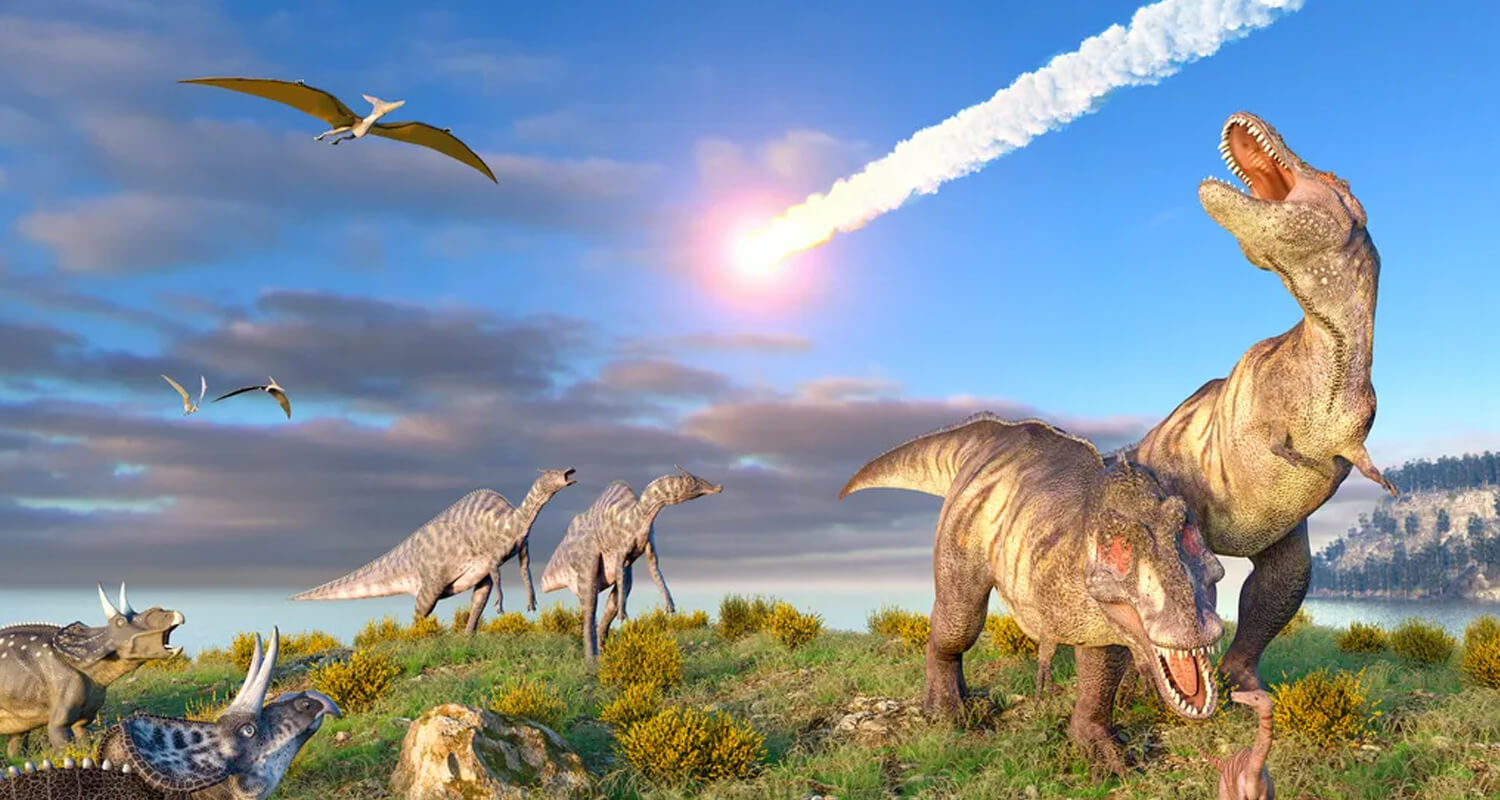 Understanding dinosaur intelligence sheds light on the complexity of prehistoric ecosystems and contributes to studies in animal cognition and evolutionary biology. By examining how certain dinosaurs evolved to meet environmental challenges, researchers gain insights into the evolutionary pathways that led to the cognitive diversity seen in animals today. This research deepens our appreciation for the intricate dynamics of ancient ecosystems and provides context for how intelligence evolved across millions of years.
Conclusion: A New Perspective on Dinosaurs
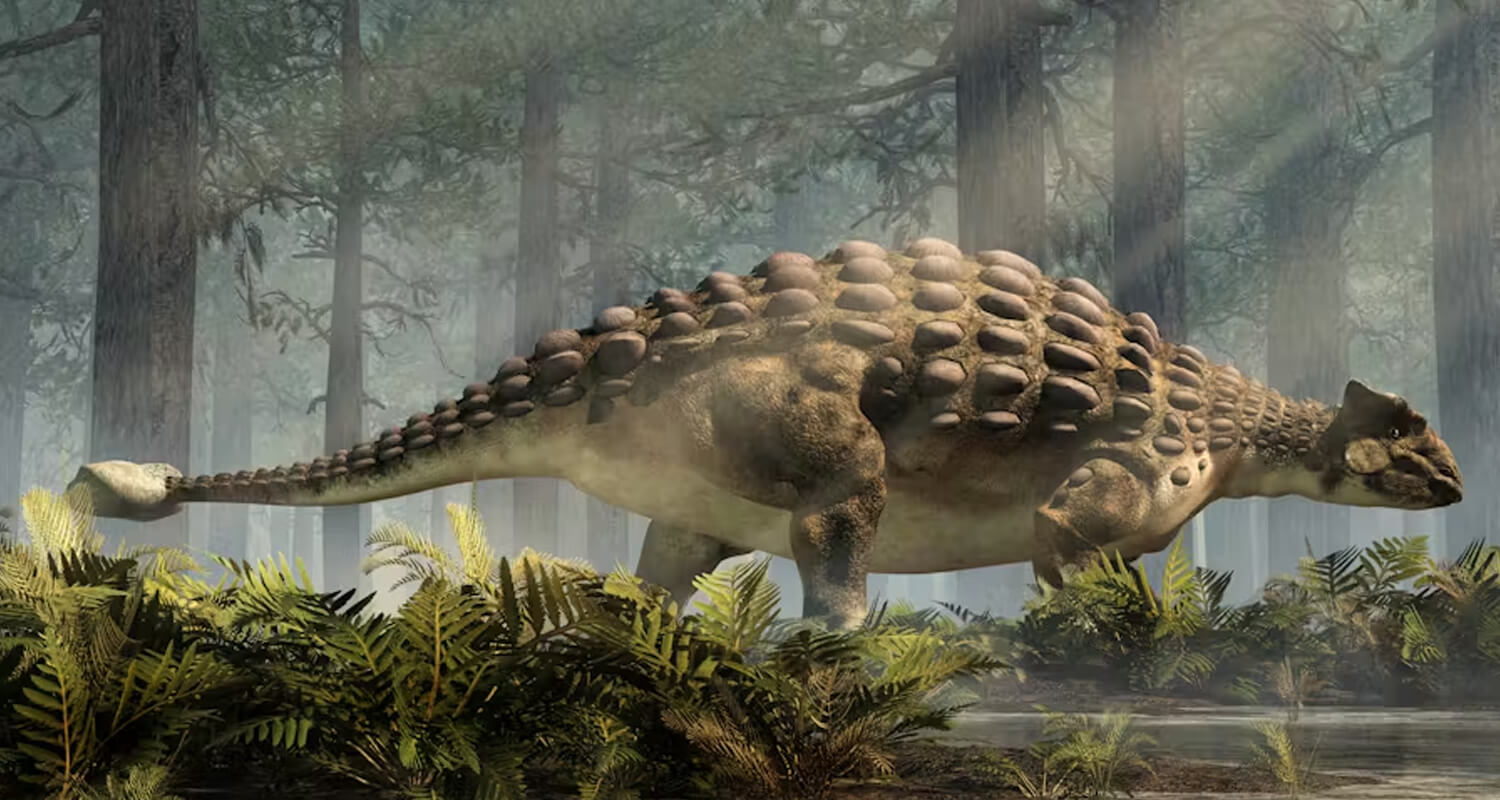 Our understanding of dinosaurs is constantly evolving, and intelligence is a key aspect that is gaining attention. From Troodon’s problem-solving potential to the pack strategies of dromaeosaurids, we’re discovering that intelligence in the prehistoric world was more common—and more complex—than once believed. As research continues, we may uncover even more about how these ancient giants thought, adapted, and thrived in a world so different from our own.
Теги: