О нас
Gecai Culture стоит на переднем крае воплощения прошлого в жизнь с помощью наших ультрасовременных аниматронных динозавров, очаровательных аниматронных существ, ярких китайских фестивальных фонарей и специализированных товаров. Как профессиональный производитель, расположенный в самом сердце Китая, мы питаем глубокую страсть к демонстрации наших реалистичных динозавров и животных в музеях, выставках, зоопарках, парках и за их пределами, стремясь разжечь пламя любопытства и обучения у людей всех возрастов.
Получить бесплатную цитату
Знание динозавров
Тираннозавр Рекс против спинозавра: кто был конечным хищником
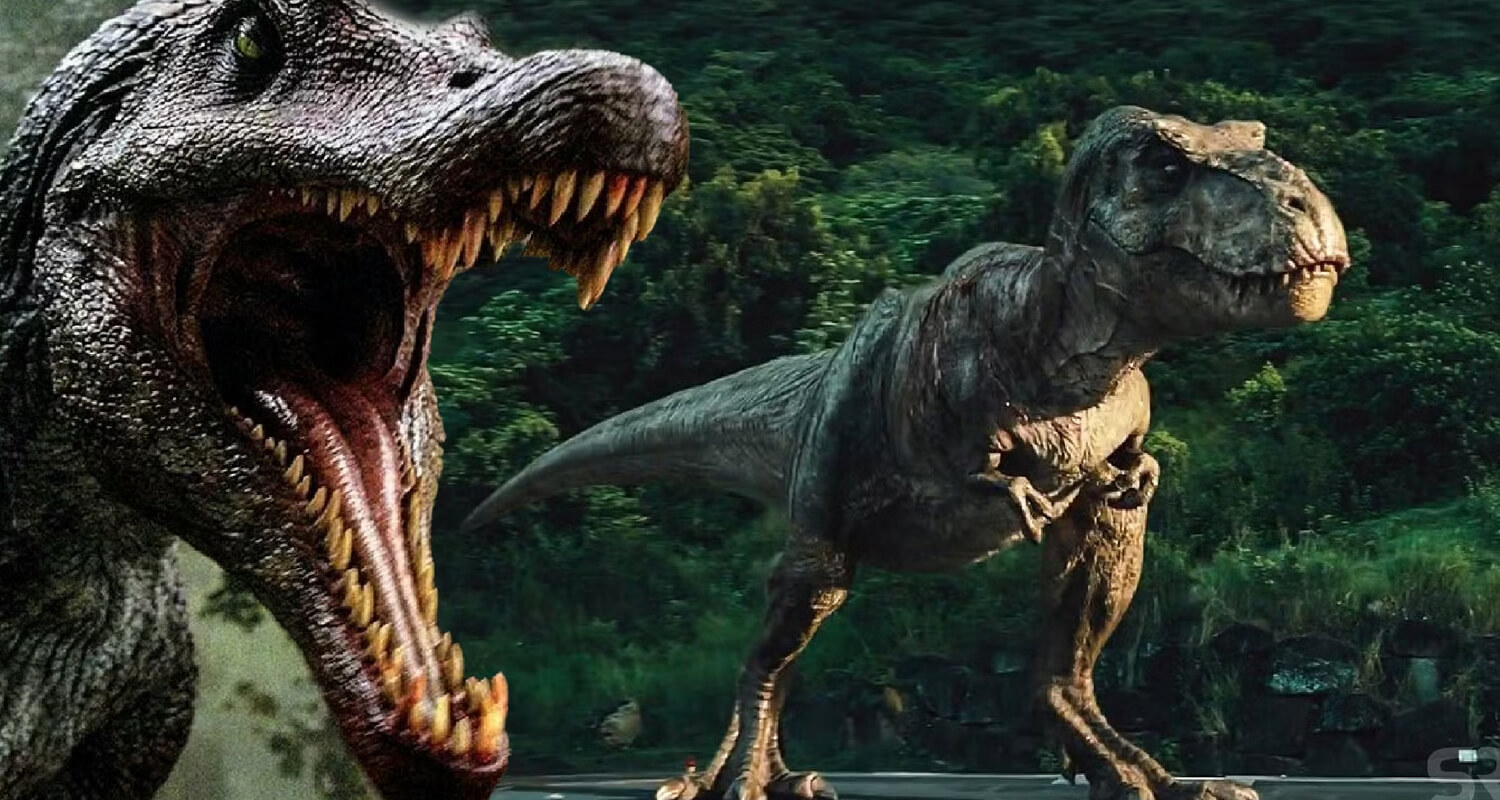 Two titans of the dinosaur world—Tyrannosaurus rex and Spinosaurus—capture imaginations with their immense size, unique features, and ferocious reputations. As apex predators of their respective domains, they lived in vastly different environments, yet comparisons between them continue to spark debates. So, who was the ultimate predator? Let’s break it down.
Meet the Contenders
Tyrannosaurus Rex
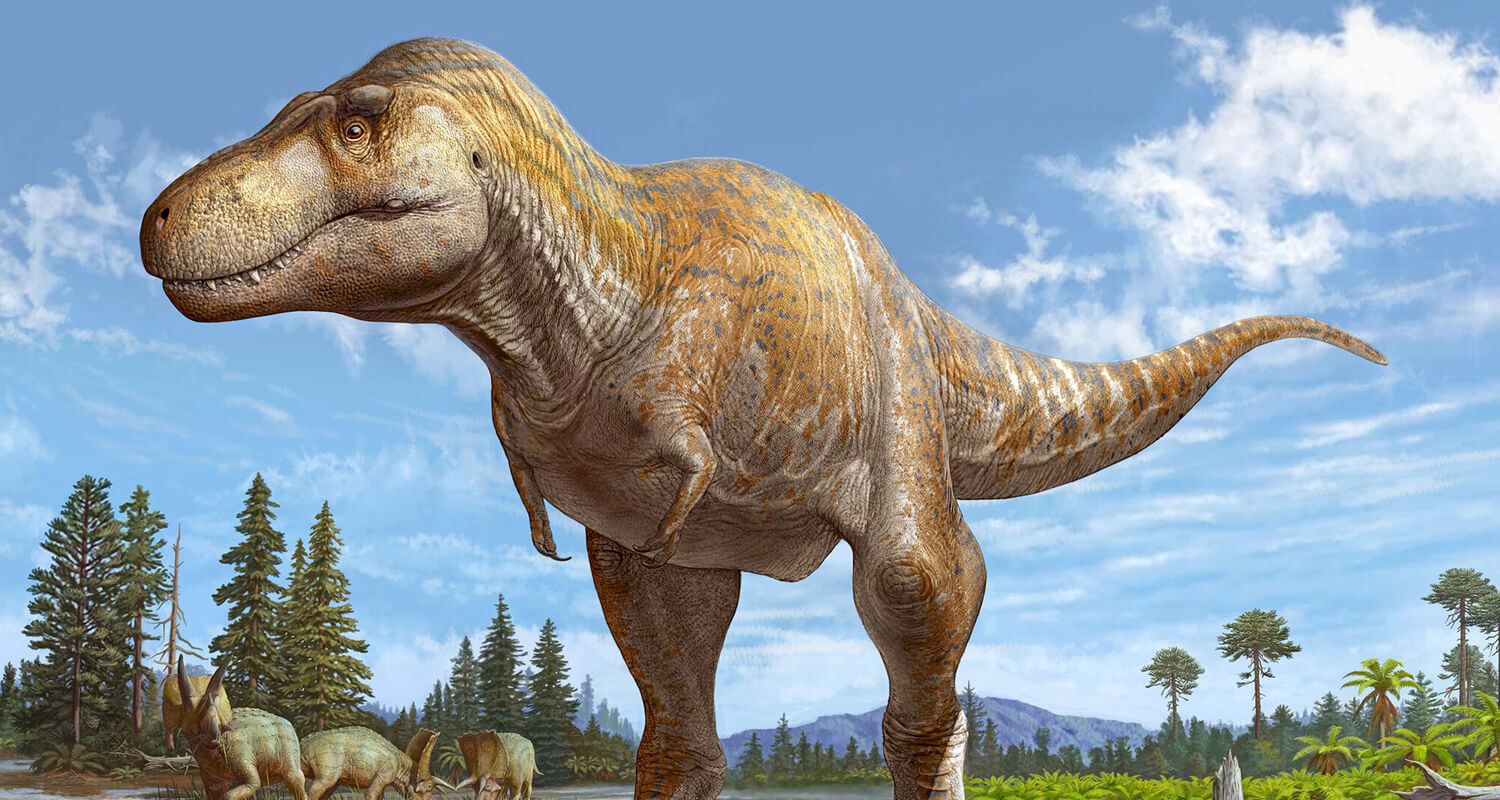 One of the most iconic dinosaurs, T. rex, was a terrestrial apex predator with unmatched power and dominance in its ecosystem.
Physical Features
Standing up to 12 feet tall at the hips, reaching lengths of 40 feet, and weighing up to 9 tons, T. rex had a robust frame. Its massive skull housed banana-sized teeth designed to crush bone, complemented by an extraordinary bite force—one of the strongest in the animal kingdom.
Hunting Abilities
T. rex was a formidable predator with surprising speed, reaching up to 20 mph. Its hunting strategy combined ambush tactics and raw power, allowing it to take down large prey such as Triceratops and Edmontosaurus.
Spinosaurus
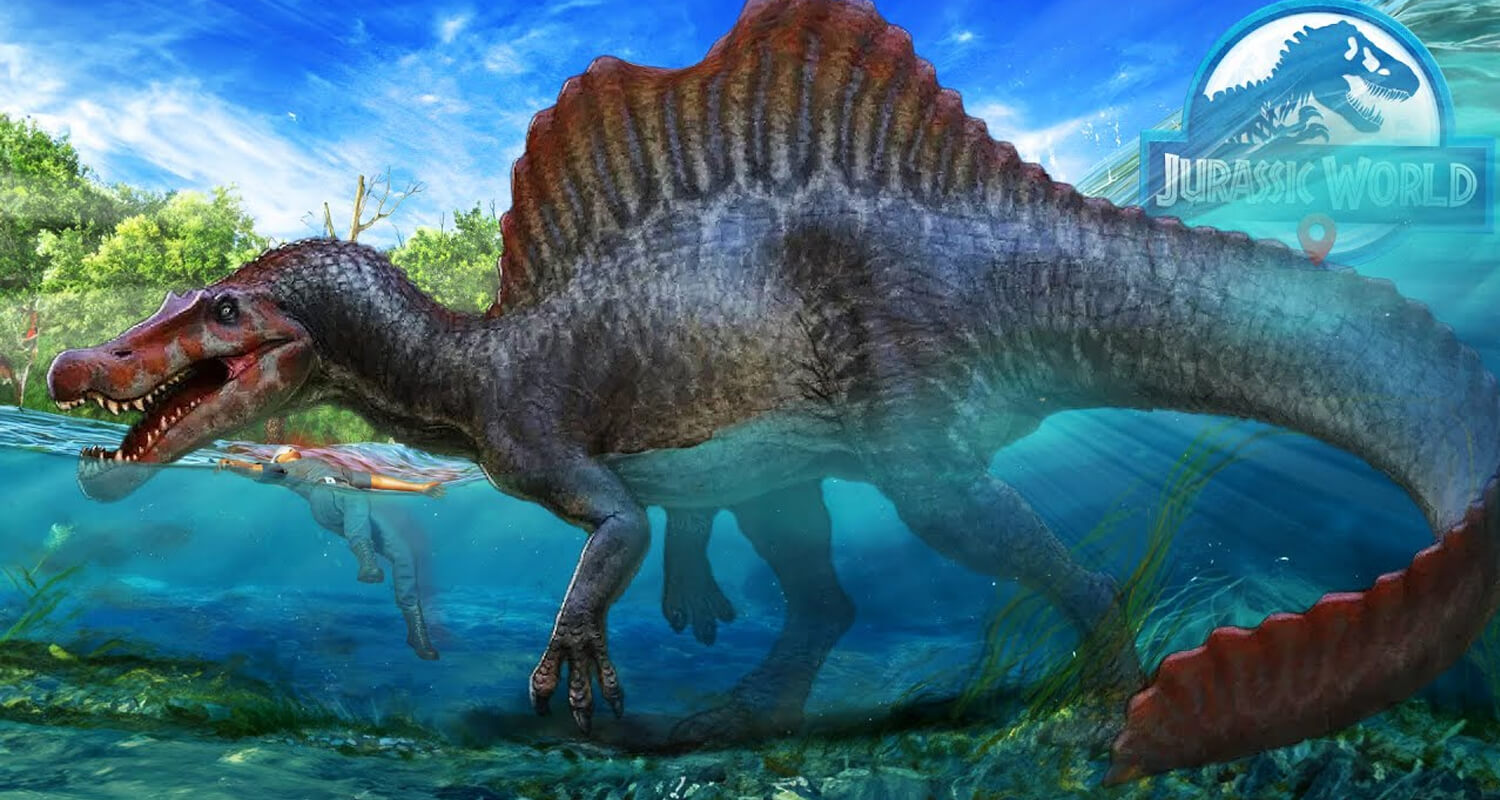 Known for its unique appearance, Spinosaurus was a semi-aquatic predator that thrived in environments rich in rivers and lakes.
Physical Features
Spinosaurus was longer than T. rex, measuring up to 50 feet from snout to tail, though it was less robust. It featured a long, crocodile-like skull filled with conical teeth ideal for gripping slippery prey, and a distinctive sail-like structure on its back.
Hunting Abilities
Adapted for a semi-aquatic lifestyle, Spinosaurus excelled at fishing, preying on large aquatic creatures. Its sharp claws and powerful arms made it a versatile hunter, and its long tail likely helped it maneuver through water.
Key Differences Between T. Rex and Spinosaurus
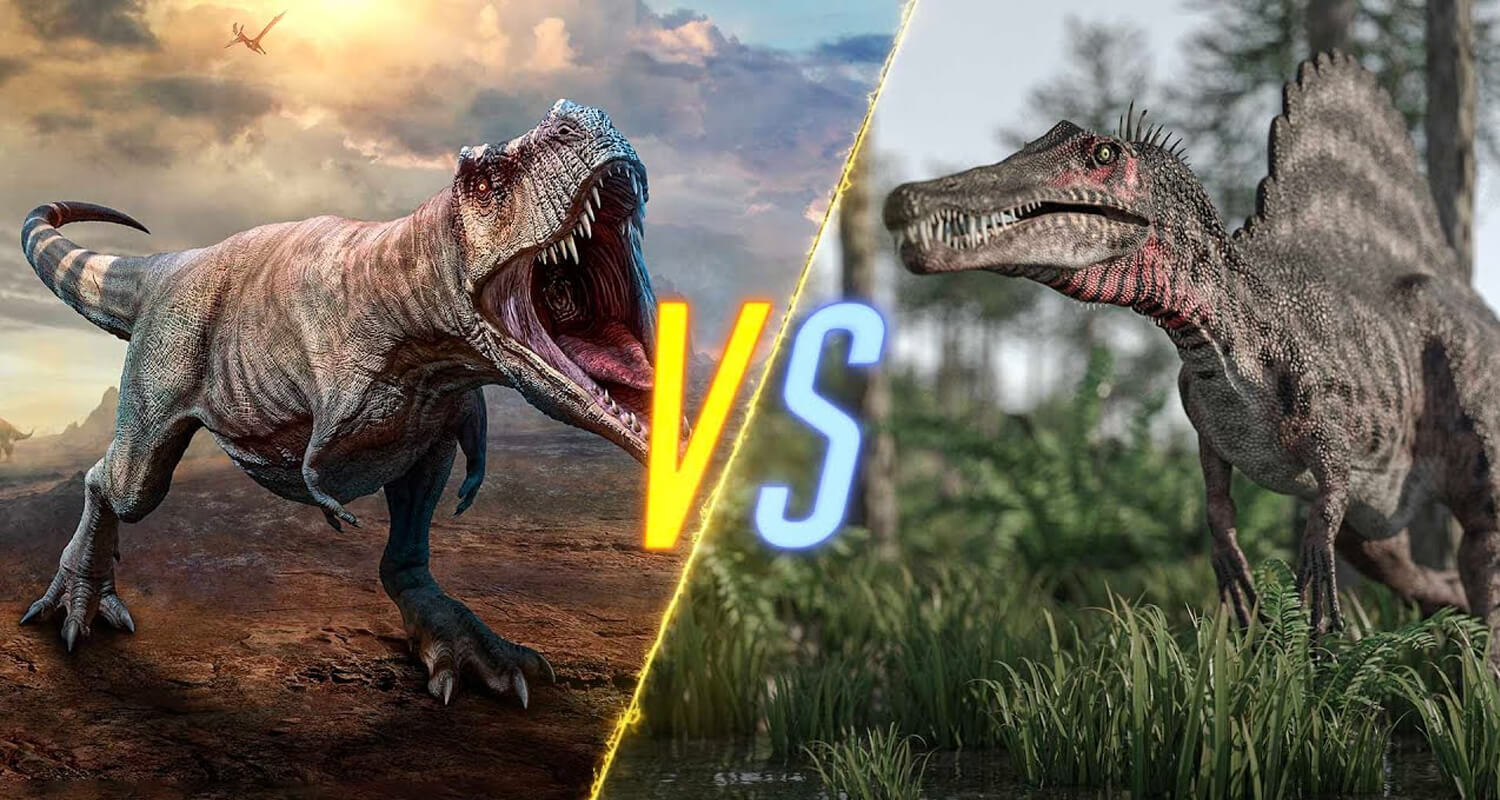 Habitat and Lifestyle
Tyrannosaurus rex roamed terrestrial environments as a top predator, dominating North America during the late Cretaceous period.
Spinosaurus lived in a semi-aquatic habitat in what is now North Africa, relying on rivers and wetlands for survival.
Diet
T. rex was a carnivorous generalist, preying on large herbivores and scavenging carcasses.
Spinosaurus primarily consumed fish, with evidence suggesting it supplemented its diet with smaller terrestrial animals.
Physical Strengths and Weaknesses
T. rex was unmatched in raw power and endurance, but its short arms limited its physical versatility.
Spinosaurus, while versatile and adapted for water, was less suited for confrontations on land due to its slender build and relatively weaker jaw compared to T. rex.
Hypothetical Battle
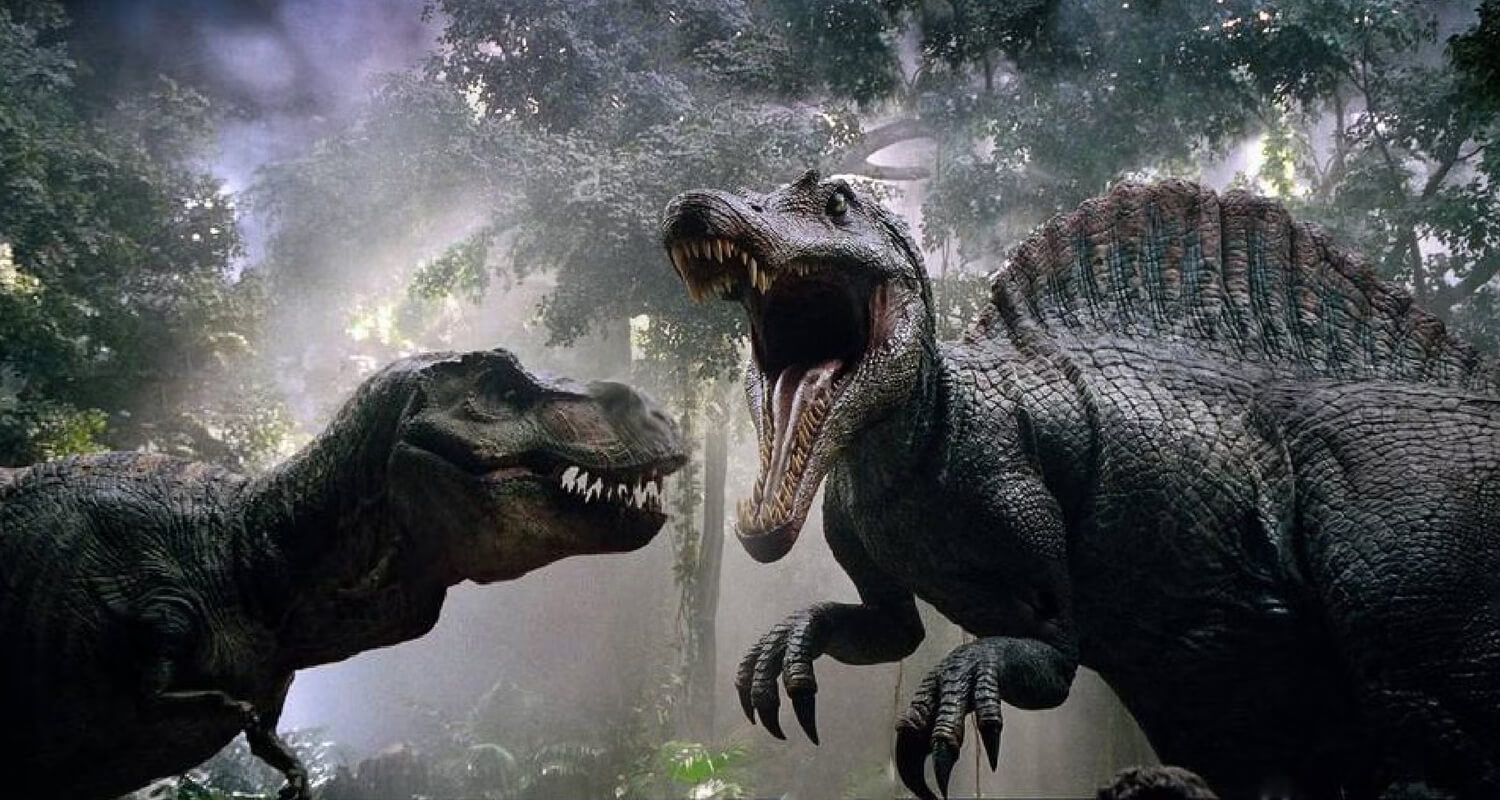 Scenario on Land
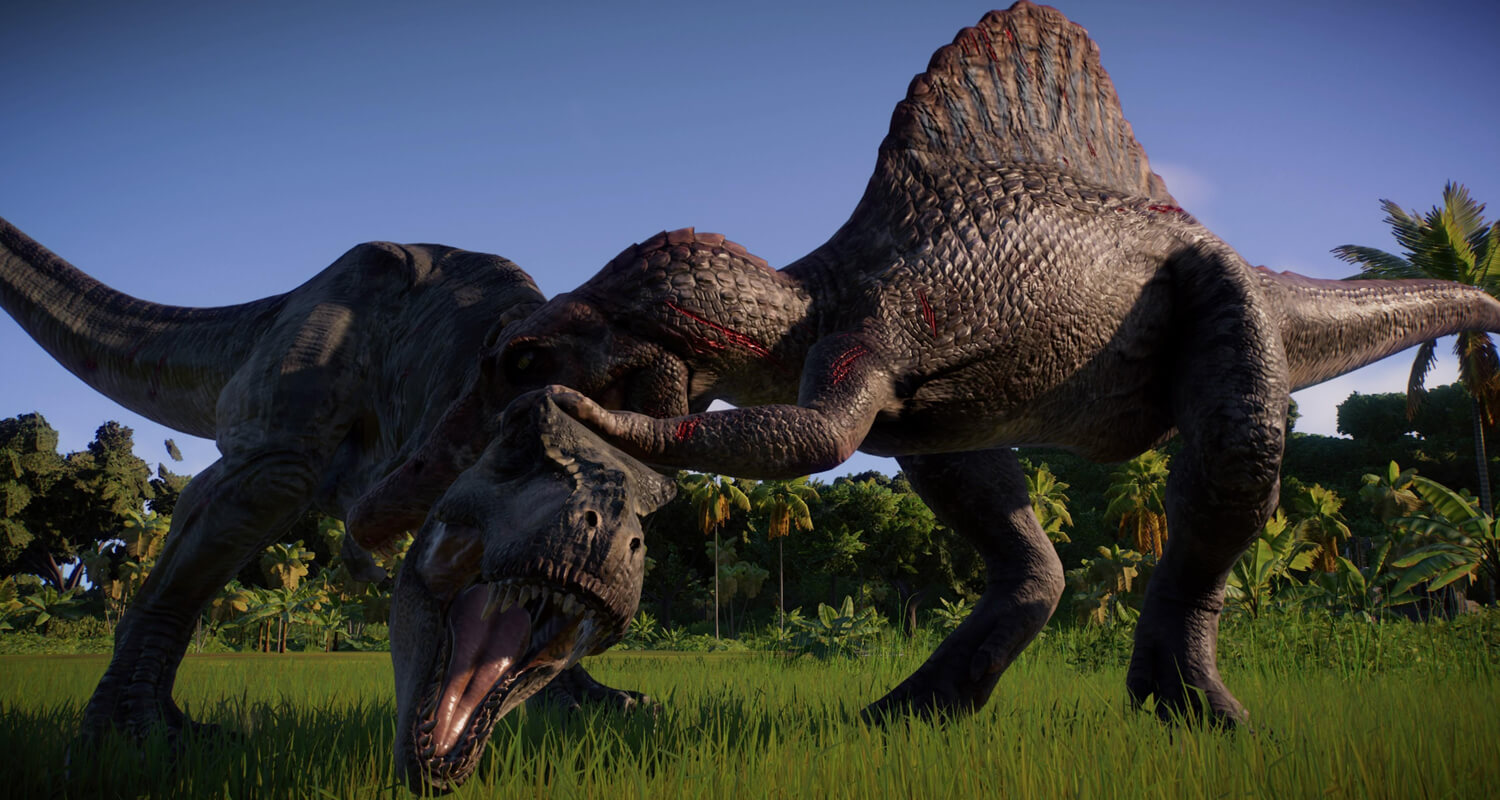
In a terrestrial confrontation, T. rex would likely have the advantage. Its robust body, powerful legs, and crushing bite could overwhelm Spinosaurus, which lacked the muscular build and jaw strength for prolonged land combat.
Scenario in Water
In aquatic or semi-aquatic settings, the tables would turn. Spinosaurus, with its streamlined body and adaptations for swimming, would dominate. T. rex, unsuited for water, would struggle against Spinosaurus' agility in this environment.
Fossil Evidence and Scientific Debates
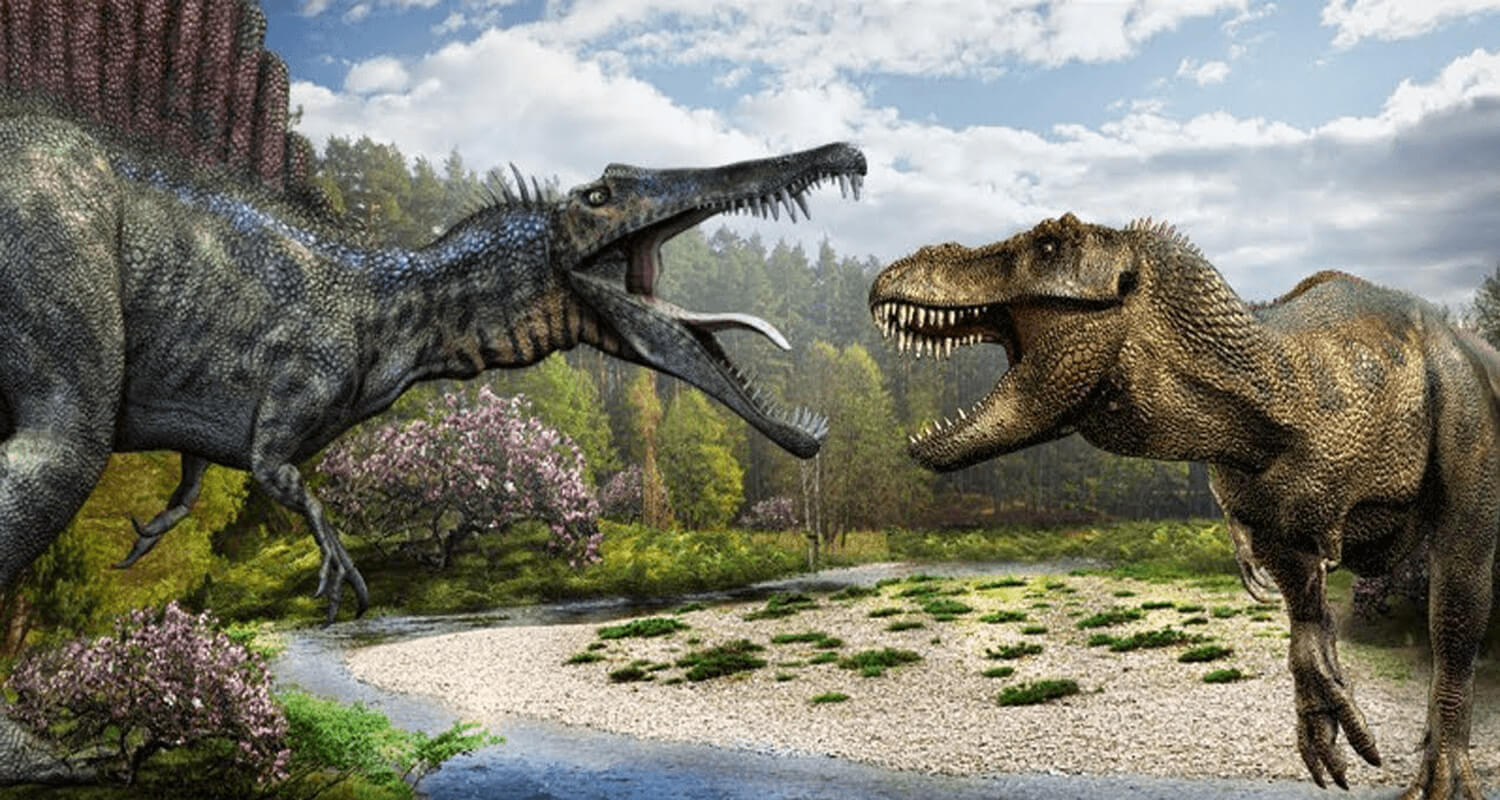 Fossil discoveries provide clues but also raise questions. The size and behavior of Spinosaurus, for example, have been reinterpreted several times. Was it truly an apex predator, or more of a specialized hunter? Meanwhile, T. rex fossils confirm its role as a powerful predator capable of taking down large prey.
Scientists also debate whether these species should even be compared. They lived in different regions and time periods, separated by millions of years.
Modern Interpretations in Media and Culture
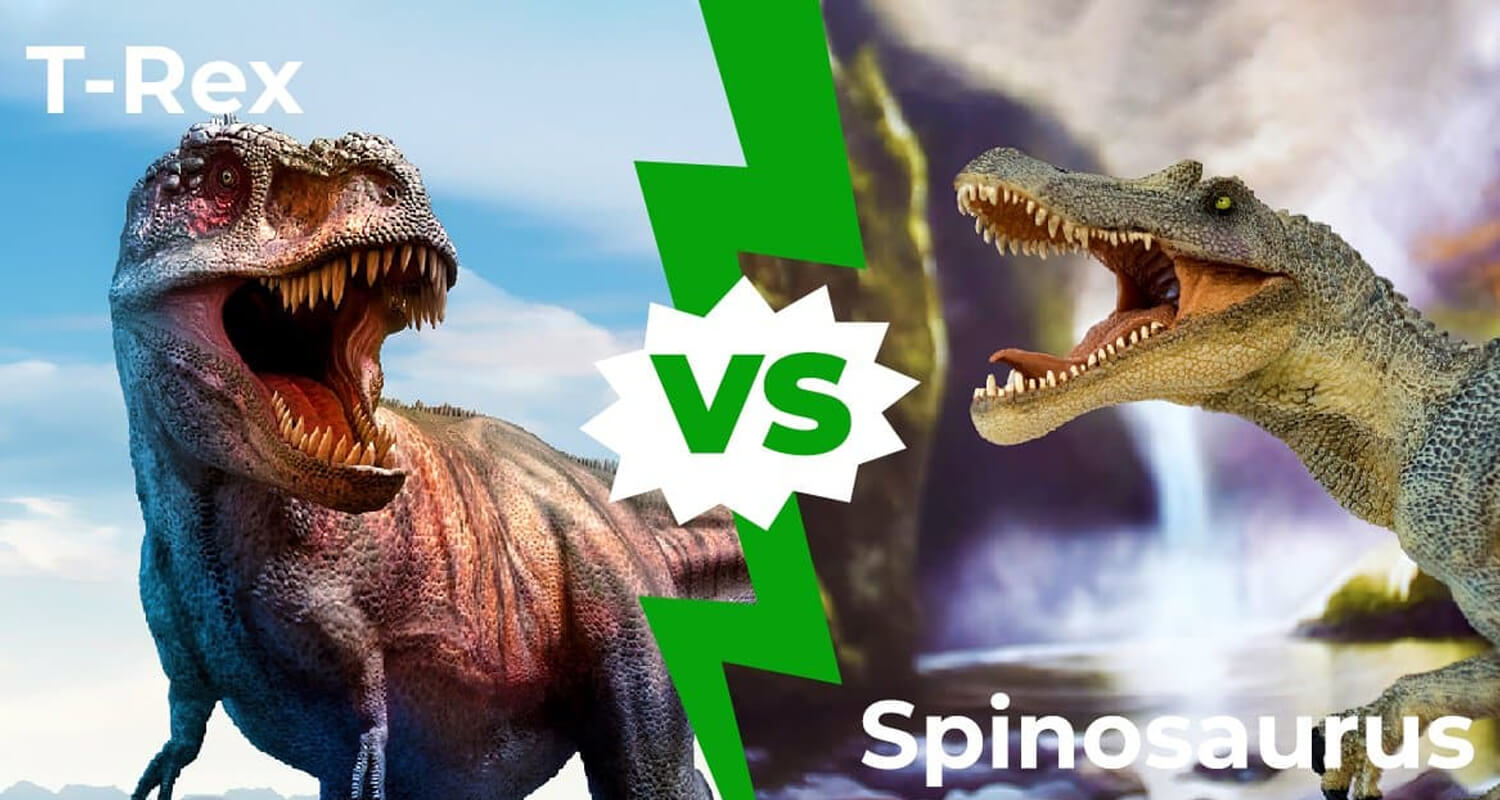 Both dinosaurs are celebrated in popular culture, often depicted as fierce rivals. Films like Jurassic Park III pit them against each other in dramatic battles, though the scientific accuracy of such portrayals is questionable. T. rex has long been hailed as the "king of dinosaurs," while Spinosaurus is admired for its unique adaptations and mysterious nature.
FAQs
 Which dinosaur was larger, T. rex or Spinosaurus?
Spinosaurus was longer, measuring up to 50 feet, but T. rex was more massive and robust.
Was Spinosaurus stronger than T. rex?
In aquatic environments, Spinosaurus had the advantage. On land, T. rex’s physical strength and bite force made it superior.
Why is T. rex often called the "king" of dinosaurs?
T. rex earned its title due to its dominance as a land predator, immense size, and powerful bite.
Did T. rex and Spinosaurus ever encounter each other?
No. They lived in different regions and time periods, separated by millions of years.
Conclusion
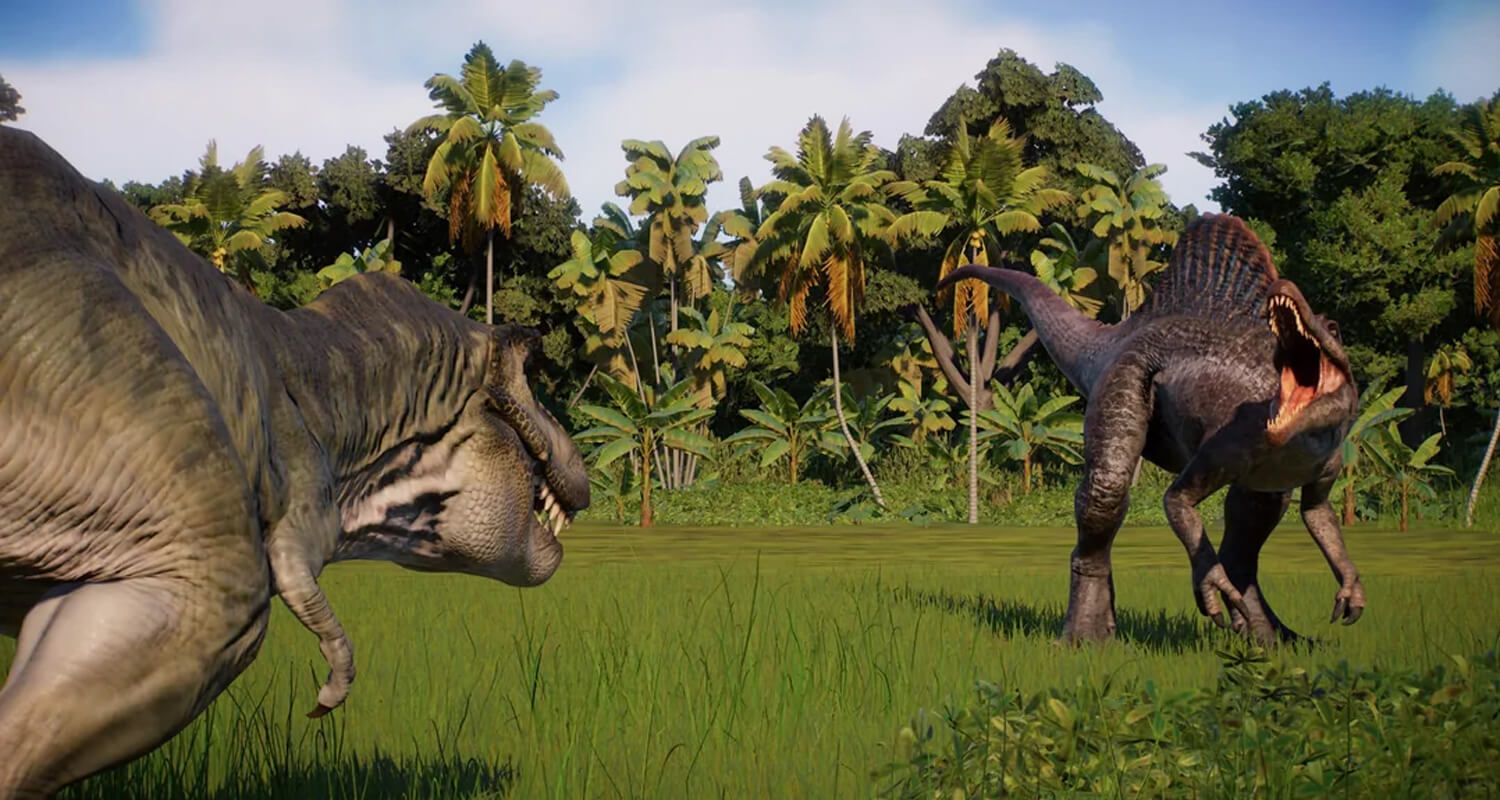 The rivalry between T. rex and Spinosaurus is one of imagination, not history. Both dinosaurs were apex predators, excelling in their respective domains. While T. rex ruled the land with brute force, Spinosaurus mastered the waters with specialized adaptations. Together, they represent the incredible diversity and complexity of prehistoric life.
Which do you think deserves the title of ultimate predator?
Теги: