Sobre nosotros
La cultura Gecai está a la vanguardia de dar vida al pasado a través de nuestros dinosaurios animatrónicos de última generación, encantadoras criaturas animatrónicas, vibrantes linternas del festival chino y productos personalizados personalizados personalizados. Como fabricante profesional ubicado en el corazón de China, albergamos una pasión profundamente arraigada por mostrar nuestros dinosaurios y animales realistas en museos, exposiciones, zoológicos, parques y más, con el objetivo de encender una llama de curiosidad y aprendizaje en personas de todas las edades.
Obtenga una cotización gratuita
Conocimiento De Dinosaurios
¿Para Qué Se Utilizaban Las Garras De Dinosaurio? Funciones Más Allá De La Lucha
 Cuando pensamos en las garras de los dinosaurios, la imagen más común es la de afiladas uñas atacando en una lucha por la supervivencia. Si bien algunas especies sí las usaban para pelear, el combate es solo una de sus muchas funciones. Los hallazgos fósiles demuestran que las garras cumplían múltiples propósitos prácticos: desde alimentarse y trepar, hasta construir nidos e interactuar con su entorno.
Estudiar el uso de las garras ayuda a los paleontólogos a reconstruir la forma de vida, el movimiento y las estrategias de supervivencia de estos animales prehistóricos. Lejos de ser simples armas, las garras fueron herramientas versátiles, moldeadas por la evolución para cubrir diversas necesidades cotidianas.
De qué estaban hechas las garras de los dinosaurios
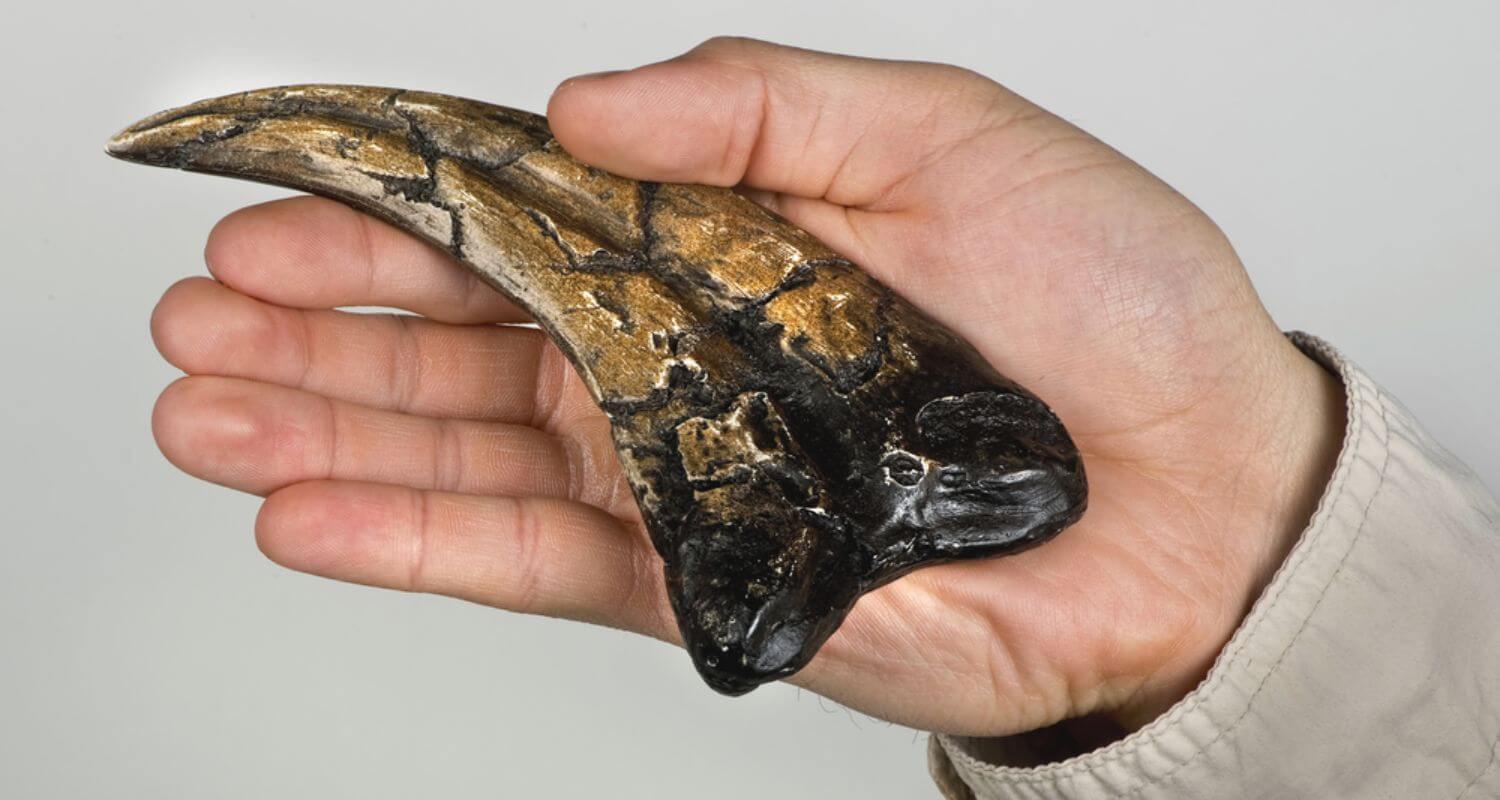 Las garras no estaban formadas solo por hueso. Al igual que ocurre con los reptiles y aves actuales, la mayoría contaba con un núcleo óseo recubierto por una vaina de queratina. Esta sustancia, la misma que forma las uñas humanas, permitía que las garras crecieran, se mantuvieran afiladas y fueran mucho más resistentes que el hueso por sí solo.
La forma y curvatura variaban mucho entre especies: algunas eran cortas y romas, mientras que otras eran largas y muy curvadas. Estas diferencias son pistas clave. Una garra fuertemente curvada sugiere habilidades para sujetar o trepar; las más anchas y planas, en cambio, están adaptadas para cavar y manipular el suelo.
La queratina prácticamente no fosiliza, pero los científicos estiman el tamaño y la forma original observando la estructura ósea conservada. Gracias a este método, se ha demostrado que muchas garras no estaban diseñadas principalmente para luchar.
Garras como herramientas para alimentarse
Sujetar y retener presas
Para los dinosaurios carnívoros, las garras eran fundamentales a la hora de comer. Muchos terópodos no se limitaban a cortar con ellas, sino que las usaban para aferrar y inmovilizar a sus presas. Especies como el Velociráptor empleaban sus grandes garras de los pies para sujetar a la víctima mientras le propinaban mordidas.
Esta función de sujeción reducía la duración de la pelea. Una vez inmovilizada la presa, el dinosaurio podía alimentarse con mayor eficiencia, ahorrando energía y evitando posibles heridas.
Cavar en busca de alimento
No todos los dinosaurios cazaban animales grandes. Muchos omnívoros y herbívoros usaban sus garras para buscar comida bajo tierra. Las pruebas fósiles indican que algunas especies rascaban el suelo para extraer insectos, raíces o vegetación enterrada.
Las garras anchas y robustas son muy comunes en animales que se alimentaban de esta manera. Funcionaban de forma similar a las garras excavadoras del oso hormiguero o el armadillo actuales, lo que demuestra que las estrategias de alimentación de los dinosaurios eran mucho más variadas de lo que se cree.
Garras para trepar y moverse
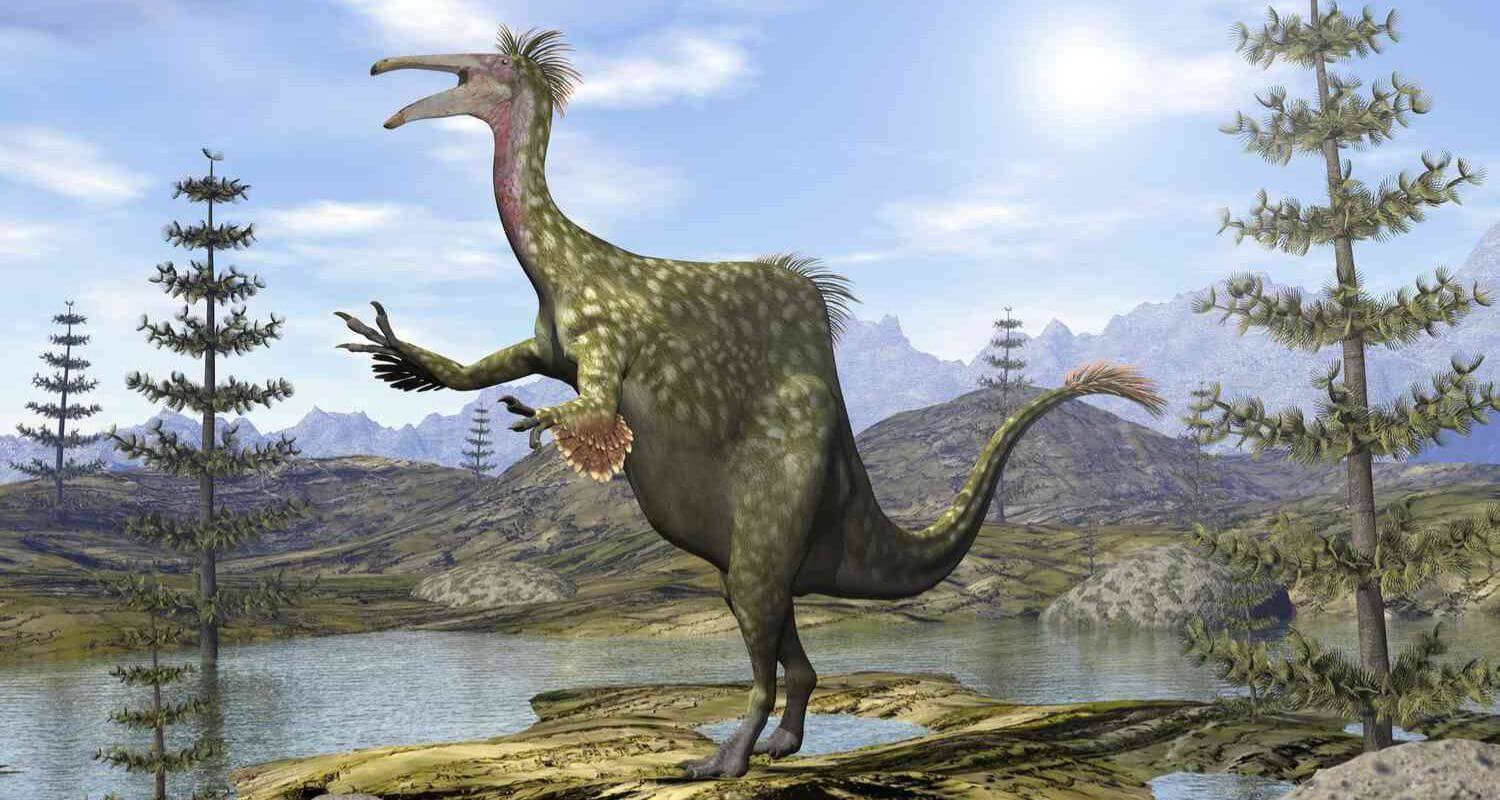 Algunos dinosaurios pequeños, especialmente las especies emplumadas, presentaban garras con una forma muy similar a la de los animales trepadores actuales. Su marcada curvatura y puntas afiladas sugieren que podían subir a los árboles o aferrarse a superficies rugosas.
Además, las garras ayudaban a mantener el equilibrio y la estabilidad. Al transitar por terrenos irregulares, proporcionaban mayor agarre. Esto resultaba especialmente importante para las especies ligeras y las crías que se movían por bosques o zonas rocosas.
Las aves actuales sirven como buena referencia: muchas usan sus garras no solo para posarse, sino también para aterrizar, trepar y manipular objetos. Estos comportamientos tienen sus raíces evolutivas en sus antepasados dinosaurios.
Defensa sin llegar al combate directo
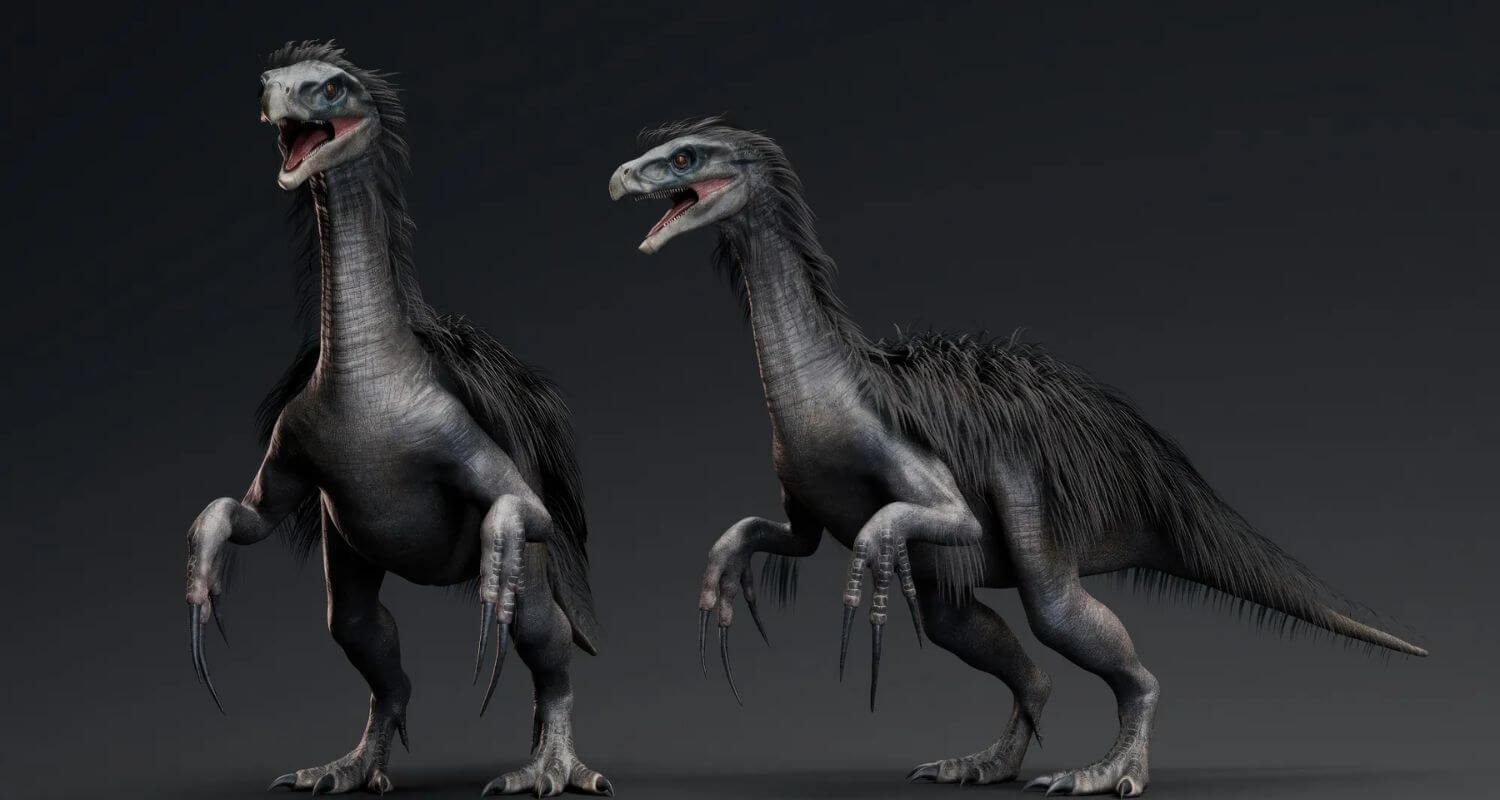 Las garras no siempre se usaban para atacar. En muchos casos, actuaban como elemento disuasorio. Unas garras grandes y visibles hacían que el dinosaurio pareciera más imponente, alejando a depredadores o rivales sin necesidad de enfrentamiento físico.
Levantar las patas delanteras, mostrar las garras o realizar movimientos bruscos era suficiente para evitar la pelea. Desde el punto de vista evolutivo, prevenir lesiones solía ser más beneficioso que ganar una lucha.
Esto explica por qué algunas especies desarrollaron garras llamativas que no resultaban prácticas para combatir de forma prolongada, pero sí muy efectivas para amedrentar a otros animales.
Construcción de nidos, excavación e interacción con el entorno
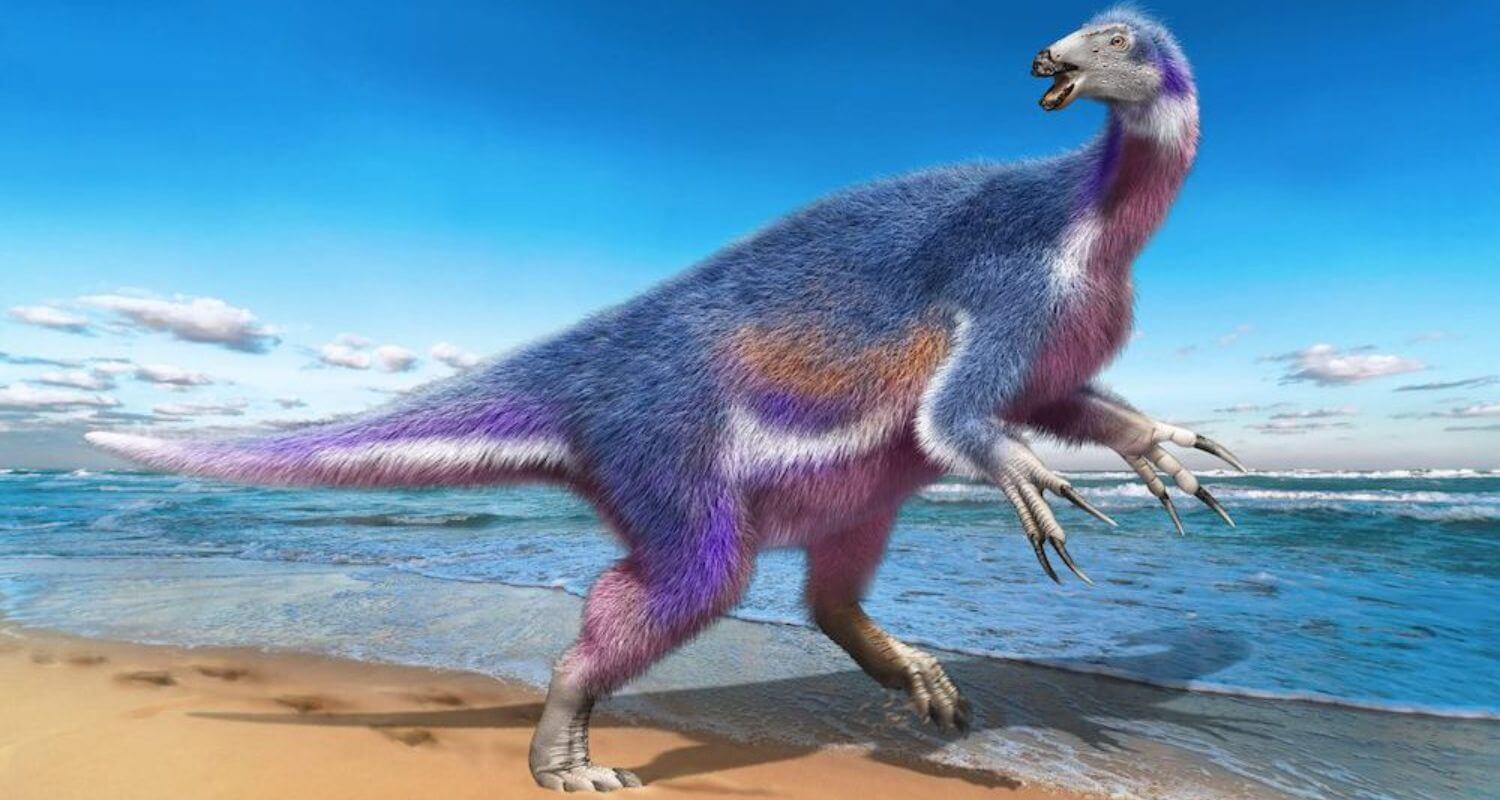 Las garras también desempeñaban un papel fundamental en la modificación del entorno. Los yacimientos de nidos fósiles demuestran que algunos dinosaurios las usaban para cavar hoyos poco profundos donde depositar los huevos o limpiar el área de anidamiento.
La conducta excavadora también les permitió regular su temperatura corporal, buscar refugio o crear espacios para descansar. Estas funciones demuestran que las garras eran esenciales para la supervivencia, más allá de la caza y la defensa.
Comportamientos similares se observan en animales actuales, lo que confirma que los dinosaurios eran seres activos y adaptables, y no solo depredadores agresivos.
Garras especializadas y adaptaciones evolutivas
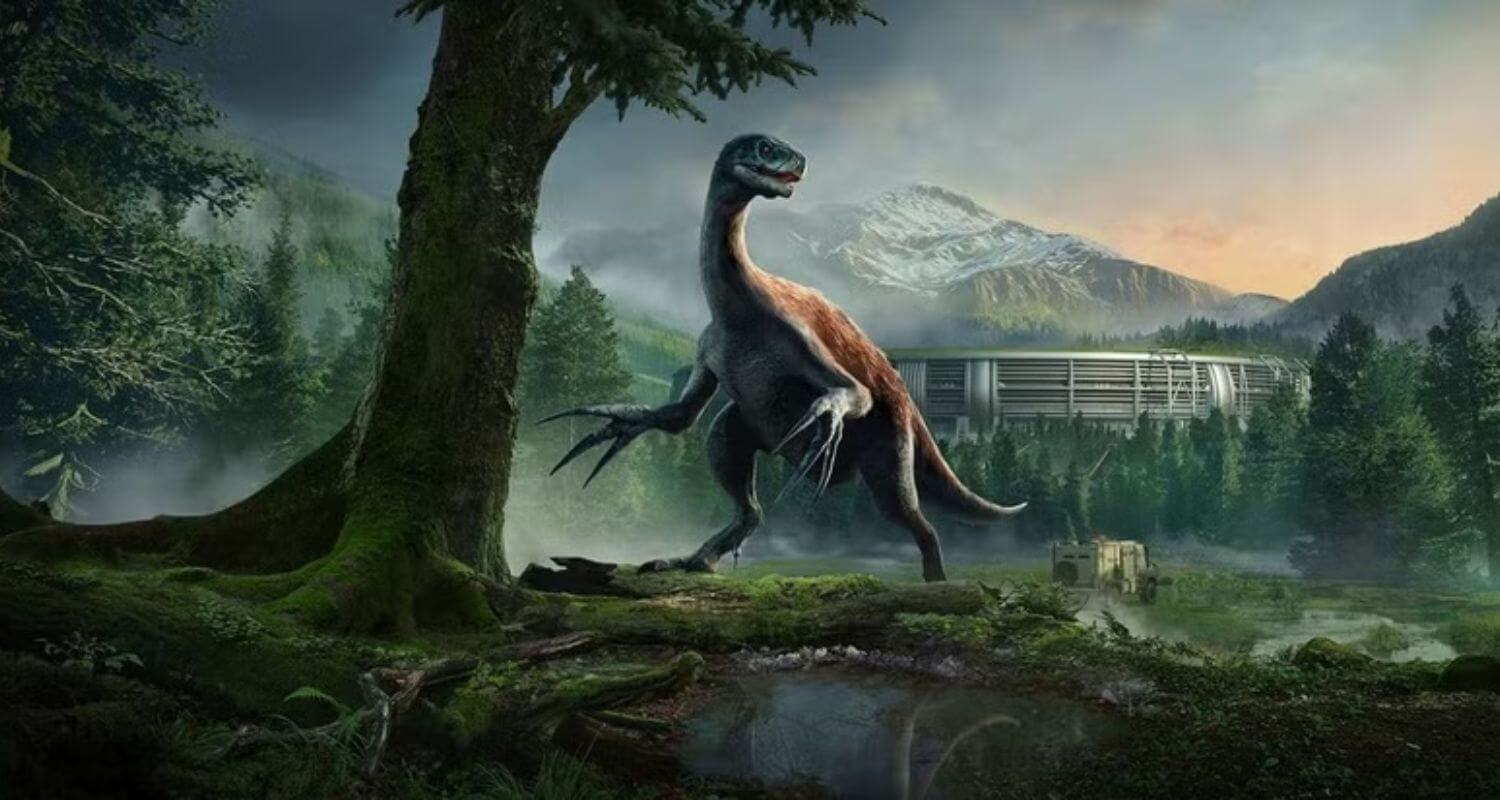
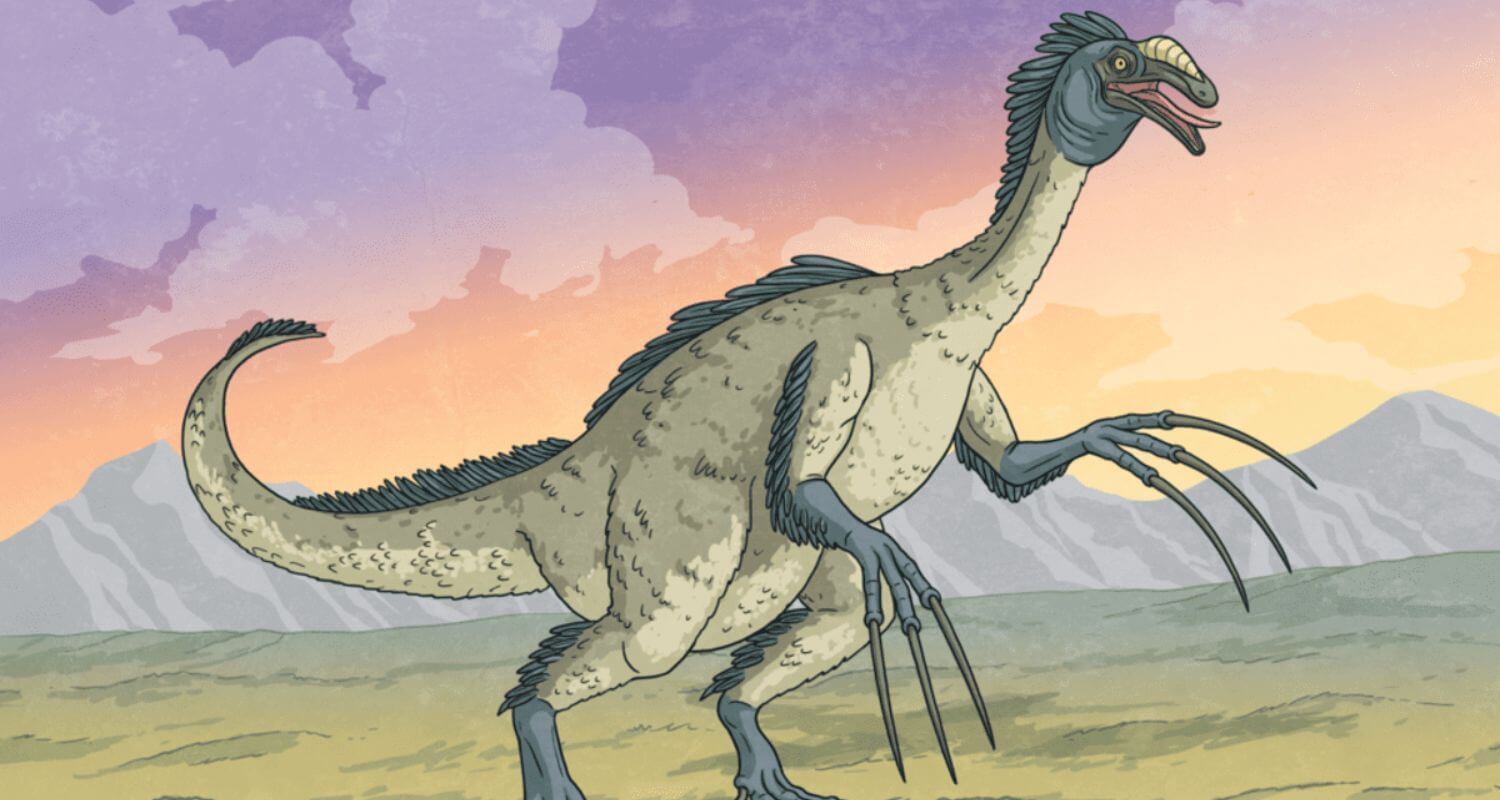 Algunas especies desarrollaron garras altamente especializadas. El Tericinosaurio es un ejemplo famoso: sus garras de las extremidades delanteras superaban el metro de longitud. Demasiado largas y frágiles para combatir eficazmente, los científicos concluyen que las usaba para alimentarse, por ejemplo, para atraer vegetación o arrancar hojas de las ramas.
Estas estructuras tan singulares demuestran que la evolución prioriza la funcionalidad sobre la apariencia. Incluso las garras más espectaculares evolucionaron para resolver retos del entorno, y no para dominar en las peleas.
Lo que las garras revelan sobre su comportamiento
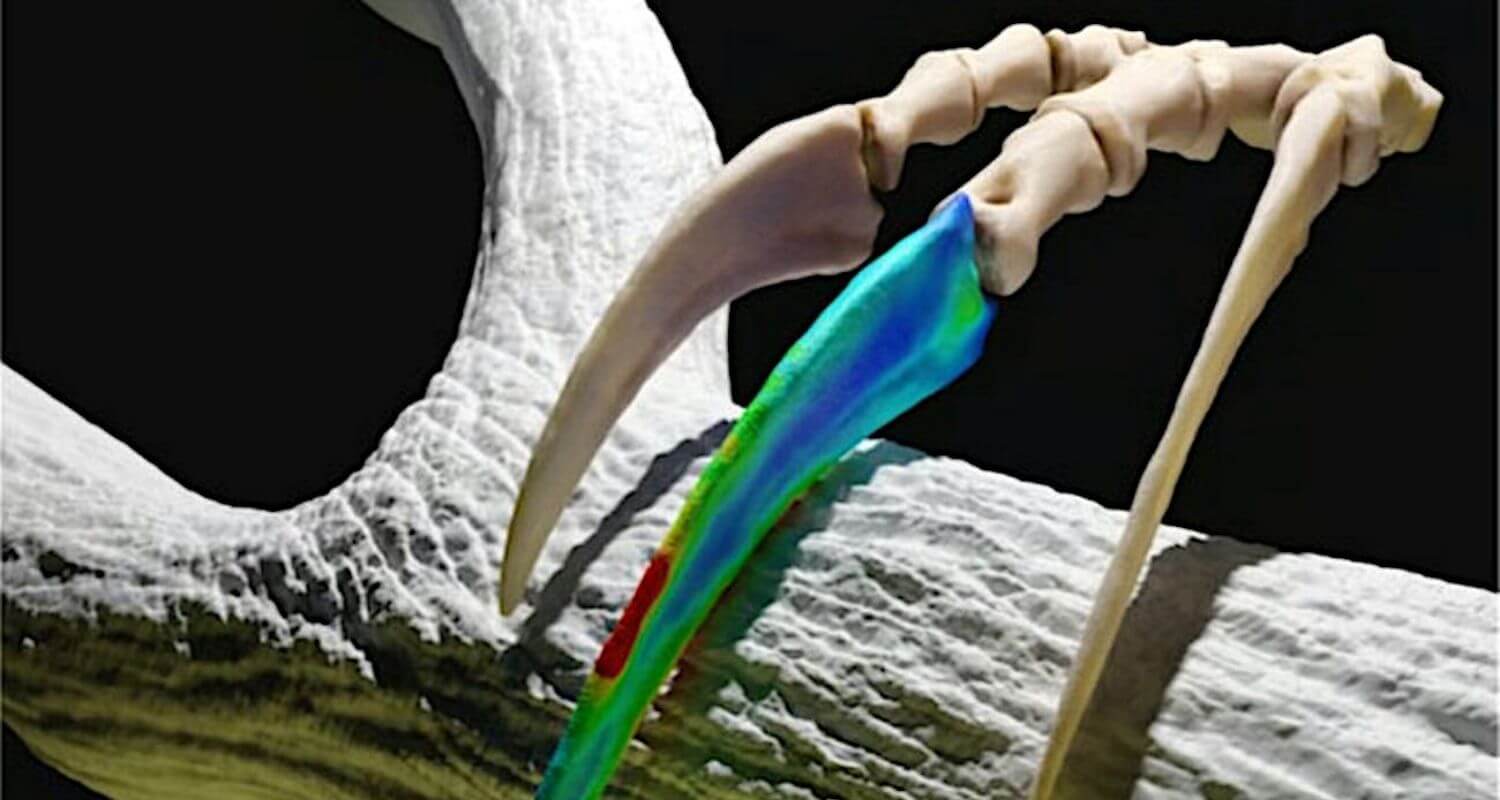 Estudiar las garras aporta valiosa información sobre la dieta, el hábitat y la rutina diaria de los dinosaurios. Su tamaño, forma y marcas de desgaste permiten reconstruir cómo se movían por su entorno y cómo se relacionaban con otras especies.
Además, son clave para entender los ecosistemas prehistóricos: revelan las relaciones entre depredadores y presas, las estrategias de alimentación e incluso conductas sociales, completando el panorama de la vida en la prehistoria.
Preguntas frecuentes
 ¿Las garras de los dinosaurios eran más afiladas que las de los animales actuales?
Algunas eran extremadamente afiladas, pero la mayoría presentaban un nivel similar al de las garras de aves y reptiles modernos, especialmente cuando contaban con su capa de queratina.
¿Los dinosaurios herbívoros tenían garras?
Sí. Numerosas especies herbívoras poseían garras destinadas a cavar, alimentarse e interactuar con el entorno, no a combatir.
¿Qué dinosaurio tenía las garras más peculiares?
El Tericinosaurio es el más destacado, por sus enormes y alargadas garras, que probablemente usaba para alimentarse y no para luchar.
Conclusión
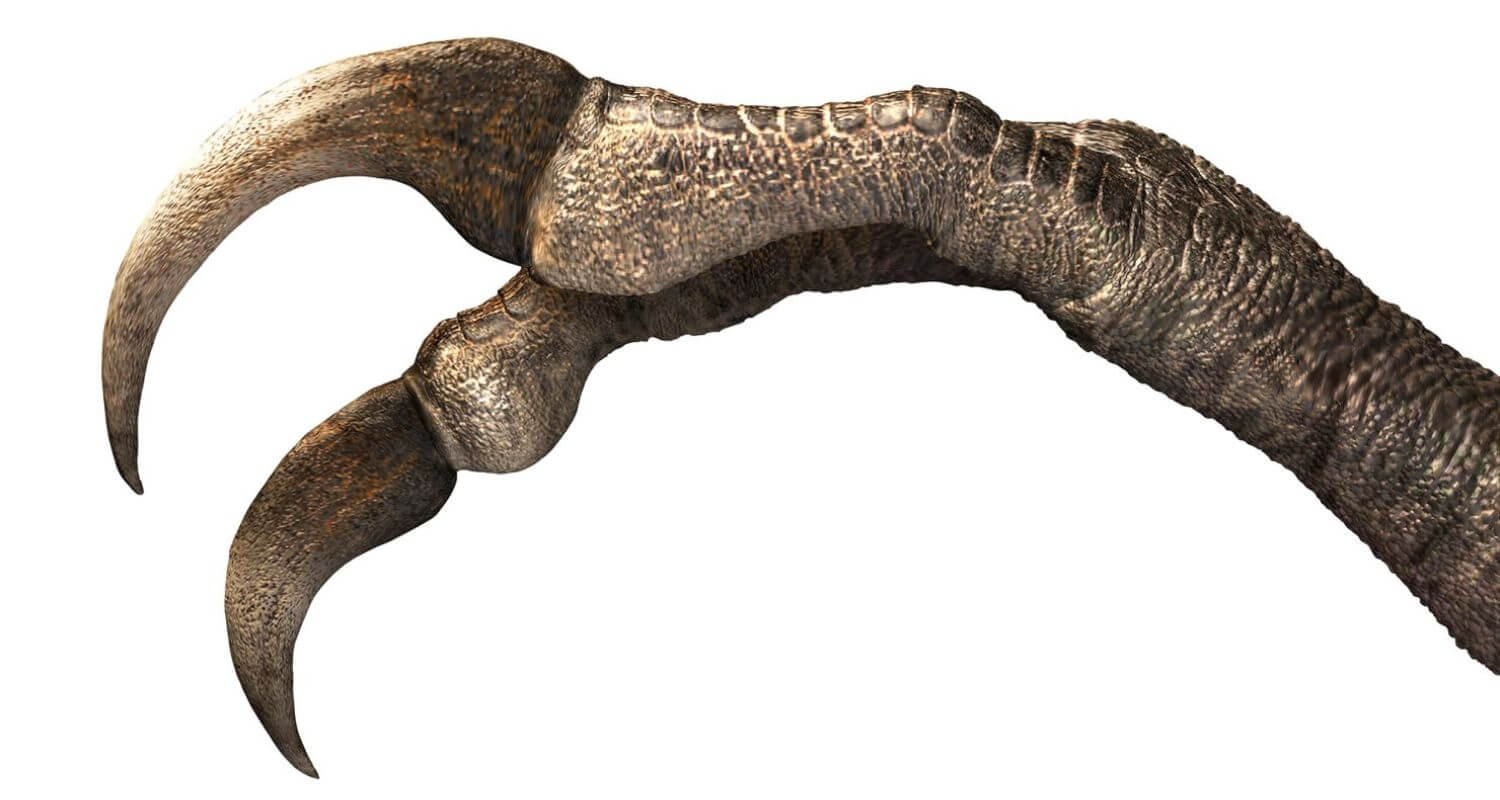 Las garras de los dinosaurios fueron mucho más que armas. Eran herramientas polivalentes para alimentarse, cavar, trepar, anidar, moverse y exhibirse. El combate fue solo una de sus múltiples funciones.
Al mirar más allá de la lucha, comprendemos a los dinosaurios como animales complejos y adaptables. Sus garras narran una historia de supervivencia, ingenio y convivencia con el entorno, una historia grabada en el hueso, la queratina y millones de años de evolución.
Etiquetas: