Sobre nosotros
La cultura Gecai está a la vanguardia de dar vida al pasado a través de nuestros dinosaurios animatrónicos de última generación, encantadoras criaturas animatrónicas, vibrantes linternas del festival chino y productos personalizados personalizados personalizados. Como fabricante profesional ubicado en el corazón de China, albergamos una pasión profundamente arraigada por mostrar nuestros dinosaurios y animales realistas en museos, exposiciones, zoológicos, parques y más, con el objetivo de encender una llama de curiosidad y aprendizaje en personas de todas las edades.
Obtenga una cotización gratuita
Conocimiento De Dinosaurios
¿Qué tan inteligentes eran los dinosaurios? Dentro de la ciencia de los cerebros de los dinosaurios
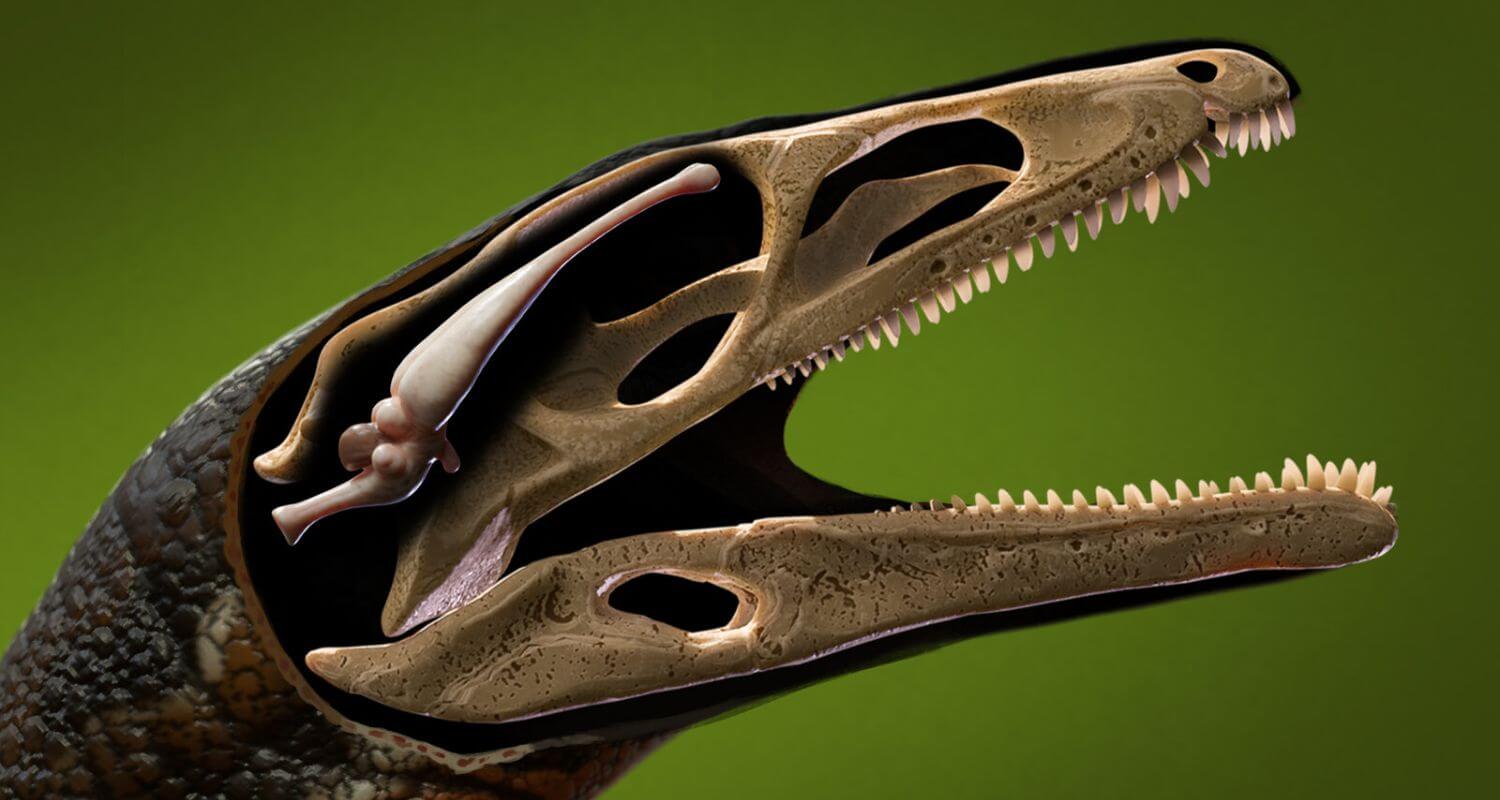 Durante décadas, los dinosaurios fueron descritos como gigantes torpes y poco inteligentes, moviéndose únicamente por instinto y no por raciocinio. La cultura popular los retrataba como seres con cerebros diminutos y capacidades mentales muy limitadas. Sin embargo, la ciencia moderna ofrece una visión completamente distinta.
Gracias a los avances en paleontología, técnicas de imagen y comparaciones con animales actuales, los investigadores hoy sostienen que muchas especies de dinosaurios fueron mucho más inteligentes y complejos en su comportamiento de lo que se creía. ¿Qué tan inteligentes eran realmente? ¿Y qué les permitía hacer su cerebro?
Reevaluando la inteligencia de los dinosaurios
 Al hablar de inteligencia, solemos tomar como referencia el ser humano: razonamiento abstracto, lenguaje o uso de herramientas. Pero para analizar la inteligencia animal, especialmente en especies extintas, debemos adoptar otro enfoque.
Para los dinosaurios, la inteligencia estaba al servicio de la supervivencia. Incluía percepción sensorial, capacidad para resolver problemas, conductas sociales, estrategias de caza y adaptación a entornos cambiantes. Desde esta perspectiva, dejan de ser monstruos irracionales para convertirse en animales prehistóricos sofisticados, moldeados por la evolución.
Cómo estudian los científicos los cerebros de los dinosaurios
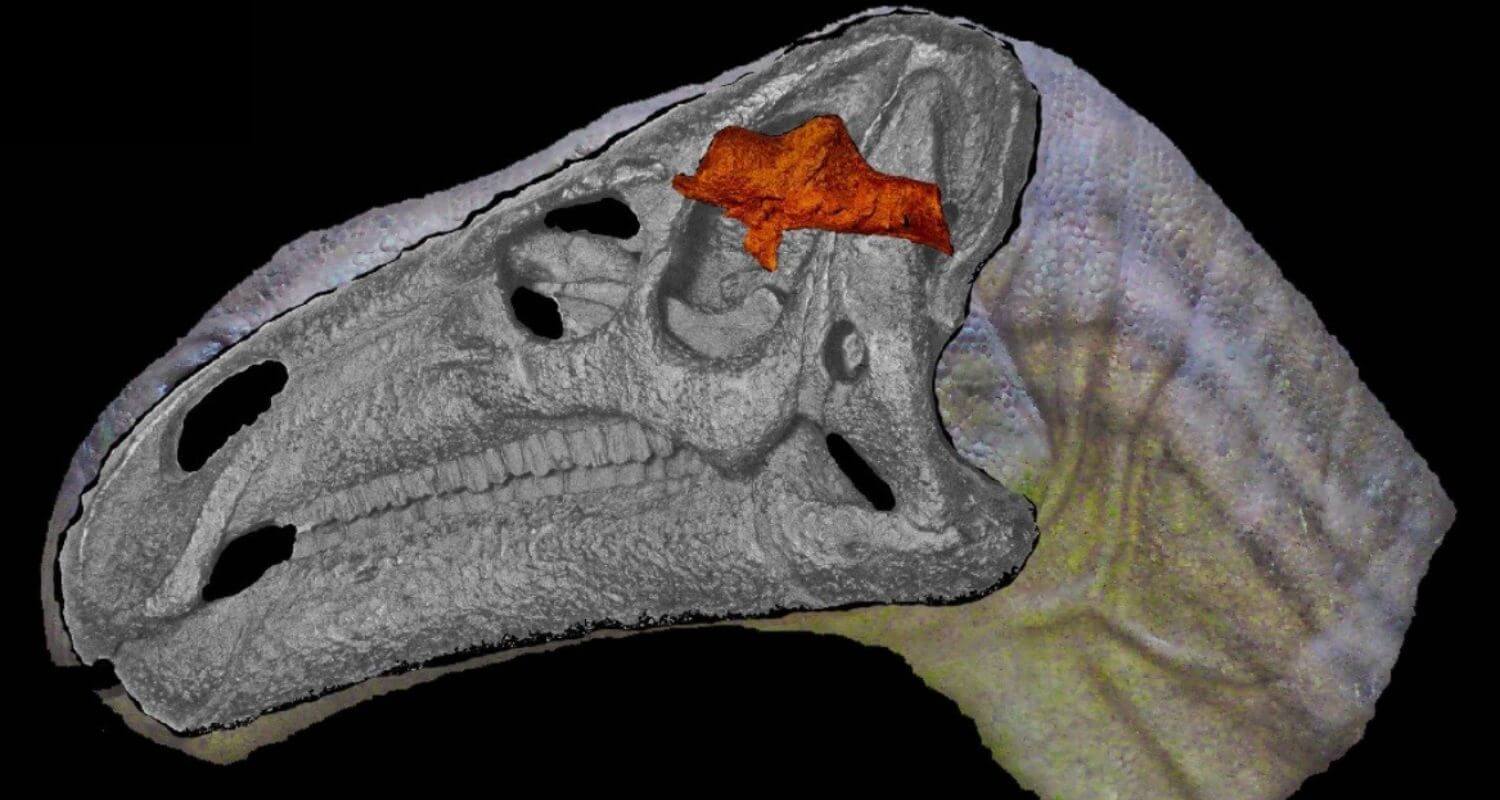 Los cerebros de los dinosaurios no se han conservado como fósiles, pero dejaron numerosas pistas.
Cráneos fósiles y moldes endocraneales
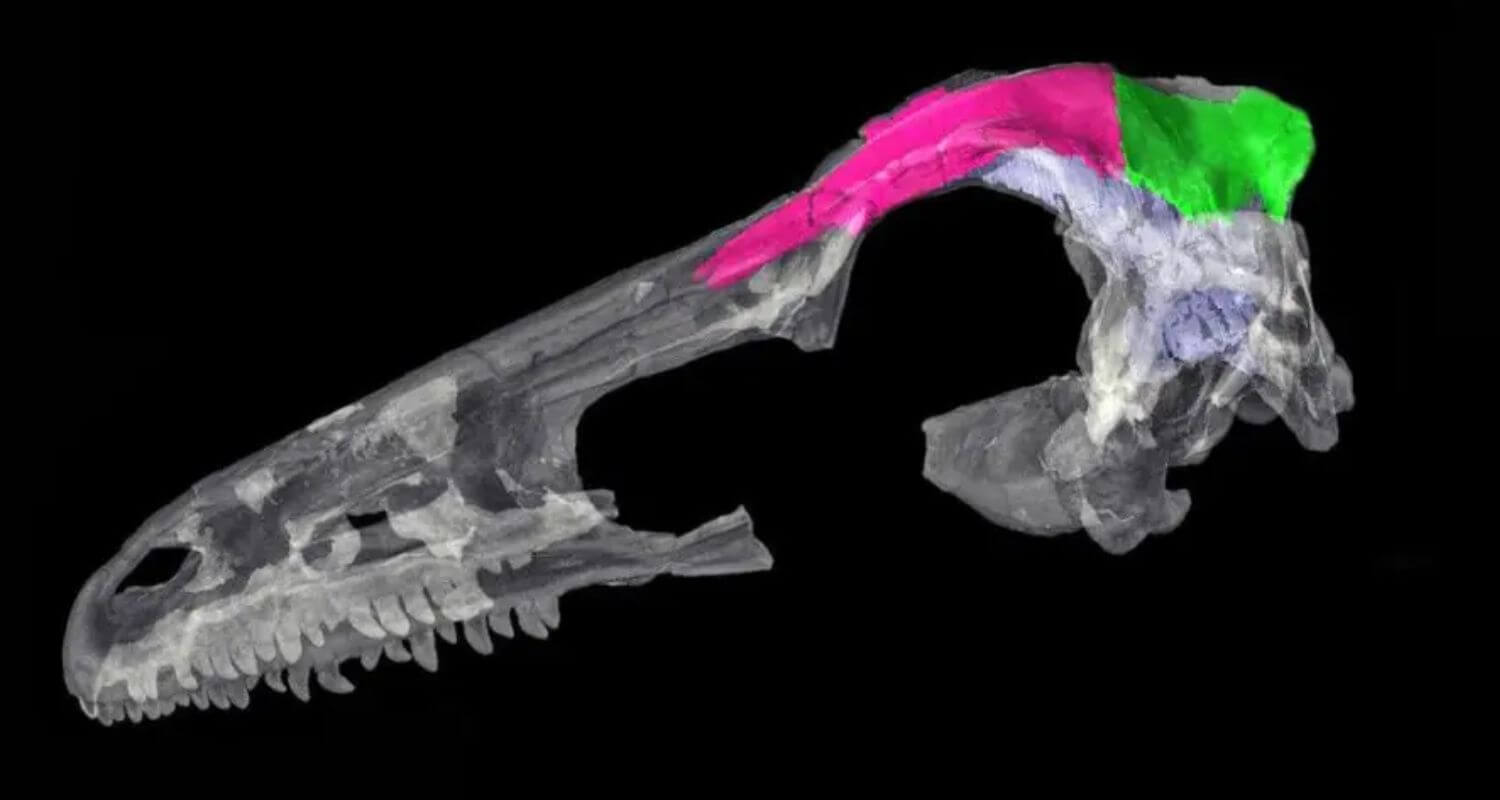
Cuando los sedimentos rellenan la cavidad craneal y se endurecen, se forman moldes naturales llamados endocastos. Estas piezas fósiles revelan el tamaño, la forma general del cerebro y sus principales regiones sensoriales.
Tomografías computarizadas y reconstrucciones digitales
La tomografía computarizada moderna permite crear modelos tridimensionales detallados del cerebro de los dinosaurios sin dañar los fósiles. Esta técnica muestra las áreas vinculadas a la visión, el equilibrio, el olfato y la coordinación.
Limitaciones de las pruebas
Los tejidos blandos casi no fosilizan, y además el cerebro no ocupaba la totalidad de la cavidad craneal. Por ello, las reconstrucciones son estimaciones y no réplicas exactas. Aun así, combinadas con los indicios de comportamiento, aportan información muy valiosa.
Tamaño cerebral vs. tamaño corporal: ¿Más grande significa más inteligente?
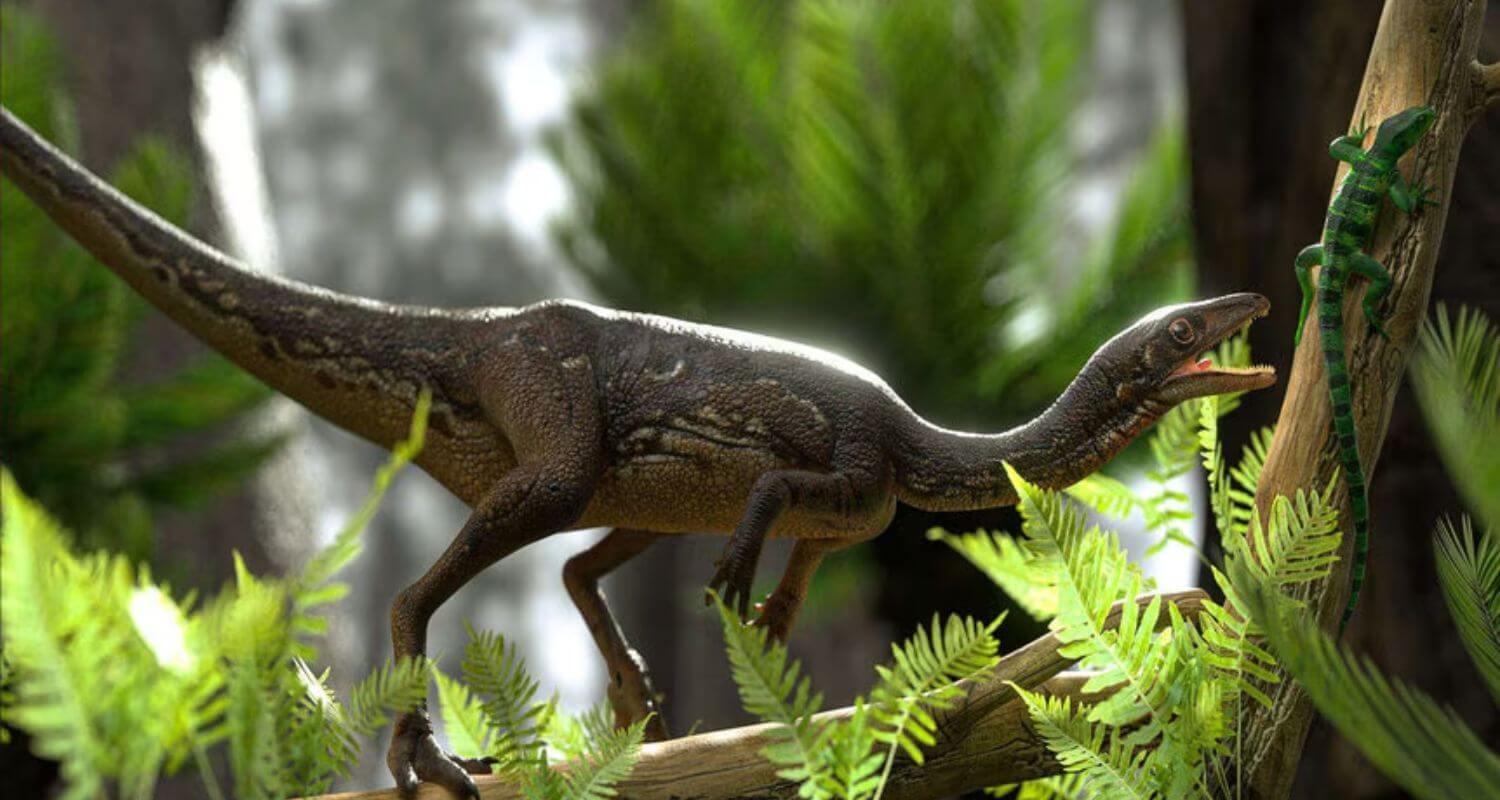 Una de las ideas erróneas más comunes es creer que la inteligencia depende del tamaño absoluto del cerebro. Es cierto que, en proporción a sus cuerpos gigantes, muchos dinosaurios tenían cerebros pequeños, pero esta comparación resulta engañosa.
Los científicos utilizan el cociente de encefalización para relacionar el tamaño cerebral con el corporal. Un valor más alto indica mayor potencial cognitivo.
Los saurópodos como el Brachiosaurio presentaban cocientes muy bajos, lo que corresponde a necesidades conductuales sencillas.
Los terópodos, como el Troodon y el Velociráptor, tenían valores mucho más elevados, semejantes a los de las aves actuales.
El cociente de encefalización no mide la inteligencia de forma directa, pero sirve como una referencia útil para establecer comparaciones.
Pruebas que demuestran que los dinosaurios eran más inteligentes de lo que se pensaba
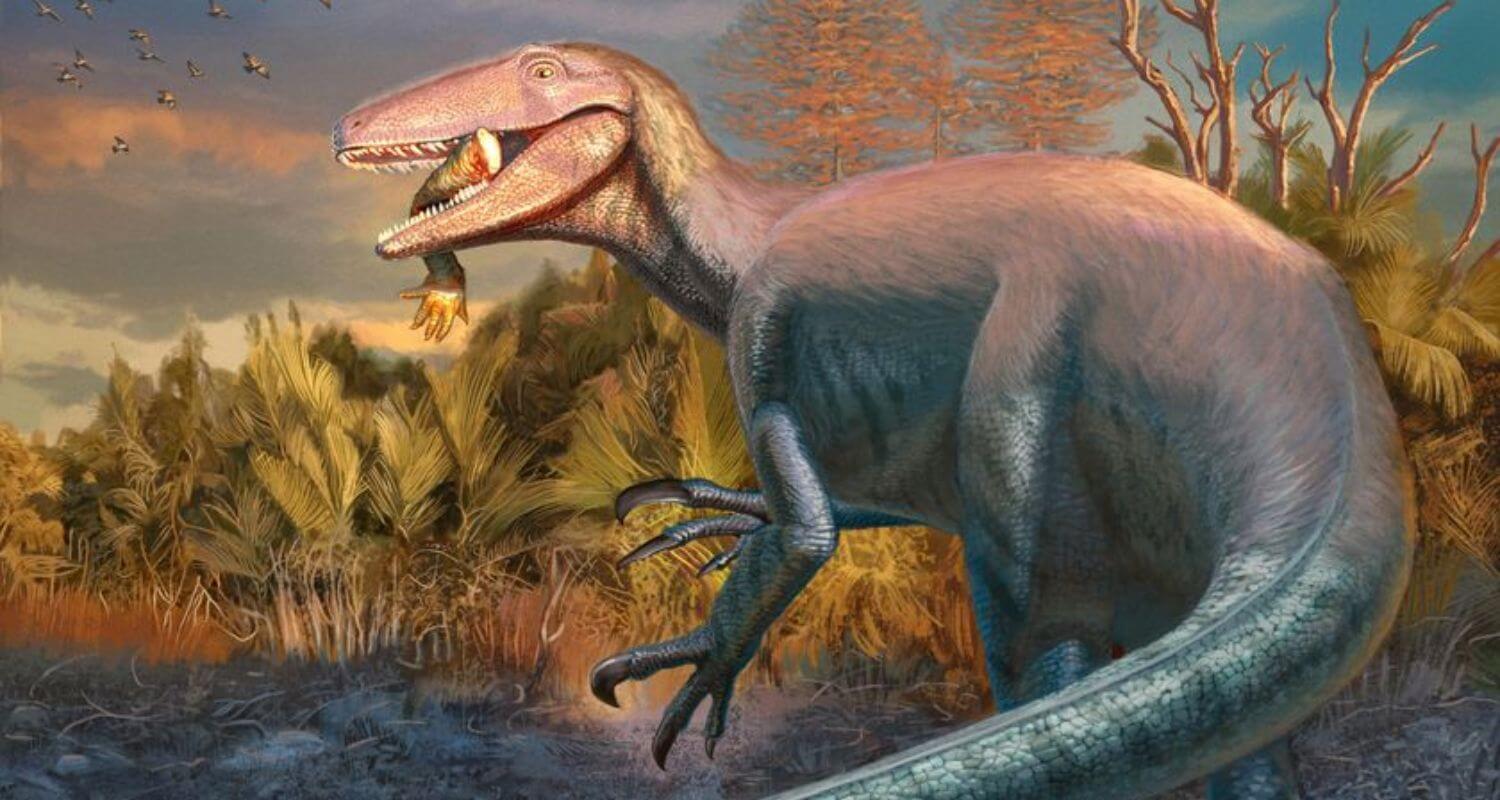 Los fósiles no solo conservan huesos, sino también huellas de conductas.
Estrategias de caza complejas
Algunos terópodos cazaban mediante emboscadas, velocidad y coordinación, en lugar de recurrir solo a la fuerza bruta. Las huellas fosilizadas demuestran que ciertas especies se movían en manadas, lo que evidencia cooperación entre individuos.
Comportamiento social y vida en manadas
Grandes herbívoros como los hadrosaurios vivían en grupos, lo cual requiere comunicación, percepción del entorno y movimientos coordinados.
Anidamiento y cuidado parental
Los nidos fósiles y restos de crías confirman que muchas especies protegían los huevos y cuidaban a sus descendientes, una conducta vinculada a una mayor capacidad cognitiva.
¿Cuáles eran los dinosaurios más inteligentes?
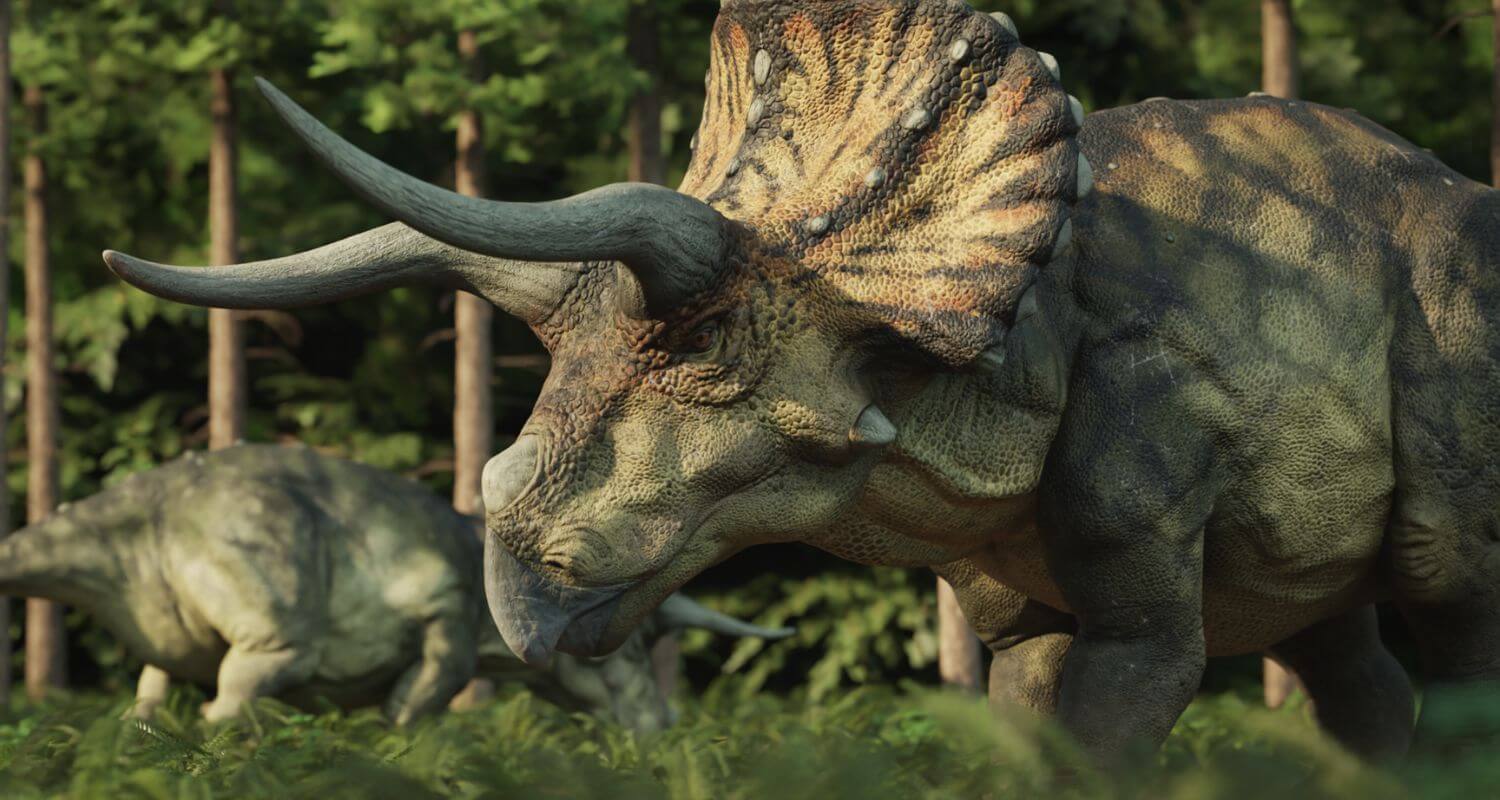 No todas las especies contaban con el mismo nivel de capacidad mental.
Troodon
Es considerado frecuentemente el dinosaurio más inteligente. Poseía una de las mejores relaciones cerebro-cuerpo de todas las especies conocidas. Sus grandes ojos indican una excelente visión nocturna y un procesamiento sensorial avanzado.
Velociráptor
Mucho más pequeño y ligero que su representación en el cine, el Velociráptor era un depredador ágil con un cerebro relativamente grande. Su inteligencia le permitía tomar decisiones rápidas y realizar movimientos precisos.
Tyrannosaurus rex
A pesar de su temible reputación, el T. rex tenía un cerebro bien desarrollado para su tamaño, especialmente en las áreas dedicadas al olfato y la visión. Destacaba por su gran capacidad sensorial, más que por un razonamiento complejo.
Herbívoros vs. carnívoros: distintos tipos de inteligencia
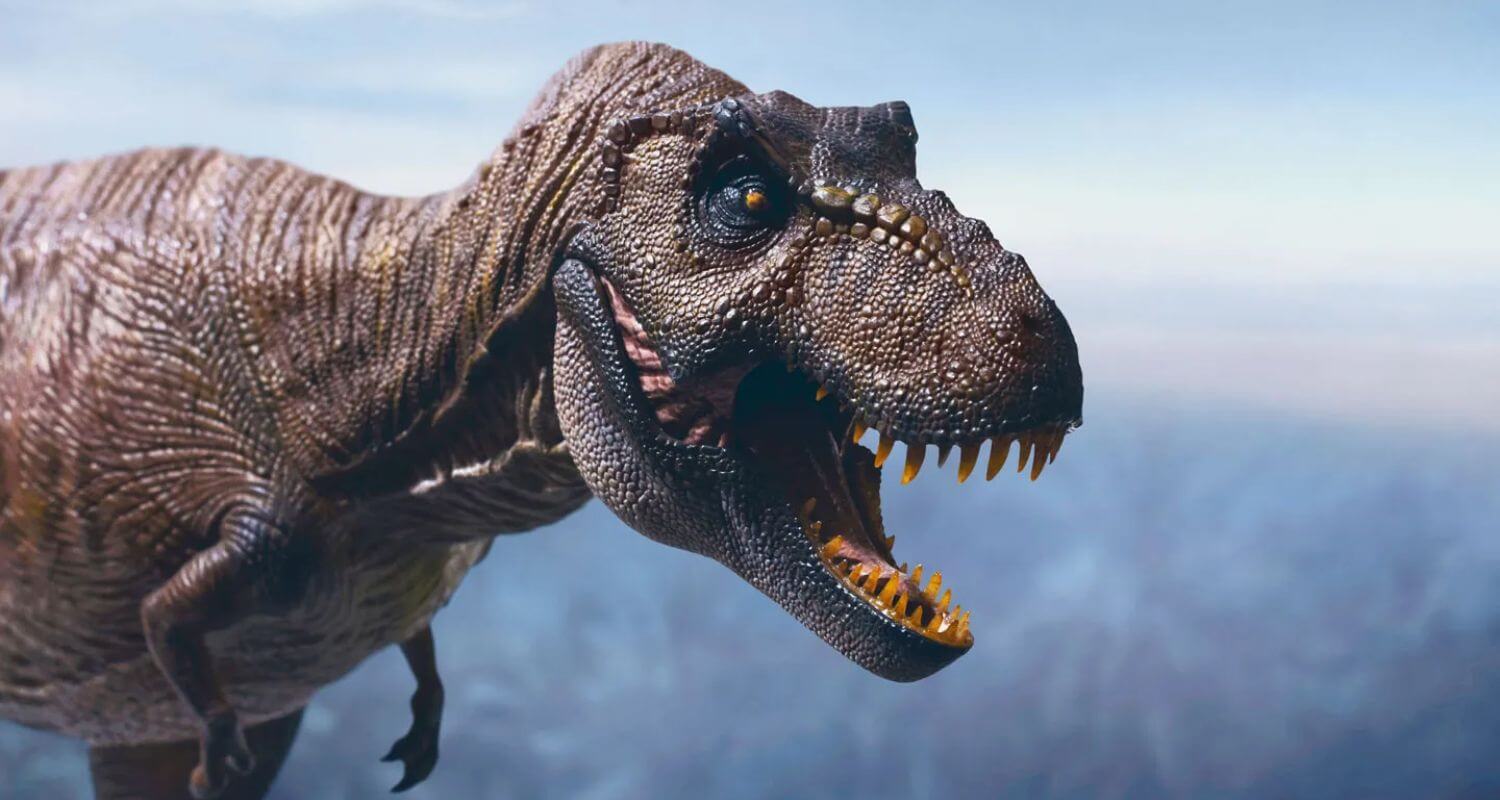 Los dinosaurios carnívoros destacaban por su inteligencia sensorial y motriz, mientras que los herbívoros desarrollaban habilidades sociales y defensivas.
Carnívoros: necesitaban reacciones rápidas, percepción espacial y estrategias de caza.
Herbívoros: dependían de la vida en grupo, rutas de migración y detección de amenazas.
En este sentido, su inteligencia fue moldeada por su rol en el ecosistema, no por una escala de superioridad.
Dinosaurios, aves y la evolución de la inteligencia
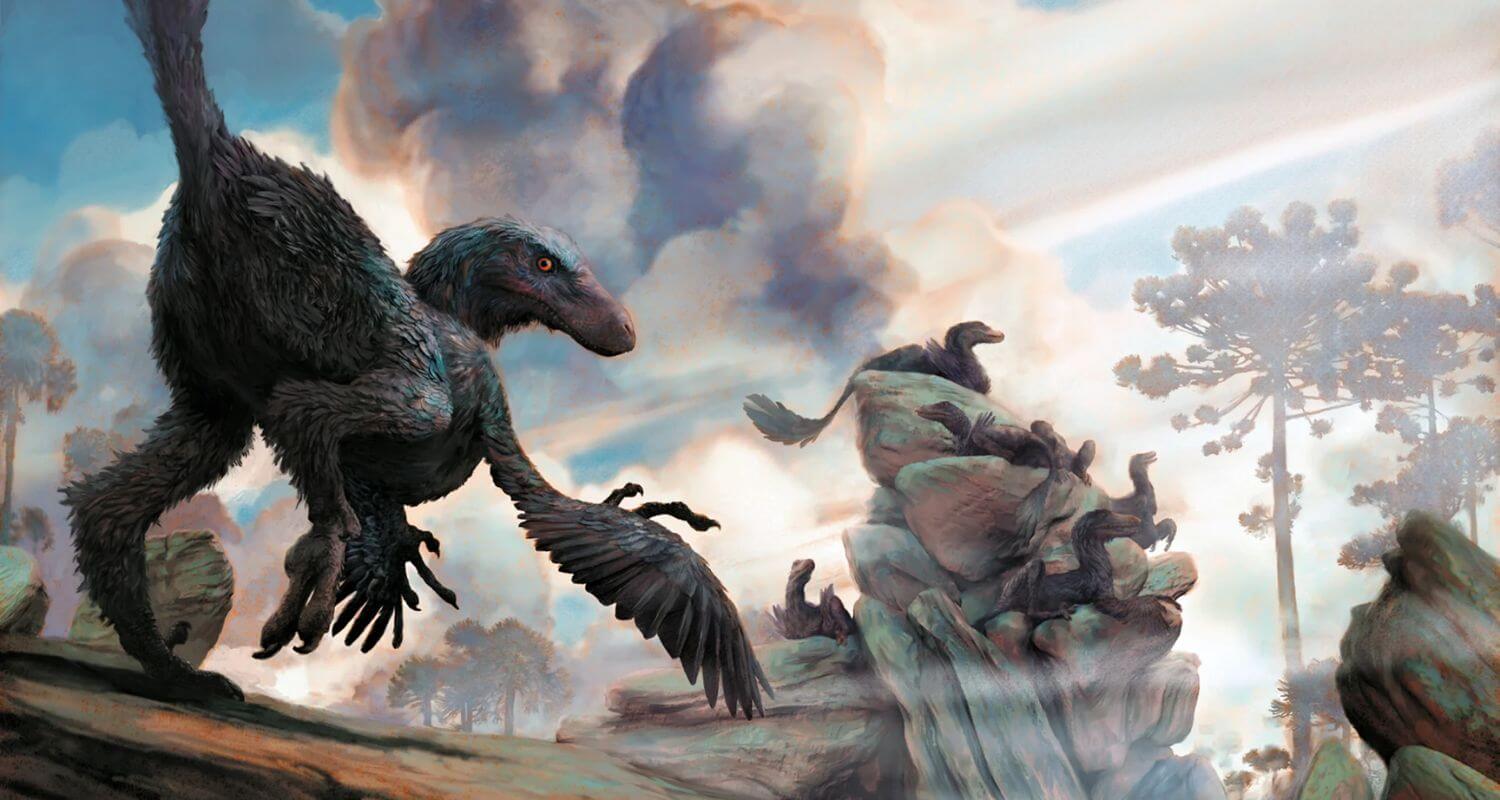 Las aves actuales son dinosaurios vivos. Esta conexión transforma nuestra forma de entender la cognición prehistórica.
Similitudes en la estructura cerebral
Los terópodos compartían características cerebrales con las aves, como regiones amplias dedicadas al equilibrio y la coordinación.
Lo que nos enseña la inteligencia de las aves
Cuervos, loros y cornejas son capaces de resolver problemas, retener memoria e incluso usar herramientas. Estas habilidades sugieren que sus antepasados dinosaurios ya contaban con bases cognitivas similares.
Continuidad evolutiva del comportamiento
La inteligencia de los dinosaurios no desapareció, sino que evolucionó y se diversificó, hasta llegar al presente en forma de aves emplumadas.
Mitos comunes sobre el cerebro de los dinosaurios
«Los dinosaurios tenían cerebros del tamaño de una nuez»
Aunque algunos ejemplares de gran tamaño tenían cerebros pequeños en proporción a su cuerpo, muchas especies contaban con órganos perfectamente adaptados a sus funciones.
El mito del «segundo cerebro»
La idea de que los dinosaurios tenían un segundo cerebro cerca de las caderas es obsoleta. En realidad, se trataba de un grupo de nervios que controlaba las patas y la cola.
Inteligencia frente al pensamiento humano
Los dinosaurios no desarrollaron herramientas ni manifestaciones artísticas. Su inteligencia era práctica, funcional y orientada exclusivamente a la supervivencia.
Conclusión: Redefiniendo la inteligencia de los dinosaurios
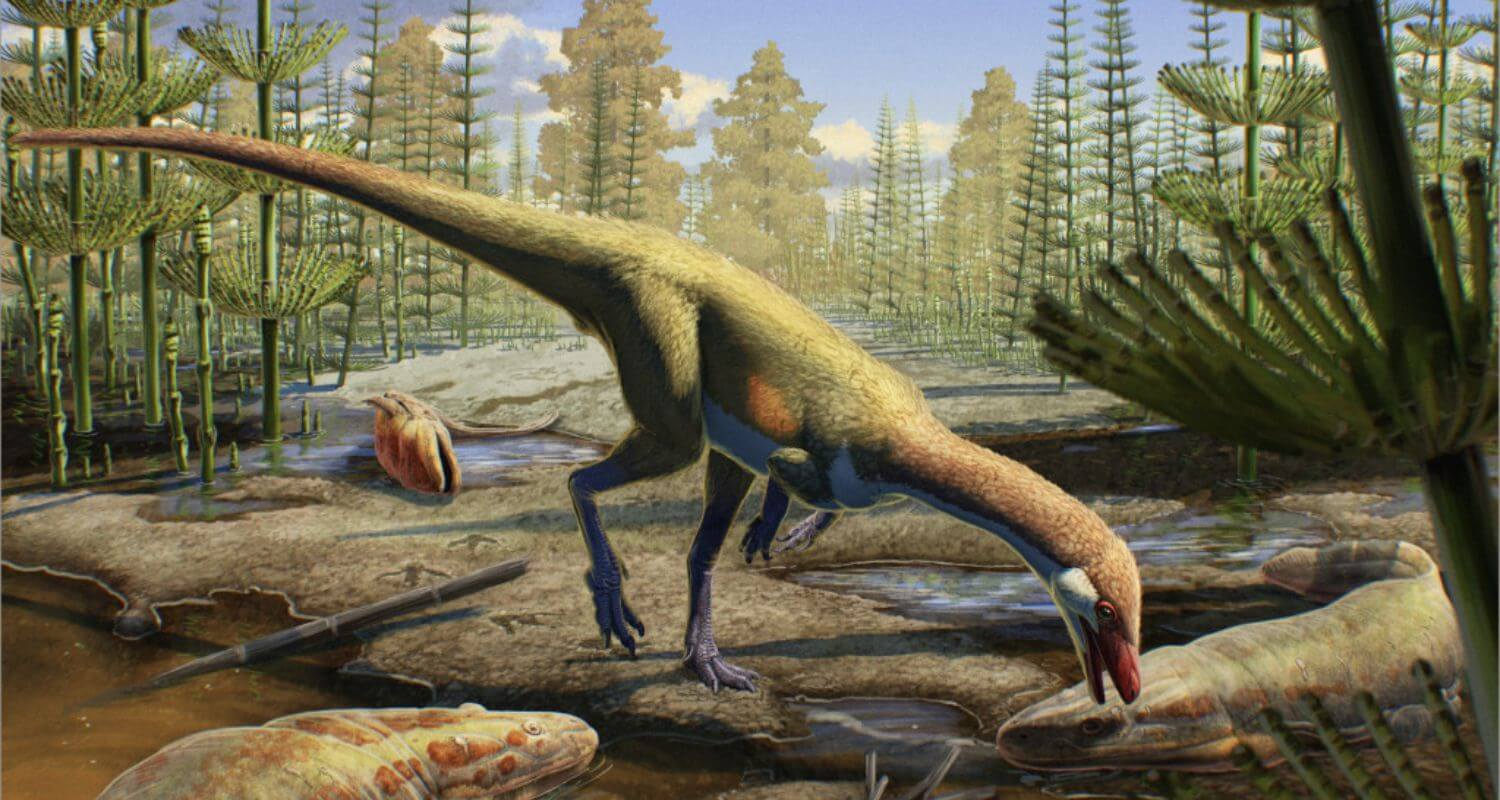 Los dinosaurios no fueron seres fracasados en la evolución con cerebros insignificantes. Fueron animales adaptables, receptivos y con una gran diversidad de comportamientos que dominaron la Tierra durante más de 160 millones de años.
Estudiar su cerebro nos ayuda a comprender cómo evoluciona la inteligencia, cómo el comportamiento influye en la supervivencia y cómo la vida se adapta a lo largo de enormes periodos geológicos. Lejos de ser brutos torpes, los dinosaurios pensaban a su manera prehistórica, y su legado permanece vivo cada vez que un ave alza el vuelo.
Etiquetas: