À propos de nous
Gecai Culture est à l'avant-garde pour donner vie au passé grâce à nos dinosaures animatroniques ultramodernes, à nos créatures animatroniques enchanteresses, à nos lanternes de festival chinois vibrantes et à nos produits personnalisés sur mesure. En tant que fabricant professionnel niché au cœur de la Chine, nous entretenons une passion profonde pour présenter nos dinos et animaux réalistes dans les musées, les expositions, les zoos, les parcs et au-delà, dans le but d'allumer une flamme de curiosité et d'apprentissage chez les personnes de tous âges.
Obtenez un devis gratuit
Connaissance des dinosaures
Diplomatie des dinosaures : preuves des troupeaux et du comportement social
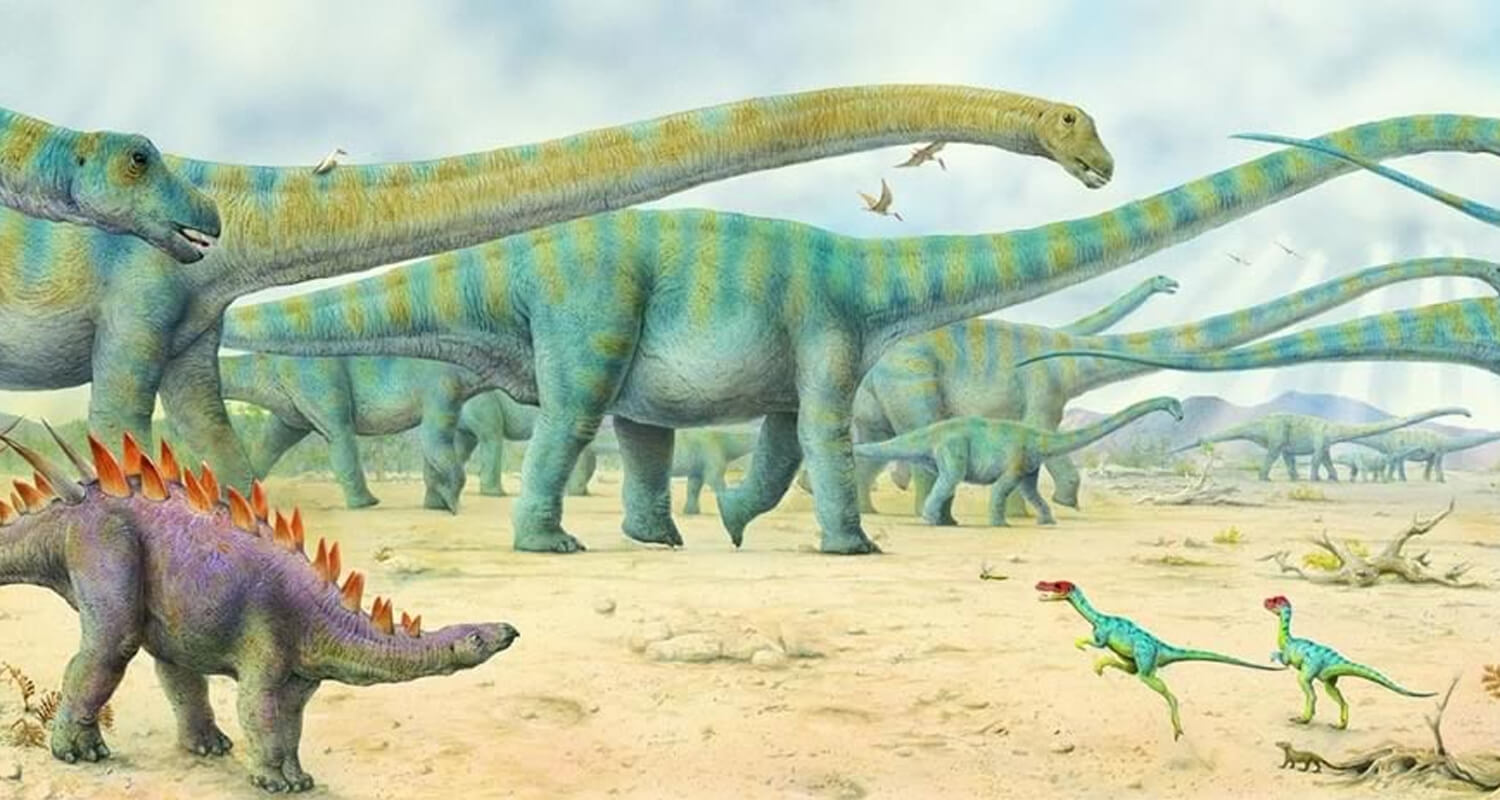 Dinosaurs have long captured our imagination as solitary, fearsome creatures, but mounting evidence reveals a different side of their existence—one marked by cooperation, social bonds, and complex herd behavior. From fossilized mass death sites to organized trackways and communal nesting grounds, paleontologists have uncovered remarkable clues pointing to the social lives of these ancient reptiles. Understanding dinosaur diplomacy not only sheds light on their survival strategies but also offers a glimpse into the intricate ecosystems they once ruled.
Fossil Evidence of Dinosaur Herds
 Mass Death Sites
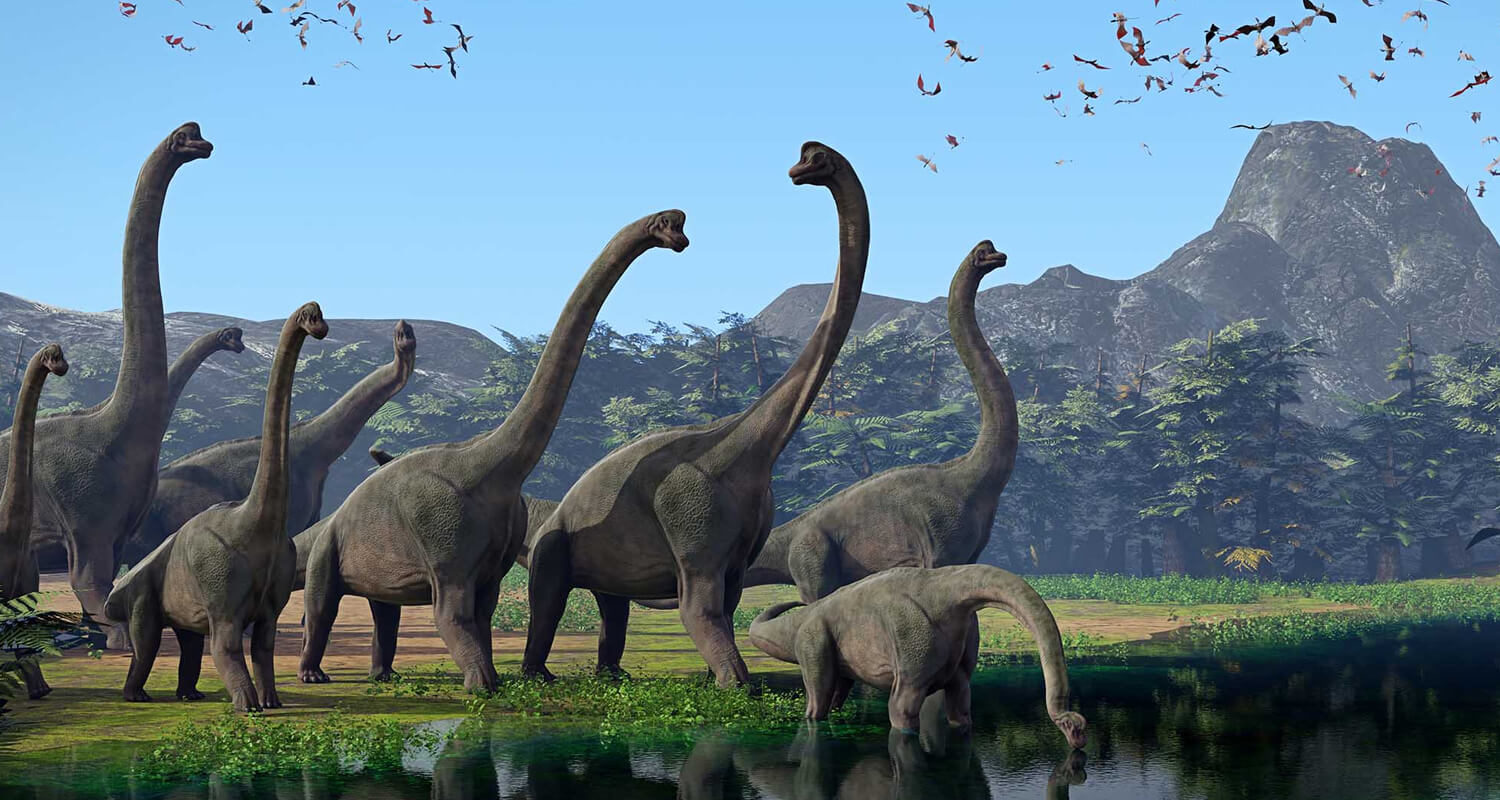
One of the most compelling pieces of evidence for dinosaur herding behavior comes from mass death sites. These fossilized bone beds contain the remains of dozens—or even hundreds—of individuals from the same species, indicating they likely traveled together. For example, a Maiasaura bone bed in Montana revealed the skeletal remains of both juveniles and adults, suggesting they moved in large family groups. Similarly, a massive Camarasaurus bone bed in Wyoming supports the theory of sauropod herd migration.
Trackways and Footprints
Dinosaur trackways provide another window into their social behavior. Parallel and evenly spaced footprints indicate groups moving together in an organized fashion, rather than randomly scattered individuals. In Canada, trackways of the hadrosaur Edmontosaurus display clear signs of coordinated movement, with juveniles positioned in the center—likely for protection—while adults walked on the periphery. Such patterns mirror modern herd animals, like elephants, that protect their young during migration.
Nesting Sites and Parental Care
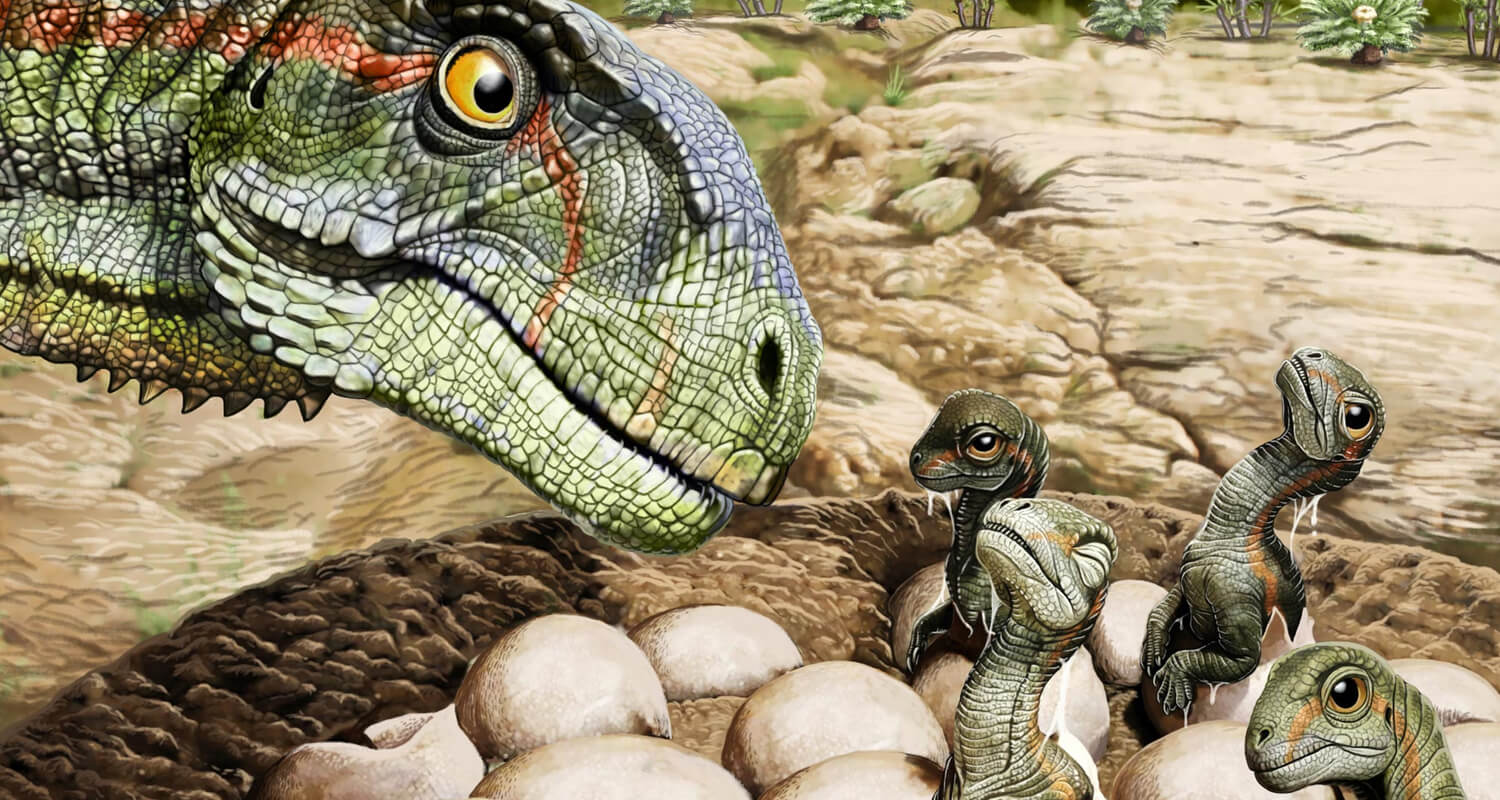
Communal nesting grounds reveal the social nature of some dinosaurs. The discovery of extensive nesting sites, such as those of Maiasaura, shows that certain species gathered to lay and protect their eggs. Fossilized nests containing embryos and hatchlings indicate that some dinosaurs, like Oviraptor, may have exhibited parental care. The presence of multiple nests in a single area suggests communal breeding grounds, further reinforcing the concept of dinosaur social structures.
Species with Confirmed Social Behavior
Sauropods: The Gentle Giants in Herds
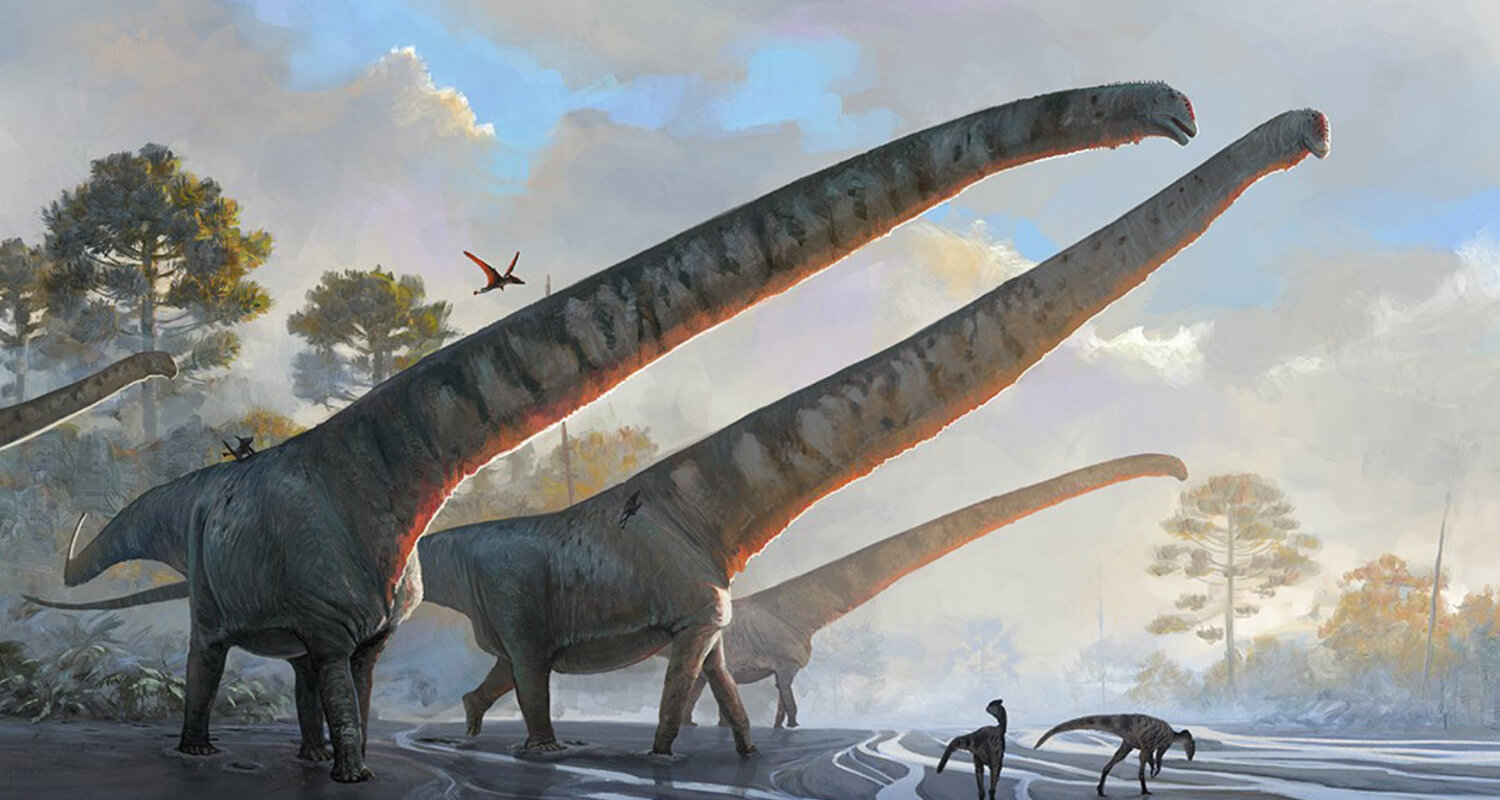 Sauropods, the long-necked giants, are believed to have migrated in large herds. Their fossilized trackways often display parallel movement patterns, suggesting synchronized travel. Herding offered safety in numbers, making it harder for predators to target individuals. Some paleontologists believe sauropod herds may have covered vast distances, much like modern-day wildebeests.
Ceratopsians: Social Defense Experts
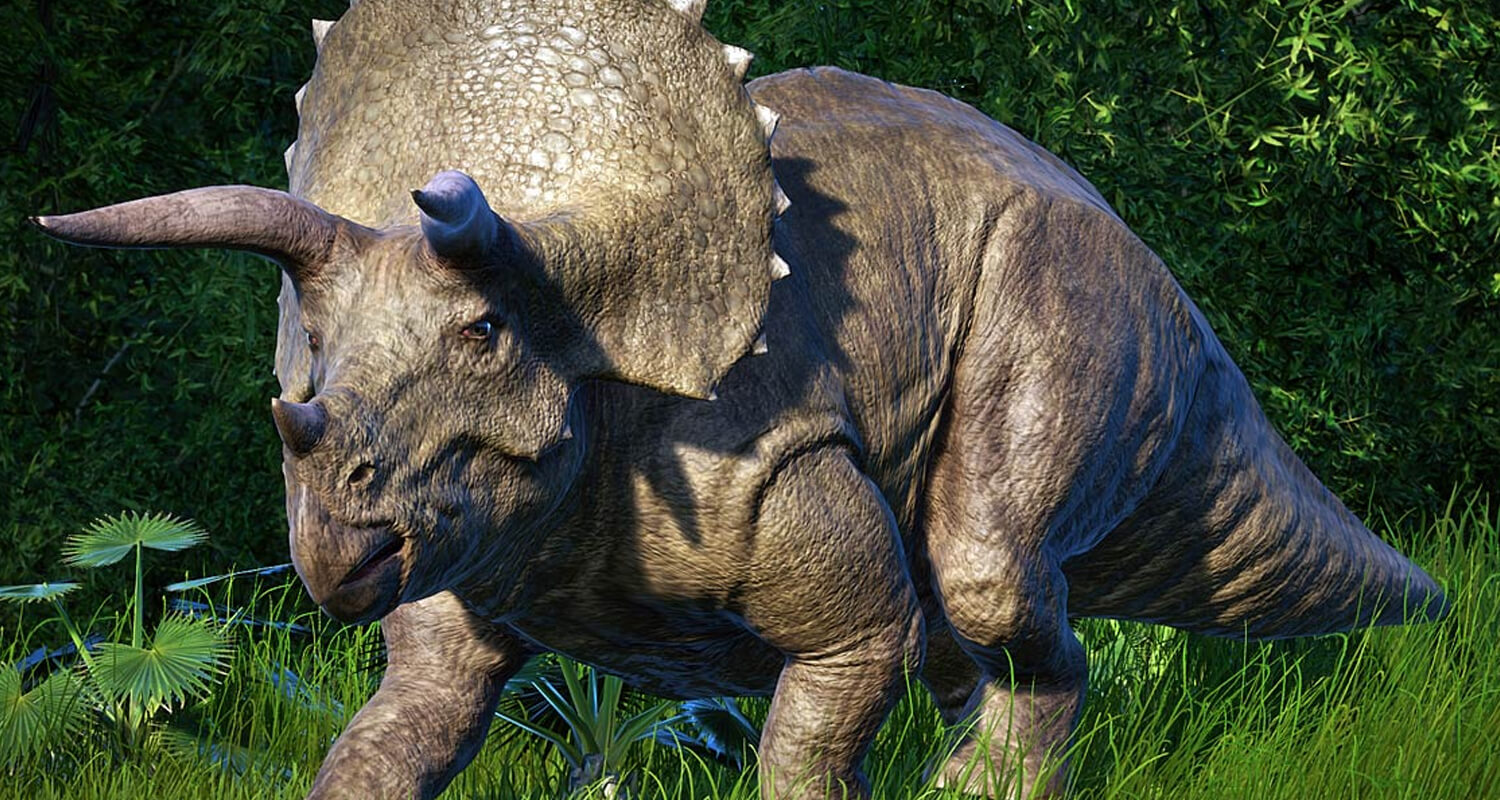 Ceratopsians, such as Triceratops and Centrosaurus, also displayed social tendencies. Fossilized bone beds containing dozens of individuals indicate group living. Scientists speculate that ceratopsians used their formidable horns and frills in coordinated defense against predators like Tyrannosaurus rex. Similar to bison, they may have formed protective circles around their young.
Hadrosaurs: The Duck-Billed Herds
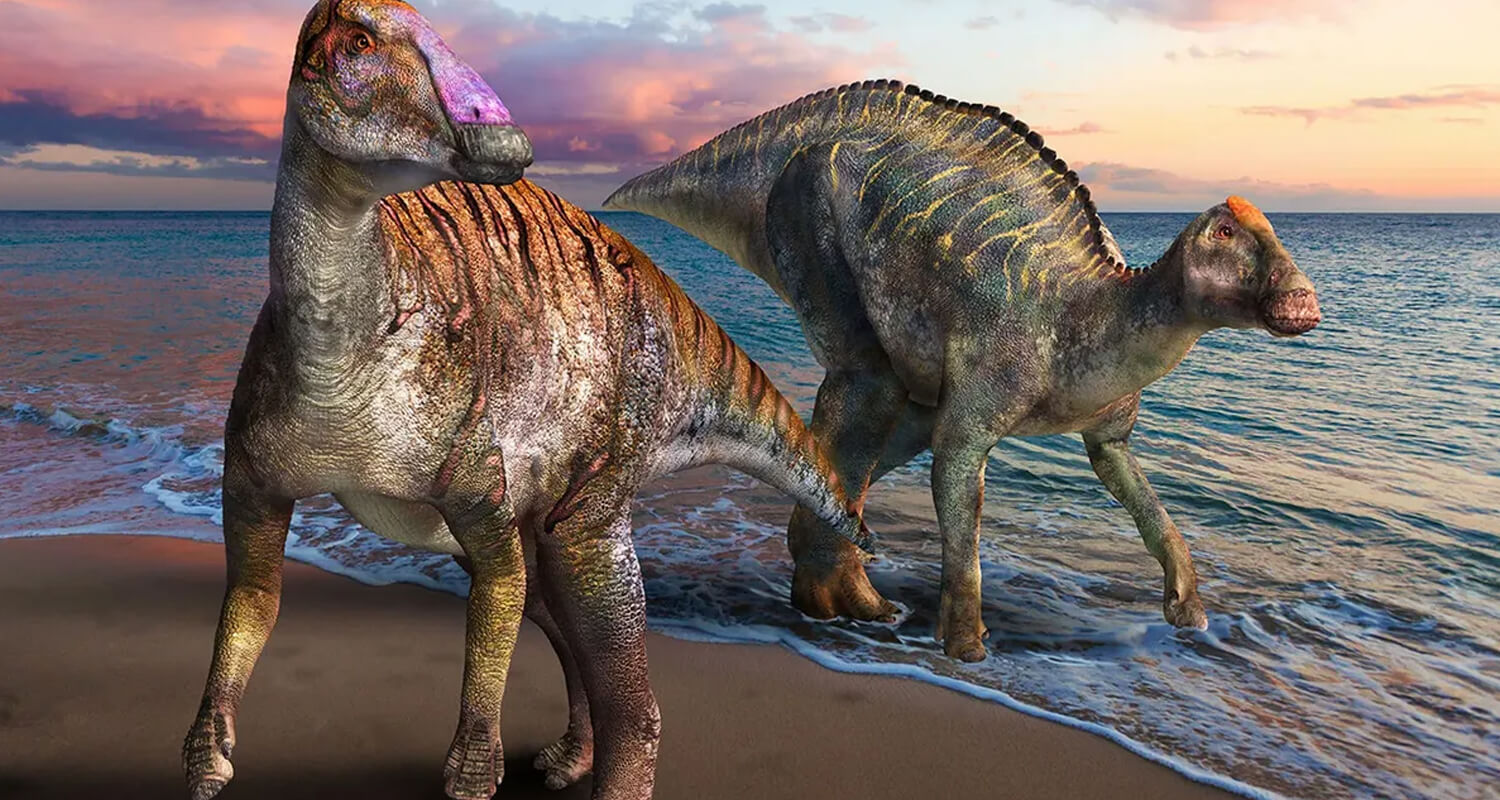 Hadrosaurs, known for their distinctive duck-billed appearance, were among the most social dinosaurs. Fossil sites in North America have revealed vast nesting grounds with hundreds of individuals. These large groups likely moved in herds, providing collective protection from predators. The presence of both adults and juveniles suggests multigenerational herding behavior.
Theropods: Pack or Opportunistic Hunters
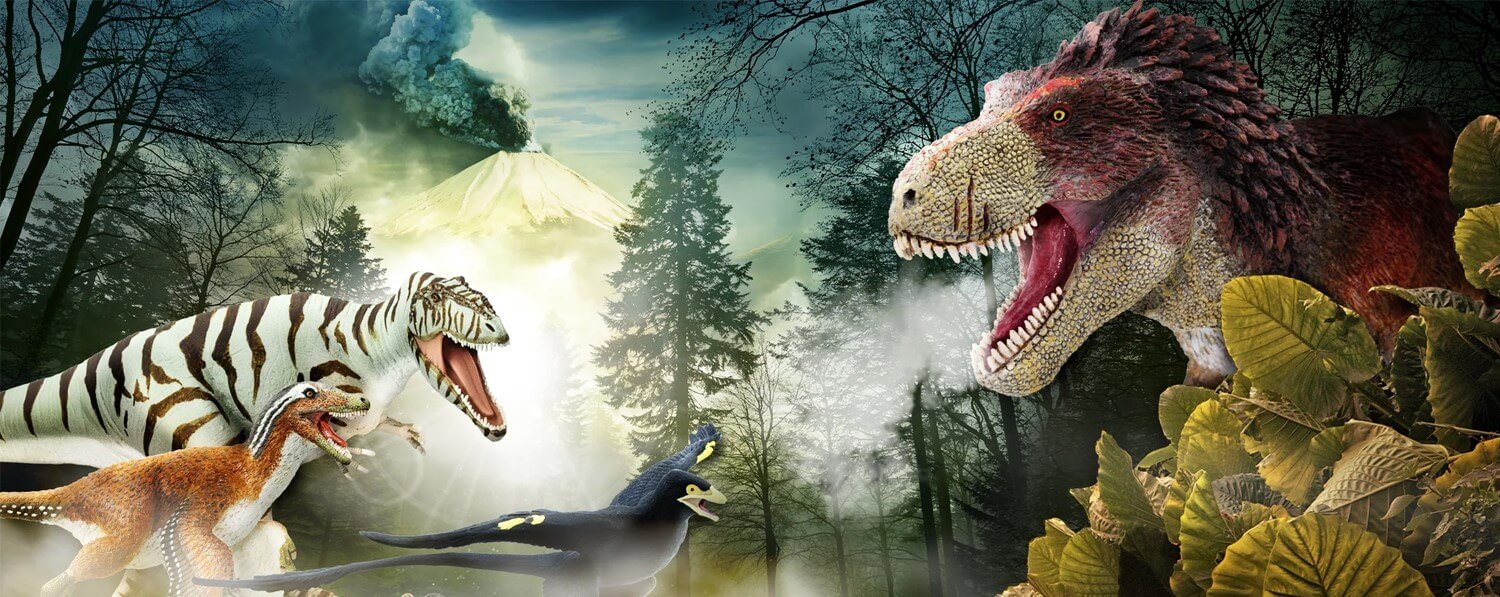 While most theropods are believed to have been solitary predators, some species—like Deinonychus—are theorized to have hunted in packs. Fossil evidence, including multiple individuals found together, has led to speculation about cooperative hunting. However, some experts argue that these groupings may simply reflect opportunistic feeding rather than organized pack behavior.
Theories Behind Dinosaur Social Behavior
 Defense Mechanism
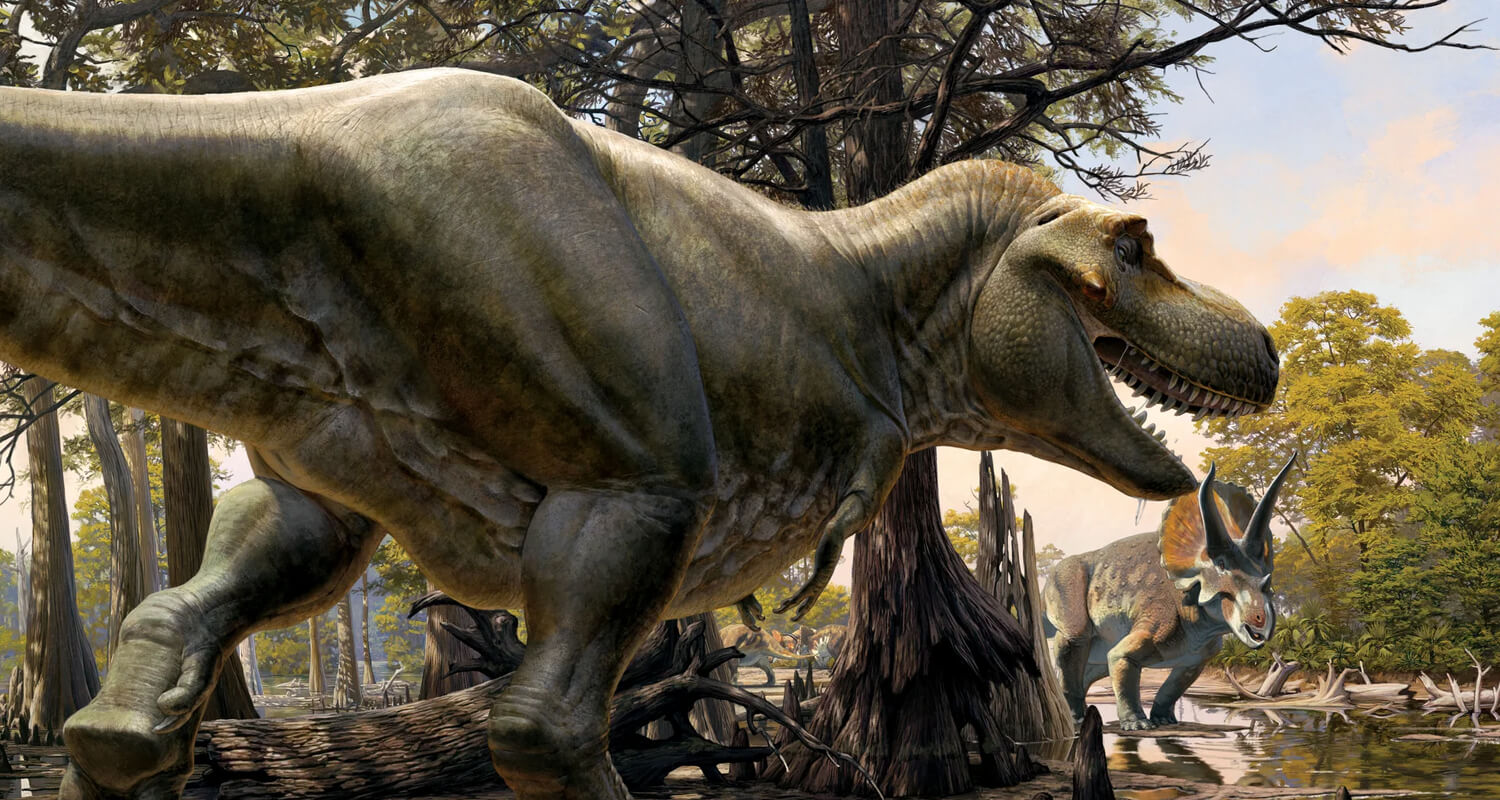
Herding provided significant advantages in terms of defense. Large groups reduced individual vulnerability to predators, much like modern bison or zebras. Juveniles positioned in the center of the herd would be protected from attacks by ferocious predators like Allosaurus or T. rex.
Migration and Food Scarcity
Evidence of large-scale dinosaur trackways suggests seasonal migration patterns. Like modern wildebeests, some dinosaurs may have traveled vast distances in search of food and water. This behavior would have been essential for survival in regions with fluctuating climates.
Social Hierarchies
Fossilized bone injuries and healed wounds indicate potential social conflicts or dominance struggles. Some researchers theorize that larger, older individuals may have held leadership roles, guiding herds to feeding grounds or defending against threats.
Modern Comparisons and Implications
 Similarities with Modern Herd Animals
The social behavior of dinosaurs shares striking similarities with modern herd animals. Like elephants, some dinosaurs may have exhibited family bonds and protective behavior toward their young. The defensive formations of ceratopsians mirror those of modern musk oxen, which form protective rings around their calves when threatened.
Implications for Dinosaur Exhibits and Animatronics
For museums, zoos, and theme parks, showcasing dinosaur herd behavior through animatronic models offers an educational and captivating experience. Animatronic dinosaur groups can recreate realistic scenes of migration, nesting, or defensive posturing, giving visitors a vivid glimpse into prehistoric social life. Herd interactions, such as synchronized movements and vocalizations, can enhance the realism of these exhibits.
Conclusion
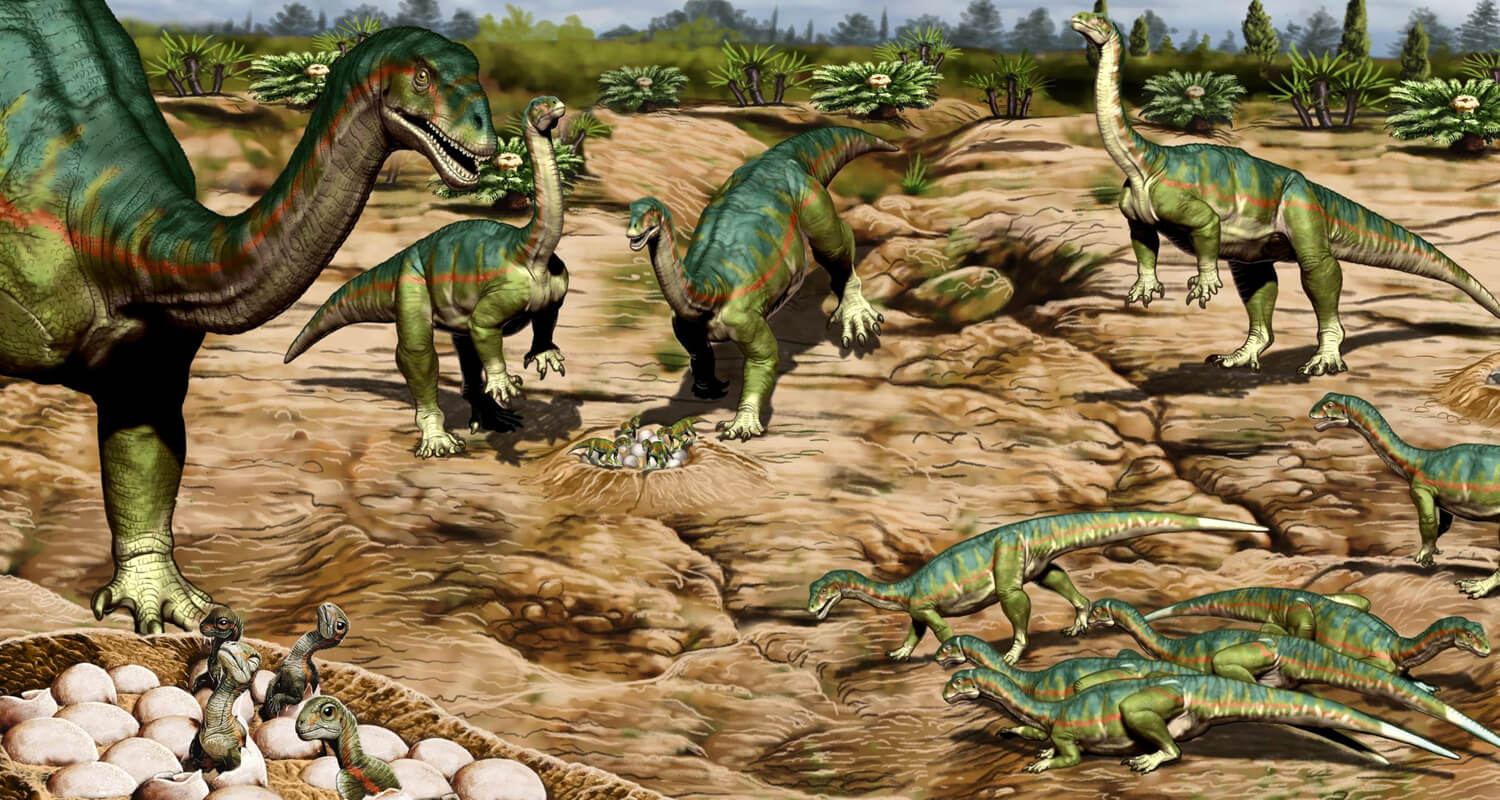 Dinosaur diplomacy, once thought to be a myth, is now backed by substantial fossil evidence. Mass death sites, trackways, and nesting grounds all point to the complex social behaviors of these ancient reptiles. Whether migrating across vast landscapes, protecting their young in herds, or possibly hunting in packs, dinosaurs were far more socially sophisticated than once believed. As paleontology continues to unveil the social lives of dinosaurs, animatronic recreations and museum exhibits will play a vital role in bringing these prehistoric societies to life.
Tags: