À propos de nous
Gecai Culture est à l'avant-garde pour donner vie au passé grâce à nos dinosaures animatroniques ultramodernes, à nos créatures animatroniques enchanteresses, à nos lanternes de festival chinois vibrantes et à nos produits personnalisés sur mesure. En tant que fabricant professionnel niché au cœur de la Chine, nous entretenons une passion profonde pour présenter nos dinos et animaux réalistes dans les musées, les expositions, les zoos, les parcs et au-delà, dans le but d'allumer une flamme de curiosité et d'apprentissage chez les personnes de tous âges.
Obtenez un devis gratuit
Connaissance des dinosaures
Les "superpuissances" des dinosaures : les incroyables capacités des géants préhistoriques
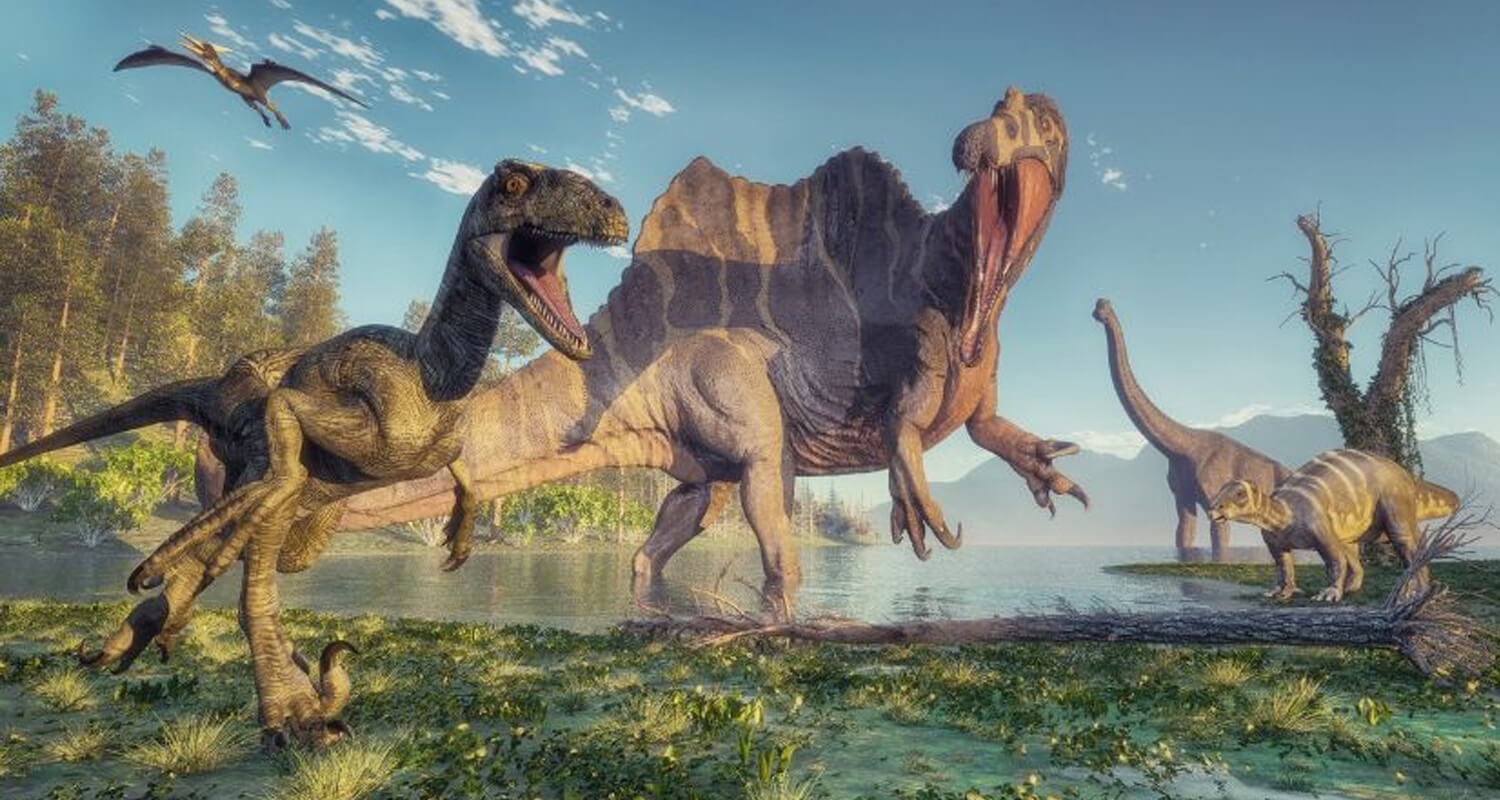 Dinosaurs were some of the most fascinating creatures to ever roam the Earth. While their massive size and fierce presence are what often come to mind when we think of these prehistoric giants, they were also equipped with some truly incredible abilities that made them dominant for millions of years. From superhuman strength to heightened senses, these "superpowers" allowed dinosaurs to survive, thrive, and rule their environments. Let's dive into some of the most extraordinary traits that made dinosaurs true superheroes of the past.
Incredible Strength: The Powerhouses of the Past
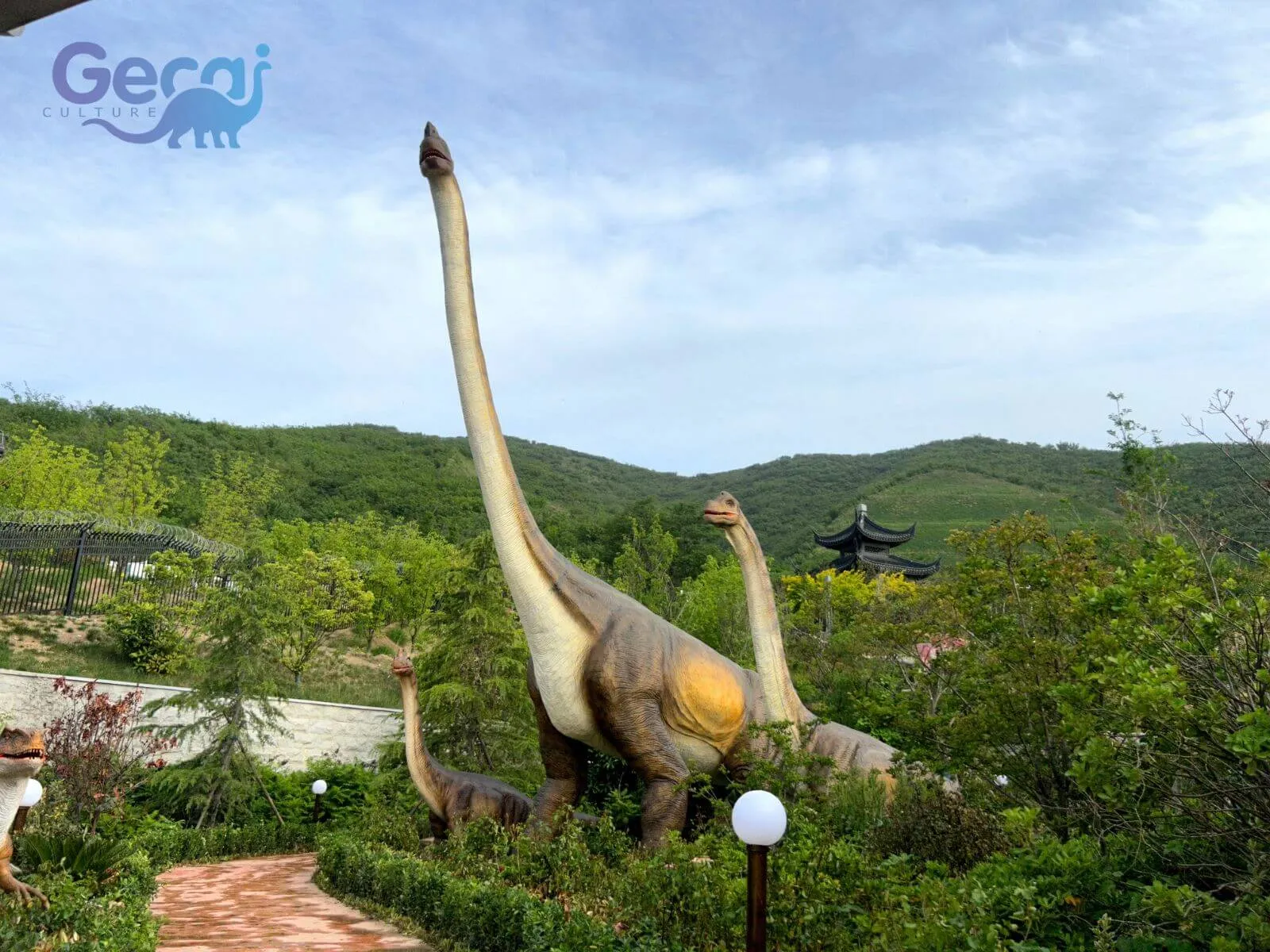
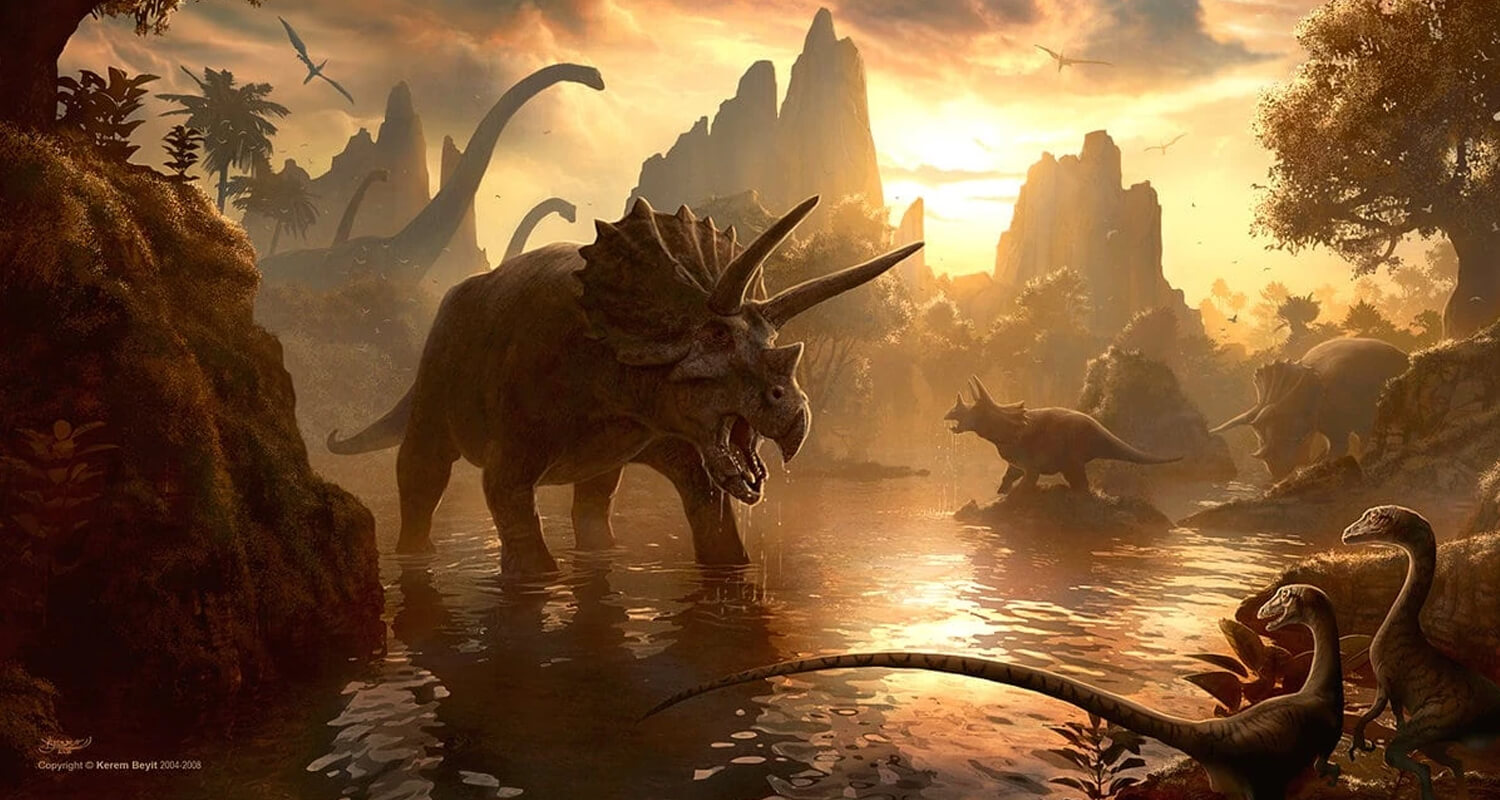 Dinosaurs like the Tyrannosaurus rex and the towering Brachiosaurus were the definition of strength. The T. rex, with its muscular frame and massive jaws, could crush bone with a single bite, making it a fierce predator. Meanwhile, the Sauropods, the gentle giants of the dinosaur world, used their massive size and long necks to reach the tallest trees or to defend themselves from attackers.
Their powerful legs and tail muscles also made them capable of tremendous movement. In fact, it's believed that the strength of these dinosaurs contributed to the development of their physical features, helping them dominate their ecosystems. For example, the long necks of Brachiosaurus and Argentinosaurus gave them access to food sources that other herbivores couldn't reach, further establishing their place as Earth's ultimate giants.
Lightning Speed: The Fast and Furious Dinosaurs
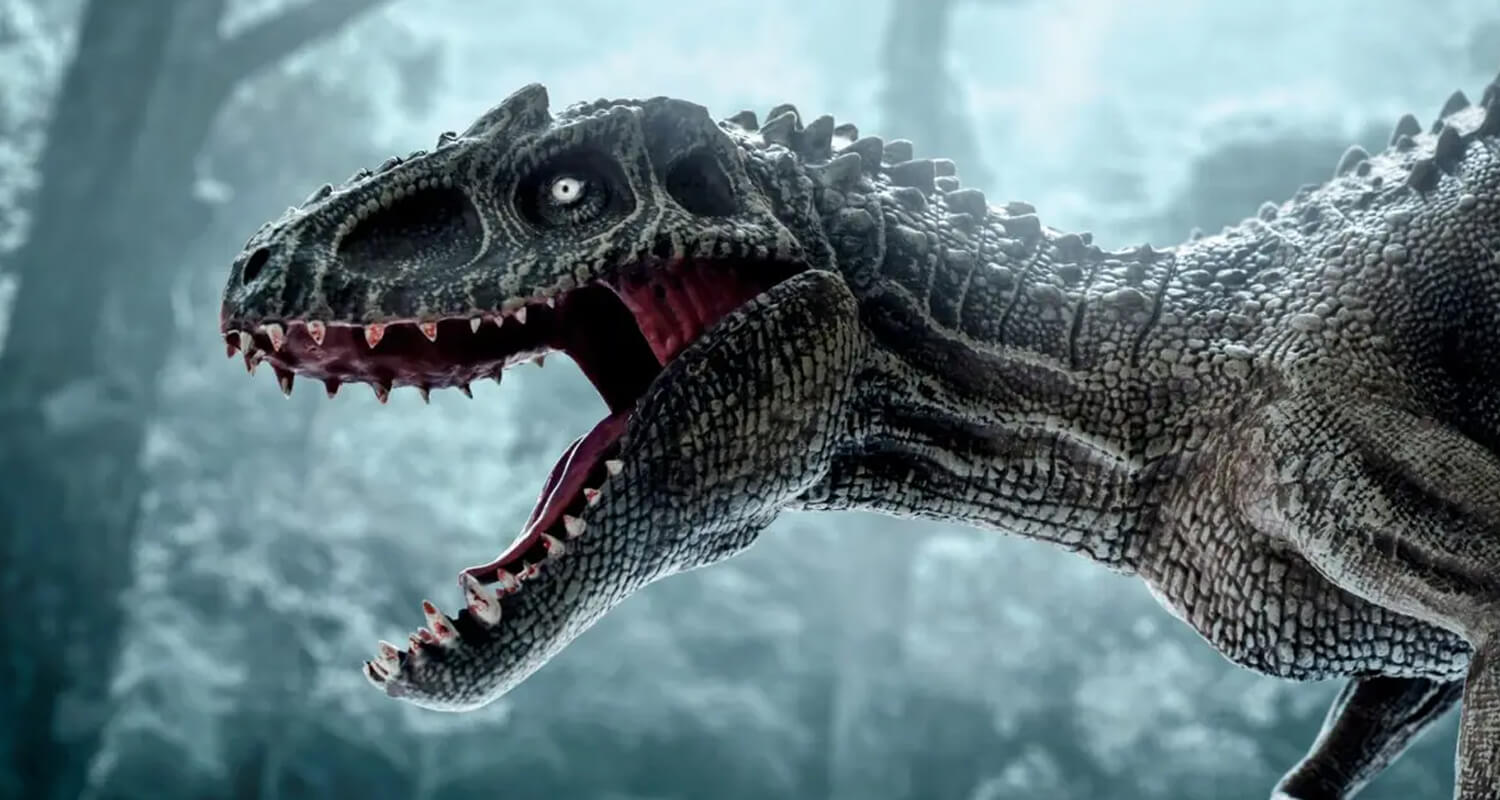 Not all dinosaurs were giants lumbering through their environments—some were incredibly fast! Predators like the Velociraptor and Ornitholestes could move at speeds of up to 40 miles per hour, giving them a significant advantage when hunting down prey. Their lightweight bodies, long legs, and specialized muscle structure made them agile hunters capable of outpacing many prey species.
This speed was also crucial for evading predators. Small herbivores like the Hypsilophodon could escape large carnivores by darting through dense forests or across open plains. Their quick reflexes and ability to change direction on a dime gave them an edge in survival, enabling them to outrun and outmaneuver even the most fearsome predators.
Stealth and Camouflage: Masters of Disguise
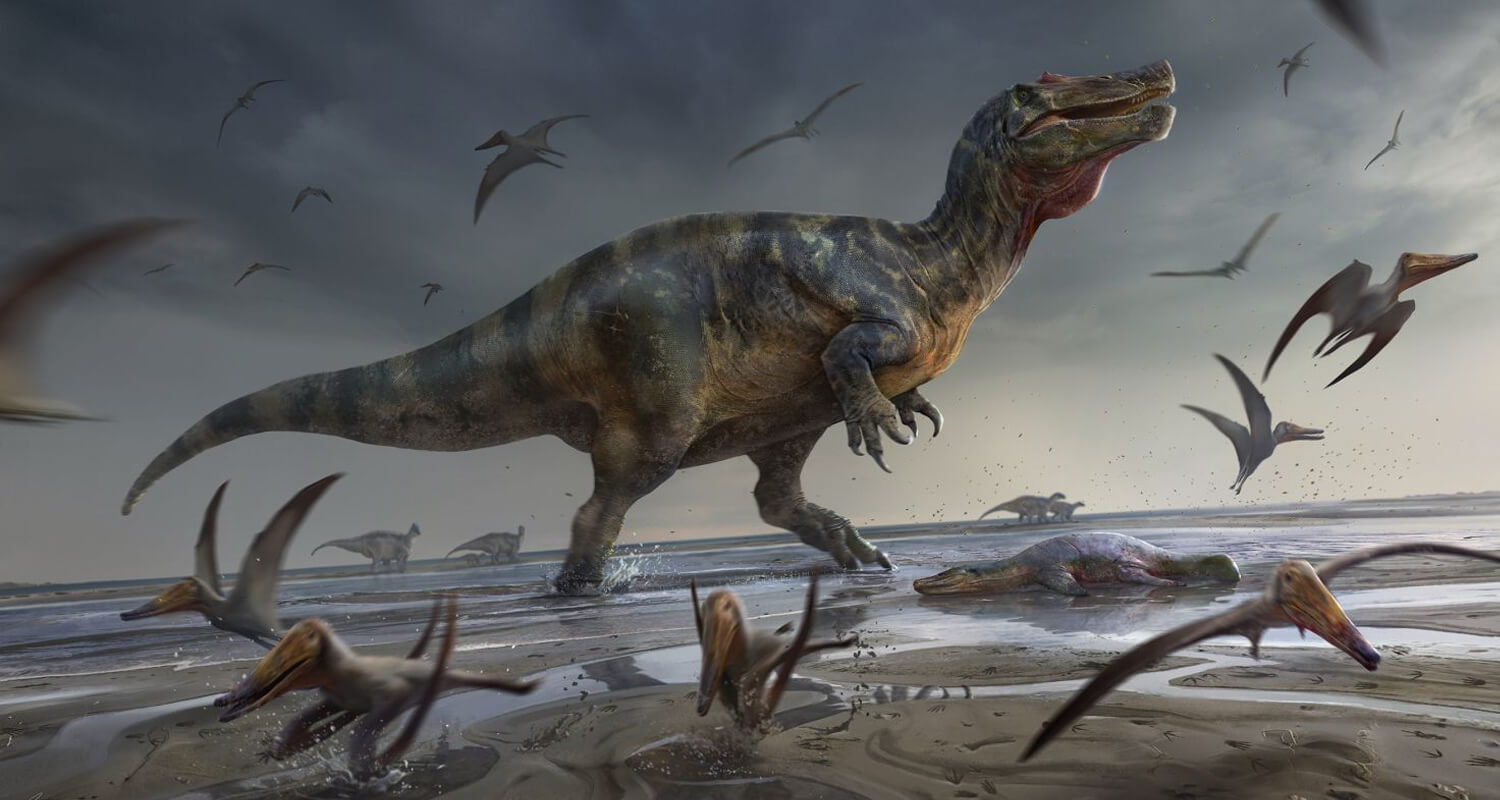 Some dinosaurs were true masters of disguise, using their surroundings to blend in and avoid predators. Take the Troodon, for example, a small, bird-like dinosaur known for its intelligence and stealth. Its feathers and ability to remain still made it an expert at blending into its environment, allowing it to hunt undetected or avoid being hunted.
The Microraptor, another small dinosaur, had iridescent feathers that might have helped it blend into the forest canopy. For herbivores, camouflage could mean the difference between life and death. Dinosaurs that resembled rocks, trees, or foliage could stay hidden from carnivores looking for a meal. These stealth abilities gave these species a crucial edge in the constant struggle for survival.
Powerful Senses: Heightened Perception for Survival
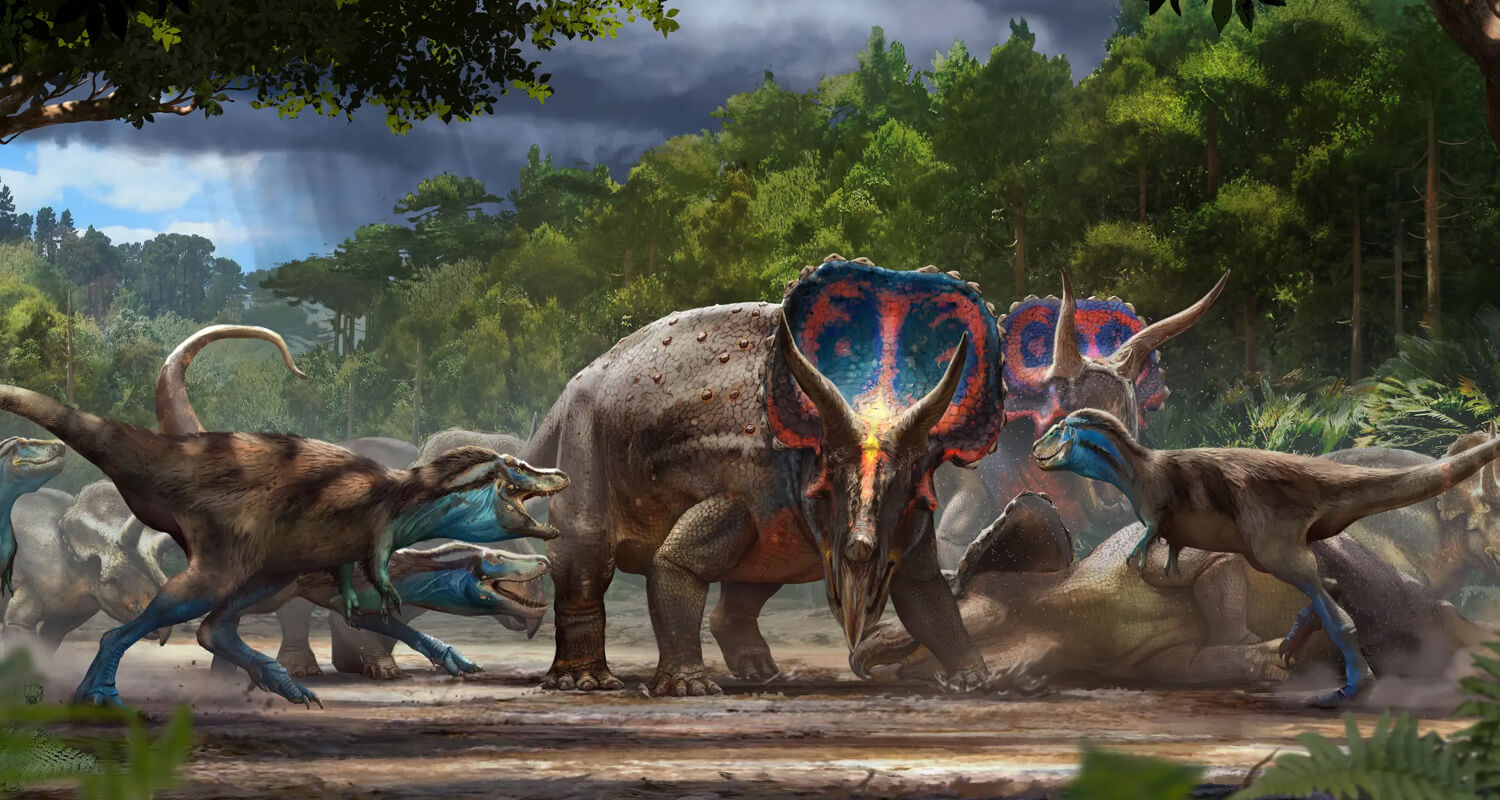
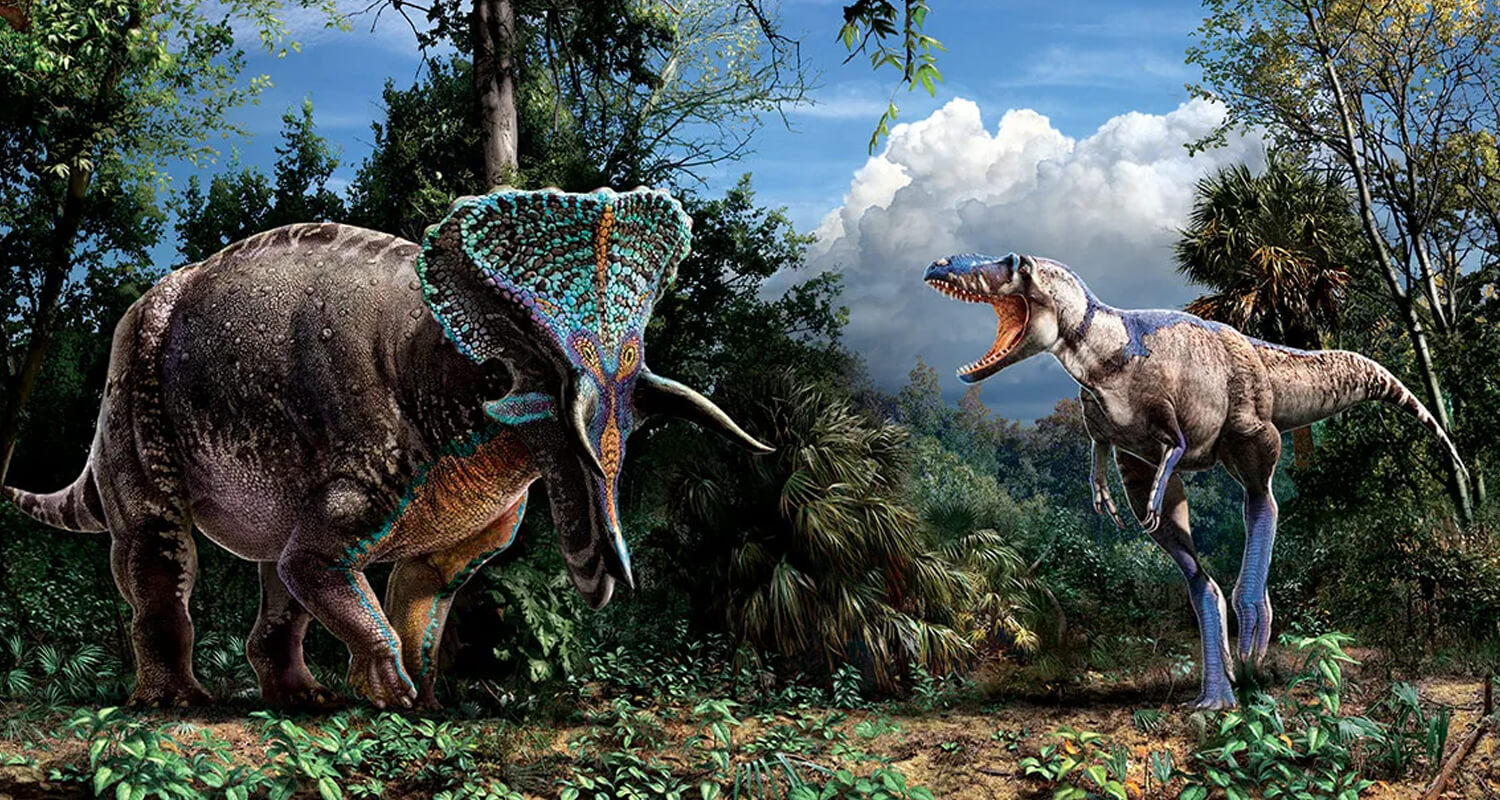
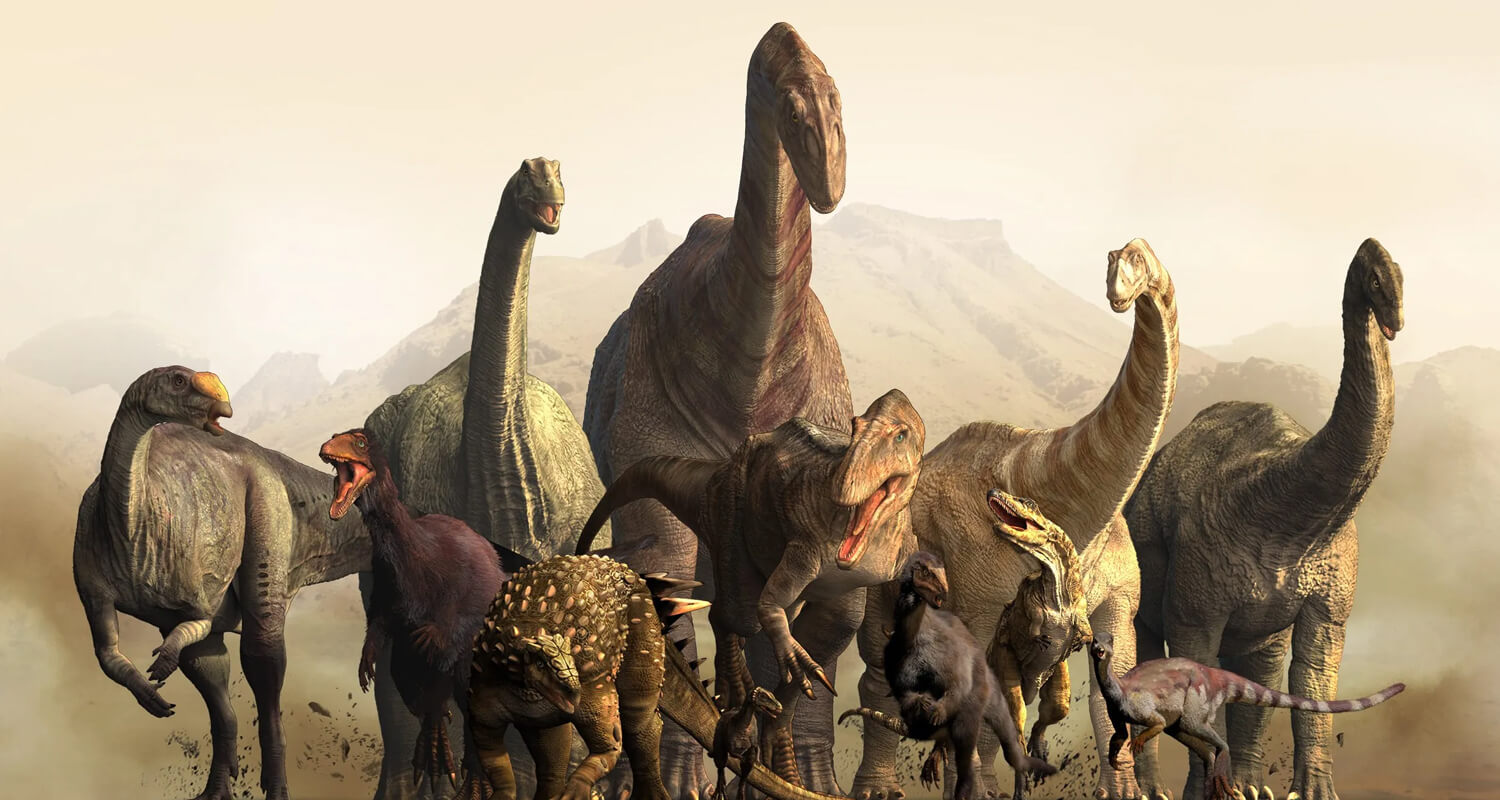 Dinosaurs had some truly remarkable sensory abilities. The Tyrannosaurus rex had an acute sense of smell, likely capable of detecting prey from miles away. Its large olfactory bulbs suggest it could track the scent of potential meals, such as Triceratops or Hadrosaurus, with incredible precision.
The Archaeopteryx, an early bird-like dinosaur, had exceptional vision, particularly suited for spotting prey in the air or among trees. Many theropods also had sharp hearing, enabling them to detect the slightest sound from potential threats or prey. The advanced sensory abilities of these dinosaurs helped them thrive in their ecosystems, whether for hunting or avoiding danger.
Enhanced Healing and Regeneration: The Resilient Giants
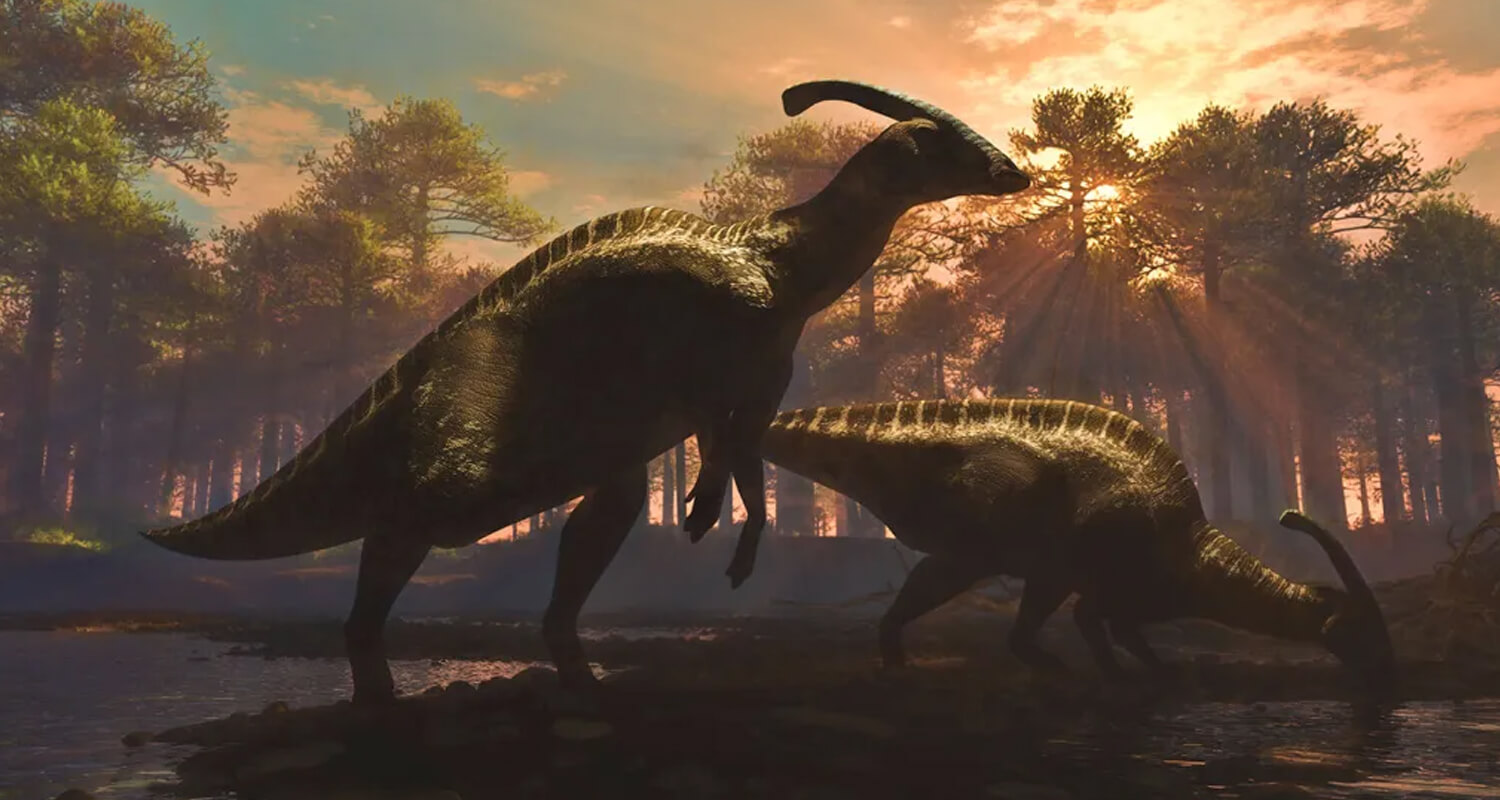 While it's difficult to know exactly how dinosaurs healed, some paleontologists believe they may have had accelerated healing abilities. The rapid recovery of modern reptiles like lizards suggests that dinosaurs, with their often massive size, might have possessed similar regenerative traits. Faster recovery from injuries would have been a vital asset in the wild, where survival often depended on one's ability to heal and continue functioning after a battle or accident.
Additionally, the structure of dinosaur bones suggests that some species may have been able to regenerate lost or damaged bone tissue more efficiently than modern animals. This would have given them an edge in surviving injuries from predators or even combat with other dinosaurs.
Extraordinary Communication: Silent Signals and Roars
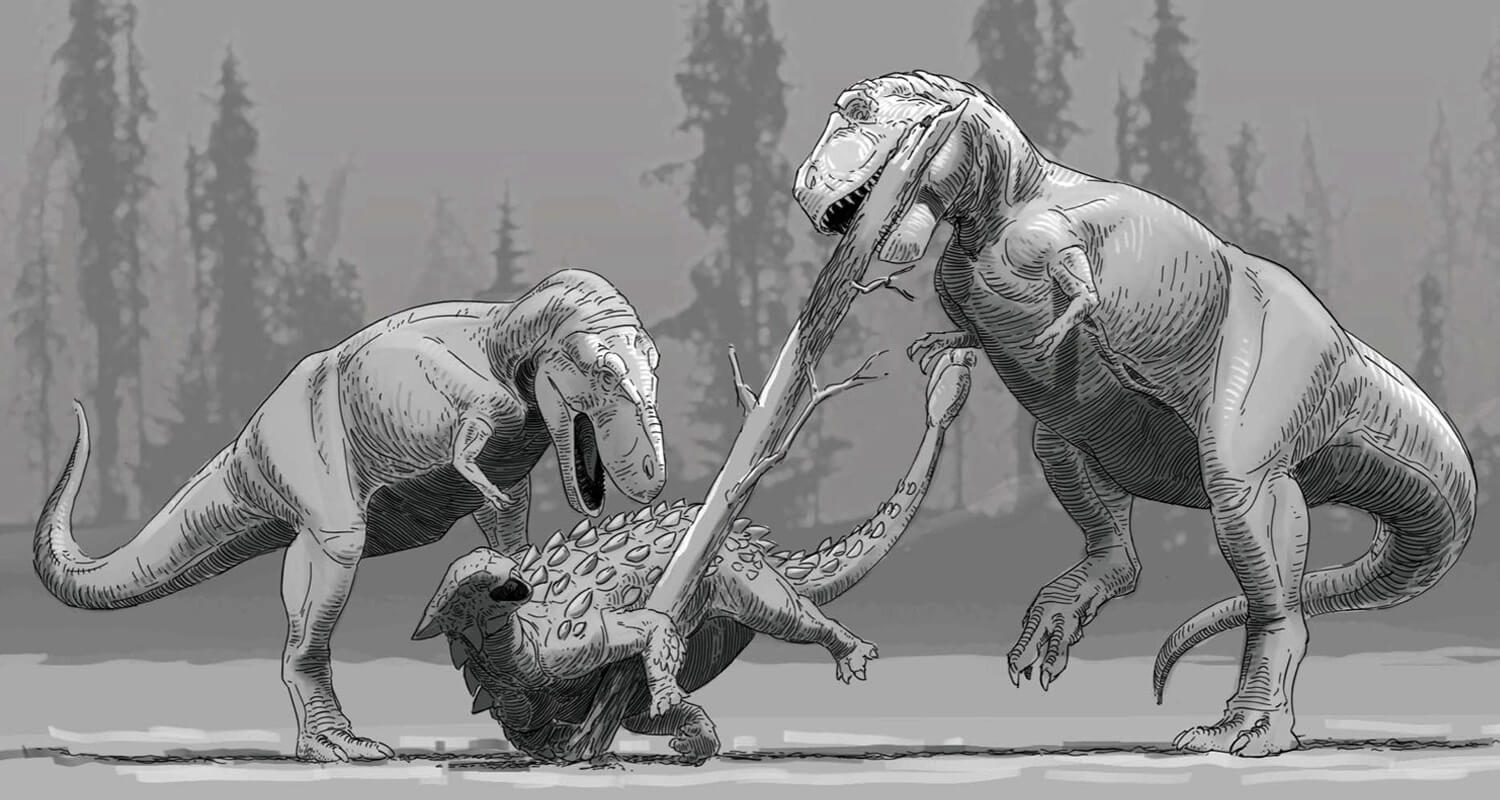 Dinosaurs were not silent giants—they had an array of methods for communication. While some might have used vocalizations (like the deep, rumbling calls of the Brachiosaurus or the eerie howls of the Allosaurus), others relied on body language and visual displays. Feathers, crests, and brightly colored markings might have been used for attracting mates or signaling danger.
The Parasaurolophus, for instance, had a distinctive crest that may have been used for communication within herds. The resonating calls it could produce were likely used to locate other members of the species, whether for socialization or warning of predators. For larger herbivores, vocalization could also have been an important tool for maintaining group cohesion, especially in open environments.
Specialized Diets: Supercharged Metabolism
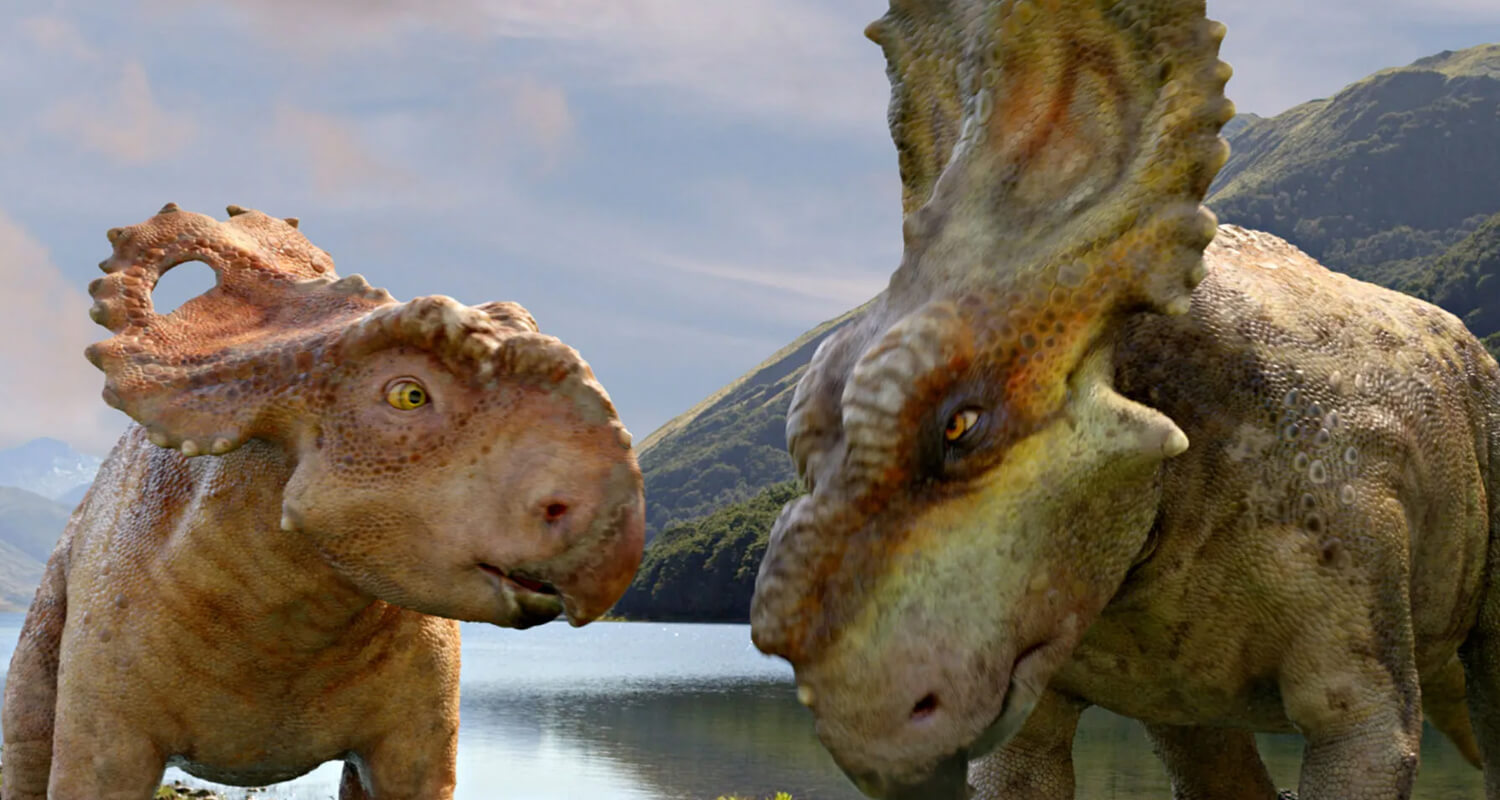 Dinosaurs exhibited a wide range of dietary habits, from plant eaters to meat eaters, each with its own "superpower" that made it successful in obtaining nutrients. Carnivores like the T. rex had massive jaws capable of processing meat and bones, while herbivores like Stegosaurus and Triceratops had specialized teeth for grinding tough plant material.
Some dinosaurs also had incredibly fast metabolisms, which allowed them to process food quickly and stay active. This was especially important for those with high-energy lifestyles, such as the carnivores that needed to hunt frequently. The ability to extract as much energy as possible from food helped these dinosaurs survive and thrive.
Flight and Gliding: Skyborne Wonders
 The sky was not out of reach for all dinosaurs. Some, like the Archaeopteryx, were capable of true flight, making them the earliest ancestors of modern birds. Their lightweight bodies, strong wings, and feathered structures allowed them to glide or soar, giving them access to food sources that were unavailable to ground-bound species.
Other dinosaurs, like the Microraptor, had gliding abilities that allowed them to travel between trees or escape from predators. The development of flight in these creatures represents one of the most fascinating adaptations in dinosaur evolution, allowing them to conquer both the skies and the ground.
FAQs
 What were the fastest dinosaurs?
Some of the fastest dinosaurs were Velociraptor and Ornitholestes, which could run at speeds up to 40 mph.
Did dinosaurs have superhuman senses like modern animals?
Yes, many dinosaurs had highly developed senses, such as acute smell and vision, to aid in hunting and survival.
How did dinosaurs communicate with each other?
Dinosaurs likely used vocalizations, body language, and visual displays (like feathers or crests) to communicate within their species.
Could dinosaurs regenerate lost body parts?
While not definitively proven, some dinosaurs may have had accelerated healing abilities, similar to modern reptiles, which would help them recover from injuries more quickly.
Conclusion
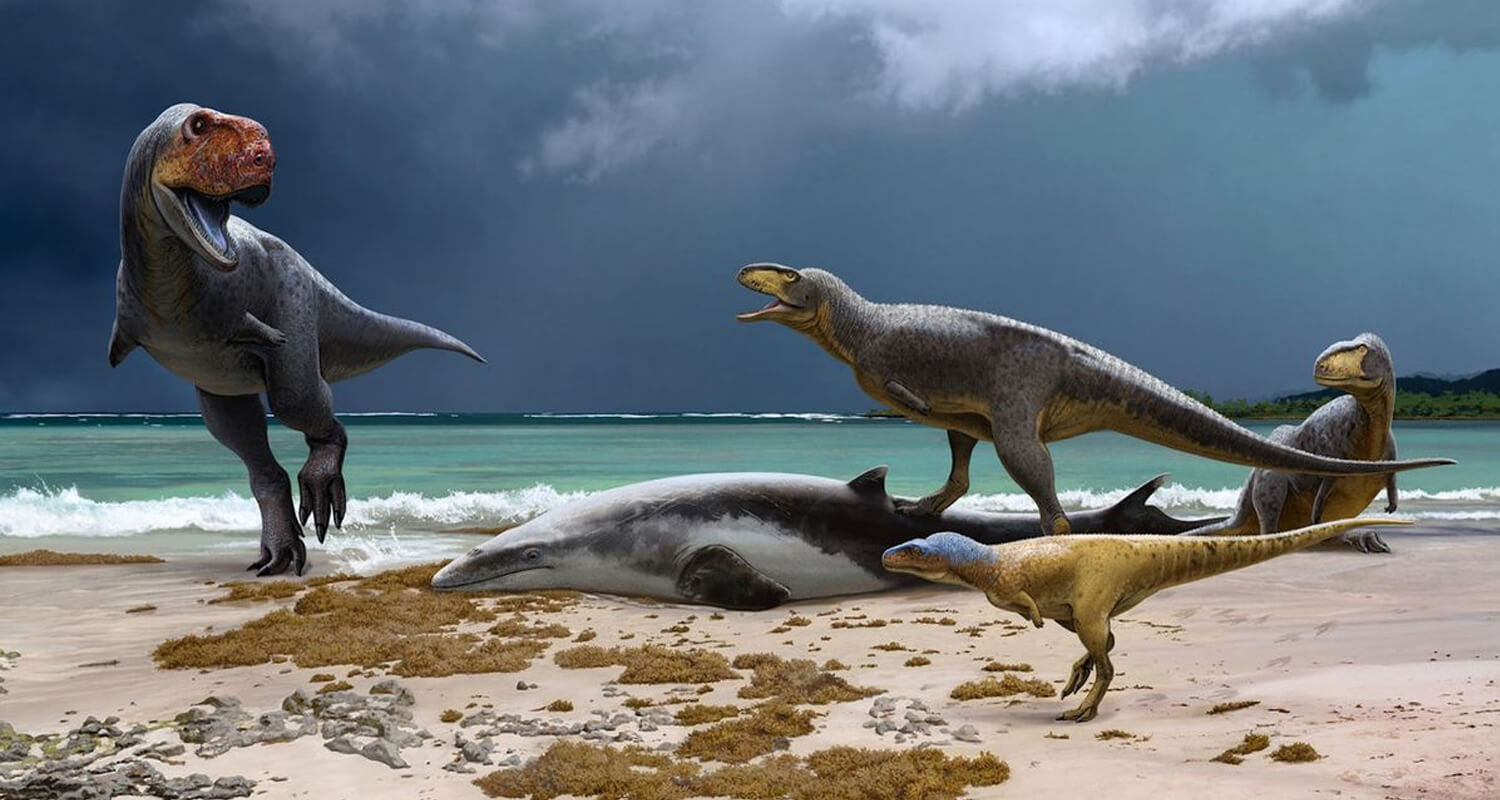 The incredible abilities of dinosaurs made them some of the most extraordinary creatures to ever inhabit Earth. From immense strength and lightning speed to stealth, communication, and even flight, these "superpowers" allowed dinosaurs to dominate their ecosystems for millions of years. While most of these traits are long gone, the legacy of these prehistoric giants continues to captivate our imaginations. And, with the advent of animatronic dinosaurs, we can still marvel at the power and wonder of these incredible abilities today.
Tags: