À propos de nous
Gecai Culture est à l'avant-garde pour donner vie au passé grâce à nos dinosaures animatroniques ultramodernes, à nos créatures animatroniques enchanteresses, à nos lanternes de festival chinois vibrantes et à nos produits personnalisés sur mesure. En tant que fabricant professionnel niché au cœur de la Chine, nous entretenons une passion profonde pour présenter nos dinos et animaux réalistes dans les musées, les expositions, les zoos, les parcs et au-delà, dans le but d'allumer une flamme de curiosité et d'apprentissage chez les personnes de tous âges.
Obtenez un devis gratuit
Connaissance des dinosaures
Dévoiler les merveilles des dinosaures à bec de canard : un voyage à travers la préhistoire
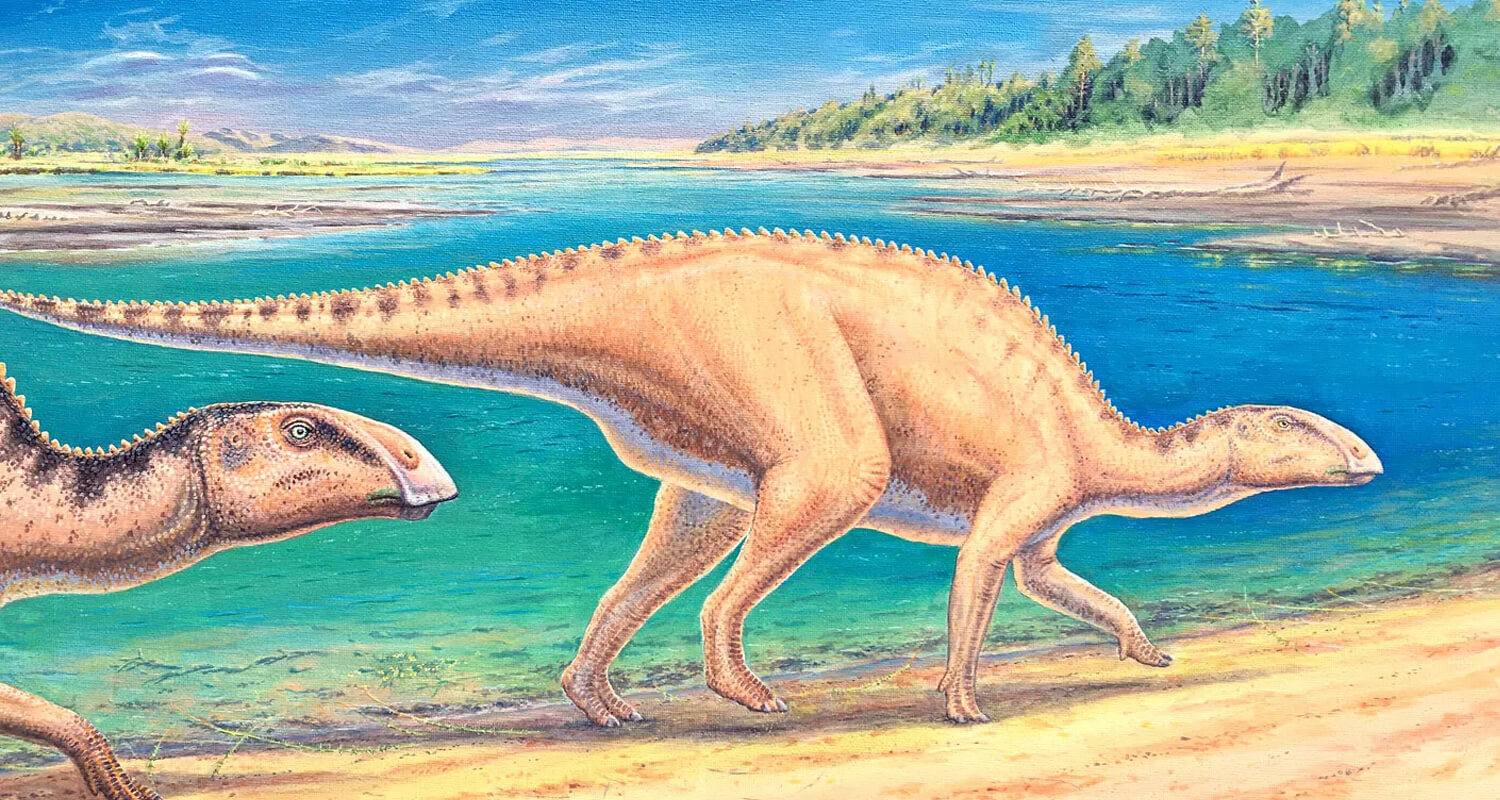 Duck-billed dinosaurs, known scientifically as hadrosaurids, are among the most intriguing and diverse groups of dinosaurs ever discovered. Renowned for their unique dental structures and distinctive beaks, these herbivorous dinosaurs roamed the Earth during the Late Cretaceous period. In this article, we will explore the characteristics of duck-billed dinosaurs, their significance in the prehistoric world, and how our animatronic dinosaur products can bring these fascinating creatures to life.
Characteristics of Duck-Billed Dinosaurs
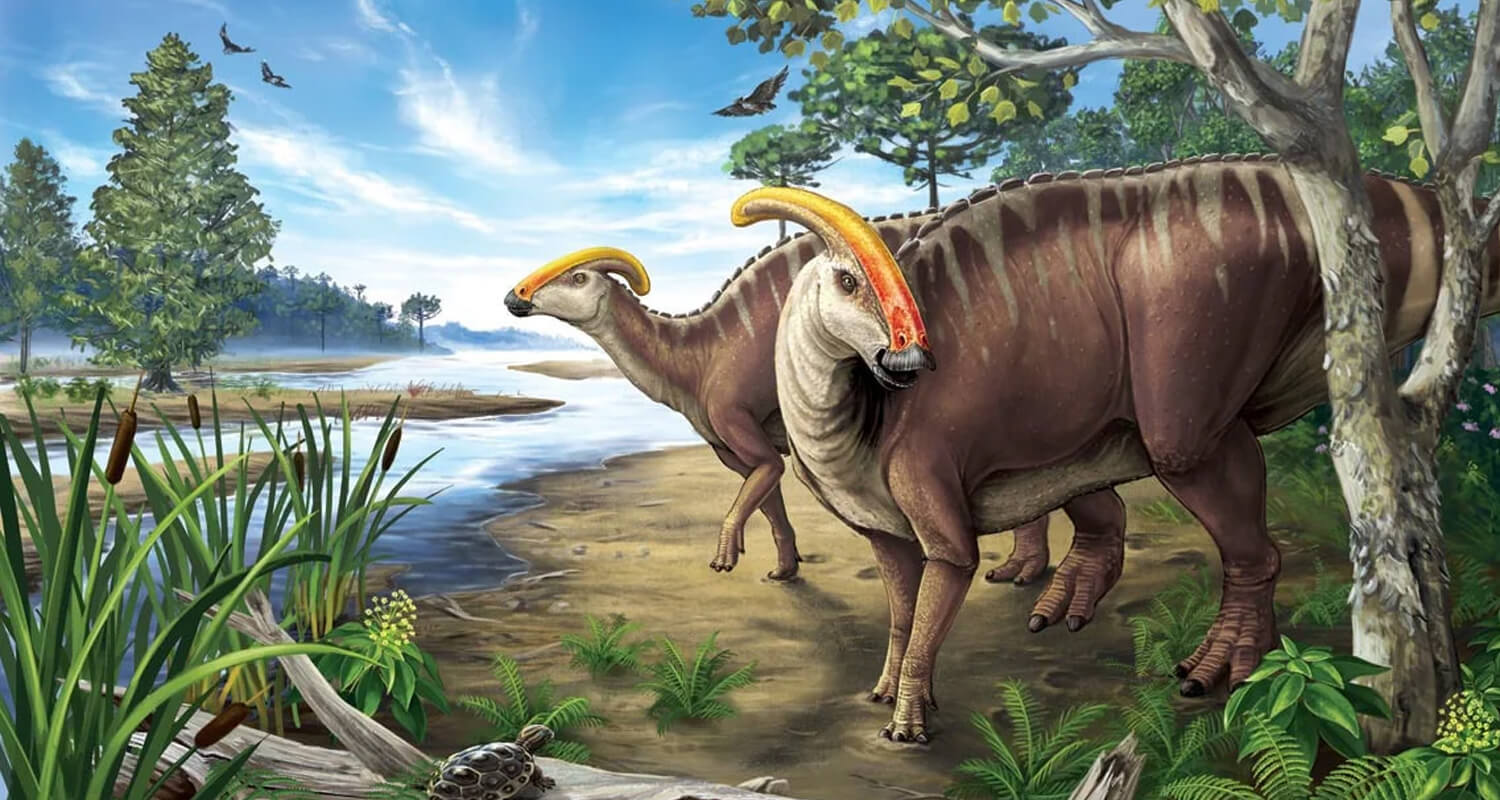 Duck-billed dinosaurs are distinguished by their broad, flat snouts and dental structures that resemble the bill of a duck. This unique adaptation allowed them to efficiently process plant material, making them well-suited to a herbivorous diet. The key features of these dinosaurs include:
Dental Battery: Duck-billed dinosaurs had rows of teeth arranged in a dental battery. This arrangement allowed them to grind and chew tough plant material effectively.
Flat, Beak-Like Snout: The flat, broad snout was equipped with a beak that helped in stripping leaves and other vegetation from plants.
Crested Heads: Some species had elaborate cranial crests and structures, which may have been used for display, communication, or species identification.
Large Body Size: Many hadrosaurids were large, robust dinosaurs with long, muscular legs that allowed them to travel long distances in search of food.
Social Behavior: Evidence suggests that duck-billed dinosaurs were social animals, often found in large herds that provided protection from predators and facilitated social interactions.
Top Famous Duck-Billed Dinosaurs
Hadrosaurus
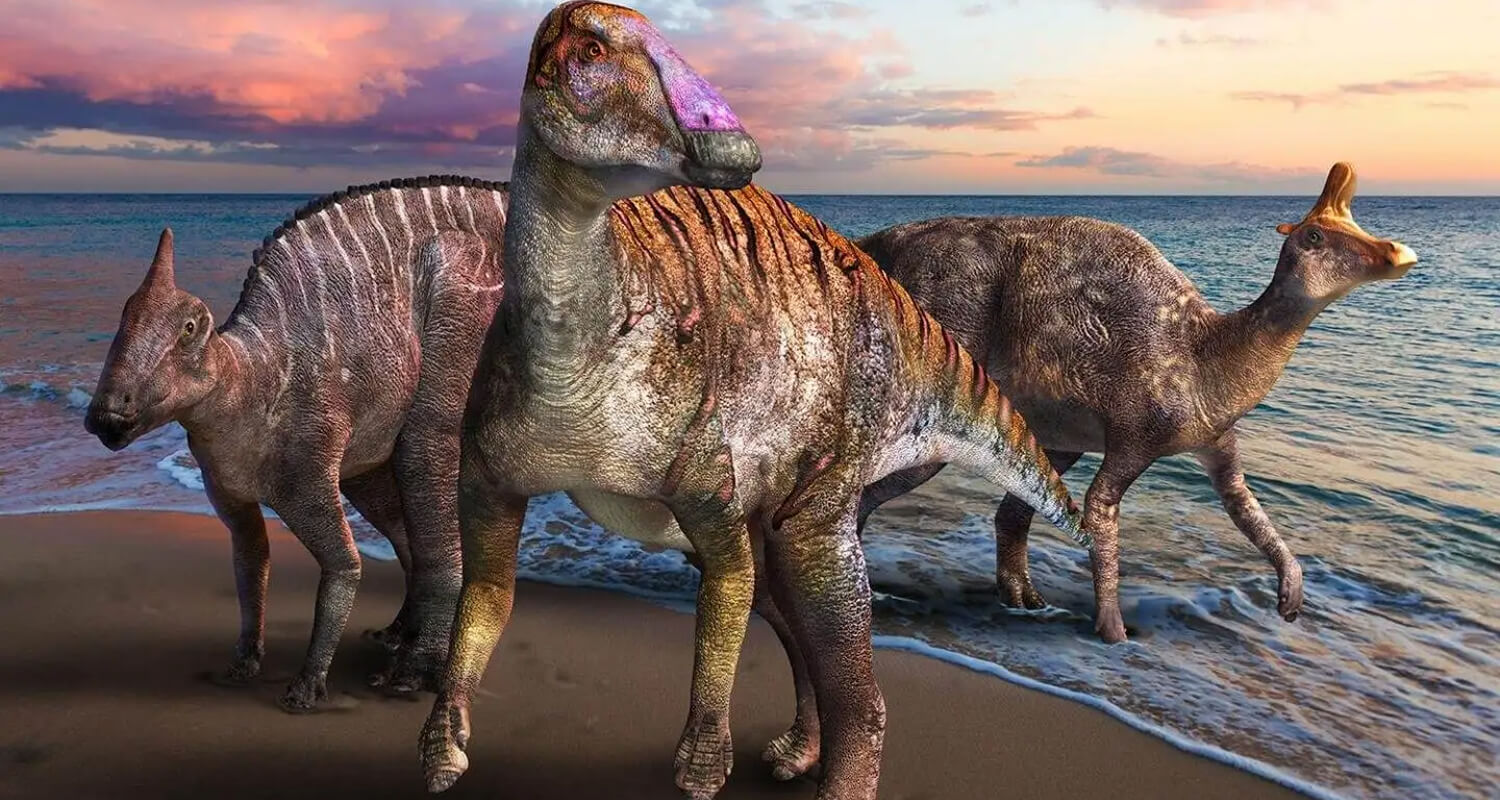
Size: Approximately 30 feet (9 meters) long
Weight: Around 2 tons
Time Period: Late Cretaceous (about 75-70 million years ago)
Hadrosaurus was a duck-billed dinosaur known for its large, robust build and distinctive dental structure. It had a broad, flat snout and was equipped with numerous small, interlocking teeth that were ideal for grinding plant material. This herbivore is notable for being one of the first hadrosaurids described and was originally discovered in North America.
Parasaurolophus
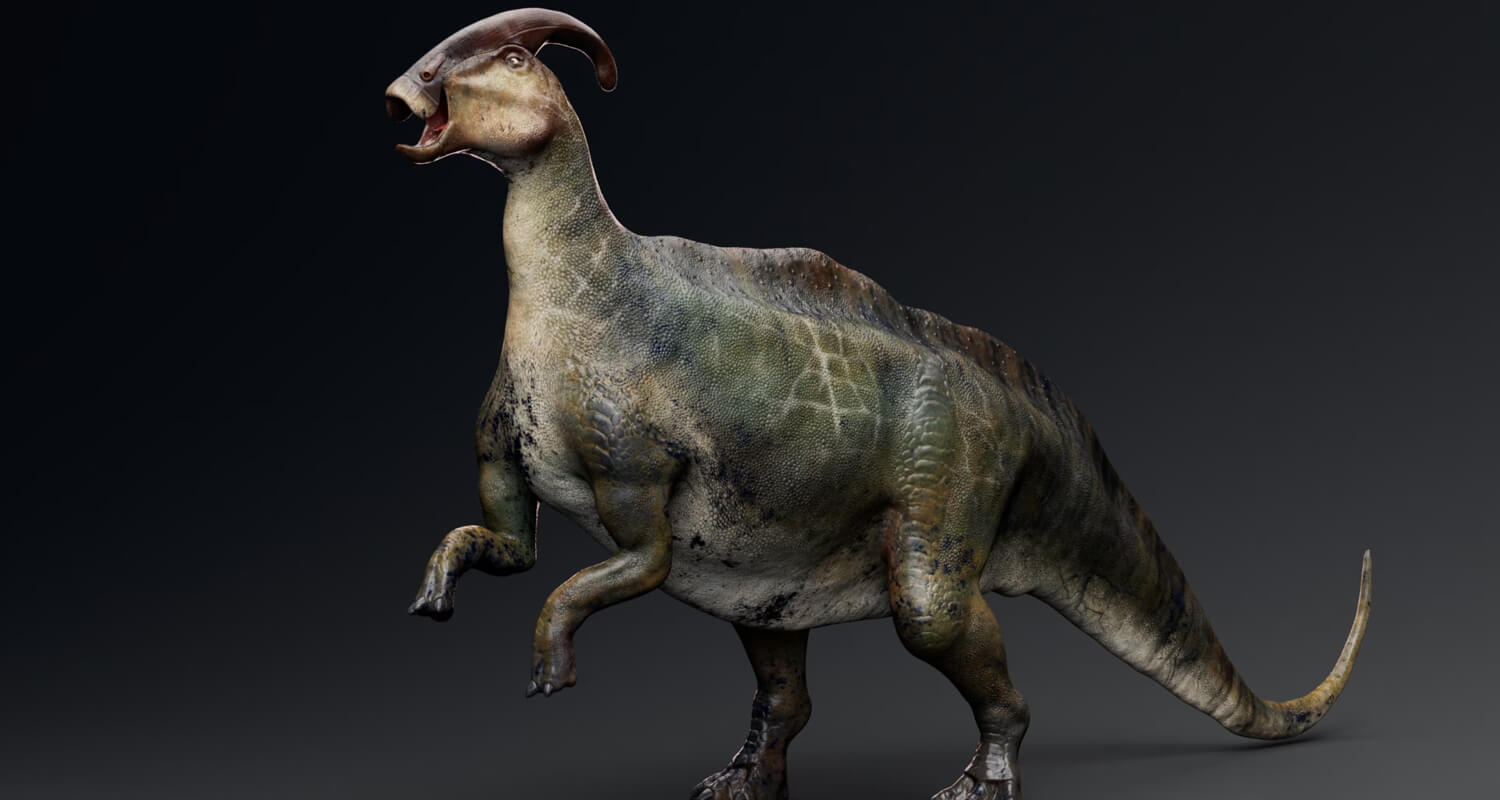
Size: Approximately 33 feet (10 meters) long
Weight: Around 2.5 tons
Time Period: Late Cretaceous (about 76-74 million years ago)
Parasaurolophus is renowned for its impressive, curved cranial crest that likely served as a vocal resonance chamber. This crest may have been used for communication or display. With its herbivorous diet, this duck-billed dinosaur had a beak-like mouth and was equipped with hundreds of teeth adapted for chewing plants.
Iguanodon
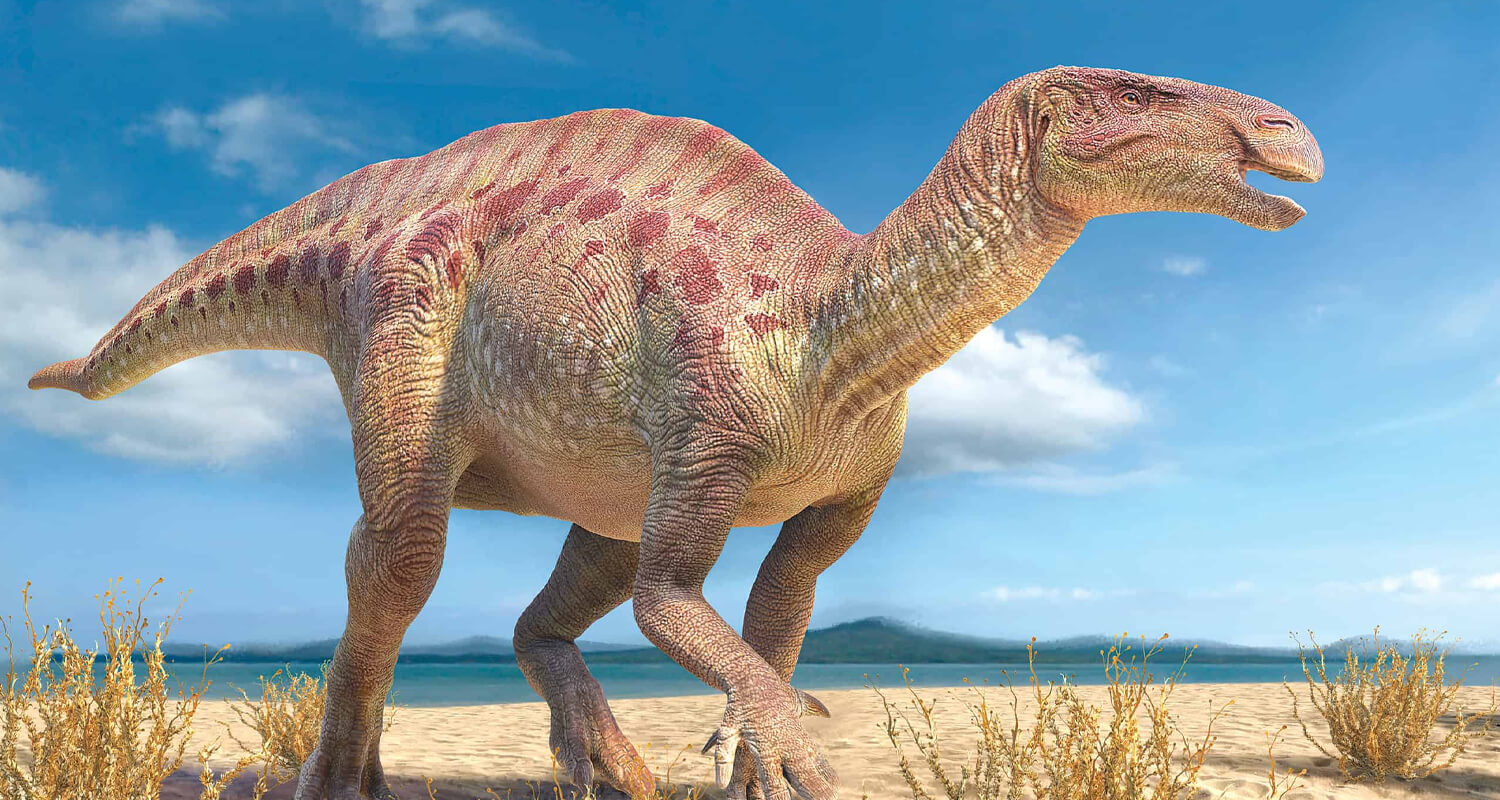
Size: Approximately 33 feet (10 meters) long
Weight: Around 4-5 tons
Time Period: Early Cretaceous (about 125-113 million years ago)
Iguanodon was one of the first dinosaurs to be scientifically described. It had a large, robust body and was characterized by its distinctive thumb spikes, which were likely used for defense. This herbivore had a beak-like mouth for stripping vegetation and large, leaf-shaped teeth for chewing.
Edmontosaurus
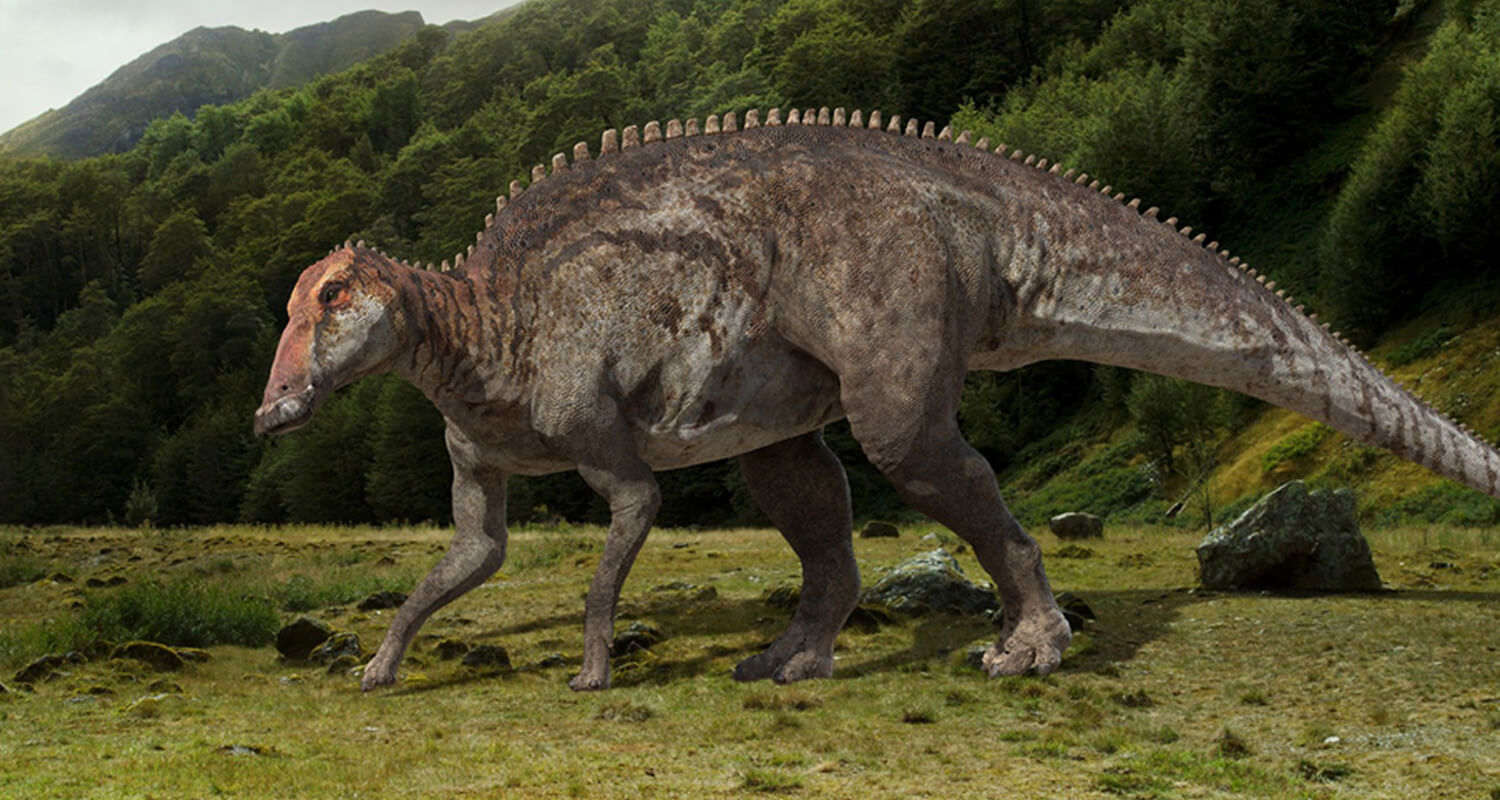
Size: Approximately 33-40 feet (10-12 meters) long
Weight: Around 2-3 tons
Time Period: Late Cretaceous (about 73-66 million years ago)
Edmontosaurus was a large, duck-billed dinosaur with a broad, flat snout and a massive, barrel-shaped body. It was herbivorous and had a complex dental structure for grinding tough plant material. Edmontosaurus is named after the Edmonton area in Canada, where its fossils were first discovered.
Corythosaurus
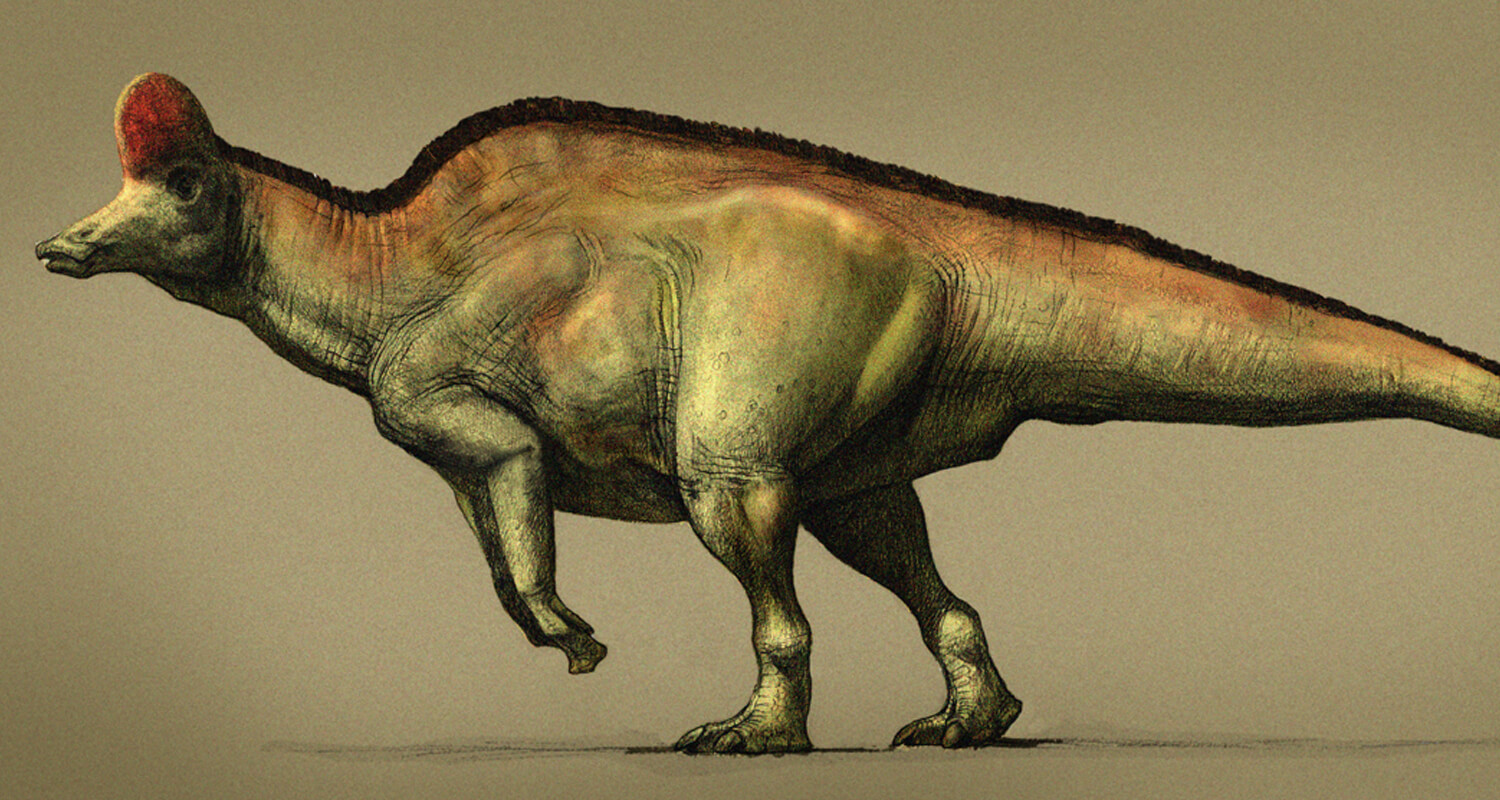
Size: Approximately 30 feet (9 meters) long
Weight: Around 2 tons
Time Period: Late Cretaceous (about 77-75 million years ago)
Corythosaurus is easily recognizable by its distinctive helmet-like crest, which is thought to have been used for vocalization and display. This duck-billed dinosaur had a long, low body and was a herbivore, feeding on vegetation with its beak-like mouth and complex teeth.
Maiasaura
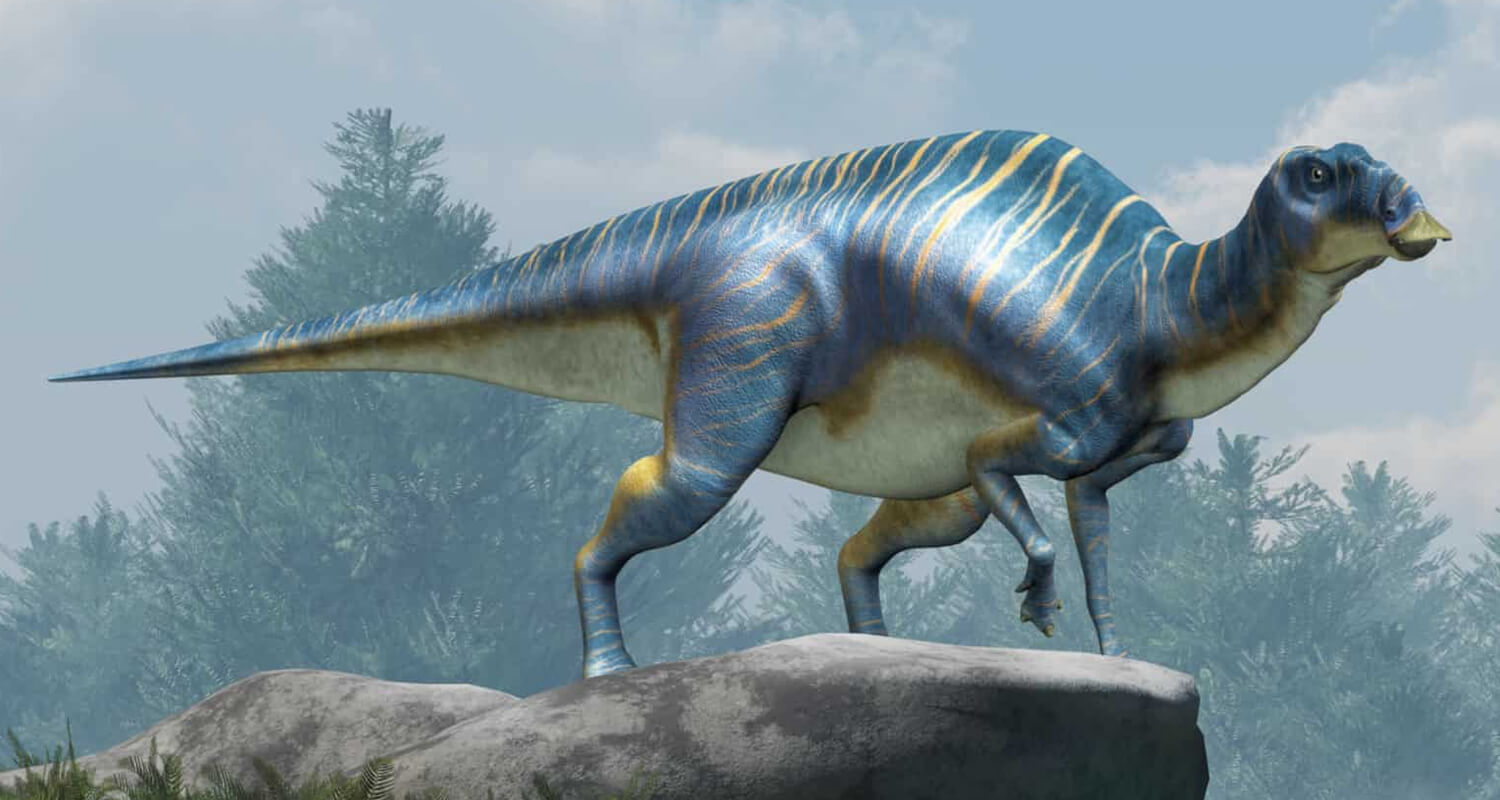
Size: Approximately 30 feet (9 meters) long
Weight: Around 2 tons
Time Period: Late Cretaceous (about 76-74 million years ago)
Maiasaura, known as the "good mother lizard," is famous for the evidence of parental care found in its fossils. This hadrosaurid had a broad, flat beak and was equipped with a large number of teeth for processing plant material. The discovery of nests and juvenile fossils suggests that Maiasaura exhibited complex social and nesting behaviors.
Lambeosaurus
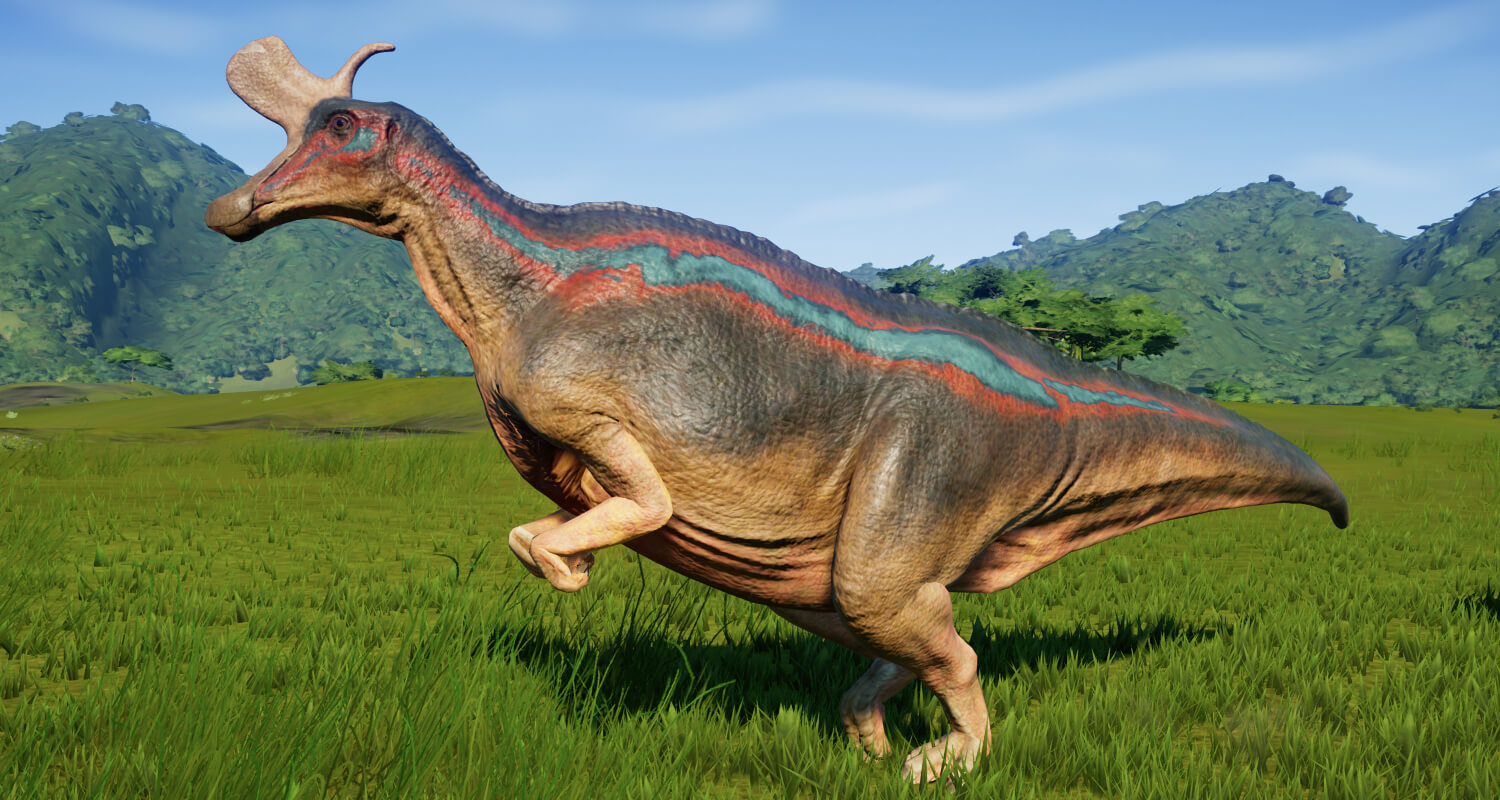
Size: Approximately 33-40 feet (10-12 meters) long
Weight: Around 2.5 tons
Time Period: Late Cretaceous (about 77-75 million years ago)
Lambeosaurus is recognized for its impressive, elaborate cranial crest, which varied in shape among different species. This crest may have been used for vocalization or display. With a herbivorous diet, Lambeosaurus had a beak-like mouth and teeth suited for grinding plants.
Brachylophosaurus
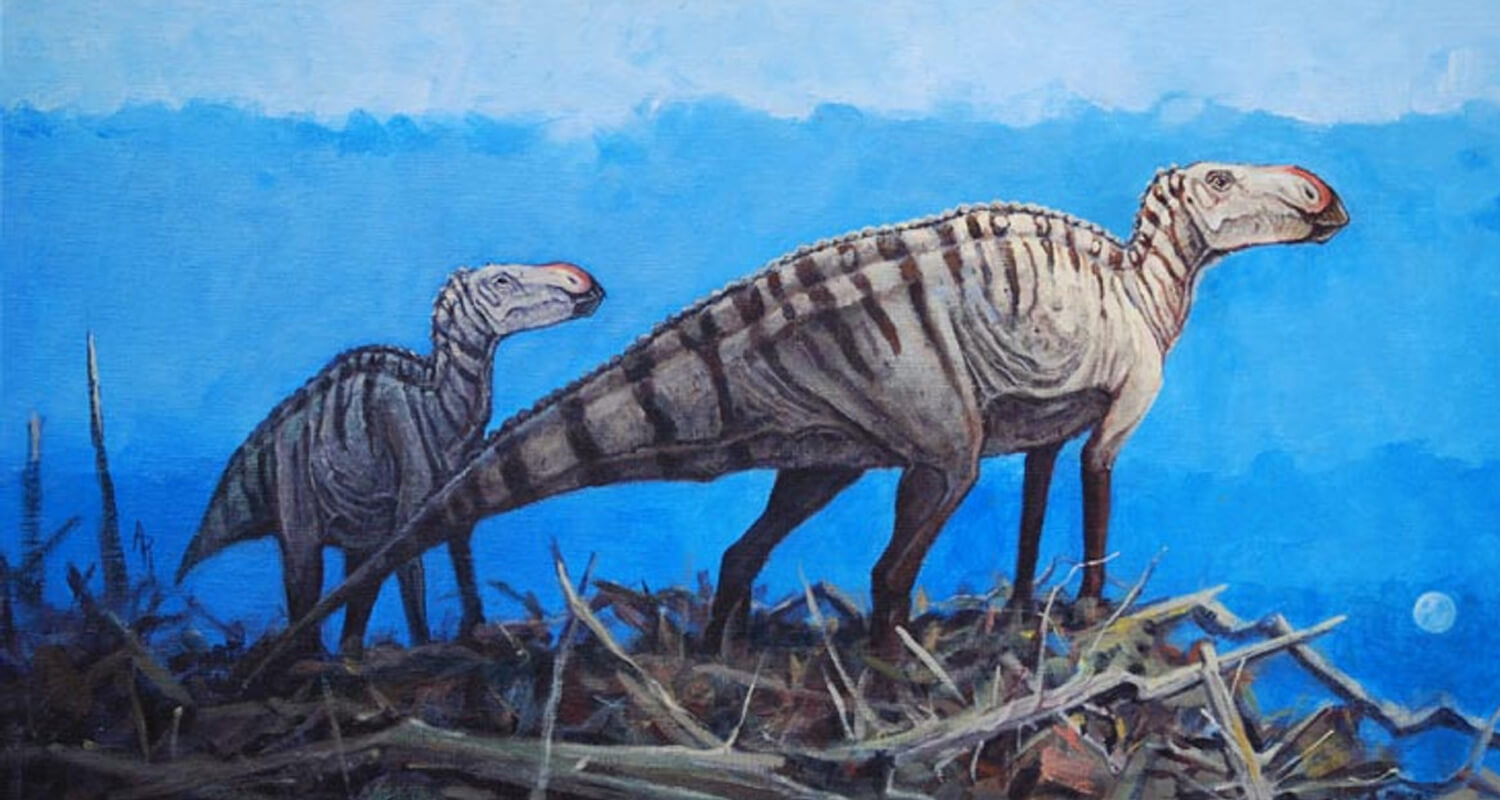
Size: Approximately 30 feet (9 meters) long
Weight: Around 2 tons
Time Period: Late Cretaceous (about 80-76 million years ago)
Brachylophosaurus, meaning "short-crested lizard," is known for its relatively small, bony crest compared to other hadrosaurids. It had a robust body and was a herbivore, feeding on vegetation with its beak-like mouth and extensive dental battery.
Kritosaurus
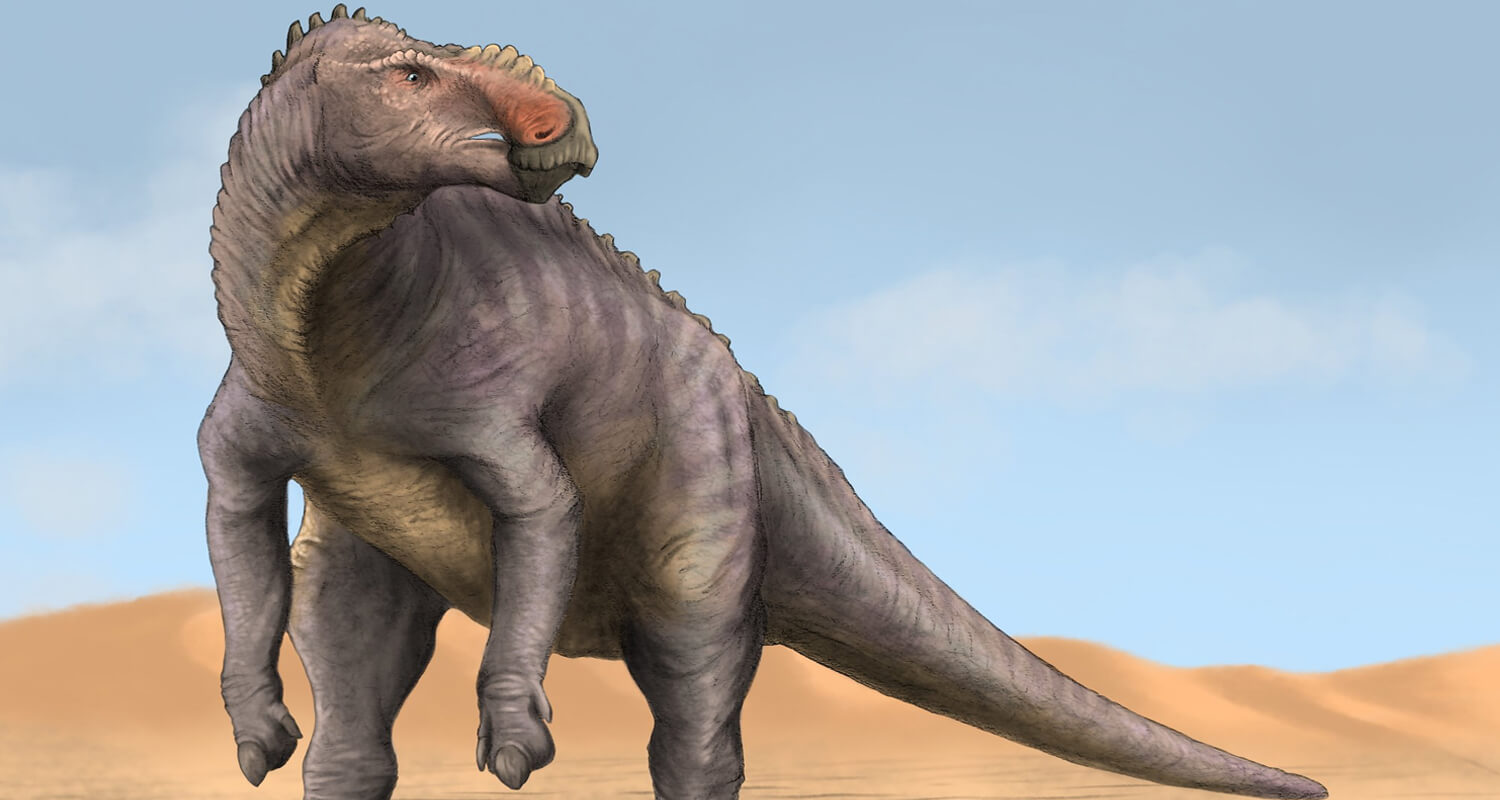
Size: Approximately 30 feet (9 meters) long
Weight: Around 2 tons
Time Period: Late Cretaceous (about 76-74 million years ago)
Kritosaurus was a duck-billed dinosaur with a distinctive, curved crest on its head. This crest likely played a role in vocalization or social interactions. It had a beak-like mouth and was equipped with a large number of teeth adapted for processing plant material.
Shantungosaurus
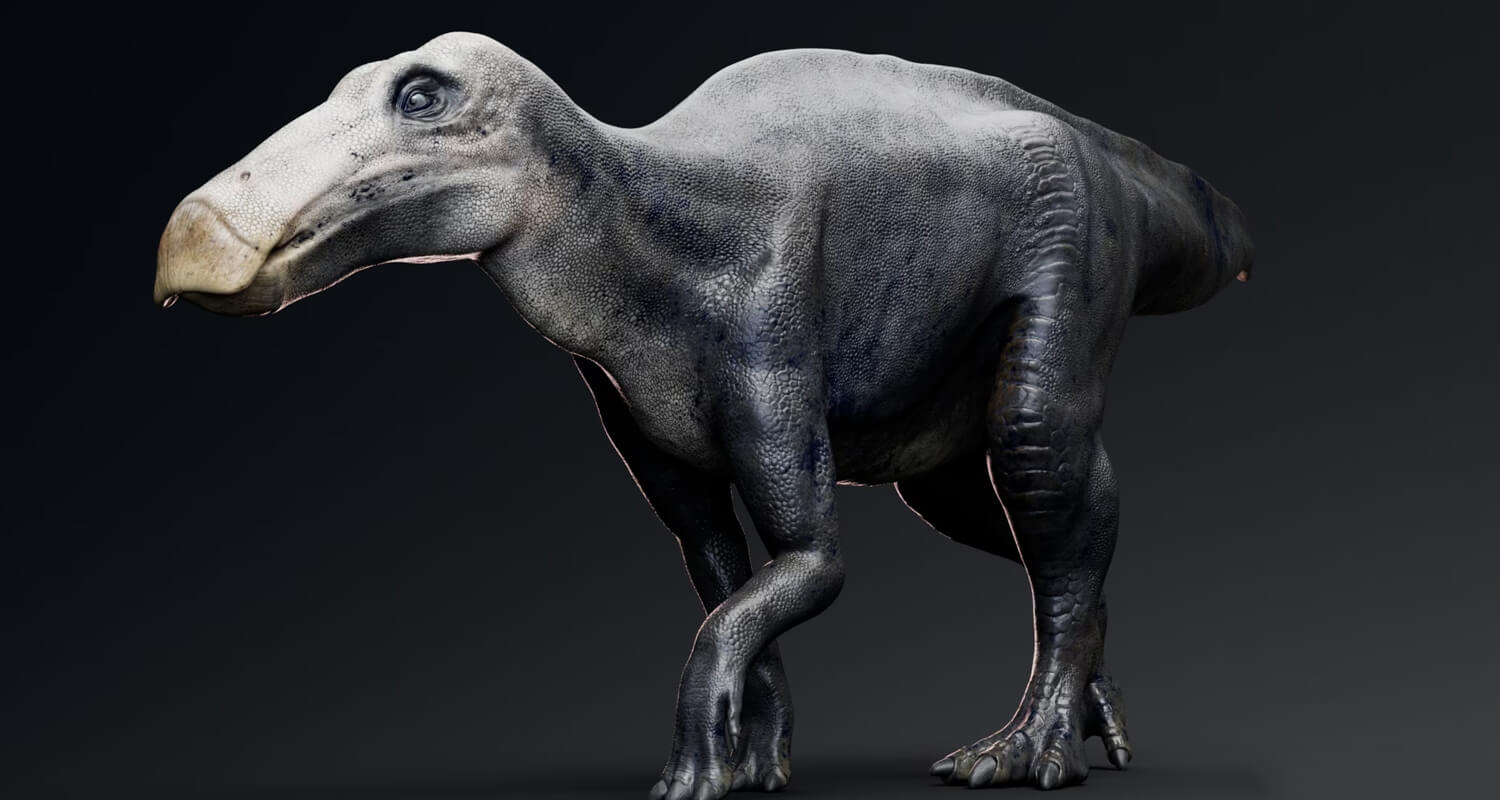
Size: Approximately 50 feet (15 meters) long
Weight: Around 8 tons
Time Period: Late Cretaceous (about 70-65 million years ago)
Shantungosaurus was one of the largest hadrosaurids, characterized by its massive size and broad, flat beak. It had a large number of teeth arranged in a way that allowed it to efficiently chew tough vegetation. The extensive fossil evidence suggests it was a common herbivore in its time.
Bringing Duck-Billed Dinosaurs to Life with Animatronics
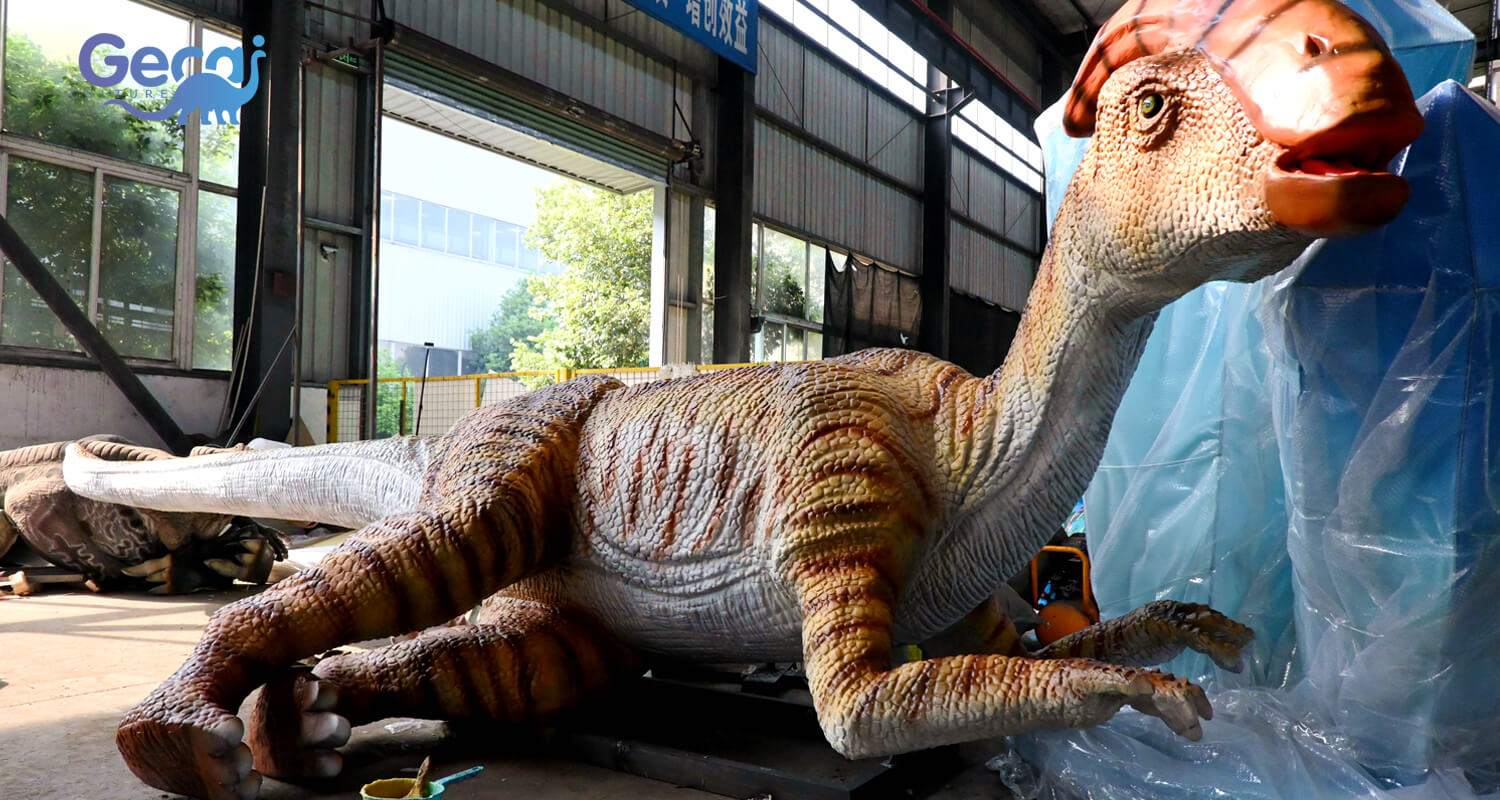 To experience the wonders of duck-billed dinosaurs up close, consider incorporating our animatronic dinosaur products into your educational exhibits or entertainment venues. Our animatronic hadrosaur models are designed to replicate the look and movement of these fascinating creatures with remarkable accuracy. Featuring lifelike movements, sounds, and customizable designs, our animatronic duck-billed dinosaurs can create an immersive and engaging experience for audiences of all ages. Perfect for museums, theme parks, and educational events, our animatronic dinosaurs offer a captivating way to bring the prehistoric world to life.
FAQs about Duck-Billed Dinosaurs
What is the most well-known duck-billed dinosaur?
One of the most well-known duck-billed dinosaurs is Parasaurolophus, recognized for its long, curved cranial crest.
Did duck-billed dinosaurs have any natural predators?
Yes, duck-billed dinosaurs had several natural predators, including large theropods such as Tyrannosaurus rex and dromaeosaurs.
How did duck-billed dinosaurs use their crests?
The crests of duck-billed dinosaurs, such as Parasaurolophus and Corythosaurus, were likely used for vocal communication, display, and possibly even species identification.
What did duck-billed dinosaurs eat?
Duck-billed dinosaurs were herbivores, primarily feeding on vegetation such as ferns, conifers, and cycads.
Conclusion
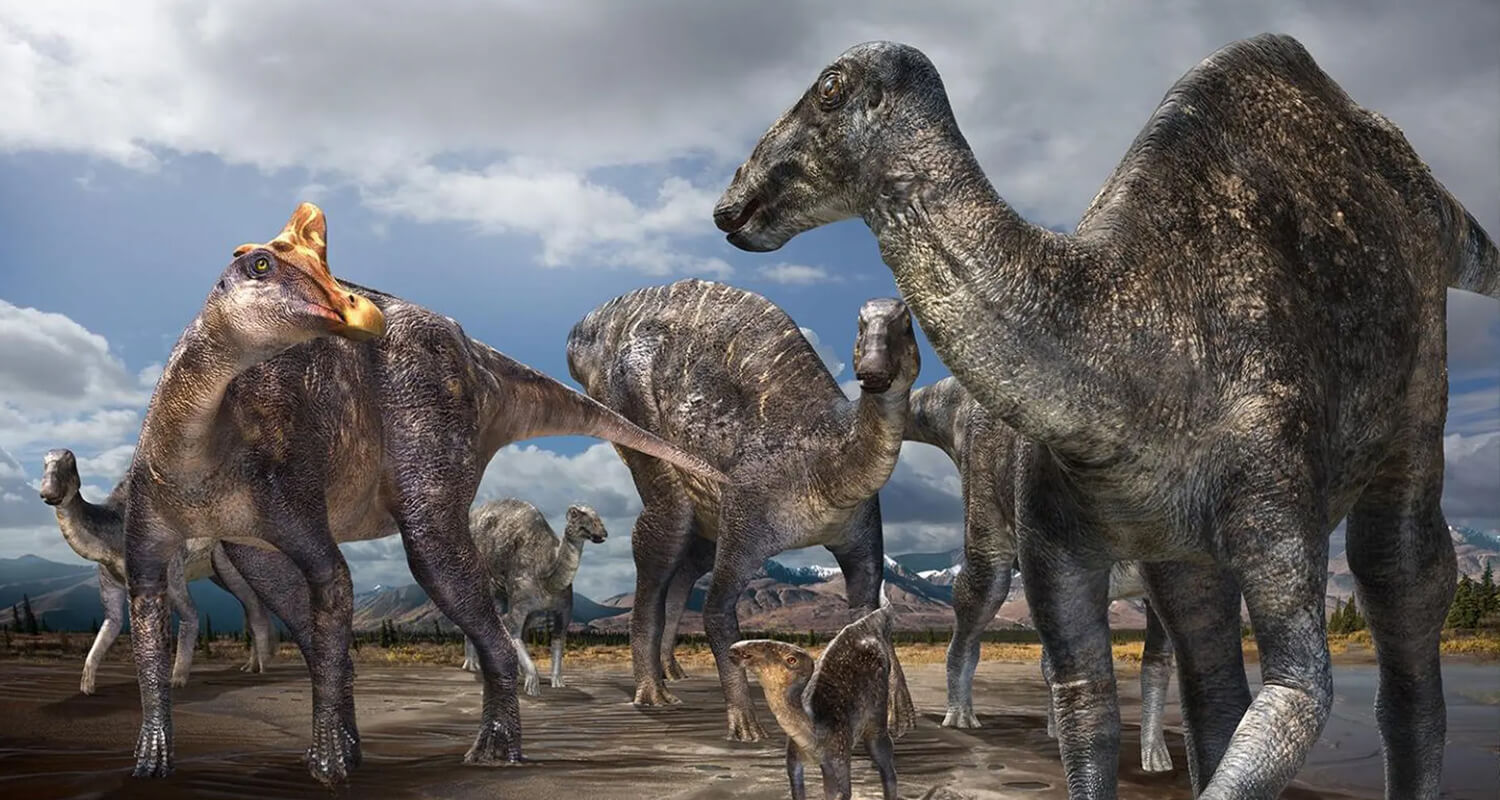 Duck-billed dinosaurs are among the most fascinating and diverse groups of herbivorous dinosaurs. Their unique adaptations, including their distinctive snouts and cranial crests, make them a subject of ongoing study and interest. By incorporating our animatronic duck-billed dinosaur products into your exhibits or events, you can provide an immersive and educational experience that brings these incredible creatures to life. Whether you're a museum curator, theme park operator, or dinosaur enthusiast, our animatronic dinosaurs can help you create a memorable journey into the prehistoric world.
Tags: