À propos de nous
Gecai Culture est à l'avant-garde pour donner vie au passé grâce à nos dinosaures animatroniques ultramodernes, à nos créatures animatroniques enchanteresses, à nos lanternes de festival chinois vibrantes et à nos produits personnalisés sur mesure. En tant que fabricant professionnel niché au cœur de la Chine, nous entretenons une passion profonde pour présenter nos dinos et animaux réalistes dans les musées, les expositions, les zoos, les parcs et au-delà, dans le but d'allumer une flamme de curiosité et d'apprentissage chez les personnes de tous âges.
Obtenez un devis gratuit
Connaissance des dinosaures
Dinosaures à plumes : dévoiler les créatures colorées du Mésozoïque
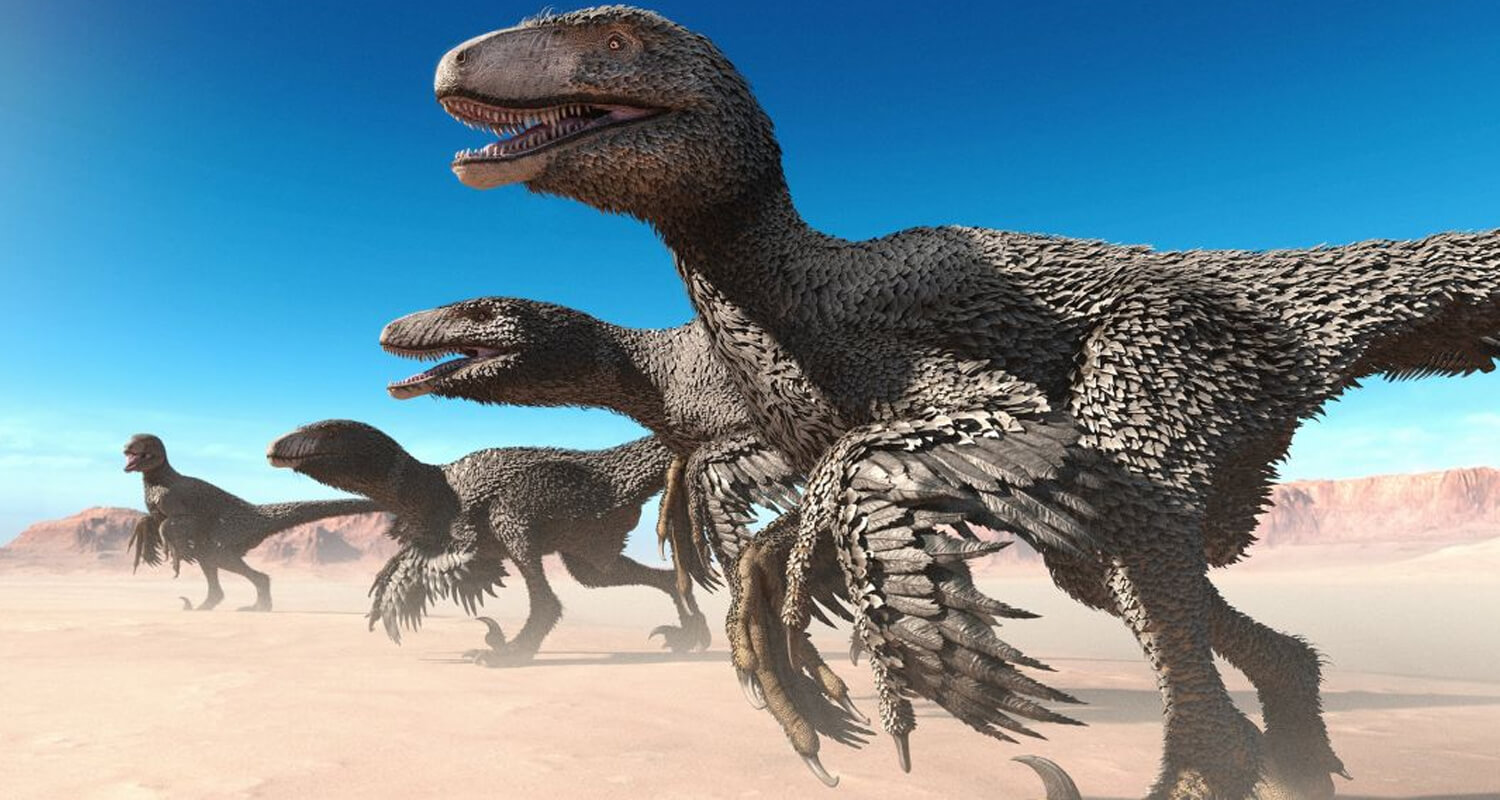
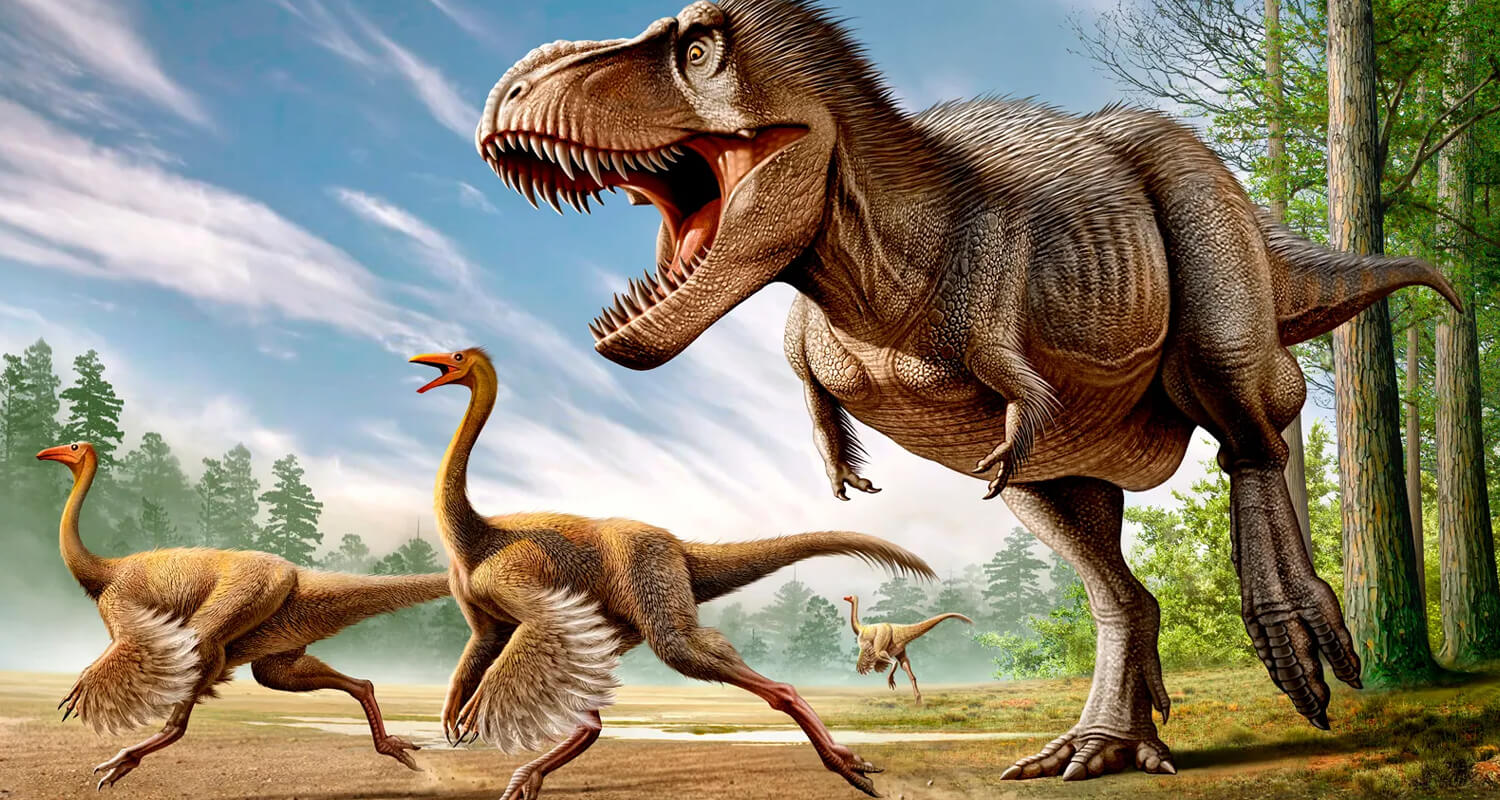 Feathered dinosaurs have revolutionized our understanding of the Mesozoic era, challenging traditional views of these ancient creatures. Once considered exclusively reptilian, many dinosaurs are now recognized for their remarkable plumage, which hints at a vibrant and dynamic prehistoric world. In this article, we'll explore the fascinating world of feathered dinosaurs, highlight some notable species, and showcase how our animatronic dinosaur products bring these colorful creatures to life.
The Marvel of Feathered Dinosaurs
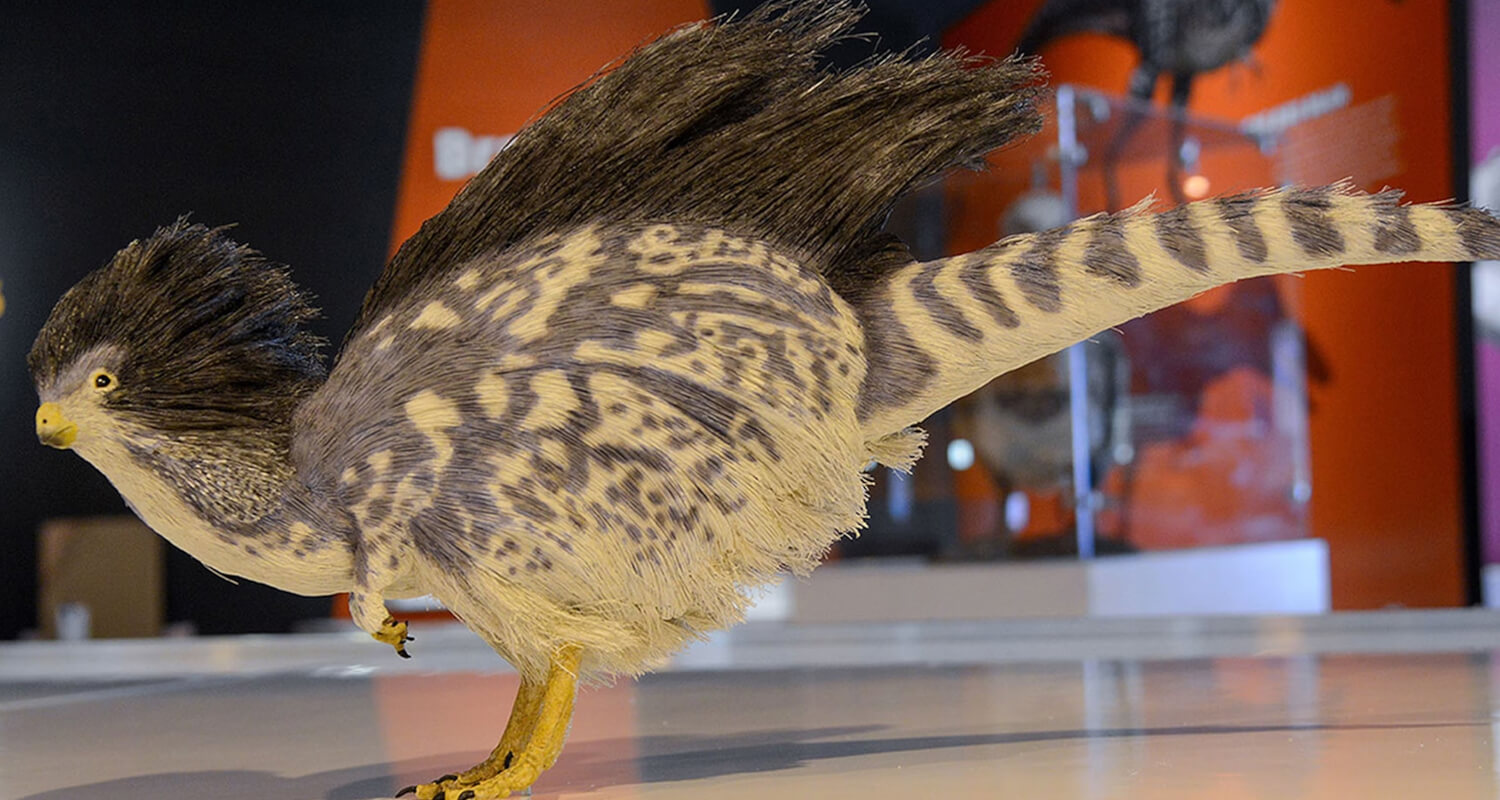 Feathered dinosaurs were more than just a modern addition to paleontology—they represented a major shift in our understanding of dinosaur evolution. The discovery of feathers in various dinosaur fossils has provided invaluable insights into their appearance, behavior, and evolutionary connections to modern birds. Feathers likely served multiple functions, including insulation, display, and perhaps even early forms of flight.
Top Feathered Dinosaurs Ever Lived in the World
Velociraptor
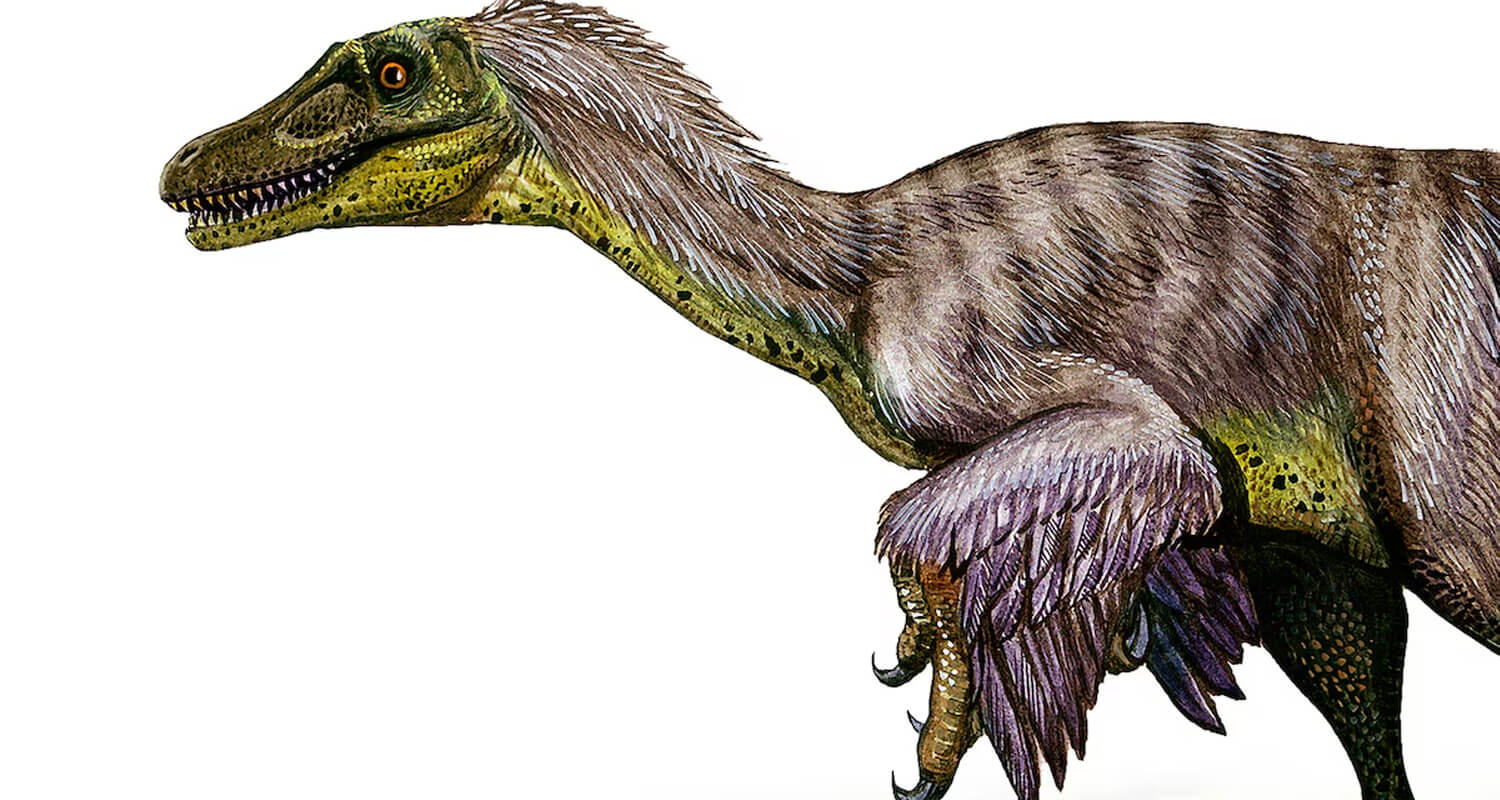
Size: Approximately 6.5 feet (2 meters) long
Weight: Around 33 pounds (15 kilograms)
Time Period: Late Cretaceous (about 75-71 million years ago)
Velociraptor was a small, agile predator known for its speed and sharp claws. It had a long, slender body, a large sickle-shaped claw on each foot, and a feathered body. Velociraptor is famous for its intelligence and hunting prowess.
Archaeopteryx
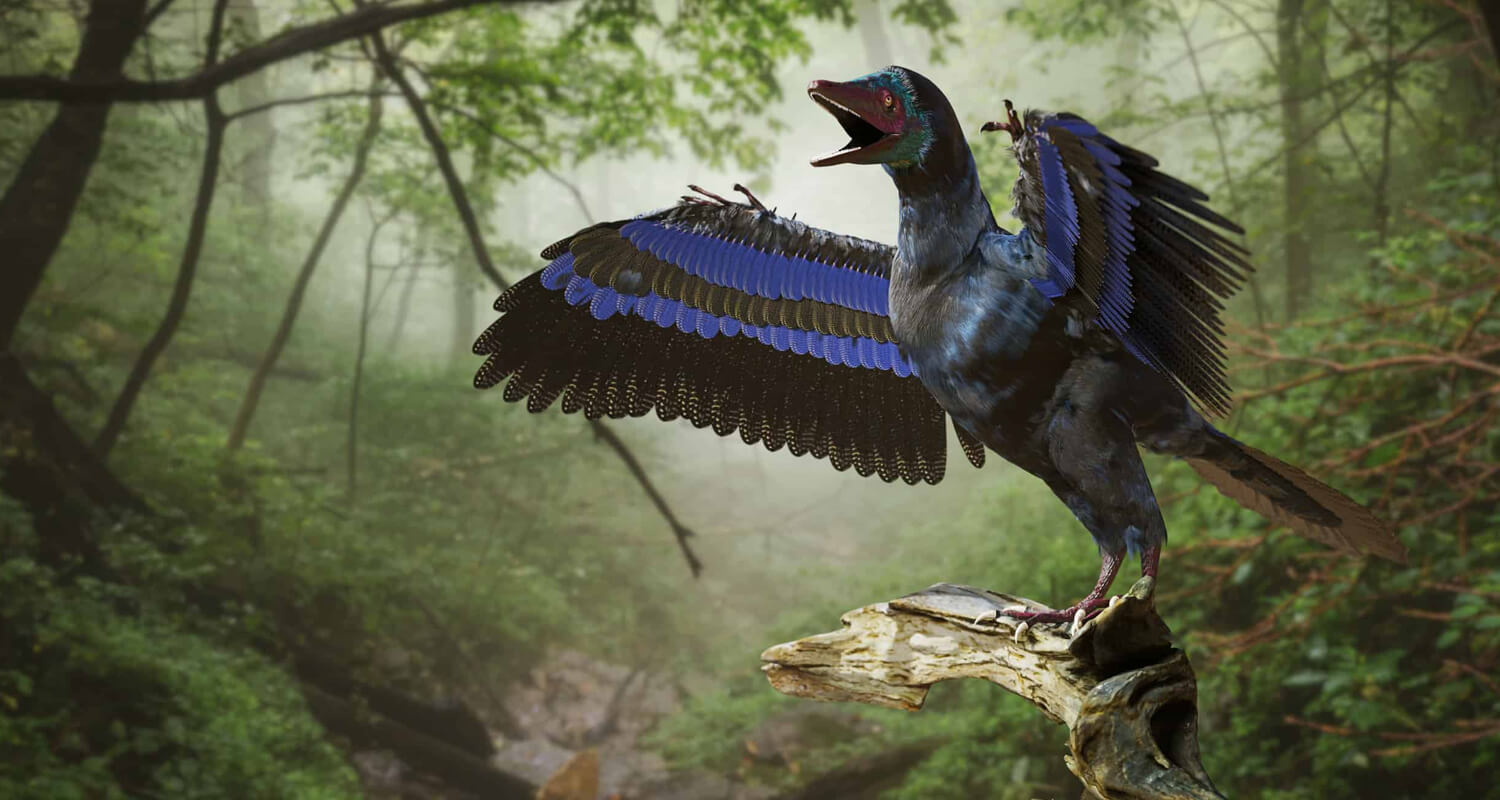
Size: Approximately 1.5 feet (0.5 meters) long
Weight: Around 2.2 pounds (1 kilogram)
Time Period: Late Jurassic (about 150 million years ago)
Archaeopteryx is one of the most famous early birds and is considered a transitional fossil between non-avian dinosaurs and modern birds. It had feathered wings and a structure resembling that of modern birds, but also retained dinosaurian features such as teeth and a long bony tail.
Microraptor
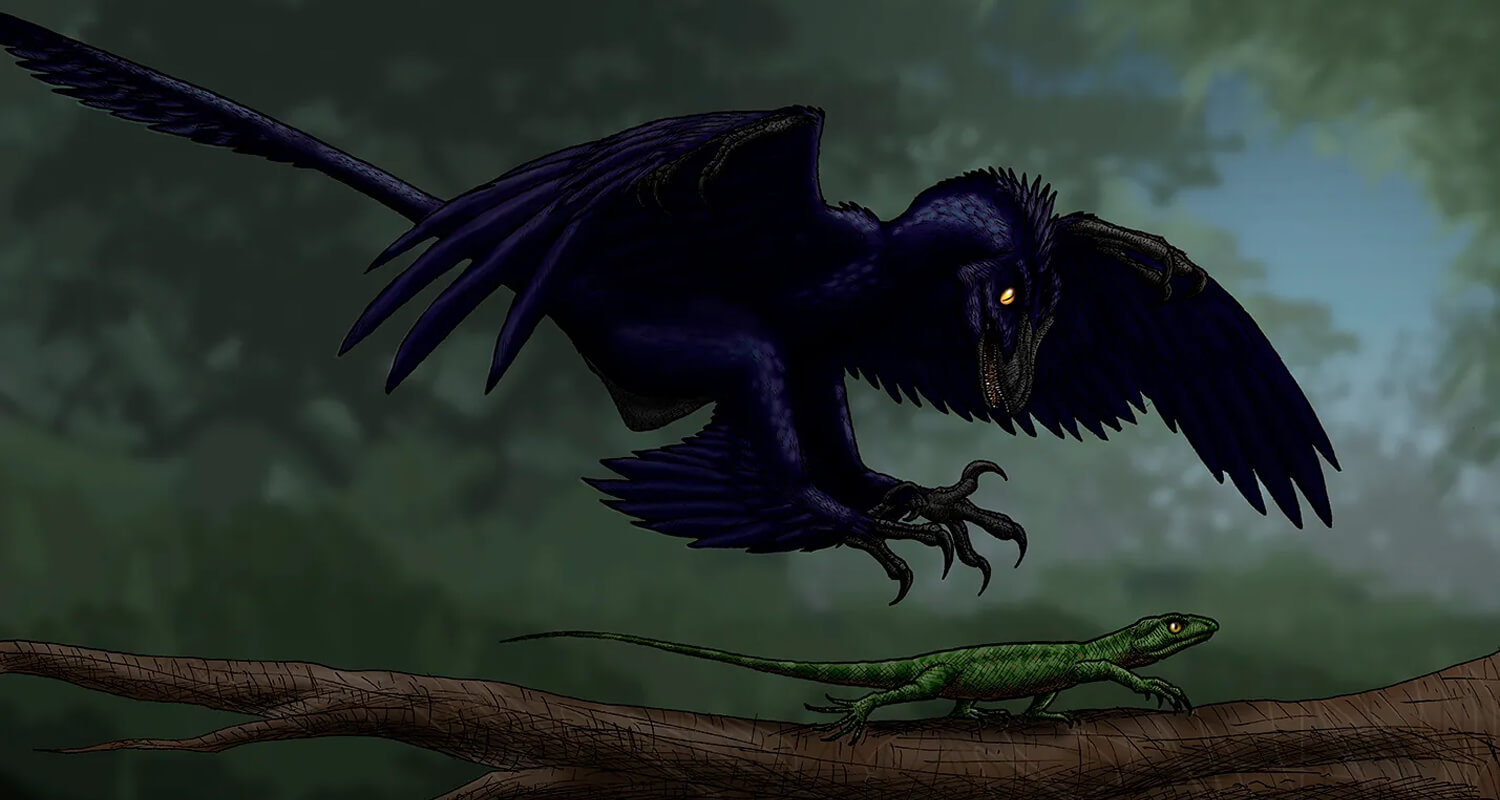
Size: Approximately 2.5 feet (0.8 meters) long
Weight: Around 2.2 pounds (1 kilogram)
Time Period: Early Cretaceous (about 120 million years ago)
Microraptor was a small, feathered dinosaur with four wings—one on each limb. This unique adaptation likely helped it glide or possibly even powered short bursts of flight. It was an omnivore, feeding on insects and small vertebrates.
Therizinosaurus
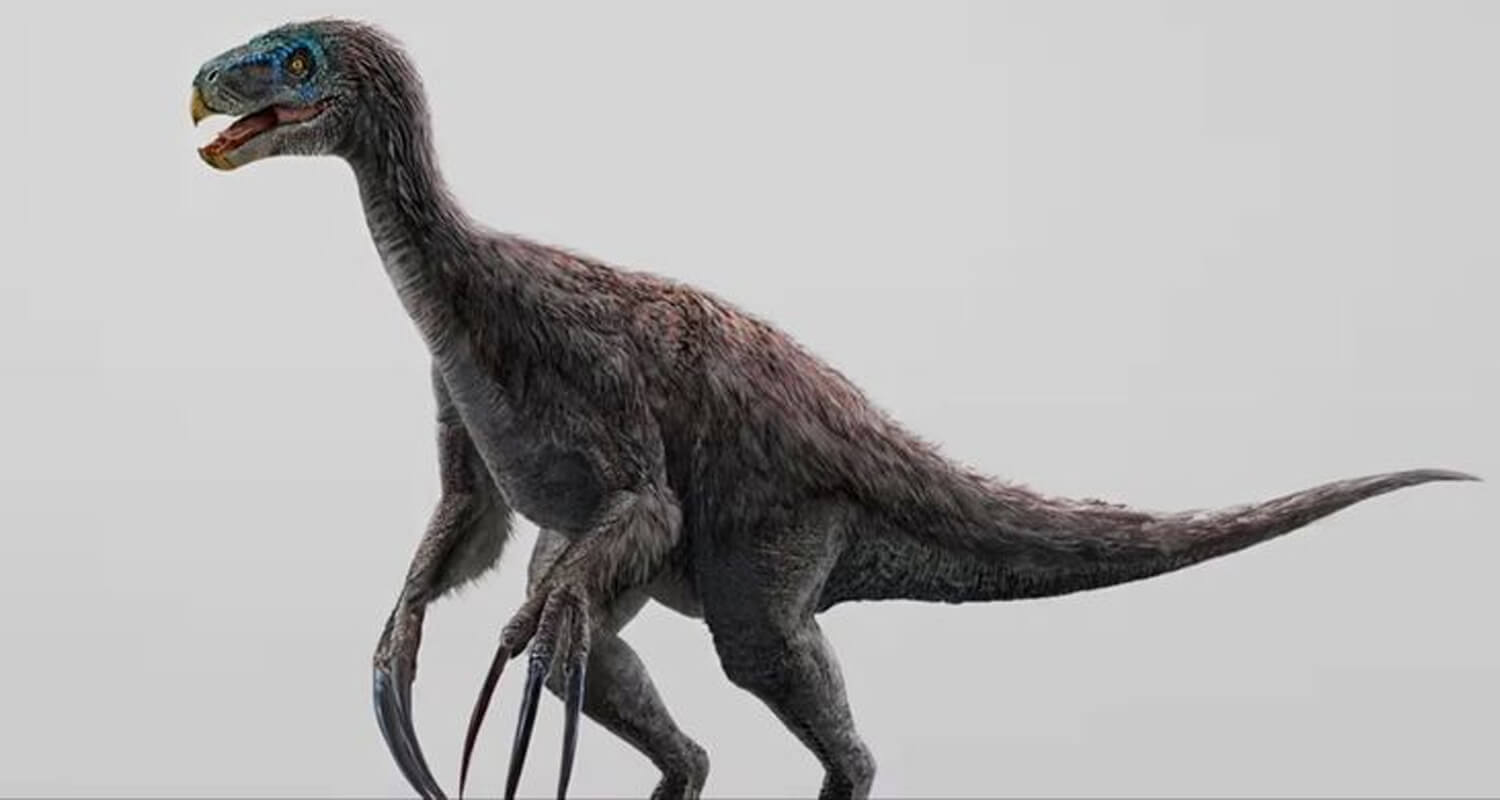
Size: Approximately 33 feet (10 meters) long
Weight: Around 5-6 tons
Time Period: Late Cretaceous (about 70 million years ago)
Therizinosaurus was a large, herbivorous theropod known for its enormous, curved claws that could grow up to 3 feet (1 meter) in length. It had a bulky body, a long neck, and a beak-like mouth, making it one of the most unusual and striking dinosaurs.
Sinosauropteryx
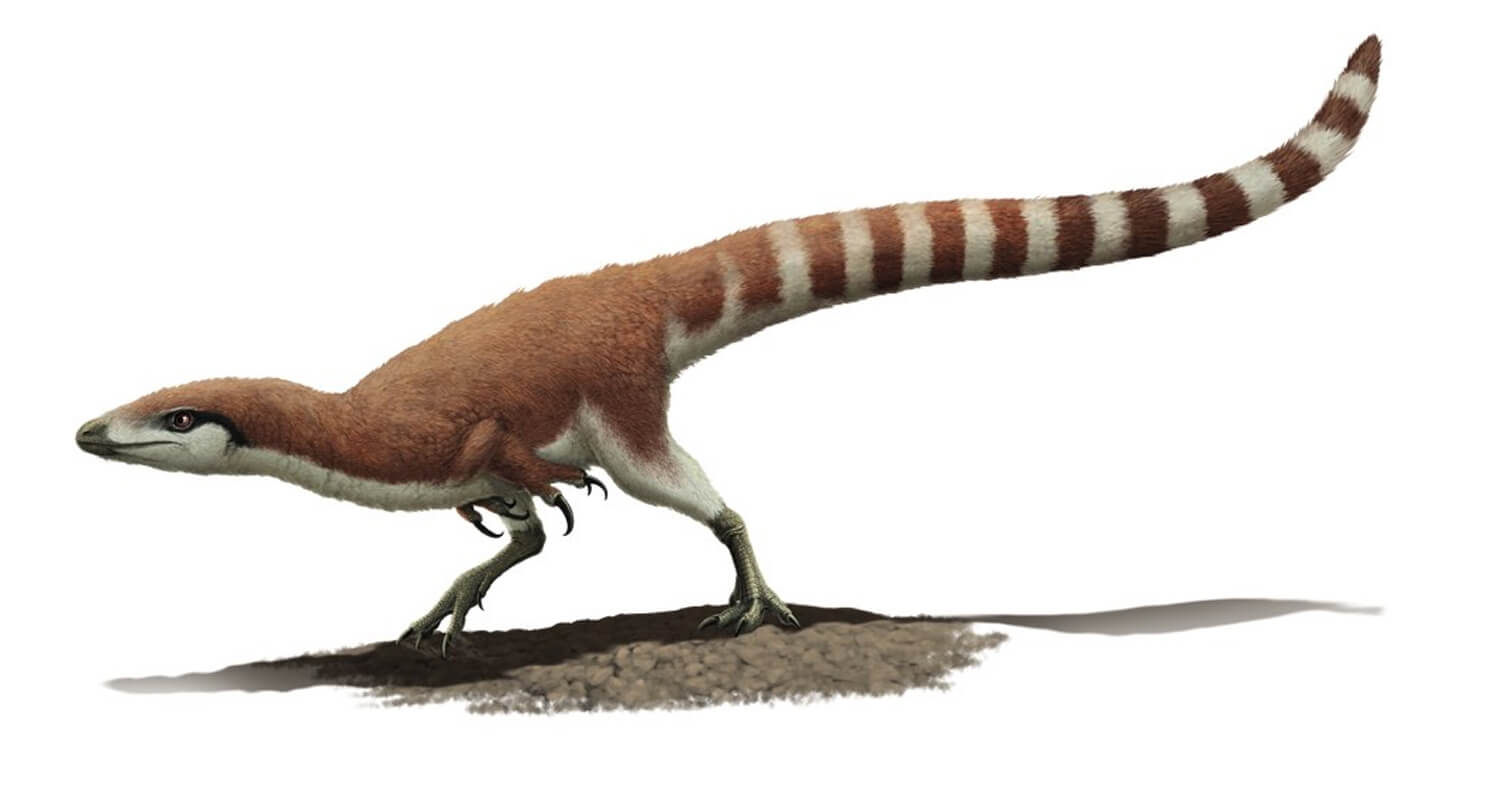
Size: Approximately 2.5 feet (0.8 meters) long
Weight: Around 2.2 pounds (1 kilogram)
Time Period: Early Cretaceous (about 125 million years ago)
Sinosauropteryx was a small, feathered dinosaur with a long, slender body and a long tail. It was one of the earliest dinosaurs known to have had feathers, which were likely used for insulation and display rather than flight.
Caudipteryx
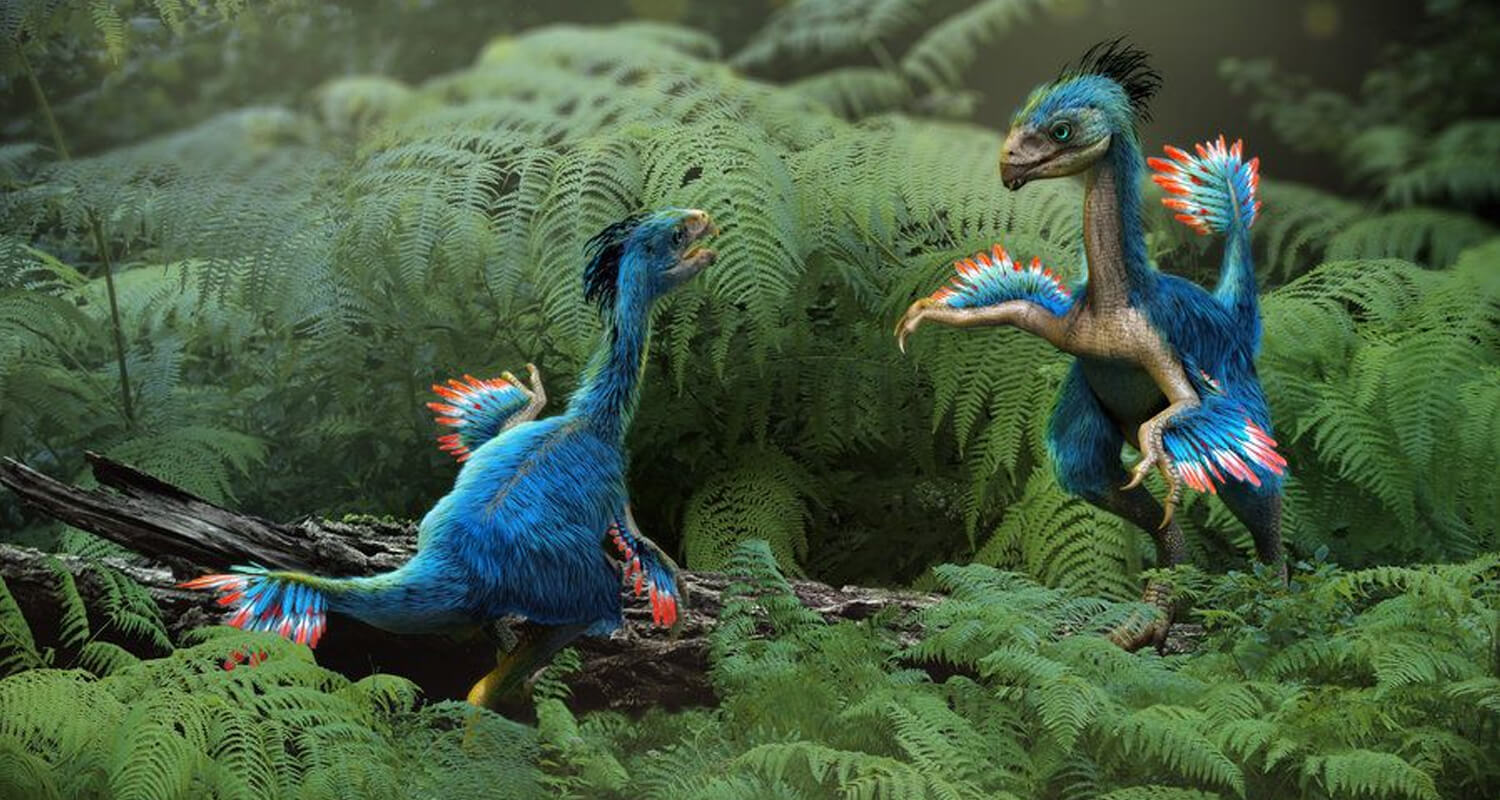
Size: Approximately 4 feet (1.2 meters) long
Weight: Around 5 pounds (2.3 kilograms)
Time Period: Early Cretaceous (about 125 million years ago)
Caudipteryx was a small, feathered dinosaur with a body shape resembling that of modern birds. It had symmetrical feathers on its arms and legs, suggesting it used them for display or insulation rather than flight. It was an omnivore, feeding on plants and small animals.
Confuciusornis
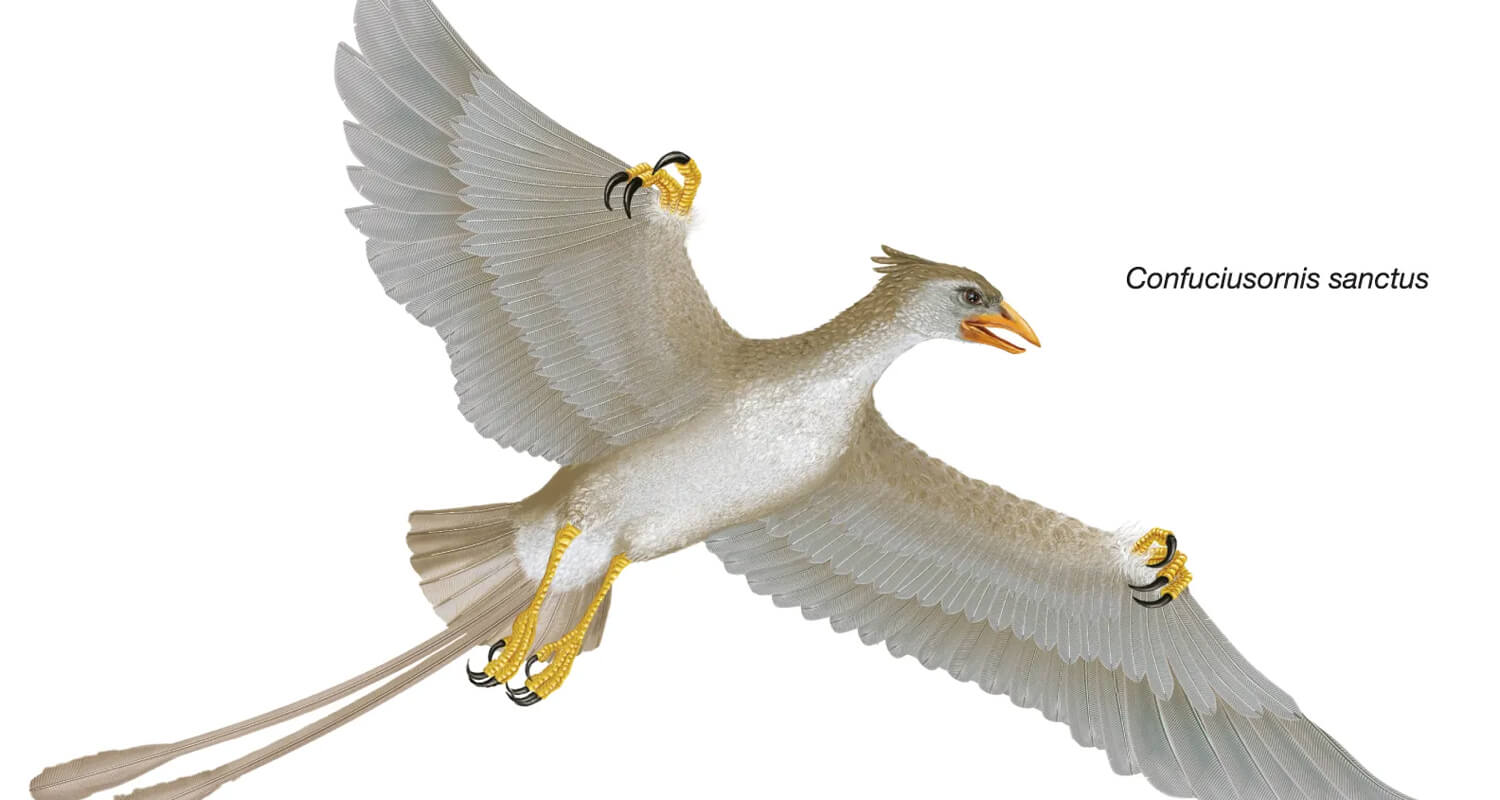
Size: Approximately 1.6 feet (0.5 meters) long
Weight: Around 2.2 pounds (1 kilogram)
Time Period: Early Cretaceous (about 120 million years ago)
Confuciusornis was an early bird-like dinosaur with primitive features, such as a toothless beak and long, feathered tail. It had a relatively small size and was capable of powered flight. Its discovery has provided significant insights into the evolution of early avian species.
Oviraptor
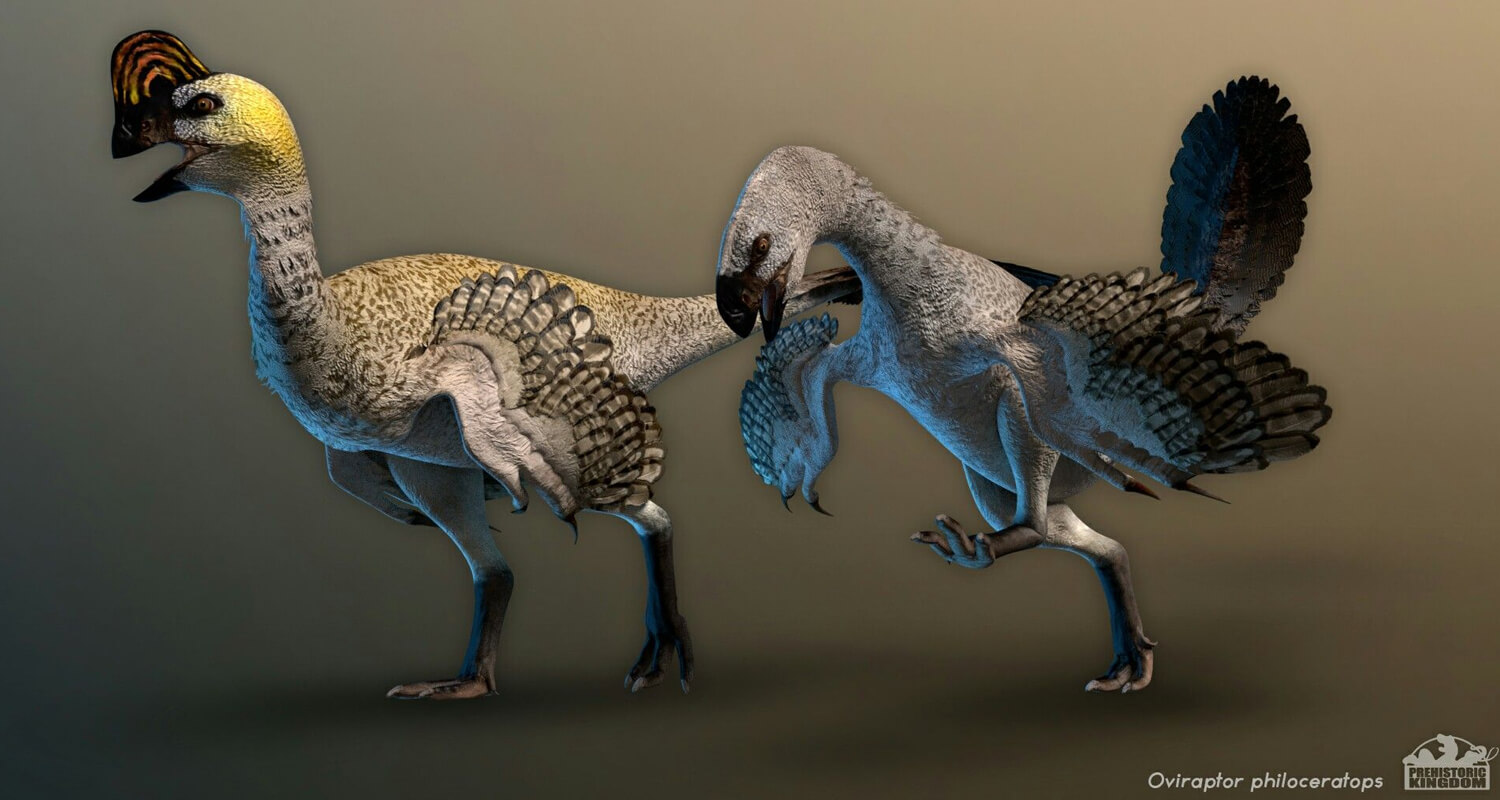
Size: Approximately 6.5 feet (2 meters) long
Weight: Around 60 pounds (27 kilograms)
Time Period: Late Cretaceous (about 75-71 million years ago)
Oviraptor was a medium-sized dinosaur known for its beak-like mouth and presumed omnivorous diet. Initially believed to be an egg thief, further research revealed that it may have been a caring parent, incubating its own eggs in nests.
Dromaeosaurus
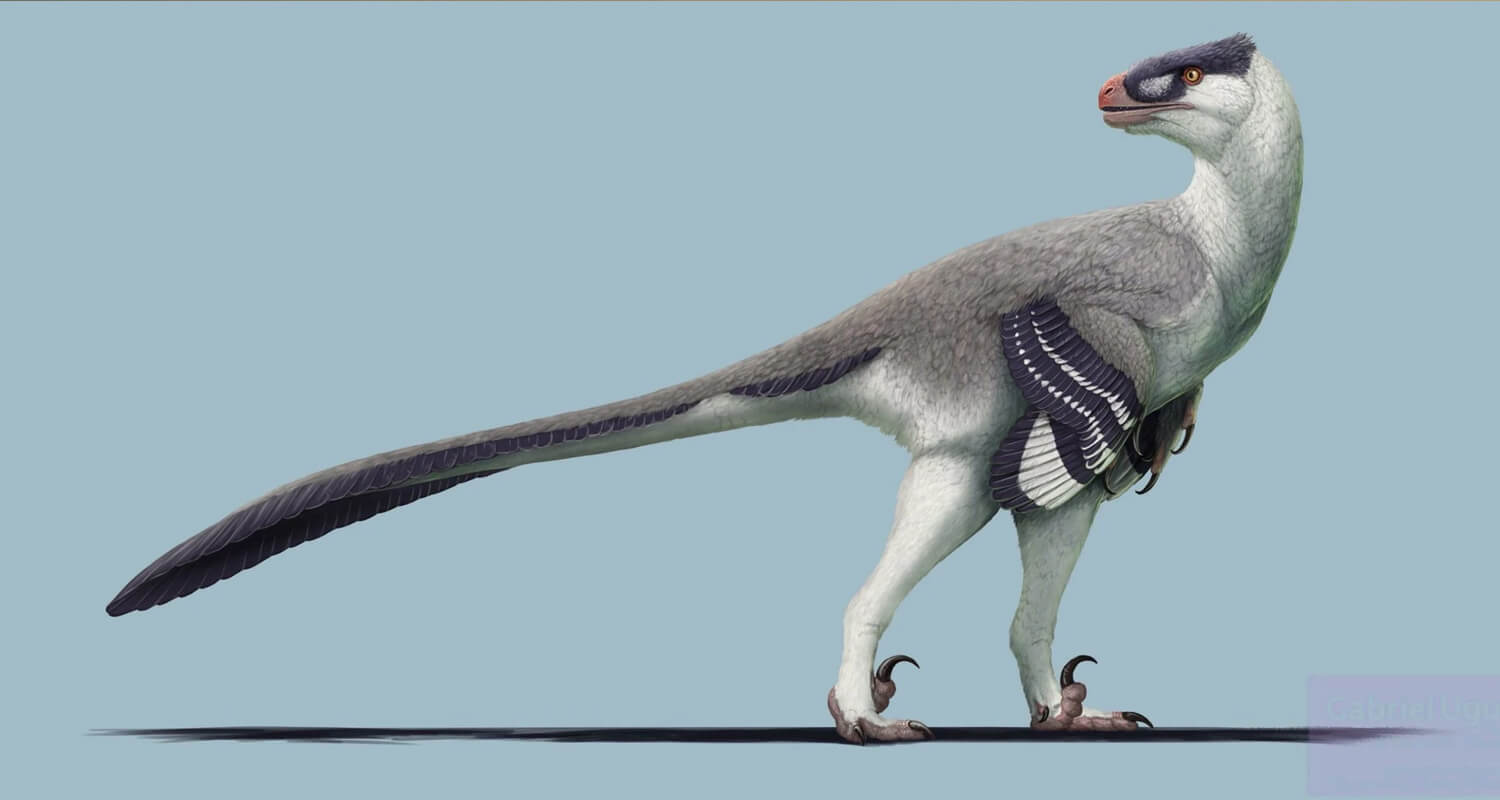
Size: Approximately 6.5 feet (2 meters) long
Weight: Around 50 pounds (23 kilograms)
Time Period: Late Cretaceous (about 75-70 million years ago)
Dromaeosaurus was a small, agile predator with a sickle-shaped claw on each foot. It was closely related to Velociraptor and shared similar features, including a high level of agility and sharp claws used for hunting.
Micropachycephalosaurus
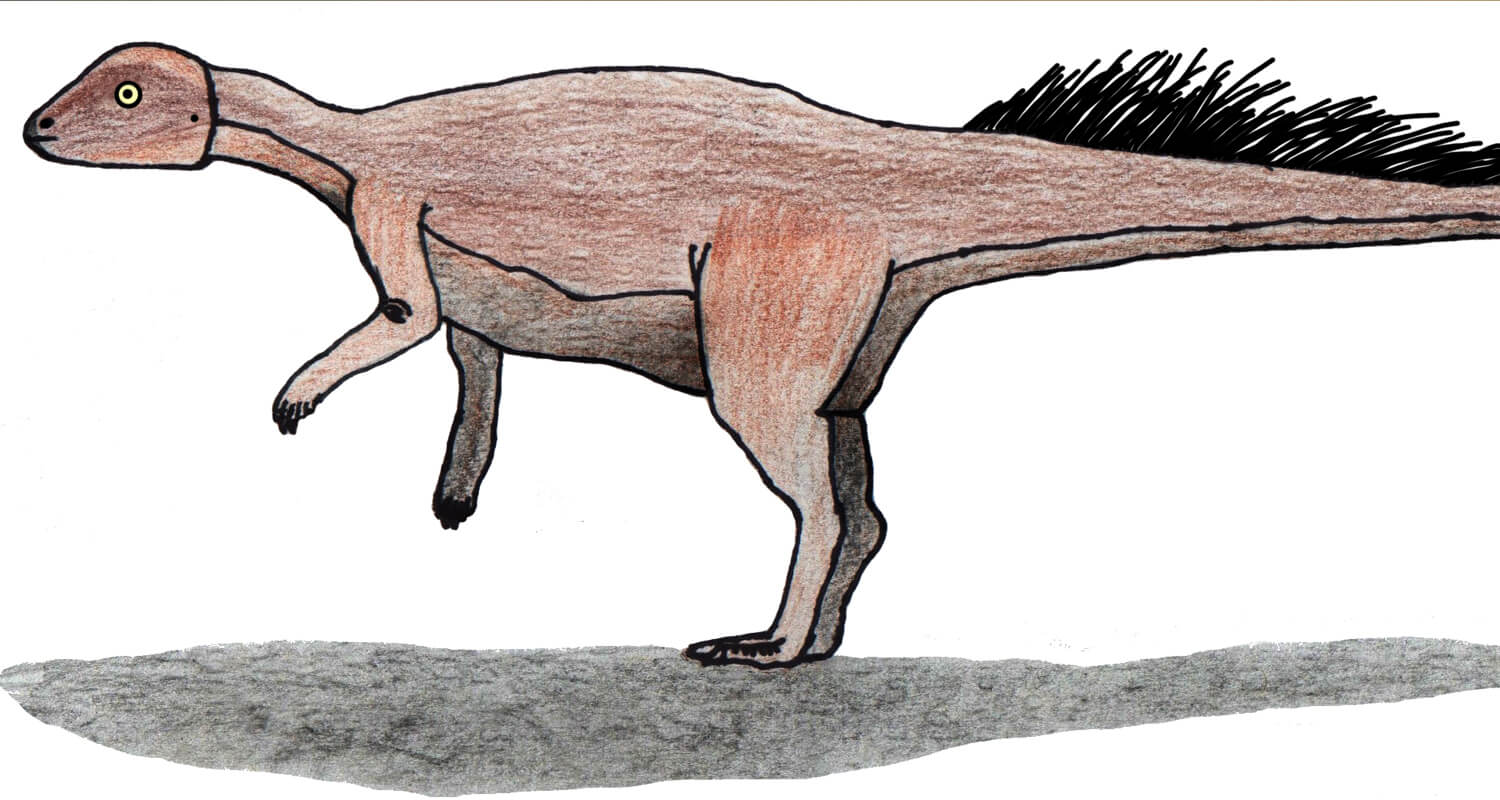
Size: Approximately 2.5 feet (0.8 meters) long
Weight: Around 2.2 pounds (1 kilogram)
Time Period: Late Cretaceous (about 70 million years ago)
Micropachycephalosaurus was a small, bipedal dinosaur with a thick, dome-shaped skull. It is one of the smallest members of the pachycephalosaurs, which were known for their distinctive domed heads and thick skulls, possibly used in head-butting behaviors.
Bringing Feathered Dinosaurs to Life with Animatronics
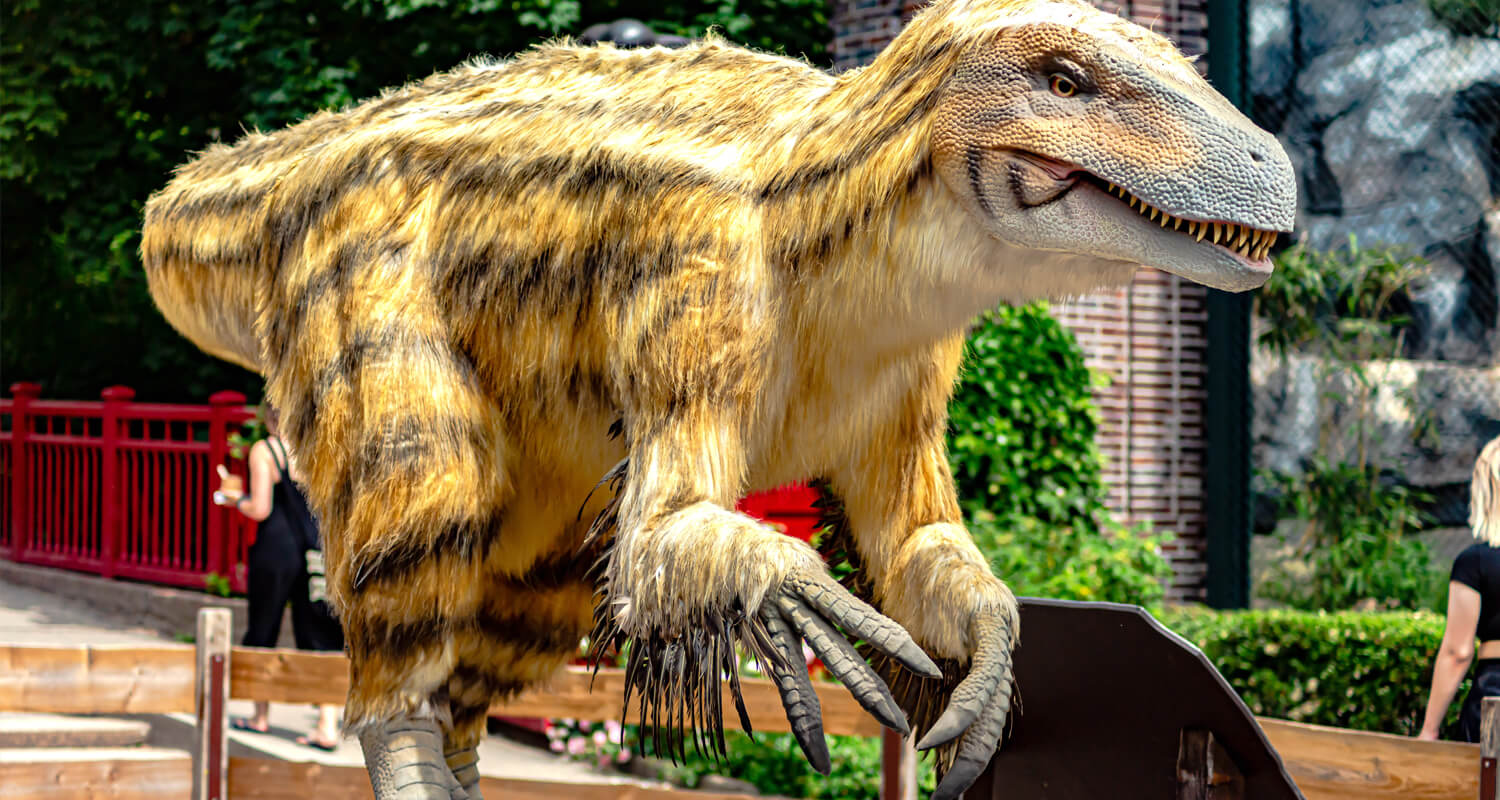 To truly experience the wonder of feathered dinosaurs, consider incorporating our animatronic dinosaur products into your exhibits or events. Our feathered dinosaur animatronics are designed with meticulous attention to detail, replicating the vibrant plumage and dynamic movements of these ancient creatures. Featuring lifelike feathers, realistic motions, and customizable designs, our animatronic feathered dinosaurs provide an immersive and engaging experience for audiences of all ages. Perfect for museums, theme parks, and educational events, our animatronic dinosaurs offer a captivating glimpse into the colorful world of the Mesozoic.
FAQs about Feathered Dinosaurs
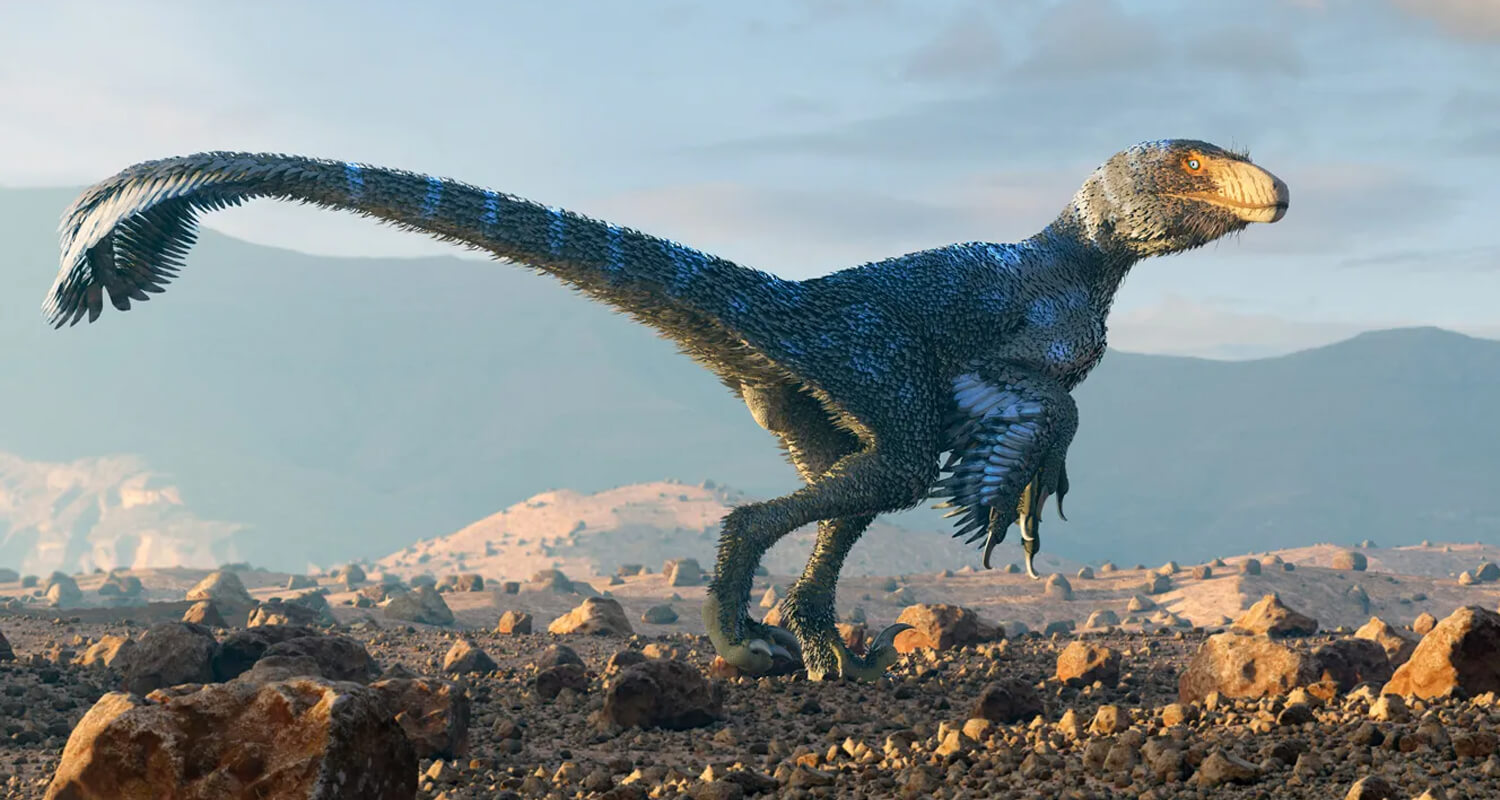 What evidence supports that some dinosaurs had feathers?
The discovery of fossilized feathers and feather-like structures in various dinosaur species provides strong evidence that some dinosaurs were feathered. These fossils often show impressions of feathers or even preserved feathers.
Did all dinosaurs have feathers?
No, not all dinosaurs had feathers. Feathers are primarily associated with theropods, a subgroup of dinosaurs, and are especially common in smaller species and those closely related to modern birds.
How did feathered dinosaurs use their feathers?
Feathers in dinosaurs likely served multiple purposes, including insulation, display, and possibly early forms of flight. Some feathers may have been used for attracting mates, signaling, or regulating body temperature.
When did feathered dinosaurs first appear?
Feathered dinosaurs are believed to have first appeared in the Late Jurassic period, with some of the earliest examples like Archaeopteryx showing both dinosaurian and avian features.
Conclusion
 Feathered dinosaurs offer a vibrant and dynamic view of the Mesozoic world, challenging our traditional perceptions and revealing a more colorful prehistoric landscape. By incorporating our animatronic feathered dinosaur products into your exhibits, you can provide an immersive and educational experience that brings these remarkable creatures to life. Whether you're a museum curator, theme park operator, or dinosaur enthusiast, our animatronic dinosaurs offer a thrilling way to explore the feathered wonders of the past.
Tags: