우리에 대해
게카이 문화는 최첨단 애니메트로닉 공룡, 매혹적인 애니메트로닉 생물, 활기찬 중국 축제 등불, 맞춤형 제품을 통해 과거를 되살리는 데 앞장서고 있습니다. 중국의 중심부에 자리잡은 전문 제조업체로서 우리는 박물관, 전시회, 동물원, 공원 등에서 우리의 실물과 같은 공룡과 동물을 전시하는 데 깊은 열정을 가지고 있으며, 모든 연령대의 사람들에게 호기심과 학습의 불꽃을 불러일으키는 것을 목표로 하고 있습니다.
무료 견적 받기
공룡 지식
공룡과 날씨: 기후 변화가 그들의 진화에 어떤 영향을 미쳤는지
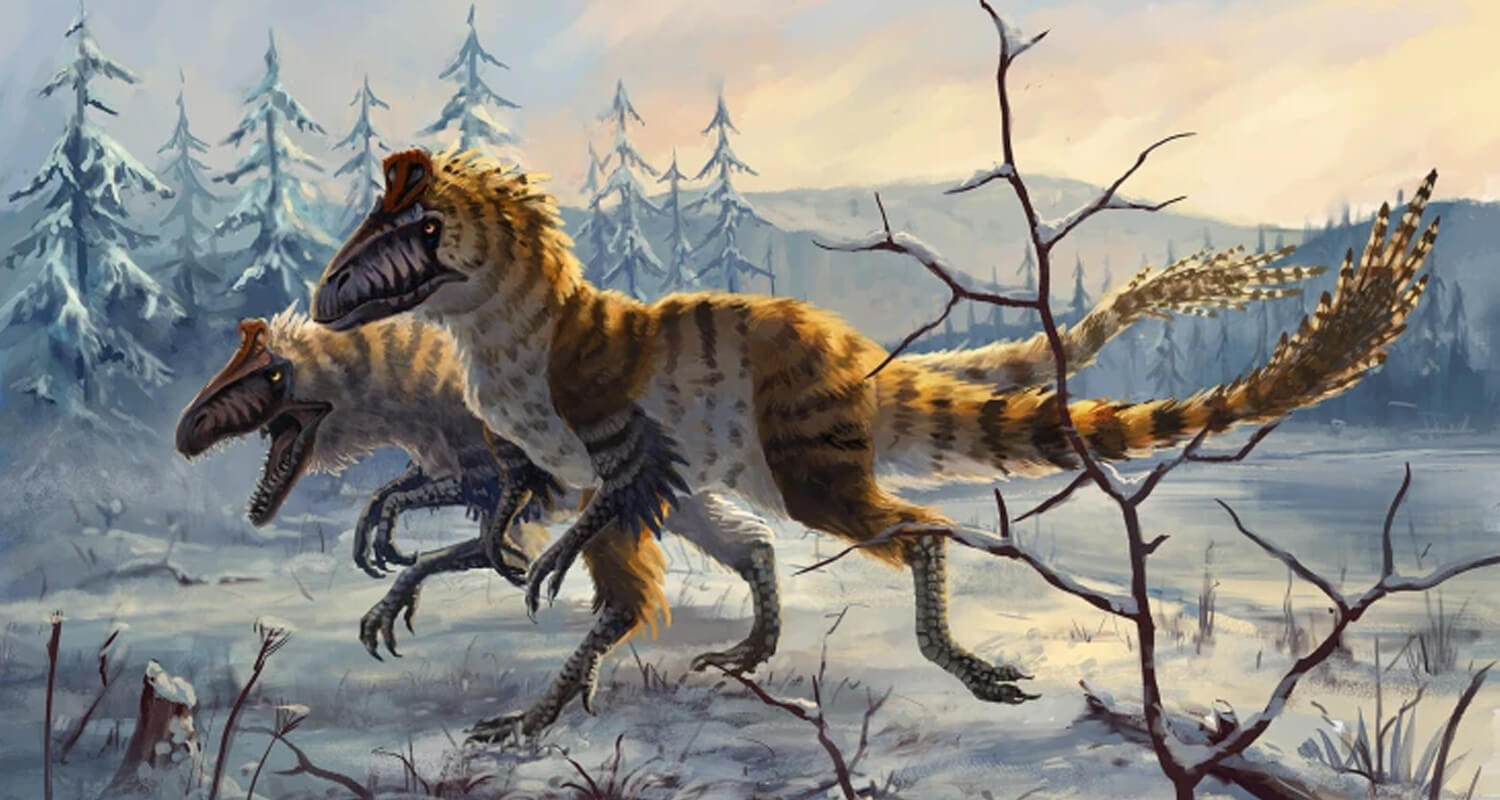 Dinosaurs ruled the Earth for over 160 million years, adapting to various environmental changes. However, the climate played a significant role in their evolution, shaping their size, behavior, and habitat distribution. Understanding how climate influenced dinosaur development helps us uncover their survival strategies and eventual extinction.
The Mesozoic Climate: A Changing World
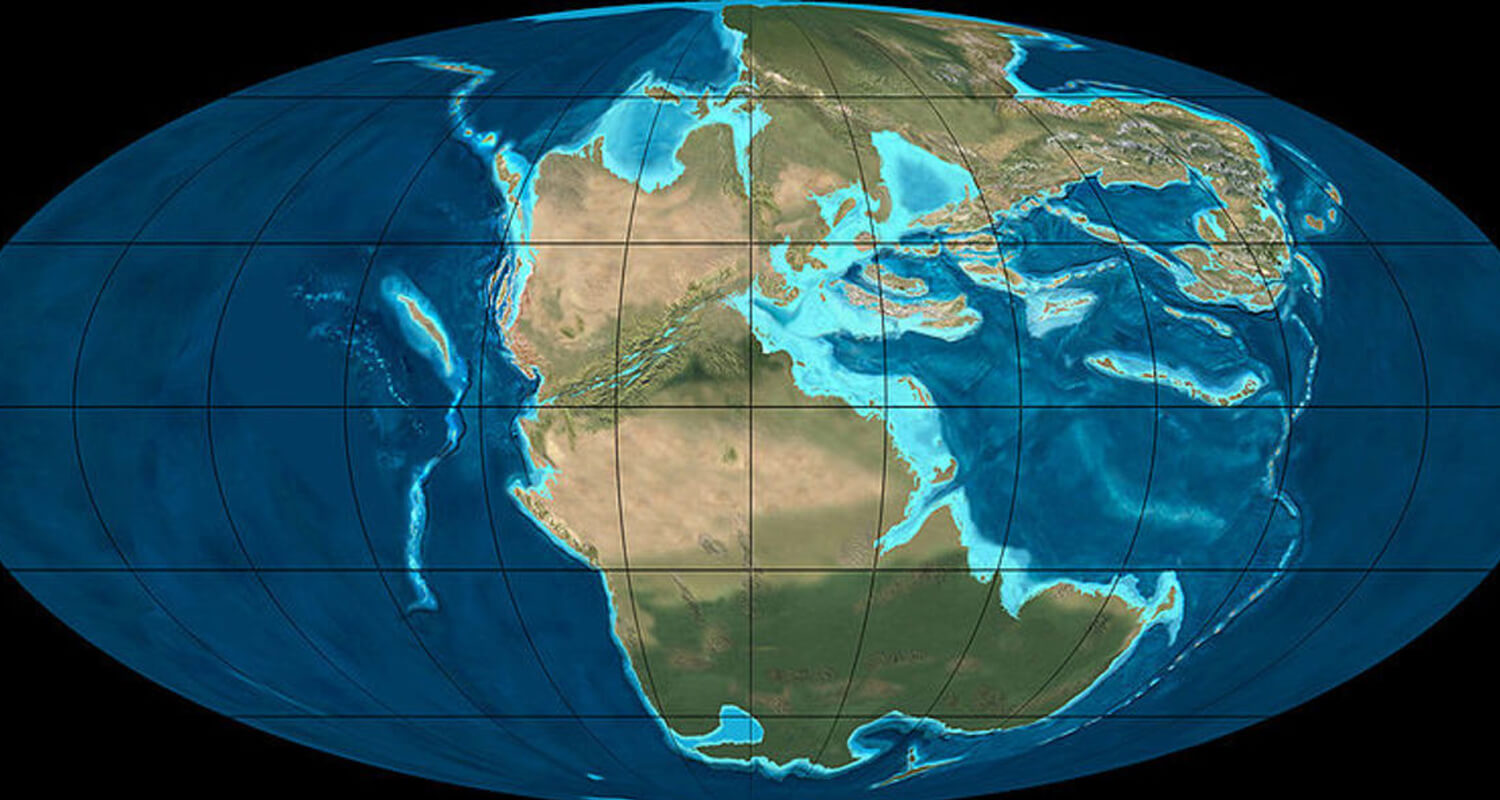 The Mesozoic Era, the "Age of Dinosaurs," spanned three major periods: the Triassic, Jurassic, and Cretaceous. Each period had distinct climate conditions that influenced dinosaur evolution.
Triassic Period (252-201 million years ago): The Earth was mostly hot and arid with vast deserts. Pangea, the supercontinent, dominated the planet, leading to extreme temperature fluctuations.
Jurassic Period (201-145 million years ago): A more humid and tropical climate developed, with lush vegetation supporting larger herbivorous dinosaurs like Brachiosaurus and Stegosaurus.
Cretaceous Period (145-66 million years ago): Although still warm, the climate began to cool slightly, with distinct seasonal changes. This period saw the rise of diverse dinosaur species, including Triceratops and Tyrannosaurus rex.
How Climate Shaped Dinosaur Evolution
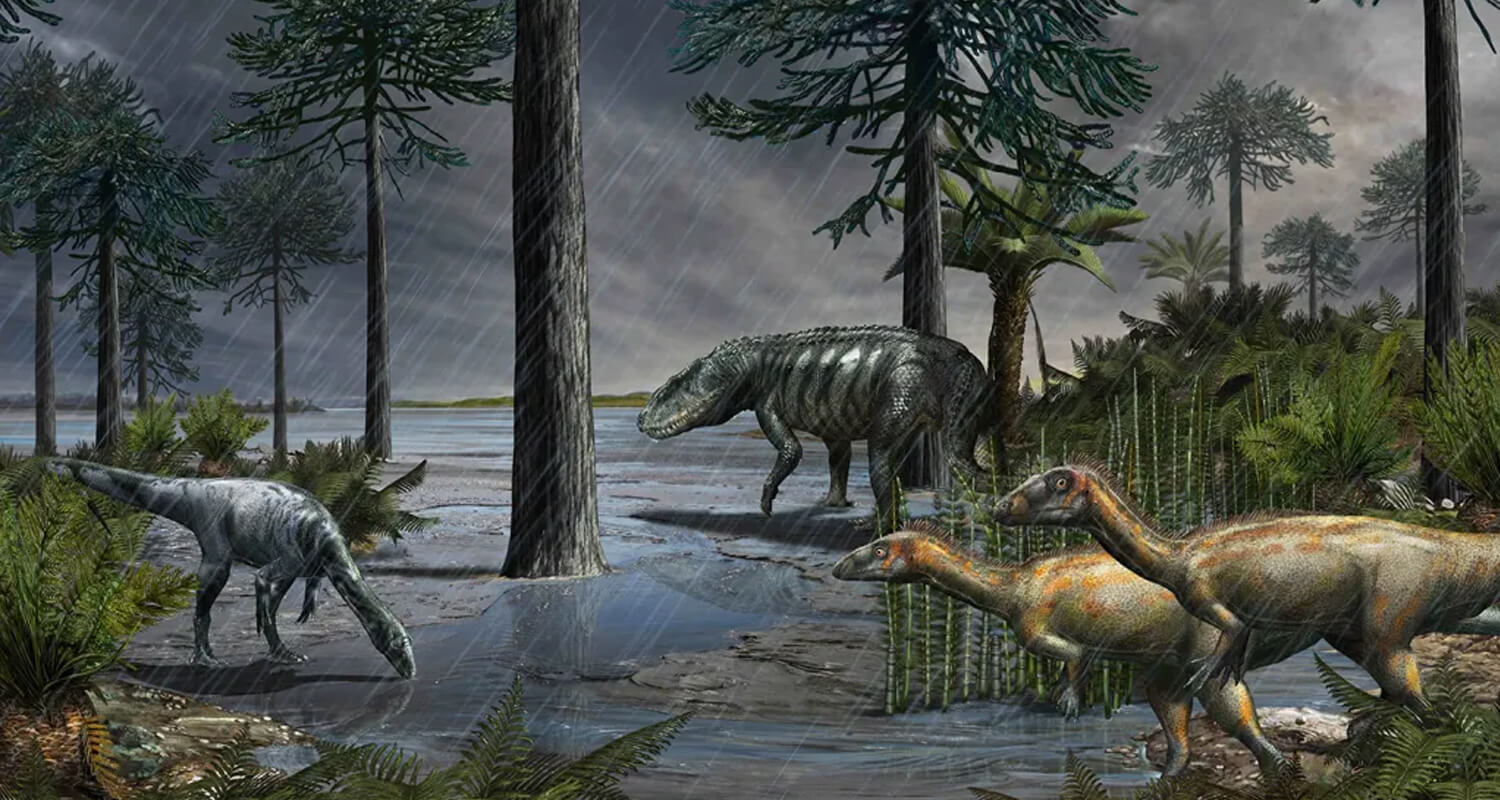 Climate directly influenced how dinosaurs evolved over millions of years:
Triassic Adaptations: Early dinosaurs, like Coelophysis, were small, lightweight, and bipedal to survive in hot and dry conditions.
Jurassic Adaptations: The increase in humidity and vegetation allowed large herbivores and their predators to grow in size. Dinosaurs like Diplodocus and Allosaurus thrived in this environment.
Cretaceous Adaptations: Cooler temperatures led to more diverse dinosaur species, including feathered dinosaurs such as Velociraptor, which adapted for different ecological niches.
The Role of Climate in Dinosaur Migration and Adaptation
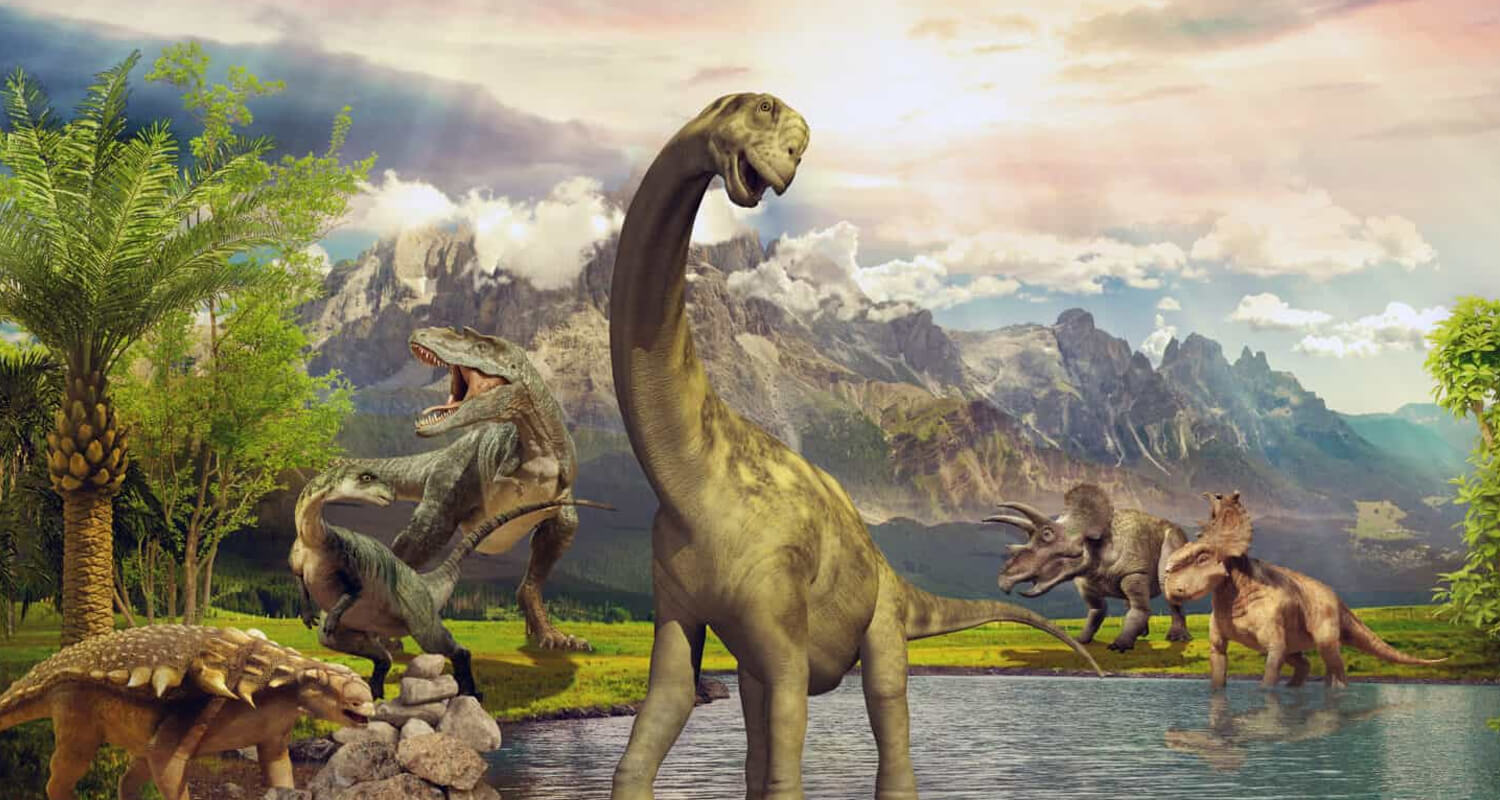 Changes in climate influenced dinosaur migration and adaptation strategies:
Polar Dinosaurs: Some dinosaurs, like Leaellynasaura, lived in polar regions and adapted to long periods of darkness and cold temperatures.
Desert Dwellers: Dinosaurs such as Nothronychus developed unique features to survive in arid environments.
Seasonal Adaptations: Certain dinosaurs evolved seasonal feeding patterns or migration habits to cope with environmental changes.
Climate Events That Led to Dinosaur Extinction
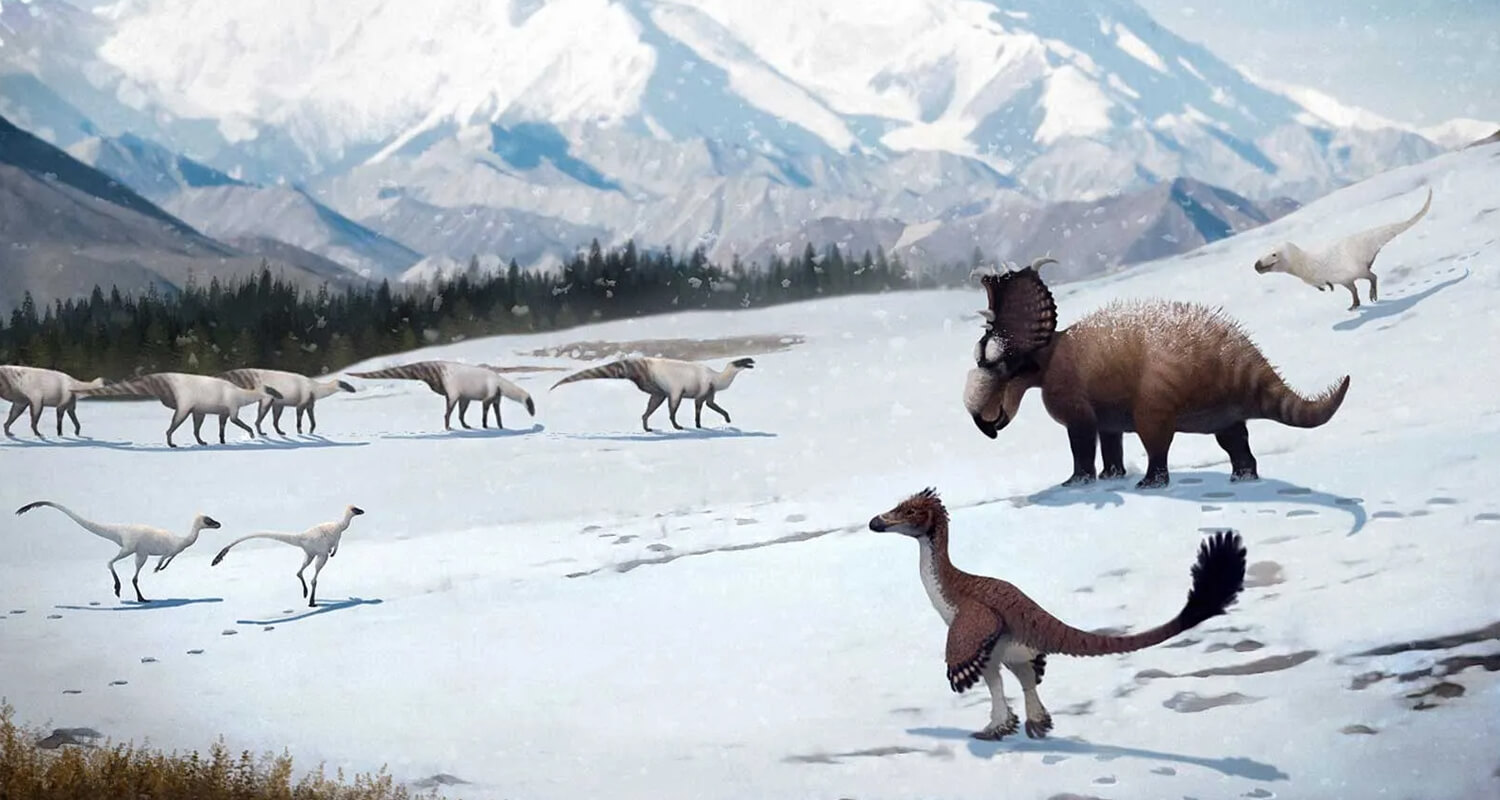 While dinosaurs adapted to various climate shifts, some catastrophic events ultimately led to their downfall:
Volcanic Activity: Massive volcanic eruptions released greenhouse gases, leading to global temperature fluctuations and habitat destruction.
Asteroid Impact: Around 66 million years ago, a massive asteroid struck the Earth, causing fires, tsunamis, and blocking sunlight. This led to a rapid temperature drop, disrupting ecosystems and food chains.
Climate Disruption: The combination of volcanic activity and the asteroid impact created an unstable environment that dinosaurs could not survive.
The Legacy of Dinosaurs and Climate Change Lessons
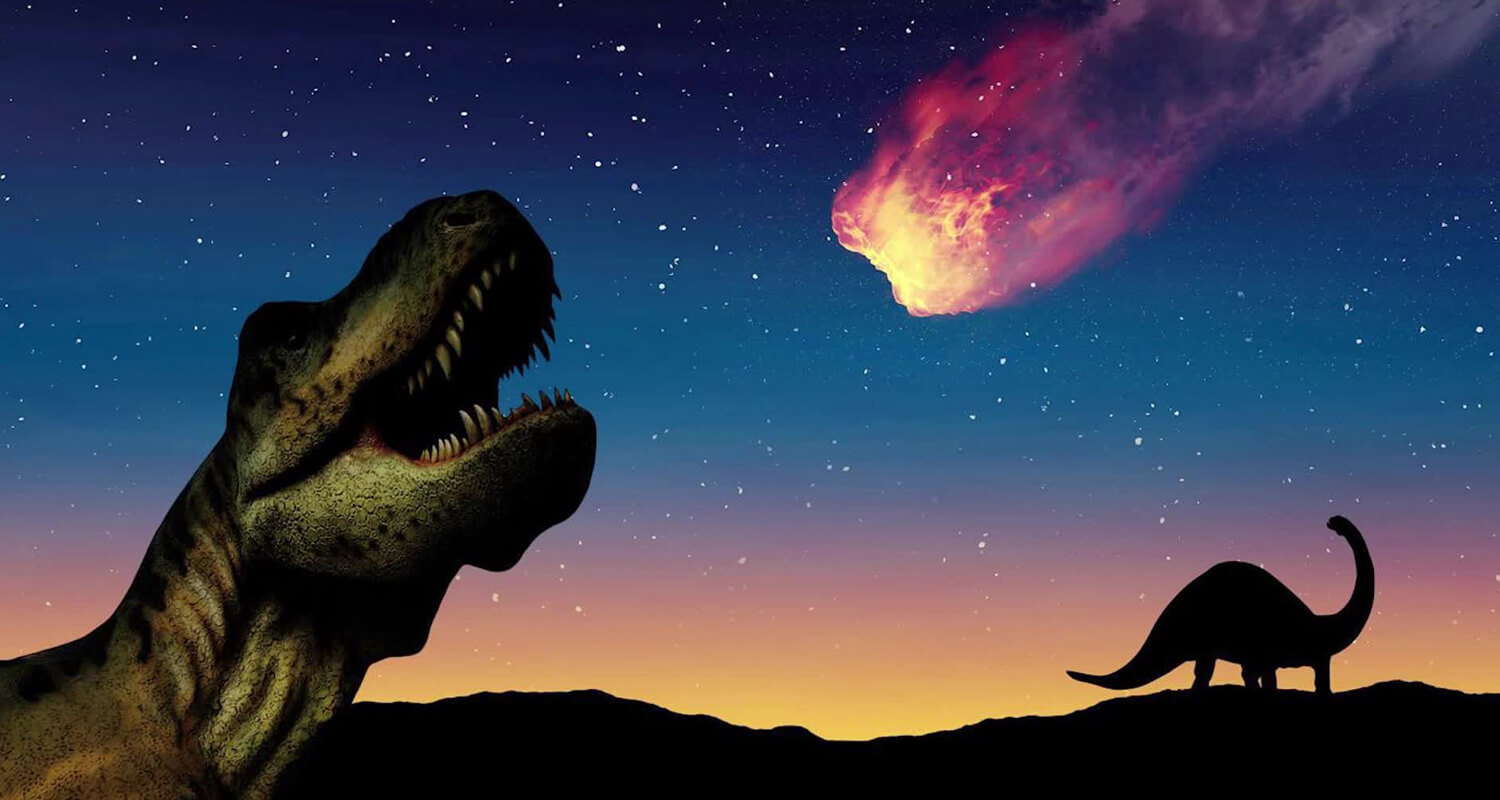 Studying dinosaur evolution in response to climate change offers valuable lessons for today:
Climate Adaptation: Dinosaurs thrived by adapting to shifting climates, just as modern species must adapt to current climate change.
Mass Extinctions: The dinosaur extinction event shows how rapid climate shifts can dramatically affect biodiversity.
Ecosystem Preservation: Understanding past climate changes helps scientists predict and mitigate the effects of global warming today.
Conclusion
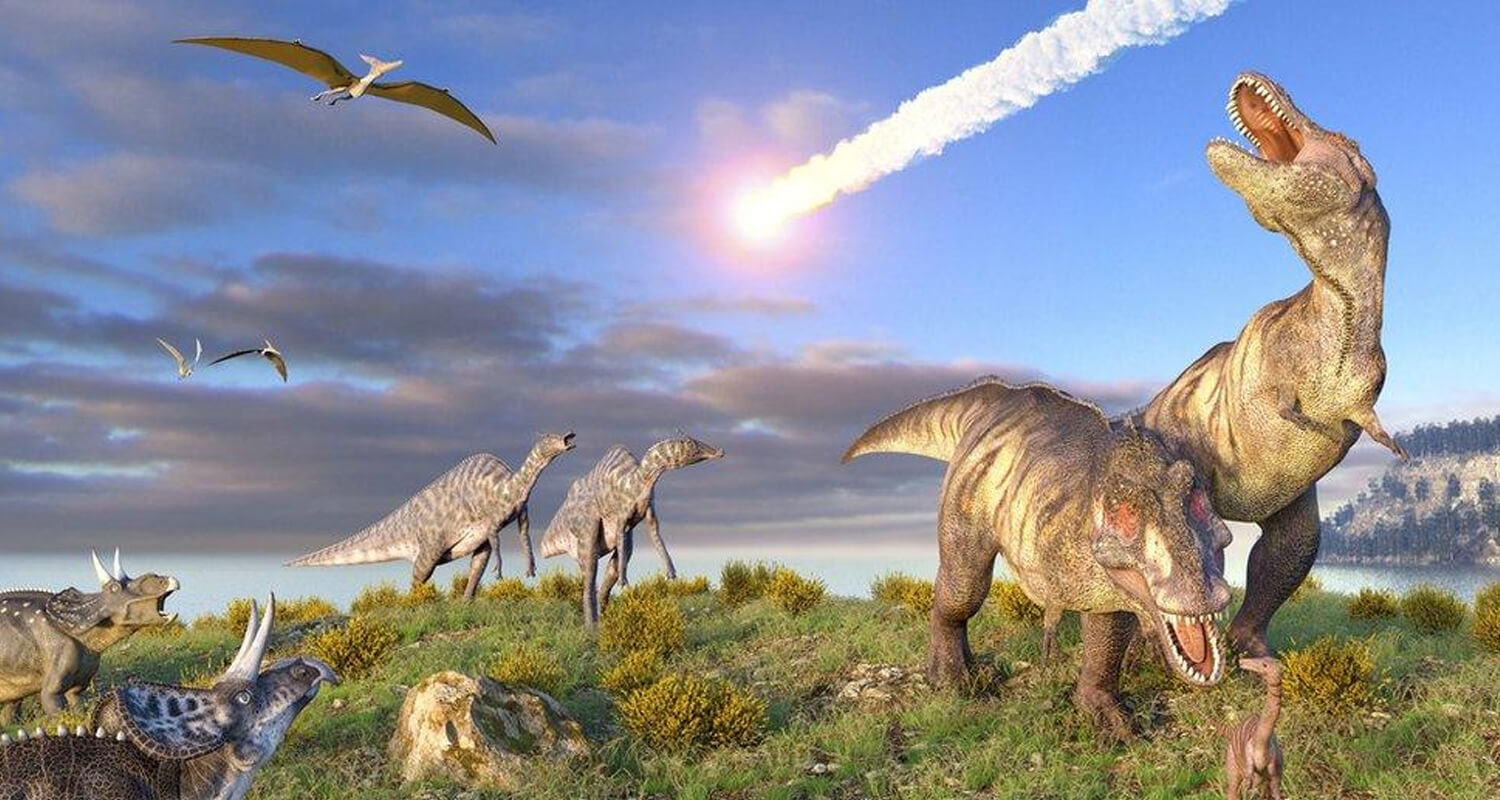 Climate change played a crucial role in the rise, evolution, and extinction of dinosaurs. Their ability to adapt to different environments allowed them to thrive for millions of years, but extreme climate events ultimately led to their demise. By studying their history, we gain insight into how climate affects life on Earth and the importance of preserving our planet's ecosystems today.
태그: