우리에 대해
게카이 문화는 최첨단 애니메트로닉 공룡, 매혹적인 애니메트로닉 생물, 활기찬 중국 축제 등불, 맞춤형 제품을 통해 과거를 되살리는 데 앞장서고 있습니다. 중국의 중심부에 자리잡은 전문 제조업체로서 우리는 박물관, 전시회, 동물원, 공원 등에서 우리의 실물과 같은 공룡과 동물을 전시하는 데 깊은 열정을 가지고 있으며, 모든 연령대의 사람들에게 호기심과 학습의 불꽃을 불러일으키는 것을 목표로 하고 있습니다.
무료 견적 받기
공룡 지식
공룡이 대체 역사 이론을 어떻게 발전시킬 수 있었습니까?
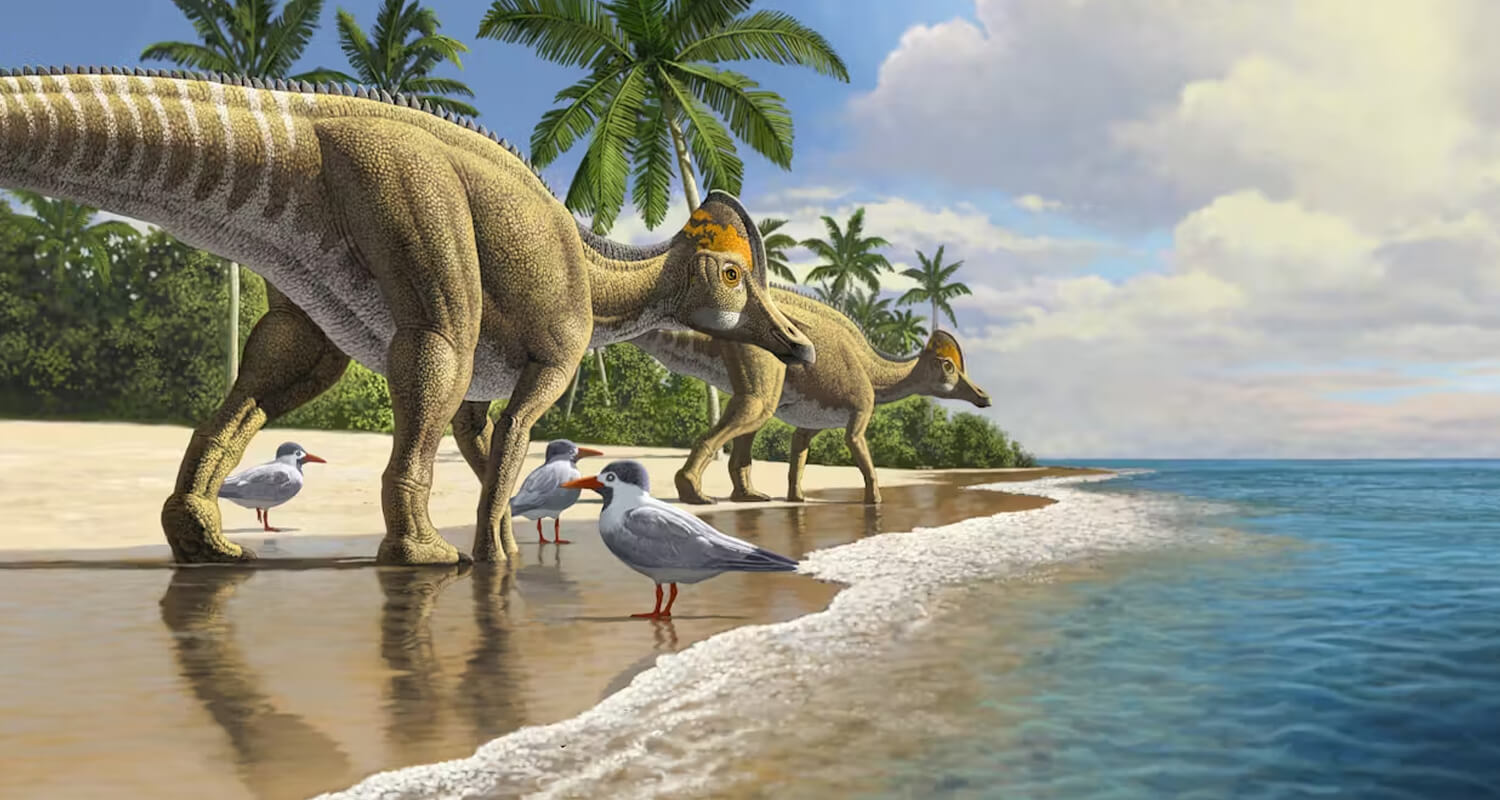 Dinosaurs were the dominant creatures on Earth for over 160 million years before their sudden extinction 66 million years ago. But what if they had never gone extinct? Scientists and speculative evolution enthusiasts have debated how dinosaurs might have continued to evolve in an alternate timeline. In this article, we will explore various theories on how dinosaurs could have adapted and thrived in a world without their mass extinction.
Dinosaurs Surviving the Mass Extinction
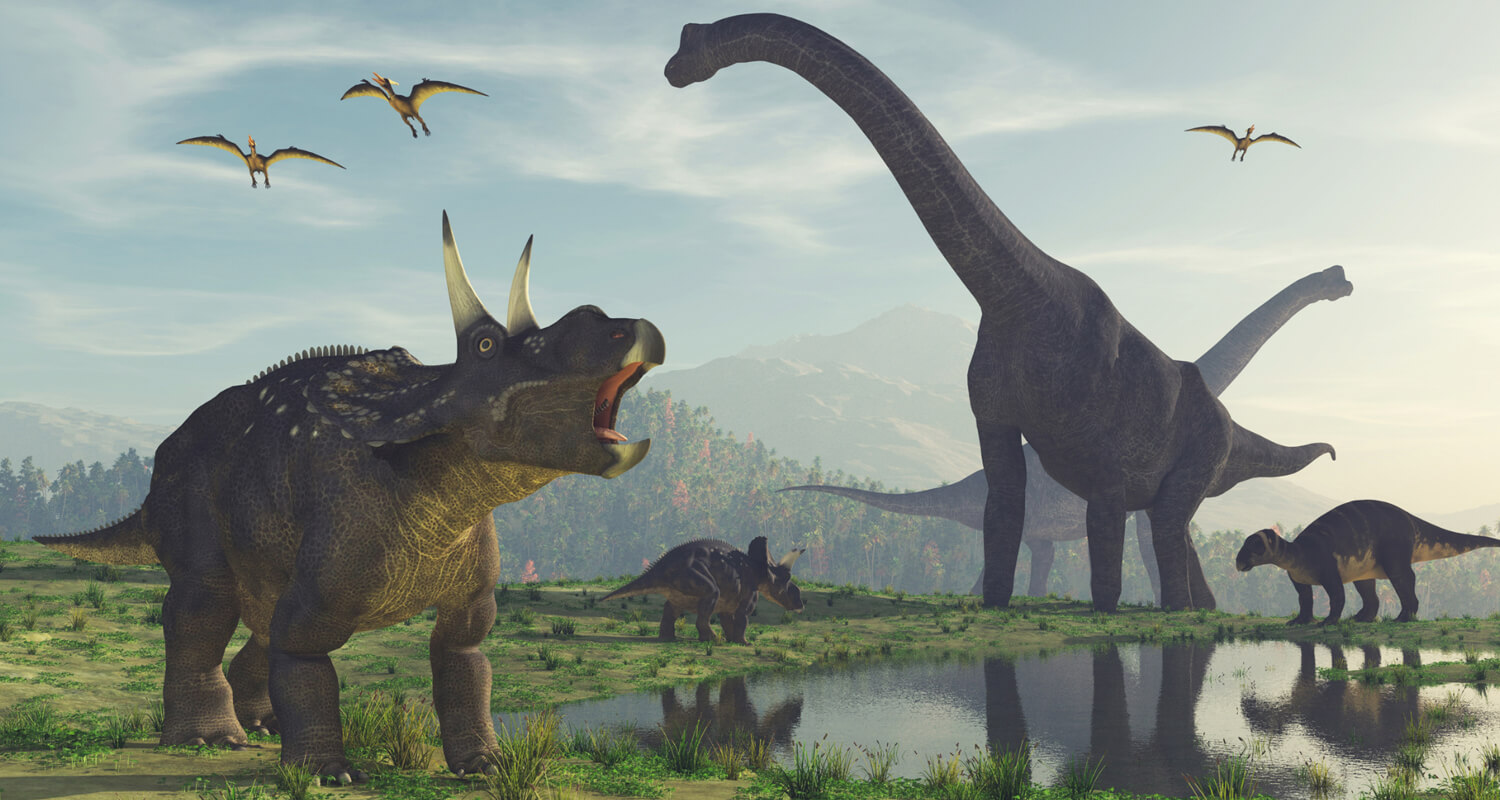 The widely accepted theory is that an asteroid impact caused drastic climate changes that led to the extinction of dinosaurs. However, in an alternate history where the asteroid missed Earth, or where dinosaurs managed to adapt to extreme environmental shifts, they might have continued evolving. Potential survival scenarios include:
Rapid adaptation to a colder post-impact world, leading to an increase in warm-blooded dinosaurs.
Evolution of burrowing or nocturnal behaviors to avoid extreme conditions.
Expansion into new ecological niches previously dominated by mammals.
The Rise of Intelligent Dinosaurs
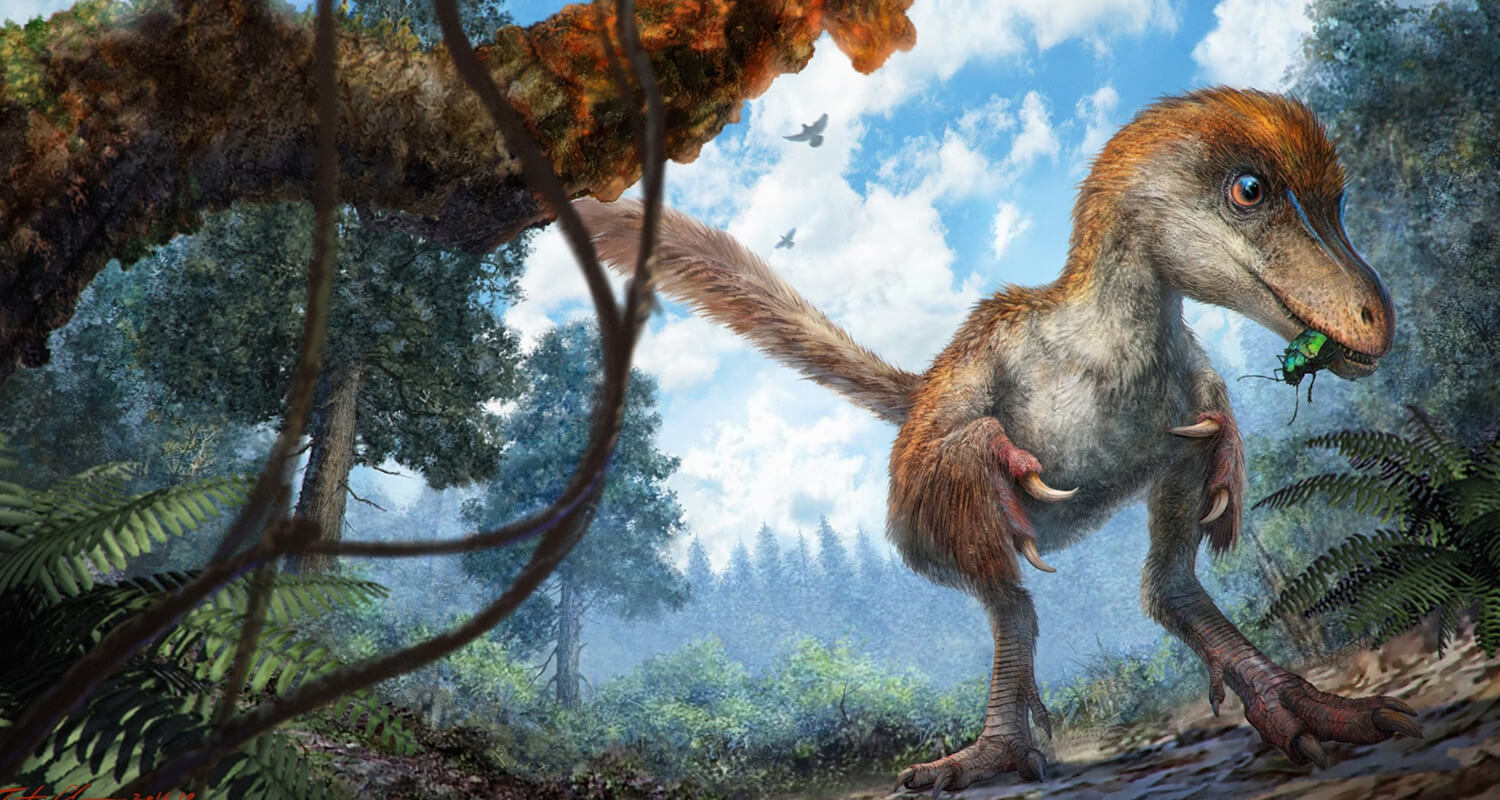 One of the most intriguing alternate evolution theories is the possibility of intelligent dinosaurs. The small, bird-like dinosaur Troodon had a relatively large brain compared to its body size, leading some scientists to speculate that it might have continued evolving toward greater intelligence. Some hypothesize that a species resembling a humanoid "dinosauroid" could have emerged, possessing advanced problem-solving skills and tool use, much like modern primates and early humans.
Dinosaur Evolution in a Mammal-Dominated World
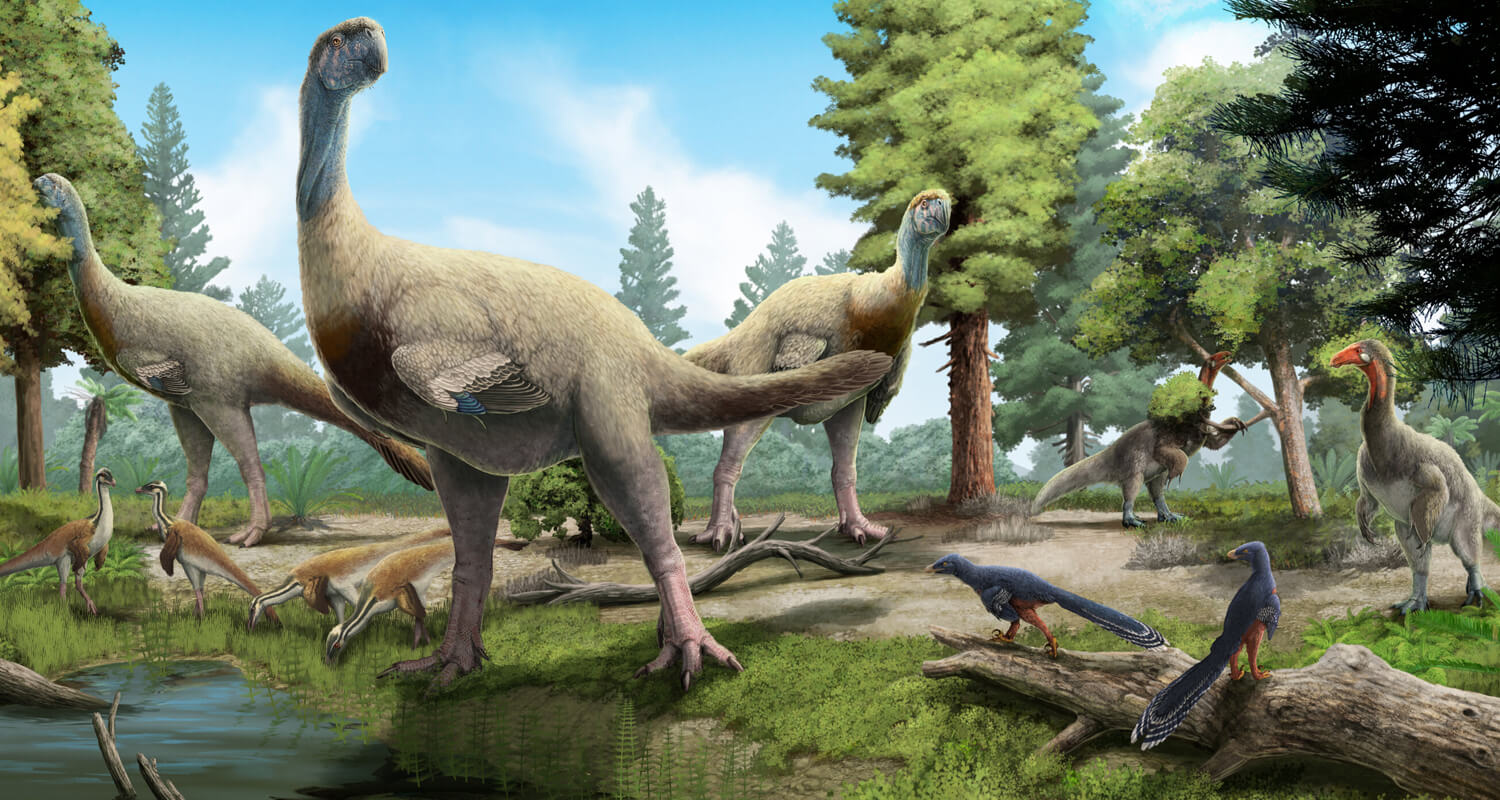 If dinosaurs had survived alongside mammals, competition for resources would have been fierce. However, this could have driven new evolutionary innovations, including:
The development of highly specialized dietary adaptations, such as omnivorous or herbivorous dinosaurs thriving in diverse environments.
The emergence of arboreal dinosaurs adapted for life in trees, similar to how some mammals evolved into primates.
The continuation of the feathered dinosaur lineage, possibly leading to more flight-capable or gliding dinosaurs beyond modern birds.
The Role of Climate and Geography in Alternate Evolution
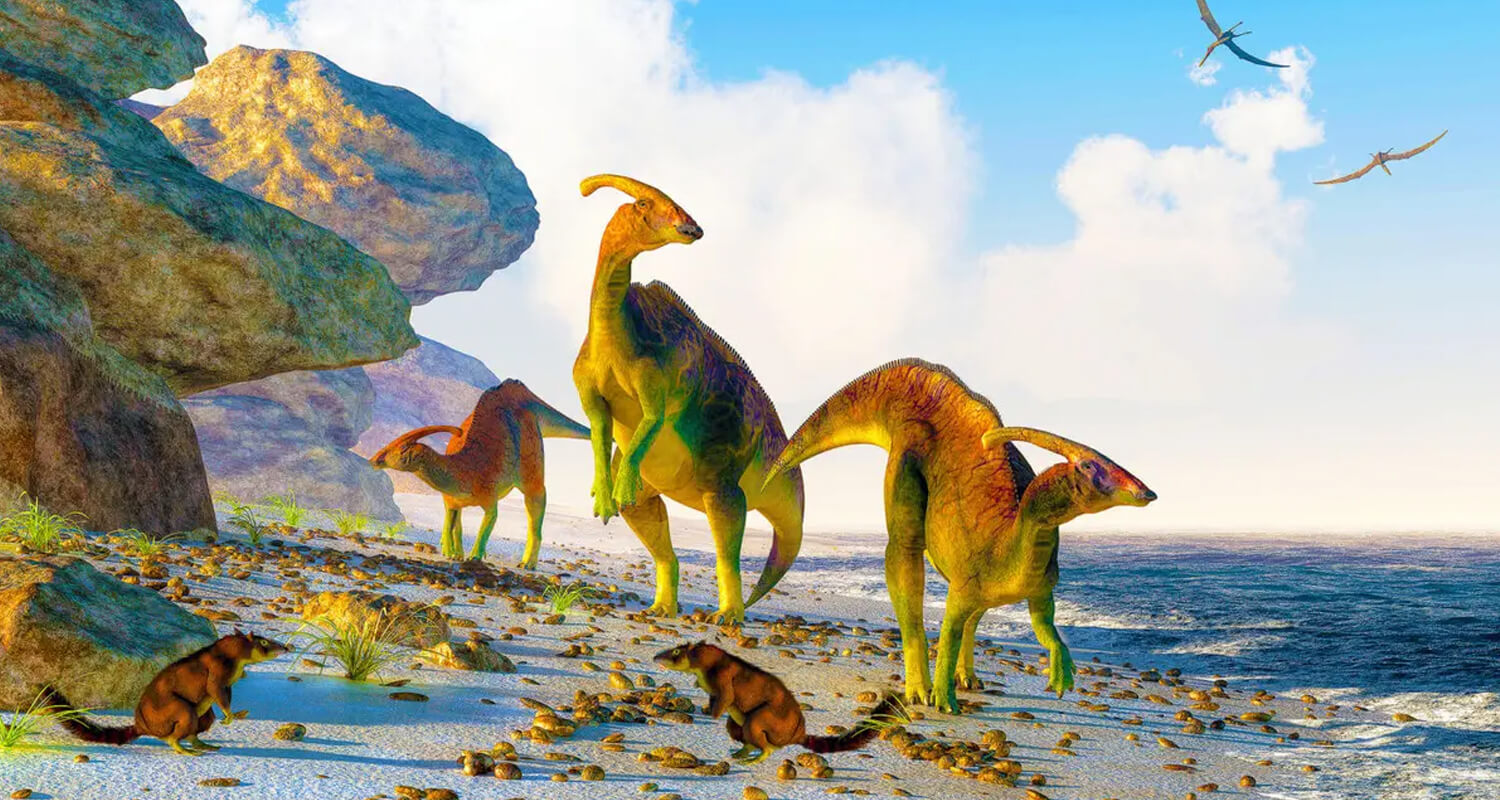 Climate changes and continental drift would have significantly influenced the evolutionary trajectory of dinosaurs. Possible developments include:
Adaptations to colder climates, leading to fully fur-covered or feathered dinosaurs.
Evolution of marine dinosaurs capable of competing with modern aquatic predators.
Expansion of desert-adapted dinosaurs evolving to thrive in arid landscapes.
Dinosaurs in the Modern World: What Could They Look Like?
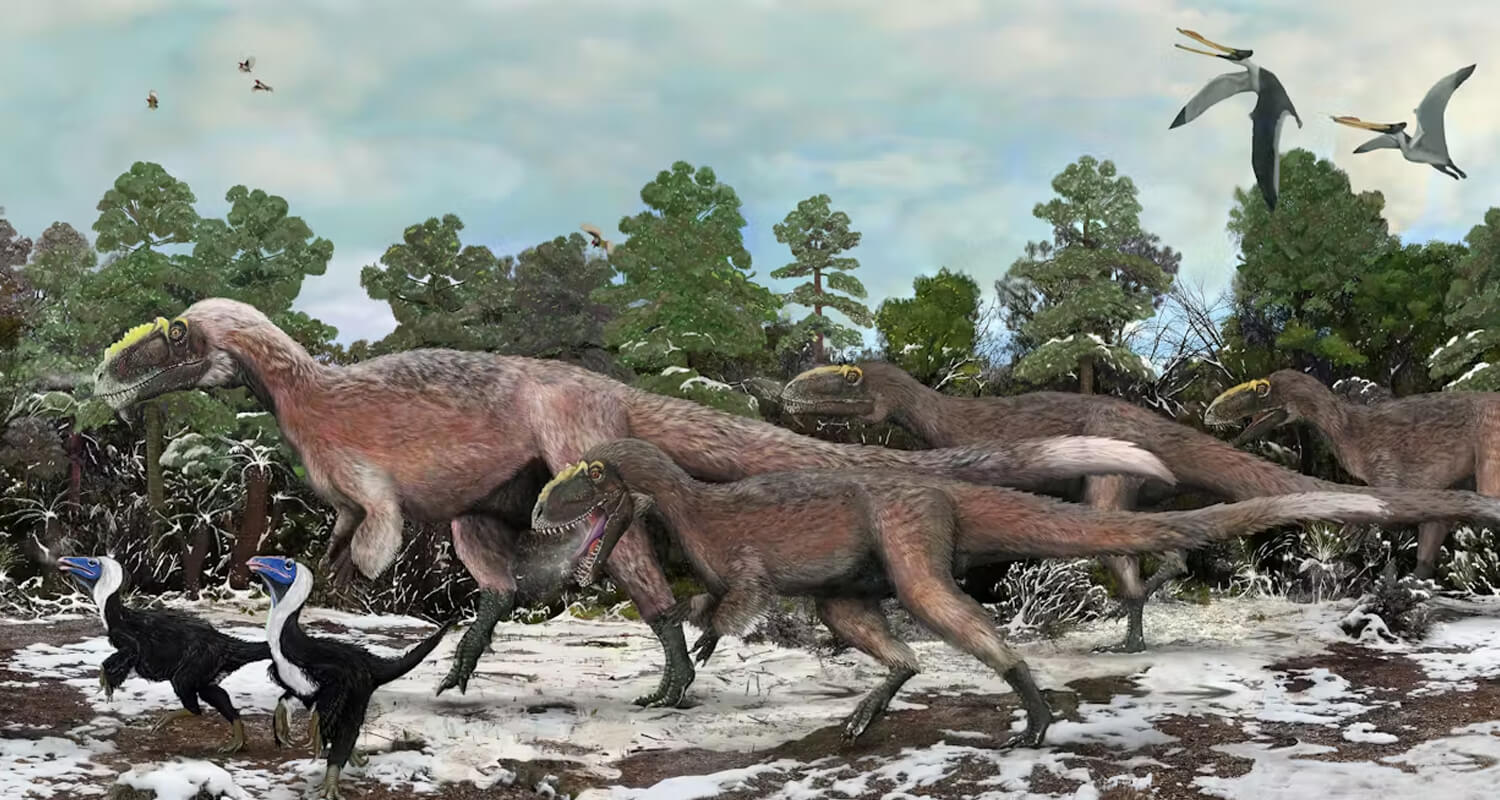 If dinosaurs had continued evolving to the present day, their appearances and roles in the ecosystem might have varied drastically:
Some might have taken on roles similar to large mammals, such as dinosaurian versions of modern-day elephants or giraffes.
Advanced pack hunters might have replaced large mammalian predators like lions and wolves.
Hypothetically, dinosaurs could have even been domesticated, leading to a world where humans coexist with trained, non-aggressive species for transport or companionship.
Conclusion
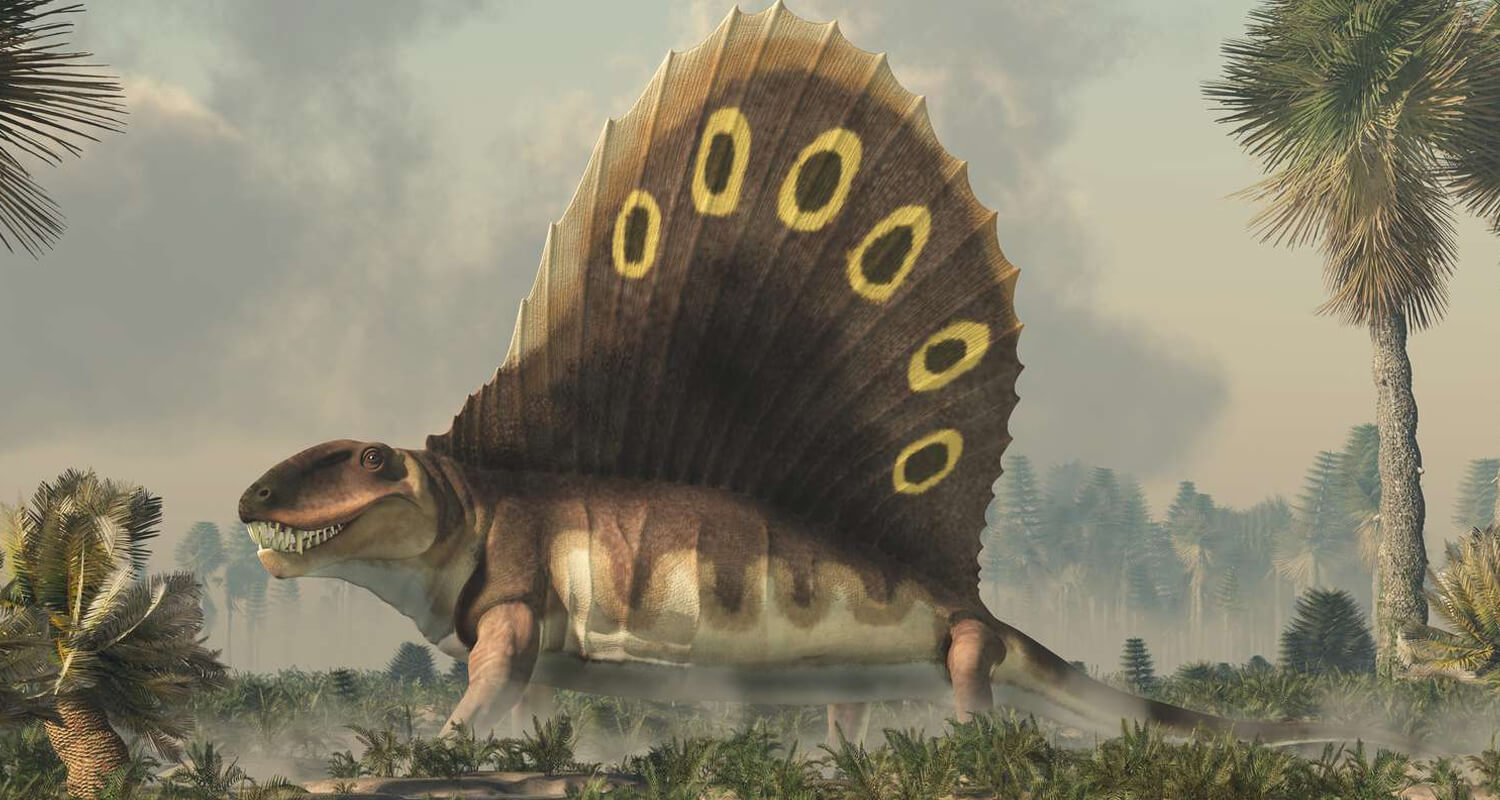 The extinction of dinosaurs set the stage for mammalian dominance, but had they survived, the world would be a vastly different place. While we may never know exactly how they could have evolved, speculating about alternate histories helps scientists understand evolutionary patterns and the adaptability of life on Earth. Whether through intelligence, new physical adaptations, or a different ecological balance, dinosaurs might have continued to shape the planet in ways we can only imagine.
태그: